Knights Ferry, human settlement in California, United States of America
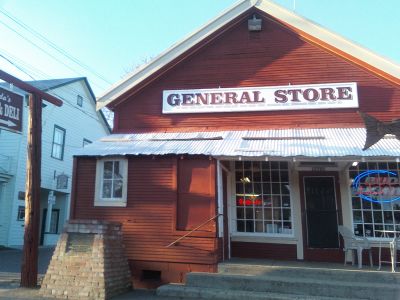
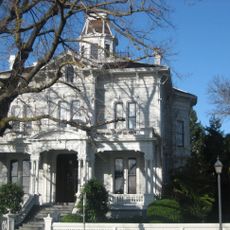
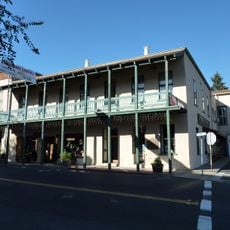
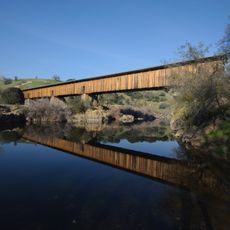
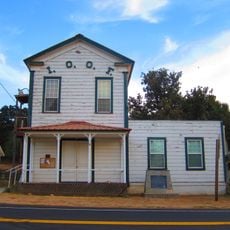
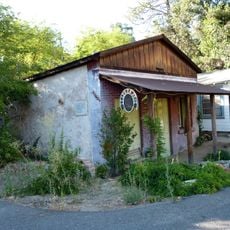
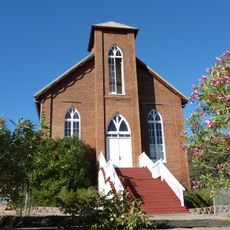
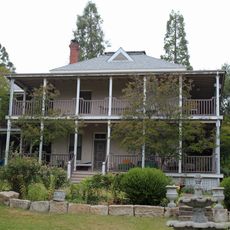
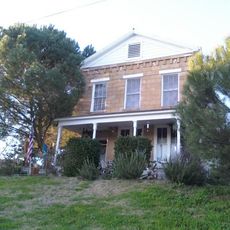
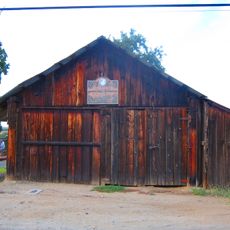
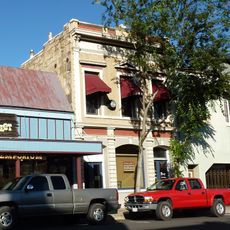
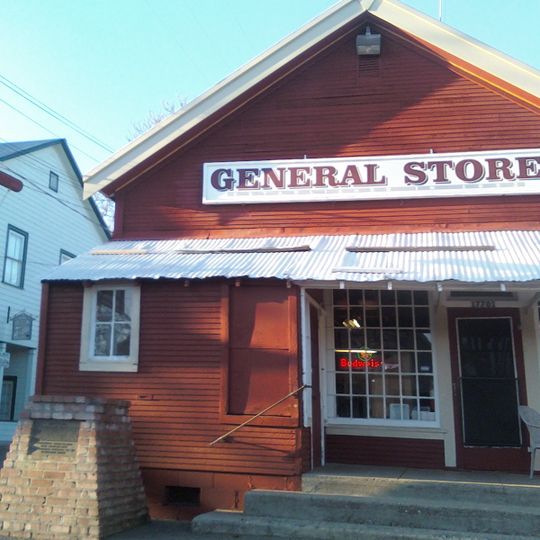
Knights Ferry is a historic district in California along the Stanislaus River, founded in 1849 during the gold rush era. The community retains original buildings from that period, including a wooden covered bridge built in 1863 that spans 330 feet (100 meters), ruins of an old flour mill, and structures like an early fire station and general stores.
Knights Ferry was founded in 1849 by Dr. William Knight, who operated a ferry crossing the Stanislaus River and established it as a key trading hub during the gold rush. A bridge was first built in 1857, but after flood damage, the current wooden covered bridge was constructed in 1863 and remains in place today.
Knights Ferry is named after Captain William Knight, who operated a ferry and trading post at the river crossing in the 1800s. The town's layout and remaining buildings reflect how this crossing point brought together miners, traders, and travelers during California's early days.
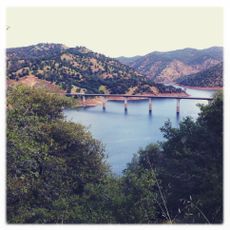
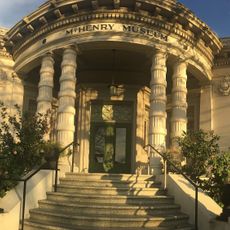
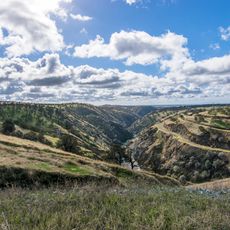
The town is walkable and visitors can enter and cross the covered bridge on foot. Nearby, a recreation area managed by the Army Corps of Engineers offers parking, picnic areas, grills, and an information center with exhibits about the town's history and local wildlife including the salmon migration.
The covered bridge at Knights Ferry was the longest bridge west of the Mississippi River when completed in 1863 at 330 feet long, making it a rare surviving structure from that era still open to foot traffic. The town nearly became California's state capital before other cities grew in importance.
The community of curious travelers
AroundUs brings together thousands of curated places, local tips, and hidden gems, enriched daily by 90,767 contributors worldwide.