Pan-American Exposition, World's Fair in the United States of America
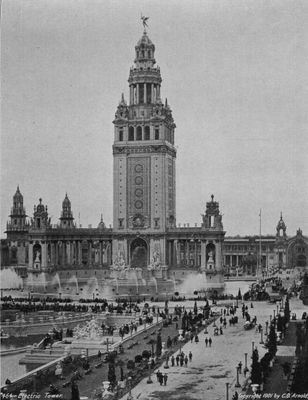
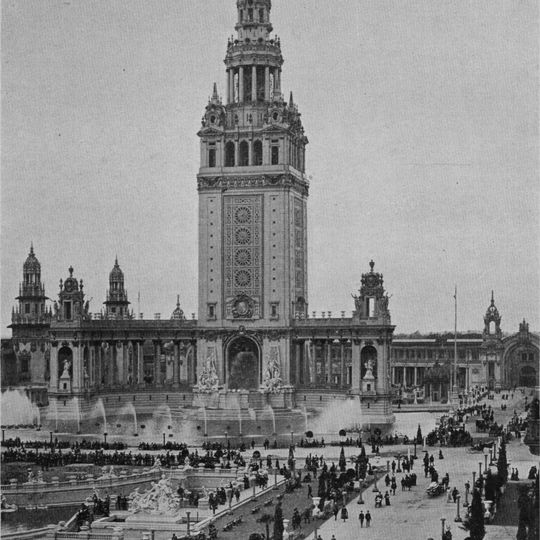
The Pan-American Exposition was a World's Fair in Buffalo, New York, that displayed industrial products, artworks, and technological innovations from various nations. The grounds featured pavilions representing different countries and included exhibits on agriculture, manufacturing, and cultural traditions.
The fair took place in 1901 and embodied the optimism of the early 20th century regarding technological progress and international cooperation. It represented a peak in the series of major World's Fairs held in America during that era.
The exposition displayed the economic progress and connections between American nations, reflecting the United States' pride in its global position. Visitors could experience the interdependence and exchange between North and South America through the pavilions and exhibits on the grounds.
The grounds were expansive and required several hours to explore all pavilions and exhibits thoroughly. Visitors should plan to wear comfortable shoes and set aside adequate time to view the different areas without rushing.
The site is connected to the assassination of President William McKinley, which occurred at the fair during its operation. This tragic event cast a dark shadow over what had been a celebratory spectacle of progress and innovation.
The community of curious travelers
AroundUs brings together thousands of curated places, local tips, and hidden gems, enriched daily by 60,000 contributors worldwide.