Paul Revere House, Colonial residence in North End, Boston, United States
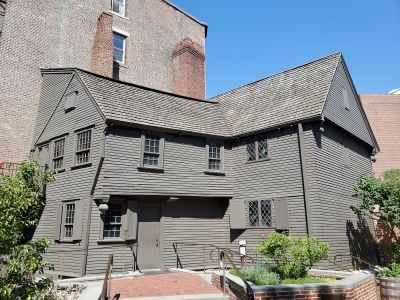
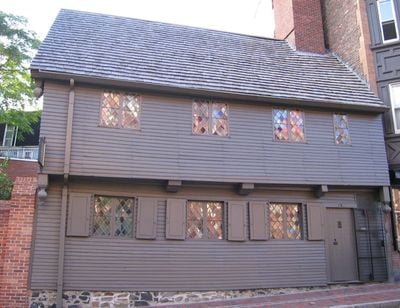
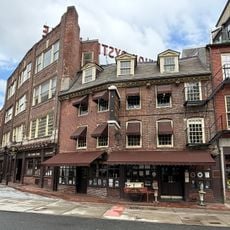
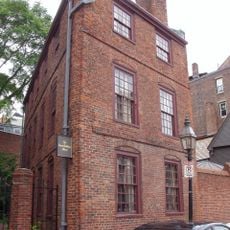
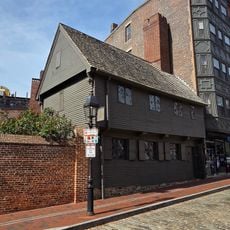
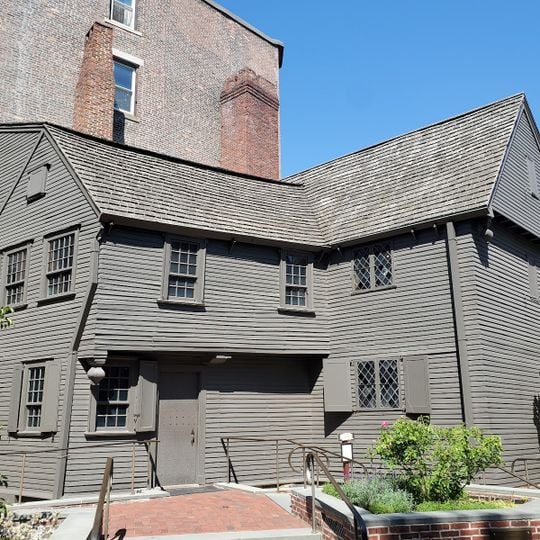
The Paul Revere House is a 17th-century residence in Boston's North End that now serves as a museum. The wooden structure shows an overhanging second floor, small windows with diamond-shaped panes, and a steep roof typical of construction around 1680.
The house was built in 1680 and served from 1770 as the home of a silversmith who played a role during the American Revolution. He lived here with his family until around 1800, before the building later underwent other uses and was eventually preserved as a museum.
The building carries the name of the silversmith who lived here with his family, and his craft remains visible through displayed works. Visitors see furniture and household objects from the period that show how a family in colonial New England lived and worked.
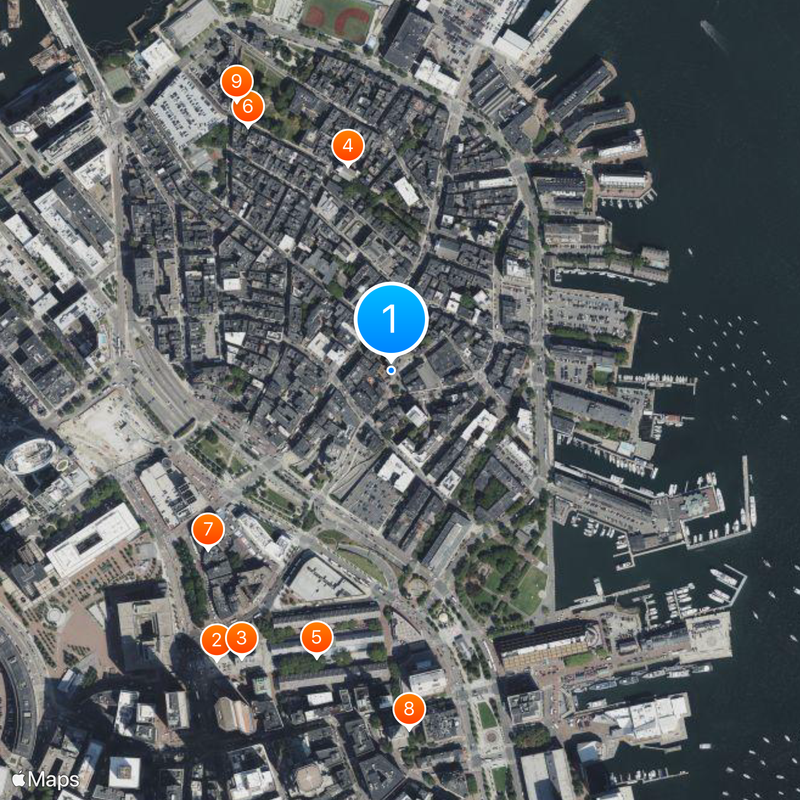
Guided tours run throughout the year, and entrance tickets can be purchased on site, with reductions for certain visitor groups. The building sits in an older neighborhood with narrow streets, so comfortable footwear is helpful.
About nine-tenths of the building materials date back to the original construction in 1680, including wooden beams and parts of the plaster walls. This preservation makes the building one of the most authentic examples of 17th-century residential architecture in the city.
The community of curious travelers
AroundUs brings together thousands of curated places, local tips, and hidden gems, enriched daily by 90,742 contributors worldwide.