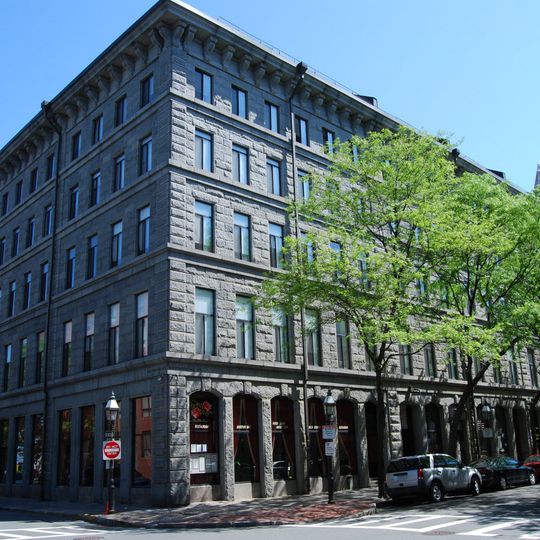
Fulton-Commercial Streets District, historic district in Massachusetts, United States
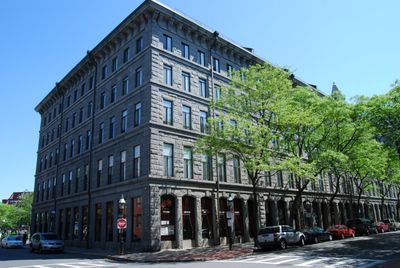
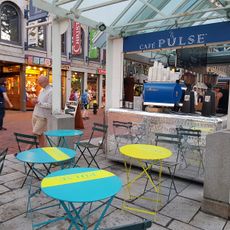
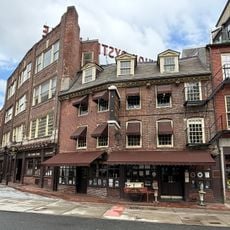
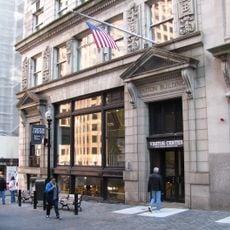
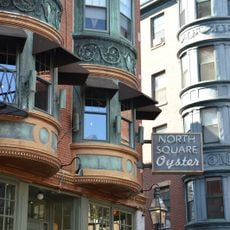
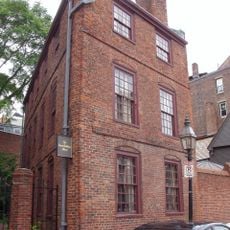
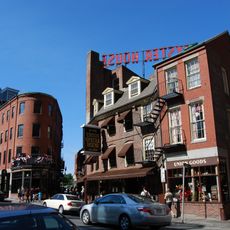
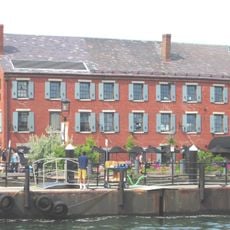
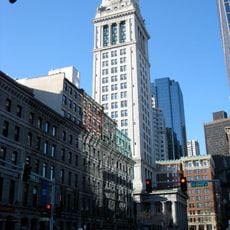
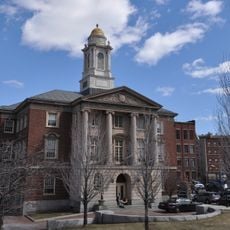
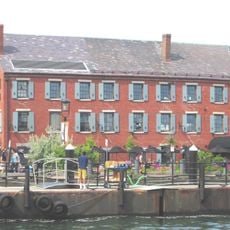
The Fulton-Commercial Streets District is a historic neighborhood in Boston's North End featuring narrow streets lined with Renaissance Revival brick buildings dating from the late 1800s and early 1900s. The area contains a mix of shops, cafes, and residences closely clustered together, creating an active street environment with varied storefronts and architectural details.
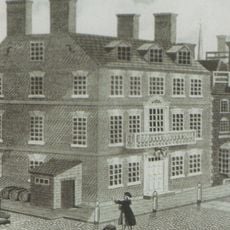
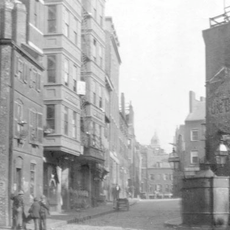
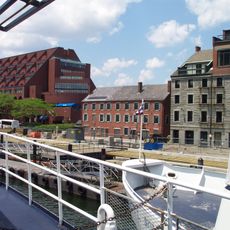
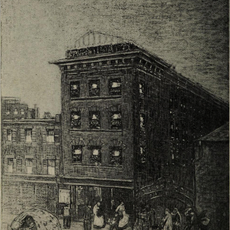
The district was built in the 1800s on landfill near Boston Harbor as part of the city's expansion, reflecting its important role during the shipping and trading era. It received National Register listing in 1973 and saw boundary expansion in 2000 to include additional historic properties.
The streets reflect Italian heritage through restaurants, bakeries, and summer festivals that celebrate local traditions with music and processions honoring saints. Residents maintain these customs while welcoming visitors to experience how community memory shapes daily life here.
Walking is the best way to explore since narrow streets are not suited for vehicles and offer a connected neighborhood feel. Plan time to wander through small shops and cafes at a relaxed pace, and expect busier conditions on weekends and during summer festivals.
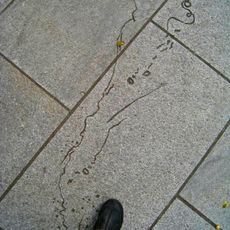
The neighborhood was literally created by landfill operations that reshaped Boston's shoreline, demonstrating how the city expanded by extending its coastline into the harbor. This land reclamation made the area prime for trade and commerce during the maritime era.
The community of curious travelers
AroundUs brings together thousands of curated places, local tips, and hidden gems, enriched daily by 91,637 contributors worldwide.