Beverwijck, Dutch colonial trading post in New York, United States
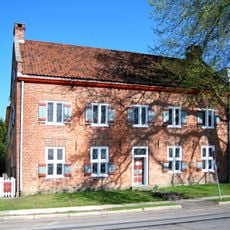
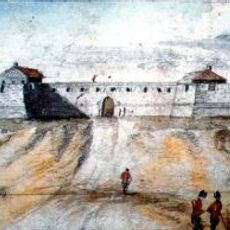
Beverwijck was a Dutch colonial trading settlement located along the Hudson River in what is now the Albany area of New York. The community grew from informal trading activities into an organized village with residential structures and infrastructure serving merchants and craftspeople.
The settlement emerged from Dutch fur trading operations on the Hudson River and was formally established as a village by Peter Stuyvesant in 1652. This founding marked the transition from early informal trading posts to a structured colonial community.
The settlement developed a diverse population that included Dutch traders, craftsmen, and merchants who constructed houses, roads, bridges, and established a local school.
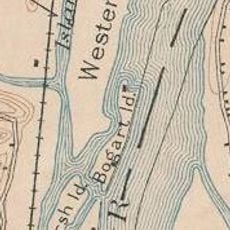
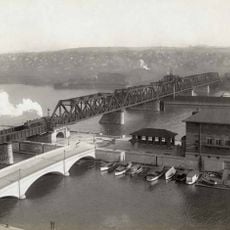
The location sits at the intersection of important waterways, which made it easily accessible by boat and facilitated commerce across regions. Visitors should understand the settlement occupied a central geographic position within a river valley system.
The name Beverwijck literally means beaver district, reflecting how central fur trading—especially beaver pelts—was to the settlement's early economy. This trade was so important to the area that it became embedded in the community's name.
The community of curious travelers
AroundUs brings together thousands of curated places, local tips, and hidden gems, enriched daily by 92,314 contributors worldwide.