Samarkand, Historical metropolis in eastern Uzbekistan
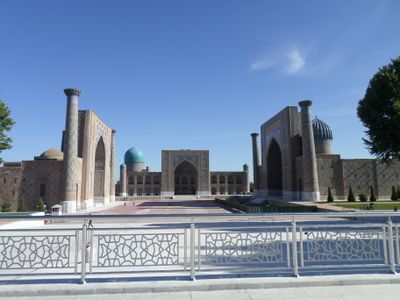
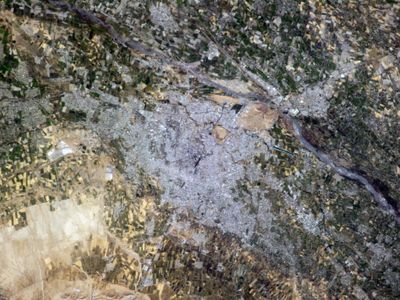
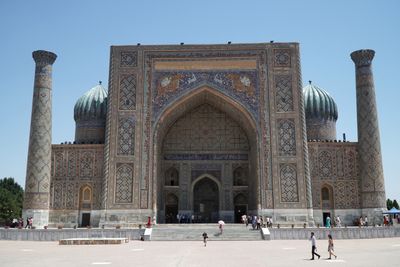
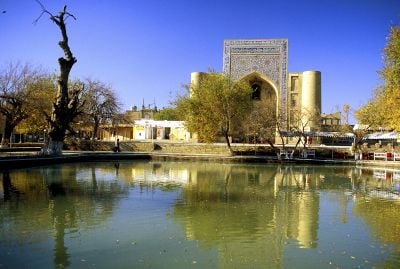
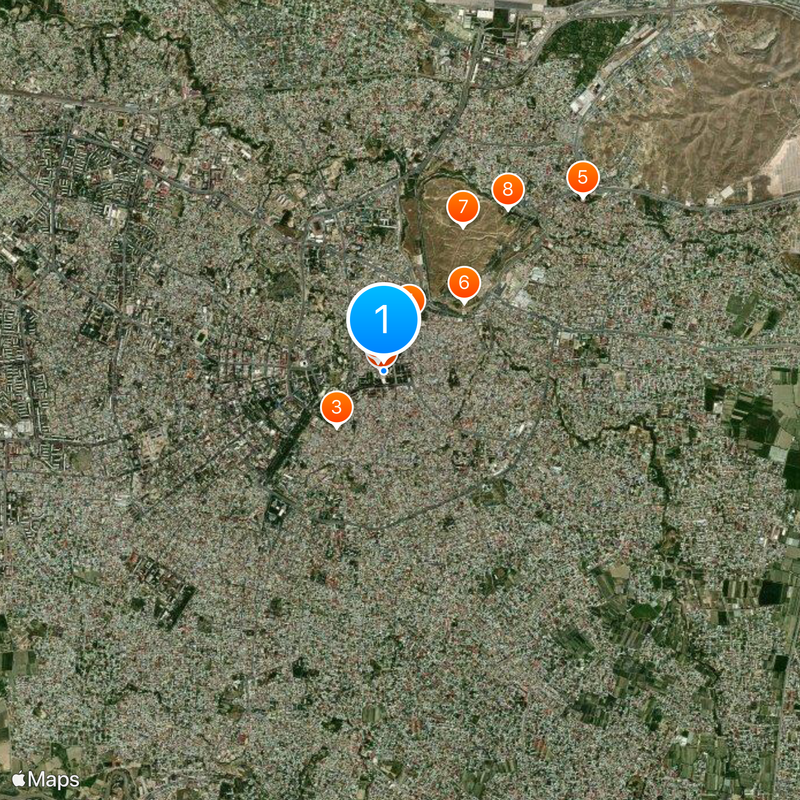
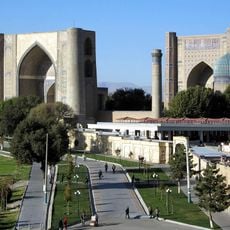
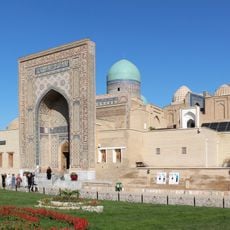
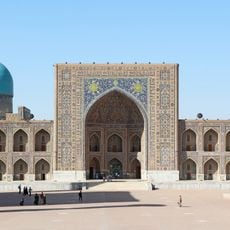
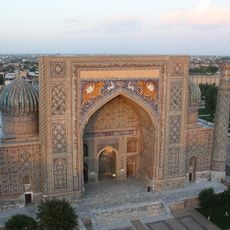
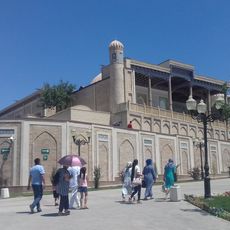
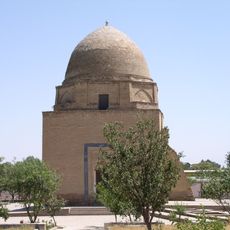
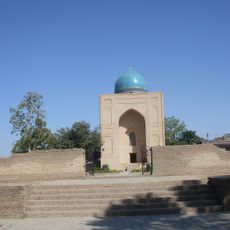
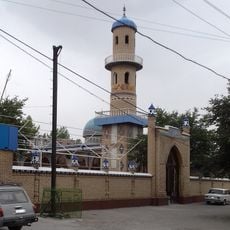
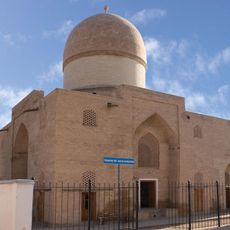
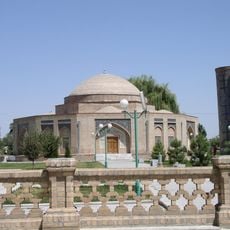
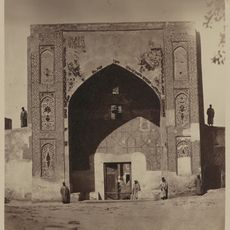
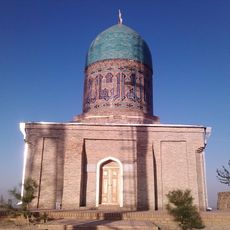
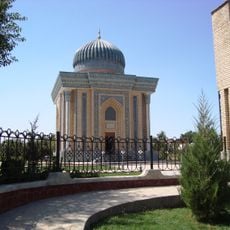
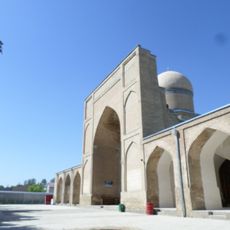
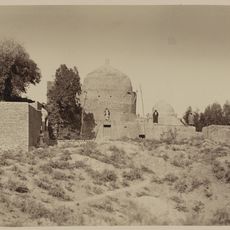
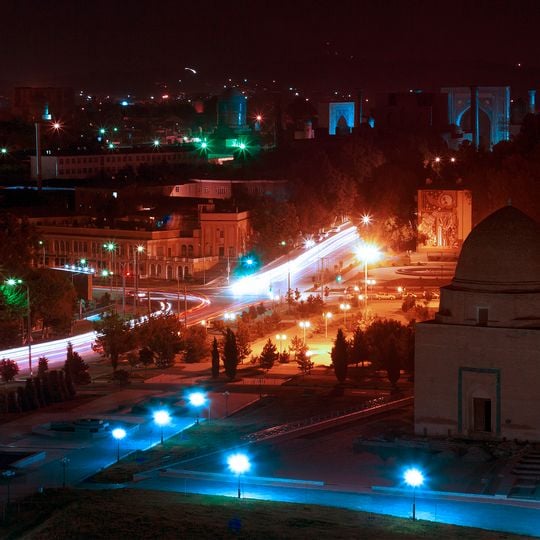
The city is the third largest in Uzbekistan and features medieval monuments with blue-tiled domes, minarets, and detailed geometric patterns. Several preserved building complexes stand within the historic center, surrounded by residential neighborhoods and wide boulevards that extend from the railway station in all directions.
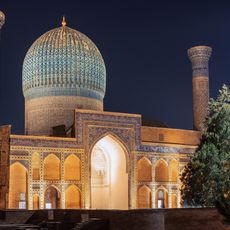
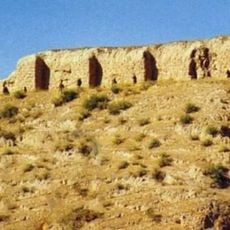
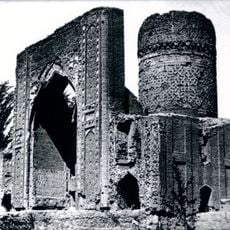
Alexander the Great took control of this major trading center along the Silk Road in 329 BCE, before several empires ruled the region. Timur made it his capital in 1370 and turned it into a flourishing political and cultural hub.
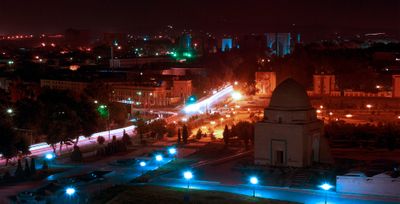
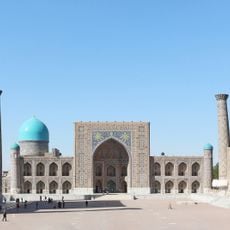
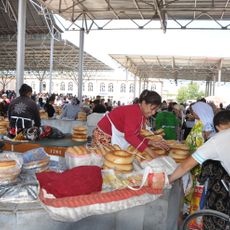
Families gather around Registan Square in the evenings, sitting on benches and walking along the illuminated facades while children play nearby. Local bakers still use tandoor ovens to prepare traditional flatbreads, and shopkeepers invite passersby to sample dried fruits and nuts as part of a longstanding custom of hospitality.
The central bazaar near Bibi-Khanym Mosque offers traditional textiles, ceramics, spices, and dried fruits from local merchants throughout the year. Most historic sites cluster close together in the old town, making them easy to explore on foot, though streets can be very sunny and hot during summer months.
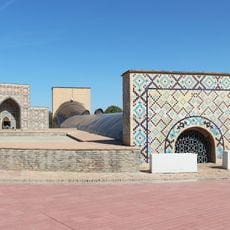
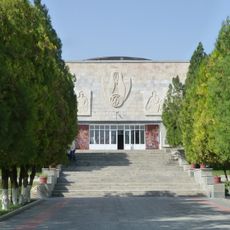
The Ulugbek Observatory from the 1420s contains a 63-foot (19-meter) arc track used to measure celestial movements with remarkable precision. Astronomical calculations made here remained reference works for scholars across Asia and Europe for centuries.
The community of curious travelers
AroundUs brings together thousands of curated places, local tips, and hidden gems, enriched daily by 60,000 contributors worldwide.