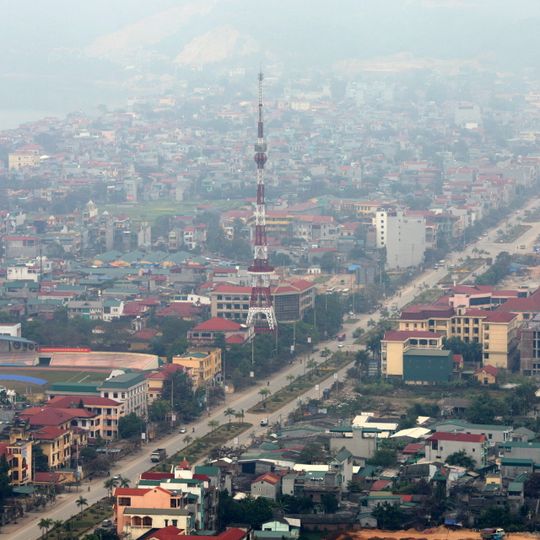
Hòa Bình, provincial city of Hoa Binh, Vietnam
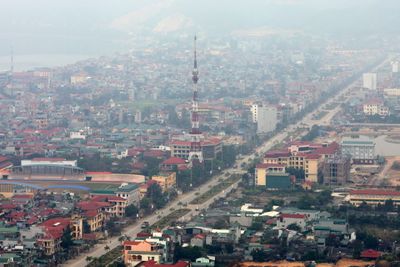
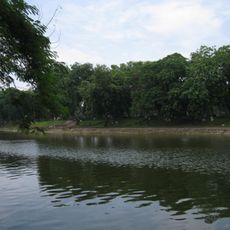
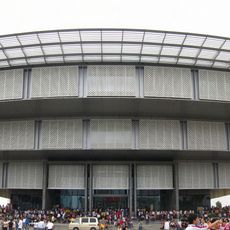
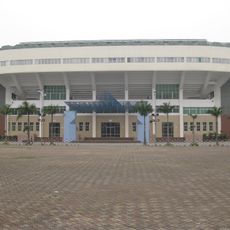
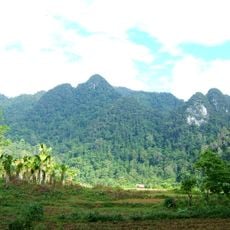
Hòa Bình is a city in northern Vietnam located along the Đà River, about 73 kilometers north of Hanoi. The city stretches along the river with many nearby hills and consists of several neighborhoods and small villages, with the main part situated beside the water.
In the late 1800s the French established a new province, with the capital moving several times between different locations before the province was officially named Hòa Bình in 1896, derived from the village name meaning 'Peace'. The city itself became the provincial capital much later, in the 2000s, and was officially designated a second-level city in 2006.
Hòa Bình is home to several ethnic groups including Kinh, Mường, Dao, Thái, and Tày, each maintaining their own languages and customs. The city regularly hosts traditional events where visitors can hear music played on drums and flutes, observe traditional houses, and learn about local crafts and practices.
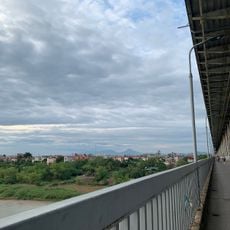
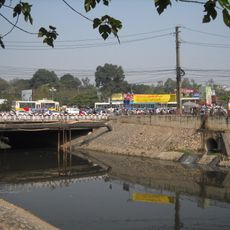
The city is well connected by Highway 6 running west to east and linked by the modern Hòa Bình 3 bridge crossing the Đà River, making it easy to move between different parts of the city and nearby regions. Many buses and motorbikes travel daily on the streets connecting it to surrounding villages.
The Hòa Bình dam built in the 1980s on the Đà River is a massive concrete structure that generates electricity for many parts of Vietnam and regulates water flow to prevent floods. Visitors can see this impressive infrastructure and learn how it operates, serving as a symbol of modern progress in the region.
The community of curious travelers
AroundUs brings together thousands of curated places, local tips, and hidden gems, enriched daily by 91,793 contributors worldwide.