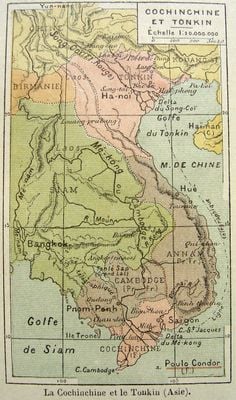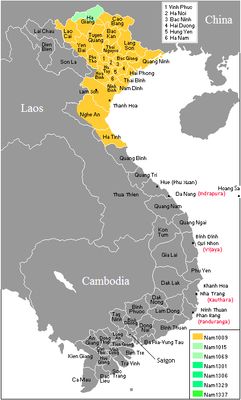
Tonkin, Historical region in northern Vietnam
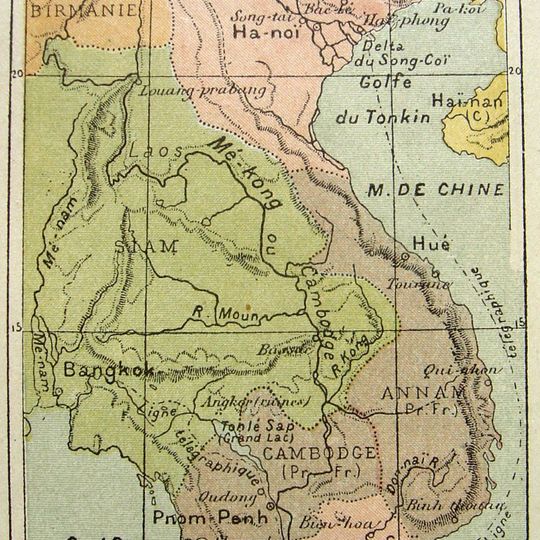
Tonkin is a region in northern Vietnam stretching along the Chinese border to the gulf bearing its name. The area encompasses the fertile river delta, coastal plains and the mountainous uplands to the north covered with dense forest.
French colonial administration signed a treaty in 1884 establishing the region as a protectorate under European control. Following Japanese occupation during the Second World War, Ho Chi Minh proclaimed independence in 1945, ending colonial rule.
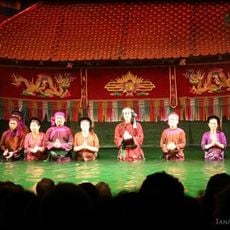
Locals maintain water puppet theatre traditions, staging performances in shallow pools with carved wooden figures. Traditional craft villages surrounding the capital produce lacquerware, silk and ceramics using methods handed down through generations.
Visitors reach the region through international airports in the capital or via land crossings from China. The area is best explored during drier months between November and April when roads and paths remain more accessible.
The river delta allows three rice harvests annually thanks to nutrient-rich sediment deposits washed down over centuries. These fertile fields feed a large share of the population and make the region the breadbasket of the country.
The community of curious travelers
AroundUs brings together thousands of curated places, local tips, and hidden gems, enriched daily by 92,317 contributors worldwide.