Cape Cà Mau, Southern cape in Mekong Delta, Vietnam.
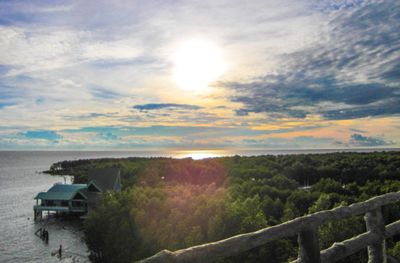
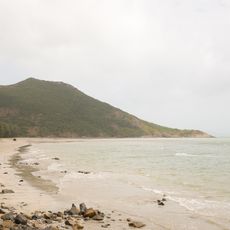
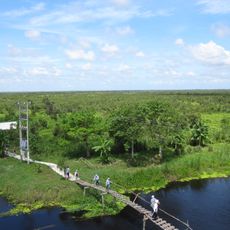
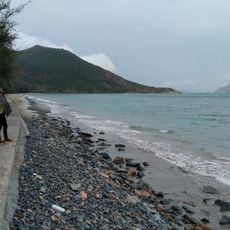
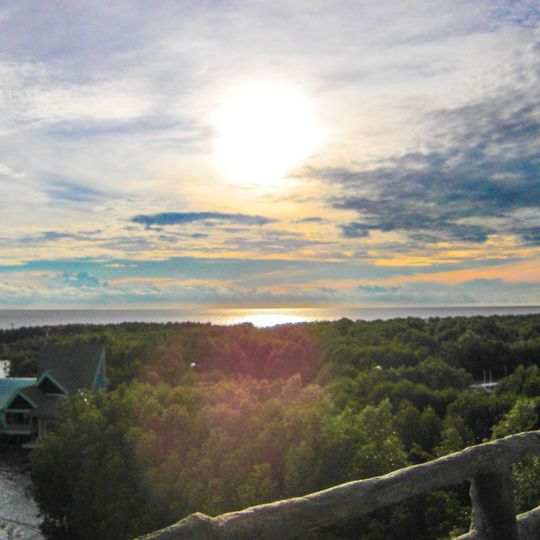
Cape Cà Mau is a landmass where mangrove forests meet the East Sea and West Sea, creating a natural ecosystem with diverse wildlife. The region features winding waterways, dense forests, and coastlines that shift over time due to natural processes.
This area was originally a nature reserve that became a National Park in 2003 to protect Vietnam's largest original mangrove forest system. The elevation to National Park status marked a critical moment in efforts to preserve this sensitive ecosystem.
Residents of Xom Mui hamlet have kept the tradition of building houses without doors to move fresh-caught seafood directly from boats to storage areas. This building style shows how local people have adapted their homes to match the rhythm of fishing and water-based life.
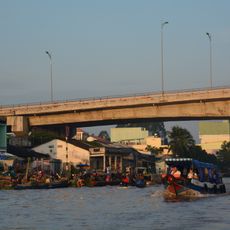
The best way to reach this area is by water taxi departing from Ca Mau city, with the journey taking about two and a half hours through waterway networks. It is wise to start early and bring sun protection or rain gear, as the trip is long and weather conditions can change.
The landmass grows by 80 to 100 meters each year as the Mekong River continuously deposits sediment and creates new coastline. This ongoing expansion makes it a rarely visited example of how rivers actively reshape the landscape.
The community of curious travelers
AroundUs brings together thousands of curated places, local tips, and hidden gems, enriched daily by 92,803 contributors worldwide.