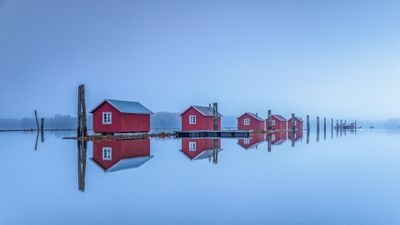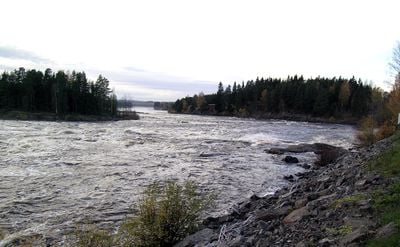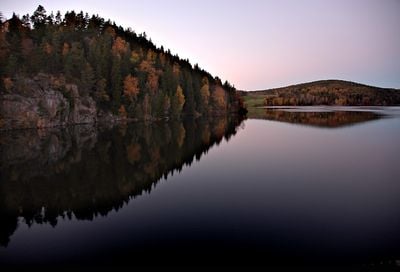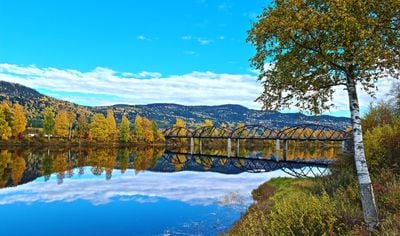
Glomma, River system in southern Norway
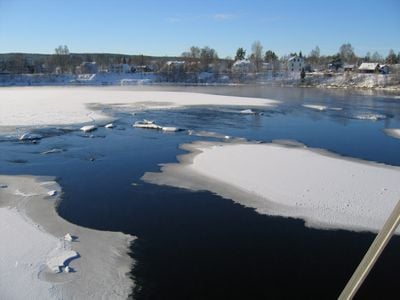
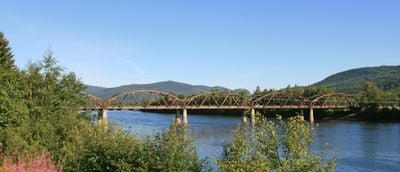
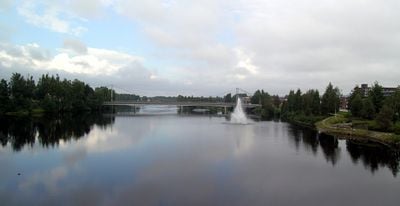
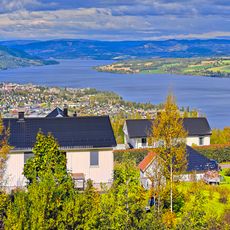
Glomma is Norway's longest river, stretching 621 kilometers from Aursund lake to its mouth at Fredrikstad through eastern valleys. The waterway winds through numerous municipalities and defines the landscape along its entire course.
During the industrial revolution, the river served as a vital waterway for transporting logs, which floated downstream to processing mills in Sarpsborg and other industrial centers. This trade shaped the economic development of surrounding communities.
The river is called Glomma in the southeast and Glåma in the northwest, reflecting how different regions developed their own ways of speaking. Local communities along its course have long connected to the water as part of their everyday identity.
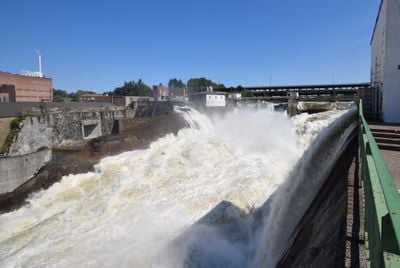
Multiple hydroelectric stations along the waterway use the flow to generate power for Norwegian communities. The river is accessible at many points, though water levels and flow conditions vary depending on power station operations and seasonal changes.
At Fetsund, the river forms Europe's largest inland delta, where substantial silt deposits accumulate and are used in construction material production. This natural phenomenon results from centuries of sediment buildup at this crucial point.
The community of curious travelers
AroundUs brings together thousands of curated places, local tips, and hidden gems, enriched daily by 91,508 contributors worldwide.