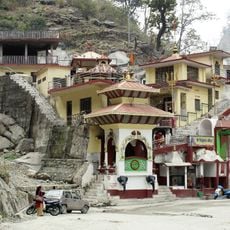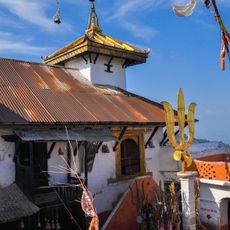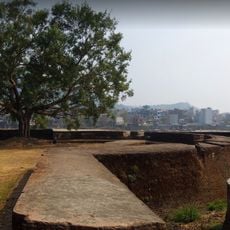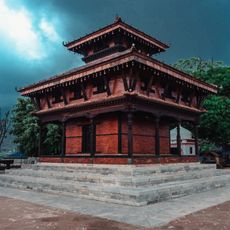
Sivalik Hills, Mountain range in northern India.
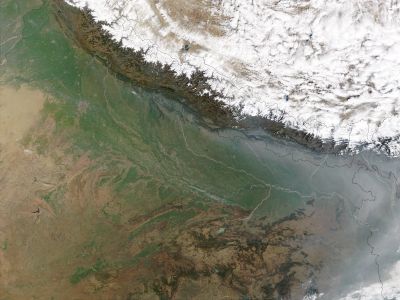
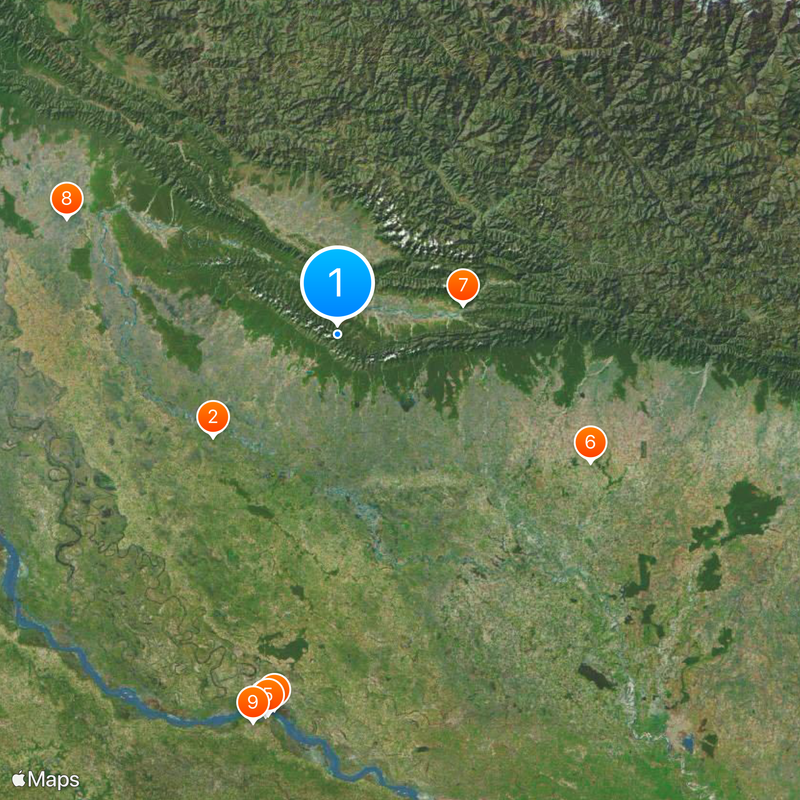
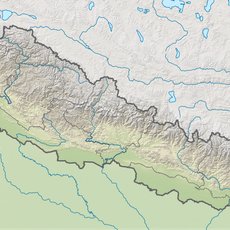
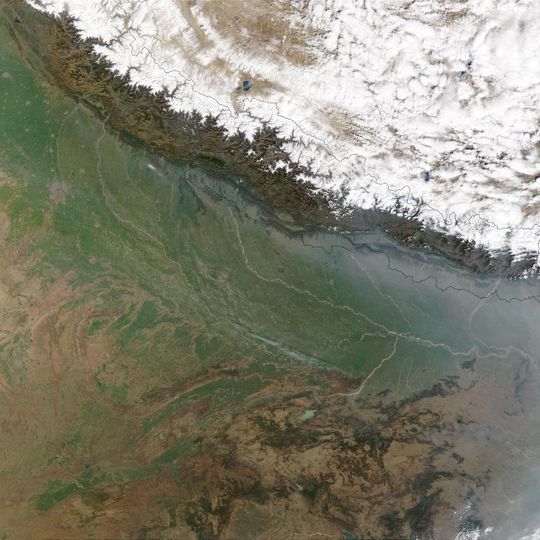
Sivalik Hills form a low mountain range running along the southern edge of the Himalayas, stretching more than 2400 kilometers from the Indus River in the west to the Brahmaputra River in the east through northern India and parts of Nepal. The range rises gently from the plains, creating a rolling landscape of forested slopes, narrow valleys, and wide riverbeds that separate the lowlands from the higher mountains.
The range formed millions of years ago from sediments carried down from the young Himalayan peaks by rivers and deposited in the lowlands. Layers of rock here preserve fossils from the Early Miocene to the Middle Pleistocene, including bones of Megalochelys atlas, an extinct giant tortoise.
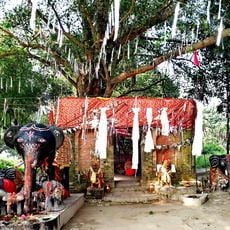
The Sanskrit name Sivalik translates to tresses of Shiva, connecting these mountains to Hindu religious traditions and mythology.
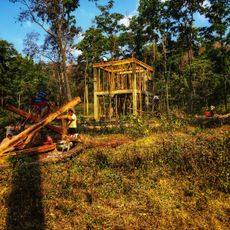
Most sections sit between 1500 and 2000 meters in elevation and can be reached by trails from towns and villages across northern India. Many paths pass through forests and open ground, with conditions varying depending on season and rainfall.
The rock here is mostly sandstone, which weathers into distinctive shapes and structures that influence the vegetation and wildlife found across the range. This composition makes the geology here different from the crystalline peaks of the higher Himalayas farther north.
The community of curious travelers
AroundUs brings together thousands of curated places, local tips, and hidden gems, enriched daily by 90,755 contributors worldwide.