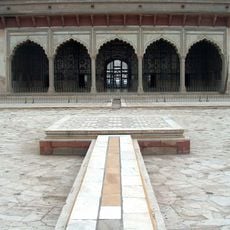
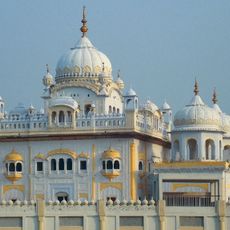
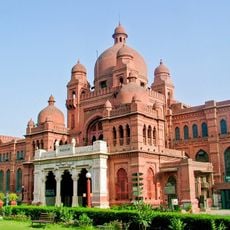
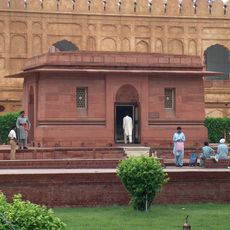
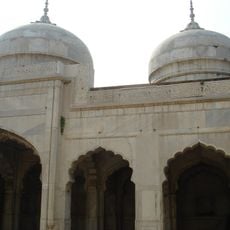
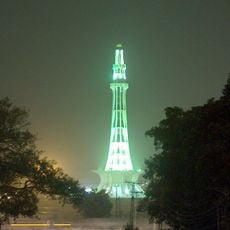
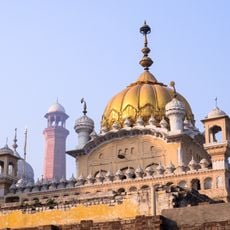
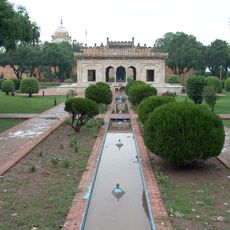
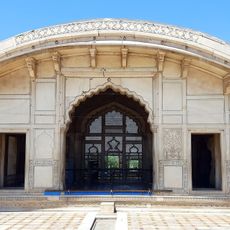
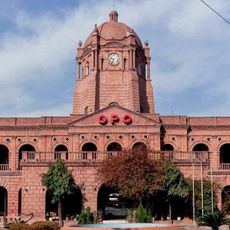
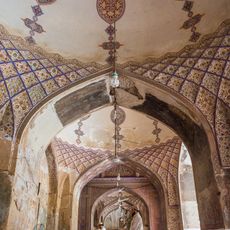
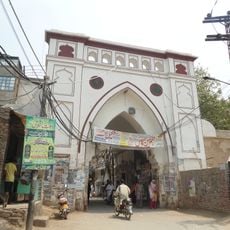
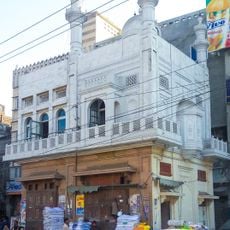
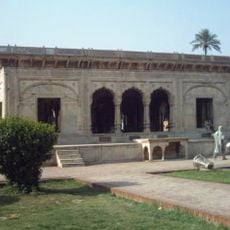
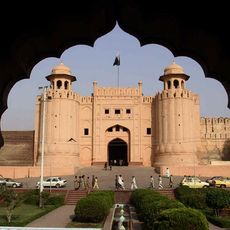
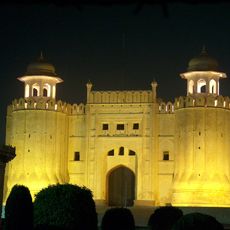
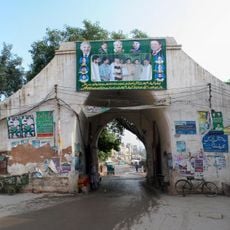
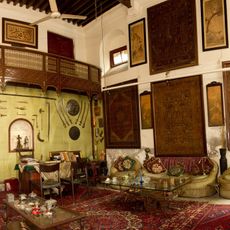
Data Durbar Complex, Sufi shrine in Lahore, Pakistan.
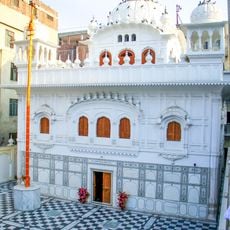
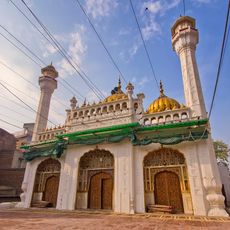
The Data Durbar Complex is a mausoleum in Lahore Pakistan built from white marble with prayer halls and a large courtyard. The central tomb sits beneath a dome surrounded by columns and walkways where visitors pray or sit quietly.
Ali Hujwiri, a Sufi from Ghazni, settled in Lahore in the 11th century and built a mosque with a simple grave beside it. By the 13th century, belief in the spiritual power of saints' tombs had spread, and a larger shrine was built in the Mughal period. The complex was expanded in the 19th century, and in the 1980s under Zia-ul-Haq it became the largest Sufi shrine in South Asia.
Devotees call Ali Hujwiri 'Data Ganj Bakhsh', meaning 'the bestower of spiritual treasure'. Qawwali is performed regularly at the shrine, and on special occasions musicians play Sufi music for hours while visitors dance. A free kitchen, a custom 1,000 years old, serves up to 50,000 people daily.
The shrine receives between thirty thousand and sixty thousand visitors daily who enter at any hour. Women and men use separate areas and modest clothing is expected.
The shrine's free kitchen serves meals to as many as 50,000 visitors a day, a custom described as 1,000 years old. Devotees facing hardship give money or labour to its fund, following Islam's emphasis on feeding the poor.
The community of curious travelers
AroundUs brings together thousands of curated places, local tips, and hidden gems, enriched daily by 93,400 contributors worldwide.