Eltonsky Nature Park, Protected natural area in Volgograd Oblast, Russia
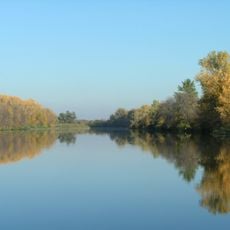
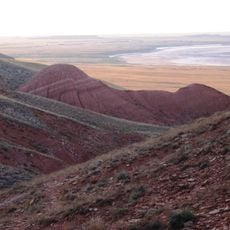
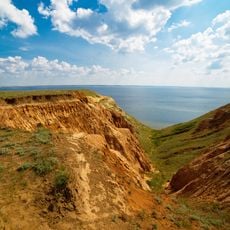
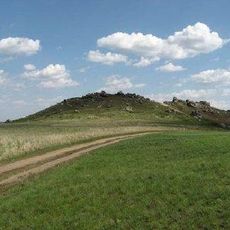
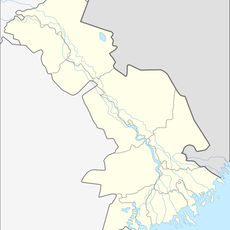
Eltonsky Nature Park covers over 1,000 km² in the Pallasovka district, 160 km from Volgograd. It lies entirely on the Caspian Lowland and holds Lake Elton, Europe's largest self-sedimenting salt lake, plus Mount Ulagan, a salt dome matching the lake basin. The Khara, the park's longest river at over 40 km, enters the lake from the north.
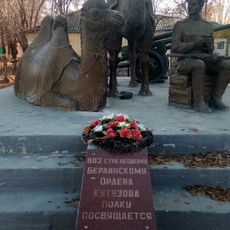
The park was created as a regional protected area in Pallasovsky District, in the east of Volgograd Oblast about 160 km from the regional centre. Its territory holds cultural heritage objects and traces of the traditions of the nomadic peoples and tribes that once moved through the Prieltonye steppes. Lake Elton itself has long been known for its self-sedimenting salt, medicinal brine and mud.
The park's territory shows traces of nomadic settlements that once relied on natural salt deposits for trade and food preservation. This connection between people and the salt landscape continues to shape the regional identity today.
The park lies in Pallasovsky District, 160 km from Volgograd, and is reached via the settlement of Elton by the lake. The Khara, the park's longest river at over 40 km, flows into Lake Elton from the north. The salt lake and Ulagan hill are the main landmarks to orient by; the Biological Balka ravine lies between the Khara and Lantsug rivers.
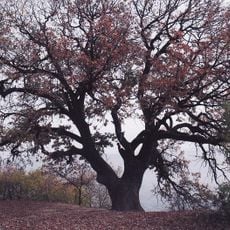
The park protects the only undisturbed expanse of desert steppe in Europe, with salt-dome formations such as Lake Elton and Mount Ulagan. The Khara, its longest river at over 40 km, flows into the lake from the north. In the Biological Gully, a 120-hectare wooded ravine between the Khara and Lantsug, grow more than 400 plant species, among them early apple, blackthorn, dog rose and wild asparagus.
The community of curious travelers
AroundUs brings together thousands of curated places, local tips, and hidden gems, enriched daily by 93,277 contributors worldwide.