See the monuments around you in AROpen chests in the app
Around Us is built for your phone — point your camera at the streets and discover the monuments and places around you in augmented reality.Around Us is built for your phone — chests unlock when you walk, explore and capture nearby places.
The Chubu region brings together dramatic landscapes, old villages, and temples that show traditional Japan at the foot of Mount Fuji.
Chubu is the heart of Japan, a region where mountains dominate and history breathes in every village. Mount Fuji stands above everything, its snowy slopes visible for dozens of miles. Around it, lakes reflect its image, hot springs smoke under forests, and ancient temples hide among cedars. This region blends the wild nature of the Japanese Alps with the charm of historic towns, where wooden houses still keep their thick walls and dark roofs.
Here you will find villages frozen in time: Shirakawa-go with its large thatched-roof houses, the small towns of Magome and Tsumago along an old road that once led to Kyoto. The black castles of Matsumoto and Kanazawa still overlook the valley, while Nagoya Castle recalls the power of feudal lords. Manicured gardens in Kanazawa sit next to major Buddhist temples like Zenko-ji, where pilgrims have come for centuries.
Chubu also offers the wildest side of Japan: narrow gorges where water bursts over rocks, mountains crossed on foot or by small train, basalt cliffs that plunge into the sea. Hot spring resorts like Gero and those in Izu have long welcomed people seeking to relax in warm water. Here, you can walk on an alpine road that crosses the mountains, visit fish markets where freshly caught seafood lines the stalls, or bathe in a hot spring surrounded by monkeys in winter.
The Chubu region brings together dramatic landscapes, old villages, and temples that show traditional Japan at the foot of Mount Fuji.
Chubu is the heart of Japan, a region where mountains dominate and history breathes in every village. Mount Fuji stands above everything, its snowy slopes visible for dozens of miles. Around it, lakes reflect its image, hot springs smoke under forests, and ancient temples hide among cedars. This region blends the wild nature of the Japanese Alps with the charm of historic towns, where wooden houses still keep their thick walls and dark roofs.
Here you will find villages frozen in time: Shirakawa-go with its large thatched-roof houses, the small towns of Magome and Tsumago along an old road that once led to Kyoto. The black castles of Matsumoto and Kanazawa still overlook the valley, while Nagoya Castle recalls the power of feudal lords. Manicured gardens in Kanazawa sit next to major Buddhist temples like Zenko-ji, where pilgrims have come for centuries.
Chubu also offers the wildest side of Japan: narrow gorges where water bursts over rocks, mountains crossed on foot or by small train, basalt cliffs that plunge into the sea. Hot spring resorts like Gero and those in Izu have long welcomed people seeking to relax in warm water. Here, you can walk on an alpine road that crosses the mountains, visit fish markets where freshly caught seafood lines the stalls, or bathe in a hot spring surrounded by monkeys in winter.
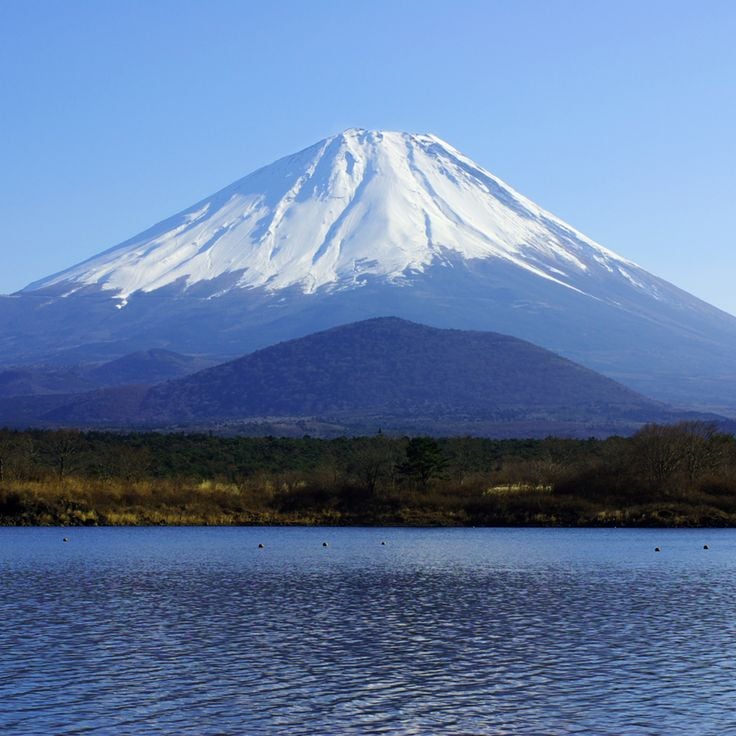
Mount Fuji is the highest peak in Japan and has been considered sacred for centuries. Its snow-covered summit rises above the surrounding plain and is visible on clear days from a great distance. Around its base, calm lakes reflect its outline, and small temples sit among cedar trees on the slopes. Every year, many people walk to the top to watch the sunrise. Mount Fuji is more than a mountain: it has stood at the heart of Japanese culture and daily imagination for a very long time.
Lake Kawaguchiko sits in Yamanashi Prefecture, at the foot of Mount Fuji. From its shores, the mountain appears close and clear above the water, making it one of the most visited spots in the Chubu region. In spring, cherry trees bloom along the lakeside and their reflection joins that of the snow-capped peak. In autumn, the surrounding trees turn red and golden, giving the lake a completely different feel. Small cafés and shops line the northern shore, and the pace of life here is slow and easy, with visitors strolling along the water at all hours.
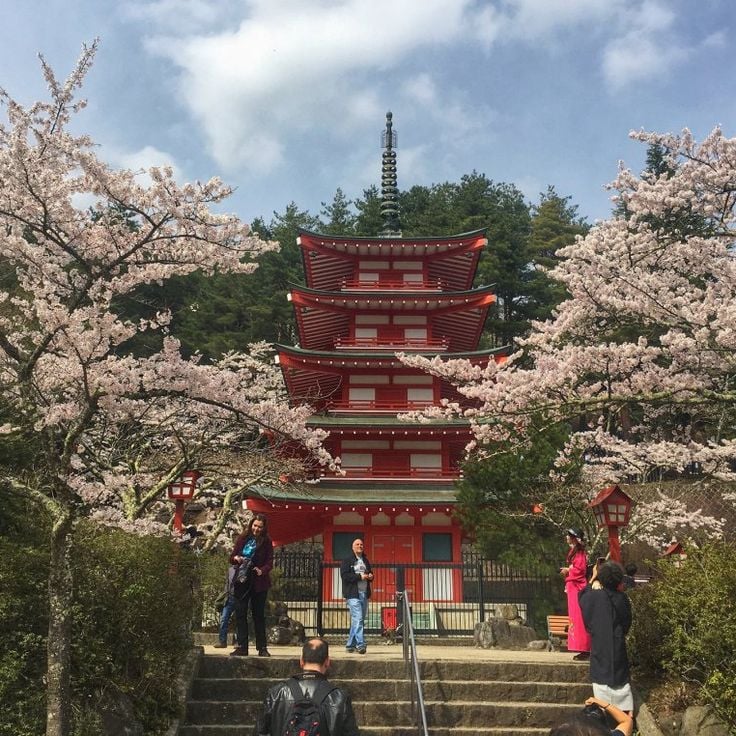
Arakurayama Sengen Park sits on a hillside above Fujiyoshida, and the Chureito Pagoda stands near the top of a long stone stairway lined with cherry trees. From this spot, the five-story pagoda appears directly in front of Mount Fuji, creating one of the most photographed views in Japan. The climb takes a few minutes but the reward is a clear view over the rooftops of the town below, with the mountain rising behind the pagoda.
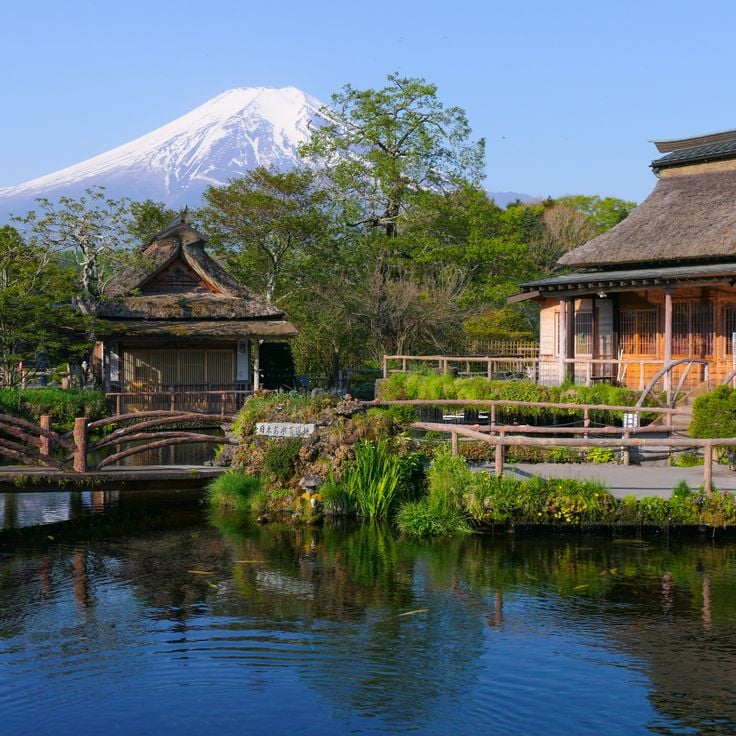
Oshino Hakkai is a small village at the foot of Mount Fuji, where eight spring-fed ponds draw their water from the mountain's snowmelt. The water filters through layers of lava rock for decades before reaching the surface here. The ponds sit among old thatched-roof houses, and the water is so clear that the bottom is easy to see. Many visitors come to see Mount Fuji from a different angle, set against a rural landscape that has changed little over the years.
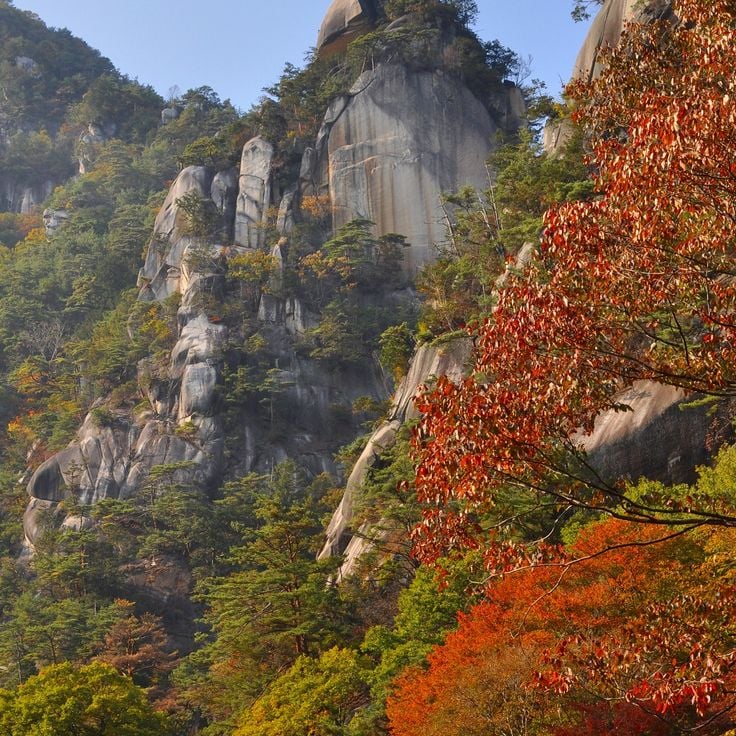
Shosenkyo Gorge sits in Yamanashi Prefecture, not far from the Fuji area. Granite cliffs rise on both sides of the river, and the water rushes over rocks and small falls along the way. A walking path follows the river through the gorge and leads to Sengataki waterfall, the most dramatic point of the route. In autumn, the trees along the cliffs turn deep red and orange, drawing many visitors who come specifically for the fall colors.
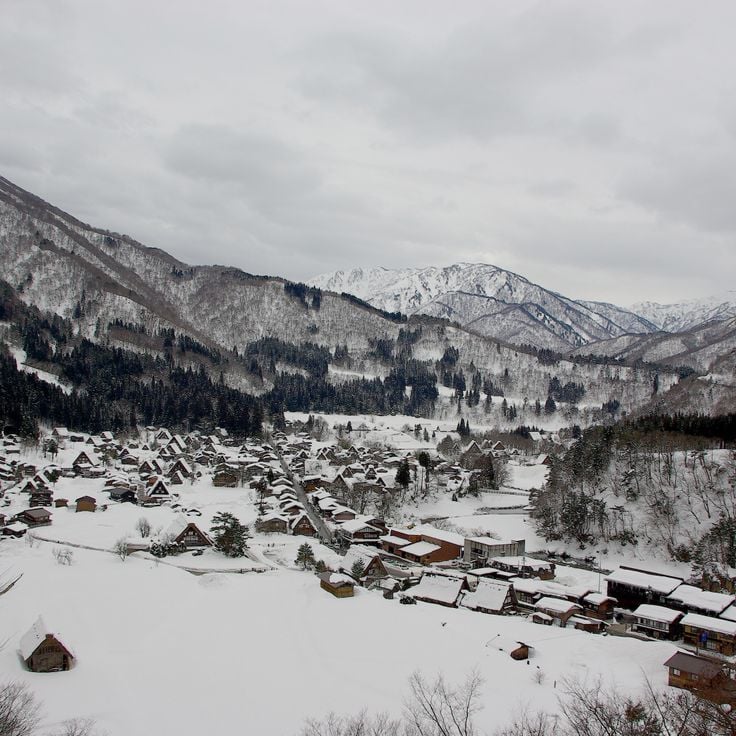
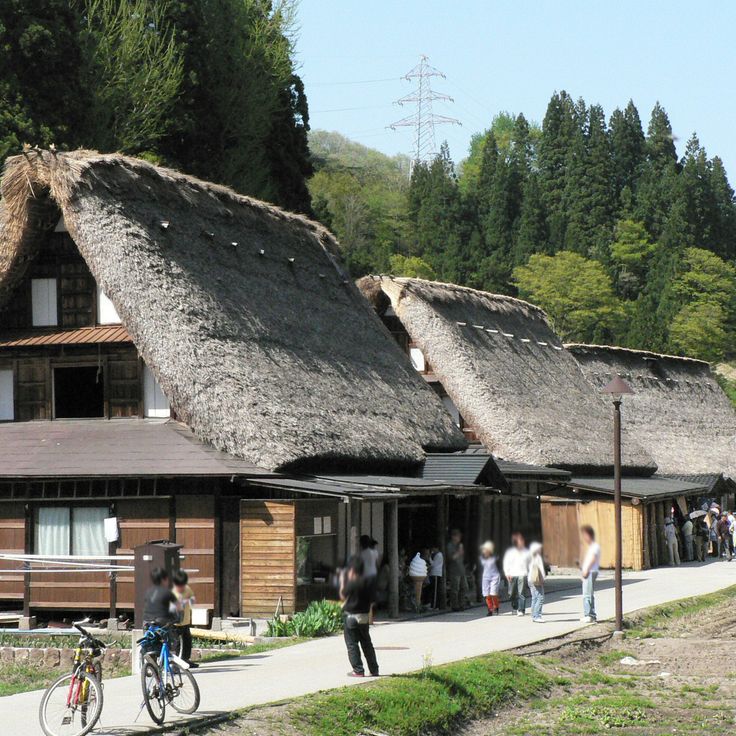
Shirakawa-go is a village in the mountains of Gifu Prefecture, listed as a UNESCO World Heritage Site. Its houses are known for their very steep thatched roofs, built to hold up under the heavy winter snow that falls in this part of Japan. This building style is called Gassho-zukuri, which means 'hands in prayer', a reference to the shape of the roofs. In winter, the village sits under a thick layer of snow, and the lit-up farmhouses feel like they belong to a different era.
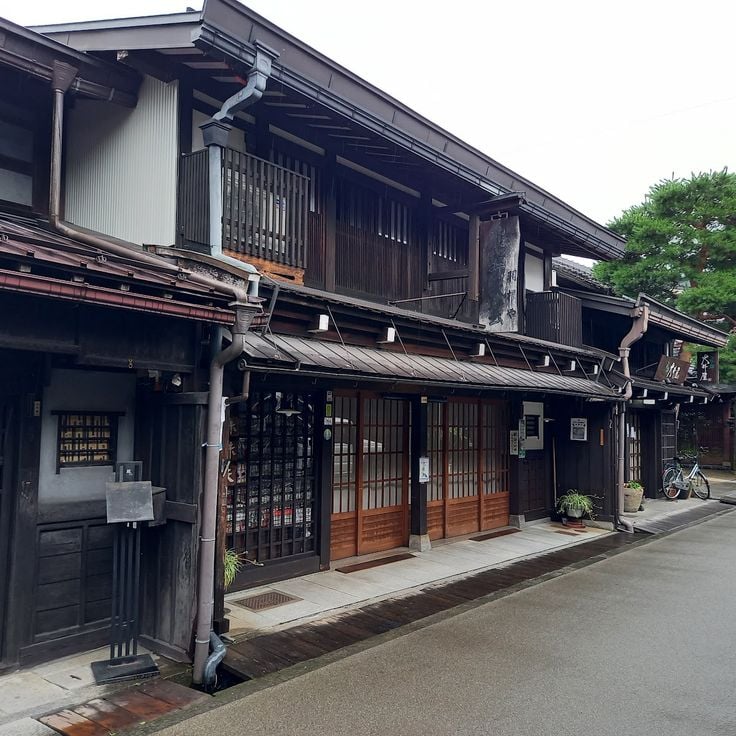
Takayama's old town, known as Sanmachi Suji, sits in the heart of Gifu and is one of the best-preserved historic districts in Japan. The narrow streets are lined with old wooden buildings whose dark facades have barely changed over the centuries. Traditional sake breweries still open their doors here, and small shops offer local specialties like Hida beef and mitarashi dango. Walking through these lanes feels like stepping into a version of Japan that has stayed close to its roots.
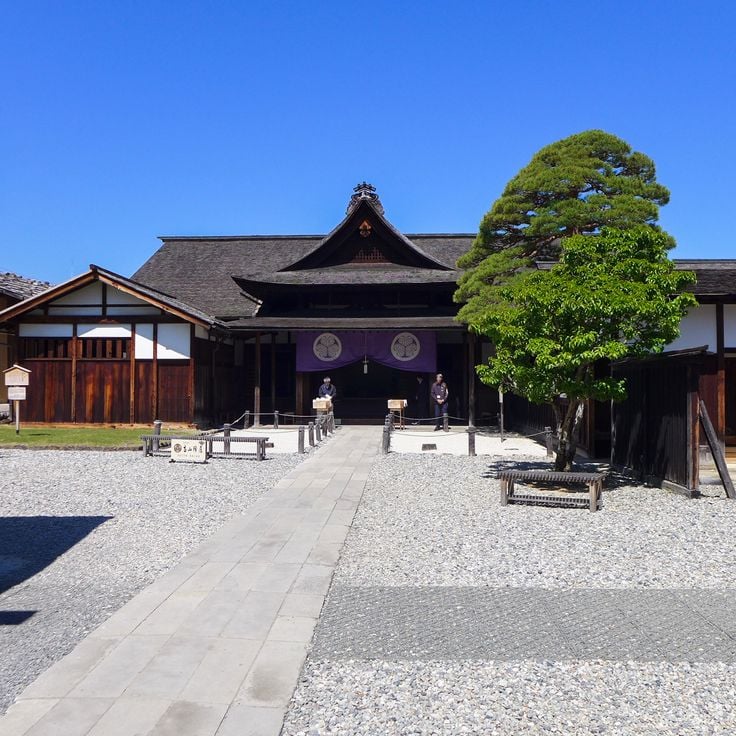
Takayama Jinya served as the regional government office during the Edo period, when the shogunate took direct control of this mountain area. It is one of the very few buildings of this type that still stands in Japan. Walking through it, you can see the wooden rooms where officials worked, the storage areas where rice tax was kept, and the spaces where hearings took place. The layout shows how local power was exercised in a town far from Edo.
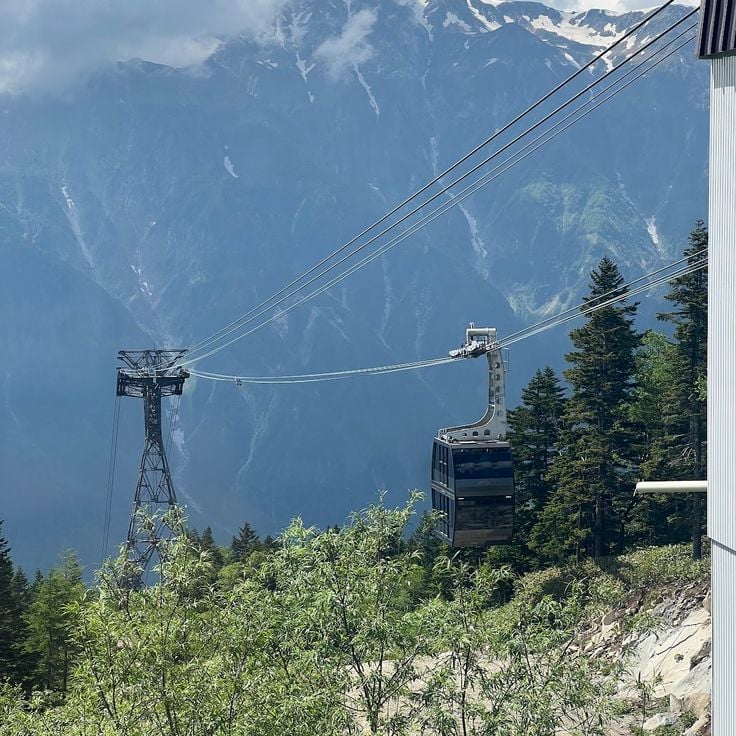
The Shinhotaka Ropeway in Gifu climbs in two stages to over 6,560 ft (2,000 m) in the Japanese Alps. At the top, you look out over sharp peaks, deep valleys, and in winter a thick layer of snow covering everything around. On clear days, the view stretches far across the mountain range. Down in the valley below, hot springs steam and small villages sit along the river.
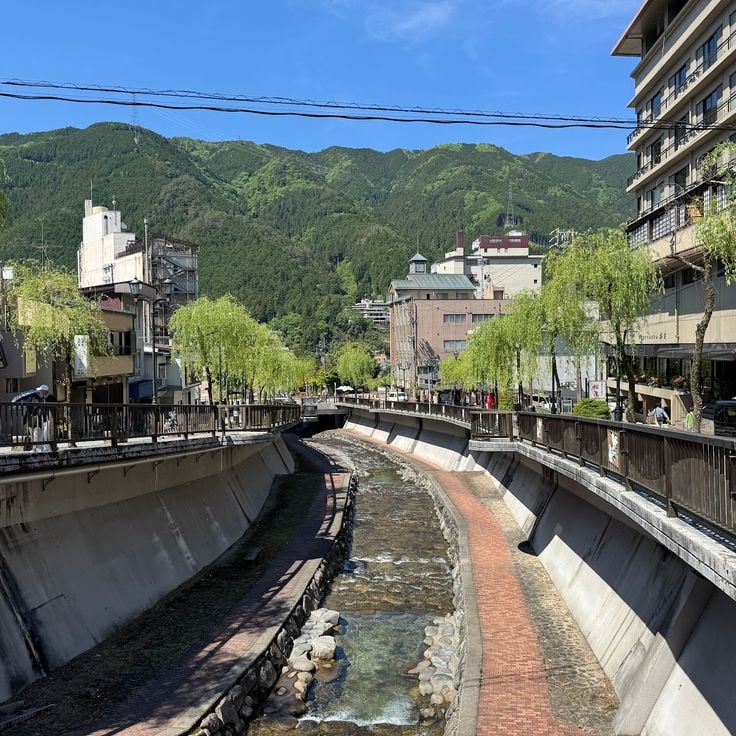
Gero Onsen sits in Gifu Prefecture, deep in the Japanese Alps. Its hot springs have drawn visitors for centuries, and the town still revolves around the simple ritual of soaking in thermal water. Traditional inns line the banks of the Hida River, offering wooden rooms and open-air baths. The air carries a faint sulfur smell, and the streets are narrow and easy to walk. In winter, the surrounding mountains are covered in snow, and the steam rising from the baths makes the whole place feel warm and close.
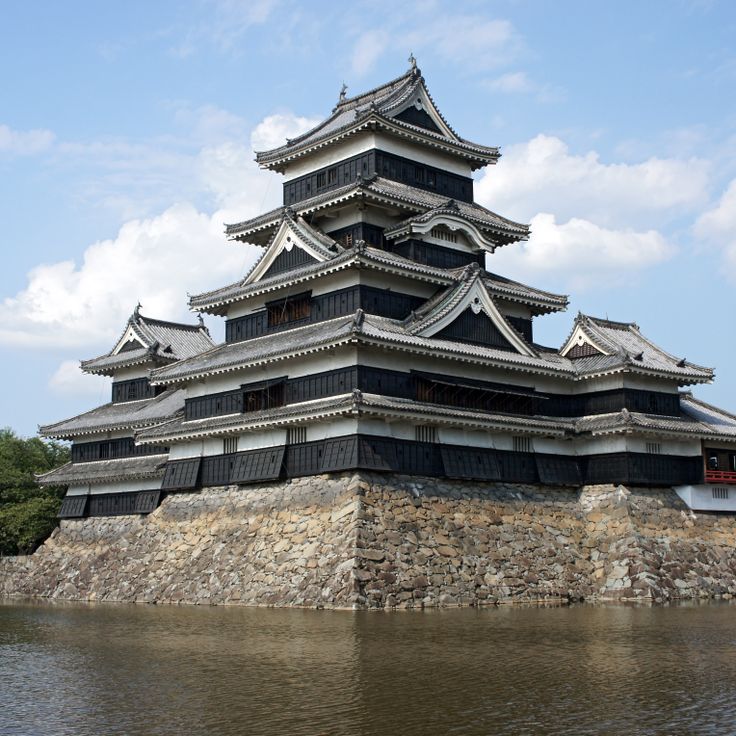
Matsumoto Castle rises above the city with its dark wooden and stone walls. Its keep is the oldest original one still standing in Japan. The black exterior stands out sharply against the sky, especially when the snowy peaks of the Japanese Alps appear in the background. Inside, narrow staircases lead through floors filled with old weapons and armor from the feudal era. Walking through it gives a clear sense of how powerful the lords of this region once were.
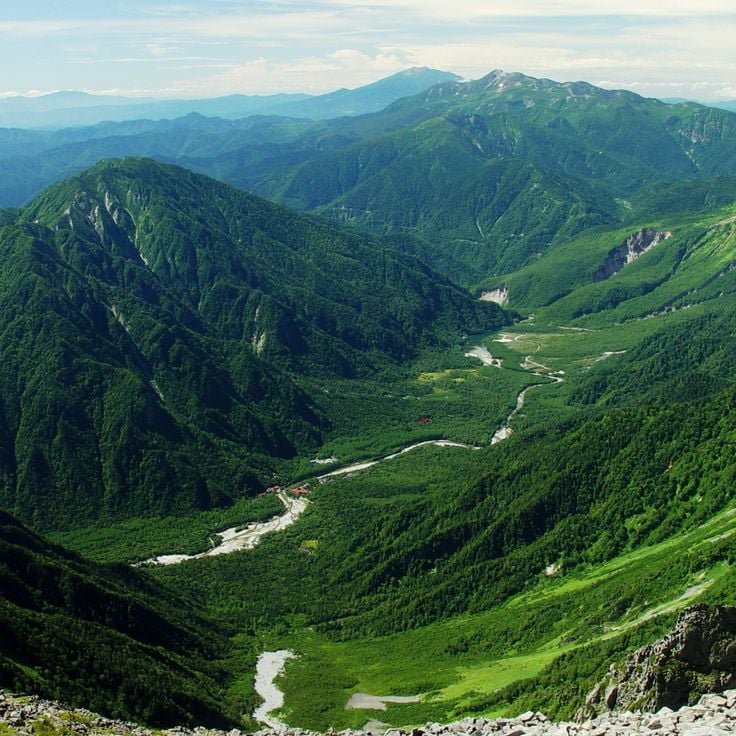
Kamikochi sits deep in the Japanese Alps in Nagano and opens to visitors only part of the year, as the road into the valley closes each winter. The Azusa River runs through the middle, cold and clear, flanked by old larch forests and wooden footbridges. The peaks around the valley rise sharply, and snow stays on the highest ridges well into summer. Walking along the riverbanks, you are likely to spot deer, monkeys and large birds of prey. There are no private cars allowed, so the place stays surprisingly quiet.
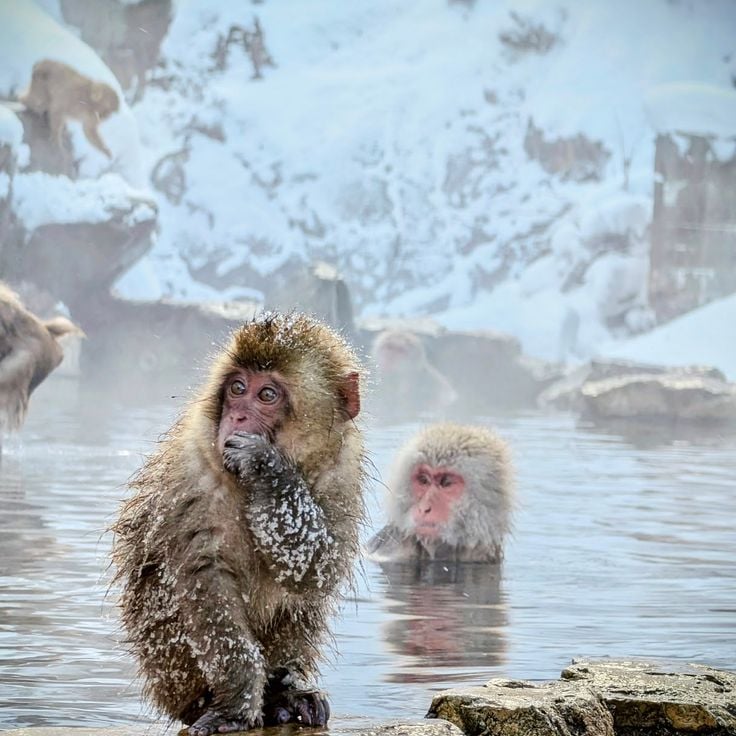
Jigokudani Snow Monkey Park, in the mountains near Nagano, is the only place in the world where wild Japanese macaques regularly bathe in hot springs. In winter, when snow covers the forests, the monkeys sit in the warm water in groups, perfectly at ease. To reach the park, you walk about 30 minutes along a narrow forest path. The scene feels surprisingly close and natural, with no barriers between you and the animals.
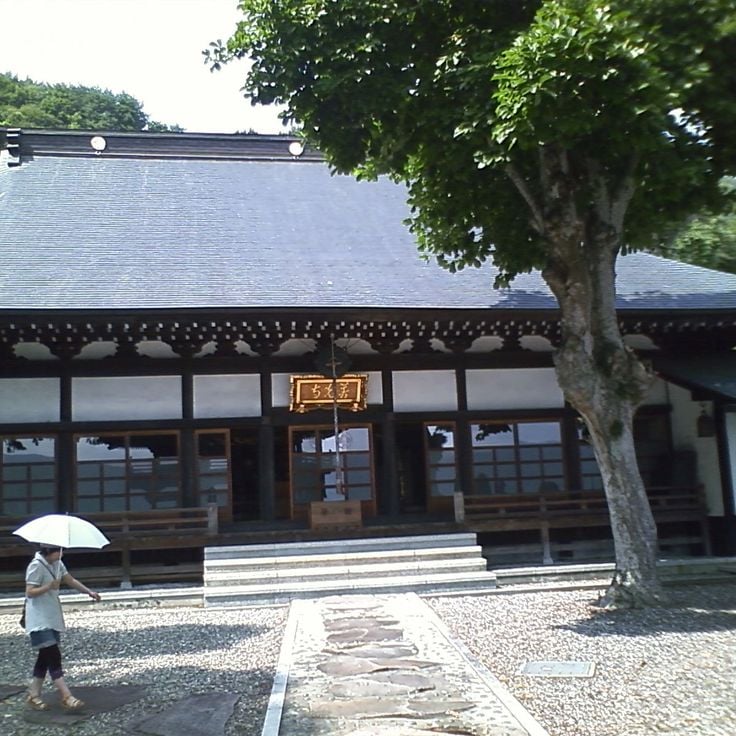
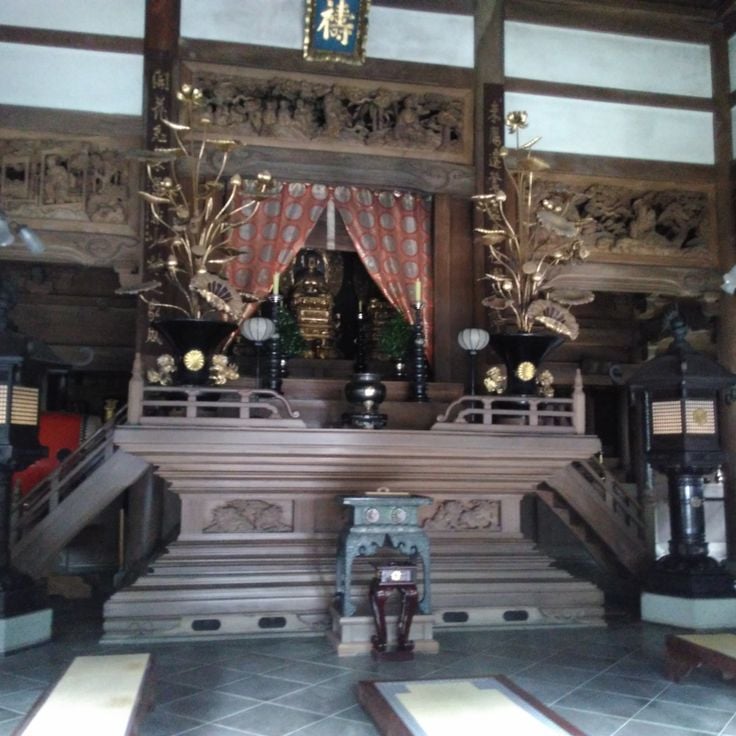
Zenko-ji is one of the oldest Buddhist temples in Japan, located in the city of Nagano. Pilgrims have traveled here for centuries to walk its stone-paved paths and pray before what is said to be the first Buddha statue ever brought to Japan. The temple grounds are wide, lined with stone lanterns, and the smell of incense fills the air around the main hall.
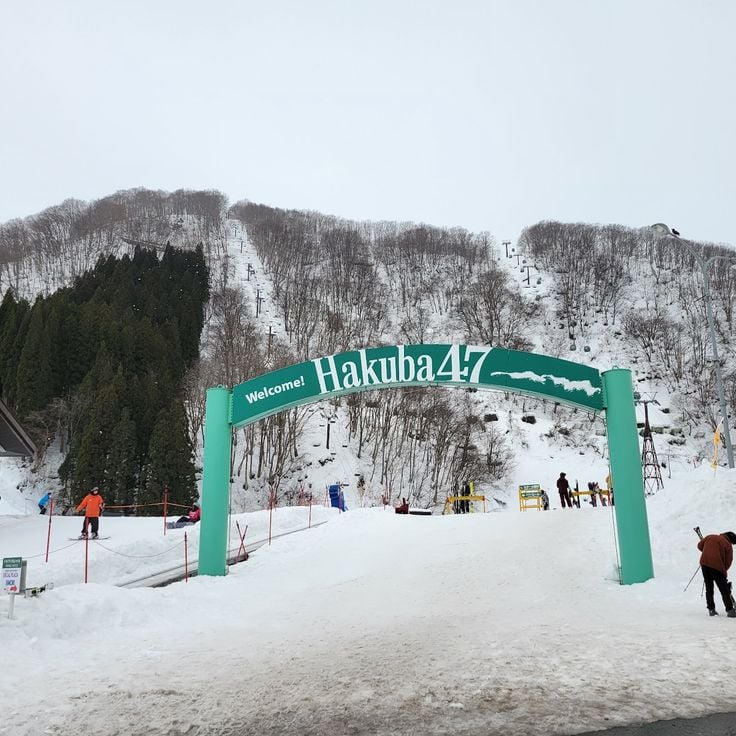
Hakuba Valley sits in Nagano Prefecture and is one of Japan's most visited mountain areas. In winter, heavy snowfall draws skiers and snowboarders from around the world to its many slopes. The valley hosted events during the 1998 Winter Olympics, and those venues are still used today. When summer arrives, the mountains shift into a destination for hiking, cycling and climbing, with wide views over the Japanese Alps.
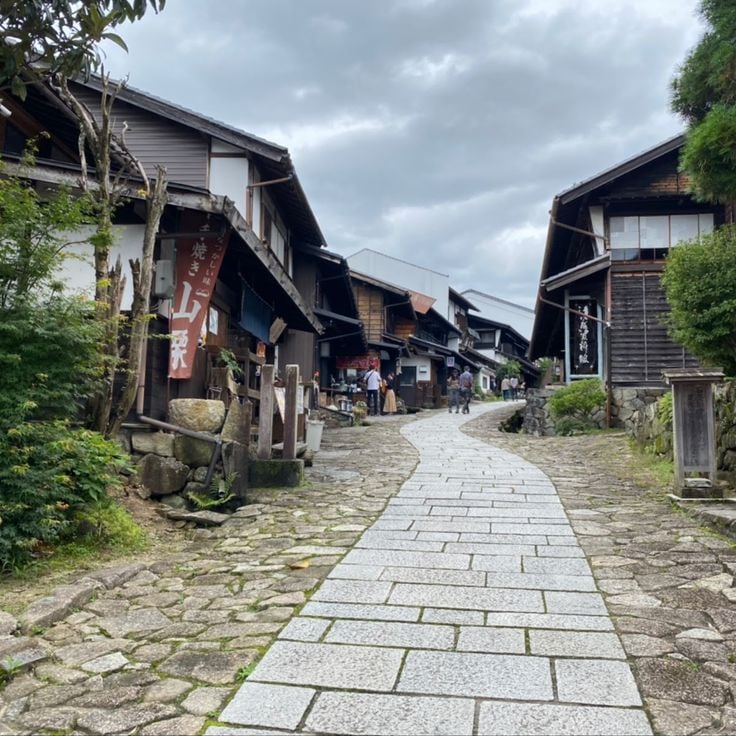
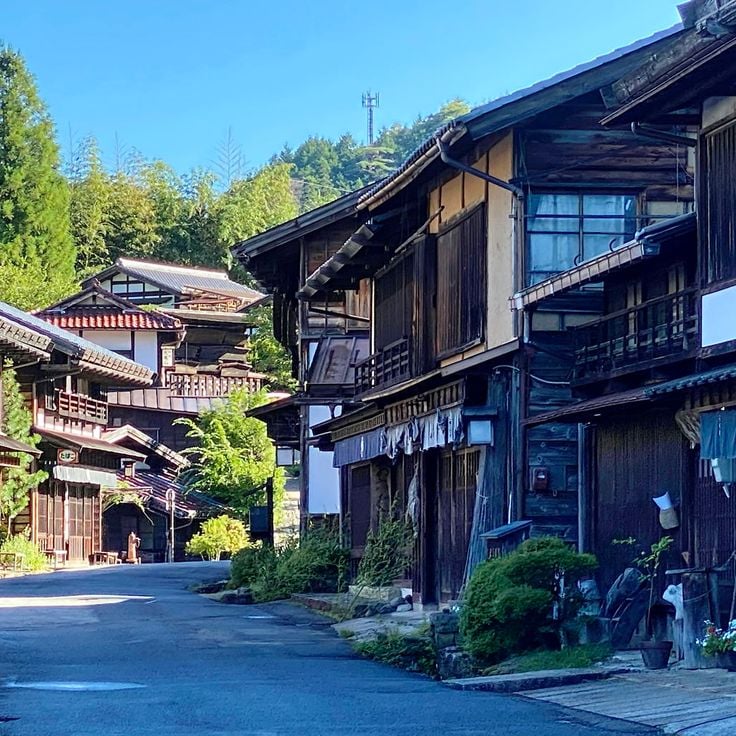
The Nakasendo was one of the main roads linking Edo to Kyoto in feudal Japan. Magome-juku, one of the post towns along this road, sits in the mountains of Gifu Prefecture. Walking through it, you pass wooden houses with dark roofs, stone-paved lanes, and small shops that have served travelers for centuries. The path leading from Magome to the neighboring town of Tsumago follows the original route through cedar forests and rice fields.
Tsumago-juku is an old post town on the historic Nakasendo road, which once linked Edo to Kyoto through the mountains of central Japan. The main street is closed to cars and modern signs, so the wooden buildings and dark roofs of the Edo period still line the path as they always have. Walking through Tsumago-juku feels like stepping into a time when travelers on foot stopped here to rest. The town is also a popular starting or ending point for the trail walk to Magome along the old mountain path.
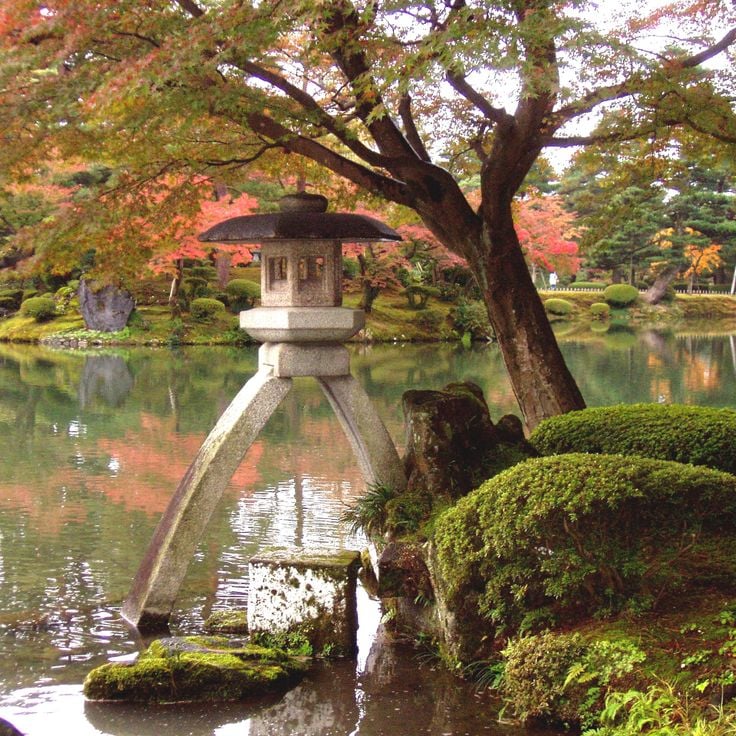
Kenroku-en is one of the three great traditional landscape gardens of Japan, located in Kanazawa. Ponds, pine trees, stone lanterns, and small streams follow one another along winding paths. In winter, the branches of the oldest trees are held up with ropes to protect them from the snow, giving the garden a look unlike any other season. People come here throughout the year, drawn by the changing appearance of the trees and water.
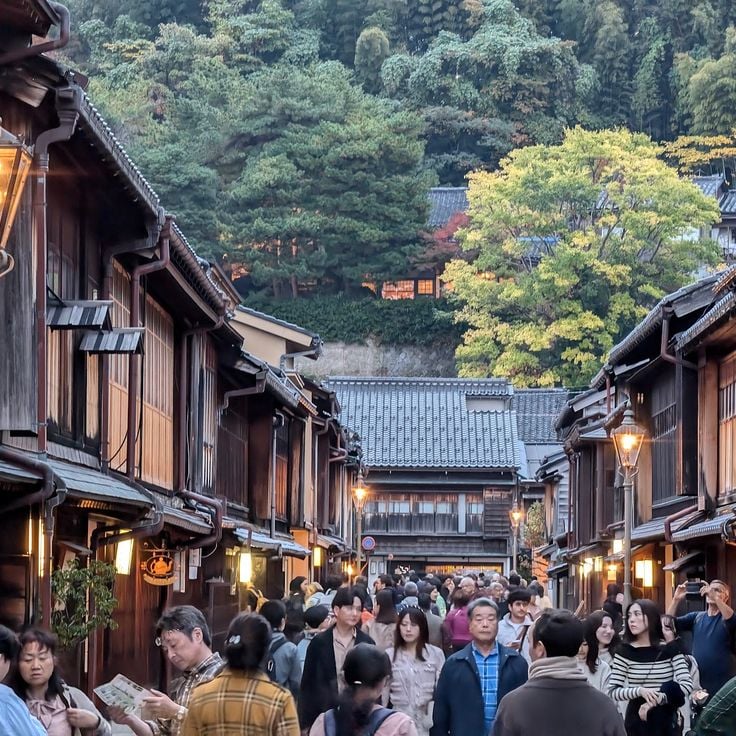
The Higashi Chaya District is Kanazawa's oldest teahouse quarter. The wooden buildings with their narrow latticed facades have stood since the Edo period and look much as they did centuries ago. Guests once came here to enjoy music and dance performed by geishas. Today, visitors can walk the stone-paved lanes, step inside restored teahouses, and browse small shops selling local sweets and gold leaf goods.
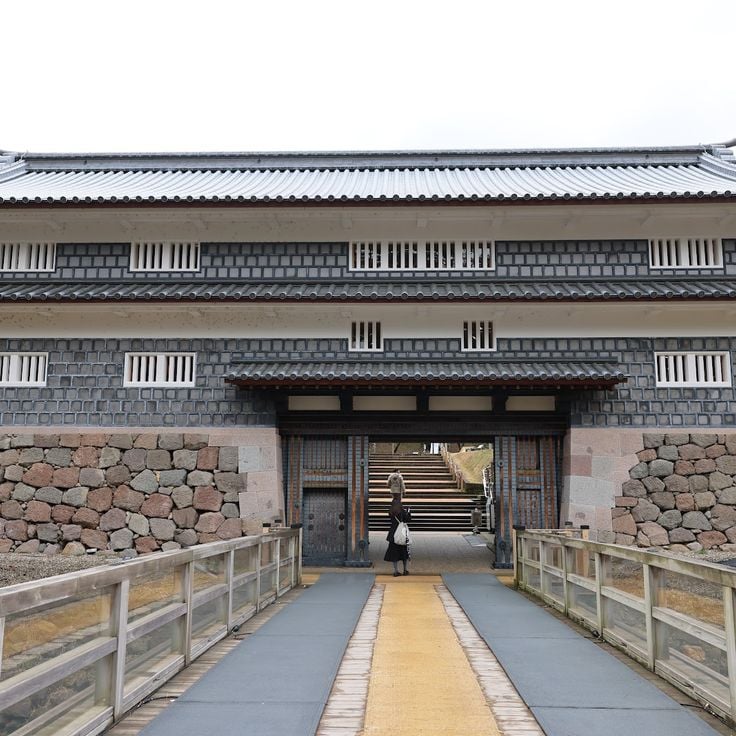
Kanazawa Castle stands in the heart of the city, right next to the Kenroku-en garden. Its white walls and curved roofs are visible from a good distance. The castle was destroyed by fire several times and rebuilt each time. Today, visitors can walk through the gates, explore the reconstructed buildings, and wander across the large courtyard surrounded by old stone walls. It is one of the main gathering spots for anyone visiting Kanazawa.
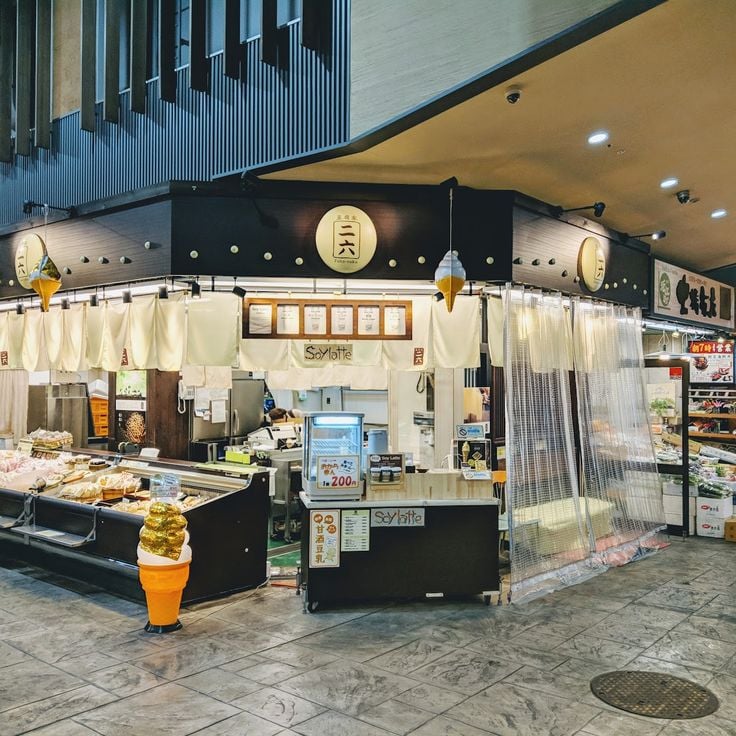
Omicho Market is the oldest covered market in Kanazawa and has served the city for centuries. Its narrow aisles are lined with fish stalls, vegetable sellers, and small restaurants. The Sea of Japan supplies the fish, crab, and seafood that arrive fresh each morning. Locals come here daily to shop, and visitors can stop at one of the small eateries inside to eat sashimi or crab right at the counter.
The Tateyama Kurobe Alpine Route crosses the Japanese Alps between Toyama and Nagano. To get from one side to the other, you board a cable car, a bus, a trolleybus, and a mountain railway, one after the other. In spring, the snow piles up on both sides of the road, forming walls that can rise about 65 feet (20 meters) high. Walking between those walls of packed snow while the mountain peaks appear above is one of the most striking moments of any trip through Chubu.
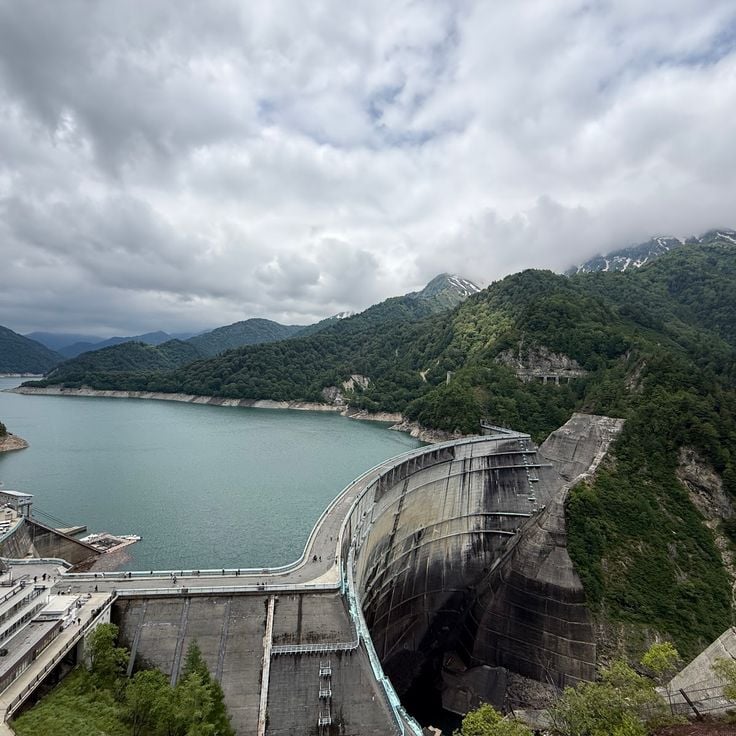
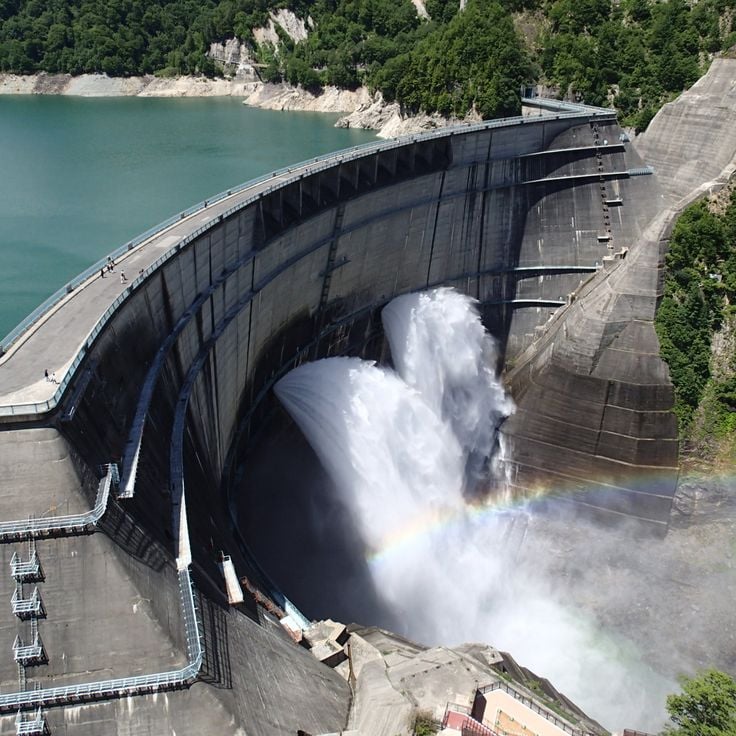
The Kurobe Dam sits deep in the Japanese Alps, along the Tateyama-Kurobe Alpine Route. Built in the late 1950s and completed in 1963, it is the tallest dam in Japan. Water pours into the gorge below in a powerful arc, and the surrounding peaks rise sharply on all sides. Getting there is part of the experience: the route combines cable cars, buses, and a trolleybus through the mountains.
Gokayama sits in a deep valley in Toyama Prefecture and is part of the same UNESCO World Heritage site as Shirakawa-go. The villages of Ainokura and Suganuma hold old farmhouses built in the gassho-zukuri style, with tall thatched roofs shaped like hands pressed together in prayer. The area sees fewer visitors than Shirakawa-go and feels more like everyday rural Japan. In winter, snow settles thick on the roofs and the valley takes on a very different character.
Eihei-ji is a Zen Buddhist temple complex founded in the 13th century, set deep in a cedar forest in Fukui. Wooden covered walkways connect its many buildings across a hilly terrain. Monks still live and train here today, following a daily rhythm that has changed little over the centuries. Visitors can walk through the grounds and observe the slow pace of monastic life up close.
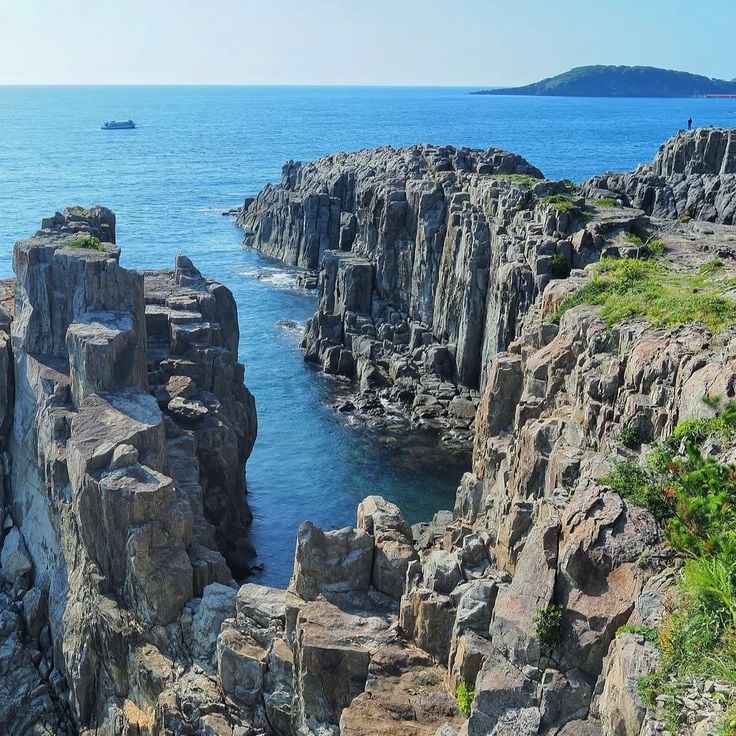
The Tojinbo cliffs rise straight up from the Sea of Japan, shaped by volcanic activity over millions of years and worn down by the waves. The rock formations stand in columns, dark and rough against the water below. Walking along the edge, you feel the wind off the sea and hear the waves hitting the base of the cliffs. This stretch of coast in Fukui Prefecture draws visitors who come to stand at the edge and look out over the open water.
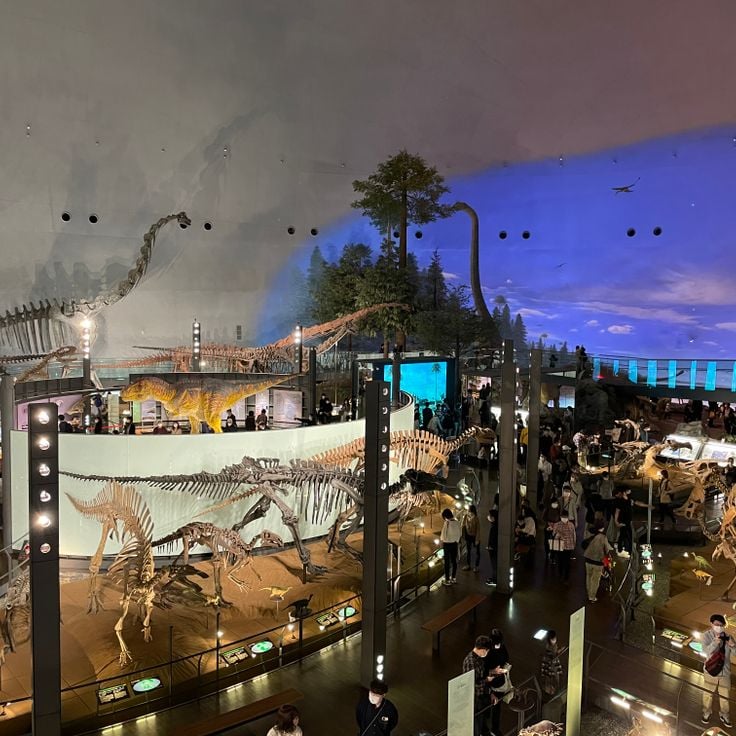
The Fukui Prefectural Dinosaur Museum sits in a region where major fossil discoveries have been made over the years. Inside, visitors can see real skeletons, life-size reconstructions, and displays that bring prehistoric life closer. This museum is one of the main destinations in Asia for anyone curious about dinosaurs and the science behind them.
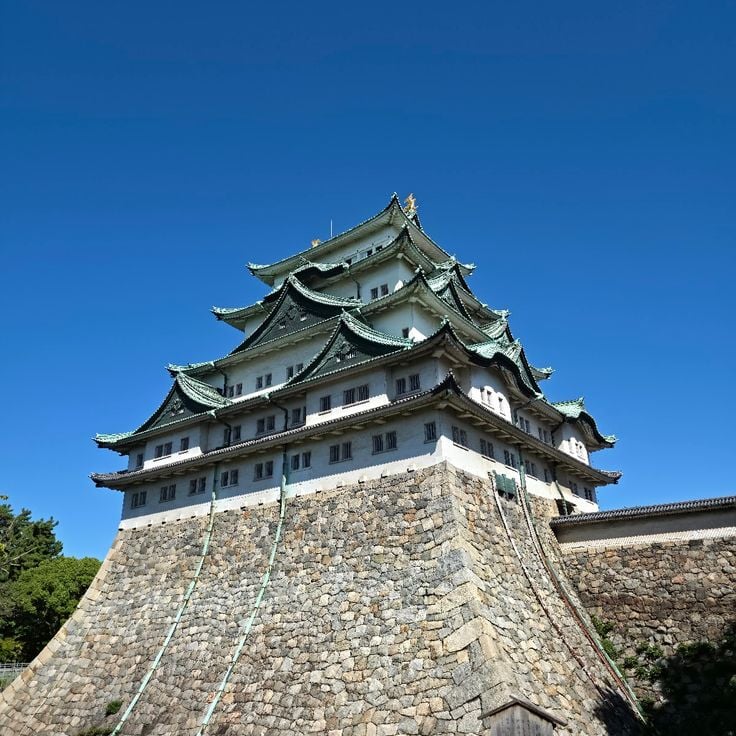
Nagoya Castle stands at the center of the city and calls to mind the era of feudal lords who once controlled this part of Japan. Its most recognized features are the two golden shachihoko, mythical fish-tiger figures that sit on top of the roof ridge. The main tower was rebuilt after World War II, but the moat and the original stone walls still remain. Walking through the grounds gives a clear sense of how powerful this fortress once was.
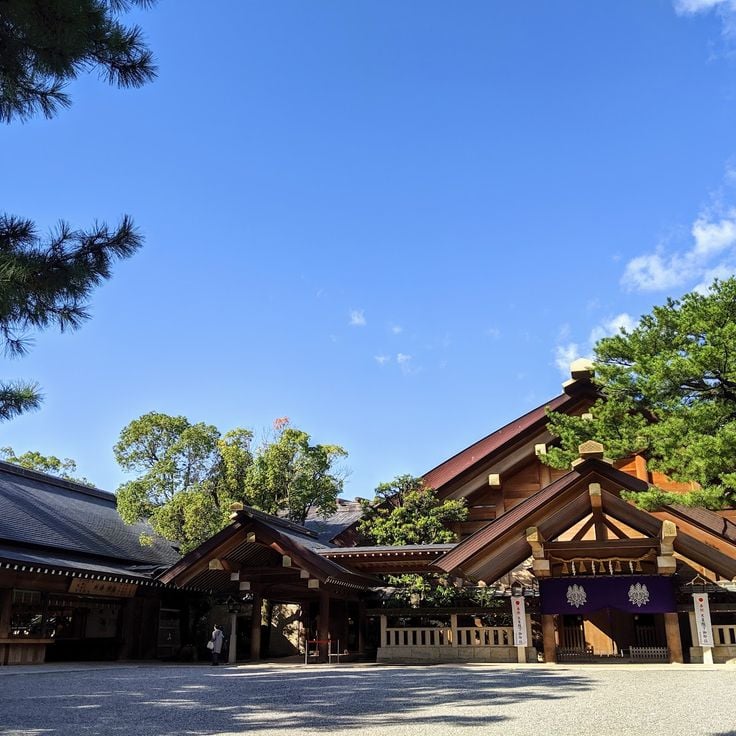
Atsuta Jingu in Nagoya is one of the most revered Shinto shrines in Japan. It houses the sacred sword Kusanagi, one of the three imperial treasures of the Japanese imperial family. Tall trees line the stone paths, and visitors come throughout the day to pray or simply walk through the wooded grounds. The shrine sits in the middle of the city, yet feels completely apart from it.
The Toyota Commemorative Museum of Industry and Technology in Nagoya tells the story of how a textile company became one of the world's largest carmakers. Set in the old brick buildings of the original factory, the museum shows working looms from the company's early days, then follows the shift to machinery and car production. The displays are straightforward and easy to follow for visitors of all ages. A good starting point for understanding Japan's industrial history.
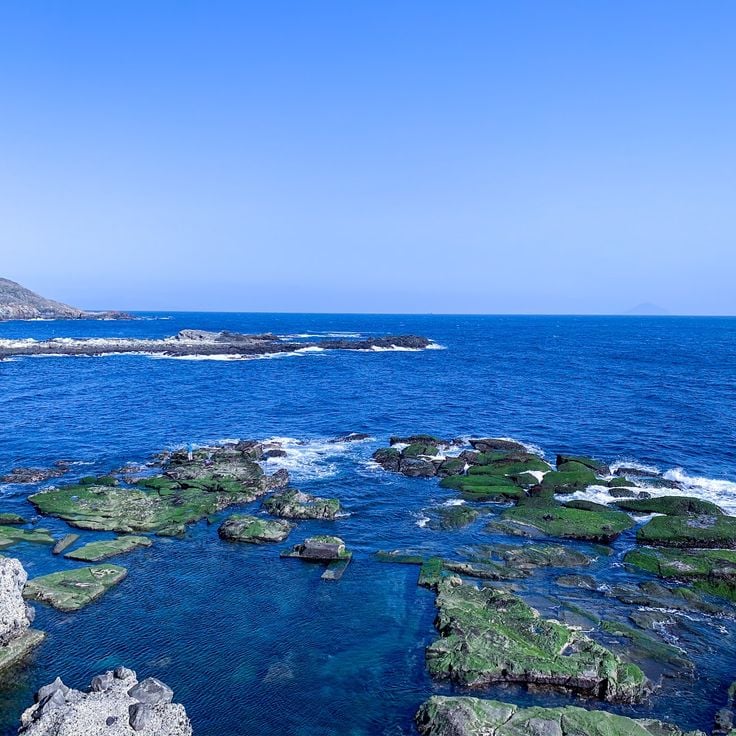
The Izu Peninsula juts into the Pacific south of Tokyo, with a coastline that shifts between steep cliffs, small coves, and dark sand beaches. Inland, wooded hills rise steadily, and hot water surfaces from the ground at many spots. The peninsula's hot springs have drawn visitors for centuries, and many Japanese come here to soak in the warm baths. On clear days, Mount Fuji is visible from the northern shore. The small fishing towns along the coast bring fresh seafood to the docks each morning.
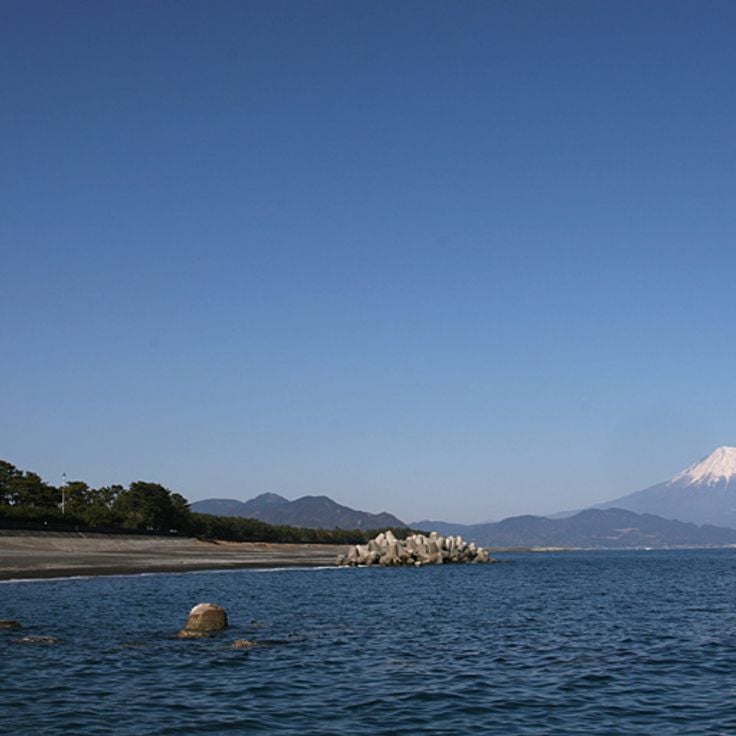
Miho no Matsubara is a long pine forest that runs along the coast of the Miho Peninsula near Shizuoka. The trees grow close to the water, and on clear days Mount Fuji appears behind the branches. This view has been one of Japan's most recognized landscape images for centuries, and the forest is part of the UNESCO World Heritage site linked to Fuji. A narrow sandy path leads through the pines to the shore, where fishermen bring in their boats.
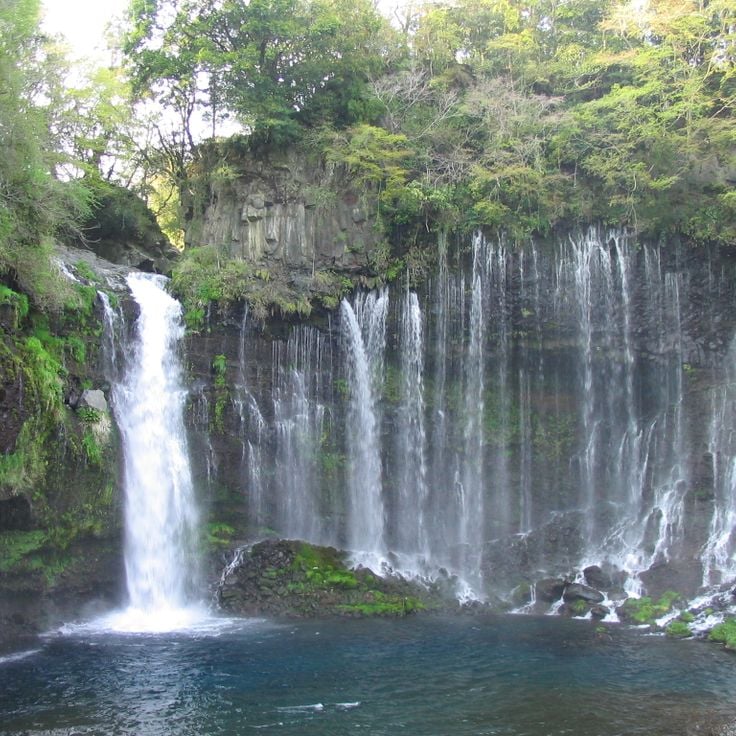
The Shiraito Falls sit at the foot of Mount Fuji and are fed largely by groundwater that filters through the volcano. Water seeps out of a long rock wall and falls in thin streams that together look like white threads hanging in the air. The name means exactly that in Japanese. The falls are about 65 feet (20 meters) high and roughly 650 feet (200 meters) wide, making the curtain of water quite wide compared to its height. The surrounding forest stays green and cool, and the sound of the water carries far along the path that runs in front of the falls. This is a place where many Japanese visitors come on day trips from the Fuji Five Lakes area.
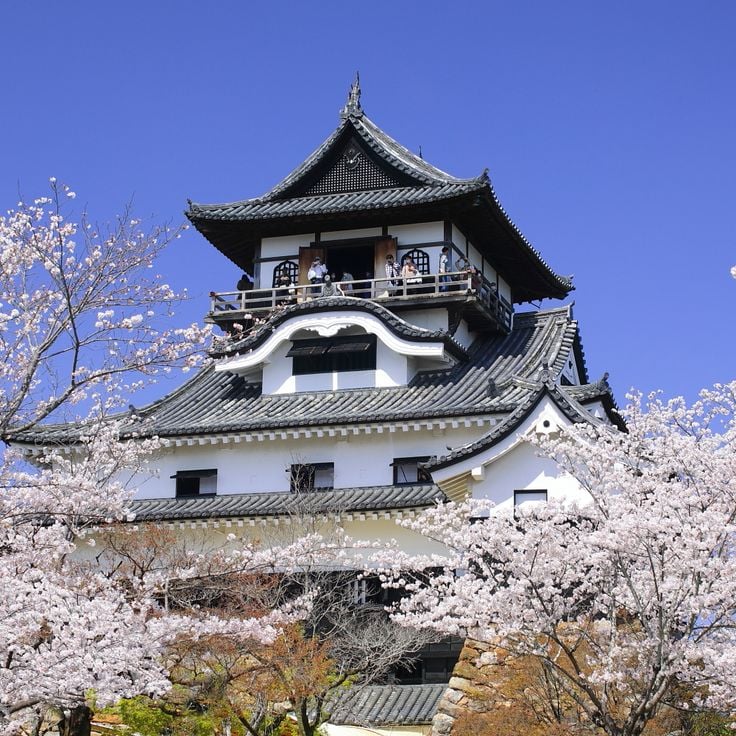
Inuyama Castle is one of the few Japanese castles that still has its original keep, built in the 16th century. It sits on a rocky hill directly above the Kiso River, and from the top floor you get an open view over the water and the surrounding hills. The dark wooden structure feels old and solid, and walking through it gives a real sense of what a feudal castle looked like from the inside.
Mount Fuji is the highest peak in Japan and has been considered sacred for centuries. Its snow-covered summit rises above the surrounding plain and is visible on clear days from a great distance. Around its base, calm lakes reflect its outline, and small temples sit among cedar trees on the slopes. Every year, many people walk to the top to watch the sunrise. Mount Fuji is more than a mountain: it has stood at the heart of Japanese culture and daily imagination for a very long time.
Lake Kawaguchiko sits in Yamanashi Prefecture, at the foot of Mount Fuji. From its shores, the mountain appears close and clear above the water, making it one of the most visited spots in the Chubu region. In spring, cherry trees bloom along the lakeside and their reflection joins that of the snow-capped peak. In autumn, the surrounding trees turn red and golden, giving the lake a completely different feel. Small cafés and shops line the northern shore, and the pace of life here is slow and easy, with visitors strolling along the water at all hours.
Arakurayama Sengen Park sits on a hillside above Fujiyoshida, and the Chureito Pagoda stands near the top of a long stone stairway lined with cherry trees. From this spot, the five-story pagoda appears directly in front of Mount Fuji, creating one of the most photographed views in Japan. The climb takes a few minutes but the reward is a clear view over the rooftops of the town below, with the mountain rising behind the pagoda.
Oshino Hakkai is a small village at the foot of Mount Fuji, where eight spring-fed ponds draw their water from the mountain's snowmelt. The water filters through layers of lava rock for decades before reaching the surface here. The ponds sit among old thatched-roof houses, and the water is so clear that the bottom is easy to see. Many visitors come to see Mount Fuji from a different angle, set against a rural landscape that has changed little over the years.
Shosenkyo Gorge sits in Yamanashi Prefecture, not far from the Fuji area. Granite cliffs rise on both sides of the river, and the water rushes over rocks and small falls along the way. A walking path follows the river through the gorge and leads to Sengataki waterfall, the most dramatic point of the route. In autumn, the trees along the cliffs turn deep red and orange, drawing many visitors who come specifically for the fall colors.
Shirakawa-go is a village in the mountains of Gifu Prefecture, listed as a UNESCO World Heritage Site. Its houses are known for their very steep thatched roofs, built to hold up under the heavy winter snow that falls in this part of Japan. This building style is called Gassho-zukuri, which means 'hands in prayer', a reference to the shape of the roofs. In winter, the village sits under a thick layer of snow, and the lit-up farmhouses feel like they belong to a different era.
Takayama's old town, known as Sanmachi Suji, sits in the heart of Gifu and is one of the best-preserved historic districts in Japan. The narrow streets are lined with old wooden buildings whose dark facades have barely changed over the centuries. Traditional sake breweries still open their doors here, and small shops offer local specialties like Hida beef and mitarashi dango. Walking through these lanes feels like stepping into a version of Japan that has stayed close to its roots.
Takayama Jinya served as the regional government office during the Edo period, when the shogunate took direct control of this mountain area. It is one of the very few buildings of this type that still stands in Japan. Walking through it, you can see the wooden rooms where officials worked, the storage areas where rice tax was kept, and the spaces where hearings took place. The layout shows how local power was exercised in a town far from Edo.
The Shinhotaka Ropeway in Gifu climbs in two stages to over 6,560 ft (2,000 m) in the Japanese Alps. At the top, you look out over sharp peaks, deep valleys, and in winter a thick layer of snow covering everything around. On clear days, the view stretches far across the mountain range. Down in the valley below, hot springs steam and small villages sit along the river.
Gero Onsen sits in Gifu Prefecture, deep in the Japanese Alps. Its hot springs have drawn visitors for centuries, and the town still revolves around the simple ritual of soaking in thermal water. Traditional inns line the banks of the Hida River, offering wooden rooms and open-air baths. The air carries a faint sulfur smell, and the streets are narrow and easy to walk. In winter, the surrounding mountains are covered in snow, and the steam rising from the baths makes the whole place feel warm and close.
Matsumoto Castle rises above the city with its dark wooden and stone walls. Its keep is the oldest original one still standing in Japan. The black exterior stands out sharply against the sky, especially when the snowy peaks of the Japanese Alps appear in the background. Inside, narrow staircases lead through floors filled with old weapons and armor from the feudal era. Walking through it gives a clear sense of how powerful the lords of this region once were.
Kamikochi sits deep in the Japanese Alps in Nagano and opens to visitors only part of the year, as the road into the valley closes each winter. The Azusa River runs through the middle, cold and clear, flanked by old larch forests and wooden footbridges. The peaks around the valley rise sharply, and snow stays on the highest ridges well into summer. Walking along the riverbanks, you are likely to spot deer, monkeys and large birds of prey. There are no private cars allowed, so the place stays surprisingly quiet.
Jigokudani Snow Monkey Park, in the mountains near Nagano, is the only place in the world where wild Japanese macaques regularly bathe in hot springs. In winter, when snow covers the forests, the monkeys sit in the warm water in groups, perfectly at ease. To reach the park, you walk about 30 minutes along a narrow forest path. The scene feels surprisingly close and natural, with no barriers between you and the animals.
Zenko-ji is one of the oldest Buddhist temples in Japan, located in the city of Nagano. Pilgrims have traveled here for centuries to walk its stone-paved paths and pray before what is said to be the first Buddha statue ever brought to Japan. The temple grounds are wide, lined with stone lanterns, and the smell of incense fills the air around the main hall.
Hakuba Valley sits in Nagano Prefecture and is one of Japan's most visited mountain areas. In winter, heavy snowfall draws skiers and snowboarders from around the world to its many slopes. The valley hosted events during the 1998 Winter Olympics, and those venues are still used today. When summer arrives, the mountains shift into a destination for hiking, cycling and climbing, with wide views over the Japanese Alps.
The Nakasendo was one of the main roads linking Edo to Kyoto in feudal Japan. Magome-juku, one of the post towns along this road, sits in the mountains of Gifu Prefecture. Walking through it, you pass wooden houses with dark roofs, stone-paved lanes, and small shops that have served travelers for centuries. The path leading from Magome to the neighboring town of Tsumago follows the original route through cedar forests and rice fields.
Tsumago-juku is an old post town on the historic Nakasendo road, which once linked Edo to Kyoto through the mountains of central Japan. The main street is closed to cars and modern signs, so the wooden buildings and dark roofs of the Edo period still line the path as they always have. Walking through Tsumago-juku feels like stepping into a time when travelers on foot stopped here to rest. The town is also a popular starting or ending point for the trail walk to Magome along the old mountain path.
Kenroku-en is one of the three great traditional landscape gardens of Japan, located in Kanazawa. Ponds, pine trees, stone lanterns, and small streams follow one another along winding paths. In winter, the branches of the oldest trees are held up with ropes to protect them from the snow, giving the garden a look unlike any other season. People come here throughout the year, drawn by the changing appearance of the trees and water.
The Higashi Chaya District is Kanazawa's oldest teahouse quarter. The wooden buildings with their narrow latticed facades have stood since the Edo period and look much as they did centuries ago. Guests once came here to enjoy music and dance performed by geishas. Today, visitors can walk the stone-paved lanes, step inside restored teahouses, and browse small shops selling local sweets and gold leaf goods.
Kanazawa Castle stands in the heart of the city, right next to the Kenroku-en garden. Its white walls and curved roofs are visible from a good distance. The castle was destroyed by fire several times and rebuilt each time. Today, visitors can walk through the gates, explore the reconstructed buildings, and wander across the large courtyard surrounded by old stone walls. It is one of the main gathering spots for anyone visiting Kanazawa.
Omicho Market is the oldest covered market in Kanazawa and has served the city for centuries. Its narrow aisles are lined with fish stalls, vegetable sellers, and small restaurants. The Sea of Japan supplies the fish, crab, and seafood that arrive fresh each morning. Locals come here daily to shop, and visitors can stop at one of the small eateries inside to eat sashimi or crab right at the counter.
The Tateyama Kurobe Alpine Route crosses the Japanese Alps between Toyama and Nagano. To get from one side to the other, you board a cable car, a bus, a trolleybus, and a mountain railway, one after the other. In spring, the snow piles up on both sides of the road, forming walls that can rise about 65 feet (20 meters) high. Walking between those walls of packed snow while the mountain peaks appear above is one of the most striking moments of any trip through Chubu.
The Kurobe Dam sits deep in the Japanese Alps, along the Tateyama-Kurobe Alpine Route. Built in the late 1950s and completed in 1963, it is the tallest dam in Japan. Water pours into the gorge below in a powerful arc, and the surrounding peaks rise sharply on all sides. Getting there is part of the experience: the route combines cable cars, buses, and a trolleybus through the mountains.
Gokayama sits in a deep valley in Toyama Prefecture and is part of the same UNESCO World Heritage site as Shirakawa-go. The villages of Ainokura and Suganuma hold old farmhouses built in the gassho-zukuri style, with tall thatched roofs shaped like hands pressed together in prayer. The area sees fewer visitors than Shirakawa-go and feels more like everyday rural Japan. In winter, snow settles thick on the roofs and the valley takes on a very different character.
Eihei-ji is a Zen Buddhist temple complex founded in the 13th century, set deep in a cedar forest in Fukui. Wooden covered walkways connect its many buildings across a hilly terrain. Monks still live and train here today, following a daily rhythm that has changed little over the centuries. Visitors can walk through the grounds and observe the slow pace of monastic life up close.
The Tojinbo cliffs rise straight up from the Sea of Japan, shaped by volcanic activity over millions of years and worn down by the waves. The rock formations stand in columns, dark and rough against the water below. Walking along the edge, you feel the wind off the sea and hear the waves hitting the base of the cliffs. This stretch of coast in Fukui Prefecture draws visitors who come to stand at the edge and look out over the open water.
The Fukui Prefectural Dinosaur Museum sits in a region where major fossil discoveries have been made over the years. Inside, visitors can see real skeletons, life-size reconstructions, and displays that bring prehistoric life closer. This museum is one of the main destinations in Asia for anyone curious about dinosaurs and the science behind them.
Nagoya Castle stands at the center of the city and calls to mind the era of feudal lords who once controlled this part of Japan. Its most recognized features are the two golden shachihoko, mythical fish-tiger figures that sit on top of the roof ridge. The main tower was rebuilt after World War II, but the moat and the original stone walls still remain. Walking through the grounds gives a clear sense of how powerful this fortress once was.
Atsuta Jingu in Nagoya is one of the most revered Shinto shrines in Japan. It houses the sacred sword Kusanagi, one of the three imperial treasures of the Japanese imperial family. Tall trees line the stone paths, and visitors come throughout the day to pray or simply walk through the wooded grounds. The shrine sits in the middle of the city, yet feels completely apart from it.
The Toyota Commemorative Museum of Industry and Technology in Nagoya tells the story of how a textile company became one of the world's largest carmakers. Set in the old brick buildings of the original factory, the museum shows working looms from the company's early days, then follows the shift to machinery and car production. The displays are straightforward and easy to follow for visitors of all ages. A good starting point for understanding Japan's industrial history.
The Izu Peninsula juts into the Pacific south of Tokyo, with a coastline that shifts between steep cliffs, small coves, and dark sand beaches. Inland, wooded hills rise steadily, and hot water surfaces from the ground at many spots. The peninsula's hot springs have drawn visitors for centuries, and many Japanese come here to soak in the warm baths. On clear days, Mount Fuji is visible from the northern shore. The small fishing towns along the coast bring fresh seafood to the docks each morning.
Miho no Matsubara is a long pine forest that runs along the coast of the Miho Peninsula near Shizuoka. The trees grow close to the water, and on clear days Mount Fuji appears behind the branches. This view has been one of Japan's most recognized landscape images for centuries, and the forest is part of the UNESCO World Heritage site linked to Fuji. A narrow sandy path leads through the pines to the shore, where fishermen bring in their boats.
The Shiraito Falls sit at the foot of Mount Fuji and are fed largely by groundwater that filters through the volcano. Water seeps out of a long rock wall and falls in thin streams that together look like white threads hanging in the air. The name means exactly that in Japanese. The falls are about 65 feet (20 meters) high and roughly 650 feet (200 meters) wide, making the curtain of water quite wide compared to its height. The surrounding forest stays green and cool, and the sound of the water carries far along the path that runs in front of the falls. This is a place where many Japanese visitors come on day trips from the Fuji Five Lakes area.
Inuyama Castle is one of the few Japanese castles that still has its original keep, built in the 16th century. It sits on a rocky hill directly above the Kiso River, and from the top floor you get an open view over the water and the surrounding hills. The dark wooden structure feels old and solid, and walking through it gives a real sense of what a feudal castle looked like from the inside.
Mount Fuji is the highest peak in Japan and has been considered sacred for centuries. Its snow-covered summit rises above the surrounding plain and is visible on clear days from a great distance. Around its base, calm lakes reflect its outline, and small temples sit among cedar trees on the slopes. Every year, many people walk to the top to watch the sunrise. Mount Fuji is more than a mountain: it has stood at the heart of Japanese culture and daily imagination for a very long time.
Lake Kawaguchiko sits in Yamanashi Prefecture, at the foot of Mount Fuji. From its shores, the mountain appears close and clear above the water, making it one of the most visited spots in the Chubu region. In spring, cherry trees bloom along the lakeside and their reflection joins that of the snow-capped peak. In autumn, the surrounding trees turn red and golden, giving the lake a completely different feel. Small cafés and shops line the northern shore, and the pace of life here is slow and easy, with visitors strolling along the water at all hours.
Arakurayama Sengen Park sits on a hillside above Fujiyoshida, and the Chureito Pagoda stands near the top of a long stone stairway lined with cherry trees. From this spot, the five-story pagoda appears directly in front of Mount Fuji, creating one of the most photographed views in Japan. The climb takes a few minutes but the reward is a clear view over the rooftops of the town below, with the mountain rising behind the pagoda.
Oshino Hakkai is a small village at the foot of Mount Fuji, where eight spring-fed ponds draw their water from the mountain's snowmelt. The water filters through layers of lava rock for decades before reaching the surface here. The ponds sit among old thatched-roof houses, and the water is so clear that the bottom is easy to see. Many visitors come to see Mount Fuji from a different angle, set against a rural landscape that has changed little over the years.
Shosenkyo Gorge sits in Yamanashi Prefecture, not far from the Fuji area. Granite cliffs rise on both sides of the river, and the water rushes over rocks and small falls along the way. A walking path follows the river through the gorge and leads to Sengataki waterfall, the most dramatic point of the route. In autumn, the trees along the cliffs turn deep red and orange, drawing many visitors who come specifically for the fall colors.
Shirakawa-go is a village in the mountains of Gifu Prefecture, listed as a UNESCO World Heritage Site. Its houses are known for their very steep thatched roofs, built to hold up under the heavy winter snow that falls in this part of Japan. This building style is called Gassho-zukuri, which means 'hands in prayer', a reference to the shape of the roofs. In winter, the village sits under a thick layer of snow, and the lit-up farmhouses feel like they belong to a different era.
Takayama's old town, known as Sanmachi Suji, sits in the heart of Gifu and is one of the best-preserved historic districts in Japan. The narrow streets are lined with old wooden buildings whose dark facades have barely changed over the centuries. Traditional sake breweries still open their doors here, and small shops offer local specialties like Hida beef and mitarashi dango. Walking through these lanes feels like stepping into a version of Japan that has stayed close to its roots.
Takayama Jinya served as the regional government office during the Edo period, when the shogunate took direct control of this mountain area. It is one of the very few buildings of this type that still stands in Japan. Walking through it, you can see the wooden rooms where officials worked, the storage areas where rice tax was kept, and the spaces where hearings took place. The layout shows how local power was exercised in a town far from Edo.
The Shinhotaka Ropeway in Gifu climbs in two stages to over 6,560 ft (2,000 m) in the Japanese Alps. At the top, you look out over sharp peaks, deep valleys, and in winter a thick layer of snow covering everything around. On clear days, the view stretches far across the mountain range. Down in the valley below, hot springs steam and small villages sit along the river.
Gero Onsen sits in Gifu Prefecture, deep in the Japanese Alps. Its hot springs have drawn visitors for centuries, and the town still revolves around the simple ritual of soaking in thermal water. Traditional inns line the banks of the Hida River, offering wooden rooms and open-air baths. The air carries a faint sulfur smell, and the streets are narrow and easy to walk. In winter, the surrounding mountains are covered in snow, and the steam rising from the baths makes the whole place feel warm and close.
Matsumoto Castle rises above the city with its dark wooden and stone walls. Its keep is the oldest original one still standing in Japan. The black exterior stands out sharply against the sky, especially when the snowy peaks of the Japanese Alps appear in the background. Inside, narrow staircases lead through floors filled with old weapons and armor from the feudal era. Walking through it gives a clear sense of how powerful the lords of this region once were.
Kamikochi sits deep in the Japanese Alps in Nagano and opens to visitors only part of the year, as the road into the valley closes each winter. The Azusa River runs through the middle, cold and clear, flanked by old larch forests and wooden footbridges. The peaks around the valley rise sharply, and snow stays on the highest ridges well into summer. Walking along the riverbanks, you are likely to spot deer, monkeys and large birds of prey. There are no private cars allowed, so the place stays surprisingly quiet.
Jigokudani Snow Monkey Park, in the mountains near Nagano, is the only place in the world where wild Japanese macaques regularly bathe in hot springs. In winter, when snow covers the forests, the monkeys sit in the warm water in groups, perfectly at ease. To reach the park, you walk about 30 minutes along a narrow forest path. The scene feels surprisingly close and natural, with no barriers between you and the animals.
Zenko-ji is one of the oldest Buddhist temples in Japan, located in the city of Nagano. Pilgrims have traveled here for centuries to walk its stone-paved paths and pray before what is said to be the first Buddha statue ever brought to Japan. The temple grounds are wide, lined with stone lanterns, and the smell of incense fills the air around the main hall.
Hakuba Valley sits in Nagano Prefecture and is one of Japan's most visited mountain areas. In winter, heavy snowfall draws skiers and snowboarders from around the world to its many slopes. The valley hosted events during the 1998 Winter Olympics, and those venues are still used today. When summer arrives, the mountains shift into a destination for hiking, cycling and climbing, with wide views over the Japanese Alps.
The Nakasendo was one of the main roads linking Edo to Kyoto in feudal Japan. Magome-juku, one of the post towns along this road, sits in the mountains of Gifu Prefecture. Walking through it, you pass wooden houses with dark roofs, stone-paved lanes, and small shops that have served travelers for centuries. The path leading from Magome to the neighboring town of Tsumago follows the original route through cedar forests and rice fields.
Tsumago-juku is an old post town on the historic Nakasendo road, which once linked Edo to Kyoto through the mountains of central Japan. The main street is closed to cars and modern signs, so the wooden buildings and dark roofs of the Edo period still line the path as they always have. Walking through Tsumago-juku feels like stepping into a time when travelers on foot stopped here to rest. The town is also a popular starting or ending point for the trail walk to Magome along the old mountain path.
Kenroku-en is one of the three great traditional landscape gardens of Japan, located in Kanazawa. Ponds, pine trees, stone lanterns, and small streams follow one another along winding paths. In winter, the branches of the oldest trees are held up with ropes to protect them from the snow, giving the garden a look unlike any other season. People come here throughout the year, drawn by the changing appearance of the trees and water.
The Higashi Chaya District is Kanazawa's oldest teahouse quarter. The wooden buildings with their narrow latticed facades have stood since the Edo period and look much as they did centuries ago. Guests once came here to enjoy music and dance performed by geishas. Today, visitors can walk the stone-paved lanes, step inside restored teahouses, and browse small shops selling local sweets and gold leaf goods.
Kanazawa Castle stands in the heart of the city, right next to the Kenroku-en garden. Its white walls and curved roofs are visible from a good distance. The castle was destroyed by fire several times and rebuilt each time. Today, visitors can walk through the gates, explore the reconstructed buildings, and wander across the large courtyard surrounded by old stone walls. It is one of the main gathering spots for anyone visiting Kanazawa.
Omicho Market is the oldest covered market in Kanazawa and has served the city for centuries. Its narrow aisles are lined with fish stalls, vegetable sellers, and small restaurants. The Sea of Japan supplies the fish, crab, and seafood that arrive fresh each morning. Locals come here daily to shop, and visitors can stop at one of the small eateries inside to eat sashimi or crab right at the counter.
The Tateyama Kurobe Alpine Route crosses the Japanese Alps between Toyama and Nagano. To get from one side to the other, you board a cable car, a bus, a trolleybus, and a mountain railway, one after the other. In spring, the snow piles up on both sides of the road, forming walls that can rise about 65 feet (20 meters) high. Walking between those walls of packed snow while the mountain peaks appear above is one of the most striking moments of any trip through Chubu.
The Kurobe Dam sits deep in the Japanese Alps, along the Tateyama-Kurobe Alpine Route. Built in the late 1950s and completed in 1963, it is the tallest dam in Japan. Water pours into the gorge below in a powerful arc, and the surrounding peaks rise sharply on all sides. Getting there is part of the experience: the route combines cable cars, buses, and a trolleybus through the mountains.
Gokayama sits in a deep valley in Toyama Prefecture and is part of the same UNESCO World Heritage site as Shirakawa-go. The villages of Ainokura and Suganuma hold old farmhouses built in the gassho-zukuri style, with tall thatched roofs shaped like hands pressed together in prayer. The area sees fewer visitors than Shirakawa-go and feels more like everyday rural Japan. In winter, snow settles thick on the roofs and the valley takes on a very different character.
Eihei-ji is a Zen Buddhist temple complex founded in the 13th century, set deep in a cedar forest in Fukui. Wooden covered walkways connect its many buildings across a hilly terrain. Monks still live and train here today, following a daily rhythm that has changed little over the centuries. Visitors can walk through the grounds and observe the slow pace of monastic life up close.
The Tojinbo cliffs rise straight up from the Sea of Japan, shaped by volcanic activity over millions of years and worn down by the waves. The rock formations stand in columns, dark and rough against the water below. Walking along the edge, you feel the wind off the sea and hear the waves hitting the base of the cliffs. This stretch of coast in Fukui Prefecture draws visitors who come to stand at the edge and look out over the open water.
The Fukui Prefectural Dinosaur Museum sits in a region where major fossil discoveries have been made over the years. Inside, visitors can see real skeletons, life-size reconstructions, and displays that bring prehistoric life closer. This museum is one of the main destinations in Asia for anyone curious about dinosaurs and the science behind them.
Nagoya Castle stands at the center of the city and calls to mind the era of feudal lords who once controlled this part of Japan. Its most recognized features are the two golden shachihoko, mythical fish-tiger figures that sit on top of the roof ridge. The main tower was rebuilt after World War II, but the moat and the original stone walls still remain. Walking through the grounds gives a clear sense of how powerful this fortress once was.
Atsuta Jingu in Nagoya is one of the most revered Shinto shrines in Japan. It houses the sacred sword Kusanagi, one of the three imperial treasures of the Japanese imperial family. Tall trees line the stone paths, and visitors come throughout the day to pray or simply walk through the wooded grounds. The shrine sits in the middle of the city, yet feels completely apart from it.
The Toyota Commemorative Museum of Industry and Technology in Nagoya tells the story of how a textile company became one of the world's largest carmakers. Set in the old brick buildings of the original factory, the museum shows working looms from the company's early days, then follows the shift to machinery and car production. The displays are straightforward and easy to follow for visitors of all ages. A good starting point for understanding Japan's industrial history.
The Izu Peninsula juts into the Pacific south of Tokyo, with a coastline that shifts between steep cliffs, small coves, and dark sand beaches. Inland, wooded hills rise steadily, and hot water surfaces from the ground at many spots. The peninsula's hot springs have drawn visitors for centuries, and many Japanese come here to soak in the warm baths. On clear days, Mount Fuji is visible from the northern shore. The small fishing towns along the coast bring fresh seafood to the docks each morning.
Miho no Matsubara is a long pine forest that runs along the coast of the Miho Peninsula near Shizuoka. The trees grow close to the water, and on clear days Mount Fuji appears behind the branches. This view has been one of Japan's most recognized landscape images for centuries, and the forest is part of the UNESCO World Heritage site linked to Fuji. A narrow sandy path leads through the pines to the shore, where fishermen bring in their boats.
The Shiraito Falls sit at the foot of Mount Fuji and are fed largely by groundwater that filters through the volcano. Water seeps out of a long rock wall and falls in thin streams that together look like white threads hanging in the air. The name means exactly that in Japanese. The falls are about 65 feet (20 meters) high and roughly 650 feet (200 meters) wide, making the curtain of water quite wide compared to its height. The surrounding forest stays green and cool, and the sound of the water carries far along the path that runs in front of the falls. This is a place where many Japanese visitors come on day trips from the Fuji Five Lakes area.
Inuyama Castle is one of the few Japanese castles that still has its original keep, built in the 16th century. It sits on a rocky hill directly above the Kiso River, and from the top floor you get an open view over the water and the surrounding hills. The dark wooden structure feels old and solid, and walking through it gives a real sense of what a feudal castle looked like from the inside.
Visiting Chubu means accepting that some places remain quiet and little visited. Go in autumn or early summer to avoid crowds without sacrificing the beauty of the landscapes. Local residents know hiking trails and hot springs that tourist guides forget. One recommendation: ask questions to the people there, they will love sharing their favorite finds.