See the monuments around you in AROpen chests in the app
Around Us is built for your phone — point your camera at the streets and discover the monuments and places around you in augmented reality.Around Us is built for your phone — chests unlock when you walk, explore and capture nearby places.
Photogenic Spots in Bangkok: Temples, Markets, and Siamese Architecture
Bangkok offers photographers a wide variety of subjects, from religious heritage to contemporary urban spaces. The Thai capital hosts several major historic temples such as Wat Arun, established in the 17th century, with its central prang reaching 79 meters (259 feet) and decorated with porcelain fragments, as well as the Grand Palace, a royal complex from the 18th century covering 218,000 square meters (54 acres) and home to the renowned Emerald Buddha. Wat Pho, with its 46-meter (151-foot) gold Reclining Buddha, completes this series of religious sites that have shaped the city's architectural identity.
Beyond temples, Bangkok features diverse locations suitable for various photography styles. Markets like Chatuchak, with 15,000 stalls on weekends, offer authentic scenes of local life. Green spaces such as Lumphini Park help document urban nature across 57 hectares (141 acres). Modern shopping districts like Asiatique The Riverfront and Siam Paragon demonstrate the city’s contemporary growth. This collection includes accessible sites that reflect the multiple facets of Bangkok.
Photogenic Spots in Bangkok: Temples, Markets, and Siamese Architecture
Bangkok offers photographers a wide variety of subjects, from religious heritage to contemporary urban spaces. The Thai capital hosts several major historic temples such as Wat Arun, established in the 17th century, with its central prang reaching 79 meters (259 feet) and decorated with porcelain fragments, as well as the Grand Palace, a royal complex from the 18th century covering 218,000 square meters (54 acres) and home to the renowned Emerald Buddha. Wat Pho, with its 46-meter (151-foot) gold Reclining Buddha, completes this series of religious sites that have shaped the city's architectural identity.
Beyond temples, Bangkok features diverse locations suitable for various photography styles. Markets like Chatuchak, with 15,000 stalls on weekends, offer authentic scenes of local life. Green spaces such as Lumphini Park help document urban nature across 57 hectares (141 acres). Modern shopping districts like Asiatique The Riverfront and Siam Paragon demonstrate the city’s contemporary growth. This collection includes accessible sites that reflect the multiple facets of Bangkok.
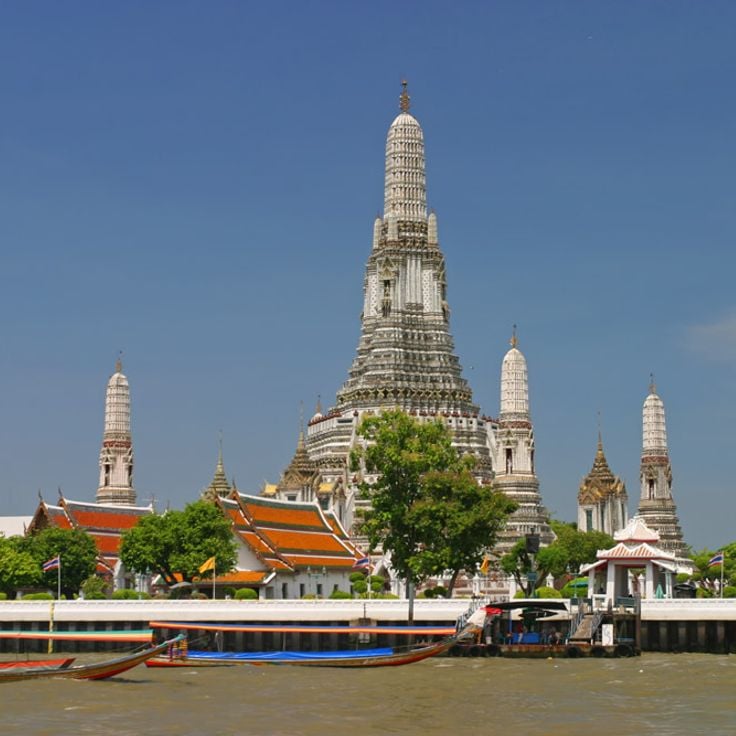
This temple on the Chao Phraya riverbank ranks among Bangkok's most photographed sites. Wat Arun was established in the 17th century and features a 79-meter (260-foot) central prang decorated with porcelain shards and colorful ceramic fragments. The steep staircases and ornamental details offer numerous angles for capturing religious architecture. The riverside location allows shots from the opposite bank or from boats, particularly during low sunlight conditions.
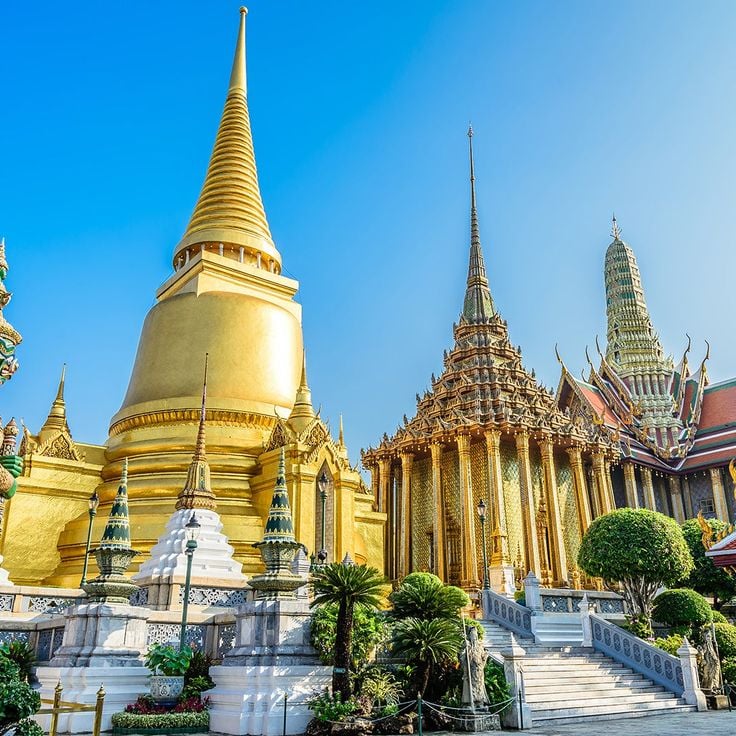
This 18th-century royal complex contains a museum displaying wall paintings, sculptures and traditional architectural elements across 218,400 square feet (2.35 million square meters) and served as the official residence of Siamese kings from 1782 to 1925. The Grand Palace ranks among Bangkok's most photographed sites and demonstrates the craftsmanship of Thai builders. Visitors find chedis with gilded mosaics, pavilions with tiered roofs and Wat Phra Kaew temple housing the Emerald Buddha.
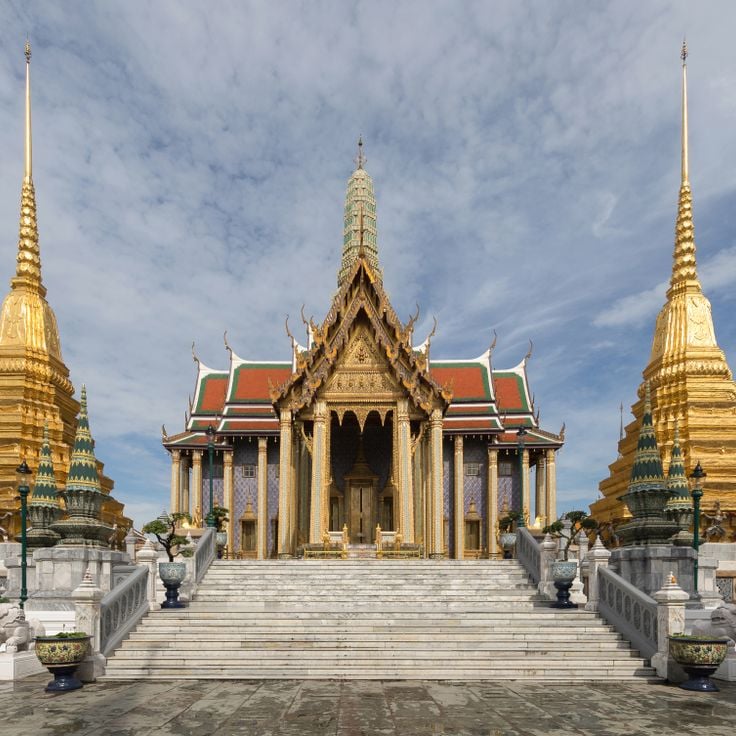
This temple within the Grand Palace complex displays traditional Siamese architecture with gilded spires and houses a Buddha statue carved from green jade, considered a national religious object. Wat Phra Kaew offers photographers detailed religious ornamentation, colorful mosaics and architectural elements that represent Bangkok's spiritual and artistic traditions, adding to the photographic range the city provides from historic temples to contemporary structures and active markets.
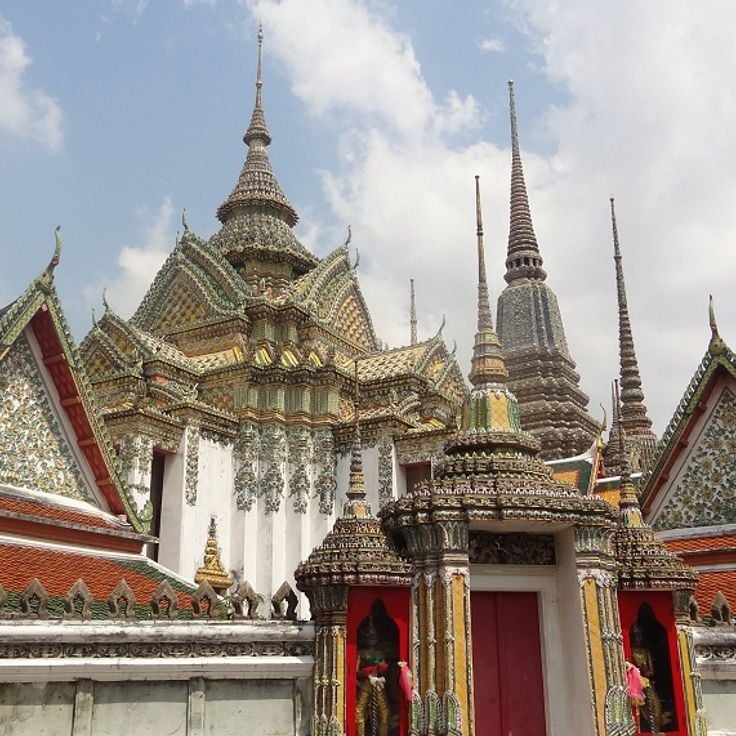
Wat Pho lies south of the Grand Palace and contains a 151-foot (46-meter) gold-plated statue of the reclining Buddha. This temple dates from the 16th century and was expanded under King Rama I. Four chedis in the courtyard represent the first four Chakri rulers. The complex serves as the national school for traditional Thai massage and medicine and holds more than a thousand Buddha statues along with murals depicting Jataka narratives. Photographers document religious architecture, gilded ornamentation and garden courtyards with stone guardians at this historic site.
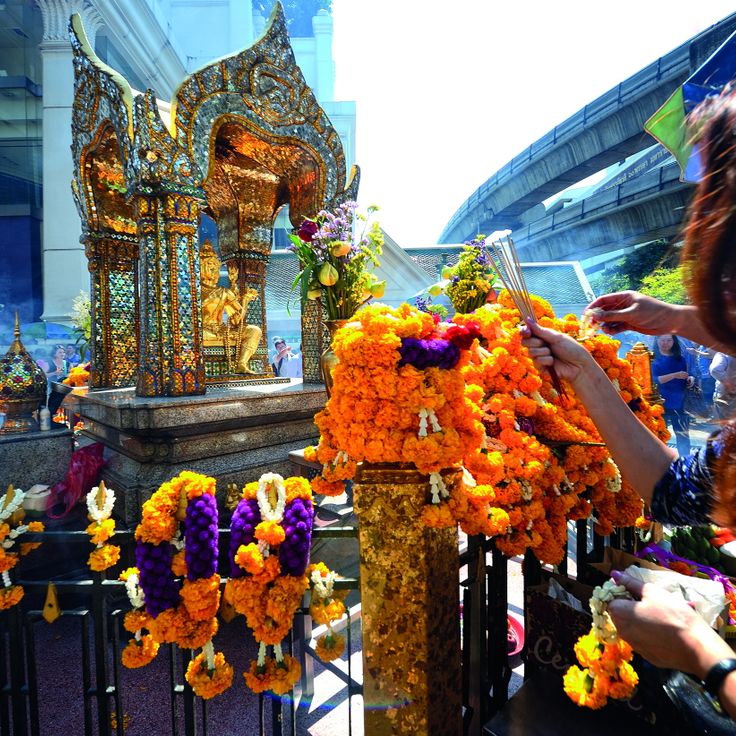
This Hindu shrine houses a four-faced Brahma statue and draws visitors daily for prayers and traditional dance performances that document Bangkok's religious diversity and the continuing influence of Indian traditions in the Thai capital.
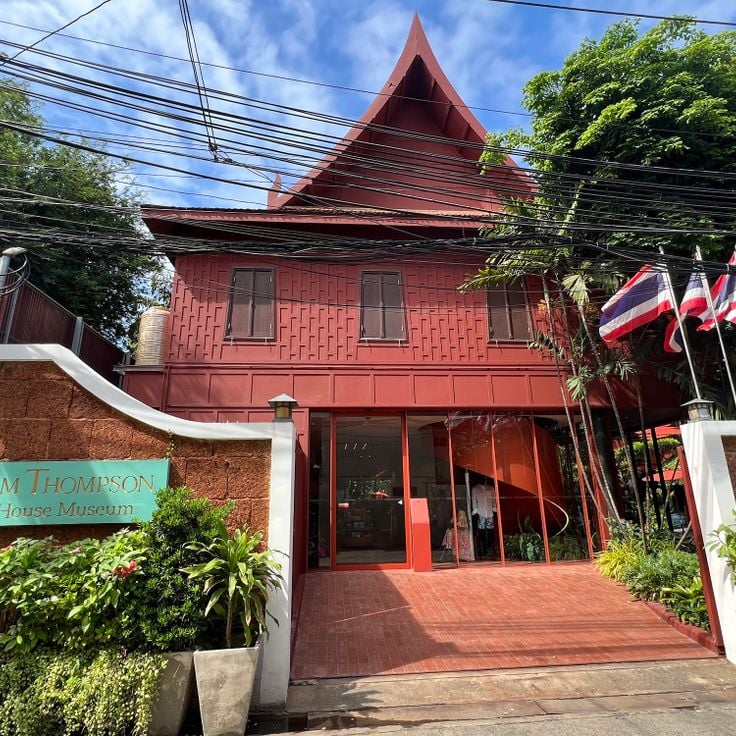
This museum comprises six traditional teak houses that American entrepreneur Jim Thompson collected from various regions of Thailand during the 1950s and 1960s, reassembling them along Khlong Saen Saep. The Jim Thompson House displays his extensive collection of Southeast Asian art, including ceramics from Myanmar and China, Buddhist sculptures, and textiles. The elevated wooden structures with steep gabled roofs follow traditional Thai residential architecture and are surrounded by tropical gardens. The complex documents both traditional living forms and Thompson's role in reviving the Thai silk industry after World War II.
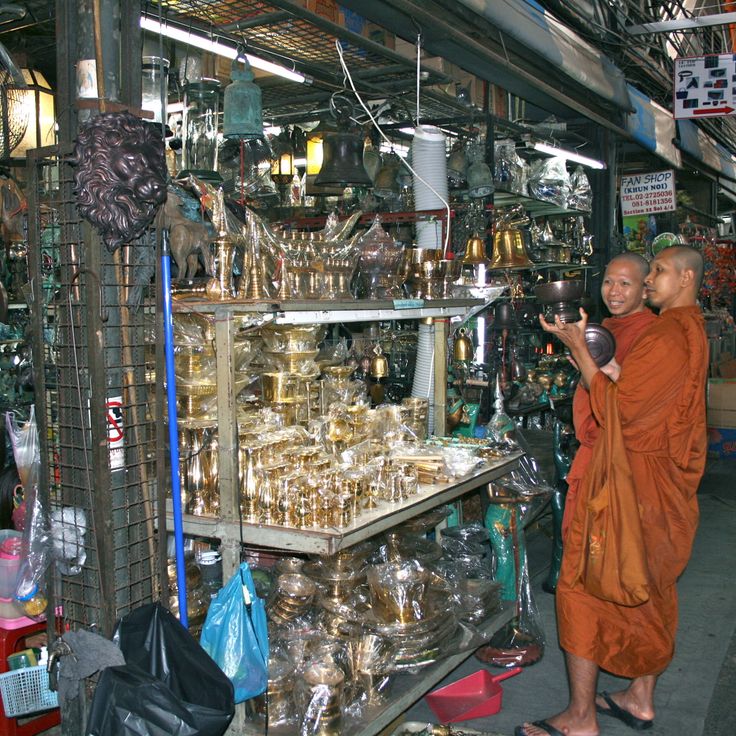
This weekend market stands as the largest retail venue of its kind in Thailand, spreading across an extensive site north of the city center. Around 15,000 stalls provide a broad selection of textiles, housewares, antiques, handicrafts and street food representing regional cuisines from across the country. Photographers find ample opportunities to capture daily urban life, from market transactions and food vendors to the narrow lanes between rows of stands. Open primarily on weekends, this market attracts both local residents and international visitors seeking to document the commercial and culinary activity of Bangkok.
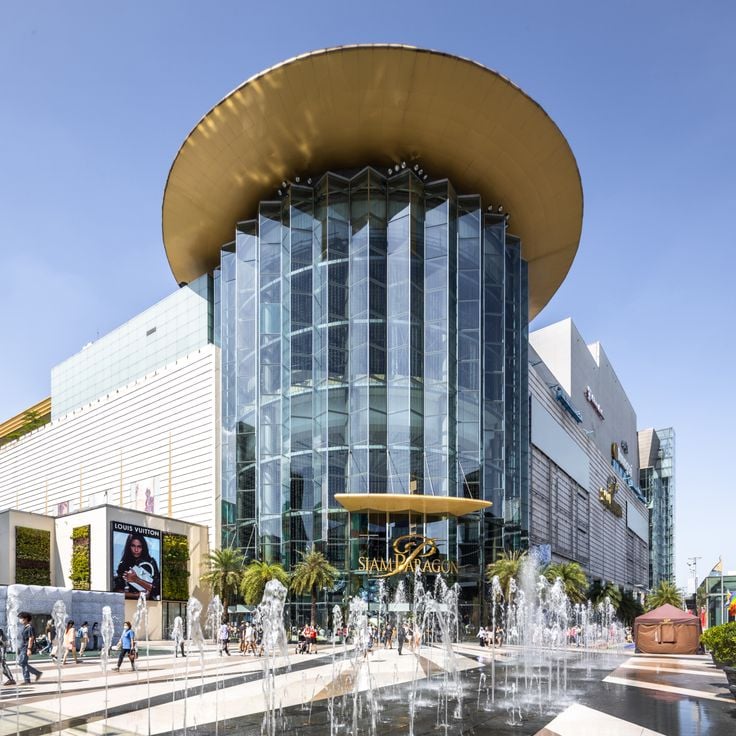
This retail complex houses international designer brands, an aquarium, an automobile gallery and numerous restaurants across seven floors, demonstrating Bangkok's contemporary growth as part of the city's diverse photographic subjects ranging from historic temples to modern shopping districts.
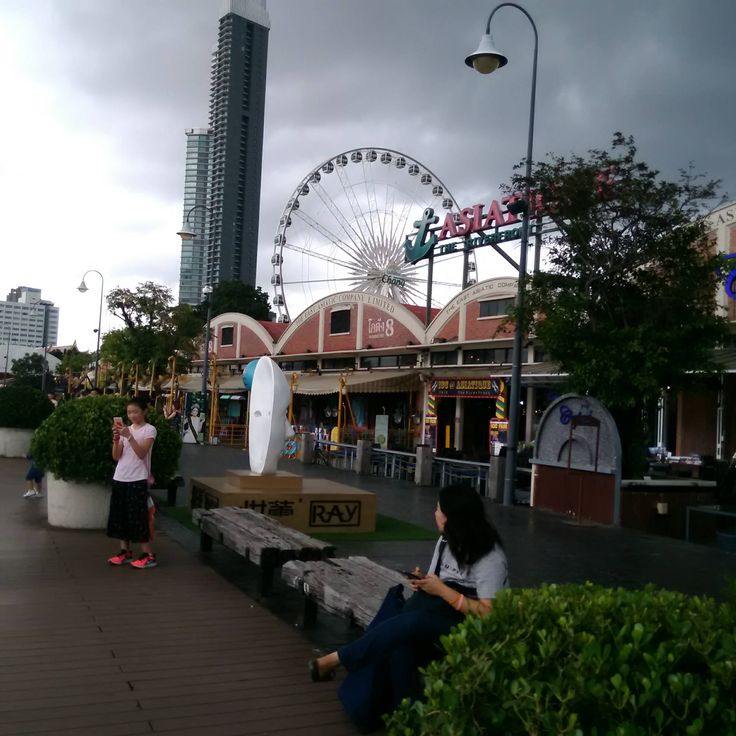
This shopping and entertainment district along the Chao Phraya River combines contemporary retail with traditional market structures on a converted dock site. Asiatique The Riverfront spans 28 hectares (69 acres) and includes roughly 1,500 boutiques and 40 restaurants distributed across ten warehouse buildings, plus a ferris wheel offering views over the river. The complex is accessible by complimentary ferry in the evening and demonstrates Bangkok's evolution from industrial port to modern urban quarter.
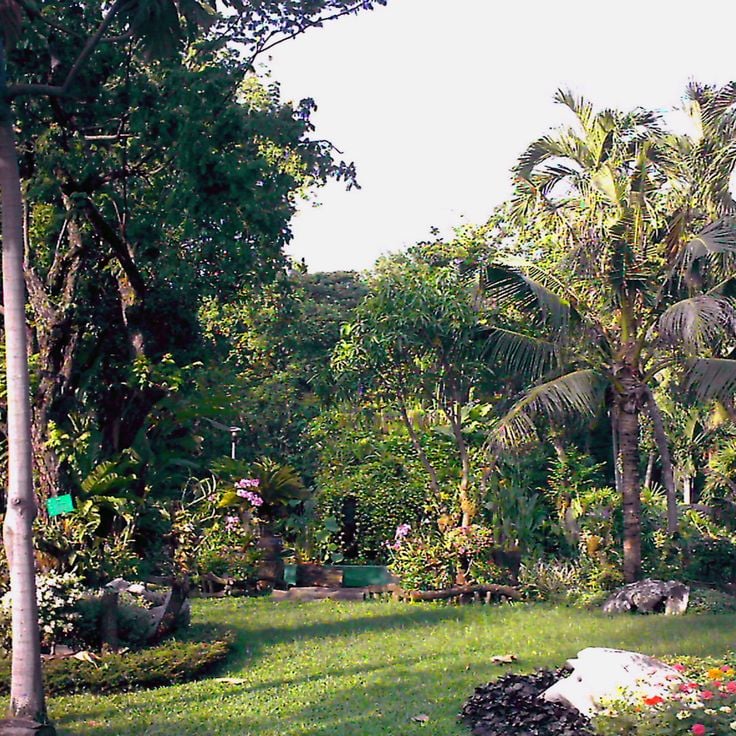
This 57-hectare park offers paths, lakes and sports facilities as an example of urban recreation in Bangkok, adding to the collection a documented green space that contrasts with the religious and commercial sites of the Thai capital.
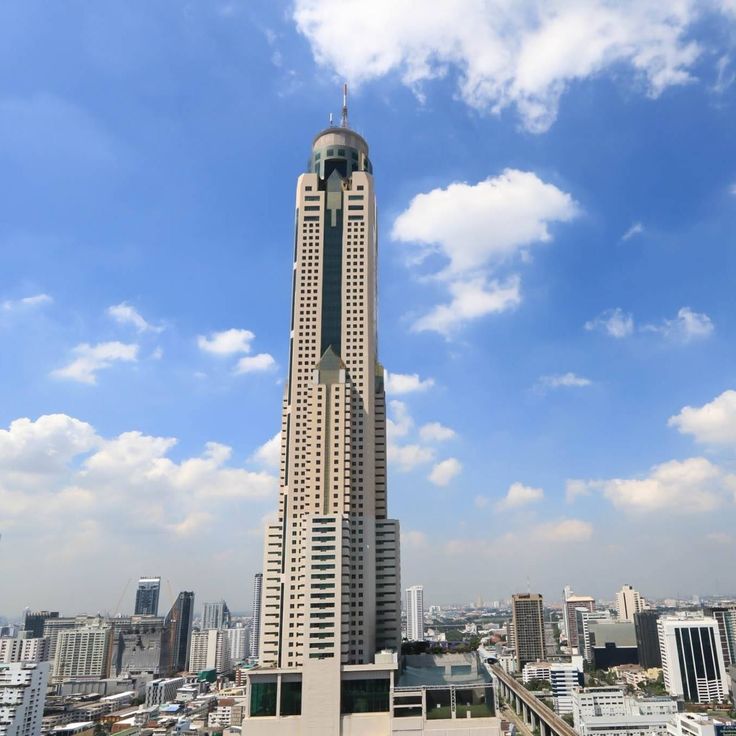
The Baiyoke Sky Tower is a 304-meter (997-foot) skyscraper with a rotating restaurant on the 84th floor and an observation platform at 250 meters (820 feet) above ground. This 1997 tower was Thailand's tallest building at the time of construction and provides photographers with panoramic views of Bangkok and the surrounding Chao Phraya delta. The rotating platform on the top floor enables 360-degree captures of the cityscape, showing the contrast between historic temples and modern business districts.
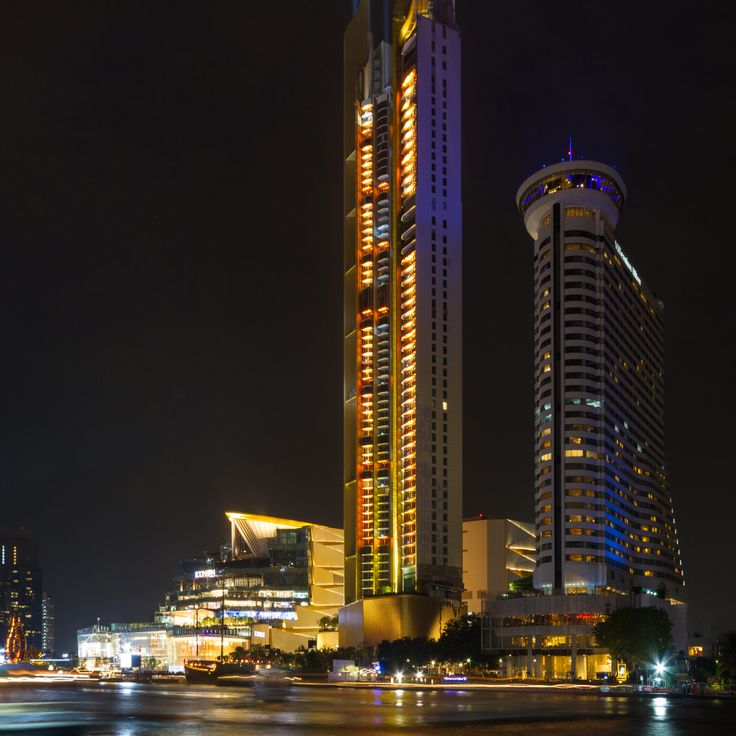
This riverside retail complex opened in 2018 along the Chao Phraya and comprises more than 500,000 square meters (5.4 million square feet) of shopping and entertainment space. ICONSIAM combines international luxury brands with Thai craft zones and offers a waterfront promenade overlooking the river, plus a range of restaurants presenting local and international cuisine.
This night market gives photographers in Bangkok access to antiques and collectibles from the 20th century, complemented by stalls offering Thai cuisine and vintage clothing. Talat Rot Fai presents nostalgic subjects including old cameras, vinyl records, retro signage and military memorabilia. The arrangement of goods creates visual compositions drawn from past decades, while the lighting produces warm tones for evening photography. The combination of food vendors and vintage finds makes this market a venue for documentary and street photography within Bangkok's diverse range of photographic opportunities.
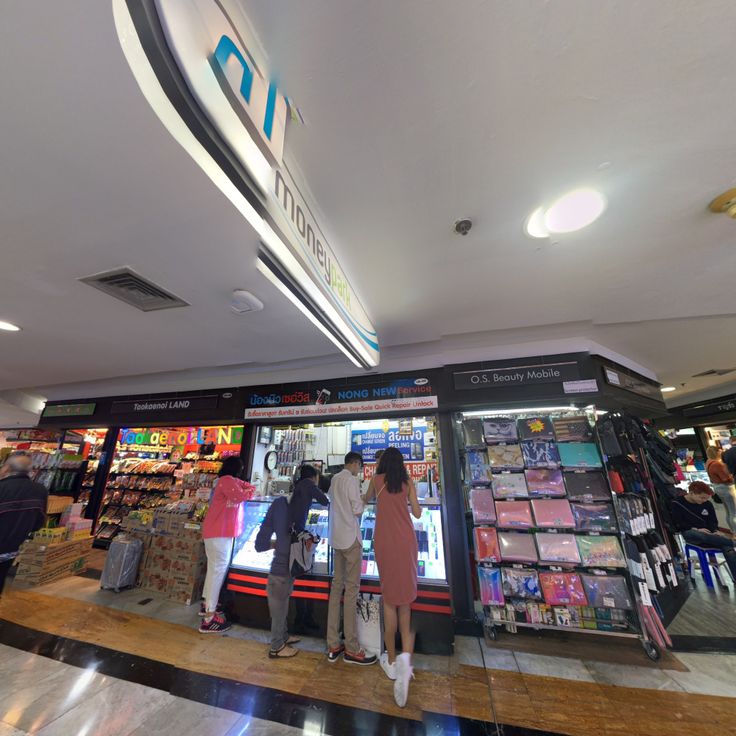
This downtown shopping complex spans eight floors of retail space dedicated to electronics, fashion and accessories. The MBK Center ranks among Bangkok's established photo subjects, where visitors document the multi-story architecture, busy corridors and product variety on display. Upper levels house restaurants and a cinema. As one of Bangkok's most visited shopping destinations, the center offers photographers subjects ranging from local consumer culture to architectural details of the mall structure, complementing the city's historic temples and traditional markets featured in this collection.
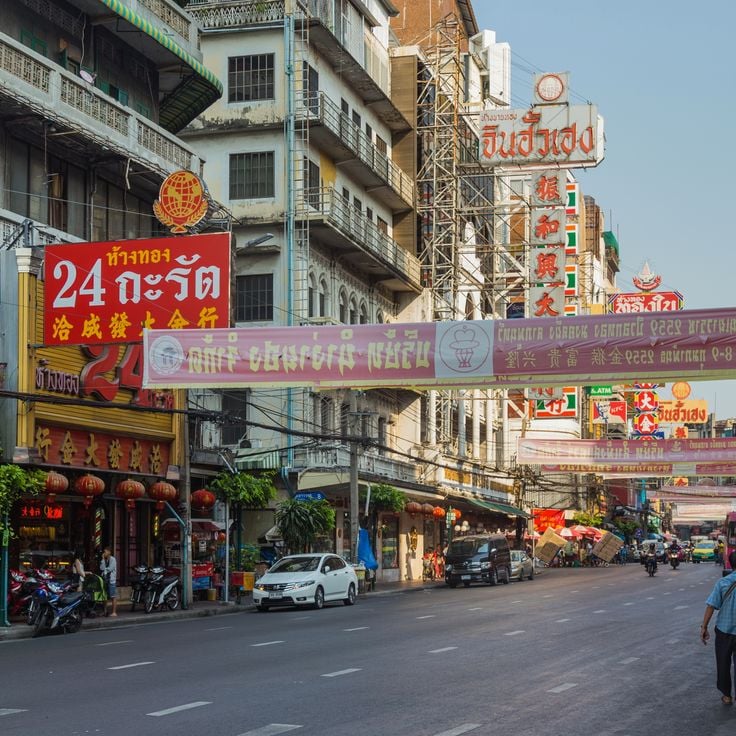
This street runs through Bangkok's Chinatown and ranks among the characteristic locations for documenting the city's Chinese community. Yaowarat Road is lined with gold shops, traditional apothecaries, street food vendors and restaurants serving Cantonese and Thai-Chinese cuisine. The architecture dates largely from the early 20th century, when Chinese immigrants established themselves here. In the evening, the street transforms into a street market with food stalls, while several Chinese temples can be found in the side alleys and numerous subjects present themselves for street photography, neon signs and architectural details.
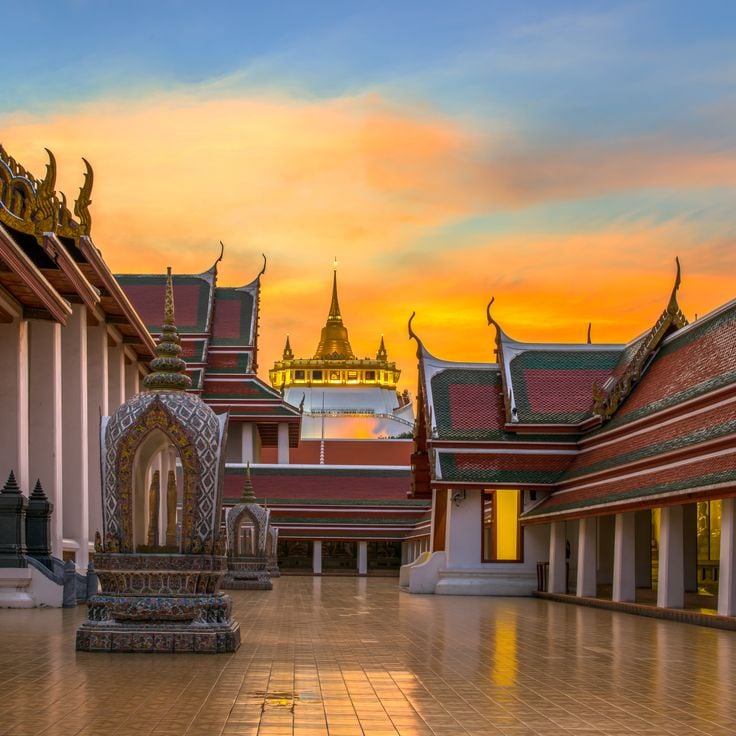
This Buddhist temple features a golden chedi atop an artificial hill constructed during the reign of King Rama III in the early 19th century. The structure rises 80 meters (262 feet) above the surrounding area and provides views across the Thai capital. The ascent to the summit involves 318 steps lined with tropical vegetation. The gilded dome at the peak houses Buddhist relics and serves as a landmark in the historic district. Wat Saket documents traditional Siamese temple architecture and complements the photographic opportunities of Bangkok's religious sites.
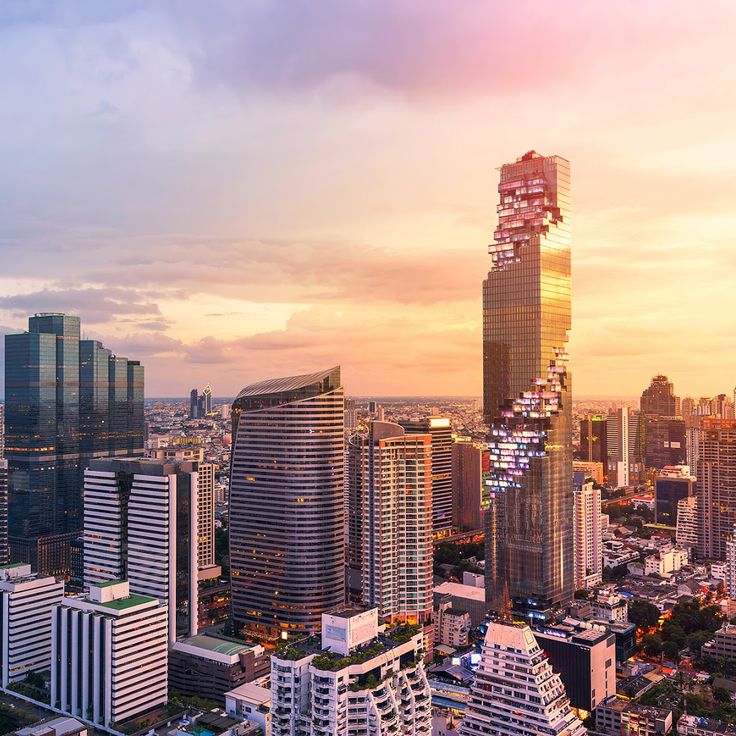
This observation platform offers photographers an opportunity to document the extent of Bangkok from 314 meters (1,030 feet) high in the tallest building in the city. The glass floor allows shots with vertical perspective, while the outdoor perimeter areas provide wide-angle views of the Thai capital. Mahanakhon Skywalk adds a contemporary vantage point to Bangkok's historic temples and traditional markets for photographic coverage of urban development.
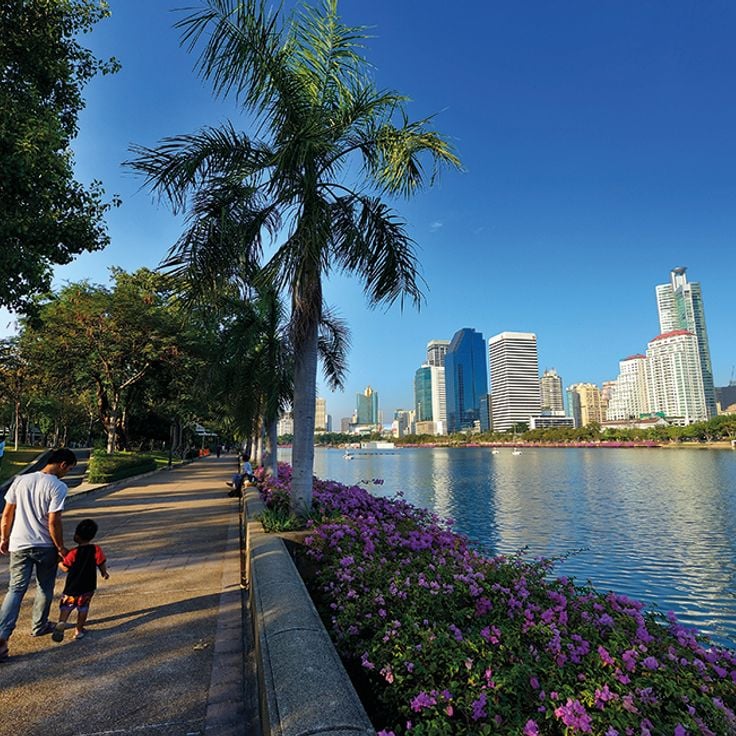
This 53-hectare (131-acre) park was developed in the 1990s on the site of a former tobacco factory and combines green spaces with water bodies in Bangkok's business district. Benjakitti Park features two large lakes surrounded by paved jogging and cycling paths, offering photographers compositions that frame the modern city skyline. Reflections of the surrounding high-rise buildings in the water add to this collection of photographic locations in the Thai capital, illustrating the contrast between natural spaces and urban development.
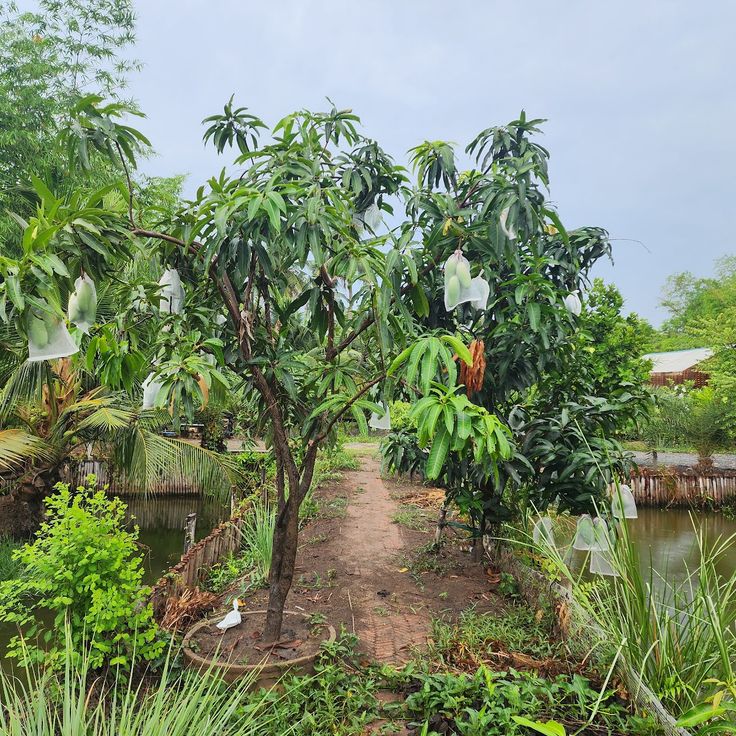
Bang Krachao provides photographic subjects away from Bangkok's urban temple complexes, with this Chao Phraya River island featuring 4,940 acres (2,000 hectares) of wetlands, mangroves, bicycle paths, and traditional Thai wooden houses that document a contrast to the metropolis.
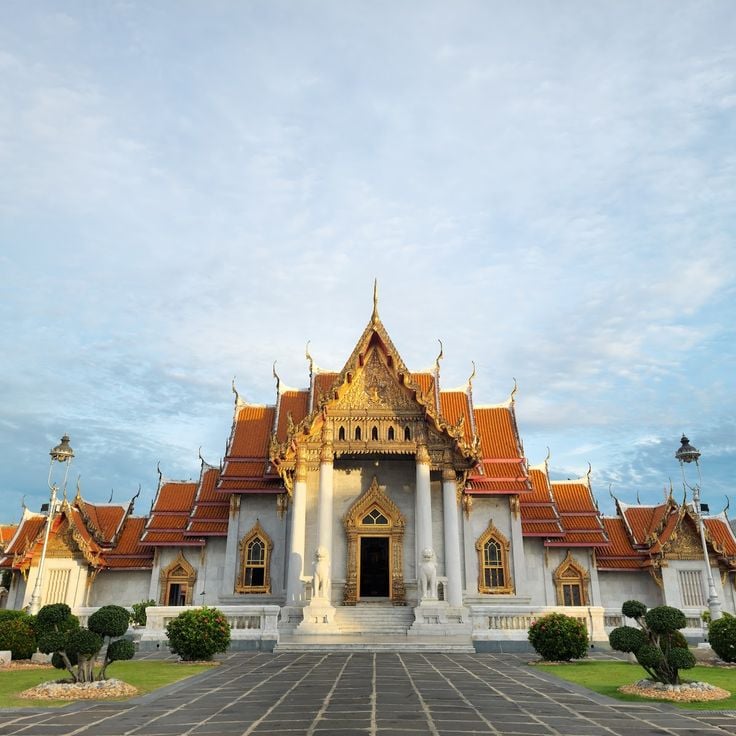
This Buddhist temple in Bangkok combines traditional Thai architecture with European influences through the use of Italian Carrara marble, which earned it the nickname Marble Temple, and adds to the city's collection of photogenic sites an example of architecture from the reign of King Chulalongkorn, featuring courtyards and a gallery of over 50 Buddha statues.
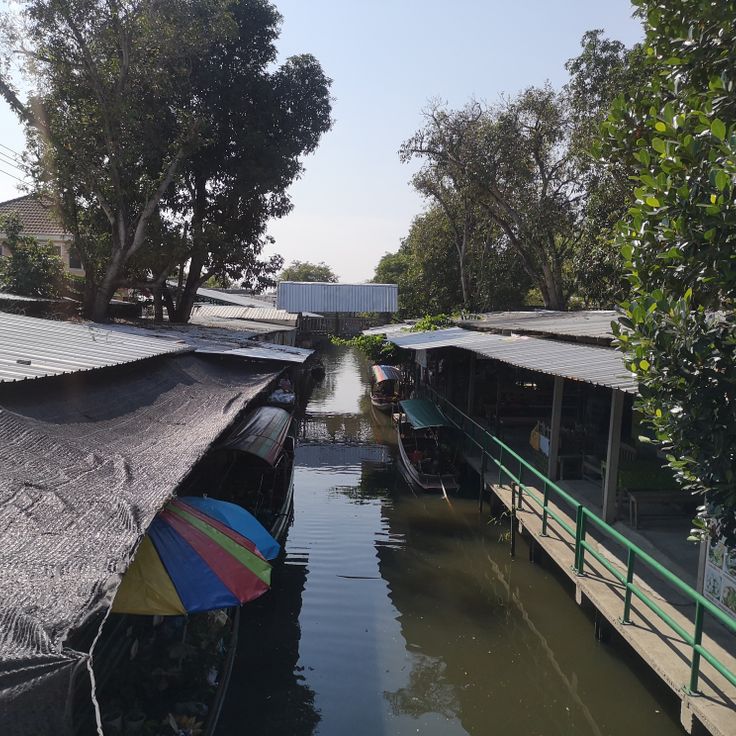
This traditional floating market shows daily local life with fresh produce, food stalls and regional specialties along narrow canals, offering photographers authentic scenes of Bangkok everyday life that provide an alternative to the city's better known religious sites.
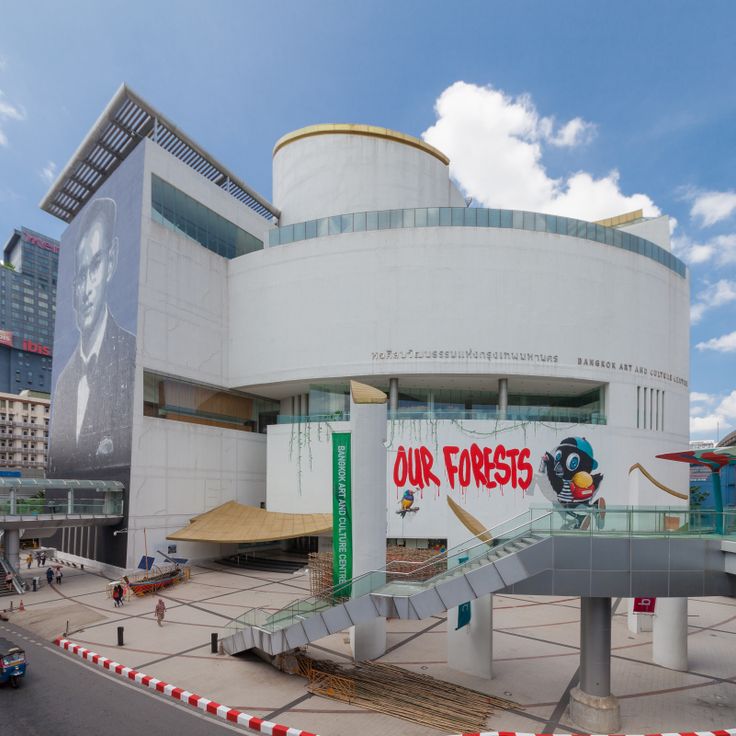
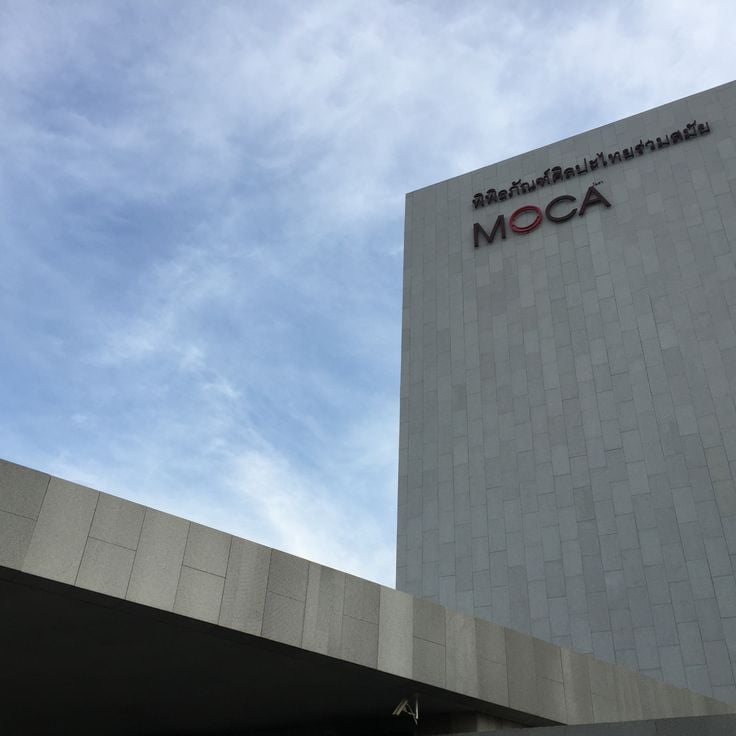
This museum center opened in 2008 near the Pathumwan intersection and hosts nine floors of rotating contemporary Thai and international art exhibitions, along with permanent installations, a public library, and studio spaces that add a cultural dimension to the collection's view of Bangkok.
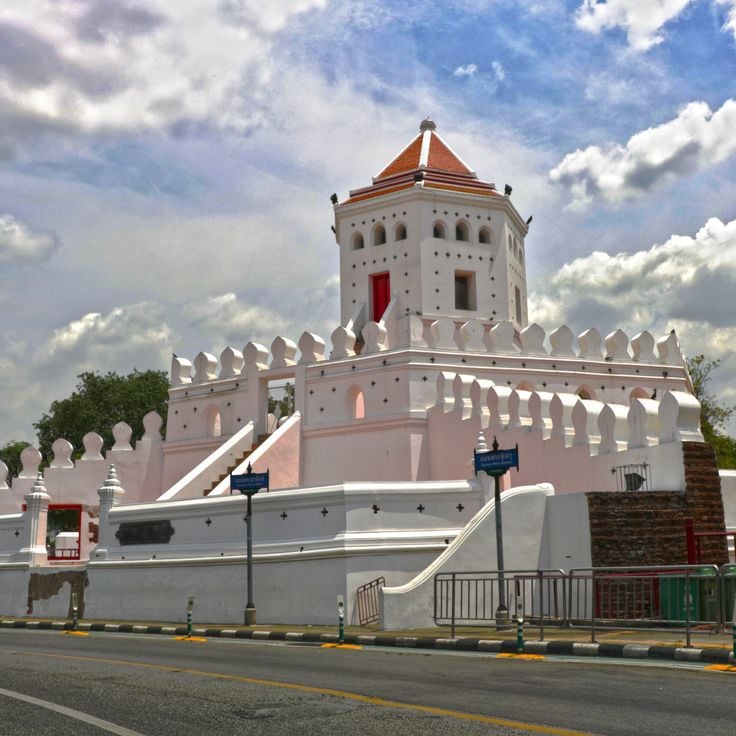
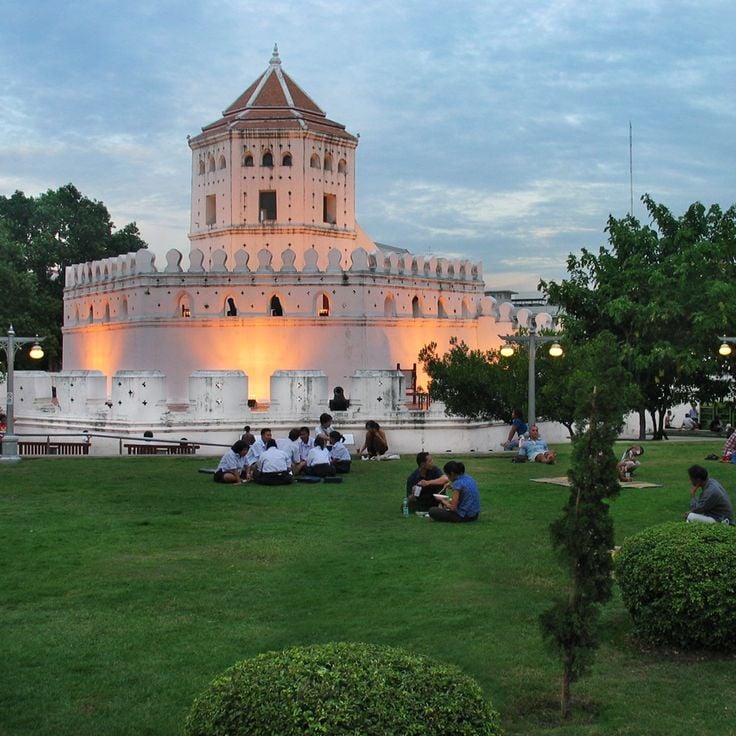
This octagonal fortification from 1783 stands on the bank of the Chao Phraya River and is one of two remaining defensive structures in Bangkok. Phra Sumen Fort documents late 18th-century military architecture and adds an example of the defensive works that once protected the capital to this collection of photographic subjects.
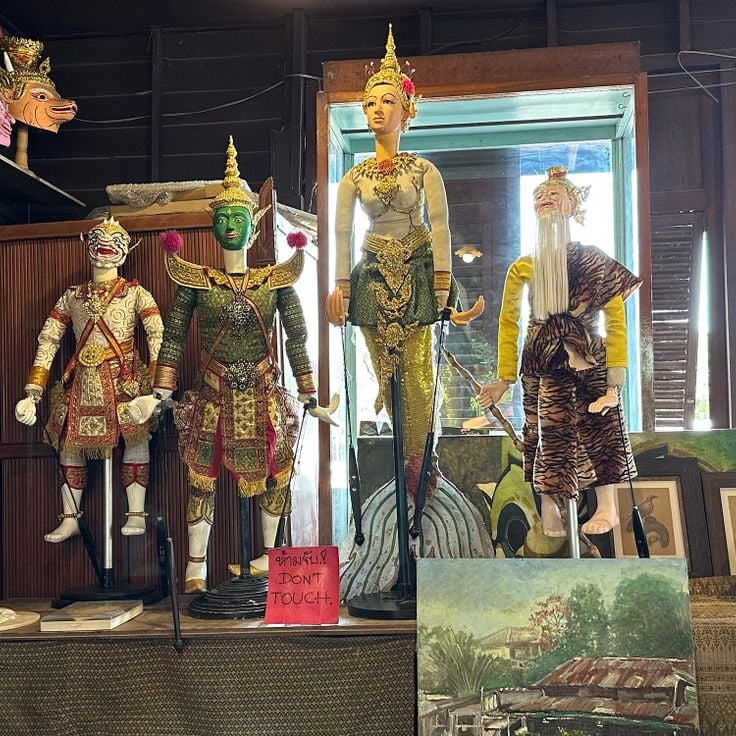
This wooden building in Thonburi district presents contemporary Thai artwork and traditional crafts. The facility organizes daily puppet theater performances, offers workshops in traditional art techniques and serves as a community space for local artists. The site documents traditional Bangkok residential architecture and provides photographers access to authentic cultural practices beyond the city's major temples.
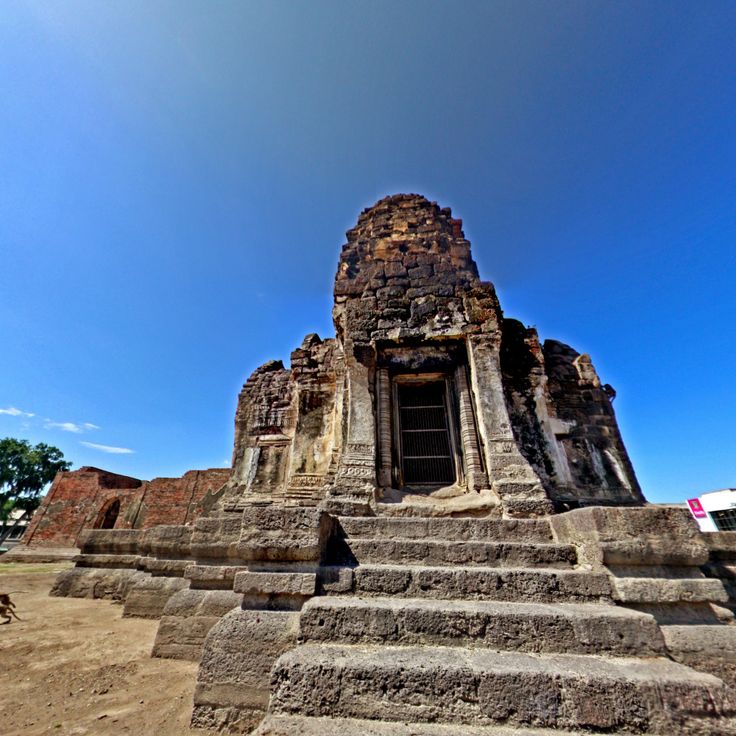
This Buddhist temple from the 13th century displays Khmer architecture with three tall prangs and stone reliefs depicting Hindu deities, offering within this collection a contrasting historical context outside Bangkok that documents Thailand's regional architectural connections.
The museum houses more than 800 works by Thai artists and documents the development of contemporary art in Thailand across multiple generations. The five floors display paintings, sculptures and installations that serve as a photographic complement to Bangkok's historic temples and traditional markets, capturing the modern artistic side of the Thai capital.
This 24-hour flower market on the Chao Phraya River provides documentary subjects of Bangkok's commercial daily life with several hundred stalls selling orchids, roses, jasmine and spices, forming a contrast to the capital's religious structures.
This green space along the Chao Phraya River provides benches and a viewing point for observing sunsets over the water, offering an accessible alternative to the major historic temples for documenting contemporary life along Bangkok's riverfront, where locals and travelers make use of the open area.
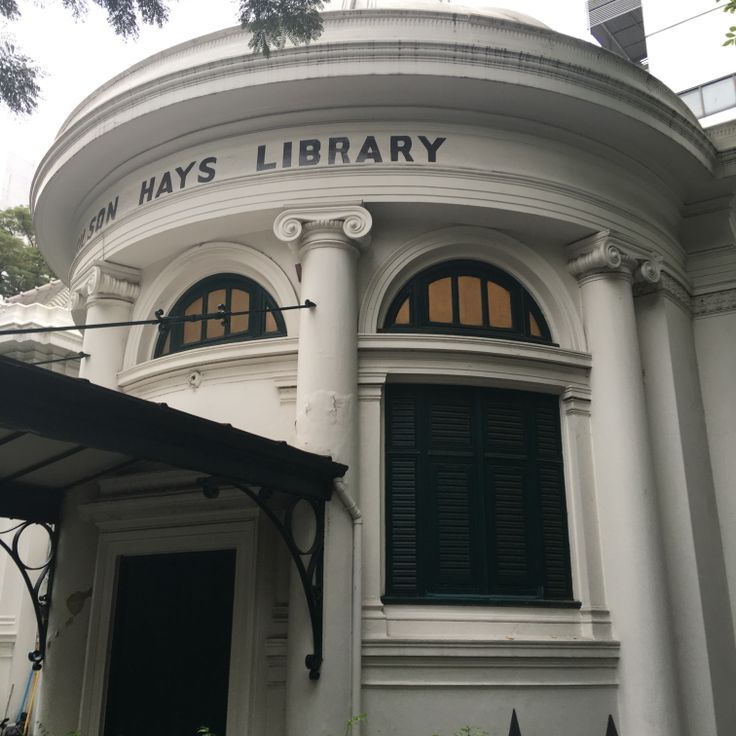
This library dating from 1920 documents the European architectural influences in Bangkok during Thailand's early modernization. The building houses an extensive collection of English-language literature and hosts regular art exhibitions. Neilson Hays Library offers photographers access to colonial-era architecture and cultural event spaces in the center of the Thai capital.
This 18th century district features Portuguese architecture with colored facades and houses several artisanal bakeries making traditional pastries, documenting Bangkok's historic connections to European traders and offering a contrast to the city's better known Buddhist sites.
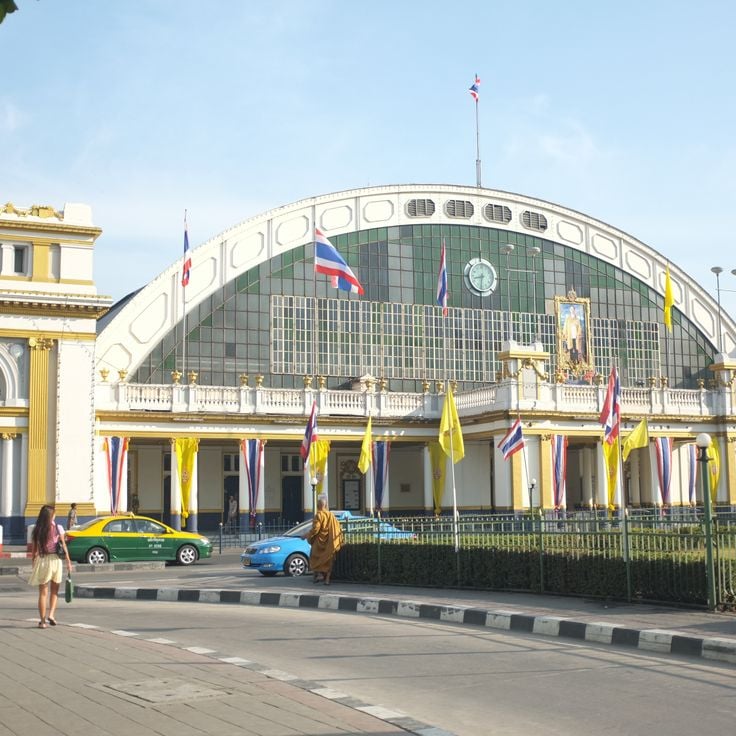
This railway station, built in 1916 as the central hub of Thailand's rail network, displays neoclassical architecture with Italian influences and connects historic design with modern infrastructure. The building serves as an important location for photographers documenting Bangkok's architectural variety between religious monuments such as Wat Arun and contemporary urban spaces. The main hall with its iron framework and the busy platforms offer authentic scenes of daily city life, comparable to the market scenes at Chatuchak but within the context of urban mobility.
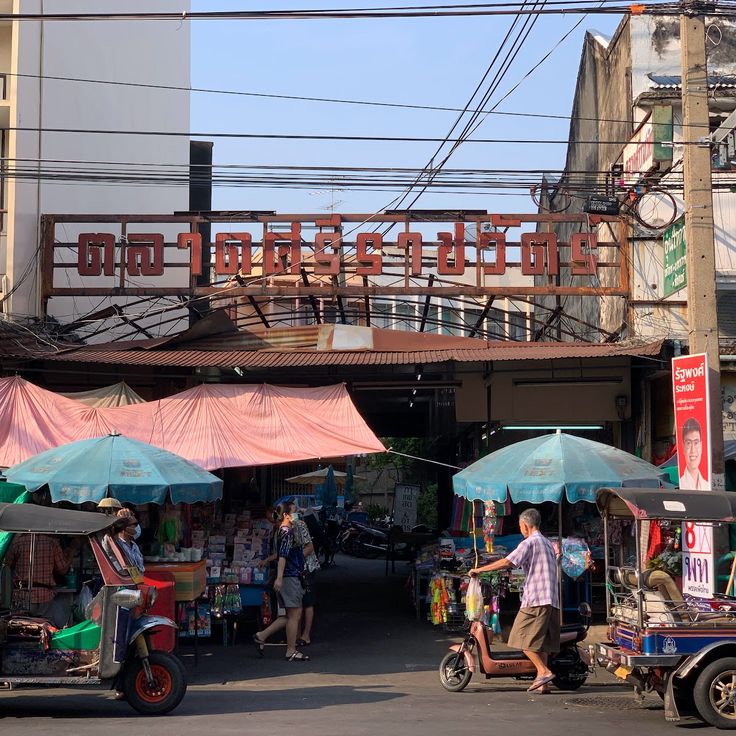
This local market in the Siriraj district is known for its selection of Thai dishes and traditional snacks. Wang Lang Market extends across several alleys near the Chao Phraya River, offering a mix of food stalls, second-hand clothing and local goods. The market is popular with students from nearby Siriraj University and documents everyday life in Bangkok away from major tourist routes. Photographic subjects include street food vendors, traders and typical market scenes that show the character of Thai neighborhood markets.
This temple on the Chao Phraya riverbank ranks among Bangkok's most photographed sites. Wat Arun was established in the 17th century and features a 79-meter (260-foot) central prang decorated with porcelain shards and colorful ceramic fragments. The steep staircases and ornamental details offer numerous angles for capturing religious architecture. The riverside location allows shots from the opposite bank or from boats, particularly during low sunlight conditions.
This 18th-century royal complex contains a museum displaying wall paintings, sculptures and traditional architectural elements across 218,400 square feet (2.35 million square meters) and served as the official residence of Siamese kings from 1782 to 1925. The Grand Palace ranks among Bangkok's most photographed sites and demonstrates the craftsmanship of Thai builders. Visitors find chedis with gilded mosaics, pavilions with tiered roofs and Wat Phra Kaew temple housing the Emerald Buddha.
This temple within the Grand Palace complex displays traditional Siamese architecture with gilded spires and houses a Buddha statue carved from green jade, considered a national religious object. Wat Phra Kaew offers photographers detailed religious ornamentation, colorful mosaics and architectural elements that represent Bangkok's spiritual and artistic traditions, adding to the photographic range the city provides from historic temples to contemporary structures and active markets.
Wat Pho lies south of the Grand Palace and contains a 151-foot (46-meter) gold-plated statue of the reclining Buddha. This temple dates from the 16th century and was expanded under King Rama I. Four chedis in the courtyard represent the first four Chakri rulers. The complex serves as the national school for traditional Thai massage and medicine and holds more than a thousand Buddha statues along with murals depicting Jataka narratives. Photographers document religious architecture, gilded ornamentation and garden courtyards with stone guardians at this historic site.
This Hindu shrine houses a four-faced Brahma statue and draws visitors daily for prayers and traditional dance performances that document Bangkok's religious diversity and the continuing influence of Indian traditions in the Thai capital.
This museum comprises six traditional teak houses that American entrepreneur Jim Thompson collected from various regions of Thailand during the 1950s and 1960s, reassembling them along Khlong Saen Saep. The Jim Thompson House displays his extensive collection of Southeast Asian art, including ceramics from Myanmar and China, Buddhist sculptures, and textiles. The elevated wooden structures with steep gabled roofs follow traditional Thai residential architecture and are surrounded by tropical gardens. The complex documents both traditional living forms and Thompson's role in reviving the Thai silk industry after World War II.
This weekend market stands as the largest retail venue of its kind in Thailand, spreading across an extensive site north of the city center. Around 15,000 stalls provide a broad selection of textiles, housewares, antiques, handicrafts and street food representing regional cuisines from across the country. Photographers find ample opportunities to capture daily urban life, from market transactions and food vendors to the narrow lanes between rows of stands. Open primarily on weekends, this market attracts both local residents and international visitors seeking to document the commercial and culinary activity of Bangkok.
This retail complex houses international designer brands, an aquarium, an automobile gallery and numerous restaurants across seven floors, demonstrating Bangkok's contemporary growth as part of the city's diverse photographic subjects ranging from historic temples to modern shopping districts.
This shopping and entertainment district along the Chao Phraya River combines contemporary retail with traditional market structures on a converted dock site. Asiatique The Riverfront spans 28 hectares (69 acres) and includes roughly 1,500 boutiques and 40 restaurants distributed across ten warehouse buildings, plus a ferris wheel offering views over the river. The complex is accessible by complimentary ferry in the evening and demonstrates Bangkok's evolution from industrial port to modern urban quarter.
This 57-hectare park offers paths, lakes and sports facilities as an example of urban recreation in Bangkok, adding to the collection a documented green space that contrasts with the religious and commercial sites of the Thai capital.
The Baiyoke Sky Tower is a 304-meter (997-foot) skyscraper with a rotating restaurant on the 84th floor and an observation platform at 250 meters (820 feet) above ground. This 1997 tower was Thailand's tallest building at the time of construction and provides photographers with panoramic views of Bangkok and the surrounding Chao Phraya delta. The rotating platform on the top floor enables 360-degree captures of the cityscape, showing the contrast between historic temples and modern business districts.
This riverside retail complex opened in 2018 along the Chao Phraya and comprises more than 500,000 square meters (5.4 million square feet) of shopping and entertainment space. ICONSIAM combines international luxury brands with Thai craft zones and offers a waterfront promenade overlooking the river, plus a range of restaurants presenting local and international cuisine.
This night market gives photographers in Bangkok access to antiques and collectibles from the 20th century, complemented by stalls offering Thai cuisine and vintage clothing. Talat Rot Fai presents nostalgic subjects including old cameras, vinyl records, retro signage and military memorabilia. The arrangement of goods creates visual compositions drawn from past decades, while the lighting produces warm tones for evening photography. The combination of food vendors and vintage finds makes this market a venue for documentary and street photography within Bangkok's diverse range of photographic opportunities.
This downtown shopping complex spans eight floors of retail space dedicated to electronics, fashion and accessories. The MBK Center ranks among Bangkok's established photo subjects, where visitors document the multi-story architecture, busy corridors and product variety on display. Upper levels house restaurants and a cinema. As one of Bangkok's most visited shopping destinations, the center offers photographers subjects ranging from local consumer culture to architectural details of the mall structure, complementing the city's historic temples and traditional markets featured in this collection.
This street runs through Bangkok's Chinatown and ranks among the characteristic locations for documenting the city's Chinese community. Yaowarat Road is lined with gold shops, traditional apothecaries, street food vendors and restaurants serving Cantonese and Thai-Chinese cuisine. The architecture dates largely from the early 20th century, when Chinese immigrants established themselves here. In the evening, the street transforms into a street market with food stalls, while several Chinese temples can be found in the side alleys and numerous subjects present themselves for street photography, neon signs and architectural details.
This Buddhist temple features a golden chedi atop an artificial hill constructed during the reign of King Rama III in the early 19th century. The structure rises 80 meters (262 feet) above the surrounding area and provides views across the Thai capital. The ascent to the summit involves 318 steps lined with tropical vegetation. The gilded dome at the peak houses Buddhist relics and serves as a landmark in the historic district. Wat Saket documents traditional Siamese temple architecture and complements the photographic opportunities of Bangkok's religious sites.
This observation platform offers photographers an opportunity to document the extent of Bangkok from 314 meters (1,030 feet) high in the tallest building in the city. The glass floor allows shots with vertical perspective, while the outdoor perimeter areas provide wide-angle views of the Thai capital. Mahanakhon Skywalk adds a contemporary vantage point to Bangkok's historic temples and traditional markets for photographic coverage of urban development.
This 53-hectare (131-acre) park was developed in the 1990s on the site of a former tobacco factory and combines green spaces with water bodies in Bangkok's business district. Benjakitti Park features two large lakes surrounded by paved jogging and cycling paths, offering photographers compositions that frame the modern city skyline. Reflections of the surrounding high-rise buildings in the water add to this collection of photographic locations in the Thai capital, illustrating the contrast between natural spaces and urban development.
Bang Krachao provides photographic subjects away from Bangkok's urban temple complexes, with this Chao Phraya River island featuring 4,940 acres (2,000 hectares) of wetlands, mangroves, bicycle paths, and traditional Thai wooden houses that document a contrast to the metropolis.
This Buddhist temple in Bangkok combines traditional Thai architecture with European influences through the use of Italian Carrara marble, which earned it the nickname Marble Temple, and adds to the city's collection of photogenic sites an example of architecture from the reign of King Chulalongkorn, featuring courtyards and a gallery of over 50 Buddha statues.
This traditional floating market shows daily local life with fresh produce, food stalls and regional specialties along narrow canals, offering photographers authentic scenes of Bangkok everyday life that provide an alternative to the city's better known religious sites.
This museum center opened in 2008 near the Pathumwan intersection and hosts nine floors of rotating contemporary Thai and international art exhibitions, along with permanent installations, a public library, and studio spaces that add a cultural dimension to the collection's view of Bangkok.
This octagonal fortification from 1783 stands on the bank of the Chao Phraya River and is one of two remaining defensive structures in Bangkok. Phra Sumen Fort documents late 18th-century military architecture and adds an example of the defensive works that once protected the capital to this collection of photographic subjects.
This wooden building in Thonburi district presents contemporary Thai artwork and traditional crafts. The facility organizes daily puppet theater performances, offers workshops in traditional art techniques and serves as a community space for local artists. The site documents traditional Bangkok residential architecture and provides photographers access to authentic cultural practices beyond the city's major temples.
This Buddhist temple from the 13th century displays Khmer architecture with three tall prangs and stone reliefs depicting Hindu deities, offering within this collection a contrasting historical context outside Bangkok that documents Thailand's regional architectural connections.
The museum houses more than 800 works by Thai artists and documents the development of contemporary art in Thailand across multiple generations. The five floors display paintings, sculptures and installations that serve as a photographic complement to Bangkok's historic temples and traditional markets, capturing the modern artistic side of the Thai capital.
This 24-hour flower market on the Chao Phraya River provides documentary subjects of Bangkok's commercial daily life with several hundred stalls selling orchids, roses, jasmine and spices, forming a contrast to the capital's religious structures.
This green space along the Chao Phraya River provides benches and a viewing point for observing sunsets over the water, offering an accessible alternative to the major historic temples for documenting contemporary life along Bangkok's riverfront, where locals and travelers make use of the open area.
This library dating from 1920 documents the European architectural influences in Bangkok during Thailand's early modernization. The building houses an extensive collection of English-language literature and hosts regular art exhibitions. Neilson Hays Library offers photographers access to colonial-era architecture and cultural event spaces in the center of the Thai capital.
This 18th century district features Portuguese architecture with colored facades and houses several artisanal bakeries making traditional pastries, documenting Bangkok's historic connections to European traders and offering a contrast to the city's better known Buddhist sites.
This railway station, built in 1916 as the central hub of Thailand's rail network, displays neoclassical architecture with Italian influences and connects historic design with modern infrastructure. The building serves as an important location for photographers documenting Bangkok's architectural variety between religious monuments such as Wat Arun and contemporary urban spaces. The main hall with its iron framework and the busy platforms offer authentic scenes of daily city life, comparable to the market scenes at Chatuchak but within the context of urban mobility.
This local market in the Siriraj district is known for its selection of Thai dishes and traditional snacks. Wang Lang Market extends across several alleys near the Chao Phraya River, offering a mix of food stalls, second-hand clothing and local goods. The market is popular with students from nearby Siriraj University and documents everyday life in Bangkok away from major tourist routes. Photographic subjects include street food vendors, traders and typical market scenes that show the character of Thai neighborhood markets.
This temple on the Chao Phraya riverbank ranks among Bangkok's most photographed sites. Wat Arun was established in the 17th century and features a 79-meter (260-foot) central prang decorated with porcelain shards and colorful ceramic fragments. The steep staircases and ornamental details offer numerous angles for capturing religious architecture. The riverside location allows shots from the opposite bank or from boats, particularly during low sunlight conditions.
This 18th-century royal complex contains a museum displaying wall paintings, sculptures and traditional architectural elements across 218,400 square feet (2.35 million square meters) and served as the official residence of Siamese kings from 1782 to 1925. The Grand Palace ranks among Bangkok's most photographed sites and demonstrates the craftsmanship of Thai builders. Visitors find chedis with gilded mosaics, pavilions with tiered roofs and Wat Phra Kaew temple housing the Emerald Buddha.
This temple within the Grand Palace complex displays traditional Siamese architecture with gilded spires and houses a Buddha statue carved from green jade, considered a national religious object. Wat Phra Kaew offers photographers detailed religious ornamentation, colorful mosaics and architectural elements that represent Bangkok's spiritual and artistic traditions, adding to the photographic range the city provides from historic temples to contemporary structures and active markets.
Wat Pho lies south of the Grand Palace and contains a 151-foot (46-meter) gold-plated statue of the reclining Buddha. This temple dates from the 16th century and was expanded under King Rama I. Four chedis in the courtyard represent the first four Chakri rulers. The complex serves as the national school for traditional Thai massage and medicine and holds more than a thousand Buddha statues along with murals depicting Jataka narratives. Photographers document religious architecture, gilded ornamentation and garden courtyards with stone guardians at this historic site.
This Hindu shrine houses a four-faced Brahma statue and draws visitors daily for prayers and traditional dance performances that document Bangkok's religious diversity and the continuing influence of Indian traditions in the Thai capital.
This museum comprises six traditional teak houses that American entrepreneur Jim Thompson collected from various regions of Thailand during the 1950s and 1960s, reassembling them along Khlong Saen Saep. The Jim Thompson House displays his extensive collection of Southeast Asian art, including ceramics from Myanmar and China, Buddhist sculptures, and textiles. The elevated wooden structures with steep gabled roofs follow traditional Thai residential architecture and are surrounded by tropical gardens. The complex documents both traditional living forms and Thompson's role in reviving the Thai silk industry after World War II.
This weekend market stands as the largest retail venue of its kind in Thailand, spreading across an extensive site north of the city center. Around 15,000 stalls provide a broad selection of textiles, housewares, antiques, handicrafts and street food representing regional cuisines from across the country. Photographers find ample opportunities to capture daily urban life, from market transactions and food vendors to the narrow lanes between rows of stands. Open primarily on weekends, this market attracts both local residents and international visitors seeking to document the commercial and culinary activity of Bangkok.
This retail complex houses international designer brands, an aquarium, an automobile gallery and numerous restaurants across seven floors, demonstrating Bangkok's contemporary growth as part of the city's diverse photographic subjects ranging from historic temples to modern shopping districts.
This shopping and entertainment district along the Chao Phraya River combines contemporary retail with traditional market structures on a converted dock site. Asiatique The Riverfront spans 28 hectares (69 acres) and includes roughly 1,500 boutiques and 40 restaurants distributed across ten warehouse buildings, plus a ferris wheel offering views over the river. The complex is accessible by complimentary ferry in the evening and demonstrates Bangkok's evolution from industrial port to modern urban quarter.
This 57-hectare park offers paths, lakes and sports facilities as an example of urban recreation in Bangkok, adding to the collection a documented green space that contrasts with the religious and commercial sites of the Thai capital.
The Baiyoke Sky Tower is a 304-meter (997-foot) skyscraper with a rotating restaurant on the 84th floor and an observation platform at 250 meters (820 feet) above ground. This 1997 tower was Thailand's tallest building at the time of construction and provides photographers with panoramic views of Bangkok and the surrounding Chao Phraya delta. The rotating platform on the top floor enables 360-degree captures of the cityscape, showing the contrast between historic temples and modern business districts.
This riverside retail complex opened in 2018 along the Chao Phraya and comprises more than 500,000 square meters (5.4 million square feet) of shopping and entertainment space. ICONSIAM combines international luxury brands with Thai craft zones and offers a waterfront promenade overlooking the river, plus a range of restaurants presenting local and international cuisine.
This night market gives photographers in Bangkok access to antiques and collectibles from the 20th century, complemented by stalls offering Thai cuisine and vintage clothing. Talat Rot Fai presents nostalgic subjects including old cameras, vinyl records, retro signage and military memorabilia. The arrangement of goods creates visual compositions drawn from past decades, while the lighting produces warm tones for evening photography. The combination of food vendors and vintage finds makes this market a venue for documentary and street photography within Bangkok's diverse range of photographic opportunities.
This downtown shopping complex spans eight floors of retail space dedicated to electronics, fashion and accessories. The MBK Center ranks among Bangkok's established photo subjects, where visitors document the multi-story architecture, busy corridors and product variety on display. Upper levels house restaurants and a cinema. As one of Bangkok's most visited shopping destinations, the center offers photographers subjects ranging from local consumer culture to architectural details of the mall structure, complementing the city's historic temples and traditional markets featured in this collection.
This street runs through Bangkok's Chinatown and ranks among the characteristic locations for documenting the city's Chinese community. Yaowarat Road is lined with gold shops, traditional apothecaries, street food vendors and restaurants serving Cantonese and Thai-Chinese cuisine. The architecture dates largely from the early 20th century, when Chinese immigrants established themselves here. In the evening, the street transforms into a street market with food stalls, while several Chinese temples can be found in the side alleys and numerous subjects present themselves for street photography, neon signs and architectural details.
This Buddhist temple features a golden chedi atop an artificial hill constructed during the reign of King Rama III in the early 19th century. The structure rises 80 meters (262 feet) above the surrounding area and provides views across the Thai capital. The ascent to the summit involves 318 steps lined with tropical vegetation. The gilded dome at the peak houses Buddhist relics and serves as a landmark in the historic district. Wat Saket documents traditional Siamese temple architecture and complements the photographic opportunities of Bangkok's religious sites.
This observation platform offers photographers an opportunity to document the extent of Bangkok from 314 meters (1,030 feet) high in the tallest building in the city. The glass floor allows shots with vertical perspective, while the outdoor perimeter areas provide wide-angle views of the Thai capital. Mahanakhon Skywalk adds a contemporary vantage point to Bangkok's historic temples and traditional markets for photographic coverage of urban development.
This 53-hectare (131-acre) park was developed in the 1990s on the site of a former tobacco factory and combines green spaces with water bodies in Bangkok's business district. Benjakitti Park features two large lakes surrounded by paved jogging and cycling paths, offering photographers compositions that frame the modern city skyline. Reflections of the surrounding high-rise buildings in the water add to this collection of photographic locations in the Thai capital, illustrating the contrast between natural spaces and urban development.
Bang Krachao provides photographic subjects away from Bangkok's urban temple complexes, with this Chao Phraya River island featuring 4,940 acres (2,000 hectares) of wetlands, mangroves, bicycle paths, and traditional Thai wooden houses that document a contrast to the metropolis.
This Buddhist temple in Bangkok combines traditional Thai architecture with European influences through the use of Italian Carrara marble, which earned it the nickname Marble Temple, and adds to the city's collection of photogenic sites an example of architecture from the reign of King Chulalongkorn, featuring courtyards and a gallery of over 50 Buddha statues.
This traditional floating market shows daily local life with fresh produce, food stalls and regional specialties along narrow canals, offering photographers authentic scenes of Bangkok everyday life that provide an alternative to the city's better known religious sites.
This museum center opened in 2008 near the Pathumwan intersection and hosts nine floors of rotating contemporary Thai and international art exhibitions, along with permanent installations, a public library, and studio spaces that add a cultural dimension to the collection's view of Bangkok.
This octagonal fortification from 1783 stands on the bank of the Chao Phraya River and is one of two remaining defensive structures in Bangkok. Phra Sumen Fort documents late 18th-century military architecture and adds an example of the defensive works that once protected the capital to this collection of photographic subjects.
This wooden building in Thonburi district presents contemporary Thai artwork and traditional crafts. The facility organizes daily puppet theater performances, offers workshops in traditional art techniques and serves as a community space for local artists. The site documents traditional Bangkok residential architecture and provides photographers access to authentic cultural practices beyond the city's major temples.
This Buddhist temple from the 13th century displays Khmer architecture with three tall prangs and stone reliefs depicting Hindu deities, offering within this collection a contrasting historical context outside Bangkok that documents Thailand's regional architectural connections.
The museum houses more than 800 works by Thai artists and documents the development of contemporary art in Thailand across multiple generations. The five floors display paintings, sculptures and installations that serve as a photographic complement to Bangkok's historic temples and traditional markets, capturing the modern artistic side of the Thai capital.
This 24-hour flower market on the Chao Phraya River provides documentary subjects of Bangkok's commercial daily life with several hundred stalls selling orchids, roses, jasmine and spices, forming a contrast to the capital's religious structures.
This green space along the Chao Phraya River provides benches and a viewing point for observing sunsets over the water, offering an accessible alternative to the major historic temples for documenting contemporary life along Bangkok's riverfront, where locals and travelers make use of the open area.
This library dating from 1920 documents the European architectural influences in Bangkok during Thailand's early modernization. The building houses an extensive collection of English-language literature and hosts regular art exhibitions. Neilson Hays Library offers photographers access to colonial-era architecture and cultural event spaces in the center of the Thai capital.
This 18th century district features Portuguese architecture with colored facades and houses several artisanal bakeries making traditional pastries, documenting Bangkok's historic connections to European traders and offering a contrast to the city's better known Buddhist sites.
This railway station, built in 1916 as the central hub of Thailand's rail network, displays neoclassical architecture with Italian influences and connects historic design with modern infrastructure. The building serves as an important location for photographers documenting Bangkok's architectural variety between religious monuments such as Wat Arun and contemporary urban spaces. The main hall with its iron framework and the busy platforms offer authentic scenes of daily city life, comparable to the market scenes at Chatuchak but within the context of urban mobility.
This local market in the Siriraj district is known for its selection of Thai dishes and traditional snacks. Wang Lang Market extends across several alleys near the Chao Phraya River, offering a mix of food stalls, second-hand clothing and local goods. The market is popular with students from nearby Siriraj University and documents everyday life in Bangkok away from major tourist routes. Photographic subjects include street food vendors, traders and typical market scenes that show the character of Thai neighborhood markets.