See the monuments around you in AROpen chests in the app
Around Us is built for your phone — point your camera at the streets and discover the monuments and places around you in augmented reality.Around Us is built for your phone — chests unlock when you walk, explore and capture nearby places.
The most beautiful natural beaches of the Caribbean
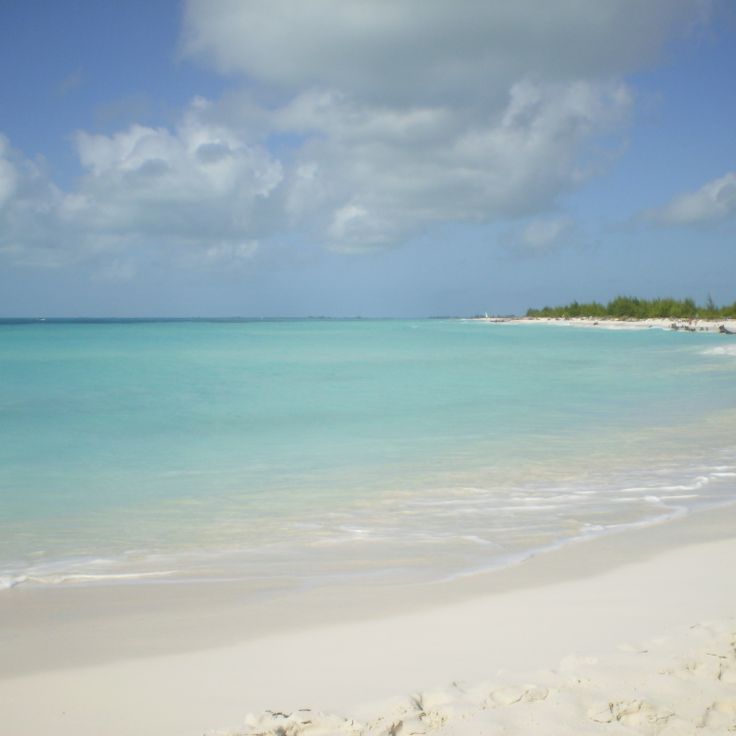
The Caribbean holds beaches that have kept their natural shape and offer travelers a different view of the region. Some sit on small islands, others along coasts protected by coral reefs. Eagle Beach in Aruba draws visitors with its white sand, while Flamenco Beach on Culebra in Puerto Rico is known for its clear water. Seven Mile Beach in Grand Cayman stretches along the western shore, and Anse de Grande Saline in Saint Barthélemy remains secluded and backed by hills. Tulum in Mexico pairs beach with Mayan ruins, Bathsheba in Barbados shows rocky coastal formations, and Treasure Beach in Jamaica is a quiet fishing village with dark sand.
Caribbean beaches vary in character and location. Rendezvous Bay in Anguilla and Long Bay in Saint Martin offer wide stretches of sand, while Half Moon Bay in Antigua stands out for its protected cove. Shoal Bay in Antigua is popular with snorkelers, Sorobon Beach in Bonaire sits in a shallow mangrove area, and Pigeon Point in Tobago features a long wooden jetty. Zoni Beach on Culebra sees few visitors, La Sagesse Bay in Grenada is lined with palms, and Varadero in Cuba runs for several miles along the northern coast. These beaches work as starting points for travelers looking to explore the region beyond the standard tourist circuit.
The most beautiful natural beaches of the Caribbean
The Caribbean holds beaches that have kept their natural shape and offer travelers a different view of the region. Some sit on small islands, others along coasts protected by coral reefs. Eagle Beach in Aruba draws visitors with its white sand, while Flamenco Beach on Culebra in Puerto Rico is known for its clear water. Seven Mile Beach in Grand Cayman stretches along the western shore, and Anse de Grande Saline in Saint Barthélemy remains secluded and backed by hills. Tulum in Mexico pairs beach with Mayan ruins, Bathsheba in Barbados shows rocky coastal formations, and Treasure Beach in Jamaica is a quiet fishing village with dark sand.
Caribbean beaches vary in character and location. Rendezvous Bay in Anguilla and Long Bay in Saint Martin offer wide stretches of sand, while Half Moon Bay in Antigua stands out for its protected cove. Shoal Bay in Antigua is popular with snorkelers, Sorobon Beach in Bonaire sits in a shallow mangrove area, and Pigeon Point in Tobago features a long wooden jetty. Zoni Beach on Culebra sees few visitors, La Sagesse Bay in Grenada is lined with palms, and Varadero in Cuba runs for several miles along the northern coast. These beaches work as starting points for travelers looking to explore the region beyond the standard tourist circuit.
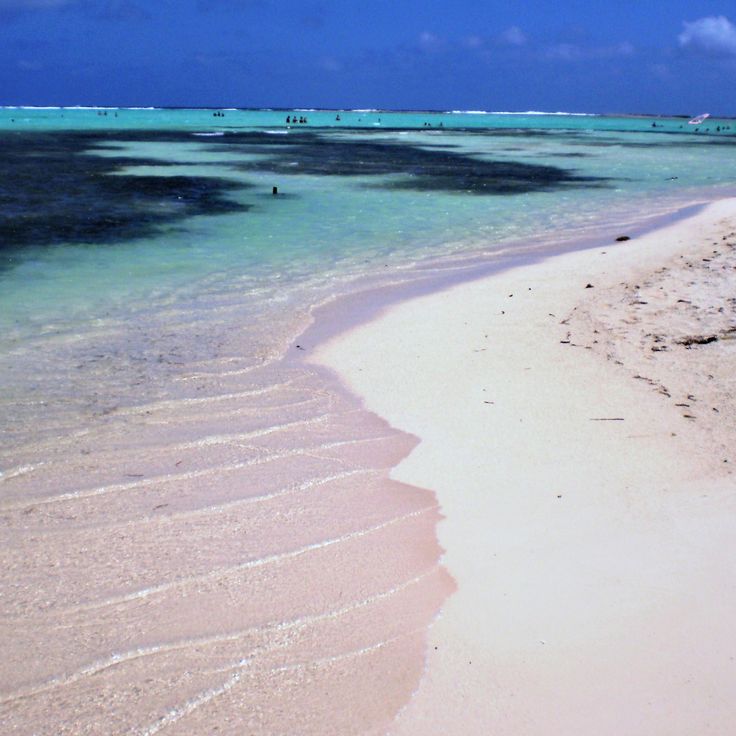
Sorobon Beach on the southeastern coast of Bonaire is a natural beach in this collection of Caribbean shores. The shallow, clear water extends up to 100 meters from shore and rarely exceeds one meter in depth. Steady trade winds make this location a favorite for windsurfers and kitesurfers. The sheltered bay and calm conditions allow families with young children to swim safely. The beach attracts many visitors yet never feels crowded.
Pointe Pigeon on the Tobago shore stretches for half a mile (800 meters) of white sand lined with palms and counts among the natural beaches featured in this Caribbean collection. The calm water invites swimming, and in the evening, sunlight tints the gentle waves in golden tones. This bay belongs to those Caribbean shores where visitors can still sense the island's original rhythm, away from tourist crowds. Fishermen pull their boats onto the edge of the beach, and just a few yards from shore, coral formations provide shelter for tropical fish. The beach remains lightly visited even during high season, allowing for long walks along the water.
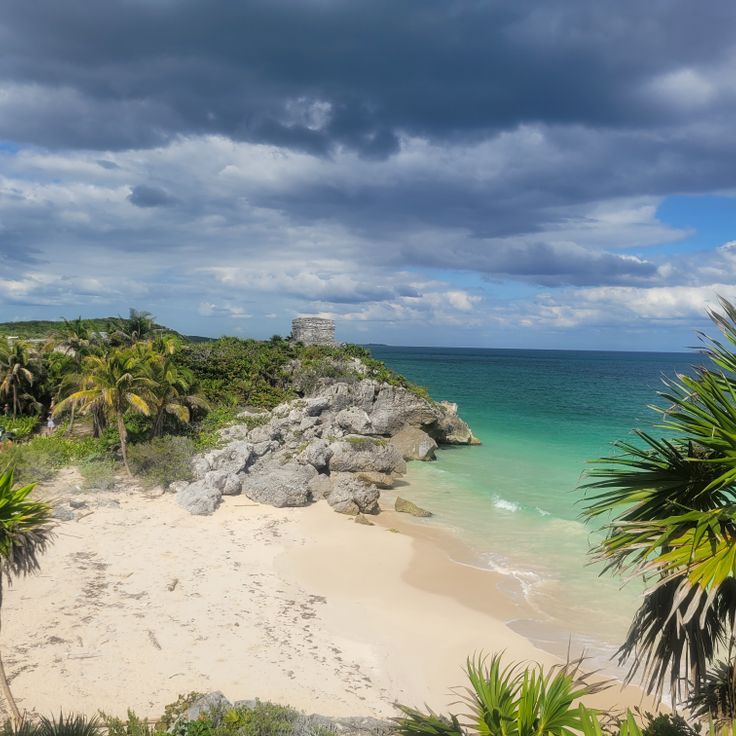
This stretch of coastline in Quintana Roo brings together pre-Columbian architecture and the Caribbean Sea. Plage de Tulum unfolds below the Mayan ruins that sit atop a low cliff, where they watched over maritime trade since the 13th century. Fine white sand leads to warm, shallow water suitable for swimmers and snorkelers. Palms line the shore, and access comes either through the archaeological site or via nearby hotels and beach entrances. The combination of historical significance and natural shoreline makes this cove a frequently visited destination in the region.
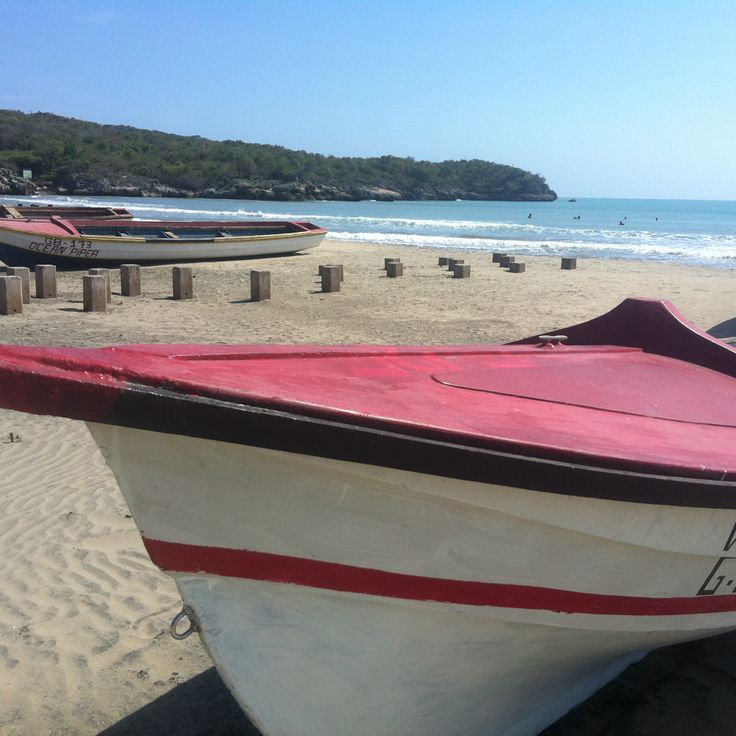
This stretch of coast connects several traditional fishing villages where residents have practiced local techniques for generations. Treasure Beach sits away from typical tourist routes and maintains its character as a place where fishing boats rest on shore and waves roll onto dark sand. The bay offers no classic white beach but a coast of volcanic origin where fishermen lay their nets and boats head out at dawn. While other Caribbean shores lean on postcard aesthetics, this place shows life as it has settled between sea and land over decades.
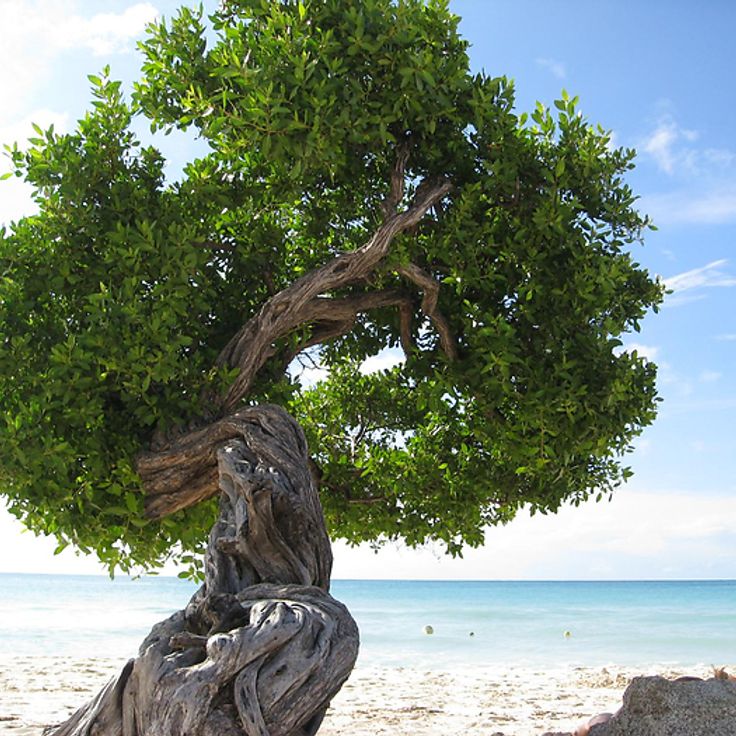
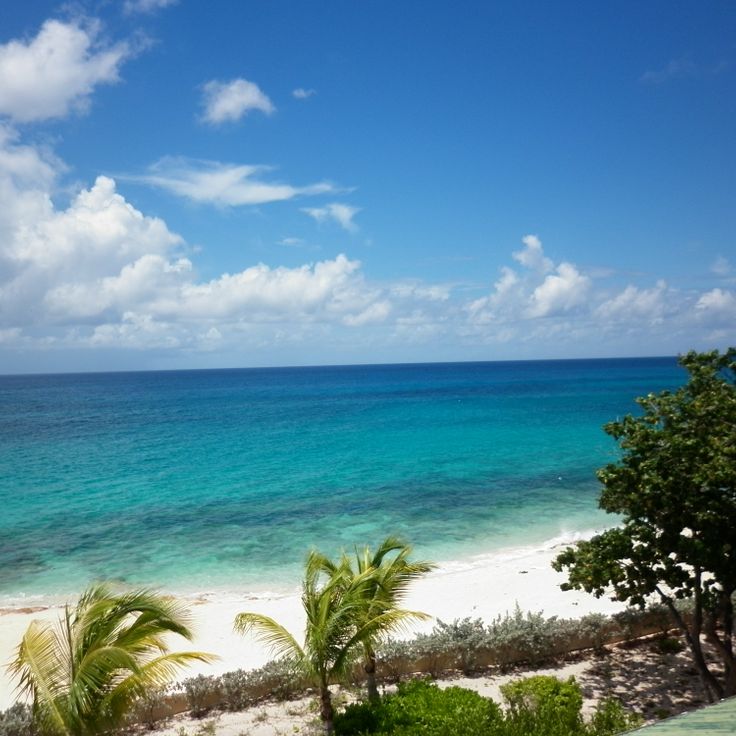
This white sand beach on Aruba serves as a nesting site for sea turtles. Palm trees line the coast where turquoise waters meet the shore. Eagle Beach lies on the island's western coast and offers calm conditions for swimming. Turtles return between March and September to lay eggs at night. The beach stretches for several hundred yards and remains relatively quiet outside peak season.
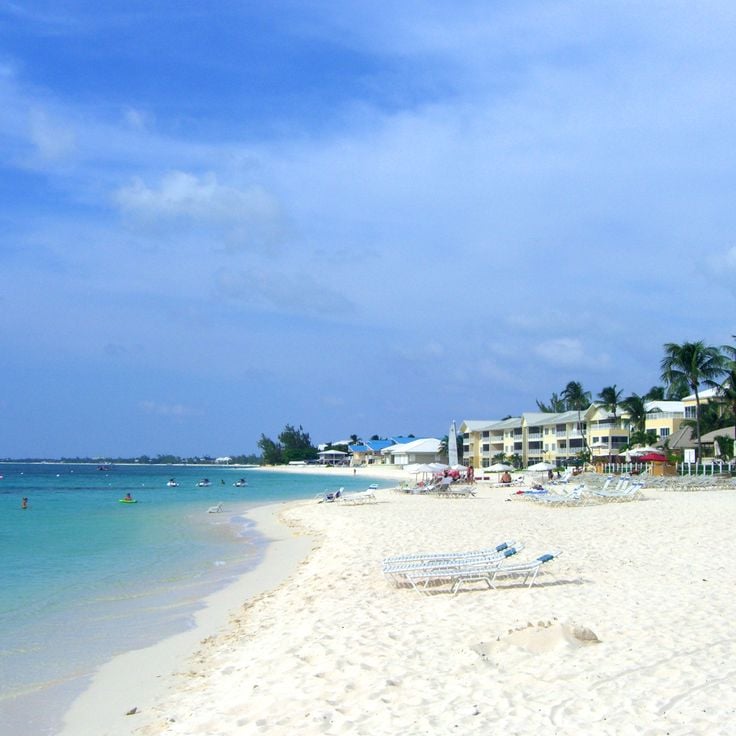
This coral sand beach stretches over six miles along the western shore of Grand Cayman. The calm water remains relatively protected even during stronger winds, while coral reefs sit close to shore, harboring various species of reef fish, rays and occasional green sea turtles. Access comes through multiple public entry points distributed among hotels and residential complexes. Infrastructure includes beach chairs, water sports equipment and small bars along the shoreline promenade. Seven Mile Beach represents the Caribbean beach at its most accessible, with warm, clear water and enough space to find a quiet spot even during peak tourist season.
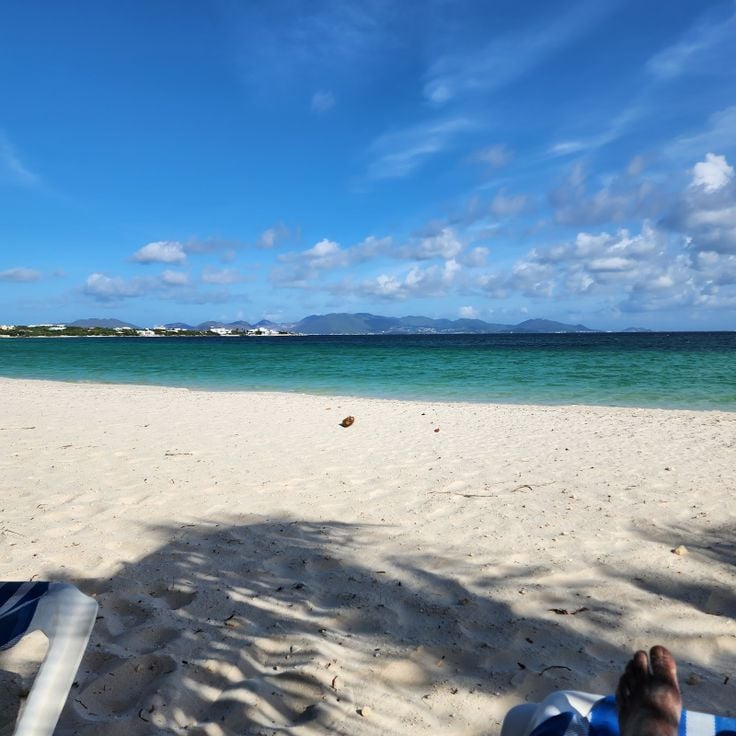
Rendezvous Bay stretches for about two miles (3.2 km) along the southwestern coast of Anguilla, forming one of the island's longest beaches. The white sand slopes gently into the sea, where shallow waters make swimming accessible throughout most of the year. Palm trees line the shore, and on clear days the outline of St. Martin appears on the horizon. Several times a year, the bay hosts open-air music festivals that draw visitors from across the region. On quieter days, the beach remains largely uncrowded, with a handful of beachside bars and minimal development behind the dunes. The water is clear, the waves typically moderate. A few small hotels sit within walking distance, but the bay has avoided the high-rise construction seen elsewhere in the Caribbean.
Shoal Bay sits on Antigua's northwest coast and draws snorkelers looking to explore the nearby coral reefs. Clear water often reaches depths of 30 feet (9 meters) and offers views of tropical fish, sea turtles and occasional rays. The beach stretches for roughly a third of a mile and is backed by palm trees and low shrubs. The bay remains quiet even during high season, as it lies off the main tourist routes. A few local operators run snorkeling trips to the outer reefs, where marine diversity is greater.
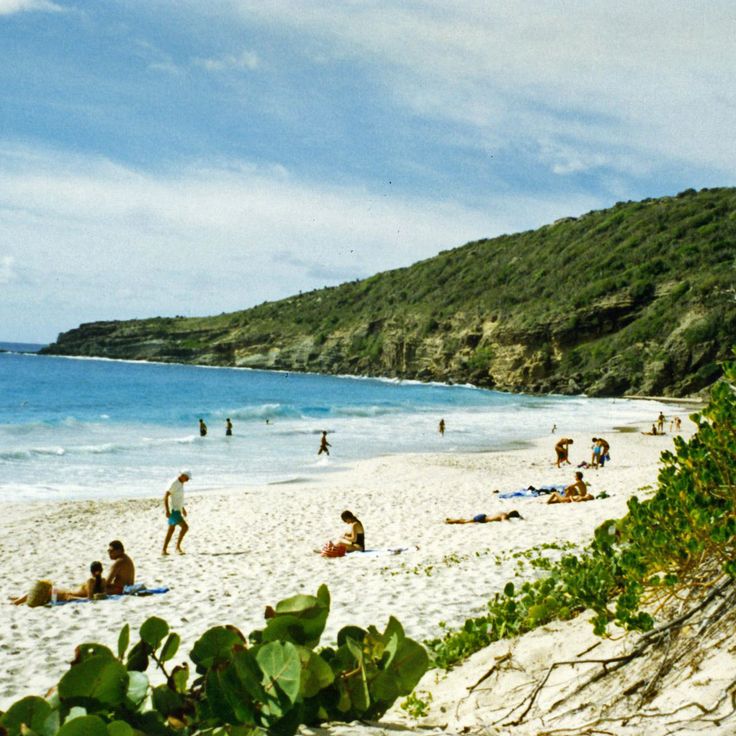
This beach stretches for 2,000 feet (600 meters) along the southern coast of Saint Barthélemy and ranks among the few undeveloped shorelines on the island. Plage de Saline sits away from hotels and residential areas, with no dining or facilities nearby. Visitors reach it via a short walk through dry scrubland. The sand is fine and light, the water clear enough for snorkeling when seas are calm. Waves can pick up on windy days, and currents become noticeable. Shade is scarce, with low vegetation offering occasional cover. Many come here seeking quiet away from the busier northern beaches.
Baie Longue stretches for nearly 1.2 miles (two kilometers) along the western shore of Saint Martin, framed by limestone cliffs. The white sand slopes gently into clear water that remains calm most of the year, making it suitable for swimming. The bay sits outside the main hotel zones and has no permanent dining facilities. During periods of westerly winds, waves can pick up, but conditions generally stay mild. Coconut palms and low vegetation line portions of the beach. Access is via a paved road that ends at an unpaved parking area.
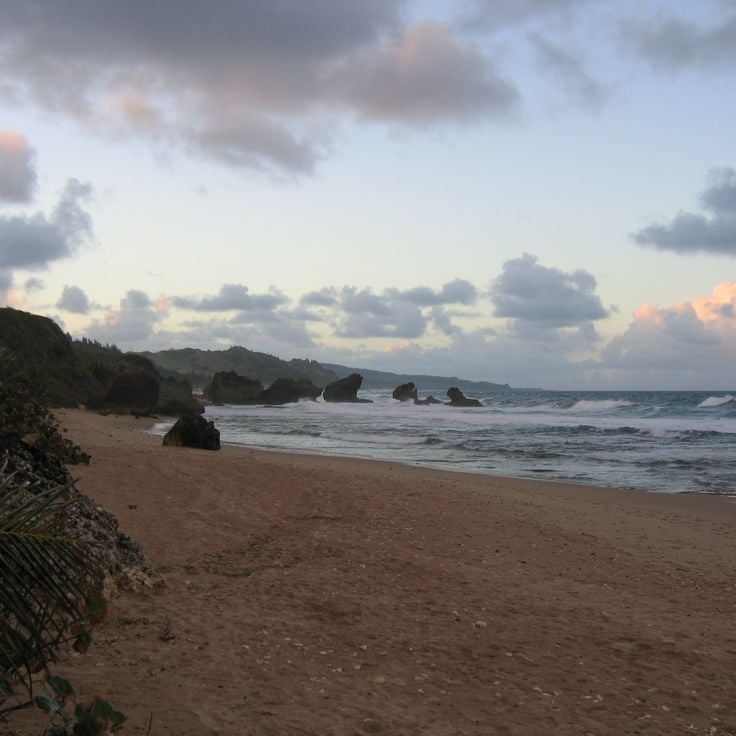
This shoreline on the eastern side of Barbados stretches along a rugged bay where granite boulders rise from the sand and stand against the prevailing Atlantic swells. Plage de Bathsheba belongs to the beaches where the Caribbean shows its untamed side, with strong surf that draws surfers from across the region. The contrast between the lighter sand, dark rock formations and often turbulent sea creates a landscape that differs markedly from the calmer lagoons farther west. Palms line the edge of the beach, and behind them lies a hilly coastal landscape with traditional fishing villages where life still follows the rhythm of the ocean.
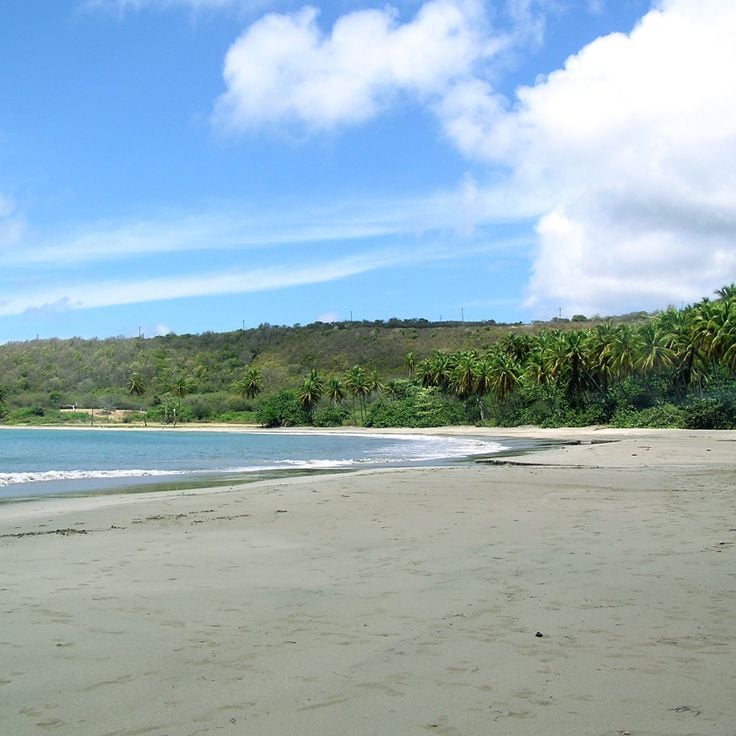
This protected bay on Grenada offers calm waters for swimming, set between palms and mangroves. La Sagesse draws travelers seeking an alternative to the island's busier beaches. The sand runs along the shoreline while the mangroves provide habitat for numerous bird species. Fishing boats anchor in the bay, and the few houses nearby maintain the understated character of the place. The sea remains mostly calm, sheltered by the natural formation of the coast, making swimming suitable for families with children as well.
This protected bay within Antigua's national park system ranks among the Caribbean's finest snorkeling sites. The calm waters of Half Moon Bay harbor tropical fish and colorful coral reefs accessible directly from the beach. The crescent-shaped sandy shore extends roughly half a mile (800 meters) and is lined with palm trees. The natural shape of the bay shields the shoreline from strong waves and creates favorable conditions for observing marine life. Fishermen from the nearby village occasionally moor their boats here.
This natural beach without tourist facilities serves as an important nesting site for sea turtles. Palm groves line the white sand while the sea rolls ashore in gentle waves. The bay sits secluded on the northeast coast of Culebra and draws travelers seeking quiet and undeveloped nature. Access follows an unpaved road. Between May and November, female turtles return to the beach at night to lay their eggs. Shade is scarce and facilities are absent. Zoni Beach embodies the original character of the Caribbean, removed from crowds and commerce.
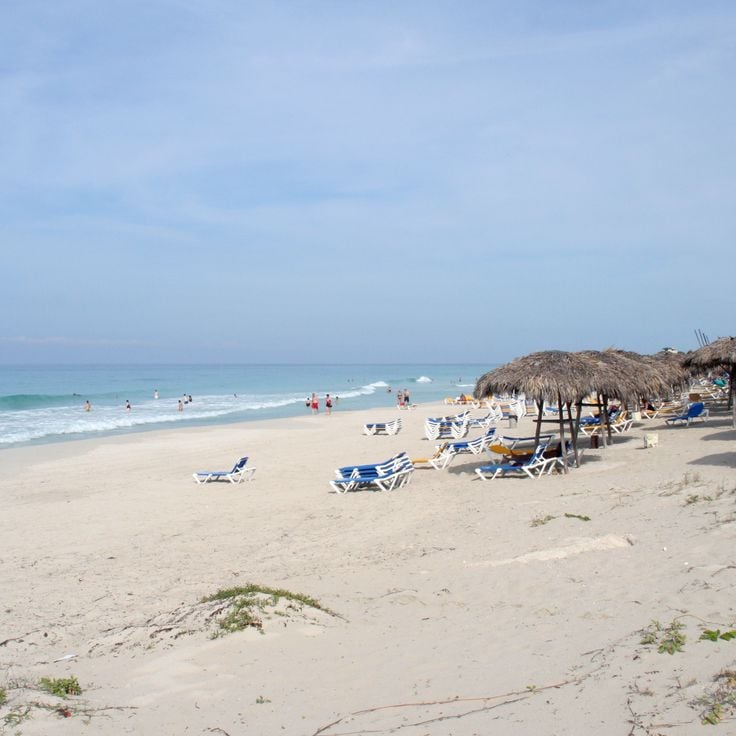
This 20-mile (32-kilometer) stretch of sand runs along Cuba's northern coast on a narrow peninsula that separates the open sea from calm lagoons. The water is clear and shallow for long distances, making Playa de Varadero an accessible spot for swimmers and snorkelers. Along the shore, several sea caves open in the limestone, some walkable at low tide. Offshore, small islands with coral reefs shelter sea turtles and tropical fish. The sand is fine and pale, lined with palms and scattered coastal hotels. Fishing boats still dock in the western sections, where development thins out.
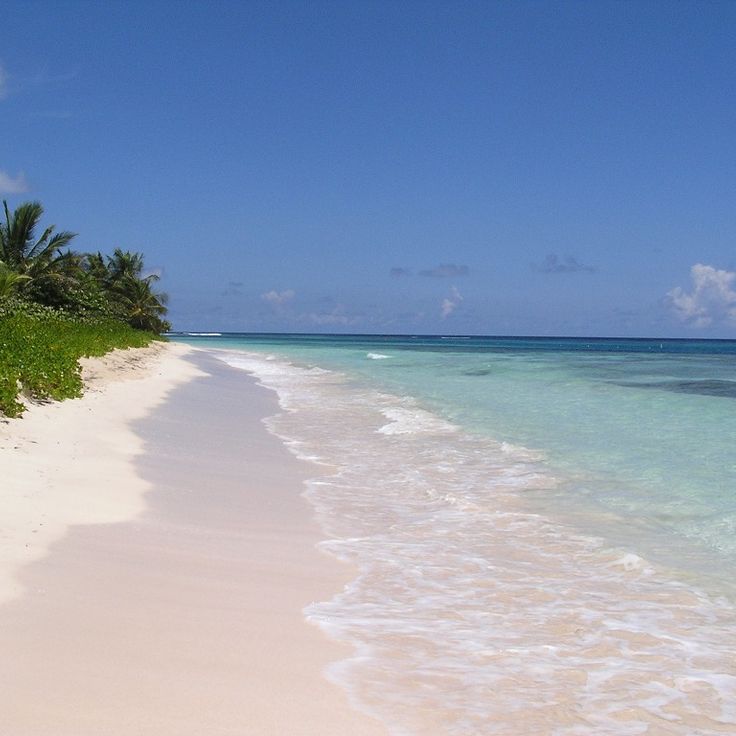
This crescent-shaped beach extends over a kilometer (0.6 miles) along Culebra's coastline and ranks among Puerto Rico's most visited shores. The clear water supports snorkeling along reef sections at both ends of the bay. Fine white sand, formed from crushed coral and shells, covers the beach. Palm trees provide shade in the back areas, while the bay's protected position creates generally calm conditions. An old tank from the era when the U.S. Navy used the area as a training range still sits at the eastern end. Playa Flamenco is accessible by ferry from Fajardo or by plane, and basic facilities are available on site.
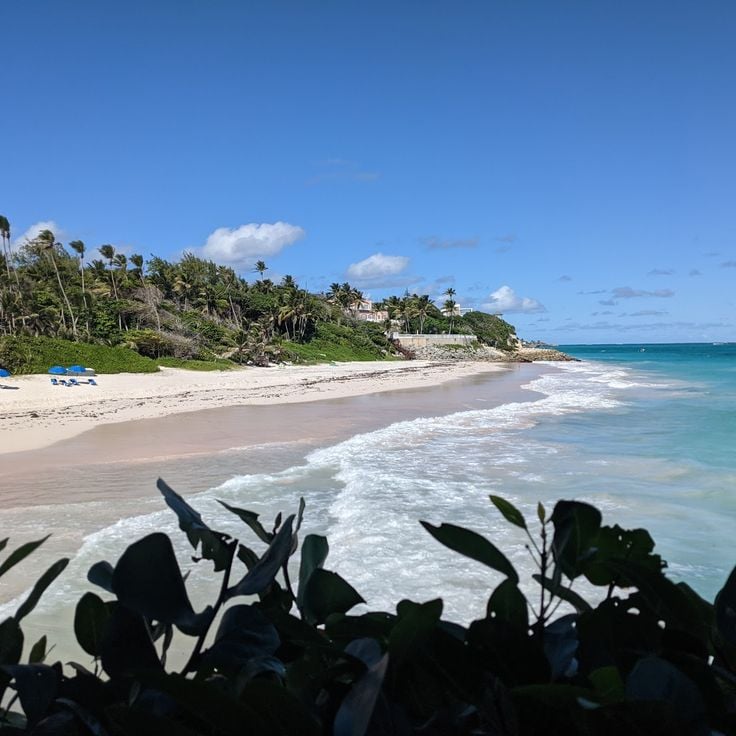
Crane Beach sits on the southeastern coast of Barbados, known for its pink-hued sand and the tall cliffs that rise above the shoreline. The water is calm and warm, perfect for swimming. The beach is set apart from the main tourist routes, offering a quieter experience than the island's more popular beaches. The surrounding landscape of hills and vegetation gives the place a natural character.
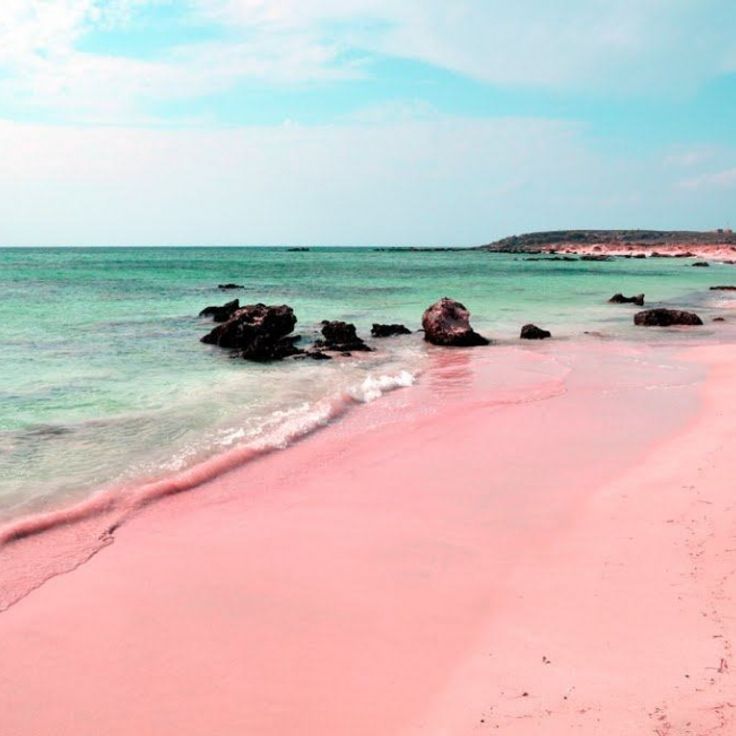
Pink Sands Beach on Harbour Island in the Bahamas features sand with a distinctive rosy hue, setting it apart from other Caribbean beaches. The unusual color comes from minerals in the sand and creates a special experience for travelers exploring the region's natural variety. This beach offers a calm place to rest and sits away from the typical tourist routes in the Caribbean.
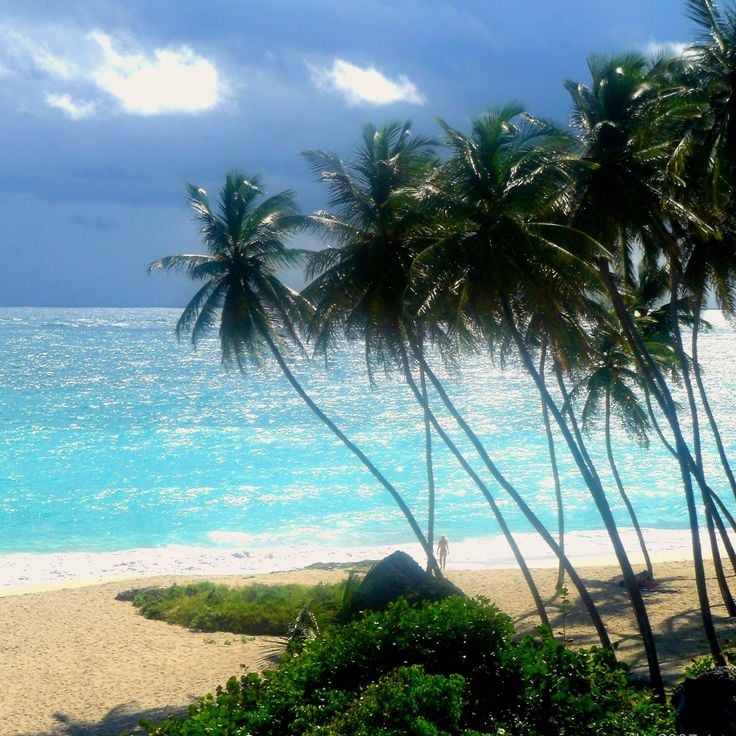
Bottom Bay sits on the coast of Barbados and is a natural beach that reflects the character of the Caribbean shoreline. The beach is shaped by rocky formations and offers views of the coastal landscape. Visitors find a quieter setting here, away from the more crowded spots in the region.
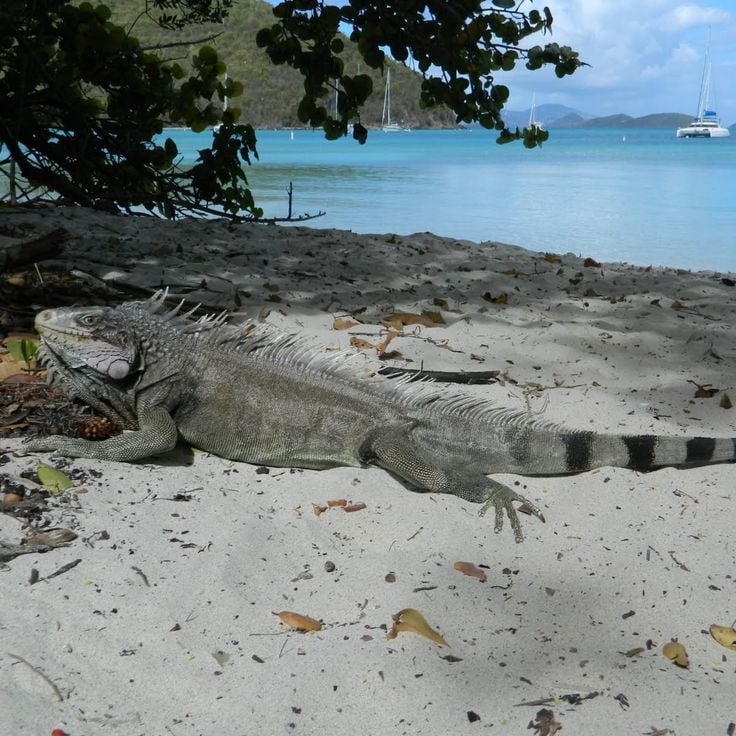
Maho Bay Beach on the US Virgin Islands is a natural strand situated along a sheltered bay. The water is calm and warm, perfect for swimming and snorkeling. Trees line the beach, providing shade, and the shoreline slopes gently into the sea. This beach is part of the Caribbean's natural beaches that have kept their original character.
Paradise Beach is located on Cayo Largo del Sur off the southern coast of Cuba. The shore has light sand and calm, shallow water. The beach slopes gently and is good for swimming. The surroundings feel untouched and undeveloped. This beach fits with the Caribbean beaches that have kept their natural shape and offer travelers a different view of the region.
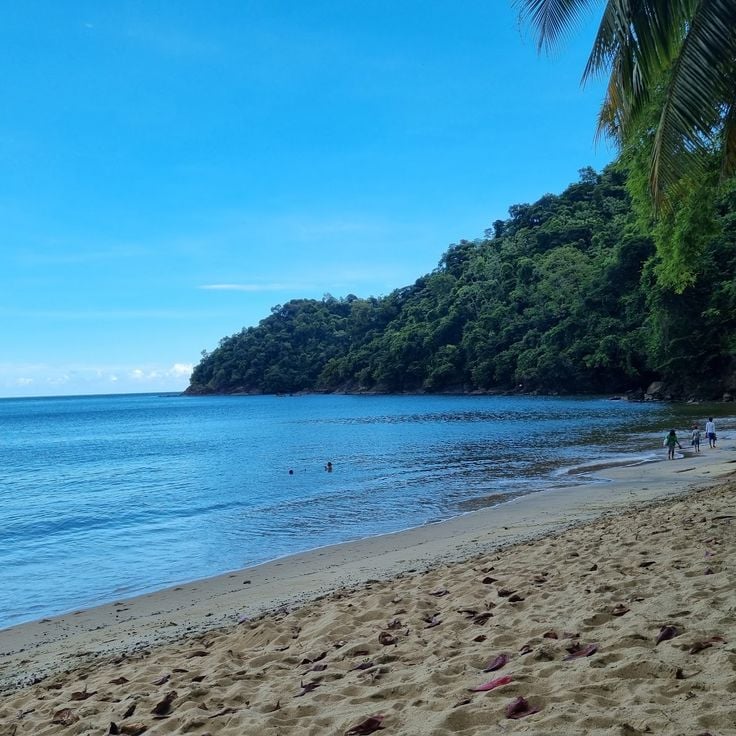
Englishman's Bay in Tobago is a beach that curves into a sheltered bay, lined with palm trees reaching down to the sand. The water is calm and warm, inviting swimmers and those who want to wade in the shallow areas. The surrounding hills create a natural barrier that keeps the beach quiet and protected from rough conditions. You will often find the sand empty except for a few local fishers or residents passing through. This bay represents the kind of understated beauty found in many Caribbean beaches away from crowded tourist spots.
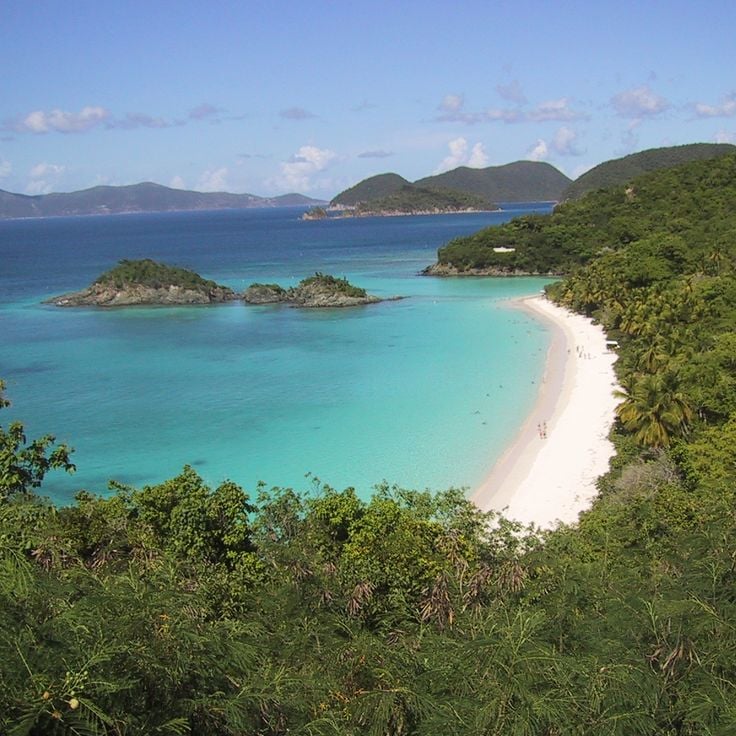
Trunk Bay is a protected bay on St. John in the US Virgin Islands. It features an underwater trail that guides snorkelers to coral reefs. The water is clear and warm. The beach is surrounded by green hills. Visitors can see marine life along the marked path. The location attracts people who want to explore the underwater world without deep diving.
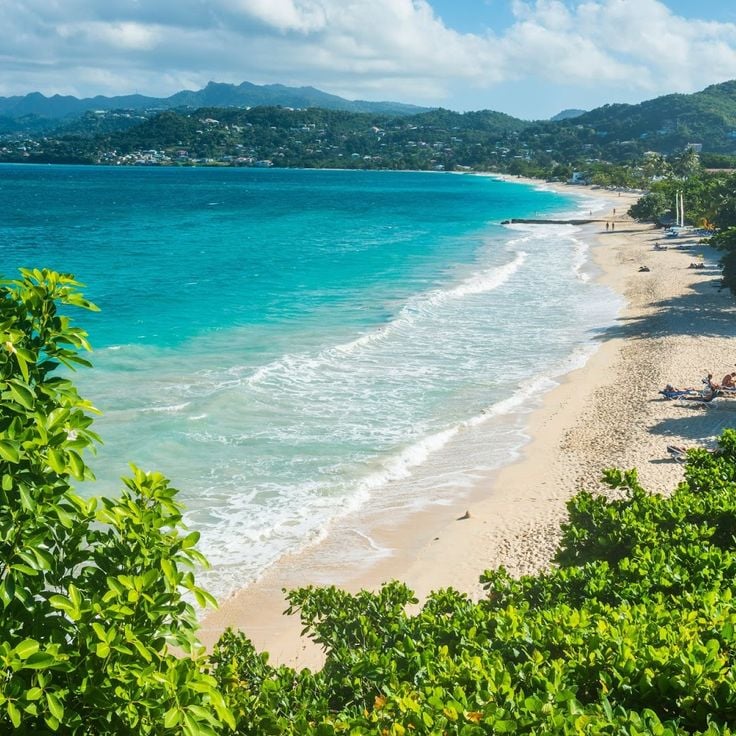
Grand Anse Beach stretches along the southwestern coast of Grenada as one of the longest sandy shores on the island. The fine sand slopes gently into calm, clear water. Palm trees line the beach and create natural shade. The beach remains relatively quiet compared to busier Caribbean spots. Small restaurants and local vendors operate along the shore, adding to the everyday feel of the place. Both visitors and residents use this beach regularly, giving it a lived-in, welcoming character.
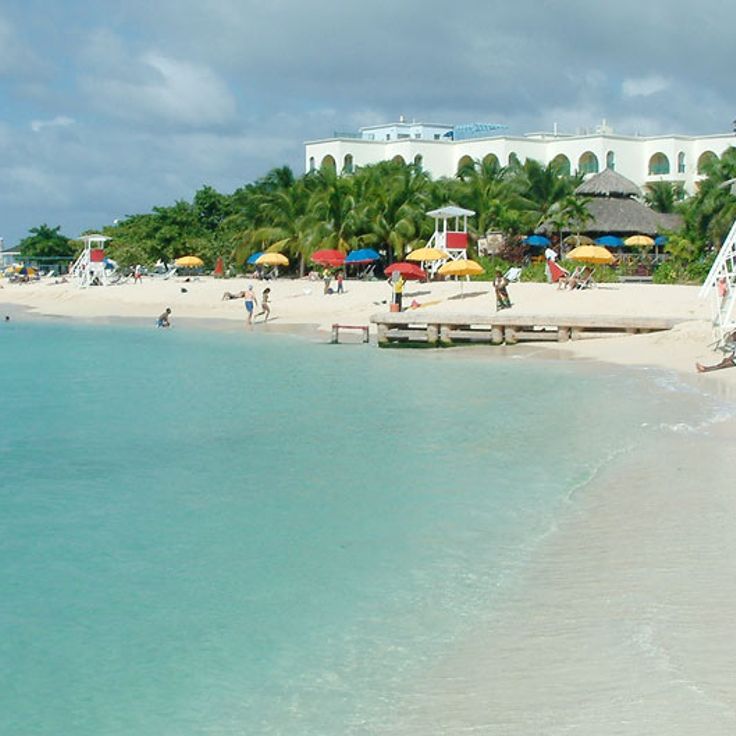
Doctor's Cave Beach Club sits in Montego Bay and is one of the most visited swimming spots on Jamaica's north coast. The beach has light-colored sand and clear water that invites snorkeling and diving. The club provides loungers, changing facilities, and small restaurants where visitors can eat and drink. Both tourists and locals come here to swim in the sea or walk along the shore.
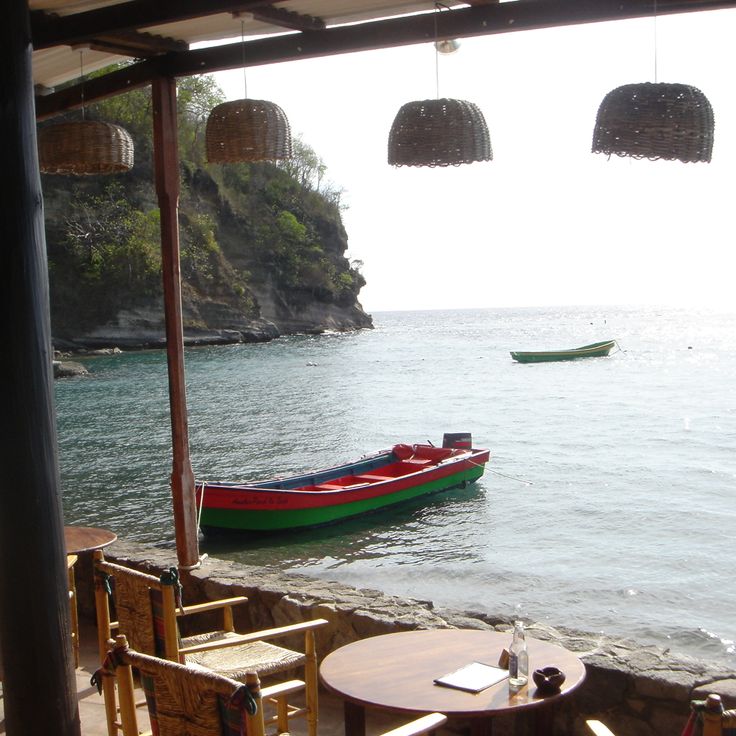
Anse Chastanet is a beach on the west coast of Saint Lucia near Soufriere. The water here is calm and warm, protected by a coral reef offshore. The sand is dark and fine, bordered by lush vegetation and palm trees that provide shade. Beneath the surface, the reef creates a natural underwater landscape with colorful fish and coral formations. This makes the beach ideal for snorkeling, as marine life is visible right from the shore. The beach maintains a quieter character than many other locations in the region, keeping its natural form.
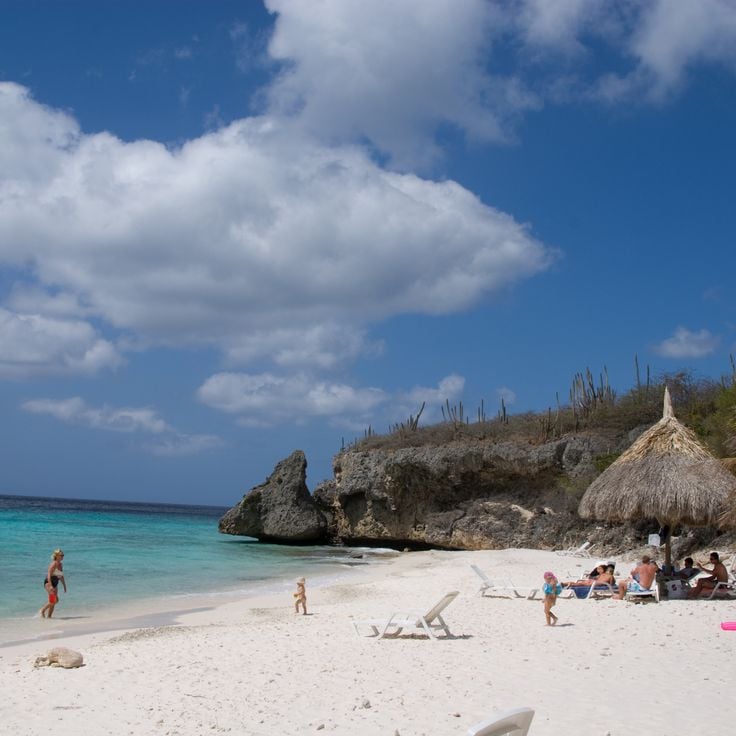
Cas Abao is a white sand beach in Curaçao located on the northern coast of the island. The water is clear and good for swimming and snorkeling. Rocky outcrops frame the shoreline and trees provide shade across the beach. It sits away from the main tourist centers and keeps its natural character.
Sorobon Beach on the southeastern coast of Bonaire is a natural beach in this collection of Caribbean shores. The shallow, clear water extends up to 100 meters from shore and rarely exceeds one meter in depth. Steady trade winds make this location a favorite for windsurfers and kitesurfers. The sheltered bay and calm conditions allow families with young children to swim safely. The beach attracts many visitors yet never feels crowded.
Pointe Pigeon on the Tobago shore stretches for half a mile (800 meters) of white sand lined with palms and counts among the natural beaches featured in this Caribbean collection. The calm water invites swimming, and in the evening, sunlight tints the gentle waves in golden tones. This bay belongs to those Caribbean shores where visitors can still sense the island's original rhythm, away from tourist crowds. Fishermen pull their boats onto the edge of the beach, and just a few yards from shore, coral formations provide shelter for tropical fish. The beach remains lightly visited even during high season, allowing for long walks along the water.
This stretch of coastline in Quintana Roo brings together pre-Columbian architecture and the Caribbean Sea. Plage de Tulum unfolds below the Mayan ruins that sit atop a low cliff, where they watched over maritime trade since the 13th century. Fine white sand leads to warm, shallow water suitable for swimmers and snorkelers. Palms line the shore, and access comes either through the archaeological site or via nearby hotels and beach entrances. The combination of historical significance and natural shoreline makes this cove a frequently visited destination in the region.
This stretch of coast connects several traditional fishing villages where residents have practiced local techniques for generations. Treasure Beach sits away from typical tourist routes and maintains its character as a place where fishing boats rest on shore and waves roll onto dark sand. The bay offers no classic white beach but a coast of volcanic origin where fishermen lay their nets and boats head out at dawn. While other Caribbean shores lean on postcard aesthetics, this place shows life as it has settled between sea and land over decades.
This white sand beach on Aruba serves as a nesting site for sea turtles. Palm trees line the coast where turquoise waters meet the shore. Eagle Beach lies on the island's western coast and offers calm conditions for swimming. Turtles return between March and September to lay eggs at night. The beach stretches for several hundred yards and remains relatively quiet outside peak season.
This coral sand beach stretches over six miles along the western shore of Grand Cayman. The calm water remains relatively protected even during stronger winds, while coral reefs sit close to shore, harboring various species of reef fish, rays and occasional green sea turtles. Access comes through multiple public entry points distributed among hotels and residential complexes. Infrastructure includes beach chairs, water sports equipment and small bars along the shoreline promenade. Seven Mile Beach represents the Caribbean beach at its most accessible, with warm, clear water and enough space to find a quiet spot even during peak tourist season.
Rendezvous Bay stretches for about two miles (3.2 km) along the southwestern coast of Anguilla, forming one of the island's longest beaches. The white sand slopes gently into the sea, where shallow waters make swimming accessible throughout most of the year. Palm trees line the shore, and on clear days the outline of St. Martin appears on the horizon. Several times a year, the bay hosts open-air music festivals that draw visitors from across the region. On quieter days, the beach remains largely uncrowded, with a handful of beachside bars and minimal development behind the dunes. The water is clear, the waves typically moderate. A few small hotels sit within walking distance, but the bay has avoided the high-rise construction seen elsewhere in the Caribbean.
Shoal Bay sits on Antigua's northwest coast and draws snorkelers looking to explore the nearby coral reefs. Clear water often reaches depths of 30 feet (9 meters) and offers views of tropical fish, sea turtles and occasional rays. The beach stretches for roughly a third of a mile and is backed by palm trees and low shrubs. The bay remains quiet even during high season, as it lies off the main tourist routes. A few local operators run snorkeling trips to the outer reefs, where marine diversity is greater.
This beach stretches for 2,000 feet (600 meters) along the southern coast of Saint Barthélemy and ranks among the few undeveloped shorelines on the island. Plage de Saline sits away from hotels and residential areas, with no dining or facilities nearby. Visitors reach it via a short walk through dry scrubland. The sand is fine and light, the water clear enough for snorkeling when seas are calm. Waves can pick up on windy days, and currents become noticeable. Shade is scarce, with low vegetation offering occasional cover. Many come here seeking quiet away from the busier northern beaches.
Baie Longue stretches for nearly 1.2 miles (two kilometers) along the western shore of Saint Martin, framed by limestone cliffs. The white sand slopes gently into clear water that remains calm most of the year, making it suitable for swimming. The bay sits outside the main hotel zones and has no permanent dining facilities. During periods of westerly winds, waves can pick up, but conditions generally stay mild. Coconut palms and low vegetation line portions of the beach. Access is via a paved road that ends at an unpaved parking area.
This shoreline on the eastern side of Barbados stretches along a rugged bay where granite boulders rise from the sand and stand against the prevailing Atlantic swells. Plage de Bathsheba belongs to the beaches where the Caribbean shows its untamed side, with strong surf that draws surfers from across the region. The contrast between the lighter sand, dark rock formations and often turbulent sea creates a landscape that differs markedly from the calmer lagoons farther west. Palms line the edge of the beach, and behind them lies a hilly coastal landscape with traditional fishing villages where life still follows the rhythm of the ocean.
This protected bay on Grenada offers calm waters for swimming, set between palms and mangroves. La Sagesse draws travelers seeking an alternative to the island's busier beaches. The sand runs along the shoreline while the mangroves provide habitat for numerous bird species. Fishing boats anchor in the bay, and the few houses nearby maintain the understated character of the place. The sea remains mostly calm, sheltered by the natural formation of the coast, making swimming suitable for families with children as well.
This protected bay within Antigua's national park system ranks among the Caribbean's finest snorkeling sites. The calm waters of Half Moon Bay harbor tropical fish and colorful coral reefs accessible directly from the beach. The crescent-shaped sandy shore extends roughly half a mile (800 meters) and is lined with palm trees. The natural shape of the bay shields the shoreline from strong waves and creates favorable conditions for observing marine life. Fishermen from the nearby village occasionally moor their boats here.
This natural beach without tourist facilities serves as an important nesting site for sea turtles. Palm groves line the white sand while the sea rolls ashore in gentle waves. The bay sits secluded on the northeast coast of Culebra and draws travelers seeking quiet and undeveloped nature. Access follows an unpaved road. Between May and November, female turtles return to the beach at night to lay their eggs. Shade is scarce and facilities are absent. Zoni Beach embodies the original character of the Caribbean, removed from crowds and commerce.
This 20-mile (32-kilometer) stretch of sand runs along Cuba's northern coast on a narrow peninsula that separates the open sea from calm lagoons. The water is clear and shallow for long distances, making Playa de Varadero an accessible spot for swimmers and snorkelers. Along the shore, several sea caves open in the limestone, some walkable at low tide. Offshore, small islands with coral reefs shelter sea turtles and tropical fish. The sand is fine and pale, lined with palms and scattered coastal hotels. Fishing boats still dock in the western sections, where development thins out.
This crescent-shaped beach extends over a kilometer (0.6 miles) along Culebra's coastline and ranks among Puerto Rico's most visited shores. The clear water supports snorkeling along reef sections at both ends of the bay. Fine white sand, formed from crushed coral and shells, covers the beach. Palm trees provide shade in the back areas, while the bay's protected position creates generally calm conditions. An old tank from the era when the U.S. Navy used the area as a training range still sits at the eastern end. Playa Flamenco is accessible by ferry from Fajardo or by plane, and basic facilities are available on site.
Crane Beach sits on the southeastern coast of Barbados, known for its pink-hued sand and the tall cliffs that rise above the shoreline. The water is calm and warm, perfect for swimming. The beach is set apart from the main tourist routes, offering a quieter experience than the island's more popular beaches. The surrounding landscape of hills and vegetation gives the place a natural character.
Pink Sands Beach on Harbour Island in the Bahamas features sand with a distinctive rosy hue, setting it apart from other Caribbean beaches. The unusual color comes from minerals in the sand and creates a special experience for travelers exploring the region's natural variety. This beach offers a calm place to rest and sits away from the typical tourist routes in the Caribbean.
Bottom Bay sits on the coast of Barbados and is a natural beach that reflects the character of the Caribbean shoreline. The beach is shaped by rocky formations and offers views of the coastal landscape. Visitors find a quieter setting here, away from the more crowded spots in the region.
Maho Bay Beach on the US Virgin Islands is a natural strand situated along a sheltered bay. The water is calm and warm, perfect for swimming and snorkeling. Trees line the beach, providing shade, and the shoreline slopes gently into the sea. This beach is part of the Caribbean's natural beaches that have kept their original character.
Paradise Beach is located on Cayo Largo del Sur off the southern coast of Cuba. The shore has light sand and calm, shallow water. The beach slopes gently and is good for swimming. The surroundings feel untouched and undeveloped. This beach fits with the Caribbean beaches that have kept their natural shape and offer travelers a different view of the region.
Englishman's Bay in Tobago is a beach that curves into a sheltered bay, lined with palm trees reaching down to the sand. The water is calm and warm, inviting swimmers and those who want to wade in the shallow areas. The surrounding hills create a natural barrier that keeps the beach quiet and protected from rough conditions. You will often find the sand empty except for a few local fishers or residents passing through. This bay represents the kind of understated beauty found in many Caribbean beaches away from crowded tourist spots.
Trunk Bay is a protected bay on St. John in the US Virgin Islands. It features an underwater trail that guides snorkelers to coral reefs. The water is clear and warm. The beach is surrounded by green hills. Visitors can see marine life along the marked path. The location attracts people who want to explore the underwater world without deep diving.
Grand Anse Beach stretches along the southwestern coast of Grenada as one of the longest sandy shores on the island. The fine sand slopes gently into calm, clear water. Palm trees line the beach and create natural shade. The beach remains relatively quiet compared to busier Caribbean spots. Small restaurants and local vendors operate along the shore, adding to the everyday feel of the place. Both visitors and residents use this beach regularly, giving it a lived-in, welcoming character.
Doctor's Cave Beach Club sits in Montego Bay and is one of the most visited swimming spots on Jamaica's north coast. The beach has light-colored sand and clear water that invites snorkeling and diving. The club provides loungers, changing facilities, and small restaurants where visitors can eat and drink. Both tourists and locals come here to swim in the sea or walk along the shore.
Anse Chastanet is a beach on the west coast of Saint Lucia near Soufriere. The water here is calm and warm, protected by a coral reef offshore. The sand is dark and fine, bordered by lush vegetation and palm trees that provide shade. Beneath the surface, the reef creates a natural underwater landscape with colorful fish and coral formations. This makes the beach ideal for snorkeling, as marine life is visible right from the shore. The beach maintains a quieter character than many other locations in the region, keeping its natural form.
Cas Abao is a white sand beach in Curaçao located on the northern coast of the island. The water is clear and good for swimming and snorkeling. Rocky outcrops frame the shoreline and trees provide shade across the beach. It sits away from the main tourist centers and keeps its natural character.
Sorobon Beach on the southeastern coast of Bonaire is a natural beach in this collection of Caribbean shores. The shallow, clear water extends up to 100 meters from shore and rarely exceeds one meter in depth. Steady trade winds make this location a favorite for windsurfers and kitesurfers. The sheltered bay and calm conditions allow families with young children to swim safely. The beach attracts many visitors yet never feels crowded.
Pointe Pigeon on the Tobago shore stretches for half a mile (800 meters) of white sand lined with palms and counts among the natural beaches featured in this Caribbean collection. The calm water invites swimming, and in the evening, sunlight tints the gentle waves in golden tones. This bay belongs to those Caribbean shores where visitors can still sense the island's original rhythm, away from tourist crowds. Fishermen pull their boats onto the edge of the beach, and just a few yards from shore, coral formations provide shelter for tropical fish. The beach remains lightly visited even during high season, allowing for long walks along the water.
This stretch of coastline in Quintana Roo brings together pre-Columbian architecture and the Caribbean Sea. Plage de Tulum unfolds below the Mayan ruins that sit atop a low cliff, where they watched over maritime trade since the 13th century. Fine white sand leads to warm, shallow water suitable for swimmers and snorkelers. Palms line the shore, and access comes either through the archaeological site or via nearby hotels and beach entrances. The combination of historical significance and natural shoreline makes this cove a frequently visited destination in the region.
This stretch of coast connects several traditional fishing villages where residents have practiced local techniques for generations. Treasure Beach sits away from typical tourist routes and maintains its character as a place where fishing boats rest on shore and waves roll onto dark sand. The bay offers no classic white beach but a coast of volcanic origin where fishermen lay their nets and boats head out at dawn. While other Caribbean shores lean on postcard aesthetics, this place shows life as it has settled between sea and land over decades.
This white sand beach on Aruba serves as a nesting site for sea turtles. Palm trees line the coast where turquoise waters meet the shore. Eagle Beach lies on the island's western coast and offers calm conditions for swimming. Turtles return between March and September to lay eggs at night. The beach stretches for several hundred yards and remains relatively quiet outside peak season.
This coral sand beach stretches over six miles along the western shore of Grand Cayman. The calm water remains relatively protected even during stronger winds, while coral reefs sit close to shore, harboring various species of reef fish, rays and occasional green sea turtles. Access comes through multiple public entry points distributed among hotels and residential complexes. Infrastructure includes beach chairs, water sports equipment and small bars along the shoreline promenade. Seven Mile Beach represents the Caribbean beach at its most accessible, with warm, clear water and enough space to find a quiet spot even during peak tourist season.
Rendezvous Bay stretches for about two miles (3.2 km) along the southwestern coast of Anguilla, forming one of the island's longest beaches. The white sand slopes gently into the sea, where shallow waters make swimming accessible throughout most of the year. Palm trees line the shore, and on clear days the outline of St. Martin appears on the horizon. Several times a year, the bay hosts open-air music festivals that draw visitors from across the region. On quieter days, the beach remains largely uncrowded, with a handful of beachside bars and minimal development behind the dunes. The water is clear, the waves typically moderate. A few small hotels sit within walking distance, but the bay has avoided the high-rise construction seen elsewhere in the Caribbean.
Shoal Bay sits on Antigua's northwest coast and draws snorkelers looking to explore the nearby coral reefs. Clear water often reaches depths of 30 feet (9 meters) and offers views of tropical fish, sea turtles and occasional rays. The beach stretches for roughly a third of a mile and is backed by palm trees and low shrubs. The bay remains quiet even during high season, as it lies off the main tourist routes. A few local operators run snorkeling trips to the outer reefs, where marine diversity is greater.
This beach stretches for 2,000 feet (600 meters) along the southern coast of Saint Barthélemy and ranks among the few undeveloped shorelines on the island. Plage de Saline sits away from hotels and residential areas, with no dining or facilities nearby. Visitors reach it via a short walk through dry scrubland. The sand is fine and light, the water clear enough for snorkeling when seas are calm. Waves can pick up on windy days, and currents become noticeable. Shade is scarce, with low vegetation offering occasional cover. Many come here seeking quiet away from the busier northern beaches.
Baie Longue stretches for nearly 1.2 miles (two kilometers) along the western shore of Saint Martin, framed by limestone cliffs. The white sand slopes gently into clear water that remains calm most of the year, making it suitable for swimming. The bay sits outside the main hotel zones and has no permanent dining facilities. During periods of westerly winds, waves can pick up, but conditions generally stay mild. Coconut palms and low vegetation line portions of the beach. Access is via a paved road that ends at an unpaved parking area.
This shoreline on the eastern side of Barbados stretches along a rugged bay where granite boulders rise from the sand and stand against the prevailing Atlantic swells. Plage de Bathsheba belongs to the beaches where the Caribbean shows its untamed side, with strong surf that draws surfers from across the region. The contrast between the lighter sand, dark rock formations and often turbulent sea creates a landscape that differs markedly from the calmer lagoons farther west. Palms line the edge of the beach, and behind them lies a hilly coastal landscape with traditional fishing villages where life still follows the rhythm of the ocean.
This protected bay on Grenada offers calm waters for swimming, set between palms and mangroves. La Sagesse draws travelers seeking an alternative to the island's busier beaches. The sand runs along the shoreline while the mangroves provide habitat for numerous bird species. Fishing boats anchor in the bay, and the few houses nearby maintain the understated character of the place. The sea remains mostly calm, sheltered by the natural formation of the coast, making swimming suitable for families with children as well.
This protected bay within Antigua's national park system ranks among the Caribbean's finest snorkeling sites. The calm waters of Half Moon Bay harbor tropical fish and colorful coral reefs accessible directly from the beach. The crescent-shaped sandy shore extends roughly half a mile (800 meters) and is lined with palm trees. The natural shape of the bay shields the shoreline from strong waves and creates favorable conditions for observing marine life. Fishermen from the nearby village occasionally moor their boats here.
This natural beach without tourist facilities serves as an important nesting site for sea turtles. Palm groves line the white sand while the sea rolls ashore in gentle waves. The bay sits secluded on the northeast coast of Culebra and draws travelers seeking quiet and undeveloped nature. Access follows an unpaved road. Between May and November, female turtles return to the beach at night to lay their eggs. Shade is scarce and facilities are absent. Zoni Beach embodies the original character of the Caribbean, removed from crowds and commerce.
This 20-mile (32-kilometer) stretch of sand runs along Cuba's northern coast on a narrow peninsula that separates the open sea from calm lagoons. The water is clear and shallow for long distances, making Playa de Varadero an accessible spot for swimmers and snorkelers. Along the shore, several sea caves open in the limestone, some walkable at low tide. Offshore, small islands with coral reefs shelter sea turtles and tropical fish. The sand is fine and pale, lined with palms and scattered coastal hotels. Fishing boats still dock in the western sections, where development thins out.
This crescent-shaped beach extends over a kilometer (0.6 miles) along Culebra's coastline and ranks among Puerto Rico's most visited shores. The clear water supports snorkeling along reef sections at both ends of the bay. Fine white sand, formed from crushed coral and shells, covers the beach. Palm trees provide shade in the back areas, while the bay's protected position creates generally calm conditions. An old tank from the era when the U.S. Navy used the area as a training range still sits at the eastern end. Playa Flamenco is accessible by ferry from Fajardo or by plane, and basic facilities are available on site.
Crane Beach sits on the southeastern coast of Barbados, known for its pink-hued sand and the tall cliffs that rise above the shoreline. The water is calm and warm, perfect for swimming. The beach is set apart from the main tourist routes, offering a quieter experience than the island's more popular beaches. The surrounding landscape of hills and vegetation gives the place a natural character.
Pink Sands Beach on Harbour Island in the Bahamas features sand with a distinctive rosy hue, setting it apart from other Caribbean beaches. The unusual color comes from minerals in the sand and creates a special experience for travelers exploring the region's natural variety. This beach offers a calm place to rest and sits away from the typical tourist routes in the Caribbean.
Bottom Bay sits on the coast of Barbados and is a natural beach that reflects the character of the Caribbean shoreline. The beach is shaped by rocky formations and offers views of the coastal landscape. Visitors find a quieter setting here, away from the more crowded spots in the region.
Maho Bay Beach on the US Virgin Islands is a natural strand situated along a sheltered bay. The water is calm and warm, perfect for swimming and snorkeling. Trees line the beach, providing shade, and the shoreline slopes gently into the sea. This beach is part of the Caribbean's natural beaches that have kept their original character.
Paradise Beach is located on Cayo Largo del Sur off the southern coast of Cuba. The shore has light sand and calm, shallow water. The beach slopes gently and is good for swimming. The surroundings feel untouched and undeveloped. This beach fits with the Caribbean beaches that have kept their natural shape and offer travelers a different view of the region.
Englishman's Bay in Tobago is a beach that curves into a sheltered bay, lined with palm trees reaching down to the sand. The water is calm and warm, inviting swimmers and those who want to wade in the shallow areas. The surrounding hills create a natural barrier that keeps the beach quiet and protected from rough conditions. You will often find the sand empty except for a few local fishers or residents passing through. This bay represents the kind of understated beauty found in many Caribbean beaches away from crowded tourist spots.
Trunk Bay is a protected bay on St. John in the US Virgin Islands. It features an underwater trail that guides snorkelers to coral reefs. The water is clear and warm. The beach is surrounded by green hills. Visitors can see marine life along the marked path. The location attracts people who want to explore the underwater world without deep diving.
Grand Anse Beach stretches along the southwestern coast of Grenada as one of the longest sandy shores on the island. The fine sand slopes gently into calm, clear water. Palm trees line the beach and create natural shade. The beach remains relatively quiet compared to busier Caribbean spots. Small restaurants and local vendors operate along the shore, adding to the everyday feel of the place. Both visitors and residents use this beach regularly, giving it a lived-in, welcoming character.
Doctor's Cave Beach Club sits in Montego Bay and is one of the most visited swimming spots on Jamaica's north coast. The beach has light-colored sand and clear water that invites snorkeling and diving. The club provides loungers, changing facilities, and small restaurants where visitors can eat and drink. Both tourists and locals come here to swim in the sea or walk along the shore.
Anse Chastanet is a beach on the west coast of Saint Lucia near Soufriere. The water here is calm and warm, protected by a coral reef offshore. The sand is dark and fine, bordered by lush vegetation and palm trees that provide shade. Beneath the surface, the reef creates a natural underwater landscape with colorful fish and coral formations. This makes the beach ideal for snorkeling, as marine life is visible right from the shore. The beach maintains a quieter character than many other locations in the region, keeping its natural form.
Cas Abao is a white sand beach in Curaçao located on the northern coast of the island. The water is clear and good for swimming and snorkeling. Rocky outcrops frame the shoreline and trees provide shade across the beach. It sits away from the main tourist centers and keeps its natural character.