In Tokyo, art can be seen in museums that mix historic buildings, gardens, and modern spaces spread across the city.
Tokyo's museums show Japanese art from the past to the present day. This collection takes you to places where traditional art is kept, like the Ueno Royal Museum, where you can see classical works. There are also venues for contemporary art, such as the Mori Art Museum in Roppongi, which displays new artistic creations.
As you explore, you will find the Edo Tokyo Open Air Museum, where buildings from earlier periods stand in open spaces, and the Ota Memorial Museum, which focuses on Ukiyo-e woodblock prints. The National Art Center and other places like the Ghibli Museum show how varied Tokyo's art world truly is.
This route leads you through different neighborhoods and reveals how deeply art is woven into Tokyo's daily life. From photography to animation, from traditional sculpture to modern installations, there is something here for every kind of art lover.
In Tokyo, art can be seen in museums that mix historic buildings, gardens, and modern spaces spread across the city.
Tokyo's museums show Japanese art from the past to the present day. This collection takes you to places where traditional art is kept, like the Ueno Royal Museum, where you can see classical works. There are also venues for contemporary art, such as the Mori Art Museum in Roppongi, which displays new artistic creations.
As you explore, you will find the Edo Tokyo Open Air Museum, where buildings from earlier periods stand in open spaces, and the Ota Memorial Museum, which focuses on Ukiyo-e woodblock prints. The National Art Center and other places like the Ghibli Museum show how varied Tokyo's art world truly is.
This route leads you through different neighborhoods and reveals how deeply art is woven into Tokyo's daily life. From photography to animation, from traditional sculpture to modern installations, there is something here for every kind of art lover.
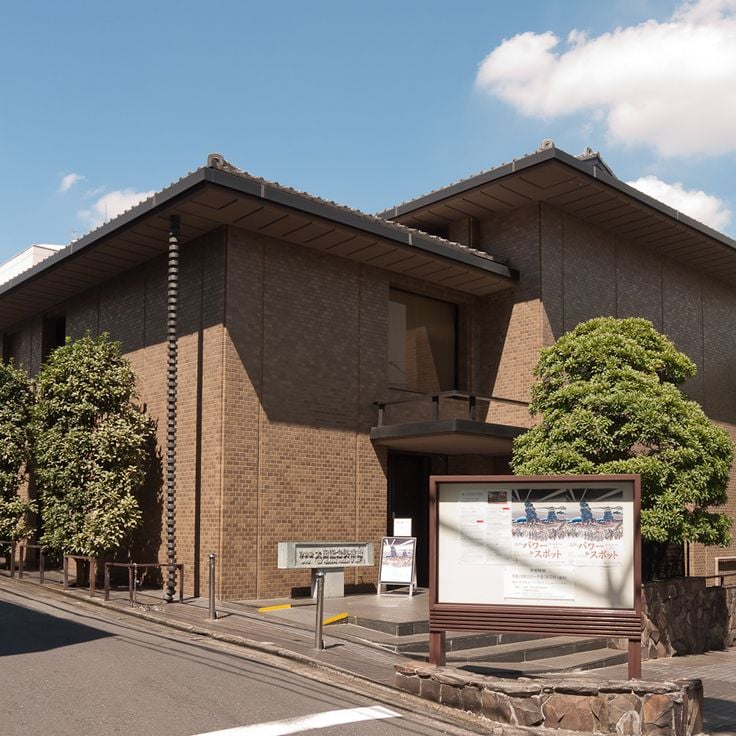
The Ueno Royal Museum is part of this route through Tokyo's art museums and venues. This private museum displays Japanese artworks from different periods and presents regular special exhibitions along with an large collection of traditional paintings. It offers visitors access to important works of Japanese art history and complements the range of art institutions across Tokyo.
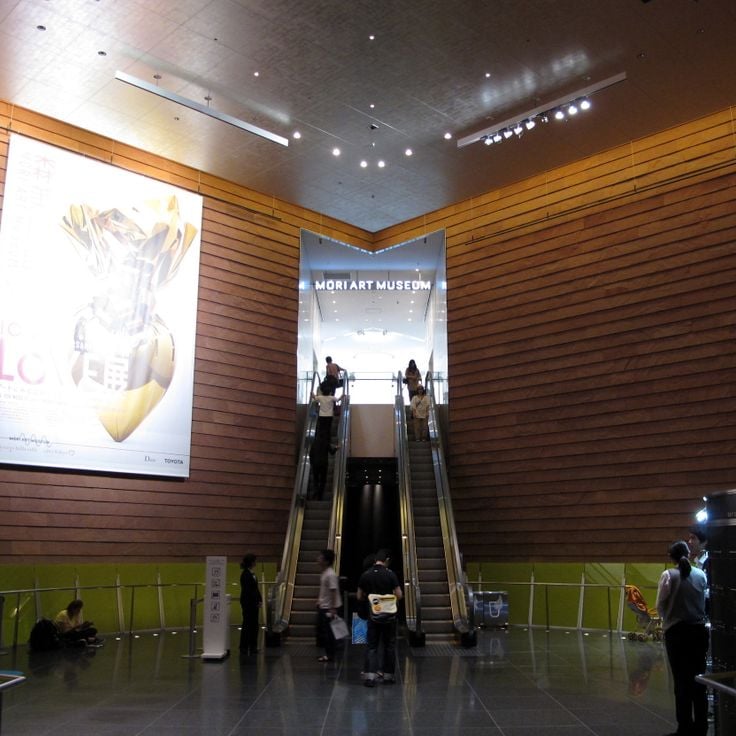
The Mori Art Museum is part of this route through Tokyo's museums and art venues. The museum presents international art exhibitions on the 53rd floor of Roppongi Hills Mori Tower. Here you find works from the 21st century that document contemporary artistic positions. The museum complements the other locations on this route with its focus on current artistic movements and international exchange.
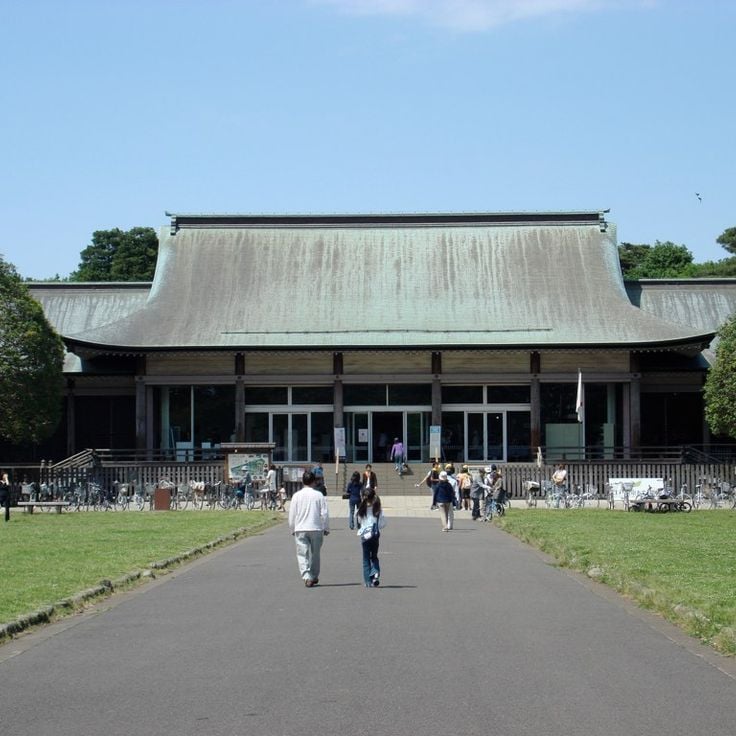
The Edo Tokyo Open Air Architectural Museum offers a unique experience within Tokyo's museums and art spaces. The museum preserves about 30 original buildings from the Edo and Meiji periods, which have been moved and reconstructed here. Visitors walk through houses, shops, and structures from the past. Unlike contemporary art museums such as the Mori Art Museum, this museum lets you step inside history rather than observe art on walls.
The Ota Memorial Museum of Art houses one of the largest collections of Japanese woodblock prints. Located in Harajuku, it is part of Tokyo's art museum network. The exhibitions change monthly and showcase works from the 17th to 20th centuries. Visitors can see how this art form developed over centuries. The museum sits in an active neighborhood and connects traditional Japanese art with Tokyo's contemporary art scene.
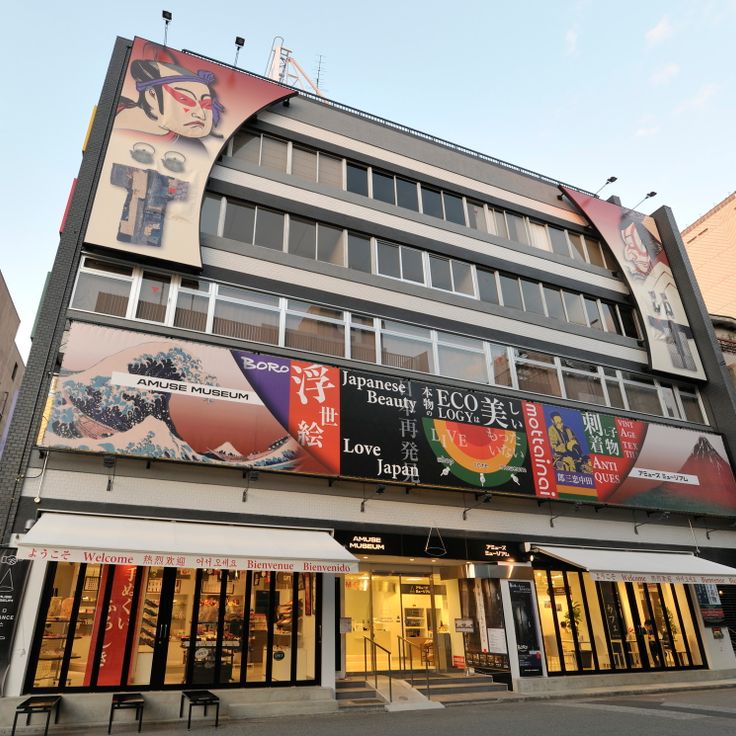
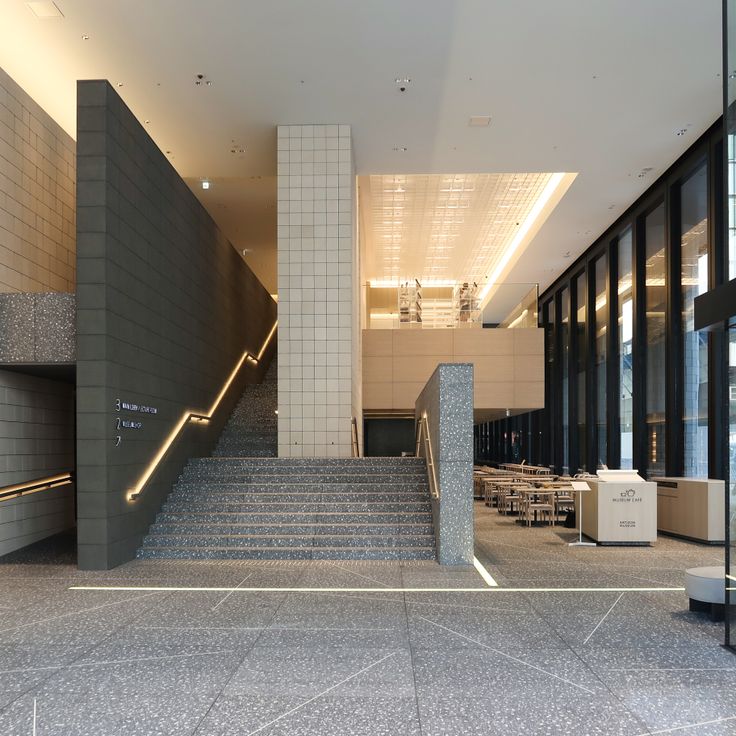
The Amuse Museum features in this tour of Tokyo's art museums a collection of historical Japanese woodblock prints and traditional textile art created from recycled fabrics. The museum demonstrates how craft traditions connect with modern reuse practices, offering a distinctive view of Japanese cultural history.
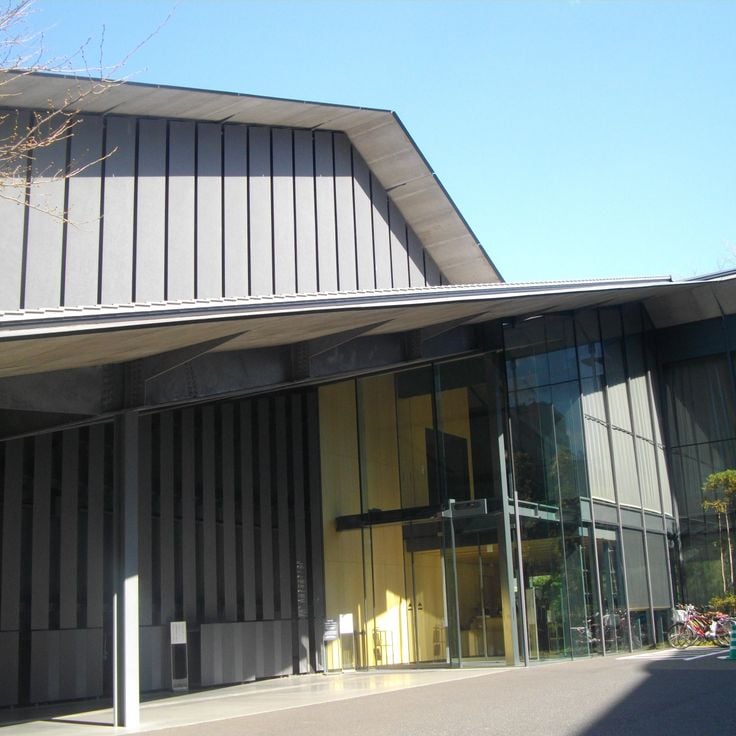
The Nezu Museum is part of this route through Tokyo's museums and art venues. Housed in a modern building with a Japanese garden, the museum displays ancient artworks, calligraphy, ceramics and bronzes from East Asia. It complements other stops on this route such as the Ueno Royal Museum featuring traditional Japanese art and the Mori Art Museum with contemporary works.
The Taro Okamoto Memorial Museum is part of this route through Tokyo's art museums. The former residence and studio of the artist displays his original works, sketches and personal items. The museum gives a sense of how he lived and worked, standing alongside the traditional Japanese art and contemporary installations found at other venues on this route.
This museum in Ueno Park is an important part of Tokyo's art route, offering six different exhibition spaces dedicated to Japanese and international works spanning the 20th century to today. It sits alongside other major art venues like the Ueno Royal Museum with its traditional Japanese art and the Mori Art Museum with its contemporary installations.
Tsukuba Museum of Art fits within this route of Tokyo's museums and art venues. The museum displays modern art through rotating exhibitions with a focus on regional artists. It opened in 2016 and provides a place to encounter contemporary works beyond the city center.
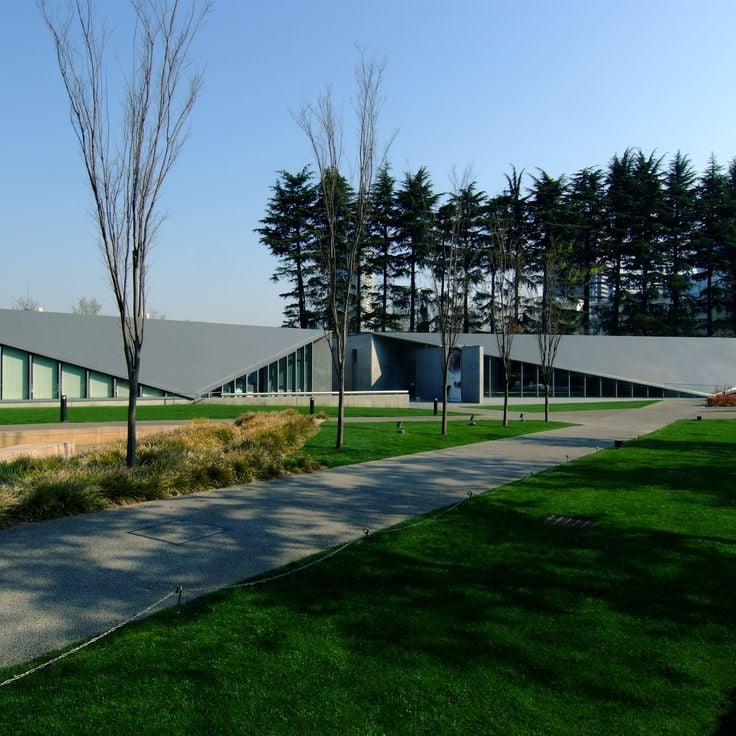
The 21 21 Design Sight is a museum that has been showcasing Japanese design evolution since 2007. Within this collection of Tokyo's art museums and venues, it offers exhibitions, seminars and workshops that explore design from different perspectives. The museum complements the traditional Japanese art at Ueno Royal Museum and contemporary works at other venues on the route.
This bronze statue from 1934 depicts an Akita dog and fits within Tokyo's collection of art museums and venues. The memorial tells the true story of a loyal dog who waited nine years for his deceased owner. Standing in the heart of Shibuya, the statue captures a moment of profound loyalty between human and animal. Like the museums on this route, from traditional Japanese art to contemporary installations, it expresses human emotion through form.
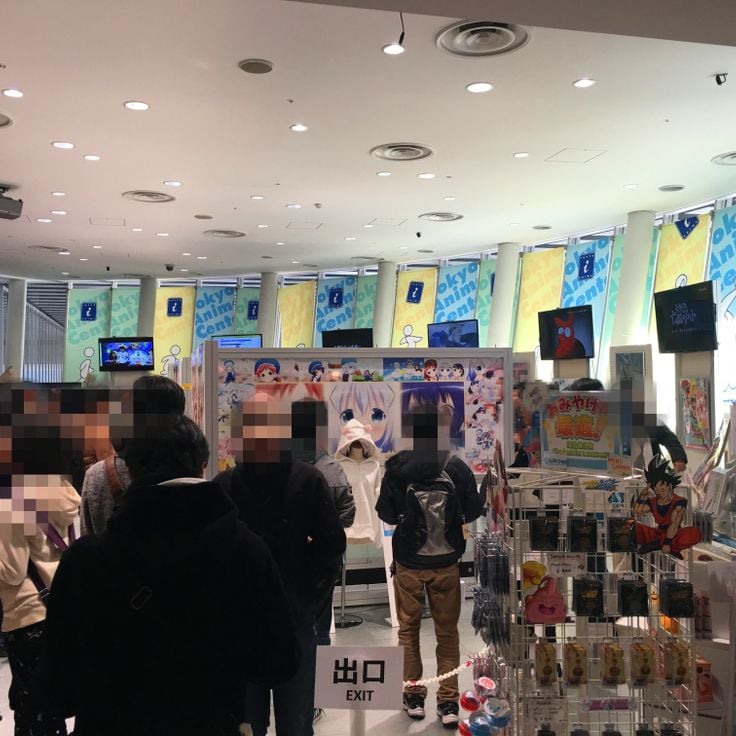
The Tokyo Anime Center is an exhibition venue within this route through Tokyo's museums and art spaces. It displays original drawings, merchandise, and hosts regular events dedicated to Japanese animation art. The center complements this collection by offering a space that celebrates contemporary artistic expression and demonstrates the wide range of art forms found throughout the city.
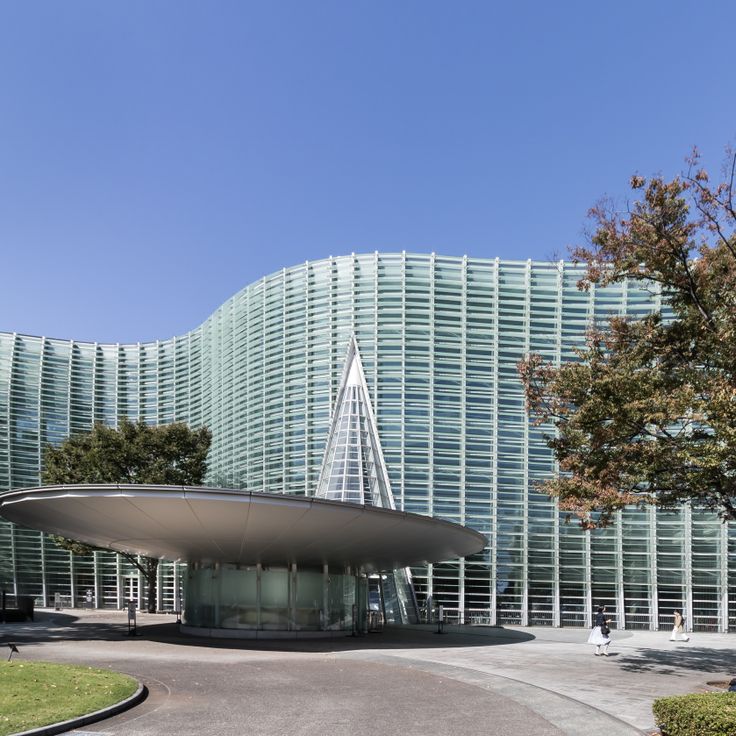
The National Art Center in Roppongi is one of Tokyo's leading contemporary art venues on this museum tour. It hosts rotating exhibitions by international artists in a striking modern building with a distinctive wave-shaped glass facade. The center offers generous exhibition spaces across multiple floors. Unlike the traditional Japanese art at Ueno Royal Museum or the historical buildings at Edo Tokyo Open Air Museum, this venue focuses entirely on contemporary works and experimental presentations.
The Tokyo Photographic Art Museum occupies three galleries dedicated to historical and contemporary photography, as well as audiovisual media, with about 33,000 works in its collection. Within Tokyo's art museum network, which ranges from traditional Japanese art at Ueno Royal Museum to modern installations at the National Art Center, this museum focuses specifically on the photographic image and its evolution. The galleries present photographs from different periods and approaches, offering visitors a chance to see how the medium has developed over time.
The Ishibashi Museum of Art in Chuo displays works from the Ishibashi Foundation, focusing on Impressionism, modern Japanese painting, and European art from the 19th and 20th centuries. Within this collection of art museums across Tokyo, this museum connects European and Japanese traditions. It sits between the classical works of the Ueno Royal Museum and the contemporary pieces of the Mori Art Museum, demonstrating how varied Tokyo's art world truly is.
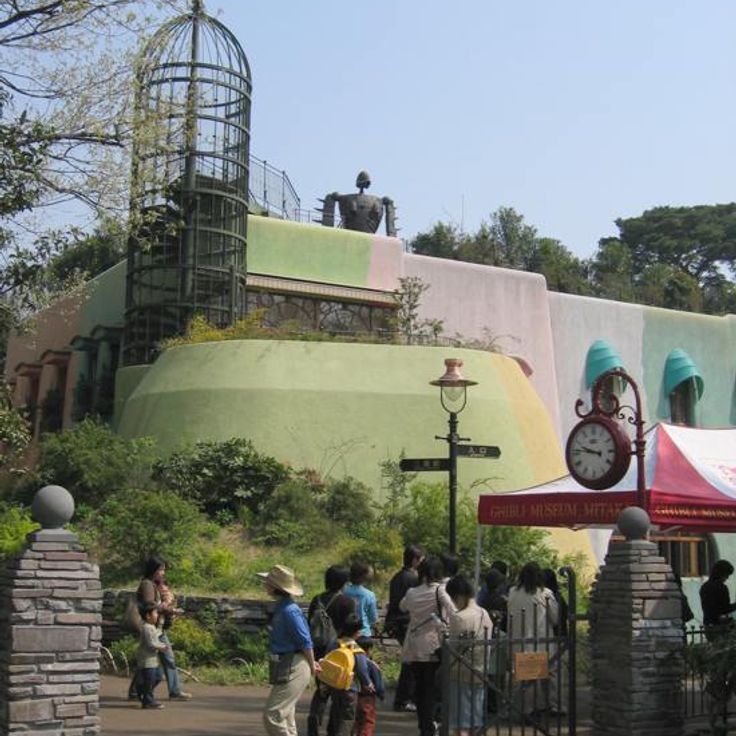
This museum showcases the work of Studio Ghibli, the famous animation studio. You can see original drawings, models, and the production process behind the films. There is also an exclusive short film shown only here. Within this route through Tokyo's art venues, the Ghibli Museum offers a different perspective on Japanese art by focusing on animation rather than traditional paintings or sculptures. It complements the other museums by presenting how artists create moving images.
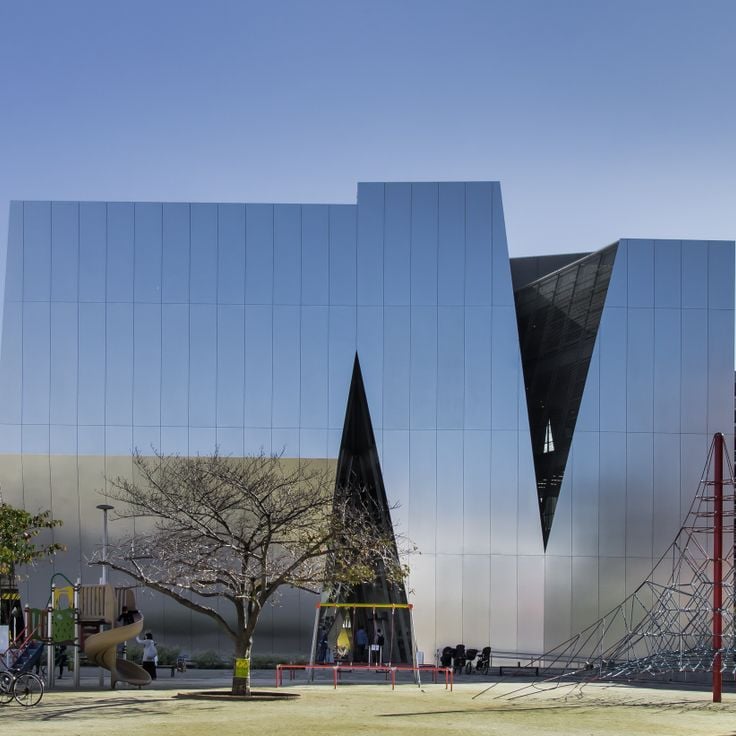
The Sumida Hokusai Museum displays prints and paintings by Japanese artist Katsushika Hokusai from the 19th century. As part of exploring Tokyo's art destinations, this museum presents the works of one of the most influential masters of the Ukiyo-e tradition. The rotating exhibitions show different aspects of Hokusai's artistic work and complement other art venues like the Ota Memorial Museum, which also displays woodblock prints from this art form.
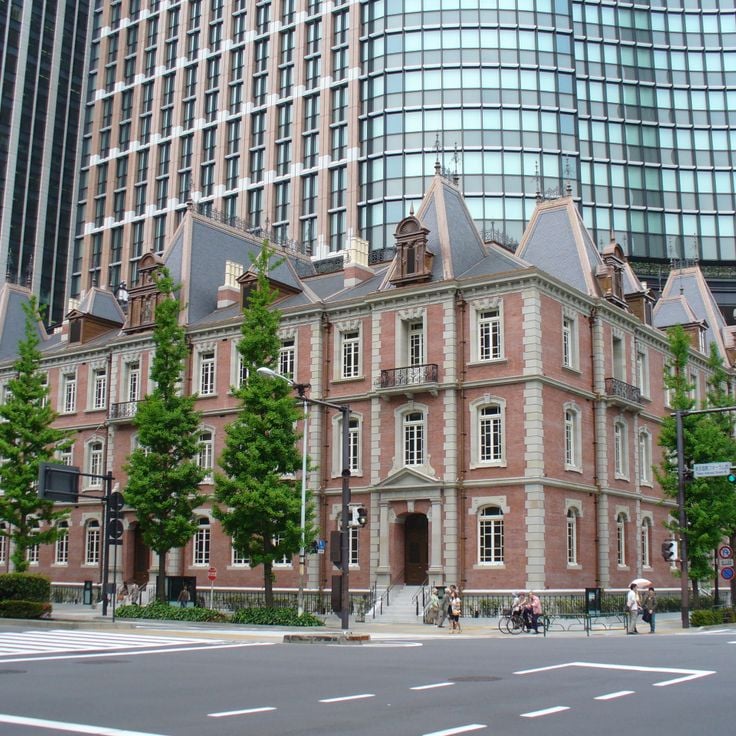
The Mitsubishi Ichigokan Museum displays 19th century European art in a reconstructed 1894 building. On this route through Tokyo's art museums, it stands out for its focus on French works and rotating exhibitions. The museum offers a window into the Western art world of that era.
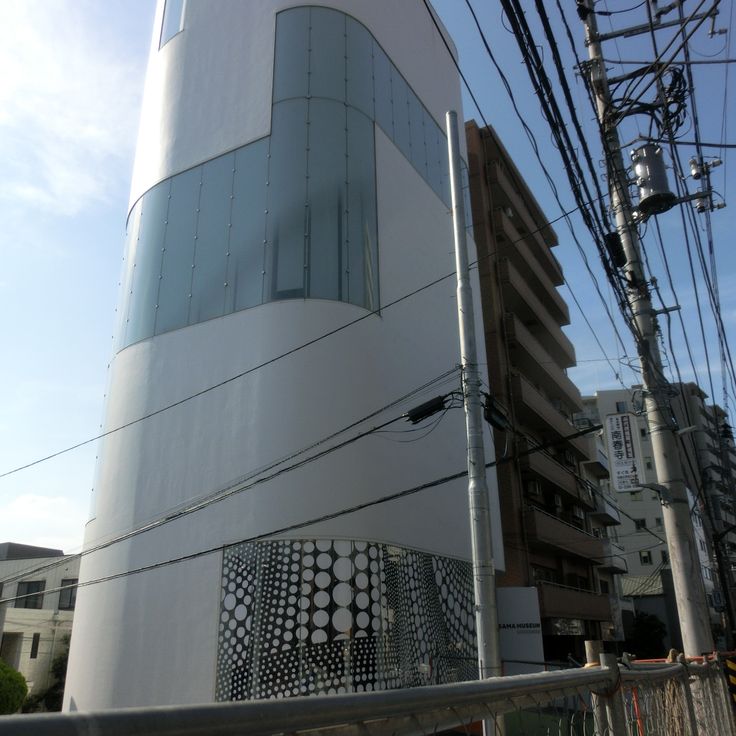
The Yayoi Kusama Museum is part of this route through Tokyo's art museums and venues. The five-story building displays paintings, sculptures and installations by the Japanese artist, known for her characteristic dot patterns that appear throughout her works. The museum offers visitors an immersive experience into her creative vision.
The Setagaya Art Museum presents modern and contemporary art as part of this exploration of Tokyo's art venues. Situated in a large park with a sculpture garden and water features, it offers a different perspective from the traditional Japanese art found at Ueno Royal Museum or the specialized ukiyo-e prints at Ota Memorial Museum. The park setting makes it a place where art and nature work together.
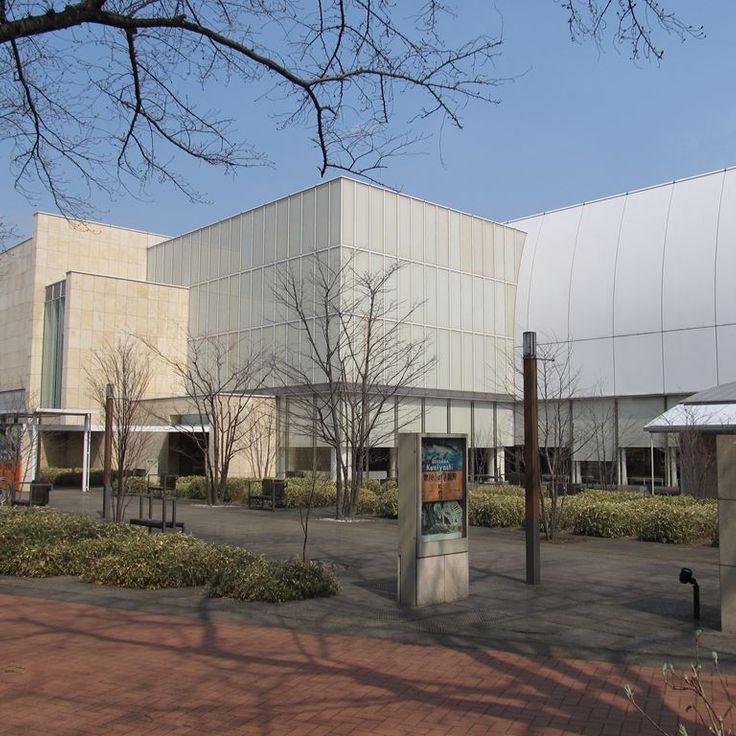
The Fuchu Art Museum fits into this route through Tokyo's museums and art venues. The museum displays Japanese and international artworks spanning from the 20th century to the present and hosts regular special exhibitions. It complements other important art locations like the Ueno Royal Museum with traditional Japanese art and the Mori Art Museum featuring contemporary work.
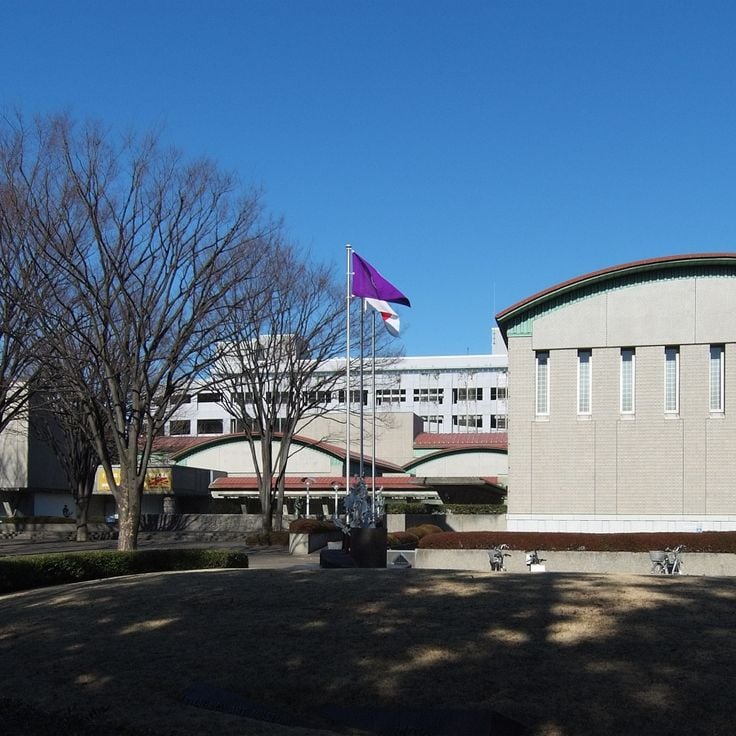
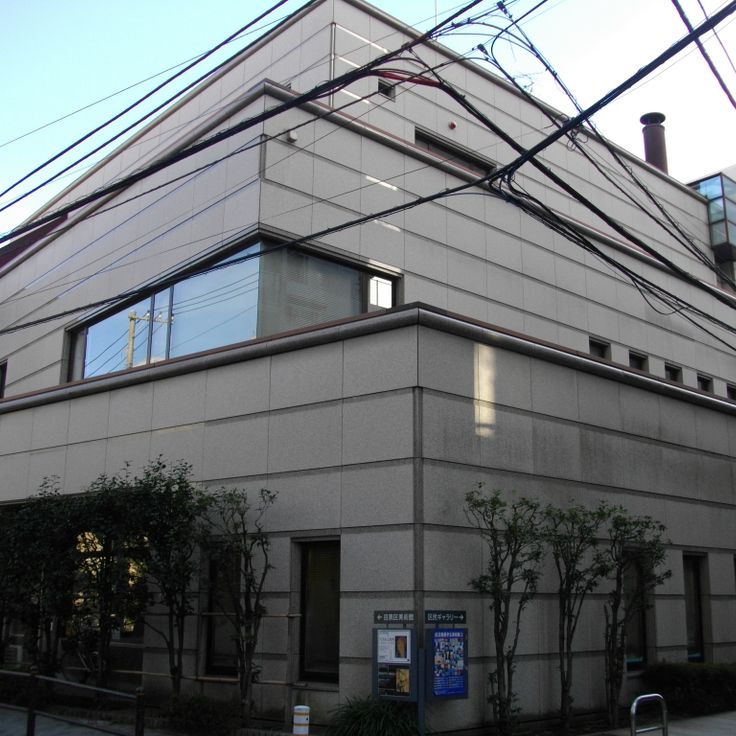
The Meguro Museum of Art is an important stop on this route through Tokyo's art venues. This museum displays contemporary works by Japanese and international artists in a modern building set within a park-like garden. It offers a different perspective from the traditional Japanese art at Ueno Royal Museum and sits alongside other venues like the Mori Art Museum and National Art Center in showcasing the diversity of Tokyo's art scene.
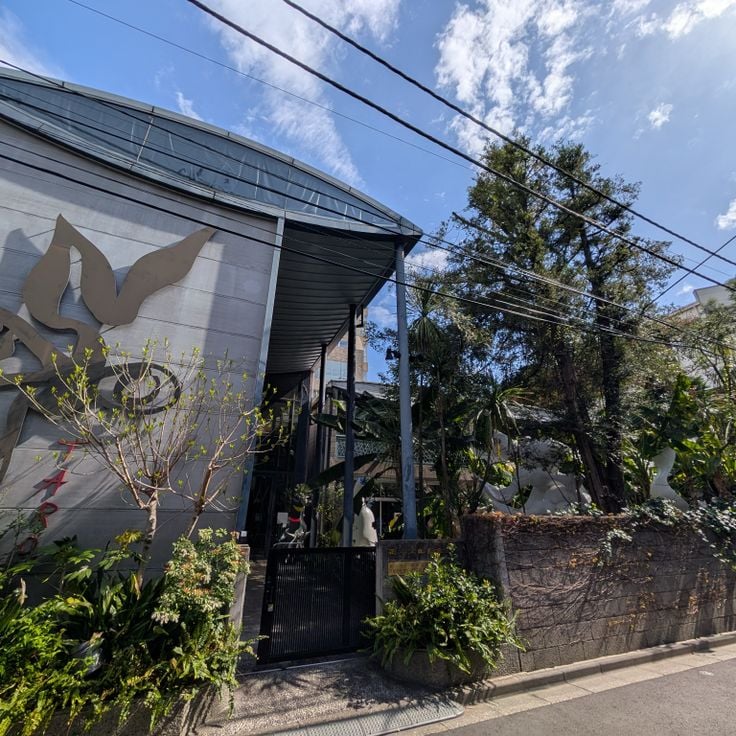
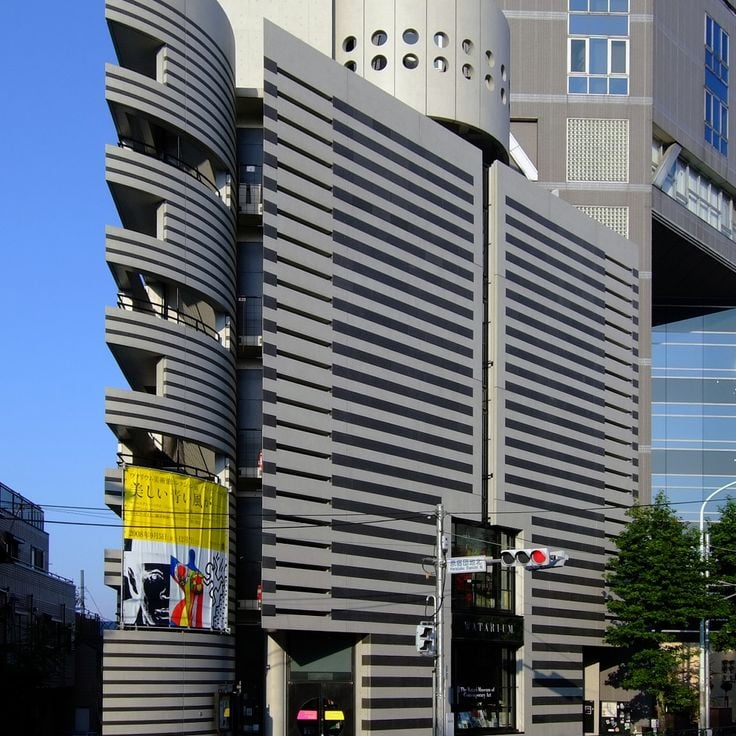
The Watari Museum of Contemporary Art in Shibuya presents international art exhibitions and experimental projects. As part of the route through Tokyo's museums and art venues, it complements traditional Japanese art at Ueno Royal Museum and contemporary works at Mori Art Museum. The museum sits in a distinctive building that showcases innovative artistic works and forward-thinking projects.
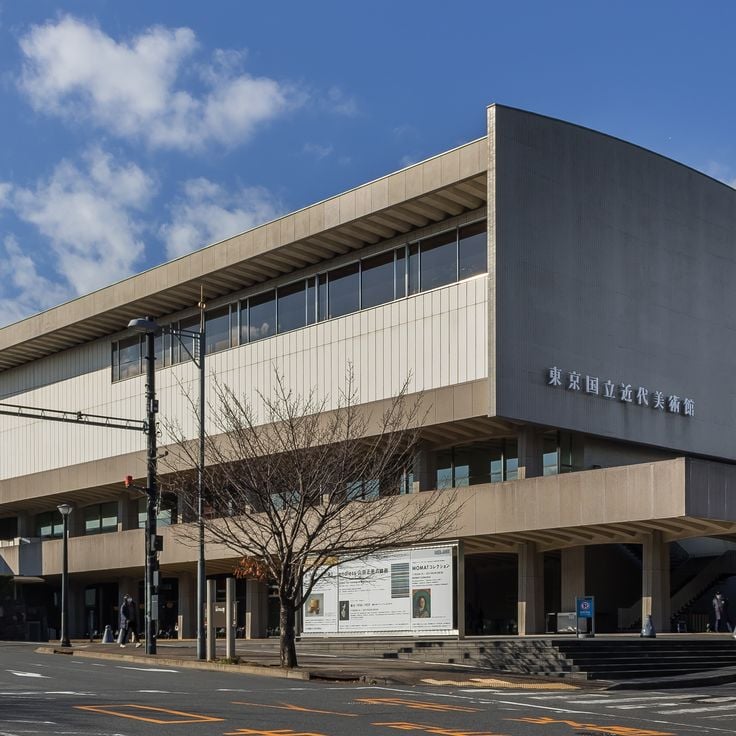
MOMAT is the National Museum of Modern Art in Tokyo and houses a substantial collection of artworks by Japanese and international artists created after 1900. The museum displays paintings, sculptures, photographs, and prints that trace the development of modern artistic movements. As part of this tour through Tokyo's art museums, MOMAT offers visitors an understanding of modern artistic directions alongside traditional Japanese art found in other institutions throughout the city.
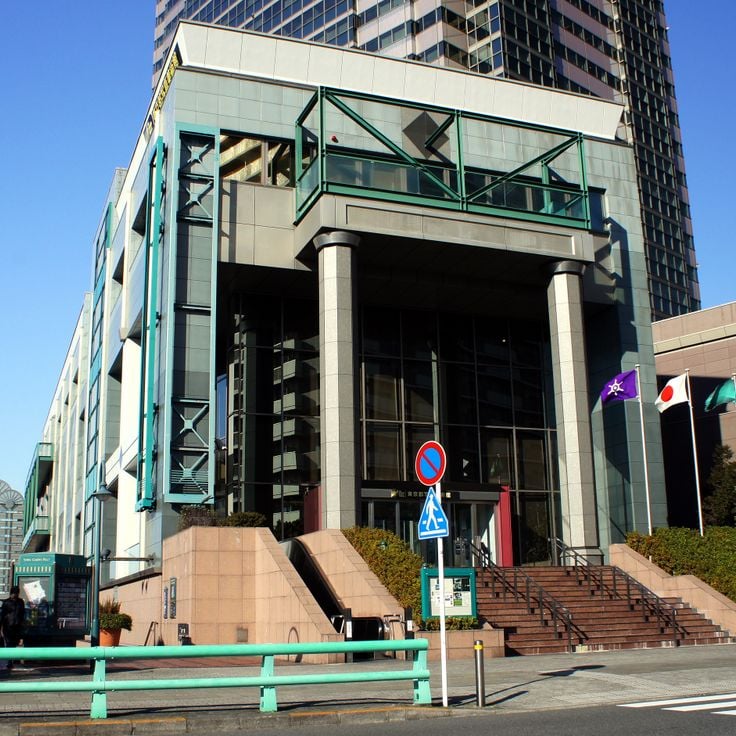
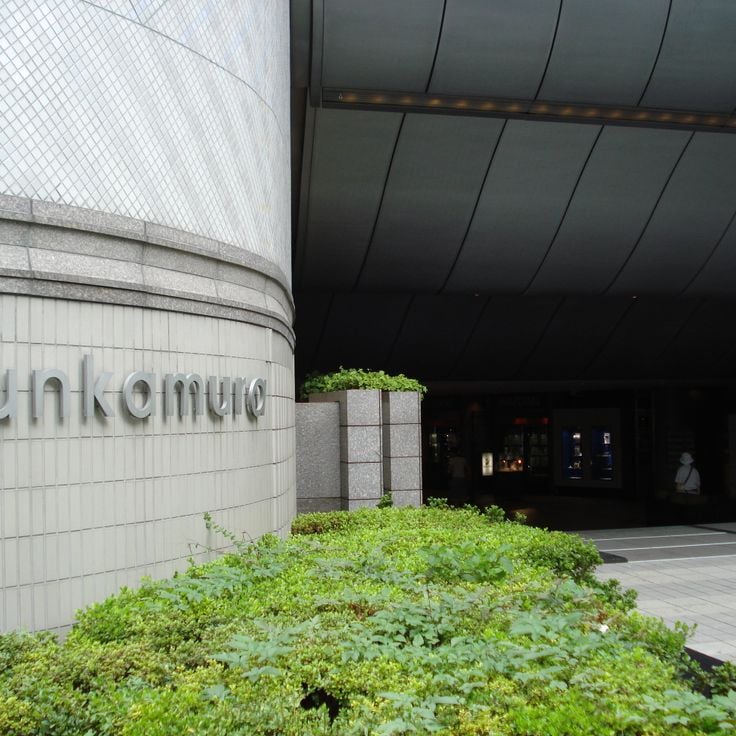
Bunkamura is a cultural center featured in this tour of Tokyo's art museums and venues. Its art gallery displays international exhibitions alongside a concert hall with 2,150 seats, a theater, and two cinema screens. The center fits into this route that spans from traditional Japanese art at Ueno Royal Museum to contemporary works at Mori Art Museum, Edo Tokyo Open Air Museum with historical architecture, and the Ukiyo-e collection at Ota Memorial Museum.
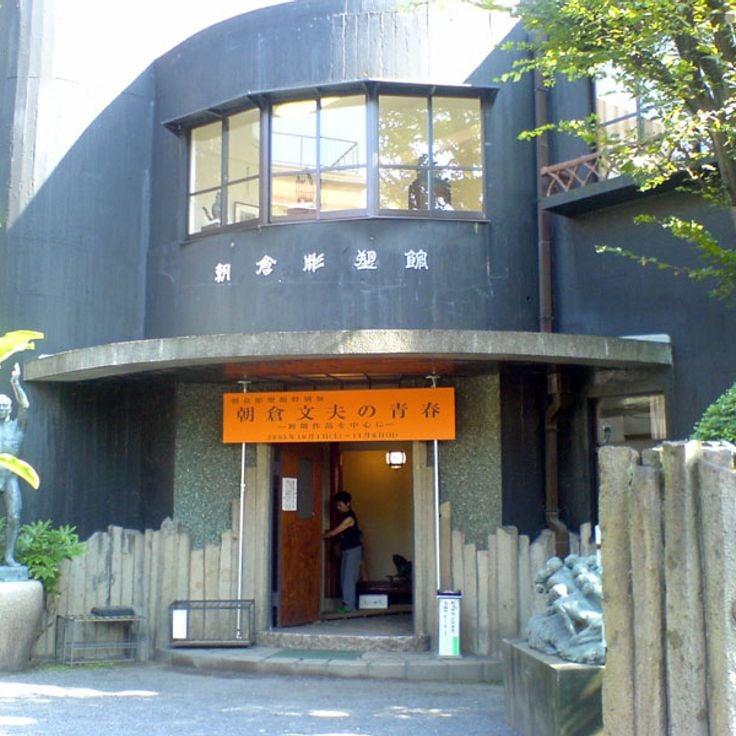
This museum occupies an art deco building from 1935 and displays bronze sculptures and personal belongings of the artist across three floors and a garden. Within this route through Tokyo's art venues, the Asakura Museum of Sculpture offers visitors a chance to see how traditional Japanese sculpture developed alongside modern architectural design. The space shows the artist's working life and creative process in an intimate setting.
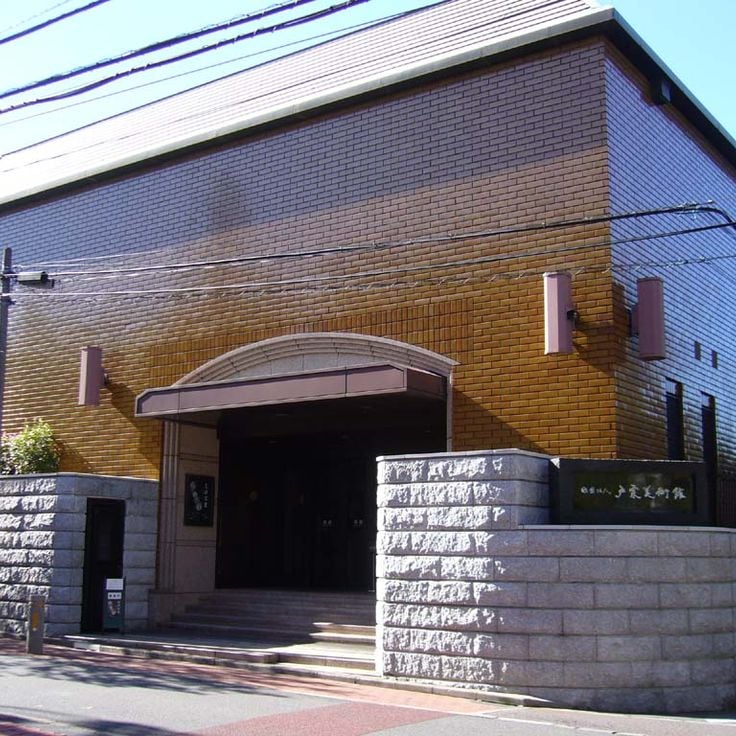
The Toguri Museum of Art displays porcelain artifacts from the Edo period, including Ko-Imari and Nabeshima pieces. It fits into this route through Tokyo's art museums by showing traditional Japanese craftsmanship alongside the contemporary works found elsewhere. Seasonal rotating exhibitions allow visitors to see different aspects of the collection throughout the year.
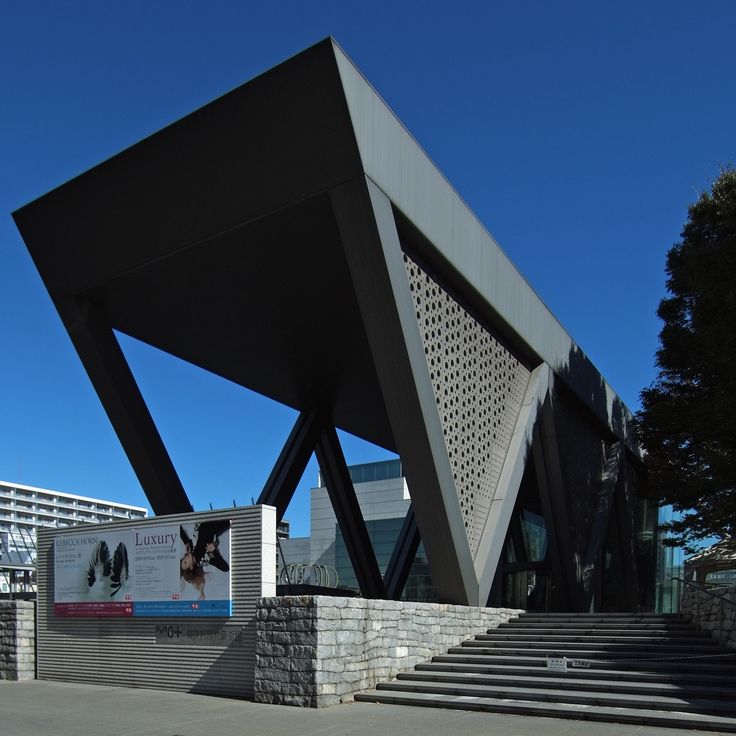
The Museum of Contemporary Art Tokyo presents international artworks from 1945 onwards in this route through Tokyo's art venues, while regularly organizing exhibitions that focus on emerging artists and art movements. It complements traditional Japanese art at the Ueno Royal Museum and historical architecture at the Edo Tokyo Open Air Museum with contemporary works and current artistic perspectives.
The Ueno Royal Museum is part of this route through Tokyo's art museums and venues. This private museum displays Japanese artworks from different periods and presents regular special exhibitions along with an large collection of traditional paintings. It offers visitors access to important works of Japanese art history and complements the range of art institutions across Tokyo.
The Mori Art Museum is part of this route through Tokyo's museums and art venues. The museum presents international art exhibitions on the 53rd floor of Roppongi Hills Mori Tower. Here you find works from the 21st century that document contemporary artistic positions. The museum complements the other locations on this route with its focus on current artistic movements and international exchange.
The Edo Tokyo Open Air Architectural Museum offers a unique experience within Tokyo's museums and art spaces. The museum preserves about 30 original buildings from the Edo and Meiji periods, which have been moved and reconstructed here. Visitors walk through houses, shops, and structures from the past. Unlike contemporary art museums such as the Mori Art Museum, this museum lets you step inside history rather than observe art on walls.
The Ota Memorial Museum of Art houses one of the largest collections of Japanese woodblock prints. Located in Harajuku, it is part of Tokyo's art museum network. The exhibitions change monthly and showcase works from the 17th to 20th centuries. Visitors can see how this art form developed over centuries. The museum sits in an active neighborhood and connects traditional Japanese art with Tokyo's contemporary art scene.
The Amuse Museum features in this tour of Tokyo's art museums a collection of historical Japanese woodblock prints and traditional textile art created from recycled fabrics. The museum demonstrates how craft traditions connect with modern reuse practices, offering a distinctive view of Japanese cultural history.
The Nezu Museum is part of this route through Tokyo's museums and art venues. Housed in a modern building with a Japanese garden, the museum displays ancient artworks, calligraphy, ceramics and bronzes from East Asia. It complements other stops on this route such as the Ueno Royal Museum featuring traditional Japanese art and the Mori Art Museum with contemporary works.
The Taro Okamoto Memorial Museum is part of this route through Tokyo's art museums. The former residence and studio of the artist displays his original works, sketches and personal items. The museum gives a sense of how he lived and worked, standing alongside the traditional Japanese art and contemporary installations found at other venues on this route.
This museum in Ueno Park is an important part of Tokyo's art route, offering six different exhibition spaces dedicated to Japanese and international works spanning the 20th century to today. It sits alongside other major art venues like the Ueno Royal Museum with its traditional Japanese art and the Mori Art Museum with its contemporary installations.
Tsukuba Museum of Art fits within this route of Tokyo's museums and art venues. The museum displays modern art through rotating exhibitions with a focus on regional artists. It opened in 2016 and provides a place to encounter contemporary works beyond the city center.
The 21 21 Design Sight is a museum that has been showcasing Japanese design evolution since 2007. Within this collection of Tokyo's art museums and venues, it offers exhibitions, seminars and workshops that explore design from different perspectives. The museum complements the traditional Japanese art at Ueno Royal Museum and contemporary works at other venues on the route.
This bronze statue from 1934 depicts an Akita dog and fits within Tokyo's collection of art museums and venues. The memorial tells the true story of a loyal dog who waited nine years for his deceased owner. Standing in the heart of Shibuya, the statue captures a moment of profound loyalty between human and animal. Like the museums on this route, from traditional Japanese art to contemporary installations, it expresses human emotion through form.
The Tokyo Anime Center is an exhibition venue within this route through Tokyo's museums and art spaces. It displays original drawings, merchandise, and hosts regular events dedicated to Japanese animation art. The center complements this collection by offering a space that celebrates contemporary artistic expression and demonstrates the wide range of art forms found throughout the city.
The National Art Center in Roppongi is one of Tokyo's leading contemporary art venues on this museum tour. It hosts rotating exhibitions by international artists in a striking modern building with a distinctive wave-shaped glass facade. The center offers generous exhibition spaces across multiple floors. Unlike the traditional Japanese art at Ueno Royal Museum or the historical buildings at Edo Tokyo Open Air Museum, this venue focuses entirely on contemporary works and experimental presentations.
The Tokyo Photographic Art Museum occupies three galleries dedicated to historical and contemporary photography, as well as audiovisual media, with about 33,000 works in its collection. Within Tokyo's art museum network, which ranges from traditional Japanese art at Ueno Royal Museum to modern installations at the National Art Center, this museum focuses specifically on the photographic image and its evolution. The galleries present photographs from different periods and approaches, offering visitors a chance to see how the medium has developed over time.
The Ishibashi Museum of Art in Chuo displays works from the Ishibashi Foundation, focusing on Impressionism, modern Japanese painting, and European art from the 19th and 20th centuries. Within this collection of art museums across Tokyo, this museum connects European and Japanese traditions. It sits between the classical works of the Ueno Royal Museum and the contemporary pieces of the Mori Art Museum, demonstrating how varied Tokyo's art world truly is.
This museum showcases the work of Studio Ghibli, the famous animation studio. You can see original drawings, models, and the production process behind the films. There is also an exclusive short film shown only here. Within this route through Tokyo's art venues, the Ghibli Museum offers a different perspective on Japanese art by focusing on animation rather than traditional paintings or sculptures. It complements the other museums by presenting how artists create moving images.
The Sumida Hokusai Museum displays prints and paintings by Japanese artist Katsushika Hokusai from the 19th century. As part of exploring Tokyo's art destinations, this museum presents the works of one of the most influential masters of the Ukiyo-e tradition. The rotating exhibitions show different aspects of Hokusai's artistic work and complement other art venues like the Ota Memorial Museum, which also displays woodblock prints from this art form.
The Mitsubishi Ichigokan Museum displays 19th century European art in a reconstructed 1894 building. On this route through Tokyo's art museums, it stands out for its focus on French works and rotating exhibitions. The museum offers a window into the Western art world of that era.
The Yayoi Kusama Museum is part of this route through Tokyo's art museums and venues. The five-story building displays paintings, sculptures and installations by the Japanese artist, known for her characteristic dot patterns that appear throughout her works. The museum offers visitors an immersive experience into her creative vision.
The Setagaya Art Museum presents modern and contemporary art as part of this exploration of Tokyo's art venues. Situated in a large park with a sculpture garden and water features, it offers a different perspective from the traditional Japanese art found at Ueno Royal Museum or the specialized ukiyo-e prints at Ota Memorial Museum. The park setting makes it a place where art and nature work together.
The Fuchu Art Museum fits into this route through Tokyo's museums and art venues. The museum displays Japanese and international artworks spanning from the 20th century to the present and hosts regular special exhibitions. It complements other important art locations like the Ueno Royal Museum with traditional Japanese art and the Mori Art Museum featuring contemporary work.
The Meguro Museum of Art is an important stop on this route through Tokyo's art venues. This museum displays contemporary works by Japanese and international artists in a modern building set within a park-like garden. It offers a different perspective from the traditional Japanese art at Ueno Royal Museum and sits alongside other venues like the Mori Art Museum and National Art Center in showcasing the diversity of Tokyo's art scene.
The Watari Museum of Contemporary Art in Shibuya presents international art exhibitions and experimental projects. As part of the route through Tokyo's museums and art venues, it complements traditional Japanese art at Ueno Royal Museum and contemporary works at Mori Art Museum. The museum sits in a distinctive building that showcases innovative artistic works and forward-thinking projects.
MOMAT is the National Museum of Modern Art in Tokyo and houses a substantial collection of artworks by Japanese and international artists created after 1900. The museum displays paintings, sculptures, photographs, and prints that trace the development of modern artistic movements. As part of this tour through Tokyo's art museums, MOMAT offers visitors an understanding of modern artistic directions alongside traditional Japanese art found in other institutions throughout the city.
Bunkamura is a cultural center featured in this tour of Tokyo's art museums and venues. Its art gallery displays international exhibitions alongside a concert hall with 2,150 seats, a theater, and two cinema screens. The center fits into this route that spans from traditional Japanese art at Ueno Royal Museum to contemporary works at Mori Art Museum, Edo Tokyo Open Air Museum with historical architecture, and the Ukiyo-e collection at Ota Memorial Museum.
This museum occupies an art deco building from 1935 and displays bronze sculptures and personal belongings of the artist across three floors and a garden. Within this route through Tokyo's art venues, the Asakura Museum of Sculpture offers visitors a chance to see how traditional Japanese sculpture developed alongside modern architectural design. The space shows the artist's working life and creative process in an intimate setting.
The Toguri Museum of Art displays porcelain artifacts from the Edo period, including Ko-Imari and Nabeshima pieces. It fits into this route through Tokyo's art museums by showing traditional Japanese craftsmanship alongside the contemporary works found elsewhere. Seasonal rotating exhibitions allow visitors to see different aspects of the collection throughout the year.
The Museum of Contemporary Art Tokyo presents international artworks from 1945 onwards in this route through Tokyo's art venues, while regularly organizing exhibitions that focus on emerging artists and art movements. It complements traditional Japanese art at the Ueno Royal Museum and historical architecture at the Edo Tokyo Open Air Museum with contemporary works and current artistic perspectives.
The Ueno Royal Museum is part of this route through Tokyo's art museums and venues. This private museum displays Japanese artworks from different periods and presents regular special exhibitions along with an large collection of traditional paintings. It offers visitors access to important works of Japanese art history and complements the range of art institutions across Tokyo.
The Mori Art Museum is part of this route through Tokyo's museums and art venues. The museum presents international art exhibitions on the 53rd floor of Roppongi Hills Mori Tower. Here you find works from the 21st century that document contemporary artistic positions. The museum complements the other locations on this route with its focus on current artistic movements and international exchange.
The Edo Tokyo Open Air Architectural Museum offers a unique experience within Tokyo's museums and art spaces. The museum preserves about 30 original buildings from the Edo and Meiji periods, which have been moved and reconstructed here. Visitors walk through houses, shops, and structures from the past. Unlike contemporary art museums such as the Mori Art Museum, this museum lets you step inside history rather than observe art on walls.
The Ota Memorial Museum of Art houses one of the largest collections of Japanese woodblock prints. Located in Harajuku, it is part of Tokyo's art museum network. The exhibitions change monthly and showcase works from the 17th to 20th centuries. Visitors can see how this art form developed over centuries. The museum sits in an active neighborhood and connects traditional Japanese art with Tokyo's contemporary art scene.
The Amuse Museum features in this tour of Tokyo's art museums a collection of historical Japanese woodblock prints and traditional textile art created from recycled fabrics. The museum demonstrates how craft traditions connect with modern reuse practices, offering a distinctive view of Japanese cultural history.
The Nezu Museum is part of this route through Tokyo's museums and art venues. Housed in a modern building with a Japanese garden, the museum displays ancient artworks, calligraphy, ceramics and bronzes from East Asia. It complements other stops on this route such as the Ueno Royal Museum featuring traditional Japanese art and the Mori Art Museum with contemporary works.
The Taro Okamoto Memorial Museum is part of this route through Tokyo's art museums. The former residence and studio of the artist displays his original works, sketches and personal items. The museum gives a sense of how he lived and worked, standing alongside the traditional Japanese art and contemporary installations found at other venues on this route.
This museum in Ueno Park is an important part of Tokyo's art route, offering six different exhibition spaces dedicated to Japanese and international works spanning the 20th century to today. It sits alongside other major art venues like the Ueno Royal Museum with its traditional Japanese art and the Mori Art Museum with its contemporary installations.
Tsukuba Museum of Art fits within this route of Tokyo's museums and art venues. The museum displays modern art through rotating exhibitions with a focus on regional artists. It opened in 2016 and provides a place to encounter contemporary works beyond the city center.
The 21 21 Design Sight is a museum that has been showcasing Japanese design evolution since 2007. Within this collection of Tokyo's art museums and venues, it offers exhibitions, seminars and workshops that explore design from different perspectives. The museum complements the traditional Japanese art at Ueno Royal Museum and contemporary works at other venues on the route.
This bronze statue from 1934 depicts an Akita dog and fits within Tokyo's collection of art museums and venues. The memorial tells the true story of a loyal dog who waited nine years for his deceased owner. Standing in the heart of Shibuya, the statue captures a moment of profound loyalty between human and animal. Like the museums on this route, from traditional Japanese art to contemporary installations, it expresses human emotion through form.
The Tokyo Anime Center is an exhibition venue within this route through Tokyo's museums and art spaces. It displays original drawings, merchandise, and hosts regular events dedicated to Japanese animation art. The center complements this collection by offering a space that celebrates contemporary artistic expression and demonstrates the wide range of art forms found throughout the city.
The National Art Center in Roppongi is one of Tokyo's leading contemporary art venues on this museum tour. It hosts rotating exhibitions by international artists in a striking modern building with a distinctive wave-shaped glass facade. The center offers generous exhibition spaces across multiple floors. Unlike the traditional Japanese art at Ueno Royal Museum or the historical buildings at Edo Tokyo Open Air Museum, this venue focuses entirely on contemporary works and experimental presentations.
The Tokyo Photographic Art Museum occupies three galleries dedicated to historical and contemporary photography, as well as audiovisual media, with about 33,000 works in its collection. Within Tokyo's art museum network, which ranges from traditional Japanese art at Ueno Royal Museum to modern installations at the National Art Center, this museum focuses specifically on the photographic image and its evolution. The galleries present photographs from different periods and approaches, offering visitors a chance to see how the medium has developed over time.
The Ishibashi Museum of Art in Chuo displays works from the Ishibashi Foundation, focusing on Impressionism, modern Japanese painting, and European art from the 19th and 20th centuries. Within this collection of art museums across Tokyo, this museum connects European and Japanese traditions. It sits between the classical works of the Ueno Royal Museum and the contemporary pieces of the Mori Art Museum, demonstrating how varied Tokyo's art world truly is.
This museum showcases the work of Studio Ghibli, the famous animation studio. You can see original drawings, models, and the production process behind the films. There is also an exclusive short film shown only here. Within this route through Tokyo's art venues, the Ghibli Museum offers a different perspective on Japanese art by focusing on animation rather than traditional paintings or sculptures. It complements the other museums by presenting how artists create moving images.
The Sumida Hokusai Museum displays prints and paintings by Japanese artist Katsushika Hokusai from the 19th century. As part of exploring Tokyo's art destinations, this museum presents the works of one of the most influential masters of the Ukiyo-e tradition. The rotating exhibitions show different aspects of Hokusai's artistic work and complement other art venues like the Ota Memorial Museum, which also displays woodblock prints from this art form.
The Mitsubishi Ichigokan Museum displays 19th century European art in a reconstructed 1894 building. On this route through Tokyo's art museums, it stands out for its focus on French works and rotating exhibitions. The museum offers a window into the Western art world of that era.
The Yayoi Kusama Museum is part of this route through Tokyo's art museums and venues. The five-story building displays paintings, sculptures and installations by the Japanese artist, known for her characteristic dot patterns that appear throughout her works. The museum offers visitors an immersive experience into her creative vision.
The Setagaya Art Museum presents modern and contemporary art as part of this exploration of Tokyo's art venues. Situated in a large park with a sculpture garden and water features, it offers a different perspective from the traditional Japanese art found at Ueno Royal Museum or the specialized ukiyo-e prints at Ota Memorial Museum. The park setting makes it a place where art and nature work together.
The Fuchu Art Museum fits into this route through Tokyo's museums and art venues. The museum displays Japanese and international artworks spanning from the 20th century to the present and hosts regular special exhibitions. It complements other important art locations like the Ueno Royal Museum with traditional Japanese art and the Mori Art Museum featuring contemporary work.
The Meguro Museum of Art is an important stop on this route through Tokyo's art venues. This museum displays contemporary works by Japanese and international artists in a modern building set within a park-like garden. It offers a different perspective from the traditional Japanese art at Ueno Royal Museum and sits alongside other venues like the Mori Art Museum and National Art Center in showcasing the diversity of Tokyo's art scene.
The Watari Museum of Contemporary Art in Shibuya presents international art exhibitions and experimental projects. As part of the route through Tokyo's museums and art venues, it complements traditional Japanese art at Ueno Royal Museum and contemporary works at Mori Art Museum. The museum sits in a distinctive building that showcases innovative artistic works and forward-thinking projects.
MOMAT is the National Museum of Modern Art in Tokyo and houses a substantial collection of artworks by Japanese and international artists created after 1900. The museum displays paintings, sculptures, photographs, and prints that trace the development of modern artistic movements. As part of this tour through Tokyo's art museums, MOMAT offers visitors an understanding of modern artistic directions alongside traditional Japanese art found in other institutions throughout the city.
Bunkamura is a cultural center featured in this tour of Tokyo's art museums and venues. Its art gallery displays international exhibitions alongside a concert hall with 2,150 seats, a theater, and two cinema screens. The center fits into this route that spans from traditional Japanese art at Ueno Royal Museum to contemporary works at Mori Art Museum, Edo Tokyo Open Air Museum with historical architecture, and the Ukiyo-e collection at Ota Memorial Museum.
This museum occupies an art deco building from 1935 and displays bronze sculptures and personal belongings of the artist across three floors and a garden. Within this route through Tokyo's art venues, the Asakura Museum of Sculpture offers visitors a chance to see how traditional Japanese sculpture developed alongside modern architectural design. The space shows the artist's working life and creative process in an intimate setting.
The Toguri Museum of Art displays porcelain artifacts from the Edo period, including Ko-Imari and Nabeshima pieces. It fits into this route through Tokyo's art museums by showing traditional Japanese craftsmanship alongside the contemporary works found elsewhere. Seasonal rotating exhibitions allow visitors to see different aspects of the collection throughout the year.
The Museum of Contemporary Art Tokyo presents international artworks from 1945 onwards in this route through Tokyo's art venues, while regularly organizing exhibitions that focus on emerging artists and art movements. It complements traditional Japanese art at the Ueno Royal Museum and historical architecture at the Edo Tokyo Open Air Museum with contemporary works and current artistic perspectives.
Many museums offer audio guides in French that help you understand the works better. Buy a transport card (Suica or Pasmo) to move easily between different neighborhoods. This will save you time and money compared to buying individual tickets.