See the monuments around you in AROpen chests in the app
Around Us is built for your phone — point your camera at the streets and discover the monuments and places around you in augmented reality.Around Us is built for your phone — chests unlock when you walk, explore and capture nearby places.
Seattle stretches between Puget Sound and Lake Washington, offering a mix of urban architecture, public spaces and natural areas. This route connects more than thirty stops, from the Space Needle and Pike Place Market to less visited sites like the Hiram M. Chittenden Locks or the Wing Luke Museum. The selection includes museums of contemporary and classical art, historic neighborhoods and waterfront parks.
Pike Place Market sits downtown and has operated as a public market since 1907. Chihuly Garden and Glass displays the glasswork of local artist Dale Chihuly. The Museum of Pop Culture, designed by Frank Gehry, covers music, film and video games. Olympic Sculpture Park spans nine acres along the waterfront, combining outdoor sculpture with views across the bay. The Seattle Art Museum holds collections from different continents and periods.
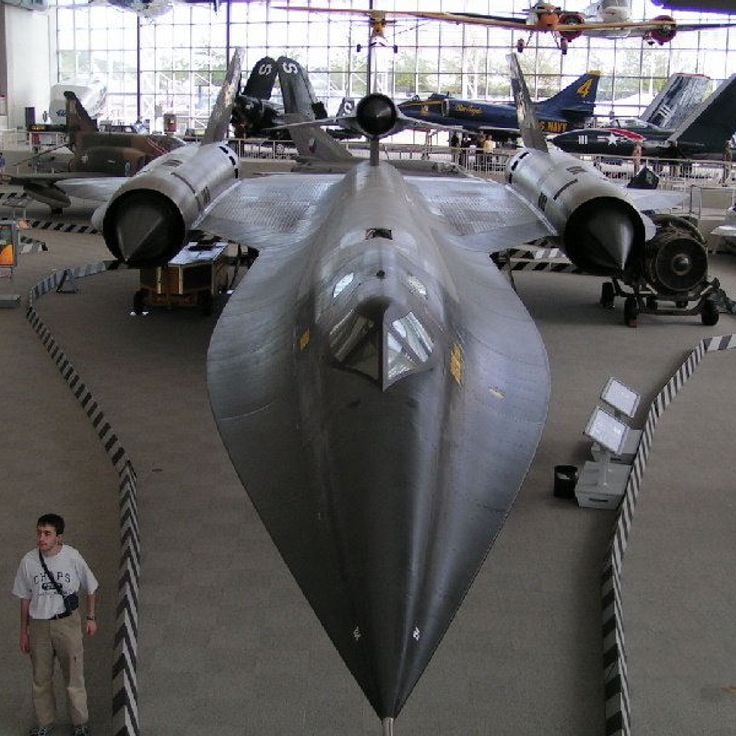
The Ballard Locks connect salt water to fresh water and include a fish ladder for migrating salmon. Discovery Park covers 534 acres with trails through forest and meadow, plus beach access. Gas Works Park preserves parts of a former coal gasification plant on Lake Union. The Museum of Flight documents aviation history with more than 175 aircraft and spacecraft. Mount Rainier National Park lies about two hours southeast and features the 14,411-foot (4,392-meter) glaciated volcano.
Seattle stretches between Puget Sound and Lake Washington, offering a mix of urban architecture, public spaces and natural areas. This route connects more than thirty stops, from the Space Needle and Pike Place Market to less visited sites like the Hiram M. Chittenden Locks or the Wing Luke Museum. The selection includes museums of contemporary and classical art, historic neighborhoods and waterfront parks.
Pike Place Market sits downtown and has operated as a public market since 1907. Chihuly Garden and Glass displays the glasswork of local artist Dale Chihuly. The Museum of Pop Culture, designed by Frank Gehry, covers music, film and video games. Olympic Sculpture Park spans nine acres along the waterfront, combining outdoor sculpture with views across the bay. The Seattle Art Museum holds collections from different continents and periods.
The Ballard Locks connect salt water to fresh water and include a fish ladder for migrating salmon. Discovery Park covers 534 acres with trails through forest and meadow, plus beach access. Gas Works Park preserves parts of a former coal gasification plant on Lake Union. The Museum of Flight documents aviation history with more than 175 aircraft and spacecraft. Mount Rainier National Park lies about two hours southeast and features the 14,411-foot (4,392-meter) glaciated volcano.
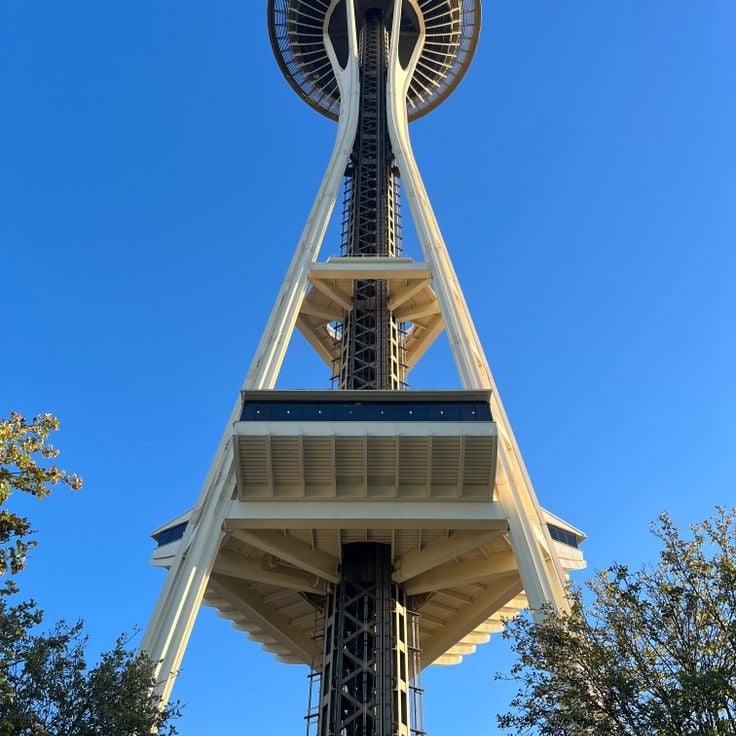
The Space Needle rises 604 feet (184 meters) above Seattle, offering views of the city, Puget Sound and Mount Rainier from its observation platform. Built for the 1962 World's Fair, the tower features a rotating restaurant and glass floors that provide direct sightlines to the ground below. The architecture combines modernist elements with futuristic details from the 1960s. This tower marks the center of the Seattle Center campus and serves as a starting point for the circuit of urban monuments.
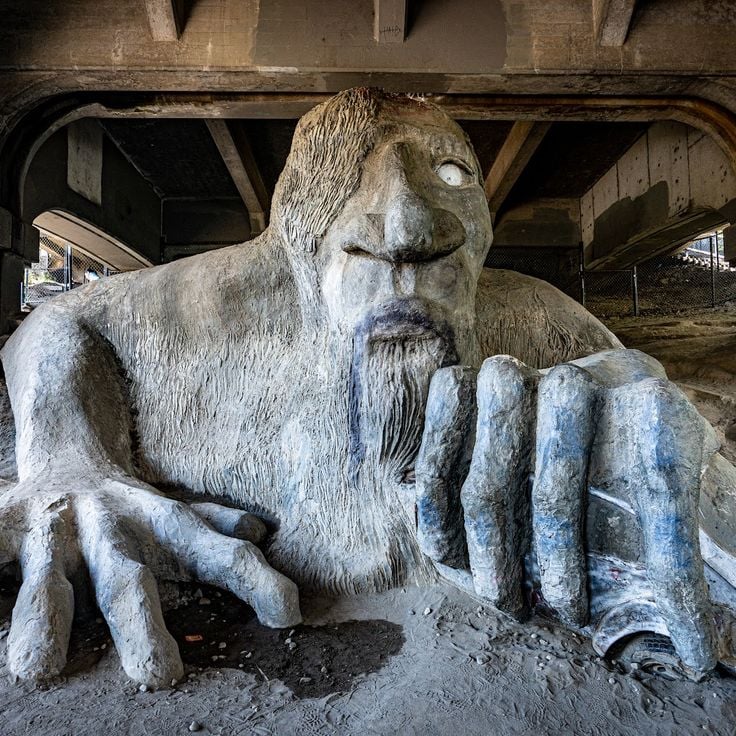
The Fremont Troll is a concrete sculpture installed in 1990 beneath the Aurora Bridge in the Fremont neighborhood. Standing 18 feet (5.5 meters) tall, the figure clutches an actual Volkswagen Beetle in one hand and was created by four local artists in response to a Fremont Arts Council competition. The work transformed a previously neglected area under the bridge into an unconventional public art site. The sculpture depicts a one-eyed troll with shaggy hair and was built from steel and two tons of ferroconcrete. It sits directly under the north end of the George Washington Memorial Bridge at North 36th Street and attracts visitors exploring Seattle's alternative side.
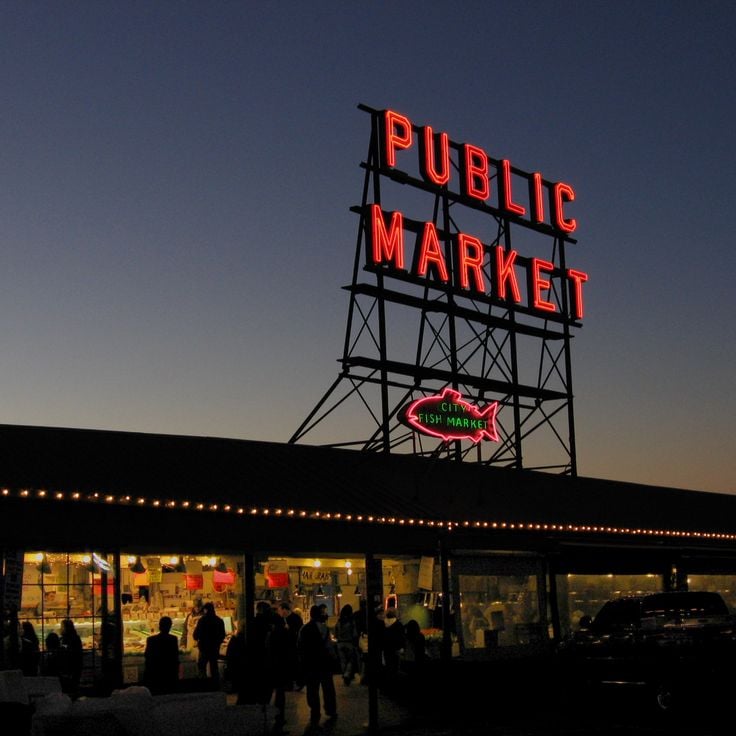
This market from 1907 connects the Circuit des monuments de Seattle with an active trading center. Pike Place Market offers fresh produce, handcrafted goods and regional specialties across multiple levels. The fishmongers throw fish across their stalls, a practice that has drawn visitors for decades. The market sits on the Elliott Bay waterfront and demonstrates Seattle's commercial development through its historic buildings and ongoing trade activities. The corridors lead through dozens of stalls, restaurants and small shops presenting local food and crafts.
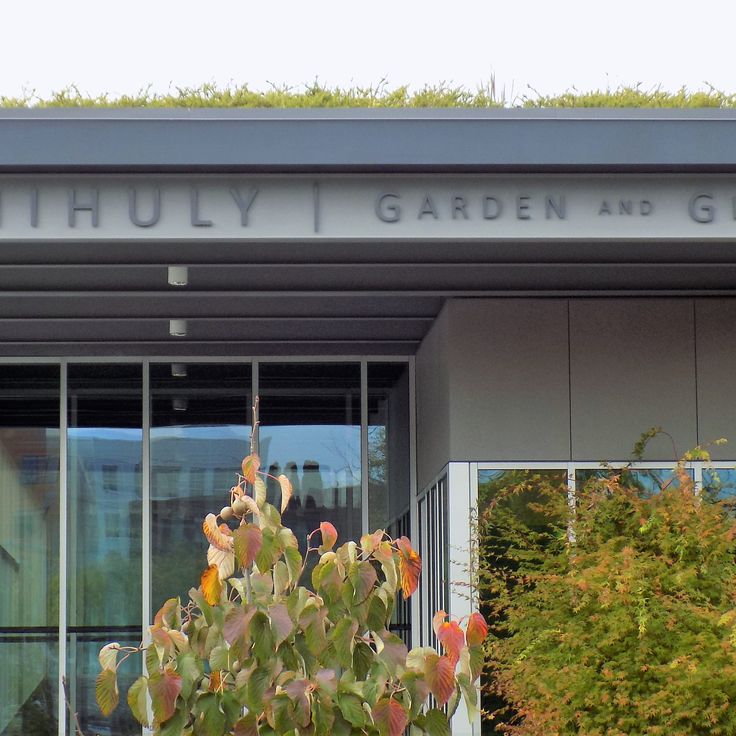
Chihuly Garden and Glass presents the glass artworks of American artist Dale Chihuly through eight themed galleries, a glasshouse, and an outdoor garden. The exhibition spaces display various series from Chihuly's career, including the Persian Ceiling installation with over 1,400 hand-blown elements. The glasshouse holds a 100-foot (30-meter) glass sculpture suspended beneath a glass roof, while the garden integrates installations among plantings. The museum sits at Seattle Center beside the Space Needle, adding contemporary American craft art to the architectural landmarks of this Seattle circuit.
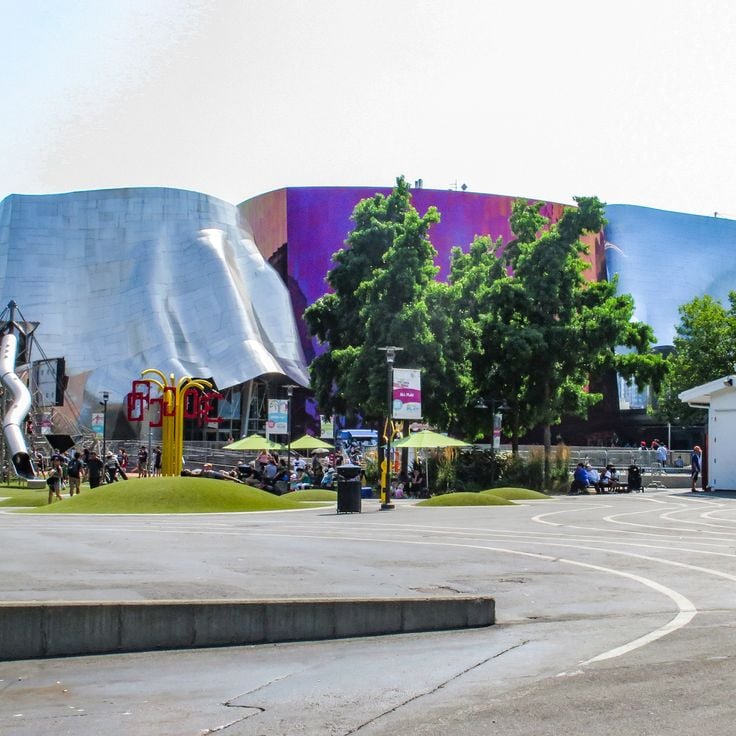
This museum focuses on popular culture, rock music, science fiction, cinema and video games through rotating exhibitions and permanent collections. The building with its undulating metal facades was designed by Frank Gehry. Visitors explore interactive installations dedicated to artists such as Jimi Hendrix and Nirvana alongside exhibits from fantasy and horror films. Located at Seattle Center next to the Space Needle, the museum contains more than 130,000 square feet (12,000 square meters) of exhibition space displaying guitars, costumes, props and manuscripts.
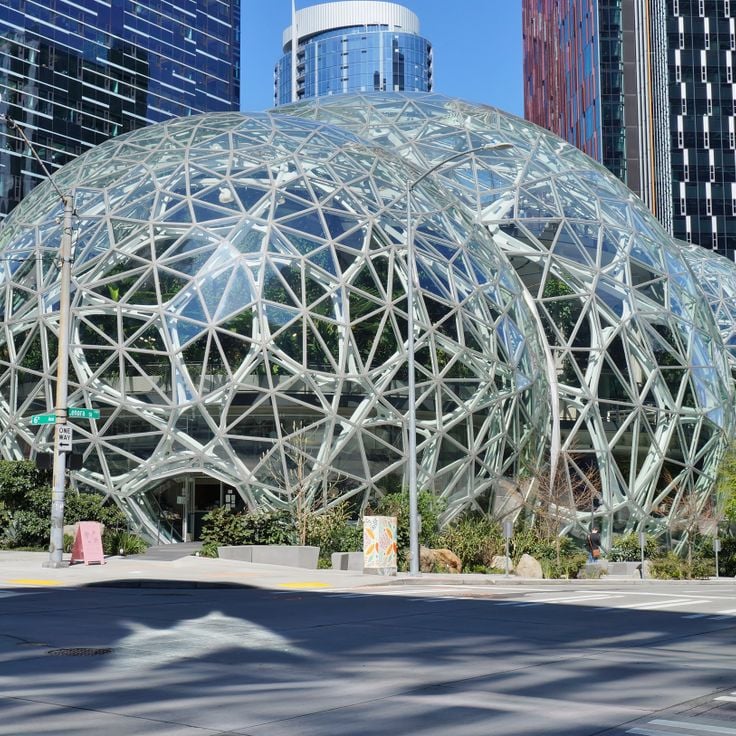
The Amazon Spheres in South Lake Union comprise three interconnected glass domes that serve as workspaces and botanical conservatory for Amazon employees. Built between 2015 and 2018, the structures house over 40,000 plants from more than 50 countries, including tropical and subtropical species. The largest of the three conservatories reaches a height of 90 feet (27 meters). The Spheres form part of Amazon's urban campus and can be visited by the public through advance reservation on select days. The project combines modern architecture with botanical collection in the downtown area.
The Seattle Art Museum displays more than 25,000 works of art from Asia, Africa and Indigenous American cultures. The collection includes objects from various periods, among them Asian ceramics, African sculptures and Native textiles. This museum occupies a modern building with multiple floors of rotating and permanent exhibitions. It stands on First Avenue in downtown Seattle and ranks among the city's main cultural institutions. The Seattle monuments circuit passes through this museum, which provides an overview of non-European art traditions.
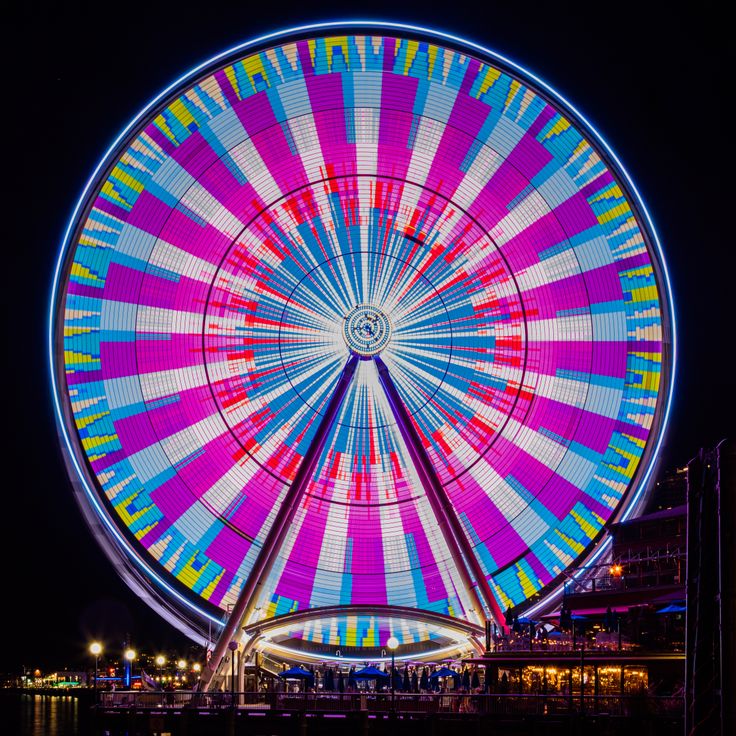
This 175-foot (53-meter) Ferris wheel on the waterfront provides views of Seattle, the harbor and Puget Sound. The climate-controlled gondolas complete rotations in about 12 minutes, offering perspectives on downtown, Elliott Bay and the Olympic Mountains on clear days. The wheel forms part of this Seattle circuit and presents the city from an elevated vantage point.
This nine-acre (four-hectare) park along Elliott Bay displays contemporary sculptures and art installations along the waterfront. The Olympic Sculpture Park connects downtown Seattle to Puget Sound through green space that bridges roads and rail lines. Visitors can walk among works by artists including Alexander Calder, Louise Bourgeois, and Richard Serra. The park offers views of the Olympic Mountains and the bay. It belongs to the Seattle Art Museum and admission is free.
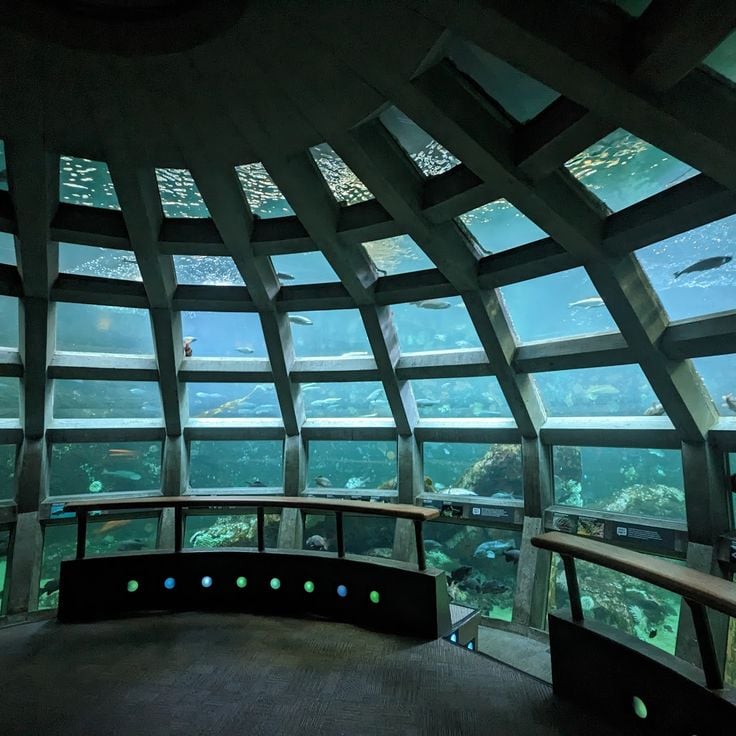
This aquarium presents the marine biology of the Pacific Northwest through tanks housing octopuses, harbor seals and regional species. The facility supports research and education programs on marine ecology. Visitors can interact directly with starfish and other tidal zone organisms. The underwater dome offers views of salmon and other fish in recreated habitats. Since opening in 1977, the institute has welcomed over 25 million visitors and contributes to the conservation of Puget Sound waters.
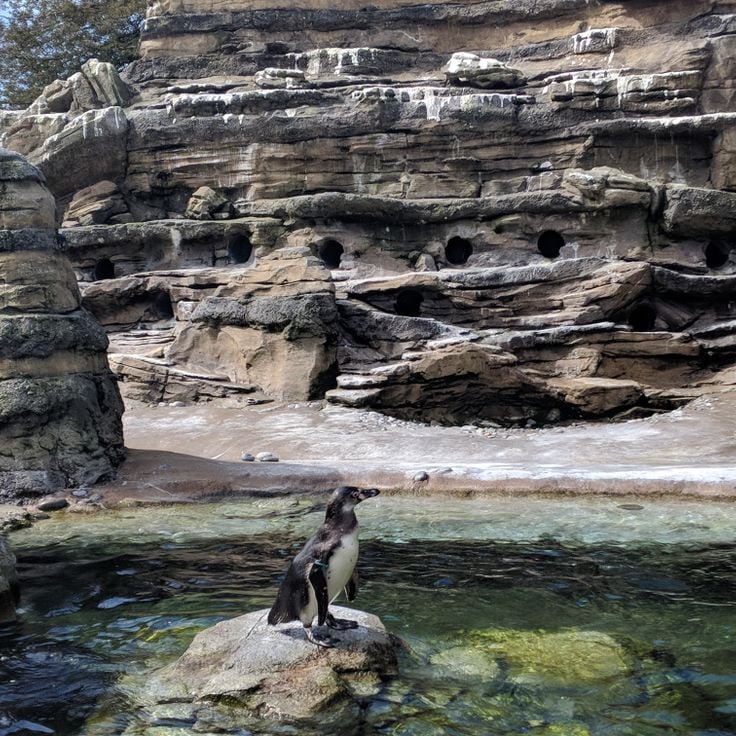
The Woodland Park Zoo covers 92 acres (37 hectares) and houses 300 animal species in naturalistic habitats. Established in 1899, the facility has evolved into one of the major zoological institutions on the West Coast. The grounds include themed areas such as the Tropical Rain Forest and African Savanna, where visitors can observe animals in settings designed to resemble their native environments. Educational programs and guided tours provide information about conservation efforts and animal care, while walking paths lead through different climate zones and offer insight into wildlife diversity.
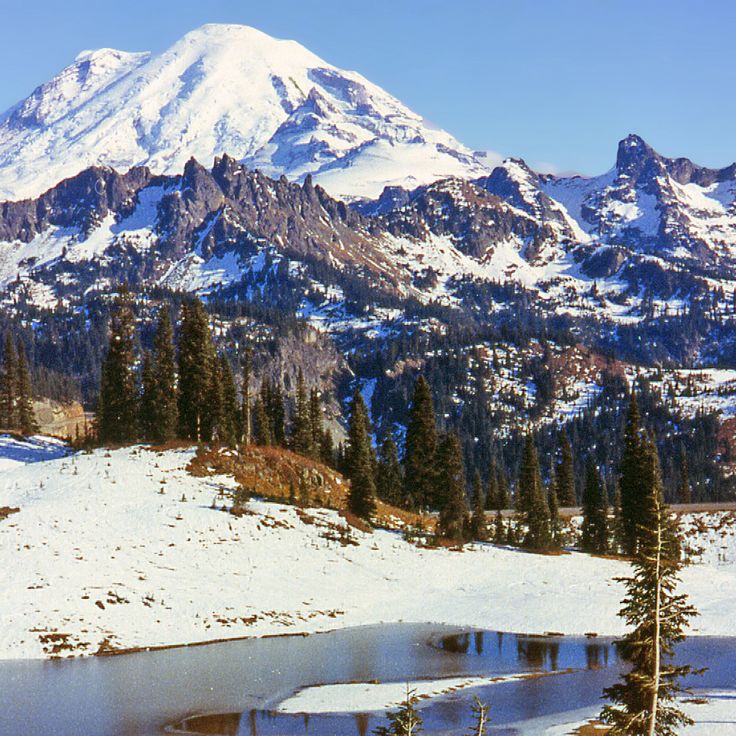
This national park is among the natural areas near Seattle and features the glaciated volcano Mount Rainier. The protected area includes glaciers, alpine meadows and around 260 miles (420 kilometers) of marked trails. Infrastructure supports summer and winter activities. The park sits roughly 55 miles (90 kilometers) southeast of the city and complements the urban landmarks of the route with an example of the Cascade Range landscape.
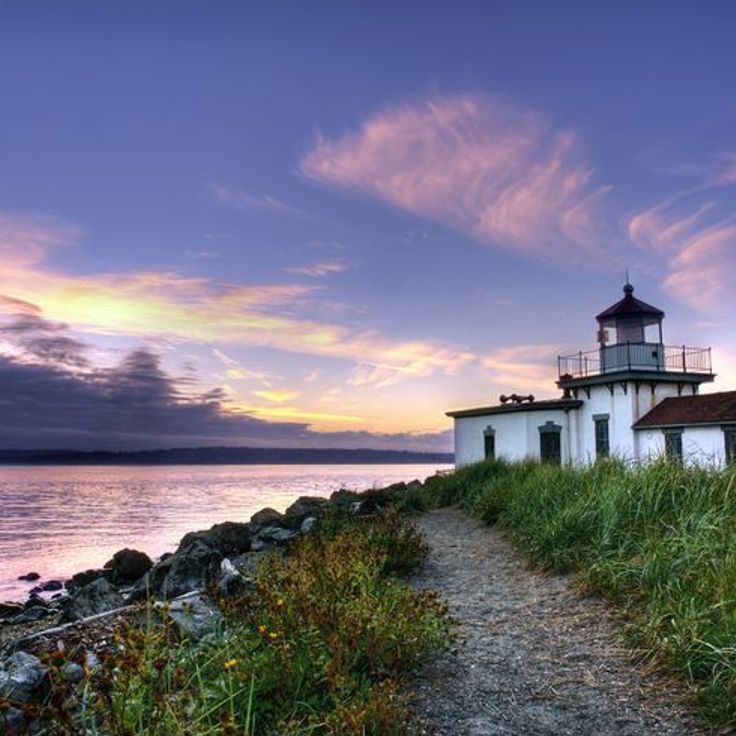
This park covers 534 acres (216 hectares) along Puget Sound, combining forest trails, sandy beaches and a historic lighthouse. The site offers extensive hiking paths through old-growth forest and access to multiple beach areas. The West Point Lighthouse marks the northern tip of the peninsula and has served as a navigation aid since 1881. The grounds also include open meadow areas and a designated off-leash dog beach.
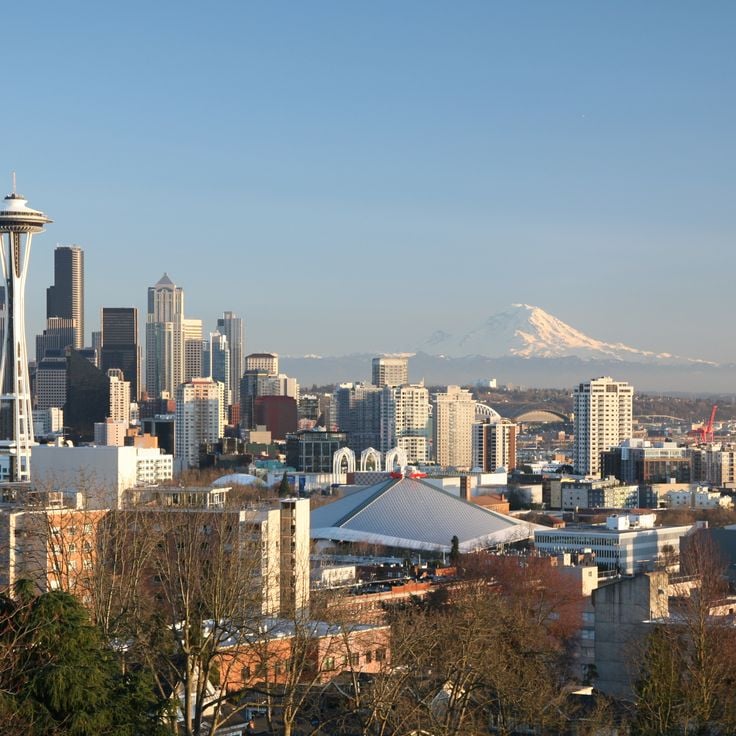
Kerry Park sits atop Queen Anne Hill and provides a viewing platform with sightlines across Downtown Seattle, the Space Needle and Mount Rainier when weather permits. The park covers less than half an acre (0.2 hectares) and includes maintained lawns and benches. This location ranks among the most photographed spots in the city, capturing the skyline with its high-rises and landmarks. The elevated position allows unobstructed views of Puget Sound and the Olympic Mountains to the west. Visitors frequent the park during evening hours when city lights illuminate the panorama.
Green Lake Park surrounds a natural freshwater lake in northern Seattle and features a 2.8-mile (4.5-kilometer) paved loop that draws runners, cyclists and walkers throughout the day. The park includes open lawns, swimming areas, sports fields and a boat rental facility. The tree-lined shoreline and green spaces serve residents and visitors as a recreational area that connects the city's urban fabric with a natural setting.
This museum preserves over 150 aircraft, spacecraft and exhibits documenting aviation and space exploration history. The collection features machines from different eras of flight and traces the development of aerospace technology. Visitors explore commercial airliners, military jets and historic propeller aircraft. Located south of downtown, the museum provides insights into Seattle's important role as a center of the aviation industry.
This guided tour explores the underground remnants of old Seattle, created after the Great Fire of 1889. The walk leads through vaults and former street levels beneath the current city and explains the history of the reconstruction. The tour lasts approximately 90 minutes and begins at Pioneer Square.
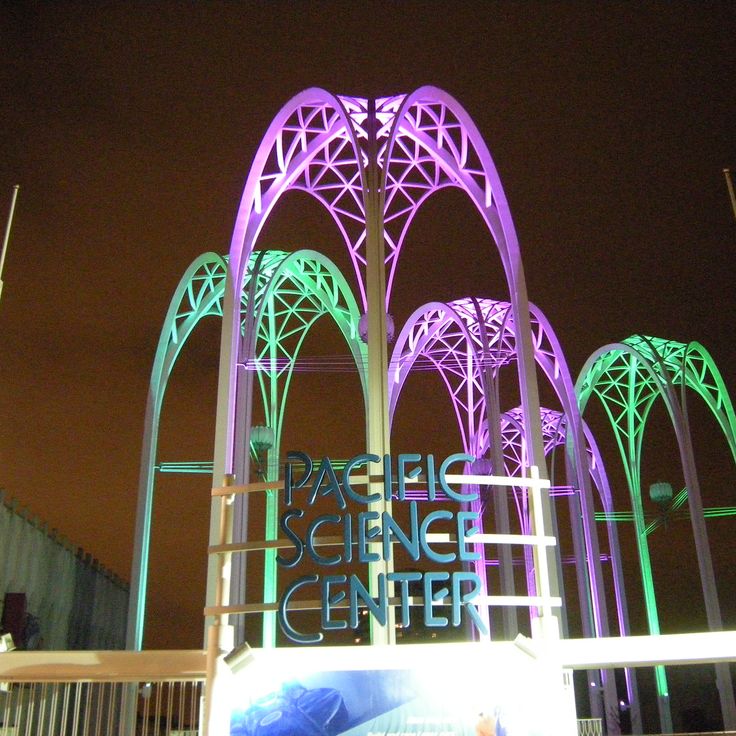
The Pacific Science Center in Seattle presents scientific subjects through permanent and rotating exhibitions across roughly 120,000 square feet (3,700 square meters). This downtown facility includes two planetariums, a tropical butterfly house, a dinosaur display and two IMAX theaters. This monument circuit through Seattle incorporates the Pacific Science Center, which addresses visitors of all ages with interactive displays on physics, biology and technology. The facility was built for the 1962 World's Fair and operates under a nonprofit organization that advances hands-on science education in the region.
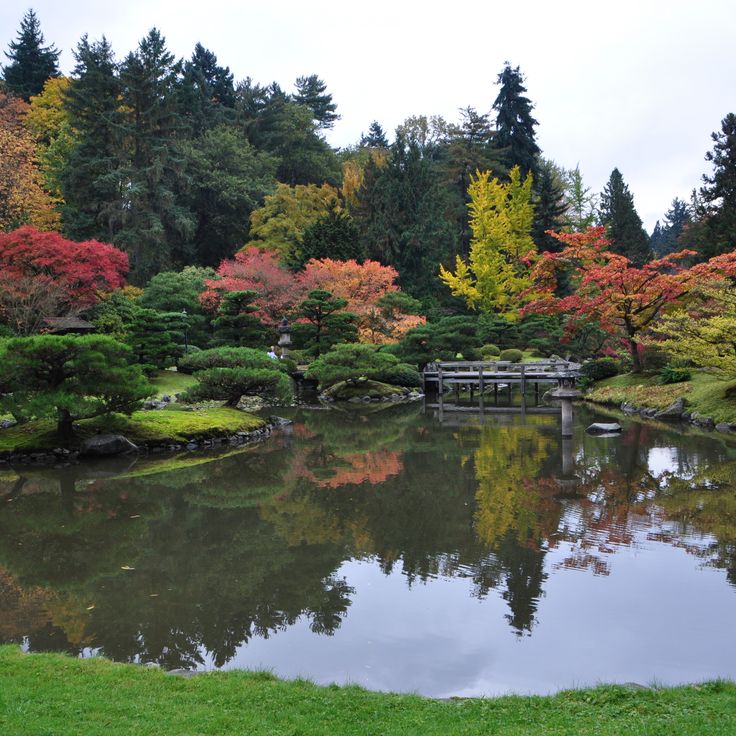
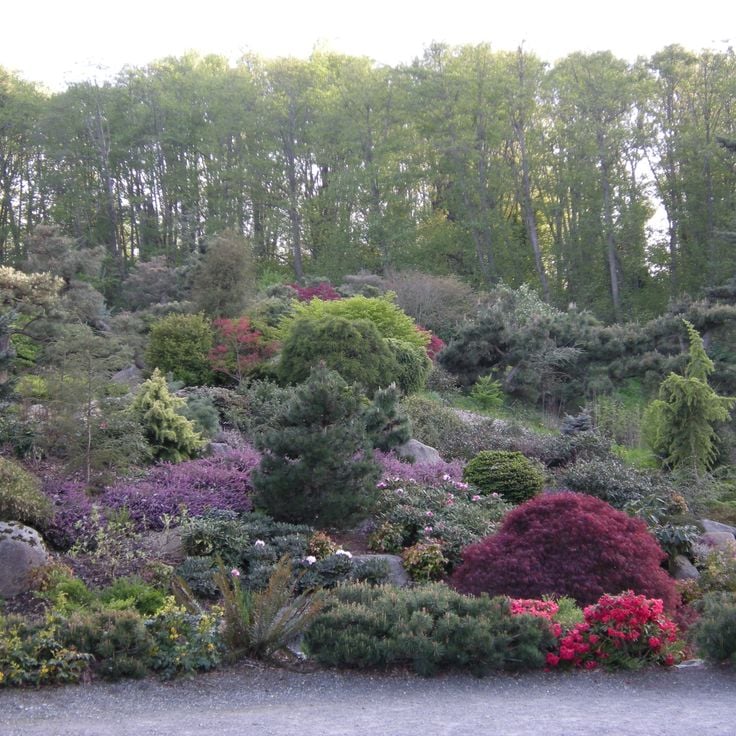
This garden covers 3.5 acres (14,000 square meters) and follows principles of Japanese landscape design. Visitors find ponds with koi carp, arched wooden bridges, stone lanterns and a teahouse where traditional tea ceremonies take place. The garden was established in the 1960s and combines elements from different Japanese garden styles. Maintained paths lead through areas with pine trees, maples, azaleas and bamboo. The grounds sit within Washington Park Arboretum and form part of the Seattle monuments circuit.
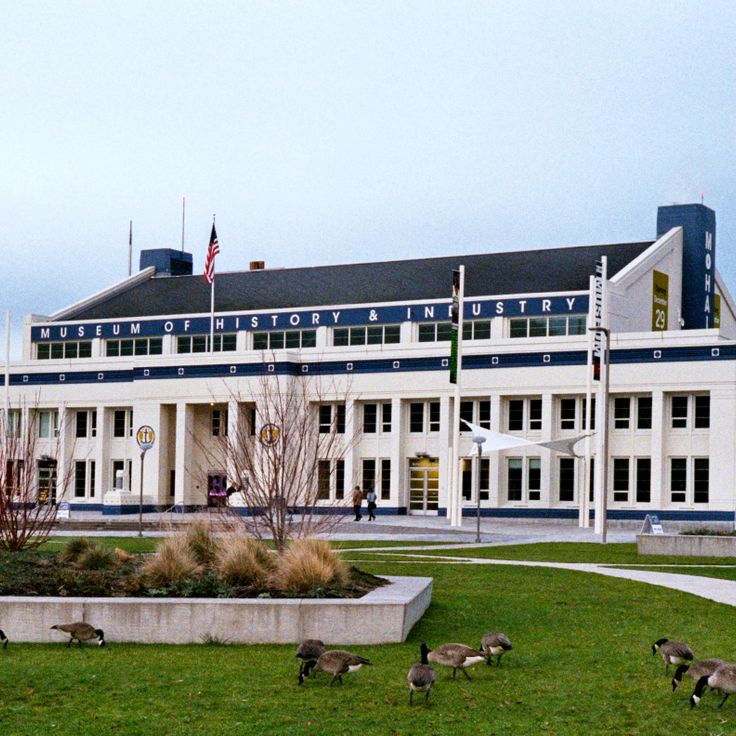
This museum documents the history of the Puget Sound region with a collection of more than 100,000 objects and photographs spanning from early settlement to the present. The exhibits trace Seattle's evolution from a lumber and port town to a modern metropolis, examine the indigenous history of the coast and document the industrial expansion of the 20th century. The museum displays maritime artifacts, industrial equipment and personal belongings of the immigrants who shaped the city. The location in the former naval building on Lake Union provides additional context to the region's maritime heritage.
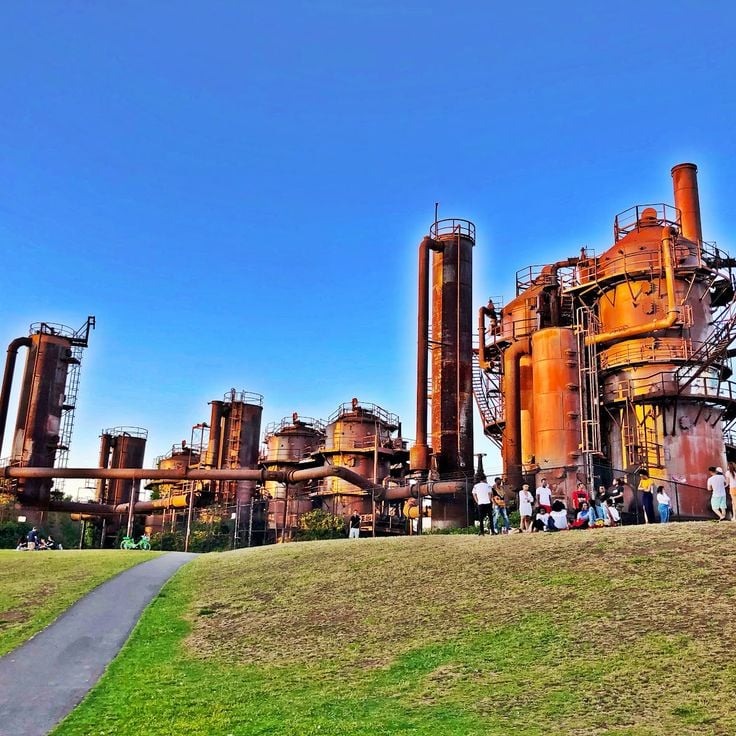
This park occupies the northern shore of Lake Union and preserves the industrial history of the city. The remnants of the 1906 Seattle Gas Light Company dominate the site, including rusted towers, tanks and generators that remained after the plant ceased operations in 1956. The city acquired the property and converted it into public green space, keeping the historic structures as reminders of Seattle's industrial era. The site provides views across the lake toward the downtown skyline. Visitors use the open spaces for recreation, picnicking and kite flying. The park combines industrial heritage with urban recreation, demonstrating an unusual approach to repurposing industrial sites in Seattle.
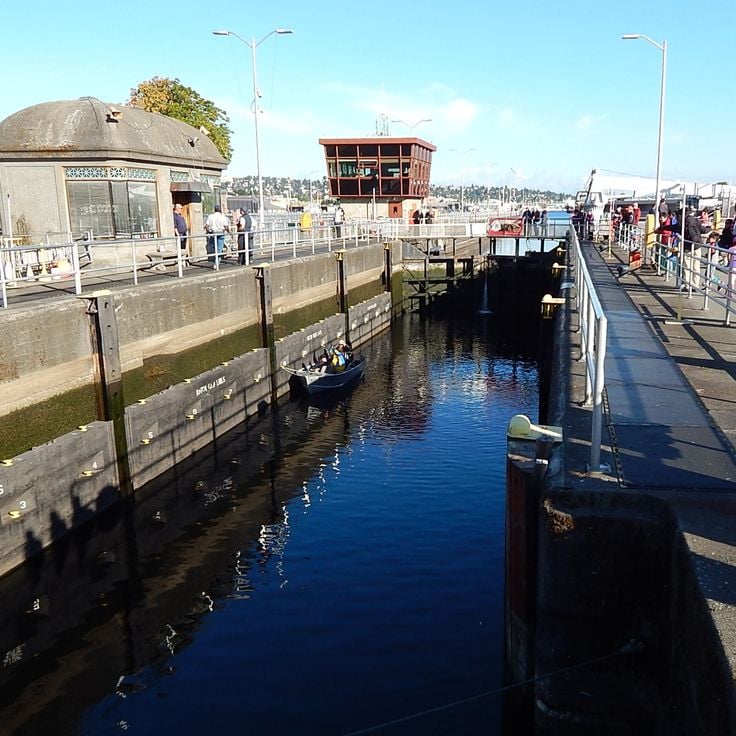
The Hiram M. Chittenden Locks have connected Lake Washington to Puget Sound since 1917. This facility manages a water level difference of roughly 20 to 26 feet (6 to 8 meters), allowing boats to travel between freshwater and saltwater. Alongside the two lock chambers, the system includes a fish ladder that enables migrating salmon to move upstream. Visitors can watch vessels pass through the locks from observation areas and view fish through underwater windows as they navigate the ladder. These locks have served both maritime traffic and regional salmon populations for more than a century, maintaining their role in Seattle's waterway infrastructure.
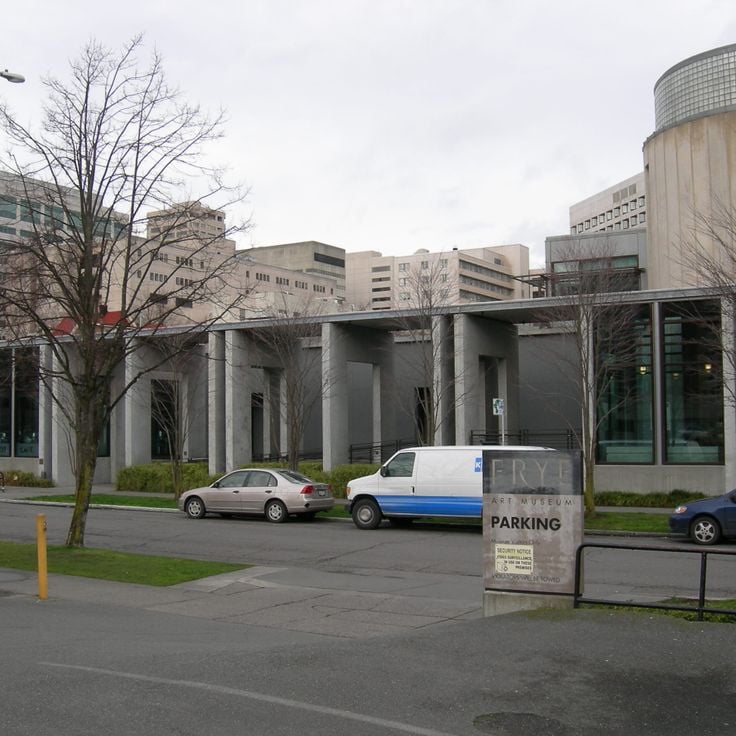
This museum displays European and American art from the 19th and 20th centuries, collected by Charles and Emma Frye. The holdings include oil paintings and bronze sculptures by German, French and American artists. Opened in 1952 north of Capitol Hill, the Frye Art Museum adds a focus on figurative painting and realist representation to Seattle's cultural institutions. Admission is free.
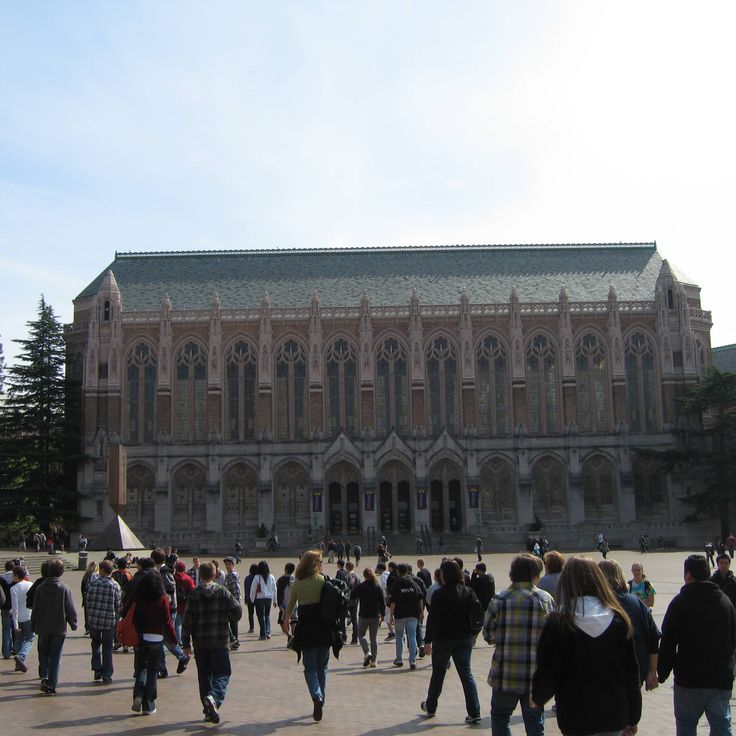
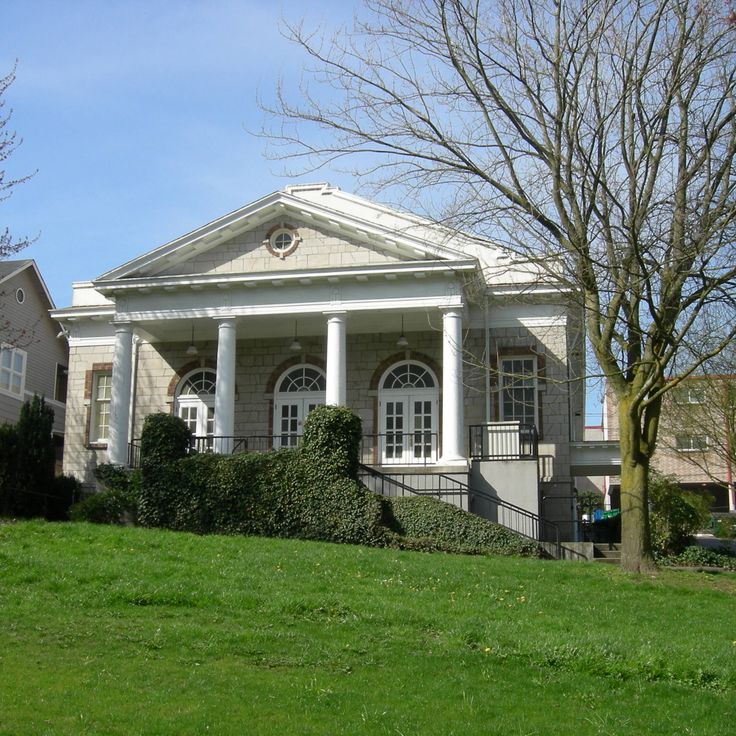
This university library built in 1926 serves as the main building of the University of Washington library system. The reading room spans three stories and features a barrel-vaulted ceiling with exposed timber beams, carved wood paneling, and 26 tall leaded-glass windows. The Collegiate Gothic architecture by Carl Gould includes details such as terra-cotta sculptures on the facade and hand-carved oak furnishings inside. The library has been expanded several times, most recently with the addition of Allen Library in 1990.
The museum documents the history of Scandinavian immigration to Seattle from the late 19th century to the present. The collection includes photographs of pioneers and their families, handwritten documents in Norwegian, Swedish, Danish, Finnish and Icelandic, traditional handicrafts and everyday objects from the Nordic homelands. The exhibits show how immigrants settled in the city and maintained their cultural traditions. The museum is located in the Ballard neighborhood, which has been a center of the Nordic community for over a century. Tours explain the role of Scandinavian fishermen, loggers and business owners in the development of Seattle.
This public park combines North American and Japanese garden design across 8 hectares (20 acres) south of downtown. Fujitaro Kubota began developing the site in 1927 and worked on it for five decades. The garden features ponds, waterfalls, stone bridges and more than a hundred plant varieties. Paths wind through different sections with native Pacific Northwest plants and Japanese design elements. The City of Seattle acquired the property in 1987 and opened it to the public.
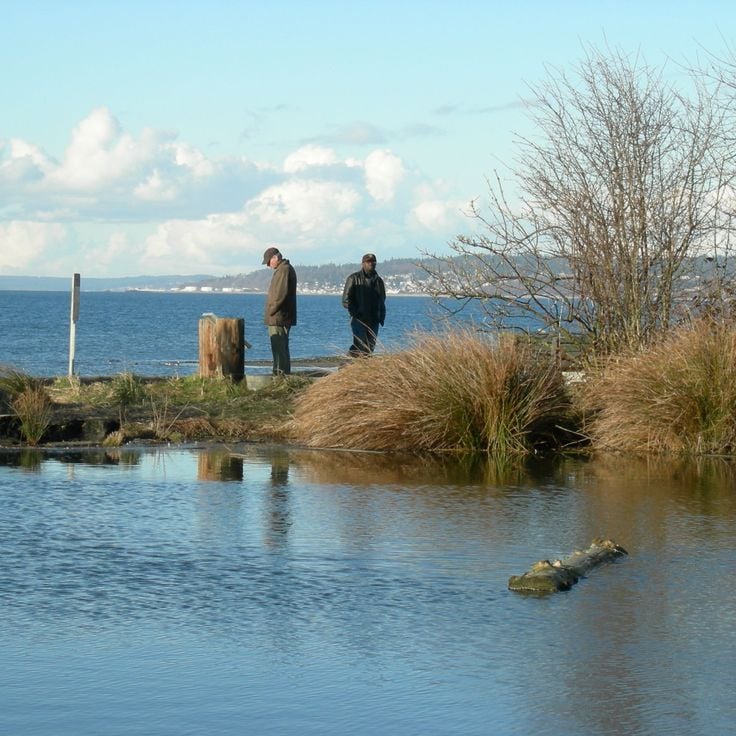
This coastal park in northwest Seattle extends along the Puget Sound shoreline and includes a sandy beach, trails through forested areas, a marina and picnic sites with grilling areas. Golden Gardens Park combines beach activities with wooded trails and provides views of the Olympic Mountains. The facility ranks among Seattle's larger urban parks and is accessible via Shilshole Avenue Northwest.
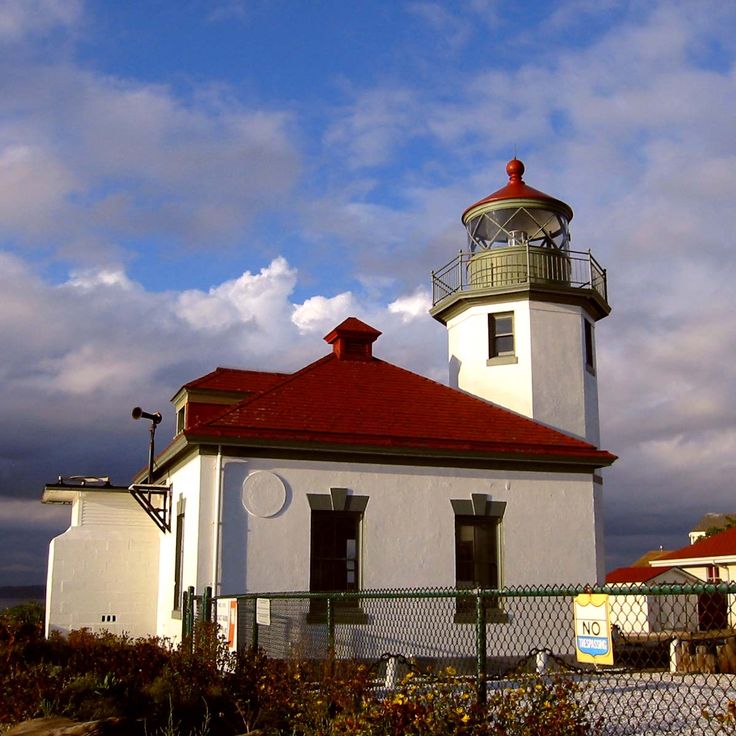
This lighthouse was built in 1913 and marks the entrance to Elliott Bay. The structure stands at the western tip of West Seattle on a narrow point extending into Puget Sound. Guided tours are offered during summer months, allowing visitors to learn about the navigation beacon's operation and enjoy views across the water. The lighthouse represents one of the city's historic maritime installations and documents the importance of shipping to Seattle's development. The grounds include the tower and the former keeper's residence.
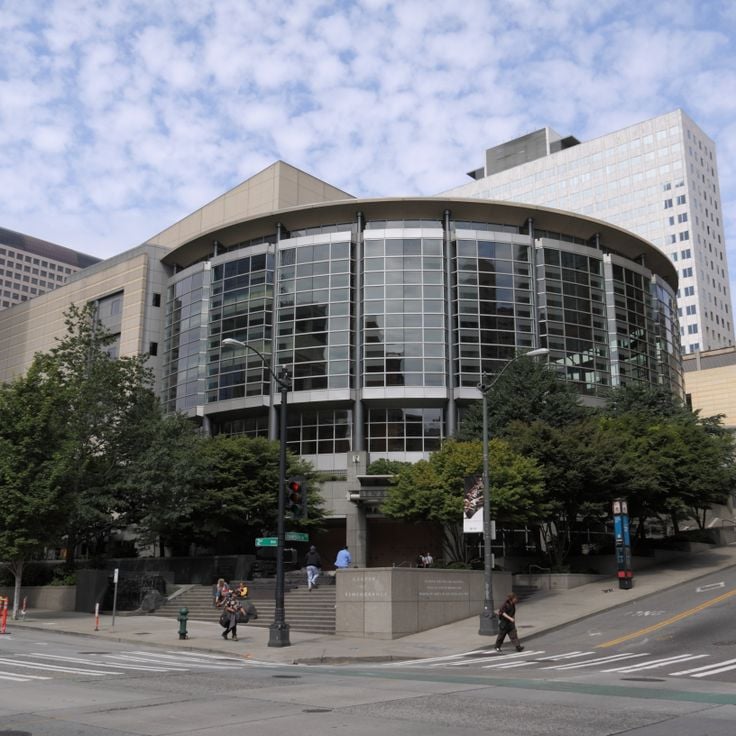
This concert hall opened in 1998 and serves as home to the Seattle Symphony Orchestra. The main hall seats 2,500 (2,500) and features an Orgue de Toulouse with 93 registers. The venue also includes the smaller Ilsley Ball Nordstrom Recital Hall with 540 seats for chamber music. The acoustics were designed by Cyril Harris, who also worked on the remodeling of Avery Fisher Hall in New York. The building sits in downtown Seattle, two blocks from Pike Place Market.
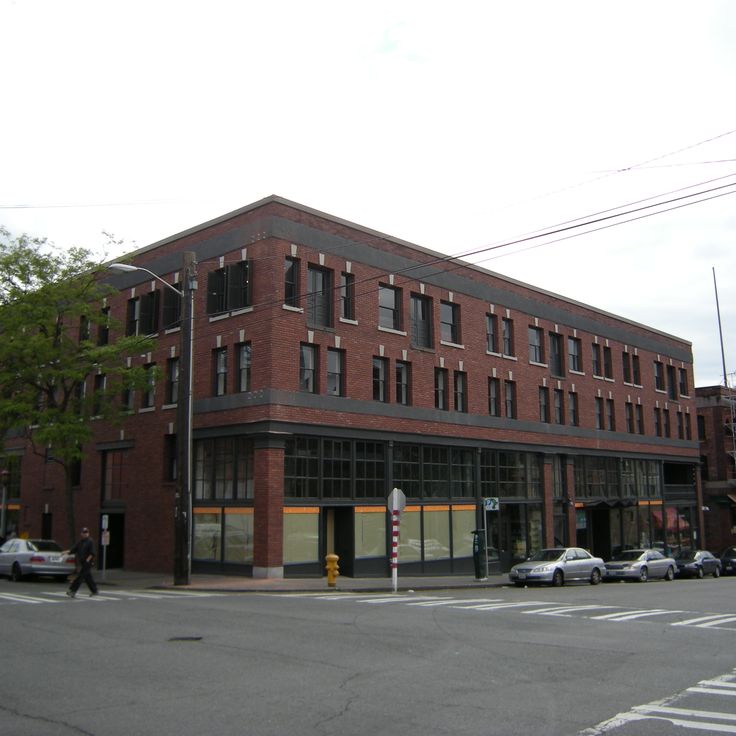
The historic center of Columbia City preserves the street layout from 1891 with Victorian commercial buildings along the main corridor. This district includes local businesses, restaurants and the Columbia City Theater, a 1920s cinema with a restored facade. The streetscape shows architectural details from Seattle's founding era, including brick construction and period storefronts. The area developed as an independent town before annexation by Seattle in 1907.
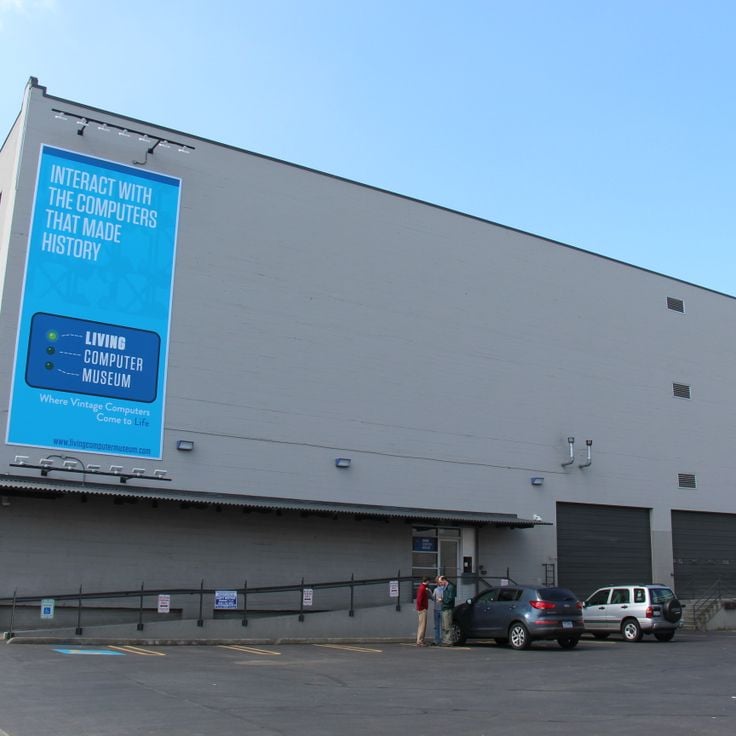
This museum displays working computers from multiple generations and allows visitors to interact directly with historical computing systems. The collection includes machines from the early days of computing through devices from the 1990s. The museum operates restoration labs where volunteers and specialists work to bring old computers back to operational status. Tours demonstrate how computing technology evolved and show how human-computer interactions changed over the decades. Located northeast of downtown, this museum complements the technical aspects of the route connecting Seattle's main landmarks.
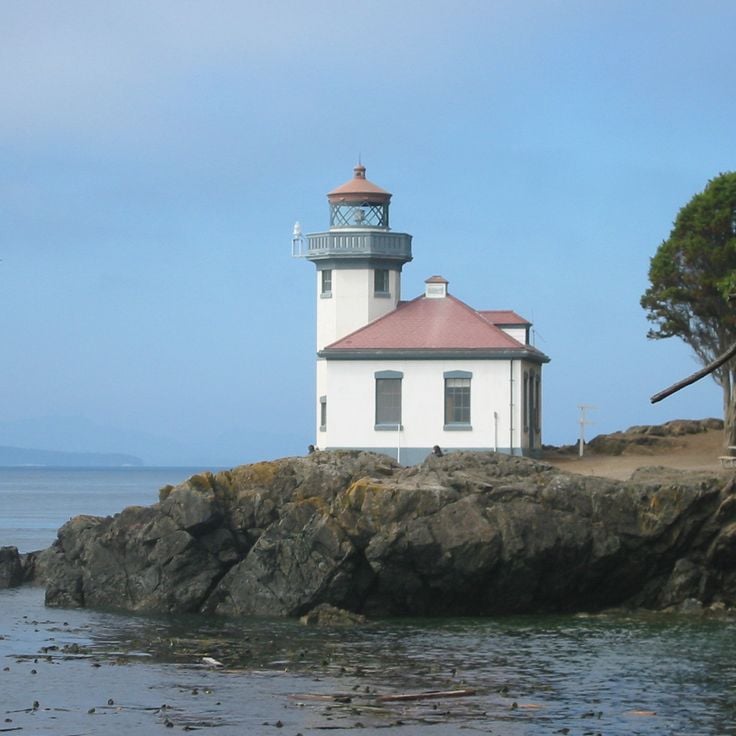
This coastal park sits on San Juan Island, roughly 100 miles (160 kilometers) north of Seattle, and includes a historic lighthouse with viewing platforms for spotting orcas and other marine mammals. The park stretches along rocky shoreline cliffs that face Haro Strait, a key passage for migrating whale pods between May and September. Visitors can walk paved paths to the 1919 lighthouse and scan the water from several platforms designed for whale watching. Interpretive panels explain the marine biology and maritime history of the area.
The Wing Luke Museum documents the history of Asian immigrants in the Pacific Northwest region of the United States. Located in Seattle's International District, the museum presents exhibitions on various Asian American communities, including Chinese, Japanese, Filipino and Vietnamese groups. The permanent collections include personal artifacts, photographs and oral histories that document the lives of immigrants and their descendants. Named after Wing Luke, Seattle's first Asian American city councilman, the museum received the National Museum Award from the Institute of Museum Services in 1997. Exhibitions address topics such as labor migration, World War II internment camps and the development of ethnic neighborhoods in Seattle.
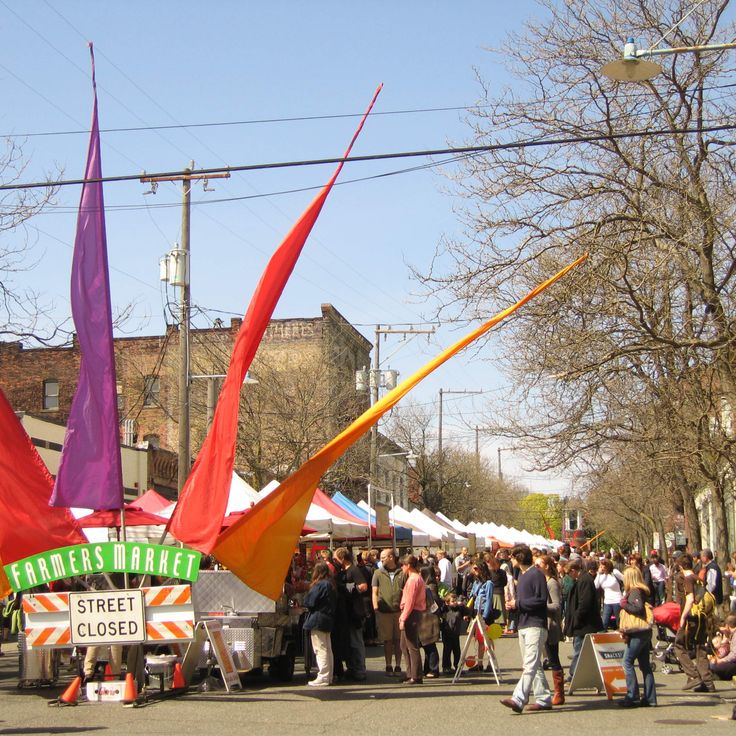
This market represents Seattle's market culture and operates year-round in the Ballard neighborhood. Local farmers and producers sell seasonal fruits, vegetables, baked goods, artisan products and prepared foods. The market showcases the agricultural diversity of the region and enables direct contact between growers and buyers. It offers insight into local food culture and regional supply chains in the city.
The Bill Speidel's Underground Tour explores sections of Seattle's original street level, buried after the Great Fire of 1889 when the city rebuilt one story higher. This 75-minute guided walk begins in Pioneer Square and takes visitors through preserved storefronts, sidewalks and basement spaces from the founding era. Bill Speidel developed the tour in the 1960s to draw attention to the historic fabric of the neighborhood. Guides explain the rebuilding process following the fire and the decision to raise street grades.
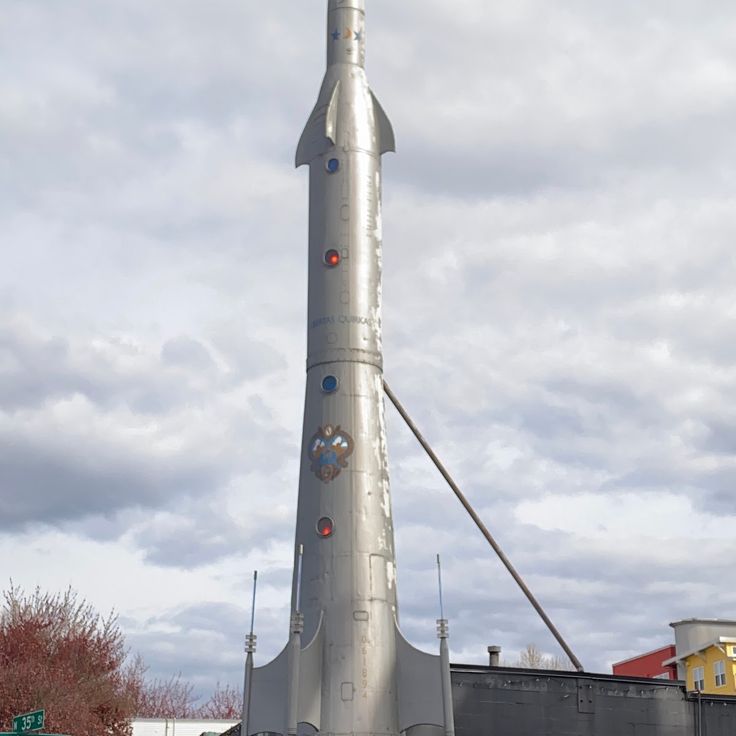
The Fremont Rocket stands at the corner of Fremont Place and North 36th Street in the Fremont neighborhood. The 53-foot (16-meter) rocket dates from the Cold War era and originally served as advertising for an Army surplus store in Belltown. Residents installed it at its current location in 1994 and added rivets and other decorative elements over time. The Fremont neighborhood has called itself the center of the universe since the 1960s and maintains an artistic and unconventional identity. The rocket remains one of the most visible landmarks in a district that also features several other sculptures and installations.
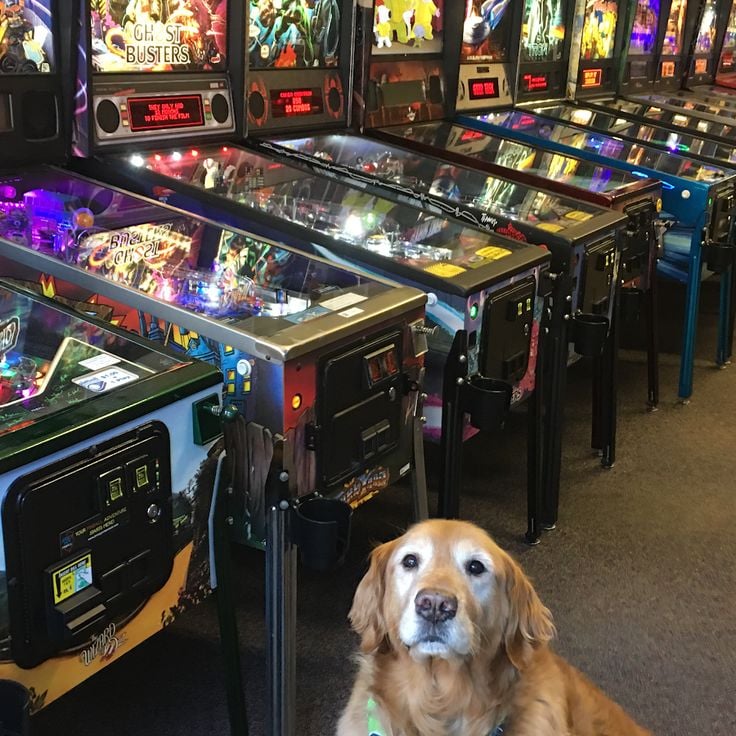
The Seattle Pinball Museum in the Chinatown International District houses more than fifty working pinball machines spanning several decades. Visitors pay a flat fee for unlimited play and can trace the evolution of pinball design from electromechanical models of the 1960s to digital versions. The museum preserves machines by manufacturers including Williams, Bally and Gottlieb, and hosts regular tournaments. The collection displays technical features such as bumpers, ramps and multiball systems. This stop complements the other museums on the route with its hands-on approach and documents one strand of twentieth-century American entertainment culture.
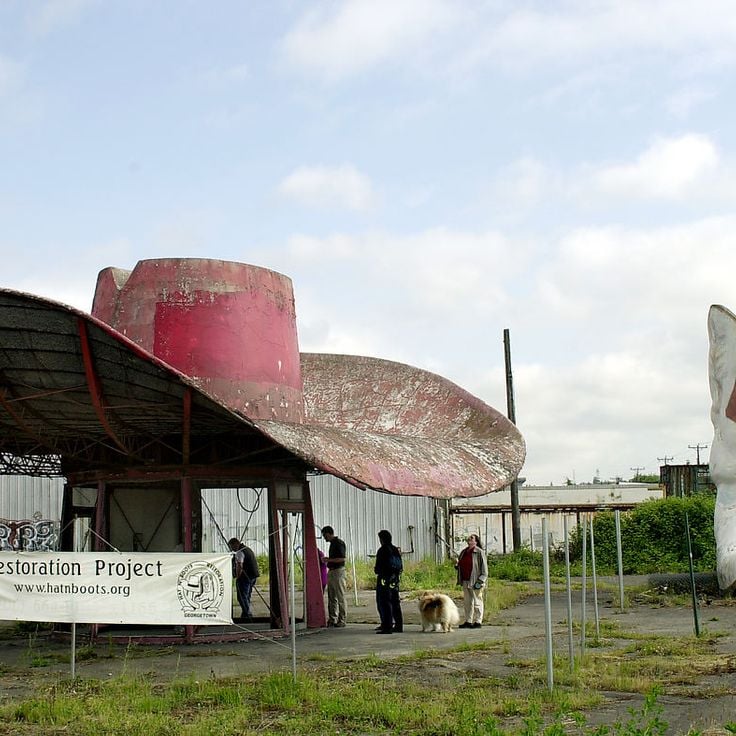
The Hat 'n' Boots sculpture group stands in Oxbow Park in the Georgetown neighborhood and ranks among Seattle's most recognized roadside attractions. The installation dates to 1954, when architect Lewis Nasmyth designed it as part of a gas station and drive-in complex. The oversized steel and concrete cowboy hat measures over 44 feet (13 meters) across, while the paired boots each rise roughly 22 feet (7 meters). After decades of disrepair, the city acquired the pieces in 2003, restored them and installed them in the park in 2010. The group documents the era of programmatic architecture, in which buildings took the shape of their product or purpose. Interpretive panels on site explain the history of the installation and its original role in the postwar streetscape.
The Space Needle rises 604 feet (184 meters) above Seattle, offering views of the city, Puget Sound and Mount Rainier from its observation platform. Built for the 1962 World's Fair, the tower features a rotating restaurant and glass floors that provide direct sightlines to the ground below. The architecture combines modernist elements with futuristic details from the 1960s. This tower marks the center of the Seattle Center campus and serves as a starting point for the circuit of urban monuments.
The Fremont Troll is a concrete sculpture installed in 1990 beneath the Aurora Bridge in the Fremont neighborhood. Standing 18 feet (5.5 meters) tall, the figure clutches an actual Volkswagen Beetle in one hand and was created by four local artists in response to a Fremont Arts Council competition. The work transformed a previously neglected area under the bridge into an unconventional public art site. The sculpture depicts a one-eyed troll with shaggy hair and was built from steel and two tons of ferroconcrete. It sits directly under the north end of the George Washington Memorial Bridge at North 36th Street and attracts visitors exploring Seattle's alternative side.
This market from 1907 connects the Circuit des monuments de Seattle with an active trading center. Pike Place Market offers fresh produce, handcrafted goods and regional specialties across multiple levels. The fishmongers throw fish across their stalls, a practice that has drawn visitors for decades. The market sits on the Elliott Bay waterfront and demonstrates Seattle's commercial development through its historic buildings and ongoing trade activities. The corridors lead through dozens of stalls, restaurants and small shops presenting local food and crafts.
Chihuly Garden and Glass presents the glass artworks of American artist Dale Chihuly through eight themed galleries, a glasshouse, and an outdoor garden. The exhibition spaces display various series from Chihuly's career, including the Persian Ceiling installation with over 1,400 hand-blown elements. The glasshouse holds a 100-foot (30-meter) glass sculpture suspended beneath a glass roof, while the garden integrates installations among plantings. The museum sits at Seattle Center beside the Space Needle, adding contemporary American craft art to the architectural landmarks of this Seattle circuit.
This museum focuses on popular culture, rock music, science fiction, cinema and video games through rotating exhibitions and permanent collections. The building with its undulating metal facades was designed by Frank Gehry. Visitors explore interactive installations dedicated to artists such as Jimi Hendrix and Nirvana alongside exhibits from fantasy and horror films. Located at Seattle Center next to the Space Needle, the museum contains more than 130,000 square feet (12,000 square meters) of exhibition space displaying guitars, costumes, props and manuscripts.
The Amazon Spheres in South Lake Union comprise three interconnected glass domes that serve as workspaces and botanical conservatory for Amazon employees. Built between 2015 and 2018, the structures house over 40,000 plants from more than 50 countries, including tropical and subtropical species. The largest of the three conservatories reaches a height of 90 feet (27 meters). The Spheres form part of Amazon's urban campus and can be visited by the public through advance reservation on select days. The project combines modern architecture with botanical collection in the downtown area.
The Seattle Art Museum displays more than 25,000 works of art from Asia, Africa and Indigenous American cultures. The collection includes objects from various periods, among them Asian ceramics, African sculptures and Native textiles. This museum occupies a modern building with multiple floors of rotating and permanent exhibitions. It stands on First Avenue in downtown Seattle and ranks among the city's main cultural institutions. The Seattle monuments circuit passes through this museum, which provides an overview of non-European art traditions.
This 175-foot (53-meter) Ferris wheel on the waterfront provides views of Seattle, the harbor and Puget Sound. The climate-controlled gondolas complete rotations in about 12 minutes, offering perspectives on downtown, Elliott Bay and the Olympic Mountains on clear days. The wheel forms part of this Seattle circuit and presents the city from an elevated vantage point.
This nine-acre (four-hectare) park along Elliott Bay displays contemporary sculptures and art installations along the waterfront. The Olympic Sculpture Park connects downtown Seattle to Puget Sound through green space that bridges roads and rail lines. Visitors can walk among works by artists including Alexander Calder, Louise Bourgeois, and Richard Serra. The park offers views of the Olympic Mountains and the bay. It belongs to the Seattle Art Museum and admission is free.
This aquarium presents the marine biology of the Pacific Northwest through tanks housing octopuses, harbor seals and regional species. The facility supports research and education programs on marine ecology. Visitors can interact directly with starfish and other tidal zone organisms. The underwater dome offers views of salmon and other fish in recreated habitats. Since opening in 1977, the institute has welcomed over 25 million visitors and contributes to the conservation of Puget Sound waters.
The Woodland Park Zoo covers 92 acres (37 hectares) and houses 300 animal species in naturalistic habitats. Established in 1899, the facility has evolved into one of the major zoological institutions on the West Coast. The grounds include themed areas such as the Tropical Rain Forest and African Savanna, where visitors can observe animals in settings designed to resemble their native environments. Educational programs and guided tours provide information about conservation efforts and animal care, while walking paths lead through different climate zones and offer insight into wildlife diversity.
This national park is among the natural areas near Seattle and features the glaciated volcano Mount Rainier. The protected area includes glaciers, alpine meadows and around 260 miles (420 kilometers) of marked trails. Infrastructure supports summer and winter activities. The park sits roughly 55 miles (90 kilometers) southeast of the city and complements the urban landmarks of the route with an example of the Cascade Range landscape.
This park covers 534 acres (216 hectares) along Puget Sound, combining forest trails, sandy beaches and a historic lighthouse. The site offers extensive hiking paths through old-growth forest and access to multiple beach areas. The West Point Lighthouse marks the northern tip of the peninsula and has served as a navigation aid since 1881. The grounds also include open meadow areas and a designated off-leash dog beach.
Kerry Park sits atop Queen Anne Hill and provides a viewing platform with sightlines across Downtown Seattle, the Space Needle and Mount Rainier when weather permits. The park covers less than half an acre (0.2 hectares) and includes maintained lawns and benches. This location ranks among the most photographed spots in the city, capturing the skyline with its high-rises and landmarks. The elevated position allows unobstructed views of Puget Sound and the Olympic Mountains to the west. Visitors frequent the park during evening hours when city lights illuminate the panorama.
Green Lake Park surrounds a natural freshwater lake in northern Seattle and features a 2.8-mile (4.5-kilometer) paved loop that draws runners, cyclists and walkers throughout the day. The park includes open lawns, swimming areas, sports fields and a boat rental facility. The tree-lined shoreline and green spaces serve residents and visitors as a recreational area that connects the city's urban fabric with a natural setting.
This museum preserves over 150 aircraft, spacecraft and exhibits documenting aviation and space exploration history. The collection features machines from different eras of flight and traces the development of aerospace technology. Visitors explore commercial airliners, military jets and historic propeller aircraft. Located south of downtown, the museum provides insights into Seattle's important role as a center of the aviation industry.
This guided tour explores the underground remnants of old Seattle, created after the Great Fire of 1889. The walk leads through vaults and former street levels beneath the current city and explains the history of the reconstruction. The tour lasts approximately 90 minutes and begins at Pioneer Square.
The Pacific Science Center in Seattle presents scientific subjects through permanent and rotating exhibitions across roughly 120,000 square feet (3,700 square meters). This downtown facility includes two planetariums, a tropical butterfly house, a dinosaur display and two IMAX theaters. This monument circuit through Seattle incorporates the Pacific Science Center, which addresses visitors of all ages with interactive displays on physics, biology and technology. The facility was built for the 1962 World's Fair and operates under a nonprofit organization that advances hands-on science education in the region.
This garden covers 3.5 acres (14,000 square meters) and follows principles of Japanese landscape design. Visitors find ponds with koi carp, arched wooden bridges, stone lanterns and a teahouse where traditional tea ceremonies take place. The garden was established in the 1960s and combines elements from different Japanese garden styles. Maintained paths lead through areas with pine trees, maples, azaleas and bamboo. The grounds sit within Washington Park Arboretum and form part of the Seattle monuments circuit.
This museum documents the history of the Puget Sound region with a collection of more than 100,000 objects and photographs spanning from early settlement to the present. The exhibits trace Seattle's evolution from a lumber and port town to a modern metropolis, examine the indigenous history of the coast and document the industrial expansion of the 20th century. The museum displays maritime artifacts, industrial equipment and personal belongings of the immigrants who shaped the city. The location in the former naval building on Lake Union provides additional context to the region's maritime heritage.
This park occupies the northern shore of Lake Union and preserves the industrial history of the city. The remnants of the 1906 Seattle Gas Light Company dominate the site, including rusted towers, tanks and generators that remained after the plant ceased operations in 1956. The city acquired the property and converted it into public green space, keeping the historic structures as reminders of Seattle's industrial era. The site provides views across the lake toward the downtown skyline. Visitors use the open spaces for recreation, picnicking and kite flying. The park combines industrial heritage with urban recreation, demonstrating an unusual approach to repurposing industrial sites in Seattle.
The Hiram M. Chittenden Locks have connected Lake Washington to Puget Sound since 1917. This facility manages a water level difference of roughly 20 to 26 feet (6 to 8 meters), allowing boats to travel between freshwater and saltwater. Alongside the two lock chambers, the system includes a fish ladder that enables migrating salmon to move upstream. Visitors can watch vessels pass through the locks from observation areas and view fish through underwater windows as they navigate the ladder. These locks have served both maritime traffic and regional salmon populations for more than a century, maintaining their role in Seattle's waterway infrastructure.
This museum displays European and American art from the 19th and 20th centuries, collected by Charles and Emma Frye. The holdings include oil paintings and bronze sculptures by German, French and American artists. Opened in 1952 north of Capitol Hill, the Frye Art Museum adds a focus on figurative painting and realist representation to Seattle's cultural institutions. Admission is free.
This university library built in 1926 serves as the main building of the University of Washington library system. The reading room spans three stories and features a barrel-vaulted ceiling with exposed timber beams, carved wood paneling, and 26 tall leaded-glass windows. The Collegiate Gothic architecture by Carl Gould includes details such as terra-cotta sculptures on the facade and hand-carved oak furnishings inside. The library has been expanded several times, most recently with the addition of Allen Library in 1990.
The museum documents the history of Scandinavian immigration to Seattle from the late 19th century to the present. The collection includes photographs of pioneers and their families, handwritten documents in Norwegian, Swedish, Danish, Finnish and Icelandic, traditional handicrafts and everyday objects from the Nordic homelands. The exhibits show how immigrants settled in the city and maintained their cultural traditions. The museum is located in the Ballard neighborhood, which has been a center of the Nordic community for over a century. Tours explain the role of Scandinavian fishermen, loggers and business owners in the development of Seattle.
This public park combines North American and Japanese garden design across 8 hectares (20 acres) south of downtown. Fujitaro Kubota began developing the site in 1927 and worked on it for five decades. The garden features ponds, waterfalls, stone bridges and more than a hundred plant varieties. Paths wind through different sections with native Pacific Northwest plants and Japanese design elements. The City of Seattle acquired the property in 1987 and opened it to the public.
This coastal park in northwest Seattle extends along the Puget Sound shoreline and includes a sandy beach, trails through forested areas, a marina and picnic sites with grilling areas. Golden Gardens Park combines beach activities with wooded trails and provides views of the Olympic Mountains. The facility ranks among Seattle's larger urban parks and is accessible via Shilshole Avenue Northwest.
This lighthouse was built in 1913 and marks the entrance to Elliott Bay. The structure stands at the western tip of West Seattle on a narrow point extending into Puget Sound. Guided tours are offered during summer months, allowing visitors to learn about the navigation beacon's operation and enjoy views across the water. The lighthouse represents one of the city's historic maritime installations and documents the importance of shipping to Seattle's development. The grounds include the tower and the former keeper's residence.
This concert hall opened in 1998 and serves as home to the Seattle Symphony Orchestra. The main hall seats 2,500 (2,500) and features an Orgue de Toulouse with 93 registers. The venue also includes the smaller Ilsley Ball Nordstrom Recital Hall with 540 seats for chamber music. The acoustics were designed by Cyril Harris, who also worked on the remodeling of Avery Fisher Hall in New York. The building sits in downtown Seattle, two blocks from Pike Place Market.
The historic center of Columbia City preserves the street layout from 1891 with Victorian commercial buildings along the main corridor. This district includes local businesses, restaurants and the Columbia City Theater, a 1920s cinema with a restored facade. The streetscape shows architectural details from Seattle's founding era, including brick construction and period storefronts. The area developed as an independent town before annexation by Seattle in 1907.
This museum displays working computers from multiple generations and allows visitors to interact directly with historical computing systems. The collection includes machines from the early days of computing through devices from the 1990s. The museum operates restoration labs where volunteers and specialists work to bring old computers back to operational status. Tours demonstrate how computing technology evolved and show how human-computer interactions changed over the decades. Located northeast of downtown, this museum complements the technical aspects of the route connecting Seattle's main landmarks.
This coastal park sits on San Juan Island, roughly 100 miles (160 kilometers) north of Seattle, and includes a historic lighthouse with viewing platforms for spotting orcas and other marine mammals. The park stretches along rocky shoreline cliffs that face Haro Strait, a key passage for migrating whale pods between May and September. Visitors can walk paved paths to the 1919 lighthouse and scan the water from several platforms designed for whale watching. Interpretive panels explain the marine biology and maritime history of the area.
The Wing Luke Museum documents the history of Asian immigrants in the Pacific Northwest region of the United States. Located in Seattle's International District, the museum presents exhibitions on various Asian American communities, including Chinese, Japanese, Filipino and Vietnamese groups. The permanent collections include personal artifacts, photographs and oral histories that document the lives of immigrants and their descendants. Named after Wing Luke, Seattle's first Asian American city councilman, the museum received the National Museum Award from the Institute of Museum Services in 1997. Exhibitions address topics such as labor migration, World War II internment camps and the development of ethnic neighborhoods in Seattle.
This market represents Seattle's market culture and operates year-round in the Ballard neighborhood. Local farmers and producers sell seasonal fruits, vegetables, baked goods, artisan products and prepared foods. The market showcases the agricultural diversity of the region and enables direct contact between growers and buyers. It offers insight into local food culture and regional supply chains in the city.
The Bill Speidel's Underground Tour explores sections of Seattle's original street level, buried after the Great Fire of 1889 when the city rebuilt one story higher. This 75-minute guided walk begins in Pioneer Square and takes visitors through preserved storefronts, sidewalks and basement spaces from the founding era. Bill Speidel developed the tour in the 1960s to draw attention to the historic fabric of the neighborhood. Guides explain the rebuilding process following the fire and the decision to raise street grades.
The Fremont Rocket stands at the corner of Fremont Place and North 36th Street in the Fremont neighborhood. The 53-foot (16-meter) rocket dates from the Cold War era and originally served as advertising for an Army surplus store in Belltown. Residents installed it at its current location in 1994 and added rivets and other decorative elements over time. The Fremont neighborhood has called itself the center of the universe since the 1960s and maintains an artistic and unconventional identity. The rocket remains one of the most visible landmarks in a district that also features several other sculptures and installations.
The Seattle Pinball Museum in the Chinatown International District houses more than fifty working pinball machines spanning several decades. Visitors pay a flat fee for unlimited play and can trace the evolution of pinball design from electromechanical models of the 1960s to digital versions. The museum preserves machines by manufacturers including Williams, Bally and Gottlieb, and hosts regular tournaments. The collection displays technical features such as bumpers, ramps and multiball systems. This stop complements the other museums on the route with its hands-on approach and documents one strand of twentieth-century American entertainment culture.
The Hat 'n' Boots sculpture group stands in Oxbow Park in the Georgetown neighborhood and ranks among Seattle's most recognized roadside attractions. The installation dates to 1954, when architect Lewis Nasmyth designed it as part of a gas station and drive-in complex. The oversized steel and concrete cowboy hat measures over 44 feet (13 meters) across, while the paired boots each rise roughly 22 feet (7 meters). After decades of disrepair, the city acquired the pieces in 2003, restored them and installed them in the park in 2010. The group documents the era of programmatic architecture, in which buildings took the shape of their product or purpose. Interpretive panels on site explain the history of the installation and its original role in the postwar streetscape.
The Space Needle rises 604 feet (184 meters) above Seattle, offering views of the city, Puget Sound and Mount Rainier from its observation platform. Built for the 1962 World's Fair, the tower features a rotating restaurant and glass floors that provide direct sightlines to the ground below. The architecture combines modernist elements with futuristic details from the 1960s. This tower marks the center of the Seattle Center campus and serves as a starting point for the circuit of urban monuments.
The Fremont Troll is a concrete sculpture installed in 1990 beneath the Aurora Bridge in the Fremont neighborhood. Standing 18 feet (5.5 meters) tall, the figure clutches an actual Volkswagen Beetle in one hand and was created by four local artists in response to a Fremont Arts Council competition. The work transformed a previously neglected area under the bridge into an unconventional public art site. The sculpture depicts a one-eyed troll with shaggy hair and was built from steel and two tons of ferroconcrete. It sits directly under the north end of the George Washington Memorial Bridge at North 36th Street and attracts visitors exploring Seattle's alternative side.
This market from 1907 connects the Circuit des monuments de Seattle with an active trading center. Pike Place Market offers fresh produce, handcrafted goods and regional specialties across multiple levels. The fishmongers throw fish across their stalls, a practice that has drawn visitors for decades. The market sits on the Elliott Bay waterfront and demonstrates Seattle's commercial development through its historic buildings and ongoing trade activities. The corridors lead through dozens of stalls, restaurants and small shops presenting local food and crafts.
Chihuly Garden and Glass presents the glass artworks of American artist Dale Chihuly through eight themed galleries, a glasshouse, and an outdoor garden. The exhibition spaces display various series from Chihuly's career, including the Persian Ceiling installation with over 1,400 hand-blown elements. The glasshouse holds a 100-foot (30-meter) glass sculpture suspended beneath a glass roof, while the garden integrates installations among plantings. The museum sits at Seattle Center beside the Space Needle, adding contemporary American craft art to the architectural landmarks of this Seattle circuit.
This museum focuses on popular culture, rock music, science fiction, cinema and video games through rotating exhibitions and permanent collections. The building with its undulating metal facades was designed by Frank Gehry. Visitors explore interactive installations dedicated to artists such as Jimi Hendrix and Nirvana alongside exhibits from fantasy and horror films. Located at Seattle Center next to the Space Needle, the museum contains more than 130,000 square feet (12,000 square meters) of exhibition space displaying guitars, costumes, props and manuscripts.
The Amazon Spheres in South Lake Union comprise three interconnected glass domes that serve as workspaces and botanical conservatory for Amazon employees. Built between 2015 and 2018, the structures house over 40,000 plants from more than 50 countries, including tropical and subtropical species. The largest of the three conservatories reaches a height of 90 feet (27 meters). The Spheres form part of Amazon's urban campus and can be visited by the public through advance reservation on select days. The project combines modern architecture with botanical collection in the downtown area.
The Seattle Art Museum displays more than 25,000 works of art from Asia, Africa and Indigenous American cultures. The collection includes objects from various periods, among them Asian ceramics, African sculptures and Native textiles. This museum occupies a modern building with multiple floors of rotating and permanent exhibitions. It stands on First Avenue in downtown Seattle and ranks among the city's main cultural institutions. The Seattle monuments circuit passes through this museum, which provides an overview of non-European art traditions.
This 175-foot (53-meter) Ferris wheel on the waterfront provides views of Seattle, the harbor and Puget Sound. The climate-controlled gondolas complete rotations in about 12 minutes, offering perspectives on downtown, Elliott Bay and the Olympic Mountains on clear days. The wheel forms part of this Seattle circuit and presents the city from an elevated vantage point.
This nine-acre (four-hectare) park along Elliott Bay displays contemporary sculptures and art installations along the waterfront. The Olympic Sculpture Park connects downtown Seattle to Puget Sound through green space that bridges roads and rail lines. Visitors can walk among works by artists including Alexander Calder, Louise Bourgeois, and Richard Serra. The park offers views of the Olympic Mountains and the bay. It belongs to the Seattle Art Museum and admission is free.
This aquarium presents the marine biology of the Pacific Northwest through tanks housing octopuses, harbor seals and regional species. The facility supports research and education programs on marine ecology. Visitors can interact directly with starfish and other tidal zone organisms. The underwater dome offers views of salmon and other fish in recreated habitats. Since opening in 1977, the institute has welcomed over 25 million visitors and contributes to the conservation of Puget Sound waters.
The Woodland Park Zoo covers 92 acres (37 hectares) and houses 300 animal species in naturalistic habitats. Established in 1899, the facility has evolved into one of the major zoological institutions on the West Coast. The grounds include themed areas such as the Tropical Rain Forest and African Savanna, where visitors can observe animals in settings designed to resemble their native environments. Educational programs and guided tours provide information about conservation efforts and animal care, while walking paths lead through different climate zones and offer insight into wildlife diversity.
This national park is among the natural areas near Seattle and features the glaciated volcano Mount Rainier. The protected area includes glaciers, alpine meadows and around 260 miles (420 kilometers) of marked trails. Infrastructure supports summer and winter activities. The park sits roughly 55 miles (90 kilometers) southeast of the city and complements the urban landmarks of the route with an example of the Cascade Range landscape.
This park covers 534 acres (216 hectares) along Puget Sound, combining forest trails, sandy beaches and a historic lighthouse. The site offers extensive hiking paths through old-growth forest and access to multiple beach areas. The West Point Lighthouse marks the northern tip of the peninsula and has served as a navigation aid since 1881. The grounds also include open meadow areas and a designated off-leash dog beach.
Kerry Park sits atop Queen Anne Hill and provides a viewing platform with sightlines across Downtown Seattle, the Space Needle and Mount Rainier when weather permits. The park covers less than half an acre (0.2 hectares) and includes maintained lawns and benches. This location ranks among the most photographed spots in the city, capturing the skyline with its high-rises and landmarks. The elevated position allows unobstructed views of Puget Sound and the Olympic Mountains to the west. Visitors frequent the park during evening hours when city lights illuminate the panorama.
Green Lake Park surrounds a natural freshwater lake in northern Seattle and features a 2.8-mile (4.5-kilometer) paved loop that draws runners, cyclists and walkers throughout the day. The park includes open lawns, swimming areas, sports fields and a boat rental facility. The tree-lined shoreline and green spaces serve residents and visitors as a recreational area that connects the city's urban fabric with a natural setting.
This museum preserves over 150 aircraft, spacecraft and exhibits documenting aviation and space exploration history. The collection features machines from different eras of flight and traces the development of aerospace technology. Visitors explore commercial airliners, military jets and historic propeller aircraft. Located south of downtown, the museum provides insights into Seattle's important role as a center of the aviation industry.
This guided tour explores the underground remnants of old Seattle, created after the Great Fire of 1889. The walk leads through vaults and former street levels beneath the current city and explains the history of the reconstruction. The tour lasts approximately 90 minutes and begins at Pioneer Square.
The Pacific Science Center in Seattle presents scientific subjects through permanent and rotating exhibitions across roughly 120,000 square feet (3,700 square meters). This downtown facility includes two planetariums, a tropical butterfly house, a dinosaur display and two IMAX theaters. This monument circuit through Seattle incorporates the Pacific Science Center, which addresses visitors of all ages with interactive displays on physics, biology and technology. The facility was built for the 1962 World's Fair and operates under a nonprofit organization that advances hands-on science education in the region.
This garden covers 3.5 acres (14,000 square meters) and follows principles of Japanese landscape design. Visitors find ponds with koi carp, arched wooden bridges, stone lanterns and a teahouse where traditional tea ceremonies take place. The garden was established in the 1960s and combines elements from different Japanese garden styles. Maintained paths lead through areas with pine trees, maples, azaleas and bamboo. The grounds sit within Washington Park Arboretum and form part of the Seattle monuments circuit.
This museum documents the history of the Puget Sound region with a collection of more than 100,000 objects and photographs spanning from early settlement to the present. The exhibits trace Seattle's evolution from a lumber and port town to a modern metropolis, examine the indigenous history of the coast and document the industrial expansion of the 20th century. The museum displays maritime artifacts, industrial equipment and personal belongings of the immigrants who shaped the city. The location in the former naval building on Lake Union provides additional context to the region's maritime heritage.
This park occupies the northern shore of Lake Union and preserves the industrial history of the city. The remnants of the 1906 Seattle Gas Light Company dominate the site, including rusted towers, tanks and generators that remained after the plant ceased operations in 1956. The city acquired the property and converted it into public green space, keeping the historic structures as reminders of Seattle's industrial era. The site provides views across the lake toward the downtown skyline. Visitors use the open spaces for recreation, picnicking and kite flying. The park combines industrial heritage with urban recreation, demonstrating an unusual approach to repurposing industrial sites in Seattle.
The Hiram M. Chittenden Locks have connected Lake Washington to Puget Sound since 1917. This facility manages a water level difference of roughly 20 to 26 feet (6 to 8 meters), allowing boats to travel between freshwater and saltwater. Alongside the two lock chambers, the system includes a fish ladder that enables migrating salmon to move upstream. Visitors can watch vessels pass through the locks from observation areas and view fish through underwater windows as they navigate the ladder. These locks have served both maritime traffic and regional salmon populations for more than a century, maintaining their role in Seattle's waterway infrastructure.
This museum displays European and American art from the 19th and 20th centuries, collected by Charles and Emma Frye. The holdings include oil paintings and bronze sculptures by German, French and American artists. Opened in 1952 north of Capitol Hill, the Frye Art Museum adds a focus on figurative painting and realist representation to Seattle's cultural institutions. Admission is free.
This university library built in 1926 serves as the main building of the University of Washington library system. The reading room spans three stories and features a barrel-vaulted ceiling with exposed timber beams, carved wood paneling, and 26 tall leaded-glass windows. The Collegiate Gothic architecture by Carl Gould includes details such as terra-cotta sculptures on the facade and hand-carved oak furnishings inside. The library has been expanded several times, most recently with the addition of Allen Library in 1990.
The museum documents the history of Scandinavian immigration to Seattle from the late 19th century to the present. The collection includes photographs of pioneers and their families, handwritten documents in Norwegian, Swedish, Danish, Finnish and Icelandic, traditional handicrafts and everyday objects from the Nordic homelands. The exhibits show how immigrants settled in the city and maintained their cultural traditions. The museum is located in the Ballard neighborhood, which has been a center of the Nordic community for over a century. Tours explain the role of Scandinavian fishermen, loggers and business owners in the development of Seattle.
This public park combines North American and Japanese garden design across 8 hectares (20 acres) south of downtown. Fujitaro Kubota began developing the site in 1927 and worked on it for five decades. The garden features ponds, waterfalls, stone bridges and more than a hundred plant varieties. Paths wind through different sections with native Pacific Northwest plants and Japanese design elements. The City of Seattle acquired the property in 1987 and opened it to the public.
This coastal park in northwest Seattle extends along the Puget Sound shoreline and includes a sandy beach, trails through forested areas, a marina and picnic sites with grilling areas. Golden Gardens Park combines beach activities with wooded trails and provides views of the Olympic Mountains. The facility ranks among Seattle's larger urban parks and is accessible via Shilshole Avenue Northwest.
This lighthouse was built in 1913 and marks the entrance to Elliott Bay. The structure stands at the western tip of West Seattle on a narrow point extending into Puget Sound. Guided tours are offered during summer months, allowing visitors to learn about the navigation beacon's operation and enjoy views across the water. The lighthouse represents one of the city's historic maritime installations and documents the importance of shipping to Seattle's development. The grounds include the tower and the former keeper's residence.
This concert hall opened in 1998 and serves as home to the Seattle Symphony Orchestra. The main hall seats 2,500 (2,500) and features an Orgue de Toulouse with 93 registers. The venue also includes the smaller Ilsley Ball Nordstrom Recital Hall with 540 seats for chamber music. The acoustics were designed by Cyril Harris, who also worked on the remodeling of Avery Fisher Hall in New York. The building sits in downtown Seattle, two blocks from Pike Place Market.
The historic center of Columbia City preserves the street layout from 1891 with Victorian commercial buildings along the main corridor. This district includes local businesses, restaurants and the Columbia City Theater, a 1920s cinema with a restored facade. The streetscape shows architectural details from Seattle's founding era, including brick construction and period storefronts. The area developed as an independent town before annexation by Seattle in 1907.
This museum displays working computers from multiple generations and allows visitors to interact directly with historical computing systems. The collection includes machines from the early days of computing through devices from the 1990s. The museum operates restoration labs where volunteers and specialists work to bring old computers back to operational status. Tours demonstrate how computing technology evolved and show how human-computer interactions changed over the decades. Located northeast of downtown, this museum complements the technical aspects of the route connecting Seattle's main landmarks.
This coastal park sits on San Juan Island, roughly 100 miles (160 kilometers) north of Seattle, and includes a historic lighthouse with viewing platforms for spotting orcas and other marine mammals. The park stretches along rocky shoreline cliffs that face Haro Strait, a key passage for migrating whale pods between May and September. Visitors can walk paved paths to the 1919 lighthouse and scan the water from several platforms designed for whale watching. Interpretive panels explain the marine biology and maritime history of the area.
The Wing Luke Museum documents the history of Asian immigrants in the Pacific Northwest region of the United States. Located in Seattle's International District, the museum presents exhibitions on various Asian American communities, including Chinese, Japanese, Filipino and Vietnamese groups. The permanent collections include personal artifacts, photographs and oral histories that document the lives of immigrants and their descendants. Named after Wing Luke, Seattle's first Asian American city councilman, the museum received the National Museum Award from the Institute of Museum Services in 1997. Exhibitions address topics such as labor migration, World War II internment camps and the development of ethnic neighborhoods in Seattle.
This market represents Seattle's market culture and operates year-round in the Ballard neighborhood. Local farmers and producers sell seasonal fruits, vegetables, baked goods, artisan products and prepared foods. The market showcases the agricultural diversity of the region and enables direct contact between growers and buyers. It offers insight into local food culture and regional supply chains in the city.
The Bill Speidel's Underground Tour explores sections of Seattle's original street level, buried after the Great Fire of 1889 when the city rebuilt one story higher. This 75-minute guided walk begins in Pioneer Square and takes visitors through preserved storefronts, sidewalks and basement spaces from the founding era. Bill Speidel developed the tour in the 1960s to draw attention to the historic fabric of the neighborhood. Guides explain the rebuilding process following the fire and the decision to raise street grades.
The Fremont Rocket stands at the corner of Fremont Place and North 36th Street in the Fremont neighborhood. The 53-foot (16-meter) rocket dates from the Cold War era and originally served as advertising for an Army surplus store in Belltown. Residents installed it at its current location in 1994 and added rivets and other decorative elements over time. The Fremont neighborhood has called itself the center of the universe since the 1960s and maintains an artistic and unconventional identity. The rocket remains one of the most visible landmarks in a district that also features several other sculptures and installations.
The Seattle Pinball Museum in the Chinatown International District houses more than fifty working pinball machines spanning several decades. Visitors pay a flat fee for unlimited play and can trace the evolution of pinball design from electromechanical models of the 1960s to digital versions. The museum preserves machines by manufacturers including Williams, Bally and Gottlieb, and hosts regular tournaments. The collection displays technical features such as bumpers, ramps and multiball systems. This stop complements the other museums on the route with its hands-on approach and documents one strand of twentieth-century American entertainment culture.
The Hat 'n' Boots sculpture group stands in Oxbow Park in the Georgetown neighborhood and ranks among Seattle's most recognized roadside attractions. The installation dates to 1954, when architect Lewis Nasmyth designed it as part of a gas station and drive-in complex. The oversized steel and concrete cowboy hat measures over 44 feet (13 meters) across, while the paired boots each rise roughly 22 feet (7 meters). After decades of disrepair, the city acquired the pieces in 2003, restored them and installed them in the park in 2010. The group documents the era of programmatic architecture, in which buildings took the shape of their product or purpose. Interpretive panels on site explain the history of the installation and its original role in the postwar streetscape.