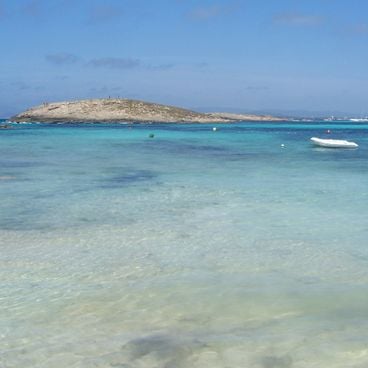
Ibiza showcases a Mediterranean heritage that extends far beyond its reputation for partying. The island features Dalt Vila, a fortified medieval quarter from the 16th century, listed as a UNESCO World Heritage site, with a Gothic cathedral and a castle overlooking the port. The coastline alternates between protected coves like Cala Saladeta, nestled among limestone rocks and pine forests, and larger beaches such as Cala Tarida, stretching over 900 meters. Offshore, the islet of Es Vedra rises from the sea at an elevation of 1,253 feet (382 meters), creating a nature reserve home to falcons and wild goats. The shoreline reveals preserved bays with Mediterranean pines descending to white sand. Cala Comte includes three distinct coves framed by rocky formations, while Cala Bassa provides easy access via parking and seaside amenities. The Punta Arabí market, established in 1973, has brought together local artisans and creators for half a century, offering textiles, jewelry, and decorative objects. An island that combines history, nature, and local life away from nightlife scenes.
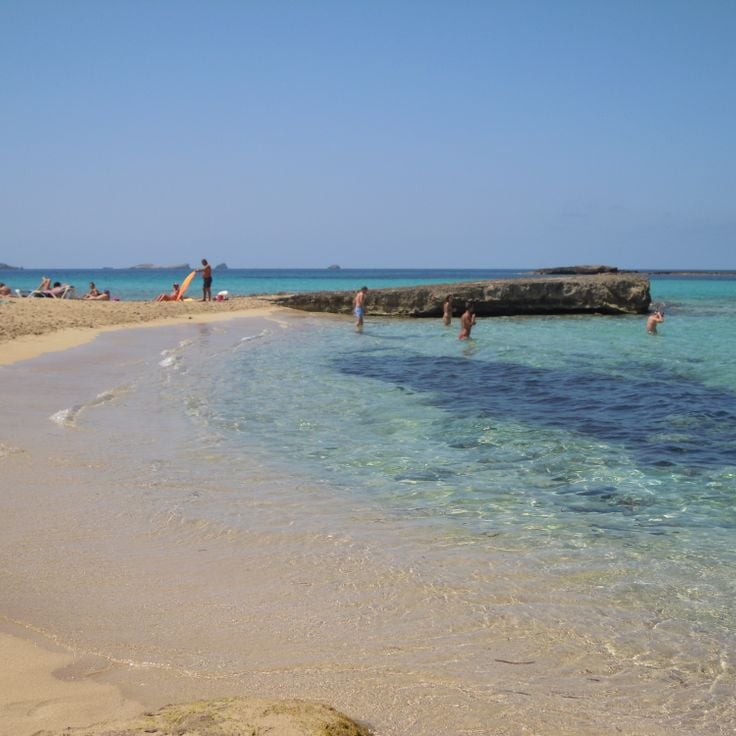
Sant Josep de sa Talaia, Spain
The beach at Cala Comte comprises three separate coves framed by limestone outcrops. Clear water extends to depths of around 20 feet (6 meters) near the shore, dropping to 50 to 65 feet (15 to 20 meters) further out. Pine trees line the rocky promontories between the coves. Several restaurants occupy elevated positions above the beach, providing views across the Mediterranean and toward the offshore island of Conejera. The main beach stretches roughly 500 feet (150 meters) in length, while the two smaller coves measure about 130 to 165 feet (40 to 50 meters) each. Parking is available 650 feet (200 meters) from the shoreline. This coastal area ranks among the island's busier swimming spots, particularly during summer months.
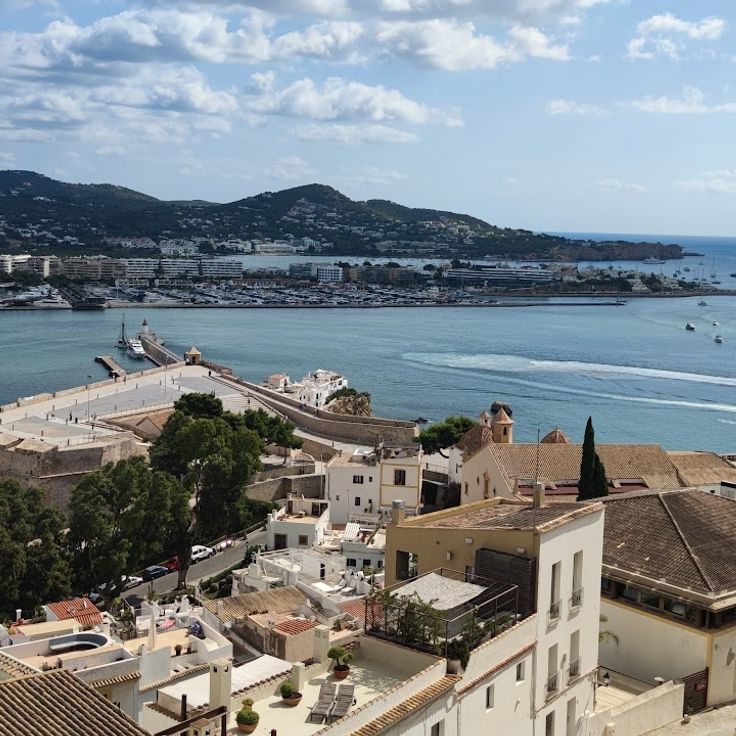
Ibiza, Spain
Dalt Vila rises above the harbor in Ibiza Town and forms the medieval core of the island. The defensive walls date from the 16th century and were built by order of King Philip II to defend against attacks from North African corsairs. The quarter centers on the Gothic cathedral of Santa María, whose construction began in the 14th century and spanned several epochs. Narrow cobbled lanes wind through residential areas with whitewashed houses, while the Portal de ses Taules provides the main entrance through the fortifications. The castle at the highest point served for centuries as a military stronghold and now offers views over the harbor and Mediterranean.
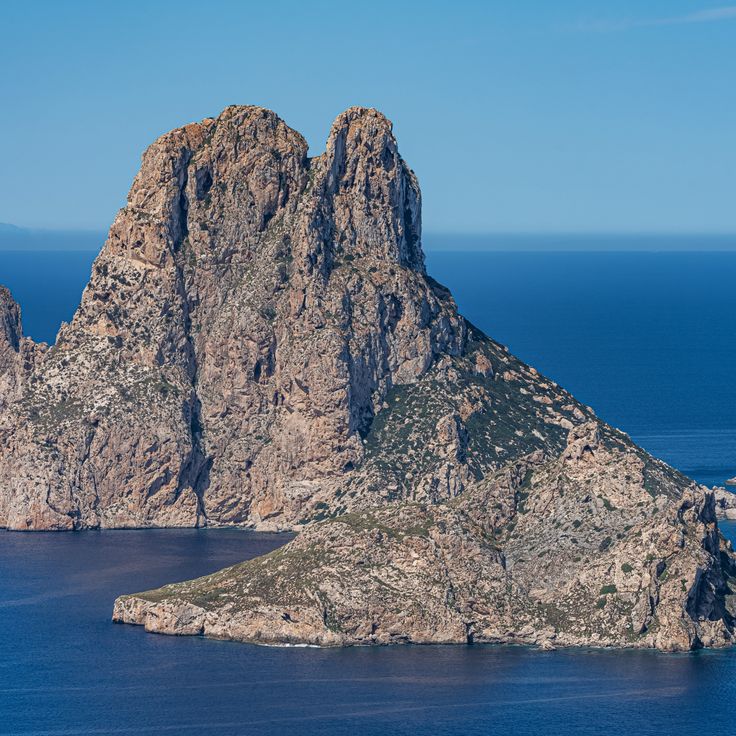
Sant Josep de sa Talaia, Spain
This limestone rock rises to 382 feet (116 m) and sits one mile (2 km) off the coast of Ibiza. The nature reserve supports populations of goats and falcons that nest on the steep slopes of the uninhabited islet. The rock forms part of a protected zone in the southwest of the island, together with the smaller Es Vedranell and the Espartar rocks.
Sant Antoni de Portmany, Spain
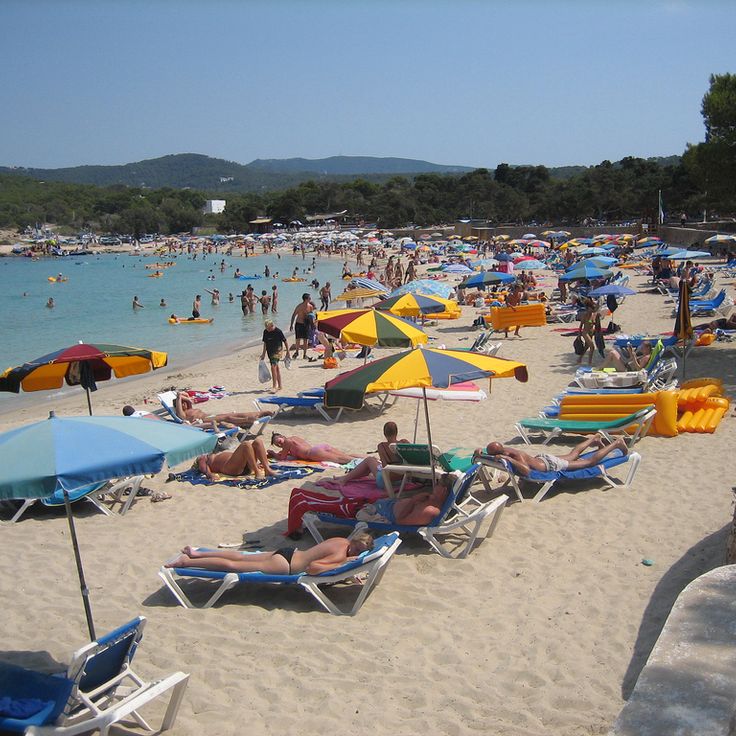
This bay on Ibiza's west coast stretches 820 feet (250 meters) and features white sand between pine forests and rock formations. A paid parking lot sits directly behind the beach, and several restaurants line the shore. The clear water suits swimming and snorkeling. The beach is supervised between May and October and offers sunbed and umbrella rentals. Boats run from Sant Antoni harbor to the bay.
Ibiza, Spain
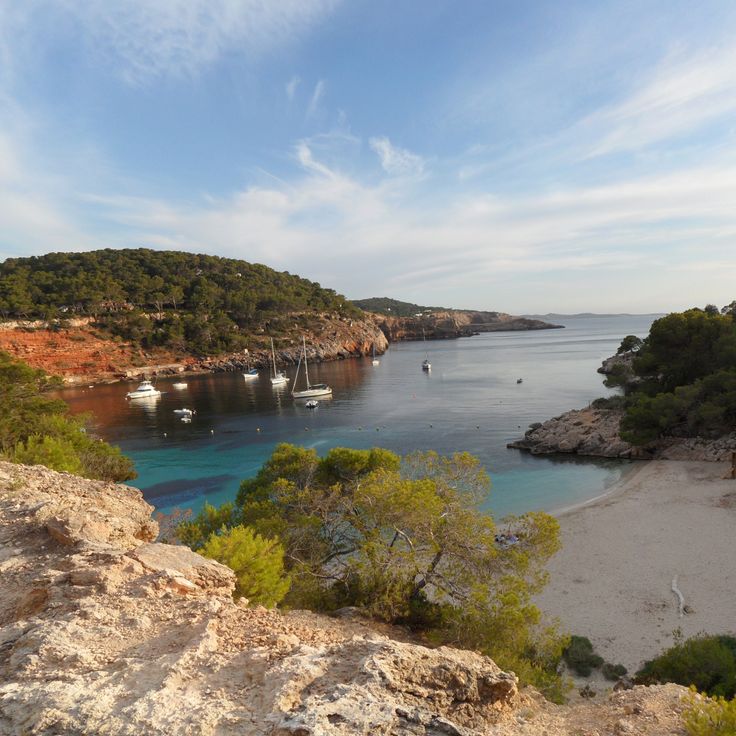
This small cove on Ibiza's western coast sits between limestone formations, accessible via a ten-minute walk from the larger neighboring Cala Salada. Mediterranean pines grow down to the narrow sand beach, which extends roughly 230 feet (70 meters). The clear water reaches moderate depths after a few meters and allows for snorkeling along the rock formations. No parking available directly at the site, and no restaurants or beach chair rentals present.

Ibiza, Spain
The Marché Punta Arabí has brought together craftspeople and designers since 1973 at an open-air market where locally made textiles, jewelry and home accessories are sold. The marketplace spreads across multiple stalls beneath pine trees and gives visitors direct contact with producers who sell their own work. The market operates weekly during summer months and draws both locals and travelers looking for handmade items. The product range extends from embroidered clothing to silver jewelry, ceramics and leather goods that reflect the island's traditional crafts.
Ibiza, Spain
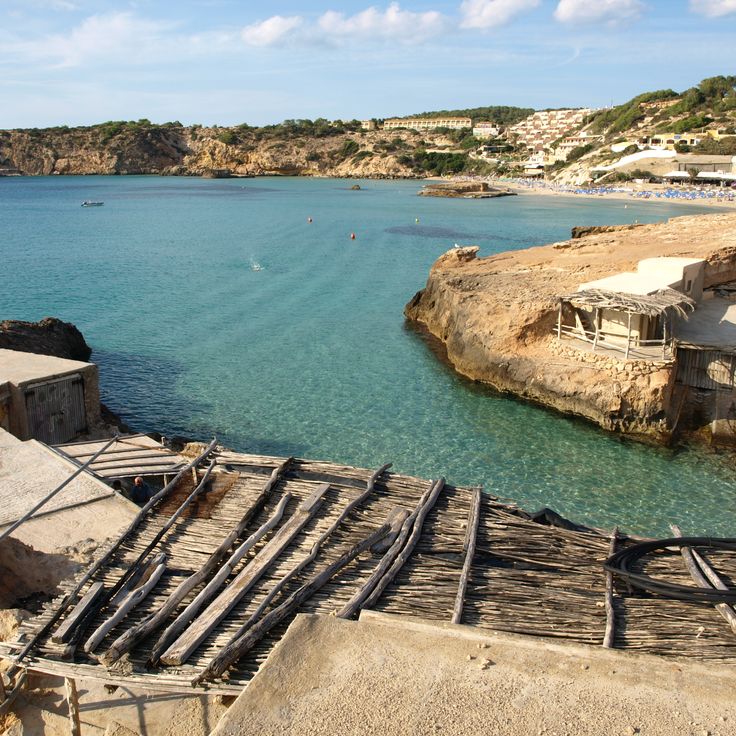
Cala Tarida stretches for 2,950 feet (900 meters) along the western coast of Ibiza and ranks among the island's most accessible beaches. White sand is framed by rock formations, while several beach bars and water sports rental services complement the on-site facilities. The bay offers shallow shoreline areas suitable for families, as well as deeper sections for swimmers. Sunbed and umbrella rentals are available, and a parking area in close proximity facilitates vehicle access.
Ibiza, Spain
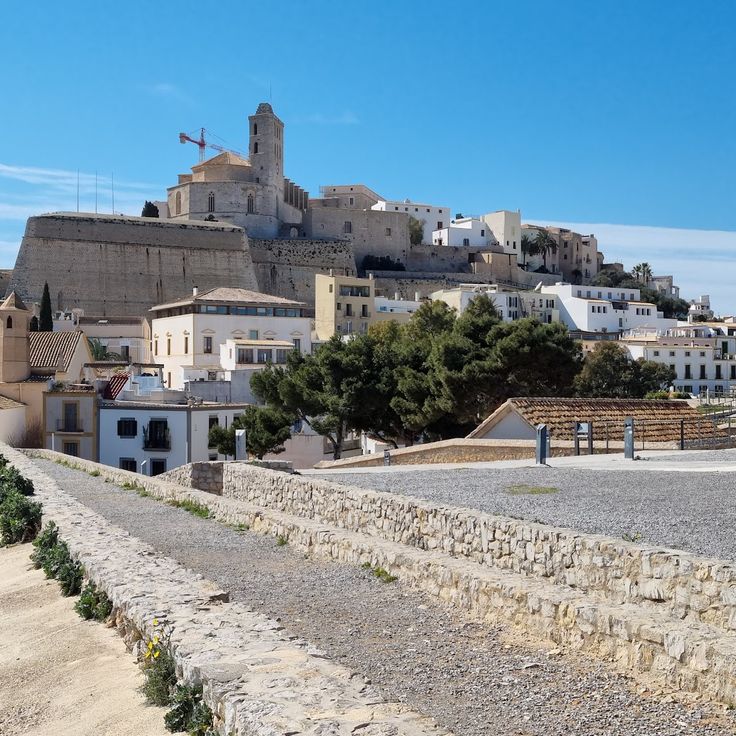
The Castell d'Eivissa was built in the 12th century and stands 260 feet (80 meters) above sea level within Dalt Vila, the fortified medieval quarter of the island capital. This military structure overlooks the harbor and the old town, recognized as a UNESCO World Heritage Site since 1999. Expanded through successive construction phases, the castle served for centuries to control maritime routes and defend against attacks from the Mediterranean. Parts of the complex now house a museum, while the viewing terraces offer expansive views of the coastline and the nearby island of Formentera.
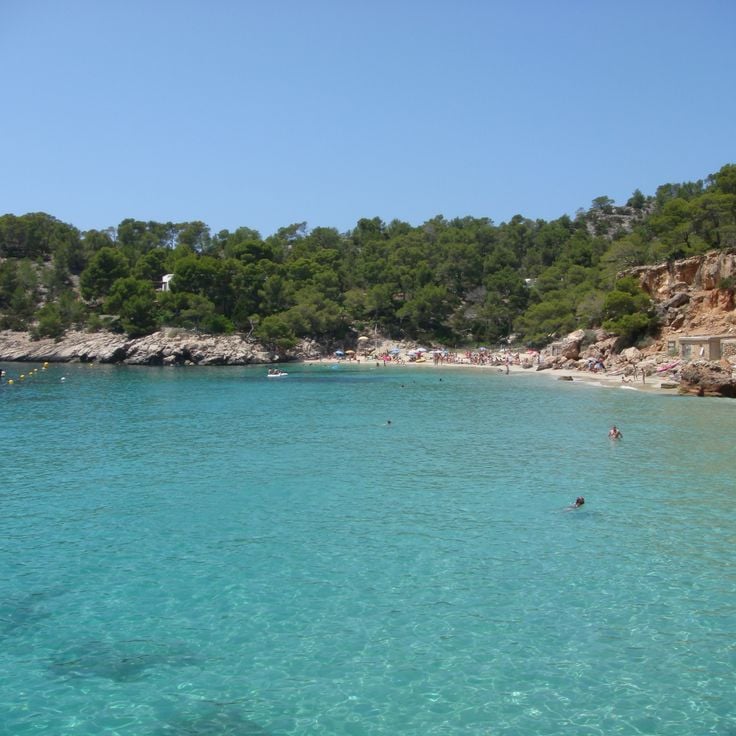
Sant Antoni de Portmany, Spain
This bay on Ibiza's northwest coast stretches between cliffs and pine forests that extend to the shoreline. The clear waters support a diverse population of fish species, and coastal trails connect the cove to neighboring rock formations. The location away from main roads limits visitor numbers during peak season.
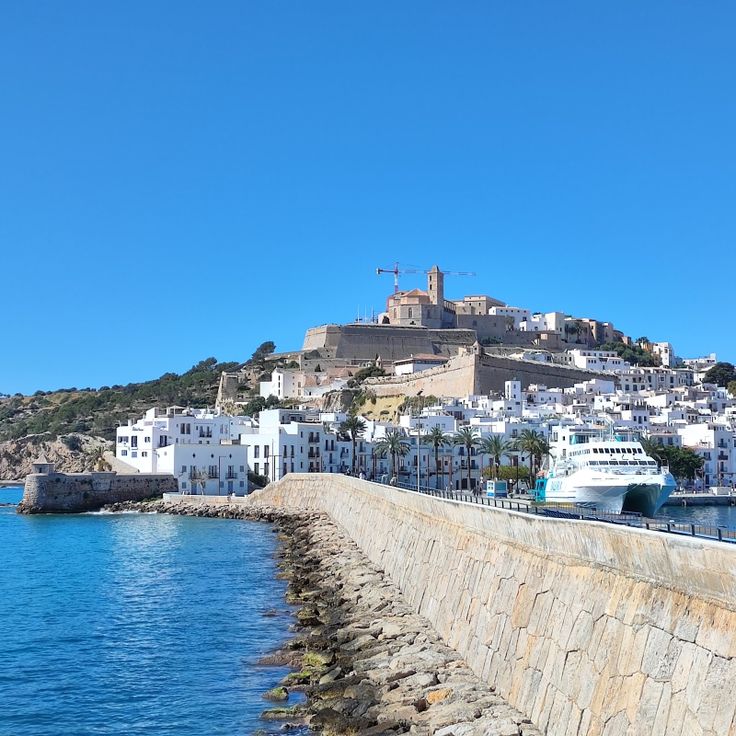
Ibiza, Spain
This harbor serves as the island's maritime hub, connecting regular ferry services to Formentera with a developed marina. The docks stretch along the waterfront below Dalt Vila, where passenger terminals and berths for private vessels sit side by side. Several restaurants and bars line the promenade with direct views across the harbor basin. Ferries to Formentera depart multiple times daily and take roughly thirty minutes to complete the crossing. The Port d'Ibiza lies within walking distance of the historic quarter, linking the old town with the island's tourist traffic.
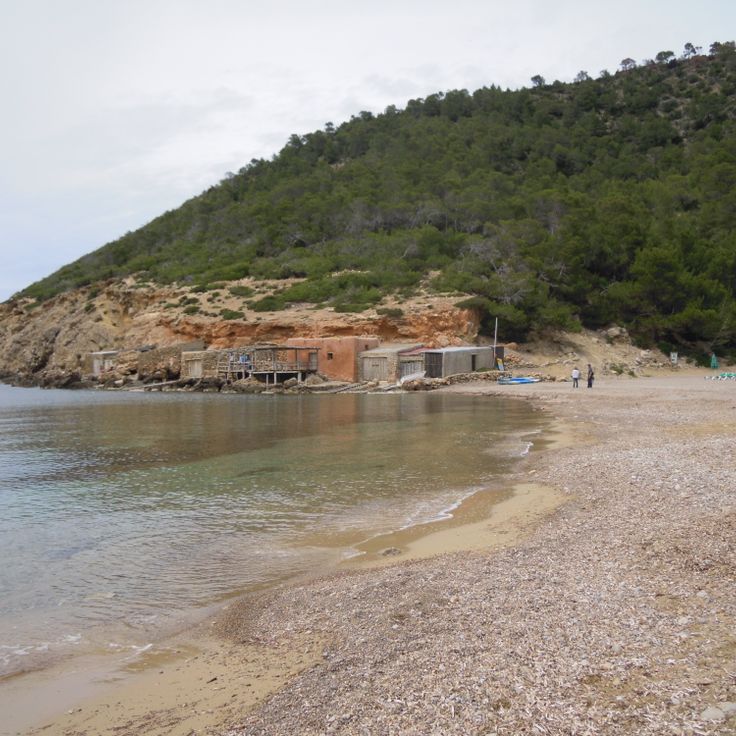
Sant Joan de Labritja, Spain
This northern cove draws drummers every Sunday at sunset for spontaneous performances on the beach. The narrow bay sits between wooded hills and offers over 300 meters of sand with direct water access. Several restaurants along the waterfront serve fresh fish and Mediterranean cuisine. Access is via a winding road through pine forests, with limited parking during high season.
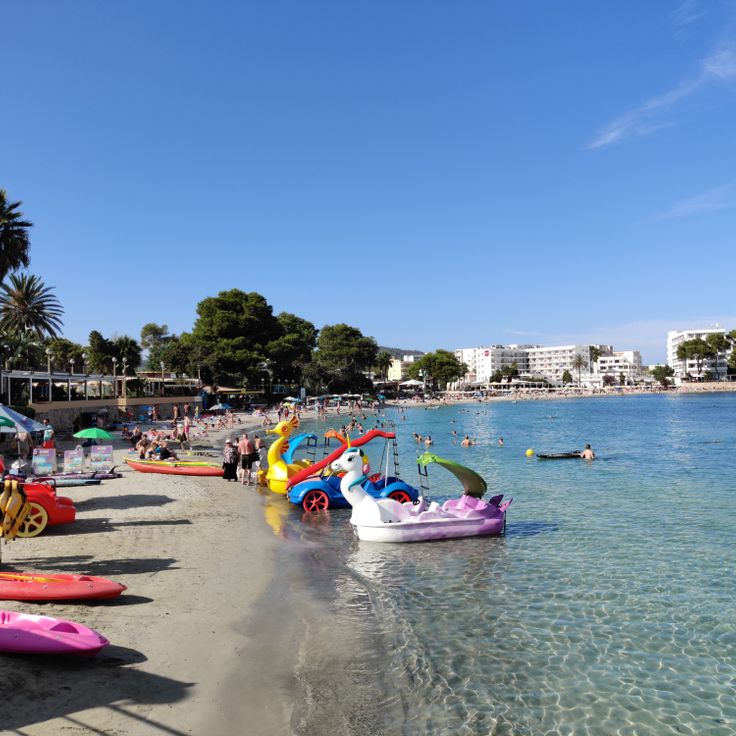
Santa Eulària des Riu, Spain
Es Canar beach stretches 350 yards (320 meters) along Ibiza's east coast and draws families with its shallow entry into the Mediterranean. The fine sand is serviced by several rental operators offering loungers, umbrellas and equipment for windsurfing and paddleboarding. At the southern end sits an active fishing harbor where boats arrive each morning to unload catches. Restaurants with terraces line the promenade, serving fresh seafood and local dishes. The beach lies six miles (10 kilometers) northeast of Santa Eulària des Riu and is reached via coastal road PM-810, with paid parking available near the shore.
Sant Joan de Labritja, Spain
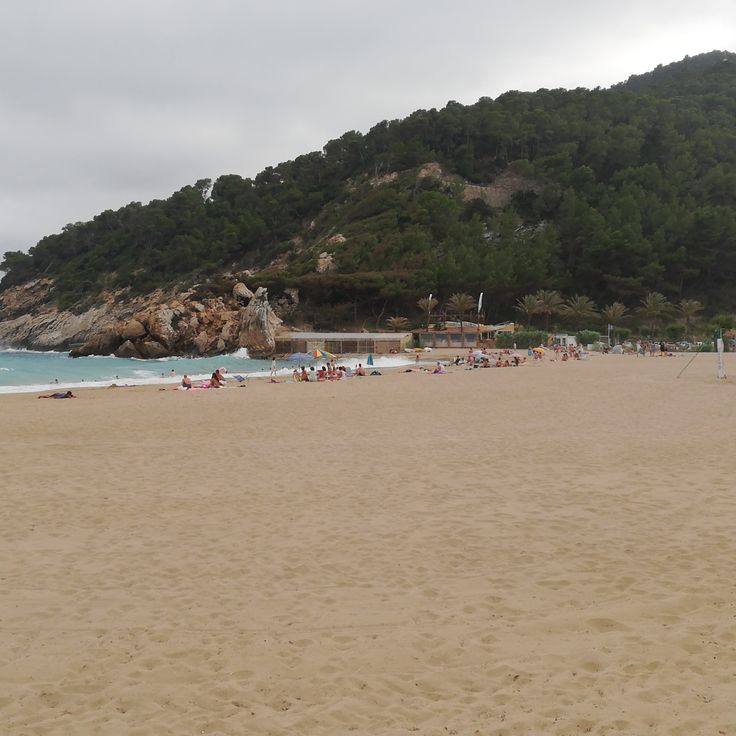
This bay on Ibiza's northern coast offers a sheltered beach setting between the wooded slopes of surrounding hills. The gently sloping sandy beach extends for about 650 feet (200 m) and allows children to wade safely in knee-deep water. Along the promenade stand several restaurants and bars with direct sea views. From the southern end of the bay, a marked hiking trail leads up to Punta Grossa, a viewpoint with panoramic views of the northern coast and offshore rocks. The bay lies in Sant Joan de Labritja, about 18 miles (29 km) from Ibiza Town, and has public parking as well as rental of umbrellas and sun loungers.
Sant Antoni de Portmany, Spain
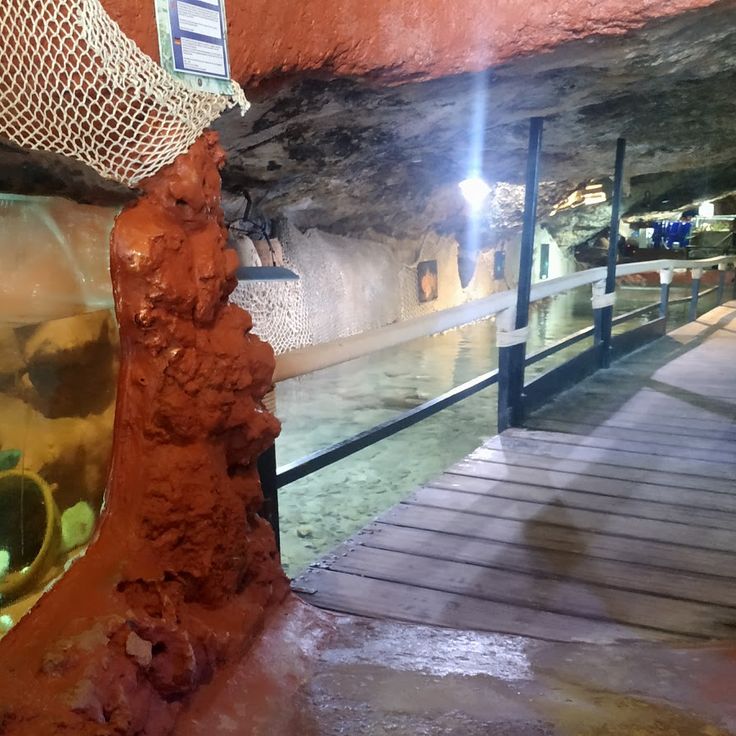
This marine aquarium occupies a natural cave on the western coast of Ibiza and displays Mediterranean fish species in their original habitat. Cap Blanc was established in 1989 inside a former lobster farming basin and houses tanks with groupers, moray eels and several types of rays. The facility also serves as a care center for injured sea turtles, which receive treatment here before being released back into their natural environment. A 1,200-foot (370-meter) circular walkway leads through the cave, where the walls cast a blue tint on the seawater.
Sant Carles de Peralta, Spain
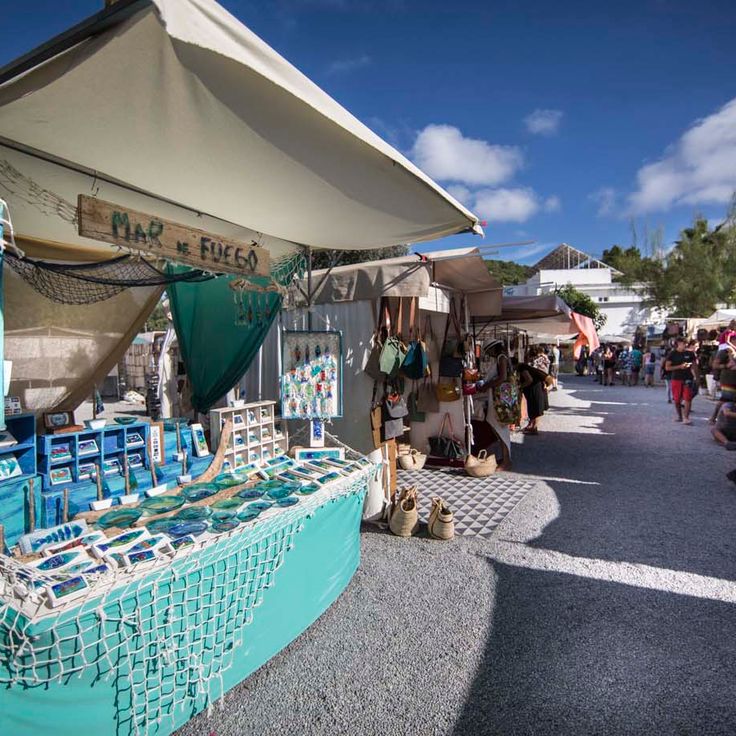
This traditional market in Sant Carles de Peralta has operated since 1954, bringing together vendors who sell textiles, jewelry and regional products. Beyond the stalls offering handmade goods and local produce, live music performances take place regularly, and several dining areas serve Mediterranean dishes. Marché Las Dalias complements the island's cultural offerings beyond the beaches and medieval fortifications, showcasing the craftsmanship of the local community in a relaxed setting near the coast.
Ibiza, Spain
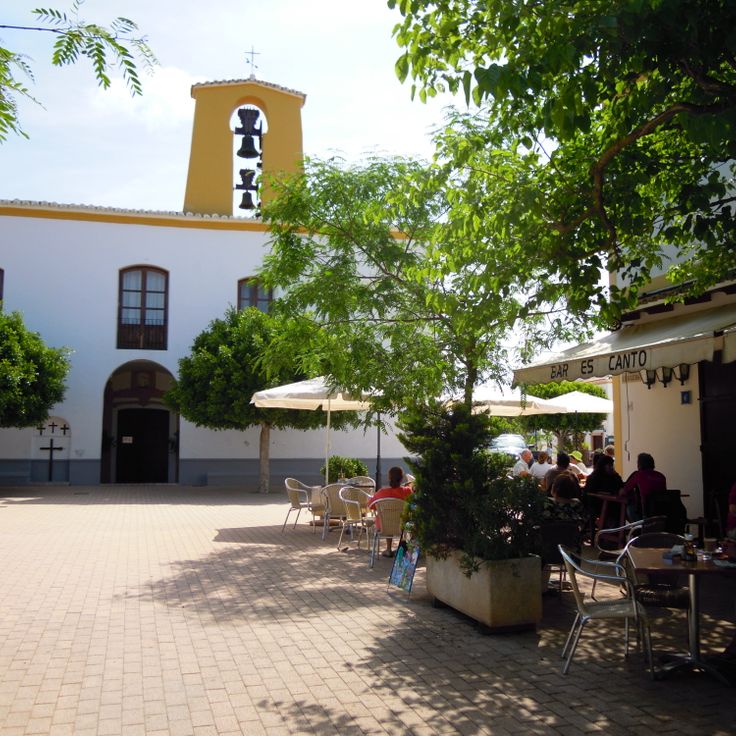
Santa Gertrudis sits in the geographic center of Ibiza and presents itself as a village with rural character offering an alternative perspective to the island's coastal culture. The townscape is marked by the whitewashed village church, typical of traditional Ibizan architecture. The central village square functions as a social meeting point with art galleries, small shops and restaurants serving local cuisine. The village has attracted a creative community since the 1970s, evident in the resident craft workshops and studios. Santa Gertrudis provides access to rural Ibiza with its olive groves and traditional fincas in the surrounding landscape.
Sant Josep de sa Talaia, Spain
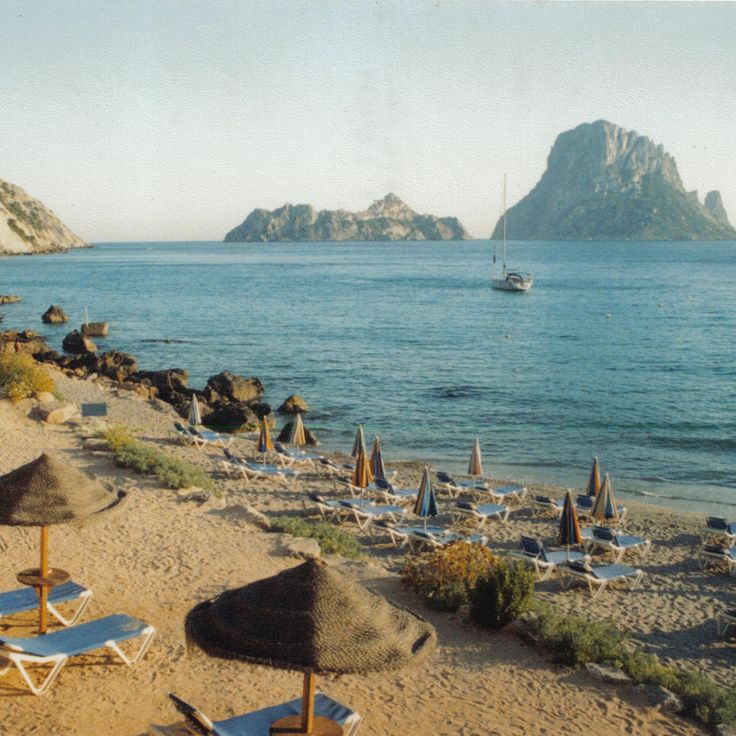
This 150-yard beach sits below several fish restaurants housed in converted boat sheds. The coarse sand and pebble shore offers direct views of Es Vedrà, a rocky islet rising 382 feet from the sea. The water deepens quickly and is suitable for swimming when conditions are calm. Parking is available above the bay along the access road. Cala d'Hort lies about 2.5 miles (4 kilometers) south of Sant Josep de sa Talaia on Ibiza's southwest coast.
Santa Eulària des Riu, Spain
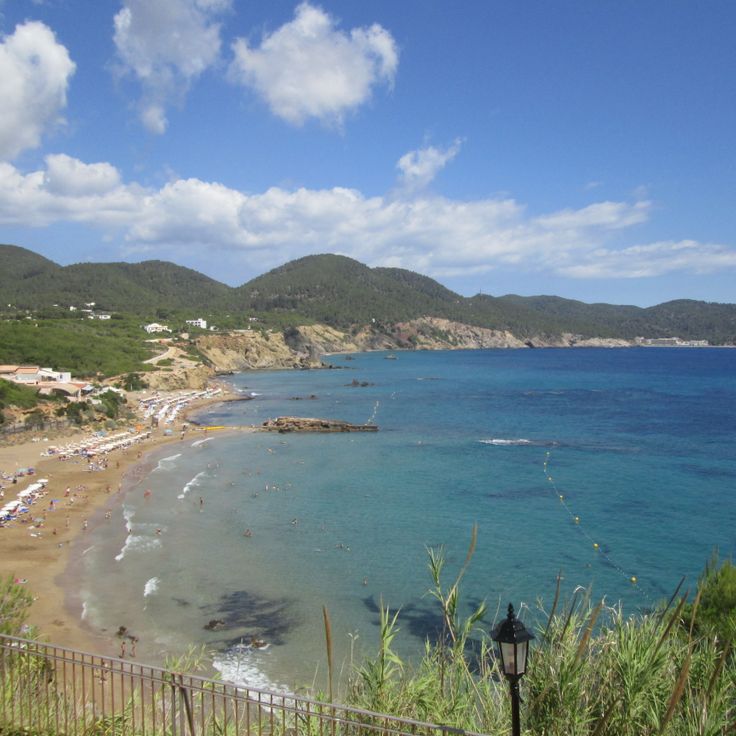
This 350-meter stretch on Ibiza's northeastern shore maintains several dive centers, water sports equipment rentals, and restaurants near the waterline. The bay sits between pine forests and rocky headlands that provide natural shelter. Access follows a winding road through wooded terrain. Available infrastructure includes lifeguards during summer months, public showers, and accessible ramps to the water. Currents typically remain moderate, making the beach suitable for families.
Sant Josep de sa Talaia, Spain
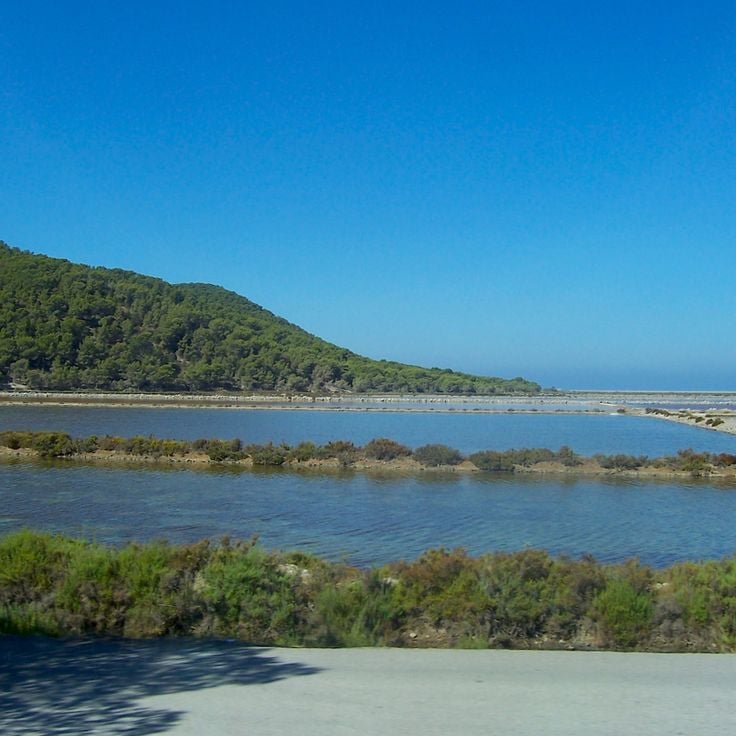
This natural park spans 3,000 hectares (7,400 acres) between Ibiza and Formentera, protecting active salt flats that have operated since Phoenician times. The wetlands serve as a stopover for migratory birds including flamingos, black-winged stilts and cormorants traveling between Africa and Europe. Dune formations stabilize the coastline while underwater seagrass meadows sustain the marine ecosystem. Walking trails lead through different zones connecting salt production, birdwatching and Mediterranean vegetation. The area demonstrates the historical importance of salt extraction to Ibiza's economy and offers insight into the relationship between human use and natural biodiversity.
Santa Eulària des Riu, Spain
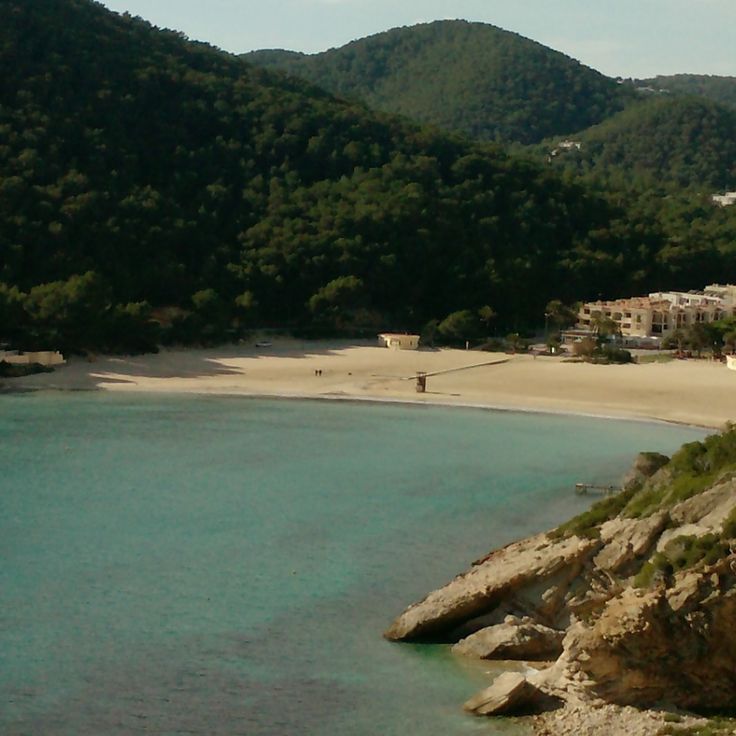
This bay stretches for 200 meters and offers shallow waters, fine sand and pine-covered hills along the coastline. Cala Llonga sits in a sheltered inlet on the eastern coast of Ibiza, approximately 6 miles (10 kilometers) south of Santa Eulària des Riu. The gently sloping seabed makes the bay particularly suitable for families with children, while the surrounding slopes are covered with Mediterranean vegetation. Along the beach you will find restaurants and facilities for water sports activities.
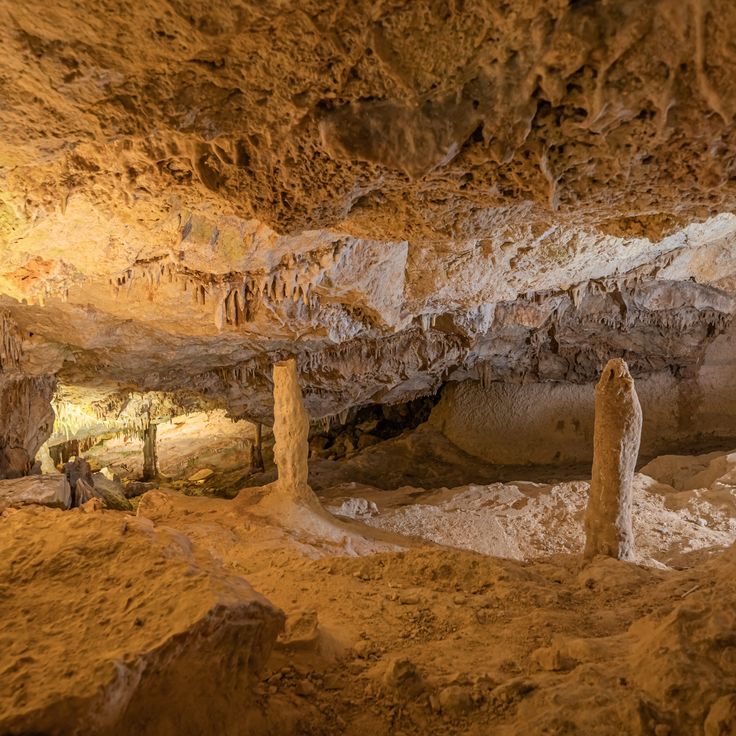
Port de Sant Miquel, Ibiza, Spain
This cave in northwestern Ibiza formed roughly 100,000 years ago through erosion processes in the limestone rock. Cova de Can Marçà served as a smugglers' hideout in the 18th century before opening to visitors in 1980. Guided tours lead through several chambers displaying stalactites, stalagmites and other calcite formations. An underground waterfall and a small lake complement the geological features. The lighting system highlights the mineral structures. The cave sits above Port de Sant Miquel and provides views of the bay after the tour. Access follows a path carved into the rock face, with interior temperatures remaining constant at around 16 degrees Celsius (61 degrees Fahrenheit) year-round.
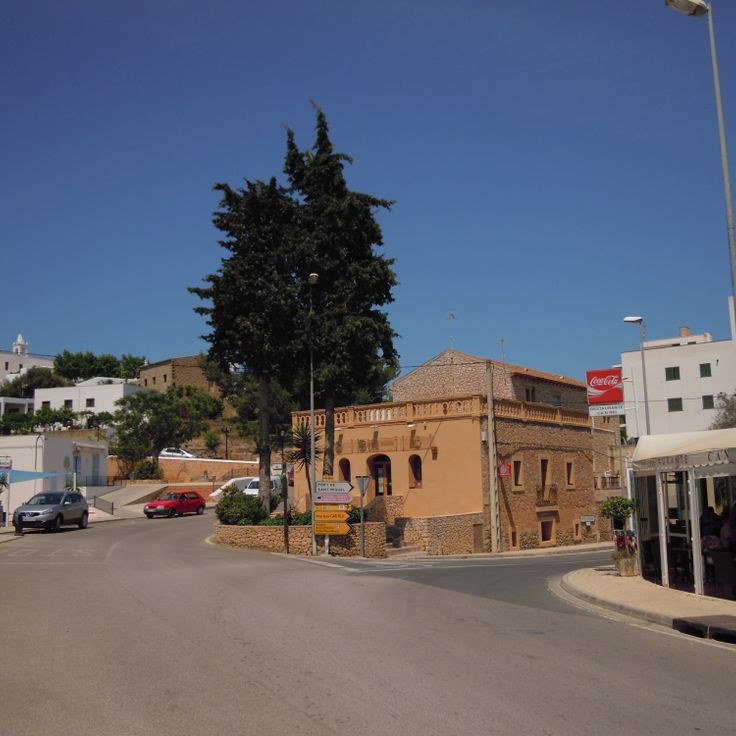
Ibiza, Spain
This fortified church from the 16th century anchors the historic center of Sant Miquel de Balansat, a village set on elevated ground amid farmland and pine forests. The structure follows the defensive pattern typical of Ibiza's rural churches, with thick walls and a compact floor plan designed to shelter the population during pirate raids. The surrounding quarter preserves its traditional settlement pattern, with whitewashed houses clustered around the church. The location provides views across the cultivated valleys and forested slopes of this less developed part of Ibiza.
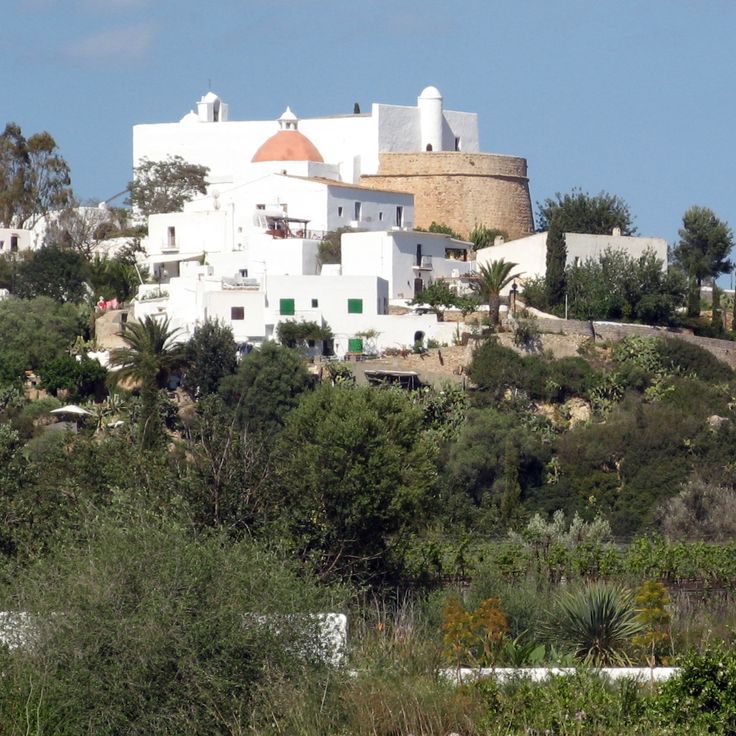
Santa Eulària des Riu, Ibiza, Spain
Puig de Missa rises above Santa Eulària, combining a whitewashed 16th-century church with defensive structures that once protected residents from pirate raids. The hilltop provides wide views across the coast and inland areas, while the architecture demonstrates the fortified construction methods developed on Ibiza to counter maritime attacks.
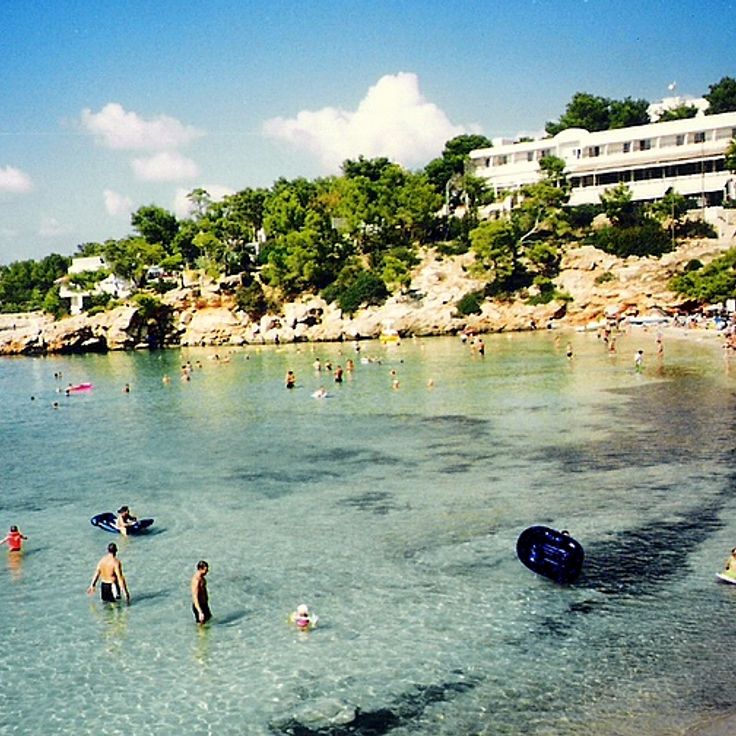
Ibiza, Spain
This northern coastal settlement brings together three beaches divided by rocky outcrops: S'Arenal Gros at the center, S'Arenal Petit to the east, and Playa Porto to the west. The red-and-white striped Faro de Portinatx lighthouse dates from 1984 and marks the island's northernmost point at 203 feet (62 meters) elevation. Coastal trails lead from there to secluded coves like Cala Xarraca. The three main beaches stretch roughly 1,650 feet (500 meters) combined and offer calm, clear water thanks to their protected position. Portinatx adds to Ibiza's coastal variety with a stretch where Mediterranean vegetation reaches the sand.
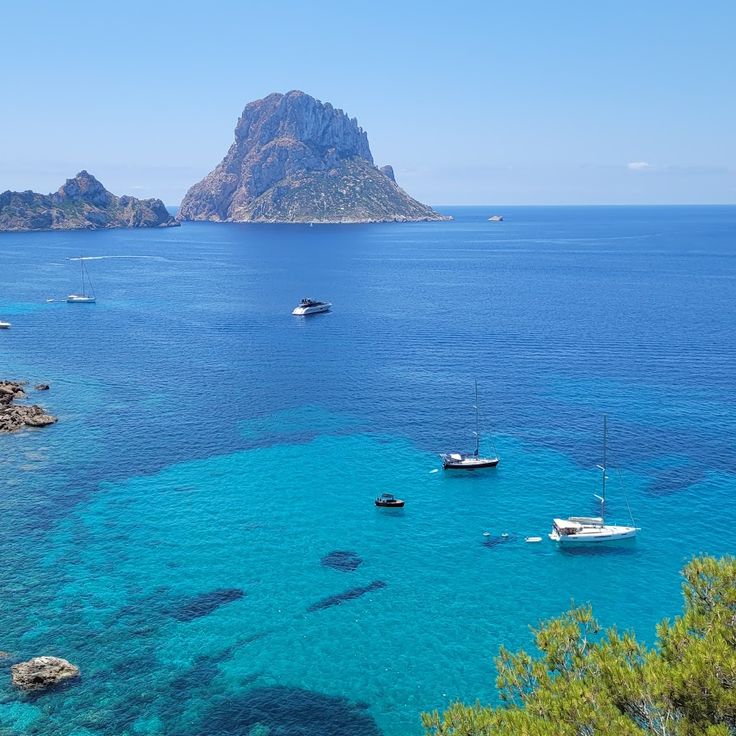
San Antonio, Spain
This waterfront promenade extends for nearly 2 miles (3 kilometers) along the western shore, linking the harbor of San Antonio with several swimming coves. The paved path runs past restaurants, bars and viewing points that overlook the sunset across the Mediterranean. Benches and shaded sections under palm trees line the route. The promenade serves as a connecting path between the town center and the northern beach areas of the bay.
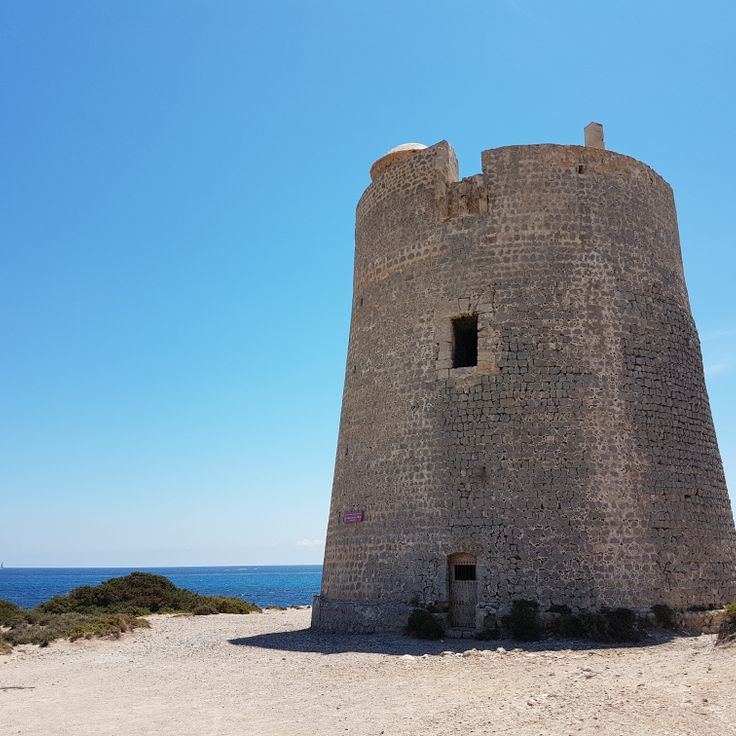
Ses Portes, Spain
This limestone defense tower dates from 1584 and monitored the sea passage between Ibiza and Formentera. The cylindrical structure of Torre de ses Portes rises 40 feet (12 meters) above the rocky coastline and belongs to the network of watchtowers that protected the island from pirate attacks for centuries. The tower stands on a rocky promontory with direct views of the southern passage and documents the strategic importance of this strait for the defense of the Balearic Islands.
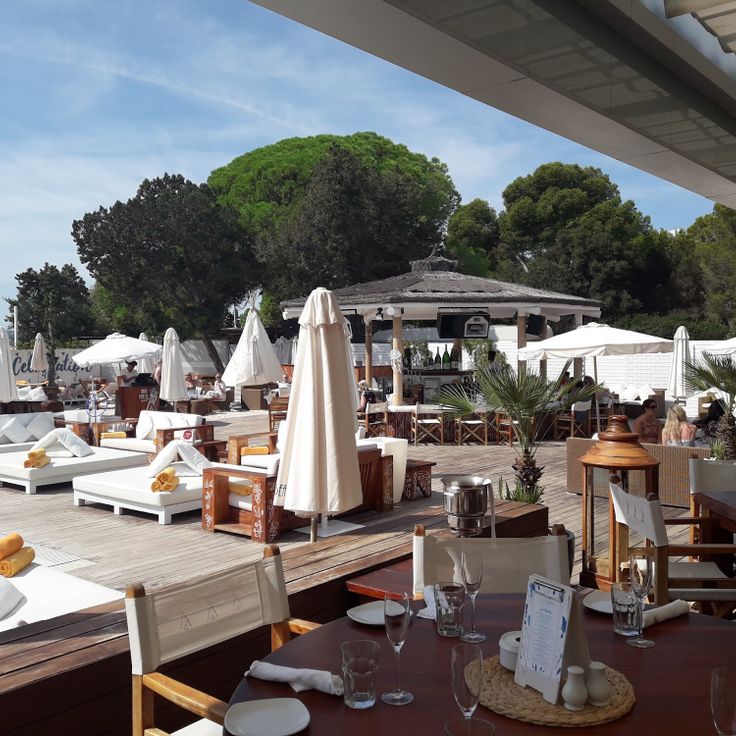
Santa Eulalia, Spain
This beachfront club in Santa Eulalia features a pool, restaurant, and white Mediterranean decor. International DJs perform while guests use the seaside facilities, offering a daytime venue that has become part of the island's social scene beyond its nighttime clubs.
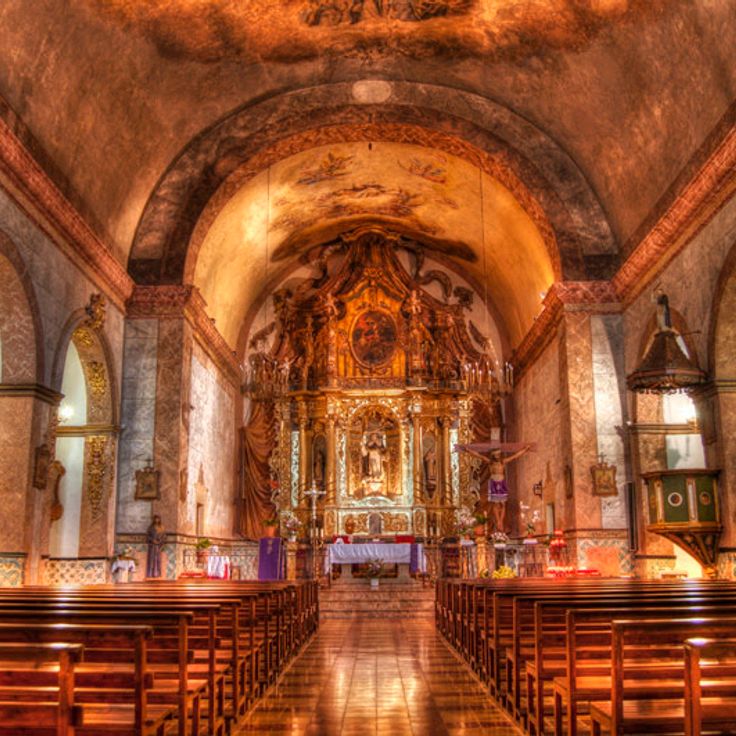
Dalt Vila, Spain
This Baroque church in Dalt Vila was built in 1624 during the Spanish colonial period and served the Dominican religious order. The building displays whitewashed exterior walls following Mediterranean tradition, while the interior houses gilded altarpieces and Baroque wood carvings. The simple facade contrasts with the richly decorated interior, typical of the Baroque style of this era. The church stands within the fortified old town and forms part of the UNESCO World Heritage site that preserves Ibiza's medieval urban structure.
Sant Josep de sa Talaia, Spain
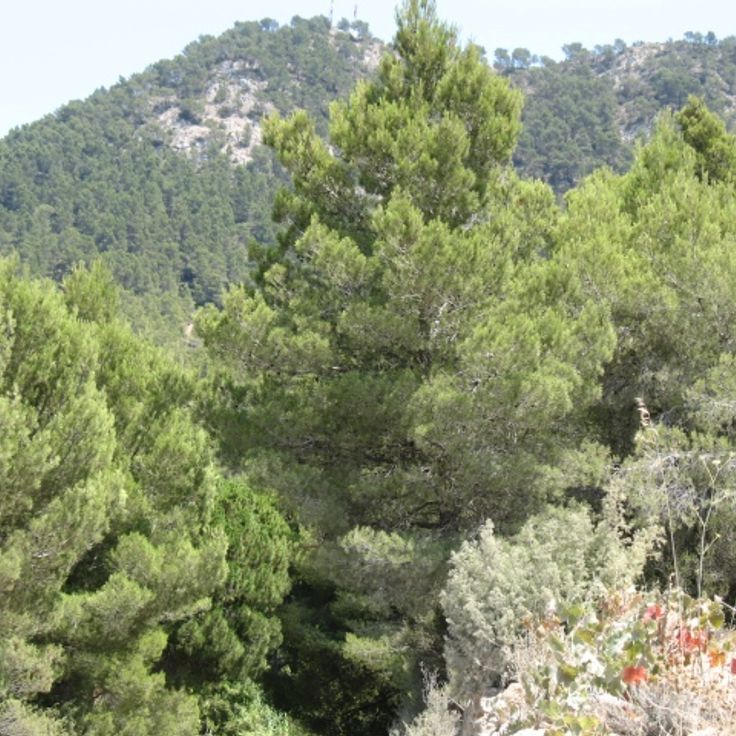
Sa Talaiassa rises to 1,558 feet (475 meters) and marks the highest point on Ibiza, offering a complete 360-degree view across the island. On clear days, the vista extends to Formentera and the Spanish mainland coast, revealing the geographic position of the Pityuses in the western Mediterranean. The ascent passes through pine forests and Mediterranean scrubland, with an old watchtower standing at the summit.
Cala d'Hort, Spain
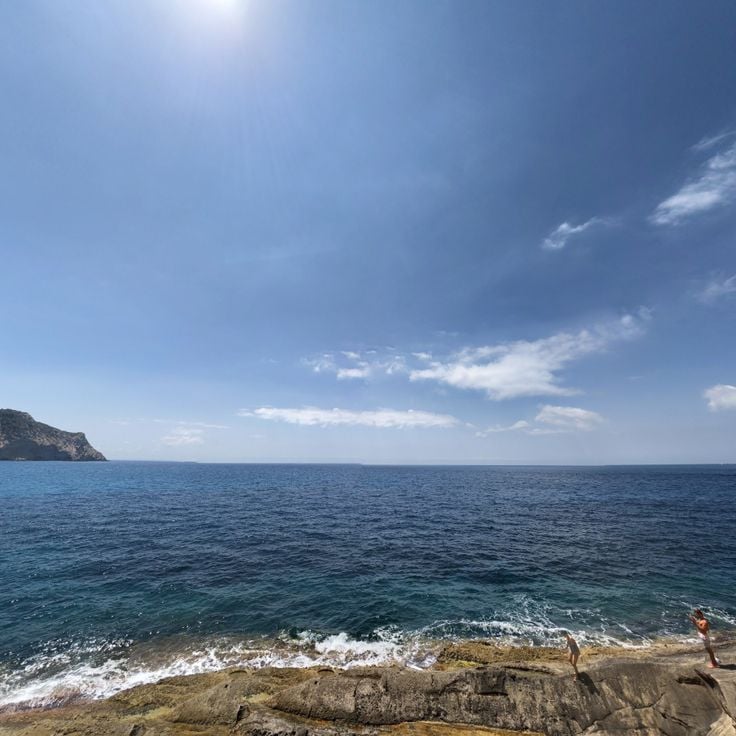
This geological site on Ibiza's southwest coast originated from 16th-century quarrying operations and subsequent marine erosion. Stone extraction left distinctive rock formations that have merged over centuries with natural tidal pools between limestone walls. The terrain sits below Es Vedrà and is accessible only via a steep trail requiring roughly 30 minutes of descent. The pools fill during high tide and provide access to the open sea, while cut surfaces in the rock document the former extraction activity.
Ibiza, Spain
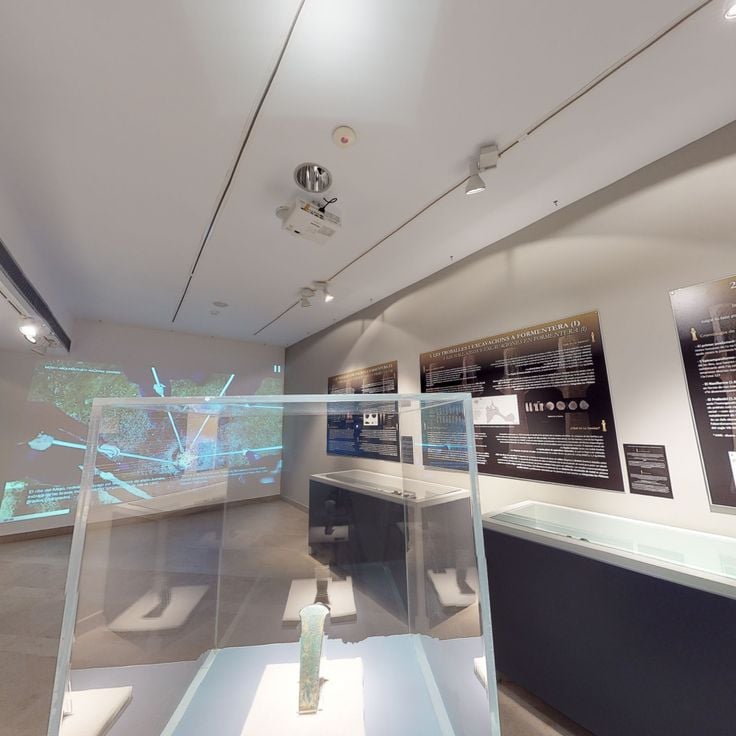
This necropolis contains 3,000 Phoenician and Punic tombs dating from the 7th century BC to the 3rd century AD. The site occupies a hillside near the historic harbor of Ibiza Town and documents the burial practices of the ancient settlers who made Eivissa the most important Phoenician-Punic colony in the western Mediterranean. An attached museum displays pottery, jewelry, amulets and terracotta figurines recovered from the burial chambers. The grounds spread across several terraces where tombs were carved into the rock or built as underground chambers. The complex forms part of the UNESCO World Heritage listing and complements a visit to Dalt Vila with an archaeological perspective on the layered history of Ibiza.
Santa Gertrudis de Fruitera, Spain
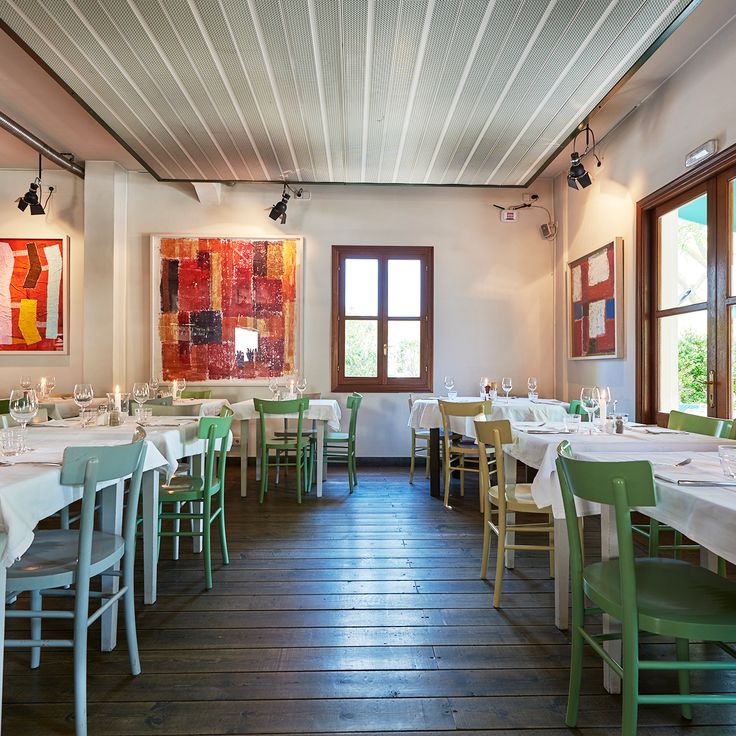
This Italian restaurant has served Mediterranean cuisine made with island products in the center of Santa Gertrudis since 1978. The menu combines traditional Italian dishes with local ingredients including Ibiza salt, regional olive oil and vegetables from nearby farms. Macao Café welcomes guests in a setting of restored stone walls and shaded outdoor tables beneath trees. The restaurant sits in the village center, located 6 miles (10 kilometers) north of Ibiza Town among hills and fields. The dining room displays typical rural architecture with exposed wooden beams and terracotta floors.
Sant Carles de Peralta, Spain
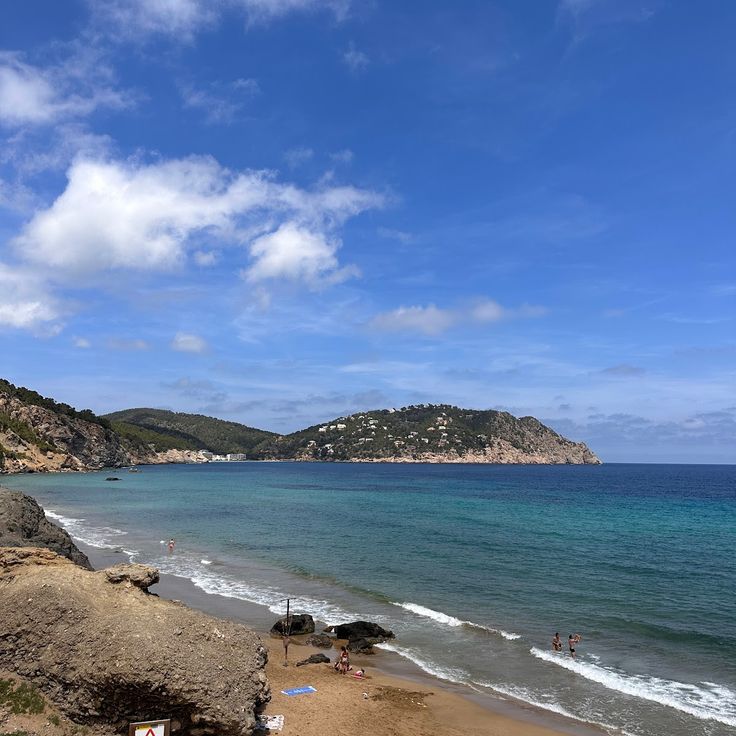
This northeastern bay stretches 300 yards (275 meters) between orange sandstone cliffs that drop toward the sea. The northern section is designated for naturist use, while the southern portion attracts textile bathers. The exposed position generates regular wind and waves that can make swimming challenging. A chiringuito provides refreshments directly on the beach. Access is via a steep approach road with limited parking above the shore.
Sant Josep de sa Talaia, Spain
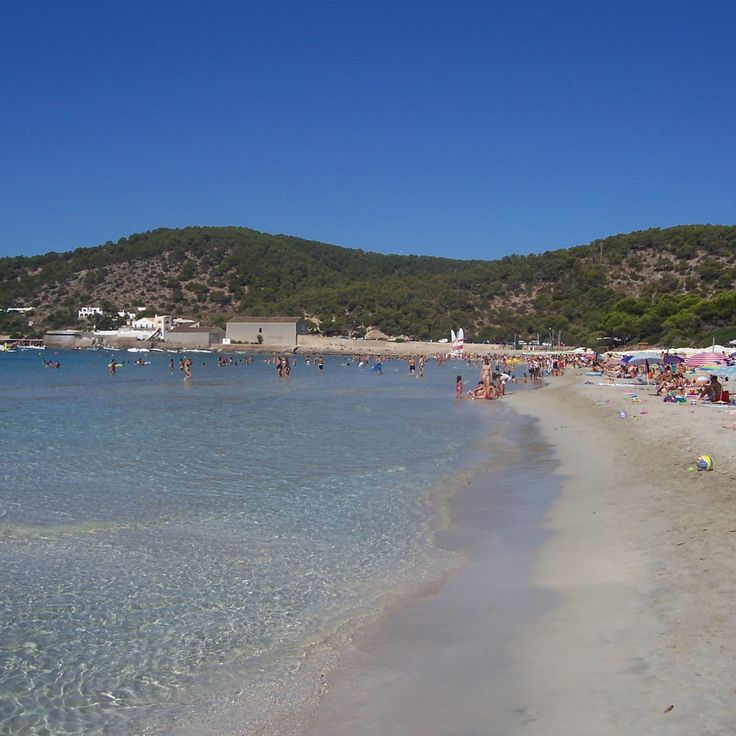
Plage Las Salinas stretches along the southern coast of Ibiza, combining a beach of fine sand, pine forests and adjacent salt marshes that give the area its name. The site forms part of Ses Salines Natural Park, which extends from Ibiza to Formentera and protects important wetlands for migratory birds. Beach clubs and restaurants line the shore of this roughly 0.6-mile (1-kilometer) beach, drawing international visitors during the summer months. Pine trees provide natural shade in the rear sections, while the shallow water suits swimming.
Sant Joan de Labritja, Spain
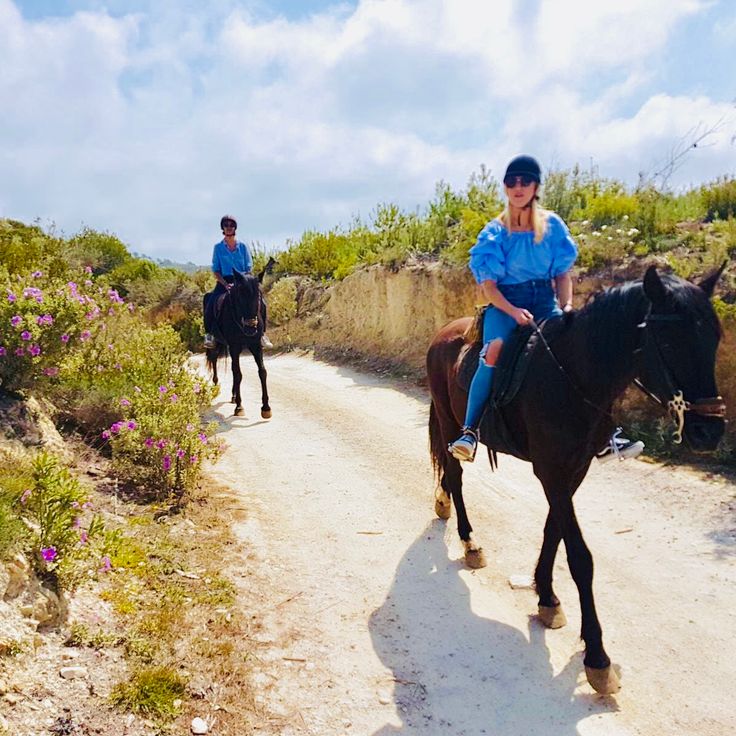
This riding center in northern Ibiza offers guided horseback excursions through the forested mountains of the region. The facility cares for its horses on site and organizes tours through the less developed landscapes of the island, away from the coastal resorts. Routes pass through pine forests and hilly terrain with views over the rural interior. Rides accommodate different experience levels, with trained guides accompanying groups. The center is located in Sant Joan de Labritja, the agricultural northern part of the island where vegetation is denser and terrain more varied than in the tourist zones.
Balearic Islands, Spain
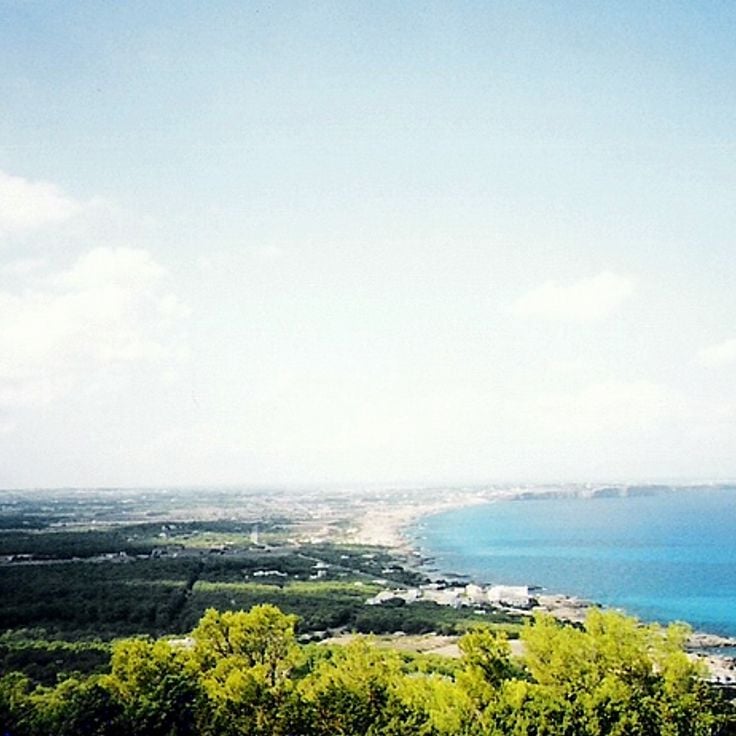
This Mediterranean island lies 12 miles south of Ibiza and covers 32 square miles (83 square kilometers). Regular ferry services connect the two islands in 30 minutes. Formentera has a population of around 12,000 and features a network of flat coastal roads that pass through juniper scrub and salt flats. La Mola lighthouse has marked the eastern tip of the island since 1861 and stands 390 feet (120 meters) above sea level. Beaches stretch for several miles along the northern and southern coasts, with Ses Illetes and Llevant among the longest. A trip to Formentera complements a stay in Ibiza with quieter landscapes and less developed coastlines.
Similar collections
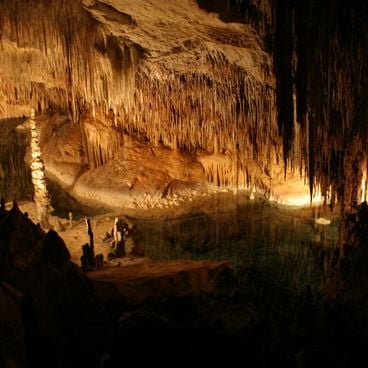
Balearic Islands: small villages, secret beaches, old chapels
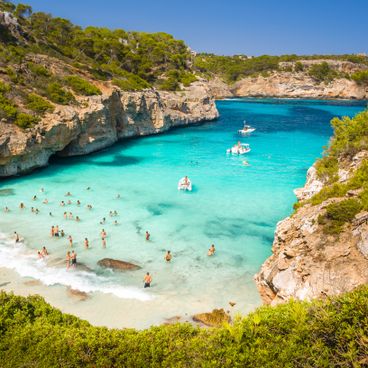
Hidden locations in the Balearic Islands
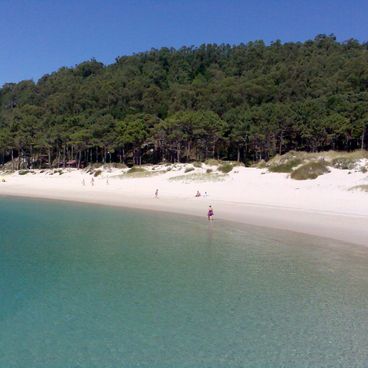
Beaches in Spain: Canary Islands, Balearic Islands, Cantabria
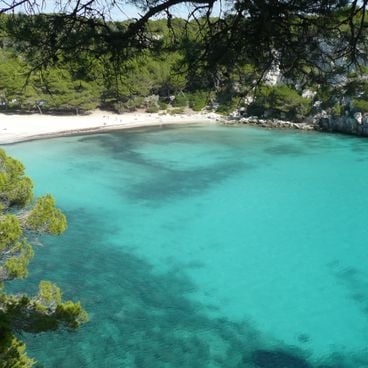
Beaches of Spain: Mediterranean, Atlantic coastlines and Balearic and Canary Islands