See the monuments around you in AROpen chests in the app
Around Us is built for your phone — point your camera at the streets and discover the monuments and places around you in augmented reality.Around Us is built for your phone — chests unlock when you walk, explore and capture nearby places.
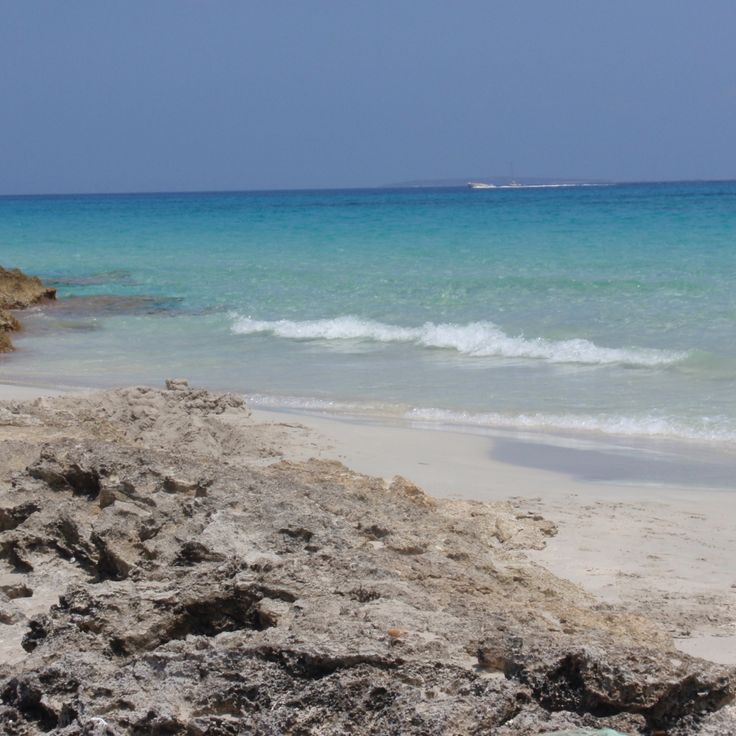
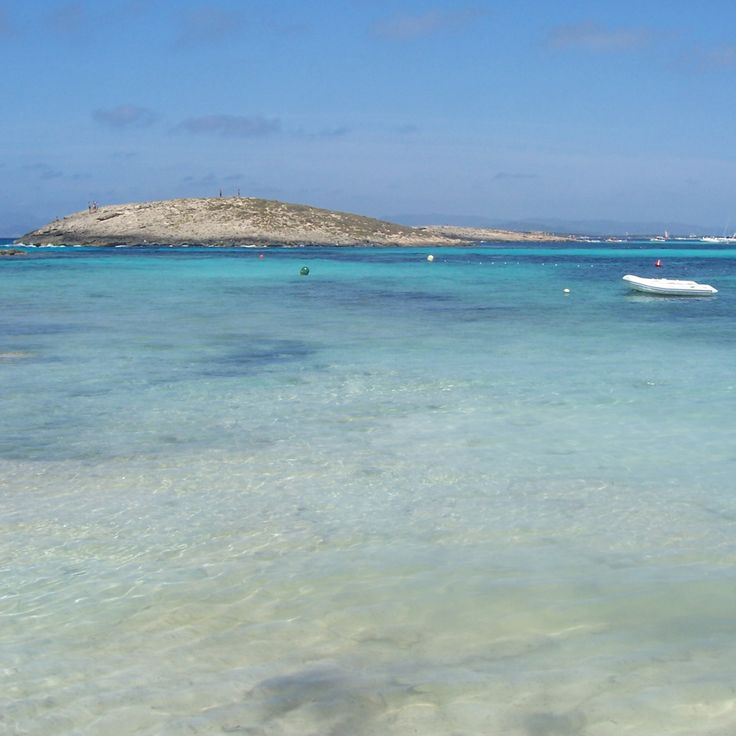
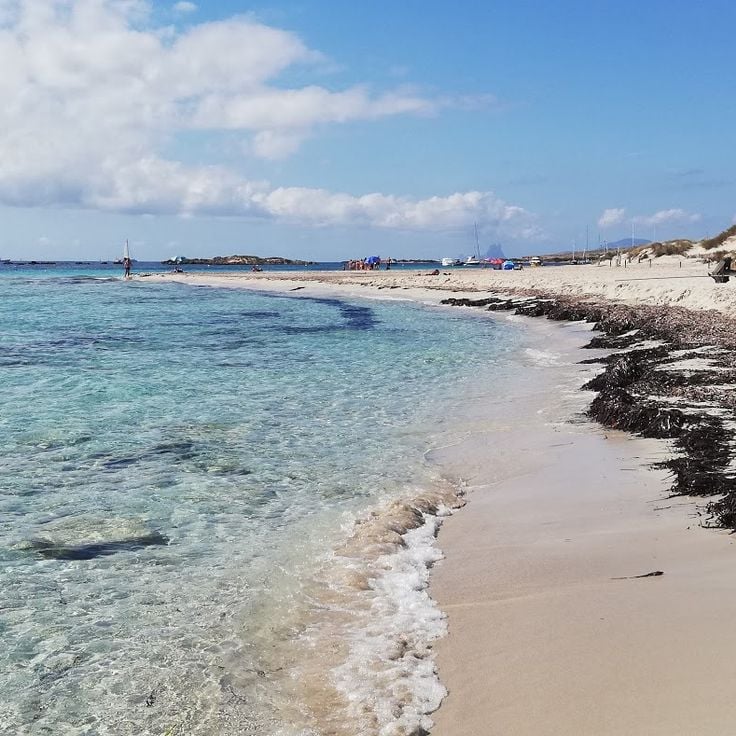
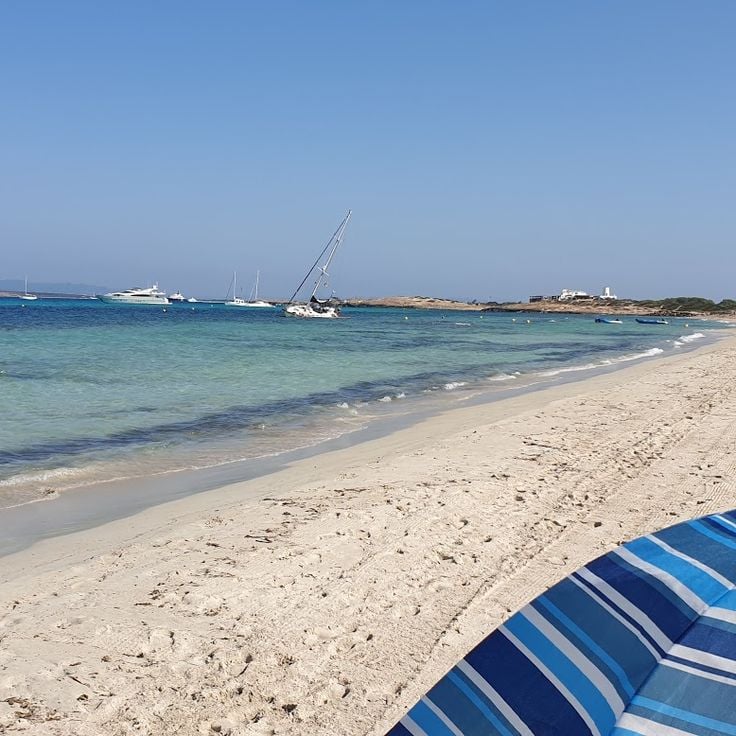
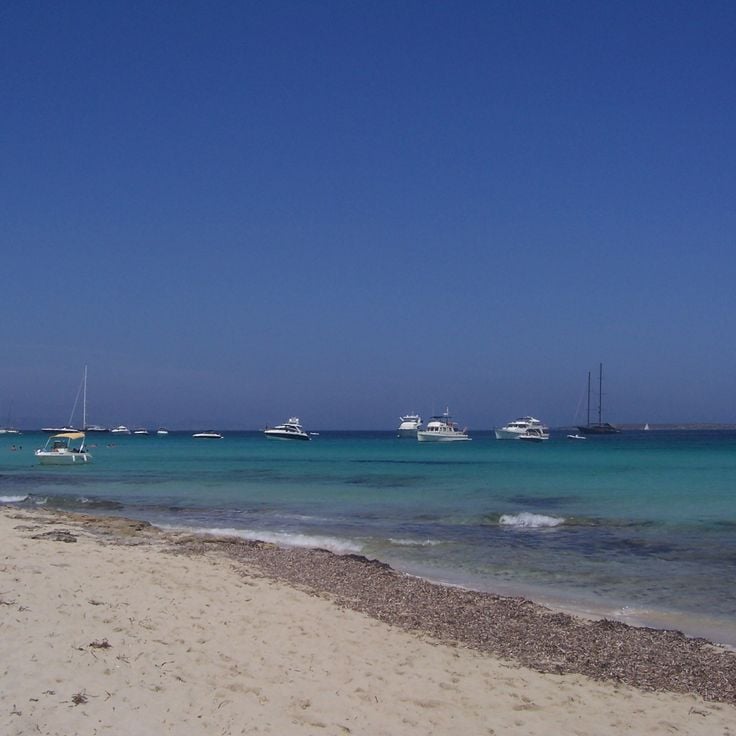
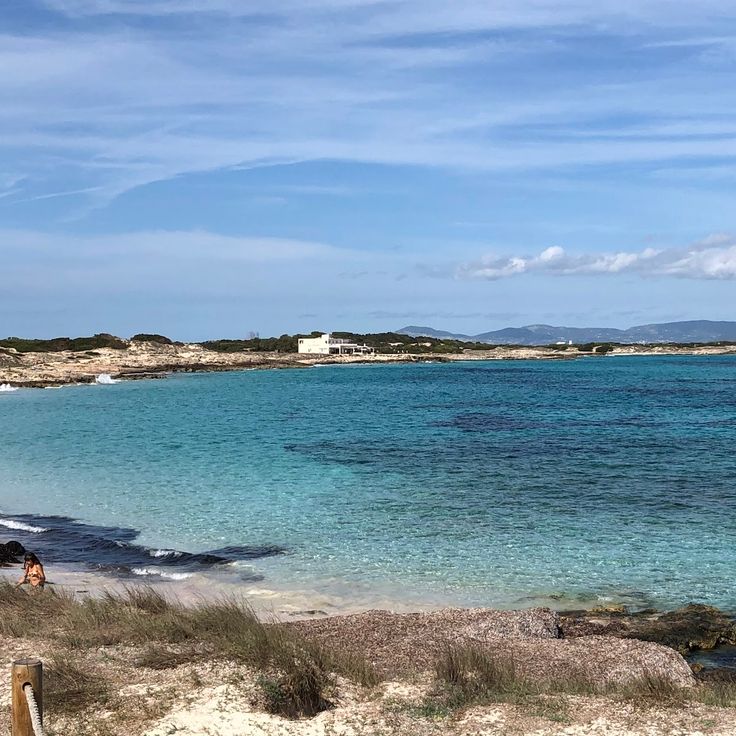
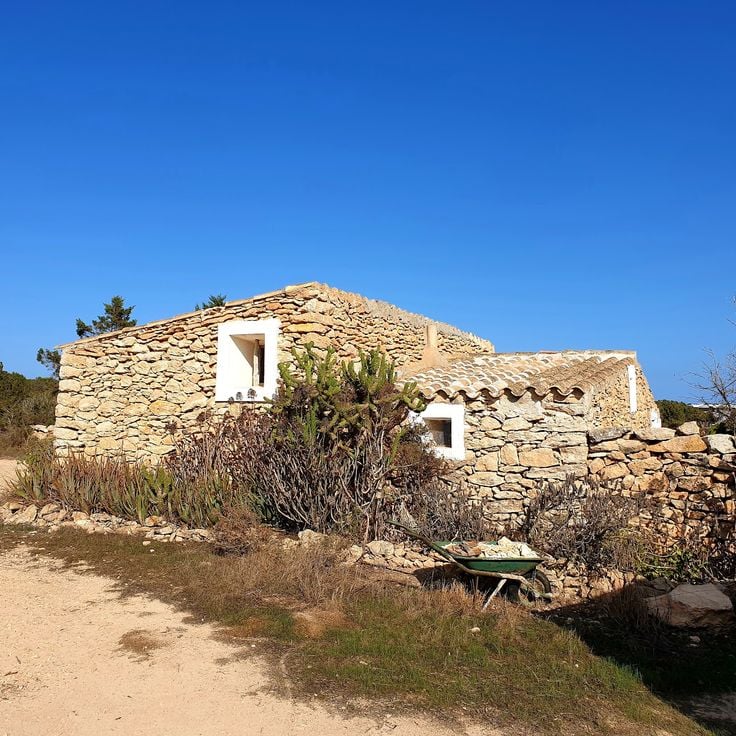
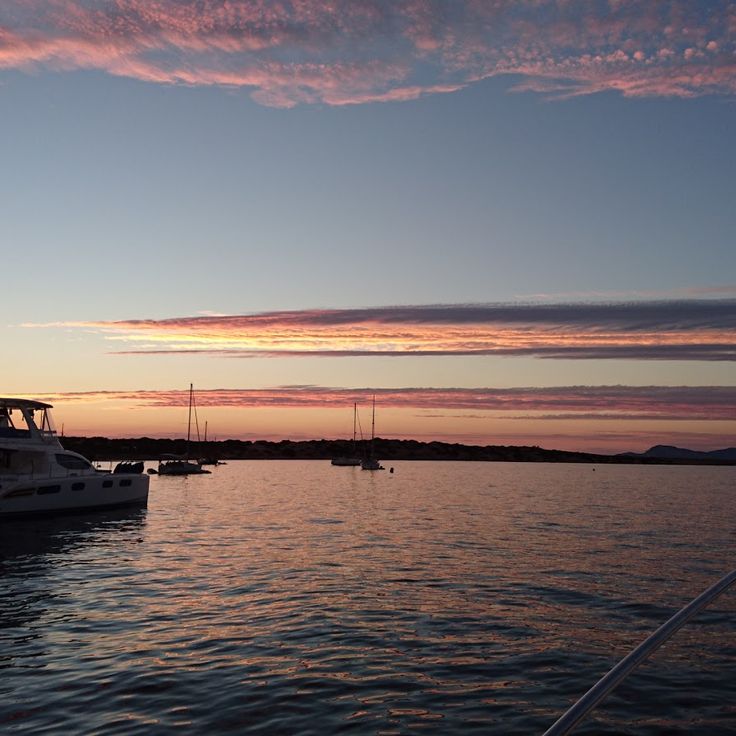
Formentera invites you to explore at a slow pace, between soft sandy beaches, turquoise waters and stone towers overlooking the Mediterranean.
Formentera offers beaches with soft white sand, rocky coves, and lighthouses that show its maritime history. In the north, Ses Illetes and S'Espalmador welcome visitors with sandy stretches that stick out of the blue-green water. Further south, Migjorn spreads out over a long distance, with different spots to relax. When exploring the Ses Salines nature park and climbing the lighthouses at La Mola and Cabo de Berberia, you see great views of the Mediterranean. Small bays like Calo Des Mort and Cala Saona reveal a still lively underwater world, where clear water shows the sea life around the rocks.
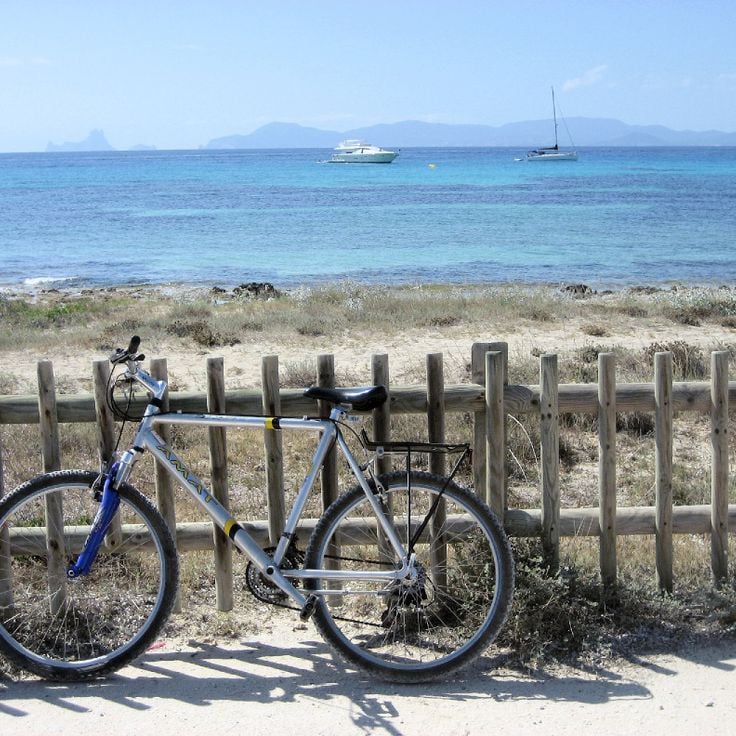
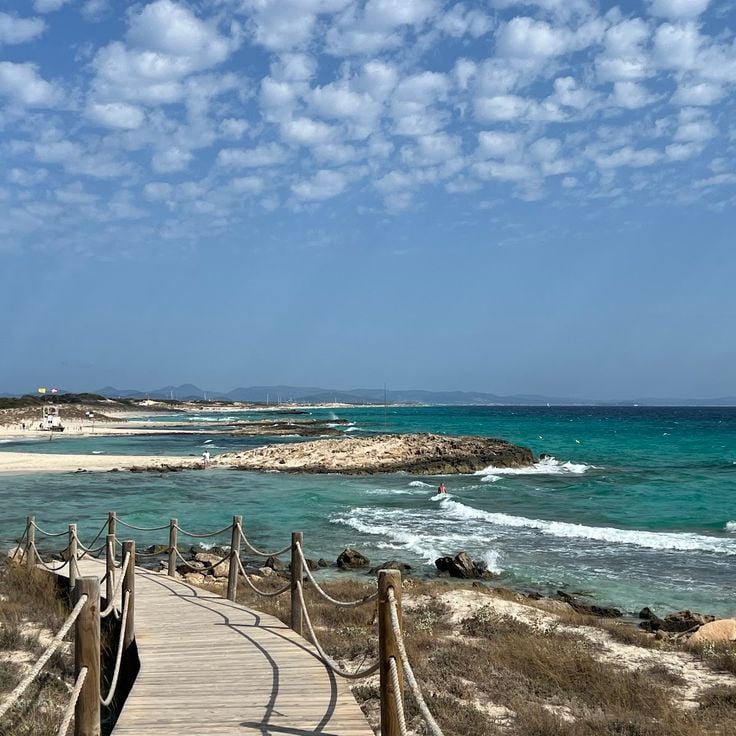
The island invites gentle exploration. You can walk along wooden paths by the coast, stroll on sandy beaches in red or white depending on the place, and look for old fishing huts that dot the shore. Every part of Formentera tells its own story, of a place where sea, sand, and rocks live side by side, creating different landscapes that are easy to get to. The pace here slows down naturally. Just follow the trails and coastlines to see the beauty of the Balearic shoreline.
Formentera invites you to explore at a slow pace, between soft sandy beaches, turquoise waters and stone towers overlooking the Mediterranean.
Formentera offers beaches with soft white sand, rocky coves, and lighthouses that show its maritime history. In the north, Ses Illetes and S'Espalmador welcome visitors with sandy stretches that stick out of the blue-green water. Further south, Migjorn spreads out over a long distance, with different spots to relax. When exploring the Ses Salines nature park and climbing the lighthouses at La Mola and Cabo de Berberia, you see great views of the Mediterranean. Small bays like Calo Des Mort and Cala Saona reveal a still lively underwater world, where clear water shows the sea life around the rocks.
The island invites gentle exploration. You can walk along wooden paths by the coast, stroll on sandy beaches in red or white depending on the place, and look for old fishing huts that dot the shore. Every part of Formentera tells its own story, of a place where sea, sand, and rocks live side by side, creating different landscapes that are easy to get to. The pace here slows down naturally. Just follow the trails and coastlines to see the beauty of the Balearic shoreline.
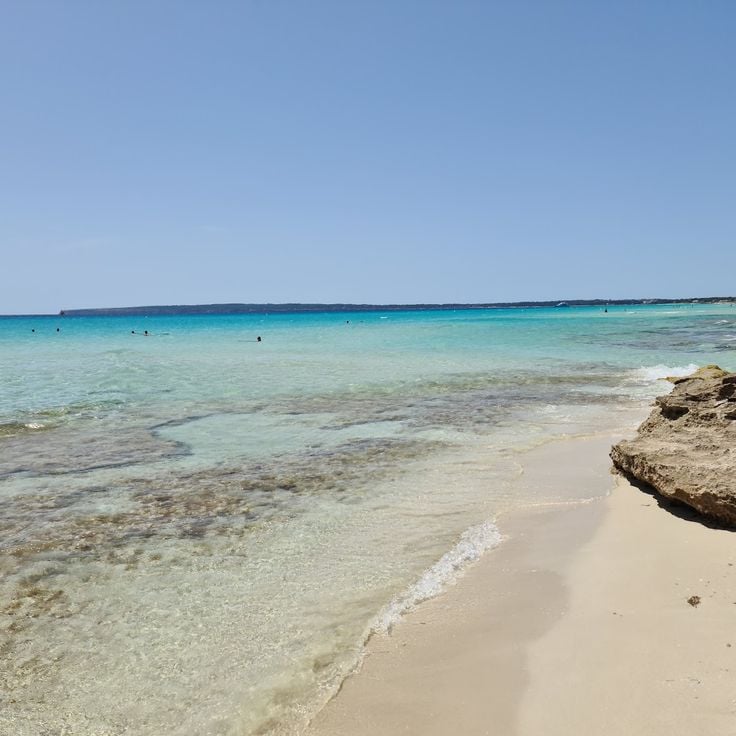
Ses Illetes is a beach on Formentera stretching 450 meters with soft white sand and transparent water. A wooden path runs along the coast toward the port. The beach is part of the Ses Salines nature reserve and displays the sandbanks that emerge from the turquoise sea. The clear water lets you see the marine life around the rocks. You can walk here and explore the sheltered coves that line the shore.
S'Espalmador is an uninhabited island off the coast of Formentera with natural mud pools and a beach accessible on foot at low tide. The clear water and sandy shores make this a special destination for visitors seeking solitude. You can walk on the sandbars that emerge from the turquoise sea when the tide goes out and explore the undisturbed nature of this small island. The natural mud pools invite you to relax and offer a distinctive experience in the heart of nature.
Migjorn stretches for several kilometers and is one of Formentera's longest beaches. The sand shifts between light and reddish tones depending on the section. In some places, rock formations give the coastline character. Along the shore stand traditional stone boat shelters that tell of the island's long connection to fishing. The beach offers different kinds of areas: some are wider and more open, others have more rock formations. Those who come here can walk at leisure, wade into the water, or simply enjoy views of the Mediterranean.
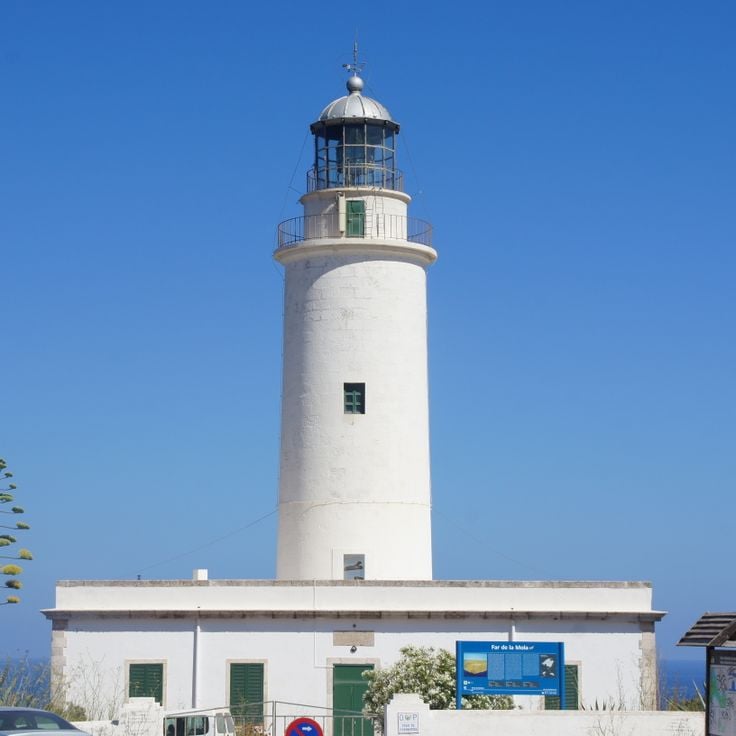
The La Mola lighthouse sits on a hilltop in eastern Formentera, overlooking the Mediterranean Sea. This white cylindrical tower was built in 1861 and served for many years as a navigation aid for ships. From the tower, you can see across the coastline and observe the various beaches and coves that make up the island. Near the lighthouse, a restaurant and small shop welcome visitors who want to rest and take in the views. The lighthouse stands as part of Formentera's maritime heritage, marking an important point in the island's history.
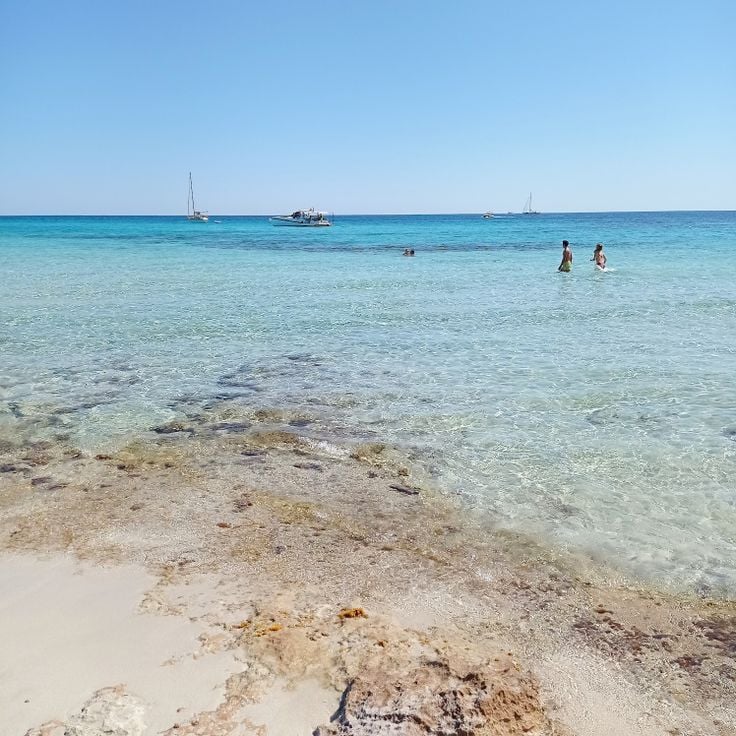
Es Arenals is a beach on Formentera that stretches for about 1 kilometer between two rocky headlands. The water deepens gradually as you walk out. The sand is white and fine, inviting you to stroll along the shore and explore the coastline. Like many places on this island, Es Arenals shows the way sand, rock, and sea come together to create the landscape that makes Formentera what it is.
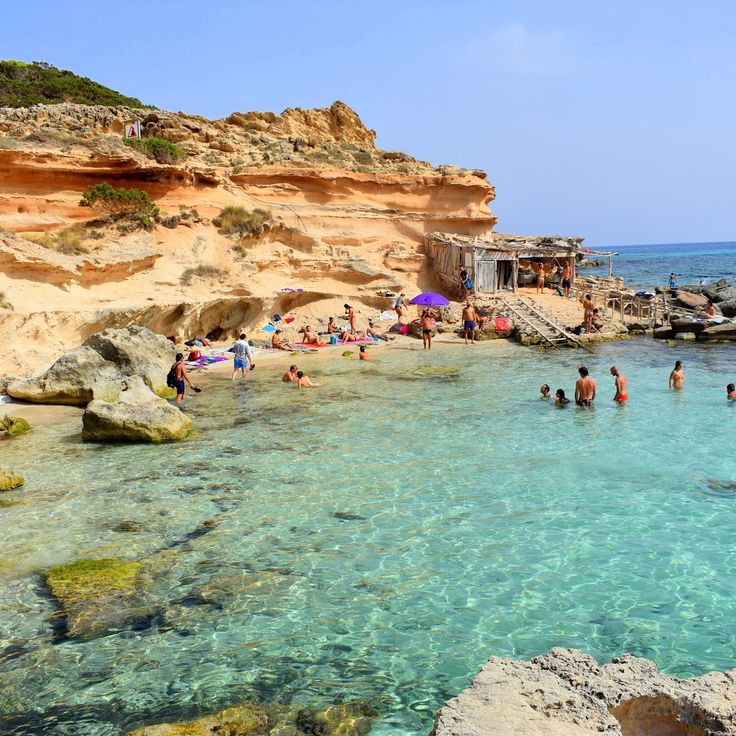
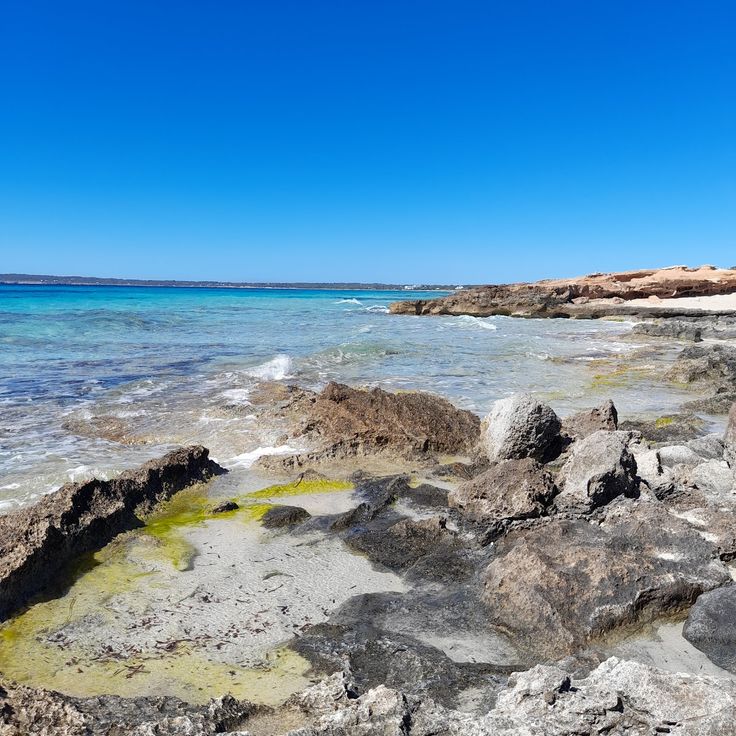
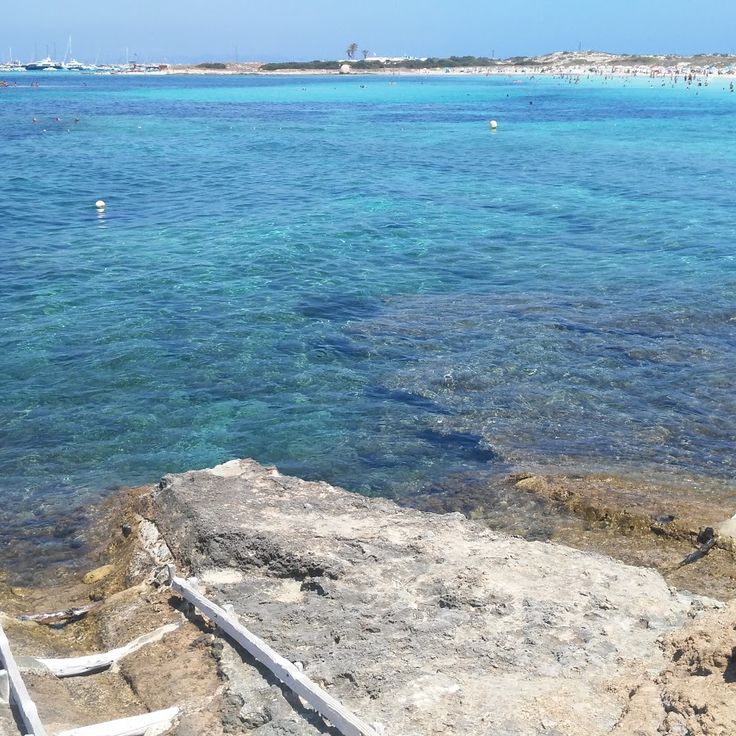
This cove at Formentera features rocky formations that jut into the water and deep, turquoise-tinted waters that invite exploration. The clear water reveals rock formations and the marine life below. It is a place where rock and sea meet to create a raw, natural coastline.
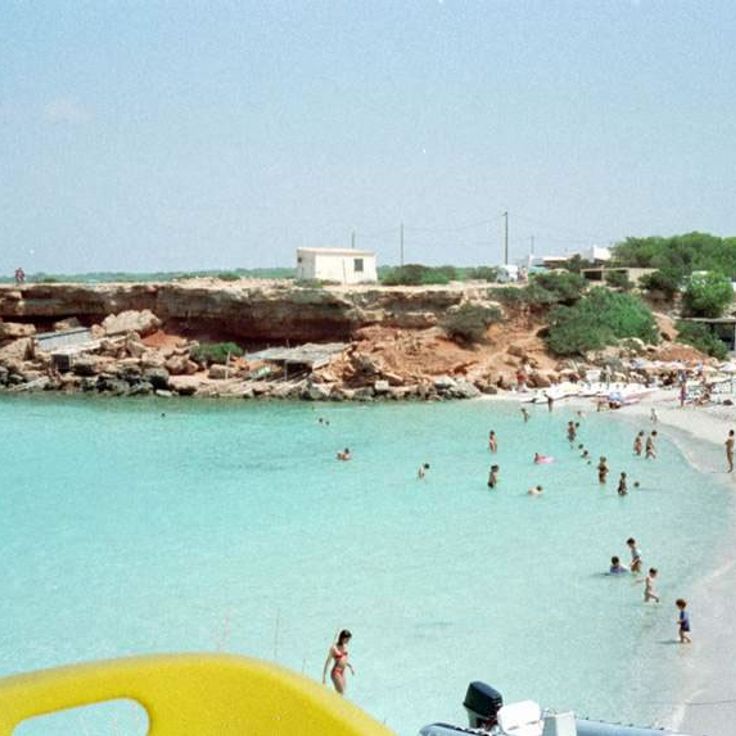
Cala Saona is a beach on Formentera with reddish sand and clear water that reveals the life below the surface. Traditional wooden fishing huts line the cove, giving the place its distinctive character. The bay forms a natural shelter from the open sea. The beach invites you to walk slowly and enjoy the quiet surroundings.
Playa es Pujols on Formentera is a sandy beach with white sand and clear water. The water here is clean and inviting for swimming, though during summer months, jellyfish appear regularly along the shore. This beach is part of Formentera's varied coastline, where sandy shores, rocky coves, and historic lighthouses shape the island's character.
Llevant Beach is a long expanse of fine white sand bordering calm waters with a gently sloping seafloor. This beach is part of Formentera's coastline, where sandy stretches, rocky coves, and maritime history shape the character of the island. Visitors find a place to spend time where the water stays clear and the shoreline feels unspoiled by development.
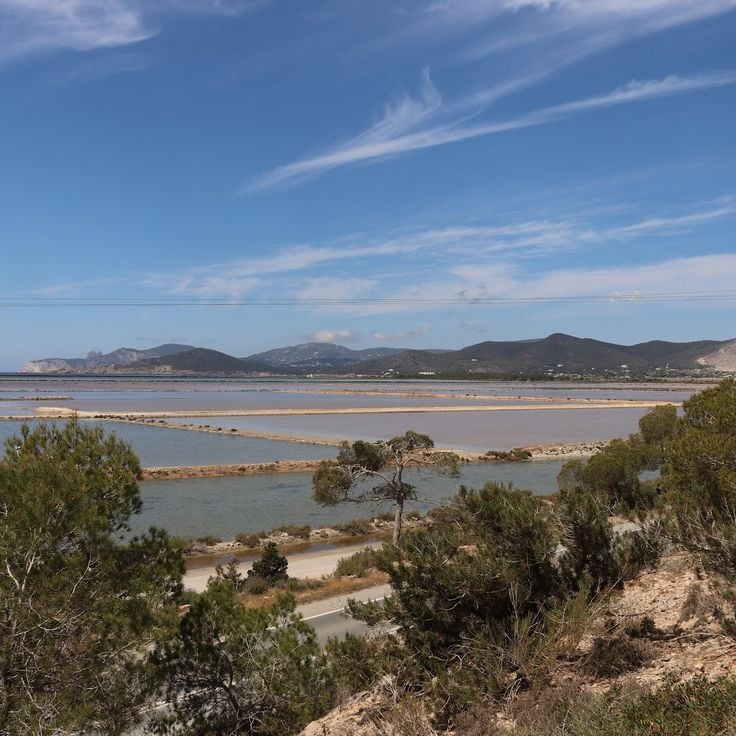
Ses Salines Natural Park in Formentera is a protected area with salt marshes and lagoons where flamingos and many other bird species live. The park reveals the salty side of the island and offers visitors the chance to observe nature up close. Narrow paths wind through the landscape, and by walking slowly, you can watch the birds going about their days.
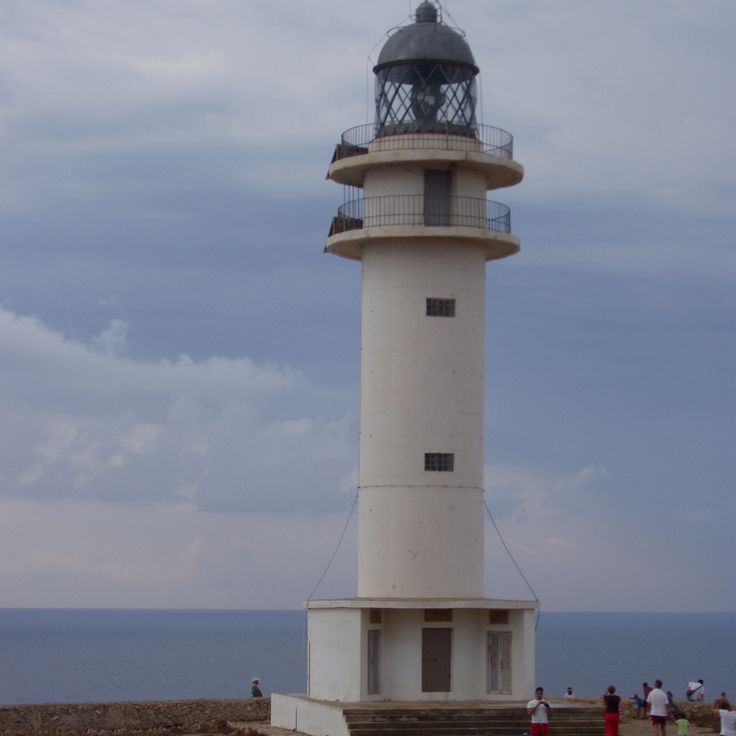
The lighthouse at Cabo de Berberia rises on a cliff in southern Formentera and commands views of the Mediterranean. This white structure from the early 20th century stands above the sea and marks an important point along the coast. From here, visitors can take in the coastline and the waters beyond. Nearby, natural forces have carved a cave into the rock that invites exploration.
Cavall d'en Borràs is a beach section within the Ses Salines Natural Park on Formentera, accessible directly from the road. This spot features fine sand and straightforward access to the Mediterranean waters. The beach stretches across a comfortable distance, allowing visitors to explore the salt marshes and the rich underwater life of this protected area. From the shore, walkers can venture along coastal paths to discover the rocky coves and the historic lighthouses that dot the island.
Ses Canyes is a stretch of coast on Formentera that shifts between rocky formations and natural white sand. Located about 500 meters north of Es Pujols center, this spot offers a calm way to reach the sea. Visitors can walk between stones and sandy beach, discovering how the Mediterranean shoreline changes from place to place across the island.
Ses Platgetes consists of three small coves that form a sheltered section of Formentera's coastline. The beaches feature soft white sand backed by natural dunes that break the wind and create calm conditions. These coves are part of Formentera's varied landscape of sandy beaches, rocky inlets, and historic lighthouses. The water is clear enough to see marine life around the rocks, and the protected setting makes these coves a pleasant place to swim and rest away from stronger winds.
Es Codol Foradat is a sandy stretch along Formentera's coast where fine sand meets rocky outcrops at both ends. This beach fits into the island's varied coastline, where sand, stone, and clear water come together. The water here is transparent, allowing you to see the marine life below. The beach offers a quiet place to rest, tucked between water and rock formations, away from the busier spots on the island.
Es Vogamarí is a beach on Formentera with fine sand stretching about 150 meters along the shore. Rocks and dunes line the water's edge. The water deepens quickly as you wade in from the beach. This beach fits naturally into Formentera's collection of white sand beaches, rocky coves, and maritime heritage. You can relax in the sand, explore the surrounding rocks, or watch the water's clarity as you stand at the shore.
Ca Marí is a beach on Formentera that offers showers, restaurants, and parasol rentals. The beach provides direct access to a parking lot for vehicles. It is a place where visitors can find all the necessary facilities to spend a day by the water. The sand is white and fine, and the water invites you to swim. This beach fits perfectly into Formentera's range of different coastal types, where you can rest and enjoy proximity to the sea.
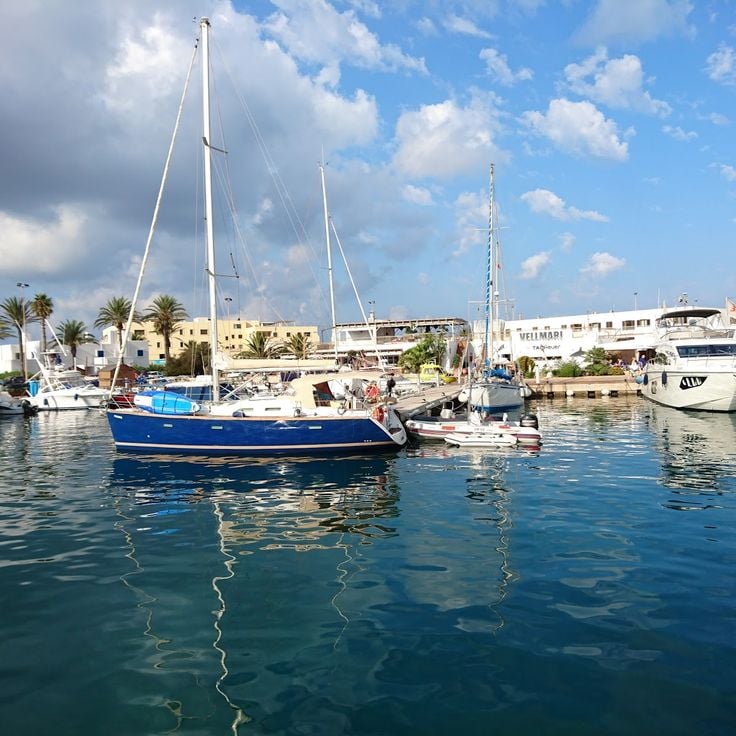
La Savina port is Formentera's main gateway, connecting the island to Ibiza with regular ferry service and pleasure boats. It is the first place most visitors see when they arrive. The harbor comes alive when ferries dock, with activity around the docks and along the quays. Local fishermen work alongside modern vessels, and the waterfront is lined with small shops and cafés where people gather. Walking from the port into the island, you quickly reach the white sand beaches and rocky coves that Formentera is known for. This port serves as the starting point for exploring the island's natural beauty.
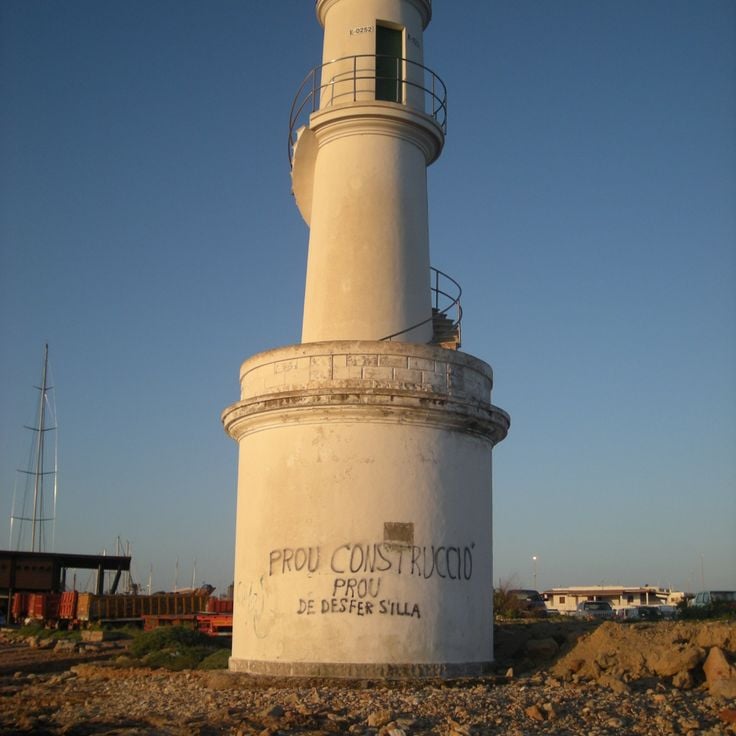
The La Savina lighthouse stands in Formentera's main harbor and serves as a navigation point for ships. This maritime structure has long guided helicopters as an orientation marker. The lighthouse is an important part of the island's maritime history, showing how Formentera has been connected to the sea over the centuries. From here you can watch the busy harbor and understand the relationship between the island and the ocean.
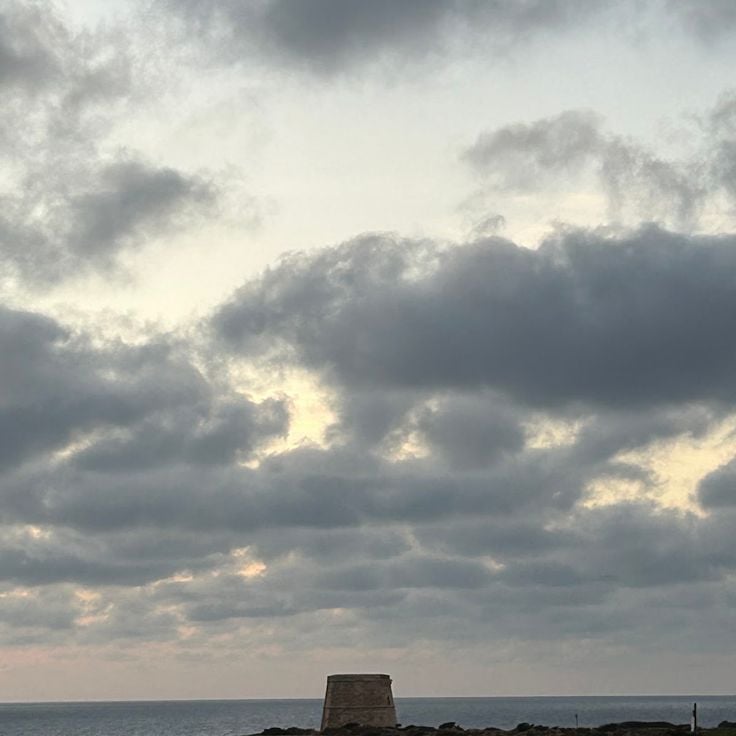
Torre de sa Punta Prima is an old stone defensive structure built on a rocky cape on Formentera. This historical tower allows visitors to look out over the Mediterranean coast and the surrounding waters. It stands where the rocky landscape meets the sea, offering views of the natural beauty of this southern region of the Balearic Islands.
Punta Pedrera is a geological site on Formentera where the waves have shaped the limestone for many years. The rocks have features created by the sea. At this spot, you can see how water and time slowly change the stone. The surfaces are rough and uneven, with cracks and holes made by the ocean. Walking here means seeing how nature keeps working on the rock every day.
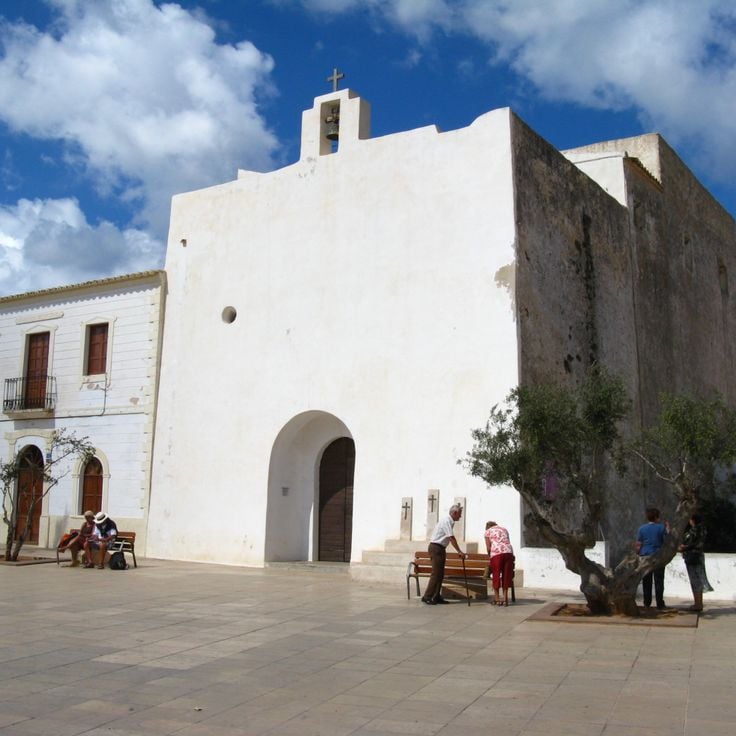
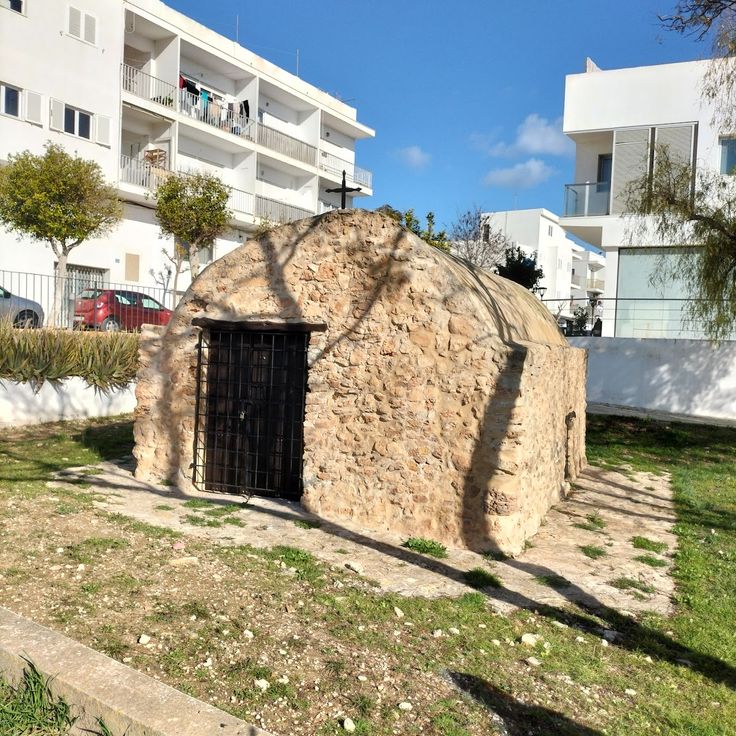
This church on Formentera is the religious center of the island. The building has a simple architecture, typical of local churches. Next to the church there is a green space where people gather and spend time. The structure fits perfectly with the slow pace of life on Formentera. It tells the story of the island and its maritime past.
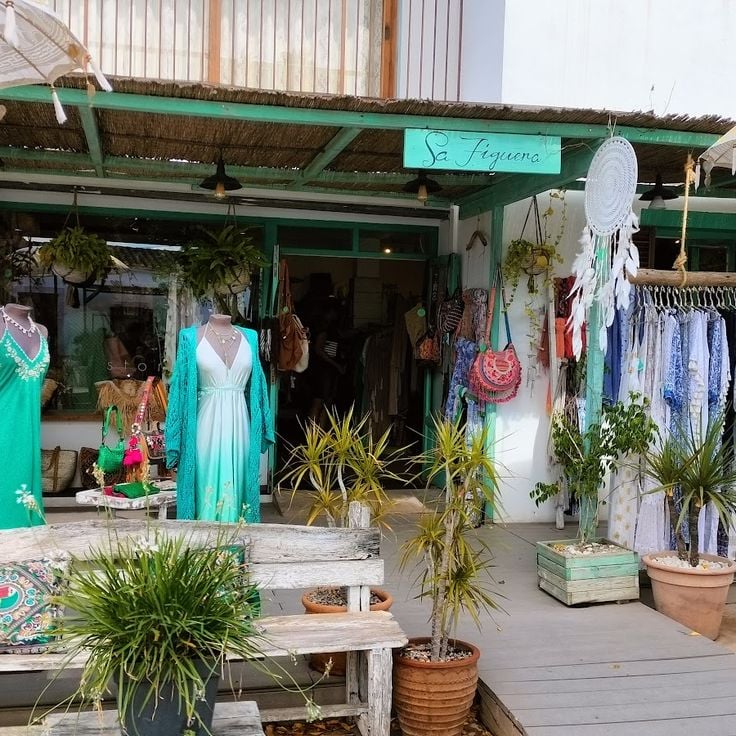
The Hippiemarket La Mola is a weekly market on Formentera that has drawn craftspeople since the 1970s. Here, artisans sell handmade jewelry, clothing, and art objects. The market reflects the island's history, where a vibrant creative community has grown over the decades. Visitors can wander between stalls, discover the work of local craftspeople, and experience the relaxed feel of this gathering place.
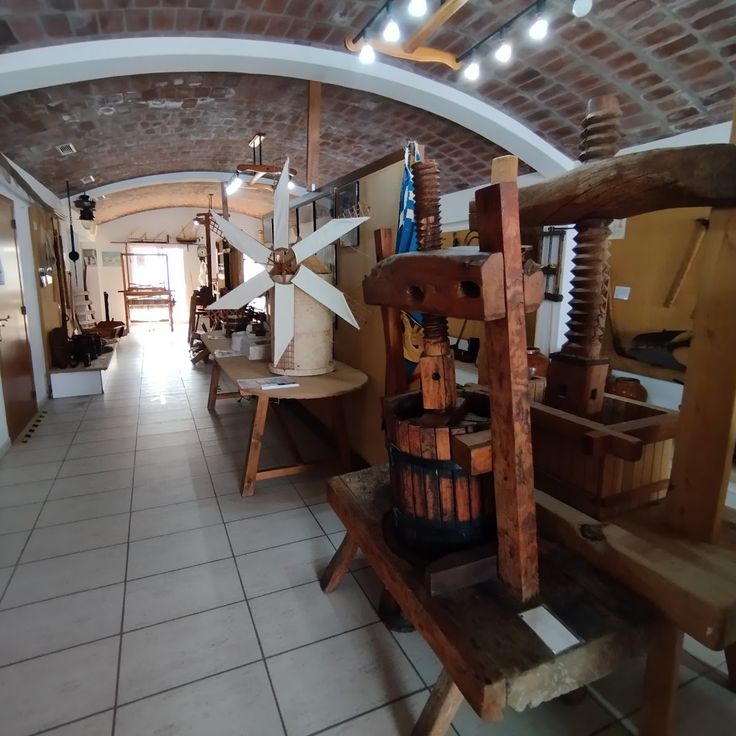
The Ethnological Museum of Formentera is housed in a former school building and displays objects and documents that tell the story of daily life for island residents across centuries. The collection features traditional crafts, fishing methods, and household customs that shaped life on the island. Visitors can see old tools, textiles, and personal items that show how people here lived and their connections to nature and the sea. The museum offers insight into Formentera's maritime traditions and rural ways of life.
Ca Na Costa is a burial site on Formentera with roots reaching back over 4000 years. The site consists of eleven stone slabs standing upright, forming a central chamber accessible through a passageway. This tomb shows how early inhabitants of the island honored their dead and their connection to the sea and earth. The location sits among Formentera's varied landscapes, linking the island's ancient history to its current shores and rocky terrain.
Calo de S'Oli on Formentera is a rocky inlet with clear water, surrounded by pine trees. A short walk from the main road brings you to this sheltered spot, where you can experience the sea in a more natural setting. The water here lets you see the marine life around the rocks, and the pine trees overhead provide shade for visitors seeking a quieter alternative to the busier beaches.
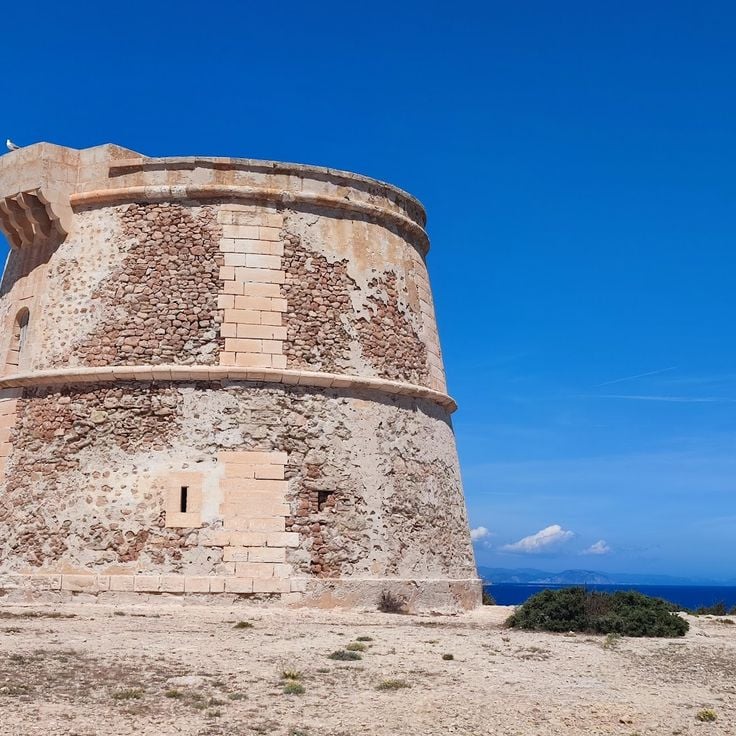
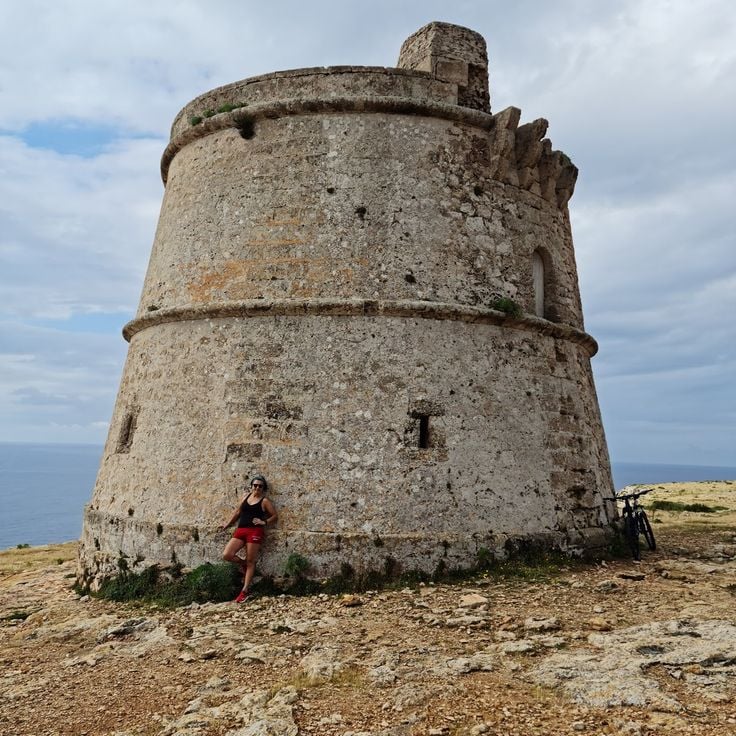
This 18th-century watchtower stands on a cliff in Formentera and is part of the island's maritime history. Built from stone, this defensive tower was used to observe ships at sea and send signals. From this location, you can look out over the Mediterranean and see the rugged coastline that defines Formentera. The tower tells the story of a time when lookouts watched the waters and protected the island from threats.
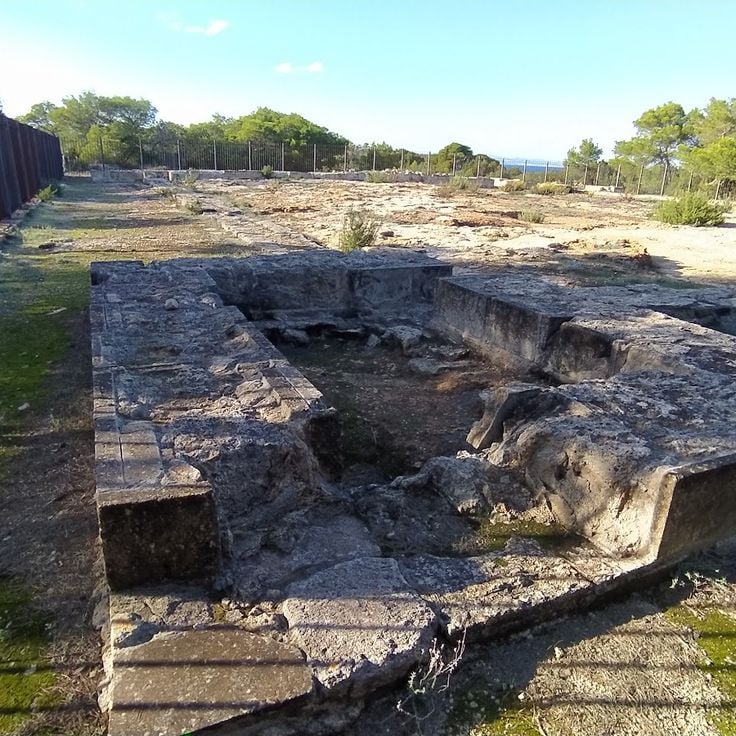
The Castellum Romanum de Can Blei is a Roman military fort from the 3rd century located on Formentera. The ruins still display stone walls, foundations, and traces of ancient military construction. This fortress stood as a guardian post when Rome controlled Mediterranean waters and built such strongholds to protect harbors and settlements. Walking among these remains, you can picture soldiers keeping watch and scanning the coastline. The site connects visitors to the ancient past, showing how this island served as a strategic point along Roman trade and defense routes.
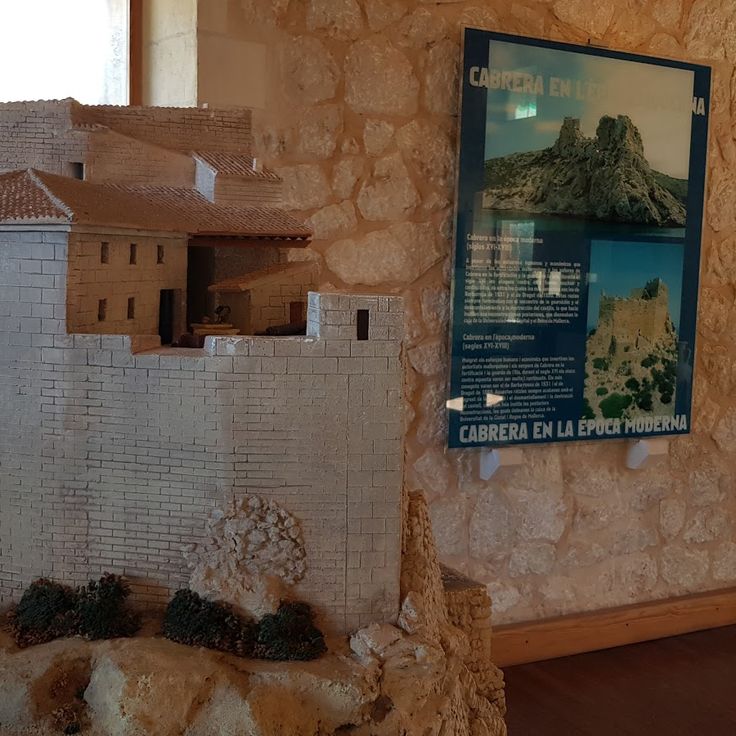
The Musée Cabrera Es Celler presents the natural world of Formentera. Inside a former wine cellar, the museum displays plants and animals that live on the island. Visitors can learn about the different species found in this Mediterranean region and how they adapt to their environment. The collection helps visitors understand the natural systems that shape island life.
The Torre de Sa Gavina is an 18th century watchtower built in stone on a rocky promontory facing the Mediterranean Sea. This military tower once stood as part of Formentera's coastal defense system. From its elevated position, visitors can take in wide views across the water. The tower is a tangible reminder of the island's maritime past, when structures like this protected the coast from threats at sea. Today, it remains a striking landmark that connects modern visitors to Formentera's seafaring heritage.
Sa Tanca Vella is a church from the 19th century on Formentera with white walls and a bell tower. It displays the characteristic building style of religious structures on the Balearic Islands. This church stands in the landscape of an island known for its white sand beaches, rocky coves, and historical lighthouses. The building is part of Formentera's story, which speaks to its maritime past.
Playa Sa Roqueta is a beach on Formentera with fine sand nestled between rocky formations. The water here is shallow and the beach stays quiet since you can only reach it on foot. This small beach is part of Formentera's varied coastline, where rocks, sand, and clear water come together to create places that reveal themselves slowly as you explore.
Ses Illetes is a beach on Formentera stretching 450 meters with soft white sand and transparent water. A wooden path runs along the coast toward the port. The beach is part of the Ses Salines nature reserve and displays the sandbanks that emerge from the turquoise sea. The clear water lets you see the marine life around the rocks. You can walk here and explore the sheltered coves that line the shore.
S'Espalmador is an uninhabited island off the coast of Formentera with natural mud pools and a beach accessible on foot at low tide. The clear water and sandy shores make this a special destination for visitors seeking solitude. You can walk on the sandbars that emerge from the turquoise sea when the tide goes out and explore the undisturbed nature of this small island. The natural mud pools invite you to relax and offer a distinctive experience in the heart of nature.
Migjorn stretches for several kilometers and is one of Formentera's longest beaches. The sand shifts between light and reddish tones depending on the section. In some places, rock formations give the coastline character. Along the shore stand traditional stone boat shelters that tell of the island's long connection to fishing. The beach offers different kinds of areas: some are wider and more open, others have more rock formations. Those who come here can walk at leisure, wade into the water, or simply enjoy views of the Mediterranean.
The La Mola lighthouse sits on a hilltop in eastern Formentera, overlooking the Mediterranean Sea. This white cylindrical tower was built in 1861 and served for many years as a navigation aid for ships. From the tower, you can see across the coastline and observe the various beaches and coves that make up the island. Near the lighthouse, a restaurant and small shop welcome visitors who want to rest and take in the views. The lighthouse stands as part of Formentera's maritime heritage, marking an important point in the island's history.
Es Arenals is a beach on Formentera that stretches for about 1 kilometer between two rocky headlands. The water deepens gradually as you walk out. The sand is white and fine, inviting you to stroll along the shore and explore the coastline. Like many places on this island, Es Arenals shows the way sand, rock, and sea come together to create the landscape that makes Formentera what it is.
This cove at Formentera features rocky formations that jut into the water and deep, turquoise-tinted waters that invite exploration. The clear water reveals rock formations and the marine life below. It is a place where rock and sea meet to create a raw, natural coastline.
Cala Saona is a beach on Formentera with reddish sand and clear water that reveals the life below the surface. Traditional wooden fishing huts line the cove, giving the place its distinctive character. The bay forms a natural shelter from the open sea. The beach invites you to walk slowly and enjoy the quiet surroundings.
Playa es Pujols on Formentera is a sandy beach with white sand and clear water. The water here is clean and inviting for swimming, though during summer months, jellyfish appear regularly along the shore. This beach is part of Formentera's varied coastline, where sandy shores, rocky coves, and historic lighthouses shape the island's character.
Llevant Beach is a long expanse of fine white sand bordering calm waters with a gently sloping seafloor. This beach is part of Formentera's coastline, where sandy stretches, rocky coves, and maritime history shape the character of the island. Visitors find a place to spend time where the water stays clear and the shoreline feels unspoiled by development.
Ses Salines Natural Park in Formentera is a protected area with salt marshes and lagoons where flamingos and many other bird species live. The park reveals the salty side of the island and offers visitors the chance to observe nature up close. Narrow paths wind through the landscape, and by walking slowly, you can watch the birds going about their days.
The lighthouse at Cabo de Berberia rises on a cliff in southern Formentera and commands views of the Mediterranean. This white structure from the early 20th century stands above the sea and marks an important point along the coast. From here, visitors can take in the coastline and the waters beyond. Nearby, natural forces have carved a cave into the rock that invites exploration.
Cavall d'en Borràs is a beach section within the Ses Salines Natural Park on Formentera, accessible directly from the road. This spot features fine sand and straightforward access to the Mediterranean waters. The beach stretches across a comfortable distance, allowing visitors to explore the salt marshes and the rich underwater life of this protected area. From the shore, walkers can venture along coastal paths to discover the rocky coves and the historic lighthouses that dot the island.
Ses Canyes is a stretch of coast on Formentera that shifts between rocky formations and natural white sand. Located about 500 meters north of Es Pujols center, this spot offers a calm way to reach the sea. Visitors can walk between stones and sandy beach, discovering how the Mediterranean shoreline changes from place to place across the island.
Ses Platgetes consists of three small coves that form a sheltered section of Formentera's coastline. The beaches feature soft white sand backed by natural dunes that break the wind and create calm conditions. These coves are part of Formentera's varied landscape of sandy beaches, rocky inlets, and historic lighthouses. The water is clear enough to see marine life around the rocks, and the protected setting makes these coves a pleasant place to swim and rest away from stronger winds.
Es Codol Foradat is a sandy stretch along Formentera's coast where fine sand meets rocky outcrops at both ends. This beach fits into the island's varied coastline, where sand, stone, and clear water come together. The water here is transparent, allowing you to see the marine life below. The beach offers a quiet place to rest, tucked between water and rock formations, away from the busier spots on the island.
Es Vogamarí is a beach on Formentera with fine sand stretching about 150 meters along the shore. Rocks and dunes line the water's edge. The water deepens quickly as you wade in from the beach. This beach fits naturally into Formentera's collection of white sand beaches, rocky coves, and maritime heritage. You can relax in the sand, explore the surrounding rocks, or watch the water's clarity as you stand at the shore.
Ca Marí is a beach on Formentera that offers showers, restaurants, and parasol rentals. The beach provides direct access to a parking lot for vehicles. It is a place where visitors can find all the necessary facilities to spend a day by the water. The sand is white and fine, and the water invites you to swim. This beach fits perfectly into Formentera's range of different coastal types, where you can rest and enjoy proximity to the sea.
La Savina port is Formentera's main gateway, connecting the island to Ibiza with regular ferry service and pleasure boats. It is the first place most visitors see when they arrive. The harbor comes alive when ferries dock, with activity around the docks and along the quays. Local fishermen work alongside modern vessels, and the waterfront is lined with small shops and cafés where people gather. Walking from the port into the island, you quickly reach the white sand beaches and rocky coves that Formentera is known for. This port serves as the starting point for exploring the island's natural beauty.
The La Savina lighthouse stands in Formentera's main harbor and serves as a navigation point for ships. This maritime structure has long guided helicopters as an orientation marker. The lighthouse is an important part of the island's maritime history, showing how Formentera has been connected to the sea over the centuries. From here you can watch the busy harbor and understand the relationship between the island and the ocean.
Torre de sa Punta Prima is an old stone defensive structure built on a rocky cape on Formentera. This historical tower allows visitors to look out over the Mediterranean coast and the surrounding waters. It stands where the rocky landscape meets the sea, offering views of the natural beauty of this southern region of the Balearic Islands.
Punta Pedrera is a geological site on Formentera where the waves have shaped the limestone for many years. The rocks have features created by the sea. At this spot, you can see how water and time slowly change the stone. The surfaces are rough and uneven, with cracks and holes made by the ocean. Walking here means seeing how nature keeps working on the rock every day.
This church on Formentera is the religious center of the island. The building has a simple architecture, typical of local churches. Next to the church there is a green space where people gather and spend time. The structure fits perfectly with the slow pace of life on Formentera. It tells the story of the island and its maritime past.
The Hippiemarket La Mola is a weekly market on Formentera that has drawn craftspeople since the 1970s. Here, artisans sell handmade jewelry, clothing, and art objects. The market reflects the island's history, where a vibrant creative community has grown over the decades. Visitors can wander between stalls, discover the work of local craftspeople, and experience the relaxed feel of this gathering place.
The Ethnological Museum of Formentera is housed in a former school building and displays objects and documents that tell the story of daily life for island residents across centuries. The collection features traditional crafts, fishing methods, and household customs that shaped life on the island. Visitors can see old tools, textiles, and personal items that show how people here lived and their connections to nature and the sea. The museum offers insight into Formentera's maritime traditions and rural ways of life.
Ca Na Costa is a burial site on Formentera with roots reaching back over 4000 years. The site consists of eleven stone slabs standing upright, forming a central chamber accessible through a passageway. This tomb shows how early inhabitants of the island honored their dead and their connection to the sea and earth. The location sits among Formentera's varied landscapes, linking the island's ancient history to its current shores and rocky terrain.
Calo de S'Oli on Formentera is a rocky inlet with clear water, surrounded by pine trees. A short walk from the main road brings you to this sheltered spot, where you can experience the sea in a more natural setting. The water here lets you see the marine life around the rocks, and the pine trees overhead provide shade for visitors seeking a quieter alternative to the busier beaches.
This 18th-century watchtower stands on a cliff in Formentera and is part of the island's maritime history. Built from stone, this defensive tower was used to observe ships at sea and send signals. From this location, you can look out over the Mediterranean and see the rugged coastline that defines Formentera. The tower tells the story of a time when lookouts watched the waters and protected the island from threats.
The Castellum Romanum de Can Blei is a Roman military fort from the 3rd century located on Formentera. The ruins still display stone walls, foundations, and traces of ancient military construction. This fortress stood as a guardian post when Rome controlled Mediterranean waters and built such strongholds to protect harbors and settlements. Walking among these remains, you can picture soldiers keeping watch and scanning the coastline. The site connects visitors to the ancient past, showing how this island served as a strategic point along Roman trade and defense routes.
The Musée Cabrera Es Celler presents the natural world of Formentera. Inside a former wine cellar, the museum displays plants and animals that live on the island. Visitors can learn about the different species found in this Mediterranean region and how they adapt to their environment. The collection helps visitors understand the natural systems that shape island life.
The Torre de Sa Gavina is an 18th century watchtower built in stone on a rocky promontory facing the Mediterranean Sea. This military tower once stood as part of Formentera's coastal defense system. From its elevated position, visitors can take in wide views across the water. The tower is a tangible reminder of the island's maritime past, when structures like this protected the coast from threats at sea. Today, it remains a striking landmark that connects modern visitors to Formentera's seafaring heritage.
Sa Tanca Vella is a church from the 19th century on Formentera with white walls and a bell tower. It displays the characteristic building style of religious structures on the Balearic Islands. This church stands in the landscape of an island known for its white sand beaches, rocky coves, and historical lighthouses. The building is part of Formentera's story, which speaks to its maritime past.
Playa Sa Roqueta is a beach on Formentera with fine sand nestled between rocky formations. The water here is shallow and the beach stays quiet since you can only reach it on foot. This small beach is part of Formentera's varied coastline, where rocks, sand, and clear water come together to create places that reveal themselves slowly as you explore.
Ses Illetes is a beach on Formentera stretching 450 meters with soft white sand and transparent water. A wooden path runs along the coast toward the port. The beach is part of the Ses Salines nature reserve and displays the sandbanks that emerge from the turquoise sea. The clear water lets you see the marine life around the rocks. You can walk here and explore the sheltered coves that line the shore.
S'Espalmador is an uninhabited island off the coast of Formentera with natural mud pools and a beach accessible on foot at low tide. The clear water and sandy shores make this a special destination for visitors seeking solitude. You can walk on the sandbars that emerge from the turquoise sea when the tide goes out and explore the undisturbed nature of this small island. The natural mud pools invite you to relax and offer a distinctive experience in the heart of nature.
Migjorn stretches for several kilometers and is one of Formentera's longest beaches. The sand shifts between light and reddish tones depending on the section. In some places, rock formations give the coastline character. Along the shore stand traditional stone boat shelters that tell of the island's long connection to fishing. The beach offers different kinds of areas: some are wider and more open, others have more rock formations. Those who come here can walk at leisure, wade into the water, or simply enjoy views of the Mediterranean.
The La Mola lighthouse sits on a hilltop in eastern Formentera, overlooking the Mediterranean Sea. This white cylindrical tower was built in 1861 and served for many years as a navigation aid for ships. From the tower, you can see across the coastline and observe the various beaches and coves that make up the island. Near the lighthouse, a restaurant and small shop welcome visitors who want to rest and take in the views. The lighthouse stands as part of Formentera's maritime heritage, marking an important point in the island's history.
Es Arenals is a beach on Formentera that stretches for about 1 kilometer between two rocky headlands. The water deepens gradually as you walk out. The sand is white and fine, inviting you to stroll along the shore and explore the coastline. Like many places on this island, Es Arenals shows the way sand, rock, and sea come together to create the landscape that makes Formentera what it is.
This cove at Formentera features rocky formations that jut into the water and deep, turquoise-tinted waters that invite exploration. The clear water reveals rock formations and the marine life below. It is a place where rock and sea meet to create a raw, natural coastline.
Cala Saona is a beach on Formentera with reddish sand and clear water that reveals the life below the surface. Traditional wooden fishing huts line the cove, giving the place its distinctive character. The bay forms a natural shelter from the open sea. The beach invites you to walk slowly and enjoy the quiet surroundings.
Playa es Pujols on Formentera is a sandy beach with white sand and clear water. The water here is clean and inviting for swimming, though during summer months, jellyfish appear regularly along the shore. This beach is part of Formentera's varied coastline, where sandy shores, rocky coves, and historic lighthouses shape the island's character.
Llevant Beach is a long expanse of fine white sand bordering calm waters with a gently sloping seafloor. This beach is part of Formentera's coastline, where sandy stretches, rocky coves, and maritime history shape the character of the island. Visitors find a place to spend time where the water stays clear and the shoreline feels unspoiled by development.
Ses Salines Natural Park in Formentera is a protected area with salt marshes and lagoons where flamingos and many other bird species live. The park reveals the salty side of the island and offers visitors the chance to observe nature up close. Narrow paths wind through the landscape, and by walking slowly, you can watch the birds going about their days.
The lighthouse at Cabo de Berberia rises on a cliff in southern Formentera and commands views of the Mediterranean. This white structure from the early 20th century stands above the sea and marks an important point along the coast. From here, visitors can take in the coastline and the waters beyond. Nearby, natural forces have carved a cave into the rock that invites exploration.
Cavall d'en Borràs is a beach section within the Ses Salines Natural Park on Formentera, accessible directly from the road. This spot features fine sand and straightforward access to the Mediterranean waters. The beach stretches across a comfortable distance, allowing visitors to explore the salt marshes and the rich underwater life of this protected area. From the shore, walkers can venture along coastal paths to discover the rocky coves and the historic lighthouses that dot the island.
Ses Canyes is a stretch of coast on Formentera that shifts between rocky formations and natural white sand. Located about 500 meters north of Es Pujols center, this spot offers a calm way to reach the sea. Visitors can walk between stones and sandy beach, discovering how the Mediterranean shoreline changes from place to place across the island.
Ses Platgetes consists of three small coves that form a sheltered section of Formentera's coastline. The beaches feature soft white sand backed by natural dunes that break the wind and create calm conditions. These coves are part of Formentera's varied landscape of sandy beaches, rocky inlets, and historic lighthouses. The water is clear enough to see marine life around the rocks, and the protected setting makes these coves a pleasant place to swim and rest away from stronger winds.
Es Codol Foradat is a sandy stretch along Formentera's coast where fine sand meets rocky outcrops at both ends. This beach fits into the island's varied coastline, where sand, stone, and clear water come together. The water here is transparent, allowing you to see the marine life below. The beach offers a quiet place to rest, tucked between water and rock formations, away from the busier spots on the island.
Es Vogamarí is a beach on Formentera with fine sand stretching about 150 meters along the shore. Rocks and dunes line the water's edge. The water deepens quickly as you wade in from the beach. This beach fits naturally into Formentera's collection of white sand beaches, rocky coves, and maritime heritage. You can relax in the sand, explore the surrounding rocks, or watch the water's clarity as you stand at the shore.
Ca Marí is a beach on Formentera that offers showers, restaurants, and parasol rentals. The beach provides direct access to a parking lot for vehicles. It is a place where visitors can find all the necessary facilities to spend a day by the water. The sand is white and fine, and the water invites you to swim. This beach fits perfectly into Formentera's range of different coastal types, where you can rest and enjoy proximity to the sea.
La Savina port is Formentera's main gateway, connecting the island to Ibiza with regular ferry service and pleasure boats. It is the first place most visitors see when they arrive. The harbor comes alive when ferries dock, with activity around the docks and along the quays. Local fishermen work alongside modern vessels, and the waterfront is lined with small shops and cafés where people gather. Walking from the port into the island, you quickly reach the white sand beaches and rocky coves that Formentera is known for. This port serves as the starting point for exploring the island's natural beauty.
The La Savina lighthouse stands in Formentera's main harbor and serves as a navigation point for ships. This maritime structure has long guided helicopters as an orientation marker. The lighthouse is an important part of the island's maritime history, showing how Formentera has been connected to the sea over the centuries. From here you can watch the busy harbor and understand the relationship between the island and the ocean.
Torre de sa Punta Prima is an old stone defensive structure built on a rocky cape on Formentera. This historical tower allows visitors to look out over the Mediterranean coast and the surrounding waters. It stands where the rocky landscape meets the sea, offering views of the natural beauty of this southern region of the Balearic Islands.
Punta Pedrera is a geological site on Formentera where the waves have shaped the limestone for many years. The rocks have features created by the sea. At this spot, you can see how water and time slowly change the stone. The surfaces are rough and uneven, with cracks and holes made by the ocean. Walking here means seeing how nature keeps working on the rock every day.
This church on Formentera is the religious center of the island. The building has a simple architecture, typical of local churches. Next to the church there is a green space where people gather and spend time. The structure fits perfectly with the slow pace of life on Formentera. It tells the story of the island and its maritime past.
The Hippiemarket La Mola is a weekly market on Formentera that has drawn craftspeople since the 1970s. Here, artisans sell handmade jewelry, clothing, and art objects. The market reflects the island's history, where a vibrant creative community has grown over the decades. Visitors can wander between stalls, discover the work of local craftspeople, and experience the relaxed feel of this gathering place.
The Ethnological Museum of Formentera is housed in a former school building and displays objects and documents that tell the story of daily life for island residents across centuries. The collection features traditional crafts, fishing methods, and household customs that shaped life on the island. Visitors can see old tools, textiles, and personal items that show how people here lived and their connections to nature and the sea. The museum offers insight into Formentera's maritime traditions and rural ways of life.
Ca Na Costa is a burial site on Formentera with roots reaching back over 4000 years. The site consists of eleven stone slabs standing upright, forming a central chamber accessible through a passageway. This tomb shows how early inhabitants of the island honored their dead and their connection to the sea and earth. The location sits among Formentera's varied landscapes, linking the island's ancient history to its current shores and rocky terrain.
Calo de S'Oli on Formentera is a rocky inlet with clear water, surrounded by pine trees. A short walk from the main road brings you to this sheltered spot, where you can experience the sea in a more natural setting. The water here lets you see the marine life around the rocks, and the pine trees overhead provide shade for visitors seeking a quieter alternative to the busier beaches.
This 18th-century watchtower stands on a cliff in Formentera and is part of the island's maritime history. Built from stone, this defensive tower was used to observe ships at sea and send signals. From this location, you can look out over the Mediterranean and see the rugged coastline that defines Formentera. The tower tells the story of a time when lookouts watched the waters and protected the island from threats.
The Castellum Romanum de Can Blei is a Roman military fort from the 3rd century located on Formentera. The ruins still display stone walls, foundations, and traces of ancient military construction. This fortress stood as a guardian post when Rome controlled Mediterranean waters and built such strongholds to protect harbors and settlements. Walking among these remains, you can picture soldiers keeping watch and scanning the coastline. The site connects visitors to the ancient past, showing how this island served as a strategic point along Roman trade and defense routes.
The Musée Cabrera Es Celler presents the natural world of Formentera. Inside a former wine cellar, the museum displays plants and animals that live on the island. Visitors can learn about the different species found in this Mediterranean region and how they adapt to their environment. The collection helps visitors understand the natural systems that shape island life.
The Torre de Sa Gavina is an 18th century watchtower built in stone on a rocky promontory facing the Mediterranean Sea. This military tower once stood as part of Formentera's coastal defense system. From its elevated position, visitors can take in wide views across the water. The tower is a tangible reminder of the island's maritime past, when structures like this protected the coast from threats at sea. Today, it remains a striking landmark that connects modern visitors to Formentera's seafaring heritage.
Sa Tanca Vella is a church from the 19th century on Formentera with white walls and a bell tower. It displays the characteristic building style of religious structures on the Balearic Islands. This church stands in the landscape of an island known for its white sand beaches, rocky coves, and historical lighthouses. The building is part of Formentera's story, which speaks to its maritime past.
Playa Sa Roqueta is a beach on Formentera with fine sand nestled between rocky formations. The water here is shallow and the beach stays quiet since you can only reach it on foot. This small beach is part of Formentera's varied coastline, where rocks, sand, and clear water come together to create places that reveal themselves slowly as you explore.
The island hides less frequented spots if you explore beyond the main beaches. Renting a scooter or a car allows you to reach the small coves without having to walk long. A word of caution: the roads are narrow and winding, so drive slowly and look for the small signs that indicate access to the beaches.