See the monuments around you in AROpen chests in the app
Around Us is built for your phone — point your camera at the streets and discover the monuments and places around you in augmented reality.Around Us is built for your phone — chests unlock when you walk, explore and capture nearby places.
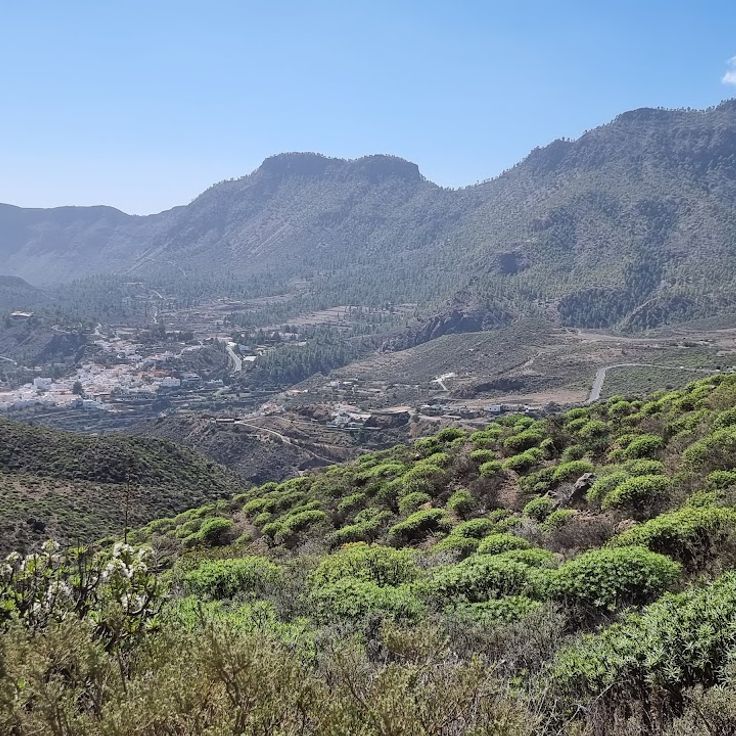
Gran Canaria offers a rich mix of places worth visiting, from golden sand dunes and sandy beaches to historic buildings and mountain views. This collection brings together the island's most important natural and cultural sites, showing you what makes Gran Canaria special. You will find volcanic landscapes carved by ancient eruptions, churches and forts built centuries ago, and coastal villages where life moves at an island pace. Whether you want to walk through towering rock formations, swim in clear waters, explore colonial architecture, or stand at high viewpoints overlooking the sea and mountains, these places tell the story of Gran Canaria's geography and history. Each site reveals something different about the island: some show how people have lived here for generations, others display the raw power of nature, and many combine both in unexpected ways.
Gran Canaria offers a rich mix of places worth visiting, from golden sand dunes and sandy beaches to historic buildings and mountain views. This collection brings together the island's most important natural and cultural sites, showing you what makes Gran Canaria special. You will find volcanic landscapes carved by ancient eruptions, churches and forts built centuries ago, and coastal villages where life moves at an island pace. Whether you want to walk through towering rock formations, swim in clear waters, explore colonial architecture, or stand at high viewpoints overlooking the sea and mountains, these places tell the story of Gran Canaria's geography and history. Each site reveals something different about the island: some show how people have lived here for generations, others display the raw power of nature, and many combine both in unexpected ways.
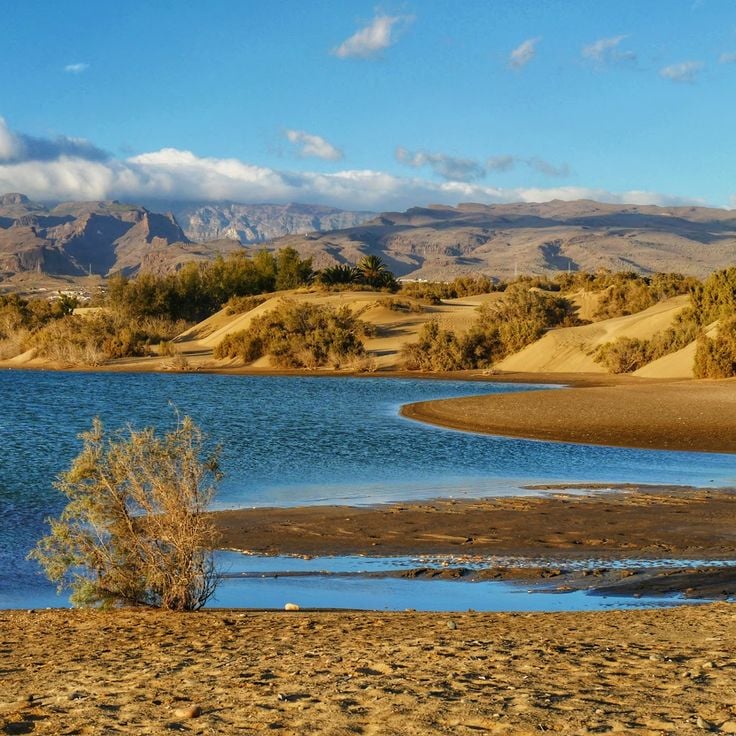
The Maspalomas Dunes are a natural reserve that shapes Gran Canaria's southern coast. This 400-hectare landscape shows how wind and water create vast expanses of sand right next to the sea. Here you walk across golden dunes that feel like a desert, then reach a wide beach where the ocean meets the shore. A shallow lagoon attracts water birds and other wildlife, while a palm grove provides shelter and shade in this otherwise open terrain. The place moves with the rhythm of nature, changing with the tides and seasons.
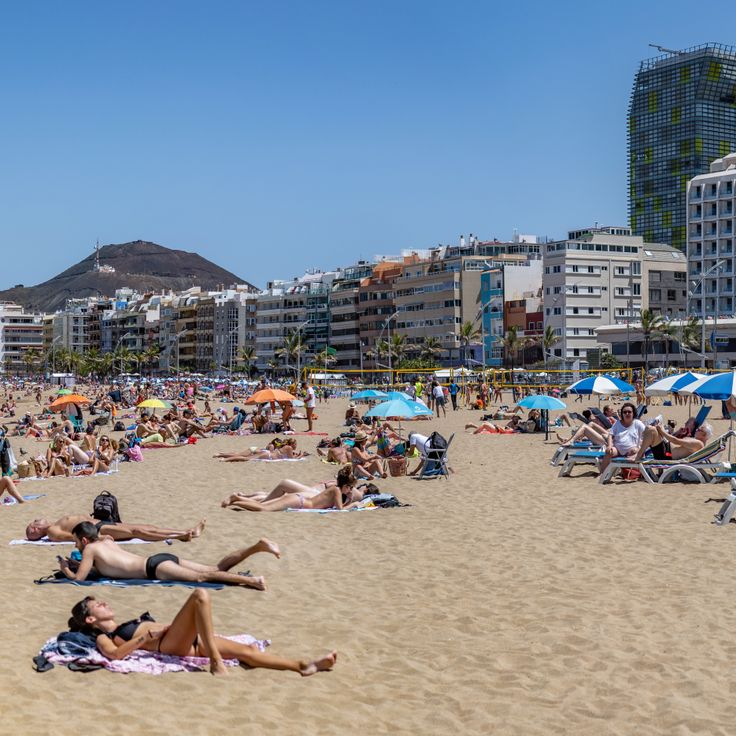
Las Canteras Beach is a major sandy shore that lines Las Palmas and fits within Gran Canaria's natural and cultural offerings. The beach stretches for three kilometers and is protected by a natural volcanic rock barrier that calms the waters. The sand is golden and fine. The reef area is home to diverse marine life. The beach merges the energy of the ocean with the quiet feel of a sheltered cove, showing how nature has shaped Gran Canaria's coastal landscapes.
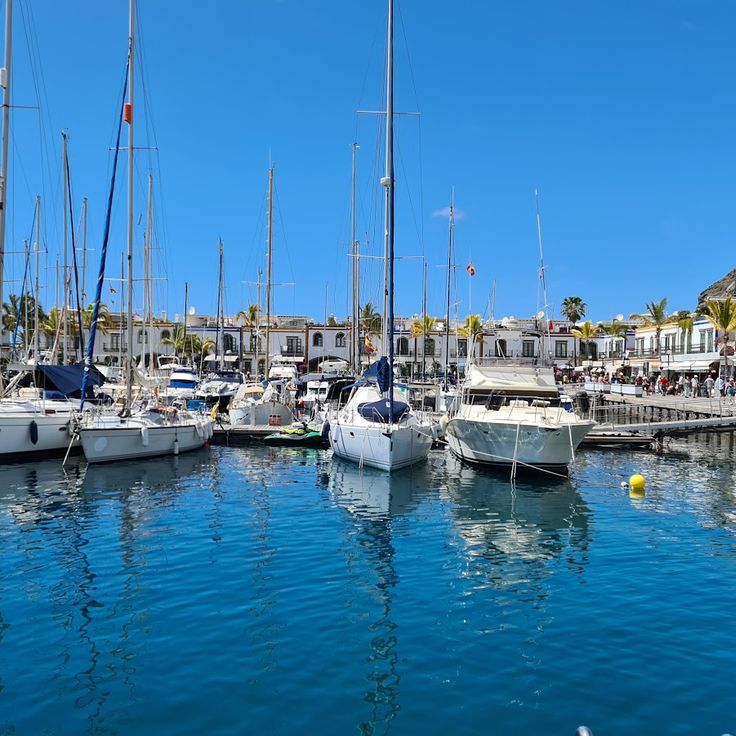
Puerto de Mogan fits into this collection as a place where you can see how island life is tied to the sea. The village has white-walled houses and a harbor where traditional fishing boats sit beside modern yachts. Narrow Mediterranean-style canals run through the settlement, showing a blend of old fishing traditions and contemporary tourism. Walking through, you notice the relaxed pace and how the harbor shapes daily life here.
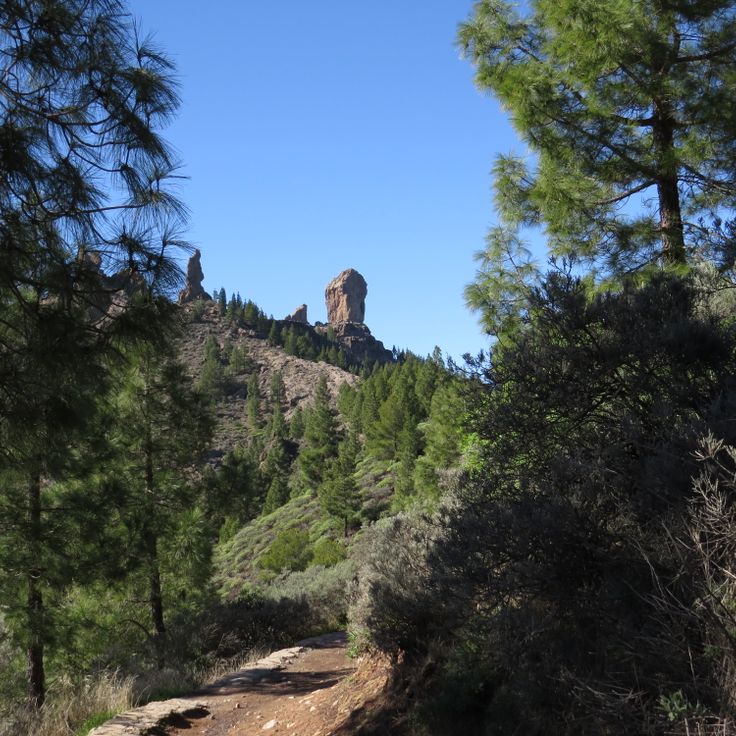
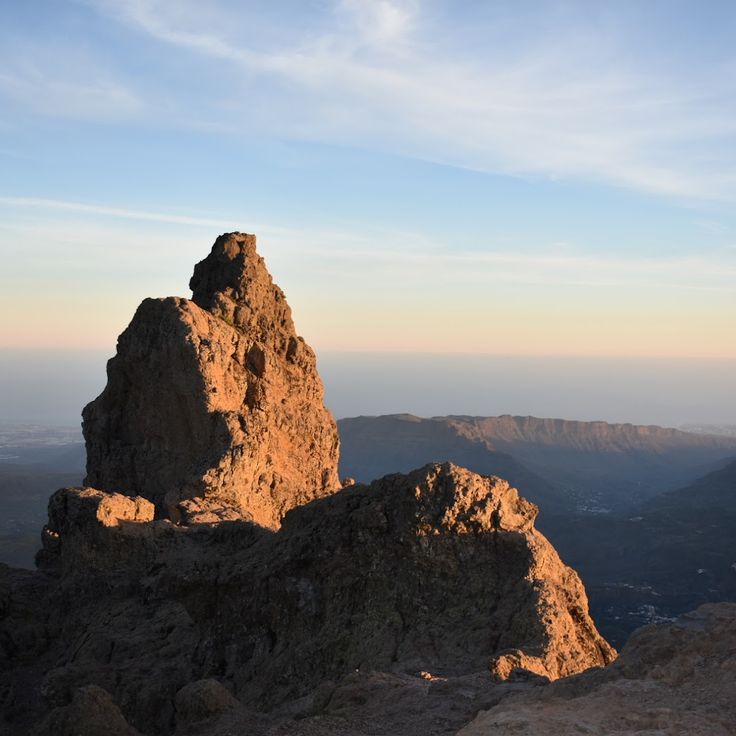
Roque Nublo is a volcanic rock formation rising 80 meters (262 feet) above ground in central Gran Canaria, perched at 1,814 meters (5,951 feet) above sea level. In this collection of Gran Canaria's most important natural and cultural sites, this formation stands as a symbol of the island's volcanic past. The site draws visitors who want to explore landscapes shaped by ancient eruptions and offers sweeping views across the mountains and coastline. Walking to the Roque Nublo shows how nature has carved the island over countless generations.
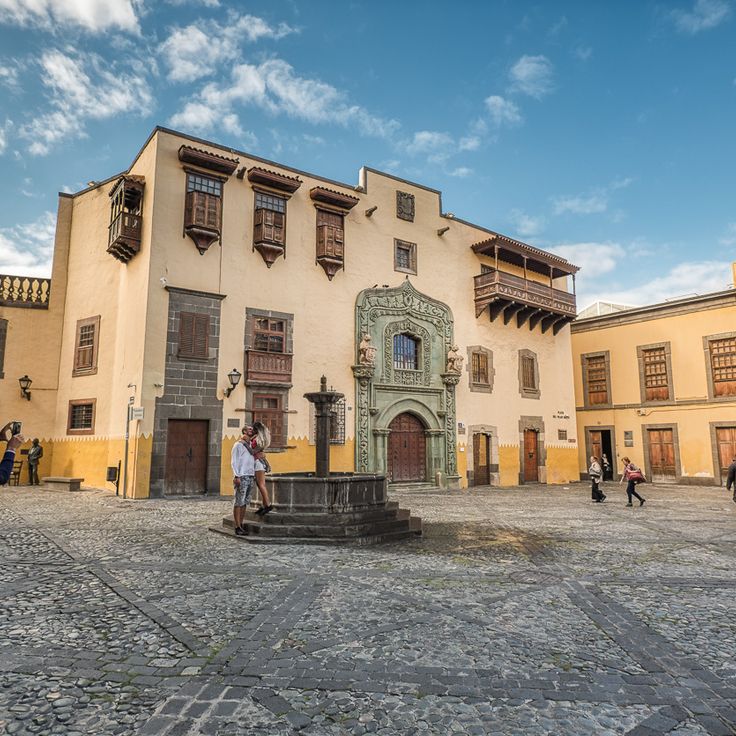
Casa de Colón in Las Palmas explores the links between Canarian and American cultures. The museum tells stories of two worlds that shaped each other across the ocean. Inside, you will find objects and exhibits that show how this exchange influenced life on the island and beyond.
Pico de las Nieves is the highest peak on Gran Canaria, reaching 1,950 meters. Within this collection of the island's natural and cultural sites, it stands as a landmark that shapes how locals and visitors understand the landscape. On clear days, you can see Mount Teide on Tenerife from the summit, showing how the island sits within a larger geography. The ascent takes you through different plant zones that reflect the island's natural character. From the top, you gain a sense of the island's scale and position in the Atlantic.
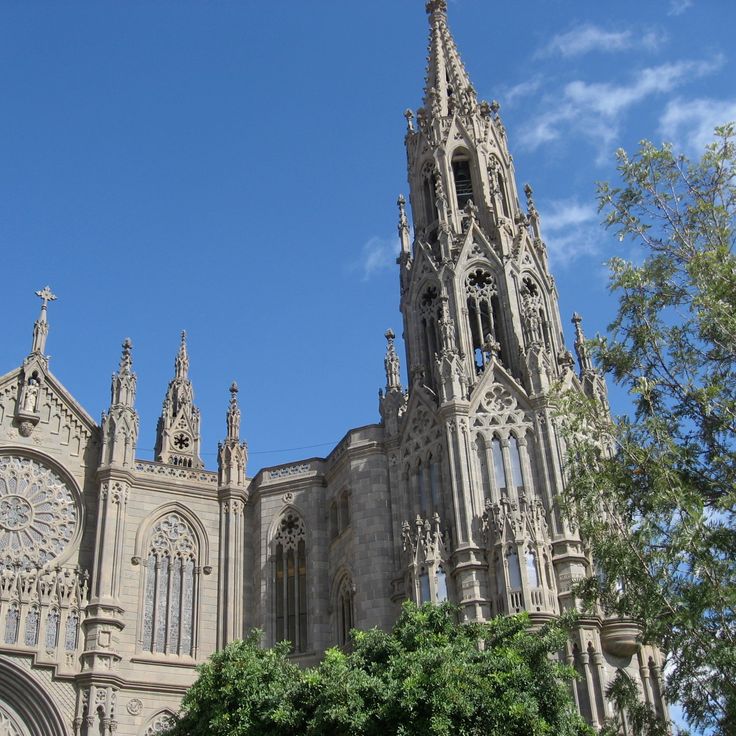
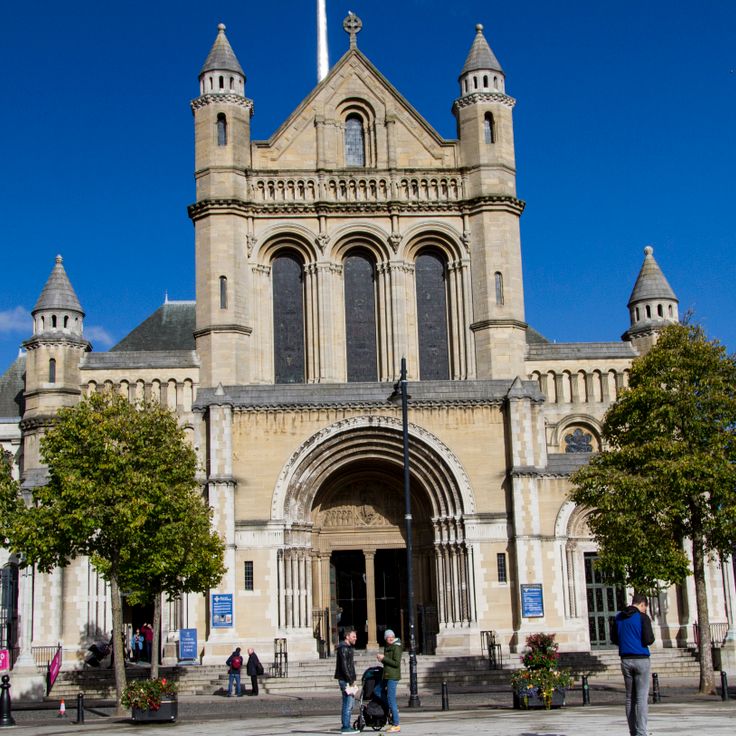
San Juan Bautista Church represents the religious architecture that shaped Gran Canaria. This church shows how people on the island built their faith communities over time. Constructed between 1909 and 1977, the building uses dark volcanic blocks from local quarries. Its towers rise 60 meters high and can be seen from far away.
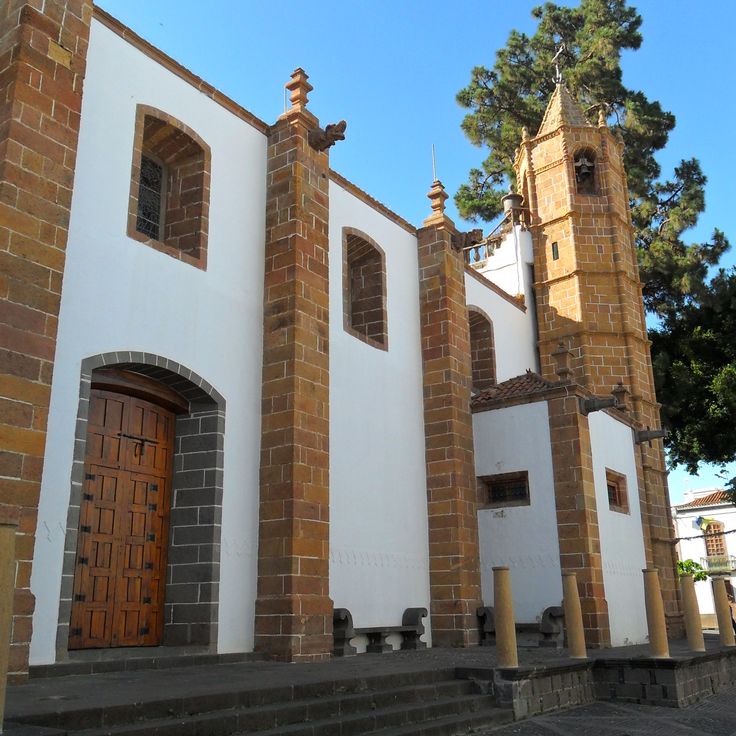
The Nuestra Señora del Pino Basilica is a neoclassical church built in the 18th century in Teror. With its twin towers, this basilica stands as one of the most important religious sites in the Canary Islands and tells the story of Gran Canaria's faith and heritage that has shaped island life for generations.
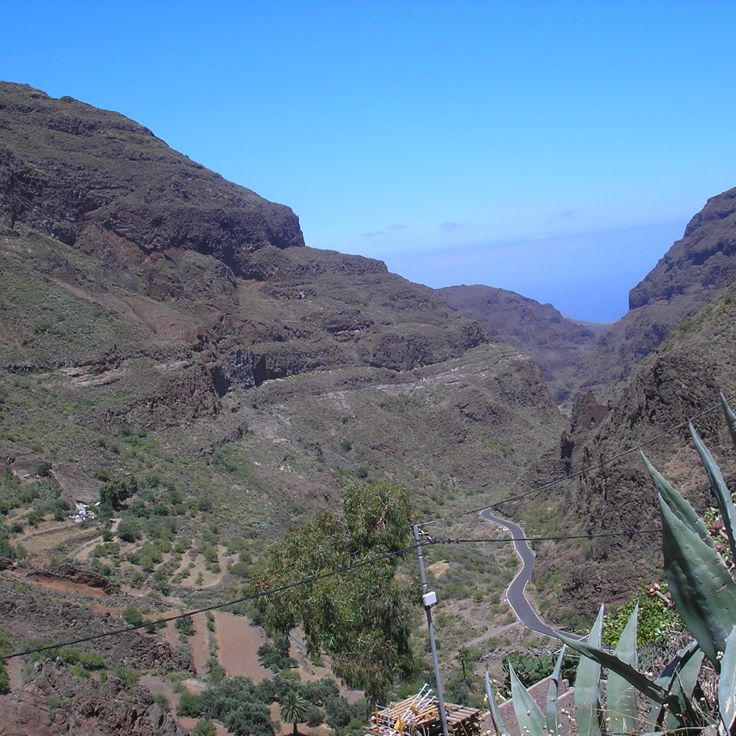
Guayadeque Ravine is a natural monument that tells the story of Gran Canaria's geological past. This 15-kilometer valley shows how water and volcanic forces have shaped the island's landscape over time. In its steep rock walls lie caves where the island's first inhabitants made their homes. Visitors who walk through this ravine see dramatic cliffs, vegetation along the stream, and evidence of how people adapted to life in this rugged terrain.
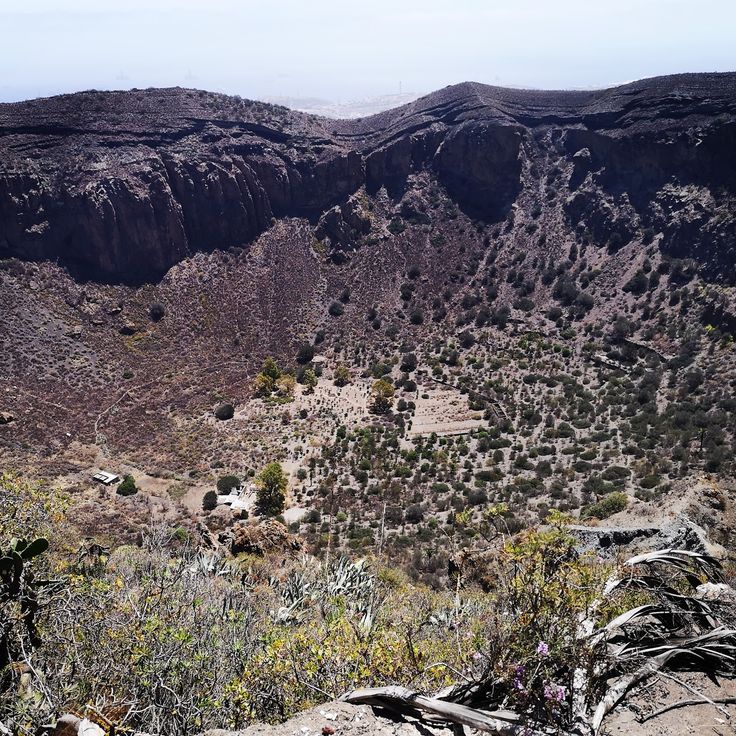
The Bandama Caldera is a volcanic crater that reveals Gran Canaria's geological story. With its large diameter and substantial depth, this crater offers insight into the volcanic landscapes that shaped the island. Visitors can explore the steep walls and look down into the crater to understand the power of the ancient eruptions that formed this place.
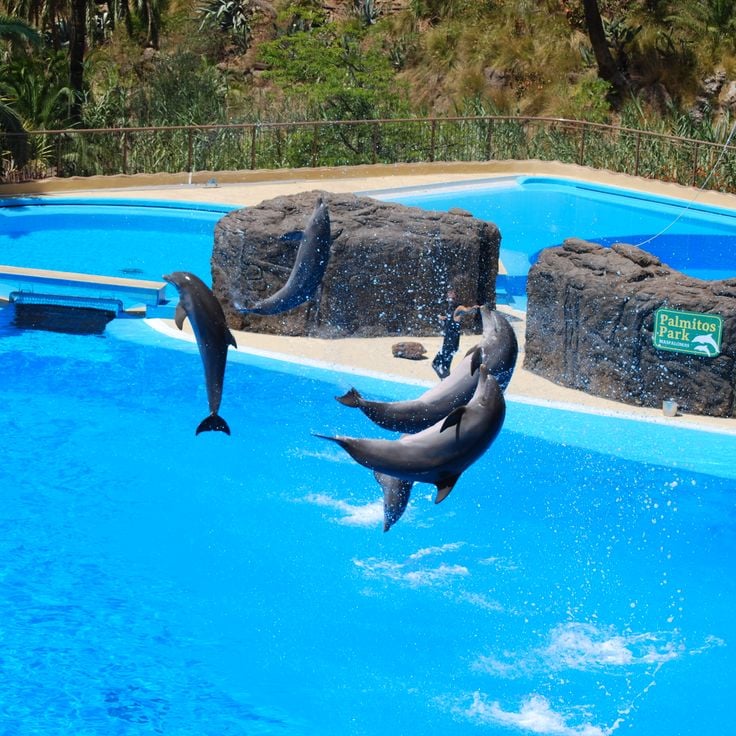
Palmitos Park in Maspalomas combines the natural diversity of Gran Canaria through collections of exotic birds, archipelago animals, and botanical gardens with over 2000 palm trees. The park allows visitors to experience the tropical and subtropical plant life of the region while observing animals in garden settings.
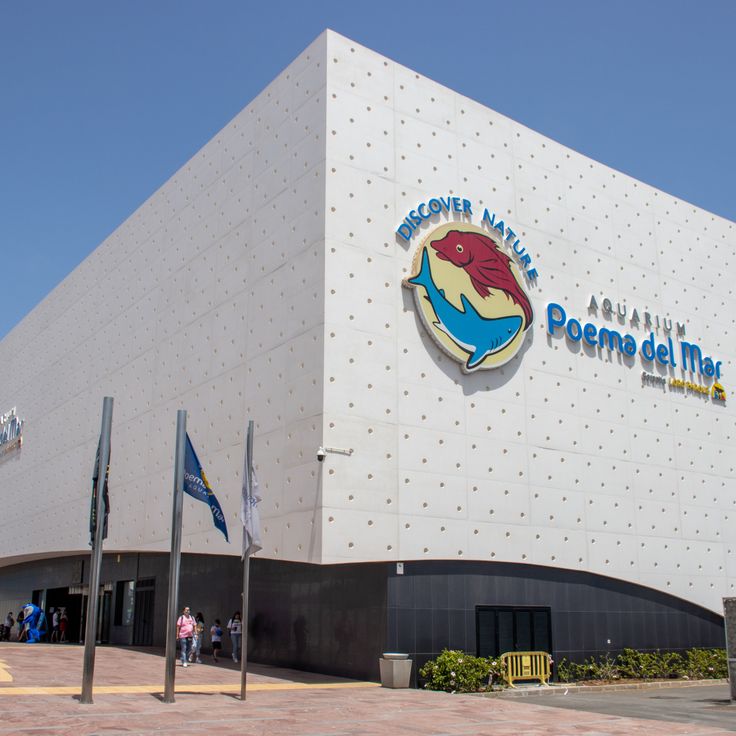
Poem of the Sea is an aquarium in Las Palmas where you can see marine life from the waters around Gran Canaria. The facility displays fish, corals, and other sea creatures in tanks designed to represent different ocean habitats. Walking through the spaces, you encounter animals from shallow reefs to deeper waters. This location connects to the collection because it reveals the natural underwater world that surrounds the island and helps visitors understand the sea's importance to Gran Canaria.
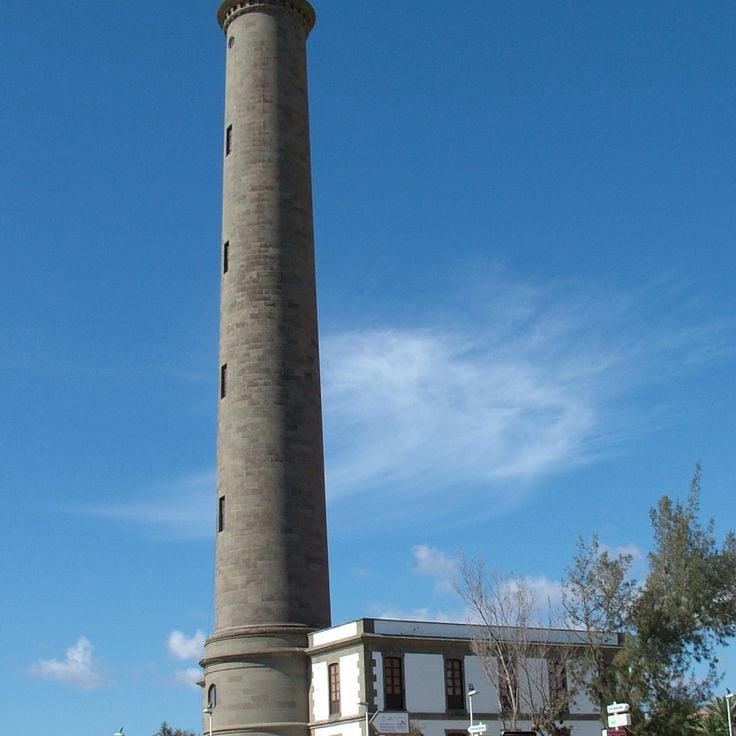
This lighthouse was built in 1890 and stands 56 meters tall between the beach and the natural dunes of Maspalomas. It is part of this collection of Gran Canaria's most important places and shows how human structures fit into the island's landscape. The lighthouse guided ships along the coast and is now a landmark that draws visitors who want to understand the connection between history and nature on the island.
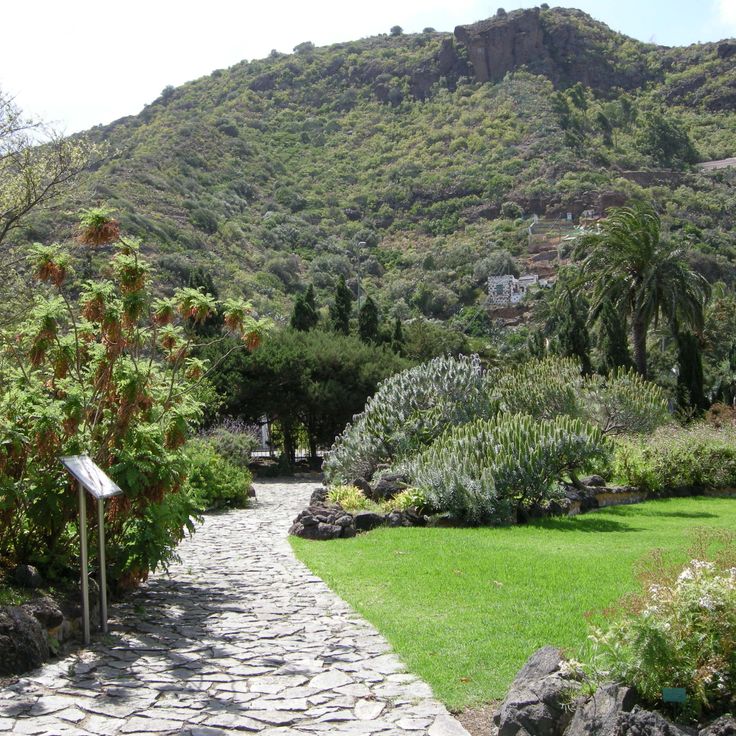
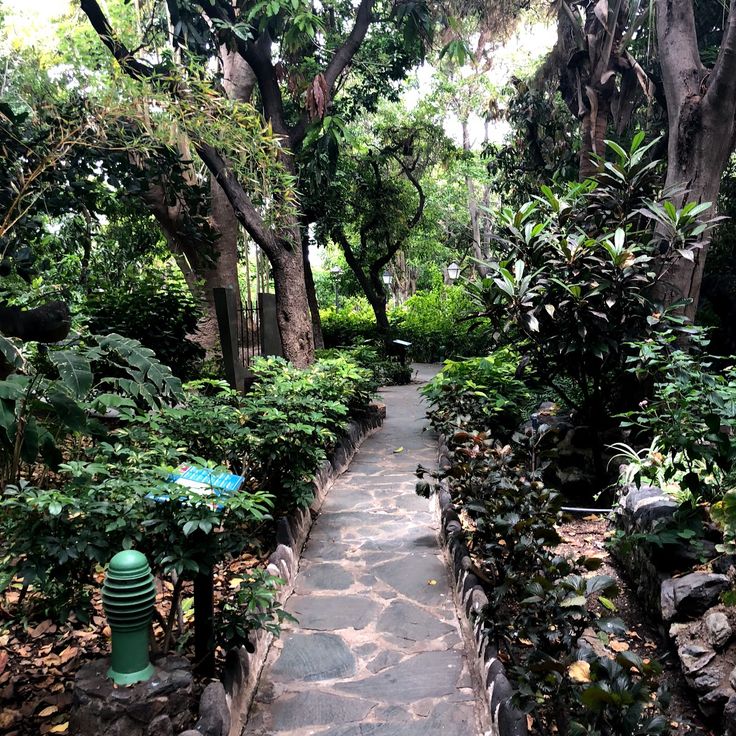
The Viera y Clavijo Botanical Garden displays the plant diversity that makes Gran Canaria's nature special. This garden holds more than 500 plant species found nowhere else but in the Canary Islands. As you walk through the grounds, you encounter plants adapted to the islands' unique climate and geology. The garden serves as both a place to learn about local plant life and a center for research and conservation.
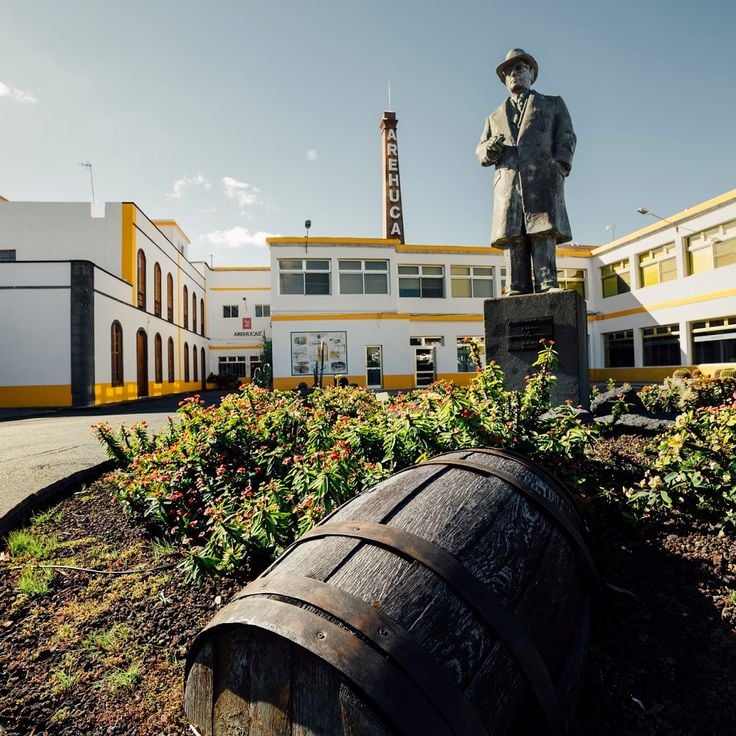
The Arehucas Rum Distillery tells a story of Gran Canaria's economic history and how local craftsmanship has developed over time. Founded in 1884 in Arucas, this distillery shows how people on the island have created and maintained traditional production methods. Visitors can walk through the facilities, see old machinery, and taste local rum made here.
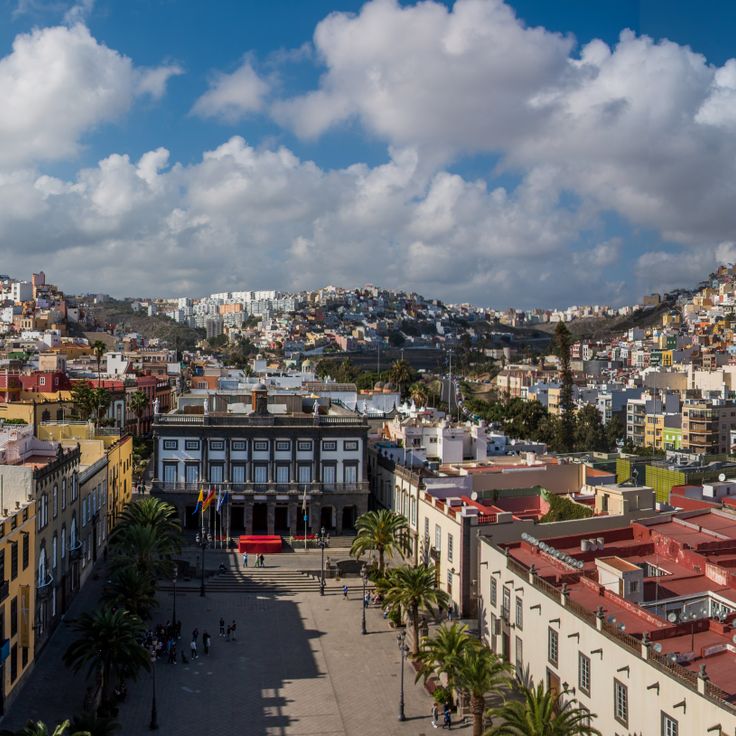
The Vegueta Historic District is the medieval heart of Las Palmas and shows how people in Gran Canaria have lived for generations. Its cobblestone streets lead past 15th-century religious buildings and houses with colorful façades that are typical of Canarian architecture. This place is part of the collection of Gran Canaria's most important natural and cultural sites, revealing the island's colonial history through its buildings and streets.
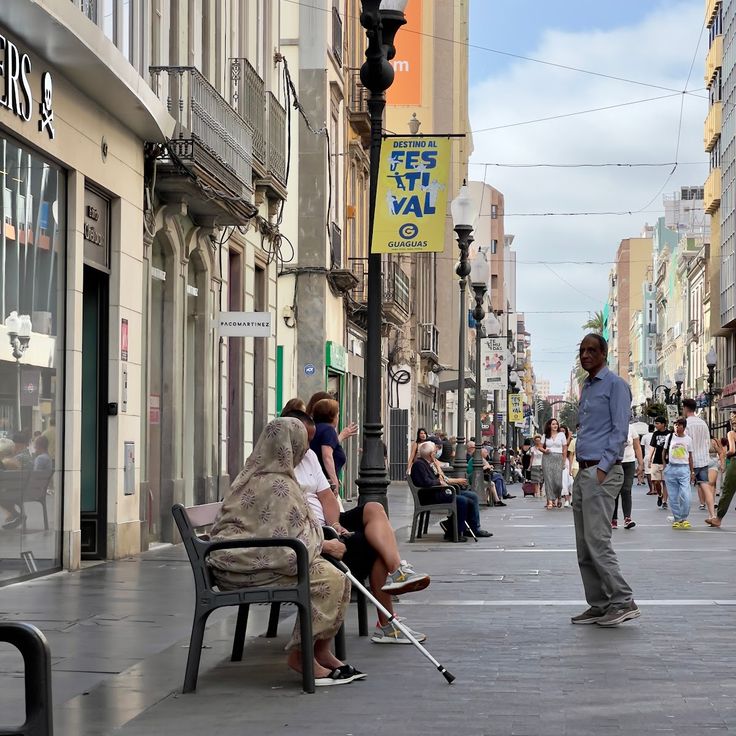
Triana Street is the main commercial avenue of Las Palmas and reflects the city's historical development. The street is lined with 19th-century buildings, many designed in the art nouveau style. You will find shops, cafés, and restaurants where locals and visitors experience the everyday rhythm of the city. The architecture tells the story of when Las Palmas was an important port. As you walk along the street, you notice crafted details on the building facades, ornamental balconies, and entrances that speak to a more prosperous era.
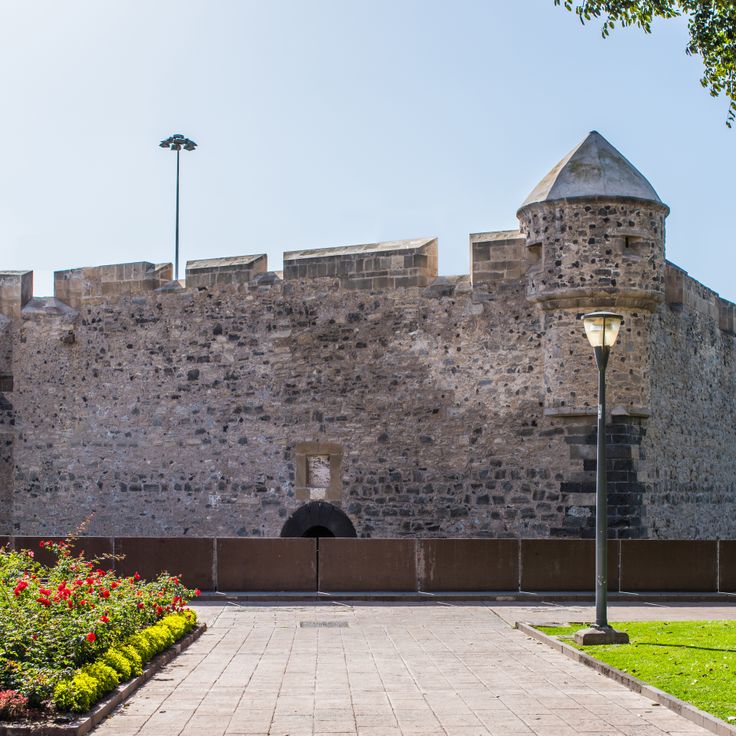
The Castle of Light is a 15th-century military fortress that now serves as a museum and represents one of Gran Canaria's most important cultural sites. Within its vaulted rooms, it displays archaeological collections and contemporary art exhibitions that reflect the island's history and creative spirit.
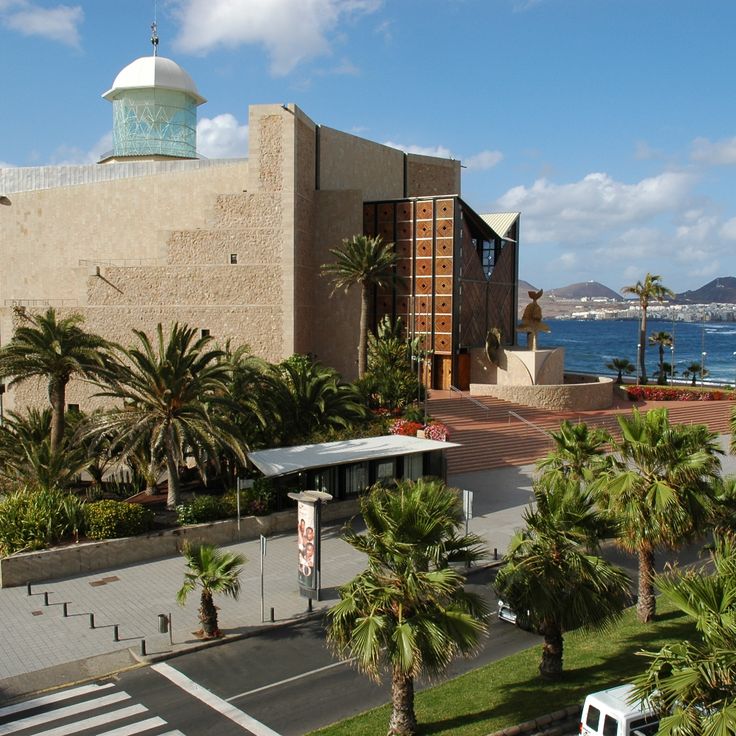
The Alfredo Kraus Auditorium is a modern cultural center featured in this collection of Gran Canaria's most important sites. Built in 1997, it sits directly facing Las Canteras beach. The auditorium shows how the island nurtures its cultural life through music, opera, and dance performances. The building stands at the water's edge, merging culture with coastal views. It represents a place where artists and visitors gather to experience live performances against the backdrop of the sea and mountains.
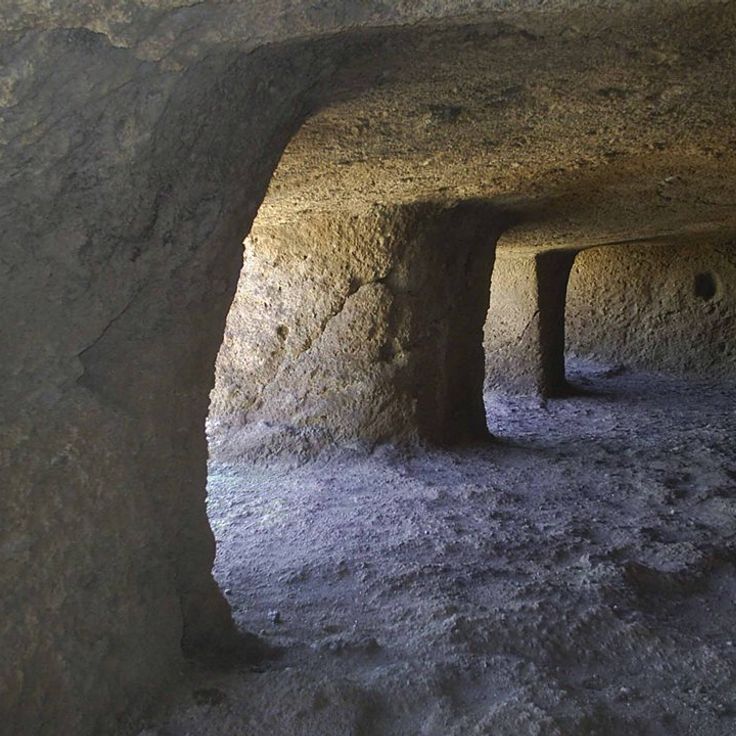
Cuatro Puertas Archaeological Site brings together a group of caves dug into the mountain by the island's aboriginal people. These caves served as homes, storage spaces for grain, and places for spiritual rituals. Walking through this site, you can see how the early inhabitants of Gran Canaria organized their daily lives and preserved their culture. Cuatro Puertas Archaeological Site reveals the island's ancient past and connects you with the people who lived here before the Spanish arrived.
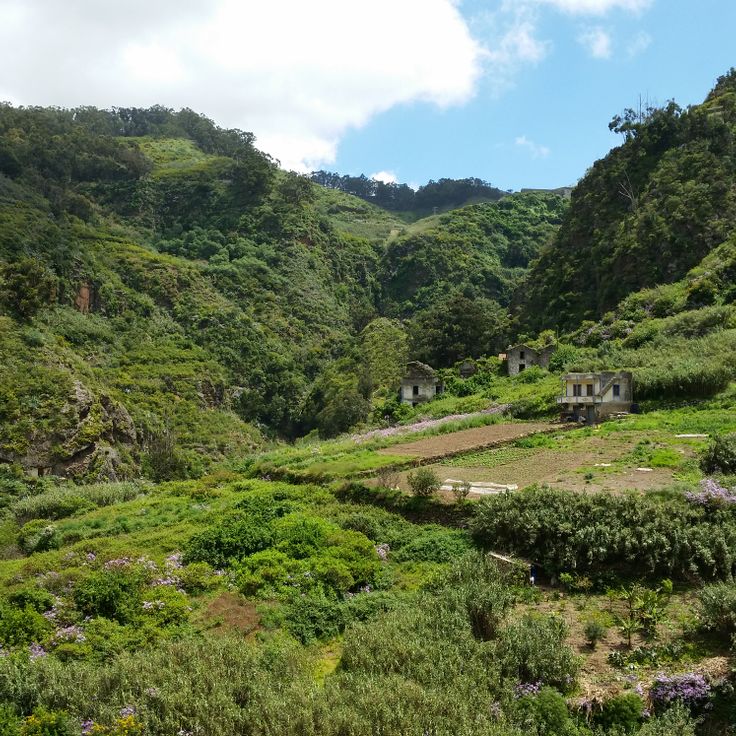
Los Tiles Natural Reserve is a protected forest in northern Gran Canaria that shelters laurel trees found nowhere else but the Canary Islands. This site showcases the natural treasures of Gran Canaria and offers walking trails through thick, green vegetation. The forest clings to a mountainside and is fed by springs that flow year-round. Visitors can experience the original landscape of Gran Canaria here and learn why these forests need protection.
The Huerto de las Flores Garden is a 19th-century botanical garden in the historic district of Agaete that displays local and tropical plants thriving on Gran Canaria. This garden is part of the island's cultural heritage, showing how people have cultivated and studied the plants of the region for generations.
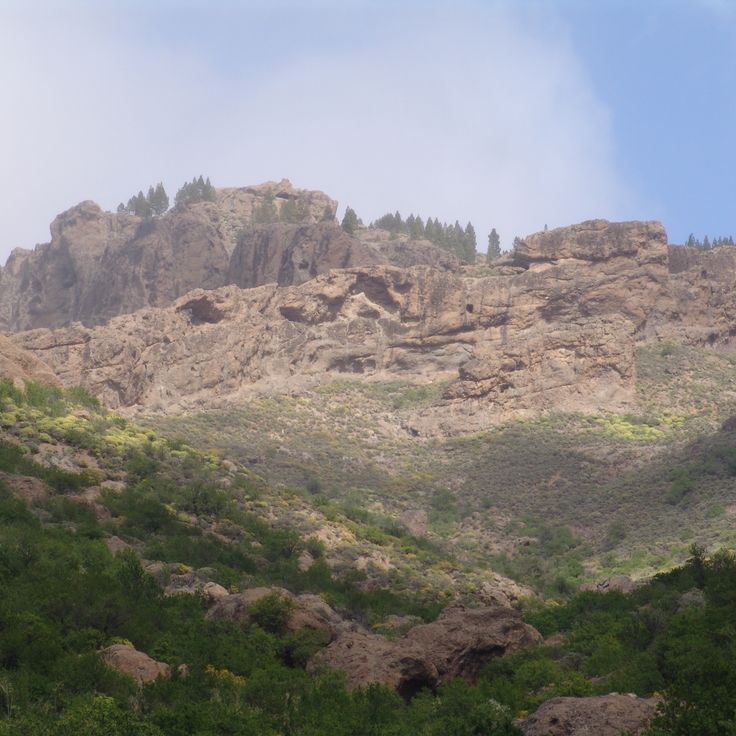
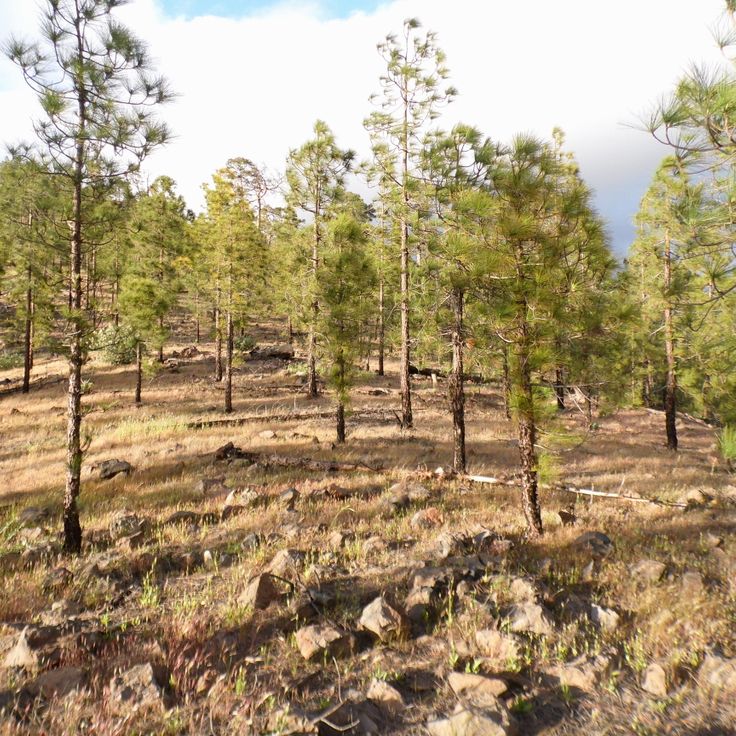
Tamadaba Natural Park showcases the power of nature on Gran Canaria. This large forest area consists of Canarian pines and volcanic rock cliffs that drop steeply toward the Atlantic Ocean. The park sits in a region where you can read the island's history written into the landscape itself. Here you can walk through ancient woodlands and gaze out at the sea from high vantage points. The park brings together the island's plant diversity with dramatic coastal views and shows how volcanoes have shaped Gran Canaria's landforms.
This natural reserve spans 3920 hectares and represents one of Gran Canaria's most important natural sites featured in this collection. The reserve is home to Canarian pines, giant lizards, and several plant species found nowhere else in the world except the Canary Islands. The site demonstrates the raw power of the island's nature and reveals how the landscape has evolved over thousands of years. Visitors can walk through distinctive forests and observe rare animal species in their native habitat.
The Azuaje Natural Reserve in Firgas showcases the greener side of Gran Canaria. This place holds a laurel forest with old trees, natural water springs that flow through the valley, and paths for walking and exploring. Visitors come here to experience the island's forest landscapes and to discover how water shapes the land in this part of Gran Canaria.
This cathedral in Las Palmas demonstrates how religious architecture developed over centuries. The building blends Gothic and Renaissance styles, constructed between 1500 and 1969. Its two towers, about 60 meters high, shape the city's skyline. You can see how Spanish colonial history was captured in stone and wood here.
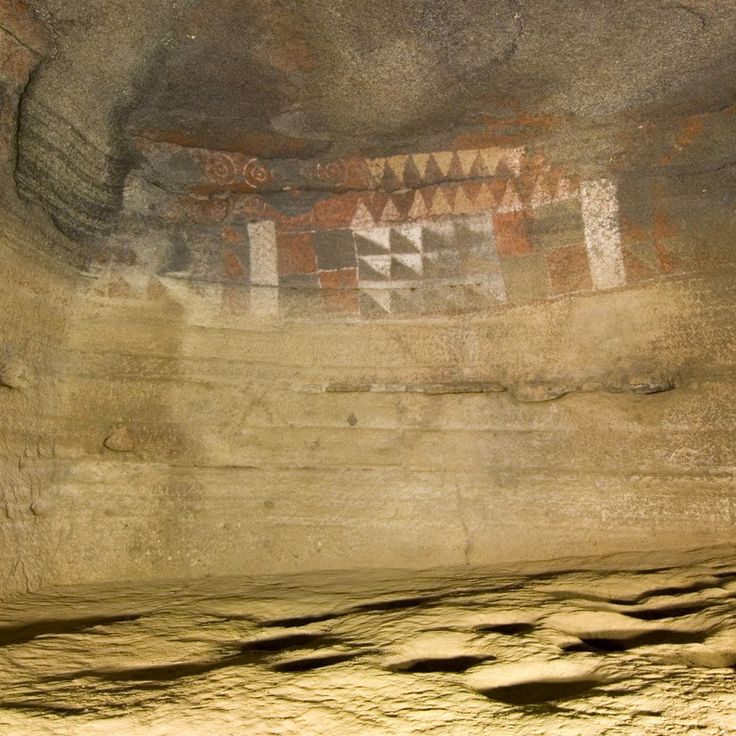
The Cueva Pintada Museum displays rock paintings made by the Guanche, the original people of Gran Canaria. The red and black geometric designs date from before Spanish conquest. This museum helps you understand how the Guanche lived and what artistic skills they possessed. It is an important place to learn about the island's history before European arrival.
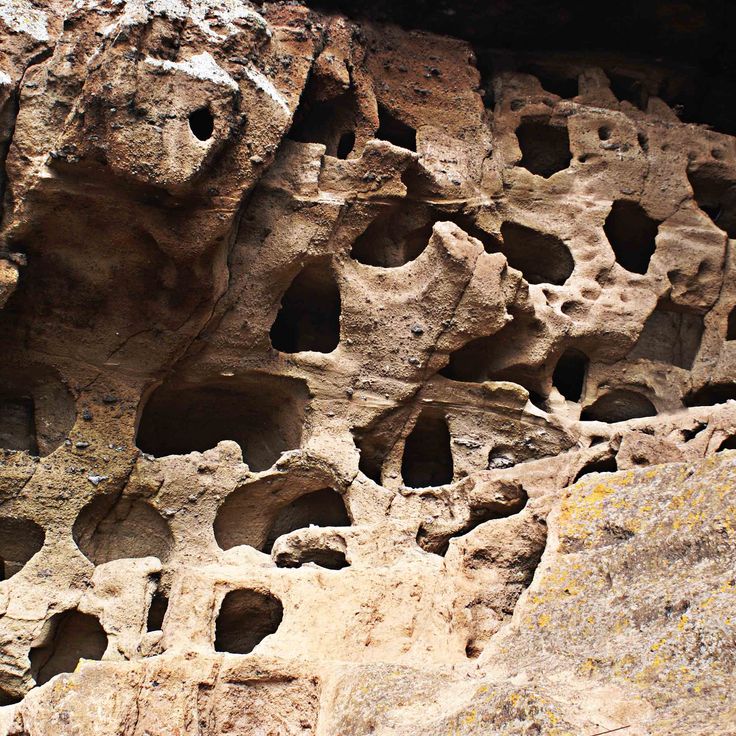
Cenobio de Valerón is a window into how the original inhabitants of Gran Canaria lived. The site consists of about 350 caves carved directly into a cliff face. The Canary aborigines who lived here long ago used these caves as a communal granary to store their cereals and keep them safe from the elements. Walking through this complex, you can see how people organized their lives around storing and protecting food. This place is part of the collection of sites that tell the story of Gran Canaria's past, showing you the daily realities of life before modern times.
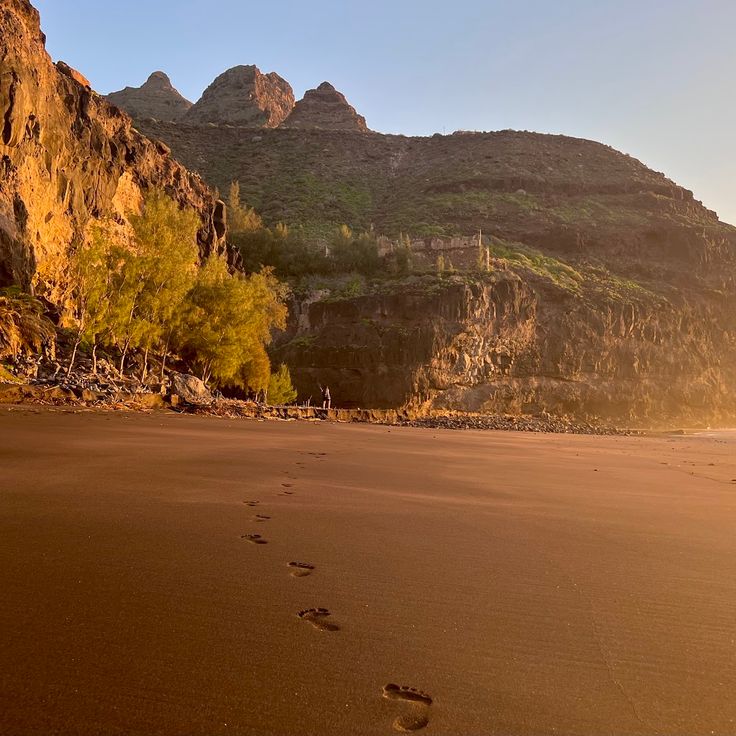
Güi Güi Beach is a black sand beach set within a protected natural area on Gran Canaria's coast. It reveals the island's volcanic origins through its dark sand and rugged terrain. The beach is accessible only by boat or a long hiking trail, which means it remains quiet and rarely crowded. The water is clear and inviting, while the surrounding landscape feels wild and untouched. This beach is part of Gran Canaria's collection of natural sites that display the raw power of nature and the island's geological story.
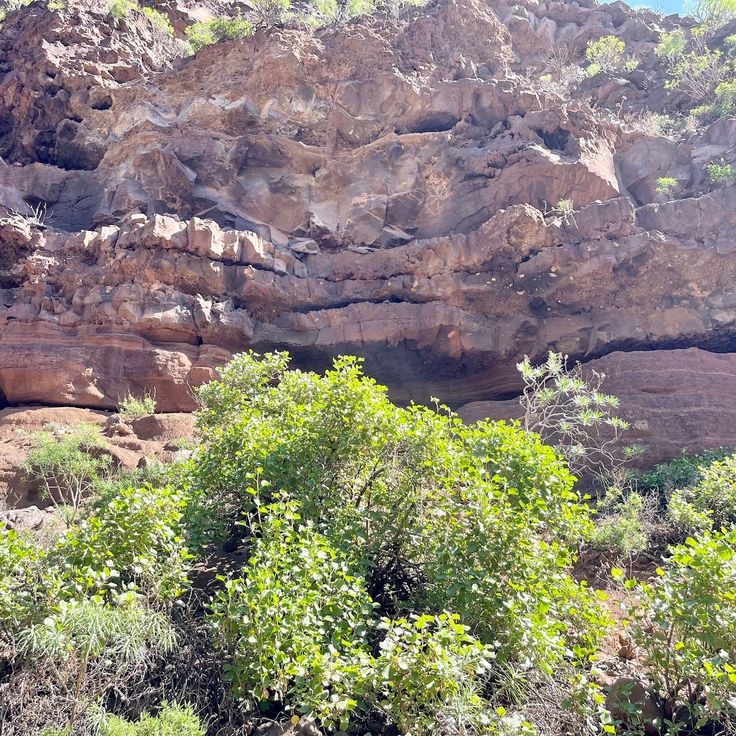
The Barranco de Las Vacas is a ravine that shows Gran Canaria's diverse natural landscapes. Over thousands of years, erosion has revealed layers of rock and created patterns in different colored strata. This formation tells the geological story of the island. The place combines raw natural forces with visible traces of time passing. Visitors can see how water and wind shaped the rock and discover what layers lie beneath the surface.
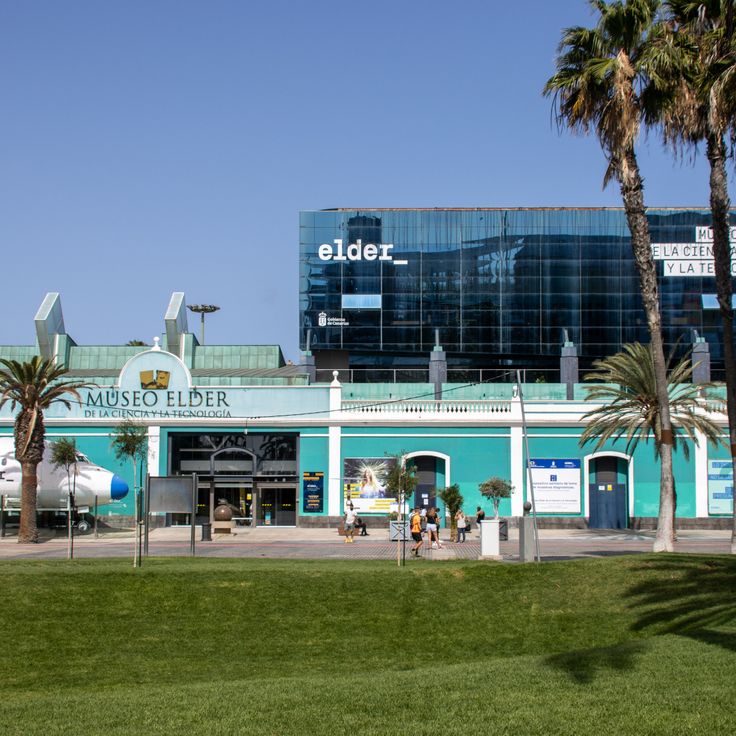
The Elder Museum of Science and Technology shows how scientific principles work in the real world. This museum fits into Gran Canaria's story because while other sites on the island reveal nature and history, this one presents how people use modern tools to understand the world around them. Interactive exhibitions and hands-on demonstrations let visitors experiment and learn by doing. It is a place where you can touch things and try them out, not just observe from a distance.
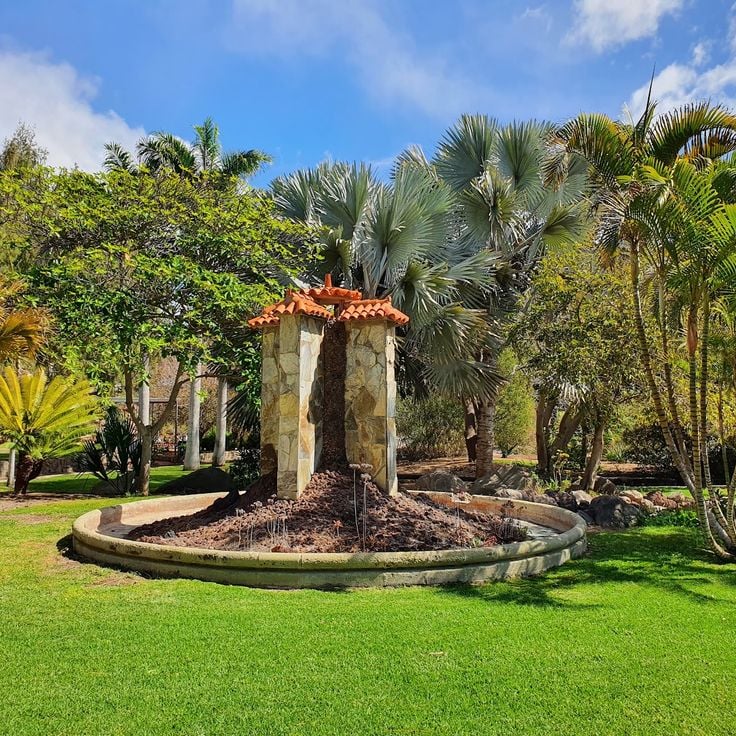
The Maspalomas Botanical Park displays the plant life found across Gran Canaria. Here you will find cacti, endemic Canarian plants, and species that have adapted to the subtropical climate. The garden helps visitors understand the island's natural environment and learn about the distinctive plants that grow here.
The Maspalomas Dunes are a natural reserve that shapes Gran Canaria's southern coast. This 400-hectare landscape shows how wind and water create vast expanses of sand right next to the sea. Here you walk across golden dunes that feel like a desert, then reach a wide beach where the ocean meets the shore. A shallow lagoon attracts water birds and other wildlife, while a palm grove provides shelter and shade in this otherwise open terrain. The place moves with the rhythm of nature, changing with the tides and seasons.
Las Canteras Beach is a major sandy shore that lines Las Palmas and fits within Gran Canaria's natural and cultural offerings. The beach stretches for three kilometers and is protected by a natural volcanic rock barrier that calms the waters. The sand is golden and fine. The reef area is home to diverse marine life. The beach merges the energy of the ocean with the quiet feel of a sheltered cove, showing how nature has shaped Gran Canaria's coastal landscapes.
Puerto de Mogan fits into this collection as a place where you can see how island life is tied to the sea. The village has white-walled houses and a harbor where traditional fishing boats sit beside modern yachts. Narrow Mediterranean-style canals run through the settlement, showing a blend of old fishing traditions and contemporary tourism. Walking through, you notice the relaxed pace and how the harbor shapes daily life here.
Roque Nublo is a volcanic rock formation rising 80 meters (262 feet) above ground in central Gran Canaria, perched at 1,814 meters (5,951 feet) above sea level. In this collection of Gran Canaria's most important natural and cultural sites, this formation stands as a symbol of the island's volcanic past. The site draws visitors who want to explore landscapes shaped by ancient eruptions and offers sweeping views across the mountains and coastline. Walking to the Roque Nublo shows how nature has carved the island over countless generations.
Casa de Colón in Las Palmas explores the links between Canarian and American cultures. The museum tells stories of two worlds that shaped each other across the ocean. Inside, you will find objects and exhibits that show how this exchange influenced life on the island and beyond.
Pico de las Nieves is the highest peak on Gran Canaria, reaching 1,950 meters. Within this collection of the island's natural and cultural sites, it stands as a landmark that shapes how locals and visitors understand the landscape. On clear days, you can see Mount Teide on Tenerife from the summit, showing how the island sits within a larger geography. The ascent takes you through different plant zones that reflect the island's natural character. From the top, you gain a sense of the island's scale and position in the Atlantic.
San Juan Bautista Church represents the religious architecture that shaped Gran Canaria. This church shows how people on the island built their faith communities over time. Constructed between 1909 and 1977, the building uses dark volcanic blocks from local quarries. Its towers rise 60 meters high and can be seen from far away.
The Nuestra Señora del Pino Basilica is a neoclassical church built in the 18th century in Teror. With its twin towers, this basilica stands as one of the most important religious sites in the Canary Islands and tells the story of Gran Canaria's faith and heritage that has shaped island life for generations.
Guayadeque Ravine is a natural monument that tells the story of Gran Canaria's geological past. This 15-kilometer valley shows how water and volcanic forces have shaped the island's landscape over time. In its steep rock walls lie caves where the island's first inhabitants made their homes. Visitors who walk through this ravine see dramatic cliffs, vegetation along the stream, and evidence of how people adapted to life in this rugged terrain.
The Bandama Caldera is a volcanic crater that reveals Gran Canaria's geological story. With its large diameter and substantial depth, this crater offers insight into the volcanic landscapes that shaped the island. Visitors can explore the steep walls and look down into the crater to understand the power of the ancient eruptions that formed this place.
Palmitos Park in Maspalomas combines the natural diversity of Gran Canaria through collections of exotic birds, archipelago animals, and botanical gardens with over 2000 palm trees. The park allows visitors to experience the tropical and subtropical plant life of the region while observing animals in garden settings.
Poem of the Sea is an aquarium in Las Palmas where you can see marine life from the waters around Gran Canaria. The facility displays fish, corals, and other sea creatures in tanks designed to represent different ocean habitats. Walking through the spaces, you encounter animals from shallow reefs to deeper waters. This location connects to the collection because it reveals the natural underwater world that surrounds the island and helps visitors understand the sea's importance to Gran Canaria.
This lighthouse was built in 1890 and stands 56 meters tall between the beach and the natural dunes of Maspalomas. It is part of this collection of Gran Canaria's most important places and shows how human structures fit into the island's landscape. The lighthouse guided ships along the coast and is now a landmark that draws visitors who want to understand the connection between history and nature on the island.
The Viera y Clavijo Botanical Garden displays the plant diversity that makes Gran Canaria's nature special. This garden holds more than 500 plant species found nowhere else but in the Canary Islands. As you walk through the grounds, you encounter plants adapted to the islands' unique climate and geology. The garden serves as both a place to learn about local plant life and a center for research and conservation.
The Arehucas Rum Distillery tells a story of Gran Canaria's economic history and how local craftsmanship has developed over time. Founded in 1884 in Arucas, this distillery shows how people on the island have created and maintained traditional production methods. Visitors can walk through the facilities, see old machinery, and taste local rum made here.
The Vegueta Historic District is the medieval heart of Las Palmas and shows how people in Gran Canaria have lived for generations. Its cobblestone streets lead past 15th-century religious buildings and houses with colorful façades that are typical of Canarian architecture. This place is part of the collection of Gran Canaria's most important natural and cultural sites, revealing the island's colonial history through its buildings and streets.
Triana Street is the main commercial avenue of Las Palmas and reflects the city's historical development. The street is lined with 19th-century buildings, many designed in the art nouveau style. You will find shops, cafés, and restaurants where locals and visitors experience the everyday rhythm of the city. The architecture tells the story of when Las Palmas was an important port. As you walk along the street, you notice crafted details on the building facades, ornamental balconies, and entrances that speak to a more prosperous era.
The Castle of Light is a 15th-century military fortress that now serves as a museum and represents one of Gran Canaria's most important cultural sites. Within its vaulted rooms, it displays archaeological collections and contemporary art exhibitions that reflect the island's history and creative spirit.
The Alfredo Kraus Auditorium is a modern cultural center featured in this collection of Gran Canaria's most important sites. Built in 1997, it sits directly facing Las Canteras beach. The auditorium shows how the island nurtures its cultural life through music, opera, and dance performances. The building stands at the water's edge, merging culture with coastal views. It represents a place where artists and visitors gather to experience live performances against the backdrop of the sea and mountains.
Cuatro Puertas Archaeological Site brings together a group of caves dug into the mountain by the island's aboriginal people. These caves served as homes, storage spaces for grain, and places for spiritual rituals. Walking through this site, you can see how the early inhabitants of Gran Canaria organized their daily lives and preserved their culture. Cuatro Puertas Archaeological Site reveals the island's ancient past and connects you with the people who lived here before the Spanish arrived.
Los Tiles Natural Reserve is a protected forest in northern Gran Canaria that shelters laurel trees found nowhere else but the Canary Islands. This site showcases the natural treasures of Gran Canaria and offers walking trails through thick, green vegetation. The forest clings to a mountainside and is fed by springs that flow year-round. Visitors can experience the original landscape of Gran Canaria here and learn why these forests need protection.
The Huerto de las Flores Garden is a 19th-century botanical garden in the historic district of Agaete that displays local and tropical plants thriving on Gran Canaria. This garden is part of the island's cultural heritage, showing how people have cultivated and studied the plants of the region for generations.
Tamadaba Natural Park showcases the power of nature on Gran Canaria. This large forest area consists of Canarian pines and volcanic rock cliffs that drop steeply toward the Atlantic Ocean. The park sits in a region where you can read the island's history written into the landscape itself. Here you can walk through ancient woodlands and gaze out at the sea from high vantage points. The park brings together the island's plant diversity with dramatic coastal views and shows how volcanoes have shaped Gran Canaria's landforms.
This natural reserve spans 3920 hectares and represents one of Gran Canaria's most important natural sites featured in this collection. The reserve is home to Canarian pines, giant lizards, and several plant species found nowhere else in the world except the Canary Islands. The site demonstrates the raw power of the island's nature and reveals how the landscape has evolved over thousands of years. Visitors can walk through distinctive forests and observe rare animal species in their native habitat.
The Azuaje Natural Reserve in Firgas showcases the greener side of Gran Canaria. This place holds a laurel forest with old trees, natural water springs that flow through the valley, and paths for walking and exploring. Visitors come here to experience the island's forest landscapes and to discover how water shapes the land in this part of Gran Canaria.
This cathedral in Las Palmas demonstrates how religious architecture developed over centuries. The building blends Gothic and Renaissance styles, constructed between 1500 and 1969. Its two towers, about 60 meters high, shape the city's skyline. You can see how Spanish colonial history was captured in stone and wood here.
The Cueva Pintada Museum displays rock paintings made by the Guanche, the original people of Gran Canaria. The red and black geometric designs date from before Spanish conquest. This museum helps you understand how the Guanche lived and what artistic skills they possessed. It is an important place to learn about the island's history before European arrival.
Cenobio de Valerón is a window into how the original inhabitants of Gran Canaria lived. The site consists of about 350 caves carved directly into a cliff face. The Canary aborigines who lived here long ago used these caves as a communal granary to store their cereals and keep them safe from the elements. Walking through this complex, you can see how people organized their lives around storing and protecting food. This place is part of the collection of sites that tell the story of Gran Canaria's past, showing you the daily realities of life before modern times.
Güi Güi Beach is a black sand beach set within a protected natural area on Gran Canaria's coast. It reveals the island's volcanic origins through its dark sand and rugged terrain. The beach is accessible only by boat or a long hiking trail, which means it remains quiet and rarely crowded. The water is clear and inviting, while the surrounding landscape feels wild and untouched. This beach is part of Gran Canaria's collection of natural sites that display the raw power of nature and the island's geological story.
The Barranco de Las Vacas is a ravine that shows Gran Canaria's diverse natural landscapes. Over thousands of years, erosion has revealed layers of rock and created patterns in different colored strata. This formation tells the geological story of the island. The place combines raw natural forces with visible traces of time passing. Visitors can see how water and wind shaped the rock and discover what layers lie beneath the surface.
The Elder Museum of Science and Technology shows how scientific principles work in the real world. This museum fits into Gran Canaria's story because while other sites on the island reveal nature and history, this one presents how people use modern tools to understand the world around them. Interactive exhibitions and hands-on demonstrations let visitors experiment and learn by doing. It is a place where you can touch things and try them out, not just observe from a distance.
The Maspalomas Botanical Park displays the plant life found across Gran Canaria. Here you will find cacti, endemic Canarian plants, and species that have adapted to the subtropical climate. The garden helps visitors understand the island's natural environment and learn about the distinctive plants that grow here.
The Maspalomas Dunes are a natural reserve that shapes Gran Canaria's southern coast. This 400-hectare landscape shows how wind and water create vast expanses of sand right next to the sea. Here you walk across golden dunes that feel like a desert, then reach a wide beach where the ocean meets the shore. A shallow lagoon attracts water birds and other wildlife, while a palm grove provides shelter and shade in this otherwise open terrain. The place moves with the rhythm of nature, changing with the tides and seasons.
Las Canteras Beach is a major sandy shore that lines Las Palmas and fits within Gran Canaria's natural and cultural offerings. The beach stretches for three kilometers and is protected by a natural volcanic rock barrier that calms the waters. The sand is golden and fine. The reef area is home to diverse marine life. The beach merges the energy of the ocean with the quiet feel of a sheltered cove, showing how nature has shaped Gran Canaria's coastal landscapes.
Puerto de Mogan fits into this collection as a place where you can see how island life is tied to the sea. The village has white-walled houses and a harbor where traditional fishing boats sit beside modern yachts. Narrow Mediterranean-style canals run through the settlement, showing a blend of old fishing traditions and contemporary tourism. Walking through, you notice the relaxed pace and how the harbor shapes daily life here.
Roque Nublo is a volcanic rock formation rising 80 meters (262 feet) above ground in central Gran Canaria, perched at 1,814 meters (5,951 feet) above sea level. In this collection of Gran Canaria's most important natural and cultural sites, this formation stands as a symbol of the island's volcanic past. The site draws visitors who want to explore landscapes shaped by ancient eruptions and offers sweeping views across the mountains and coastline. Walking to the Roque Nublo shows how nature has carved the island over countless generations.
Casa de Colón in Las Palmas explores the links between Canarian and American cultures. The museum tells stories of two worlds that shaped each other across the ocean. Inside, you will find objects and exhibits that show how this exchange influenced life on the island and beyond.
Pico de las Nieves is the highest peak on Gran Canaria, reaching 1,950 meters. Within this collection of the island's natural and cultural sites, it stands as a landmark that shapes how locals and visitors understand the landscape. On clear days, you can see Mount Teide on Tenerife from the summit, showing how the island sits within a larger geography. The ascent takes you through different plant zones that reflect the island's natural character. From the top, you gain a sense of the island's scale and position in the Atlantic.
San Juan Bautista Church represents the religious architecture that shaped Gran Canaria. This church shows how people on the island built their faith communities over time. Constructed between 1909 and 1977, the building uses dark volcanic blocks from local quarries. Its towers rise 60 meters high and can be seen from far away.
The Nuestra Señora del Pino Basilica is a neoclassical church built in the 18th century in Teror. With its twin towers, this basilica stands as one of the most important religious sites in the Canary Islands and tells the story of Gran Canaria's faith and heritage that has shaped island life for generations.
Guayadeque Ravine is a natural monument that tells the story of Gran Canaria's geological past. This 15-kilometer valley shows how water and volcanic forces have shaped the island's landscape over time. In its steep rock walls lie caves where the island's first inhabitants made their homes. Visitors who walk through this ravine see dramatic cliffs, vegetation along the stream, and evidence of how people adapted to life in this rugged terrain.
The Bandama Caldera is a volcanic crater that reveals Gran Canaria's geological story. With its large diameter and substantial depth, this crater offers insight into the volcanic landscapes that shaped the island. Visitors can explore the steep walls and look down into the crater to understand the power of the ancient eruptions that formed this place.
Palmitos Park in Maspalomas combines the natural diversity of Gran Canaria through collections of exotic birds, archipelago animals, and botanical gardens with over 2000 palm trees. The park allows visitors to experience the tropical and subtropical plant life of the region while observing animals in garden settings.
Poem of the Sea is an aquarium in Las Palmas where you can see marine life from the waters around Gran Canaria. The facility displays fish, corals, and other sea creatures in tanks designed to represent different ocean habitats. Walking through the spaces, you encounter animals from shallow reefs to deeper waters. This location connects to the collection because it reveals the natural underwater world that surrounds the island and helps visitors understand the sea's importance to Gran Canaria.
This lighthouse was built in 1890 and stands 56 meters tall between the beach and the natural dunes of Maspalomas. It is part of this collection of Gran Canaria's most important places and shows how human structures fit into the island's landscape. The lighthouse guided ships along the coast and is now a landmark that draws visitors who want to understand the connection between history and nature on the island.
The Viera y Clavijo Botanical Garden displays the plant diversity that makes Gran Canaria's nature special. This garden holds more than 500 plant species found nowhere else but in the Canary Islands. As you walk through the grounds, you encounter plants adapted to the islands' unique climate and geology. The garden serves as both a place to learn about local plant life and a center for research and conservation.
The Arehucas Rum Distillery tells a story of Gran Canaria's economic history and how local craftsmanship has developed over time. Founded in 1884 in Arucas, this distillery shows how people on the island have created and maintained traditional production methods. Visitors can walk through the facilities, see old machinery, and taste local rum made here.
The Vegueta Historic District is the medieval heart of Las Palmas and shows how people in Gran Canaria have lived for generations. Its cobblestone streets lead past 15th-century religious buildings and houses with colorful façades that are typical of Canarian architecture. This place is part of the collection of Gran Canaria's most important natural and cultural sites, revealing the island's colonial history through its buildings and streets.
Triana Street is the main commercial avenue of Las Palmas and reflects the city's historical development. The street is lined with 19th-century buildings, many designed in the art nouveau style. You will find shops, cafés, and restaurants where locals and visitors experience the everyday rhythm of the city. The architecture tells the story of when Las Palmas was an important port. As you walk along the street, you notice crafted details on the building facades, ornamental balconies, and entrances that speak to a more prosperous era.
The Castle of Light is a 15th-century military fortress that now serves as a museum and represents one of Gran Canaria's most important cultural sites. Within its vaulted rooms, it displays archaeological collections and contemporary art exhibitions that reflect the island's history and creative spirit.
The Alfredo Kraus Auditorium is a modern cultural center featured in this collection of Gran Canaria's most important sites. Built in 1997, it sits directly facing Las Canteras beach. The auditorium shows how the island nurtures its cultural life through music, opera, and dance performances. The building stands at the water's edge, merging culture with coastal views. It represents a place where artists and visitors gather to experience live performances against the backdrop of the sea and mountains.
Cuatro Puertas Archaeological Site brings together a group of caves dug into the mountain by the island's aboriginal people. These caves served as homes, storage spaces for grain, and places for spiritual rituals. Walking through this site, you can see how the early inhabitants of Gran Canaria organized their daily lives and preserved their culture. Cuatro Puertas Archaeological Site reveals the island's ancient past and connects you with the people who lived here before the Spanish arrived.
Los Tiles Natural Reserve is a protected forest in northern Gran Canaria that shelters laurel trees found nowhere else but the Canary Islands. This site showcases the natural treasures of Gran Canaria and offers walking trails through thick, green vegetation. The forest clings to a mountainside and is fed by springs that flow year-round. Visitors can experience the original landscape of Gran Canaria here and learn why these forests need protection.
The Huerto de las Flores Garden is a 19th-century botanical garden in the historic district of Agaete that displays local and tropical plants thriving on Gran Canaria. This garden is part of the island's cultural heritage, showing how people have cultivated and studied the plants of the region for generations.
Tamadaba Natural Park showcases the power of nature on Gran Canaria. This large forest area consists of Canarian pines and volcanic rock cliffs that drop steeply toward the Atlantic Ocean. The park sits in a region where you can read the island's history written into the landscape itself. Here you can walk through ancient woodlands and gaze out at the sea from high vantage points. The park brings together the island's plant diversity with dramatic coastal views and shows how volcanoes have shaped Gran Canaria's landforms.
This natural reserve spans 3920 hectares and represents one of Gran Canaria's most important natural sites featured in this collection. The reserve is home to Canarian pines, giant lizards, and several plant species found nowhere else in the world except the Canary Islands. The site demonstrates the raw power of the island's nature and reveals how the landscape has evolved over thousands of years. Visitors can walk through distinctive forests and observe rare animal species in their native habitat.
The Azuaje Natural Reserve in Firgas showcases the greener side of Gran Canaria. This place holds a laurel forest with old trees, natural water springs that flow through the valley, and paths for walking and exploring. Visitors come here to experience the island's forest landscapes and to discover how water shapes the land in this part of Gran Canaria.
This cathedral in Las Palmas demonstrates how religious architecture developed over centuries. The building blends Gothic and Renaissance styles, constructed between 1500 and 1969. Its two towers, about 60 meters high, shape the city's skyline. You can see how Spanish colonial history was captured in stone and wood here.
The Cueva Pintada Museum displays rock paintings made by the Guanche, the original people of Gran Canaria. The red and black geometric designs date from before Spanish conquest. This museum helps you understand how the Guanche lived and what artistic skills they possessed. It is an important place to learn about the island's history before European arrival.
Cenobio de Valerón is a window into how the original inhabitants of Gran Canaria lived. The site consists of about 350 caves carved directly into a cliff face. The Canary aborigines who lived here long ago used these caves as a communal granary to store their cereals and keep them safe from the elements. Walking through this complex, you can see how people organized their lives around storing and protecting food. This place is part of the collection of sites that tell the story of Gran Canaria's past, showing you the daily realities of life before modern times.
Güi Güi Beach is a black sand beach set within a protected natural area on Gran Canaria's coast. It reveals the island's volcanic origins through its dark sand and rugged terrain. The beach is accessible only by boat or a long hiking trail, which means it remains quiet and rarely crowded. The water is clear and inviting, while the surrounding landscape feels wild and untouched. This beach is part of Gran Canaria's collection of natural sites that display the raw power of nature and the island's geological story.
The Barranco de Las Vacas is a ravine that shows Gran Canaria's diverse natural landscapes. Over thousands of years, erosion has revealed layers of rock and created patterns in different colored strata. This formation tells the geological story of the island. The place combines raw natural forces with visible traces of time passing. Visitors can see how water and wind shaped the rock and discover what layers lie beneath the surface.
The Elder Museum of Science and Technology shows how scientific principles work in the real world. This museum fits into Gran Canaria's story because while other sites on the island reveal nature and history, this one presents how people use modern tools to understand the world around them. Interactive exhibitions and hands-on demonstrations let visitors experiment and learn by doing. It is a place where you can touch things and try them out, not just observe from a distance.
The Maspalomas Botanical Park displays the plant life found across Gran Canaria. Here you will find cacti, endemic Canarian plants, and species that have adapted to the subtropical climate. The garden helps visitors understand the island's natural environment and learn about the distinctive plants that grow here.