See the monuments around you in AROpen chests in the app
Around Us is built for your phone — point your camera at the streets and discover the monuments and places around you in augmented reality.Around Us is built for your phone — chests unlock when you walk, explore and capture nearby places.
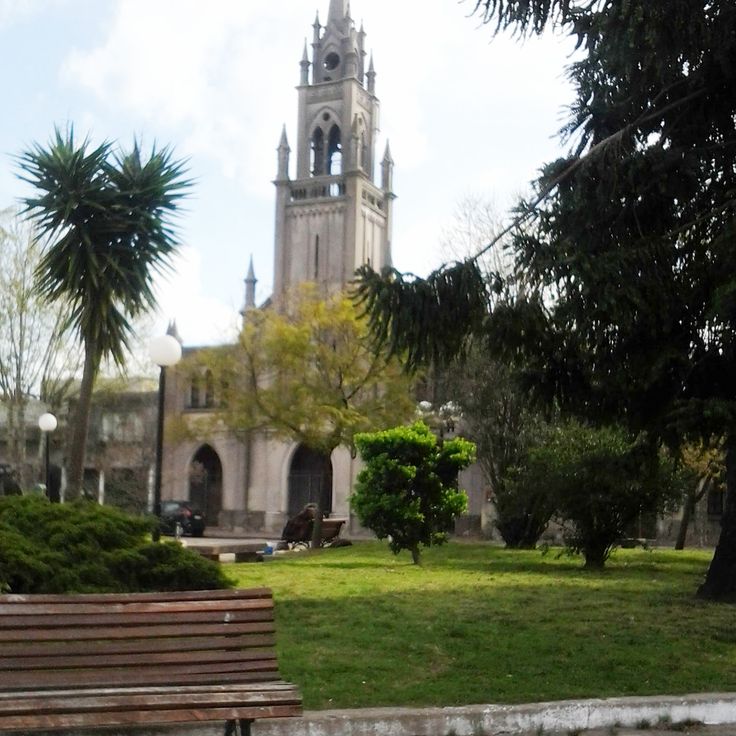
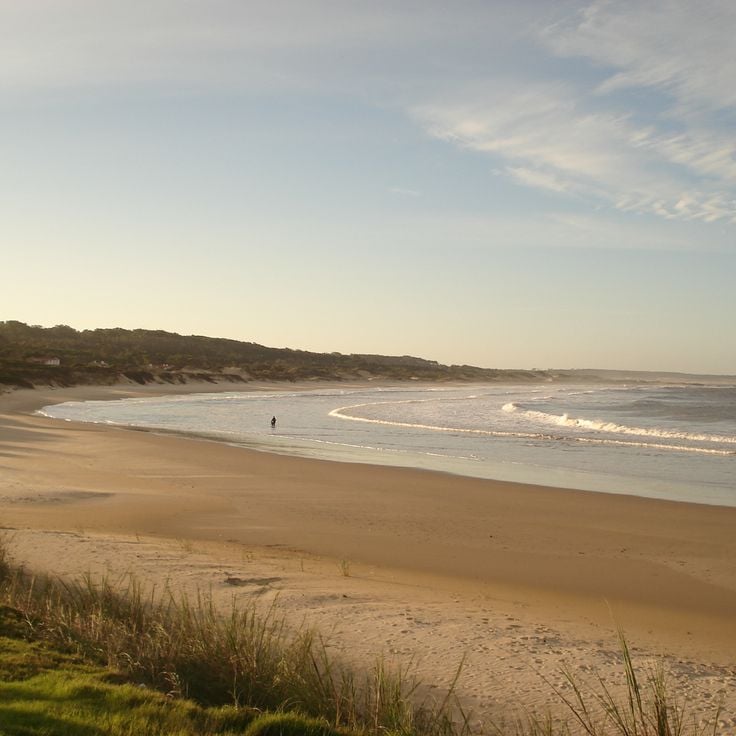
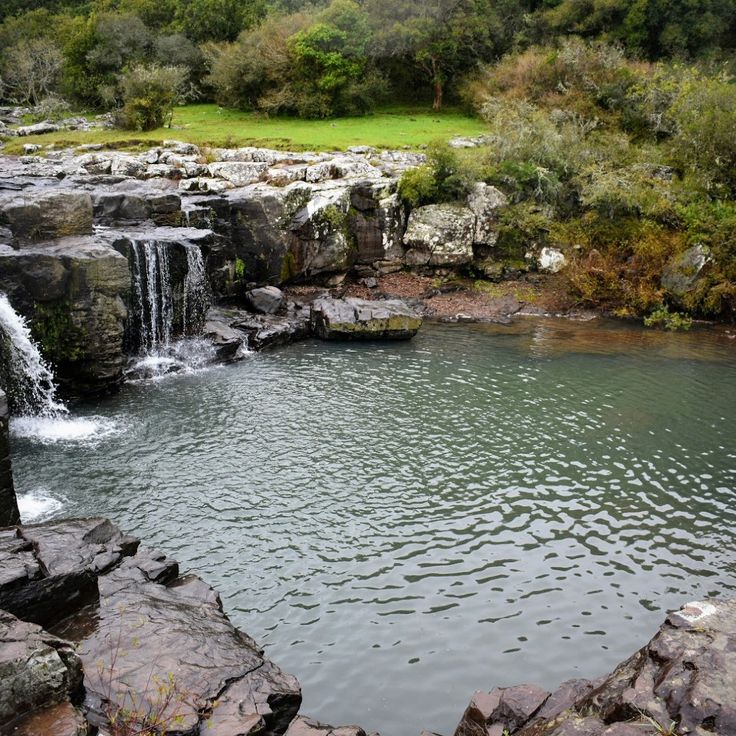
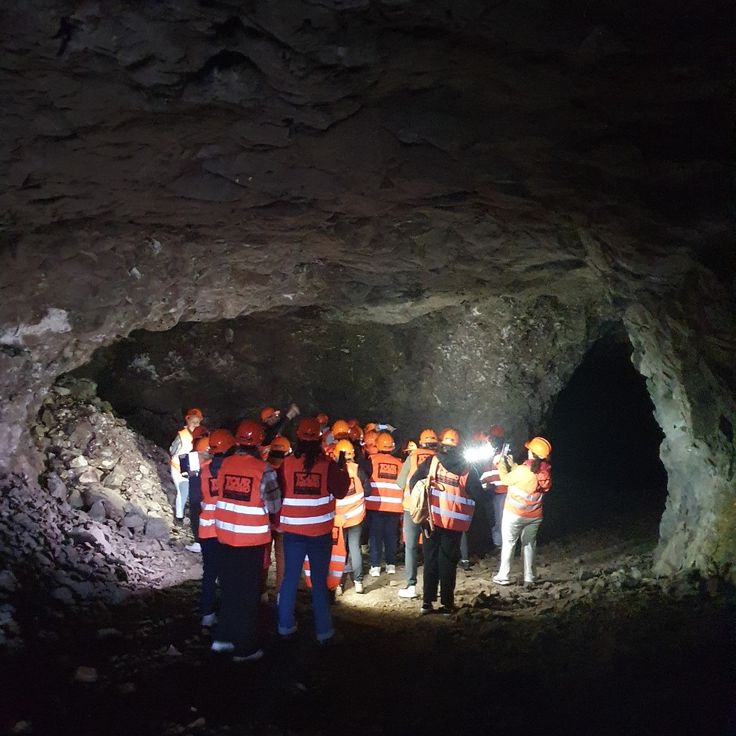
Uruguay offers something for every traveler, from vibrant cities to quiet natural spaces. Montevideo, the capital, draws visitors with its museums and distinctive buildings that tell the story of the country's past. Along the coast, Punta del Este is known for its beaches and upscale resorts, while smaller fishing villages and sea lion colonies offer a more raw view of coastal life. In Rocha, protected natural areas showcase the country's wild side, and Colonia del Sacramento preserves colonial architecture and cobblestone streets from centuries ago. Further north, the thermal spas near Salto invite visitors to soak in warm mineral waters. Away from the shore, the interior reveals rolling countryside, deep valleys like Quebrada de los Cuervos, and national parks where you can walk through forests and see geological formations shaped over millions of years. The agricultural heartland shows how rural Uruguay works, with vast fields and small towns that feel far removed from city life.
Uruguay offers something for every traveler, from vibrant cities to quiet natural spaces. Montevideo, the capital, draws visitors with its museums and distinctive buildings that tell the story of the country's past. Along the coast, Punta del Este is known for its beaches and upscale resorts, while smaller fishing villages and sea lion colonies offer a more raw view of coastal life. In Rocha, protected natural areas showcase the country's wild side, and Colonia del Sacramento preserves colonial architecture and cobblestone streets from centuries ago. Further north, the thermal spas near Salto invite visitors to soak in warm mineral waters. Away from the shore, the interior reveals rolling countryside, deep valleys like Quebrada de los Cuervos, and national parks where you can walk through forests and see geological formations shaped over millions of years. The agricultural heartland shows how rural Uruguay works, with vast fields and small towns that feel far removed from city life.
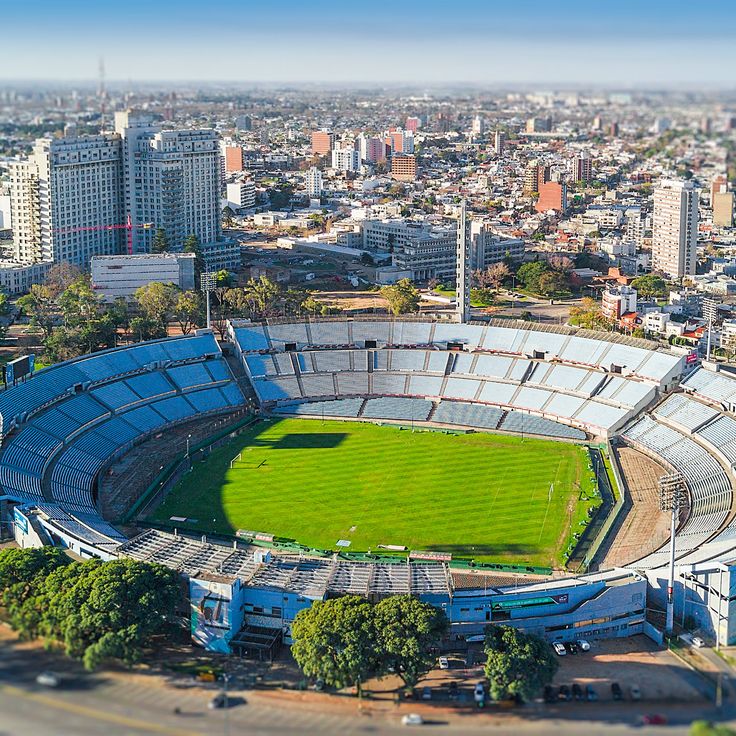
The Estadio Centenario is Uruguay's main football stadium, built in 1930 for the first World Cup. Located in Montevideo, it holds a museum that traces the history of Uruguayan football. The stadium is a place where passion for the sport connects with the country's past. Visitors can see how central football has been to Uruguay's identity and culture.
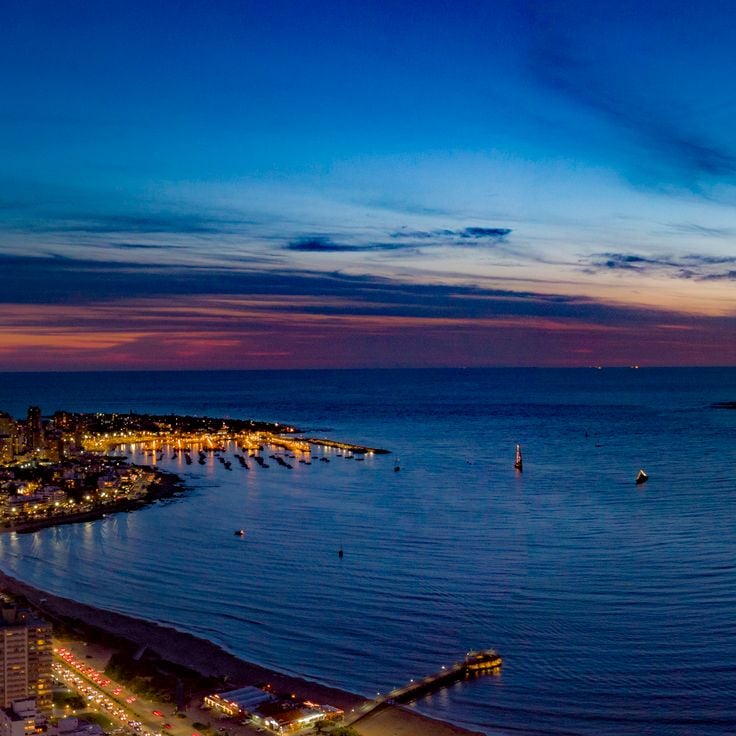
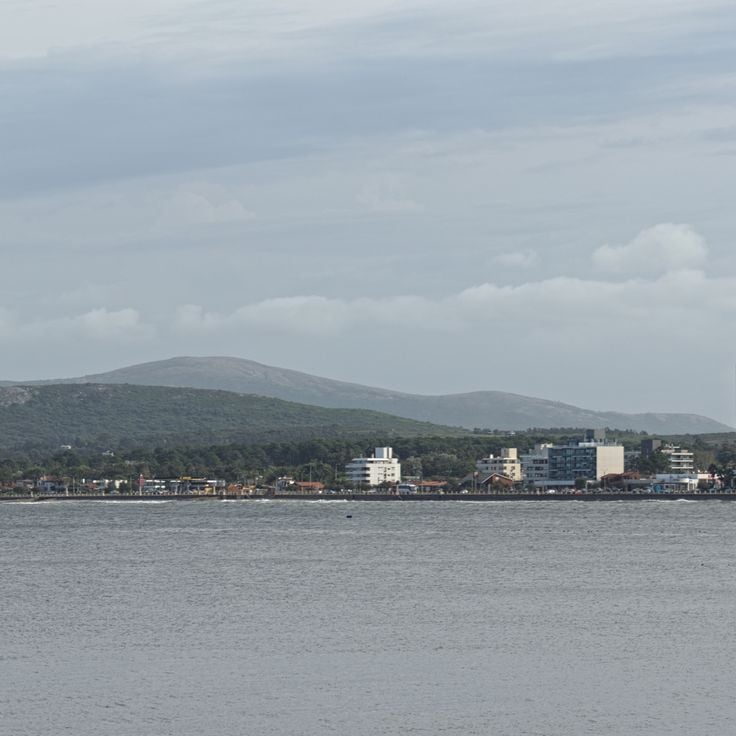
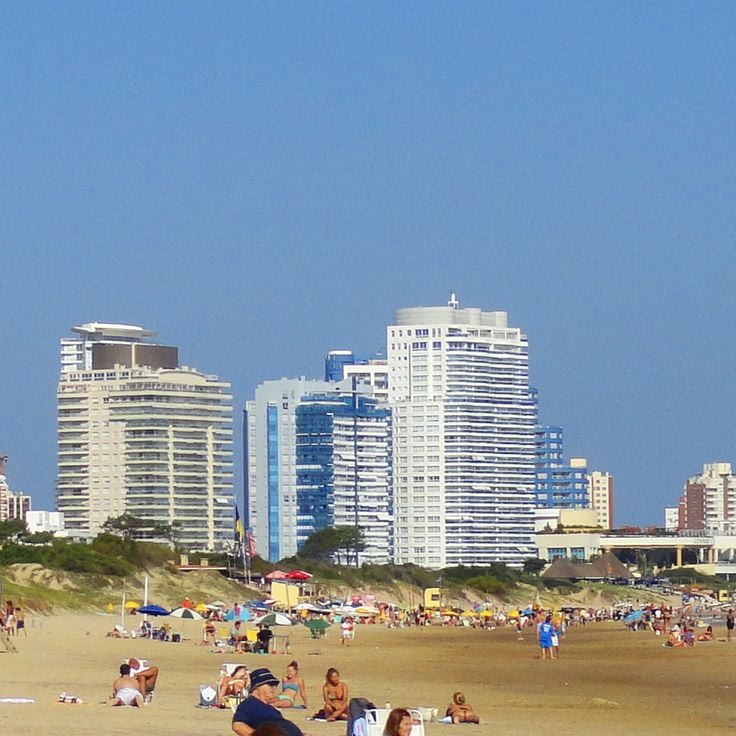
Punta del Este is where this collection takes visitors seeking beaches and sophisticated coastal living. Located on a peninsula between the Rio de la Plata and the Atlantic Ocean, it serves as a major seaside destination. The town features sandy beaches, a busy marina filled with yachts, and casinos that draw crowds year-round. During warm months, the beaches fill with sunbathers and swimmers, while the waterfront stays active with restaurants, shops, and nightlife.
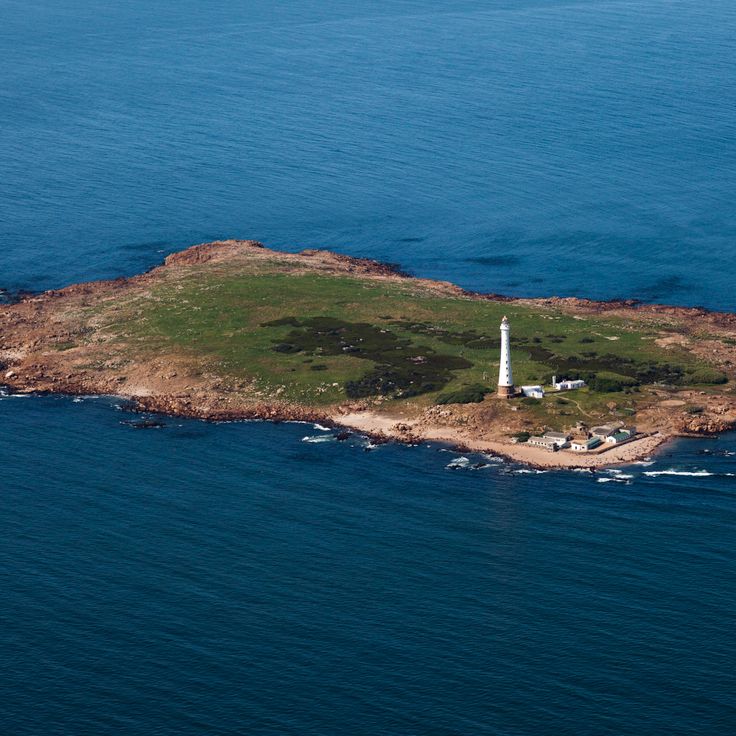
Isla de Lobos is an island off Maldonado where South America's largest sea lion colony makes its home. A lighthouse built in 1858 still stands and operates on the island. Visitors can spot the island from the mainland or join organized boat tours to watch the sea lions in their natural habitat. The animals gather in large numbers across the rocky shores, and the lighthouse remains an active landmark that has guided ships for generations.
This seaside resort in Uruguay was founded in 1893 and showcases Belle Époque architecture alongside its landmark Argentino Hotel, built in 1930. Walking through Piriápolis, you see how this coastal town grew as a destination for visitors seeking relaxation by the sea. The buildings reflect the elegant style of that era, and the hotel remains a symbol of the town's past as a place where people came to enjoy the beach and mineral waters nearby.
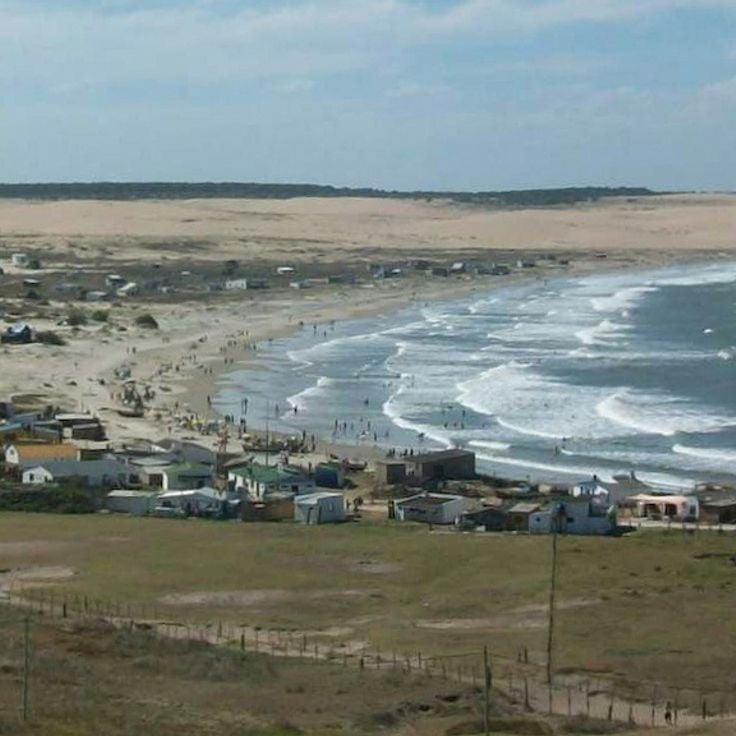
Cabo Polonio showcases the wild side of Uruguay that the country offers to travelers. This coastal village exists without electricity or roads, surrounded by sand dunes and home to local fishermen who have shaped their lives around the sea. The place gives visitors a raw view of how people live and work in this remote location, far from modern conveniences.
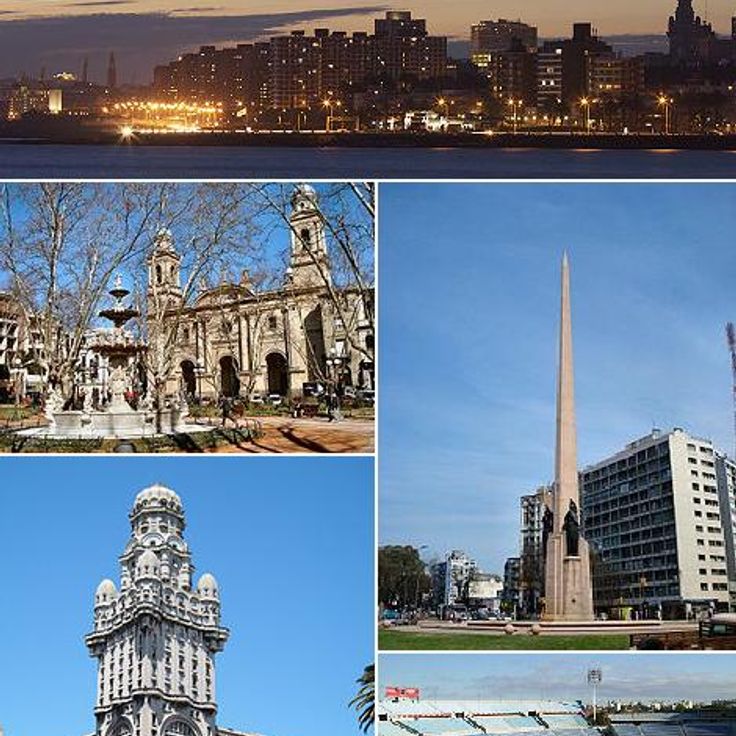
Montevideo, the capital of Uruguay, sits on the coast of the Río de la Plata and serves as the heart of the country's culture and history. The city draws visitors with its numerous museums that tell the story of Uruguay's past and buildings that reflect different periods of the nation's development. A working commercial port gives the waterfront its daily rhythm, and the streets show how the city has evolved over time. For travelers exploring Uruguay, Montevideo offers a gateway to understanding the country's heritage and the lives of its people.
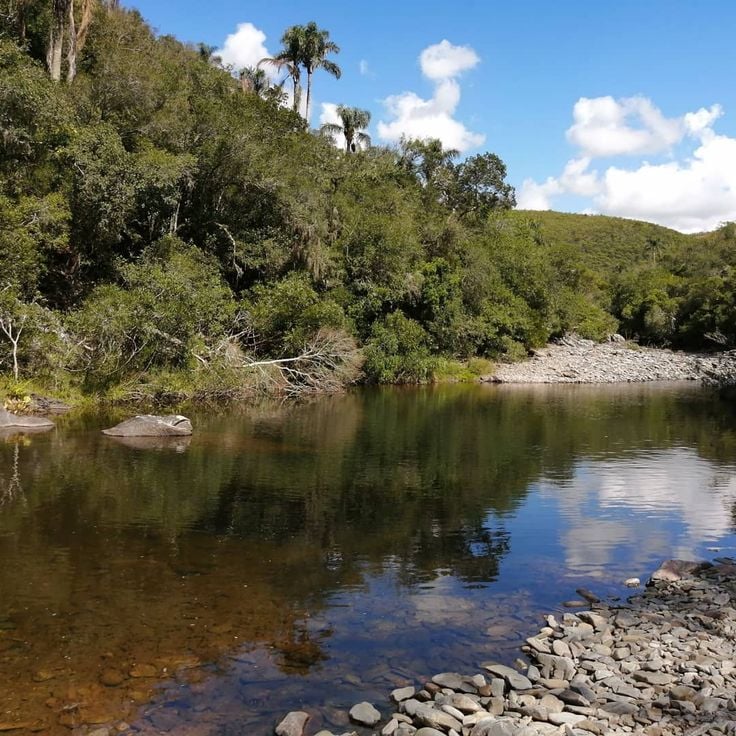
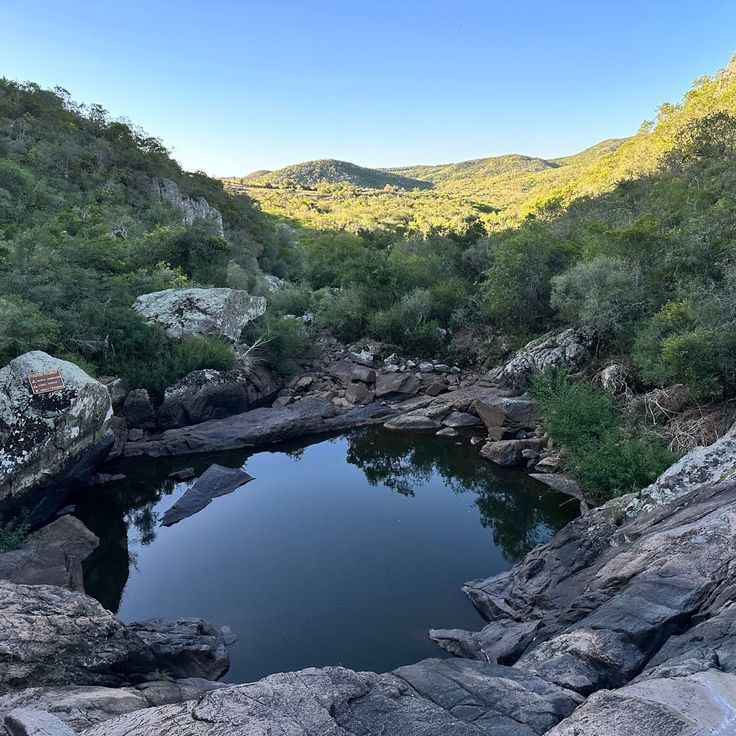
Quebrada de los Cuervos is a national park in Treinta y Tres featuring deep rocky canyons, natural streams, and a variety of native plants and animals. This park displays the wild character of Uruguay's interior with landscapes shaped over millions of years, inviting visitors to walk through forests and observe geological formations and natural features.
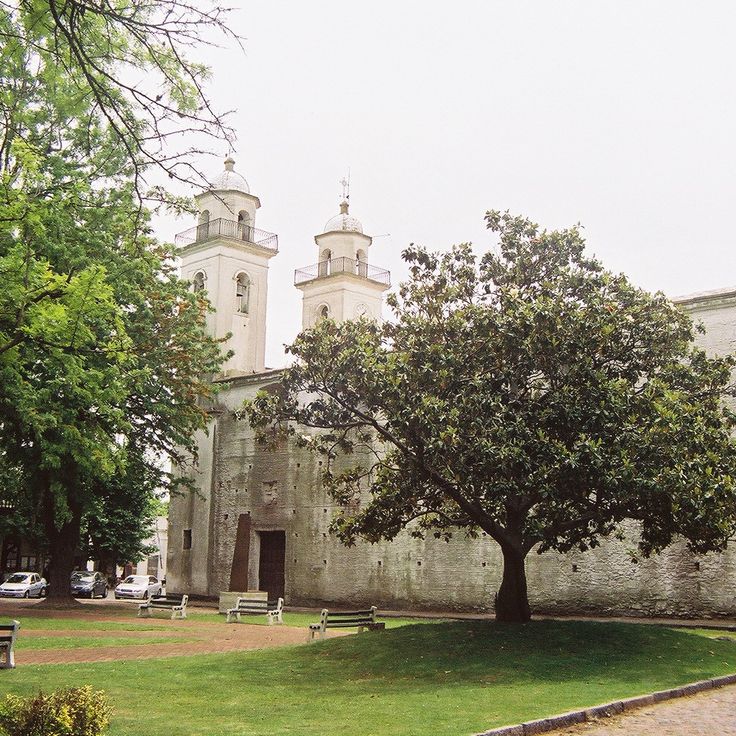
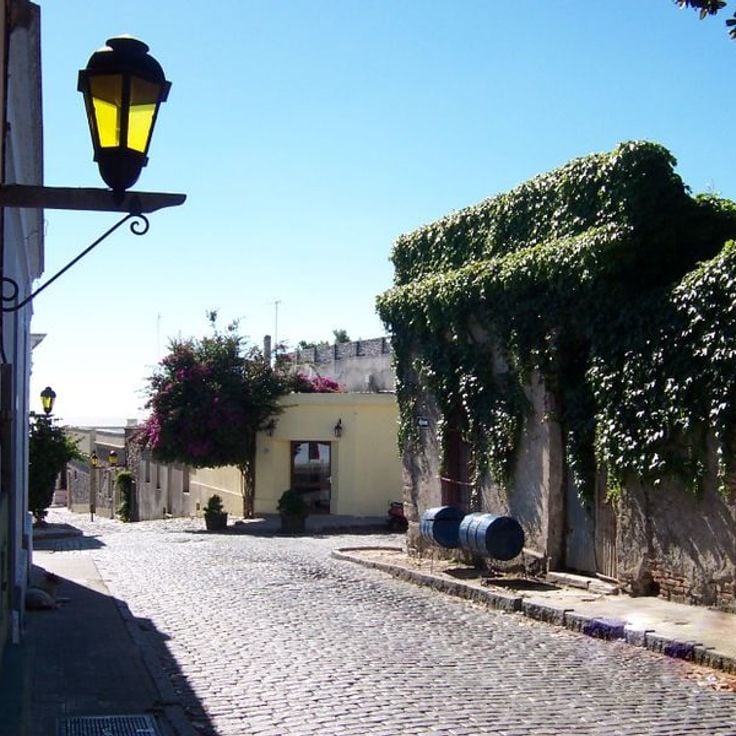
Colonia del Sacramento is a city founded by the Portuguese in 1680. Here you will find colonial architecture and cobblestone streets recognized by UNESCO. The city shows how life looked during that time, with old buildings and the rhythm of a smaller place shaped by the river. Visitors can walk through narrow streets and feel the history at every corner.
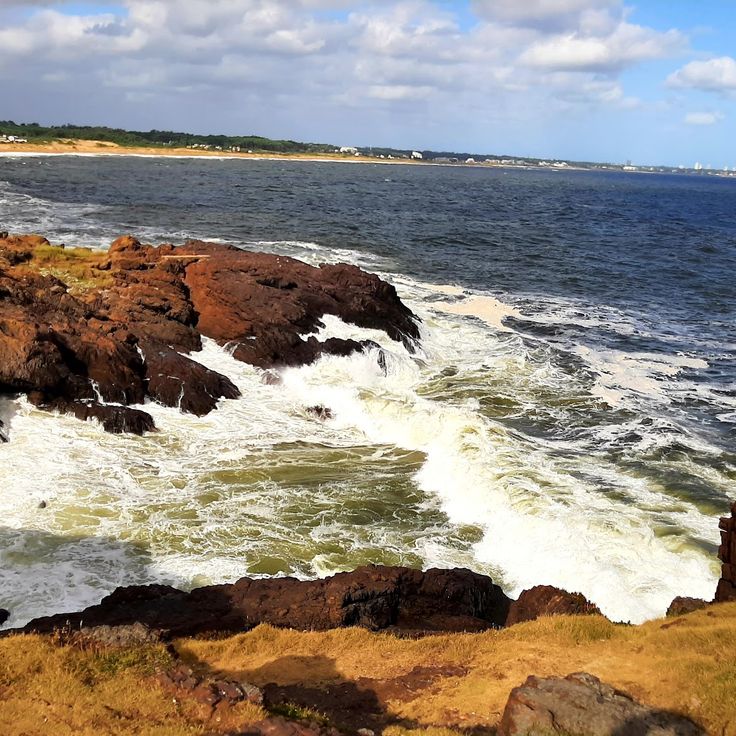
Punta Ballena is a rocky outcrop on the Atlantic coast that offers visitors observation terraces and walking trails overlooking the ocean. Located near Punta del Este, this place combines the coastal attractions of Uruguay with direct access to the country's natural landscape. From the terraces, you can watch the ocean and experience the power of the sea, while the trails along the shore provide different views of the rock formations and the surrounding coastline.
Tacuarembó is the regional agricultural center that reveals how rural Uruguay works. The city houses the Carlos Gardel Museum, where the life of the famous tango singer is preserved and celebrated. Folk festivals happen regularly here, bringing together the traditional culture of the region. The historic center keeps colonial buildings standing on streets that still convey the feeling of the past. For travelers wanting to understand the interior of Uruguay, Tacuarembó offers a genuine look at farming life and daily routines far from the coast.
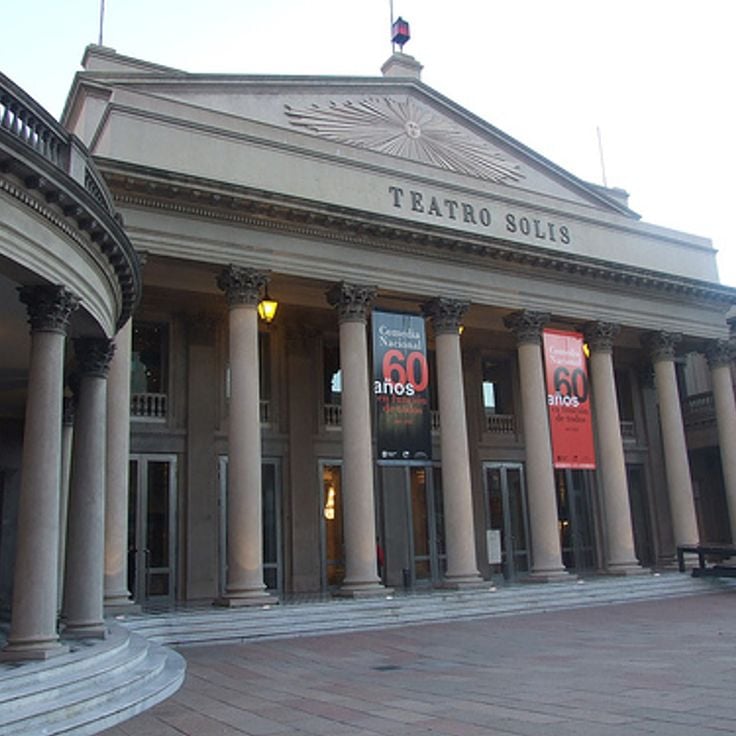
The Teatro Solís is Uruguay's main performance hall, located in Montevideo, the capital city. Built in 1856, the theater features a neoclassical façade that reflects the country's rich past. With seating for about 1500 spectators, this venue serves as a gathering place where art and history come together. Visitors can enjoy performances while admiring the building's fine architectural details, which make it an important part of Montevideo's cultural life.
Punta del Diablo is a small fishing village in Rocha that captures the simple rhythm of coastal life in Uruguay. The town sits along white sandy beaches with colorful wooden houses that lean toward the sea. The working fishing port anchors daily life, where fishermen set out to catch the day's haul and boats rock gently in the water. The houses have a handmade quality, with weathered paint that tells stories of sun and salt spray. This village offers travelers a glimpse into how Uruguayans have lived by the ocean for generations, far from the polished beaches and resorts found elsewhere.
Paysandú is an industrial city on the Uruguay River with a commercial port and a cathedral built in the 19th century. The city features municipal parks and reflects its role as a regional trading center. Paysandú shows the economic life of Uruguay beyond the capital, offering visitors a look at the daily culture of a port town.
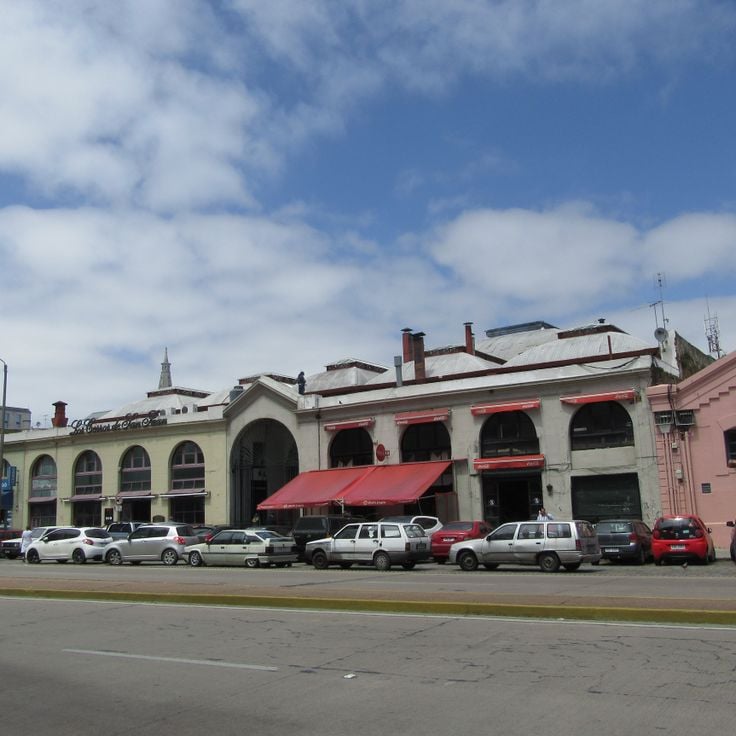
This market in Montevideo was built in 1868 and features an iron structure typical of industrial architecture from that era. Today it houses traditional grills where locals and travelers gather to eat beef and drink wine together. Craft shops line the corridors, and the space feels alive with conversation and movement. The Mercado del Puerto tells the story of Montevideo's past as a trading port and shows how the city grew. The place blends history with everyday life and offers a genuine window into uruguayan culture.
The Salto del Penitente is a striking rock formation in Lavalleja that offers visitors a chance to experience Uruguay's natural landscape up close. Standing about 60 meters high, this waterfall site shows the geological forces that have shaped the country's terrain over millions of years. Natural pools invite swimming, and hiking trails wind through the surrounding area. The location gives travelers a sense of the raw beauty found in Uruguay's interior, away from the coastal cities and resorts.
Laguna de Castillos is a large lake in Rocha, Uruguay, showcasing the country's wild natural spaces. The lake is framed by butiá palms and contains a nature reserve that welcomes migratory birds. Visitors can explore the area and watch different bird species use the lake as a stopping point during their journeys. This place reveals the untamed side of Uruguay, away from busy coastal cities.
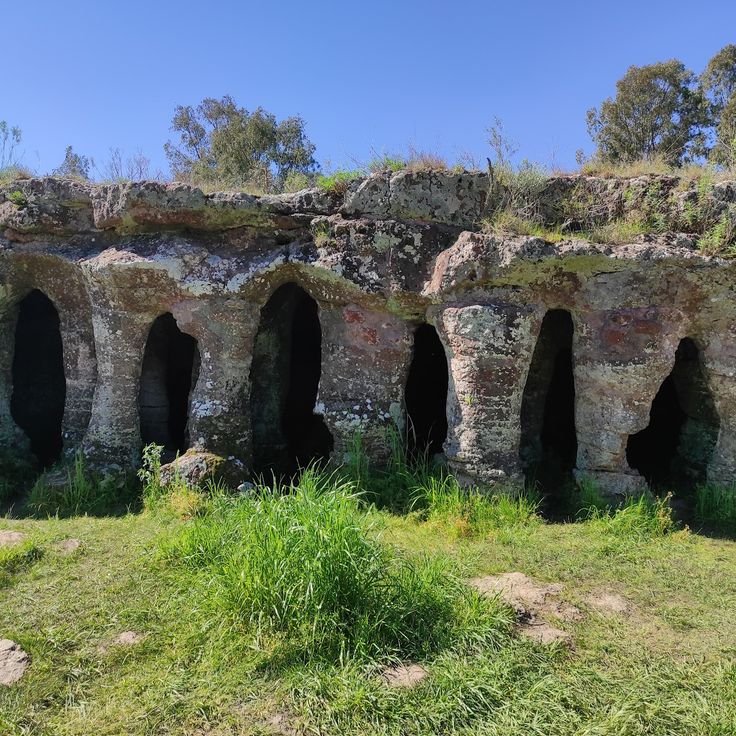
The Grutas del Palacio is a geological site in Flores, Uruguay, covering more than 50 hectares with underground rock formations dating back over 400 million years. Visitors can walk through caves and see layers of stone that tell the story of how the earth has changed over millions of years. The site offers a direct view of the region's ancient geological history, with natural formations shaped by processes that continue to shape the land today.
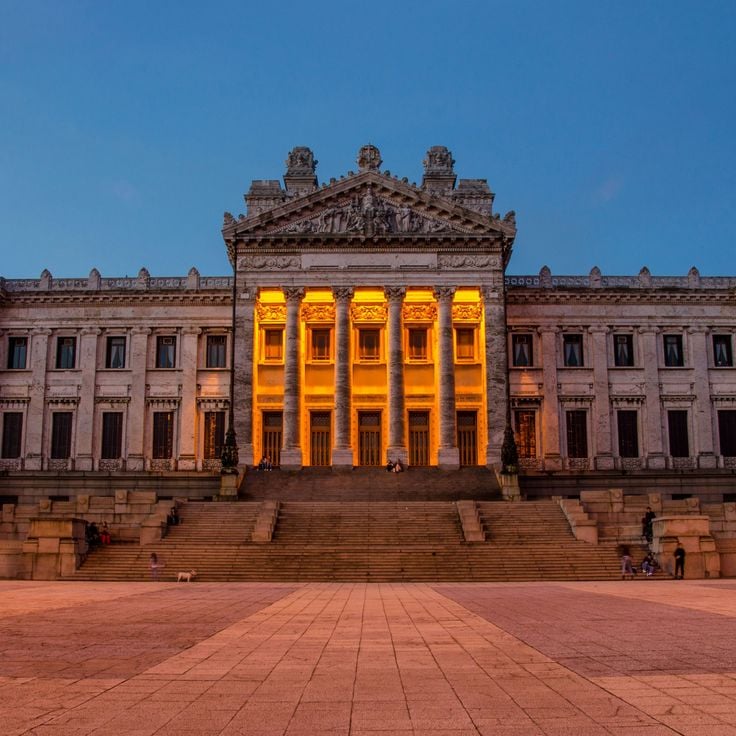
The Palacio Legislativo in Montevideo is where Uruguay's national parliament meets. Completed in 1925, this building stands as a symbol of the country's political history. Its architecture reflects a period when Uruguay was building its democratic institutions. Visitors can admire the exterior and learn how this structure connects to the nation's story.
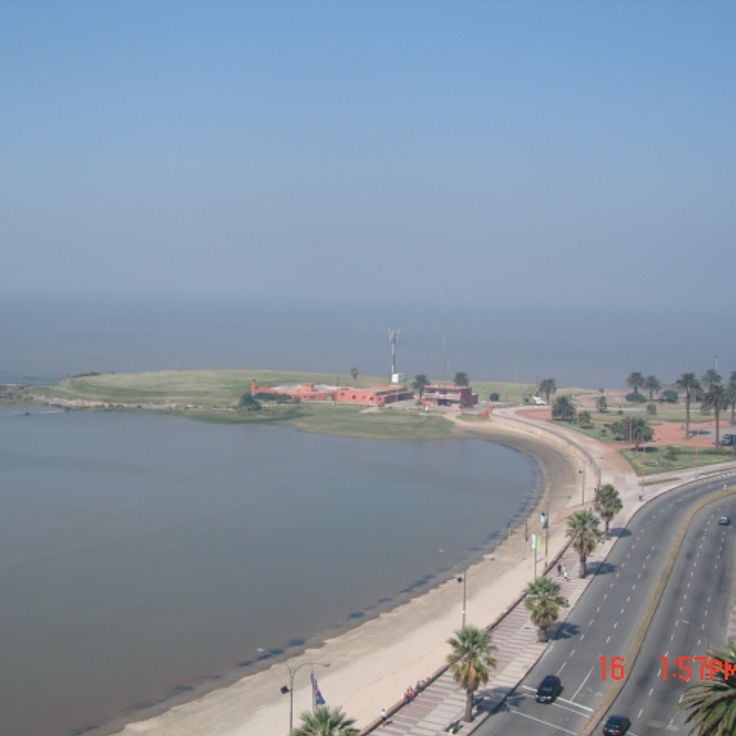
The Rambla of Montevideo is a 22-kilometer coastal avenue along the Río de la Plata that connects several neighborhoods and beaches in the capital. It is a central part of urban life and a place where you can observe the history and daily rhythms of Uruguay. With its mix of historic buildings, modern structures, and local cafes, the Rambla shows how people in the city experience leisure and culture.
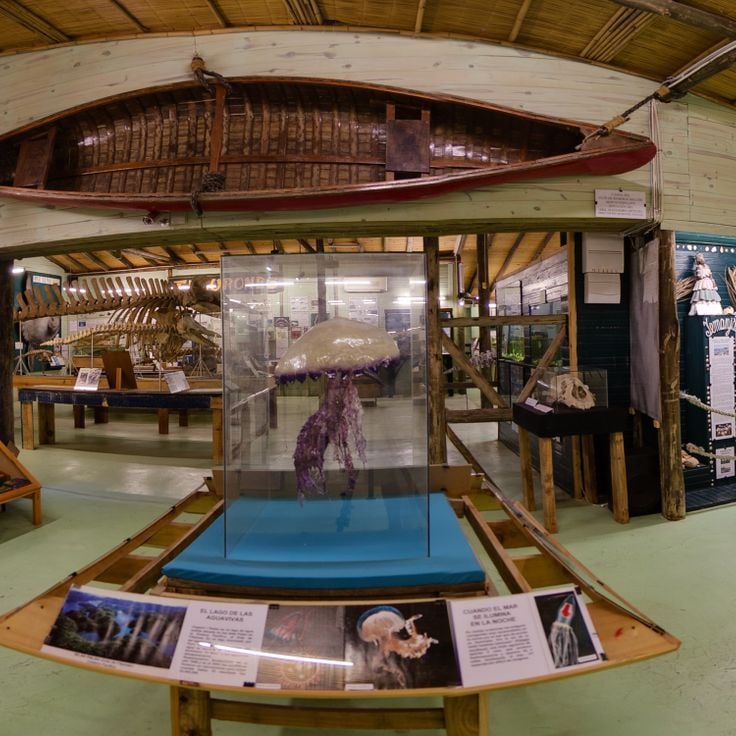
The Museo del Mar in Maldonado tells the story of Uruguay's relationship with the sea. Inside, you'll find marine specimens, fossils, shells, and objects connected to the maritime activities that have shaped the region. The museum helps visitors understand how the ocean and coastal life have been central to this place for generations.
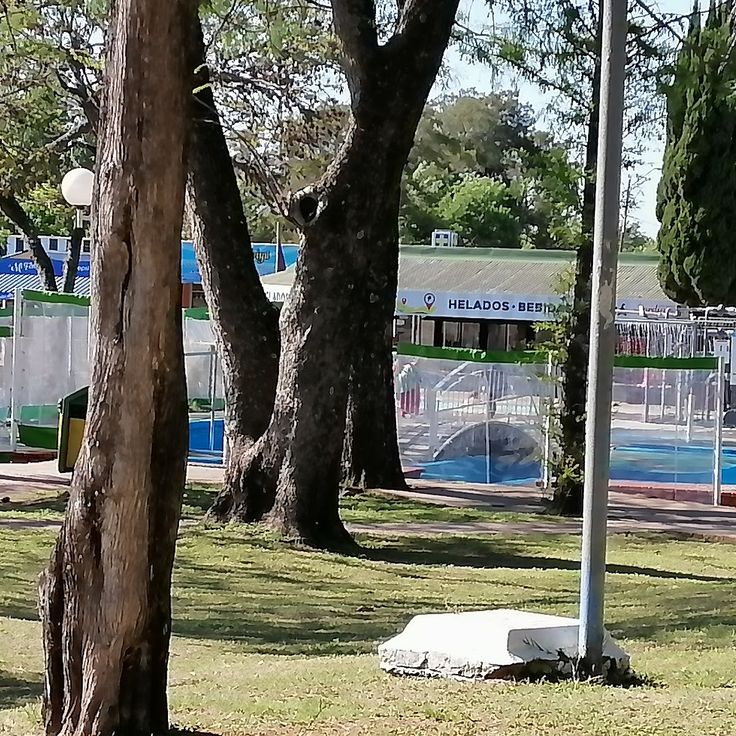
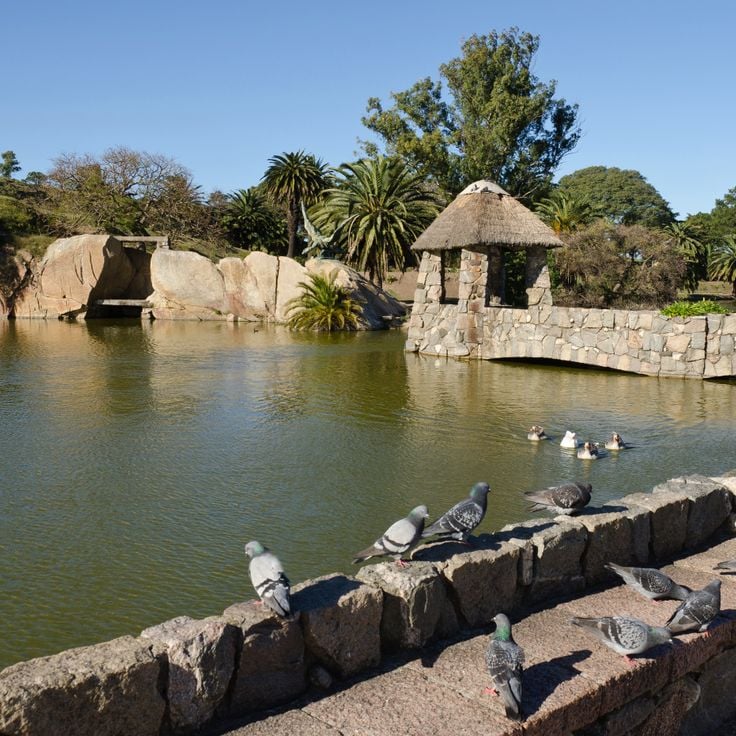
Parque Rodó is a large urban park in Montevideo where locals spend their leisure time. The park has children's play areas, an artificial lake for walking around, gardens to explore, and an open-air theater for performances. You'll find restaurants for meals, a permanent fairground with rides, and sports fields for different activities. This is where families gather and the rhythm of city life slows down a bit.
Playa Mansa is a fine sand beach nestled in a natural bay, offering visitors a gentle coastal experience. Shallow waters and moderate currents make it suitable for swimming and water sports throughout the year. This beach represents the quieter side of Uruguay's shoreline, where families and swimmers can enjoy the sea in calm conditions.
Colonia Suiza is a village founded in 1862 by Swiss immigrants in the Colonia region of Uruguay. It remains a working agricultural center where you can see traditional farms, historic grain mills, and learn how artisanal cheeses are still made using traditional methods. Walking through the village gives you a sense of how the early settlers built their community and how rural life continues here today.
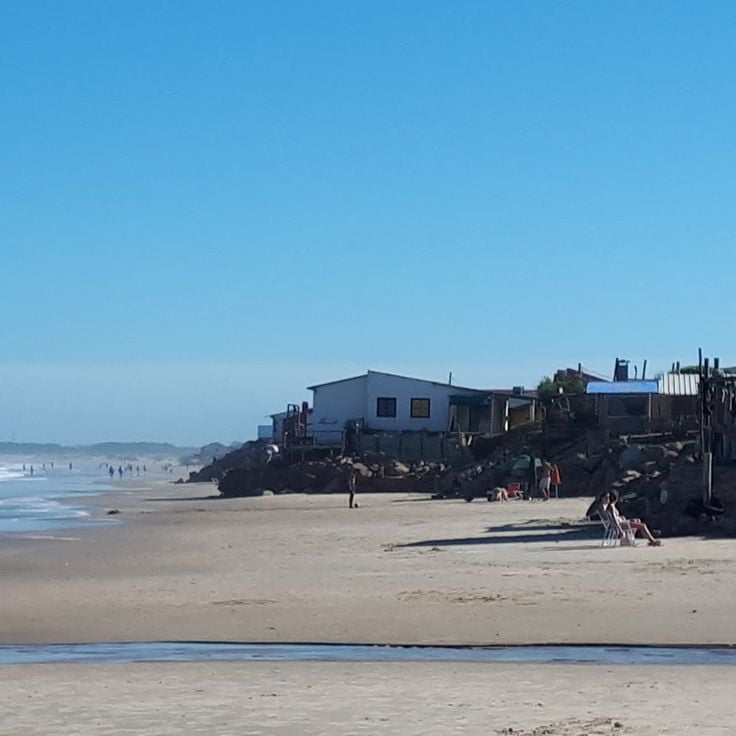
Aguas Dulces is a coastal village in Rocha that captures authentic life along Uruguay's coast. The place features a long natural beach and an active fishing port where fresh catches arrive daily. Unpaved streets wind through fisherman's houses, giving the village its casual and genuine character. The rhythm of daily life follows the sea, and visitors can watch local fishers who have worked these waters for generations. The village offers a different side from more developed beach towns, showing how small coastal communities in Uruguay actually function.
This region in the heart of Uruguay shows the agricultural side of the country, with vineyards spread across rolling hills. Canelones is known for its wine estates where visitors can see production methods and taste local wines. A wine museum tells the story of winemaking in the region, while a city museum documents the history of the area and its people. The landscape here feels calm, far removed from the rush of the cities.
Parque Nacional Santa Teresa in Rocha is a large natural reserve on the Atlantic coast that brings together history and wild landscapes. The 18th-century fortress stands surrounded by eucalyptus forests and shows the region's past. The park offers direct access to the coast, where beaches and ocean vistas remain undisturbed. Visitors can walk through the forest, watch for wildlife, and move freely through open spaces far from busy areas. The park shows the raw side of Uruguay and appeals to those who want to see both history and nature in one place.
Valle del Lunarejo is a protected area in northern Uruguay where visitors walk through sandstone cliffs and natural caves. The park has several marked hiking trails that lead through the landscape, and a creek runs through the valley with waterfalls. It shows the wild character of the country's interior, far from coastal beaches.
Casapueblo is a white Mediterranean-style building created by artist Carlos Páez Vilaró. Located on the coast near Maldonado, this structure houses a museum and hotel rooms where guests can stay. The building offers stunning views over the Atlantic Ocean, making it a destination for travelers seeking a mix of art, accommodation, and coastal scenery that fits within Uruguay's diverse offerings.
The Mines of Artigas are an active mining site where visitors can watch workers extract agates and amethysts from the ground. The place shows how mining works in Uruguay and what techniques people use to remove these stones from the earth. You get to see a real part of how the interior of the country operates economically.
Termas del Arapey is a thermal center in northern Uruguay that draws visitors seeking relaxation in warm mineral waters. The facility features multiple pools at different temperatures and sits within a large park setting. This is one of the thermal spas near Salto that enriches Uruguay's interior landscape, offering a different experience from the country's coastal attractions.
José Ignacio is a fishing port on Uruguay's Atlantic coast where daily life revolves around the sea. The lighthouse, built in 1877, stands as a landmark visible across the water. Restaurants in town focus on fresh fish caught by local fishermen, and natural beaches stretch along the shoreline. This port captures the working side of coastal Uruguay, where boats come and go with the catch and the pace of life follows the rhythms of fishing. Visitors find a place that feels connected to the ocean and the traditions of those who make their living from it.
Termas de Guaviyú is a thermal complex in Paysandú where visitors can soak in six pools filled with mineral water heated to 39 degrees Celsius. The facility includes a camping area and fishing spots along the Uruguay River. It fits into Uruguay's collection of thermal spas that draw travelers seeking the warmth and relaxation of natural mineral springs.
The Estadio Centenario is Uruguay's main football stadium, built in 1930 for the first World Cup. Located in Montevideo, it holds a museum that traces the history of Uruguayan football. The stadium is a place where passion for the sport connects with the country's past. Visitors can see how central football has been to Uruguay's identity and culture.
Punta del Este is where this collection takes visitors seeking beaches and sophisticated coastal living. Located on a peninsula between the Rio de la Plata and the Atlantic Ocean, it serves as a major seaside destination. The town features sandy beaches, a busy marina filled with yachts, and casinos that draw crowds year-round. During warm months, the beaches fill with sunbathers and swimmers, while the waterfront stays active with restaurants, shops, and nightlife.
Isla de Lobos is an island off Maldonado where South America's largest sea lion colony makes its home. A lighthouse built in 1858 still stands and operates on the island. Visitors can spot the island from the mainland or join organized boat tours to watch the sea lions in their natural habitat. The animals gather in large numbers across the rocky shores, and the lighthouse remains an active landmark that has guided ships for generations.
This seaside resort in Uruguay was founded in 1893 and showcases Belle Époque architecture alongside its landmark Argentino Hotel, built in 1930. Walking through Piriápolis, you see how this coastal town grew as a destination for visitors seeking relaxation by the sea. The buildings reflect the elegant style of that era, and the hotel remains a symbol of the town's past as a place where people came to enjoy the beach and mineral waters nearby.
Cabo Polonio showcases the wild side of Uruguay that the country offers to travelers. This coastal village exists without electricity or roads, surrounded by sand dunes and home to local fishermen who have shaped their lives around the sea. The place gives visitors a raw view of how people live and work in this remote location, far from modern conveniences.
Montevideo, the capital of Uruguay, sits on the coast of the Río de la Plata and serves as the heart of the country's culture and history. The city draws visitors with its numerous museums that tell the story of Uruguay's past and buildings that reflect different periods of the nation's development. A working commercial port gives the waterfront its daily rhythm, and the streets show how the city has evolved over time. For travelers exploring Uruguay, Montevideo offers a gateway to understanding the country's heritage and the lives of its people.
Quebrada de los Cuervos is a national park in Treinta y Tres featuring deep rocky canyons, natural streams, and a variety of native plants and animals. This park displays the wild character of Uruguay's interior with landscapes shaped over millions of years, inviting visitors to walk through forests and observe geological formations and natural features.
Colonia del Sacramento is a city founded by the Portuguese in 1680. Here you will find colonial architecture and cobblestone streets recognized by UNESCO. The city shows how life looked during that time, with old buildings and the rhythm of a smaller place shaped by the river. Visitors can walk through narrow streets and feel the history at every corner.
Punta Ballena is a rocky outcrop on the Atlantic coast that offers visitors observation terraces and walking trails overlooking the ocean. Located near Punta del Este, this place combines the coastal attractions of Uruguay with direct access to the country's natural landscape. From the terraces, you can watch the ocean and experience the power of the sea, while the trails along the shore provide different views of the rock formations and the surrounding coastline.
Tacuarembó is the regional agricultural center that reveals how rural Uruguay works. The city houses the Carlos Gardel Museum, where the life of the famous tango singer is preserved and celebrated. Folk festivals happen regularly here, bringing together the traditional culture of the region. The historic center keeps colonial buildings standing on streets that still convey the feeling of the past. For travelers wanting to understand the interior of Uruguay, Tacuarembó offers a genuine look at farming life and daily routines far from the coast.
The Teatro Solís is Uruguay's main performance hall, located in Montevideo, the capital city. Built in 1856, the theater features a neoclassical façade that reflects the country's rich past. With seating for about 1500 spectators, this venue serves as a gathering place where art and history come together. Visitors can enjoy performances while admiring the building's fine architectural details, which make it an important part of Montevideo's cultural life.
Punta del Diablo is a small fishing village in Rocha that captures the simple rhythm of coastal life in Uruguay. The town sits along white sandy beaches with colorful wooden houses that lean toward the sea. The working fishing port anchors daily life, where fishermen set out to catch the day's haul and boats rock gently in the water. The houses have a handmade quality, with weathered paint that tells stories of sun and salt spray. This village offers travelers a glimpse into how Uruguayans have lived by the ocean for generations, far from the polished beaches and resorts found elsewhere.
Paysandú is an industrial city on the Uruguay River with a commercial port and a cathedral built in the 19th century. The city features municipal parks and reflects its role as a regional trading center. Paysandú shows the economic life of Uruguay beyond the capital, offering visitors a look at the daily culture of a port town.
This market in Montevideo was built in 1868 and features an iron structure typical of industrial architecture from that era. Today it houses traditional grills where locals and travelers gather to eat beef and drink wine together. Craft shops line the corridors, and the space feels alive with conversation and movement. The Mercado del Puerto tells the story of Montevideo's past as a trading port and shows how the city grew. The place blends history with everyday life and offers a genuine window into uruguayan culture.
The Salto del Penitente is a striking rock formation in Lavalleja that offers visitors a chance to experience Uruguay's natural landscape up close. Standing about 60 meters high, this waterfall site shows the geological forces that have shaped the country's terrain over millions of years. Natural pools invite swimming, and hiking trails wind through the surrounding area. The location gives travelers a sense of the raw beauty found in Uruguay's interior, away from the coastal cities and resorts.
Laguna de Castillos is a large lake in Rocha, Uruguay, showcasing the country's wild natural spaces. The lake is framed by butiá palms and contains a nature reserve that welcomes migratory birds. Visitors can explore the area and watch different bird species use the lake as a stopping point during their journeys. This place reveals the untamed side of Uruguay, away from busy coastal cities.
The Grutas del Palacio is a geological site in Flores, Uruguay, covering more than 50 hectares with underground rock formations dating back over 400 million years. Visitors can walk through caves and see layers of stone that tell the story of how the earth has changed over millions of years. The site offers a direct view of the region's ancient geological history, with natural formations shaped by processes that continue to shape the land today.
The Palacio Legislativo in Montevideo is where Uruguay's national parliament meets. Completed in 1925, this building stands as a symbol of the country's political history. Its architecture reflects a period when Uruguay was building its democratic institutions. Visitors can admire the exterior and learn how this structure connects to the nation's story.
The Rambla of Montevideo is a 22-kilometer coastal avenue along the Río de la Plata that connects several neighborhoods and beaches in the capital. It is a central part of urban life and a place where you can observe the history and daily rhythms of Uruguay. With its mix of historic buildings, modern structures, and local cafes, the Rambla shows how people in the city experience leisure and culture.
The Museo del Mar in Maldonado tells the story of Uruguay's relationship with the sea. Inside, you'll find marine specimens, fossils, shells, and objects connected to the maritime activities that have shaped the region. The museum helps visitors understand how the ocean and coastal life have been central to this place for generations.
Parque Rodó is a large urban park in Montevideo where locals spend their leisure time. The park has children's play areas, an artificial lake for walking around, gardens to explore, and an open-air theater for performances. You'll find restaurants for meals, a permanent fairground with rides, and sports fields for different activities. This is where families gather and the rhythm of city life slows down a bit.
Playa Mansa is a fine sand beach nestled in a natural bay, offering visitors a gentle coastal experience. Shallow waters and moderate currents make it suitable for swimming and water sports throughout the year. This beach represents the quieter side of Uruguay's shoreline, where families and swimmers can enjoy the sea in calm conditions.
Colonia Suiza is a village founded in 1862 by Swiss immigrants in the Colonia region of Uruguay. It remains a working agricultural center where you can see traditional farms, historic grain mills, and learn how artisanal cheeses are still made using traditional methods. Walking through the village gives you a sense of how the early settlers built their community and how rural life continues here today.
Aguas Dulces is a coastal village in Rocha that captures authentic life along Uruguay's coast. The place features a long natural beach and an active fishing port where fresh catches arrive daily. Unpaved streets wind through fisherman's houses, giving the village its casual and genuine character. The rhythm of daily life follows the sea, and visitors can watch local fishers who have worked these waters for generations. The village offers a different side from more developed beach towns, showing how small coastal communities in Uruguay actually function.
This region in the heart of Uruguay shows the agricultural side of the country, with vineyards spread across rolling hills. Canelones is known for its wine estates where visitors can see production methods and taste local wines. A wine museum tells the story of winemaking in the region, while a city museum documents the history of the area and its people. The landscape here feels calm, far removed from the rush of the cities.
Parque Nacional Santa Teresa in Rocha is a large natural reserve on the Atlantic coast that brings together history and wild landscapes. The 18th-century fortress stands surrounded by eucalyptus forests and shows the region's past. The park offers direct access to the coast, where beaches and ocean vistas remain undisturbed. Visitors can walk through the forest, watch for wildlife, and move freely through open spaces far from busy areas. The park shows the raw side of Uruguay and appeals to those who want to see both history and nature in one place.
Valle del Lunarejo is a protected area in northern Uruguay where visitors walk through sandstone cliffs and natural caves. The park has several marked hiking trails that lead through the landscape, and a creek runs through the valley with waterfalls. It shows the wild character of the country's interior, far from coastal beaches.
Casapueblo is a white Mediterranean-style building created by artist Carlos Páez Vilaró. Located on the coast near Maldonado, this structure houses a museum and hotel rooms where guests can stay. The building offers stunning views over the Atlantic Ocean, making it a destination for travelers seeking a mix of art, accommodation, and coastal scenery that fits within Uruguay's diverse offerings.
The Mines of Artigas are an active mining site where visitors can watch workers extract agates and amethysts from the ground. The place shows how mining works in Uruguay and what techniques people use to remove these stones from the earth. You get to see a real part of how the interior of the country operates economically.
Termas del Arapey is a thermal center in northern Uruguay that draws visitors seeking relaxation in warm mineral waters. The facility features multiple pools at different temperatures and sits within a large park setting. This is one of the thermal spas near Salto that enriches Uruguay's interior landscape, offering a different experience from the country's coastal attractions.
José Ignacio is a fishing port on Uruguay's Atlantic coast where daily life revolves around the sea. The lighthouse, built in 1877, stands as a landmark visible across the water. Restaurants in town focus on fresh fish caught by local fishermen, and natural beaches stretch along the shoreline. This port captures the working side of coastal Uruguay, where boats come and go with the catch and the pace of life follows the rhythms of fishing. Visitors find a place that feels connected to the ocean and the traditions of those who make their living from it.
Termas de Guaviyú is a thermal complex in Paysandú where visitors can soak in six pools filled with mineral water heated to 39 degrees Celsius. The facility includes a camping area and fishing spots along the Uruguay River. It fits into Uruguay's collection of thermal spas that draw travelers seeking the warmth and relaxation of natural mineral springs.
The Estadio Centenario is Uruguay's main football stadium, built in 1930 for the first World Cup. Located in Montevideo, it holds a museum that traces the history of Uruguayan football. The stadium is a place where passion for the sport connects with the country's past. Visitors can see how central football has been to Uruguay's identity and culture.
Punta del Este is where this collection takes visitors seeking beaches and sophisticated coastal living. Located on a peninsula between the Rio de la Plata and the Atlantic Ocean, it serves as a major seaside destination. The town features sandy beaches, a busy marina filled with yachts, and casinos that draw crowds year-round. During warm months, the beaches fill with sunbathers and swimmers, while the waterfront stays active with restaurants, shops, and nightlife.
Isla de Lobos is an island off Maldonado where South America's largest sea lion colony makes its home. A lighthouse built in 1858 still stands and operates on the island. Visitors can spot the island from the mainland or join organized boat tours to watch the sea lions in their natural habitat. The animals gather in large numbers across the rocky shores, and the lighthouse remains an active landmark that has guided ships for generations.
This seaside resort in Uruguay was founded in 1893 and showcases Belle Époque architecture alongside its landmark Argentino Hotel, built in 1930. Walking through Piriápolis, you see how this coastal town grew as a destination for visitors seeking relaxation by the sea. The buildings reflect the elegant style of that era, and the hotel remains a symbol of the town's past as a place where people came to enjoy the beach and mineral waters nearby.
Cabo Polonio showcases the wild side of Uruguay that the country offers to travelers. This coastal village exists without electricity or roads, surrounded by sand dunes and home to local fishermen who have shaped their lives around the sea. The place gives visitors a raw view of how people live and work in this remote location, far from modern conveniences.
Montevideo, the capital of Uruguay, sits on the coast of the Río de la Plata and serves as the heart of the country's culture and history. The city draws visitors with its numerous museums that tell the story of Uruguay's past and buildings that reflect different periods of the nation's development. A working commercial port gives the waterfront its daily rhythm, and the streets show how the city has evolved over time. For travelers exploring Uruguay, Montevideo offers a gateway to understanding the country's heritage and the lives of its people.
Quebrada de los Cuervos is a national park in Treinta y Tres featuring deep rocky canyons, natural streams, and a variety of native plants and animals. This park displays the wild character of Uruguay's interior with landscapes shaped over millions of years, inviting visitors to walk through forests and observe geological formations and natural features.
Colonia del Sacramento is a city founded by the Portuguese in 1680. Here you will find colonial architecture and cobblestone streets recognized by UNESCO. The city shows how life looked during that time, with old buildings and the rhythm of a smaller place shaped by the river. Visitors can walk through narrow streets and feel the history at every corner.
Punta Ballena is a rocky outcrop on the Atlantic coast that offers visitors observation terraces and walking trails overlooking the ocean. Located near Punta del Este, this place combines the coastal attractions of Uruguay with direct access to the country's natural landscape. From the terraces, you can watch the ocean and experience the power of the sea, while the trails along the shore provide different views of the rock formations and the surrounding coastline.
Tacuarembó is the regional agricultural center that reveals how rural Uruguay works. The city houses the Carlos Gardel Museum, where the life of the famous tango singer is preserved and celebrated. Folk festivals happen regularly here, bringing together the traditional culture of the region. The historic center keeps colonial buildings standing on streets that still convey the feeling of the past. For travelers wanting to understand the interior of Uruguay, Tacuarembó offers a genuine look at farming life and daily routines far from the coast.
The Teatro Solís is Uruguay's main performance hall, located in Montevideo, the capital city. Built in 1856, the theater features a neoclassical façade that reflects the country's rich past. With seating for about 1500 spectators, this venue serves as a gathering place where art and history come together. Visitors can enjoy performances while admiring the building's fine architectural details, which make it an important part of Montevideo's cultural life.
Punta del Diablo is a small fishing village in Rocha that captures the simple rhythm of coastal life in Uruguay. The town sits along white sandy beaches with colorful wooden houses that lean toward the sea. The working fishing port anchors daily life, where fishermen set out to catch the day's haul and boats rock gently in the water. The houses have a handmade quality, with weathered paint that tells stories of sun and salt spray. This village offers travelers a glimpse into how Uruguayans have lived by the ocean for generations, far from the polished beaches and resorts found elsewhere.
Paysandú is an industrial city on the Uruguay River with a commercial port and a cathedral built in the 19th century. The city features municipal parks and reflects its role as a regional trading center. Paysandú shows the economic life of Uruguay beyond the capital, offering visitors a look at the daily culture of a port town.
This market in Montevideo was built in 1868 and features an iron structure typical of industrial architecture from that era. Today it houses traditional grills where locals and travelers gather to eat beef and drink wine together. Craft shops line the corridors, and the space feels alive with conversation and movement. The Mercado del Puerto tells the story of Montevideo's past as a trading port and shows how the city grew. The place blends history with everyday life and offers a genuine window into uruguayan culture.
The Salto del Penitente is a striking rock formation in Lavalleja that offers visitors a chance to experience Uruguay's natural landscape up close. Standing about 60 meters high, this waterfall site shows the geological forces that have shaped the country's terrain over millions of years. Natural pools invite swimming, and hiking trails wind through the surrounding area. The location gives travelers a sense of the raw beauty found in Uruguay's interior, away from the coastal cities and resorts.
Laguna de Castillos is a large lake in Rocha, Uruguay, showcasing the country's wild natural spaces. The lake is framed by butiá palms and contains a nature reserve that welcomes migratory birds. Visitors can explore the area and watch different bird species use the lake as a stopping point during their journeys. This place reveals the untamed side of Uruguay, away from busy coastal cities.
The Grutas del Palacio is a geological site in Flores, Uruguay, covering more than 50 hectares with underground rock formations dating back over 400 million years. Visitors can walk through caves and see layers of stone that tell the story of how the earth has changed over millions of years. The site offers a direct view of the region's ancient geological history, with natural formations shaped by processes that continue to shape the land today.
The Palacio Legislativo in Montevideo is where Uruguay's national parliament meets. Completed in 1925, this building stands as a symbol of the country's political history. Its architecture reflects a period when Uruguay was building its democratic institutions. Visitors can admire the exterior and learn how this structure connects to the nation's story.
The Rambla of Montevideo is a 22-kilometer coastal avenue along the Río de la Plata that connects several neighborhoods and beaches in the capital. It is a central part of urban life and a place where you can observe the history and daily rhythms of Uruguay. With its mix of historic buildings, modern structures, and local cafes, the Rambla shows how people in the city experience leisure and culture.
The Museo del Mar in Maldonado tells the story of Uruguay's relationship with the sea. Inside, you'll find marine specimens, fossils, shells, and objects connected to the maritime activities that have shaped the region. The museum helps visitors understand how the ocean and coastal life have been central to this place for generations.
Parque Rodó is a large urban park in Montevideo where locals spend their leisure time. The park has children's play areas, an artificial lake for walking around, gardens to explore, and an open-air theater for performances. You'll find restaurants for meals, a permanent fairground with rides, and sports fields for different activities. This is where families gather and the rhythm of city life slows down a bit.
Playa Mansa is a fine sand beach nestled in a natural bay, offering visitors a gentle coastal experience. Shallow waters and moderate currents make it suitable for swimming and water sports throughout the year. This beach represents the quieter side of Uruguay's shoreline, where families and swimmers can enjoy the sea in calm conditions.
Colonia Suiza is a village founded in 1862 by Swiss immigrants in the Colonia region of Uruguay. It remains a working agricultural center where you can see traditional farms, historic grain mills, and learn how artisanal cheeses are still made using traditional methods. Walking through the village gives you a sense of how the early settlers built their community and how rural life continues here today.
Aguas Dulces is a coastal village in Rocha that captures authentic life along Uruguay's coast. The place features a long natural beach and an active fishing port where fresh catches arrive daily. Unpaved streets wind through fisherman's houses, giving the village its casual and genuine character. The rhythm of daily life follows the sea, and visitors can watch local fishers who have worked these waters for generations. The village offers a different side from more developed beach towns, showing how small coastal communities in Uruguay actually function.
This region in the heart of Uruguay shows the agricultural side of the country, with vineyards spread across rolling hills. Canelones is known for its wine estates where visitors can see production methods and taste local wines. A wine museum tells the story of winemaking in the region, while a city museum documents the history of the area and its people. The landscape here feels calm, far removed from the rush of the cities.
Parque Nacional Santa Teresa in Rocha is a large natural reserve on the Atlantic coast that brings together history and wild landscapes. The 18th-century fortress stands surrounded by eucalyptus forests and shows the region's past. The park offers direct access to the coast, where beaches and ocean vistas remain undisturbed. Visitors can walk through the forest, watch for wildlife, and move freely through open spaces far from busy areas. The park shows the raw side of Uruguay and appeals to those who want to see both history and nature in one place.
Valle del Lunarejo is a protected area in northern Uruguay where visitors walk through sandstone cliffs and natural caves. The park has several marked hiking trails that lead through the landscape, and a creek runs through the valley with waterfalls. It shows the wild character of the country's interior, far from coastal beaches.
Casapueblo is a white Mediterranean-style building created by artist Carlos Páez Vilaró. Located on the coast near Maldonado, this structure houses a museum and hotel rooms where guests can stay. The building offers stunning views over the Atlantic Ocean, making it a destination for travelers seeking a mix of art, accommodation, and coastal scenery that fits within Uruguay's diverse offerings.
The Mines of Artigas are an active mining site where visitors can watch workers extract agates and amethysts from the ground. The place shows how mining works in Uruguay and what techniques people use to remove these stones from the earth. You get to see a real part of how the interior of the country operates economically.
Termas del Arapey is a thermal center in northern Uruguay that draws visitors seeking relaxation in warm mineral waters. The facility features multiple pools at different temperatures and sits within a large park setting. This is one of the thermal spas near Salto that enriches Uruguay's interior landscape, offering a different experience from the country's coastal attractions.
José Ignacio is a fishing port on Uruguay's Atlantic coast where daily life revolves around the sea. The lighthouse, built in 1877, stands as a landmark visible across the water. Restaurants in town focus on fresh fish caught by local fishermen, and natural beaches stretch along the shoreline. This port captures the working side of coastal Uruguay, where boats come and go with the catch and the pace of life follows the rhythms of fishing. Visitors find a place that feels connected to the ocean and the traditions of those who make their living from it.
Termas de Guaviyú is a thermal complex in Paysandú where visitors can soak in six pools filled with mineral water heated to 39 degrees Celsius. The facility includes a camping area and fishing spots along the Uruguay River. It fits into Uruguay's collection of thermal spas that draw travelers seeking the warmth and relaxation of natural mineral springs.