See the monuments around you in AROpen chests in the app
Around Us is built for your phone — point your camera at the streets and discover the monuments and places around you in augmented reality.Around Us is built for your phone — chests unlock when you walk, explore and capture nearby places.
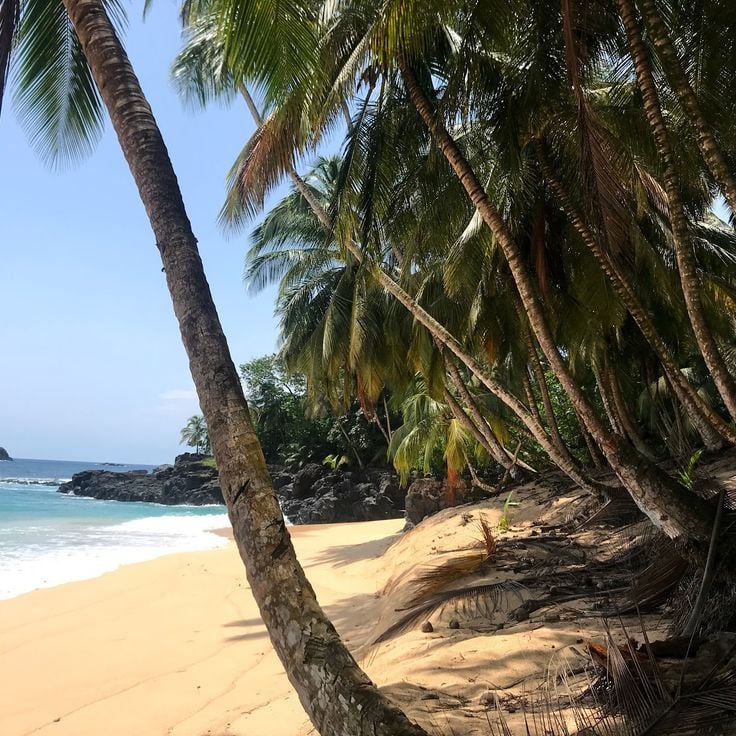
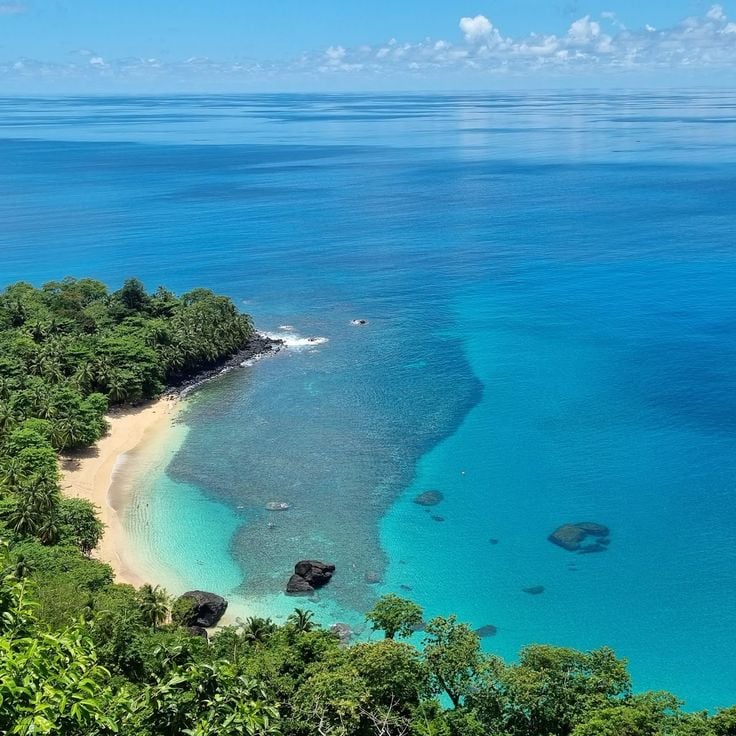
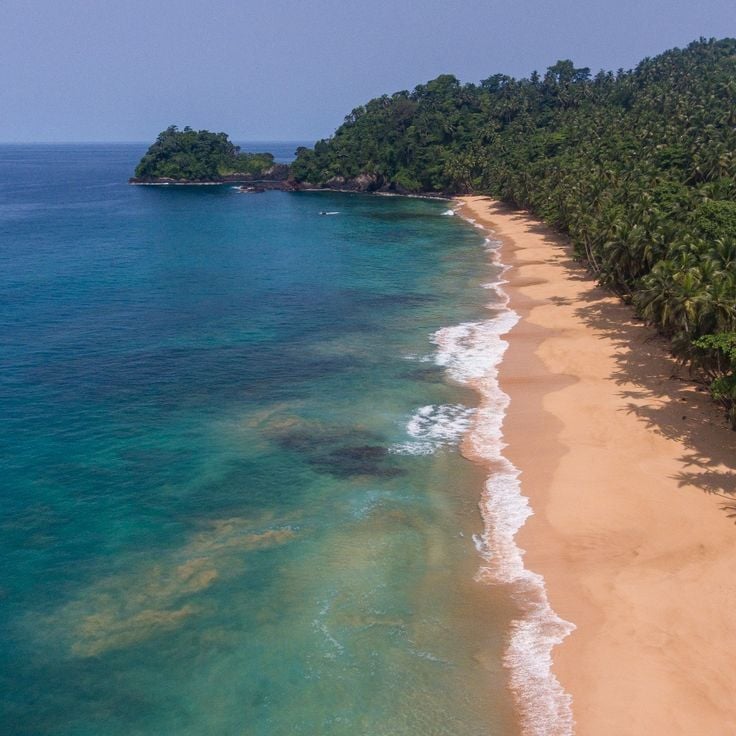
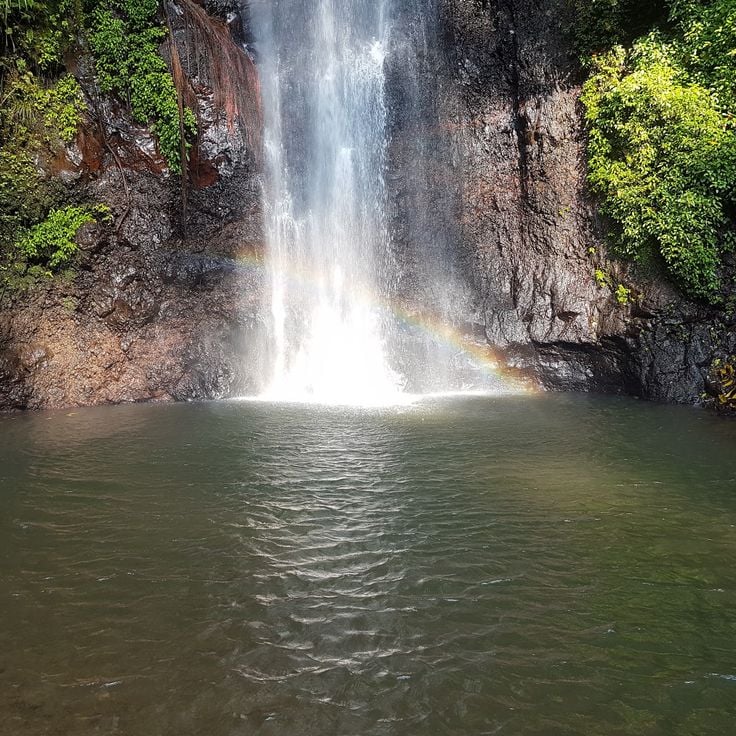
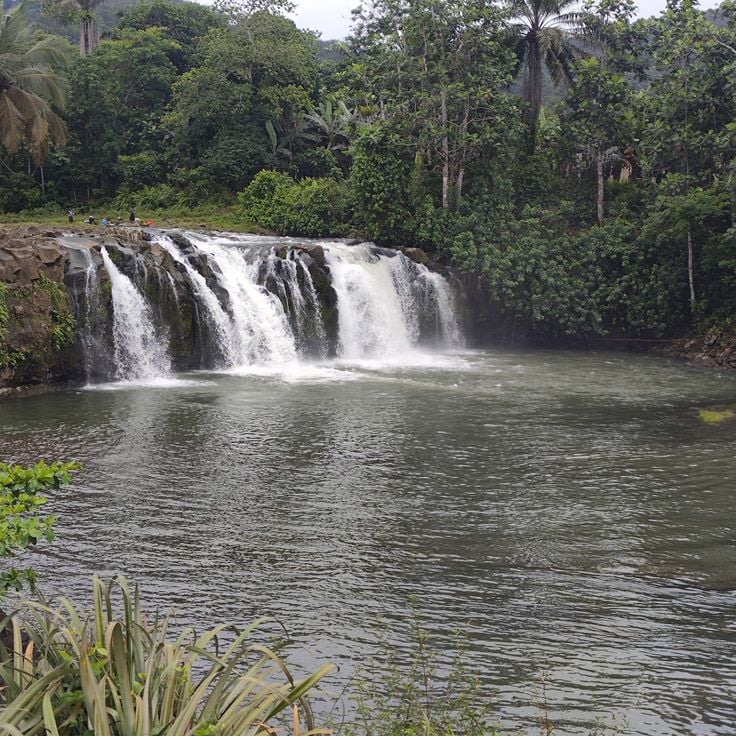
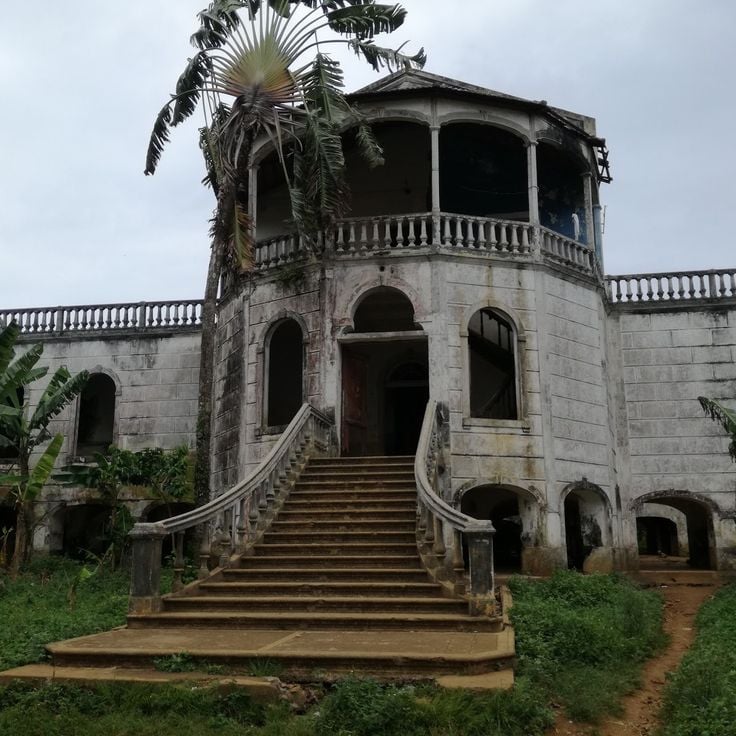
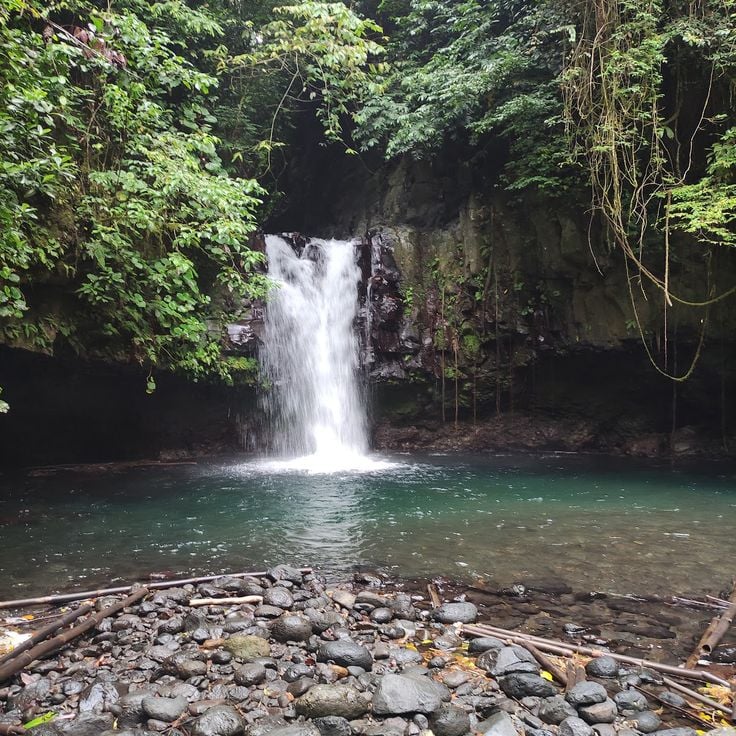
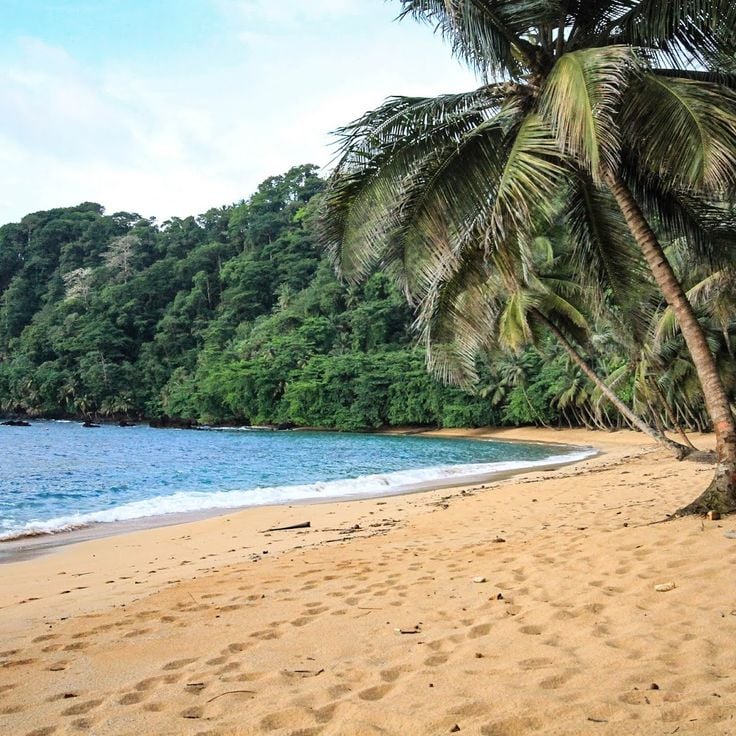
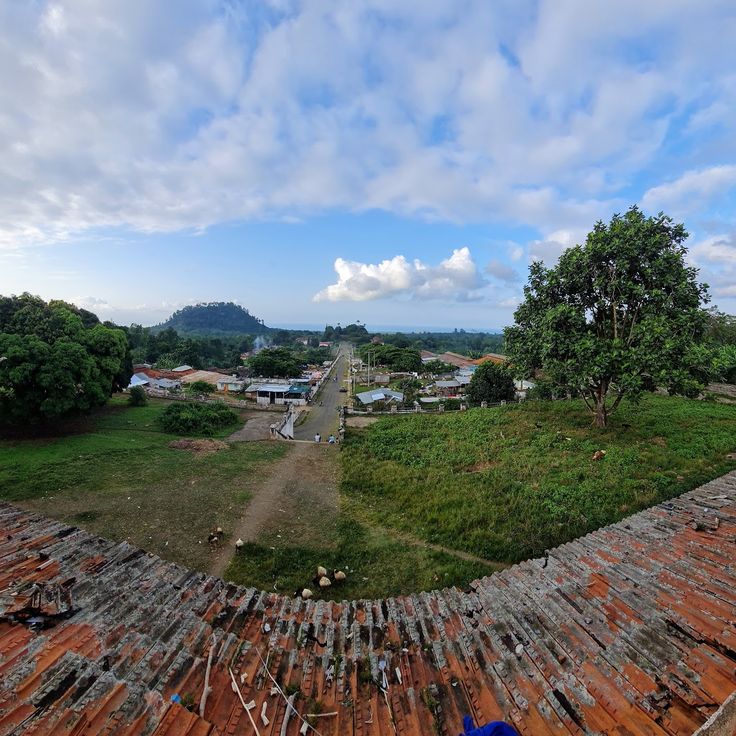
São Tomé and Príncipe is an island nation in the Gulf of Guinea with volcanic mountains, rainforests and Atlantic coastlines. The main island of São Tomé combines natural landscapes with historical traces of colonial cocoa production. Abandoned plantations, known as roças, stand among dense forests, while beaches like Banana Beach and Praia Piscina offer sand and clear water for swimming. The landscape ranges from flat coastal strips to mountains in the interior, where waterfalls such as Cascata de São Nicolau flow through tropical vegetation.
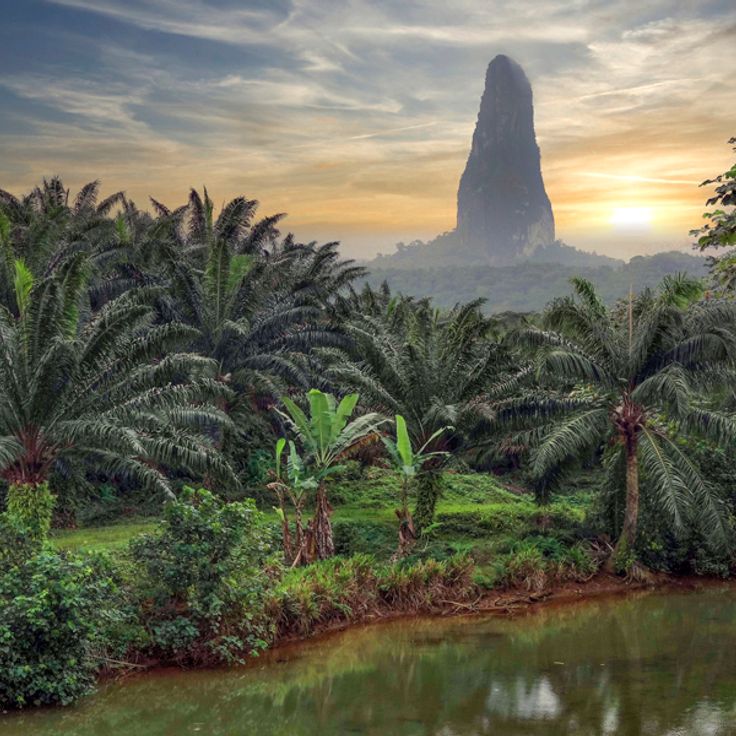
Obo National Park protects much of the original rainforest and offers trails through dense vegetation with endemic plants and birds. Pico Cão Grande, a 663-meter (2,175-foot) volcanic rock tower, rises alone from the forest and is visible from several viewpoints. Along the southern coast, a marker near Ilhéu das Rolas marks the equator, which crosses the island. In São Tomé city, the cathedral, Fort São Sebastião and the National Museum recall the Portuguese colonial period, while the Presidential Palace and markets show everyday life today.
São Tomé and Príncipe is an island nation in the Gulf of Guinea with volcanic mountains, rainforests and Atlantic coastlines. The main island of São Tomé combines natural landscapes with historical traces of colonial cocoa production. Abandoned plantations, known as roças, stand among dense forests, while beaches like Banana Beach and Praia Piscina offer sand and clear water for swimming. The landscape ranges from flat coastal strips to mountains in the interior, where waterfalls such as Cascata de São Nicolau flow through tropical vegetation.
Obo National Park protects much of the original rainforest and offers trails through dense vegetation with endemic plants and birds. Pico Cão Grande, a 663-meter (2,175-foot) volcanic rock tower, rises alone from the forest and is visible from several viewpoints. Along the southern coast, a marker near Ilhéu das Rolas marks the equator, which crosses the island. In São Tomé city, the cathedral, Fort São Sebastião and the National Museum recall the Portuguese colonial period, while the Presidential Palace and markets show everyday life today.
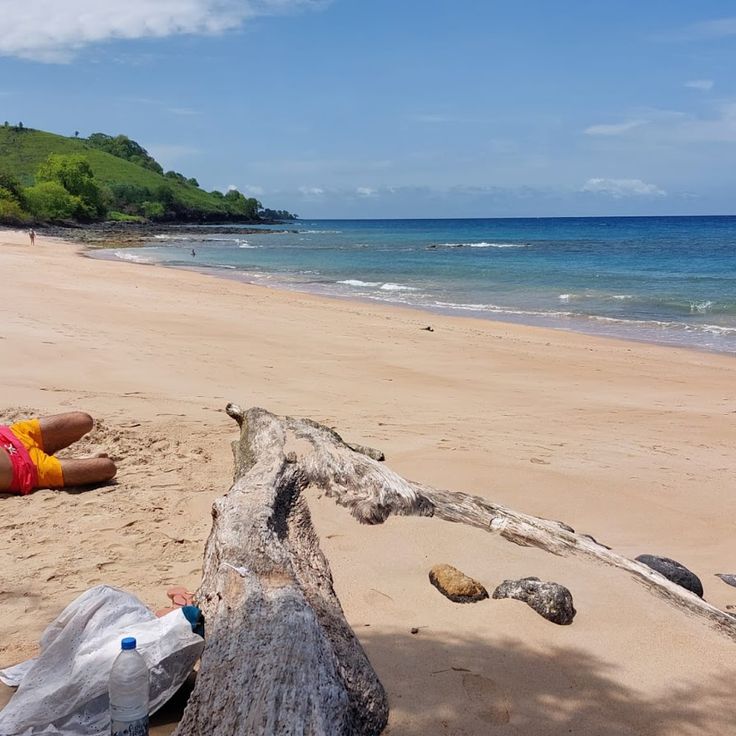
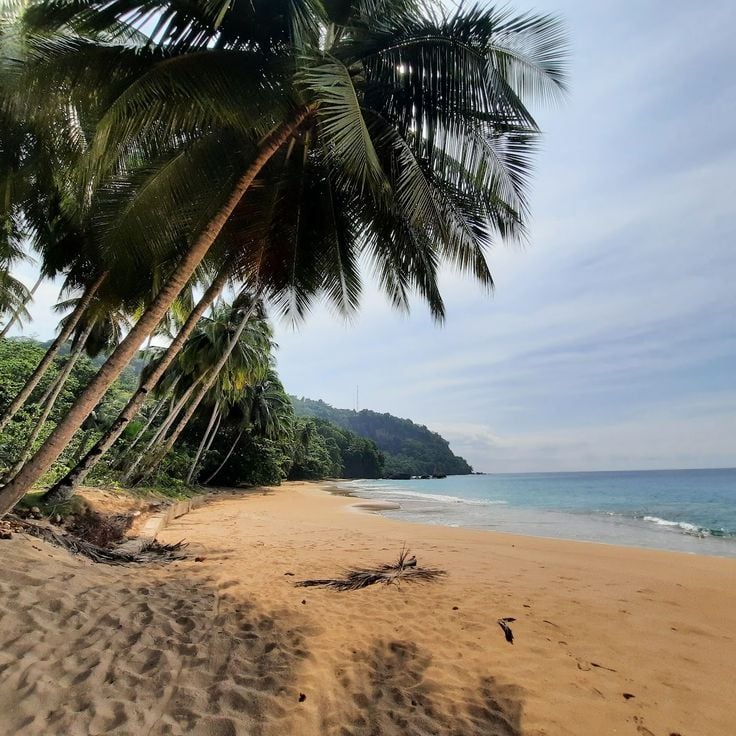
Banana Beach sits on the northeast coast of São Tomé, offering light-colored sand that stretches along a calm bay. This shore borders banana plantations that give the area its name. Fishermen from nearby villages regularly land their boats here. Palm trees line the beach, and the water is warm and clear. The place connects the natural beauty of the island with the daily life of local communities who have lived from the sea for generations.
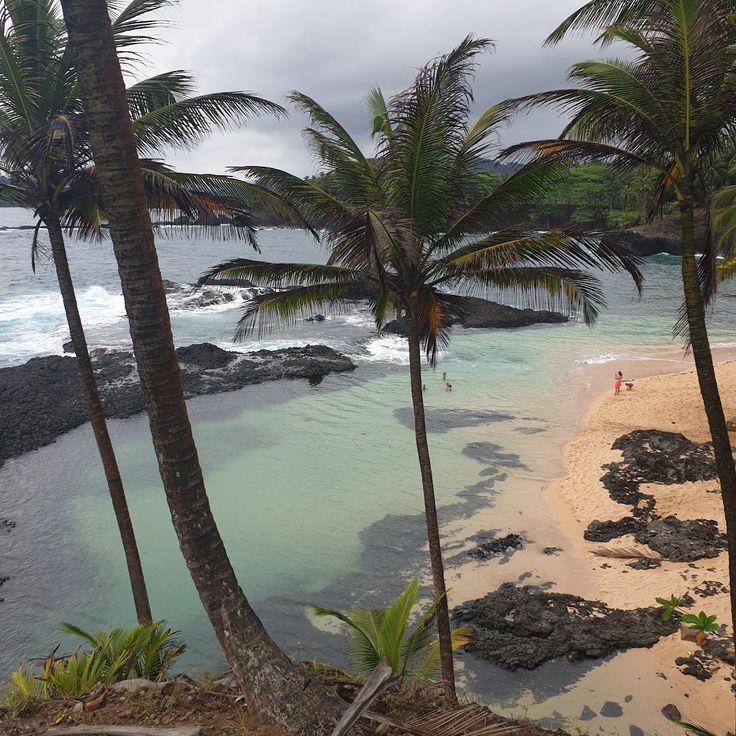
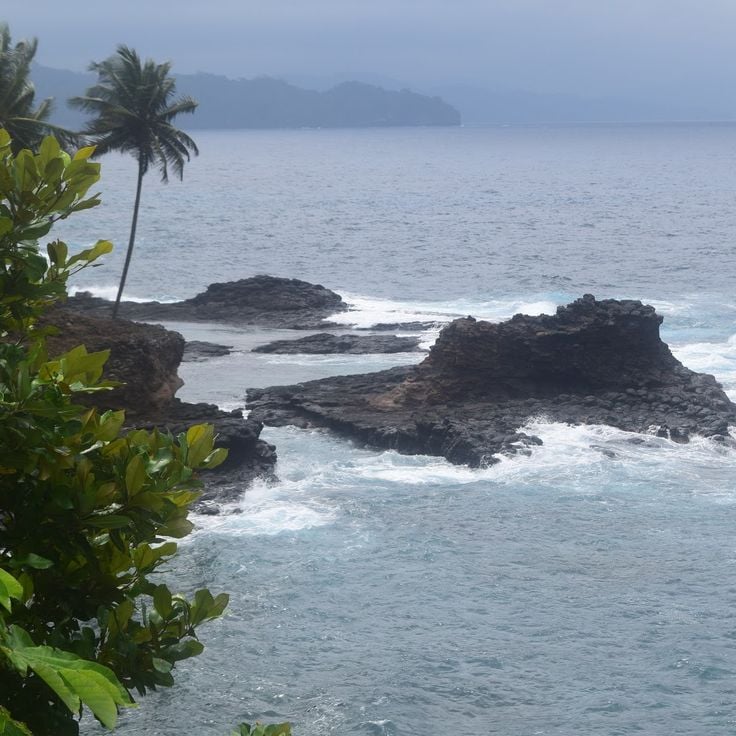
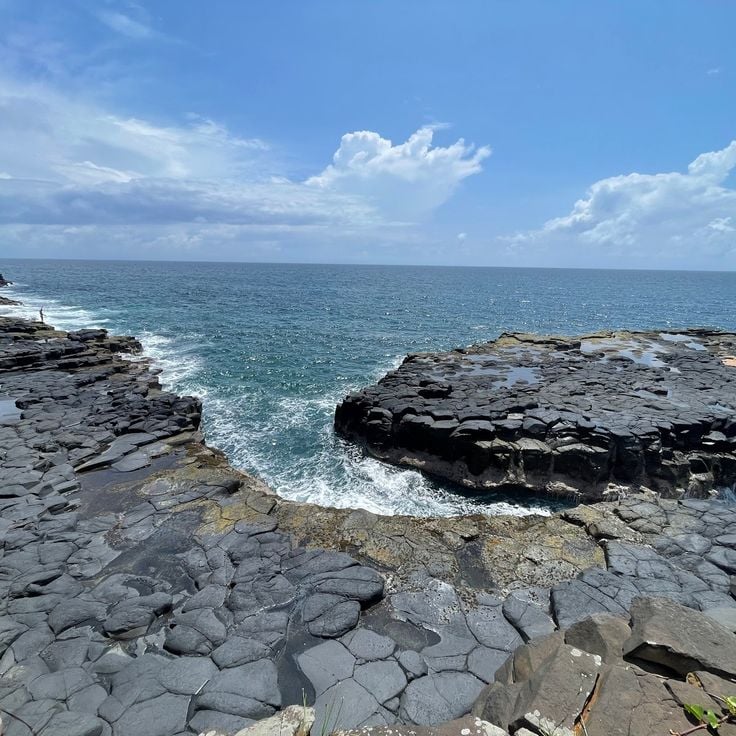
This coastal area is separated from the open ocean by volcanic rocks that form a natural seawater pool. The rock barrier keeps the ocean waves at bay while the water inside remains calm, and the surrounding landscape shows the volcanic origin of São Tomé island.
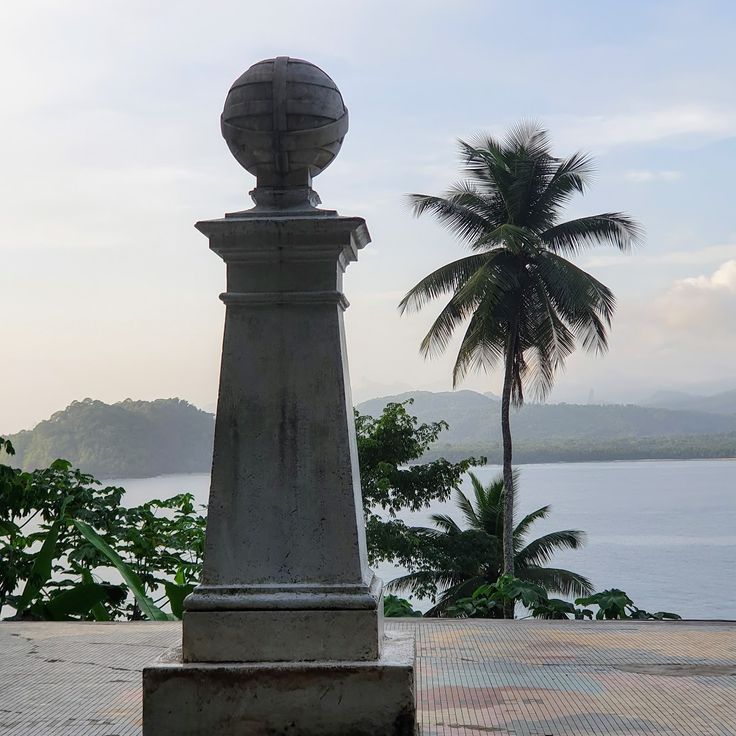
This marker shows the exact location of the equator with a stone monument and information panels explaining the geographical position. The site sits along the coastal road and allows visitors to stand on both hemispheres at the same time. The surroundings feature palm trees and tropical vegetation, with views of the Atlantic Ocean and the rocky coastline of São Tomé island.
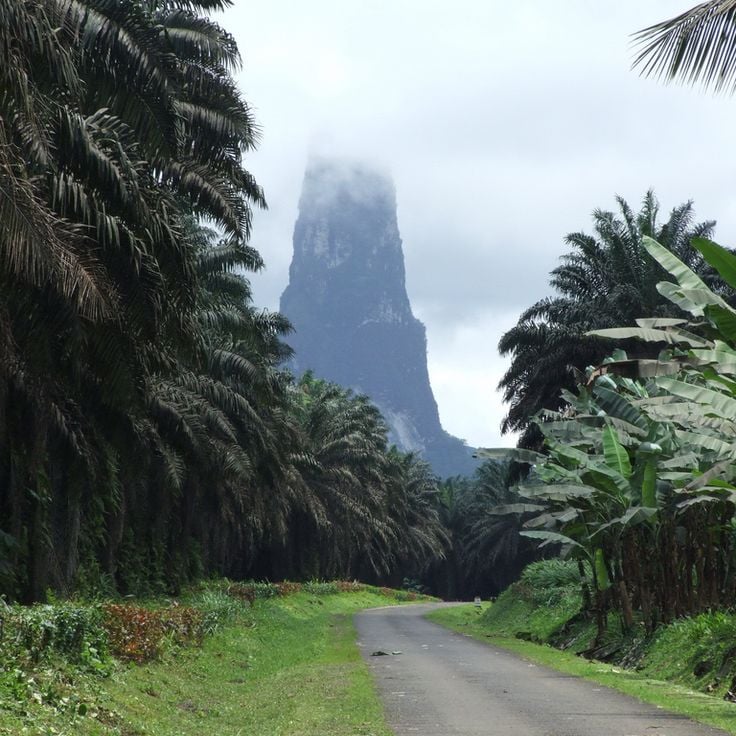
This volcanic needle rises 663 meters high from the rainforest in southern São Tomé. The slender rock tower is a remnant of a former volcanic chimney and is surrounded by dense green forest that covers the southern slopes of the island.
This beach lies on the southern coast of São Tomé island and serves as a nesting area for sea turtles. The location borders tropical rainforest and provides access to trails leading into the interior. From here, visitors can explore volcanic formations and waterfalls in the region. The shoreline is lined with palms, and the position between ocean and forest makes Praia Jalé a starting point for observing local wildlife and vegetation.
The Ilhéu das Rolas sits on the equator and marks the southernmost point of São Tomé and Príncipe. This small island is reached by boat from the main island. A stone monument indicates where the equator line crosses, a popular spot for visitors who want to stand between the hemispheres. Palm trees line the coast while the ocean surrounds it with calm waters. The islet has sandy beaches and little built-up area, mostly covered in vegetation.
This waterfall cascade drops about 30 meters (100 feet) over mossy rocks. The water gathers in a natural basin surrounded by dense rainforest with ferns and wide leaves. The path leads through humid forest where tree roots grow over the trails and mist collects between the branches. At the base of the waterfall, you hear the sound of water on stone while birds call from high in the canopy. The air feels cool and damp.
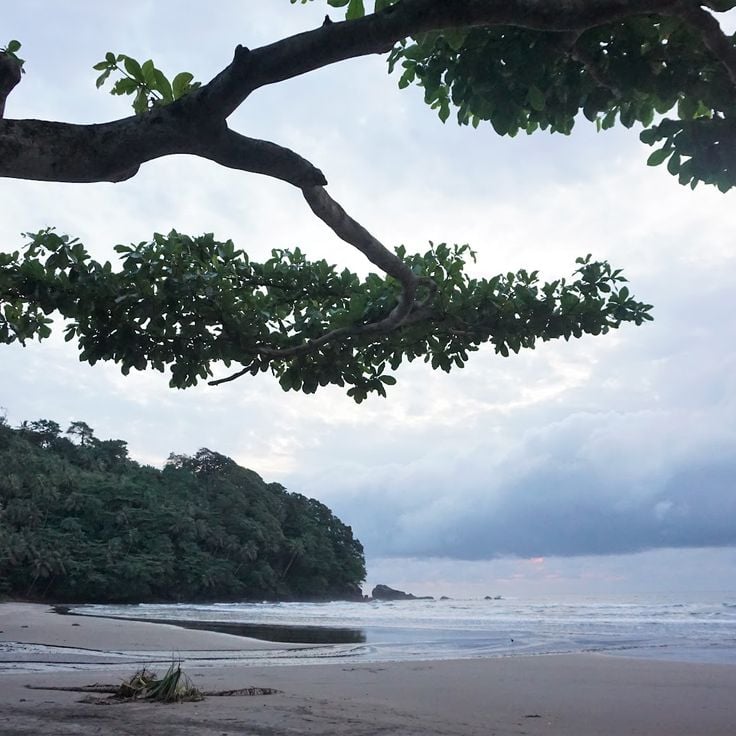
This beach lies along the coast of São Tomé, where black sand of volcanic origin meets a line of old tamarind trees. The ocean holds steady at 28 degrees, while the trees cast shade over the shore and form a natural resting place between waves and forest edge.
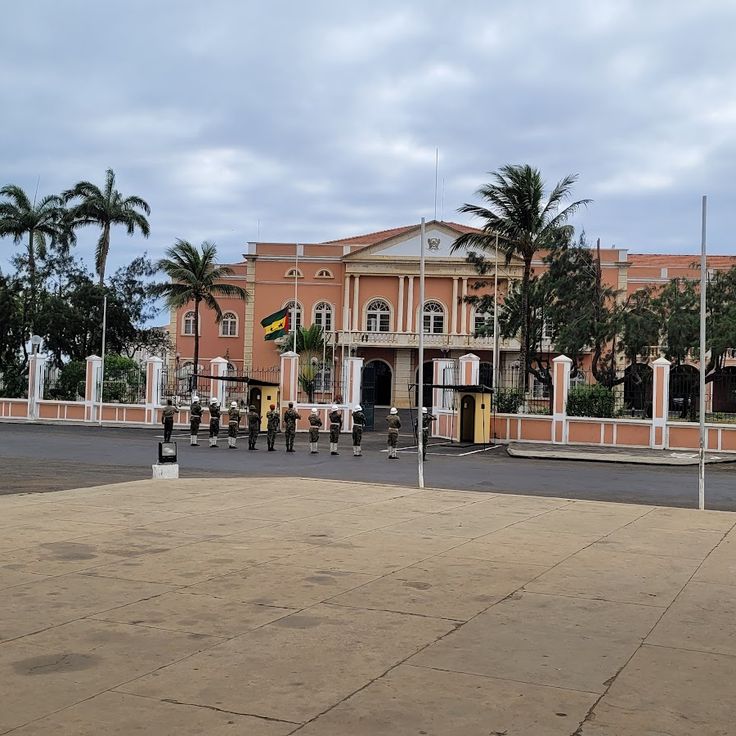
This palace serves as the official residence of the president and dates back to the 19th century. The pink facades and wrought iron balconies reflect Portuguese colonial architecture. The building stands in the historic center and forms part of São Tomé's colonial heritage, where old cocoa plantations, a fort and the cathedral recall the past.
This bay sits sheltered between dark lava rocks that formed over centuries from the island's volcanoes. The water remains calm and clear here, even when waves rise higher out in the Atlantic. Tropical fish swim close to the surface, and visitors who bring a mask can watch them while snorkeling. Coconut palms grow along the shore, and fine sand mixes in places with volcanic stone. Access is usually through a path that cuts through the vegetation, and small stands near the water sell fresh fish and coconuts. This natural lagoon is among the swimming spots along the northern coast of São Tomé, where the ocean meets ancient lava formations.
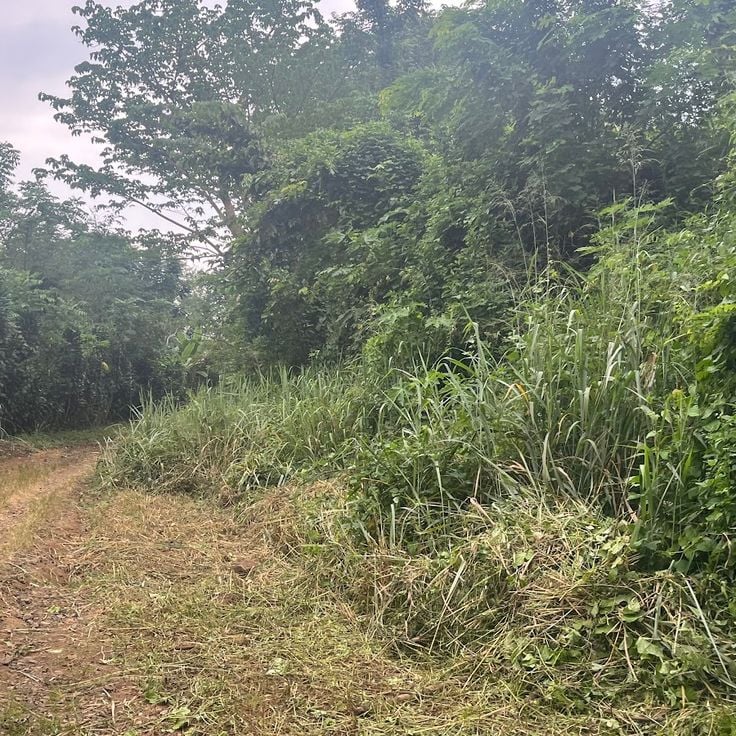
This national park protects one of the last rainforests on the island of São Tomé, linking several vegetation zones from coastal mangroves to mountain forest. The park preserves habitats for endemic bird species and other animals found only here. Walking trails lead through dense forest with tall trees, ferns and vines. In some places you hear bird calls from the canopy, while the climate stays humid and warm. The terrain rises from the coast toward the interior of the island, showing different forest types depending on altitude.
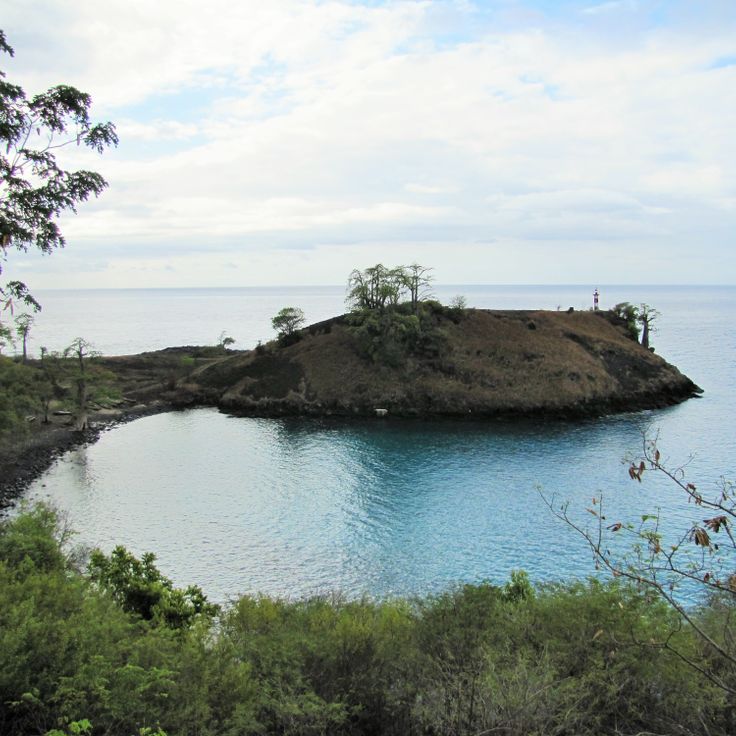
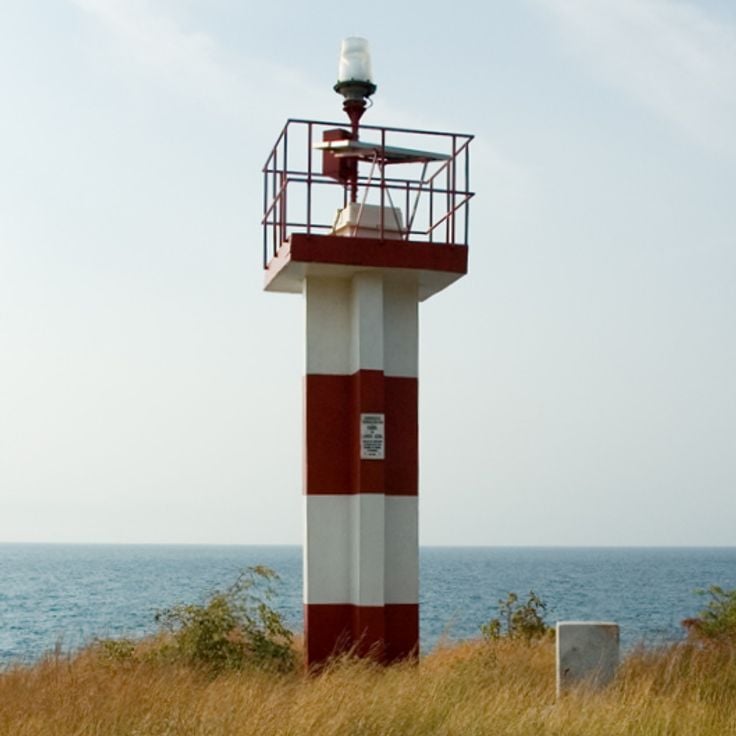
This white lighthouse from 1997 stands on a rocky headland in the northern part of the island, looking out over Lagoa Azul bay. The structure marks a stretch of coastline where waves break against dark volcanic rock and the Atlantic meets tropical vegetation. From here, the shoreline unfolds in both directions, while seabirds circle overhead and fishermen work their nets in the distance.
The Pescira Waterfall drops directly from a cliff on the western coast of São Tomé island into the Atlantic Ocean. This natural feature sits within a coastal landscape shaped by volcanic rock, thick tropical forests, and black sand beaches. The water falls over dark volcanic stone while spray mixes with ocean waves. Access comes through dense vegetation, and the setting conveys the geological history of the island, where mountains and cliffs rose from the sea. Here fresh water meets salt water, accompanied by the sound of both elements.
This beach along the coast of Porto Alegre shows black volcanic sand and grows thick with coconut palms. Waves break in seven consecutive rolls, creating particular conditions for surfing. The interplay of dark sand, tropical vegetation, and the repeating wave pattern makes the spot popular with water sports enthusiasts. Seven Waves Beach belongs to the volcanic coastline of São Tomé, where the Atlantic meets extinct craters and rainforest areas.
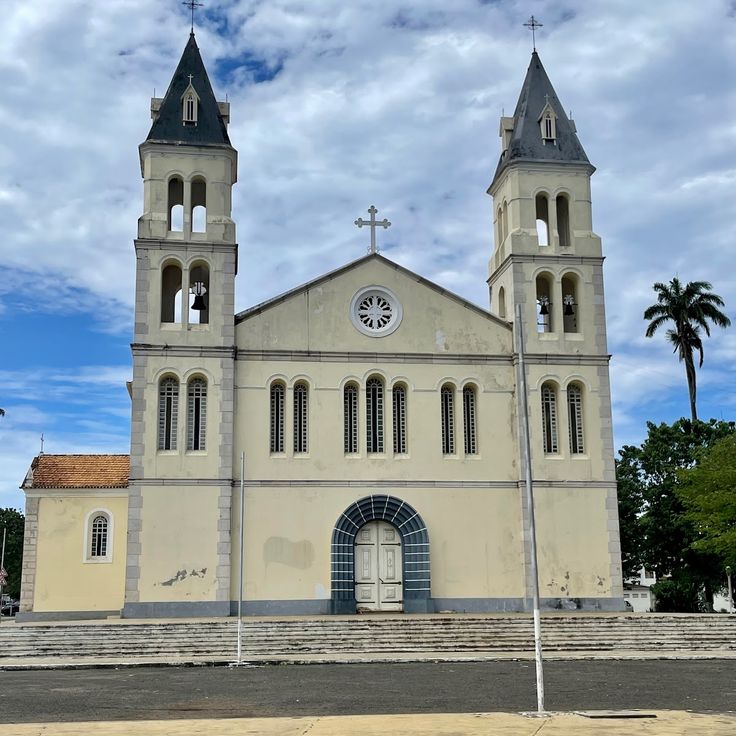
This church stands at the center of the capital, linking colonial times with the daily religious life of the community. Two towers frame a plain entrance. Inside, worshippers gather for Mass while outside the life of the city continues. The building shows European architectural influence from the 16th century, adapted to the tropical climate. The cathedral remains a place of prayer and gathering.
This natural cavity in volcanic rock is a clear example of the coastal forces that have shaped the island of São Tomé. Atlantic waves rush in forcefully and create spray and a deep rumbling sound, especially during rough seas. A viewing point offers a safe place to observe the natural event while the volcanic landscape of the island forms the backdrop. The rock walls show the raw power of erosion and the interaction between land and ocean.
This museum displays objects and documents from the colonial period, the culture and traditions of the archipelago. The building dates from the Portuguese era and sits in the center of São Tomé. The collection includes historical photographs, tools from the cocoa plantations, religious items and everyday objects. Visitors find here an overview of the islands' history, from the arrival of the Portuguese to independence. The rooms occupy a colonial building that preserves the architecture of that time.
This 19th-century estate stands inland and shows colonial-era buildings that served cocoa production. Warehouses, drying rooms, and stone residences sit among palms and tropical greenery. The architecture follows patterns of plantation economy with covered courtyards and open verandas. Many structures show partial decay, yet the site conveys an impression of life and work on a historical cocoa farm.
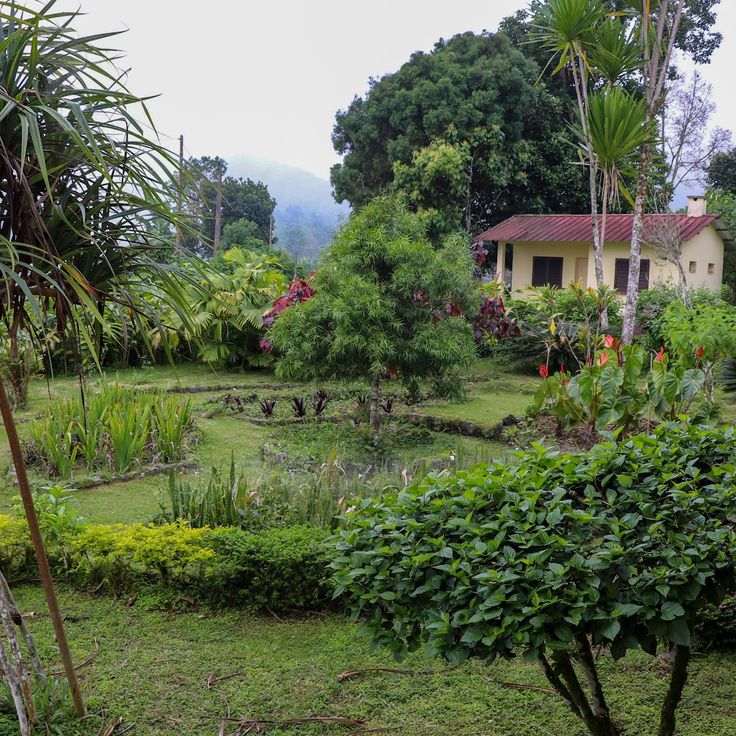
This botanical garden sits at 1,200 meters elevation and grows endemic plant species from the archipelago. It serves as a research center for local flora and displays species that evolved on the islands. Visitors can see the vegetation that developed in São Tomé's isolation and observe the scientific work that helps protect these plants.
This 19th-century cocoa plantation kept its old colonial buildings, drying sheds and warehouses. Roça Agua Ize shows how agriculture shaped the island. You can walk among the structures and see where cacao was processed. The architecture recalls the plantation economy that defined São Tomé for decades.
This waterfall drops ten meters through tropical rainforest on the island of São Tomé. Bombaim Waterfall sits deep in the forest and you reach it by following a hiking trail about two kilometers (1.2 miles) long. The water falls into a natural pool surrounded by ferns and tall trees. The path to this waterfall winds through dense, humid forest with roots and vines crossing the ground. You can hear the sound of falling water from a distance. The air stays cool and shaded here, and the ground is often slippery with moss and fallen leaves.
This beach sits on the southern coast of São Tomé, where sand meets the ocean along a forested shoreline. Palms grow close to the waterline and provide shade in places. The water stays warm throughout the year. The setting combines access to the sea with the tropical vegetation that covers much of the island, from coastal areas to inland rainforest. This beach forms part of the natural landscape that defines São Tomé, alongside volcanic peaks, waterfalls, and old cocoa estates further inland.
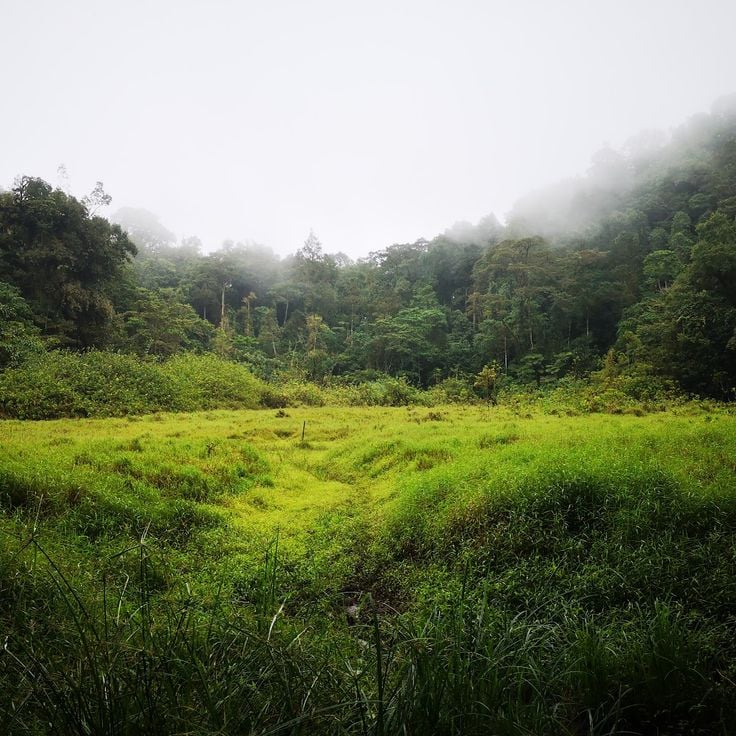
This lagoon fills the bottom of a volcanic crater at 1,485 meters (4,872 feet) elevation, about 300 meters (984 feet) across. Tropical plants surround the water and grow on the inner crater walls. Hikers reach Lagoa Amelia on trails through the mountain rainforest of São Tomé and can view the quiet water surface from different angles. The surroundings remain moist and green, with mist often drifting across the crater rim. The area belongs to the highland regions of the island.
This cocoa plantation from the 19th century sits within tropical vegetation and shows the colonial past of São Tomé island. The remaining buildings include an old hospital, drying facilities for cocoa, and worker housing. The complex was part of the plantation system that shaped the island's economy for decades. Today the structures stand abandoned and are being overtaken by plants. The atmosphere conveys a sense of times past, when hundreds of people once lived and worked here.
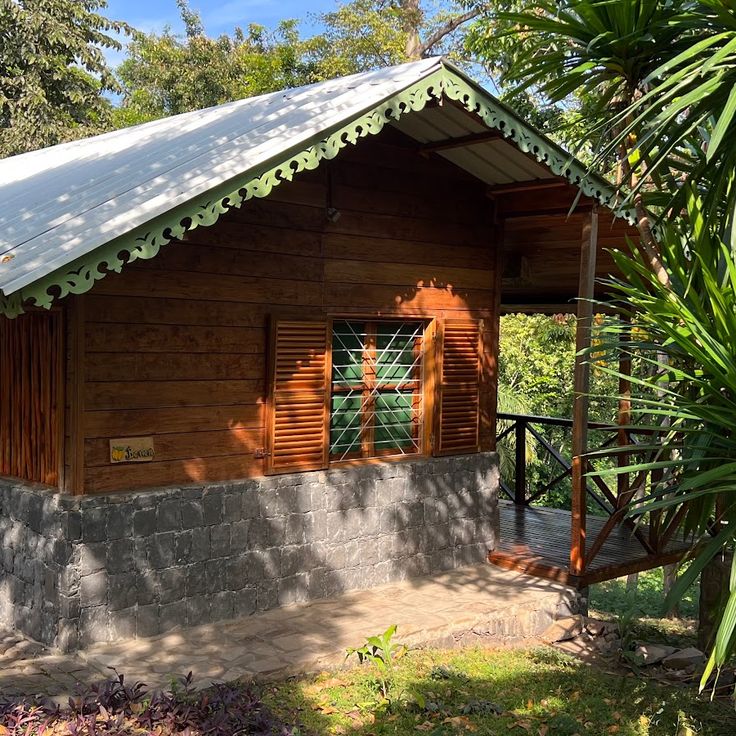
This wooden accommodation sits on the north coast of São Tomé and offers bungalows with a restaurant serving local seafood. The lodge provides access to the island's waterfalls, volcanic formations and rainforests, which also include former cocoa plantations and Pico São Tomé rising to 6,640 feet (2,024 meters).
This watercourse cuts through dense forest before reaching the Atlantic Ocean, where it forms a small bay edged with black volcanic rocks. The riverbed of Rio do Portinho winds through tropical vegetation and ends at the coast, where fresh water meets the sea. The surroundings are covered with natural vegetation that extends down to the rocky shoreline.
This beach sits on the north coast of the island and can be reached after a twenty-minute walk through the tropical forest. Sea turtles come here to nest. Praia Macaco belongs to the less visited coastal stretches of São Tomé, where forest paths lead directly to the sand and vegetation extends to the water.
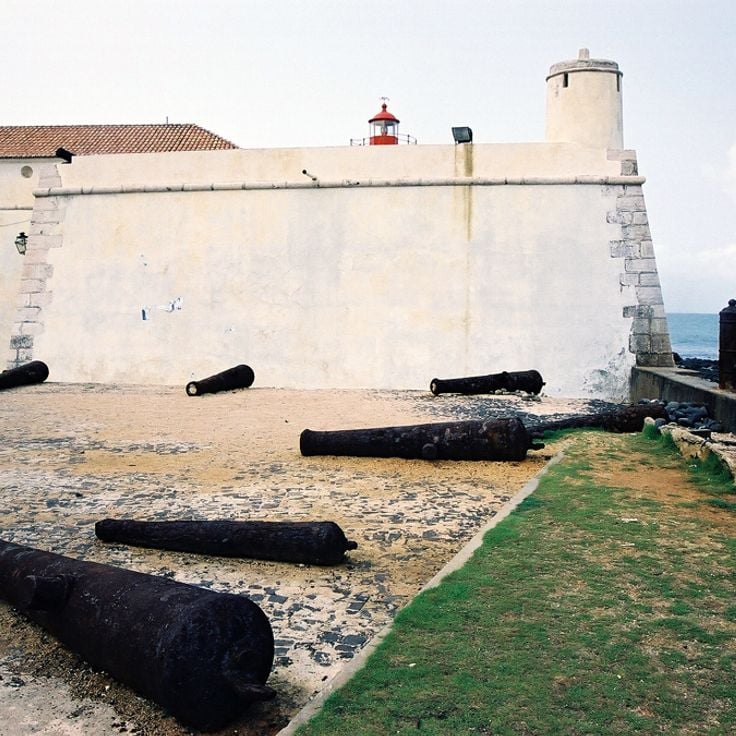
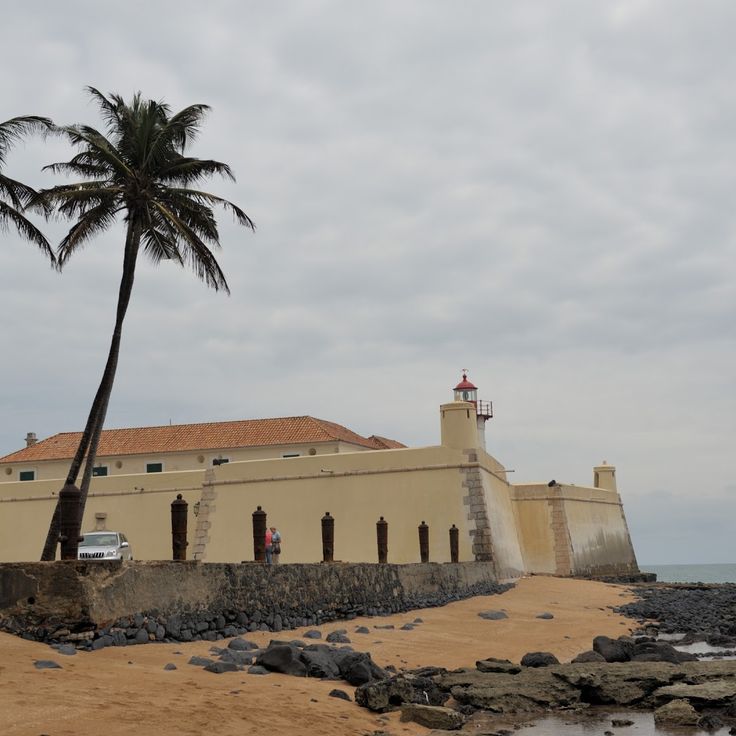
This fortification from the 16th century was built to defend the harbor from seaborne attacks. Thick stone walls surround a rectangular courtyard where the national museum now operates. Period cannons line the battlements, reminding visitors of the military past. From the walls, you look directly onto the port and the open sea. Inside, the rooms display objects from the history of São Tomé and Príncipe, including weapons, maps, and everyday items from different centuries.
This beach lies on the coast of São Tomé and shows black sand of volcanic origin. Coconut trees line the shore, while primary forest begins behind it. The water invites swimming, and various bird species live in the trees. The natural surroundings remain largely untouched, with the beach surrounded by tropical vegetation.
Banana Beach sits on the northeast coast of São Tomé, offering light-colored sand that stretches along a calm bay. This shore borders banana plantations that give the area its name. Fishermen from nearby villages regularly land their boats here. Palm trees line the beach, and the water is warm and clear. The place connects the natural beauty of the island with the daily life of local communities who have lived from the sea for generations.
This coastal area is separated from the open ocean by volcanic rocks that form a natural seawater pool. The rock barrier keeps the ocean waves at bay while the water inside remains calm, and the surrounding landscape shows the volcanic origin of São Tomé island.
This marker shows the exact location of the equator with a stone monument and information panels explaining the geographical position. The site sits along the coastal road and allows visitors to stand on both hemispheres at the same time. The surroundings feature palm trees and tropical vegetation, with views of the Atlantic Ocean and the rocky coastline of São Tomé island.
This volcanic needle rises 663 meters high from the rainforest in southern São Tomé. The slender rock tower is a remnant of a former volcanic chimney and is surrounded by dense green forest that covers the southern slopes of the island.
This beach lies on the southern coast of São Tomé island and serves as a nesting area for sea turtles. The location borders tropical rainforest and provides access to trails leading into the interior. From here, visitors can explore volcanic formations and waterfalls in the region. The shoreline is lined with palms, and the position between ocean and forest makes Praia Jalé a starting point for observing local wildlife and vegetation.
The Ilhéu das Rolas sits on the equator and marks the southernmost point of São Tomé and Príncipe. This small island is reached by boat from the main island. A stone monument indicates where the equator line crosses, a popular spot for visitors who want to stand between the hemispheres. Palm trees line the coast while the ocean surrounds it with calm waters. The islet has sandy beaches and little built-up area, mostly covered in vegetation.
This waterfall cascade drops about 30 meters (100 feet) over mossy rocks. The water gathers in a natural basin surrounded by dense rainforest with ferns and wide leaves. The path leads through humid forest where tree roots grow over the trails and mist collects between the branches. At the base of the waterfall, you hear the sound of water on stone while birds call from high in the canopy. The air feels cool and damp.
This beach lies along the coast of São Tomé, where black sand of volcanic origin meets a line of old tamarind trees. The ocean holds steady at 28 degrees, while the trees cast shade over the shore and form a natural resting place between waves and forest edge.
This palace serves as the official residence of the president and dates back to the 19th century. The pink facades and wrought iron balconies reflect Portuguese colonial architecture. The building stands in the historic center and forms part of São Tomé's colonial heritage, where old cocoa plantations, a fort and the cathedral recall the past.
This bay sits sheltered between dark lava rocks that formed over centuries from the island's volcanoes. The water remains calm and clear here, even when waves rise higher out in the Atlantic. Tropical fish swim close to the surface, and visitors who bring a mask can watch them while snorkeling. Coconut palms grow along the shore, and fine sand mixes in places with volcanic stone. Access is usually through a path that cuts through the vegetation, and small stands near the water sell fresh fish and coconuts. This natural lagoon is among the swimming spots along the northern coast of São Tomé, where the ocean meets ancient lava formations.
This national park protects one of the last rainforests on the island of São Tomé, linking several vegetation zones from coastal mangroves to mountain forest. The park preserves habitats for endemic bird species and other animals found only here. Walking trails lead through dense forest with tall trees, ferns and vines. In some places you hear bird calls from the canopy, while the climate stays humid and warm. The terrain rises from the coast toward the interior of the island, showing different forest types depending on altitude.
This white lighthouse from 1997 stands on a rocky headland in the northern part of the island, looking out over Lagoa Azul bay. The structure marks a stretch of coastline where waves break against dark volcanic rock and the Atlantic meets tropical vegetation. From here, the shoreline unfolds in both directions, while seabirds circle overhead and fishermen work their nets in the distance.
The Pescira Waterfall drops directly from a cliff on the western coast of São Tomé island into the Atlantic Ocean. This natural feature sits within a coastal landscape shaped by volcanic rock, thick tropical forests, and black sand beaches. The water falls over dark volcanic stone while spray mixes with ocean waves. Access comes through dense vegetation, and the setting conveys the geological history of the island, where mountains and cliffs rose from the sea. Here fresh water meets salt water, accompanied by the sound of both elements.
This beach along the coast of Porto Alegre shows black volcanic sand and grows thick with coconut palms. Waves break in seven consecutive rolls, creating particular conditions for surfing. The interplay of dark sand, tropical vegetation, and the repeating wave pattern makes the spot popular with water sports enthusiasts. Seven Waves Beach belongs to the volcanic coastline of São Tomé, where the Atlantic meets extinct craters and rainforest areas.
This church stands at the center of the capital, linking colonial times with the daily religious life of the community. Two towers frame a plain entrance. Inside, worshippers gather for Mass while outside the life of the city continues. The building shows European architectural influence from the 16th century, adapted to the tropical climate. The cathedral remains a place of prayer and gathering.
This natural cavity in volcanic rock is a clear example of the coastal forces that have shaped the island of São Tomé. Atlantic waves rush in forcefully and create spray and a deep rumbling sound, especially during rough seas. A viewing point offers a safe place to observe the natural event while the volcanic landscape of the island forms the backdrop. The rock walls show the raw power of erosion and the interaction between land and ocean.
This museum displays objects and documents from the colonial period, the culture and traditions of the archipelago. The building dates from the Portuguese era and sits in the center of São Tomé. The collection includes historical photographs, tools from the cocoa plantations, religious items and everyday objects. Visitors find here an overview of the islands' history, from the arrival of the Portuguese to independence. The rooms occupy a colonial building that preserves the architecture of that time.
This 19th-century estate stands inland and shows colonial-era buildings that served cocoa production. Warehouses, drying rooms, and stone residences sit among palms and tropical greenery. The architecture follows patterns of plantation economy with covered courtyards and open verandas. Many structures show partial decay, yet the site conveys an impression of life and work on a historical cocoa farm.
This botanical garden sits at 1,200 meters elevation and grows endemic plant species from the archipelago. It serves as a research center for local flora and displays species that evolved on the islands. Visitors can see the vegetation that developed in São Tomé's isolation and observe the scientific work that helps protect these plants.
This 19th-century cocoa plantation kept its old colonial buildings, drying sheds and warehouses. Roça Agua Ize shows how agriculture shaped the island. You can walk among the structures and see where cacao was processed. The architecture recalls the plantation economy that defined São Tomé for decades.
This waterfall drops ten meters through tropical rainforest on the island of São Tomé. Bombaim Waterfall sits deep in the forest and you reach it by following a hiking trail about two kilometers (1.2 miles) long. The water falls into a natural pool surrounded by ferns and tall trees. The path to this waterfall winds through dense, humid forest with roots and vines crossing the ground. You can hear the sound of falling water from a distance. The air stays cool and shaded here, and the ground is often slippery with moss and fallen leaves.
This beach sits on the southern coast of São Tomé, where sand meets the ocean along a forested shoreline. Palms grow close to the waterline and provide shade in places. The water stays warm throughout the year. The setting combines access to the sea with the tropical vegetation that covers much of the island, from coastal areas to inland rainforest. This beach forms part of the natural landscape that defines São Tomé, alongside volcanic peaks, waterfalls, and old cocoa estates further inland.
This lagoon fills the bottom of a volcanic crater at 1,485 meters (4,872 feet) elevation, about 300 meters (984 feet) across. Tropical plants surround the water and grow on the inner crater walls. Hikers reach Lagoa Amelia on trails through the mountain rainforest of São Tomé and can view the quiet water surface from different angles. The surroundings remain moist and green, with mist often drifting across the crater rim. The area belongs to the highland regions of the island.
This cocoa plantation from the 19th century sits within tropical vegetation and shows the colonial past of São Tomé island. The remaining buildings include an old hospital, drying facilities for cocoa, and worker housing. The complex was part of the plantation system that shaped the island's economy for decades. Today the structures stand abandoned and are being overtaken by plants. The atmosphere conveys a sense of times past, when hundreds of people once lived and worked here.
This wooden accommodation sits on the north coast of São Tomé and offers bungalows with a restaurant serving local seafood. The lodge provides access to the island's waterfalls, volcanic formations and rainforests, which also include former cocoa plantations and Pico São Tomé rising to 6,640 feet (2,024 meters).
This watercourse cuts through dense forest before reaching the Atlantic Ocean, where it forms a small bay edged with black volcanic rocks. The riverbed of Rio do Portinho winds through tropical vegetation and ends at the coast, where fresh water meets the sea. The surroundings are covered with natural vegetation that extends down to the rocky shoreline.
This beach sits on the north coast of the island and can be reached after a twenty-minute walk through the tropical forest. Sea turtles come here to nest. Praia Macaco belongs to the less visited coastal stretches of São Tomé, where forest paths lead directly to the sand and vegetation extends to the water.
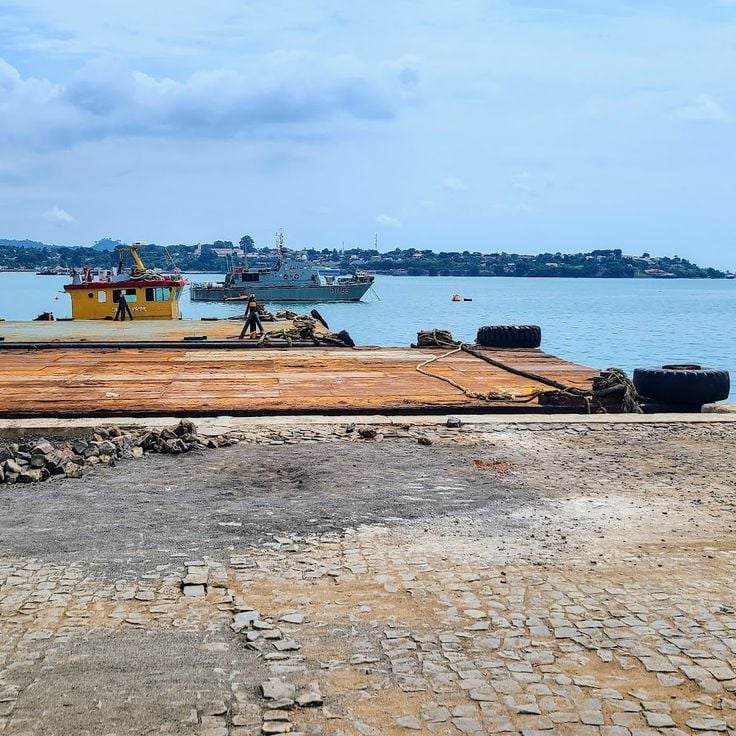
This fortification from the 16th century was built to defend the harbor from seaborne attacks. Thick stone walls surround a rectangular courtyard where the national museum now operates. Period cannons line the battlements, reminding visitors of the military past. From the walls, you look directly onto the port and the open sea. Inside, the rooms display objects from the history of São Tomé and Príncipe, including weapons, maps, and everyday items from different centuries.
This beach lies on the coast of São Tomé and shows black sand of volcanic origin. Coconut trees line the shore, while primary forest begins behind it. The water invites swimming, and various bird species live in the trees. The natural surroundings remain largely untouched, with the beach surrounded by tropical vegetation.
Banana Beach sits on the northeast coast of São Tomé, offering light-colored sand that stretches along a calm bay. This shore borders banana plantations that give the area its name. Fishermen from nearby villages regularly land their boats here. Palm trees line the beach, and the water is warm and clear. The place connects the natural beauty of the island with the daily life of local communities who have lived from the sea for generations.
This coastal area is separated from the open ocean by volcanic rocks that form a natural seawater pool. The rock barrier keeps the ocean waves at bay while the water inside remains calm, and the surrounding landscape shows the volcanic origin of São Tomé island.
This marker shows the exact location of the equator with a stone monument and information panels explaining the geographical position. The site sits along the coastal road and allows visitors to stand on both hemispheres at the same time. The surroundings feature palm trees and tropical vegetation, with views of the Atlantic Ocean and the rocky coastline of São Tomé island.
This volcanic needle rises 663 meters high from the rainforest in southern São Tomé. The slender rock tower is a remnant of a former volcanic chimney and is surrounded by dense green forest that covers the southern slopes of the island.
This beach lies on the southern coast of São Tomé island and serves as a nesting area for sea turtles. The location borders tropical rainforest and provides access to trails leading into the interior. From here, visitors can explore volcanic formations and waterfalls in the region. The shoreline is lined with palms, and the position between ocean and forest makes Praia Jalé a starting point for observing local wildlife and vegetation.
The Ilhéu das Rolas sits on the equator and marks the southernmost point of São Tomé and Príncipe. This small island is reached by boat from the main island. A stone monument indicates where the equator line crosses, a popular spot for visitors who want to stand between the hemispheres. Palm trees line the coast while the ocean surrounds it with calm waters. The islet has sandy beaches and little built-up area, mostly covered in vegetation.
This waterfall cascade drops about 30 meters (100 feet) over mossy rocks. The water gathers in a natural basin surrounded by dense rainforest with ferns and wide leaves. The path leads through humid forest where tree roots grow over the trails and mist collects between the branches. At the base of the waterfall, you hear the sound of water on stone while birds call from high in the canopy. The air feels cool and damp.
This beach lies along the coast of São Tomé, where black sand of volcanic origin meets a line of old tamarind trees. The ocean holds steady at 28 degrees, while the trees cast shade over the shore and form a natural resting place between waves and forest edge.
This palace serves as the official residence of the president and dates back to the 19th century. The pink facades and wrought iron balconies reflect Portuguese colonial architecture. The building stands in the historic center and forms part of São Tomé's colonial heritage, where old cocoa plantations, a fort and the cathedral recall the past.
This bay sits sheltered between dark lava rocks that formed over centuries from the island's volcanoes. The water remains calm and clear here, even when waves rise higher out in the Atlantic. Tropical fish swim close to the surface, and visitors who bring a mask can watch them while snorkeling. Coconut palms grow along the shore, and fine sand mixes in places with volcanic stone. Access is usually through a path that cuts through the vegetation, and small stands near the water sell fresh fish and coconuts. This natural lagoon is among the swimming spots along the northern coast of São Tomé, where the ocean meets ancient lava formations.
This national park protects one of the last rainforests on the island of São Tomé, linking several vegetation zones from coastal mangroves to mountain forest. The park preserves habitats for endemic bird species and other animals found only here. Walking trails lead through dense forest with tall trees, ferns and vines. In some places you hear bird calls from the canopy, while the climate stays humid and warm. The terrain rises from the coast toward the interior of the island, showing different forest types depending on altitude.
This white lighthouse from 1997 stands on a rocky headland in the northern part of the island, looking out over Lagoa Azul bay. The structure marks a stretch of coastline where waves break against dark volcanic rock and the Atlantic meets tropical vegetation. From here, the shoreline unfolds in both directions, while seabirds circle overhead and fishermen work their nets in the distance.
The Pescira Waterfall drops directly from a cliff on the western coast of São Tomé island into the Atlantic Ocean. This natural feature sits within a coastal landscape shaped by volcanic rock, thick tropical forests, and black sand beaches. The water falls over dark volcanic stone while spray mixes with ocean waves. Access comes through dense vegetation, and the setting conveys the geological history of the island, where mountains and cliffs rose from the sea. Here fresh water meets salt water, accompanied by the sound of both elements.
This beach along the coast of Porto Alegre shows black volcanic sand and grows thick with coconut palms. Waves break in seven consecutive rolls, creating particular conditions for surfing. The interplay of dark sand, tropical vegetation, and the repeating wave pattern makes the spot popular with water sports enthusiasts. Seven Waves Beach belongs to the volcanic coastline of São Tomé, where the Atlantic meets extinct craters and rainforest areas.
This church stands at the center of the capital, linking colonial times with the daily religious life of the community. Two towers frame a plain entrance. Inside, worshippers gather for Mass while outside the life of the city continues. The building shows European architectural influence from the 16th century, adapted to the tropical climate. The cathedral remains a place of prayer and gathering.
This natural cavity in volcanic rock is a clear example of the coastal forces that have shaped the island of São Tomé. Atlantic waves rush in forcefully and create spray and a deep rumbling sound, especially during rough seas. A viewing point offers a safe place to observe the natural event while the volcanic landscape of the island forms the backdrop. The rock walls show the raw power of erosion and the interaction between land and ocean.
This museum displays objects and documents from the colonial period, the culture and traditions of the archipelago. The building dates from the Portuguese era and sits in the center of São Tomé. The collection includes historical photographs, tools from the cocoa plantations, religious items and everyday objects. Visitors find here an overview of the islands' history, from the arrival of the Portuguese to independence. The rooms occupy a colonial building that preserves the architecture of that time.
This 19th-century estate stands inland and shows colonial-era buildings that served cocoa production. Warehouses, drying rooms, and stone residences sit among palms and tropical greenery. The architecture follows patterns of plantation economy with covered courtyards and open verandas. Many structures show partial decay, yet the site conveys an impression of life and work on a historical cocoa farm.
This botanical garden sits at 1,200 meters elevation and grows endemic plant species from the archipelago. It serves as a research center for local flora and displays species that evolved on the islands. Visitors can see the vegetation that developed in São Tomé's isolation and observe the scientific work that helps protect these plants.
This 19th-century cocoa plantation kept its old colonial buildings, drying sheds and warehouses. Roça Agua Ize shows how agriculture shaped the island. You can walk among the structures and see where cacao was processed. The architecture recalls the plantation economy that defined São Tomé for decades.
This waterfall drops ten meters through tropical rainforest on the island of São Tomé. Bombaim Waterfall sits deep in the forest and you reach it by following a hiking trail about two kilometers (1.2 miles) long. The water falls into a natural pool surrounded by ferns and tall trees. The path to this waterfall winds through dense, humid forest with roots and vines crossing the ground. You can hear the sound of falling water from a distance. The air stays cool and shaded here, and the ground is often slippery with moss and fallen leaves.
This beach sits on the southern coast of São Tomé, where sand meets the ocean along a forested shoreline. Palms grow close to the waterline and provide shade in places. The water stays warm throughout the year. The setting combines access to the sea with the tropical vegetation that covers much of the island, from coastal areas to inland rainforest. This beach forms part of the natural landscape that defines São Tomé, alongside volcanic peaks, waterfalls, and old cocoa estates further inland.
This lagoon fills the bottom of a volcanic crater at 1,485 meters (4,872 feet) elevation, about 300 meters (984 feet) across. Tropical plants surround the water and grow on the inner crater walls. Hikers reach Lagoa Amelia on trails through the mountain rainforest of São Tomé and can view the quiet water surface from different angles. The surroundings remain moist and green, with mist often drifting across the crater rim. The area belongs to the highland regions of the island.
This cocoa plantation from the 19th century sits within tropical vegetation and shows the colonial past of São Tomé island. The remaining buildings include an old hospital, drying facilities for cocoa, and worker housing. The complex was part of the plantation system that shaped the island's economy for decades. Today the structures stand abandoned and are being overtaken by plants. The atmosphere conveys a sense of times past, when hundreds of people once lived and worked here.
This wooden accommodation sits on the north coast of São Tomé and offers bungalows with a restaurant serving local seafood. The lodge provides access to the island's waterfalls, volcanic formations and rainforests, which also include former cocoa plantations and Pico São Tomé rising to 6,640 feet (2,024 meters).
This watercourse cuts through dense forest before reaching the Atlantic Ocean, where it forms a small bay edged with black volcanic rocks. The riverbed of Rio do Portinho winds through tropical vegetation and ends at the coast, where fresh water meets the sea. The surroundings are covered with natural vegetation that extends down to the rocky shoreline.
This beach sits on the north coast of the island and can be reached after a twenty-minute walk through the tropical forest. Sea turtles come here to nest. Praia Macaco belongs to the less visited coastal stretches of São Tomé, where forest paths lead directly to the sand and vegetation extends to the water.
This fortification from the 16th century was built to defend the harbor from seaborne attacks. Thick stone walls surround a rectangular courtyard where the national museum now operates. Period cannons line the battlements, reminding visitors of the military past. From the walls, you look directly onto the port and the open sea. Inside, the rooms display objects from the history of São Tomé and Príncipe, including weapons, maps, and everyday items from different centuries.
This beach lies on the coast of São Tomé and shows black sand of volcanic origin. Coconut trees line the shore, while primary forest begins behind it. The water invites swimming, and various bird species live in the trees. The natural surroundings remain largely untouched, with the beach surrounded by tropical vegetation.