See the monuments around you in AROpen chests in the app
Around Us is built for your phone — point your camera at the streets and discover the monuments and places around you in augmented reality.Around Us is built for your phone — chests unlock when you walk, explore and capture nearby places.
These French-designed structures show how architecture can work with light, water, and landscape instead of fighting against them.
Jean Nouvel is among the most recognized French architects of our time. His work spans five continents, including museums, office towers, concert halls, and residential complexes. Each project demonstrates his ability to combine technical innovation with respect for the local context, whether through material choices, light manipulation, or integration into the existing urban fabric.
Among his major works, the Louvre Abu Dhabi features a perforated dome that creates a shower of light, while the Glòries Tower in Barcelona rises with its cylindrical shape and colorful facades. In Paris, the Arab World Institute has a façade equipped with mechanical diaphragms inspired by Islamic art, and the Philharmonie updates concert hall architecture with its silver volumes. Beyond Europe and the Middle East, his projects extend to Sydney with One Central Park and its hanging gardens, or Fort Worth with a museum surrounded by water basins.
These buildings provide the opportunity to explore architecture that interacts with its environment and challenges conventions. Each visit allows appreciation of how architectural creativity can transform our relationship with urban and cultural spaces.
These French-designed structures show how architecture can work with light, water, and landscape instead of fighting against them.
Jean Nouvel is among the most recognized French architects of our time. His work spans five continents, including museums, office towers, concert halls, and residential complexes. Each project demonstrates his ability to combine technical innovation with respect for the local context, whether through material choices, light manipulation, or integration into the existing urban fabric.
Among his major works, the Louvre Abu Dhabi features a perforated dome that creates a shower of light, while the Glòries Tower in Barcelona rises with its cylindrical shape and colorful facades. In Paris, the Arab World Institute has a façade equipped with mechanical diaphragms inspired by Islamic art, and the Philharmonie updates concert hall architecture with its silver volumes. Beyond Europe and the Middle East, his projects extend to Sydney with One Central Park and its hanging gardens, or Fort Worth with a museum surrounded by water basins.
These buildings provide the opportunity to explore architecture that interacts with its environment and challenges conventions. Each visit allows appreciation of how architectural creativity can transform our relationship with urban and cultural spaces.
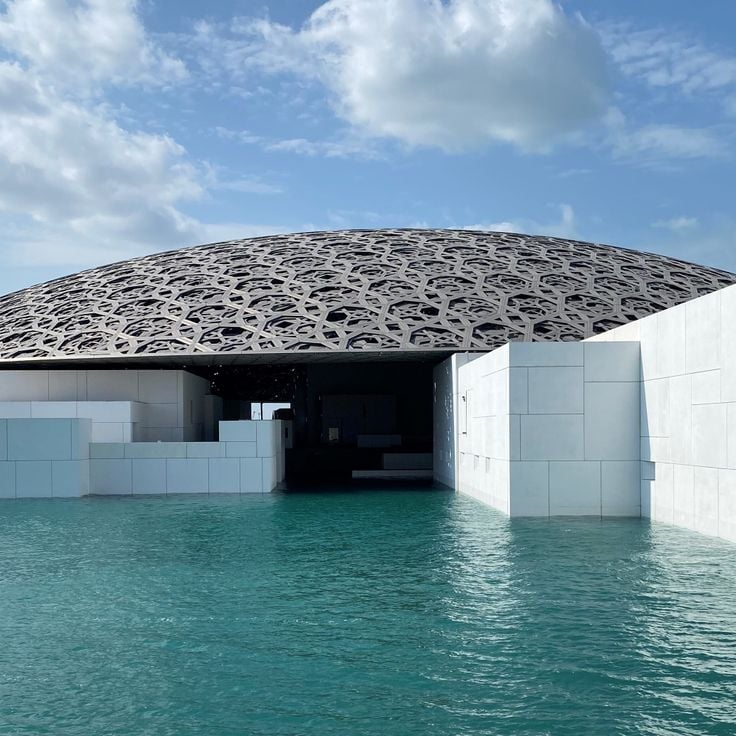
The Louvre Abu Dhabi is a museum designed by Jean Nouvel and distinguished by its signature dome. The perforated metal structure creates a light effect that resembles sunrays filtering through palm fronds. The building sits on the water and houses artworks from different periods and cultures. It demonstrates Nouvel's ability to blend technical innovation with respect for local context.
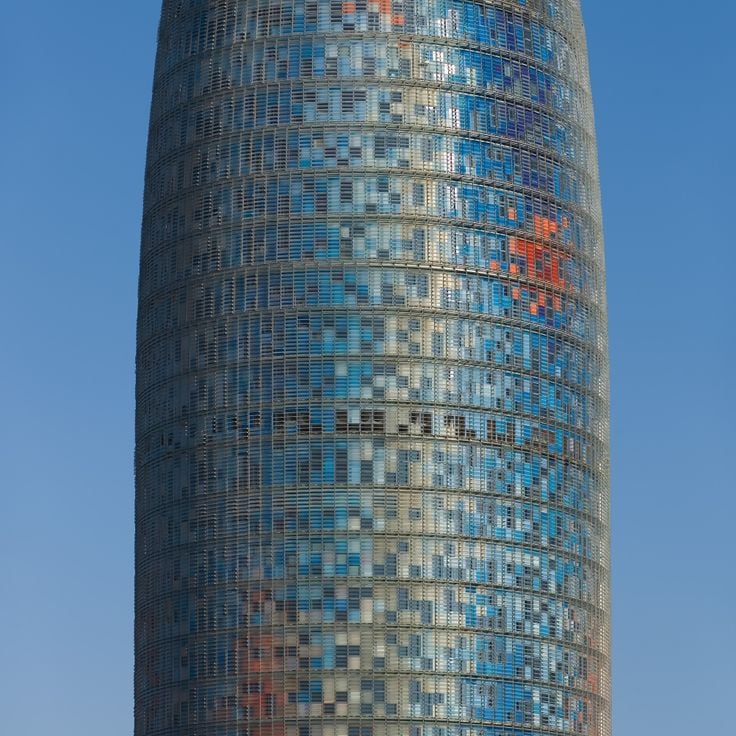
The Torre Glòries in Barcelona belongs to this collection of contemporary works by Jean Nouvel. This skyscraper stands 144 meters tall with a cylindrical form and a facade made of colored aluminum panels that shift in appearance as light changes throughout the day. The tower serves as headquarters for various companies and houses a digital art museum. Its distinctive cylindrical shape and colorful exterior make it a recognizable landmark in the city.
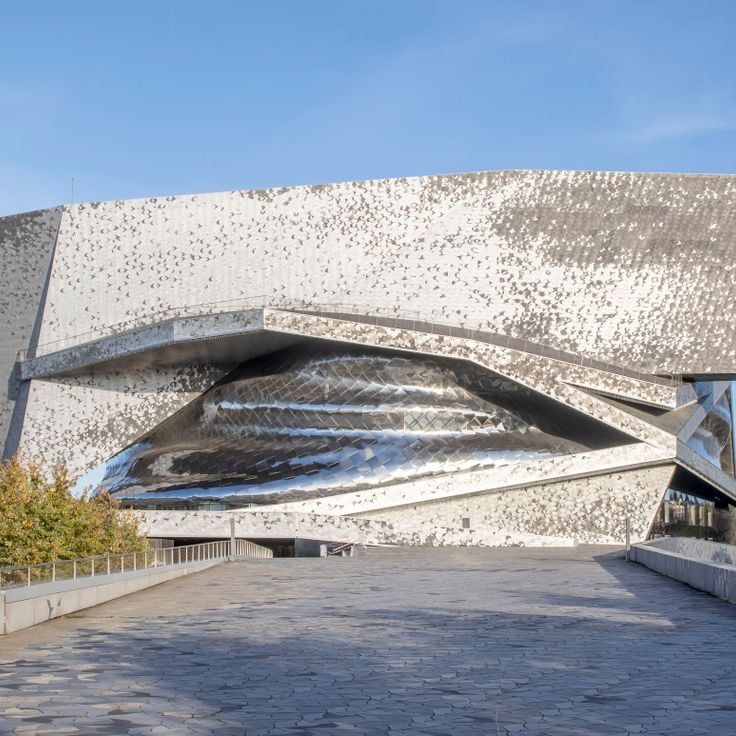
The Philharmonie de Paris is a concert hall designed by Jean Nouvel located in the Parc de la Villette. The building displays an asymmetrical form with a reflective aluminum facade. The main auditorium seats 2,400 people and features adaptable acoustics that adjust to different musical performances. This structure opened in 2015 and serves as the home of the Orchestre de Paris. Within this collection of Jean Nouvel's contemporary architecture, the Philharmonie shows his ability to combine technical innovation with respect for its surroundings through thoughtful material choices and integration into the urban landscape.
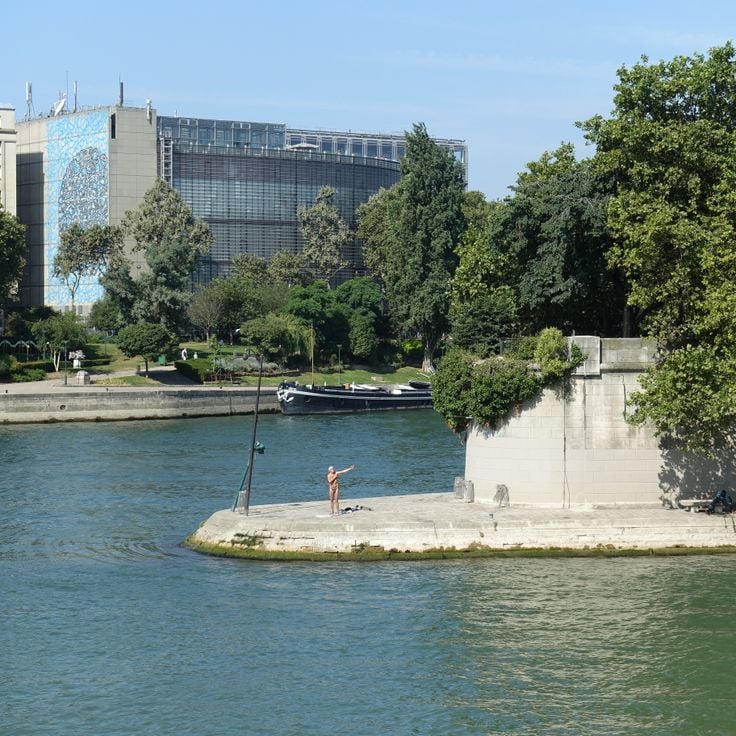
The Arab World Institute in Paris showcases a south-facing facade with 240 mechanical metal panels that open and close based on sunlight. These panels display geometric patterns inspired by Islamic architecture while controlling how light enters the building. This structure exemplifies how Jean Nouvel merges technical innovation with cultural respect, demonstrating his skill in using light and materials to enhance the connection between a building and its surroundings.
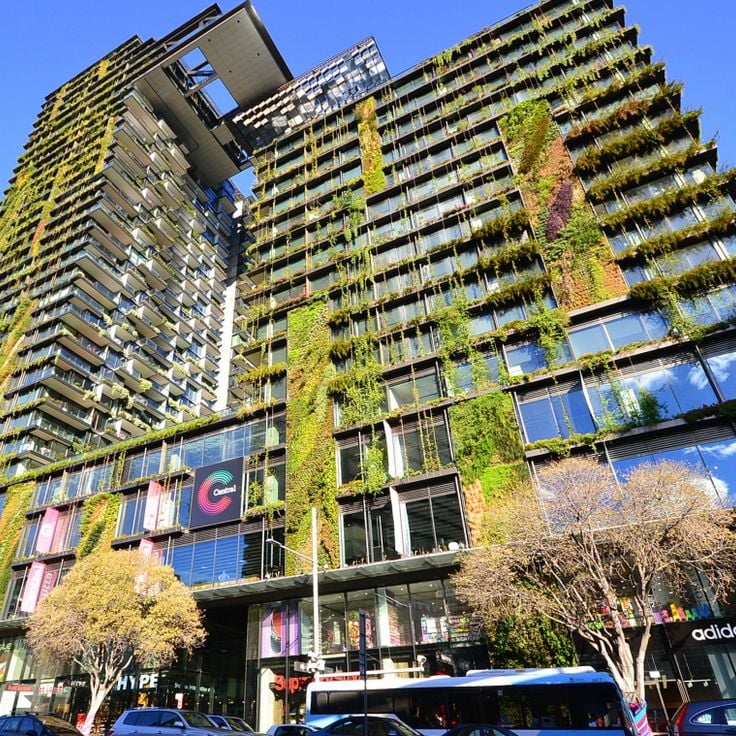
One Central Park is a residential complex consisting of two towers, designed by Jean Nouvel and completed in 2014. The project incorporates over 35,000 plants and 350 species on its facades through a vertical garden system created by botanist Patrick Blanc. The towers reach heights of 116 and 64 meters (380 and 210 feet) and include apartments, retail spaces, and a central heliostatic system that reflects natural light into lower areas. This structure demonstrates Nouvel's ability to combine technical innovation with respect for the local environment.
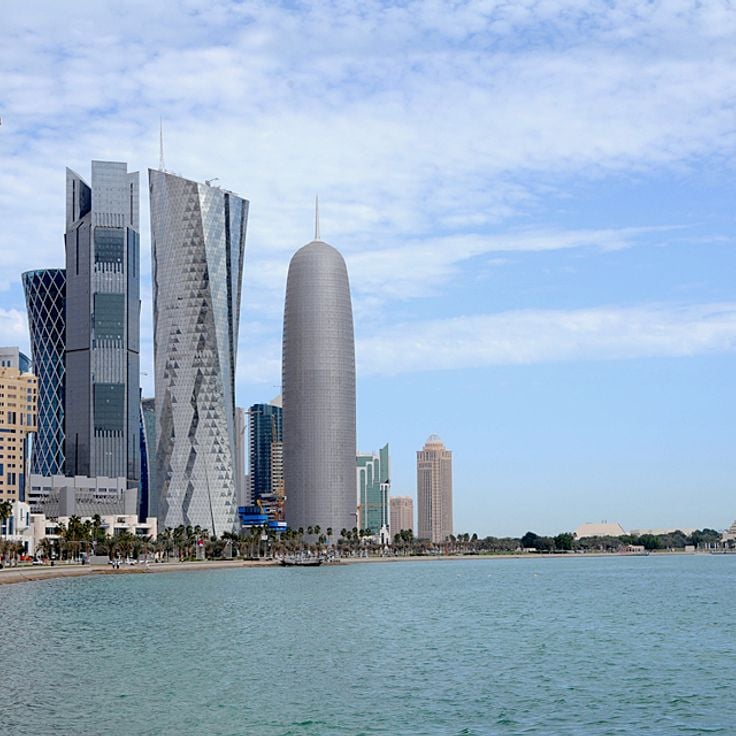
The Doha Tower rises in the business district of the Qatari capital as part of Jean Nouvel's global architectural vision. This office complex merges contemporary construction methods with Arabic design principles through a facade system featuring geometric patterns inspired by traditional mashrabiya elements, while optimizing solar protection. The building demonstrates how modern architecture can honor local cultural forms and integrate them into today's urban landscape.
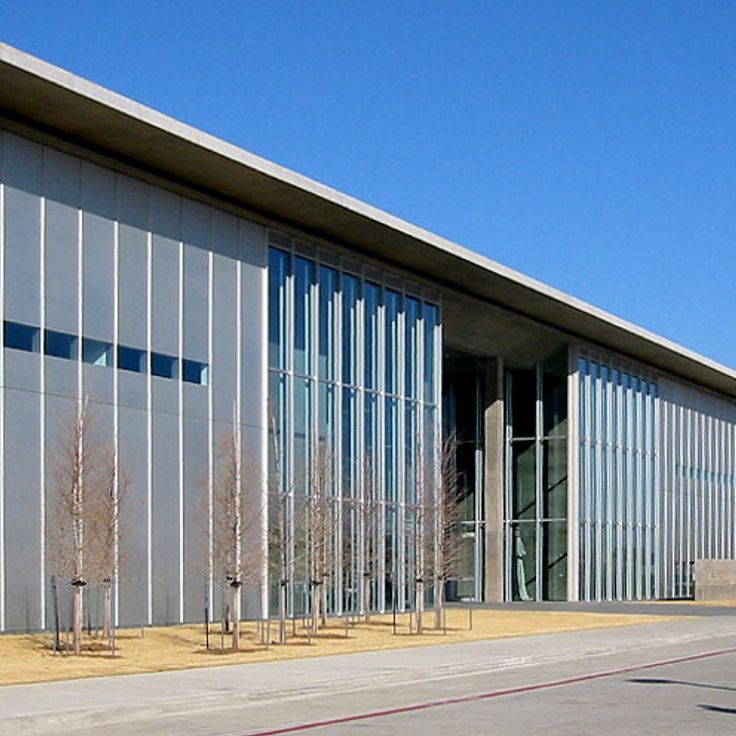
The Museum of Modern Art of Fort Worth is composed of five rectangular pavilions made of glass and steel. Jean Nouvel designed the structure with a water garden where reflecting pools help integrate the buildings into their surroundings. The transparent constructions allow natural light to enter the exhibition spaces and create a connection between interior and exterior areas.
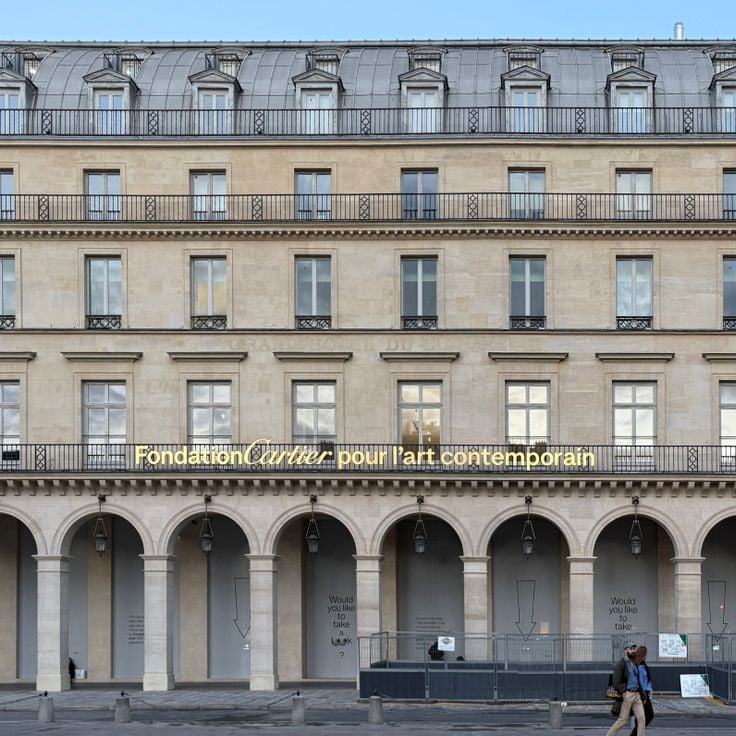
The Fondation Cartier pour l'Art Contemporain demonstrates Jean Nouvel's ability to combine technical innovation with respect for its surroundings. Designed in 1994, this building is defined by its transparent architecture. Multiple offset glass facades extend eight meters into the garden, creating a permeable envelope. The existing garden with its cedar trees is woven into the architectural concept, establishing a dialogue between nature and built structure.
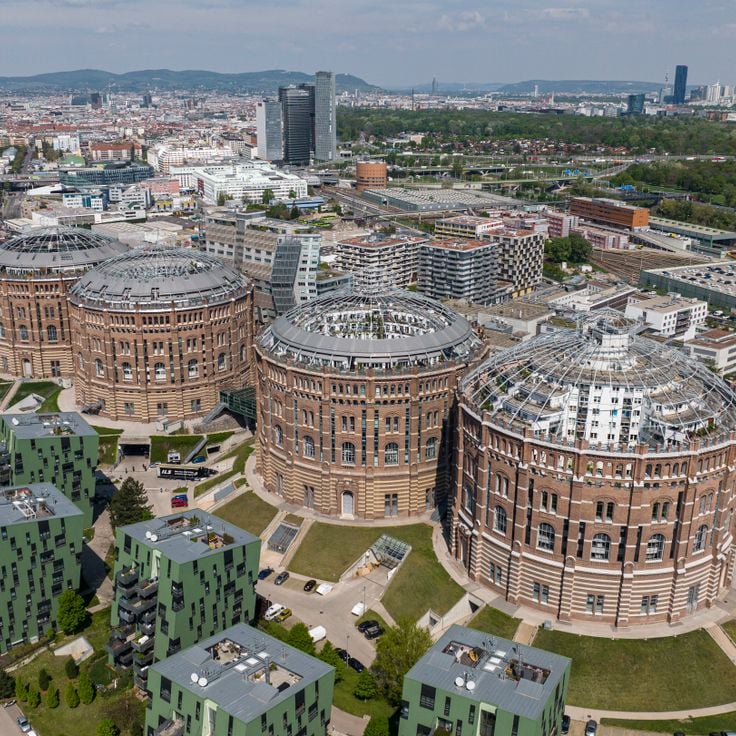
Gasometer A is one of four former gas storage towers in Vienna that Jean Nouvel helped transform into residential buildings. The original 19th-century brick shell was kept in place, while a modern glass structure was built inside. Walking through it, you notice the contrast between the old brick walls and the new construction within.
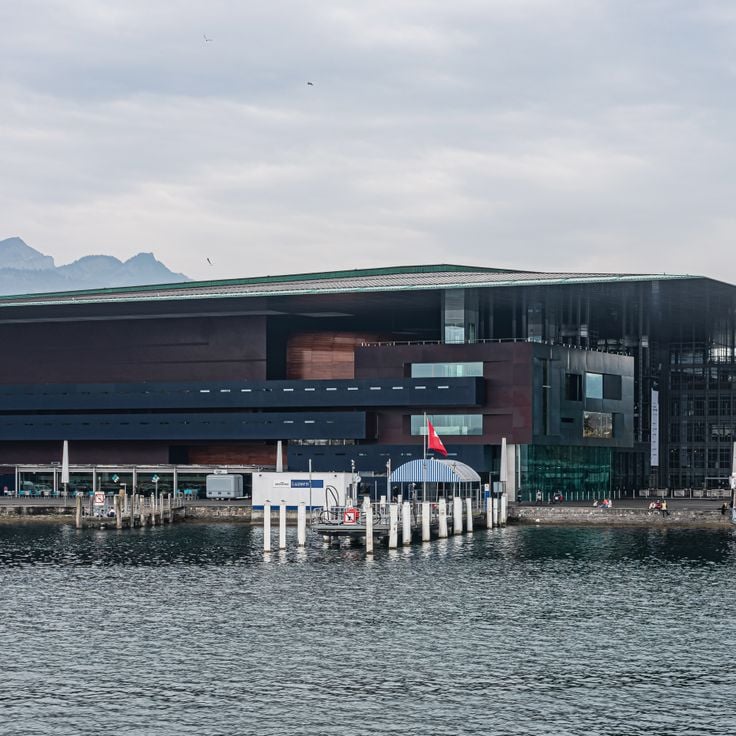
The Conference and Arts Center in Lucerne sits right on the edge of Lake Lucerne. Jean Nouvel designed this building to open toward the water and the mountains around it. A wide aluminum canopy floats over the lake, while the glass walls mirror the light and the landscape beyond. Inside, daylight fills the rooms, and the horizontal lines of the building draw a clear connection between the architecture and the lakeside.
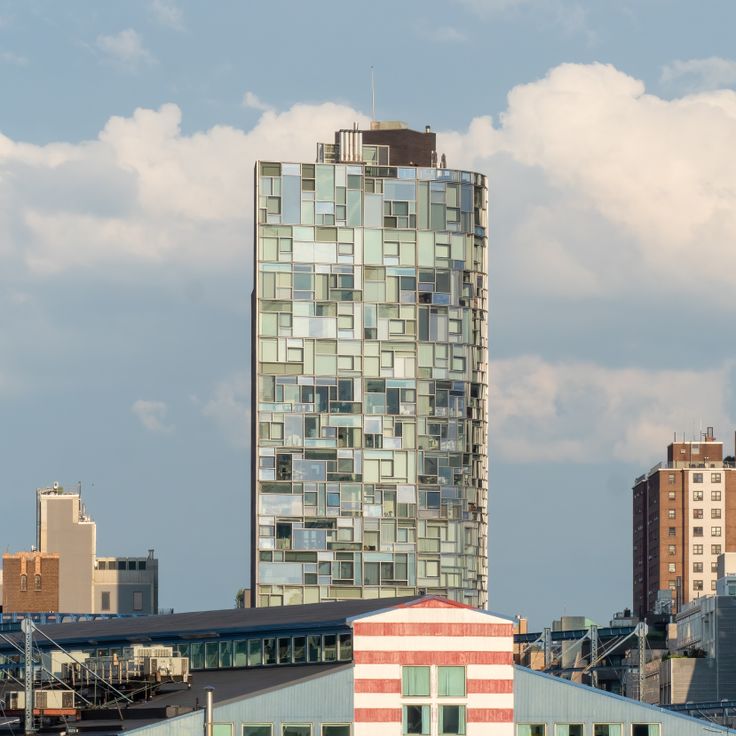
100 Eleventh Avenue is a 23-story residential building with a glass facade made of thousands of tilted window panels. Each panel sits at a different angle, creating shifting light reflections throughout the day. This project demonstrates how Nouvel uses the facade as an active element that interacts with sunlight and weather, constantly changing its appearance. The building integrates into its urban setting while offering residents a home within this thoughtfully designed structure.
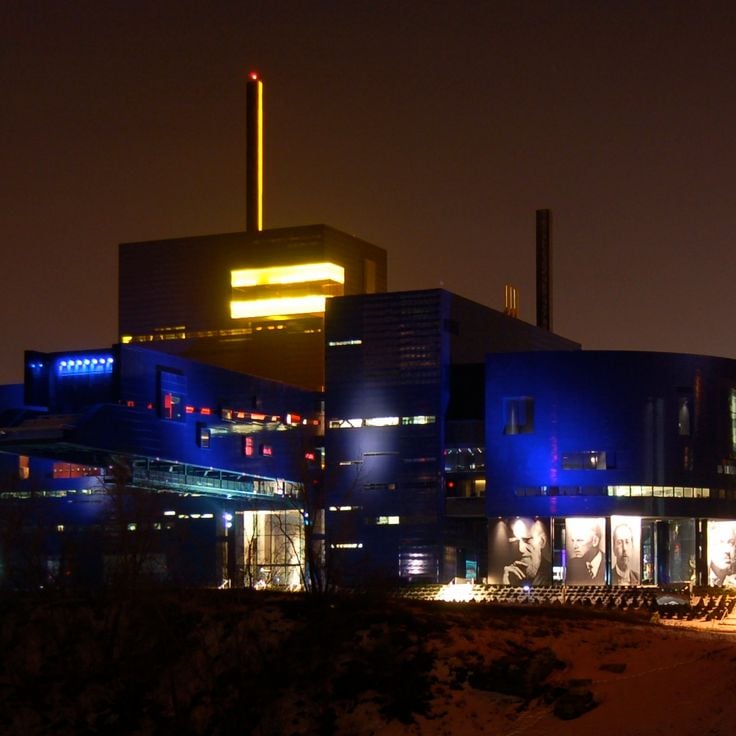
The Guthrie Theater stands as a blue steel structure along the Mississippi River, housing three performance stages of varying sizes. Jean Nouvel designed the building, completed in 2006, with a public viewing platform on the ninth floor that offers sweeping views over the river and downtown Minneapolis. This theater demonstrates how Nouvel integrates modern architecture with its natural surroundings while creating functional spaces for performances that engage both audiences and the city.
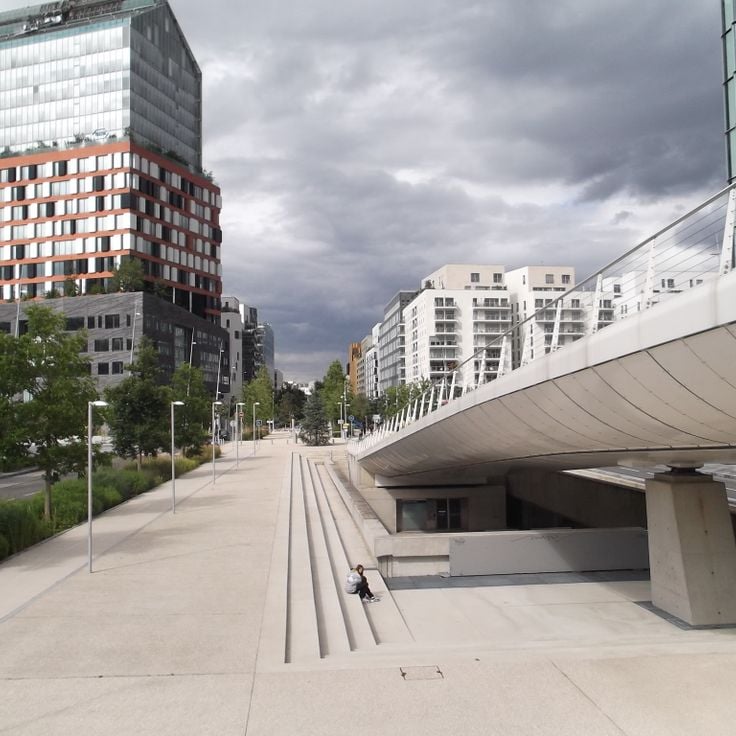
The Horizons Tower is an office building in Boulogne-Billancourt that represents Jean Nouvel's approach to contemporary architecture. Rising 38 floors, the tower features planted terraces woven into its facade, bringing greenery to the urban environment. The glass exterior responds to natural light, shifting in appearance throughout the day. This building shows how architectural design can integrate nature and material innovation to create structures that interact with their surroundings.
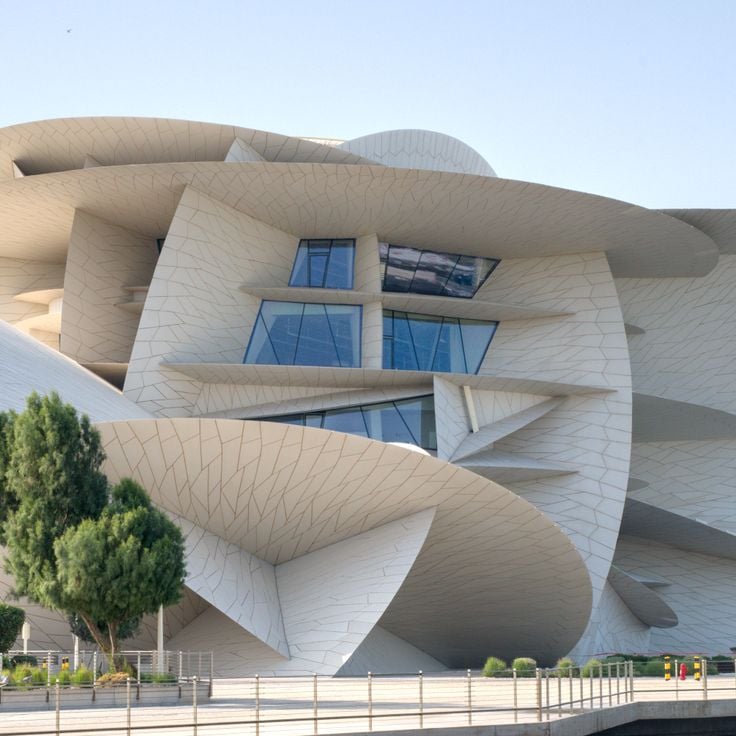
The National Museum of Qatar in this collection showcases Jean Nouvel's approach to creating buildings that speak to their surroundings. The museum takes the form of interlocking steel and concrete discs inspired by the shape of desert roses, creating a dialogue with the Qatari landscape. Inside are galleries devoted to the history and culture of the country, alongside spaces for temporary exhibitions. The building demonstrates how architectural design can reflect and respect local identity while offering innovative structural solutions.
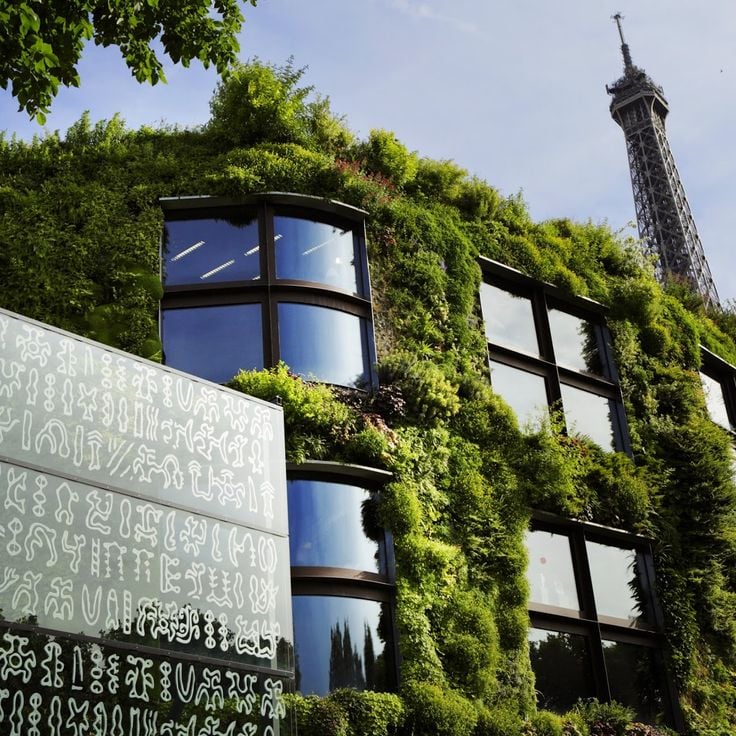
The Quai Branly Museum sits near the Seine in Paris, not far from the Eiffel Tower. Jean Nouvel designed the building to blend into its green surroundings, covering much of the facade with a living plant wall created by botanist Patrick Blanc. Inside, visitors move through darkened galleries where objects from Africa, Asia, Oceania, and the Americas are displayed in a setting that feels close and immersive. The building itself tells part of the story, showing how architecture can shape the way we experience other cultures.
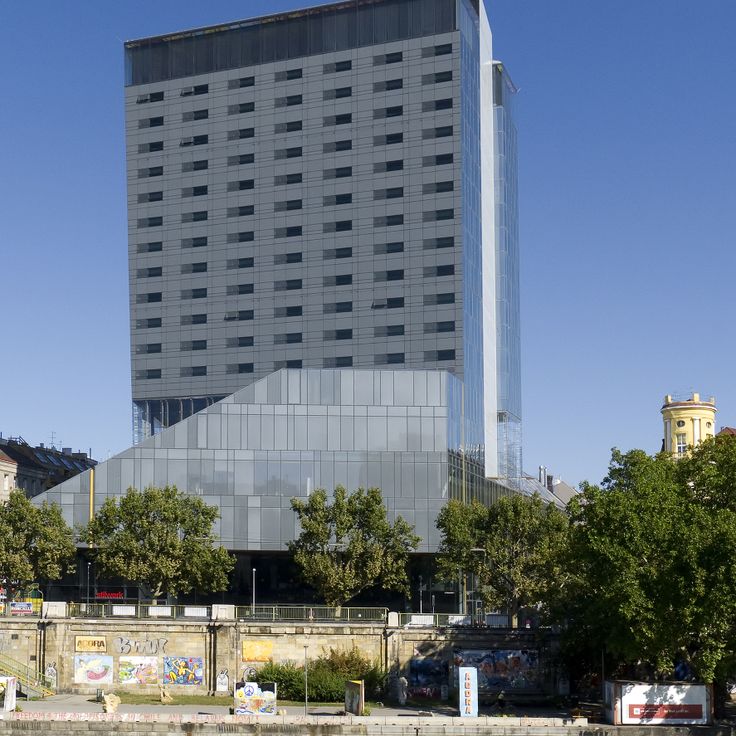
The Sofitel Vienna Stephansdom is a modern hotel building that integrates contemporary design into Vienna's historic city center. This project demonstrates Jean Nouvel's approach to blending new architecture with the existing urban context. With 18 floors and 182 rooms, the hotel features a restaurant offering views across Vienna. The building's design respects its surroundings while contributing to the city's evolving architectural character.
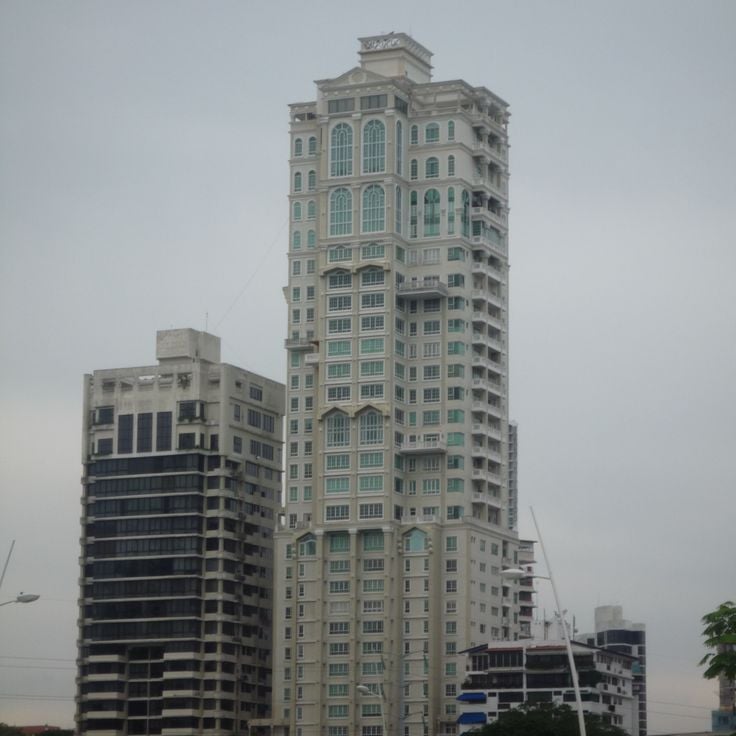
Torre Avenida Balboa is a 195-meter residential tower with a glass facade, completed in 2011 along the waterfront. The building combines office spaces with residential units and shapes Panama City's skyline. Nouvel designed the structure with transparent facade elements that open toward the bay. This tower shows how contemporary architecture can interact with its surroundings and transform the relationship between buildings and their urban setting.
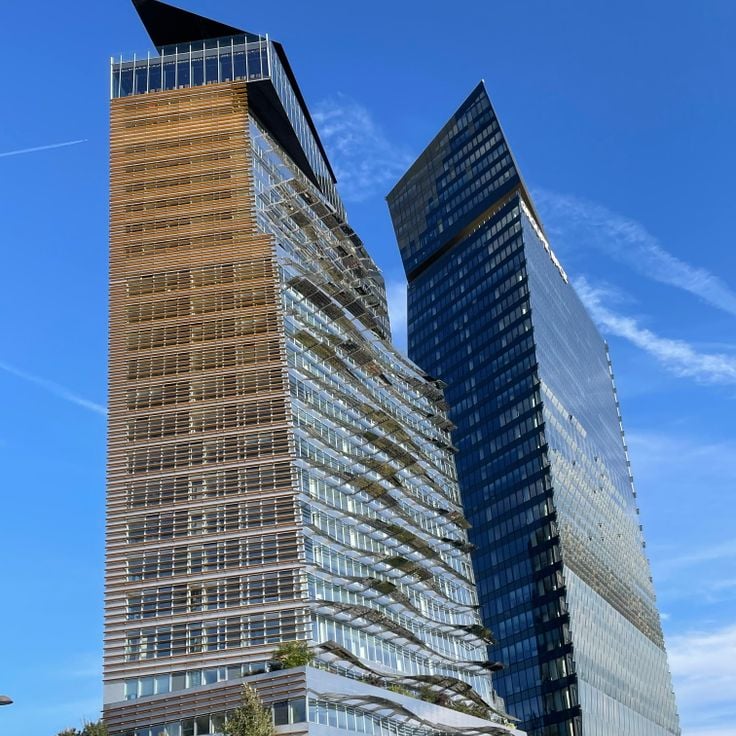
The Duo Towers are two buildings in the 13th arrondissement of Paris, designed by Jean Nouvel. These towers house offices and a hotel, shaping the skyline of the district around the French National Library. This ensemble shows how Nouvel approaches skyscraper design in densely built urban spaces. The modern forms and carefully detailed facades demonstrate his method of working with vertical construction and how it fits into the city's landscape.
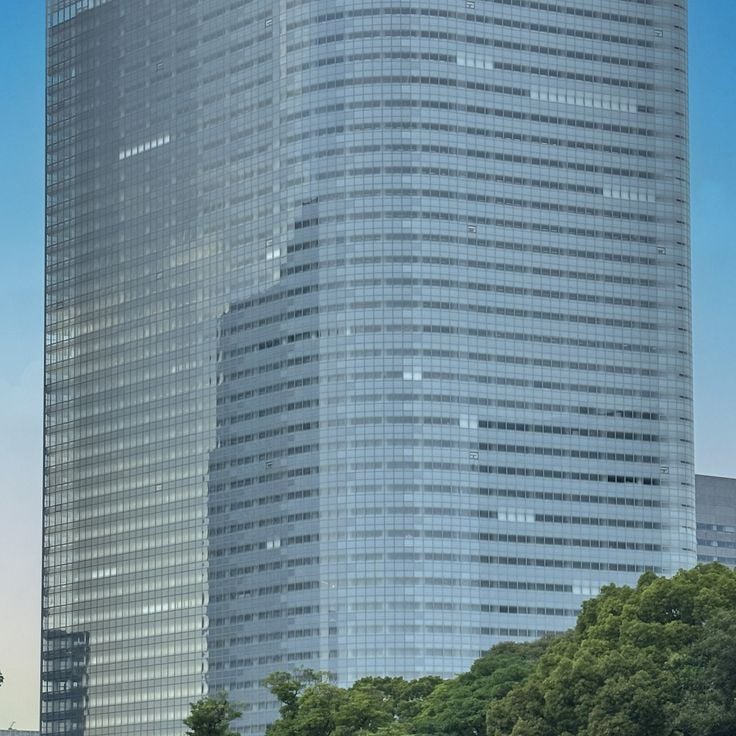
The Dentsu Building demonstrates Jean Nouvel's approach to contemporary office towers in this collection of his work. This commercial skyscraper in Higashi-Shinbashi, Tokyo, combines technical innovation with respect for its urban setting, showing how a modern building can serve as a working space while engaging with the city around it.
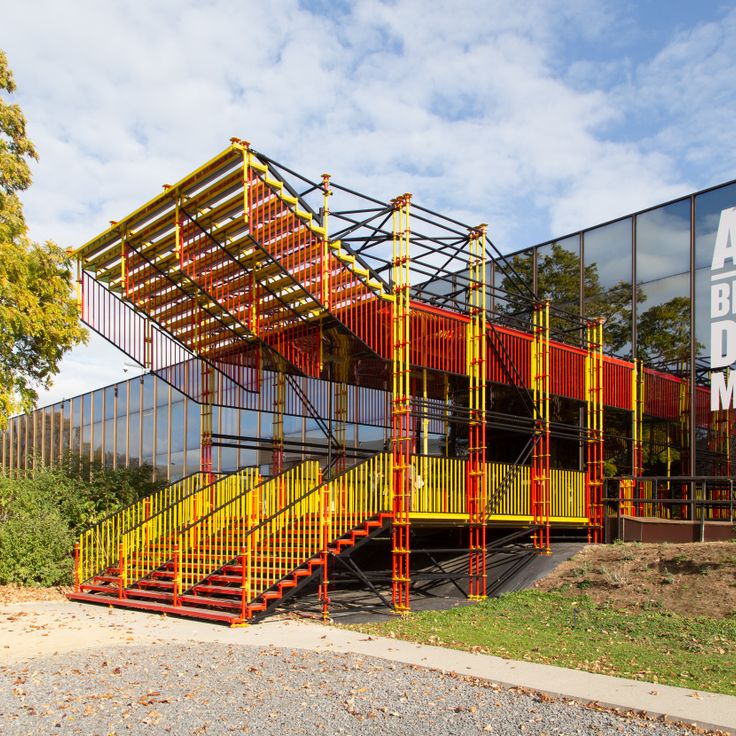
The Design Museum Brussels shows how Jean Nouvel creates spaces for creativity. Located near the Atomium, the museum demonstrates his approach to integrating buildings into their surroundings. Through careful material selection and light control, the architect merges modern function with local identity. A visit reveals how contemporary architecture can change how we experience museums and cultural spaces.
The Louvre Abu Dhabi is a museum designed by Jean Nouvel and distinguished by its signature dome. The perforated metal structure creates a light effect that resembles sunrays filtering through palm fronds. The building sits on the water and houses artworks from different periods and cultures. It demonstrates Nouvel's ability to blend technical innovation with respect for local context.
The Torre Glòries in Barcelona belongs to this collection of contemporary works by Jean Nouvel. This skyscraper stands 144 meters tall with a cylindrical form and a facade made of colored aluminum panels that shift in appearance as light changes throughout the day. The tower serves as headquarters for various companies and houses a digital art museum. Its distinctive cylindrical shape and colorful exterior make it a recognizable landmark in the city.
The Philharmonie de Paris is a concert hall designed by Jean Nouvel located in the Parc de la Villette. The building displays an asymmetrical form with a reflective aluminum facade. The main auditorium seats 2,400 people and features adaptable acoustics that adjust to different musical performances. This structure opened in 2015 and serves as the home of the Orchestre de Paris. Within this collection of Jean Nouvel's contemporary architecture, the Philharmonie shows his ability to combine technical innovation with respect for its surroundings through thoughtful material choices and integration into the urban landscape.
The Arab World Institute in Paris showcases a south-facing facade with 240 mechanical metal panels that open and close based on sunlight. These panels display geometric patterns inspired by Islamic architecture while controlling how light enters the building. This structure exemplifies how Jean Nouvel merges technical innovation with cultural respect, demonstrating his skill in using light and materials to enhance the connection between a building and its surroundings.
One Central Park is a residential complex consisting of two towers, designed by Jean Nouvel and completed in 2014. The project incorporates over 35,000 plants and 350 species on its facades through a vertical garden system created by botanist Patrick Blanc. The towers reach heights of 116 and 64 meters (380 and 210 feet) and include apartments, retail spaces, and a central heliostatic system that reflects natural light into lower areas. This structure demonstrates Nouvel's ability to combine technical innovation with respect for the local environment.
The Doha Tower rises in the business district of the Qatari capital as part of Jean Nouvel's global architectural vision. This office complex merges contemporary construction methods with Arabic design principles through a facade system featuring geometric patterns inspired by traditional mashrabiya elements, while optimizing solar protection. The building demonstrates how modern architecture can honor local cultural forms and integrate them into today's urban landscape.
The Museum of Modern Art of Fort Worth is composed of five rectangular pavilions made of glass and steel. Jean Nouvel designed the structure with a water garden where reflecting pools help integrate the buildings into their surroundings. The transparent constructions allow natural light to enter the exhibition spaces and create a connection between interior and exterior areas.
The Fondation Cartier pour l'Art Contemporain demonstrates Jean Nouvel's ability to combine technical innovation with respect for its surroundings. Designed in 1994, this building is defined by its transparent architecture. Multiple offset glass facades extend eight meters into the garden, creating a permeable envelope. The existing garden with its cedar trees is woven into the architectural concept, establishing a dialogue between nature and built structure.
Gasometer A is one of four former gas storage towers in Vienna that Jean Nouvel helped transform into residential buildings. The original 19th-century brick shell was kept in place, while a modern glass structure was built inside. Walking through it, you notice the contrast between the old brick walls and the new construction within.
The Conference and Arts Center in Lucerne sits right on the edge of Lake Lucerne. Jean Nouvel designed this building to open toward the water and the mountains around it. A wide aluminum canopy floats over the lake, while the glass walls mirror the light and the landscape beyond. Inside, daylight fills the rooms, and the horizontal lines of the building draw a clear connection between the architecture and the lakeside.
100 Eleventh Avenue is a 23-story residential building with a glass facade made of thousands of tilted window panels. Each panel sits at a different angle, creating shifting light reflections throughout the day. This project demonstrates how Nouvel uses the facade as an active element that interacts with sunlight and weather, constantly changing its appearance. The building integrates into its urban setting while offering residents a home within this thoughtfully designed structure.
The Guthrie Theater stands as a blue steel structure along the Mississippi River, housing three performance stages of varying sizes. Jean Nouvel designed the building, completed in 2006, with a public viewing platform on the ninth floor that offers sweeping views over the river and downtown Minneapolis. This theater demonstrates how Nouvel integrates modern architecture with its natural surroundings while creating functional spaces for performances that engage both audiences and the city.
The Horizons Tower is an office building in Boulogne-Billancourt that represents Jean Nouvel's approach to contemporary architecture. Rising 38 floors, the tower features planted terraces woven into its facade, bringing greenery to the urban environment. The glass exterior responds to natural light, shifting in appearance throughout the day. This building shows how architectural design can integrate nature and material innovation to create structures that interact with their surroundings.
The National Museum of Qatar in this collection showcases Jean Nouvel's approach to creating buildings that speak to their surroundings. The museum takes the form of interlocking steel and concrete discs inspired by the shape of desert roses, creating a dialogue with the Qatari landscape. Inside are galleries devoted to the history and culture of the country, alongside spaces for temporary exhibitions. The building demonstrates how architectural design can reflect and respect local identity while offering innovative structural solutions.
The Quai Branly Museum sits near the Seine in Paris, not far from the Eiffel Tower. Jean Nouvel designed the building to blend into its green surroundings, covering much of the facade with a living plant wall created by botanist Patrick Blanc. Inside, visitors move through darkened galleries where objects from Africa, Asia, Oceania, and the Americas are displayed in a setting that feels close and immersive. The building itself tells part of the story, showing how architecture can shape the way we experience other cultures.
The Sofitel Vienna Stephansdom is a modern hotel building that integrates contemporary design into Vienna's historic city center. This project demonstrates Jean Nouvel's approach to blending new architecture with the existing urban context. With 18 floors and 182 rooms, the hotel features a restaurant offering views across Vienna. The building's design respects its surroundings while contributing to the city's evolving architectural character.
Torre Avenida Balboa is a 195-meter residential tower with a glass facade, completed in 2011 along the waterfront. The building combines office spaces with residential units and shapes Panama City's skyline. Nouvel designed the structure with transparent facade elements that open toward the bay. This tower shows how contemporary architecture can interact with its surroundings and transform the relationship between buildings and their urban setting.
The Duo Towers are two buildings in the 13th arrondissement of Paris, designed by Jean Nouvel. These towers house offices and a hotel, shaping the skyline of the district around the French National Library. This ensemble shows how Nouvel approaches skyscraper design in densely built urban spaces. The modern forms and carefully detailed facades demonstrate his method of working with vertical construction and how it fits into the city's landscape.
The Dentsu Building demonstrates Jean Nouvel's approach to contemporary office towers in this collection of his work. This commercial skyscraper in Higashi-Shinbashi, Tokyo, combines technical innovation with respect for its urban setting, showing how a modern building can serve as a working space while engaging with the city around it.
The Design Museum Brussels shows how Jean Nouvel creates spaces for creativity. Located near the Atomium, the museum demonstrates his approach to integrating buildings into their surroundings. Through careful material selection and light control, the architect merges modern function with local identity. A visit reveals how contemporary architecture can change how we experience museums and cultural spaces.
The Louvre Abu Dhabi is a museum designed by Jean Nouvel and distinguished by its signature dome. The perforated metal structure creates a light effect that resembles sunrays filtering through palm fronds. The building sits on the water and houses artworks from different periods and cultures. It demonstrates Nouvel's ability to blend technical innovation with respect for local context.
The Torre Glòries in Barcelona belongs to this collection of contemporary works by Jean Nouvel. This skyscraper stands 144 meters tall with a cylindrical form and a facade made of colored aluminum panels that shift in appearance as light changes throughout the day. The tower serves as headquarters for various companies and houses a digital art museum. Its distinctive cylindrical shape and colorful exterior make it a recognizable landmark in the city.
The Philharmonie de Paris is a concert hall designed by Jean Nouvel located in the Parc de la Villette. The building displays an asymmetrical form with a reflective aluminum facade. The main auditorium seats 2,400 people and features adaptable acoustics that adjust to different musical performances. This structure opened in 2015 and serves as the home of the Orchestre de Paris. Within this collection of Jean Nouvel's contemporary architecture, the Philharmonie shows his ability to combine technical innovation with respect for its surroundings through thoughtful material choices and integration into the urban landscape.
The Arab World Institute in Paris showcases a south-facing facade with 240 mechanical metal panels that open and close based on sunlight. These panels display geometric patterns inspired by Islamic architecture while controlling how light enters the building. This structure exemplifies how Jean Nouvel merges technical innovation with cultural respect, demonstrating his skill in using light and materials to enhance the connection between a building and its surroundings.
One Central Park is a residential complex consisting of two towers, designed by Jean Nouvel and completed in 2014. The project incorporates over 35,000 plants and 350 species on its facades through a vertical garden system created by botanist Patrick Blanc. The towers reach heights of 116 and 64 meters (380 and 210 feet) and include apartments, retail spaces, and a central heliostatic system that reflects natural light into lower areas. This structure demonstrates Nouvel's ability to combine technical innovation with respect for the local environment.
The Doha Tower rises in the business district of the Qatari capital as part of Jean Nouvel's global architectural vision. This office complex merges contemporary construction methods with Arabic design principles through a facade system featuring geometric patterns inspired by traditional mashrabiya elements, while optimizing solar protection. The building demonstrates how modern architecture can honor local cultural forms and integrate them into today's urban landscape.
The Museum of Modern Art of Fort Worth is composed of five rectangular pavilions made of glass and steel. Jean Nouvel designed the structure with a water garden where reflecting pools help integrate the buildings into their surroundings. The transparent constructions allow natural light to enter the exhibition spaces and create a connection between interior and exterior areas.
The Fondation Cartier pour l'Art Contemporain demonstrates Jean Nouvel's ability to combine technical innovation with respect for its surroundings. Designed in 1994, this building is defined by its transparent architecture. Multiple offset glass facades extend eight meters into the garden, creating a permeable envelope. The existing garden with its cedar trees is woven into the architectural concept, establishing a dialogue between nature and built structure.
Gasometer A is one of four former gas storage towers in Vienna that Jean Nouvel helped transform into residential buildings. The original 19th-century brick shell was kept in place, while a modern glass structure was built inside. Walking through it, you notice the contrast between the old brick walls and the new construction within.
The Conference and Arts Center in Lucerne sits right on the edge of Lake Lucerne. Jean Nouvel designed this building to open toward the water and the mountains around it. A wide aluminum canopy floats over the lake, while the glass walls mirror the light and the landscape beyond. Inside, daylight fills the rooms, and the horizontal lines of the building draw a clear connection between the architecture and the lakeside.
100 Eleventh Avenue is a 23-story residential building with a glass facade made of thousands of tilted window panels. Each panel sits at a different angle, creating shifting light reflections throughout the day. This project demonstrates how Nouvel uses the facade as an active element that interacts with sunlight and weather, constantly changing its appearance. The building integrates into its urban setting while offering residents a home within this thoughtfully designed structure.
The Guthrie Theater stands as a blue steel structure along the Mississippi River, housing three performance stages of varying sizes. Jean Nouvel designed the building, completed in 2006, with a public viewing platform on the ninth floor that offers sweeping views over the river and downtown Minneapolis. This theater demonstrates how Nouvel integrates modern architecture with its natural surroundings while creating functional spaces for performances that engage both audiences and the city.
The Horizons Tower is an office building in Boulogne-Billancourt that represents Jean Nouvel's approach to contemporary architecture. Rising 38 floors, the tower features planted terraces woven into its facade, bringing greenery to the urban environment. The glass exterior responds to natural light, shifting in appearance throughout the day. This building shows how architectural design can integrate nature and material innovation to create structures that interact with their surroundings.
The National Museum of Qatar in this collection showcases Jean Nouvel's approach to creating buildings that speak to their surroundings. The museum takes the form of interlocking steel and concrete discs inspired by the shape of desert roses, creating a dialogue with the Qatari landscape. Inside are galleries devoted to the history and culture of the country, alongside spaces for temporary exhibitions. The building demonstrates how architectural design can reflect and respect local identity while offering innovative structural solutions.
The Quai Branly Museum sits near the Seine in Paris, not far from the Eiffel Tower. Jean Nouvel designed the building to blend into its green surroundings, covering much of the facade with a living plant wall created by botanist Patrick Blanc. Inside, visitors move through darkened galleries where objects from Africa, Asia, Oceania, and the Americas are displayed in a setting that feels close and immersive. The building itself tells part of the story, showing how architecture can shape the way we experience other cultures.
The Sofitel Vienna Stephansdom is a modern hotel building that integrates contemporary design into Vienna's historic city center. This project demonstrates Jean Nouvel's approach to blending new architecture with the existing urban context. With 18 floors and 182 rooms, the hotel features a restaurant offering views across Vienna. The building's design respects its surroundings while contributing to the city's evolving architectural character.
Torre Avenida Balboa is a 195-meter residential tower with a glass facade, completed in 2011 along the waterfront. The building combines office spaces with residential units and shapes Panama City's skyline. Nouvel designed the structure with transparent facade elements that open toward the bay. This tower shows how contemporary architecture can interact with its surroundings and transform the relationship between buildings and their urban setting.
The Duo Towers are two buildings in the 13th arrondissement of Paris, designed by Jean Nouvel. These towers house offices and a hotel, shaping the skyline of the district around the French National Library. This ensemble shows how Nouvel approaches skyscraper design in densely built urban spaces. The modern forms and carefully detailed facades demonstrate his method of working with vertical construction and how it fits into the city's landscape.
The Dentsu Building demonstrates Jean Nouvel's approach to contemporary office towers in this collection of his work. This commercial skyscraper in Higashi-Shinbashi, Tokyo, combines technical innovation with respect for its urban setting, showing how a modern building can serve as a working space while engaging with the city around it.
The Design Museum Brussels shows how Jean Nouvel creates spaces for creativity. Located near the Atomium, the museum demonstrates his approach to integrating buildings into their surroundings. Through careful material selection and light control, the architect merges modern function with local identity. A visit reveals how contemporary architecture can change how we experience museums and cultural spaces.
A practical tip: many of these buildings offer free or reduced admission on certain days. Check ahead before traveling, especially for museums. This way you can spend more time inside without rushing, which lets you appreciate how the spaces were designed to guide your movement.