See the monuments around you in AROpen chests in the app
Around Us is built for your phone — point your camera at the streets and discover the monuments and places around you in augmented reality.Around Us is built for your phone — chests unlock when you walk, explore and capture nearby places.
Photogenic locations in Doha: the best spots to capture the city
Doha combines modern architecture, Gulf traditions, and seascapes that shift with the light. The city presents rare photographic contrasts between geometric museums, gleaming skyscrapers, and historic neighborhoods with winding streets. Along the Corniche, the bay's silhouettes reflect on the water, while souqs come alive at sunset. Inside museums, architecture plays with shadow and light. On artificial islands, pastel-colored buildings create unexpected Mediterranean scenes. Places like Souq Waqif, the Museum of Islamic Art, Katara Cultural Village, and the Pearl-Qatar each reveal different facets of the capital. Whether you photograph the stone towers of Barzan, the curves of the National Museum, or the reflections along the waterfront, Doha offers something new around every corner.
Photogenic locations in Doha: the best spots to capture the city
Doha combines modern architecture, Gulf traditions, and seascapes that shift with the light. The city presents rare photographic contrasts between geometric museums, gleaming skyscrapers, and historic neighborhoods with winding streets. Along the Corniche, the bay's silhouettes reflect on the water, while souqs come alive at sunset. Inside museums, architecture plays with shadow and light. On artificial islands, pastel-colored buildings create unexpected Mediterranean scenes. Places like Souq Waqif, the Museum of Islamic Art, Katara Cultural Village, and the Pearl-Qatar each reveal different facets of the capital. Whether you photograph the stone towers of Barzan, the curves of the National Museum, or the reflections along the waterfront, Doha offers something new around every corner.
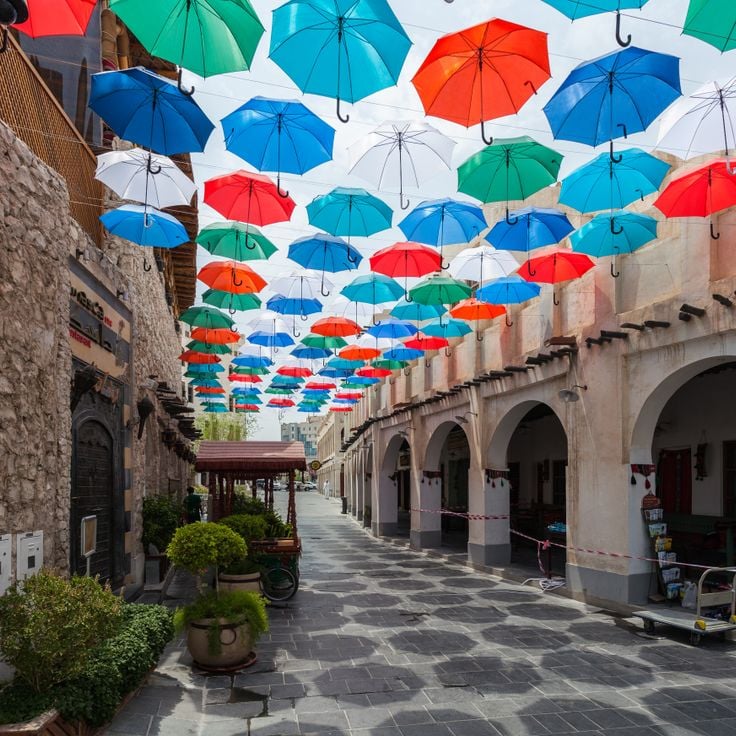
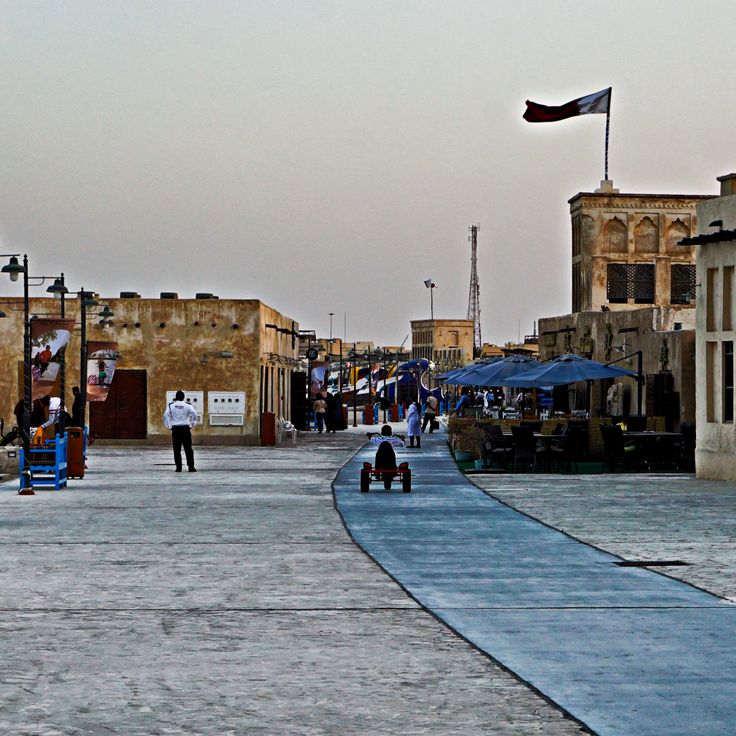
Souq Waqif is a historic market with arched stone corridors where vendors sell spices, textiles, perfumes, and handicrafts. The narrow alleyways of this place offer a traditional setting that photographs well in soft light, providing a strong contrast to Doha's modern skyline and geometric architecture.
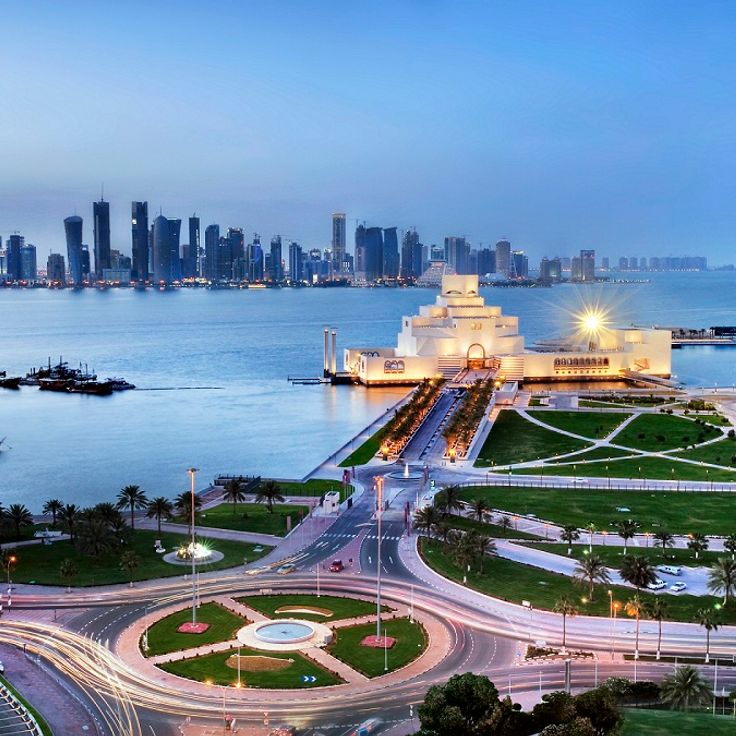
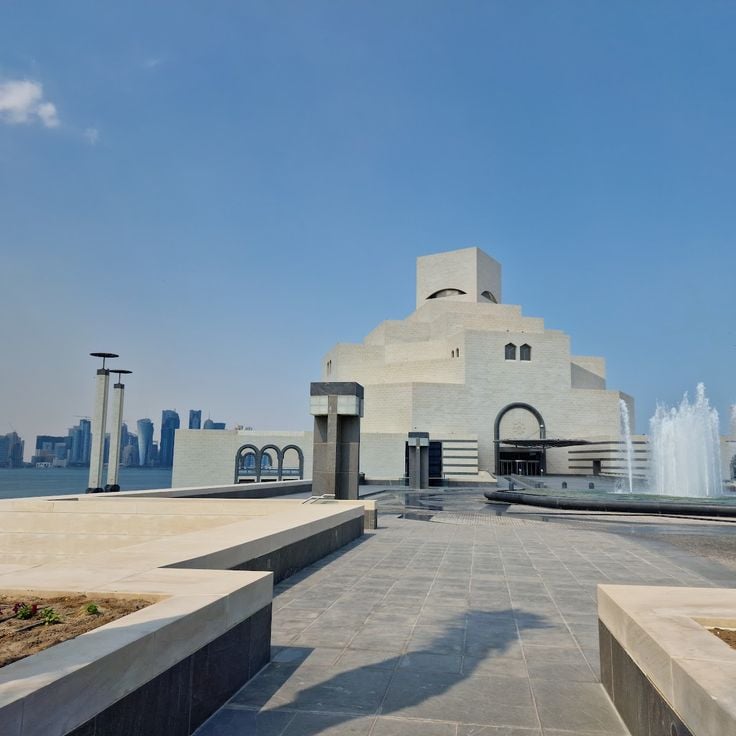
The Museum of Islamic Art presents a modern building with geometric forms and arches inspired by Islamic traditions, designed by I.M. Pei. Its galleries hold art from fourteen centuries across three continents. The surrounding grounds offer views of the bay, making this museum an excellent spot for photographs that capture Doha's blend of contemporary architecture and cultural heritage.
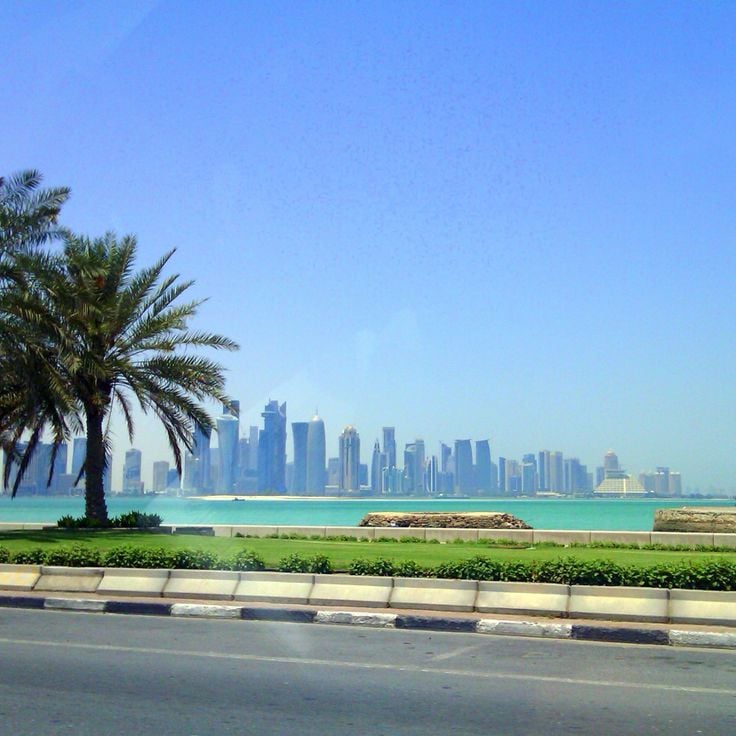
The Corniche is a seven-kilometer promenade running along Doha Bay. For this collection of photogenic locations, it offers perfect contrasts between tall buildings and traditional boats. Skyscrapers reflect in the water while wooden dhows float nearby. The harbor shifts through different colors from dawn to dusk, giving you endless chances to capture light as it changes.
The Katara Cultural Village is a cultural complex in Doha that houses theaters, an amphitheater, mosques, and art galleries. Its architecture draws from traditional Gulf models with passages, stairs, and ochre facades that work well for photography. This venue fits the collection by showcasing the city's traditional side while creating compelling play between light and shadow on its surfaces.
Aspire Park is a green refuge in the heart of Doha that bridges the city's futuristic character with natural landscapes. With its lakes, lawns, and shaded paths, this park offers a peaceful retreat that stands in sharp contrast to the modern towers and geometric architecture of the sports district. The park surrounds the Torch Tower and presents multiple photographic opportunities: the interplay of light and shadow beneath the trees, reflections on water surfaces, and the silhouettes of skyscrapers against the sky. Here, photographers can capture the duality of Doha—nature set alongside modern development.
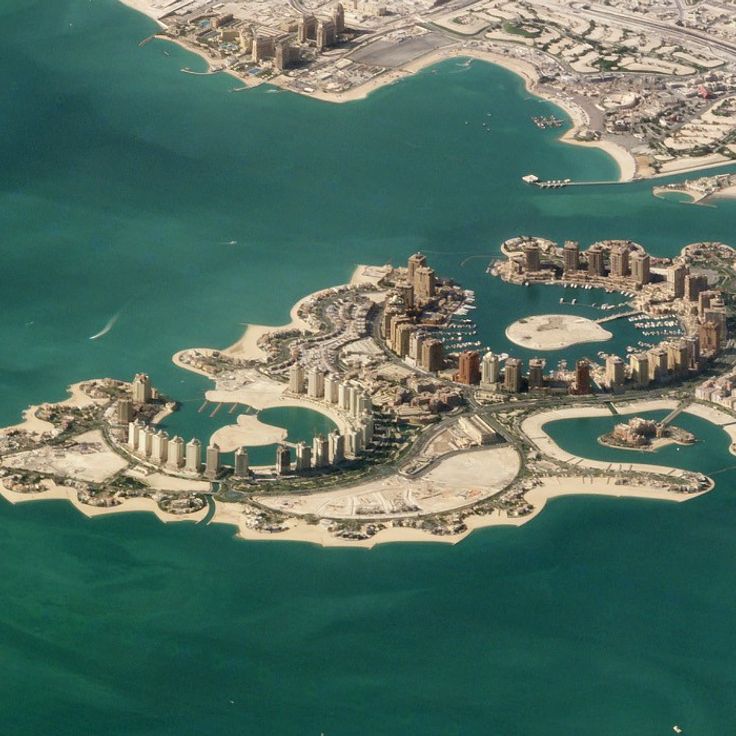
The Pearl-Qatar is an artificial island with marinas, residential towers, cafes, and shops, perfect for photography. Its quays and colorful facades show the Mediterranean influence of the urban project and offer contrasts between modern design and traditional elements. The light changes throughout the day, creating different photographs, especially when structures reflect in the water.
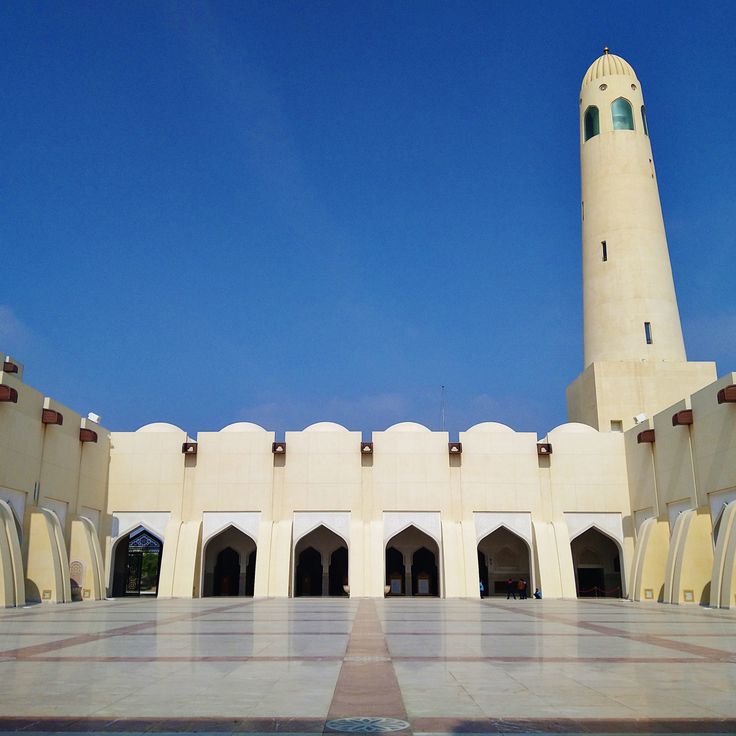
The State Grand Mosque is a large religious complex inaugurated in 2011, located in Doha. For photographers, this mosque offers impressive architectural details: expansive arches, bright courtyards, and spaces for approximately thirty thousand worshippers. Within the context of Doha's most photogenic locations, this mosque demonstrates how contemporary Islamic architecture interacts with light and geometric forms. The generous proportions and thoughtful design make it an excellent place to capture the cultural and architectural character of the city.
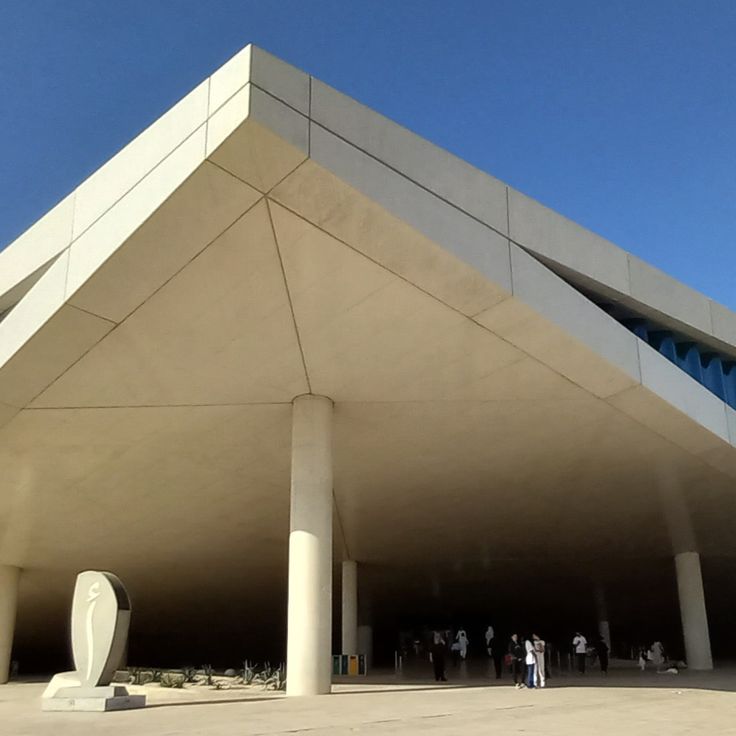
The Qatar National Library is a bright contemporary building that makes for excellent photographs. Its open structure, large volumes, and tiered spaces fit perfectly within Doha's collection of photogenic locations. The architecture interacts with light and shadow, much like other museum buildings in the city. Housing about one million books, it draws those interested in capturing geometric forms and modern lines that reflect the city's futuristic character.
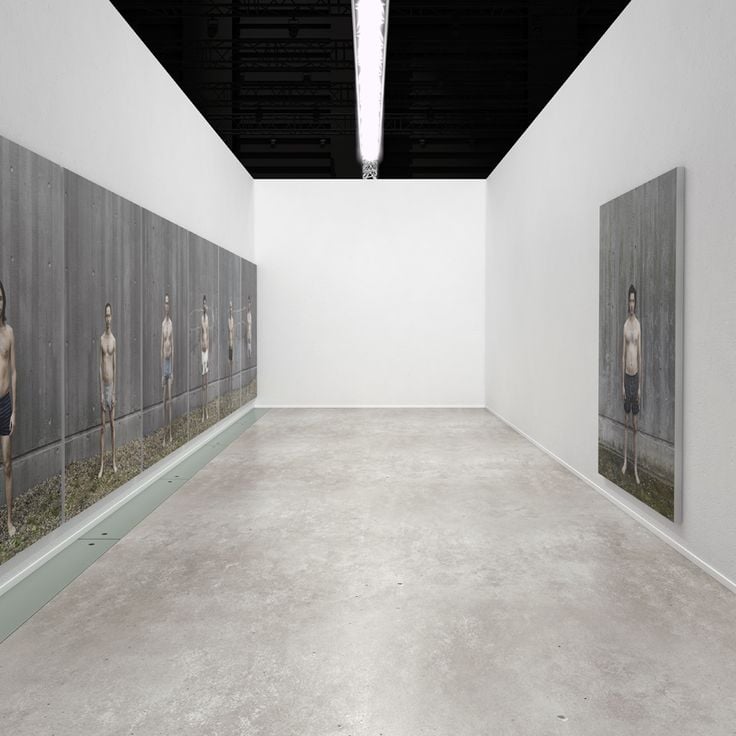
The Mathaf: Arab Museum of Modern Art in Education City displays works from the 20th and 21st centuries in minimalist rooms. For photographers, this museum offers contrasts between modern architecture and Arab art, with light and shadow playing across clean gallery spaces. The white walls and geometric forms of the building fit Doha's forward-looking character and create the perfect frame for images that bring together artwork and architecture.
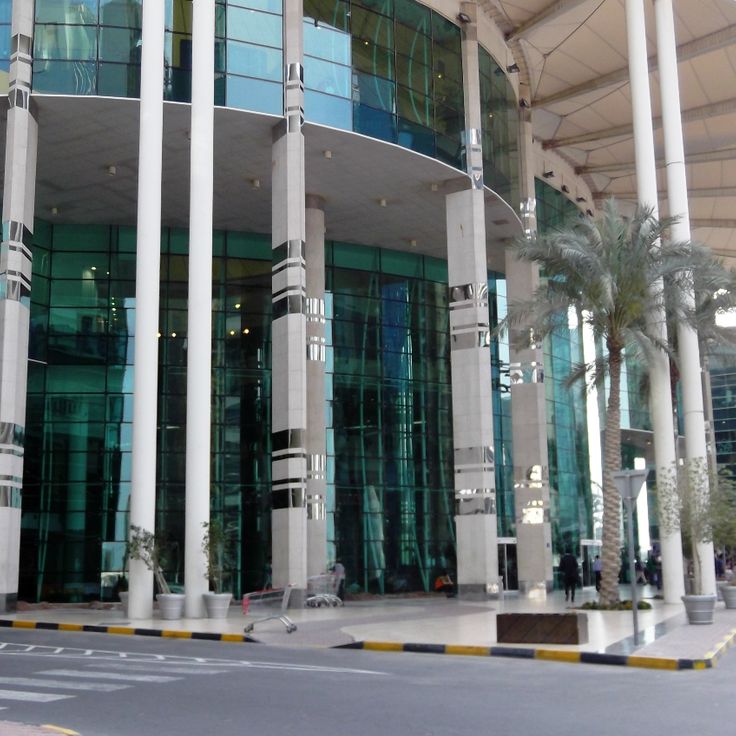
City Centre Mall Doha in West Bay is a five-story shopping center that exemplifies the photographic opportunities featured in this collection. The glass facades and central atrium create an urban environment that represents Doha's modern districts. The geometric lines and the way light plays through the glass surfaces offer compelling subjects for photographers seeking to capture the city's contemporary architecture.
Al Wakrah Souq is a restored market by the beach with stone alleys, lanterns, and local shops. The traditional architecture and proximity to the sea create a natural setting for photographs. This location offers contrasts between historic passages and modern Doha, showing how the city connects to its maritime traditions.
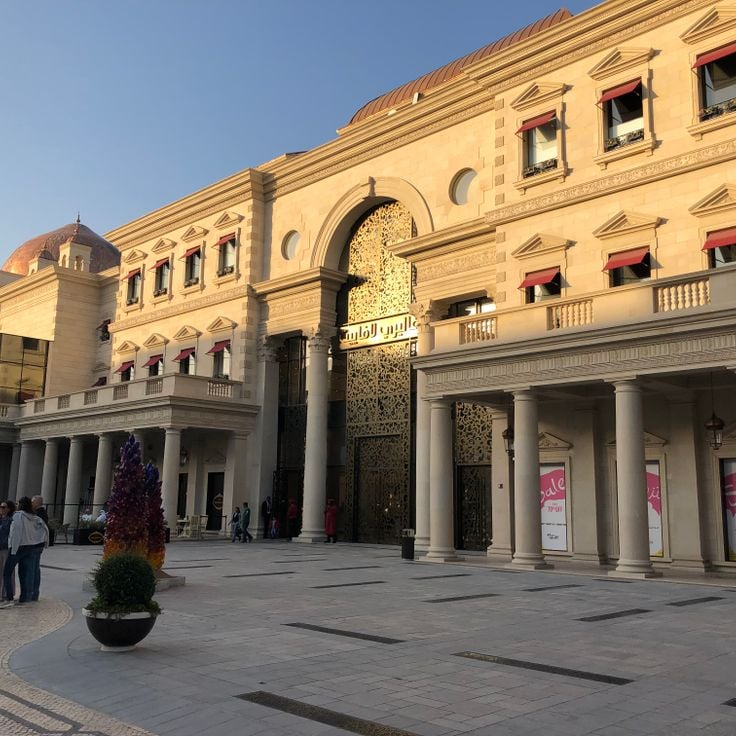
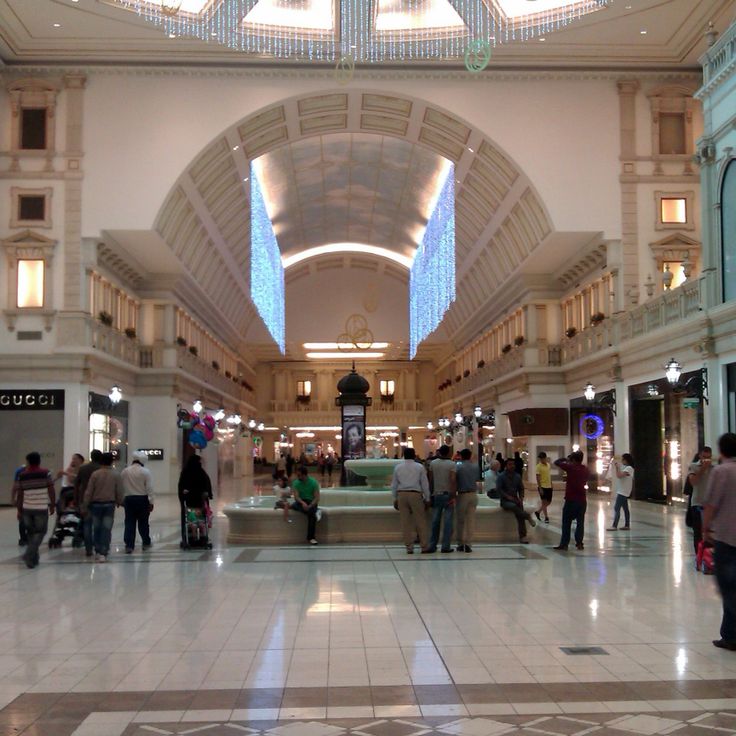
Villaggio Mall is a Venice-inspired shopping center that stands among Doha's most photogenic locations. With its indoor canals, gondolas, and painted facades, this place captures the theatrical side of the city. For photographers seeking original compositions, the center offers contrasts between artificial water features and detailed architectural elements.
MIA Park sits between the Museum of Islamic Art and the bay, offering green spaces that photographers value for capturing Doha's contrasts. The park has shaded walkways, benches, and sculptures alongside open views of the skyline. Light moves across the water and artwork throughout the day, creating varied photographic moments that reflect both the city's contemporary design and its connection to the sea.
The Gate Mall Doha is a shopping center with contemporary design that offers excellent photographic opportunities throughout the space. Large glass walls and soaring ceilings allow natural light to pour in, creating striking contrasts between shadow and brightness. Inside, you'll find branded stores and areas where modern architecture interacts with light in dynamic ways. The mall showcases Doha's forward-looking aesthetic and presents numerous moments to capture geometric forms and how light plays across its surfaces, making it a location where the city's modern character comes into focus.
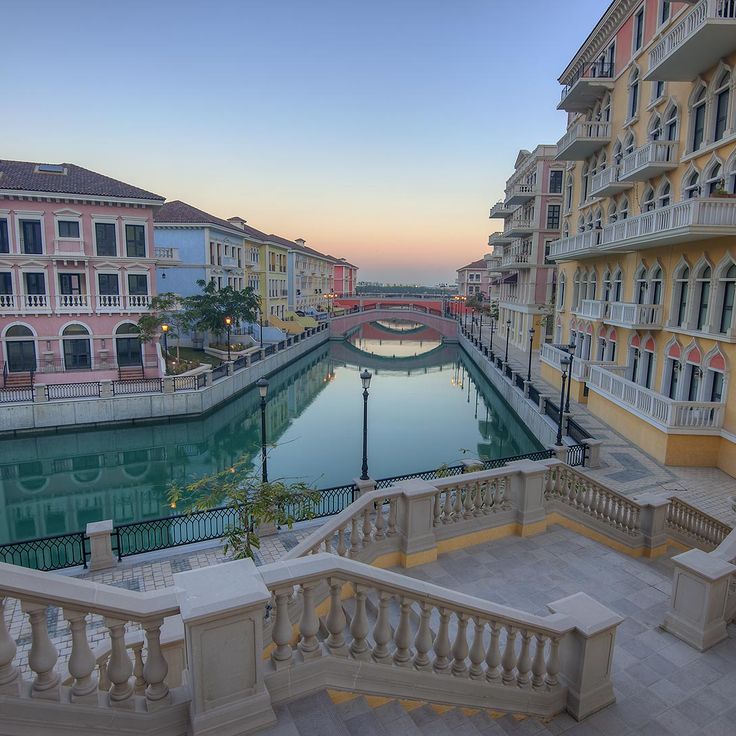
Qanat Quartier is a residential district on the artificial island of The Pearl that serves as an exceptional subject for photography in this collection. The narrow alleys, canals, and small bridges create an Italian-inspired setting with pastel-colored facades that photograph beautifully in changing light. The district stands out among Doha's geometric modernism by offering softer, Mediterranean tones and a human-scaled environment where reflections in the water and the interplay of architecture and shadow reward careful composition.
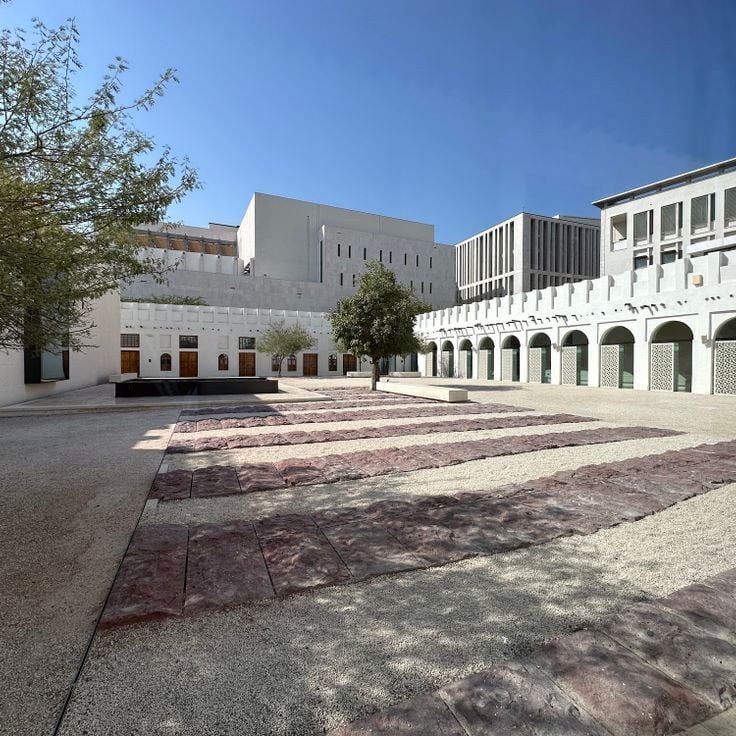
The Msheireb Museums represent an important photography location within this collection of Doha's most photogenic spots. Four restored traditional houses showcase the social and cultural evolution of Qatar. Wood, stone, and narrow passages create an authentic setting where light plays across surfaces throughout the day. The architectural details and layout capture a different era in the city's history and offer strong contrasts to Doha's modern buildings.
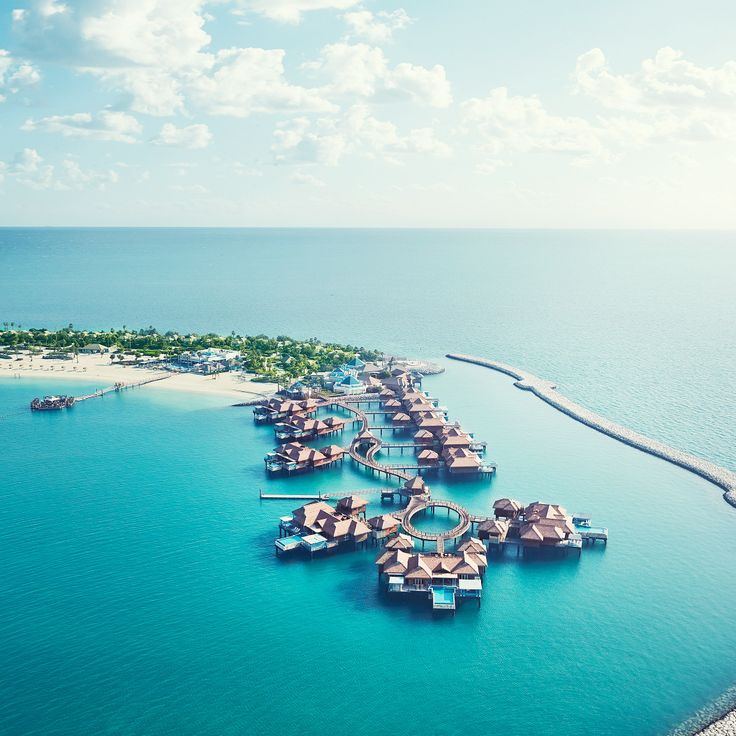
Banana Island Resort is a private island reached by boat, known for its beaches, pier, and water sports facilities. Within this collection of photogenic spots in Doha, the resort offers unobstructed views of the sea that work well for bright photographs. The open water landscape allows light to play freely across the surface, creating clear images without shadows or obstructions.
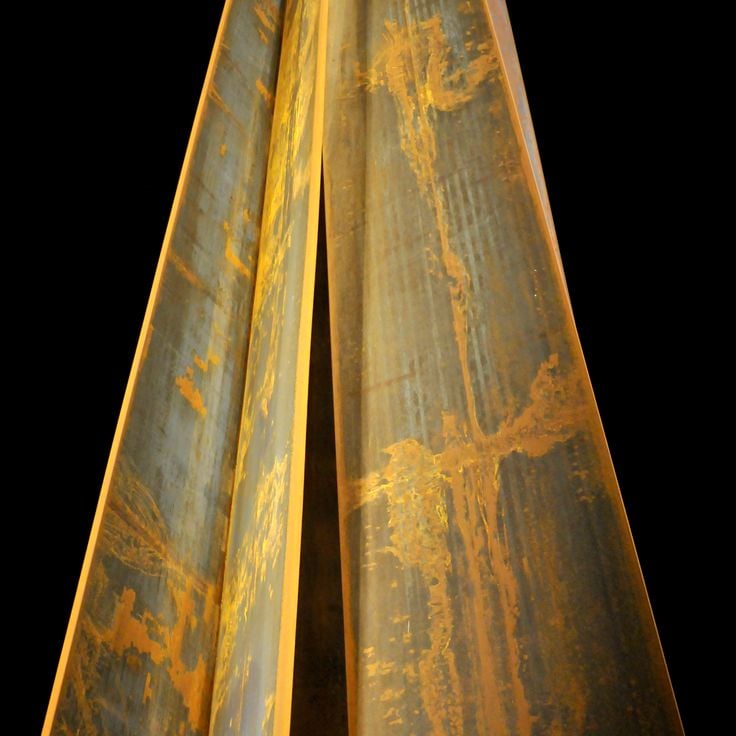
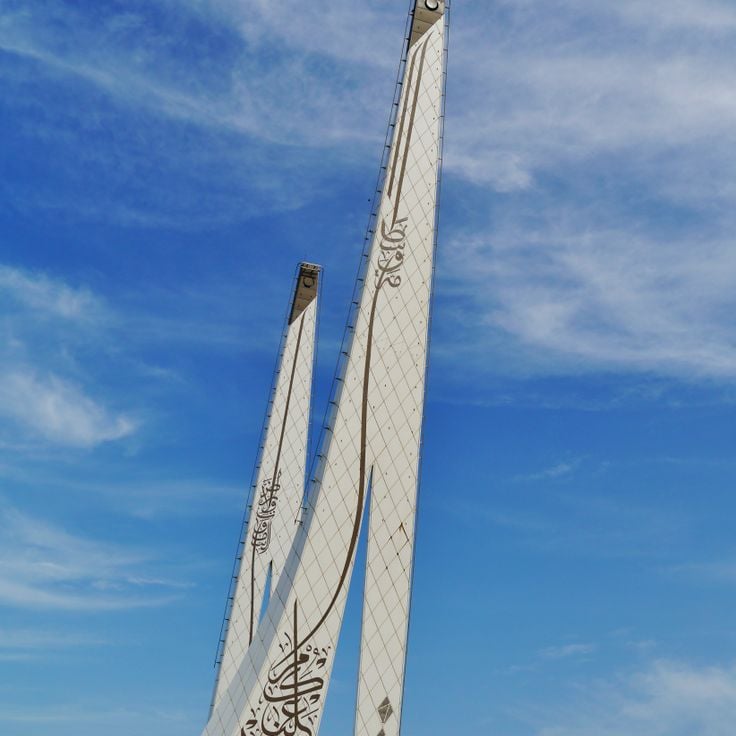
This steel sculpture in MIA Park offers photographers a striking subject that captures Doha's contemporary art direction. Standing 24 meters high, it displays the number seven in Arabic calligraphy and commands the landscape with its minimalist form. Against the backdrop of the bay, the work creates compelling images that blend modern artistic expression with the city's marine setting.
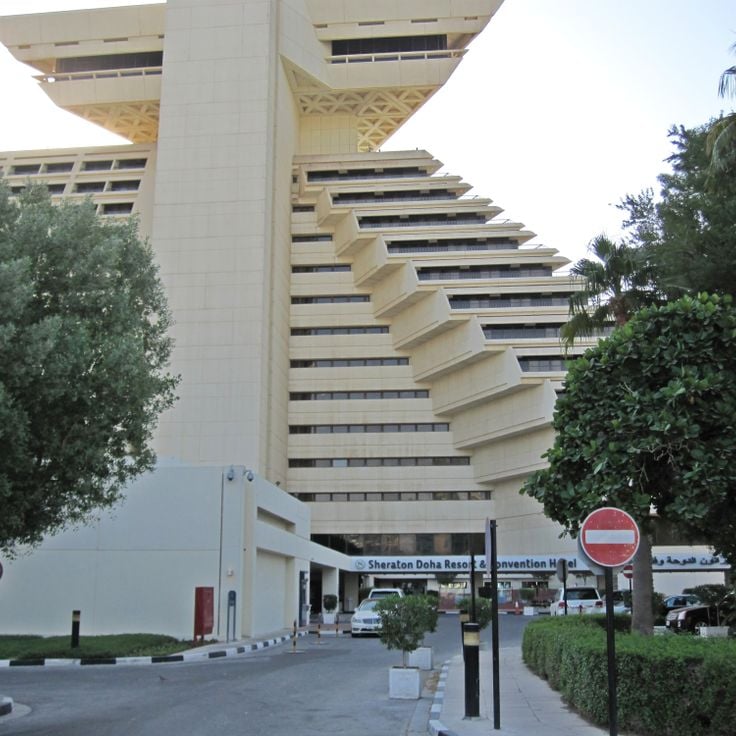
The Sheraton Doha Hotel is a pyramidal building that opened in 1982 and sits by the sea. Its angular shapes and location on the Corniche make it a standout spot for photographers capturing Doha's mix of modern architecture and marine views.
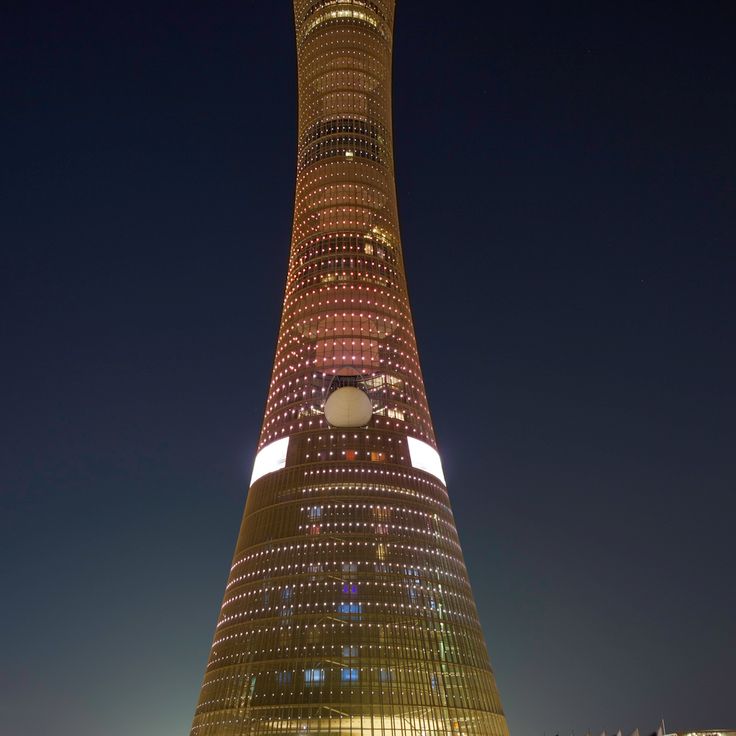
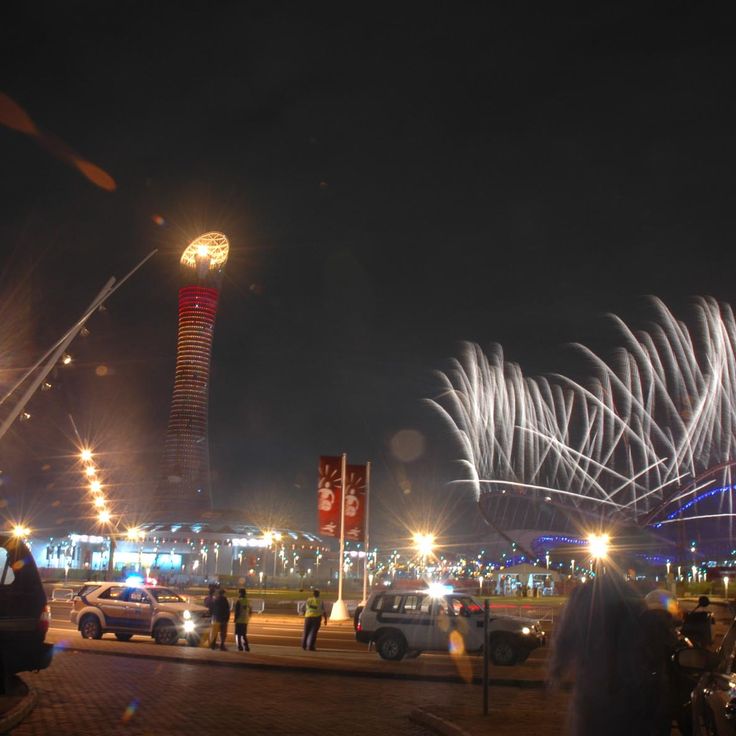
The Aspire Tower is a 300-meter tall structure built for the 2006 Asian Games. Its illuminated top and curved steel form blend into the nighttime scene of the Aspire Zone district. For photographers, this tower offers compelling contrasts between modern architecture and Doha's skyline, particularly striking when darkness falls and the lights activate.
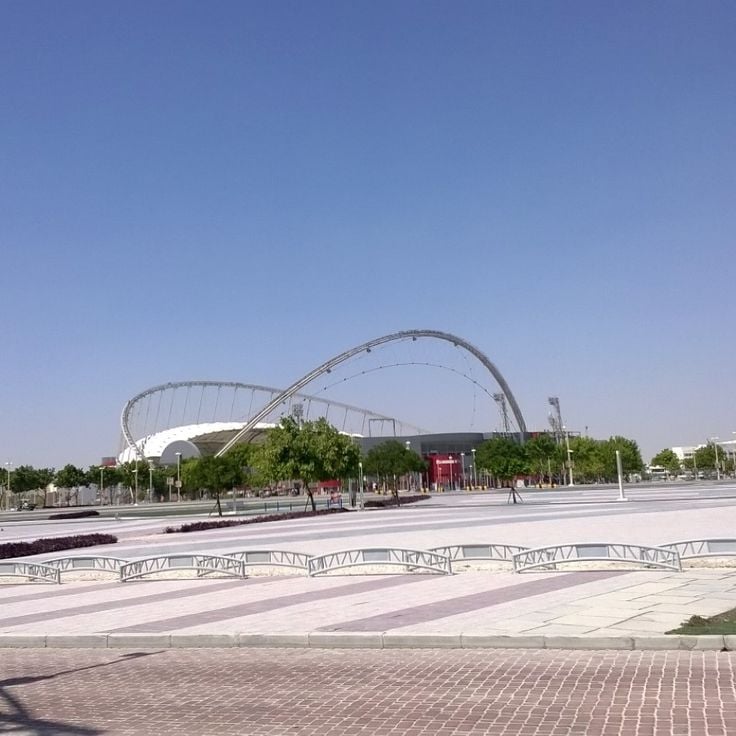
The Sports Complex in Doha houses multiple stadiums, training facilities, and modern equipment that offer strong visual opportunities for photographers exploring the city's forward-looking architecture. The large building volumes and technical facades create striking geometric patterns, especially as light changes throughout the day. This complex represents the city's contemporary ambitions and fits naturally into Doha's varied landscape of photographic subjects.
This mosque in Education City showcases modern architecture with geometric patterns and stained glass windows. The building offers strong visual interest for photographers looking to capture the blend of contemporary design and religious function. The interior with its patterns and the play of light through the windows create interesting contrasts and perspectives for documenting Doha's architectural variety.
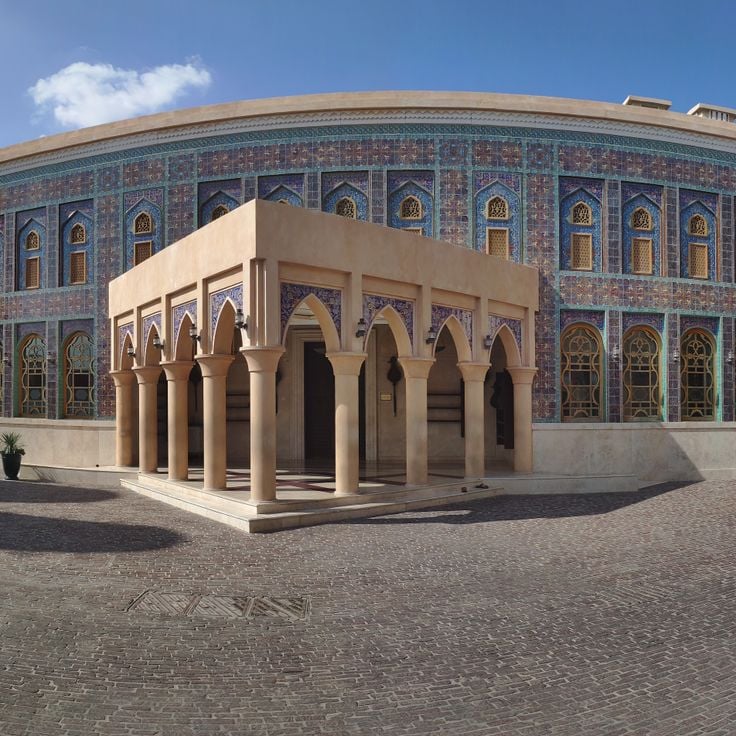
The Blue Mosque in Doha is decorated with blue mosaics and features a large inner courtyard. For this photo collection, it offers excellent opportunities to capture the geometric patterns and colors that shift with the time of day and changing light. The decorative details and courtyard architecture make it a rewarding spot for those interested in photographing building details and how light plays across surfaces.
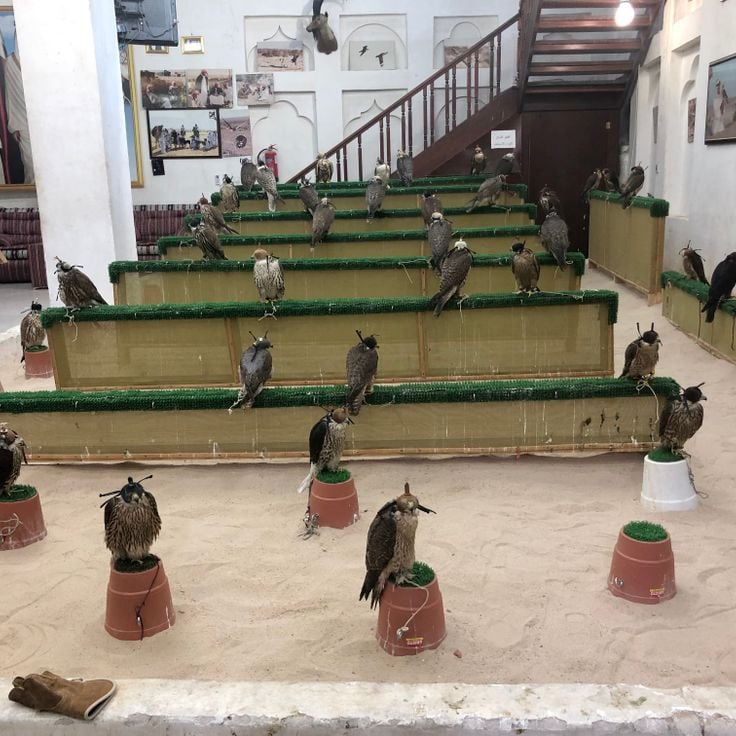
The Falcon Market is a specialized market where falcons, gloves, perches, and accessories are sold. The stalls and trained birds reflect an ancient Qatari tradition. This location showcases an important aspect of Qatari culture and offers photographers the chance to capture traditional practices and the bond between people and their birds.
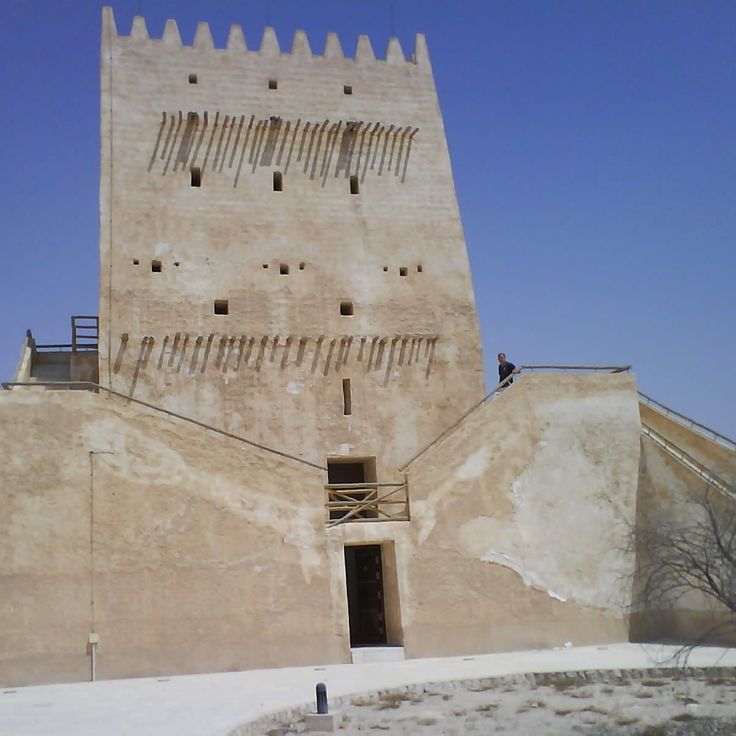
The Barzan Towers are 19th-century defensive structures built to monitor the coasts and pearl fishing grounds. This site offers a historical perspective on the Doha region that is rarely seen elsewhere. As you photograph these towers, you will notice how their solid forms stand against the modern skyline of the city, creating a strong contrast between historical defense and contemporary architecture that captures Doha's transformation.
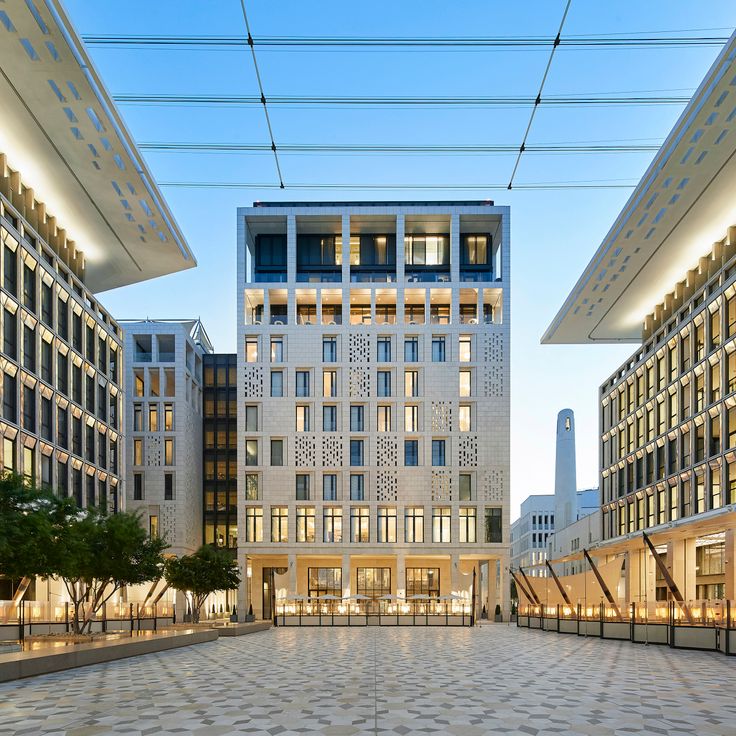
Musherib Downtown is a renovated neighborhood in Doha that offers compelling photographic opportunities for the city's visual story. The restored buildings showcase how old architecture and modern design can exist side by side, creating interesting visual contrasts. Cafés, shops, and museums fill the streets, while the pedestrian layout makes it easy to move around and capture the changing light on the facades throughout the day.
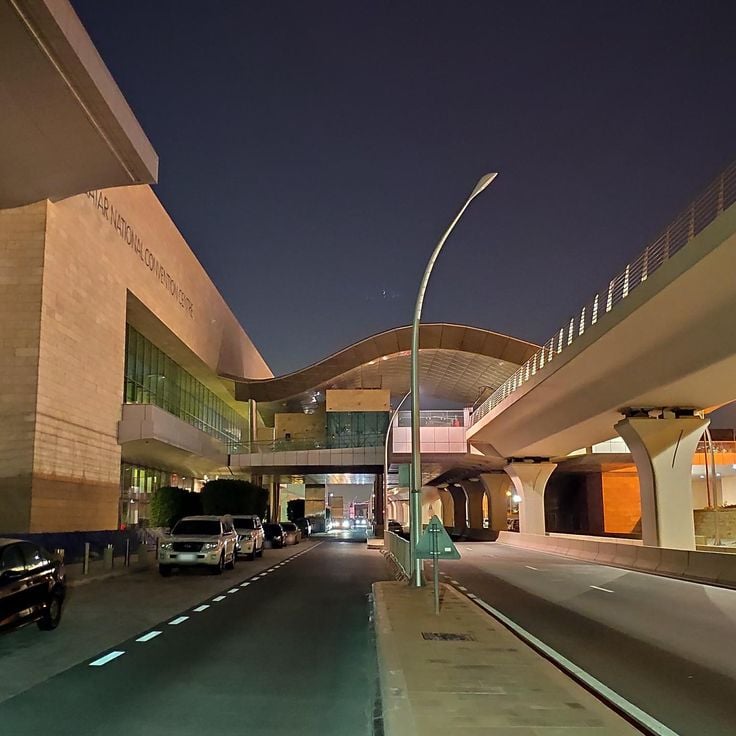
The Qatar National Convention Centre stands out in this collection of Doha's photogenic locations with its distinctive steel columns shaped like a Sidra tree. The monumental architecture of this center offers photographers multiple angles to capture geometric forms and modern lines that reflect the city's forward-looking character. This venue exemplifies how Doha merges innovative design with cultural awareness, making it an excellent spot for images that showcase the architectural contrasts defining the capital.
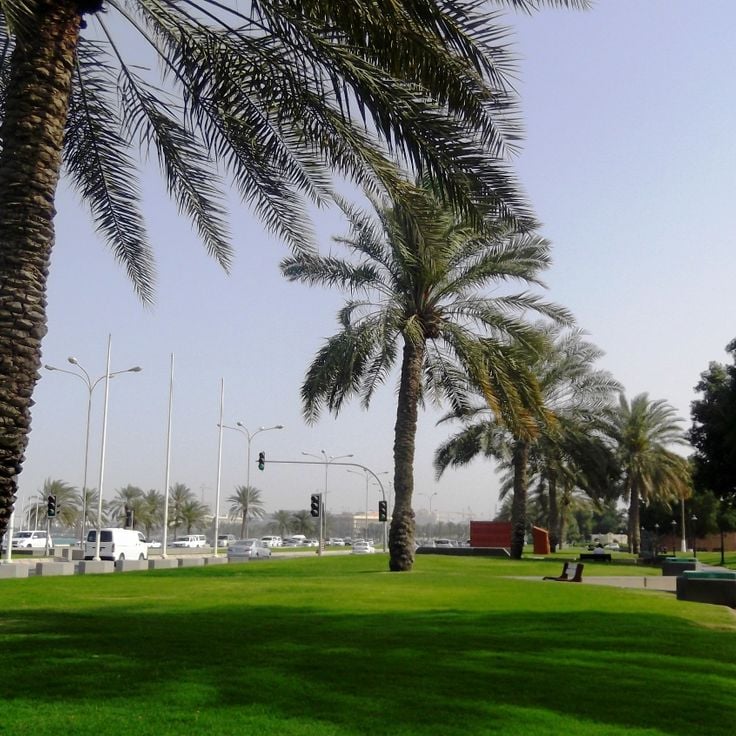
Al Bidda Park is a 2.5-kilometer-long park with sports grounds, playgrounds, and clear views of the Corniche. For photographers, this space offers interesting contrasts between manicured pathways, open lawns, and the bay beyond. The light changes throughout the day, creating different moods especially at sunrise and sunset. This is where you can capture the city's skyline and the gulf waters together in a single frame.
The Sheikh Faisal Bin Qassim Al Thani Museum is a private museum that offers significant photographic opportunities for documenting Doha's cultural depth. It houses approximately fifteen thousand objects from the region, including jewelry, textiles, and vehicles. The diverse collections present numerous subjects to photograph, each revealing traditional craftsmanship and cultural heritage of the Gulf. The colors and textures of the displayed pieces allow photographers to capture the region's history and identity through varied perspectives and lighting conditions.
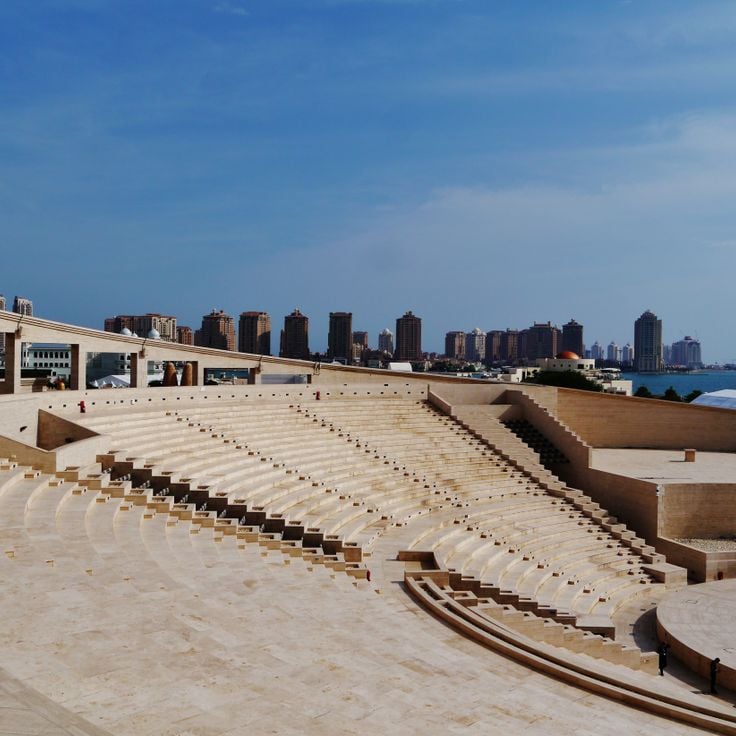
The Katara Amphitheatre is a Mediterranean-style open-air theater and one of Doha's most photogenic venues. With five thousand seats, this theater creates a monumental setting with stone tiered seating and an open stage that recall ancient Roman structures. The geometric lines and shadows cast across the steps change throughout the day, offering photographers dynamic compositions at different times. Nestled within the Katara cultural zone, this amphitheater blends historical references with contemporary design, embodying the contrasts that define the city. The interplay of stone, light, and architectural form makes it a compelling subject for capturing Doha's layered character.
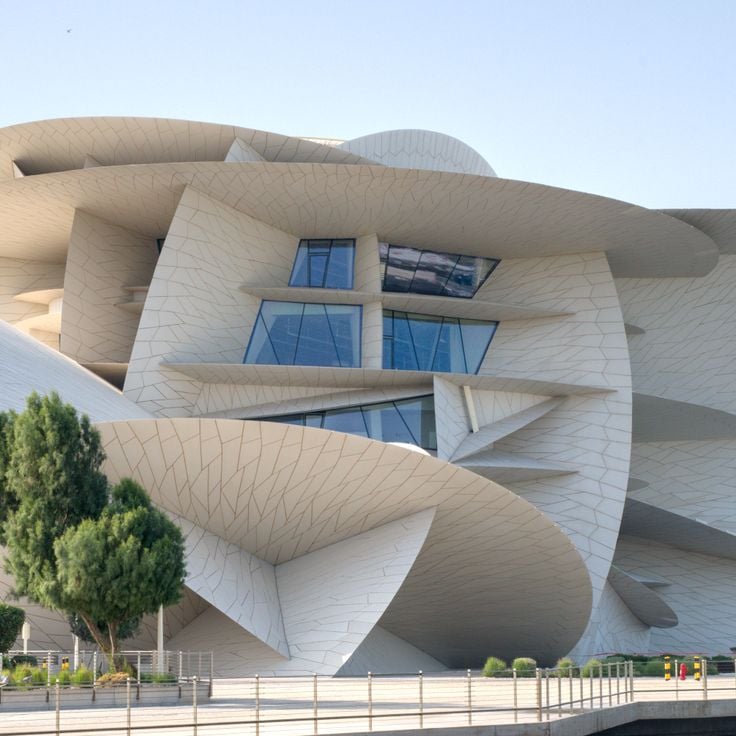
The National Museum of Qatar is a remarkable building shaped like a desert rose, designed by Jean Nouvel. With its interwoven volumes and immersive exhibitions, the museum offers spectacular views and works beautifully for photography. The structure embodies the blend of modern architecture and local traditions that define Doha, showing how light and shadow play across the curved surfaces.
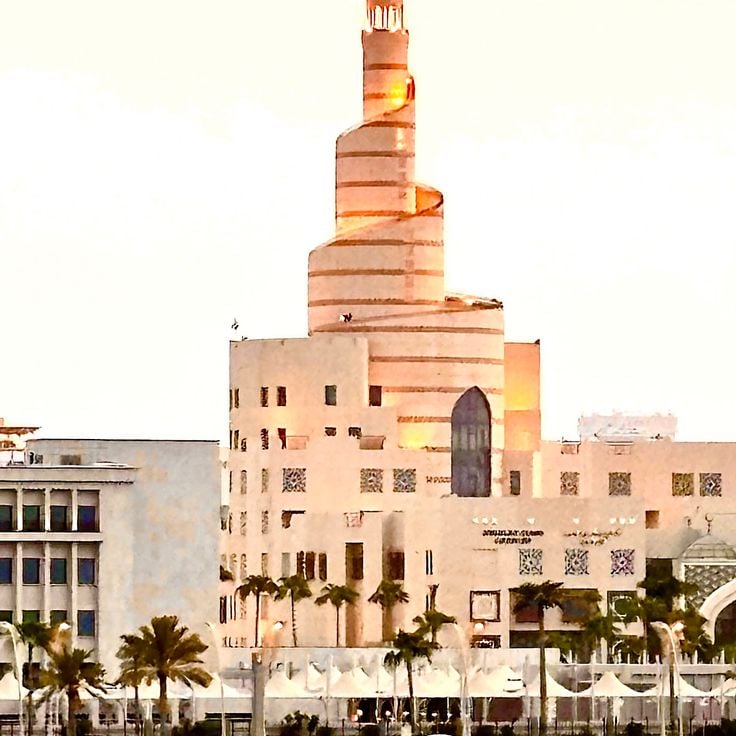
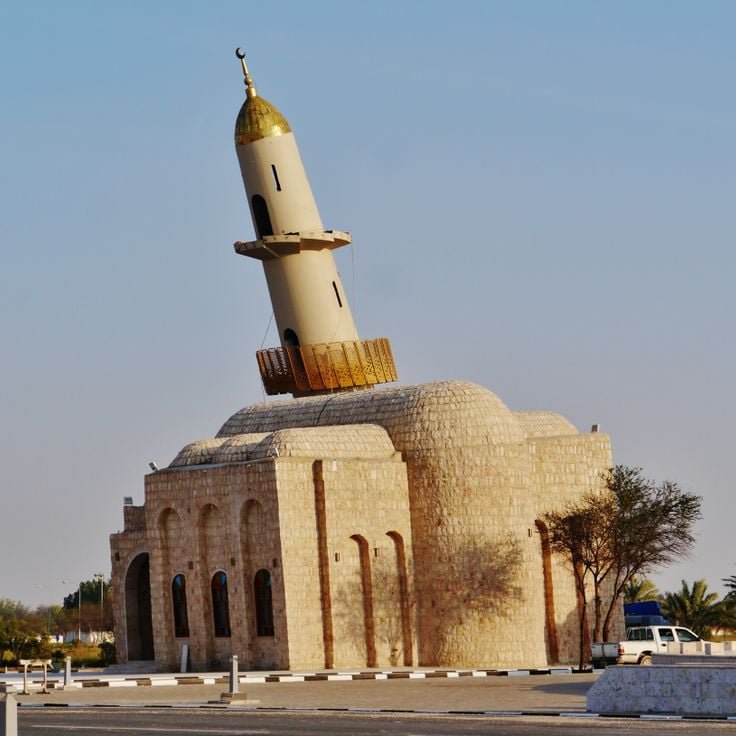
The Fanar Qatar Islamic Cultural Center in Doha is a cultural hub with a mosque distinguished by its spiral tower. This building fits naturally into the city's contrasts between geometric forms and spiritual spaces. At night, the illuminated tower becomes a striking photographic subject, allowing visitors to capture how modern design and Islamic tradition come together in this architectural composition.
Souq Waqif is a historic market with arched stone corridors where vendors sell spices, textiles, perfumes, and handicrafts. The narrow alleyways of this place offer a traditional setting that photographs well in soft light, providing a strong contrast to Doha's modern skyline and geometric architecture.
The Museum of Islamic Art presents a modern building with geometric forms and arches inspired by Islamic traditions, designed by I.M. Pei. Its galleries hold art from fourteen centuries across three continents. The surrounding grounds offer views of the bay, making this museum an excellent spot for photographs that capture Doha's blend of contemporary architecture and cultural heritage.
The Corniche is a seven-kilometer promenade running along Doha Bay. For this collection of photogenic locations, it offers perfect contrasts between tall buildings and traditional boats. Skyscrapers reflect in the water while wooden dhows float nearby. The harbor shifts through different colors from dawn to dusk, giving you endless chances to capture light as it changes.
The Katara Cultural Village is a cultural complex in Doha that houses theaters, an amphitheater, mosques, and art galleries. Its architecture draws from traditional Gulf models with passages, stairs, and ochre facades that work well for photography. This venue fits the collection by showcasing the city's traditional side while creating compelling play between light and shadow on its surfaces.
Aspire Park is a green refuge in the heart of Doha that bridges the city's futuristic character with natural landscapes. With its lakes, lawns, and shaded paths, this park offers a peaceful retreat that stands in sharp contrast to the modern towers and geometric architecture of the sports district. The park surrounds the Torch Tower and presents multiple photographic opportunities: the interplay of light and shadow beneath the trees, reflections on water surfaces, and the silhouettes of skyscrapers against the sky. Here, photographers can capture the duality of Doha—nature set alongside modern development.
The Pearl-Qatar is an artificial island with marinas, residential towers, cafes, and shops, perfect for photography. Its quays and colorful facades show the Mediterranean influence of the urban project and offer contrasts between modern design and traditional elements. The light changes throughout the day, creating different photographs, especially when structures reflect in the water.
The State Grand Mosque is a large religious complex inaugurated in 2011, located in Doha. For photographers, this mosque offers impressive architectural details: expansive arches, bright courtyards, and spaces for approximately thirty thousand worshippers. Within the context of Doha's most photogenic locations, this mosque demonstrates how contemporary Islamic architecture interacts with light and geometric forms. The generous proportions and thoughtful design make it an excellent place to capture the cultural and architectural character of the city.
The Qatar National Library is a bright contemporary building that makes for excellent photographs. Its open structure, large volumes, and tiered spaces fit perfectly within Doha's collection of photogenic locations. The architecture interacts with light and shadow, much like other museum buildings in the city. Housing about one million books, it draws those interested in capturing geometric forms and modern lines that reflect the city's futuristic character.
The Mathaf: Arab Museum of Modern Art in Education City displays works from the 20th and 21st centuries in minimalist rooms. For photographers, this museum offers contrasts between modern architecture and Arab art, with light and shadow playing across clean gallery spaces. The white walls and geometric forms of the building fit Doha's forward-looking character and create the perfect frame for images that bring together artwork and architecture.
City Centre Mall Doha in West Bay is a five-story shopping center that exemplifies the photographic opportunities featured in this collection. The glass facades and central atrium create an urban environment that represents Doha's modern districts. The geometric lines and the way light plays through the glass surfaces offer compelling subjects for photographers seeking to capture the city's contemporary architecture.
Al Wakrah Souq is a restored market by the beach with stone alleys, lanterns, and local shops. The traditional architecture and proximity to the sea create a natural setting for photographs. This location offers contrasts between historic passages and modern Doha, showing how the city connects to its maritime traditions.
Villaggio Mall is a Venice-inspired shopping center that stands among Doha's most photogenic locations. With its indoor canals, gondolas, and painted facades, this place captures the theatrical side of the city. For photographers seeking original compositions, the center offers contrasts between artificial water features and detailed architectural elements.
MIA Park sits between the Museum of Islamic Art and the bay, offering green spaces that photographers value for capturing Doha's contrasts. The park has shaded walkways, benches, and sculptures alongside open views of the skyline. Light moves across the water and artwork throughout the day, creating varied photographic moments that reflect both the city's contemporary design and its connection to the sea.
The Gate Mall Doha is a shopping center with contemporary design that offers excellent photographic opportunities throughout the space. Large glass walls and soaring ceilings allow natural light to pour in, creating striking contrasts between shadow and brightness. Inside, you'll find branded stores and areas where modern architecture interacts with light in dynamic ways. The mall showcases Doha's forward-looking aesthetic and presents numerous moments to capture geometric forms and how light plays across its surfaces, making it a location where the city's modern character comes into focus.
Qanat Quartier is a residential district on the artificial island of The Pearl that serves as an exceptional subject for photography in this collection. The narrow alleys, canals, and small bridges create an Italian-inspired setting with pastel-colored facades that photograph beautifully in changing light. The district stands out among Doha's geometric modernism by offering softer, Mediterranean tones and a human-scaled environment where reflections in the water and the interplay of architecture and shadow reward careful composition.
The Msheireb Museums represent an important photography location within this collection of Doha's most photogenic spots. Four restored traditional houses showcase the social and cultural evolution of Qatar. Wood, stone, and narrow passages create an authentic setting where light plays across surfaces throughout the day. The architectural details and layout capture a different era in the city's history and offer strong contrasts to Doha's modern buildings.
Banana Island Resort is a private island reached by boat, known for its beaches, pier, and water sports facilities. Within this collection of photogenic spots in Doha, the resort offers unobstructed views of the sea that work well for bright photographs. The open water landscape allows light to play freely across the surface, creating clear images without shadows or obstructions.
This steel sculpture in MIA Park offers photographers a striking subject that captures Doha's contemporary art direction. Standing 24 meters high, it displays the number seven in Arabic calligraphy and commands the landscape with its minimalist form. Against the backdrop of the bay, the work creates compelling images that blend modern artistic expression with the city's marine setting.
The Sheraton Doha Hotel is a pyramidal building that opened in 1982 and sits by the sea. Its angular shapes and location on the Corniche make it a standout spot for photographers capturing Doha's mix of modern architecture and marine views.
The Aspire Tower is a 300-meter tall structure built for the 2006 Asian Games. Its illuminated top and curved steel form blend into the nighttime scene of the Aspire Zone district. For photographers, this tower offers compelling contrasts between modern architecture and Doha's skyline, particularly striking when darkness falls and the lights activate.
The Sports Complex in Doha houses multiple stadiums, training facilities, and modern equipment that offer strong visual opportunities for photographers exploring the city's forward-looking architecture. The large building volumes and technical facades create striking geometric patterns, especially as light changes throughout the day. This complex represents the city's contemporary ambitions and fits naturally into Doha's varied landscape of photographic subjects.
This mosque in Education City showcases modern architecture with geometric patterns and stained glass windows. The building offers strong visual interest for photographers looking to capture the blend of contemporary design and religious function. The interior with its patterns and the play of light through the windows create interesting contrasts and perspectives for documenting Doha's architectural variety.
The Blue Mosque in Doha is decorated with blue mosaics and features a large inner courtyard. For this photo collection, it offers excellent opportunities to capture the geometric patterns and colors that shift with the time of day and changing light. The decorative details and courtyard architecture make it a rewarding spot for those interested in photographing building details and how light plays across surfaces.
The Falcon Market is a specialized market where falcons, gloves, perches, and accessories are sold. The stalls and trained birds reflect an ancient Qatari tradition. This location showcases an important aspect of Qatari culture and offers photographers the chance to capture traditional practices and the bond between people and their birds.
The Barzan Towers are 19th-century defensive structures built to monitor the coasts and pearl fishing grounds. This site offers a historical perspective on the Doha region that is rarely seen elsewhere. As you photograph these towers, you will notice how their solid forms stand against the modern skyline of the city, creating a strong contrast between historical defense and contemporary architecture that captures Doha's transformation.
Musherib Downtown is a renovated neighborhood in Doha that offers compelling photographic opportunities for the city's visual story. The restored buildings showcase how old architecture and modern design can exist side by side, creating interesting visual contrasts. Cafés, shops, and museums fill the streets, while the pedestrian layout makes it easy to move around and capture the changing light on the facades throughout the day.
The Qatar National Convention Centre stands out in this collection of Doha's photogenic locations with its distinctive steel columns shaped like a Sidra tree. The monumental architecture of this center offers photographers multiple angles to capture geometric forms and modern lines that reflect the city's forward-looking character. This venue exemplifies how Doha merges innovative design with cultural awareness, making it an excellent spot for images that showcase the architectural contrasts defining the capital.
Al Bidda Park is a 2.5-kilometer-long park with sports grounds, playgrounds, and clear views of the Corniche. For photographers, this space offers interesting contrasts between manicured pathways, open lawns, and the bay beyond. The light changes throughout the day, creating different moods especially at sunrise and sunset. This is where you can capture the city's skyline and the gulf waters together in a single frame.
The Sheikh Faisal Bin Qassim Al Thani Museum is a private museum that offers significant photographic opportunities for documenting Doha's cultural depth. It houses approximately fifteen thousand objects from the region, including jewelry, textiles, and vehicles. The diverse collections present numerous subjects to photograph, each revealing traditional craftsmanship and cultural heritage of the Gulf. The colors and textures of the displayed pieces allow photographers to capture the region's history and identity through varied perspectives and lighting conditions.
The Katara Amphitheatre is a Mediterranean-style open-air theater and one of Doha's most photogenic venues. With five thousand seats, this theater creates a monumental setting with stone tiered seating and an open stage that recall ancient Roman structures. The geometric lines and shadows cast across the steps change throughout the day, offering photographers dynamic compositions at different times. Nestled within the Katara cultural zone, this amphitheater blends historical references with contemporary design, embodying the contrasts that define the city. The interplay of stone, light, and architectural form makes it a compelling subject for capturing Doha's layered character.
The National Museum of Qatar is a remarkable building shaped like a desert rose, designed by Jean Nouvel. With its interwoven volumes and immersive exhibitions, the museum offers spectacular views and works beautifully for photography. The structure embodies the blend of modern architecture and local traditions that define Doha, showing how light and shadow play across the curved surfaces.
The Fanar Qatar Islamic Cultural Center in Doha is a cultural hub with a mosque distinguished by its spiral tower. This building fits naturally into the city's contrasts between geometric forms and spiritual spaces. At night, the illuminated tower becomes a striking photographic subject, allowing visitors to capture how modern design and Islamic tradition come together in this architectural composition.
Souq Waqif is a historic market with arched stone corridors where vendors sell spices, textiles, perfumes, and handicrafts. The narrow alleyways of this place offer a traditional setting that photographs well in soft light, providing a strong contrast to Doha's modern skyline and geometric architecture.
The Museum of Islamic Art presents a modern building with geometric forms and arches inspired by Islamic traditions, designed by I.M. Pei. Its galleries hold art from fourteen centuries across three continents. The surrounding grounds offer views of the bay, making this museum an excellent spot for photographs that capture Doha's blend of contemporary architecture and cultural heritage.
The Corniche is a seven-kilometer promenade running along Doha Bay. For this collection of photogenic locations, it offers perfect contrasts between tall buildings and traditional boats. Skyscrapers reflect in the water while wooden dhows float nearby. The harbor shifts through different colors from dawn to dusk, giving you endless chances to capture light as it changes.
The Katara Cultural Village is a cultural complex in Doha that houses theaters, an amphitheater, mosques, and art galleries. Its architecture draws from traditional Gulf models with passages, stairs, and ochre facades that work well for photography. This venue fits the collection by showcasing the city's traditional side while creating compelling play between light and shadow on its surfaces.
Aspire Park is a green refuge in the heart of Doha that bridges the city's futuristic character with natural landscapes. With its lakes, lawns, and shaded paths, this park offers a peaceful retreat that stands in sharp contrast to the modern towers and geometric architecture of the sports district. The park surrounds the Torch Tower and presents multiple photographic opportunities: the interplay of light and shadow beneath the trees, reflections on water surfaces, and the silhouettes of skyscrapers against the sky. Here, photographers can capture the duality of Doha—nature set alongside modern development.
The Pearl-Qatar is an artificial island with marinas, residential towers, cafes, and shops, perfect for photography. Its quays and colorful facades show the Mediterranean influence of the urban project and offer contrasts between modern design and traditional elements. The light changes throughout the day, creating different photographs, especially when structures reflect in the water.
The State Grand Mosque is a large religious complex inaugurated in 2011, located in Doha. For photographers, this mosque offers impressive architectural details: expansive arches, bright courtyards, and spaces for approximately thirty thousand worshippers. Within the context of Doha's most photogenic locations, this mosque demonstrates how contemporary Islamic architecture interacts with light and geometric forms. The generous proportions and thoughtful design make it an excellent place to capture the cultural and architectural character of the city.
The Qatar National Library is a bright contemporary building that makes for excellent photographs. Its open structure, large volumes, and tiered spaces fit perfectly within Doha's collection of photogenic locations. The architecture interacts with light and shadow, much like other museum buildings in the city. Housing about one million books, it draws those interested in capturing geometric forms and modern lines that reflect the city's futuristic character.
The Mathaf: Arab Museum of Modern Art in Education City displays works from the 20th and 21st centuries in minimalist rooms. For photographers, this museum offers contrasts between modern architecture and Arab art, with light and shadow playing across clean gallery spaces. The white walls and geometric forms of the building fit Doha's forward-looking character and create the perfect frame for images that bring together artwork and architecture.
City Centre Mall Doha in West Bay is a five-story shopping center that exemplifies the photographic opportunities featured in this collection. The glass facades and central atrium create an urban environment that represents Doha's modern districts. The geometric lines and the way light plays through the glass surfaces offer compelling subjects for photographers seeking to capture the city's contemporary architecture.
Al Wakrah Souq is a restored market by the beach with stone alleys, lanterns, and local shops. The traditional architecture and proximity to the sea create a natural setting for photographs. This location offers contrasts between historic passages and modern Doha, showing how the city connects to its maritime traditions.
Villaggio Mall is a Venice-inspired shopping center that stands among Doha's most photogenic locations. With its indoor canals, gondolas, and painted facades, this place captures the theatrical side of the city. For photographers seeking original compositions, the center offers contrasts between artificial water features and detailed architectural elements.
MIA Park sits between the Museum of Islamic Art and the bay, offering green spaces that photographers value for capturing Doha's contrasts. The park has shaded walkways, benches, and sculptures alongside open views of the skyline. Light moves across the water and artwork throughout the day, creating varied photographic moments that reflect both the city's contemporary design and its connection to the sea.
The Gate Mall Doha is a shopping center with contemporary design that offers excellent photographic opportunities throughout the space. Large glass walls and soaring ceilings allow natural light to pour in, creating striking contrasts between shadow and brightness. Inside, you'll find branded stores and areas where modern architecture interacts with light in dynamic ways. The mall showcases Doha's forward-looking aesthetic and presents numerous moments to capture geometric forms and how light plays across its surfaces, making it a location where the city's modern character comes into focus.
Qanat Quartier is a residential district on the artificial island of The Pearl that serves as an exceptional subject for photography in this collection. The narrow alleys, canals, and small bridges create an Italian-inspired setting with pastel-colored facades that photograph beautifully in changing light. The district stands out among Doha's geometric modernism by offering softer, Mediterranean tones and a human-scaled environment where reflections in the water and the interplay of architecture and shadow reward careful composition.
The Msheireb Museums represent an important photography location within this collection of Doha's most photogenic spots. Four restored traditional houses showcase the social and cultural evolution of Qatar. Wood, stone, and narrow passages create an authentic setting where light plays across surfaces throughout the day. The architectural details and layout capture a different era in the city's history and offer strong contrasts to Doha's modern buildings.
Banana Island Resort is a private island reached by boat, known for its beaches, pier, and water sports facilities. Within this collection of photogenic spots in Doha, the resort offers unobstructed views of the sea that work well for bright photographs. The open water landscape allows light to play freely across the surface, creating clear images without shadows or obstructions.
This steel sculpture in MIA Park offers photographers a striking subject that captures Doha's contemporary art direction. Standing 24 meters high, it displays the number seven in Arabic calligraphy and commands the landscape with its minimalist form. Against the backdrop of the bay, the work creates compelling images that blend modern artistic expression with the city's marine setting.
The Sheraton Doha Hotel is a pyramidal building that opened in 1982 and sits by the sea. Its angular shapes and location on the Corniche make it a standout spot for photographers capturing Doha's mix of modern architecture and marine views.
The Aspire Tower is a 300-meter tall structure built for the 2006 Asian Games. Its illuminated top and curved steel form blend into the nighttime scene of the Aspire Zone district. For photographers, this tower offers compelling contrasts between modern architecture and Doha's skyline, particularly striking when darkness falls and the lights activate.
The Sports Complex in Doha houses multiple stadiums, training facilities, and modern equipment that offer strong visual opportunities for photographers exploring the city's forward-looking architecture. The large building volumes and technical facades create striking geometric patterns, especially as light changes throughout the day. This complex represents the city's contemporary ambitions and fits naturally into Doha's varied landscape of photographic subjects.
This mosque in Education City showcases modern architecture with geometric patterns and stained glass windows. The building offers strong visual interest for photographers looking to capture the blend of contemporary design and religious function. The interior with its patterns and the play of light through the windows create interesting contrasts and perspectives for documenting Doha's architectural variety.
The Blue Mosque in Doha is decorated with blue mosaics and features a large inner courtyard. For this photo collection, it offers excellent opportunities to capture the geometric patterns and colors that shift with the time of day and changing light. The decorative details and courtyard architecture make it a rewarding spot for those interested in photographing building details and how light plays across surfaces.
The Falcon Market is a specialized market where falcons, gloves, perches, and accessories are sold. The stalls and trained birds reflect an ancient Qatari tradition. This location showcases an important aspect of Qatari culture and offers photographers the chance to capture traditional practices and the bond between people and their birds.
The Barzan Towers are 19th-century defensive structures built to monitor the coasts and pearl fishing grounds. This site offers a historical perspective on the Doha region that is rarely seen elsewhere. As you photograph these towers, you will notice how their solid forms stand against the modern skyline of the city, creating a strong contrast between historical defense and contemporary architecture that captures Doha's transformation.
Musherib Downtown is a renovated neighborhood in Doha that offers compelling photographic opportunities for the city's visual story. The restored buildings showcase how old architecture and modern design can exist side by side, creating interesting visual contrasts. Cafés, shops, and museums fill the streets, while the pedestrian layout makes it easy to move around and capture the changing light on the facades throughout the day.
The Qatar National Convention Centre stands out in this collection of Doha's photogenic locations with its distinctive steel columns shaped like a Sidra tree. The monumental architecture of this center offers photographers multiple angles to capture geometric forms and modern lines that reflect the city's forward-looking character. This venue exemplifies how Doha merges innovative design with cultural awareness, making it an excellent spot for images that showcase the architectural contrasts defining the capital.
Al Bidda Park is a 2.5-kilometer-long park with sports grounds, playgrounds, and clear views of the Corniche. For photographers, this space offers interesting contrasts between manicured pathways, open lawns, and the bay beyond. The light changes throughout the day, creating different moods especially at sunrise and sunset. This is where you can capture the city's skyline and the gulf waters together in a single frame.
The Sheikh Faisal Bin Qassim Al Thani Museum is a private museum that offers significant photographic opportunities for documenting Doha's cultural depth. It houses approximately fifteen thousand objects from the region, including jewelry, textiles, and vehicles. The diverse collections present numerous subjects to photograph, each revealing traditional craftsmanship and cultural heritage of the Gulf. The colors and textures of the displayed pieces allow photographers to capture the region's history and identity through varied perspectives and lighting conditions.
The Katara Amphitheatre is a Mediterranean-style open-air theater and one of Doha's most photogenic venues. With five thousand seats, this theater creates a monumental setting with stone tiered seating and an open stage that recall ancient Roman structures. The geometric lines and shadows cast across the steps change throughout the day, offering photographers dynamic compositions at different times. Nestled within the Katara cultural zone, this amphitheater blends historical references with contemporary design, embodying the contrasts that define the city. The interplay of stone, light, and architectural form makes it a compelling subject for capturing Doha's layered character.
The National Museum of Qatar is a remarkable building shaped like a desert rose, designed by Jean Nouvel. With its interwoven volumes and immersive exhibitions, the museum offers spectacular views and works beautifully for photography. The structure embodies the blend of modern architecture and local traditions that define Doha, showing how light and shadow play across the curved surfaces.
The Fanar Qatar Islamic Cultural Center in Doha is a cultural hub with a mosque distinguished by its spiral tower. This building fits naturally into the city's contrasts between geometric forms and spiritual spaces. At night, the illuminated tower becomes a striking photographic subject, allowing visitors to capture how modern design and Islamic tradition come together in this architectural composition.