See the monuments around you in AROpen chests in the app
Around Us is built for your phone — point your camera at the streets and discover the monuments and places around you in augmented reality.Around Us is built for your phone — chests unlock when you walk, explore and capture nearby places.
Rome holds countless places filled with art, history, and architecture beyond the main tourist routes. From ancient temples to small churches, the city reveals layers of its past. Underground catacombs, Roman houses, Gothic buildings, and structures holding art collections invite exploration.
These locations tell stories from different periods of Rome's history. Some remain from ancient times, others date to the Middle Ages or Renaissance. Visitors discover mosaics, sculptures, frescoes, and architectural details rarely seen elsewhere in the city.
The collection includes underground spaces like the Catacombs of Priscilla, buried Roman homes, and small churches holding valuable artwork. It also features unexpected places: a cemetery for Protestants, a sanctuary for cats among ancient ruins, distinctive neighborhoods, and fountains that few people notice as they walk by.
Rome holds countless places filled with art, history, and architecture beyond the main tourist routes. From ancient temples to small churches, the city reveals layers of its past. Underground catacombs, Roman houses, Gothic buildings, and structures holding art collections invite exploration.
These locations tell stories from different periods of Rome's history. Some remain from ancient times, others date to the Middle Ages or Renaissance. Visitors discover mosaics, sculptures, frescoes, and architectural details rarely seen elsewhere in the city.
The collection includes underground spaces like the Catacombs of Priscilla, buried Roman homes, and small churches holding valuable artwork. It also features unexpected places: a cemetery for Protestants, a sanctuary for cats among ancient ruins, distinctive neighborhoods, and fountains that few people notice as they walk by.
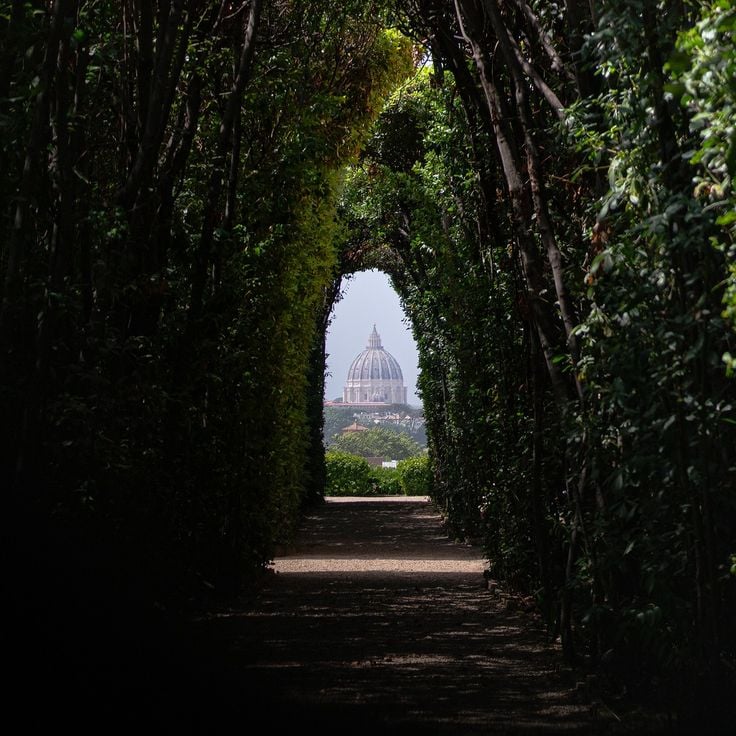
The keyhole of Villa Malta in Rome offers a framed view of Saint Peter's Basilica dome through its small opening. The sight line passes through three national territories, linking this hidden corner of the city to one of Rome's most famous landmarks. This location represents one of Rome's secret sites where art, history, and architecture reveal themselves away from main routes.
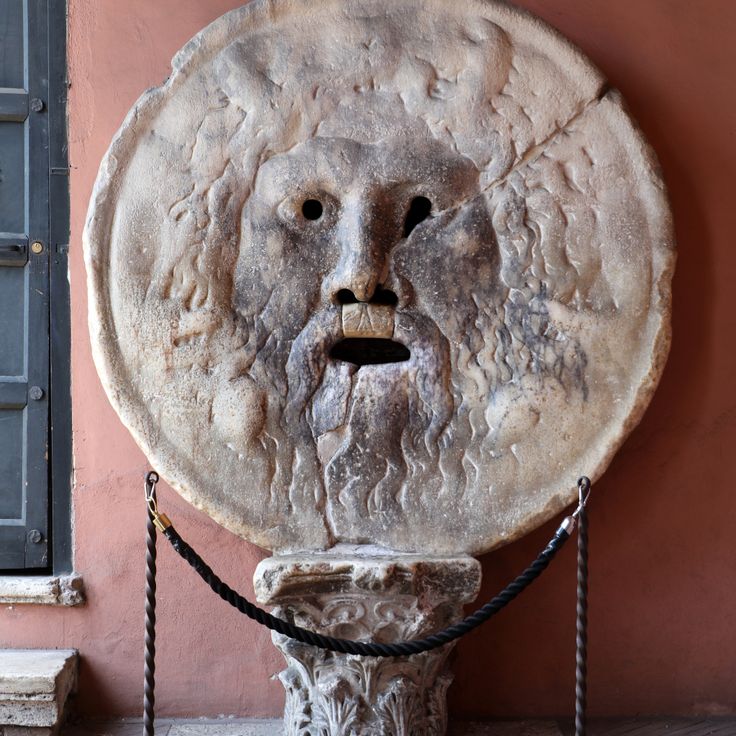
The Mouth of Truth is a round marble disc in Rome that displays the face of a male figure with an open mouth. This work belongs to the hidden sites of Rome that reveal history and art away from main routes. The disc measures 1.75 meters in diameter and draws visitors who want to learn more about the artistic and historical layers of the city.
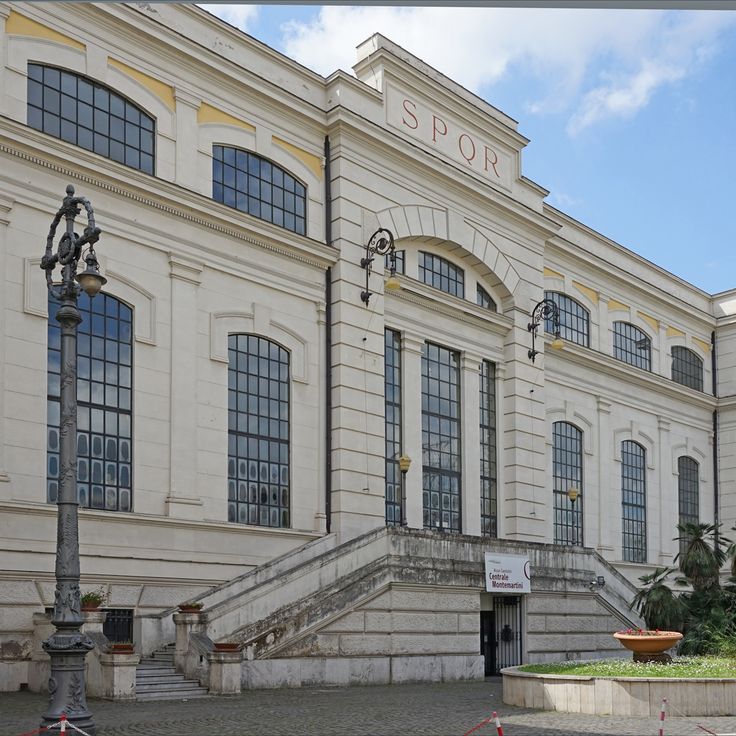
Centrale Montemartini is a museum housed in a former power plant, displaying Roman art collections alongside preserved turbines, diesel engines and steam boilers. This location reveals the industrial past of Rome and offers an unusual setting for ancient objects, away from the city's main museum routes.
The Catacombs of Priscilla are underground corridors with tombs and wall paintings from early Christianity, including images of Mary with infant Jesus. This site belongs to the hidden places in Rome that reveal history and art away from main routes. The catacombs show the religious depth of the ancient city.
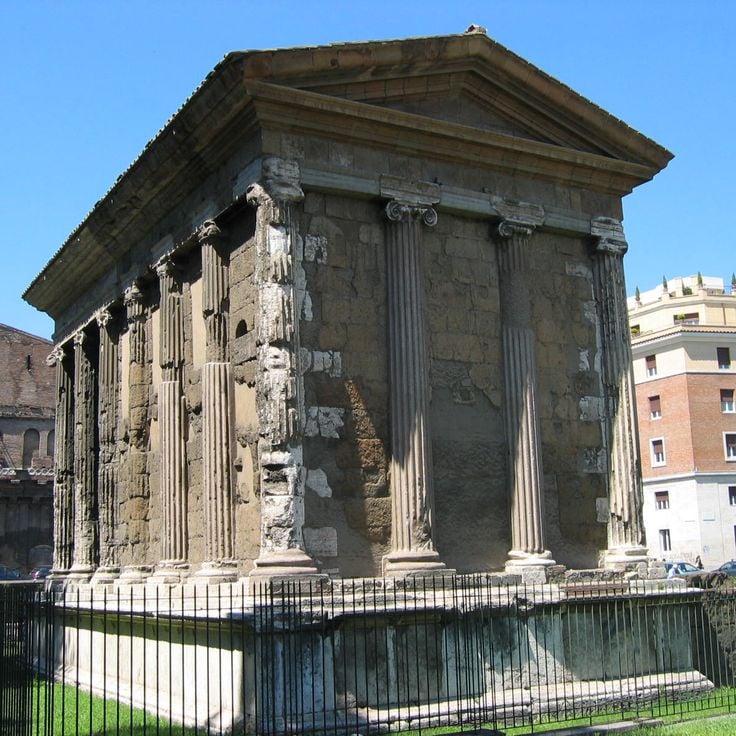
This temple from the 2nd century BCE sits at Forum Boarium and displays ionic columns made of travertine. It represents one of Rome's older religious structures, hidden from the main tourist paths. The Temple of Portunus reveals how Romans built their sacred spaces and honored their gods. Walking around this site, you see the careful craftsmanship of ancient builders and understand the religious life of the city's past. This location offers a quiet way to connect with Rome's deep historical roots away from crowded areas.
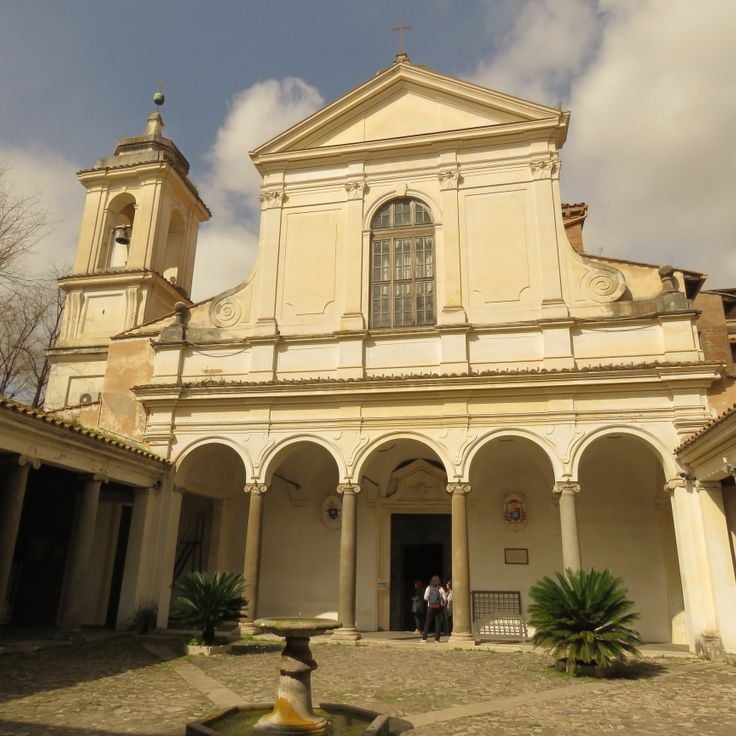
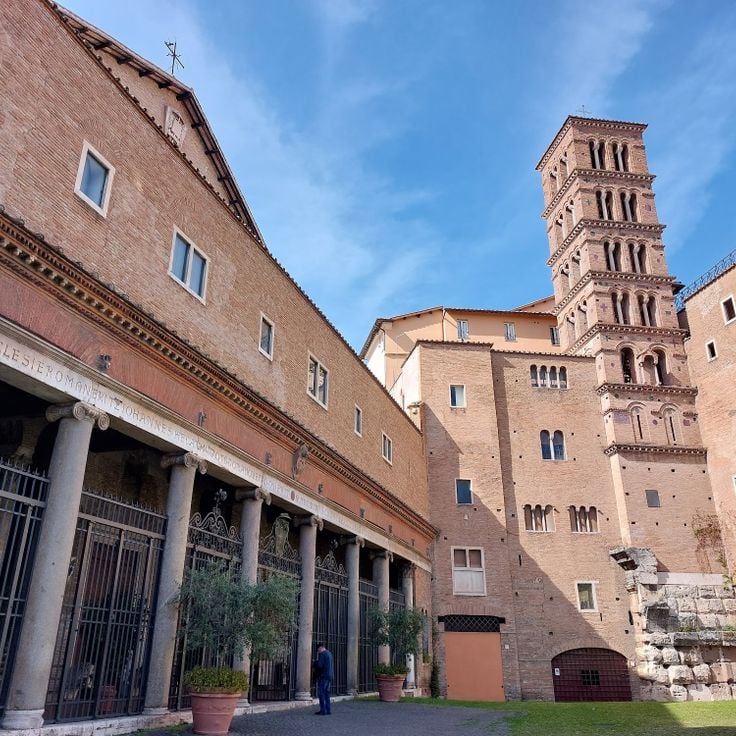
San Clemente Basilica is a three-tiered church that reveals Rome's hidden history beneath the surface. It houses a Mithraic temple from the ancient world, an early Christian church from the first centuries, and a medieval upper basilica decorated with colorful mosaics. Walking through these stacked layers shows how the city changed over time.
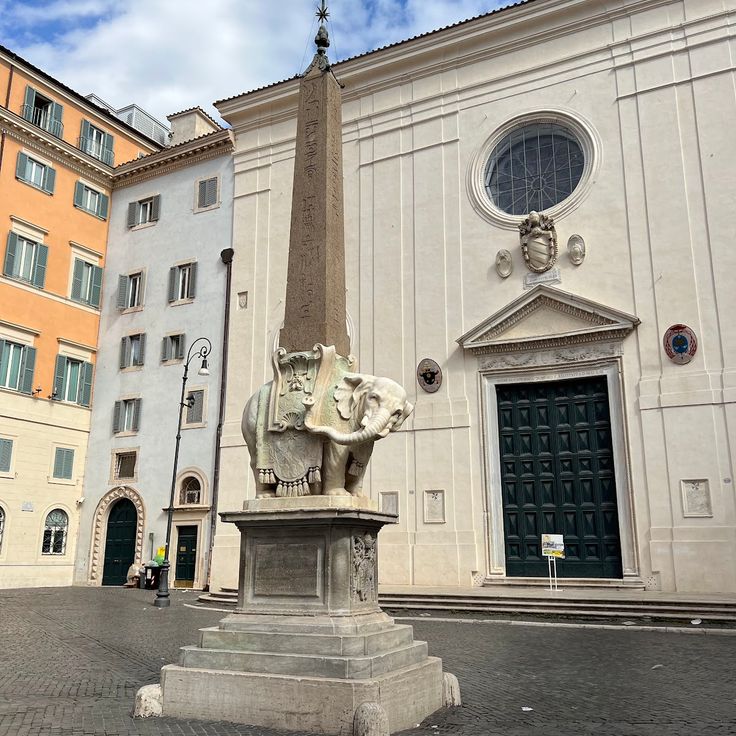
This church stands on the foundations of a Minerva temple and contains artworks by Michelangelo and Bernini. It reveals layers of Roman history, from ancient times to the Renaissance, fitting perfectly into the collection of secret locations in Rome that display art, history, and architecture away from main routes.
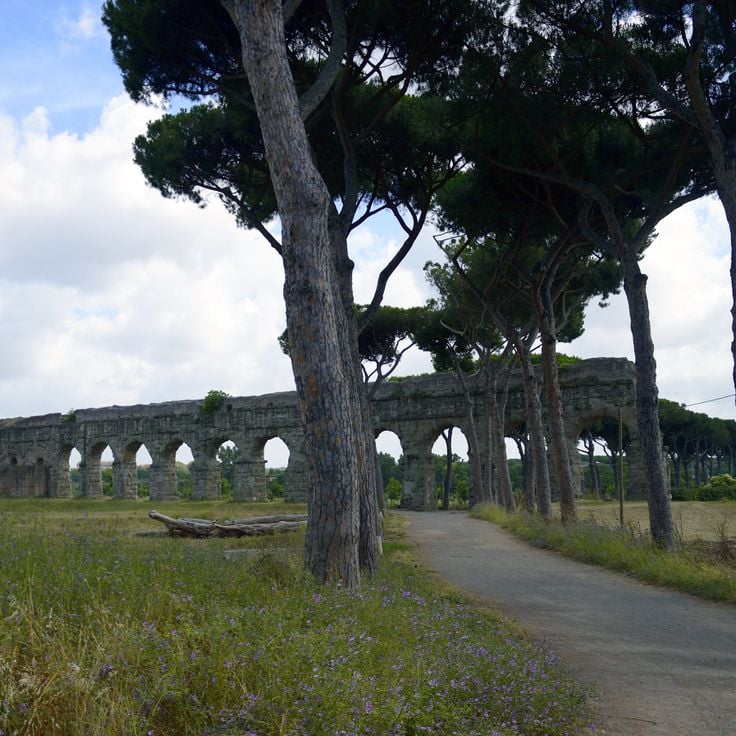
The Park of the Aqueducts is a public park in Rome that displays the remains of seven Roman water conduits across a large area of land. This site reveals the engineering skill of the Romans and their ability to transport water across great distances. The park offers a view into ancient infrastructure away from the main routes of the city, showing how Romans managed this essential resource.
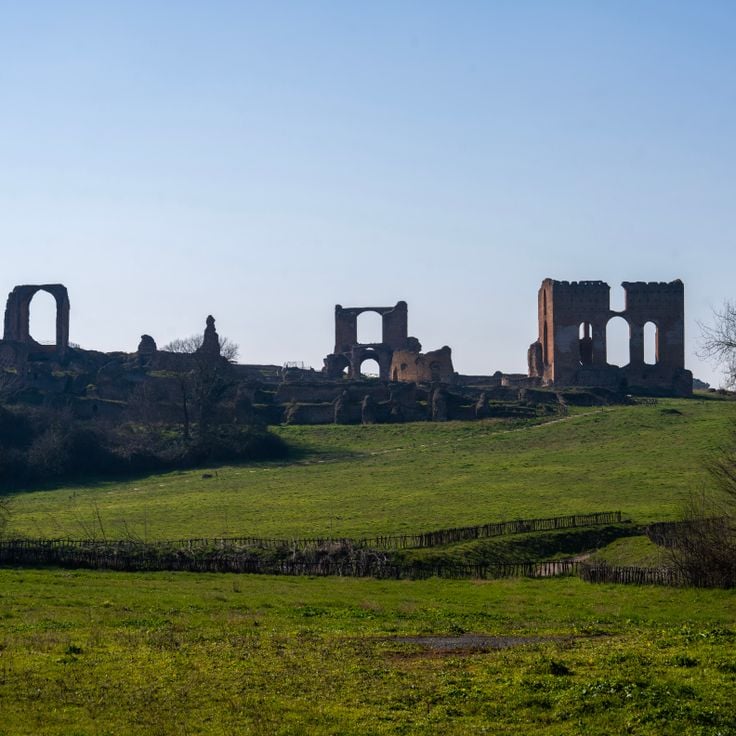
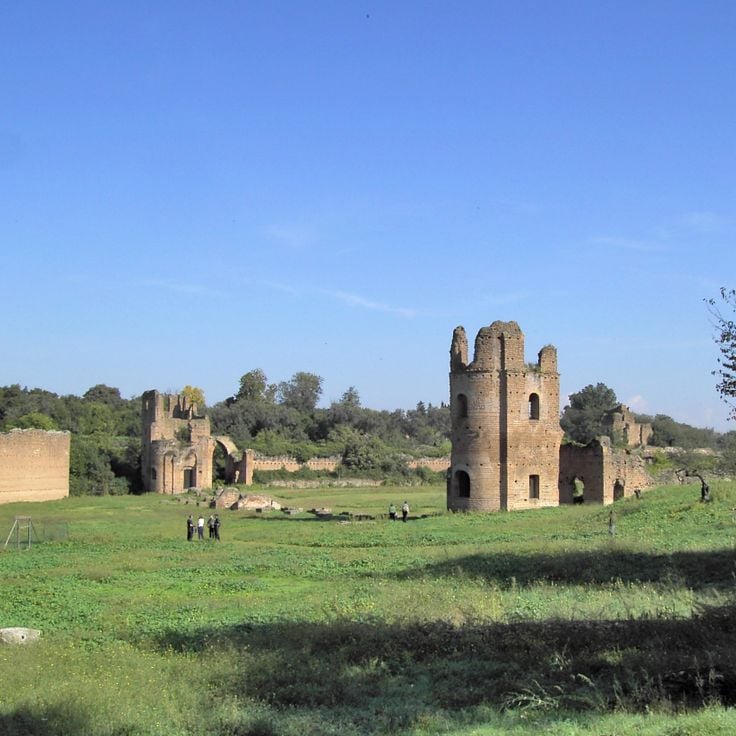
The Villa of the Quintilii is a Roman residential complex from the second century and sits off the main tourist routes of Rome. It spreads across a large tract of land along the ancient Via Appia road and shows the wealth and care that a prominent Roman family poured into their home. The ruins reveal mosaics, sculptures, and water features that speak to how people lived in ancient times. This location is one of Rome's hidden sites where you can see history and architecture away from the crowds.
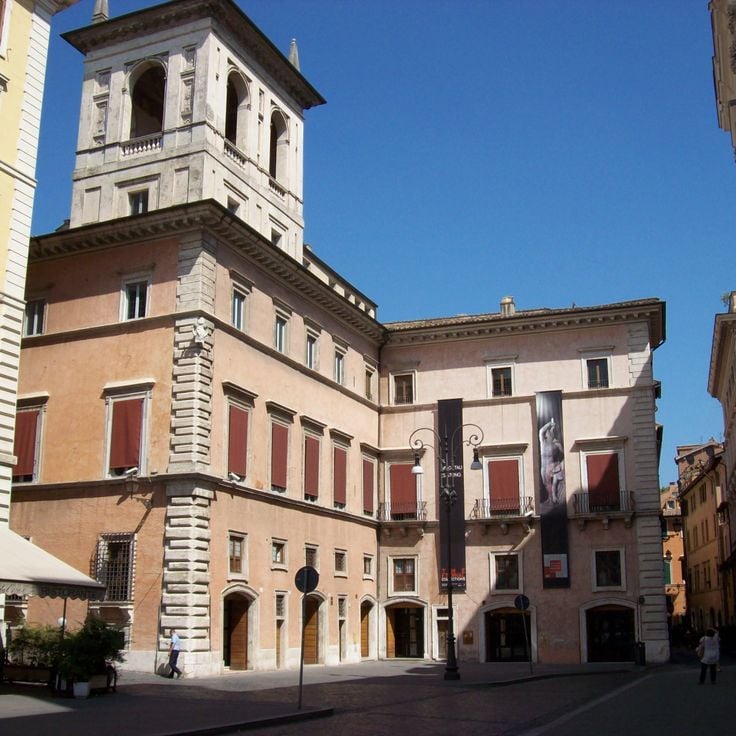
Palazzo Altemps is a fifteenth-century building that houses a collection of ancient sculptures from Rome and Greece within the National Museum. This location reveals the historical depth of Rome by presenting art away from the city's main routes. The palace displays the craftsmanship of antiquity while standing as an example of Renaissance architecture in the city.
The Case Romane del Celio is an underground excavation site on Rome's Celio hill. It contains Roman residences from the 2nd to 4th centuries with Christian wall paintings preserved on the walls. Walking through these buried rooms reveals how people lived and worshiped in early Christian Rome. The site remains largely hidden beneath a church, showing the layers of history stacked beneath the modern city.
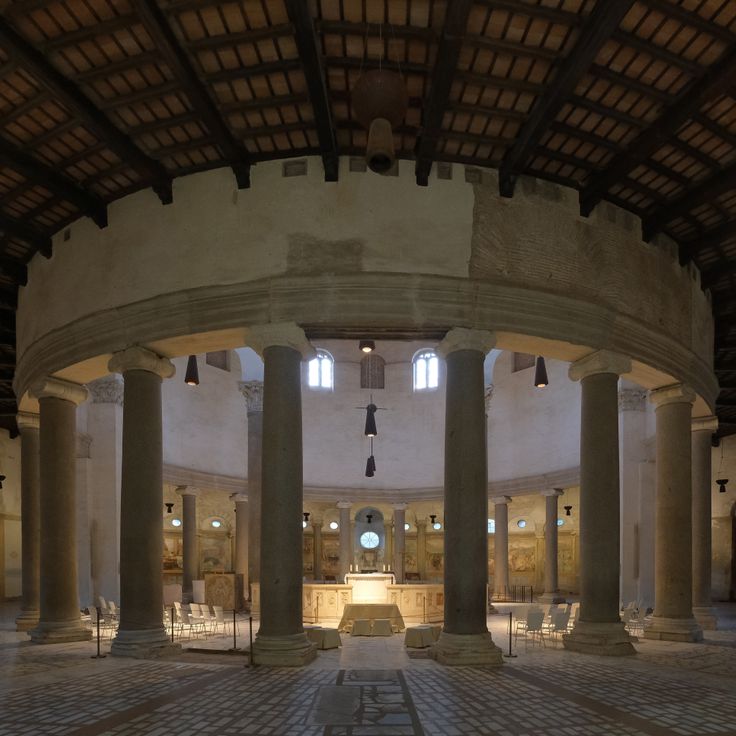
This church from the fifth century has a round floor plan with a diameter of 65 meters and wall paintings of martyrs. Santo Stefano Rotondo reveals Rome's historical depth away from main routes and stands among the city's lesser-known locations that preserve history and art.
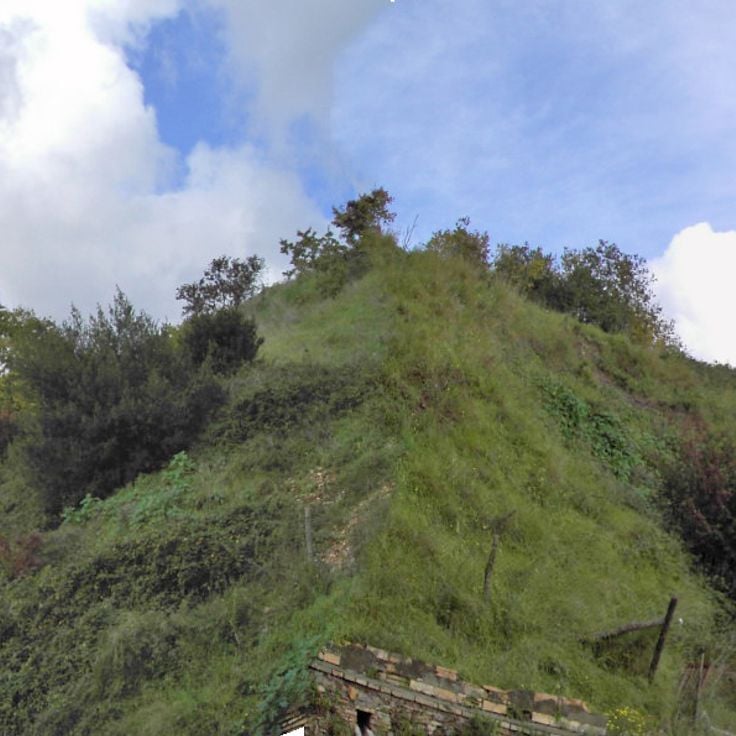
Monte Testaccio is an artificial mound in Rome composed entirely of discarded oil amphorae from ancient times. This unusual structure reveals how the city managed resources and waste on a massive scale. The mound stands as one of Rome's hidden locations that tells the story of everyday life in the ancient world, showing the industrial side of a great civilization.
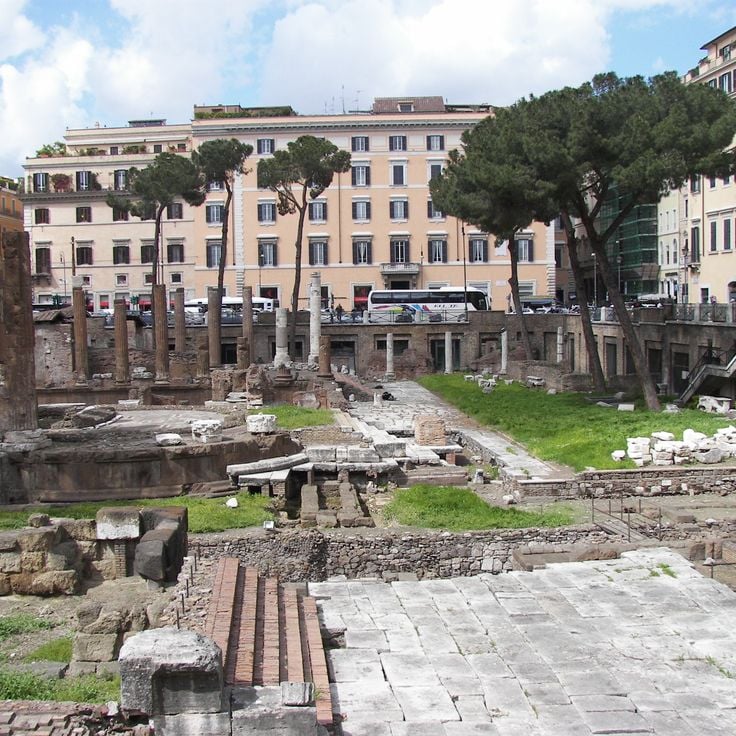
The Torre Argentina Cat Sanctuary sits among historical ruins at the site where Caesar was assassinated. This location joins ancient Roman history with modern animal care. Visitors can watch cats roaming between old stones while exploring the archaeological remains. The sanctuary shows how history and present-day life exist side by side in Rome.
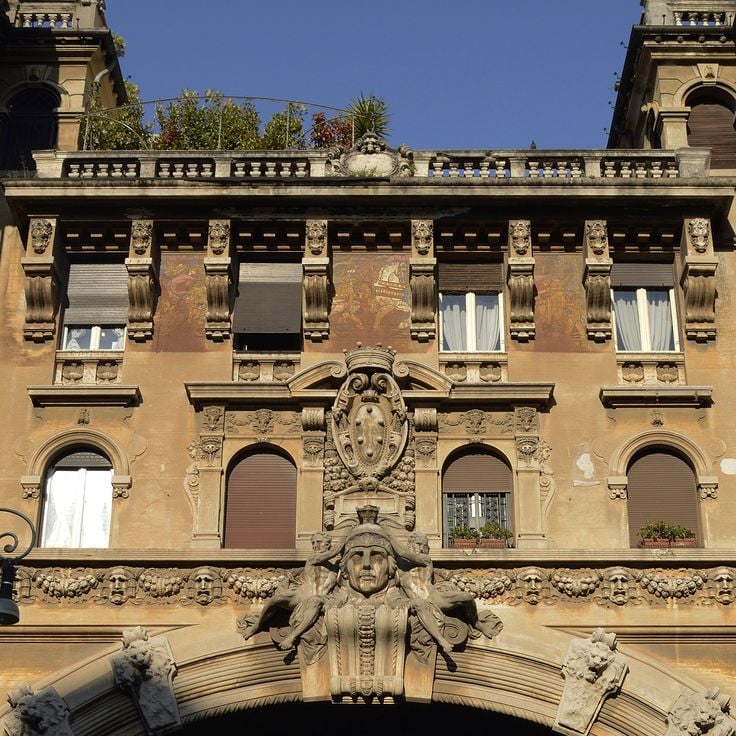
Quartiere Coppedè is an architectural complex in Rome that sits far from the typical tourist paths. The buildings display a fairy tale-like style with ornate details and historical depth. This location fits well within a collection of secret sites in Rome that reveal art, history, and architecture away from main routes.
Pigneto is a neighborhood in Rome where street art covers the walls and creative people gather. The streets display colorful murals made by local and international artists. Small shops, cafes, and galleries line the roads. This area shows a different side of Rome away from the main tourist paths. The neighborhood has a bohemian character that appeals to those looking for authentic, contemporary culture.
Crypta Balbi shows how Rome changed from ancient times through the Middle Ages. The museum displays remains of a Roman theater and the medieval residential buildings that were built later on the same site. The excavated walls, floors, and objects tell how the city transformed over centuries. Visitors see layers of history in the walls and understand how life at this location began again and again in different ways.
This small 16th-century church fits among Rome's lesser-known religious sites located away from main routes. The Church of San Giovanni della Pigna displays frescoes and marble altars in a residential neighborhood, revealing the city's artistic and architectural depth beyond famous tourist destinations.
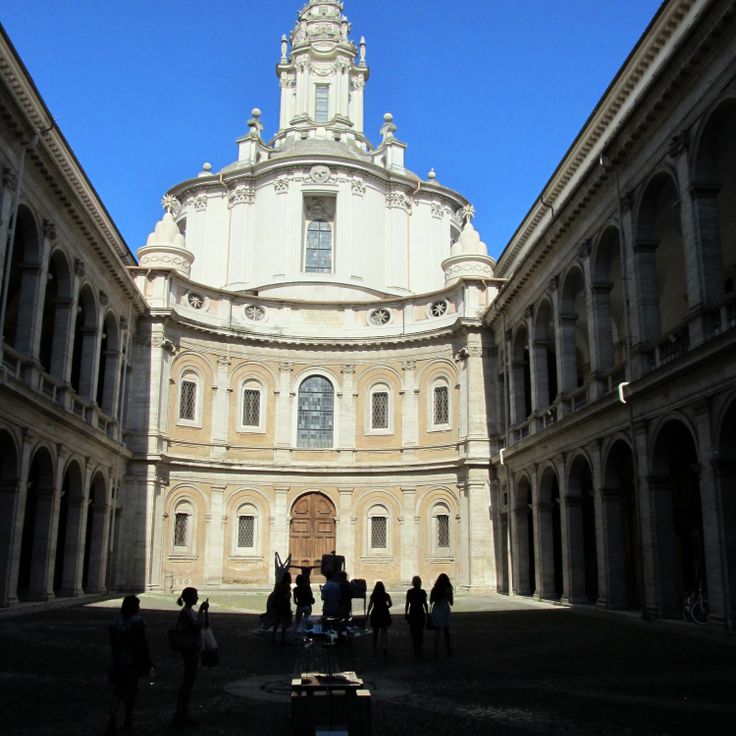
Palazzo della Sapienza is a 15th-century university complex that stands among Rome's secret locations as an example of art and architecture away from main routes. Its double-level courtyard with columns and frescoes reveals the historical depth found throughout the city.
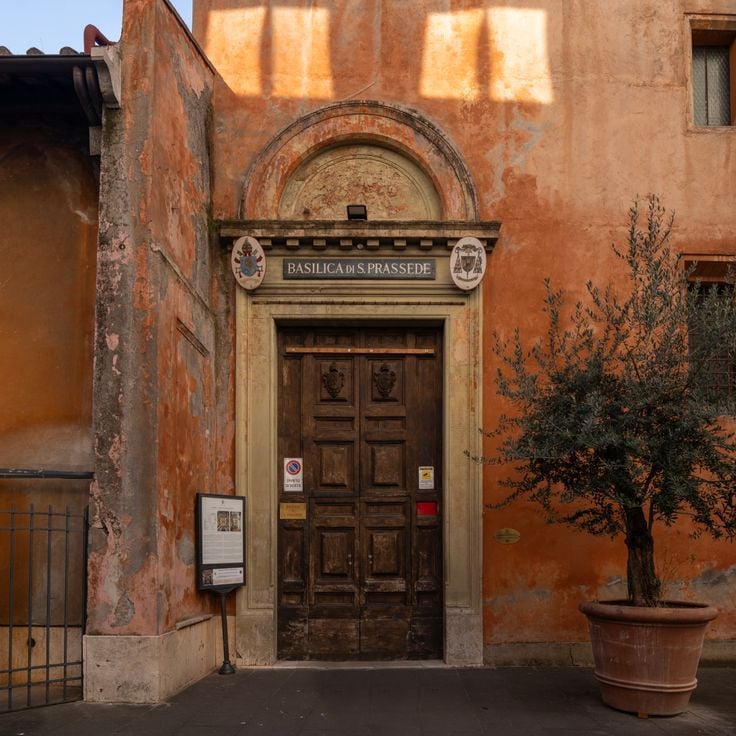
Santa Prassede is a basilica away from Rome's main routes, where early medieval art is preserved. It displays Byzantine mosaics from the 9th century and a chapel with golden vaults, revealing the city's historical depth.
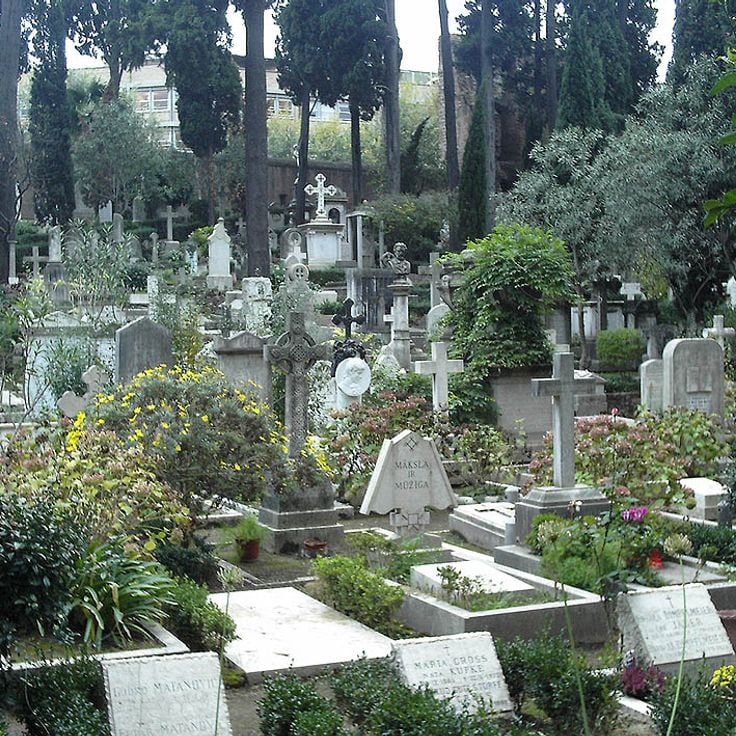
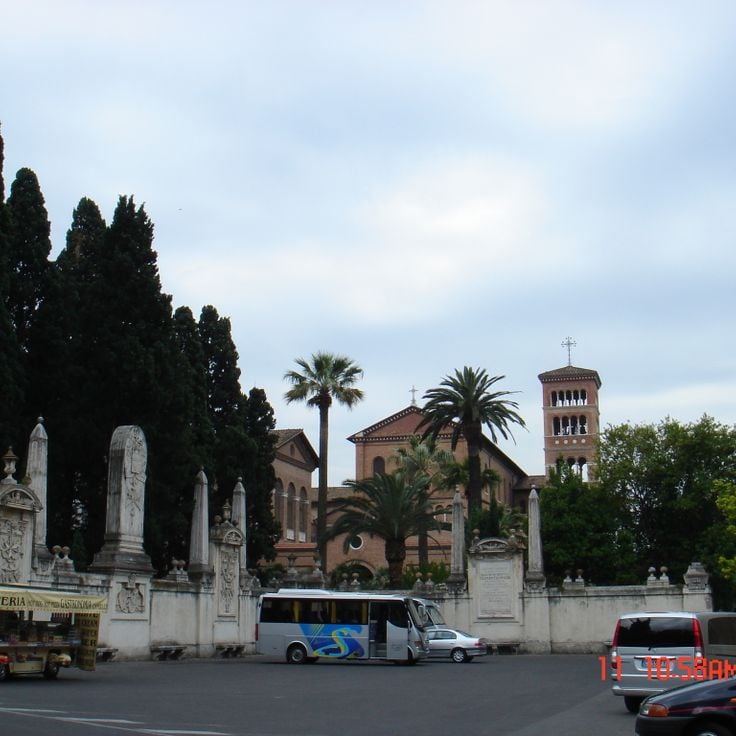
The Protestant Cemetery is a historical burial ground in Rome that holds graves of international artists and writers from the 18th and 19th centuries. Surrounded by cypress trees and marble statues, this cemetery reveals the artistic and literary history that unfolds away from Rome's main routes. The site demonstrates the city's historical depth through the memory of significant creative figures from various cultures.
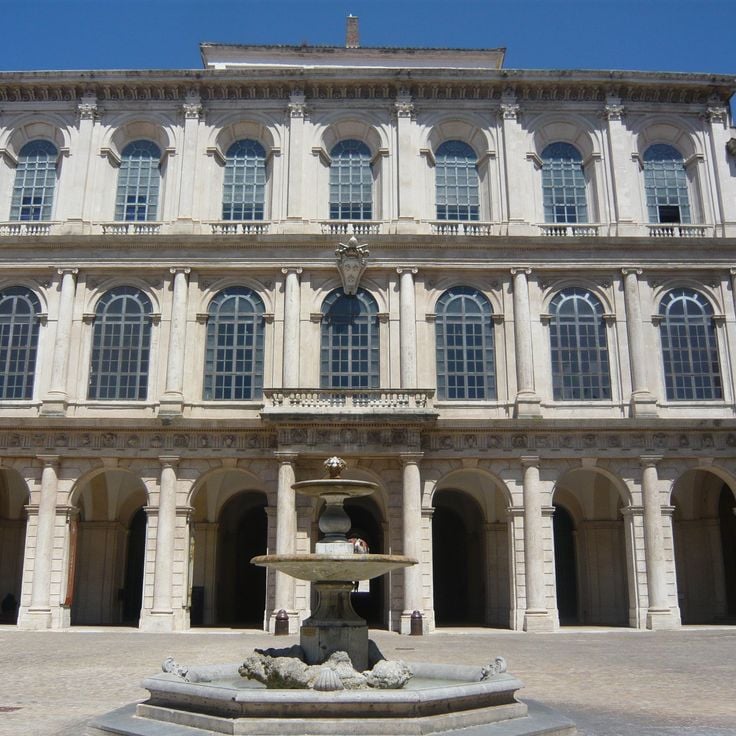
The National Gallery of Ancient Art occupies a 17th-century baroque palace tucked away from Rome's main routes. This museum holds an important collection of Italian paintings, with works by Caravaggio and Filippo Lippi among them. The palace itself tells the story of how wealthy families lived during the baroque period, with grand staircases, decorated rooms, and intricate details. Visitors can explore centuries of Italian artistic achievement in a setting that feels personal rather than overwhelming, away from the crowds that fill other major galleries.
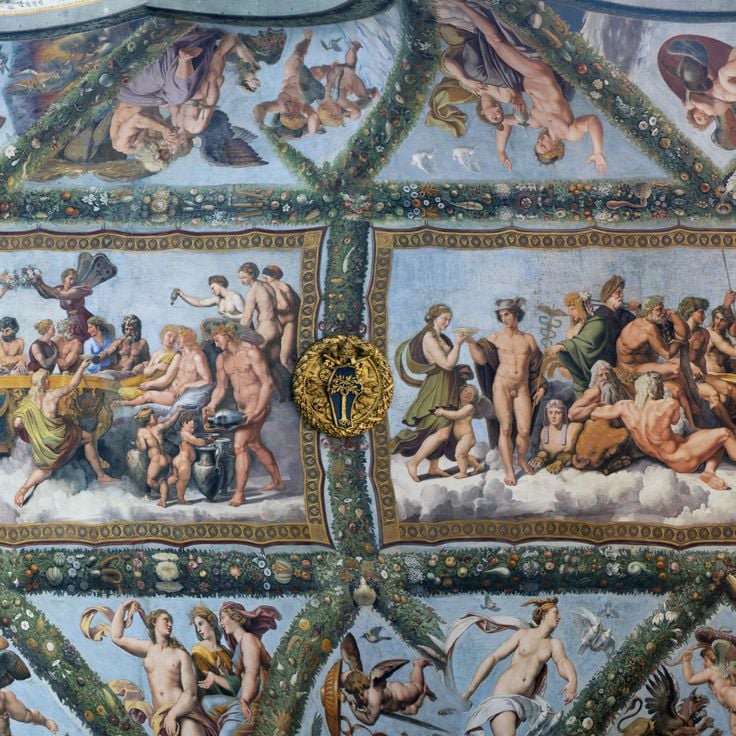
Villa Farnesina Museum is a 16th-century palace that stands apart from Rome's main tourist routes. Its walls and ceilings display mythological paintings and frescoes from the Italian Renaissance, created by leading artists of the period. This building reveals the artistic depth of its era and belongs among Rome's lesser-visited sites where history and art come together.
Via Appia Park is a Roman road with original paving stones, catacombs, and ancient tombs stretching 16 kilometers through the Roman countryside. It reveals the engineering skill of Roman builders and preserves the history of daily life, trade, and burial practices in ancient times. This location is one of the secret sites in Rome that display history and architecture away from main routes.
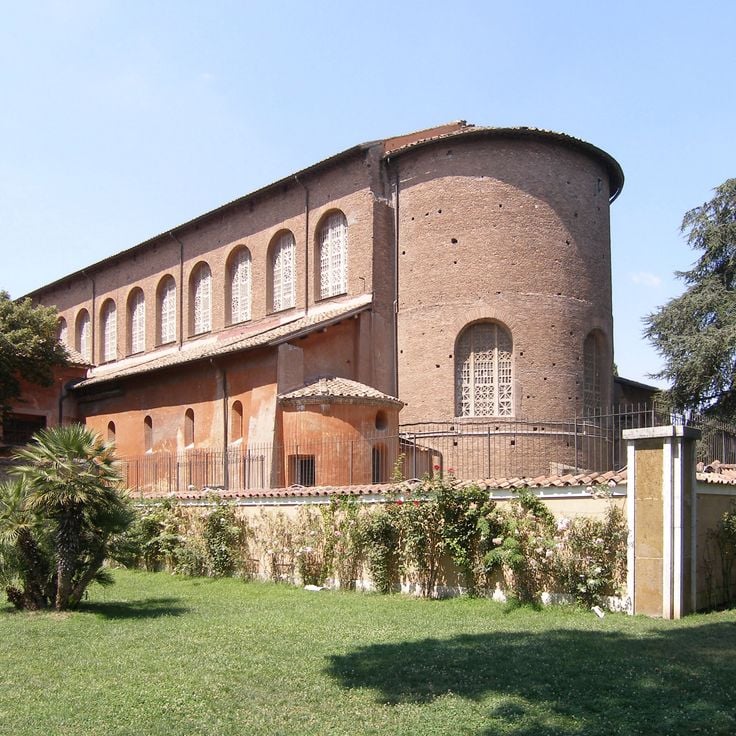
This basilica stands on the Aventine Hill and shows how early churches in Rome were built. Its interior features 24 ancient Corinthian columns, reused from older Roman buildings. The mosaics date from 432 and speak to the depth of this city's past. Santa Sabina sits away from main routes, revealing how Rome layered ancient and Christian architecture together over time. You can see how builders mixed classical forms with religious purpose.
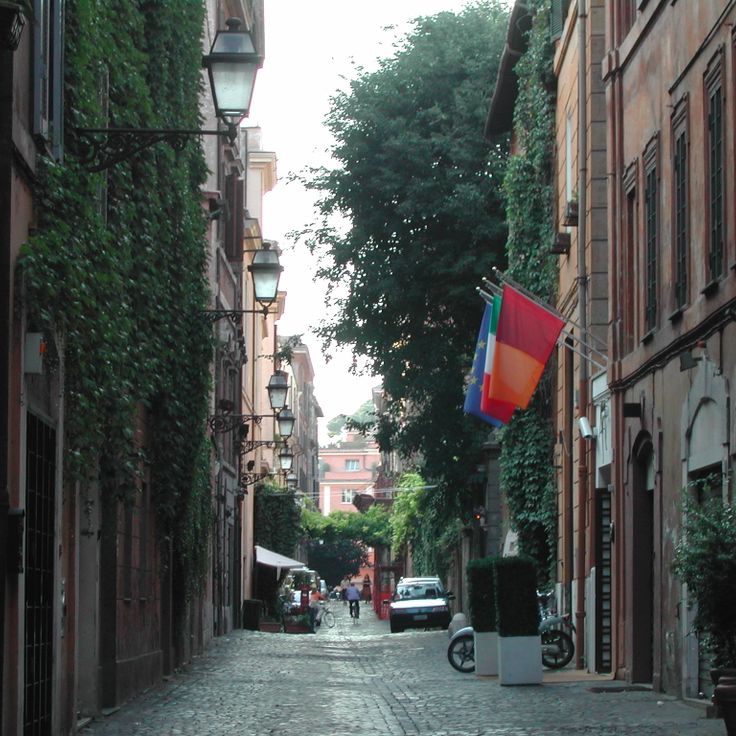
Via Margutta is a narrow street in Campo Marzio that has housed artist workshops, craft studios and antique shops since the 17th century. It shows the artistic history of Rome away from main routes and reveals how craftspeople and artists have lived and worked in the city.
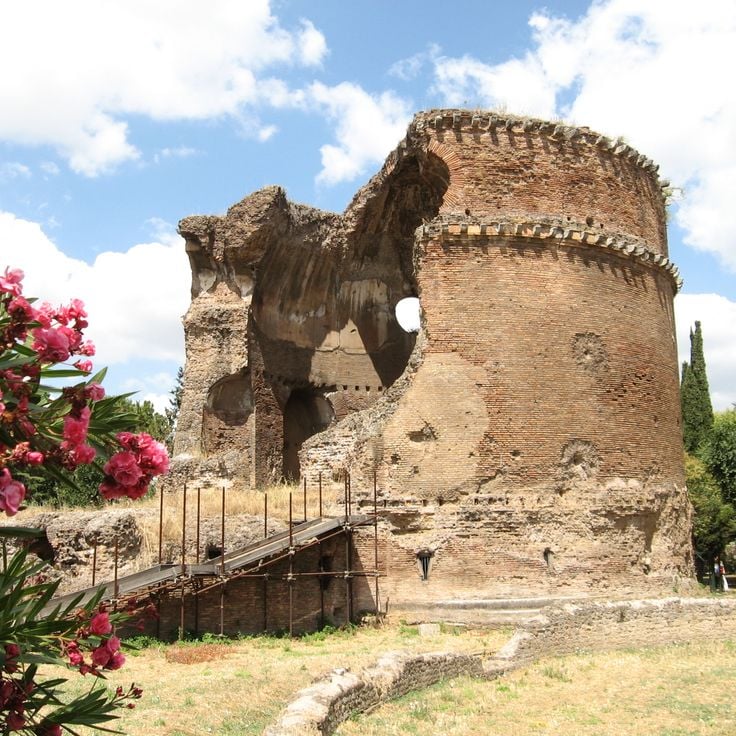
Villa dei Gordiani reveals remains from the 3rd century that tell stories of Roman life. The complex holds ancient baths, a mausoleum, and underground passages. Located away from main routes, it shows the historical depth of Rome in an unfiltered way.
This square on Aventine Hill was designed by Giovanni Battista Piranesi and offers a distinctive experience: through the famous large door, you can see the dome of St Peter's Basilica when looking through the keyhole. The square shows the craftsmanship and architectural thinking of the 18th century, away from the main routes of the city.
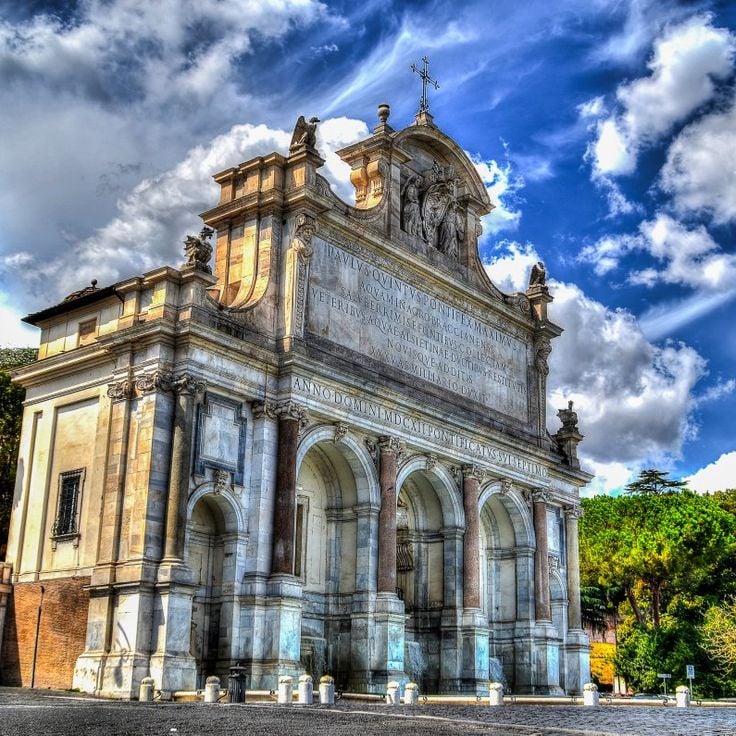
The Acqua Paola Fountain is a white marble fountain built in 1612 that stands on Gianicolo Hill. From this elevated location, you can see the Roman street network spread out below. This hidden site reveals the historical depth of the city away from the main tourist routes.
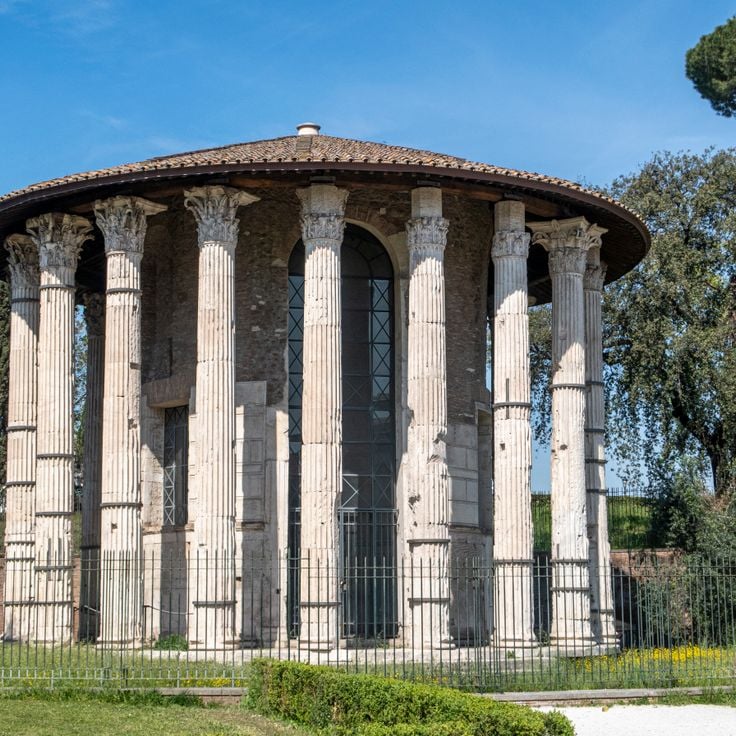
The Temple of Hercules Victor is a round structure from the 2nd century BC and stands as one of Rome's hidden historical treasures located away from main routes. The temple sits on a podium with steps and is surrounded by twenty marble columns. This ancient shrine displays the depth of Roman history and architecture that the city reveals to those who explore beyond the common paths.
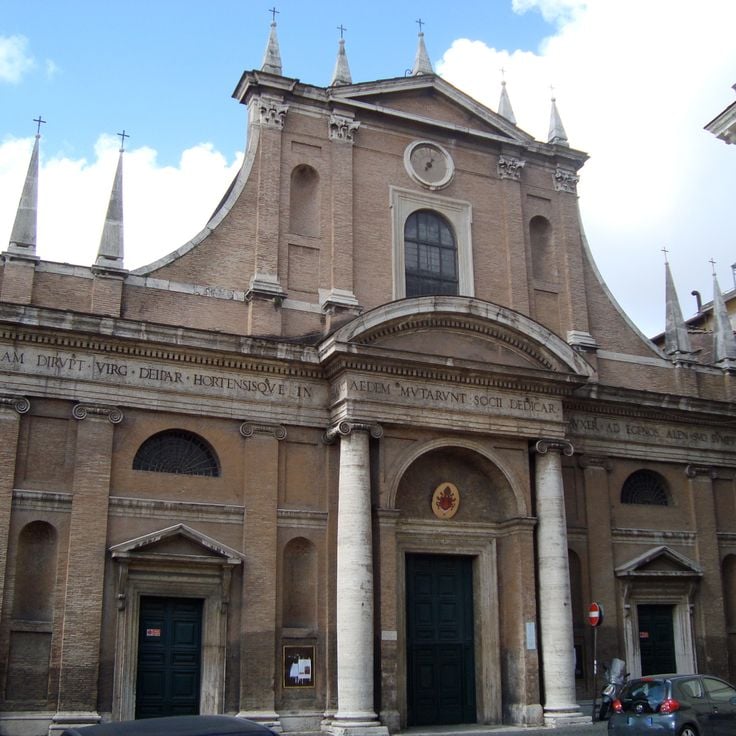
Santa Maria dell'Orto is a Renaissance church that displays wall paintings of the Roman school and features a garden with symmetrical plantings. The interior shows elaborate frescoes that decorate the walls, offering visitors a view into the artistic and architectural treasures of Rome away from crowded routes.
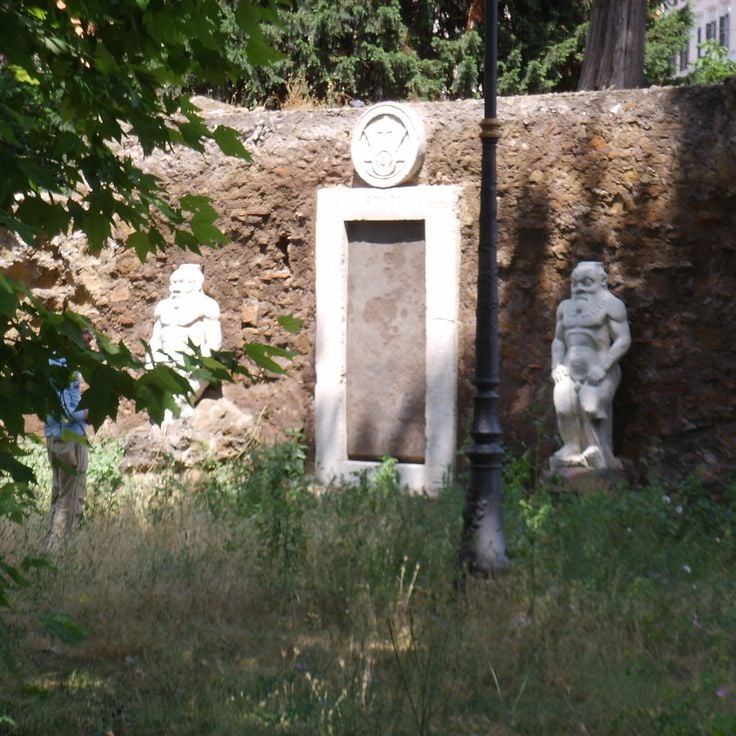
The Alchemical Door is a stone portal from the 17th century featuring seven planetary symbols and hermetic formulas in the public park. Among Rome's hidden locations, this door stands as an architectural work that brings together history and craftsmanship, revealing another layer of the city to those who seek it.
The keyhole of Villa Malta in Rome offers a framed view of Saint Peter's Basilica dome through its small opening. The sight line passes through three national territories, linking this hidden corner of the city to one of Rome's most famous landmarks. This location represents one of Rome's secret sites where art, history, and architecture reveal themselves away from main routes.
The Mouth of Truth is a round marble disc in Rome that displays the face of a male figure with an open mouth. This work belongs to the hidden sites of Rome that reveal history and art away from main routes. The disc measures 1.75 meters in diameter and draws visitors who want to learn more about the artistic and historical layers of the city.
Centrale Montemartini is a museum housed in a former power plant, displaying Roman art collections alongside preserved turbines, diesel engines and steam boilers. This location reveals the industrial past of Rome and offers an unusual setting for ancient objects, away from the city's main museum routes.
The Catacombs of Priscilla are underground corridors with tombs and wall paintings from early Christianity, including images of Mary with infant Jesus. This site belongs to the hidden places in Rome that reveal history and art away from main routes. The catacombs show the religious depth of the ancient city.
This temple from the 2nd century BCE sits at Forum Boarium and displays ionic columns made of travertine. It represents one of Rome's older religious structures, hidden from the main tourist paths. The Temple of Portunus reveals how Romans built their sacred spaces and honored their gods. Walking around this site, you see the careful craftsmanship of ancient builders and understand the religious life of the city's past. This location offers a quiet way to connect with Rome's deep historical roots away from crowded areas.
San Clemente Basilica is a three-tiered church that reveals Rome's hidden history beneath the surface. It houses a Mithraic temple from the ancient world, an early Christian church from the first centuries, and a medieval upper basilica decorated with colorful mosaics. Walking through these stacked layers shows how the city changed over time.
This church stands on the foundations of a Minerva temple and contains artworks by Michelangelo and Bernini. It reveals layers of Roman history, from ancient times to the Renaissance, fitting perfectly into the collection of secret locations in Rome that display art, history, and architecture away from main routes.
The Park of the Aqueducts is a public park in Rome that displays the remains of seven Roman water conduits across a large area of land. This site reveals the engineering skill of the Romans and their ability to transport water across great distances. The park offers a view into ancient infrastructure away from the main routes of the city, showing how Romans managed this essential resource.
The Villa of the Quintilii is a Roman residential complex from the second century and sits off the main tourist routes of Rome. It spreads across a large tract of land along the ancient Via Appia road and shows the wealth and care that a prominent Roman family poured into their home. The ruins reveal mosaics, sculptures, and water features that speak to how people lived in ancient times. This location is one of Rome's hidden sites where you can see history and architecture away from the crowds.
Palazzo Altemps is a fifteenth-century building that houses a collection of ancient sculptures from Rome and Greece within the National Museum. This location reveals the historical depth of Rome by presenting art away from the city's main routes. The palace displays the craftsmanship of antiquity while standing as an example of Renaissance architecture in the city.
The Case Romane del Celio is an underground excavation site on Rome's Celio hill. It contains Roman residences from the 2nd to 4th centuries with Christian wall paintings preserved on the walls. Walking through these buried rooms reveals how people lived and worshiped in early Christian Rome. The site remains largely hidden beneath a church, showing the layers of history stacked beneath the modern city.
This church from the fifth century has a round floor plan with a diameter of 65 meters and wall paintings of martyrs. Santo Stefano Rotondo reveals Rome's historical depth away from main routes and stands among the city's lesser-known locations that preserve history and art.
Monte Testaccio is an artificial mound in Rome composed entirely of discarded oil amphorae from ancient times. This unusual structure reveals how the city managed resources and waste on a massive scale. The mound stands as one of Rome's hidden locations that tells the story of everyday life in the ancient world, showing the industrial side of a great civilization.
The Torre Argentina Cat Sanctuary sits among historical ruins at the site where Caesar was assassinated. This location joins ancient Roman history with modern animal care. Visitors can watch cats roaming between old stones while exploring the archaeological remains. The sanctuary shows how history and present-day life exist side by side in Rome.
Quartiere Coppedè is an architectural complex in Rome that sits far from the typical tourist paths. The buildings display a fairy tale-like style with ornate details and historical depth. This location fits well within a collection of secret sites in Rome that reveal art, history, and architecture away from main routes.
Pigneto is a neighborhood in Rome where street art covers the walls and creative people gather. The streets display colorful murals made by local and international artists. Small shops, cafes, and galleries line the roads. This area shows a different side of Rome away from the main tourist paths. The neighborhood has a bohemian character that appeals to those looking for authentic, contemporary culture.
Crypta Balbi shows how Rome changed from ancient times through the Middle Ages. The museum displays remains of a Roman theater and the medieval residential buildings that were built later on the same site. The excavated walls, floors, and objects tell how the city transformed over centuries. Visitors see layers of history in the walls and understand how life at this location began again and again in different ways.
This small 16th-century church fits among Rome's lesser-known religious sites located away from main routes. The Church of San Giovanni della Pigna displays frescoes and marble altars in a residential neighborhood, revealing the city's artistic and architectural depth beyond famous tourist destinations.
Palazzo della Sapienza is a 15th-century university complex that stands among Rome's secret locations as an example of art and architecture away from main routes. Its double-level courtyard with columns and frescoes reveals the historical depth found throughout the city.
Santa Prassede is a basilica away from Rome's main routes, where early medieval art is preserved. It displays Byzantine mosaics from the 9th century and a chapel with golden vaults, revealing the city's historical depth.
The Protestant Cemetery is a historical burial ground in Rome that holds graves of international artists and writers from the 18th and 19th centuries. Surrounded by cypress trees and marble statues, this cemetery reveals the artistic and literary history that unfolds away from Rome's main routes. The site demonstrates the city's historical depth through the memory of significant creative figures from various cultures.
The National Gallery of Ancient Art occupies a 17th-century baroque palace tucked away from Rome's main routes. This museum holds an important collection of Italian paintings, with works by Caravaggio and Filippo Lippi among them. The palace itself tells the story of how wealthy families lived during the baroque period, with grand staircases, decorated rooms, and intricate details. Visitors can explore centuries of Italian artistic achievement in a setting that feels personal rather than overwhelming, away from the crowds that fill other major galleries.
Villa Farnesina Museum is a 16th-century palace that stands apart from Rome's main tourist routes. Its walls and ceilings display mythological paintings and frescoes from the Italian Renaissance, created by leading artists of the period. This building reveals the artistic depth of its era and belongs among Rome's lesser-visited sites where history and art come together.
Via Appia Park is a Roman road with original paving stones, catacombs, and ancient tombs stretching 16 kilometers through the Roman countryside. It reveals the engineering skill of Roman builders and preserves the history of daily life, trade, and burial practices in ancient times. This location is one of the secret sites in Rome that display history and architecture away from main routes.
This basilica stands on the Aventine Hill and shows how early churches in Rome were built. Its interior features 24 ancient Corinthian columns, reused from older Roman buildings. The mosaics date from 432 and speak to the depth of this city's past. Santa Sabina sits away from main routes, revealing how Rome layered ancient and Christian architecture together over time. You can see how builders mixed classical forms with religious purpose.
Via Margutta is a narrow street in Campo Marzio that has housed artist workshops, craft studios and antique shops since the 17th century. It shows the artistic history of Rome away from main routes and reveals how craftspeople and artists have lived and worked in the city.
Villa dei Gordiani reveals remains from the 3rd century that tell stories of Roman life. The complex holds ancient baths, a mausoleum, and underground passages. Located away from main routes, it shows the historical depth of Rome in an unfiltered way.
This square on Aventine Hill was designed by Giovanni Battista Piranesi and offers a distinctive experience: through the famous large door, you can see the dome of St Peter's Basilica when looking through the keyhole. The square shows the craftsmanship and architectural thinking of the 18th century, away from the main routes of the city.
The Acqua Paola Fountain is a white marble fountain built in 1612 that stands on Gianicolo Hill. From this elevated location, you can see the Roman street network spread out below. This hidden site reveals the historical depth of the city away from the main tourist routes.
The Temple of Hercules Victor is a round structure from the 2nd century BC and stands as one of Rome's hidden historical treasures located away from main routes. The temple sits on a podium with steps and is surrounded by twenty marble columns. This ancient shrine displays the depth of Roman history and architecture that the city reveals to those who explore beyond the common paths.
Santa Maria dell'Orto is a Renaissance church that displays wall paintings of the Roman school and features a garden with symmetrical plantings. The interior shows elaborate frescoes that decorate the walls, offering visitors a view into the artistic and architectural treasures of Rome away from crowded routes.
The Alchemical Door is a stone portal from the 17th century featuring seven planetary symbols and hermetic formulas in the public park. Among Rome's hidden locations, this door stands as an architectural work that brings together history and craftsmanship, revealing another layer of the city to those who seek it.
The keyhole of Villa Malta in Rome offers a framed view of Saint Peter's Basilica dome through its small opening. The sight line passes through three national territories, linking this hidden corner of the city to one of Rome's most famous landmarks. This location represents one of Rome's secret sites where art, history, and architecture reveal themselves away from main routes.
The Mouth of Truth is a round marble disc in Rome that displays the face of a male figure with an open mouth. This work belongs to the hidden sites of Rome that reveal history and art away from main routes. The disc measures 1.75 meters in diameter and draws visitors who want to learn more about the artistic and historical layers of the city.
Centrale Montemartini is a museum housed in a former power plant, displaying Roman art collections alongside preserved turbines, diesel engines and steam boilers. This location reveals the industrial past of Rome and offers an unusual setting for ancient objects, away from the city's main museum routes.
The Catacombs of Priscilla are underground corridors with tombs and wall paintings from early Christianity, including images of Mary with infant Jesus. This site belongs to the hidden places in Rome that reveal history and art away from main routes. The catacombs show the religious depth of the ancient city.
This temple from the 2nd century BCE sits at Forum Boarium and displays ionic columns made of travertine. It represents one of Rome's older religious structures, hidden from the main tourist paths. The Temple of Portunus reveals how Romans built their sacred spaces and honored their gods. Walking around this site, you see the careful craftsmanship of ancient builders and understand the religious life of the city's past. This location offers a quiet way to connect with Rome's deep historical roots away from crowded areas.
San Clemente Basilica is a three-tiered church that reveals Rome's hidden history beneath the surface. It houses a Mithraic temple from the ancient world, an early Christian church from the first centuries, and a medieval upper basilica decorated with colorful mosaics. Walking through these stacked layers shows how the city changed over time.
This church stands on the foundations of a Minerva temple and contains artworks by Michelangelo and Bernini. It reveals layers of Roman history, from ancient times to the Renaissance, fitting perfectly into the collection of secret locations in Rome that display art, history, and architecture away from main routes.
The Park of the Aqueducts is a public park in Rome that displays the remains of seven Roman water conduits across a large area of land. This site reveals the engineering skill of the Romans and their ability to transport water across great distances. The park offers a view into ancient infrastructure away from the main routes of the city, showing how Romans managed this essential resource.
The Villa of the Quintilii is a Roman residential complex from the second century and sits off the main tourist routes of Rome. It spreads across a large tract of land along the ancient Via Appia road and shows the wealth and care that a prominent Roman family poured into their home. The ruins reveal mosaics, sculptures, and water features that speak to how people lived in ancient times. This location is one of Rome's hidden sites where you can see history and architecture away from the crowds.
Palazzo Altemps is a fifteenth-century building that houses a collection of ancient sculptures from Rome and Greece within the National Museum. This location reveals the historical depth of Rome by presenting art away from the city's main routes. The palace displays the craftsmanship of antiquity while standing as an example of Renaissance architecture in the city.
The Case Romane del Celio is an underground excavation site on Rome's Celio hill. It contains Roman residences from the 2nd to 4th centuries with Christian wall paintings preserved on the walls. Walking through these buried rooms reveals how people lived and worshiped in early Christian Rome. The site remains largely hidden beneath a church, showing the layers of history stacked beneath the modern city.
This church from the fifth century has a round floor plan with a diameter of 65 meters and wall paintings of martyrs. Santo Stefano Rotondo reveals Rome's historical depth away from main routes and stands among the city's lesser-known locations that preserve history and art.
Monte Testaccio is an artificial mound in Rome composed entirely of discarded oil amphorae from ancient times. This unusual structure reveals how the city managed resources and waste on a massive scale. The mound stands as one of Rome's hidden locations that tells the story of everyday life in the ancient world, showing the industrial side of a great civilization.
The Torre Argentina Cat Sanctuary sits among historical ruins at the site where Caesar was assassinated. This location joins ancient Roman history with modern animal care. Visitors can watch cats roaming between old stones while exploring the archaeological remains. The sanctuary shows how history and present-day life exist side by side in Rome.
Quartiere Coppedè is an architectural complex in Rome that sits far from the typical tourist paths. The buildings display a fairy tale-like style with ornate details and historical depth. This location fits well within a collection of secret sites in Rome that reveal art, history, and architecture away from main routes.
Pigneto is a neighborhood in Rome where street art covers the walls and creative people gather. The streets display colorful murals made by local and international artists. Small shops, cafes, and galleries line the roads. This area shows a different side of Rome away from the main tourist paths. The neighborhood has a bohemian character that appeals to those looking for authentic, contemporary culture.
Crypta Balbi shows how Rome changed from ancient times through the Middle Ages. The museum displays remains of a Roman theater and the medieval residential buildings that were built later on the same site. The excavated walls, floors, and objects tell how the city transformed over centuries. Visitors see layers of history in the walls and understand how life at this location began again and again in different ways.
This small 16th-century church fits among Rome's lesser-known religious sites located away from main routes. The Church of San Giovanni della Pigna displays frescoes and marble altars in a residential neighborhood, revealing the city's artistic and architectural depth beyond famous tourist destinations.
Palazzo della Sapienza is a 15th-century university complex that stands among Rome's secret locations as an example of art and architecture away from main routes. Its double-level courtyard with columns and frescoes reveals the historical depth found throughout the city.
Santa Prassede is a basilica away from Rome's main routes, where early medieval art is preserved. It displays Byzantine mosaics from the 9th century and a chapel with golden vaults, revealing the city's historical depth.
The Protestant Cemetery is a historical burial ground in Rome that holds graves of international artists and writers from the 18th and 19th centuries. Surrounded by cypress trees and marble statues, this cemetery reveals the artistic and literary history that unfolds away from Rome's main routes. The site demonstrates the city's historical depth through the memory of significant creative figures from various cultures.
The National Gallery of Ancient Art occupies a 17th-century baroque palace tucked away from Rome's main routes. This museum holds an important collection of Italian paintings, with works by Caravaggio and Filippo Lippi among them. The palace itself tells the story of how wealthy families lived during the baroque period, with grand staircases, decorated rooms, and intricate details. Visitors can explore centuries of Italian artistic achievement in a setting that feels personal rather than overwhelming, away from the crowds that fill other major galleries.
Villa Farnesina Museum is a 16th-century palace that stands apart from Rome's main tourist routes. Its walls and ceilings display mythological paintings and frescoes from the Italian Renaissance, created by leading artists of the period. This building reveals the artistic depth of its era and belongs among Rome's lesser-visited sites where history and art come together.
Via Appia Park is a Roman road with original paving stones, catacombs, and ancient tombs stretching 16 kilometers through the Roman countryside. It reveals the engineering skill of Roman builders and preserves the history of daily life, trade, and burial practices in ancient times. This location is one of the secret sites in Rome that display history and architecture away from main routes.
This basilica stands on the Aventine Hill and shows how early churches in Rome were built. Its interior features 24 ancient Corinthian columns, reused from older Roman buildings. The mosaics date from 432 and speak to the depth of this city's past. Santa Sabina sits away from main routes, revealing how Rome layered ancient and Christian architecture together over time. You can see how builders mixed classical forms with religious purpose.
Via Margutta is a narrow street in Campo Marzio that has housed artist workshops, craft studios and antique shops since the 17th century. It shows the artistic history of Rome away from main routes and reveals how craftspeople and artists have lived and worked in the city.
Villa dei Gordiani reveals remains from the 3rd century that tell stories of Roman life. The complex holds ancient baths, a mausoleum, and underground passages. Located away from main routes, it shows the historical depth of Rome in an unfiltered way.
This square on Aventine Hill was designed by Giovanni Battista Piranesi and offers a distinctive experience: through the famous large door, you can see the dome of St Peter's Basilica when looking through the keyhole. The square shows the craftsmanship and architectural thinking of the 18th century, away from the main routes of the city.
The Acqua Paola Fountain is a white marble fountain built in 1612 that stands on Gianicolo Hill. From this elevated location, you can see the Roman street network spread out below. This hidden site reveals the historical depth of the city away from the main tourist routes.
The Temple of Hercules Victor is a round structure from the 2nd century BC and stands as one of Rome's hidden historical treasures located away from main routes. The temple sits on a podium with steps and is surrounded by twenty marble columns. This ancient shrine displays the depth of Roman history and architecture that the city reveals to those who explore beyond the common paths.
Santa Maria dell'Orto is a Renaissance church that displays wall paintings of the Roman school and features a garden with symmetrical plantings. The interior shows elaborate frescoes that decorate the walls, offering visitors a view into the artistic and architectural treasures of Rome away from crowded routes.
The Alchemical Door is a stone portal from the 17th century featuring seven planetary symbols and hermetic formulas in the public park. Among Rome's hidden locations, this door stands as an architectural work that brings together history and craftsmanship, revealing another layer of the city to those who seek it.