See the monuments around you in AROpen chests in the app
Around Us is built for your phone — point your camera at the streets and discover the monuments and places around you in augmented reality.Around Us is built for your phone — chests unlock when you walk, explore and capture nearby places.
Normandy offers historical sites and natural spaces worth a visit. You will find old monasteries, castles from the Middle Ages, villages along the coast, and different types of scenery. Some well-known places like the Bénédictine Palace in Fécamp or Monet's Gardens in Giverny attract visitors, while others are quieter.
The Seine Loop Nature Park invites you for a walk in the outdoors, away from busy places. The region combines old buildings with seaside and countryside views. You can wander through small village streets, look at old buildings, and enjoy the changing light through the seasons.
This collection takes you to places where it feels like time slows down. Every place tells a different story, through its stones, its gardens, or the daily life happening there. Normandy invites you to explore at a easy pace and see what makes each village and natural spot special.
Normandy offers historical sites and natural spaces worth a visit. You will find old monasteries, castles from the Middle Ages, villages along the coast, and different types of scenery. Some well-known places like the Bénédictine Palace in Fécamp or Monet's Gardens in Giverny attract visitors, while others are quieter.
The Seine Loop Nature Park invites you for a walk in the outdoors, away from busy places. The region combines old buildings with seaside and countryside views. You can wander through small village streets, look at old buildings, and enjoy the changing light through the seasons.
This collection takes you to places where it feels like time slows down. Every place tells a different story, through its stones, its gardens, or the daily life happening there. Normandy invites you to explore at a easy pace and see what makes each village and natural spot special.
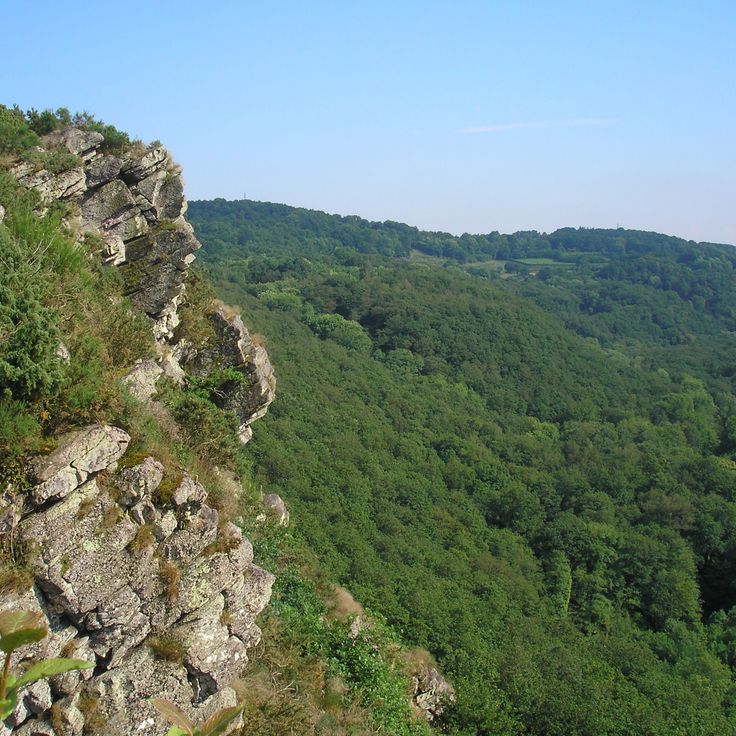
La Roche d'Oëtre is a granite formation rising 118 meters (387 feet) above the Rouvre valley, offering views of the fields and forests of the region. This site in Normandy shows the natural landscapes that blend history and nature, defining the area. From here, visitors can take in the rural surroundings and see how the land has shaped this part of Normandy.
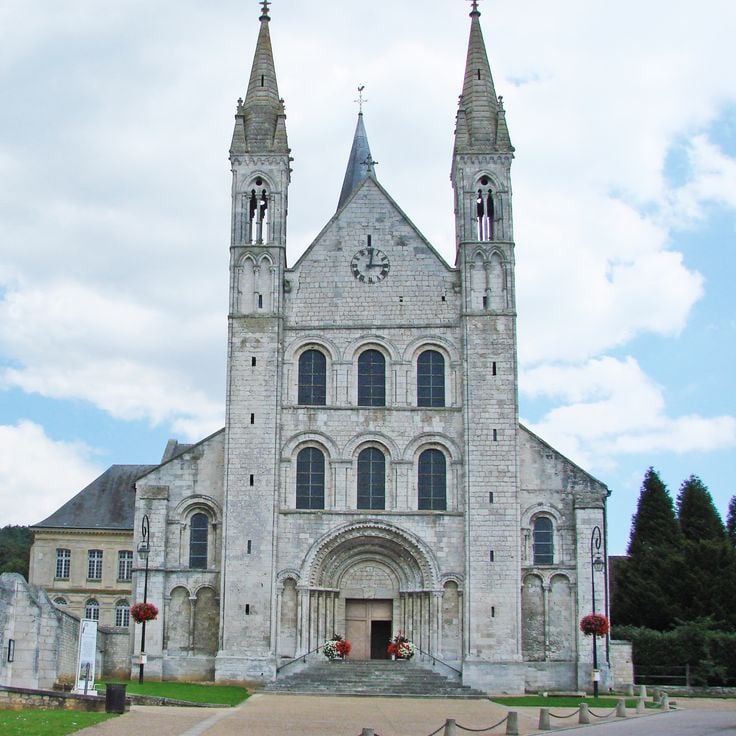
The Abbey of Saint-Georges de Boscherville is a Romanesque church built in the 11th century with a garden arranged in geometric patterns. Historical stone sculptures line the exterior walls, showing the craftsmanship of earlier times. This place combines religious history with thoughtfully designed gardens and invites quiet exploration.
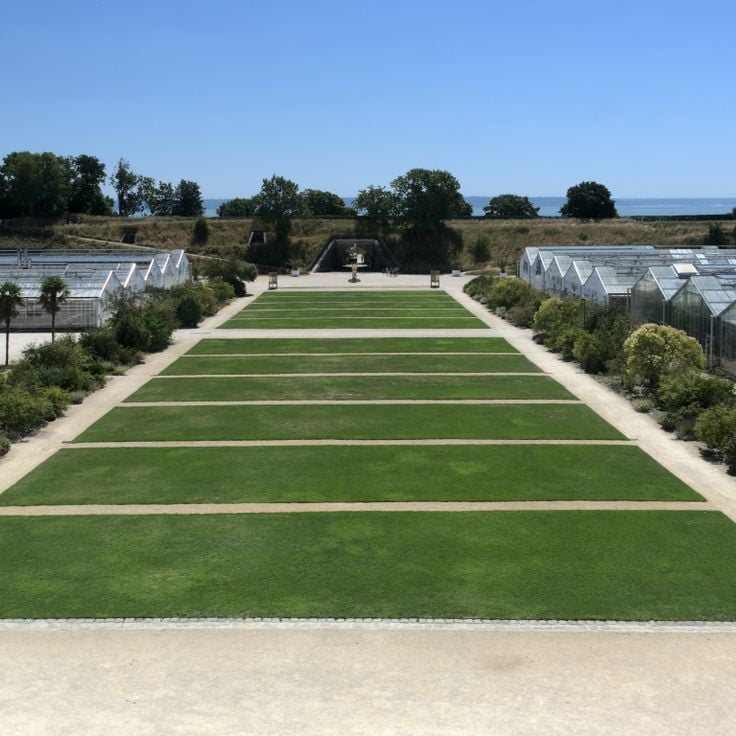
Les Jardins Suspendus in Le Havre sit on the grounds of a former military fortress. This botanical garden displays plant collections from four continents. As you walk through the beds, you have views over the harbor. The site brings together history and nature. You discover plants from different climates growing on French soil. The suspended gardens are a place where you can linger and feel the openness of the space.
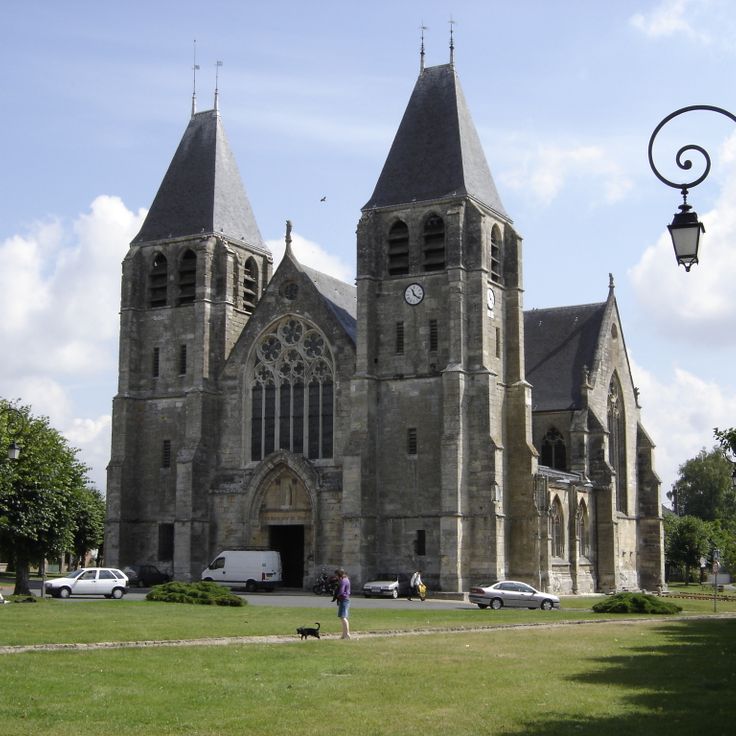
This collegiate church was built in the Gothic style in the 14th century. Inside, medieval statues and original stained glass windows from that period are still preserved. The church shows how religious buildings were designed at that time and how craftspeople used stone and glass. When you step inside, you feel the region's history reflected in every detail. This church fits perfectly into Normandy's collection of hidden historical places, where you can experience the past directly.
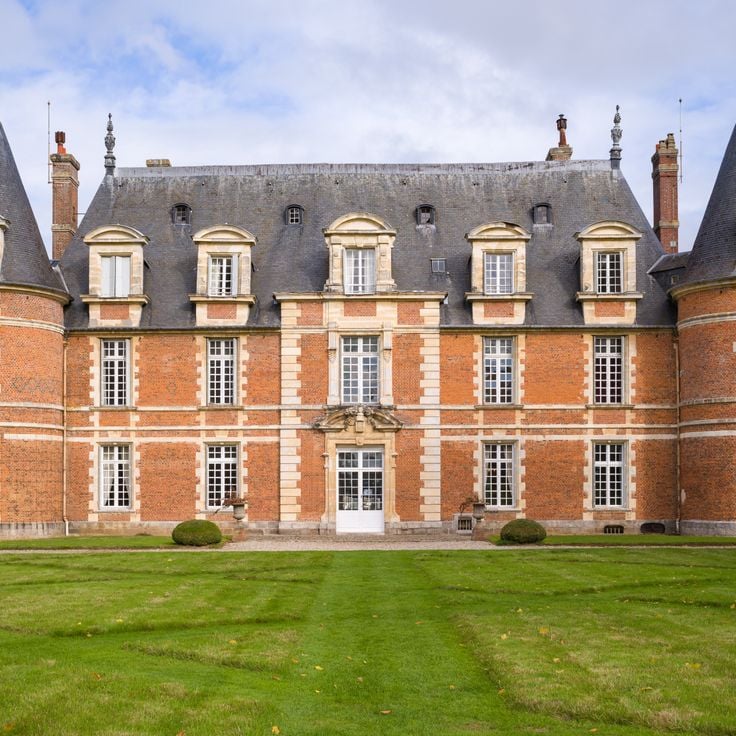
The Chateau of Miromesnil is a 17th-century manor that stands in a garden with symmetrical pathways, flower beds, and clipped hedges reflecting classical French garden design. This chateau shows how people of that time shaped their homes and landscapes. With its orderly gardens and solid architecture, it tells of an era that valued order and beauty. The rooms inside and the manicured grounds offer a journey into the past.
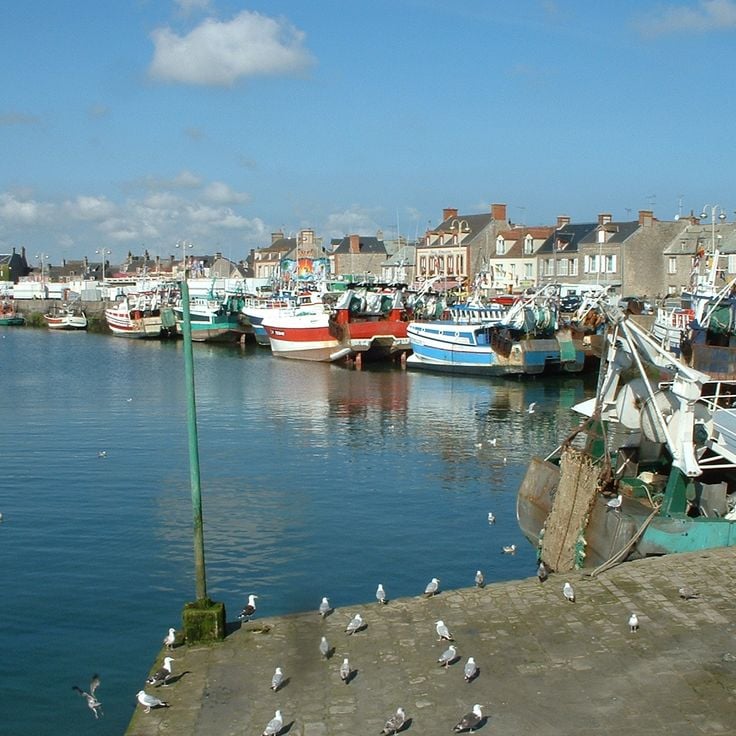
Barfleur is a coastal village with stone buildings from medieval times. The harbor holds a working fleet of fishing boats that define daily life here. Walking through its narrow streets, you encounter old facades that speak to centuries of history. This village on the Normandy coast gives visitors a chance to experience fishing traditions and the pace of a working seaside community.
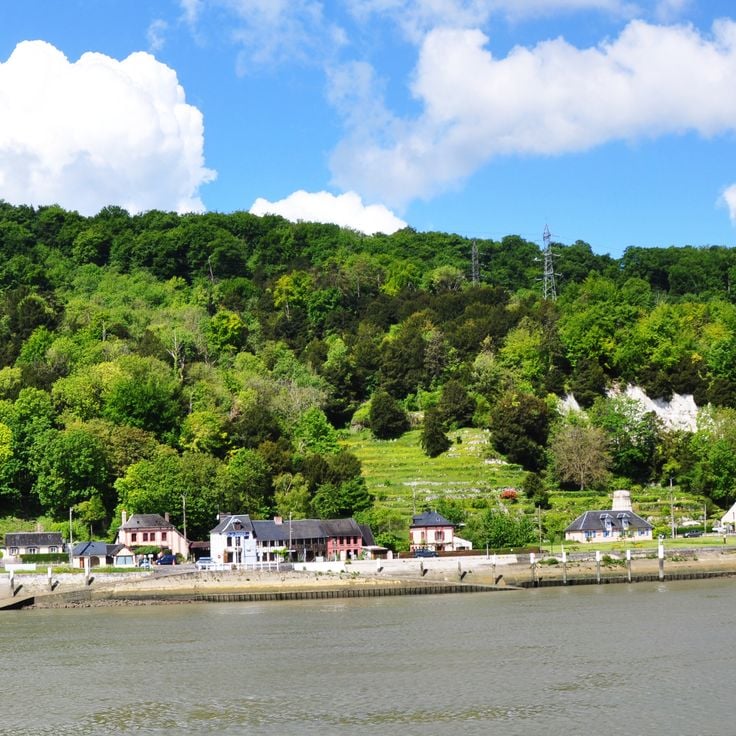
The Parc Naturel Régional des Boucles de la Seine Normande is a large protected area that winds along the Seine River. It contains extensive forests of oak and beech trees, river plains and marshes dotted with apple orchards. The park invites visitors to walk through its natural spaces, away from the noise of towns. Each season brings different colors and moods to the landscape. Walking through the park, you can see how the river has shaped the land over time and how local life has grown around these natural rhythms.
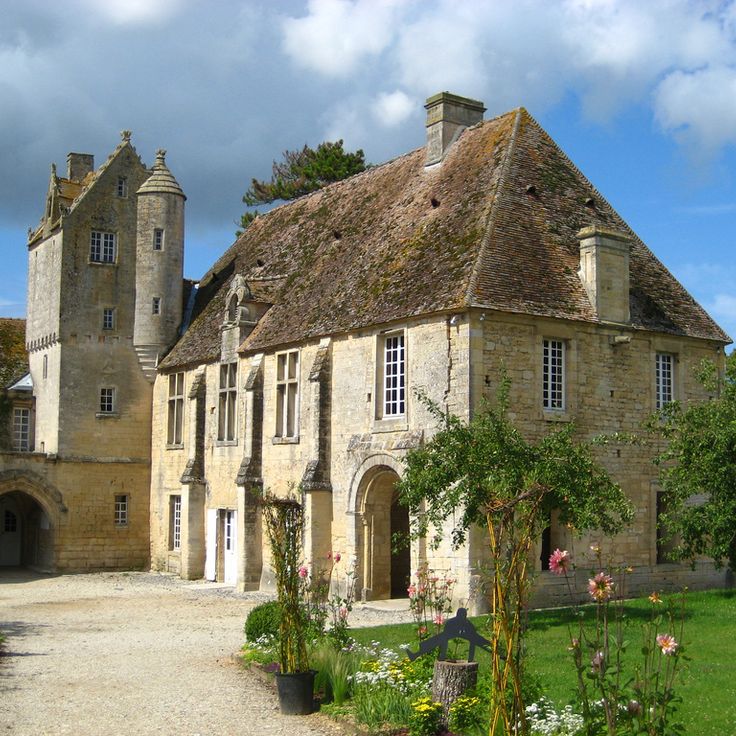
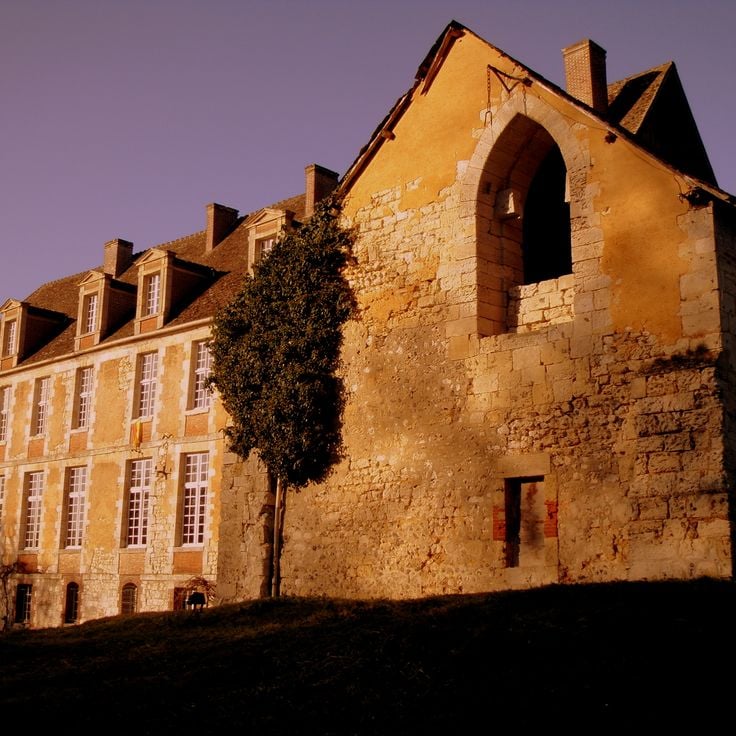
The Priory of Saint-Gabriel-Brécy is a Romanesque religious building from the 12th century, with a cloister. The architectural complex shows Norman style with features typical of the region. The buildings tell of centuries of religious life and craftsmanship. Visitors can explore the old walls and arches that still speak to that distant time.
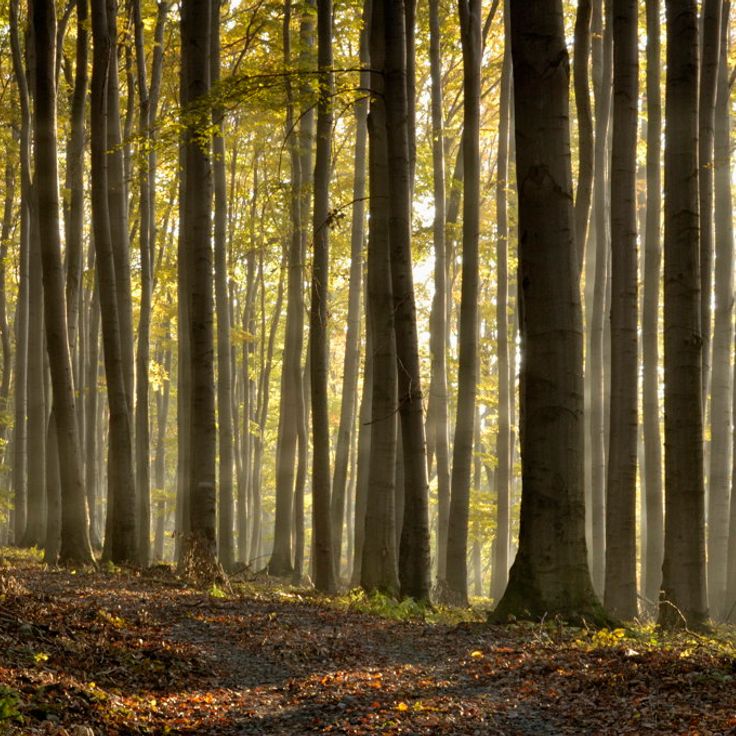
Lyons Forest is the largest beech forest area in Normandy. It covers a vast expanse and offers marked trails for visitors who want to explore on foot. Walking through the forest paths, you can observe the local plant and animal life. The dense trees create a space where you can step away from everyday life. As the seasons change, the forest displays different colors and feels different. It represents the quiet, natural side of Normandy that this collection highlights.
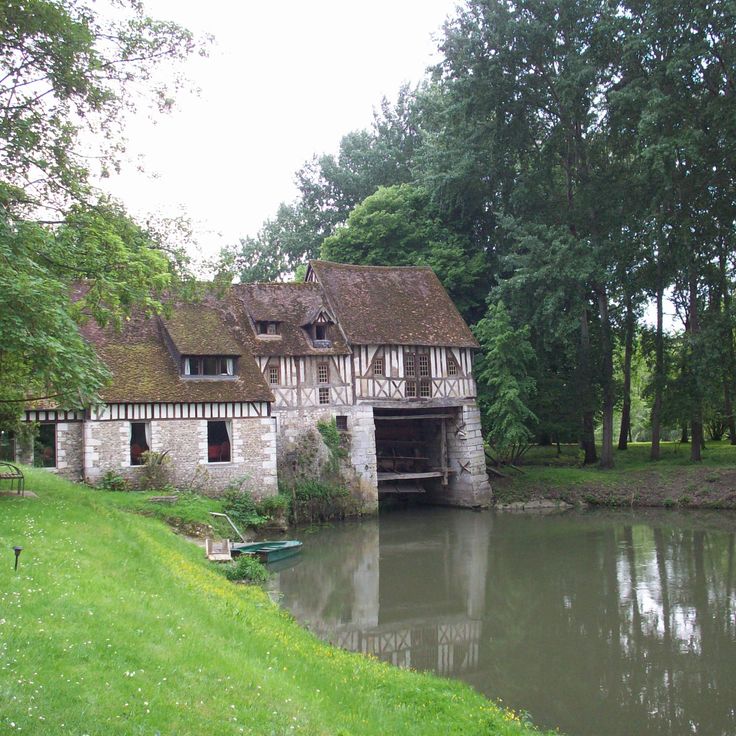
Le Moulin d'Andé is a medieval mill standing since the 12th century on the banks of the Seine. This building now houses a cultural center for artists and musicians. The place brings together the long history of Normandy with contemporary cultural life. Visitors can explore the old walls and observe the active artistic work happening on site.
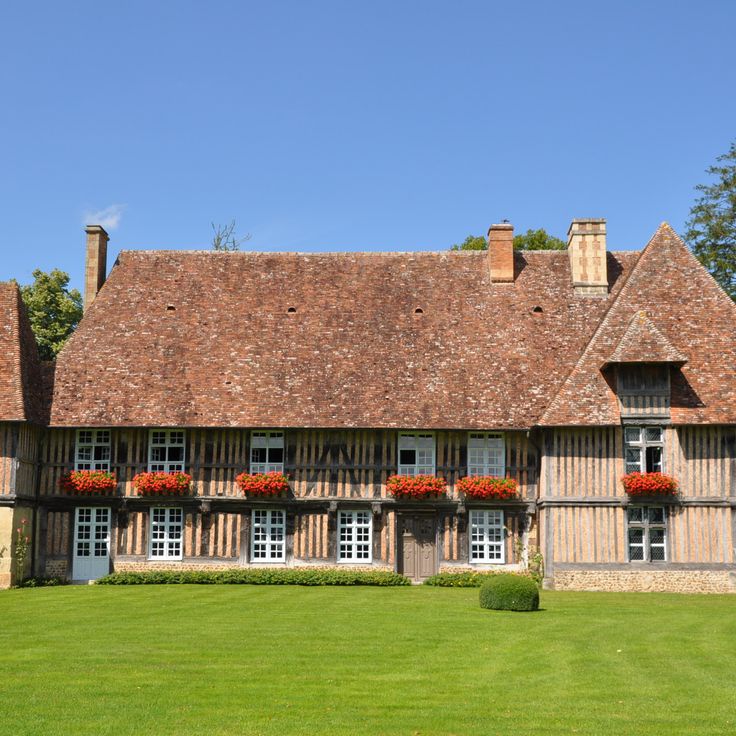
Manoir de Bellou is a 15th-century manor house that stands with its original half-timbered walls and a French-style garden planted with century-old trees. Walking through the rooms reveals layers of medieval design and careful craftsmanship. The garden offers a space to wander among the mature trees and get a sense of how the property has been lived in over the centuries. It is a place where history is woven into the everyday experience of the building.
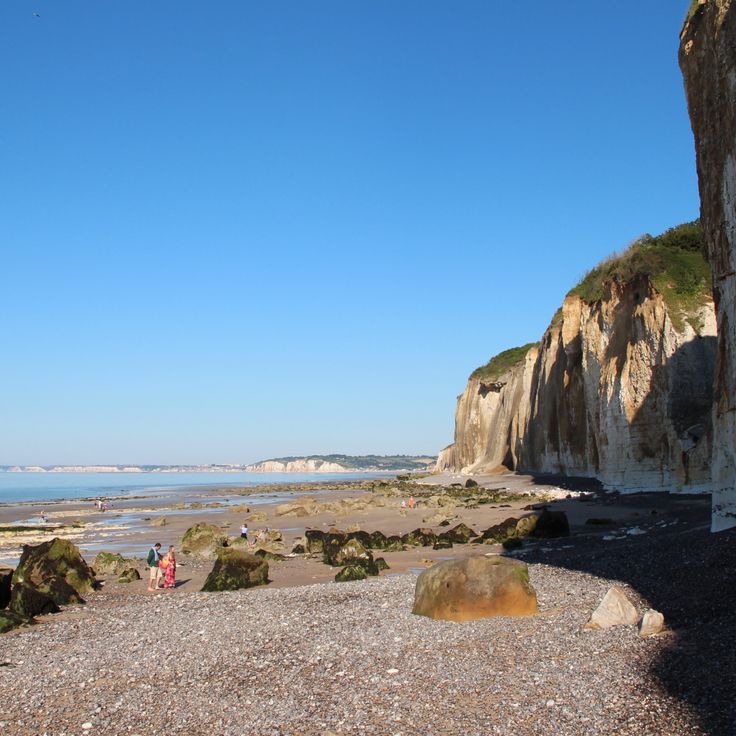
The beach at Varengeville-sur-Mer stretches between chalk cliffs that rise about 260 feet (80 meters) and offers views across the English Channel. The pebble beach is framed by steep cliffs and serves as a place to watch birds that nest in the rocks and fly over the water. Walking along the shore, you become aware of the natural forces that have shaped this landscape. The beach draws visitors who seek the quiet and openness of the sea without large crowds.
The Chapel Saint-Vigor displays Romanesque architecture from the 11th century with medieval wall paintings inside. Situated in a wooded area next to the former abbey, this chapel speaks to the religious history of Normandy through its stone walls and ornamental details.
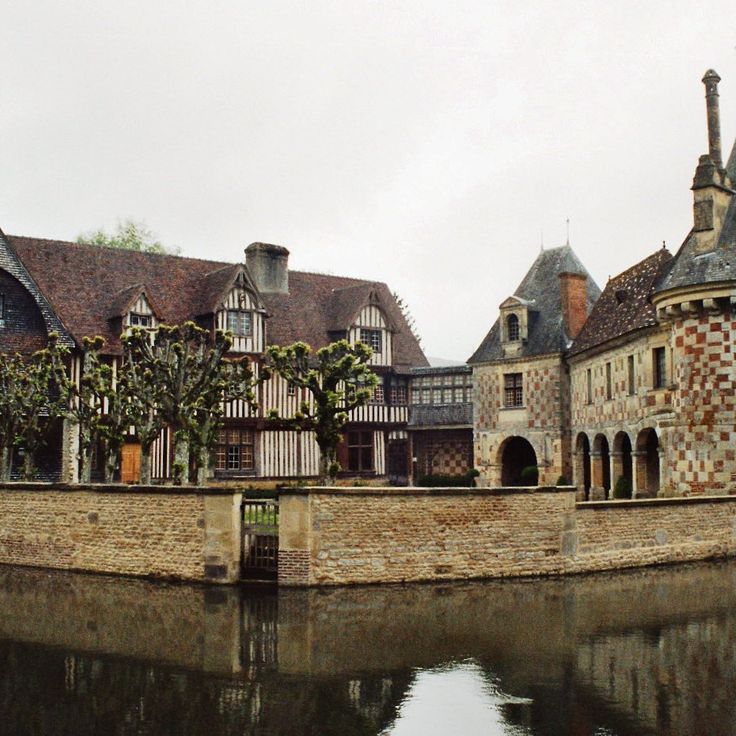
The Château de Saint-Germain-de-Livet is a 16th-century castle that stands out for its distinctive combination of timber framing and glazed brick. The building is surrounded by water-filled moats that have been preserved to this day. The construction shows the craftsmanship of its era and offers insight into the regional building traditions of Normandy. Visitors can explore the architectural details and enjoy the quiet surroundings that frame the castle.
Domaine d'Harcourt is a castle dating back to the 12th century located in Normandy. The estate features an arboretum with more than 500 tree species planted across the grounds. Visitors walk through shaded paths among mature trees, each section showing different varieties and ages of growth. The castle itself stands as a reminder of medieval architecture, while the grounds reveal how nature has been cultivated over centuries. The combination of historic stonework and living trees creates a space where past and present coexist.
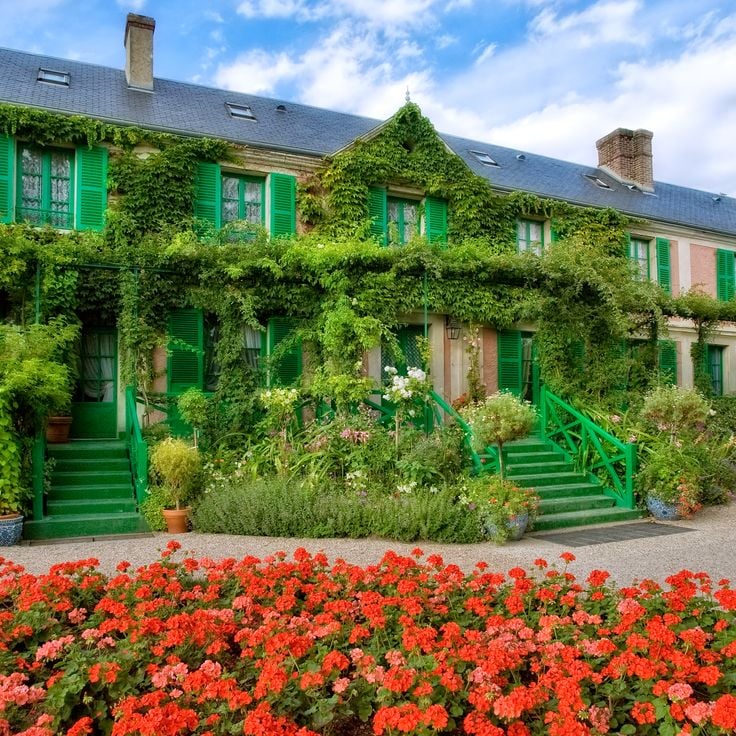
Claude Monet's house in Giverny is a pink building filled with original furnishings. The painter created two gardens here where water lilies bloom. He painted these gardens many times in his most famous works. You can walk through the rooms and see how Monet lived. The gardens show how he studied colors and light and brought them into his art.
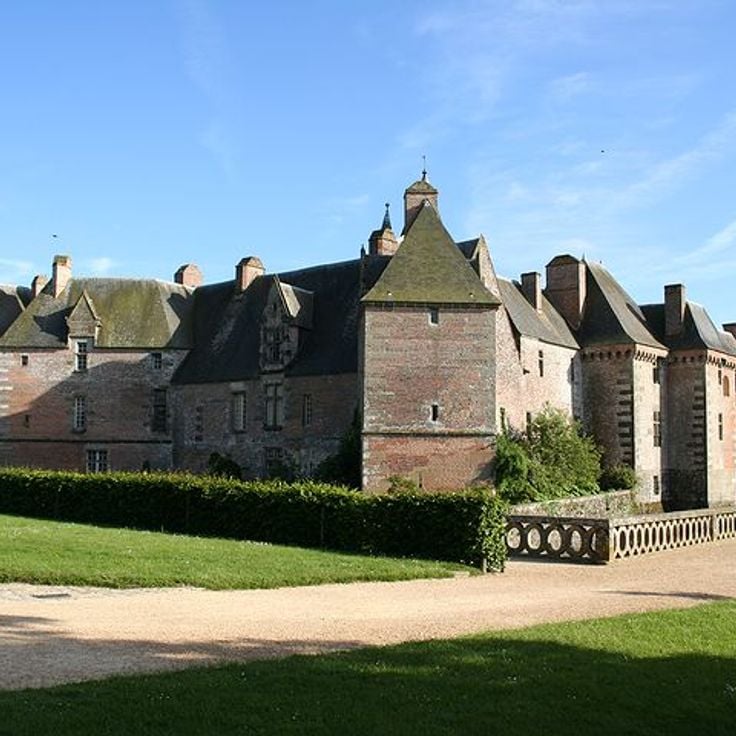
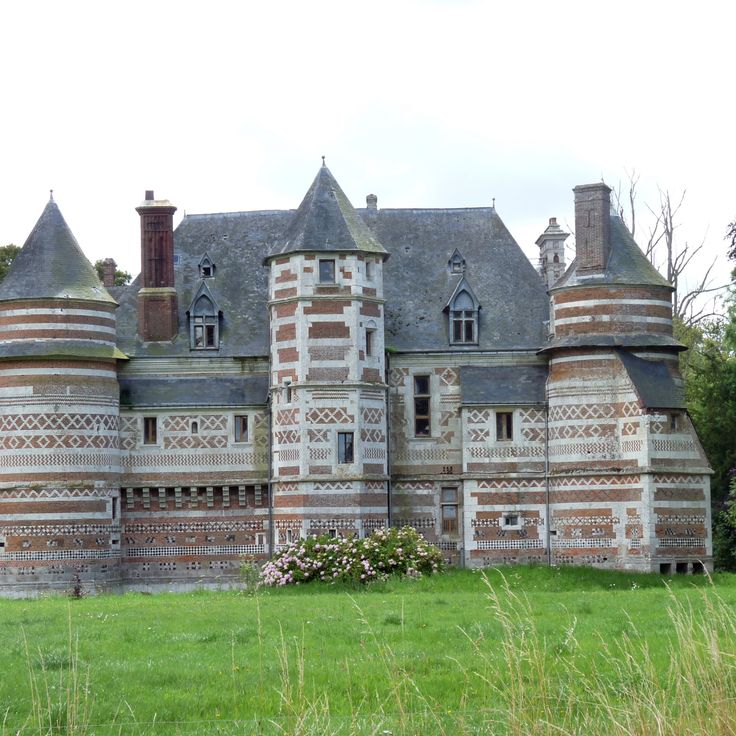
Carrouges Castle displays a facade with geometric patterns made of red brick and white limestone. This building fits into the collection of Normandy's places, where history comes alive in architecture and landscape. The castle invites visitors to observe the careful design of its walls and discover the stories held within its rooms.
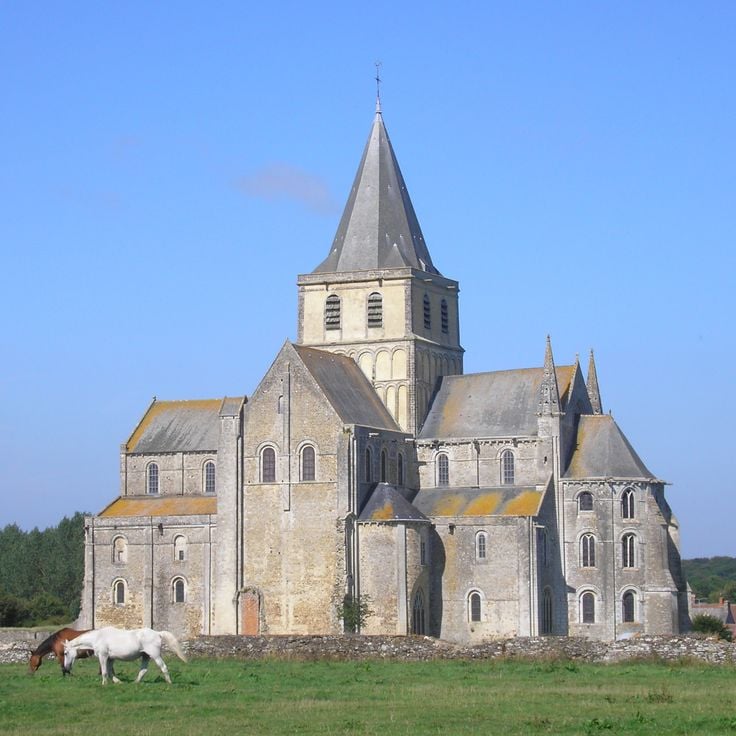
This abbey in Montebourg was built in the 12th century and displays Romanesque architecture through its stone walls and arches. As a religious complex, it has shaped the history of Normandy. Buildings surround a monastic garden that invites exploration. You can walk through the old stone corridors and feel the quiet that has defined this place for centuries. The Abbaye Notre-Dame de Montebourg tells the story of medieval northern France.
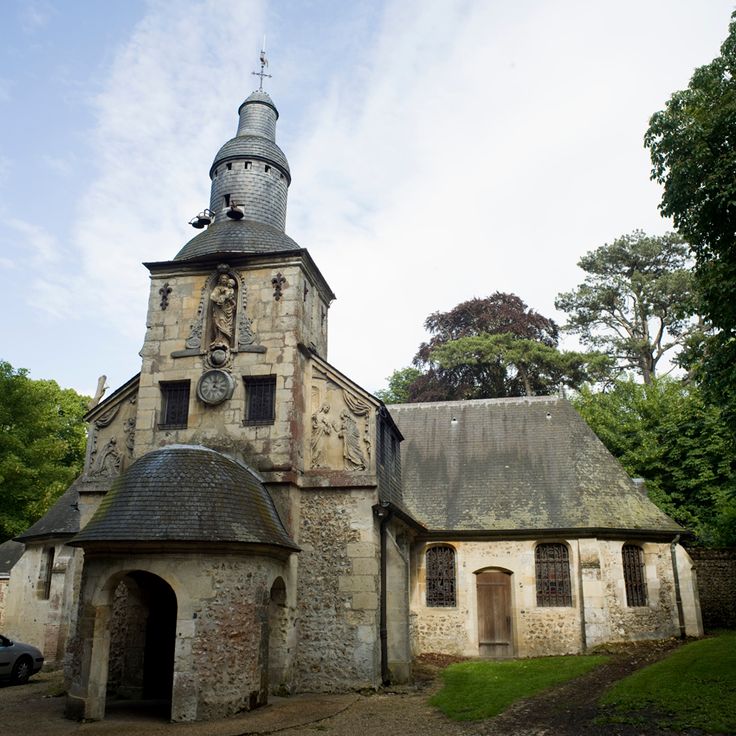
The Chapelle Notre-Dame de Grâce stands on a hilltop above Équemauville, offering wide views of the harbor at Honfleur and the Seine estuary. From this elevated point, you can see the activity of the port and understand the landscape that shaped this region. The chapel draws visitors who enjoy walking uphill to gaze out over the water and shoreline from above.
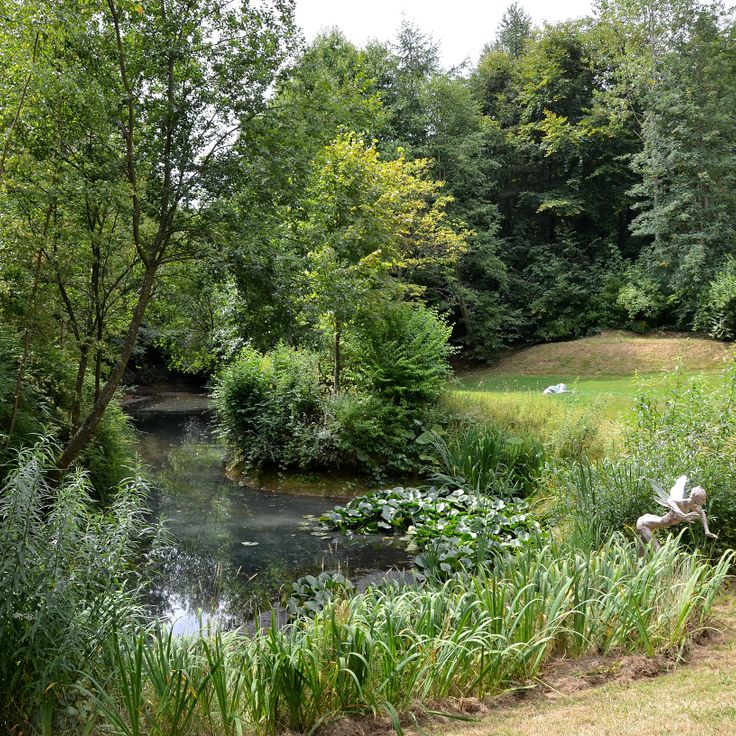
The Jardin des Sculptures in Bois-Guilbert brings together contemporary art and history in a spacious park next to a 17th-century castle. Visitors can walk among the sculptures set within the landscape, discovering how modern artistic creations interact with the natural surroundings and the architectural heritage nearby. This place shows how different eras of human creativity can exist side by side, inviting people to experience art without walls or barriers.
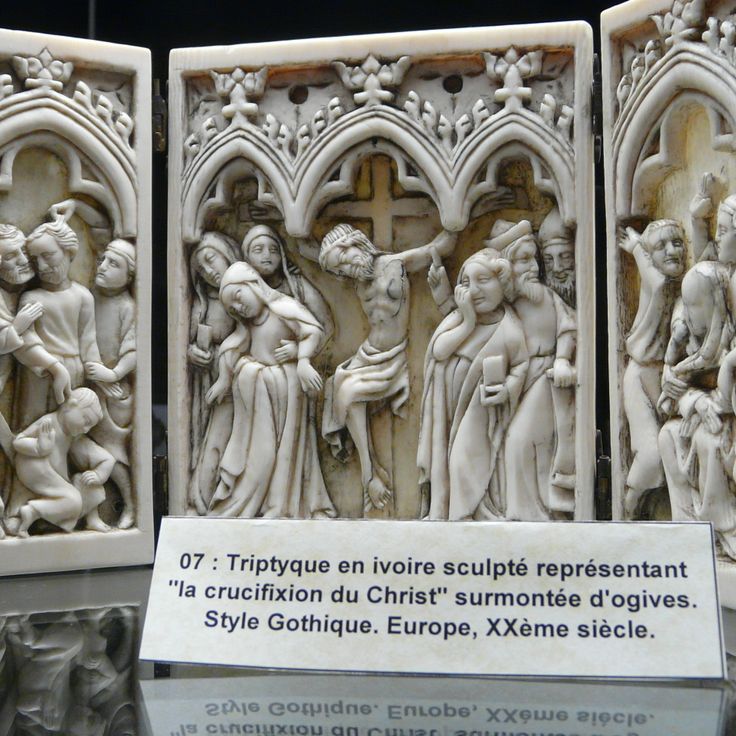
The ivory museum in Yvetot displays over 200 ivory sculptures from different periods arranged in chronological order. The works show how this art form developed across the centuries and allow visitors to trace its evolution. The museum brings together skilled craftsmanship with art history and fits well into Normandy's approach of making history tangible through objects. It offers a view of an art form that is rarely seen in such concentration today.
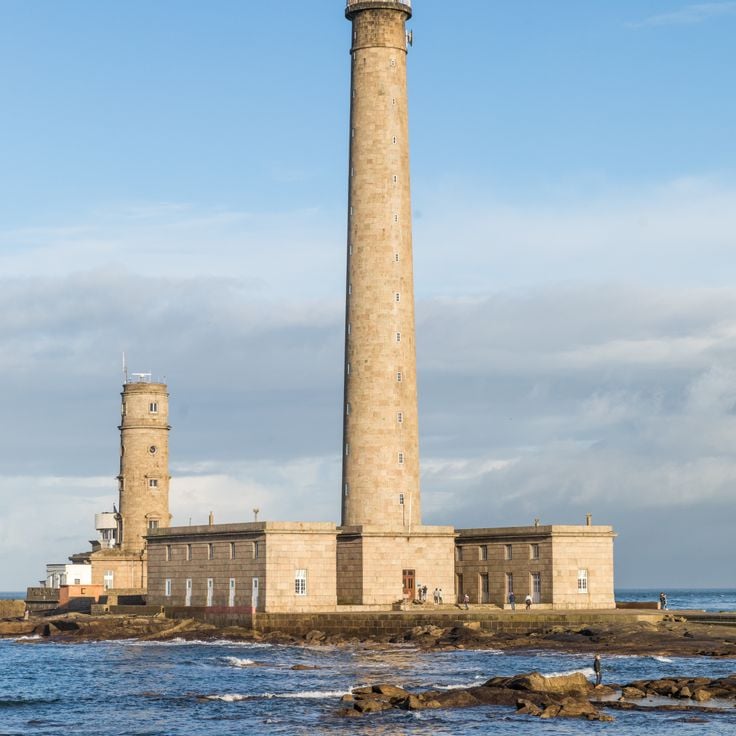
The Gatteville lighthouse is a striking granite structure built in 1835 that rises prominently along the Norman coast. With its distinctive silhouette, it serves as a landmark for seafaring activity in the English Channel. The spiral staircase leads visitors to an observation platform with sweeping views across the water and surrounding coastal lands. This lighthouse tells the story of maritime tradition in Normandy and the region's connection to the sea.
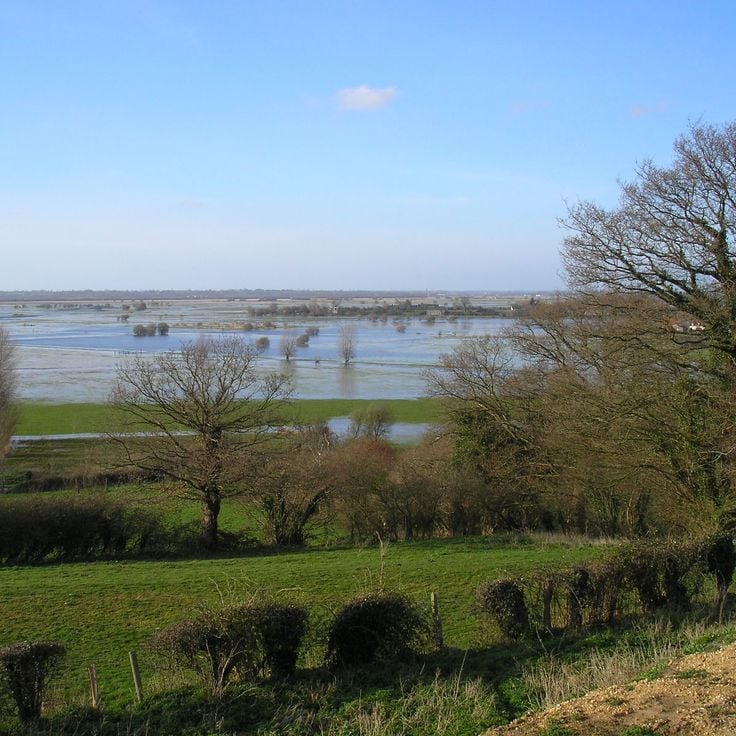
The Parc du Marais in Val-de-Saire is a natural reserve where walking paths take you through wetlands and ponds. Here you can see the plants and animals that live in this region. The marked trails lead you through different habitats, where birds, insects, and water plants thrive. This park is a quiet place to explore the nature of Normandy and learn about the local wildlife.
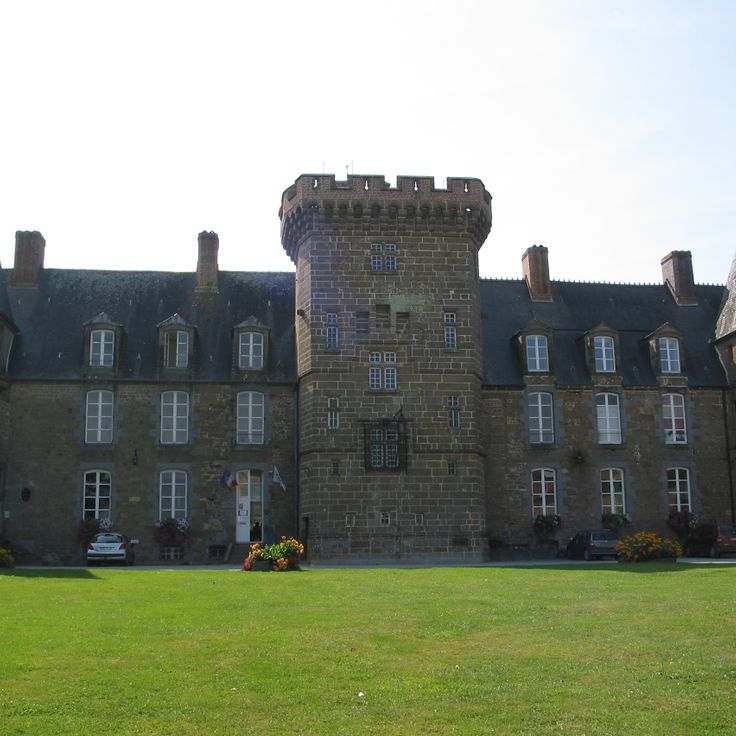
The Château de Rânes is an 18th-century castle that holds an important place in this Normandy collection. Inside, original period furniture and a collection of historical tapestries create a sense of how life unfolded in earlier times. Walking through the rooms, you encounter the traces of past centuries. The castle shows the daily reality of the nobility and preserves pieces that speak to the region's history.
The Chapelle Saint-Michel Mortemer stands among the remains of a medieval Cistercian monastery in a forested setting near Lisors. Built in the 12th century, this chapel shows how monastic life shaped this corner of Normandy. Walking through the ruins, you can see the old stone foundations and walls scattered among the trees. The place feels removed from everyday life, giving you a sense of the quiet existence that once filled these grounds. The forest surrounds the chapel, making it feel like stepping back into another time.
This 16th century manor in Normandy is part of the region's wealth of historical places that deserve your attention. Like other sites in this collection, it combines architectural history with the natural landscape. The manor features formal French gardens with rare plant species, showing how nature has been carefully tended here over centuries. Walking through these gardens, you experience how time moves differently in Normandy's quieter corners.
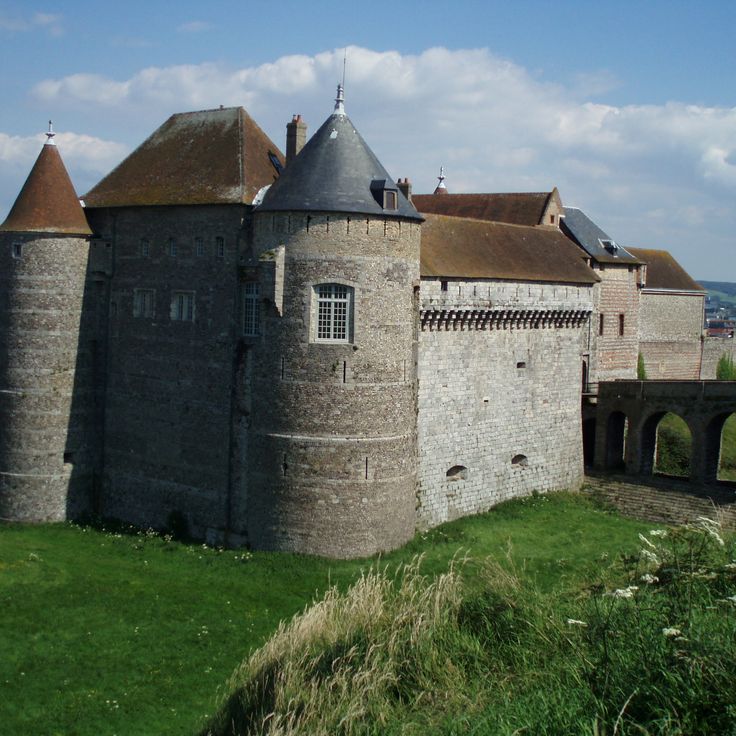
The Château-Musée de Dieppe presents the maritime history of this port city through artwork, ivory carvings from the 19th century, and archaeological discoveries from the region. The castle itself dates back to the Middle Ages and offers visitors insight into Dieppe's connection to the sea. The collections tell stories of trade journeys, craftsmanship, and the daily life of people who shaped this coastal area.
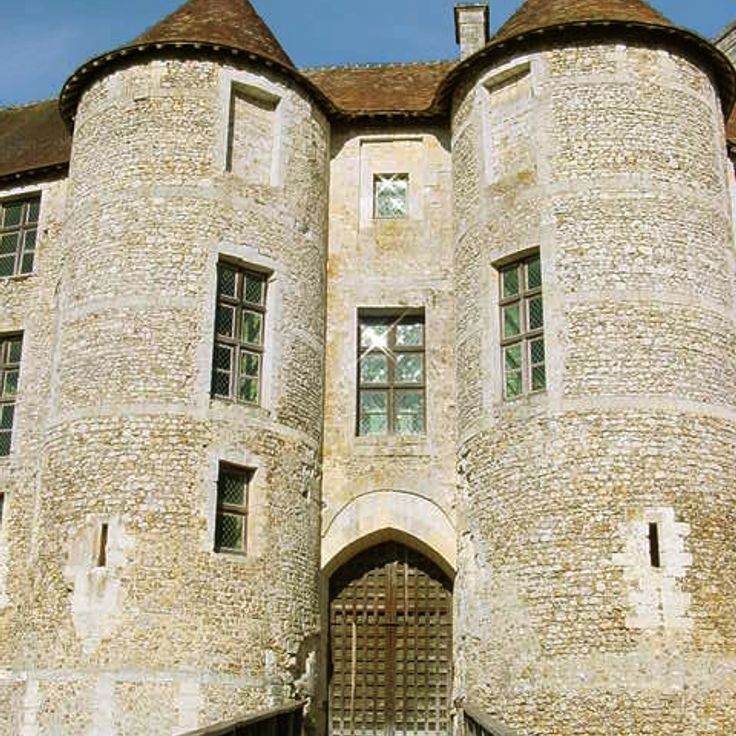
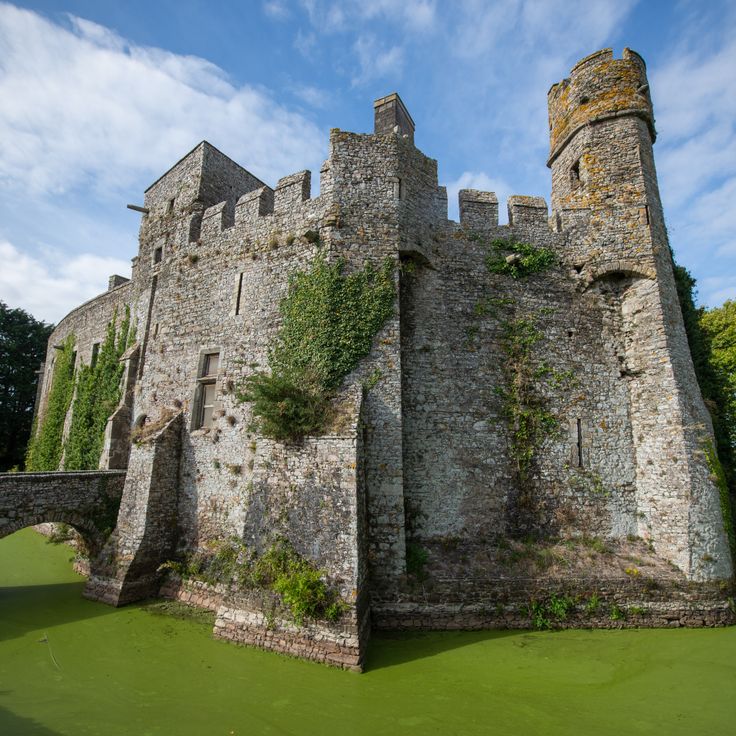
The Pirou Fortress is a 12th-century castle that shows how people lived and defended their lands during medieval times. Its towers still stand tall, and visitors can walk through rooms decorated with period tapestries that tell stories of the past. The moat surrounding the fortress remains intact, revealing how carefully this place was built for protection. Walking through these stone corridors, you get a real sense of what daily life was like centuries ago.
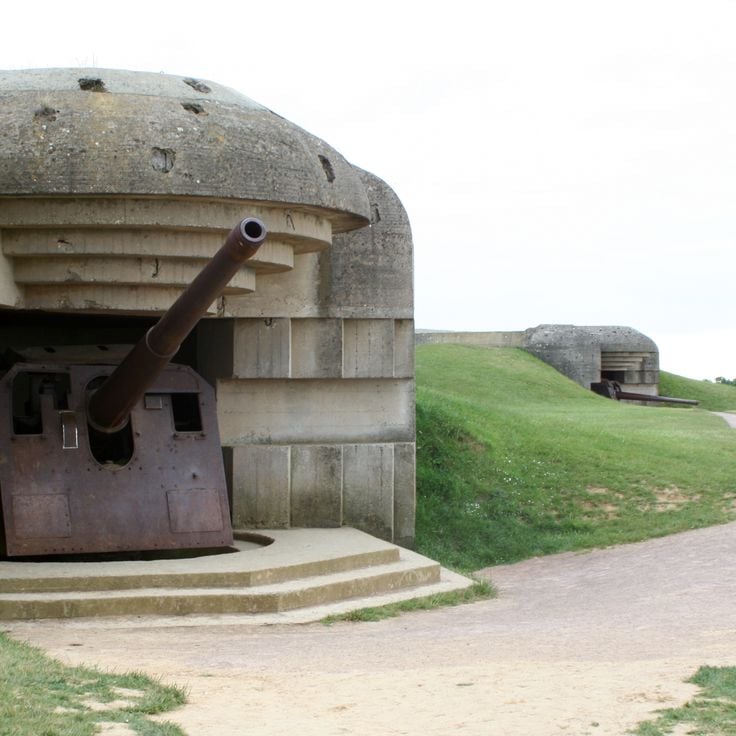
The Batterie de Longues-sur-Mer was a German coastal defense position during World War II. It held four 150mm artillery guns and a reinforced concrete fire control bunker. Walking through the site, you can see how the guns were positioned to defend the shoreline. The bunker walls are thick and solid, built to withstand attacks. Visiting this place gives you a sense of the military structure that once protected this stretch of coast.
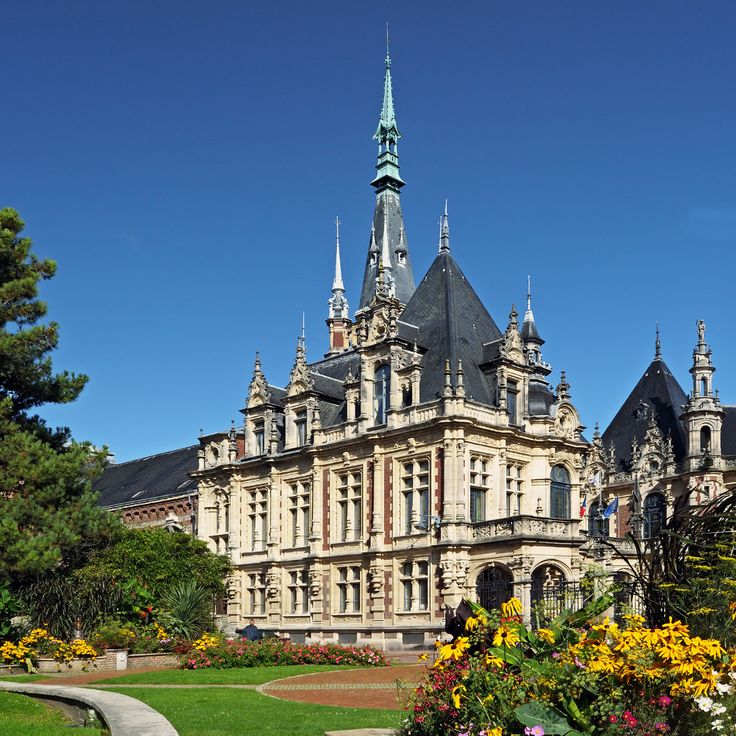
The Palais Bénédictine is a 19th-century building in Fécamp that houses a famous liquor distillery, museum, and art collection. Its architecture blends Gothic and Renaissance styles. Inside, you can see the working distillery where the liqueur is still made, a museum tracing the history of the drink, and rooms displaying artworks. Visitors watch craftspeople at work and learn about traditions that have shaped this place for generations. The building brings together production processes and valuable art in one unexpected setting.
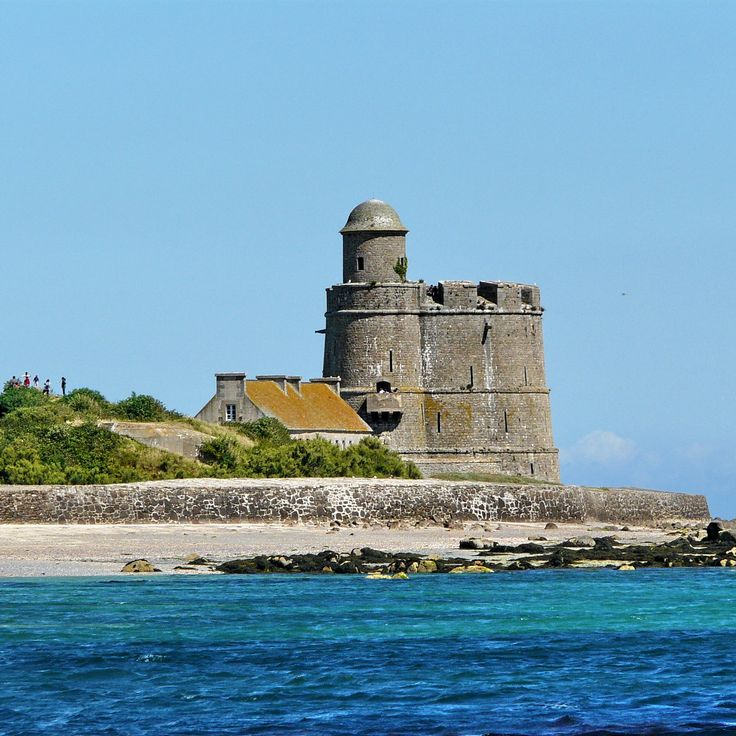
The Vauban Tower on Tatihou Island is a defensive fortification built between 1694 and 1695 according to Vauban's plans. The tower once guarded the bay and stands as an example of military architecture from that era. Visitors can see the structure from the water and understand how coastal defenses worked in the 17th century. The tower reflects the strategic importance of this location and tells the story of how ports were protected during that time.
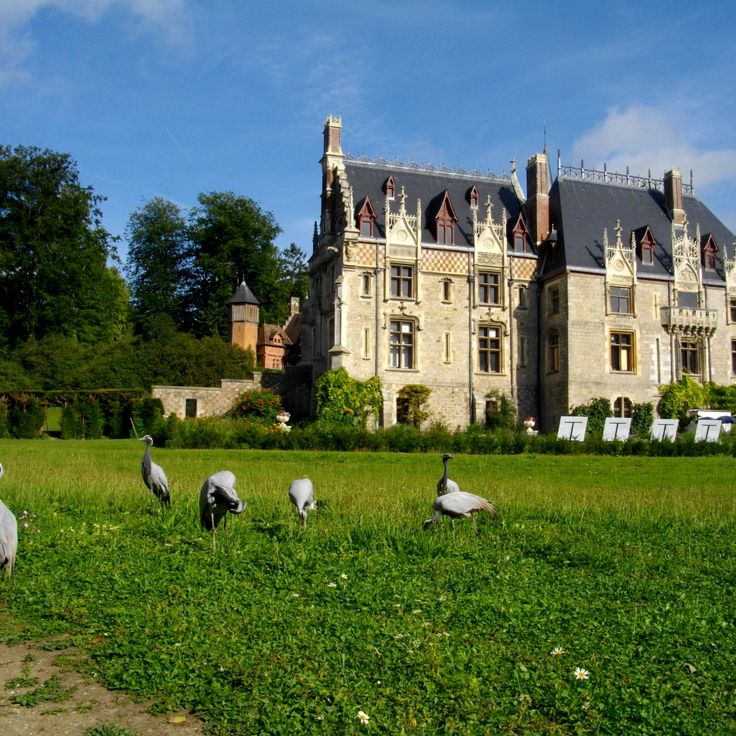
The Parc de Clères features a Renaissance castle surrounded by landscaped gardens that are home to various animal species. Visitors walk through different garden zones, admire the castle's architecture, and observe animals in their natural setting. This place brings together history and nature in a way that invites leisurely exploration.
La Roche d'Oëtre is a granite formation rising 118 meters (387 feet) above the Rouvre valley, offering views of the fields and forests of the region. This site in Normandy shows the natural landscapes that blend history and nature, defining the area. From here, visitors can take in the rural surroundings and see how the land has shaped this part of Normandy.
The Abbey of Saint-Georges de Boscherville is a Romanesque church built in the 11th century with a garden arranged in geometric patterns. Historical stone sculptures line the exterior walls, showing the craftsmanship of earlier times. This place combines religious history with thoughtfully designed gardens and invites quiet exploration.
Les Jardins Suspendus in Le Havre sit on the grounds of a former military fortress. This botanical garden displays plant collections from four continents. As you walk through the beds, you have views over the harbor. The site brings together history and nature. You discover plants from different climates growing on French soil. The suspended gardens are a place where you can linger and feel the openness of the space.
This collegiate church was built in the Gothic style in the 14th century. Inside, medieval statues and original stained glass windows from that period are still preserved. The church shows how religious buildings were designed at that time and how craftspeople used stone and glass. When you step inside, you feel the region's history reflected in every detail. This church fits perfectly into Normandy's collection of hidden historical places, where you can experience the past directly.
The Chateau of Miromesnil is a 17th-century manor that stands in a garden with symmetrical pathways, flower beds, and clipped hedges reflecting classical French garden design. This chateau shows how people of that time shaped their homes and landscapes. With its orderly gardens and solid architecture, it tells of an era that valued order and beauty. The rooms inside and the manicured grounds offer a journey into the past.
Barfleur is a coastal village with stone buildings from medieval times. The harbor holds a working fleet of fishing boats that define daily life here. Walking through its narrow streets, you encounter old facades that speak to centuries of history. This village on the Normandy coast gives visitors a chance to experience fishing traditions and the pace of a working seaside community.
The Parc Naturel Régional des Boucles de la Seine Normande is a large protected area that winds along the Seine River. It contains extensive forests of oak and beech trees, river plains and marshes dotted with apple orchards. The park invites visitors to walk through its natural spaces, away from the noise of towns. Each season brings different colors and moods to the landscape. Walking through the park, you can see how the river has shaped the land over time and how local life has grown around these natural rhythms.
The Priory of Saint-Gabriel-Brécy is a Romanesque religious building from the 12th century, with a cloister. The architectural complex shows Norman style with features typical of the region. The buildings tell of centuries of religious life and craftsmanship. Visitors can explore the old walls and arches that still speak to that distant time.
Lyons Forest is the largest beech forest area in Normandy. It covers a vast expanse and offers marked trails for visitors who want to explore on foot. Walking through the forest paths, you can observe the local plant and animal life. The dense trees create a space where you can step away from everyday life. As the seasons change, the forest displays different colors and feels different. It represents the quiet, natural side of Normandy that this collection highlights.
Le Moulin d'Andé is a medieval mill standing since the 12th century on the banks of the Seine. This building now houses a cultural center for artists and musicians. The place brings together the long history of Normandy with contemporary cultural life. Visitors can explore the old walls and observe the active artistic work happening on site.
Manoir de Bellou is a 15th-century manor house that stands with its original half-timbered walls and a French-style garden planted with century-old trees. Walking through the rooms reveals layers of medieval design and careful craftsmanship. The garden offers a space to wander among the mature trees and get a sense of how the property has been lived in over the centuries. It is a place where history is woven into the everyday experience of the building.
The beach at Varengeville-sur-Mer stretches between chalk cliffs that rise about 260 feet (80 meters) and offers views across the English Channel. The pebble beach is framed by steep cliffs and serves as a place to watch birds that nest in the rocks and fly over the water. Walking along the shore, you become aware of the natural forces that have shaped this landscape. The beach draws visitors who seek the quiet and openness of the sea without large crowds.
The Chapel Saint-Vigor displays Romanesque architecture from the 11th century with medieval wall paintings inside. Situated in a wooded area next to the former abbey, this chapel speaks to the religious history of Normandy through its stone walls and ornamental details.
The Château de Saint-Germain-de-Livet is a 16th-century castle that stands out for its distinctive combination of timber framing and glazed brick. The building is surrounded by water-filled moats that have been preserved to this day. The construction shows the craftsmanship of its era and offers insight into the regional building traditions of Normandy. Visitors can explore the architectural details and enjoy the quiet surroundings that frame the castle.
Domaine d'Harcourt is a castle dating back to the 12th century located in Normandy. The estate features an arboretum with more than 500 tree species planted across the grounds. Visitors walk through shaded paths among mature trees, each section showing different varieties and ages of growth. The castle itself stands as a reminder of medieval architecture, while the grounds reveal how nature has been cultivated over centuries. The combination of historic stonework and living trees creates a space where past and present coexist.
Claude Monet's house in Giverny is a pink building filled with original furnishings. The painter created two gardens here where water lilies bloom. He painted these gardens many times in his most famous works. You can walk through the rooms and see how Monet lived. The gardens show how he studied colors and light and brought them into his art.
Carrouges Castle displays a facade with geometric patterns made of red brick and white limestone. This building fits into the collection of Normandy's places, where history comes alive in architecture and landscape. The castle invites visitors to observe the careful design of its walls and discover the stories held within its rooms.
This abbey in Montebourg was built in the 12th century and displays Romanesque architecture through its stone walls and arches. As a religious complex, it has shaped the history of Normandy. Buildings surround a monastic garden that invites exploration. You can walk through the old stone corridors and feel the quiet that has defined this place for centuries. The Abbaye Notre-Dame de Montebourg tells the story of medieval northern France.
The Chapelle Notre-Dame de Grâce stands on a hilltop above Équemauville, offering wide views of the harbor at Honfleur and the Seine estuary. From this elevated point, you can see the activity of the port and understand the landscape that shaped this region. The chapel draws visitors who enjoy walking uphill to gaze out over the water and shoreline from above.
The Jardin des Sculptures in Bois-Guilbert brings together contemporary art and history in a spacious park next to a 17th-century castle. Visitors can walk among the sculptures set within the landscape, discovering how modern artistic creations interact with the natural surroundings and the architectural heritage nearby. This place shows how different eras of human creativity can exist side by side, inviting people to experience art without walls or barriers.
The ivory museum in Yvetot displays over 200 ivory sculptures from different periods arranged in chronological order. The works show how this art form developed across the centuries and allow visitors to trace its evolution. The museum brings together skilled craftsmanship with art history and fits well into Normandy's approach of making history tangible through objects. It offers a view of an art form that is rarely seen in such concentration today.
The Gatteville lighthouse is a striking granite structure built in 1835 that rises prominently along the Norman coast. With its distinctive silhouette, it serves as a landmark for seafaring activity in the English Channel. The spiral staircase leads visitors to an observation platform with sweeping views across the water and surrounding coastal lands. This lighthouse tells the story of maritime tradition in Normandy and the region's connection to the sea.
The Parc du Marais in Val-de-Saire is a natural reserve where walking paths take you through wetlands and ponds. Here you can see the plants and animals that live in this region. The marked trails lead you through different habitats, where birds, insects, and water plants thrive. This park is a quiet place to explore the nature of Normandy and learn about the local wildlife.
The Château de Rânes is an 18th-century castle that holds an important place in this Normandy collection. Inside, original period furniture and a collection of historical tapestries create a sense of how life unfolded in earlier times. Walking through the rooms, you encounter the traces of past centuries. The castle shows the daily reality of the nobility and preserves pieces that speak to the region's history.
The Chapelle Saint-Michel Mortemer stands among the remains of a medieval Cistercian monastery in a forested setting near Lisors. Built in the 12th century, this chapel shows how monastic life shaped this corner of Normandy. Walking through the ruins, you can see the old stone foundations and walls scattered among the trees. The place feels removed from everyday life, giving you a sense of the quiet existence that once filled these grounds. The forest surrounds the chapel, making it feel like stepping back into another time.
This 16th century manor in Normandy is part of the region's wealth of historical places that deserve your attention. Like other sites in this collection, it combines architectural history with the natural landscape. The manor features formal French gardens with rare plant species, showing how nature has been carefully tended here over centuries. Walking through these gardens, you experience how time moves differently in Normandy's quieter corners.
The Château-Musée de Dieppe presents the maritime history of this port city through artwork, ivory carvings from the 19th century, and archaeological discoveries from the region. The castle itself dates back to the Middle Ages and offers visitors insight into Dieppe's connection to the sea. The collections tell stories of trade journeys, craftsmanship, and the daily life of people who shaped this coastal area.
The Pirou Fortress is a 12th-century castle that shows how people lived and defended their lands during medieval times. Its towers still stand tall, and visitors can walk through rooms decorated with period tapestries that tell stories of the past. The moat surrounding the fortress remains intact, revealing how carefully this place was built for protection. Walking through these stone corridors, you get a real sense of what daily life was like centuries ago.
The Batterie de Longues-sur-Mer was a German coastal defense position during World War II. It held four 150mm artillery guns and a reinforced concrete fire control bunker. Walking through the site, you can see how the guns were positioned to defend the shoreline. The bunker walls are thick and solid, built to withstand attacks. Visiting this place gives you a sense of the military structure that once protected this stretch of coast.
The Palais Bénédictine is a 19th-century building in Fécamp that houses a famous liquor distillery, museum, and art collection. Its architecture blends Gothic and Renaissance styles. Inside, you can see the working distillery where the liqueur is still made, a museum tracing the history of the drink, and rooms displaying artworks. Visitors watch craftspeople at work and learn about traditions that have shaped this place for generations. The building brings together production processes and valuable art in one unexpected setting.
The Vauban Tower on Tatihou Island is a defensive fortification built between 1694 and 1695 according to Vauban's plans. The tower once guarded the bay and stands as an example of military architecture from that era. Visitors can see the structure from the water and understand how coastal defenses worked in the 17th century. The tower reflects the strategic importance of this location and tells the story of how ports were protected during that time.
The Parc de Clères features a Renaissance castle surrounded by landscaped gardens that are home to various animal species. Visitors walk through different garden zones, admire the castle's architecture, and observe animals in their natural setting. This place brings together history and nature in a way that invites leisurely exploration.
La Roche d'Oëtre is a granite formation rising 118 meters (387 feet) above the Rouvre valley, offering views of the fields and forests of the region. This site in Normandy shows the natural landscapes that blend history and nature, defining the area. From here, visitors can take in the rural surroundings and see how the land has shaped this part of Normandy.
The Abbey of Saint-Georges de Boscherville is a Romanesque church built in the 11th century with a garden arranged in geometric patterns. Historical stone sculptures line the exterior walls, showing the craftsmanship of earlier times. This place combines religious history with thoughtfully designed gardens and invites quiet exploration.
Les Jardins Suspendus in Le Havre sit on the grounds of a former military fortress. This botanical garden displays plant collections from four continents. As you walk through the beds, you have views over the harbor. The site brings together history and nature. You discover plants from different climates growing on French soil. The suspended gardens are a place where you can linger and feel the openness of the space.
This collegiate church was built in the Gothic style in the 14th century. Inside, medieval statues and original stained glass windows from that period are still preserved. The church shows how religious buildings were designed at that time and how craftspeople used stone and glass. When you step inside, you feel the region's history reflected in every detail. This church fits perfectly into Normandy's collection of hidden historical places, where you can experience the past directly.
The Chateau of Miromesnil is a 17th-century manor that stands in a garden with symmetrical pathways, flower beds, and clipped hedges reflecting classical French garden design. This chateau shows how people of that time shaped their homes and landscapes. With its orderly gardens and solid architecture, it tells of an era that valued order and beauty. The rooms inside and the manicured grounds offer a journey into the past.
Barfleur is a coastal village with stone buildings from medieval times. The harbor holds a working fleet of fishing boats that define daily life here. Walking through its narrow streets, you encounter old facades that speak to centuries of history. This village on the Normandy coast gives visitors a chance to experience fishing traditions and the pace of a working seaside community.
The Parc Naturel Régional des Boucles de la Seine Normande is a large protected area that winds along the Seine River. It contains extensive forests of oak and beech trees, river plains and marshes dotted with apple orchards. The park invites visitors to walk through its natural spaces, away from the noise of towns. Each season brings different colors and moods to the landscape. Walking through the park, you can see how the river has shaped the land over time and how local life has grown around these natural rhythms.
The Priory of Saint-Gabriel-Brécy is a Romanesque religious building from the 12th century, with a cloister. The architectural complex shows Norman style with features typical of the region. The buildings tell of centuries of religious life and craftsmanship. Visitors can explore the old walls and arches that still speak to that distant time.
Lyons Forest is the largest beech forest area in Normandy. It covers a vast expanse and offers marked trails for visitors who want to explore on foot. Walking through the forest paths, you can observe the local plant and animal life. The dense trees create a space where you can step away from everyday life. As the seasons change, the forest displays different colors and feels different. It represents the quiet, natural side of Normandy that this collection highlights.
Le Moulin d'Andé is a medieval mill standing since the 12th century on the banks of the Seine. This building now houses a cultural center for artists and musicians. The place brings together the long history of Normandy with contemporary cultural life. Visitors can explore the old walls and observe the active artistic work happening on site.
Manoir de Bellou is a 15th-century manor house that stands with its original half-timbered walls and a French-style garden planted with century-old trees. Walking through the rooms reveals layers of medieval design and careful craftsmanship. The garden offers a space to wander among the mature trees and get a sense of how the property has been lived in over the centuries. It is a place where history is woven into the everyday experience of the building.
The beach at Varengeville-sur-Mer stretches between chalk cliffs that rise about 260 feet (80 meters) and offers views across the English Channel. The pebble beach is framed by steep cliffs and serves as a place to watch birds that nest in the rocks and fly over the water. Walking along the shore, you become aware of the natural forces that have shaped this landscape. The beach draws visitors who seek the quiet and openness of the sea without large crowds.
The Chapel Saint-Vigor displays Romanesque architecture from the 11th century with medieval wall paintings inside. Situated in a wooded area next to the former abbey, this chapel speaks to the religious history of Normandy through its stone walls and ornamental details.
The Château de Saint-Germain-de-Livet is a 16th-century castle that stands out for its distinctive combination of timber framing and glazed brick. The building is surrounded by water-filled moats that have been preserved to this day. The construction shows the craftsmanship of its era and offers insight into the regional building traditions of Normandy. Visitors can explore the architectural details and enjoy the quiet surroundings that frame the castle.
Domaine d'Harcourt is a castle dating back to the 12th century located in Normandy. The estate features an arboretum with more than 500 tree species planted across the grounds. Visitors walk through shaded paths among mature trees, each section showing different varieties and ages of growth. The castle itself stands as a reminder of medieval architecture, while the grounds reveal how nature has been cultivated over centuries. The combination of historic stonework and living trees creates a space where past and present coexist.
Claude Monet's house in Giverny is a pink building filled with original furnishings. The painter created two gardens here where water lilies bloom. He painted these gardens many times in his most famous works. You can walk through the rooms and see how Monet lived. The gardens show how he studied colors and light and brought them into his art.
Carrouges Castle displays a facade with geometric patterns made of red brick and white limestone. This building fits into the collection of Normandy's places, where history comes alive in architecture and landscape. The castle invites visitors to observe the careful design of its walls and discover the stories held within its rooms.
This abbey in Montebourg was built in the 12th century and displays Romanesque architecture through its stone walls and arches. As a religious complex, it has shaped the history of Normandy. Buildings surround a monastic garden that invites exploration. You can walk through the old stone corridors and feel the quiet that has defined this place for centuries. The Abbaye Notre-Dame de Montebourg tells the story of medieval northern France.
The Chapelle Notre-Dame de Grâce stands on a hilltop above Équemauville, offering wide views of the harbor at Honfleur and the Seine estuary. From this elevated point, you can see the activity of the port and understand the landscape that shaped this region. The chapel draws visitors who enjoy walking uphill to gaze out over the water and shoreline from above.
The Jardin des Sculptures in Bois-Guilbert brings together contemporary art and history in a spacious park next to a 17th-century castle. Visitors can walk among the sculptures set within the landscape, discovering how modern artistic creations interact with the natural surroundings and the architectural heritage nearby. This place shows how different eras of human creativity can exist side by side, inviting people to experience art without walls or barriers.
The ivory museum in Yvetot displays over 200 ivory sculptures from different periods arranged in chronological order. The works show how this art form developed across the centuries and allow visitors to trace its evolution. The museum brings together skilled craftsmanship with art history and fits well into Normandy's approach of making history tangible through objects. It offers a view of an art form that is rarely seen in such concentration today.
The Gatteville lighthouse is a striking granite structure built in 1835 that rises prominently along the Norman coast. With its distinctive silhouette, it serves as a landmark for seafaring activity in the English Channel. The spiral staircase leads visitors to an observation platform with sweeping views across the water and surrounding coastal lands. This lighthouse tells the story of maritime tradition in Normandy and the region's connection to the sea.
The Parc du Marais in Val-de-Saire is a natural reserve where walking paths take you through wetlands and ponds. Here you can see the plants and animals that live in this region. The marked trails lead you through different habitats, where birds, insects, and water plants thrive. This park is a quiet place to explore the nature of Normandy and learn about the local wildlife.
The Château de Rânes is an 18th-century castle that holds an important place in this Normandy collection. Inside, original period furniture and a collection of historical tapestries create a sense of how life unfolded in earlier times. Walking through the rooms, you encounter the traces of past centuries. The castle shows the daily reality of the nobility and preserves pieces that speak to the region's history.
The Chapelle Saint-Michel Mortemer stands among the remains of a medieval Cistercian monastery in a forested setting near Lisors. Built in the 12th century, this chapel shows how monastic life shaped this corner of Normandy. Walking through the ruins, you can see the old stone foundations and walls scattered among the trees. The place feels removed from everyday life, giving you a sense of the quiet existence that once filled these grounds. The forest surrounds the chapel, making it feel like stepping back into another time.
This 16th century manor in Normandy is part of the region's wealth of historical places that deserve your attention. Like other sites in this collection, it combines architectural history with the natural landscape. The manor features formal French gardens with rare plant species, showing how nature has been carefully tended here over centuries. Walking through these gardens, you experience how time moves differently in Normandy's quieter corners.
The Château-Musée de Dieppe presents the maritime history of this port city through artwork, ivory carvings from the 19th century, and archaeological discoveries from the region. The castle itself dates back to the Middle Ages and offers visitors insight into Dieppe's connection to the sea. The collections tell stories of trade journeys, craftsmanship, and the daily life of people who shaped this coastal area.
The Pirou Fortress is a 12th-century castle that shows how people lived and defended their lands during medieval times. Its towers still stand tall, and visitors can walk through rooms decorated with period tapestries that tell stories of the past. The moat surrounding the fortress remains intact, revealing how carefully this place was built for protection. Walking through these stone corridors, you get a real sense of what daily life was like centuries ago.
The Batterie de Longues-sur-Mer was a German coastal defense position during World War II. It held four 150mm artillery guns and a reinforced concrete fire control bunker. Walking through the site, you can see how the guns were positioned to defend the shoreline. The bunker walls are thick and solid, built to withstand attacks. Visiting this place gives you a sense of the military structure that once protected this stretch of coast.
The Palais Bénédictine is a 19th-century building in Fécamp that houses a famous liquor distillery, museum, and art collection. Its architecture blends Gothic and Renaissance styles. Inside, you can see the working distillery where the liqueur is still made, a museum tracing the history of the drink, and rooms displaying artworks. Visitors watch craftspeople at work and learn about traditions that have shaped this place for generations. The building brings together production processes and valuable art in one unexpected setting.
The Vauban Tower on Tatihou Island is a defensive fortification built between 1694 and 1695 according to Vauban's plans. The tower once guarded the bay and stands as an example of military architecture from that era. Visitors can see the structure from the water and understand how coastal defenses worked in the 17th century. The tower reflects the strategic importance of this location and tells the story of how ports were protected during that time.
The Parc de Clères features a Renaissance castle surrounded by landscaped gardens that are home to various animal species. Visitors walk through different garden zones, admire the castle's architecture, and observe animals in their natural setting. This place brings together history and nature in a way that invites leisurely exploration.