The Mississippi tells stories from many centuries through its old buildings, museums about civil rights, and remnants of native cultures that line its land.
Mississippi preserves sites that trace the state's history from indigenous settlements through the Civil War and the civil rights movement. The Windsor Ruins stand as remnants of an antebellum mansion, while the Old Capitol Museum documents legislative history. The Mississippi Civil Rights Museum in Jackson presents the struggle for racial equality, and the Delta Blues Museum in Clarksdale explores the origins of American blues music. Visitors can examine the Grand Village of the Natchez Indians and Winterville Mounds, which provide evidence of precolonial cultures.
Natural areas range from the pine forests of De Soto National Forest to the coastal waters surrounding Ship Island. Tishomingo State Park offers trails through forested hills, while Noxubee National Wildlife Refuge protects habitat for migratory birds. Cultural sites such as Rowan Oak, William Faulkner's residence, and Longwood, an unfinished octagonal mansion in Natchez, complement the historical and natural attractions across the state.
The Mississippi tells stories from many centuries through its old buildings, museums about civil rights, and remnants of native cultures that line its land.
Mississippi preserves sites that trace the state's history from indigenous settlements through the Civil War and the civil rights movement. The Windsor Ruins stand as remnants of an antebellum mansion, while the Old Capitol Museum documents legislative history. The Mississippi Civil Rights Museum in Jackson presents the struggle for racial equality, and the Delta Blues Museum in Clarksdale explores the origins of American blues music. Visitors can examine the Grand Village of the Natchez Indians and Winterville Mounds, which provide evidence of precolonial cultures.
Natural areas range from the pine forests of De Soto National Forest to the coastal waters surrounding Ship Island. Tishomingo State Park offers trails through forested hills, while Noxubee National Wildlife Refuge protects habitat for migratory birds. Cultural sites such as Rowan Oak, William Faulkner's residence, and Longwood, an unfinished octagonal mansion in Natchez, complement the historical and natural attractions across the state.
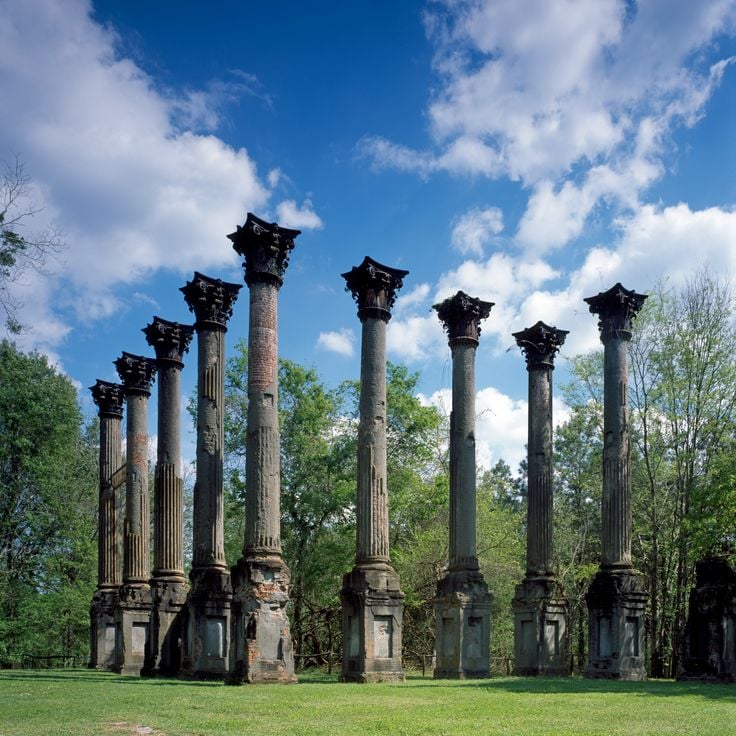
These 23 Greek Revival columns are the remains of a four-story mansion built in 1861 that burned down in 1890 after a guest dropped a cigar. The Windsor Ruins stand on the site of what was once among the largest antebellum estates in Mississippi, located in rural Claiborne County. The Corinthian columns rise approximately 45 feet (13.7 meters) and now frame only open sky and surrounding forest. During the Civil War, the intact mansion served briefly as an observation post for Confederate forces and later as a Union hospital.
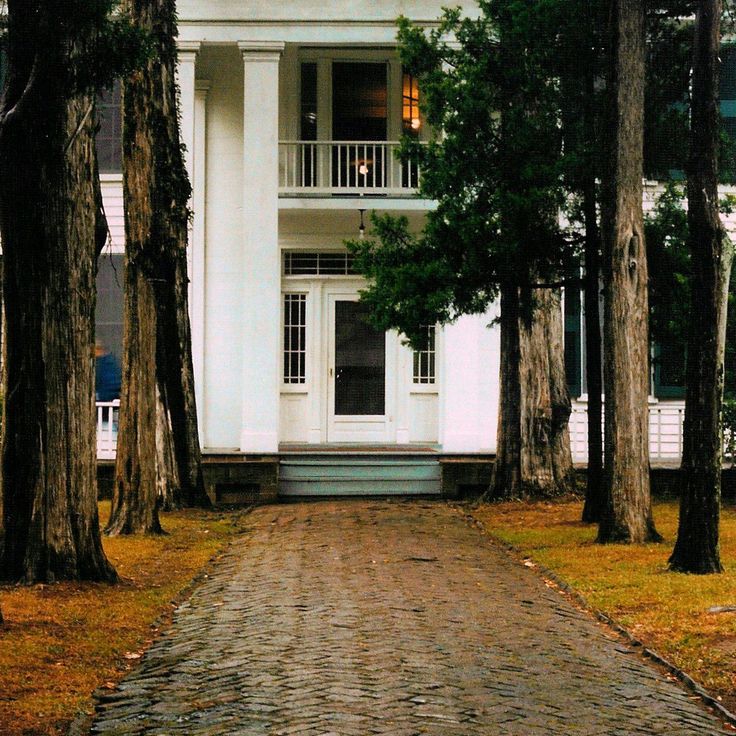
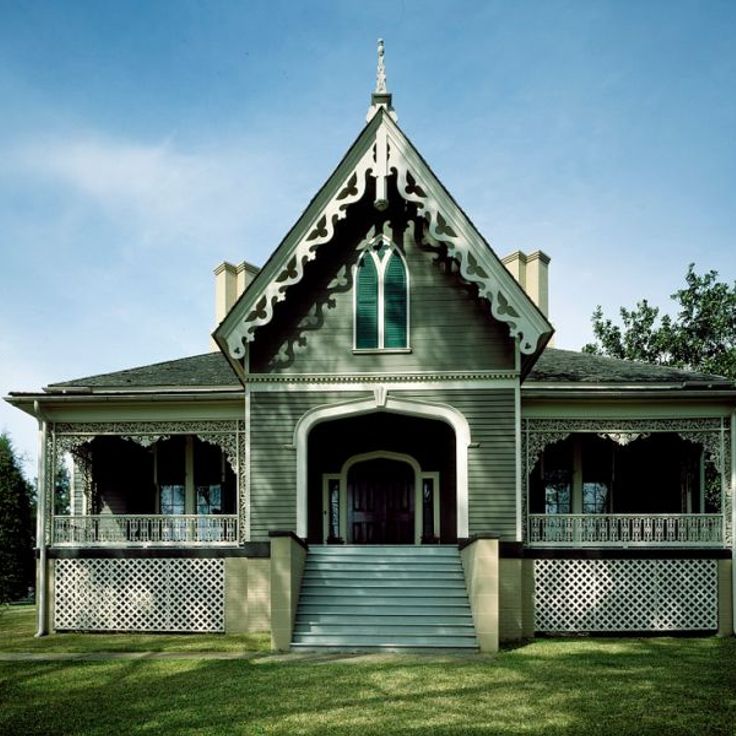
This 1840s farmhouse served as home to Nobel Prize winner William Faulkner for 32 years until his death in 1962, illustrating Mississippi's literary heritage through preserved rooms and personal belongings. The collection features historical landmarks and natural sites across the state, presenting regional heritage from Windsor Ruins to the Old Capitol Museum while documenting cultural and natural landscapes.
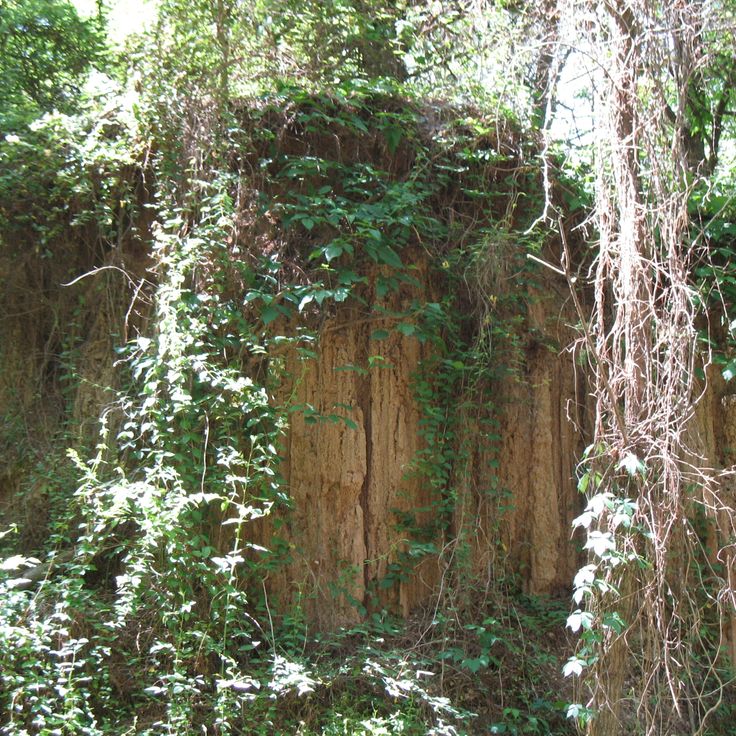
This state park contains red sandstone formations and geological specimens from the Paleozoic era. The rock formations document the region's geological development over millions of years. Trails wind through forested valleys and along rock faces. The site complements Mississippi's historical landmarks through its natural landscapes and provides contrast to the cultural heritage sites found elsewhere in the state.
This 64-foot cast iron tower was manufactured in Baltimore and erected on the Gulf Coast in 1848. The lighthouse stands directly on U.S. Highway 90 and marks the harbor entrance to Biloxi. Originally painted black, the structure has been repainted in various colors over the years and now serves as a city landmark. Visitors can trace the history of coastal navigation and the region through this enduring monument.
This cemetery established in 1849 in Columbus holds graves of Union and Confederate soldiers from the Civil War. In 1866, local women decorated all graves with flowers, an act recognized as an origin of Memorial Day. The site documents Civil War history in Mississippi and demonstrates the regional importance of reconciliation after the conflict. Visitors find gravestones from the mid-19th century and can trace the development of burial practices in the American South through the monuments and inscriptions preserved here.
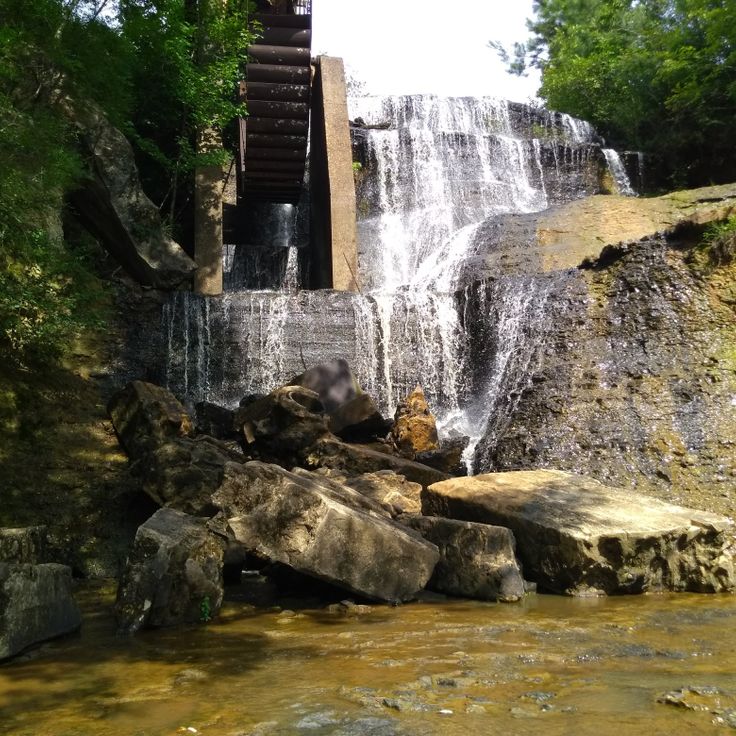
This waterfall drops 65 feet (20 meters) into Chunky River and forms a natural focal point in the region. A 19th-century water mill stands on the bank and documents the early industrial use of water power in Mississippi. The site connects geological formation with regional settlement history and demonstrates the practical importance of such locations for the state's development.
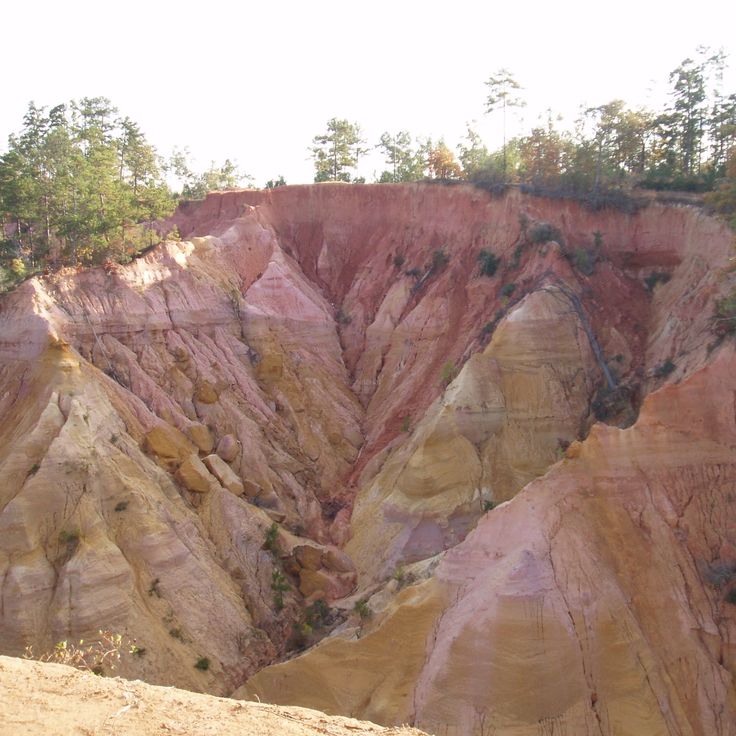
These red sandstone cliffs rise 400 feet (120 meters) above Pearl River and undergo continuous shaping through erosion. Red Cliffs stands among the geological features that document the natural heritage of Mississippi, offering visitors insight into the earthbound processes that have shaped the region over time.
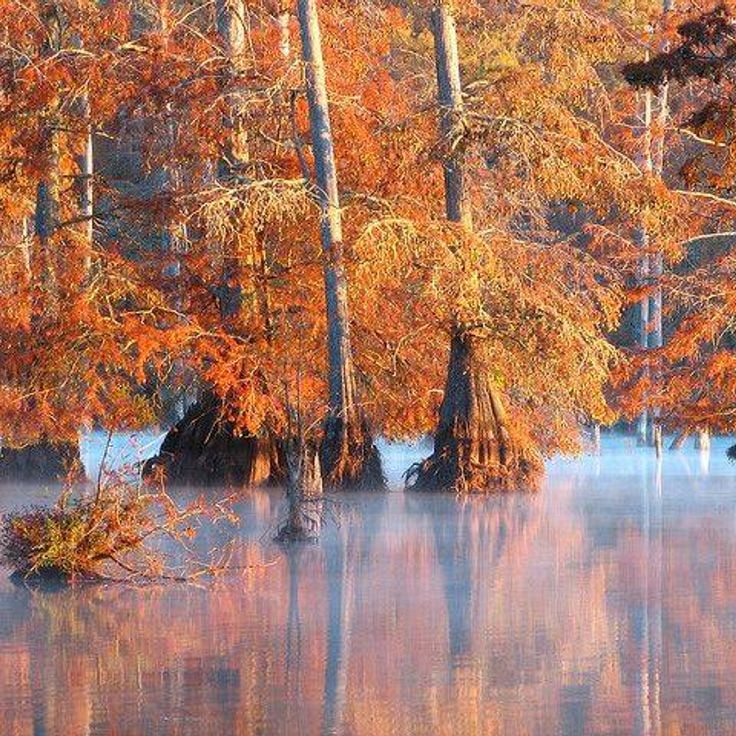
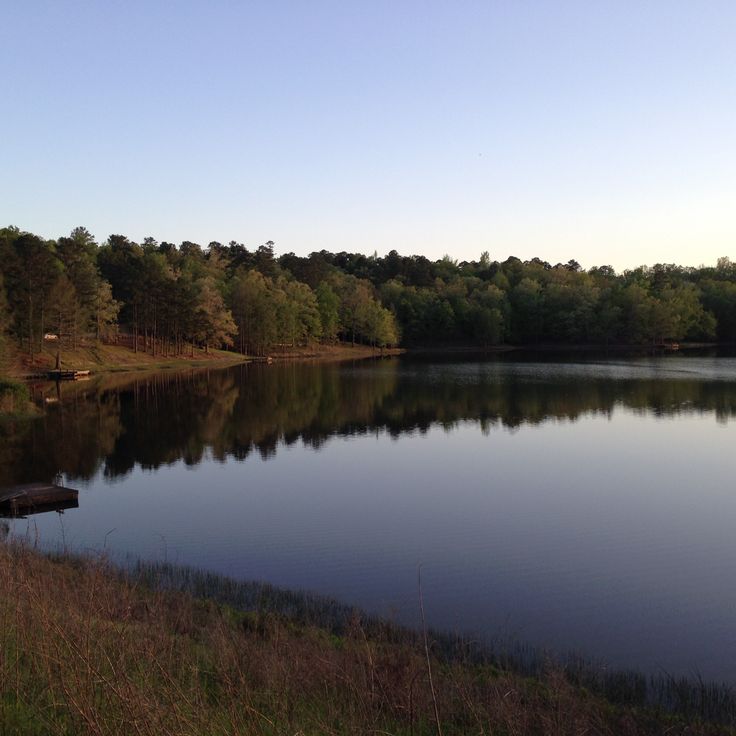
This reserve covers about 19400 acres and provides a home for alligators, bald eagles, and cranes. The many lakes in the Noxubee National Wildlife Refuge attract waterfowl and show the natural variety that makes Mississippi a place for nature lovers looking for unspoiled scenery.
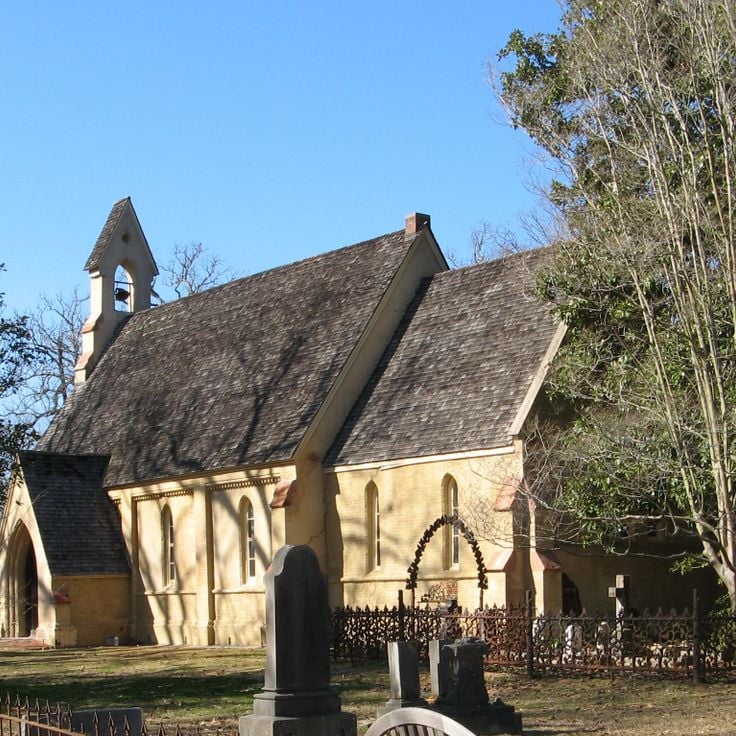
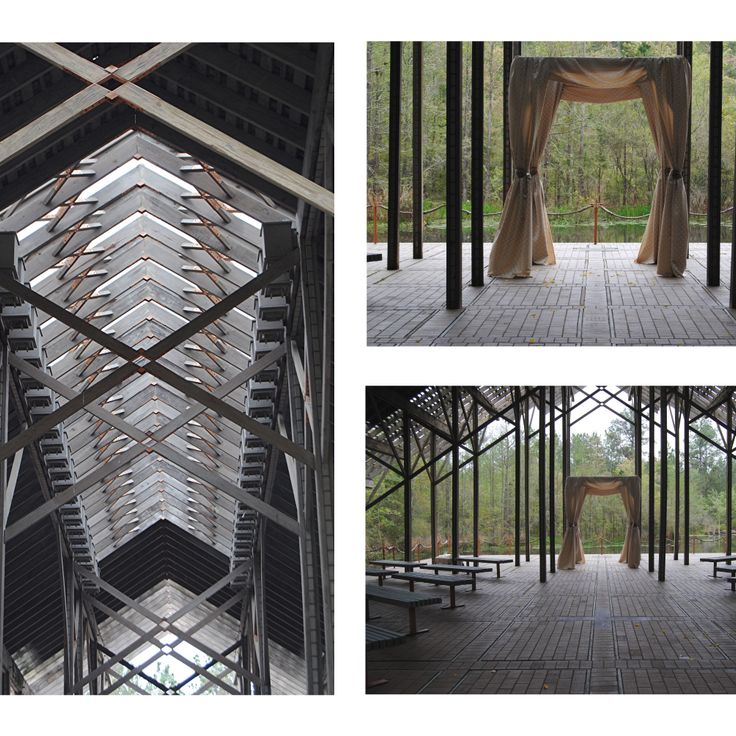
This religious site was built in 1850 and displays 19th century Neo-Gothic architecture with local stories that document Mississippi's historical heritage. The Chapel of the Cross connects religious history with regional narratives, complementing the collection's historical landmarks such as the Windsor Ruins and the Old Capitol Museum.
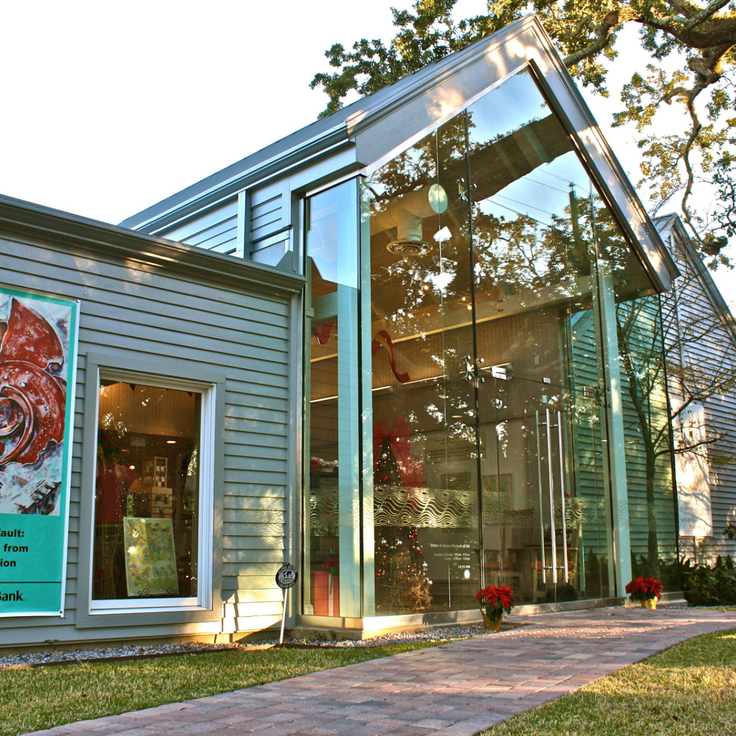
This art museum displays paintings, sculptures and drawings by Walter Anderson, a Mississippi artist who documented the nature and wildlife of the Gulf of Mexico. The museum in Ocean Springs presents his work created between the 1930s and 1960s, depicting local landscapes, birds and maritime scenes. The collection includes watercolors, woodblock prints and ceramic pieces. Walter Anderson spent years on the barrier islands off the Gulf Coast, where he produced much of his work. The museum contributes to this collection of historical landmarks and natural sites across Mississippi, showcasing the artistic heritage of the region.
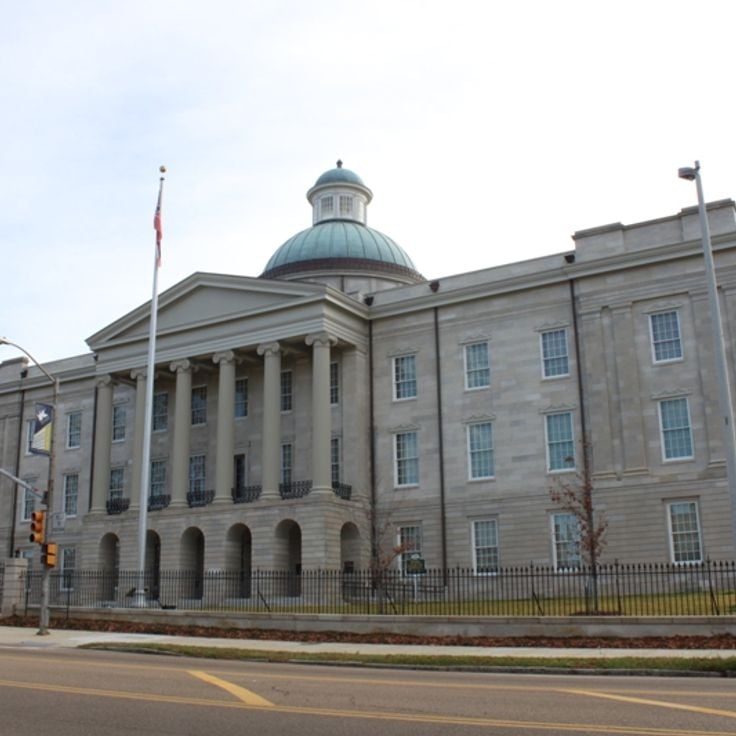
This Greek Revival building served as the seat of Mississippi state government from 1839 to 1903 and now houses historical exhibits on political history. The Old Capitol Museum presents artifacts, documents and interactive displays that trace the state's development from its founding through the Reconstruction era, offering visitors insight into the legislative processes and social changes that shaped Mississippi over more than six decades of operation.
This arboretum presents more than 700 plant species from southern Mississippi across 104 acres. The grounds include several regional habitats, among them pine forests and wetlands. Crosby Arboretum complements the natural sites of Mississippi with trails through native plant communities and educational programs on regional botany.
This forest covering 63130 acres in northern Mississippi offers trails through stands of pine and hardwood trees with designated camping areas. The Holly Springs National Forest adds to the state's collection of hidden places by providing access to preserved landscapes for outdoor activities. Visitors find marked paths, picnic areas, and chances to see wildlife in an environment that shows the wooded parts of northern Mississippi.
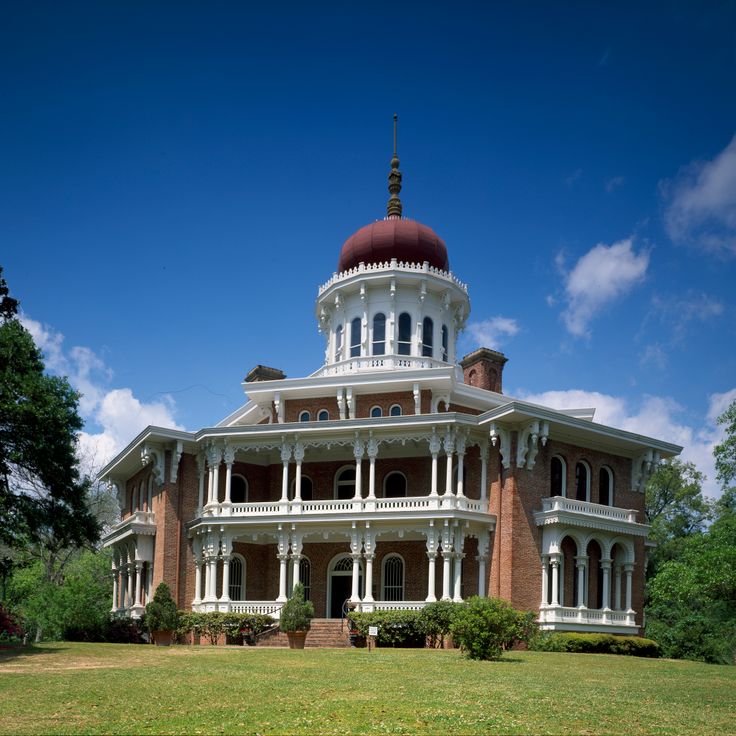
This six-story octagonal house from 1861 combines Oriental Revival architectural elements with antebellum Southern design. Construction halted when the Civil War began, as Northern craftsmen left the site, leaving only the ground floor completed. The upper floors remained unfinished, preserving the skeletal structure that documents the abrupt economic shift of that period. Longwood illustrates the historical disruptions Mississippi experienced during this time and fits within the collection's emphasis on regional heritage sites.
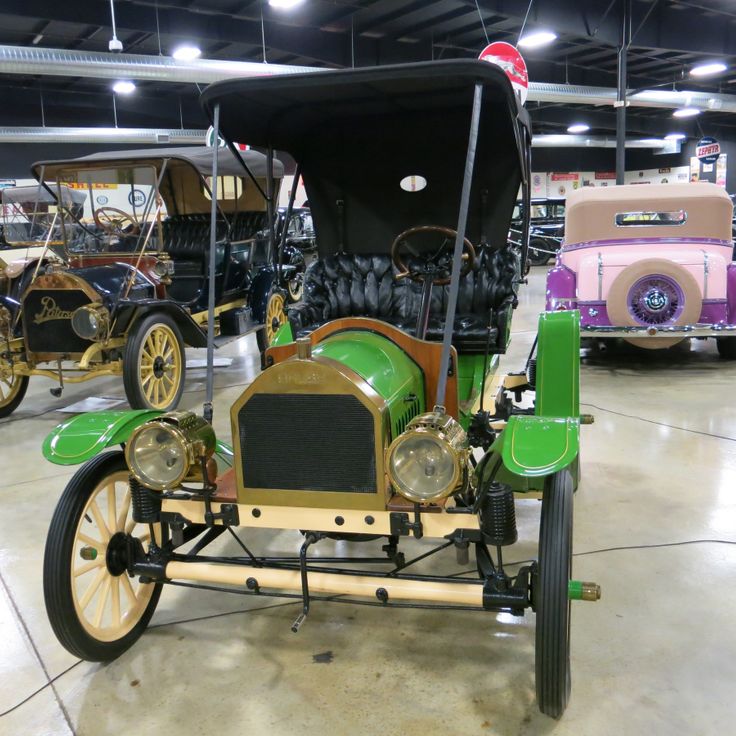
The Tupelo Auto Museum preserves a collection of 150 vehicles documenting nearly every era of automobile history from 1886 to the present. The exhibit traces the technical evolution of motorized transport and complements Mississippi's historical landmarks with a focus on American industrial history and engineering innovation.
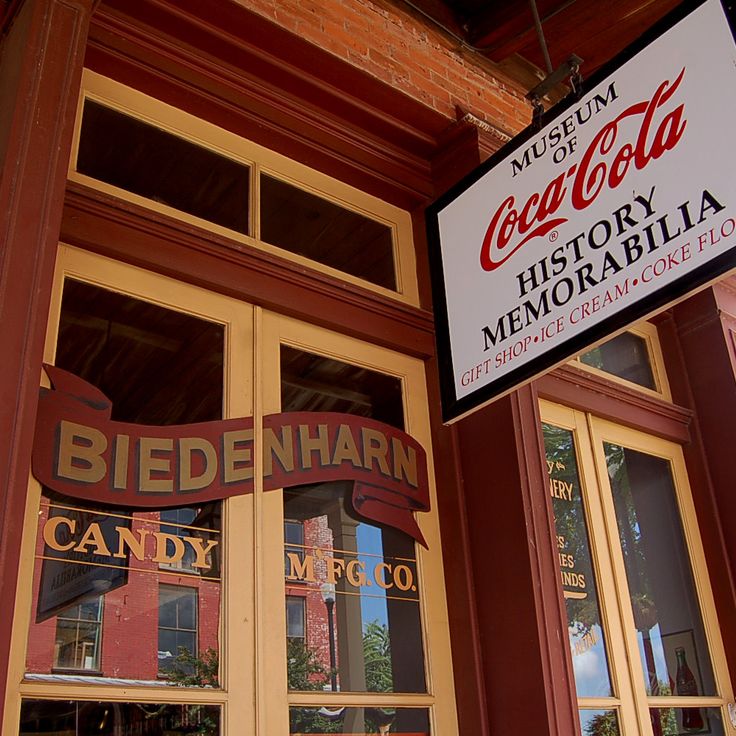
The Biedenharn Museum documents a turning point in American beverage history with a collection that traces the first bottling of Coca-Cola in 1894. This site in Vicksburg displays the original bottling equipment and explains the technical and commercial developments that led to mass production of soft drinks. The museum adds to Mississippi's historical landmarks by presenting the industrial innovation that shaped the region.
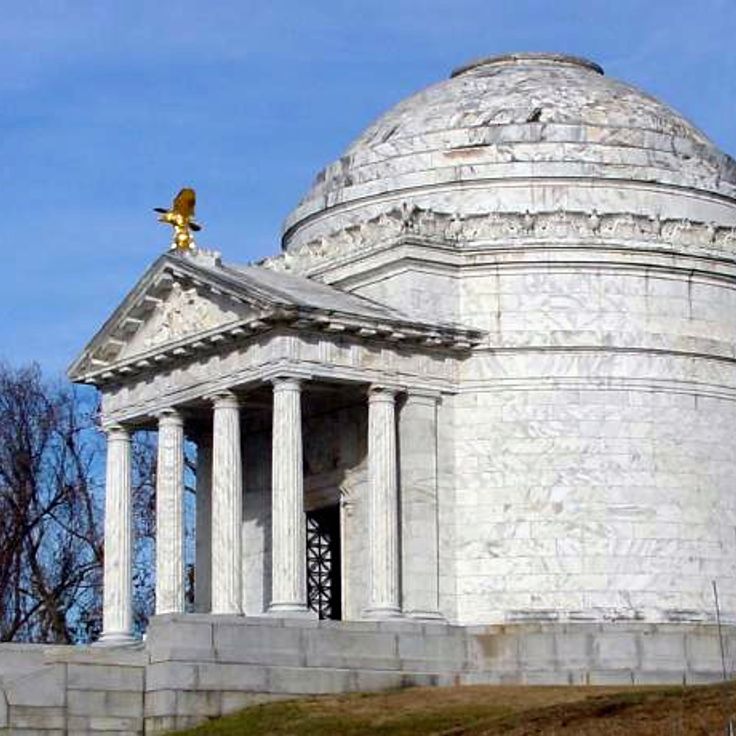
This Civil War battlefield spans 2.8 square miles (7.3 square kilometers) and contains more than 1,300 historic monuments and markers documenting the 47-day siege of 1863. The reconstructed warship USS Cairo, an armored Union gunboat that was sunk in the Yazoo River, is displayed in the museum with crew artifacts and provides insight into naval warfare of the period.
This municipal park northeast of the state capital combines recreation facilities with natural education across roughly 305 acres. LeFleur's Bluff State Park features about 3 miles (5 kilometers) of hiking trails through wooded terrain along the Pearl River, a nine-hole golf course, and the Mississippi Museum of Natural Science with aquariums and exhibits on regional wildlife. The park provides campsites, a small lake for fishing, and picnic areas beneath oak and pine trees. Visitors explore the natural environment of the Mississippi Gulf Coastal Plain, observe native bird species, and use the recreation areas within close proximity to Jackson's urban center.
This petrified forest preserves mineralized tree trunks from prehistoric times and adds to Mississippi as a destination combining historical landmarks and natural sites. The geological exhibits offer insights into the region's ancient vegetation, while the walking trail passes through fossil locations. The petrified remains document a period approximately 36 million years ago when the landscape supported subtropical forests and volcanic ash enabled preservation.
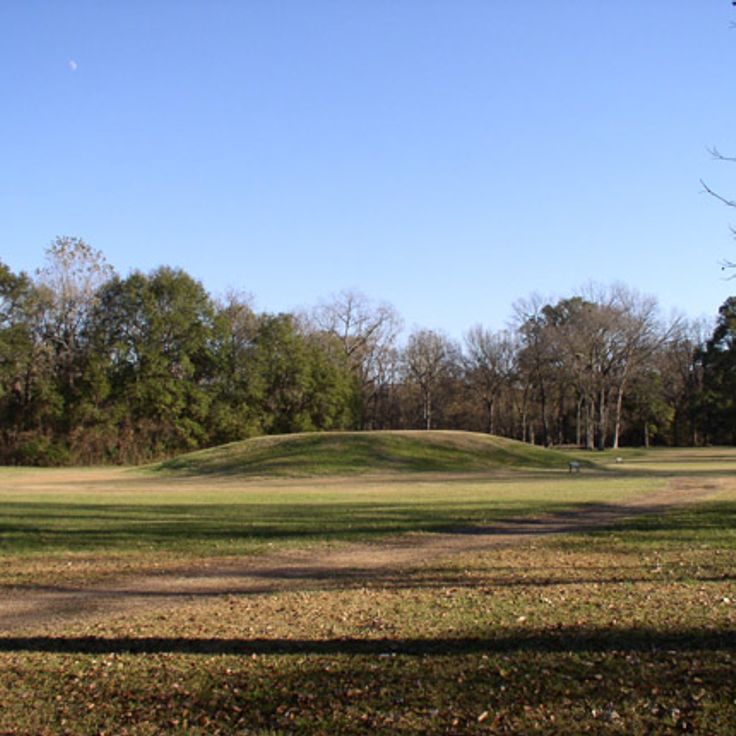
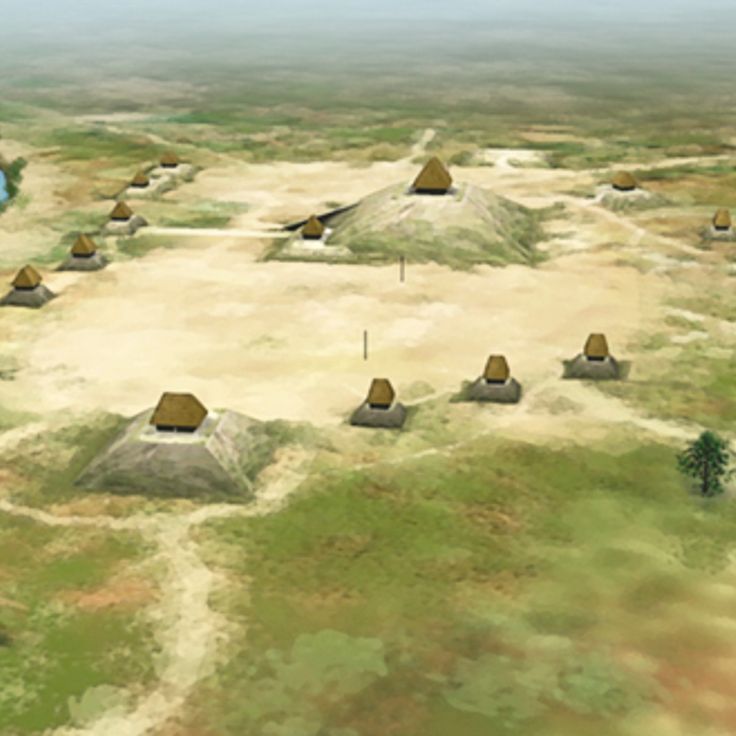
This archaeological site preserves the remains of Natchez culture with three earth mounds, a museum and exhibits from the precolonial era. The Grand Village of the Natchez Indians documents the history of this indigenous community and displays tools, pottery and other artifacts from the 17th and 18th centuries. The site serves as an educational center for early Mississippi history and complements the historical landmarks featured in this state collection.
This archaeological complex documents indigenous culture through 12 earthen monuments built between 1000 and 1450 CE. Winterville Mounds reveals Mississippi's pre-European history and complements the state's historical heritage with evidence of early settlements. The site includes a principal mound standing roughly 55 feet (17 meters) tall along with smaller ceremonial structures. A museum displays artifacts and explains the inhabitants' way of life.
This Buddhist center provides meditation halls, gardens and accommodations for practitioners across 120 acres (49 hectares) of land. Magnolia Grove Monastery serves as a retreat for meditation and Buddhist studies, complementing the historical and cultural sites throughout Mississippi with a space dedicated to spiritual practice and contemplation.
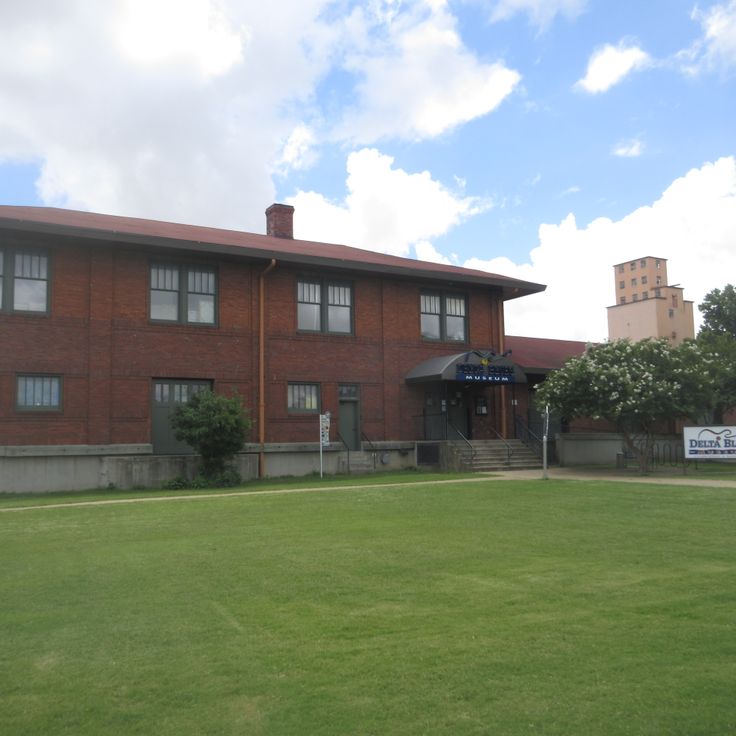
This museum documents the history of the Blues in the Mississippi Delta. The collection includes instruments, recordings and personal items from artists who shaped this American musical form. Visitors explore exhibits featuring Muddy Waters, B.B. King and other musicians who worked in this region and brought the Blues to international recognition.
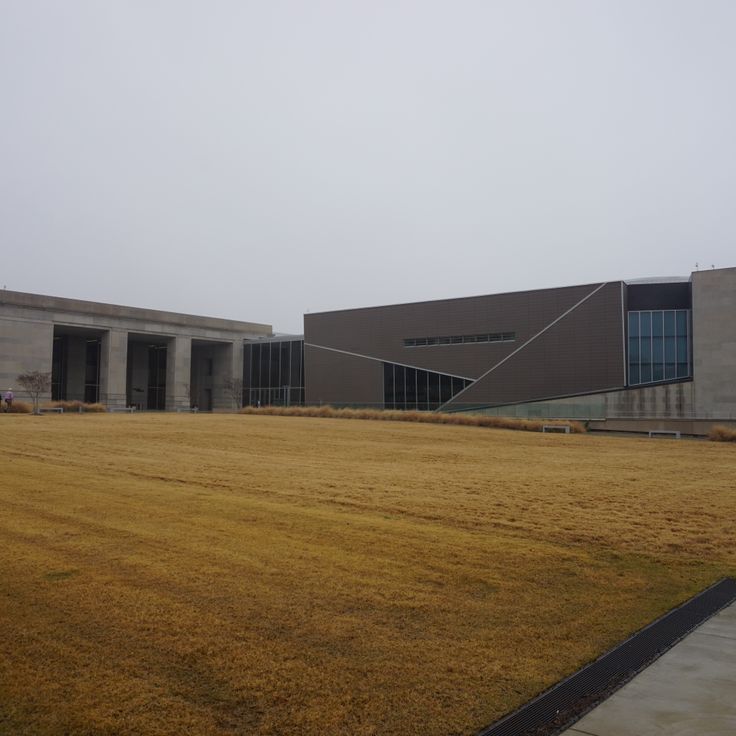
This museum documents the history of the civil rights movement in Mississippi from 1945 to 1976 through artifacts and exhibitions. The Mississippi Civil Rights Museum forms a central part of this collection of historical landmarks and presents the struggle for equality in the state. The exhibits show important events and figures of the movement.
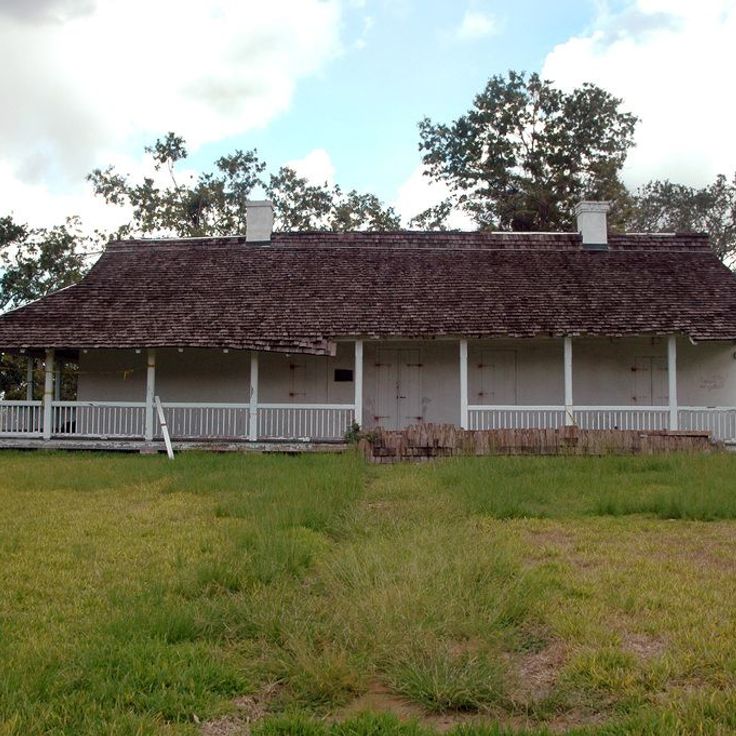
This museum occupies an 18th century building and presents exhibits on the French, British and Spanish colonial periods that shaped Mississippi. Old Spanish Fort Museum complements the historical sites in this collection with documents, artifacts and information about early European settlement along the Gulf Coast and its impact on regional development.
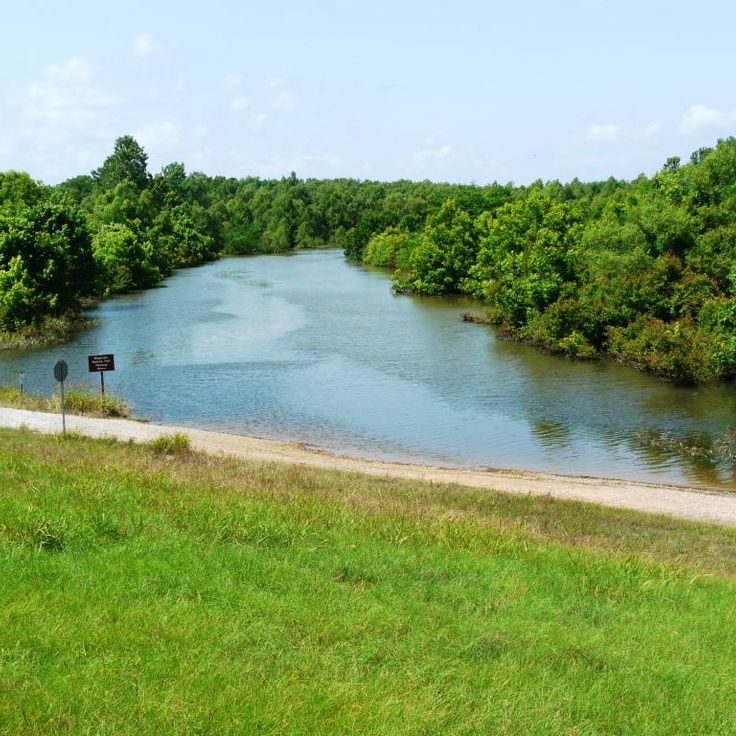
This nature reserve in the Mississippi Delta encompasses wetlands and bottomland hardwood forests along the Mississippi River. Cat Island National Wildlife Refuge serves as habitat for migratory birds, including herons, ibises and wading species that stop here during seasonal migrations. A bald cypress standing 90 feet (27 meters) tall marks the center of the refuge. The floodplain and forested areas provide visitors with access to the ecosystems of the Delta system, complementing the natural landscapes featured in Mississippi's collection of natural sites and historical landmarks.
This restored 1857 house preserves the original furnishings and personal belongings of the Manship family, who played a significant role in Jackson during the Civil War and Reconstruction periods. Charles Henry Manship served as mayor of the city, and his residence documents middle-class domestic life in 19th-century Mississippi. The collection includes household items, documents and furniture that illustrate daily life for a family during this historical period and connects to the state's broader heritage.
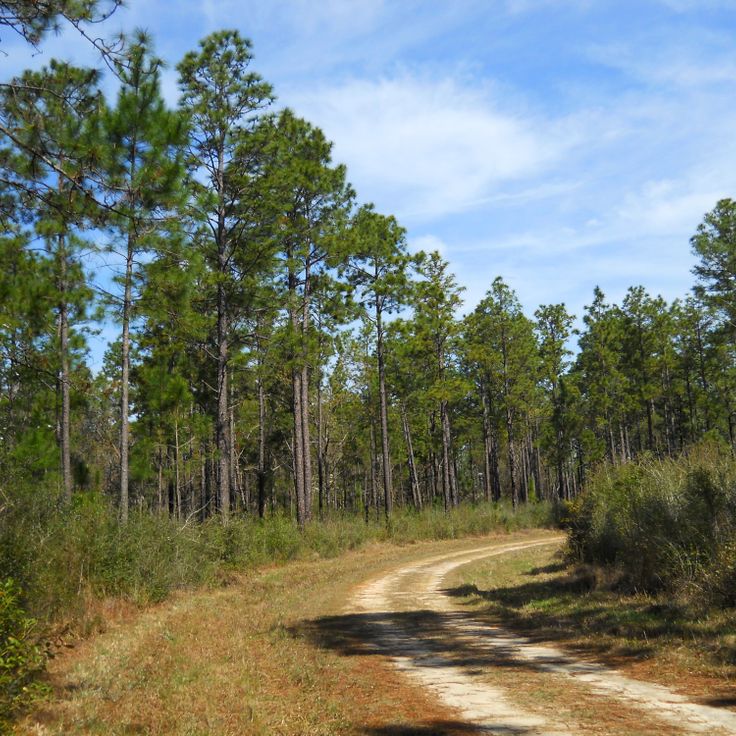
This forest covers 209612 hectares (518,000 acres) of pine woods in the south of Mississippi. It links the natural landscapes with the history and culture of the area. De Soto National Forest has rivers running through pine trees, as well as marked trails for walking and routes for off-road vehicles. These give access to protected ecosystems in the state.
This island in the Gulf of Mexico houses Fort Massachusetts, a 19th century military fortification that played a strategic role during the Civil War. The beach extends for 7 miles (11 kilometers) with trails along the coast. Ship Island is accessible by ferry from Gulfport and showcases both military history and the natural coastal landscape of Mississippi.
This residence preserves the Pulitzer Prize winner's literary legacy with original furnishings, a library of more than 5000 volumes and the garden she designed herself. The property offers insight into Welty's creative life and her connection to Mississippi between 1925 and her death in 2001.
These 23 Greek Revival columns are the remains of a four-story mansion built in 1861 that burned down in 1890 after a guest dropped a cigar. The Windsor Ruins stand on the site of what was once among the largest antebellum estates in Mississippi, located in rural Claiborne County. The Corinthian columns rise approximately 45 feet (13.7 meters) and now frame only open sky and surrounding forest. During the Civil War, the intact mansion served briefly as an observation post for Confederate forces and later as a Union hospital.
This 1840s farmhouse served as home to Nobel Prize winner William Faulkner for 32 years until his death in 1962, illustrating Mississippi's literary heritage through preserved rooms and personal belongings. The collection features historical landmarks and natural sites across the state, presenting regional heritage from Windsor Ruins to the Old Capitol Museum while documenting cultural and natural landscapes.
This state park contains red sandstone formations and geological specimens from the Paleozoic era. The rock formations document the region's geological development over millions of years. Trails wind through forested valleys and along rock faces. The site complements Mississippi's historical landmarks through its natural landscapes and provides contrast to the cultural heritage sites found elsewhere in the state.
This 64-foot cast iron tower was manufactured in Baltimore and erected on the Gulf Coast in 1848. The lighthouse stands directly on U.S. Highway 90 and marks the harbor entrance to Biloxi. Originally painted black, the structure has been repainted in various colors over the years and now serves as a city landmark. Visitors can trace the history of coastal navigation and the region through this enduring monument.
This cemetery established in 1849 in Columbus holds graves of Union and Confederate soldiers from the Civil War. In 1866, local women decorated all graves with flowers, an act recognized as an origin of Memorial Day. The site documents Civil War history in Mississippi and demonstrates the regional importance of reconciliation after the conflict. Visitors find gravestones from the mid-19th century and can trace the development of burial practices in the American South through the monuments and inscriptions preserved here.
This waterfall drops 65 feet (20 meters) into Chunky River and forms a natural focal point in the region. A 19th-century water mill stands on the bank and documents the early industrial use of water power in Mississippi. The site connects geological formation with regional settlement history and demonstrates the practical importance of such locations for the state's development.
These red sandstone cliffs rise 400 feet (120 meters) above Pearl River and undergo continuous shaping through erosion. Red Cliffs stands among the geological features that document the natural heritage of Mississippi, offering visitors insight into the earthbound processes that have shaped the region over time.
This reserve covers about 19400 acres and provides a home for alligators, bald eagles, and cranes. The many lakes in the Noxubee National Wildlife Refuge attract waterfowl and show the natural variety that makes Mississippi a place for nature lovers looking for unspoiled scenery.
This religious site was built in 1850 and displays 19th century Neo-Gothic architecture with local stories that document Mississippi's historical heritage. The Chapel of the Cross connects religious history with regional narratives, complementing the collection's historical landmarks such as the Windsor Ruins and the Old Capitol Museum.
This art museum displays paintings, sculptures and drawings by Walter Anderson, a Mississippi artist who documented the nature and wildlife of the Gulf of Mexico. The museum in Ocean Springs presents his work created between the 1930s and 1960s, depicting local landscapes, birds and maritime scenes. The collection includes watercolors, woodblock prints and ceramic pieces. Walter Anderson spent years on the barrier islands off the Gulf Coast, where he produced much of his work. The museum contributes to this collection of historical landmarks and natural sites across Mississippi, showcasing the artistic heritage of the region.
This Greek Revival building served as the seat of Mississippi state government from 1839 to 1903 and now houses historical exhibits on political history. The Old Capitol Museum presents artifacts, documents and interactive displays that trace the state's development from its founding through the Reconstruction era, offering visitors insight into the legislative processes and social changes that shaped Mississippi over more than six decades of operation.
This arboretum presents more than 700 plant species from southern Mississippi across 104 acres. The grounds include several regional habitats, among them pine forests and wetlands. Crosby Arboretum complements the natural sites of Mississippi with trails through native plant communities and educational programs on regional botany.
This forest covering 63130 acres in northern Mississippi offers trails through stands of pine and hardwood trees with designated camping areas. The Holly Springs National Forest adds to the state's collection of hidden places by providing access to preserved landscapes for outdoor activities. Visitors find marked paths, picnic areas, and chances to see wildlife in an environment that shows the wooded parts of northern Mississippi.
This six-story octagonal house from 1861 combines Oriental Revival architectural elements with antebellum Southern design. Construction halted when the Civil War began, as Northern craftsmen left the site, leaving only the ground floor completed. The upper floors remained unfinished, preserving the skeletal structure that documents the abrupt economic shift of that period. Longwood illustrates the historical disruptions Mississippi experienced during this time and fits within the collection's emphasis on regional heritage sites.
The Tupelo Auto Museum preserves a collection of 150 vehicles documenting nearly every era of automobile history from 1886 to the present. The exhibit traces the technical evolution of motorized transport and complements Mississippi's historical landmarks with a focus on American industrial history and engineering innovation.
The Biedenharn Museum documents a turning point in American beverage history with a collection that traces the first bottling of Coca-Cola in 1894. This site in Vicksburg displays the original bottling equipment and explains the technical and commercial developments that led to mass production of soft drinks. The museum adds to Mississippi's historical landmarks by presenting the industrial innovation that shaped the region.
This Civil War battlefield spans 2.8 square miles (7.3 square kilometers) and contains more than 1,300 historic monuments and markers documenting the 47-day siege of 1863. The reconstructed warship USS Cairo, an armored Union gunboat that was sunk in the Yazoo River, is displayed in the museum with crew artifacts and provides insight into naval warfare of the period.
This municipal park northeast of the state capital combines recreation facilities with natural education across roughly 305 acres. LeFleur's Bluff State Park features about 3 miles (5 kilometers) of hiking trails through wooded terrain along the Pearl River, a nine-hole golf course, and the Mississippi Museum of Natural Science with aquariums and exhibits on regional wildlife. The park provides campsites, a small lake for fishing, and picnic areas beneath oak and pine trees. Visitors explore the natural environment of the Mississippi Gulf Coastal Plain, observe native bird species, and use the recreation areas within close proximity to Jackson's urban center.
This petrified forest preserves mineralized tree trunks from prehistoric times and adds to Mississippi as a destination combining historical landmarks and natural sites. The geological exhibits offer insights into the region's ancient vegetation, while the walking trail passes through fossil locations. The petrified remains document a period approximately 36 million years ago when the landscape supported subtropical forests and volcanic ash enabled preservation.
This archaeological site preserves the remains of Natchez culture with three earth mounds, a museum and exhibits from the precolonial era. The Grand Village of the Natchez Indians documents the history of this indigenous community and displays tools, pottery and other artifacts from the 17th and 18th centuries. The site serves as an educational center for early Mississippi history and complements the historical landmarks featured in this state collection.
This archaeological complex documents indigenous culture through 12 earthen monuments built between 1000 and 1450 CE. Winterville Mounds reveals Mississippi's pre-European history and complements the state's historical heritage with evidence of early settlements. The site includes a principal mound standing roughly 55 feet (17 meters) tall along with smaller ceremonial structures. A museum displays artifacts and explains the inhabitants' way of life.
This Buddhist center provides meditation halls, gardens and accommodations for practitioners across 120 acres (49 hectares) of land. Magnolia Grove Monastery serves as a retreat for meditation and Buddhist studies, complementing the historical and cultural sites throughout Mississippi with a space dedicated to spiritual practice and contemplation.
This museum documents the history of the Blues in the Mississippi Delta. The collection includes instruments, recordings and personal items from artists who shaped this American musical form. Visitors explore exhibits featuring Muddy Waters, B.B. King and other musicians who worked in this region and brought the Blues to international recognition.
This museum documents the history of the civil rights movement in Mississippi from 1945 to 1976 through artifacts and exhibitions. The Mississippi Civil Rights Museum forms a central part of this collection of historical landmarks and presents the struggle for equality in the state. The exhibits show important events and figures of the movement.
This museum occupies an 18th century building and presents exhibits on the French, British and Spanish colonial periods that shaped Mississippi. Old Spanish Fort Museum complements the historical sites in this collection with documents, artifacts and information about early European settlement along the Gulf Coast and its impact on regional development.
This nature reserve in the Mississippi Delta encompasses wetlands and bottomland hardwood forests along the Mississippi River. Cat Island National Wildlife Refuge serves as habitat for migratory birds, including herons, ibises and wading species that stop here during seasonal migrations. A bald cypress standing 90 feet (27 meters) tall marks the center of the refuge. The floodplain and forested areas provide visitors with access to the ecosystems of the Delta system, complementing the natural landscapes featured in Mississippi's collection of natural sites and historical landmarks.
This restored 1857 house preserves the original furnishings and personal belongings of the Manship family, who played a significant role in Jackson during the Civil War and Reconstruction periods. Charles Henry Manship served as mayor of the city, and his residence documents middle-class domestic life in 19th-century Mississippi. The collection includes household items, documents and furniture that illustrate daily life for a family during this historical period and connects to the state's broader heritage.
This forest covers 209612 hectares (518,000 acres) of pine woods in the south of Mississippi. It links the natural landscapes with the history and culture of the area. De Soto National Forest has rivers running through pine trees, as well as marked trails for walking and routes for off-road vehicles. These give access to protected ecosystems in the state.
This island in the Gulf of Mexico houses Fort Massachusetts, a 19th century military fortification that played a strategic role during the Civil War. The beach extends for 7 miles (11 kilometers) with trails along the coast. Ship Island is accessible by ferry from Gulfport and showcases both military history and the natural coastal landscape of Mississippi.
This residence preserves the Pulitzer Prize winner's literary legacy with original furnishings, a library of more than 5000 volumes and the garden she designed herself. The property offers insight into Welty's creative life and her connection to Mississippi between 1925 and her death in 2001.
These 23 Greek Revival columns are the remains of a four-story mansion built in 1861 that burned down in 1890 after a guest dropped a cigar. The Windsor Ruins stand on the site of what was once among the largest antebellum estates in Mississippi, located in rural Claiborne County. The Corinthian columns rise approximately 45 feet (13.7 meters) and now frame only open sky and surrounding forest. During the Civil War, the intact mansion served briefly as an observation post for Confederate forces and later as a Union hospital.
This 1840s farmhouse served as home to Nobel Prize winner William Faulkner for 32 years until his death in 1962, illustrating Mississippi's literary heritage through preserved rooms and personal belongings. The collection features historical landmarks and natural sites across the state, presenting regional heritage from Windsor Ruins to the Old Capitol Museum while documenting cultural and natural landscapes.
This state park contains red sandstone formations and geological specimens from the Paleozoic era. The rock formations document the region's geological development over millions of years. Trails wind through forested valleys and along rock faces. The site complements Mississippi's historical landmarks through its natural landscapes and provides contrast to the cultural heritage sites found elsewhere in the state.
This 64-foot cast iron tower was manufactured in Baltimore and erected on the Gulf Coast in 1848. The lighthouse stands directly on U.S. Highway 90 and marks the harbor entrance to Biloxi. Originally painted black, the structure has been repainted in various colors over the years and now serves as a city landmark. Visitors can trace the history of coastal navigation and the region through this enduring monument.
This cemetery established in 1849 in Columbus holds graves of Union and Confederate soldiers from the Civil War. In 1866, local women decorated all graves with flowers, an act recognized as an origin of Memorial Day. The site documents Civil War history in Mississippi and demonstrates the regional importance of reconciliation after the conflict. Visitors find gravestones from the mid-19th century and can trace the development of burial practices in the American South through the monuments and inscriptions preserved here.
This waterfall drops 65 feet (20 meters) into Chunky River and forms a natural focal point in the region. A 19th-century water mill stands on the bank and documents the early industrial use of water power in Mississippi. The site connects geological formation with regional settlement history and demonstrates the practical importance of such locations for the state's development.
These red sandstone cliffs rise 400 feet (120 meters) above Pearl River and undergo continuous shaping through erosion. Red Cliffs stands among the geological features that document the natural heritage of Mississippi, offering visitors insight into the earthbound processes that have shaped the region over time.
This reserve covers about 19400 acres and provides a home for alligators, bald eagles, and cranes. The many lakes in the Noxubee National Wildlife Refuge attract waterfowl and show the natural variety that makes Mississippi a place for nature lovers looking for unspoiled scenery.
This religious site was built in 1850 and displays 19th century Neo-Gothic architecture with local stories that document Mississippi's historical heritage. The Chapel of the Cross connects religious history with regional narratives, complementing the collection's historical landmarks such as the Windsor Ruins and the Old Capitol Museum.
This art museum displays paintings, sculptures and drawings by Walter Anderson, a Mississippi artist who documented the nature and wildlife of the Gulf of Mexico. The museum in Ocean Springs presents his work created between the 1930s and 1960s, depicting local landscapes, birds and maritime scenes. The collection includes watercolors, woodblock prints and ceramic pieces. Walter Anderson spent years on the barrier islands off the Gulf Coast, where he produced much of his work. The museum contributes to this collection of historical landmarks and natural sites across Mississippi, showcasing the artistic heritage of the region.
This Greek Revival building served as the seat of Mississippi state government from 1839 to 1903 and now houses historical exhibits on political history. The Old Capitol Museum presents artifacts, documents and interactive displays that trace the state's development from its founding through the Reconstruction era, offering visitors insight into the legislative processes and social changes that shaped Mississippi over more than six decades of operation.
This arboretum presents more than 700 plant species from southern Mississippi across 104 acres. The grounds include several regional habitats, among them pine forests and wetlands. Crosby Arboretum complements the natural sites of Mississippi with trails through native plant communities and educational programs on regional botany.
This forest covering 63130 acres in northern Mississippi offers trails through stands of pine and hardwood trees with designated camping areas. The Holly Springs National Forest adds to the state's collection of hidden places by providing access to preserved landscapes for outdoor activities. Visitors find marked paths, picnic areas, and chances to see wildlife in an environment that shows the wooded parts of northern Mississippi.
This six-story octagonal house from 1861 combines Oriental Revival architectural elements with antebellum Southern design. Construction halted when the Civil War began, as Northern craftsmen left the site, leaving only the ground floor completed. The upper floors remained unfinished, preserving the skeletal structure that documents the abrupt economic shift of that period. Longwood illustrates the historical disruptions Mississippi experienced during this time and fits within the collection's emphasis on regional heritage sites.
The Tupelo Auto Museum preserves a collection of 150 vehicles documenting nearly every era of automobile history from 1886 to the present. The exhibit traces the technical evolution of motorized transport and complements Mississippi's historical landmarks with a focus on American industrial history and engineering innovation.
The Biedenharn Museum documents a turning point in American beverage history with a collection that traces the first bottling of Coca-Cola in 1894. This site in Vicksburg displays the original bottling equipment and explains the technical and commercial developments that led to mass production of soft drinks. The museum adds to Mississippi's historical landmarks by presenting the industrial innovation that shaped the region.
This Civil War battlefield spans 2.8 square miles (7.3 square kilometers) and contains more than 1,300 historic monuments and markers documenting the 47-day siege of 1863. The reconstructed warship USS Cairo, an armored Union gunboat that was sunk in the Yazoo River, is displayed in the museum with crew artifacts and provides insight into naval warfare of the period.
This municipal park northeast of the state capital combines recreation facilities with natural education across roughly 305 acres. LeFleur's Bluff State Park features about 3 miles (5 kilometers) of hiking trails through wooded terrain along the Pearl River, a nine-hole golf course, and the Mississippi Museum of Natural Science with aquariums and exhibits on regional wildlife. The park provides campsites, a small lake for fishing, and picnic areas beneath oak and pine trees. Visitors explore the natural environment of the Mississippi Gulf Coastal Plain, observe native bird species, and use the recreation areas within close proximity to Jackson's urban center.
This petrified forest preserves mineralized tree trunks from prehistoric times and adds to Mississippi as a destination combining historical landmarks and natural sites. The geological exhibits offer insights into the region's ancient vegetation, while the walking trail passes through fossil locations. The petrified remains document a period approximately 36 million years ago when the landscape supported subtropical forests and volcanic ash enabled preservation.
This archaeological site preserves the remains of Natchez culture with three earth mounds, a museum and exhibits from the precolonial era. The Grand Village of the Natchez Indians documents the history of this indigenous community and displays tools, pottery and other artifacts from the 17th and 18th centuries. The site serves as an educational center for early Mississippi history and complements the historical landmarks featured in this state collection.
This archaeological complex documents indigenous culture through 12 earthen monuments built between 1000 and 1450 CE. Winterville Mounds reveals Mississippi's pre-European history and complements the state's historical heritage with evidence of early settlements. The site includes a principal mound standing roughly 55 feet (17 meters) tall along with smaller ceremonial structures. A museum displays artifacts and explains the inhabitants' way of life.
This Buddhist center provides meditation halls, gardens and accommodations for practitioners across 120 acres (49 hectares) of land. Magnolia Grove Monastery serves as a retreat for meditation and Buddhist studies, complementing the historical and cultural sites throughout Mississippi with a space dedicated to spiritual practice and contemplation.
This museum documents the history of the Blues in the Mississippi Delta. The collection includes instruments, recordings and personal items from artists who shaped this American musical form. Visitors explore exhibits featuring Muddy Waters, B.B. King and other musicians who worked in this region and brought the Blues to international recognition.
This museum documents the history of the civil rights movement in Mississippi from 1945 to 1976 through artifacts and exhibitions. The Mississippi Civil Rights Museum forms a central part of this collection of historical landmarks and presents the struggle for equality in the state. The exhibits show important events and figures of the movement.
This museum occupies an 18th century building and presents exhibits on the French, British and Spanish colonial periods that shaped Mississippi. Old Spanish Fort Museum complements the historical sites in this collection with documents, artifacts and information about early European settlement along the Gulf Coast and its impact on regional development.
This nature reserve in the Mississippi Delta encompasses wetlands and bottomland hardwood forests along the Mississippi River. Cat Island National Wildlife Refuge serves as habitat for migratory birds, including herons, ibises and wading species that stop here during seasonal migrations. A bald cypress standing 90 feet (27 meters) tall marks the center of the refuge. The floodplain and forested areas provide visitors with access to the ecosystems of the Delta system, complementing the natural landscapes featured in Mississippi's collection of natural sites and historical landmarks.
This restored 1857 house preserves the original furnishings and personal belongings of the Manship family, who played a significant role in Jackson during the Civil War and Reconstruction periods. Charles Henry Manship served as mayor of the city, and his residence documents middle-class domestic life in 19th-century Mississippi. The collection includes household items, documents and furniture that illustrate daily life for a family during this historical period and connects to the state's broader heritage.
This forest covers 209612 hectares (518,000 acres) of pine woods in the south of Mississippi. It links the natural landscapes with the history and culture of the area. De Soto National Forest has rivers running through pine trees, as well as marked trails for walking and routes for off-road vehicles. These give access to protected ecosystems in the state.
This island in the Gulf of Mexico houses Fort Massachusetts, a 19th century military fortification that played a strategic role during the Civil War. The beach extends for 7 miles (11 kilometers) with trails along the coast. Ship Island is accessible by ferry from Gulfport and showcases both military history and the natural coastal landscape of Mississippi.
This residence preserves the Pulitzer Prize winner's literary legacy with original furnishings, a library of more than 5000 volumes and the garden she designed herself. The property offers insight into Welty's creative life and her connection to Mississippi between 1925 and her death in 2001.
As you saw, the Mississippi has many surprises. Beyond the usual tourist routes, you will find places where history still lives and nature keeps its secrets. Check the opening hours of the museums before you go, as they may change with the seasons. A good map will help you find the small country roads that connect the sites. Remember that many places are spread out, so allow enough time for travel.