Places to discover in Maryland: coast lighthouses, wildlife sanctuaries, waterfalls, and gardens
Maryland has many places to see away from the usual crowds. Natural areas fill the state: sanctuaries where birds and mammals live, waterfalls carving through forests, and coastlines with calm views over the water. History is everywhere: white lighthouses that guided ships for centuries, colonial villages frozen in time, and museums full of treasures. You can also find well-kept gardens with topiary shaped in fun forms, wooded parks perfect for walking, and old buildings that tell stories of past generations.
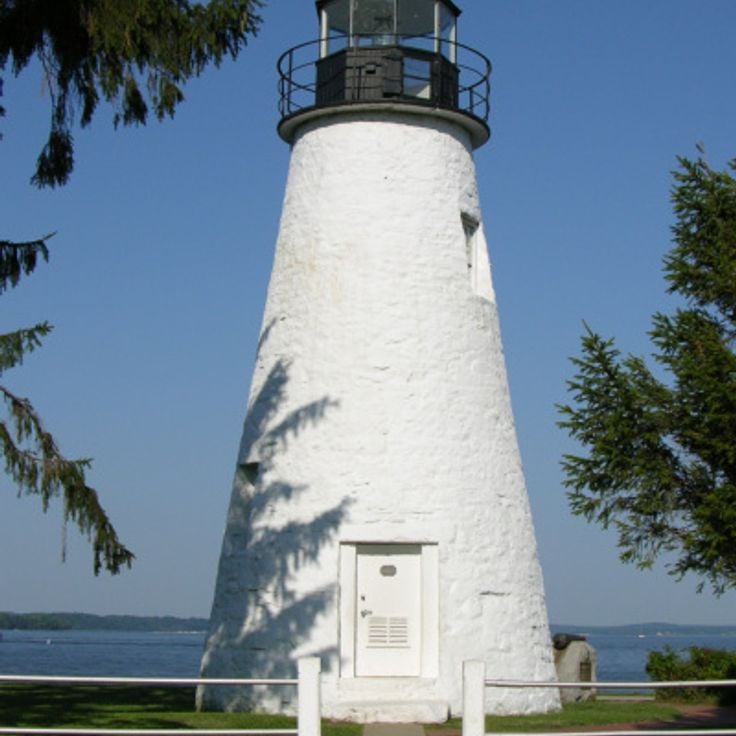
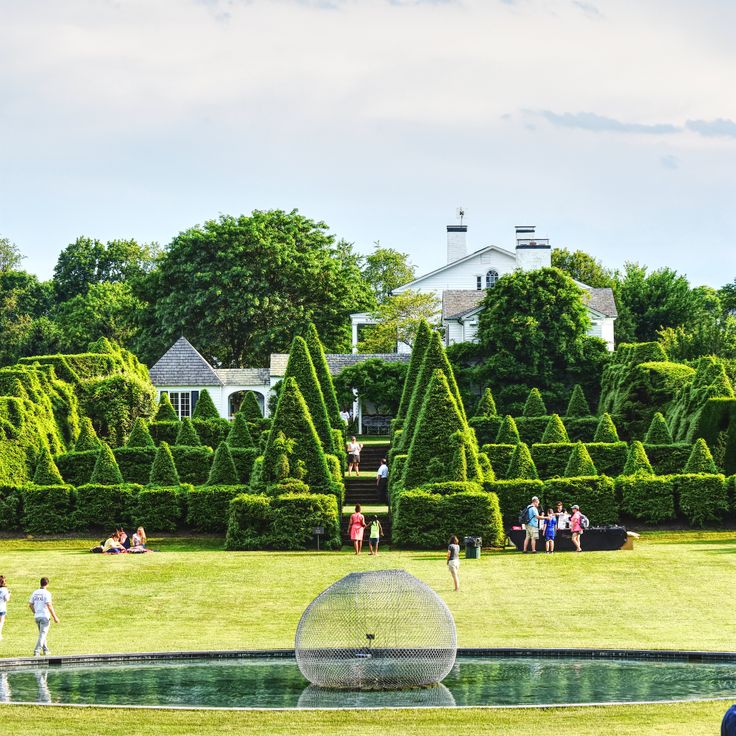
Concord Point Lighthouse stands tall over the harbor of Havre de Grace, like a watchman. To the north, Elk Neck State Park hides forest paths and lookout points over the bay. In the middle of the state, Ladew's topiary gardens impress with their carefully clipped green shapes. In Cambridge, Blackwater Refuge welcomes those who like to watch animals in their natural surroundings. Baltimore offers its own treasures: art museums full of paintings and sculptures, including the Walters Art Museum which has collections from around the world.
Every part of Maryland has its own charm. Whether you want a break by the water, a walk in the woods, or some time to enjoy history and art, you will find places where you can really feel the spirit of a region far from busy tourist spots.
Places to discover in Maryland: coast lighthouses, wildlife sanctuaries, waterfalls, and gardens
Maryland has many places to see away from the usual crowds. Natural areas fill the state: sanctuaries where birds and mammals live, waterfalls carving through forests, and coastlines with calm views over the water. History is everywhere: white lighthouses that guided ships for centuries, colonial villages frozen in time, and museums full of treasures. You can also find well-kept gardens with topiary shaped in fun forms, wooded parks perfect for walking, and old buildings that tell stories of past generations.
Concord Point Lighthouse stands tall over the harbor of Havre de Grace, like a watchman. To the north, Elk Neck State Park hides forest paths and lookout points over the bay. In the middle of the state, Ladew's topiary gardens impress with their carefully clipped green shapes. In Cambridge, Blackwater Refuge welcomes those who like to watch animals in their natural surroundings. Baltimore offers its own treasures: art museums full of paintings and sculptures, including the Walters Art Museum which has collections from around the world.
Every part of Maryland has its own charm. Whether you want a break by the water, a walk in the woods, or some time to enjoy history and art, you will find places where you can really feel the spirit of a region far from busy tourist spots.
This white stone lighthouse built in 1827 stands at the mouth of the Susquehanna River, guiding ships on Chesapeake Bay. It is part of Maryland's remarkable places where history and nature come together. Concord Point Lighthouse towers over Havre de Grace harbor like a sentinel and shows the long connection between people and water. From this spot, visitors can overlook the bay and understand the stories of past ships and seafarers.
The Ladew Topiary Gardens in Monkton showcase trimmed hedges and plants carved into geometric patterns, animal shapes, and human figures across nearly 9 hectares. Fifteen distinct garden spaces display different styles of topiary work, each with its own character and artistic approach. Visitors walk through these sculpted green forms, experiencing the craftsmanship that goes into shaping plants over time. The gardens reflect a dedication to this particular art form and offer a peaceful place to observe living sculptures.
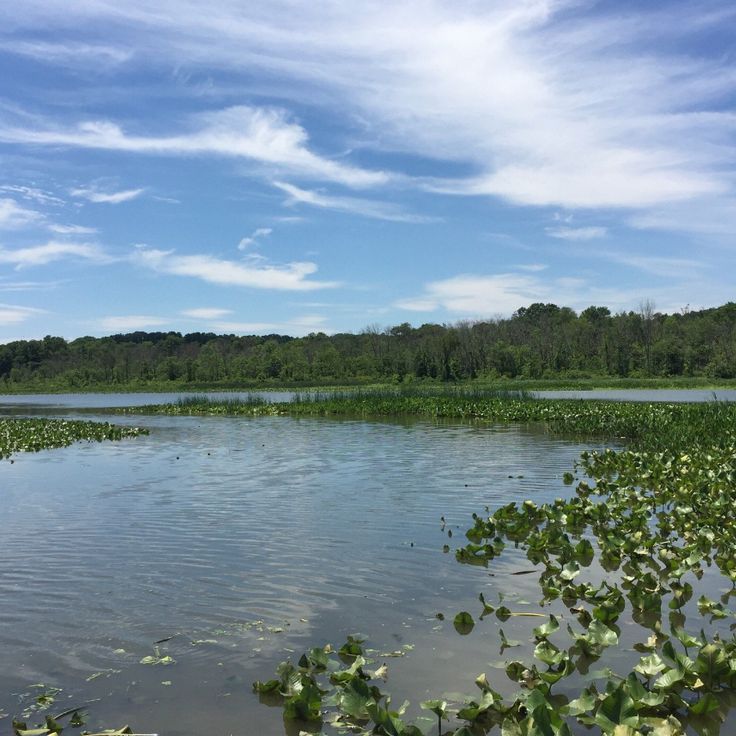
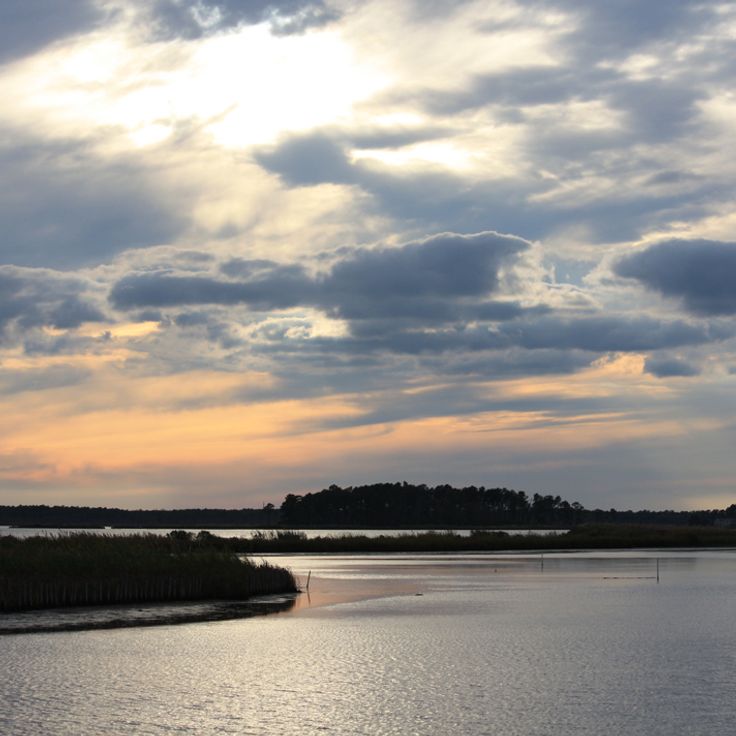
Blackwater National Wildlife Refuge is a wetland covering roughly 11,300 hectares. It is home to more than 250 bird species, including the largest breeding population of bald eagles on the East Coast. The refuge provides habitat for numerous mammals and aquatic animals. Visitors can walk trails to observe birds and wildlife in their natural environment. The landscape features open water, marshlands, and forested areas.
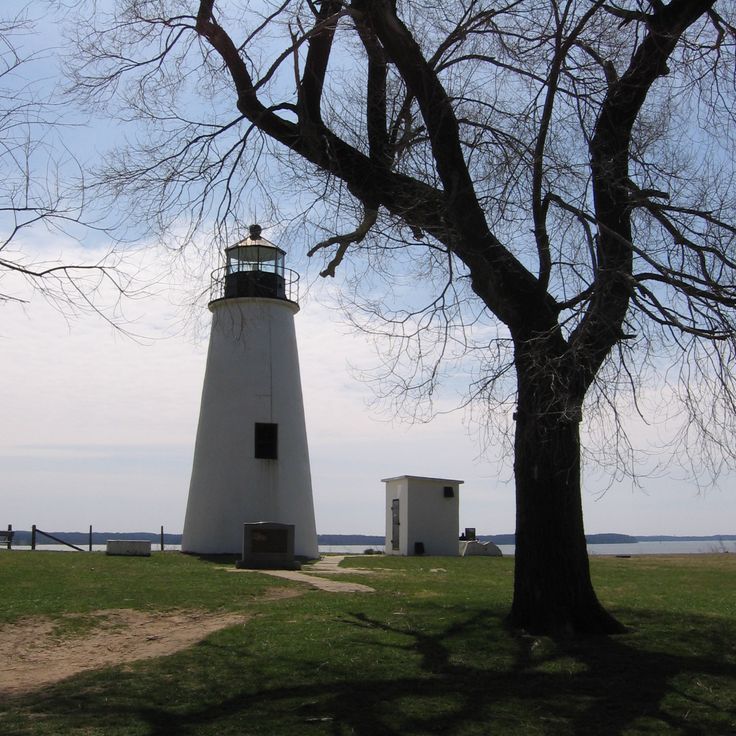
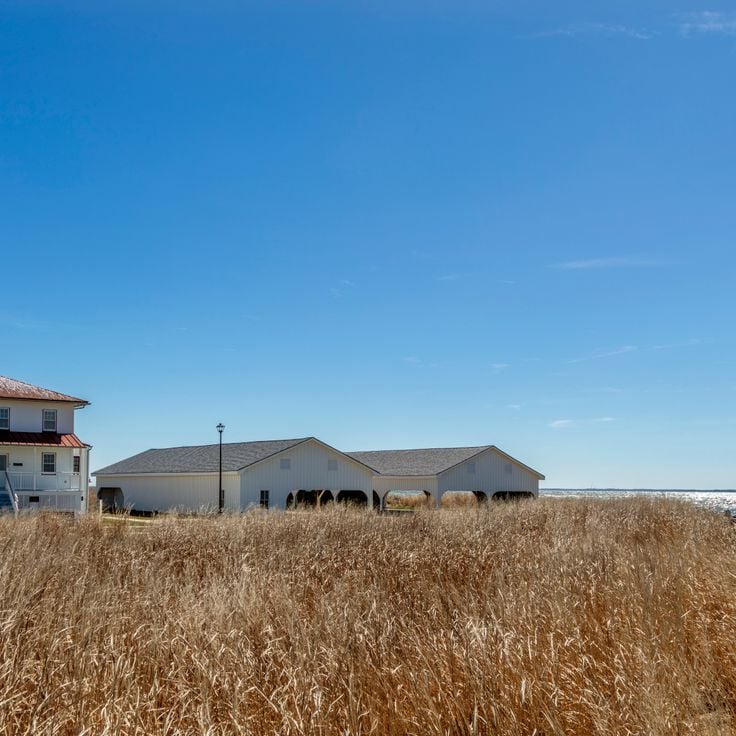
Elk Neck State Park in northeastern Maryland covers roughly 885 acres (358 hectares) of forests, sandy beaches, and cliffs overlooking Chesapeake Bay. The park is home to Turkey Point Lighthouse, a working beacon that has guided ships since the 1800s. Walking trails wind through the woods, leading to overlooks where you can see across the water. The landscape shifts between forested areas and open shoreline, offering different views as you explore. It is a place where you can spend a quiet afternoon walking, watching for birds and wildlife, and taking in the water views.
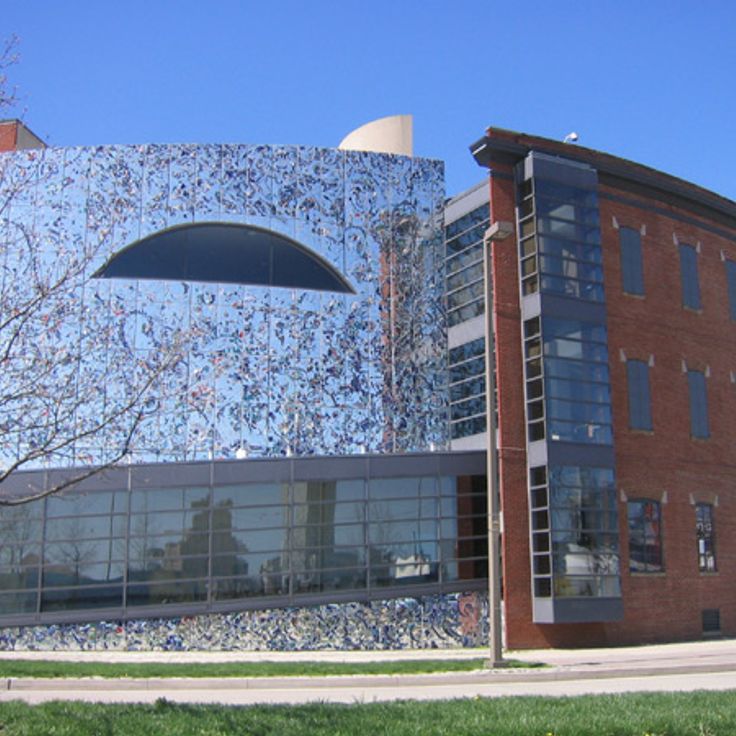
This art museum in Baltimore showcases works by self-taught artists who create from their own inner vision and personal passion. The museum itself has a distinctive character shaped by the unconventional artwork and creative spirit of the artists it features. Visitors can view paintings, sculptures, and other artistic creations that come directly from the artists' imaginations. Located in Baltimore, this museum is a place where you can see how artists without formal training express their personal visions and ideas.
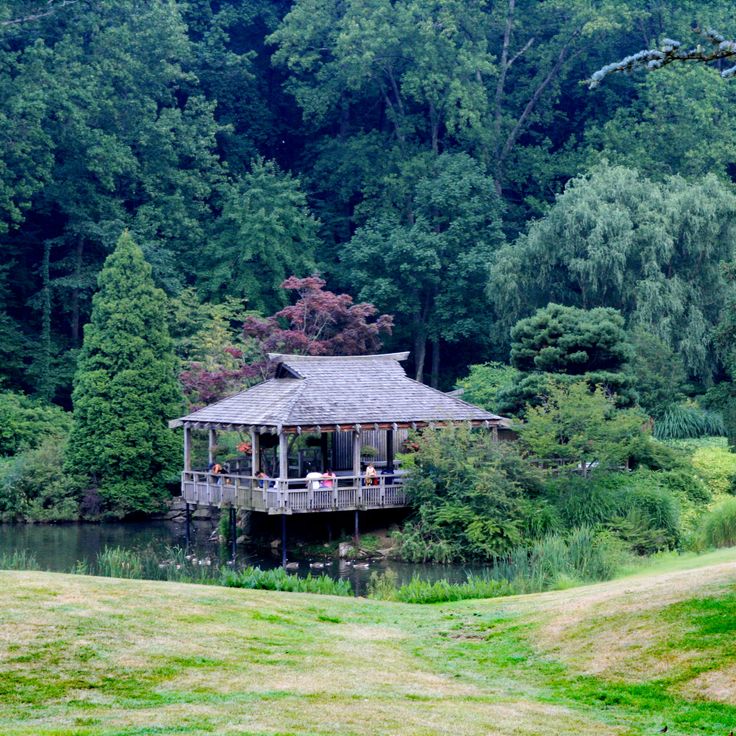
The Brookside Gardens in Wheaton are a public garden featuring different thematic areas that invite visitors to walk through and explore. The garden offers designed landscapes with varied plant sections where you can spend time surrounded by cultivated greenery. These gardens fit into Maryland's collection of outdoor spaces, where you can find both carefully planned gardens and wilder natural areas.
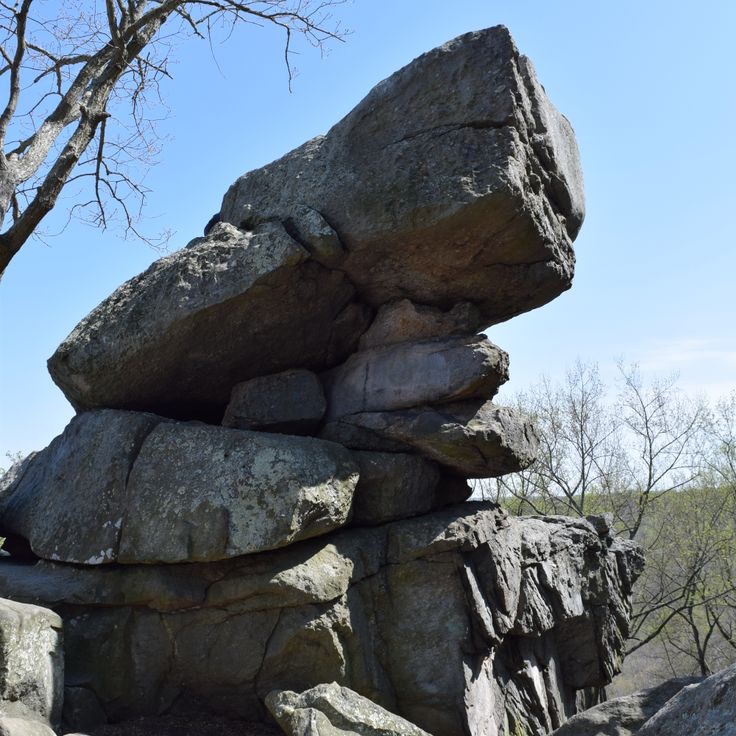
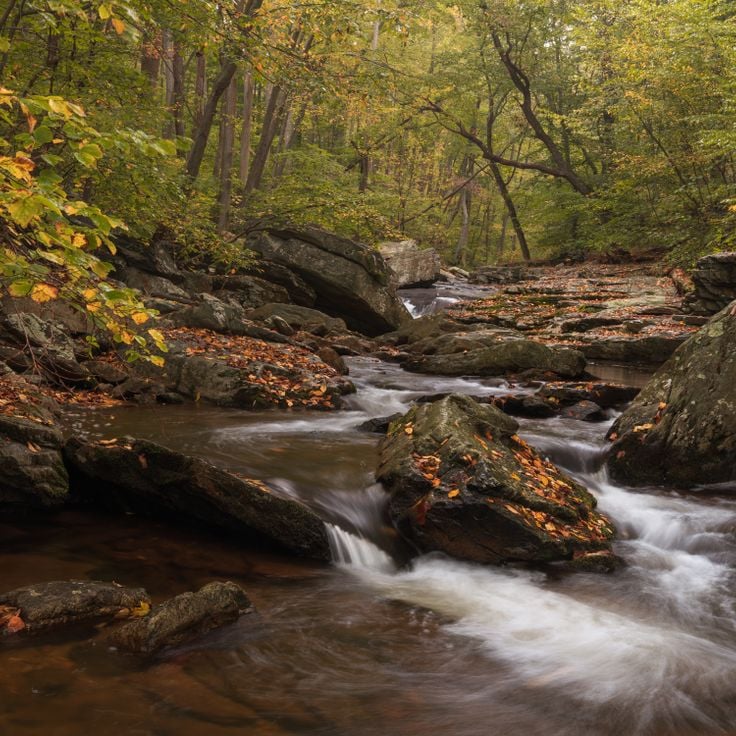
Rocks State Park in Jarrettsville features dramatic rock formations and powerful waterfalls that cut through dense forests. Visitors can walk along trails where natural stone bridges appear around corners, and overlooks offer wide views of the surrounding landscape. The raw beauty of this place draws people who want to experience nature's forces firsthand.
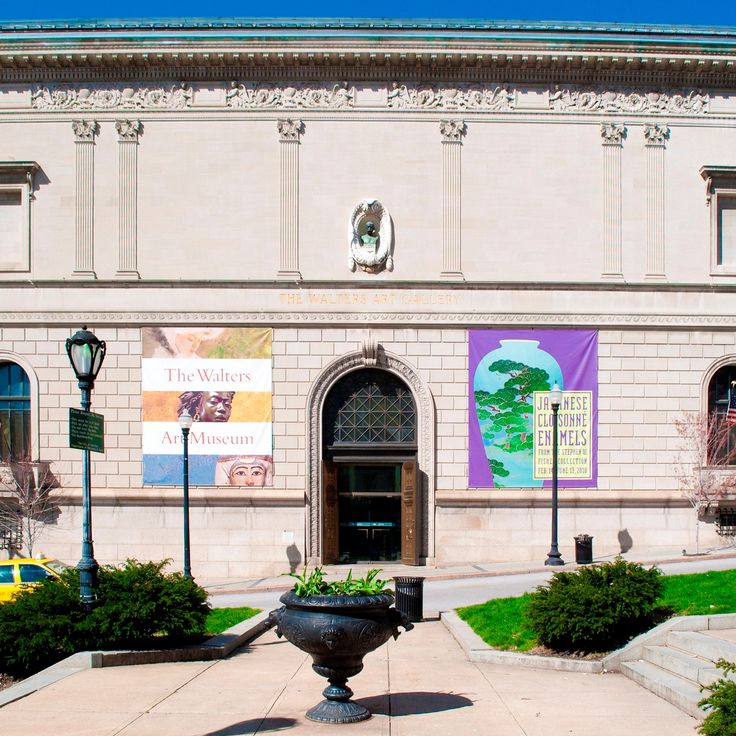
The Walters Art Museum in Baltimore houses an extensive art collection spanning from ancient times to the contemporary era. Visitors can see paintings, sculptures, and decorative objects gathered from around the world. The museum showcases different artistic traditions and periods, allowing people to walk through centuries of human creativity. It stands as one of Baltimore's cultural institutions, offering insights into how art has changed across different societies and ages.
Cunningham Falls State Park near Thurmont features a 24-meter waterfall that cascades across multiple drops. Visitors can explore roughly 40 kilometers of marked trails that wind through forests and offer views of the surrounding landscape. The park invites people to walk among the woods and discover the waterfalls from different angles.
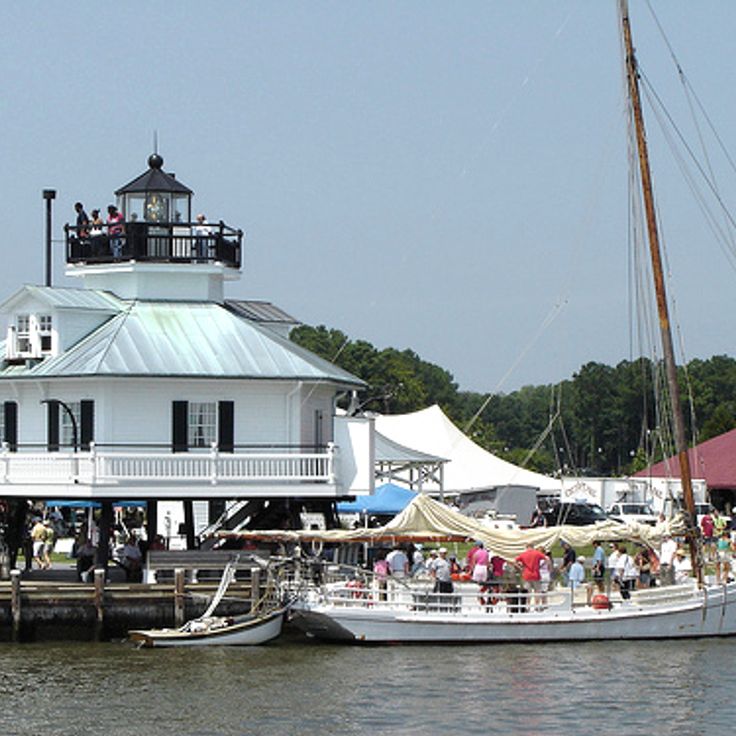
St. Michaels is a waterfront town where colonial-era buildings line the streets and tell stories of the past. Fresh seafood restaurants are part of daily life here, reflecting the town's connection to Chesapeake Bay. The Chesapeake Bay Maritime Museum showcases the region's boat-building heritage and maritime traditions. As you walk around, you will notice the relaxed pace of life, local fishing boats, and the way the community has kept its connection to the water and its history alive.
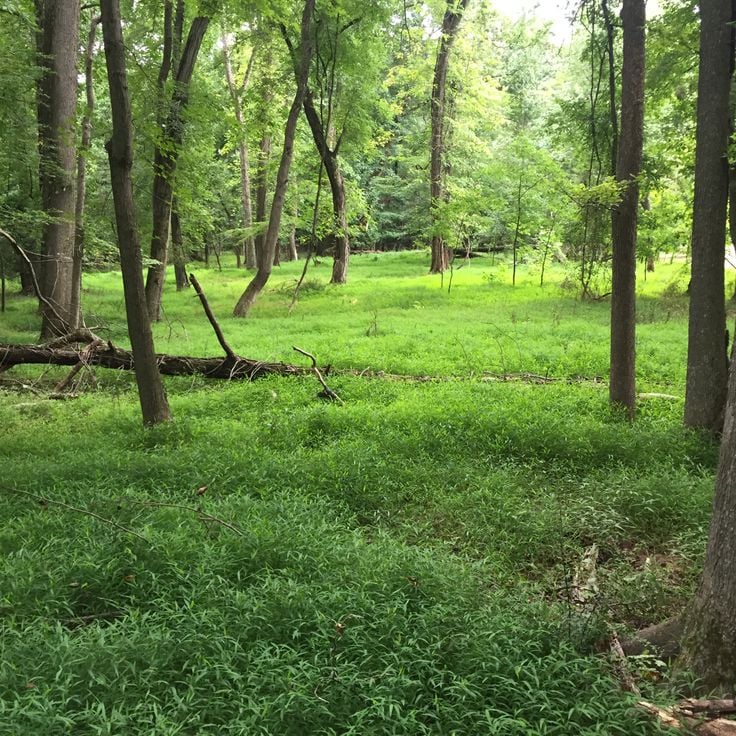
Greenbelt Park sits near Washington DC and offers visitors a forest to explore. This place has walking trails where you can discover nature on foot. The park is a good spot to escape the rush of the city and spend time outdoors. Here visitors can take walks, watch the trees and plants, and simply rest in a natural setting.
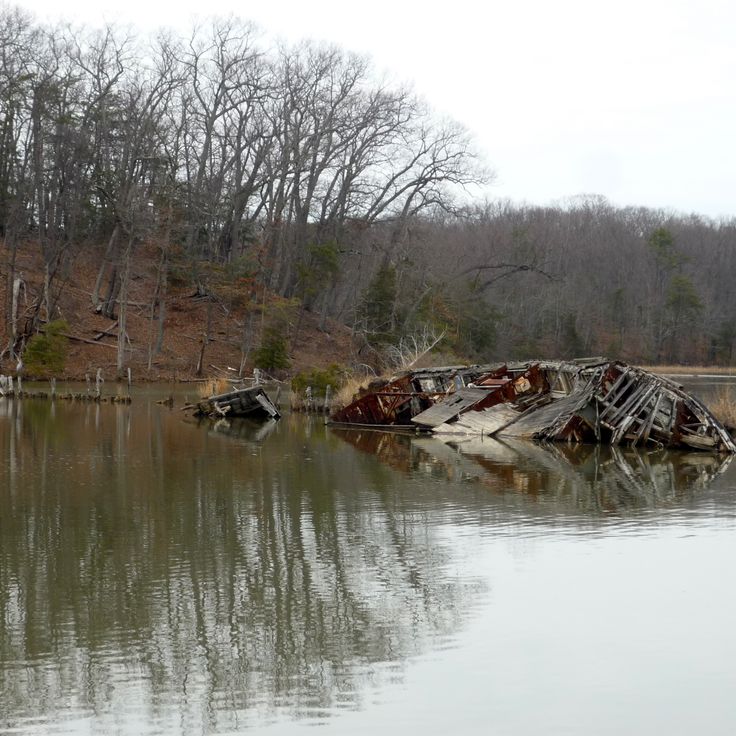
Mallows Bay along the Potomac River in Charles County holds one of the region's most unusual collections of shipwrecks. More than 100 wooden steamships from World War I rest here, their hulls jutting from the water like relics from another era. After the war, these vessels were sunk deliberately and have since become an accidental museum beneath the surface. Visitors come by kayak or foot to witness this quiet reminder of history, watching the old wooden frames emerge from the water on calm days.
Point Lookout State Park lies at the southern tip of Maryland, where the Potomac River meets the Chesapeake Bay. This park combines outdoor recreation with Civil War history. Walking trails lead through wooded areas and open onto sandy shores. The park was the site of a large prison camp during the Civil War, and remnants of that period remain visible. Visitors can hike, fish, swim, or simply walk along the water and watch the rivers flow together.
Adkins Arboretum is a garden and 400-acre nature preserve on Maryland's Eastern Shore dedicated to showcasing native plants. The space invites visitors to explore the region's natural plant life through walking trails that wind through different habitats. You can see how native species grow in their natural settings and learn how these plants fit into the local landscape. The arboretum demonstrates what the land looked like before development and how native plants can be used in home gardens.
The George Peabody Library in Baltimore is a 19th century building that feels like a grand temple for books. The interior courtyard rises up several stories, lined on all sides with shelves and railings. When you walk inside, the space creates a strong impression of beauty and history all at once. This library fits into Maryland's collection of places to discover because it shows how the state has kept its heritage and knowledge alive over time. Visitors find themselves moving through rooms filled with old books and collections, experiencing the kind of calm that only spaces like this can give.
Baltimore's Graffiti Alley is a legal space where street artists can paint freely. The walls here are constantly changing as new artists add their work. You can see local creators expressing their talent and imagination in real time. Change is part of the charm here: what you see today may be painted over tomorrow, making each visit different from the last.
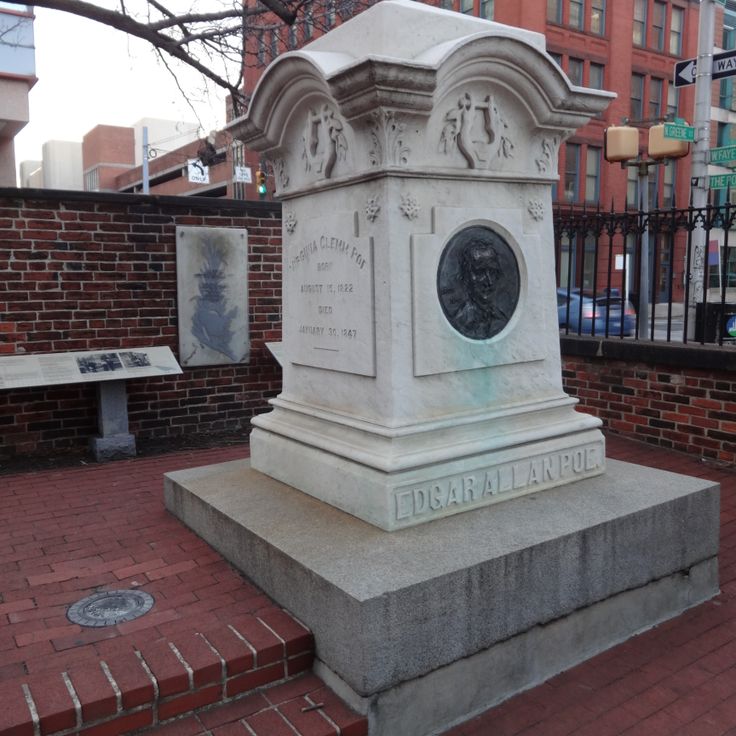
Edgar Allan Poe's grave has rested in Westminster Hall Cemetery since 1849 in Baltimore. The writer known for his dark and mysterious stories lies beneath a monument topped with a carved raven. This burial site draws visitors interested in American literary history. The cemetery itself sits in the heart of the city and provides a quiet refuge amid urban life. Many people come to pay respects to the author and honor his literary legacy.
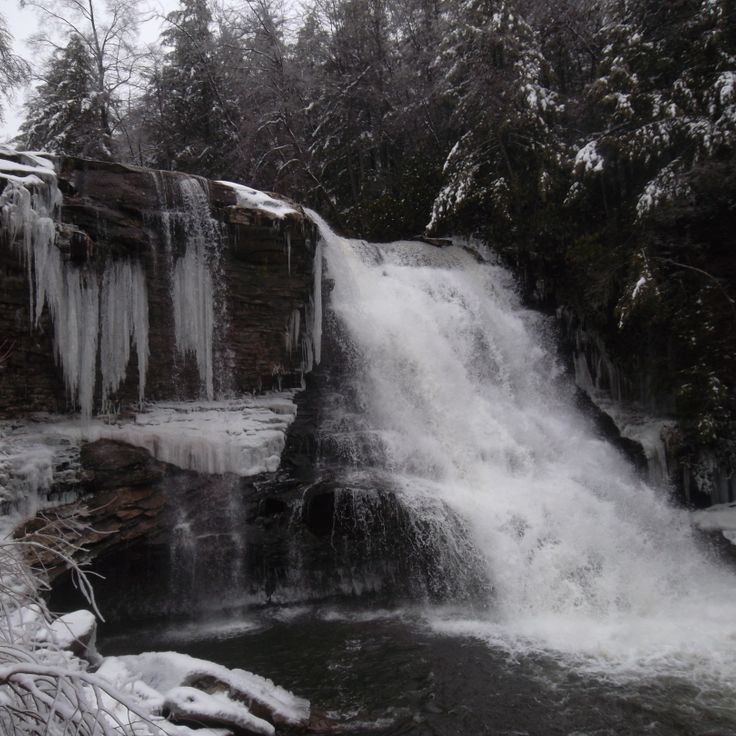
Swallow Falls State Park in Oakland contains Muddy Creek Falls, which drops 53 feet down rocky cliffs. Hemlock trees frame the paths that run alongside the water through the forest. This park lets you walk through green woods and listen to the sound of falling water. The forest here feels cool and quiet, especially on warm days. Trails wind through old trees and past moss-covered rocks where water splashes below.
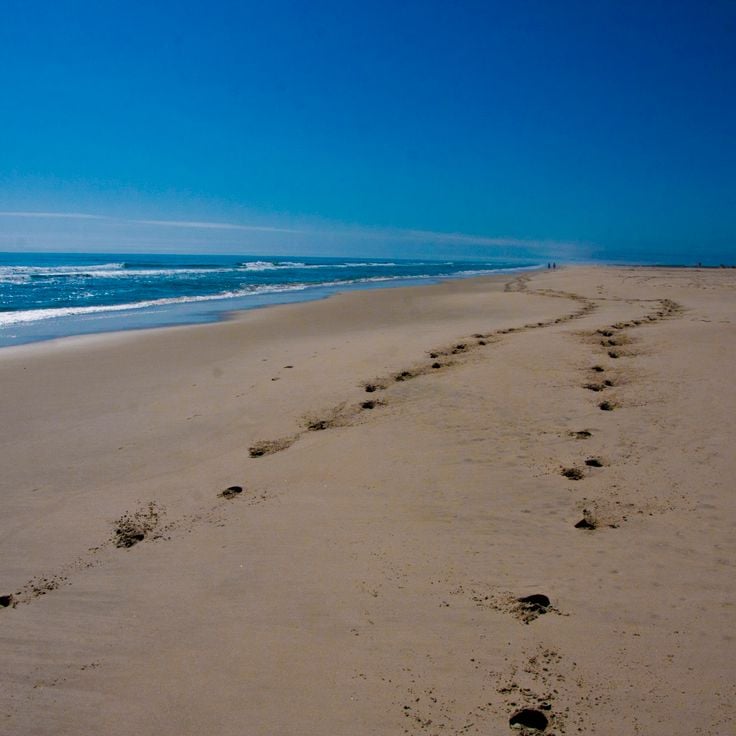
This barrier island stretches along the coasts of Maryland and Virginia, home to wild ponies that roam the salt marshes and maritime forests. Assateague Island National Seashore offers long beaches where visitors can observe the horses, along with opportunities for camping, hiking, and exploring nature. The island ecosystem contains both saltwater and freshwater environments, supporting a variety of birds, fish, and other animals adapted to this distinctive habitat.
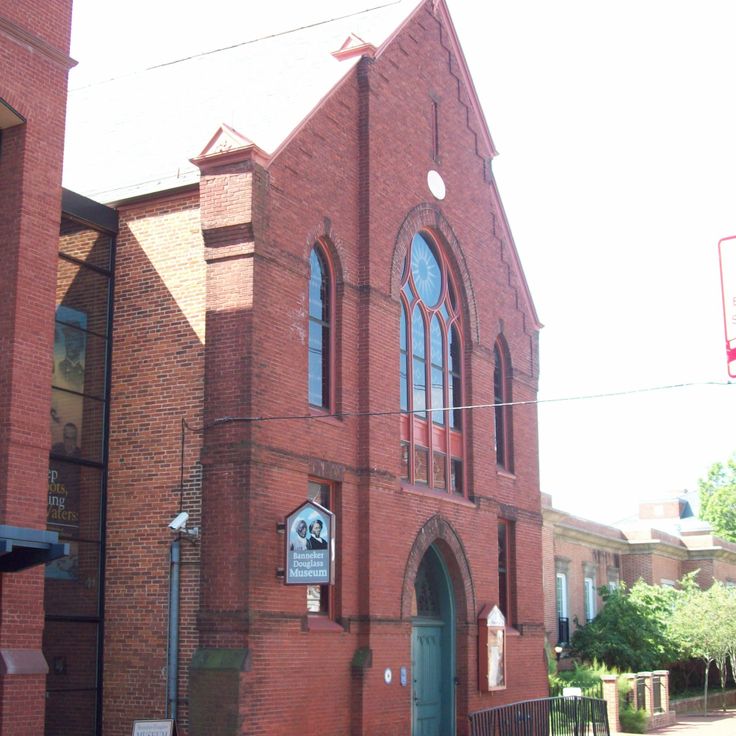
The Banneker-Douglass Museum in Annapolis preserves the history and heritage of African Americans in the state of Maryland. The museum displays the contributions and life stories of people who shaped this region. Visitors can discover artworks, historical objects, and documents that tell of the past and present of the African American community. The exhibitions offer insight into cultural development and showcase individuals who served as role models.
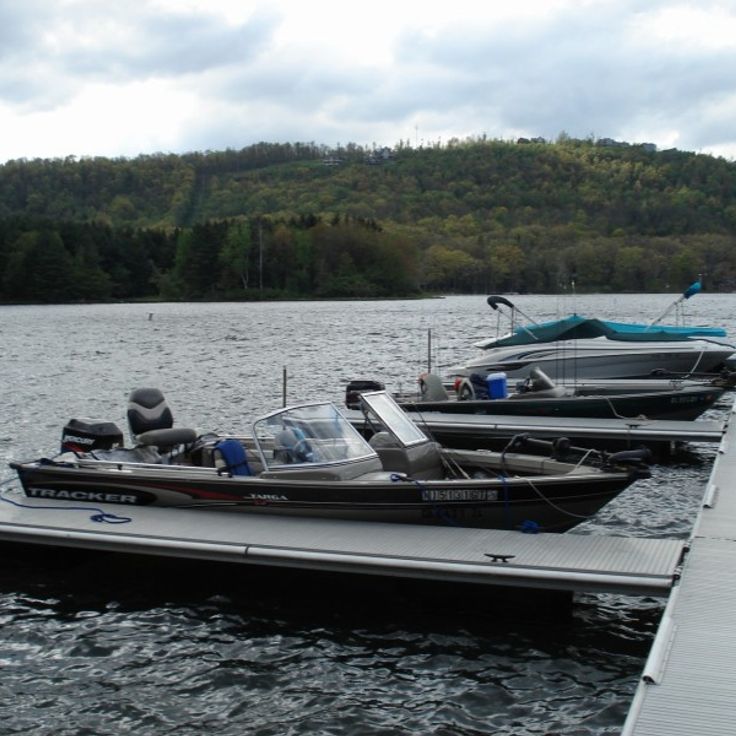
Deep Creek Lake State Park in Swanton surrounds Maryland's largest freshwater lake with outdoor activities for all kinds of visitors. The park sits in mountainous terrain where trails wind through forests and lead to water views. You can fish, boat, swim, or simply walk along the shoreline and enjoy the surroundings. In fall, the trees change color and create a colorful backdrop. The park attracts people looking for a place to disconnect from city life and spend time outdoors.
Susquehanna State Park in Havre de Grace provides a space for visitors to fish, hike, and explore the early industrial heritage of Maryland along the Susquehanna River. The park allows you to walk through landscapes shaped by the river's importance to the region's economy. Historic structures and trails tell the story of how water power and commerce once shaped this valley. You can see the connection between the natural environment and the people who built their livelihoods here.
The Wye Mill is a historic grain mill in Wye Mills that has operated continuously for more than 300 years. It is the oldest mill of its kind still running in the United States. Visitors can watch how water powers the millstone and how grain is processed the old-fashioned way. A small museum in the building tells the story of the mill and its importance to the area. The place shows how people lived and worked in earlier times.
Seneca Creek State Park in Gaithersburg is a large park surrounding Seneca Creek with the scenic Clopper Lake at its heart. The park offers forest trails for walking and hiking, along with fishing and boating on the water. Visitors can experience nature without traveling far from the city. Trees frame the lake, creating a calm setting for rest and reflection. Historic buildings and old mills scattered through the park tell stories of the region's past. It is a place where families walk, have picnics, or simply spend time outdoors.
Jefferson Patterson Park is a sprawling outdoor museum spread across 560 acres along the Patuxent River. Visitors can see actual excavation sites where archaeologists uncover artifacts and remains from earlier settlements. The museum displays discoveries from different periods of human settlement in the region, stretching from prehistoric times to the colonial era. Research facilities are accessible to scholars and show how modern archaeology works in practice. The park features walking trails through forested areas and along the riverbank, allowing visitors to explore both history and nature at the same time.
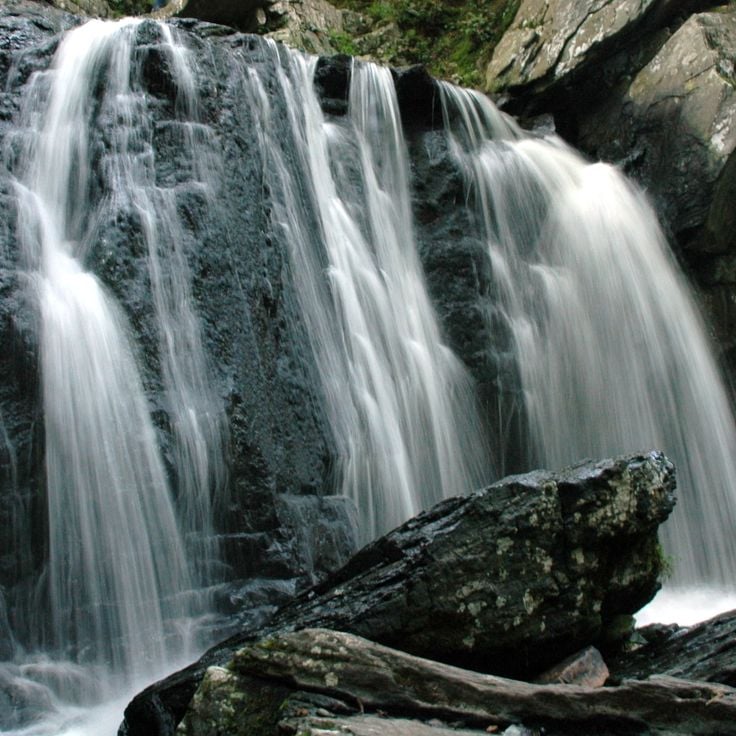
Kilgore Falls in this state park flows through a forested area with rock formations. The water drops about 17 feet into a natural pool, creating a refreshing sight. The location sits away from main trails and offers a quiet place to rest. Surrounding forests invite walking, and the rocky landscape shows the region's natural geology. Visitors find a place here to get away from everyday activity and experience the simple beauty of nature.
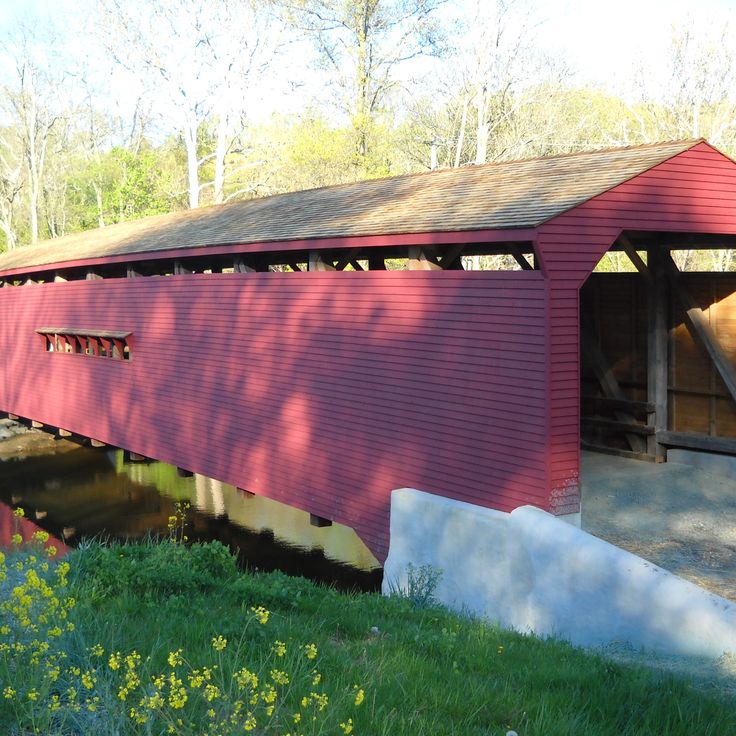
Gilpin's Falls Bridge is a historic wooden structure spanning Northeast Creek in Bay View. Built in 1860, this bridge showcases 19th-century craftsmanship with its Burr truss design and vertical siding. The crossing offers visitors a chance to walk across a well-preserved example of period engineering while enjoying views of the surrounding forest and creek below.
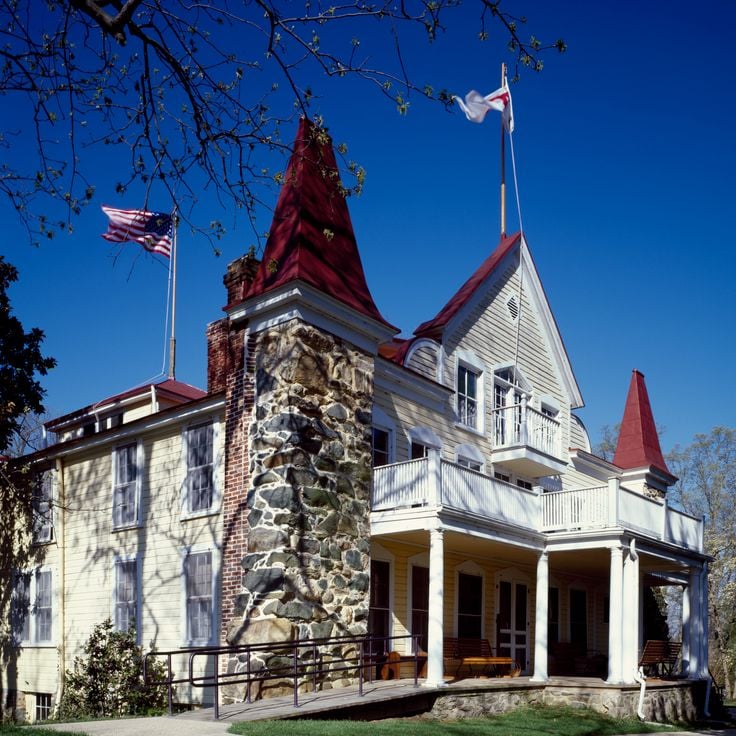
The Clara Barton House in Glen Echo served as both a home and headquarters of the American Red Cross from 1897 to 1904. This three-story building contains the original furniture and personal belongings that belonged to Clara Barton. The house tells the story of her life and her dedication to humanitarian work. It is a place where you can learn about a woman who devoted herself to helping others.
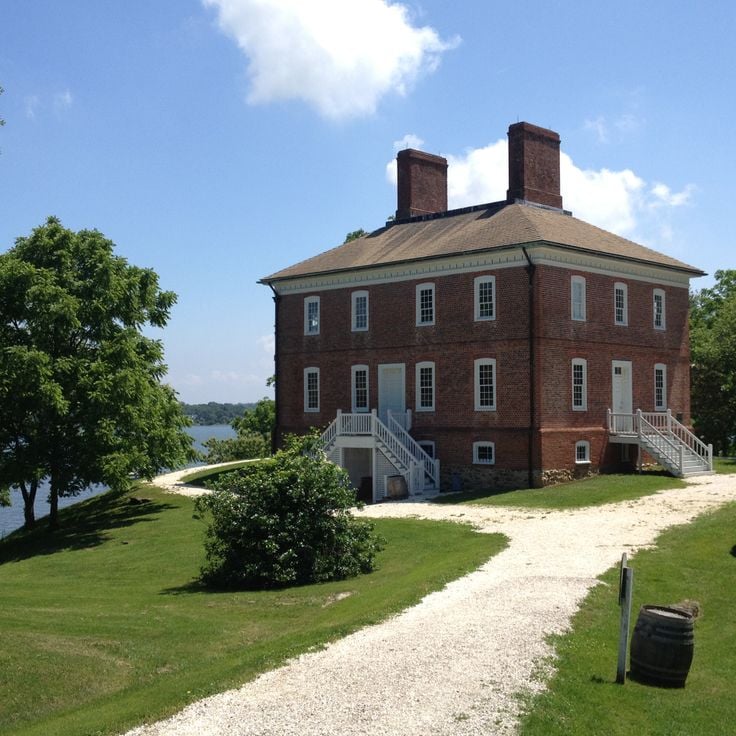
London Town shows how colonists lived and worked along the South River starting in 1683. Archaeologists discovered remains of buildings and rebuilt some structures to show visitors what the settlement looked like. You can see how people of that time built their homes and arranged their gardens. The site spans several acres with reconstructed buildings and gardens based on historical records. Walking through the grounds, you learn how the settlers farmed, what they grew, and how they organized their daily lives. The gardens are planted with crops and flowers that colonists actually used back then.
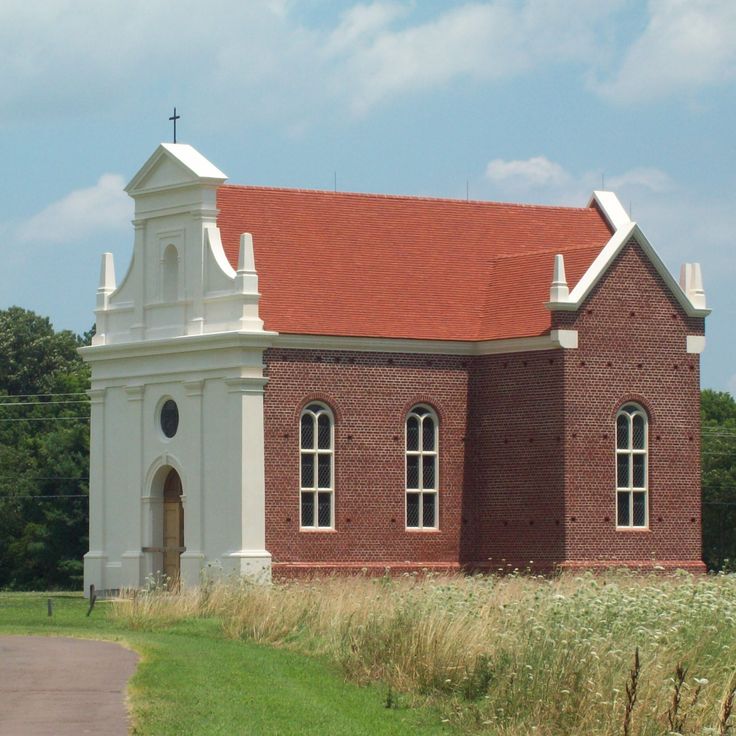
St. Mary's City was Maryland's first permanent colonial settlement, and today it tells the story of those early years through rebuilt structures and museum exhibitions. Visitors walk through reconstructed buildings from the 1600s and see how the first colonists lived. The site features demonstrations of daily life from that era, showing craftwork, cooking, and other activities on authentic grounds. Archaeological discoveries are displayed and explained, revealing the material traces left by the early settlers. It is a place where you can touch history through hands-on learning and original artifacts.
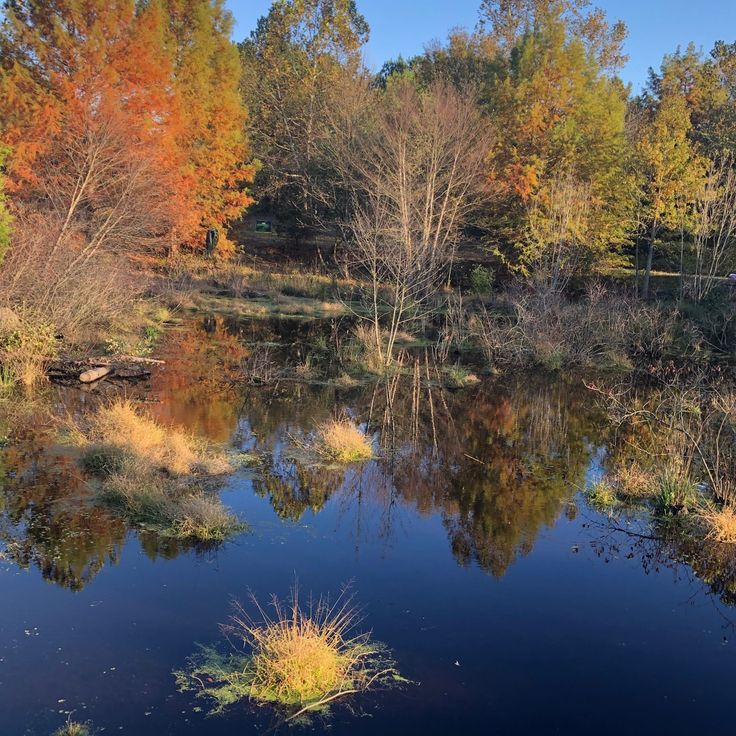
Jug Bay Wetland Sanctuary in Lothian is a natural preserve where visitors come to observe migrating birds, study native plants, and walk marked trails. The place offers quiet moments surrounded by water and wildlife, showing how rich and varied the natural life of Maryland can be. It is one of many spots in the state where you can step away from crowds and experience nature as it has been for generations.
This white stone lighthouse built in 1827 stands at the mouth of the Susquehanna River, guiding ships on Chesapeake Bay. It is part of Maryland's remarkable places where history and nature come together. Concord Point Lighthouse towers over Havre de Grace harbor like a sentinel and shows the long connection between people and water. From this spot, visitors can overlook the bay and understand the stories of past ships and seafarers.
The Ladew Topiary Gardens in Monkton showcase trimmed hedges and plants carved into geometric patterns, animal shapes, and human figures across nearly 9 hectares. Fifteen distinct garden spaces display different styles of topiary work, each with its own character and artistic approach. Visitors walk through these sculpted green forms, experiencing the craftsmanship that goes into shaping plants over time. The gardens reflect a dedication to this particular art form and offer a peaceful place to observe living sculptures.
Blackwater National Wildlife Refuge is a wetland covering roughly 11,300 hectares. It is home to more than 250 bird species, including the largest breeding population of bald eagles on the East Coast. The refuge provides habitat for numerous mammals and aquatic animals. Visitors can walk trails to observe birds and wildlife in their natural environment. The landscape features open water, marshlands, and forested areas.
Elk Neck State Park in northeastern Maryland covers roughly 885 acres (358 hectares) of forests, sandy beaches, and cliffs overlooking Chesapeake Bay. The park is home to Turkey Point Lighthouse, a working beacon that has guided ships since the 1800s. Walking trails wind through the woods, leading to overlooks where you can see across the water. The landscape shifts between forested areas and open shoreline, offering different views as you explore. It is a place where you can spend a quiet afternoon walking, watching for birds and wildlife, and taking in the water views.
This art museum in Baltimore showcases works by self-taught artists who create from their own inner vision and personal passion. The museum itself has a distinctive character shaped by the unconventional artwork and creative spirit of the artists it features. Visitors can view paintings, sculptures, and other artistic creations that come directly from the artists' imaginations. Located in Baltimore, this museum is a place where you can see how artists without formal training express their personal visions and ideas.
The Brookside Gardens in Wheaton are a public garden featuring different thematic areas that invite visitors to walk through and explore. The garden offers designed landscapes with varied plant sections where you can spend time surrounded by cultivated greenery. These gardens fit into Maryland's collection of outdoor spaces, where you can find both carefully planned gardens and wilder natural areas.
Rocks State Park in Jarrettsville features dramatic rock formations and powerful waterfalls that cut through dense forests. Visitors can walk along trails where natural stone bridges appear around corners, and overlooks offer wide views of the surrounding landscape. The raw beauty of this place draws people who want to experience nature's forces firsthand.
The Walters Art Museum in Baltimore houses an extensive art collection spanning from ancient times to the contemporary era. Visitors can see paintings, sculptures, and decorative objects gathered from around the world. The museum showcases different artistic traditions and periods, allowing people to walk through centuries of human creativity. It stands as one of Baltimore's cultural institutions, offering insights into how art has changed across different societies and ages.
Cunningham Falls State Park near Thurmont features a 24-meter waterfall that cascades across multiple drops. Visitors can explore roughly 40 kilometers of marked trails that wind through forests and offer views of the surrounding landscape. The park invites people to walk among the woods and discover the waterfalls from different angles.
St. Michaels is a waterfront town where colonial-era buildings line the streets and tell stories of the past. Fresh seafood restaurants are part of daily life here, reflecting the town's connection to Chesapeake Bay. The Chesapeake Bay Maritime Museum showcases the region's boat-building heritage and maritime traditions. As you walk around, you will notice the relaxed pace of life, local fishing boats, and the way the community has kept its connection to the water and its history alive.
Greenbelt Park sits near Washington DC and offers visitors a forest to explore. This place has walking trails where you can discover nature on foot. The park is a good spot to escape the rush of the city and spend time outdoors. Here visitors can take walks, watch the trees and plants, and simply rest in a natural setting.
Mallows Bay along the Potomac River in Charles County holds one of the region's most unusual collections of shipwrecks. More than 100 wooden steamships from World War I rest here, their hulls jutting from the water like relics from another era. After the war, these vessels were sunk deliberately and have since become an accidental museum beneath the surface. Visitors come by kayak or foot to witness this quiet reminder of history, watching the old wooden frames emerge from the water on calm days.
Point Lookout State Park lies at the southern tip of Maryland, where the Potomac River meets the Chesapeake Bay. This park combines outdoor recreation with Civil War history. Walking trails lead through wooded areas and open onto sandy shores. The park was the site of a large prison camp during the Civil War, and remnants of that period remain visible. Visitors can hike, fish, swim, or simply walk along the water and watch the rivers flow together.
Adkins Arboretum is a garden and 400-acre nature preserve on Maryland's Eastern Shore dedicated to showcasing native plants. The space invites visitors to explore the region's natural plant life through walking trails that wind through different habitats. You can see how native species grow in their natural settings and learn how these plants fit into the local landscape. The arboretum demonstrates what the land looked like before development and how native plants can be used in home gardens.
The George Peabody Library in Baltimore is a 19th century building that feels like a grand temple for books. The interior courtyard rises up several stories, lined on all sides with shelves and railings. When you walk inside, the space creates a strong impression of beauty and history all at once. This library fits into Maryland's collection of places to discover because it shows how the state has kept its heritage and knowledge alive over time. Visitors find themselves moving through rooms filled with old books and collections, experiencing the kind of calm that only spaces like this can give.
Baltimore's Graffiti Alley is a legal space where street artists can paint freely. The walls here are constantly changing as new artists add their work. You can see local creators expressing their talent and imagination in real time. Change is part of the charm here: what you see today may be painted over tomorrow, making each visit different from the last.
Edgar Allan Poe's grave has rested in Westminster Hall Cemetery since 1849 in Baltimore. The writer known for his dark and mysterious stories lies beneath a monument topped with a carved raven. This burial site draws visitors interested in American literary history. The cemetery itself sits in the heart of the city and provides a quiet refuge amid urban life. Many people come to pay respects to the author and honor his literary legacy.
Swallow Falls State Park in Oakland contains Muddy Creek Falls, which drops 53 feet down rocky cliffs. Hemlock trees frame the paths that run alongside the water through the forest. This park lets you walk through green woods and listen to the sound of falling water. The forest here feels cool and quiet, especially on warm days. Trails wind through old trees and past moss-covered rocks where water splashes below.
This barrier island stretches along the coasts of Maryland and Virginia, home to wild ponies that roam the salt marshes and maritime forests. Assateague Island National Seashore offers long beaches where visitors can observe the horses, along with opportunities for camping, hiking, and exploring nature. The island ecosystem contains both saltwater and freshwater environments, supporting a variety of birds, fish, and other animals adapted to this distinctive habitat.
The Banneker-Douglass Museum in Annapolis preserves the history and heritage of African Americans in the state of Maryland. The museum displays the contributions and life stories of people who shaped this region. Visitors can discover artworks, historical objects, and documents that tell of the past and present of the African American community. The exhibitions offer insight into cultural development and showcase individuals who served as role models.
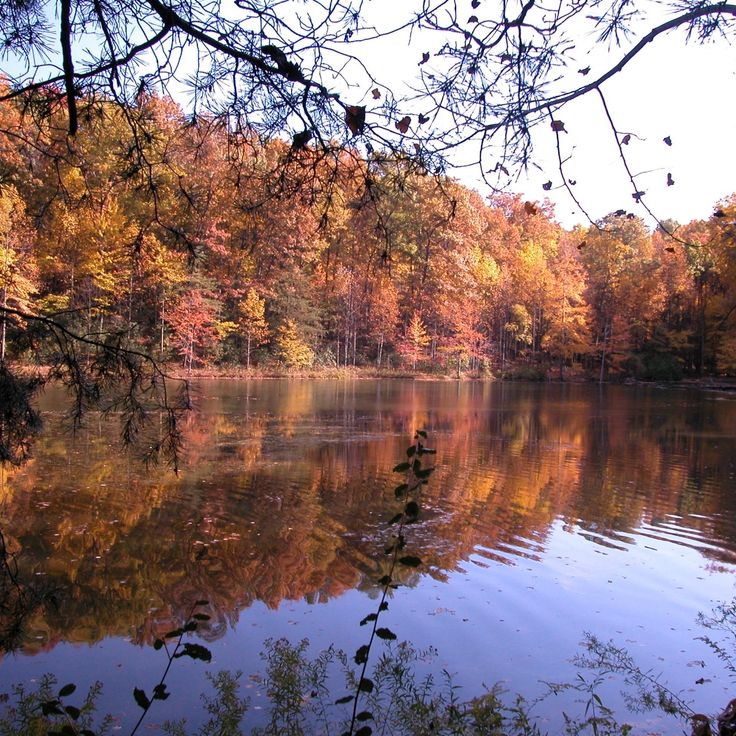
Deep Creek Lake State Park in Swanton surrounds Maryland's largest freshwater lake with outdoor activities for all kinds of visitors. The park sits in mountainous terrain where trails wind through forests and lead to water views. You can fish, boat, swim, or simply walk along the shoreline and enjoy the surroundings. In fall, the trees change color and create a colorful backdrop. The park attracts people looking for a place to disconnect from city life and spend time outdoors.
Susquehanna State Park in Havre de Grace provides a space for visitors to fish, hike, and explore the early industrial heritage of Maryland along the Susquehanna River. The park allows you to walk through landscapes shaped by the river's importance to the region's economy. Historic structures and trails tell the story of how water power and commerce once shaped this valley. You can see the connection between the natural environment and the people who built their livelihoods here.
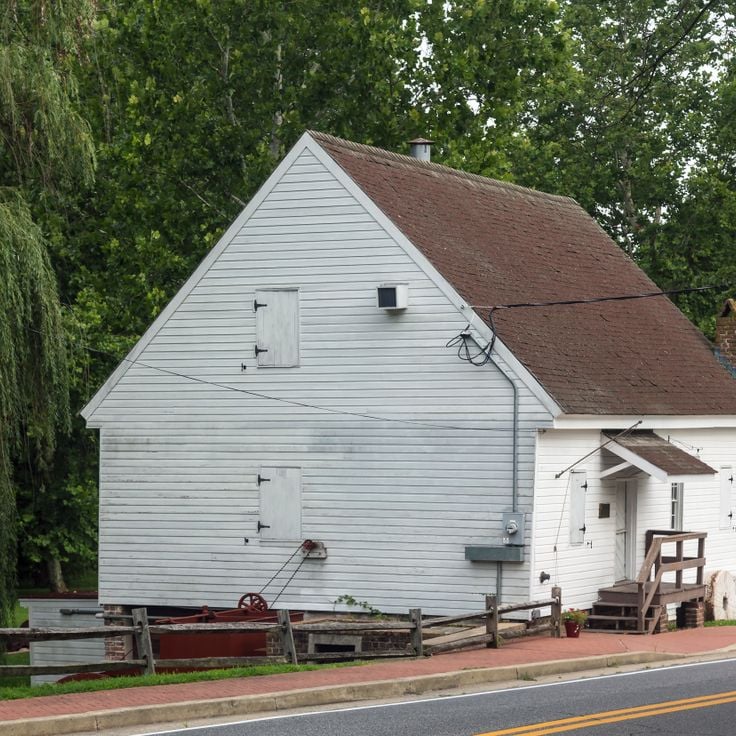
The Wye Mill is a historic grain mill in Wye Mills that has operated continuously for more than 300 years. It is the oldest mill of its kind still running in the United States. Visitors can watch how water powers the millstone and how grain is processed the old-fashioned way. A small museum in the building tells the story of the mill and its importance to the area. The place shows how people lived and worked in earlier times.
Seneca Creek State Park in Gaithersburg is a large park surrounding Seneca Creek with the scenic Clopper Lake at its heart. The park offers forest trails for walking and hiking, along with fishing and boating on the water. Visitors can experience nature without traveling far from the city. Trees frame the lake, creating a calm setting for rest and reflection. Historic buildings and old mills scattered through the park tell stories of the region's past. It is a place where families walk, have picnics, or simply spend time outdoors.
Jefferson Patterson Park is a sprawling outdoor museum spread across 560 acres along the Patuxent River. Visitors can see actual excavation sites where archaeologists uncover artifacts and remains from earlier settlements. The museum displays discoveries from different periods of human settlement in the region, stretching from prehistoric times to the colonial era. Research facilities are accessible to scholars and show how modern archaeology works in practice. The park features walking trails through forested areas and along the riverbank, allowing visitors to explore both history and nature at the same time.
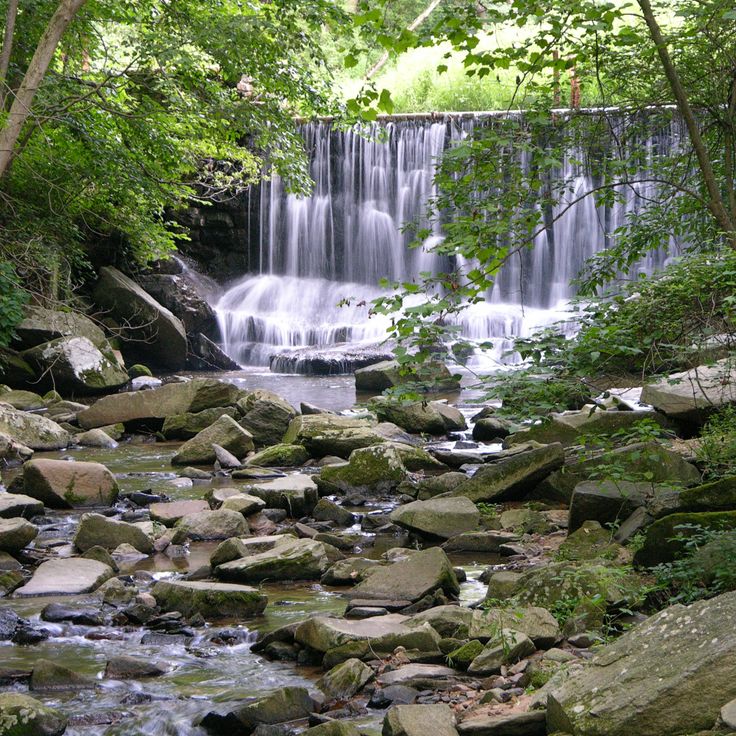
Kilgore Falls in this state park flows through a forested area with rock formations. The water drops about 17 feet into a natural pool, creating a refreshing sight. The location sits away from main trails and offers a quiet place to rest. Surrounding forests invite walking, and the rocky landscape shows the region's natural geology. Visitors find a place here to get away from everyday activity and experience the simple beauty of nature.
Gilpin's Falls Bridge is a historic wooden structure spanning Northeast Creek in Bay View. Built in 1860, this bridge showcases 19th-century craftsmanship with its Burr truss design and vertical siding. The crossing offers visitors a chance to walk across a well-preserved example of period engineering while enjoying views of the surrounding forest and creek below.
The Clara Barton House in Glen Echo served as both a home and headquarters of the American Red Cross from 1897 to 1904. This three-story building contains the original furniture and personal belongings that belonged to Clara Barton. The house tells the story of her life and her dedication to humanitarian work. It is a place where you can learn about a woman who devoted herself to helping others.
London Town shows how colonists lived and worked along the South River starting in 1683. Archaeologists discovered remains of buildings and rebuilt some structures to show visitors what the settlement looked like. You can see how people of that time built their homes and arranged their gardens. The site spans several acres with reconstructed buildings and gardens based on historical records. Walking through the grounds, you learn how the settlers farmed, what they grew, and how they organized their daily lives. The gardens are planted with crops and flowers that colonists actually used back then.
St. Mary's City was Maryland's first permanent colonial settlement, and today it tells the story of those early years through rebuilt structures and museum exhibitions. Visitors walk through reconstructed buildings from the 1600s and see how the first colonists lived. The site features demonstrations of daily life from that era, showing craftwork, cooking, and other activities on authentic grounds. Archaeological discoveries are displayed and explained, revealing the material traces left by the early settlers. It is a place where you can touch history through hands-on learning and original artifacts.
Jug Bay Wetland Sanctuary in Lothian is a natural preserve where visitors come to observe migrating birds, study native plants, and walk marked trails. The place offers quiet moments surrounded by water and wildlife, showing how rich and varied the natural life of Maryland can be. It is one of many spots in the state where you can step away from crowds and experience nature as it has been for generations.
This white stone lighthouse built in 1827 stands at the mouth of the Susquehanna River, guiding ships on Chesapeake Bay. It is part of Maryland's remarkable places where history and nature come together. Concord Point Lighthouse towers over Havre de Grace harbor like a sentinel and shows the long connection between people and water. From this spot, visitors can overlook the bay and understand the stories of past ships and seafarers.
The Ladew Topiary Gardens in Monkton showcase trimmed hedges and plants carved into geometric patterns, animal shapes, and human figures across nearly 9 hectares. Fifteen distinct garden spaces display different styles of topiary work, each with its own character and artistic approach. Visitors walk through these sculpted green forms, experiencing the craftsmanship that goes into shaping plants over time. The gardens reflect a dedication to this particular art form and offer a peaceful place to observe living sculptures.
Blackwater National Wildlife Refuge is a wetland covering roughly 11,300 hectares. It is home to more than 250 bird species, including the largest breeding population of bald eagles on the East Coast. The refuge provides habitat for numerous mammals and aquatic animals. Visitors can walk trails to observe birds and wildlife in their natural environment. The landscape features open water, marshlands, and forested areas.
Elk Neck State Park in northeastern Maryland covers roughly 885 acres (358 hectares) of forests, sandy beaches, and cliffs overlooking Chesapeake Bay. The park is home to Turkey Point Lighthouse, a working beacon that has guided ships since the 1800s. Walking trails wind through the woods, leading to overlooks where you can see across the water. The landscape shifts between forested areas and open shoreline, offering different views as you explore. It is a place where you can spend a quiet afternoon walking, watching for birds and wildlife, and taking in the water views.
This art museum in Baltimore showcases works by self-taught artists who create from their own inner vision and personal passion. The museum itself has a distinctive character shaped by the unconventional artwork and creative spirit of the artists it features. Visitors can view paintings, sculptures, and other artistic creations that come directly from the artists' imaginations. Located in Baltimore, this museum is a place where you can see how artists without formal training express their personal visions and ideas.
The Brookside Gardens in Wheaton are a public garden featuring different thematic areas that invite visitors to walk through and explore. The garden offers designed landscapes with varied plant sections where you can spend time surrounded by cultivated greenery. These gardens fit into Maryland's collection of outdoor spaces, where you can find both carefully planned gardens and wilder natural areas.
Rocks State Park in Jarrettsville features dramatic rock formations and powerful waterfalls that cut through dense forests. Visitors can walk along trails where natural stone bridges appear around corners, and overlooks offer wide views of the surrounding landscape. The raw beauty of this place draws people who want to experience nature's forces firsthand.
The Walters Art Museum in Baltimore houses an extensive art collection spanning from ancient times to the contemporary era. Visitors can see paintings, sculptures, and decorative objects gathered from around the world. The museum showcases different artistic traditions and periods, allowing people to walk through centuries of human creativity. It stands as one of Baltimore's cultural institutions, offering insights into how art has changed across different societies and ages.
Cunningham Falls State Park near Thurmont features a 24-meter waterfall that cascades across multiple drops. Visitors can explore roughly 40 kilometers of marked trails that wind through forests and offer views of the surrounding landscape. The park invites people to walk among the woods and discover the waterfalls from different angles.
St. Michaels is a waterfront town where colonial-era buildings line the streets and tell stories of the past. Fresh seafood restaurants are part of daily life here, reflecting the town's connection to Chesapeake Bay. The Chesapeake Bay Maritime Museum showcases the region's boat-building heritage and maritime traditions. As you walk around, you will notice the relaxed pace of life, local fishing boats, and the way the community has kept its connection to the water and its history alive.
Greenbelt Park sits near Washington DC and offers visitors a forest to explore. This place has walking trails where you can discover nature on foot. The park is a good spot to escape the rush of the city and spend time outdoors. Here visitors can take walks, watch the trees and plants, and simply rest in a natural setting.
Mallows Bay along the Potomac River in Charles County holds one of the region's most unusual collections of shipwrecks. More than 100 wooden steamships from World War I rest here, their hulls jutting from the water like relics from another era. After the war, these vessels were sunk deliberately and have since become an accidental museum beneath the surface. Visitors come by kayak or foot to witness this quiet reminder of history, watching the old wooden frames emerge from the water on calm days.
Point Lookout State Park lies at the southern tip of Maryland, where the Potomac River meets the Chesapeake Bay. This park combines outdoor recreation with Civil War history. Walking trails lead through wooded areas and open onto sandy shores. The park was the site of a large prison camp during the Civil War, and remnants of that period remain visible. Visitors can hike, fish, swim, or simply walk along the water and watch the rivers flow together.
Adkins Arboretum is a garden and 400-acre nature preserve on Maryland's Eastern Shore dedicated to showcasing native plants. The space invites visitors to explore the region's natural plant life through walking trails that wind through different habitats. You can see how native species grow in their natural settings and learn how these plants fit into the local landscape. The arboretum demonstrates what the land looked like before development and how native plants can be used in home gardens.
The George Peabody Library in Baltimore is a 19th century building that feels like a grand temple for books. The interior courtyard rises up several stories, lined on all sides with shelves and railings. When you walk inside, the space creates a strong impression of beauty and history all at once. This library fits into Maryland's collection of places to discover because it shows how the state has kept its heritage and knowledge alive over time. Visitors find themselves moving through rooms filled with old books and collections, experiencing the kind of calm that only spaces like this can give.
Baltimore's Graffiti Alley is a legal space where street artists can paint freely. The walls here are constantly changing as new artists add their work. You can see local creators expressing their talent and imagination in real time. Change is part of the charm here: what you see today may be painted over tomorrow, making each visit different from the last.
Edgar Allan Poe's grave has rested in Westminster Hall Cemetery since 1849 in Baltimore. The writer known for his dark and mysterious stories lies beneath a monument topped with a carved raven. This burial site draws visitors interested in American literary history. The cemetery itself sits in the heart of the city and provides a quiet refuge amid urban life. Many people come to pay respects to the author and honor his literary legacy.
Swallow Falls State Park in Oakland contains Muddy Creek Falls, which drops 53 feet down rocky cliffs. Hemlock trees frame the paths that run alongside the water through the forest. This park lets you walk through green woods and listen to the sound of falling water. The forest here feels cool and quiet, especially on warm days. Trails wind through old trees and past moss-covered rocks where water splashes below.
This barrier island stretches along the coasts of Maryland and Virginia, home to wild ponies that roam the salt marshes and maritime forests. Assateague Island National Seashore offers long beaches where visitors can observe the horses, along with opportunities for camping, hiking, and exploring nature. The island ecosystem contains both saltwater and freshwater environments, supporting a variety of birds, fish, and other animals adapted to this distinctive habitat.
The Banneker-Douglass Museum in Annapolis preserves the history and heritage of African Americans in the state of Maryland. The museum displays the contributions and life stories of people who shaped this region. Visitors can discover artworks, historical objects, and documents that tell of the past and present of the African American community. The exhibitions offer insight into cultural development and showcase individuals who served as role models.
Deep Creek Lake State Park in Swanton surrounds Maryland's largest freshwater lake with outdoor activities for all kinds of visitors. The park sits in mountainous terrain where trails wind through forests and lead to water views. You can fish, boat, swim, or simply walk along the shoreline and enjoy the surroundings. In fall, the trees change color and create a colorful backdrop. The park attracts people looking for a place to disconnect from city life and spend time outdoors.
Susquehanna State Park in Havre de Grace provides a space for visitors to fish, hike, and explore the early industrial heritage of Maryland along the Susquehanna River. The park allows you to walk through landscapes shaped by the river's importance to the region's economy. Historic structures and trails tell the story of how water power and commerce once shaped this valley. You can see the connection between the natural environment and the people who built their livelihoods here.
The Wye Mill is a historic grain mill in Wye Mills that has operated continuously for more than 300 years. It is the oldest mill of its kind still running in the United States. Visitors can watch how water powers the millstone and how grain is processed the old-fashioned way. A small museum in the building tells the story of the mill and its importance to the area. The place shows how people lived and worked in earlier times.
Seneca Creek State Park in Gaithersburg is a large park surrounding Seneca Creek with the scenic Clopper Lake at its heart. The park offers forest trails for walking and hiking, along with fishing and boating on the water. Visitors can experience nature without traveling far from the city. Trees frame the lake, creating a calm setting for rest and reflection. Historic buildings and old mills scattered through the park tell stories of the region's past. It is a place where families walk, have picnics, or simply spend time outdoors.
Jefferson Patterson Park is a sprawling outdoor museum spread across 560 acres along the Patuxent River. Visitors can see actual excavation sites where archaeologists uncover artifacts and remains from earlier settlements. The museum displays discoveries from different periods of human settlement in the region, stretching from prehistoric times to the colonial era. Research facilities are accessible to scholars and show how modern archaeology works in practice. The park features walking trails through forested areas and along the riverbank, allowing visitors to explore both history and nature at the same time.
Kilgore Falls in this state park flows through a forested area with rock formations. The water drops about 17 feet into a natural pool, creating a refreshing sight. The location sits away from main trails and offers a quiet place to rest. Surrounding forests invite walking, and the rocky landscape shows the region's natural geology. Visitors find a place here to get away from everyday activity and experience the simple beauty of nature.
Gilpin's Falls Bridge is a historic wooden structure spanning Northeast Creek in Bay View. Built in 1860, this bridge showcases 19th-century craftsmanship with its Burr truss design and vertical siding. The crossing offers visitors a chance to walk across a well-preserved example of period engineering while enjoying views of the surrounding forest and creek below.
The Clara Barton House in Glen Echo served as both a home and headquarters of the American Red Cross from 1897 to 1904. This three-story building contains the original furniture and personal belongings that belonged to Clara Barton. The house tells the story of her life and her dedication to humanitarian work. It is a place where you can learn about a woman who devoted herself to helping others.
London Town shows how colonists lived and worked along the South River starting in 1683. Archaeologists discovered remains of buildings and rebuilt some structures to show visitors what the settlement looked like. You can see how people of that time built their homes and arranged their gardens. The site spans several acres with reconstructed buildings and gardens based on historical records. Walking through the grounds, you learn how the settlers farmed, what they grew, and how they organized their daily lives. The gardens are planted with crops and flowers that colonists actually used back then.
St. Mary's City was Maryland's first permanent colonial settlement, and today it tells the story of those early years through rebuilt structures and museum exhibitions. Visitors walk through reconstructed buildings from the 1600s and see how the first colonists lived. The site features demonstrations of daily life from that era, showing craftwork, cooking, and other activities on authentic grounds. Archaeological discoveries are displayed and explained, revealing the material traces left by the early settlers. It is a place where you can touch history through hands-on learning and original artifacts.
Jug Bay Wetland Sanctuary in Lothian is a natural preserve where visitors come to observe migrating birds, study native plants, and walk marked trails. The place offers quiet moments surrounded by water and wildlife, showing how rich and varied the natural life of Maryland can be. It is one of many spots in the state where you can step away from crowds and experience nature as it has been for generations.