Hampshire features Roman ruins, medieval castles and Victorian fortresses. The region displays historic manor houses with gardens, a Greek mansion, old abbeys and natural areas. Visitors find museums of industrial history, a working windmill and archaeological sites.
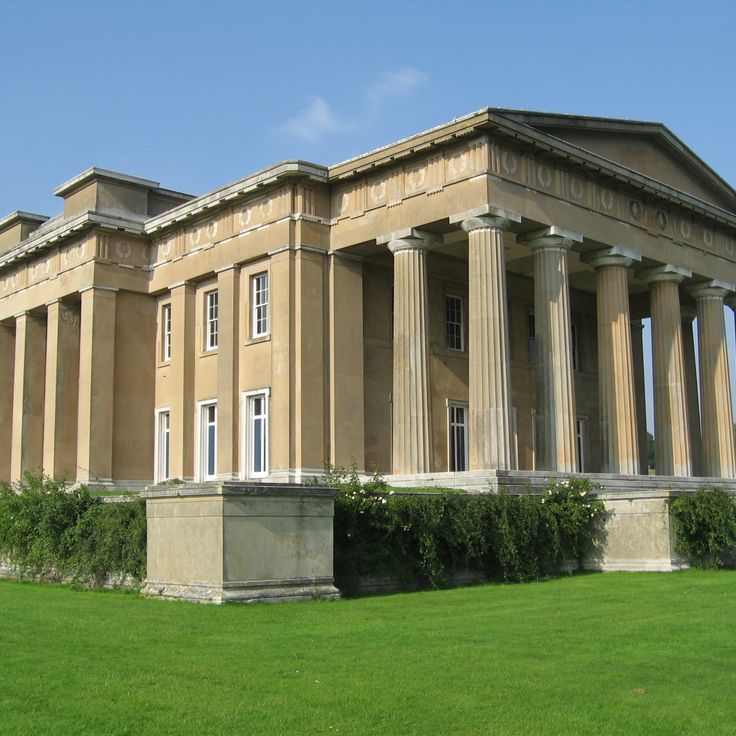
Northington, United Kingdom
A mansion with classical Greek columns and architecture. The venue presents regular opera performances in its interior.
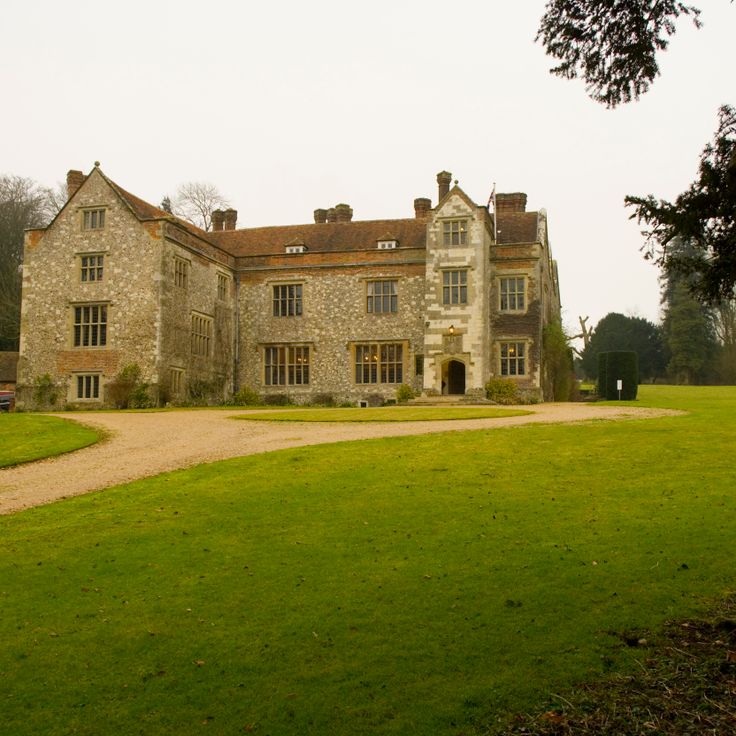
Chawton, United Kingdom
The 16th-century historical building belonged to Edward Austen Knight. It contains a collection of early English women's literature.
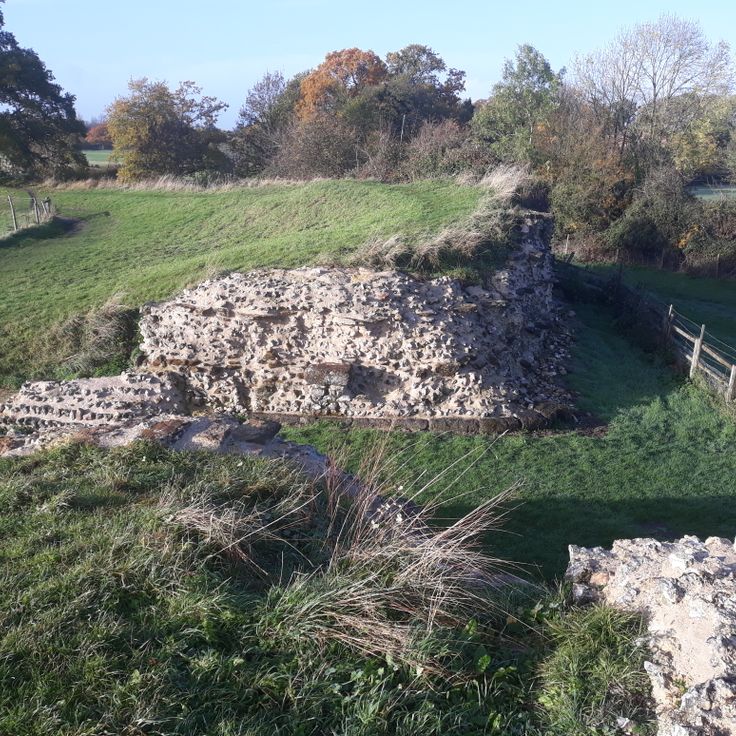
Silchester, United Kingdom
The remains of Roman town Calleva Atrebatum show a military fortress with stone walls and a large amphitheater.
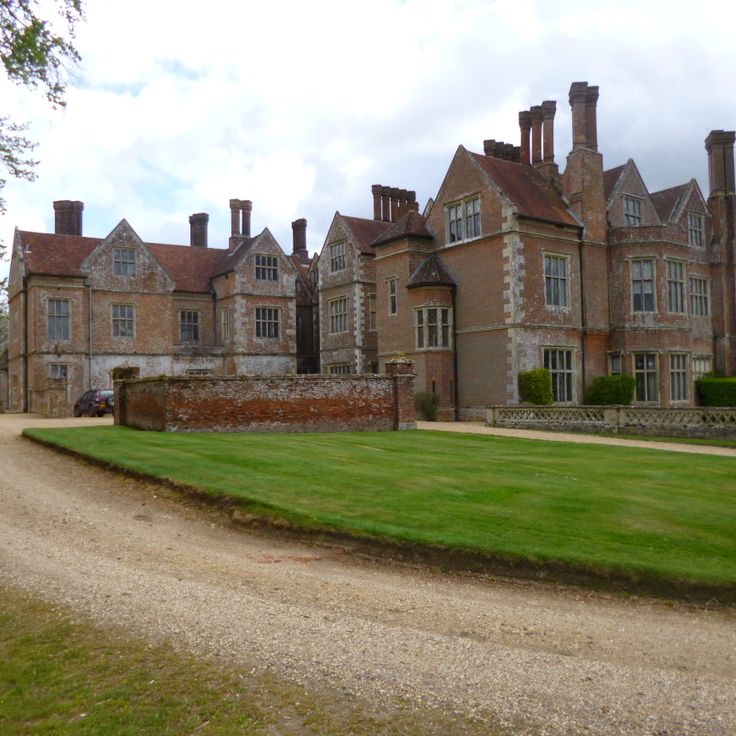
Breamore, United Kingdom
The manor house from 1583 houses a collection of paintings, furniture and historical objects from various periods.
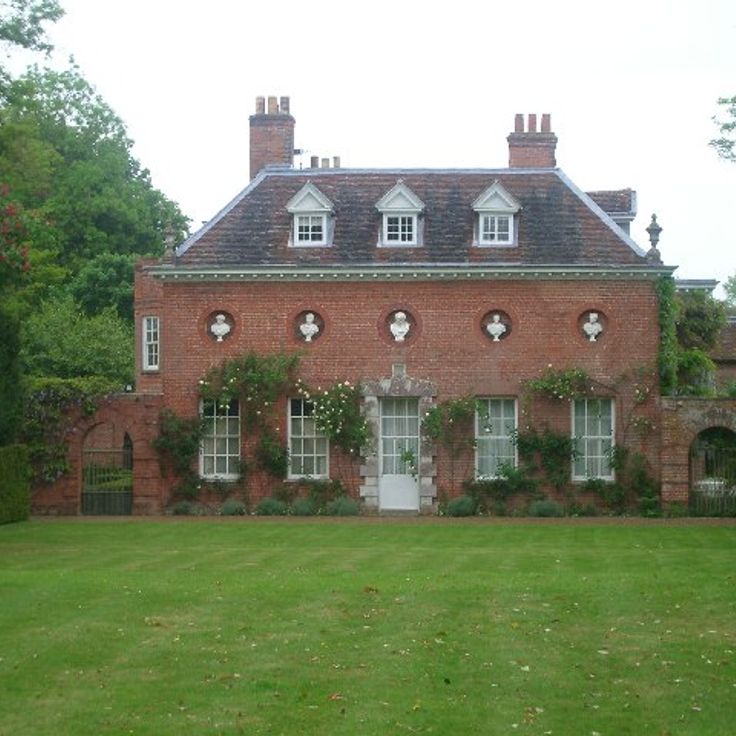
Hook, United Kingdom
These formal gardens feature water elements, vegetable plots and grass areas surrounding a Georgian period manor dating from 1720.
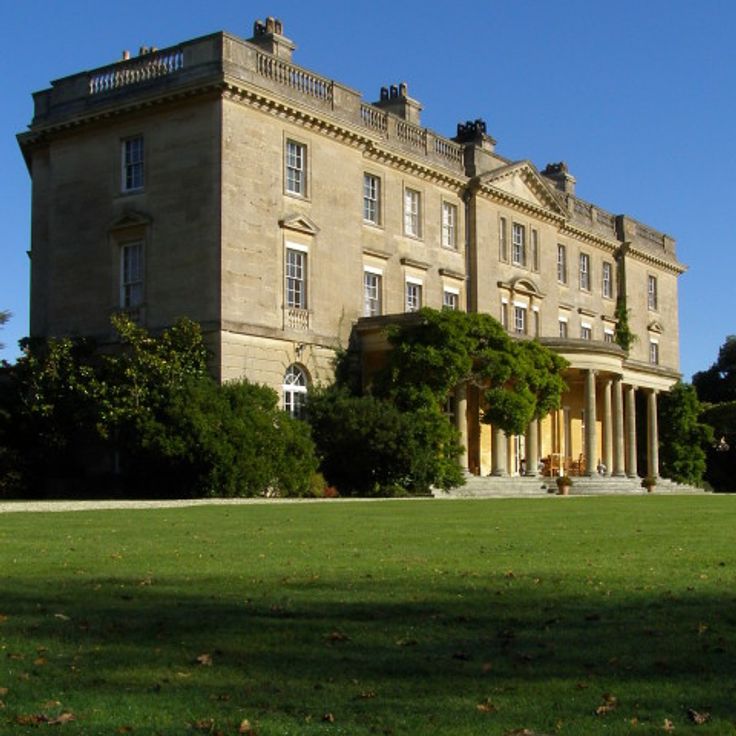
Exbury, United Kingdom
The 80-hectare garden contains collections of rhododendrons, azaleas and camellias with a 20-minute train ride through the grounds.
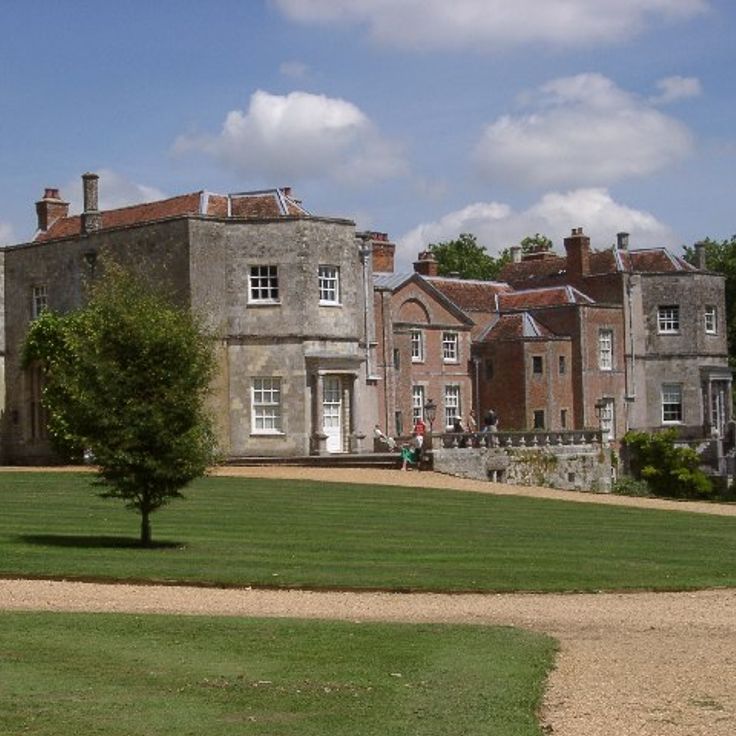
Mottisfont, United Kingdom
The 13th century historical building houses a national collection of historical roses in the Walled Garden.
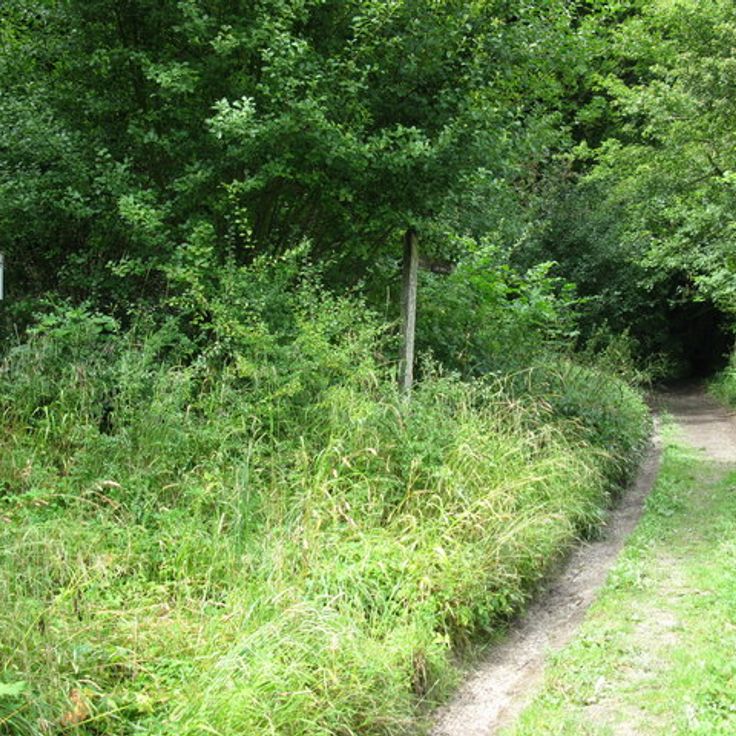
Selborne, United Kingdom
A natural area with chalk cliffs and beech forests where naturalist Gilbert White conducted his observations in the 18th century.
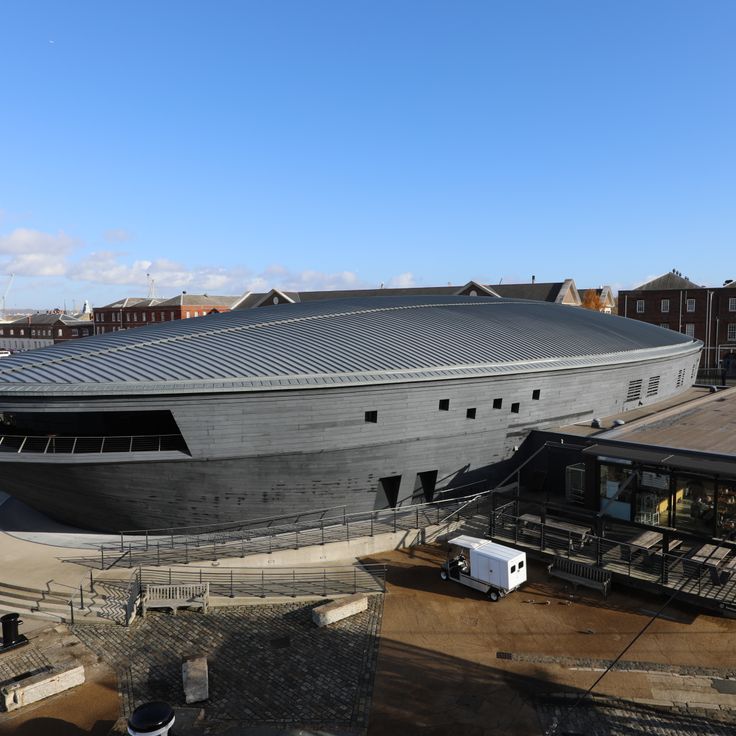
Portsmouth, United Kingdom
The museum displays over 19000 preserved objects from the 16th century ship and shows life at sea during Tudor times.
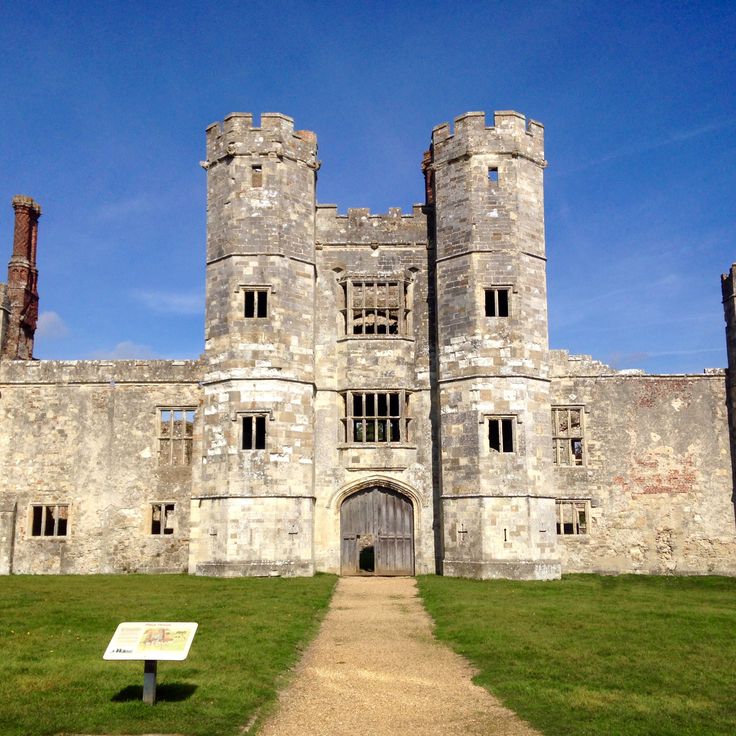
Titchfield, United Kingdom
This medieval abbey was later converted into a mansion and displays architectural elements from different periods.
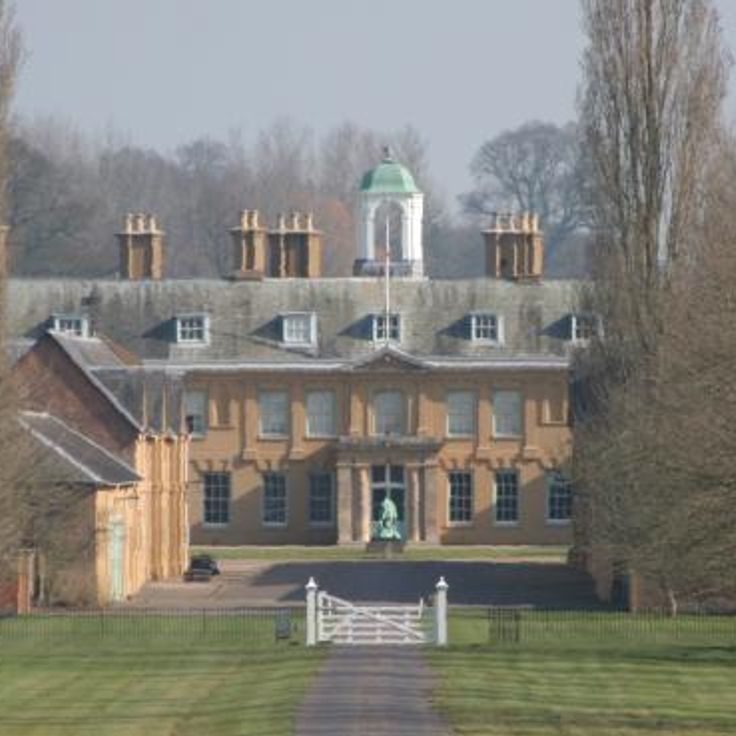
Stratfield Saye, United Kingdom
The estate contains a collection of paintings, furniture and military items from the Napoleonic Wars period.
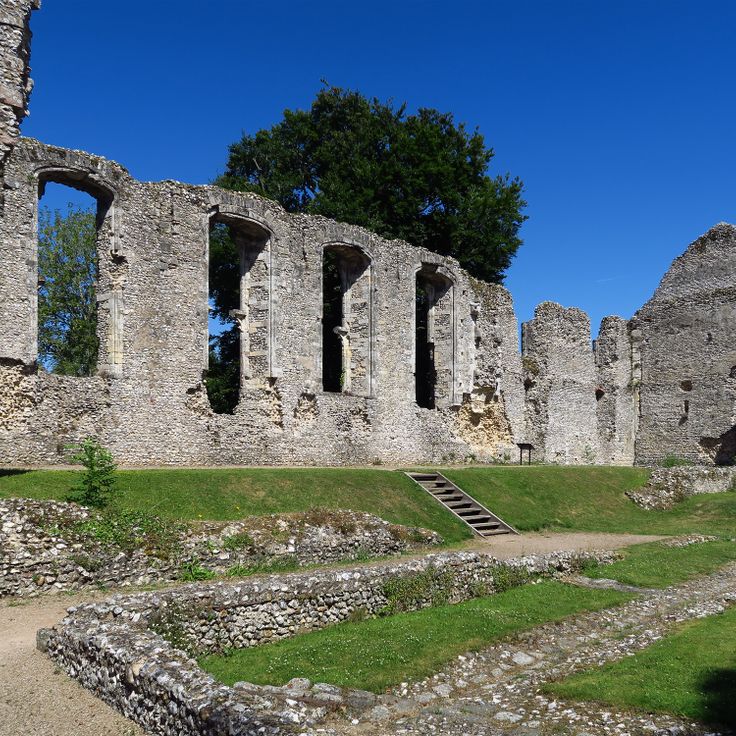
Bishops Waltham, United Kingdom
The remains of this 12th century episcopal residence display Norman and Gothic architectural elements.
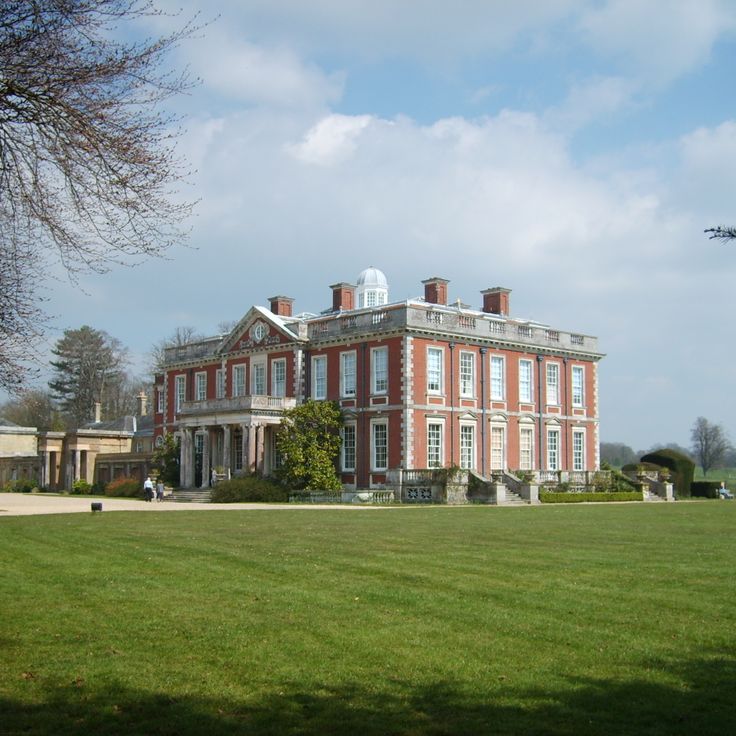
Rowland's Castle, United Kingdom
The estate includes a 17th century manor house with gardens containing a collection of trees and shrubs.
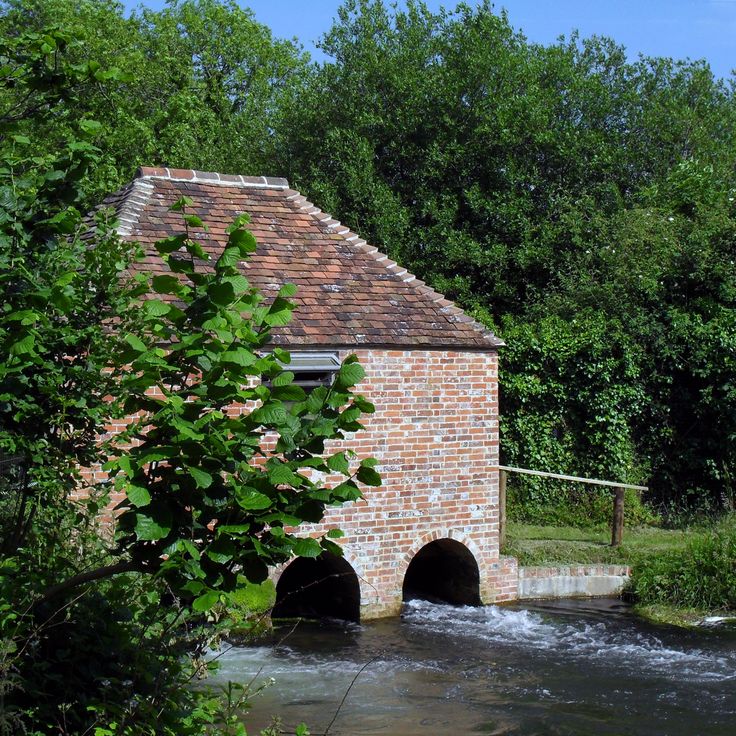
Alresford, United Kingdom
An industrial structure from 1820 for catching and processing eels in the River Arle.
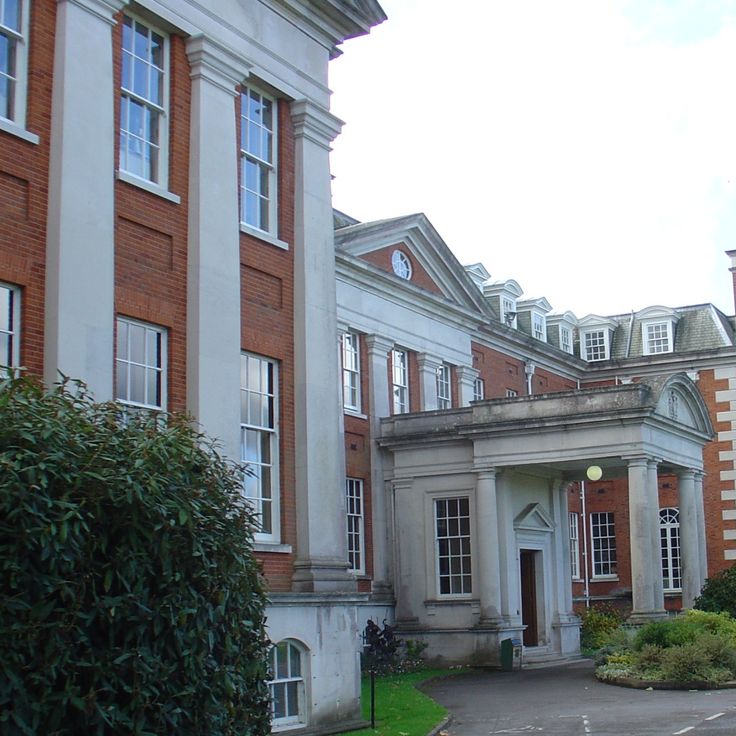
Hursley, United Kingdom
An 18th century manor house that has served as an IBM development laboratory and research center since 1958.
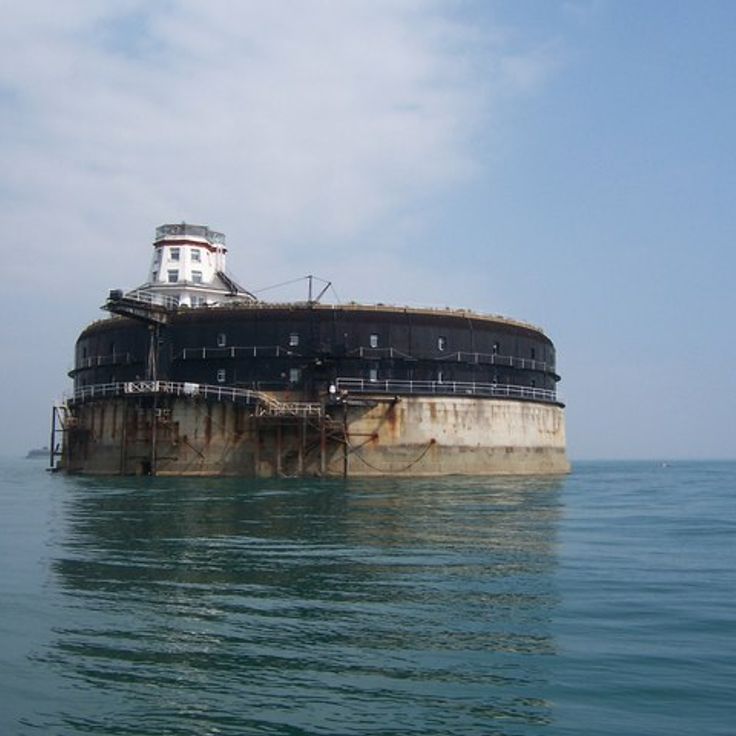
Solent, United Kingdom
A 19th century maritime fortress in the Solent converted into a hotel complex with 22 suites.
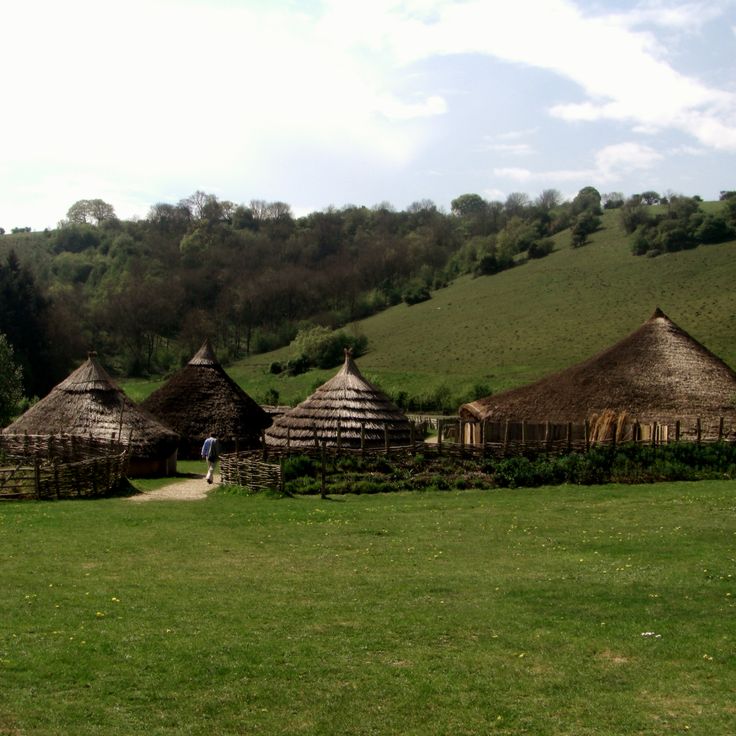
Chalton, United Kingdom
A historical farm with reconstructed buildings and experiments demonstrating Iron Age and Roman period techniques.
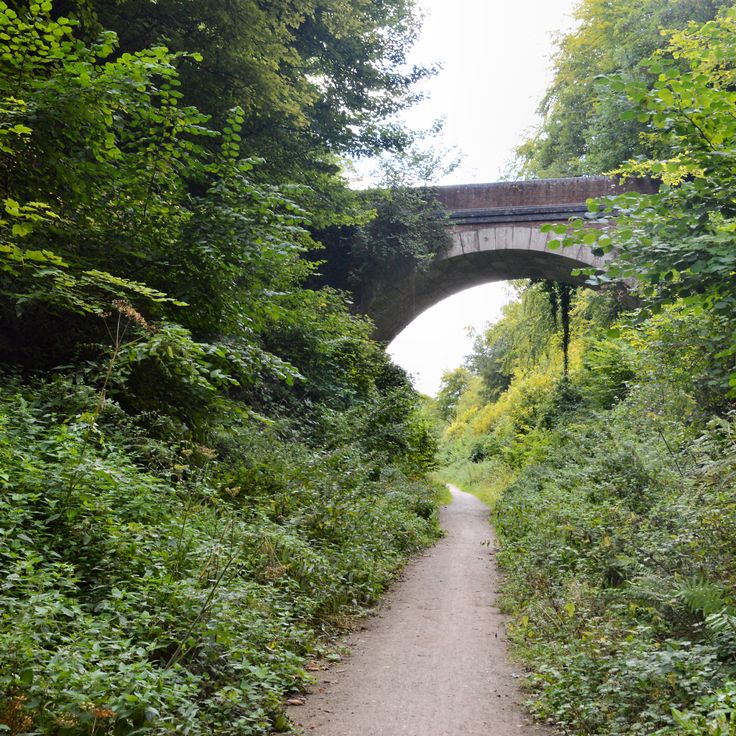
West Meon, United Kingdom
A 10-mile walking path on a former railway track through Hampshire fields and woodlands.
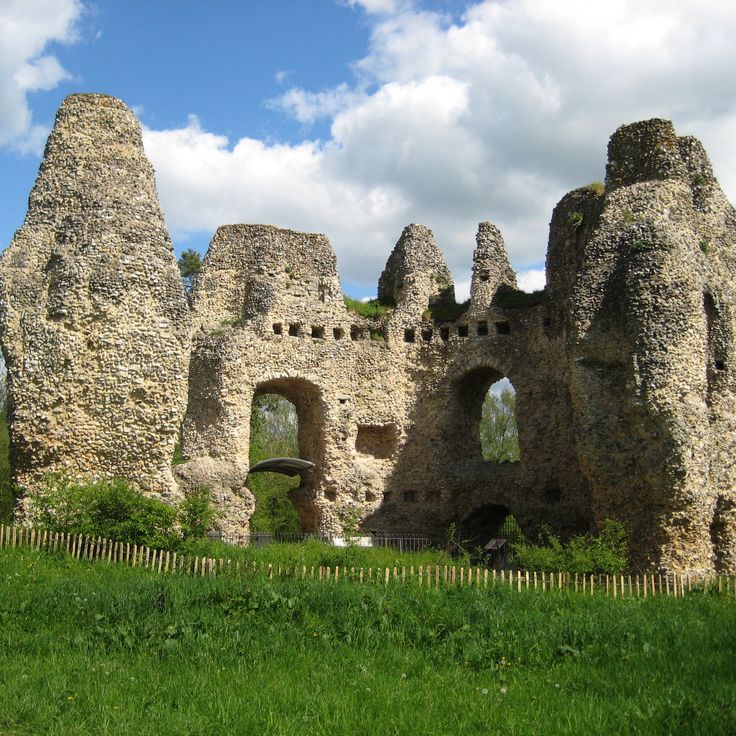
Odiham, United Kingdom
The remains of a medieval fortress from 1207, commissioned by King John on the banks of Basingstoke Canal.
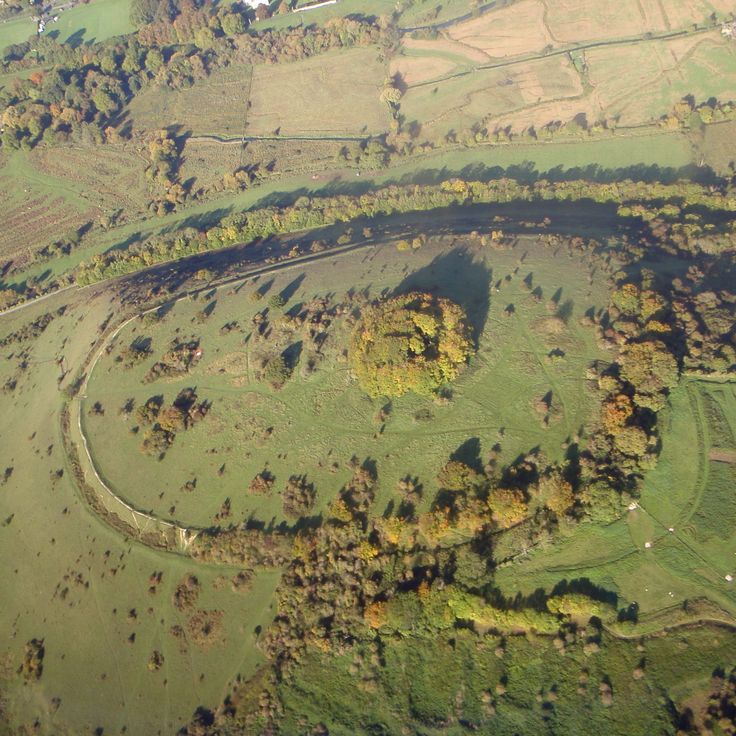
Winchester, United Kingdom
A 318-foot hill featuring remains of an Iron Age fort and a medieval chapel.
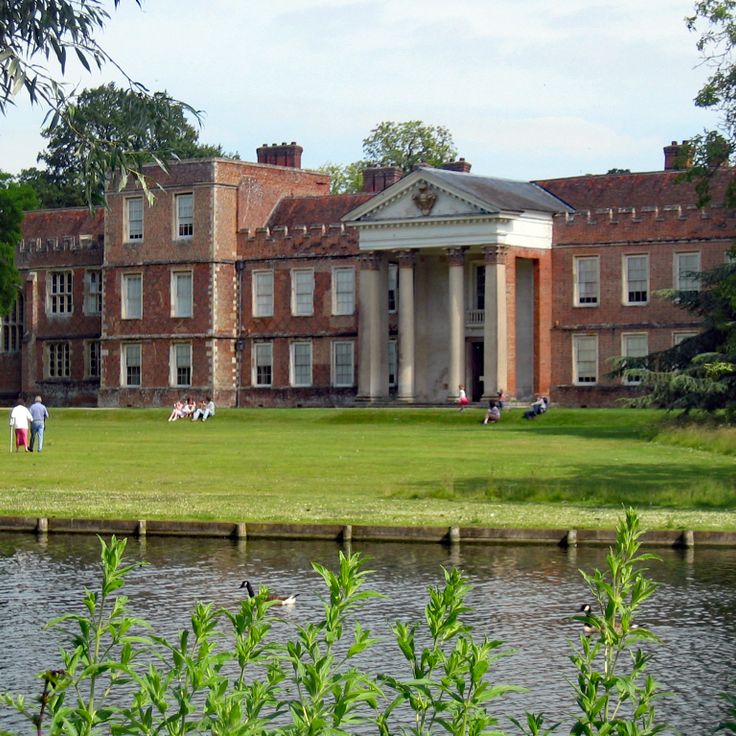
Sherborne St John, United Kingdom
The Tudor residence features a chapel, a long gallery and a collection of Renaissance stained glass panels.
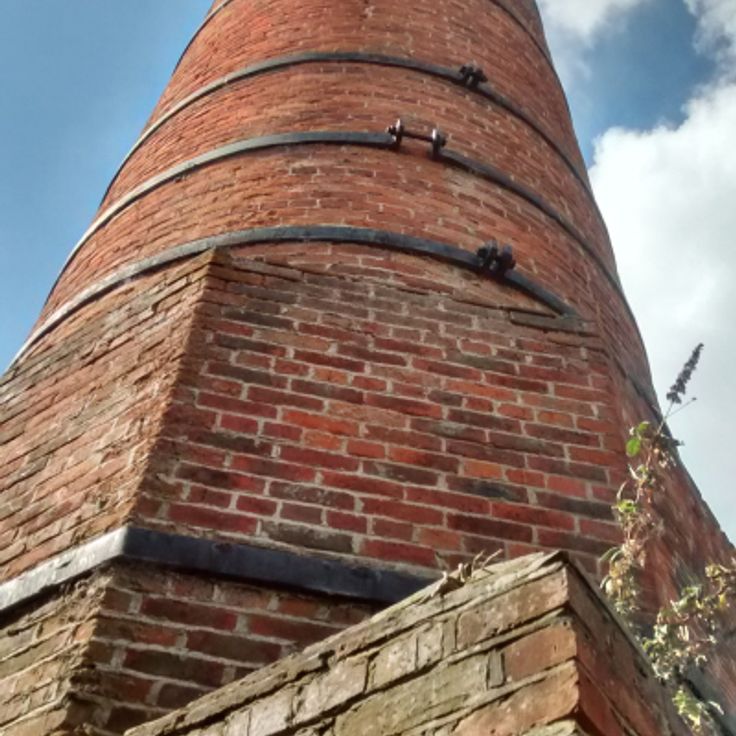
Bursledon, United Kingdom
The museum displays original Victorian era machinery and equipment used in brick production.
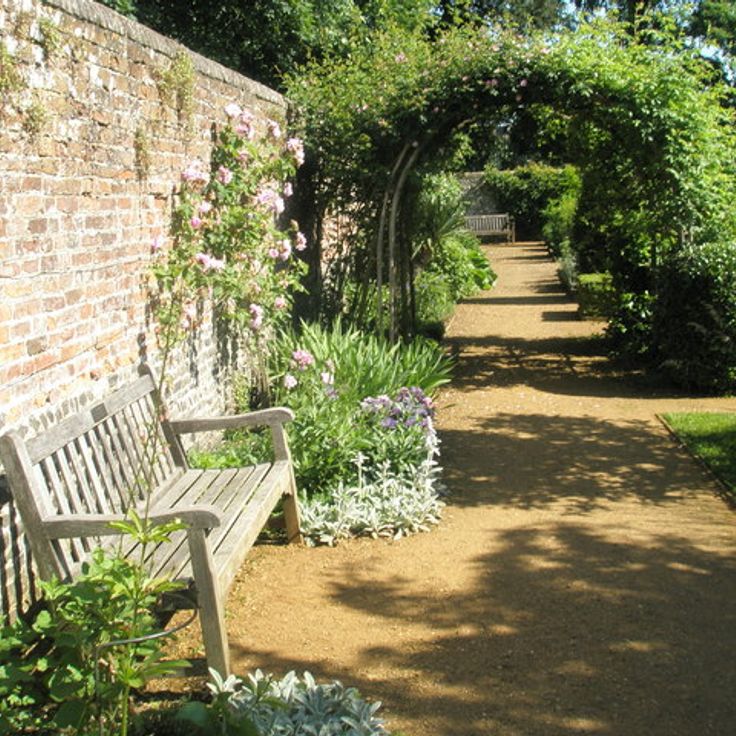
Petersfield, United Kingdom
The garden contains medicinal herbs and plants arranged in historical style with signs explaining their medical uses.
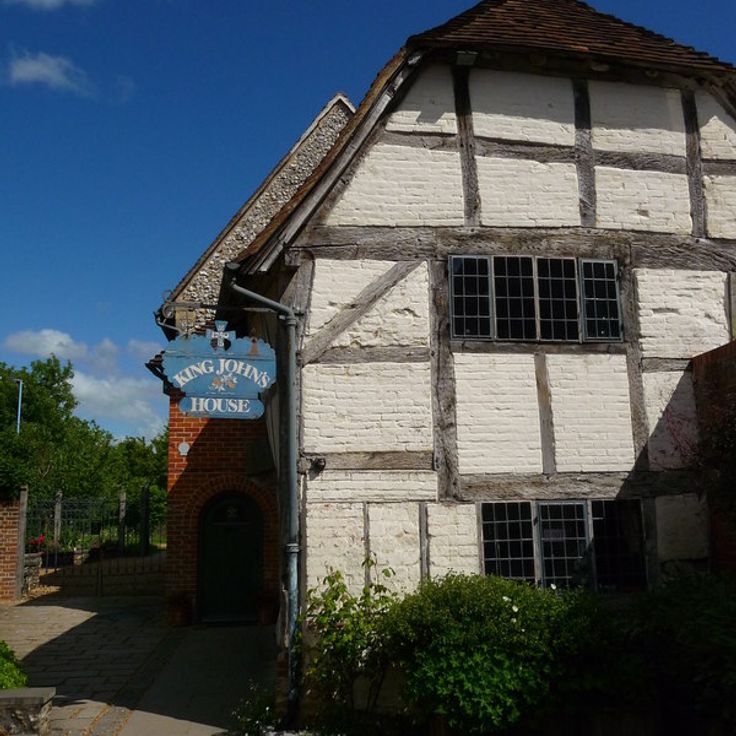
Romsey, United Kingdom
The medieval complex displays 14th century wall paintings and a collection of historical furniture.
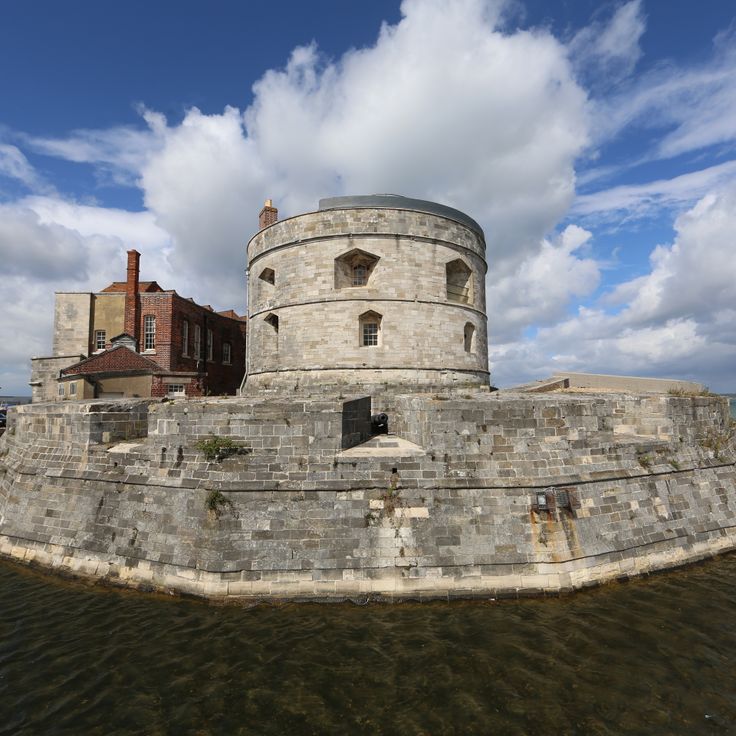
Calshot, United Kingdom
The 16th-century artillery fortress stands on a narrow peninsula monitoring the Southampton Water shipping channel.
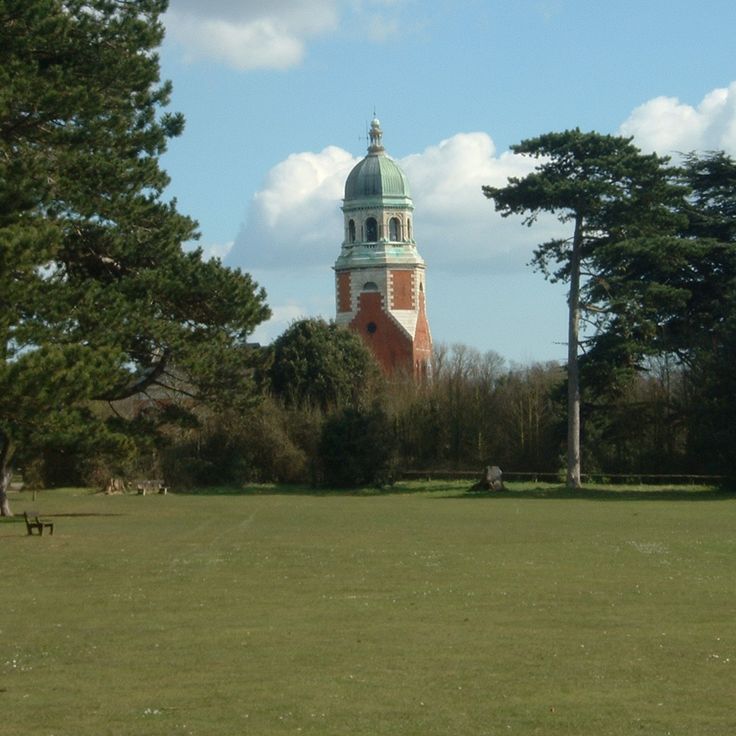
Netley, United Kingdom
The park features an 1863 chapel, coastal area and 200 hectares of green spaces on the site of a former military hospital.
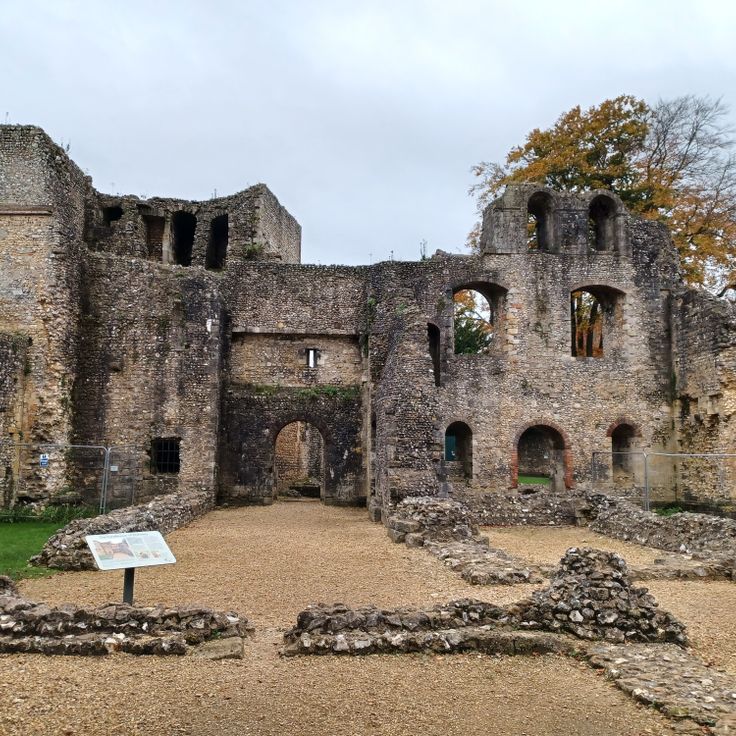
Winchester, United Kingdom
The remains of this 12th-century episcopal residence display Norman architecture and preserved stone walls.
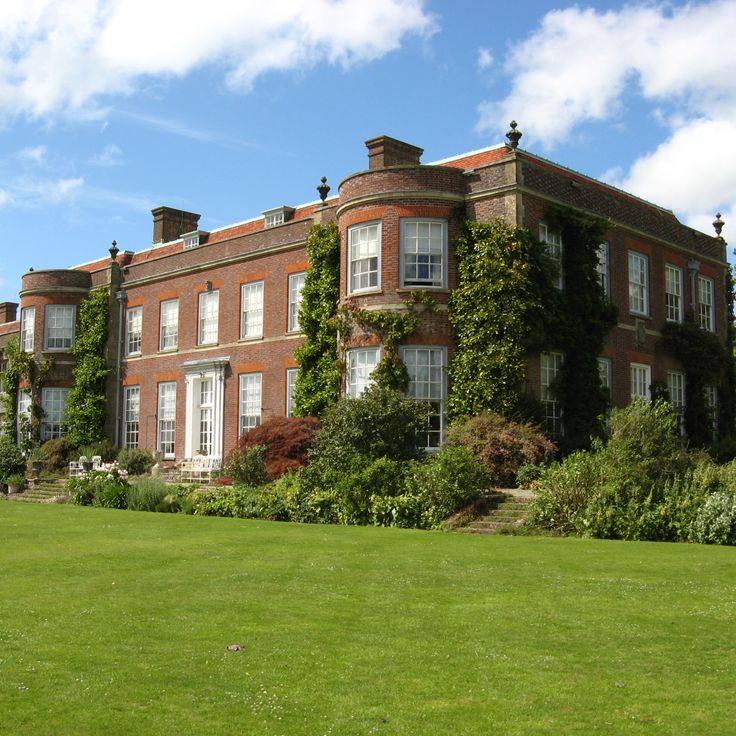
Hinton Ampner, United Kingdom
The formal garden includes box hedges, a rose garden, fruit trees and vegetable plots overlooking the South Downs.
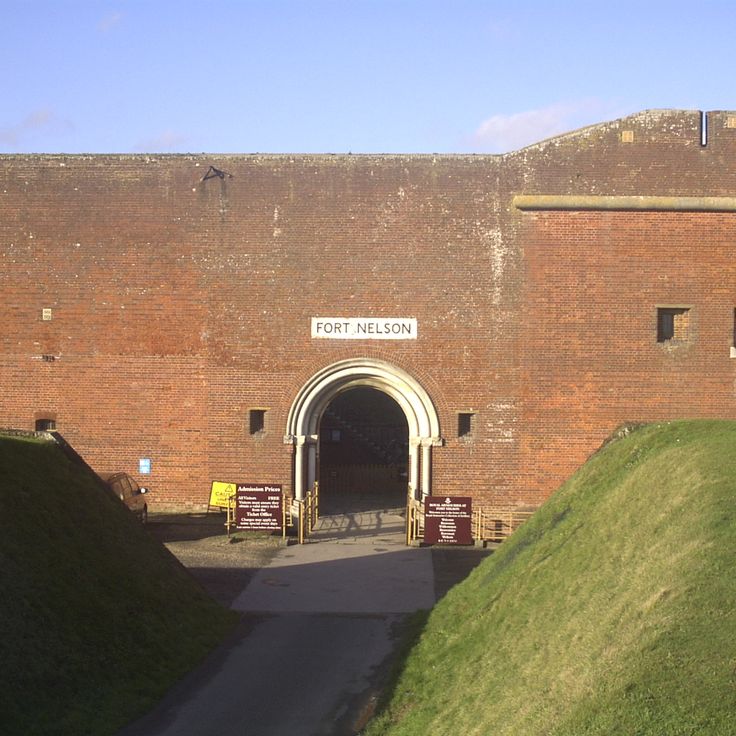
Fareham, United Kingdom
The Victorian fort built in 1860 contains artillery and cannon collections from different periods throughout history.
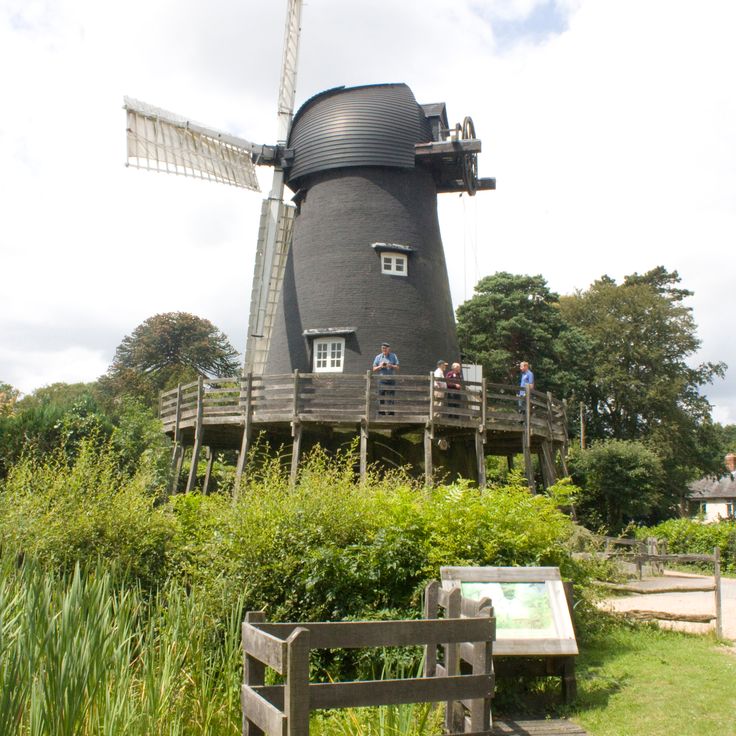
Bursledon, United Kingdom
A tower mill from 1814 with original equipment that provides regular demonstrations of flour production.
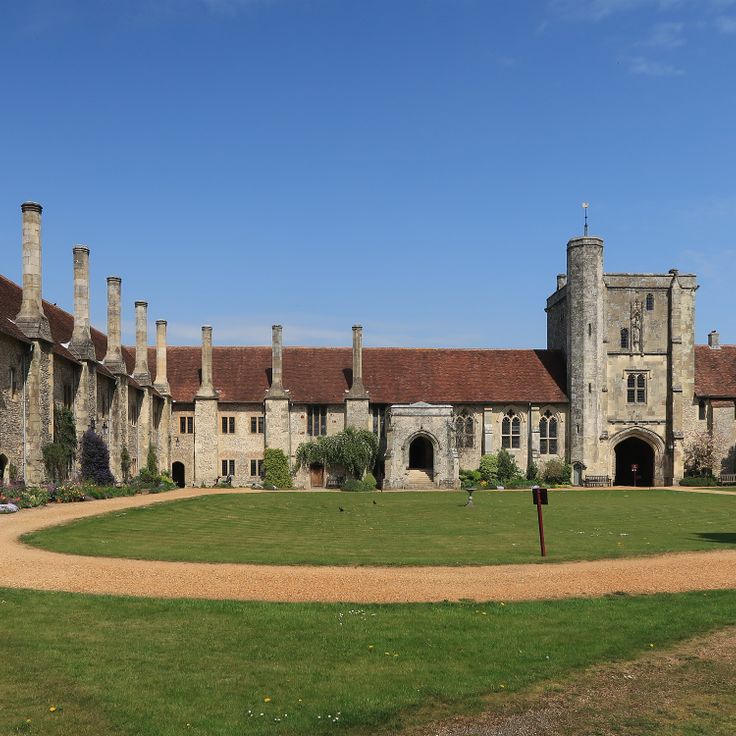
Winchester, United Kingdom
A 12th century almshouse that continues to distribute bread and ale to travelers.
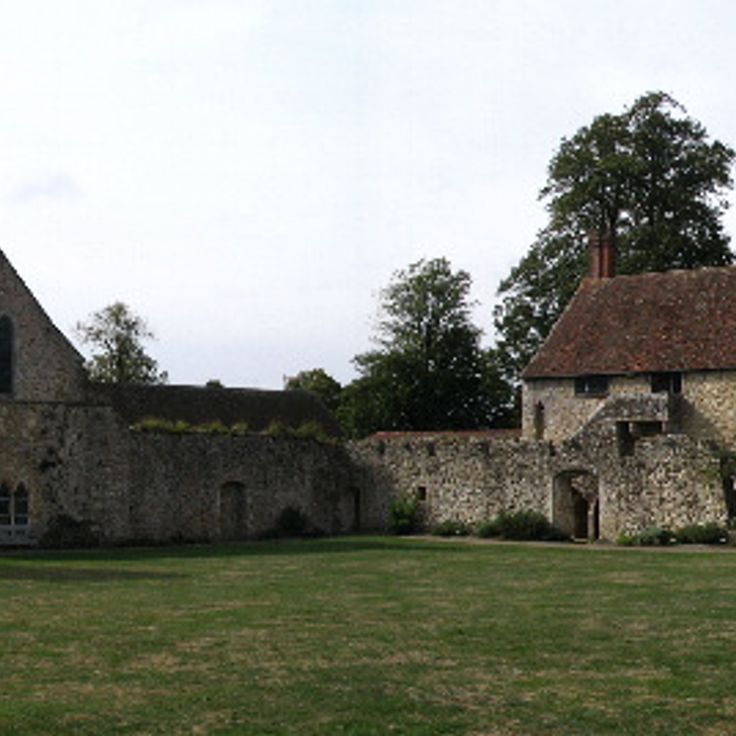
Beaulieu, United Kingdom
The remains of a 13th century Cistercian monastery with preserved monastic gardens and a cloister.