See the monuments around you in AROpen chests in the app
Around Us is built for your phone — point your camera at the streets and discover the monuments and places around you in augmented reality.Around Us is built for your phone — chests unlock when you walk, explore and capture nearby places.
Denmark has more to offer than well-known tourist spots. This collection shows places away from the crowds where you can experience the country authentically. You will find small villages with history, beaches with special landscapes, and nature reserves that reveal Denmark from a different angle.
The locations in this collection tell the story of Danish culture through local traditions and history. There are lighthouses on wild coasts, castle ruins in green landscapes, and churches with their own stories. Museums show how people lived in the past. Some places are almost forgotten, while others are easy to visit but not overrun with tourists.
From white chalk cliffs on the coast to old castles and forests with nature reserves, these places offer quiet moments and real discoveries. They show that Denmark has a lot of history and nature to explore if you take time to wander through the landscape.
Denmark has more to offer than well-known tourist spots. This collection shows places away from the crowds where you can experience the country authentically. You will find small villages with history, beaches with special landscapes, and nature reserves that reveal Denmark from a different angle.
The locations in this collection tell the story of Danish culture through local traditions and history. There are lighthouses on wild coasts, castle ruins in green landscapes, and churches with their own stories. Museums show how people lived in the past. Some places are almost forgotten, while others are easy to visit but not overrun with tourists.
From white chalk cliffs on the coast to old castles and forests with nature reserves, these places offer quiet moments and real discoveries. They show that Denmark has a lot of history and nature to explore if you take time to wander through the landscape.
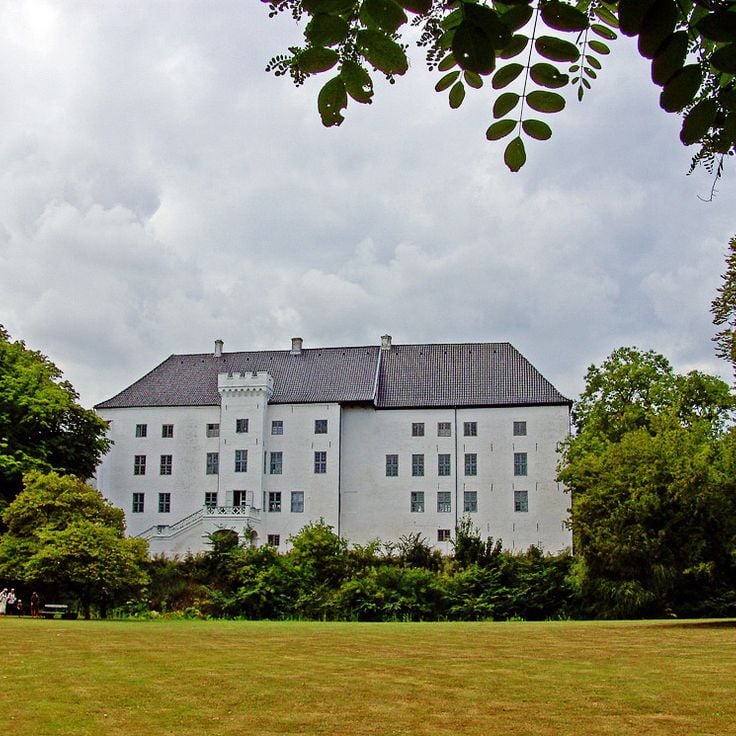
This 13th century castle in Odsherred presents Danish history in a way few tourists experience. The building now functions as a restaurant with a Michelin star and a hotel. Original prison cells remain visible in the vaults below, telling stories of the castle's past. It is a place where history lives alongside contemporary hospitality.
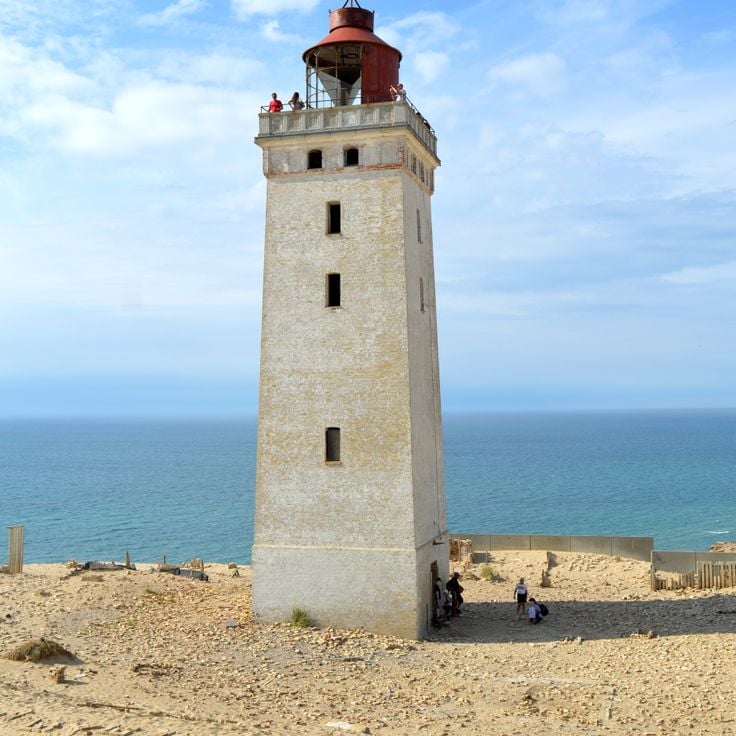
The Rubjerg Knude Lighthouse is an out-of-the-way spot in Denmark that shows how nature shapes the country. This 23-meter tower dates from 1900 and once stood on sand dunes right at the shoreline. In 2019, it was moved 70 meters inland to protect it from coastal erosion. The lighthouse tells the story of a region where people and nature exist in constant dialogue.
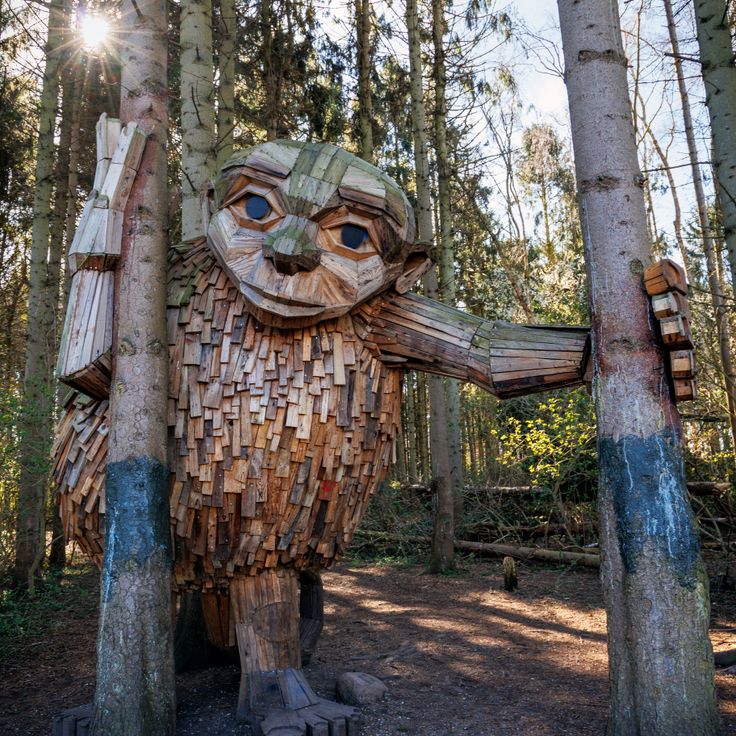
The Forgotten Giants are six large wooden figures created by artist Thomas Dambo, scattered throughout forests around Copenhagen. These sculptures are made from recycled materials and offer an unusual art experience away from tourist centers. They invite visitors to explore nature in a different way while discovering contemporary art in its setting.
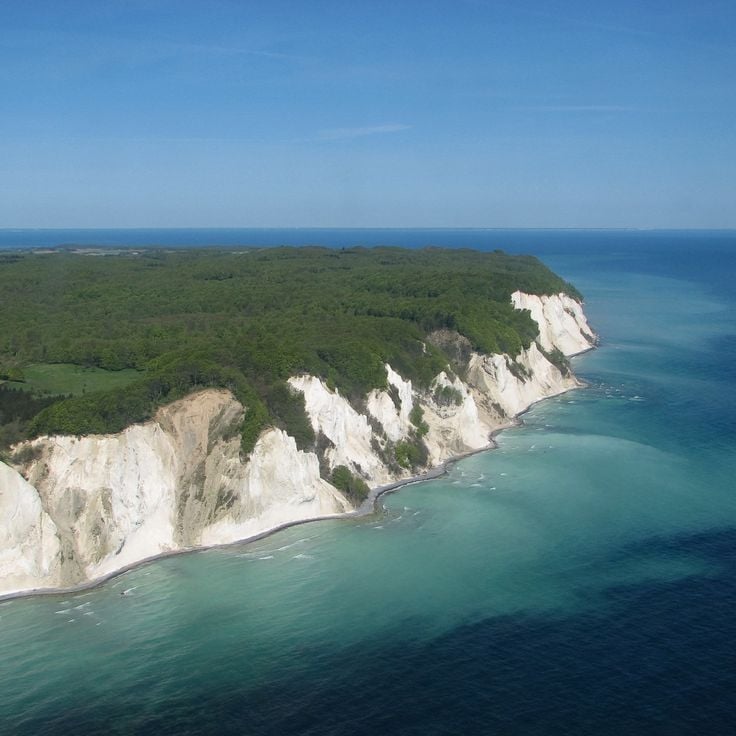
Møns Klint is a chalk cliff that rises sharply above the Baltic Sea. The white rock faces drop nearly 130 meters and shape the landscape of this region. A staircase with almost 500 steps leads down to the beach, where you can find fossils. The place shows Denmark's geological history in a natural way and stays away from heavy tourist crowds.
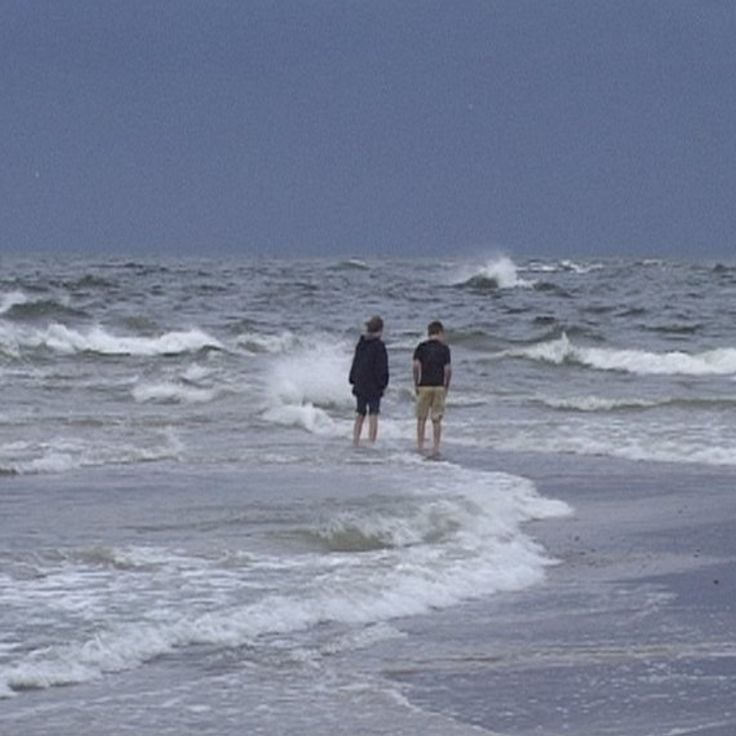
Grenen is the northernmost point of Denmark where the Skagerrak and Kattegat seas meet. The beach here has light sand and offers a rare view of two ocean currents converging. On clear days, you can watch where the waters meet and separate, creating patterns in the water. This place shows the raw power of nature and gives visitors a direct look at a natural occurrence that few places offer.
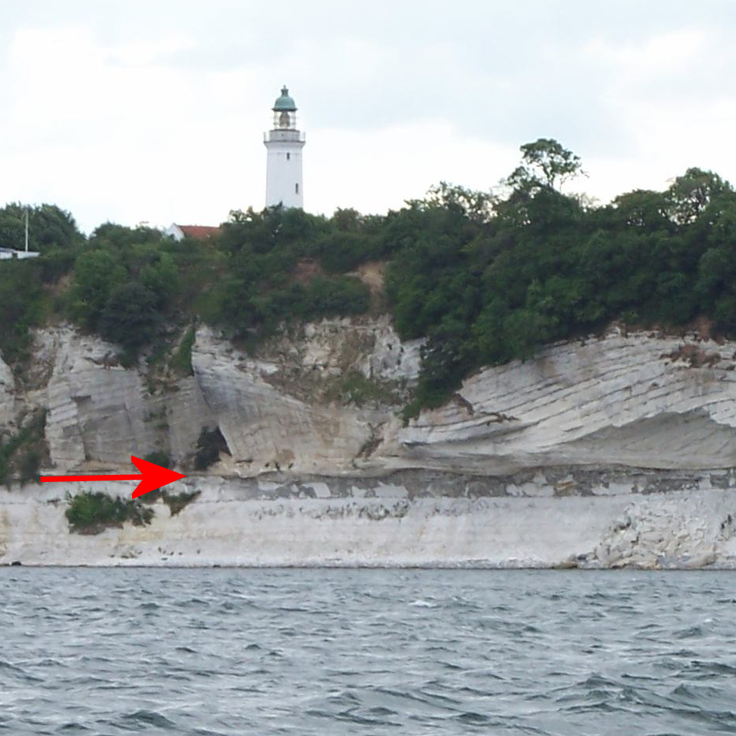
Stevns Klint is a chalk cliff that tells stories from deep in Earth's history. The formation displays rock layers spanning millions of years, including traces of an asteroid impact from 66 million years ago. Visitors walk along this white cliff face and look out over the sea below. The place sits away from typical tourist paths and offers insight into Denmark's natural geology and its past.
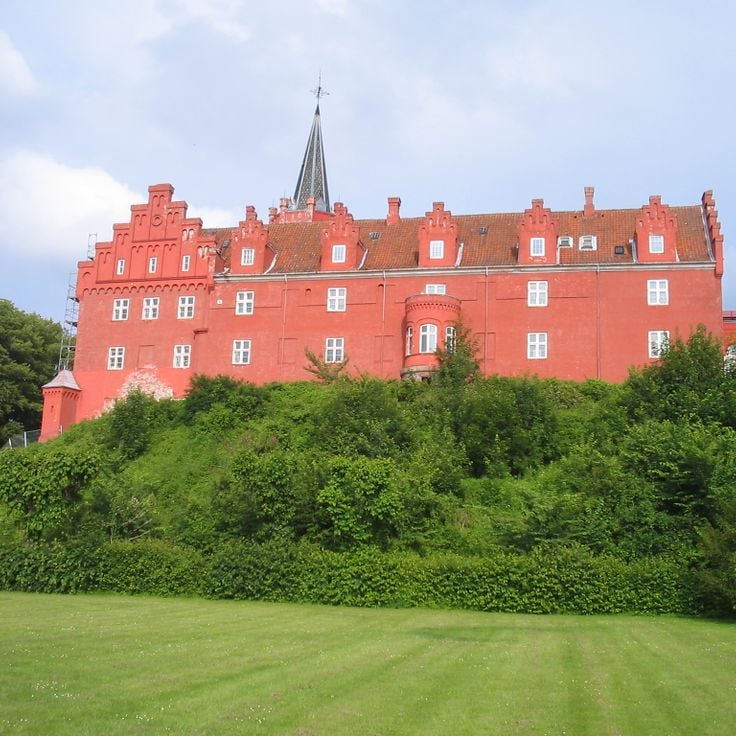
This 13th-century castle sits on the Danish island of Langeland with distinctive red walls that set it apart. The grounds include a park and an English garden where you can walk and observe how the space has evolved over centuries. It offers a view of Danish history away from the main tourist routes.
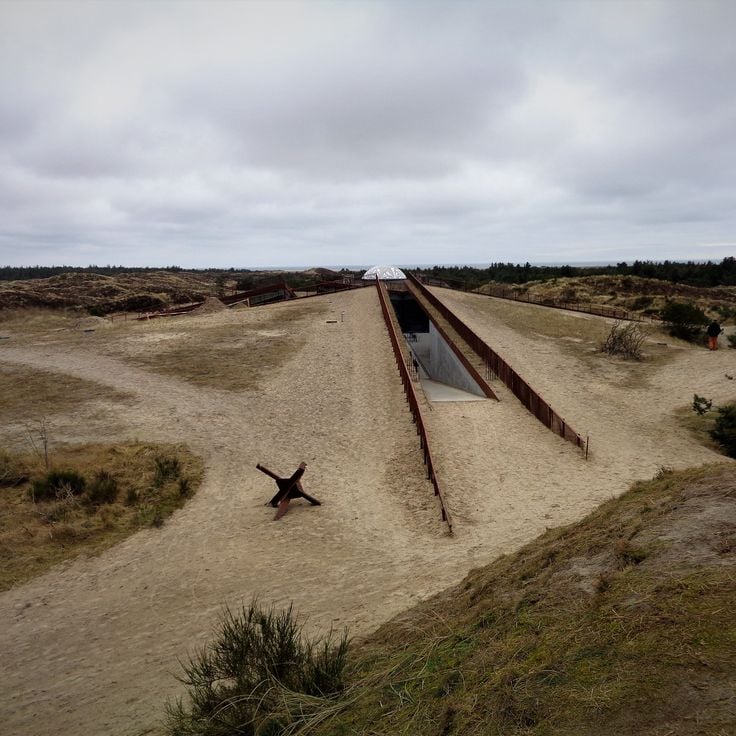
The Tirpitz Museum offers visitors seeking experiences away from crowds a deep look at World War II history and the local past of the region. Built into the dunes, the museum shows how people in Denmark lived during this time. The exhibitions connect historical facts with personal stories from the area, giving an authentic picture of this period.
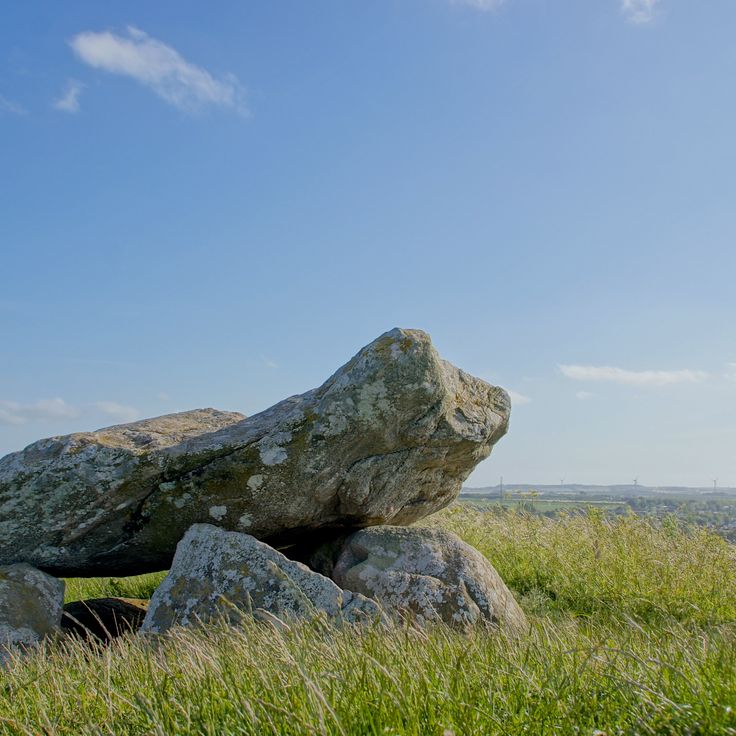
Troldkirken is a Stone Age rock formation made of large granite blocks that create a cave with an opening at its peak. This uncommon place in Denmark offers an authentic experience away from tourist crowds. The rock formation reveals the natural history of the country and allows visitors to discover the landscape from a different perspective.
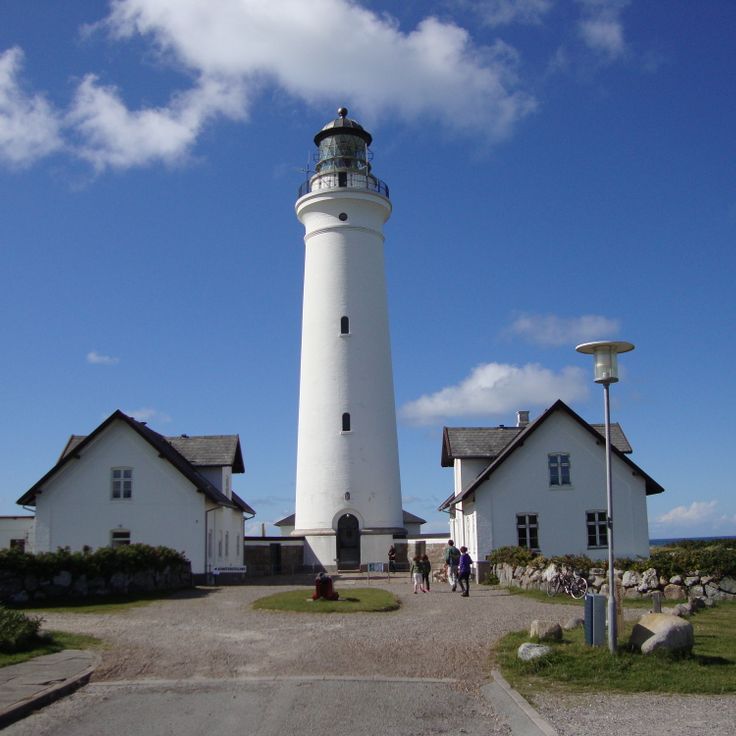
Built in 1863, the Hirtshals Lighthouse stands 35 meters high and offers views over the North Sea and Hirtshals harbor. This location shows a different side of Denmark, away from typical tourist routes. The lighthouse tells the story of maritime history and the local traditions of this coastal region.
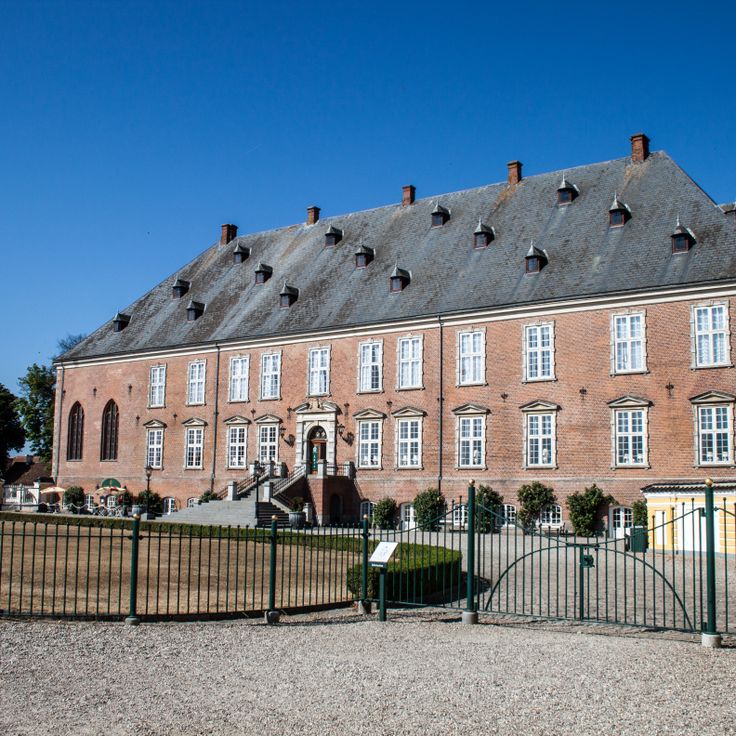
Valdemars Castle is a 17th-century fortress located in Svendborg that houses a naval museum and art collections spread across 20 rooms. Historical furniture and objects tell stories from Denmark's past. This castle offers a genuine look at Danish history and culture away from crowded tourist spots. Visitors can explore local traditions and see how people lived in earlier times through the displays and collections on view.
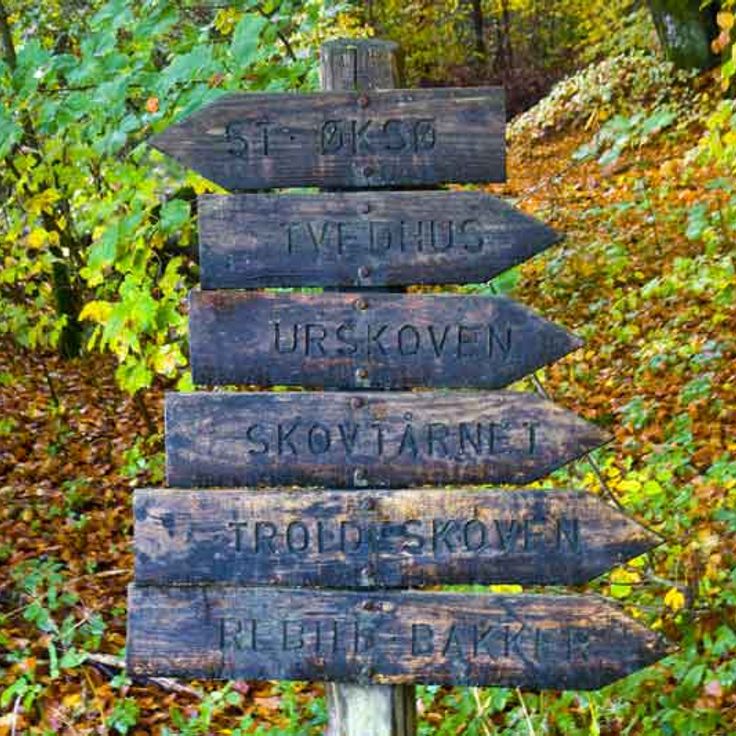
Rold Forest is a large wooded area in Rebild that offers a chance to experience Danish nature away from typical tourist routes. Visitors can walk through ancient beech groves, follow trails through the landscape, and explore limestone caves tucked within the forest. Stone Age remains scattered throughout the area remind you that people have inhabited and shaped this land for thousands of years. The forest presents a slower, quieter way to connect with Denmark's natural heritage.
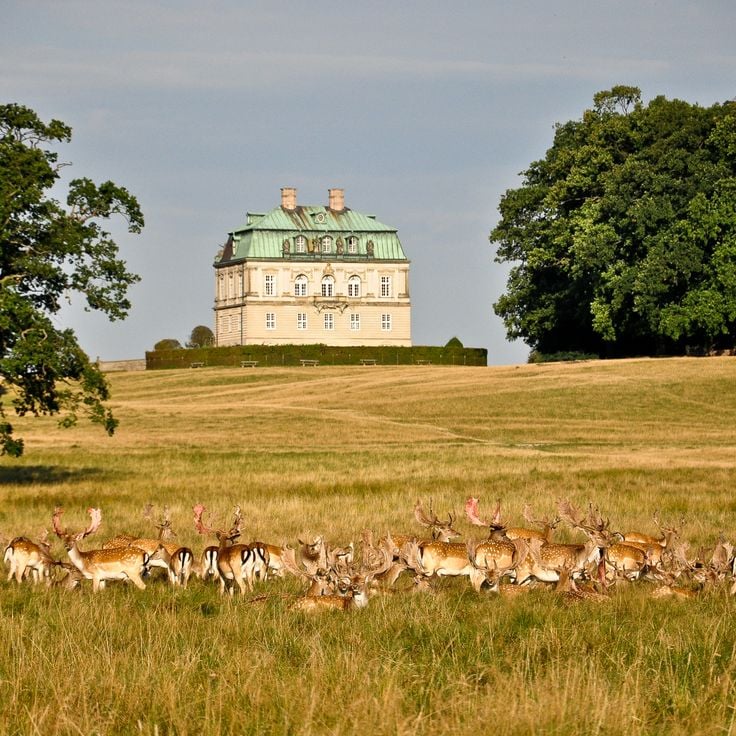
Dyrehaven is a large nature park north of Copenhagen, offering an authentic experience away from typical tourist routes. The park spans 1000 hectares and is home to free-roaming red deer, fallow deer, and sika deer that graze among ancient oak trees. This location shows visitors a different side of Denmark's natural landscape and invites walking through a place where wildlife lives as it has for centuries.
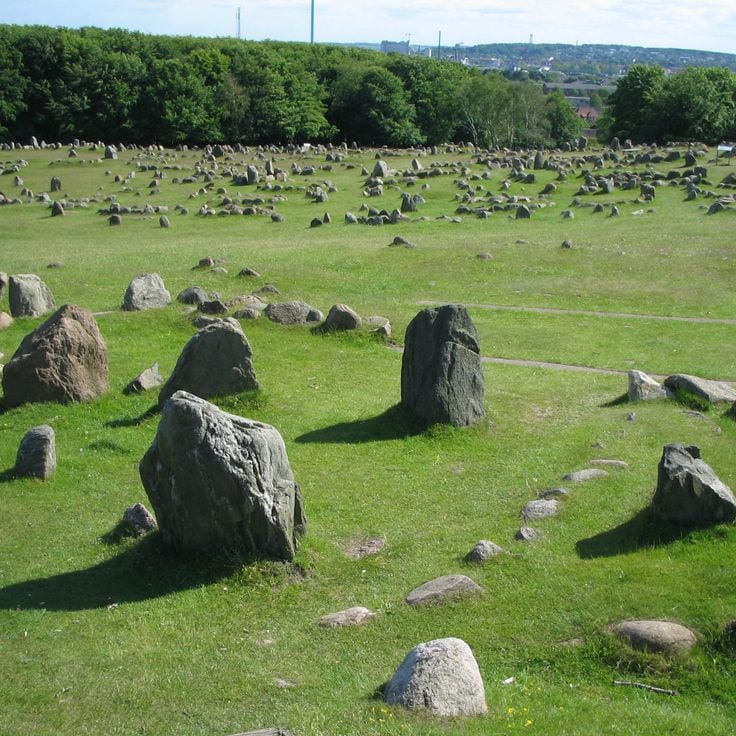
Lindholm Høje is an archaeological site in Aalborg that preserves graves and stone formations from the Iron Age and Viking Period. This place offers a direct look at how people lived and died in ancient Nordic societies. Visitors can walk among the burial mounds and understand the rituals and beliefs of past communities. The site sits in an open landscape that helps you feel connected to the history beneath your feet. Lindholm Høje lets you explore northern European history away from crowded tourist attractions.
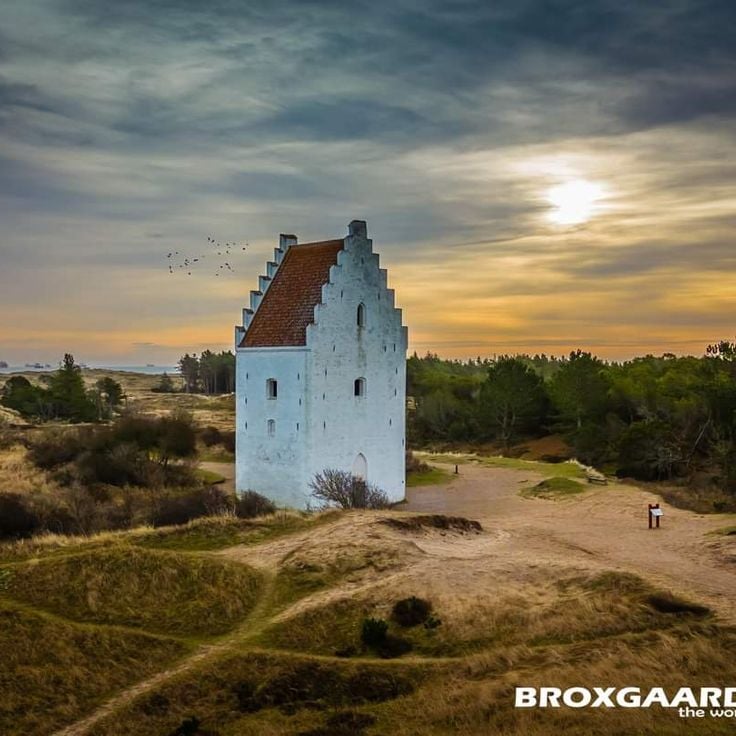
The Sand-Covered Church is a 14th-century structure in Skagen that was engulfed by sand drifts over the centuries. Only its tower protrudes above the surrounding sand today, creating an otherworldly landmark. This unusual site tells the story of how nature reshaped the landscape and offers visitors a place away from crowds to connect with Danish history and the dramatic forces that shaped the local environment.
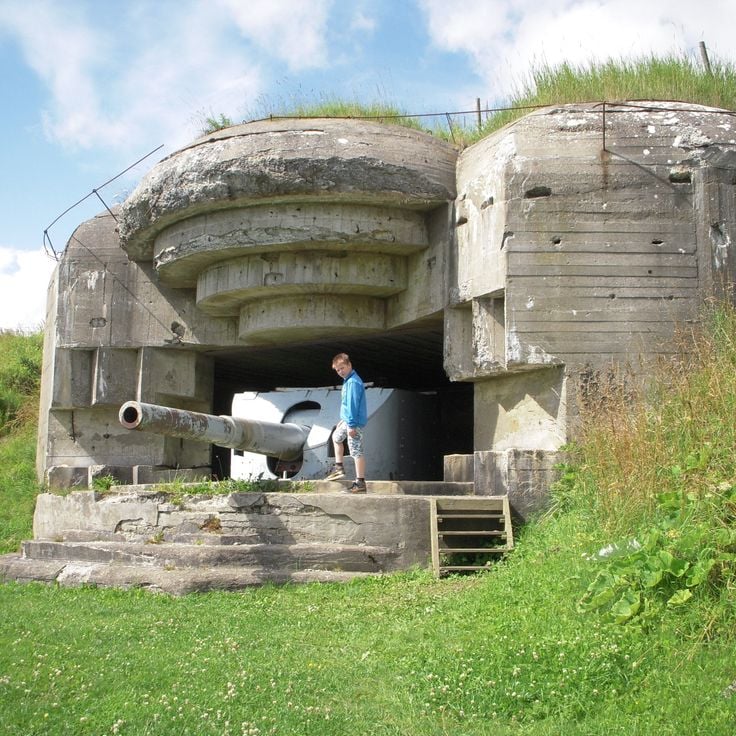
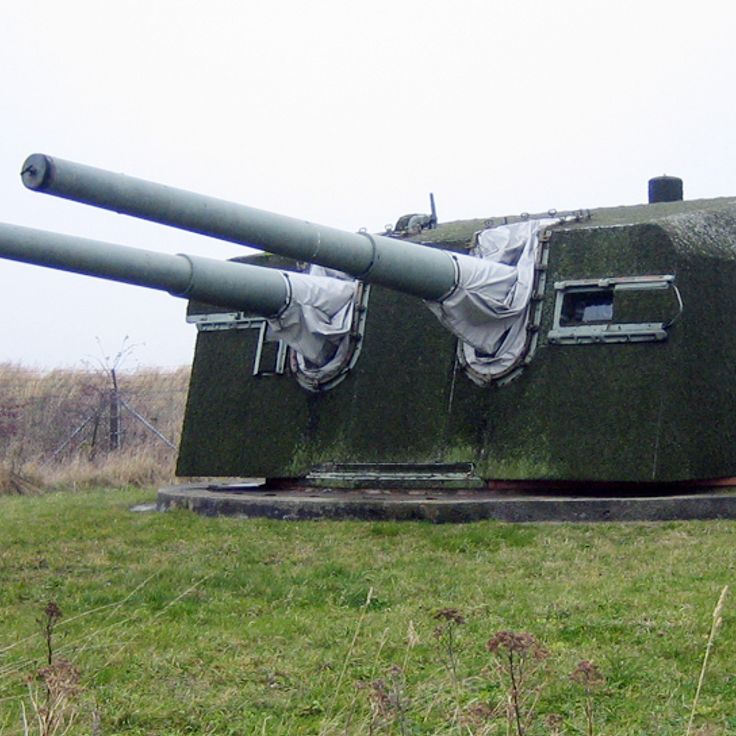
Bangsbo Fort is a German coastal fortress from 1940 with bunkers, cannons and underground passages on a hill overlooking the Kattegat. This location shows a piece of war history in an authentic way and offers a different view of Denmark away from common tourist routes. The fortress allows visitors to step back in time and explore the architecture and historical details of this fortification.
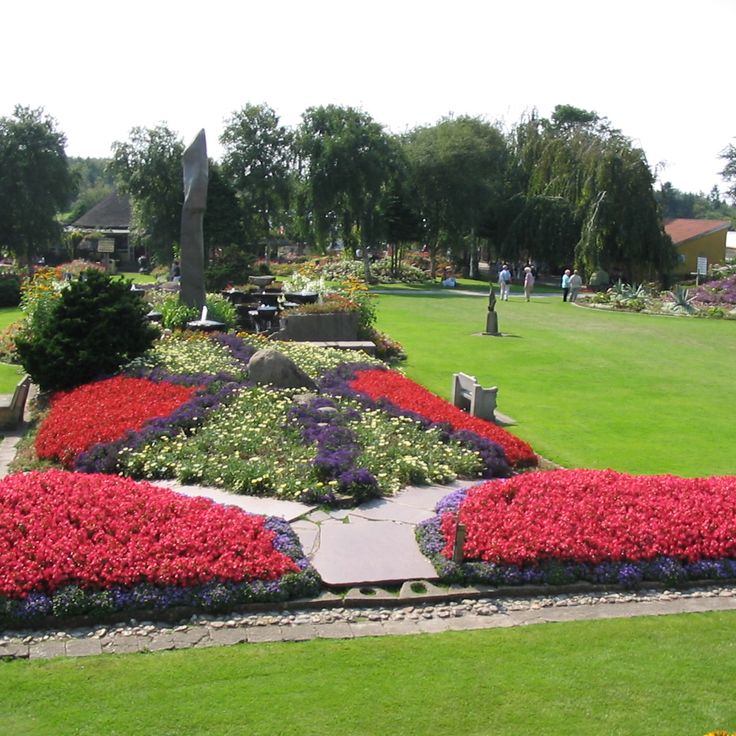
Jesperhus Flora Park displays Nordic plants in a botanical garden setting. This location offers visitors an experience away from tourist crowds, allowing them to discover Danish nature in an authentic way. A children's area with playground equipment gives families a place to spend time together while exploring the park.
This 19th-century mill in Gudhjem sits on a hill overlooking the fishing village and offers an experience away from typical tourist areas. The structure was used for grinding grain and connects visitors to the daily work of past generations. Walking here gives you a sense of how local traditions shaped the community and its landscape.
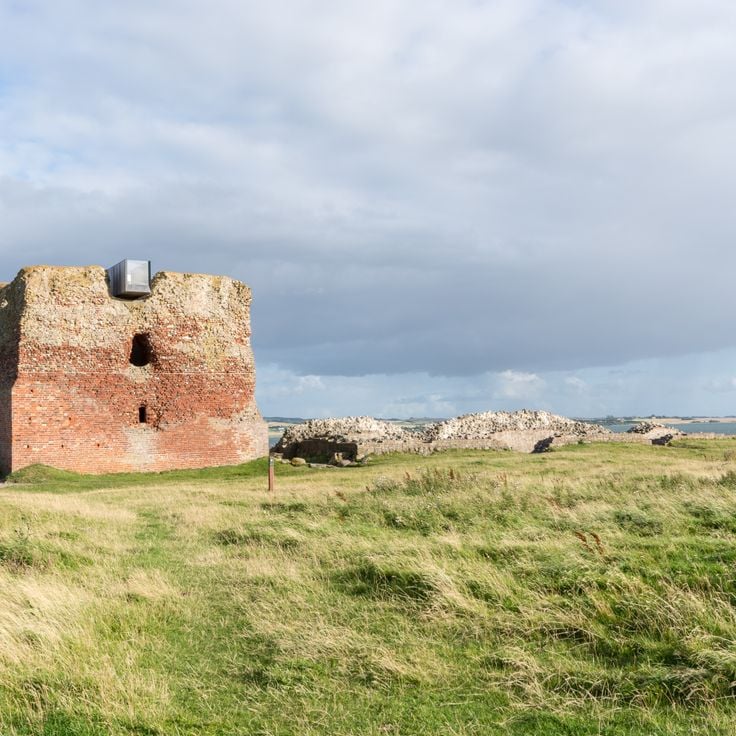
Kalø Castle Ruins show what a medieval fortress from 1313 looked like. It stands on a small peninsula with stone walls and a defense tower. This place offers a glimpse into Danish history away from typical tourist routes. Visitors can explore the old structure and enjoy the landscape around the ruins. It is an example of how Danes have kept their past alive.
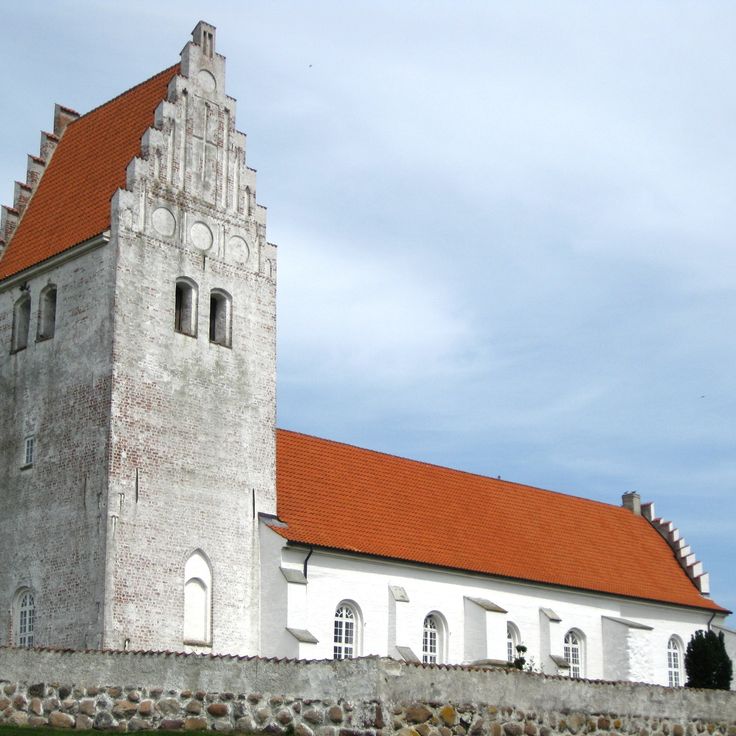
The Fanefjord Church in Vordingborg is a 13th-century building that draws visitors with its medieval wall paintings. The images on the walls show biblical scenes and provide insight into the art and beliefs of the period. This church sits away from the main tourist routes and offers an authentic encounter with Danish church history.
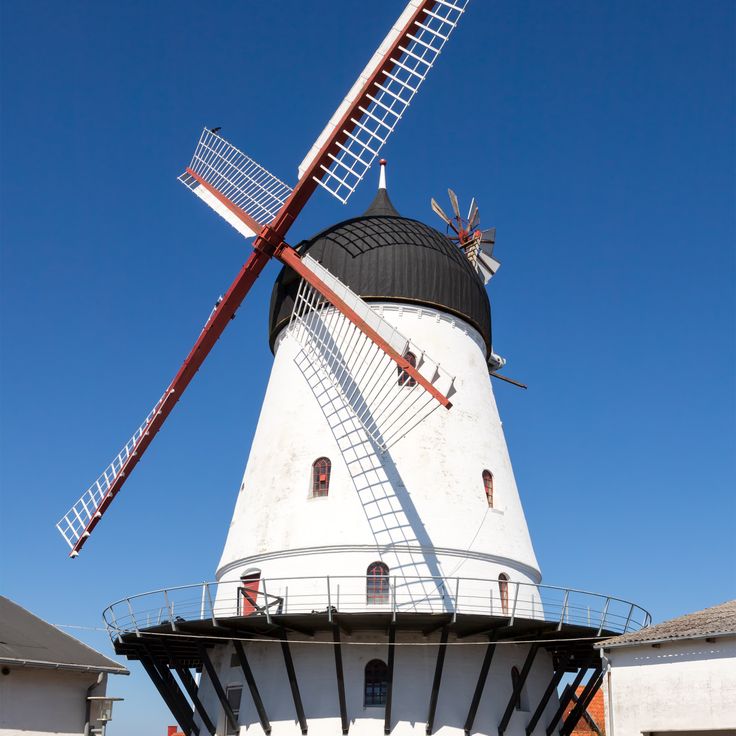
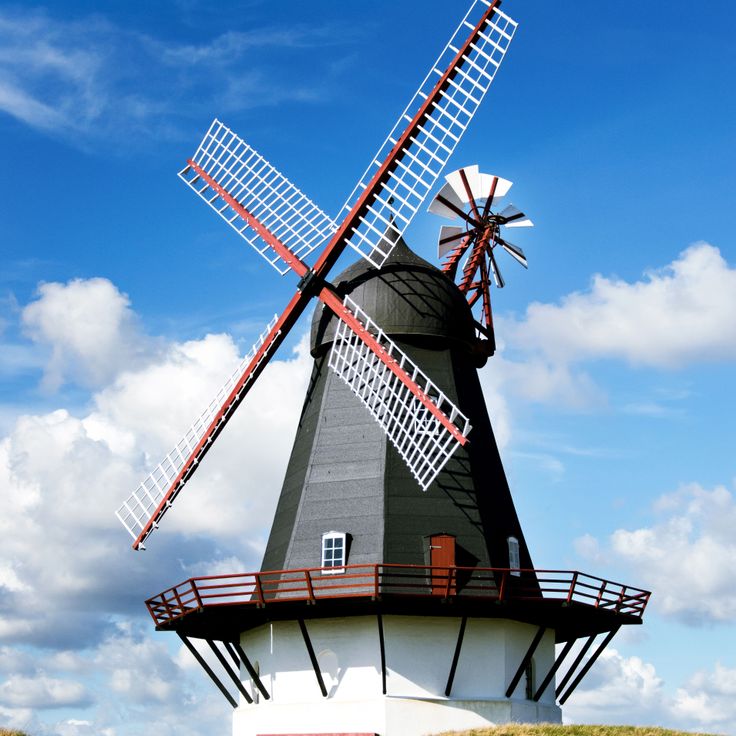
This windmill from the 19th century stands on a hill in the village of Sønderho on the island of Fanø and shows how the Danes traditionally built mills. The building is part of the authentic experiences away from tourist crowds that these Danish locations offer. The windmill tells the story of local history and the crafts and traditions that shaped the country.
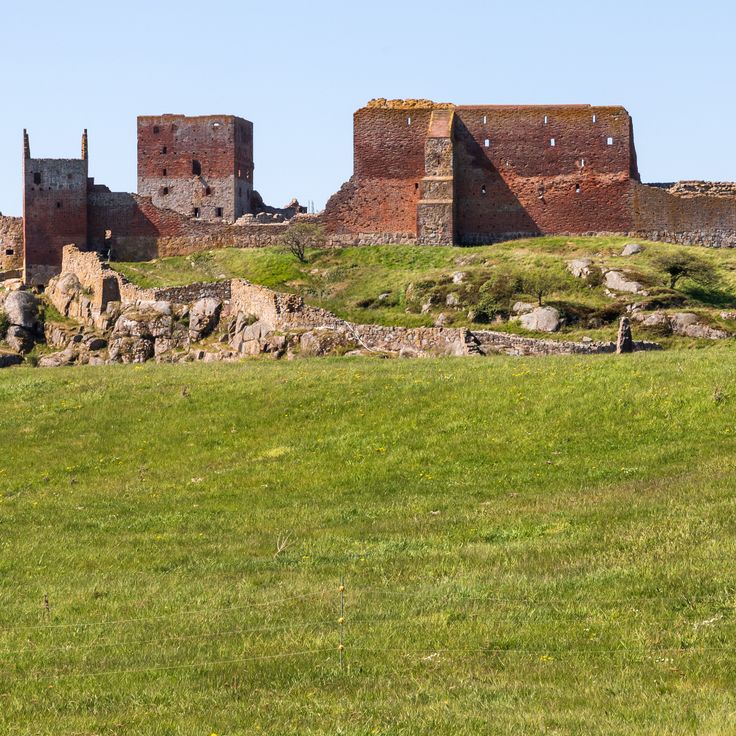
The Hammershus Ruins offer an authentic experience away from typical tourist paths in Denmark. This fortress complex from the 13th century sits on a granite cliff at the northern tip of Bornholm, where visitors can wander through the stone structures and explore layers of history. The elevated location provides views across the sea and the surrounding landscape.
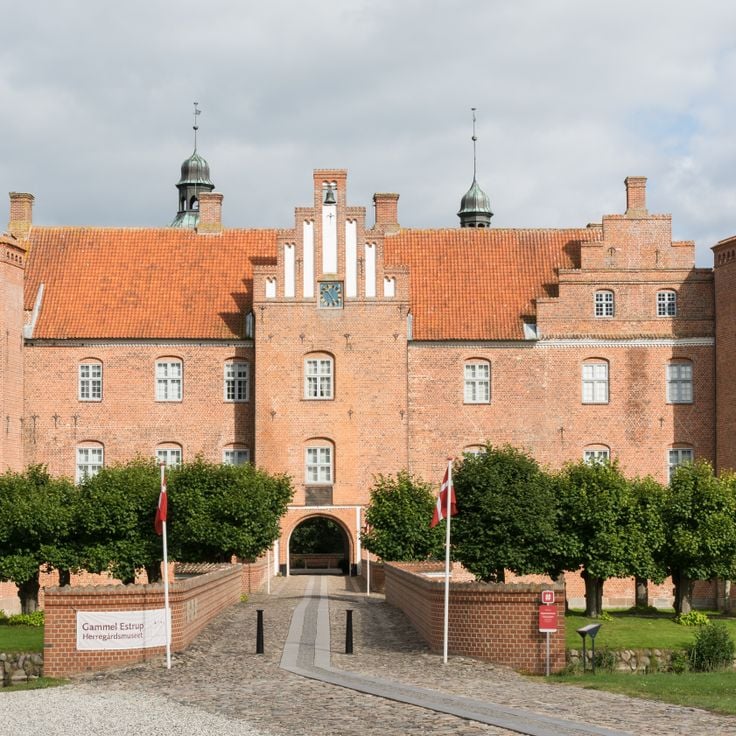
This 16th century manor shows how Danish nobles lived across four centuries of history. The rooms contain furniture and artworks from different periods that tell the story of the family. Visitors can see how daily life changed over time. The estate sits away from usual tourist routes and offers a view of authentic Danish country life away from crowds.
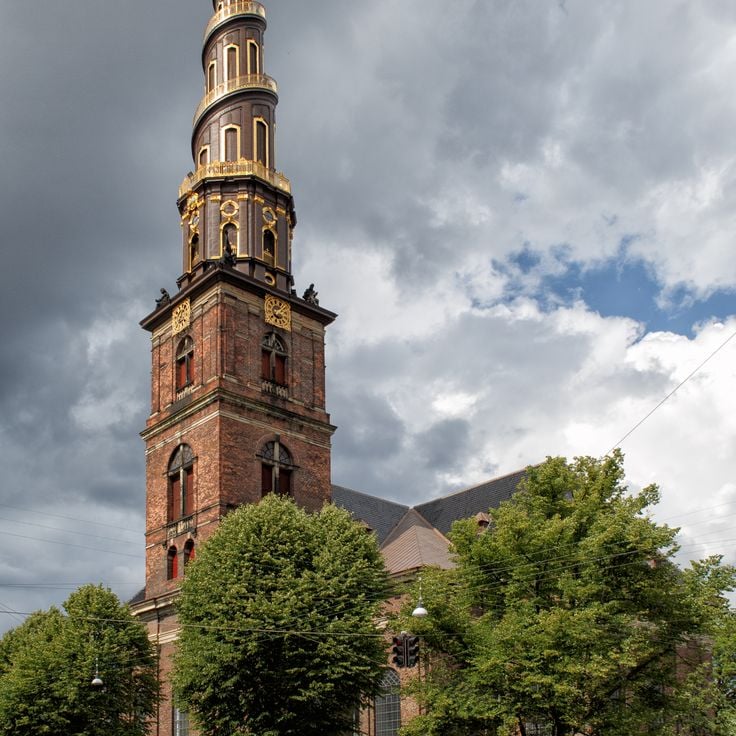
Vor Frelsers Kirke is a church in Copenhagen that stands out for its 90-meter tower. An external spiral staircase with 400 steps leads up to the golden globe at the peak. This church shows Danish architectural history and offers visitors a place away from usual tourist paths to explore local building culture.
The Cold War Museum Stevnsfort shows what life felt like during Europe's division. This military complex extends underground with original equipment and rooms from the period between 1945 and 1991. Visitors walk through underground tunnels and see sleeping quarters, command centers, and weapon storage areas. The museum helps people understand this period of Danish history, away from typical tourist routes.
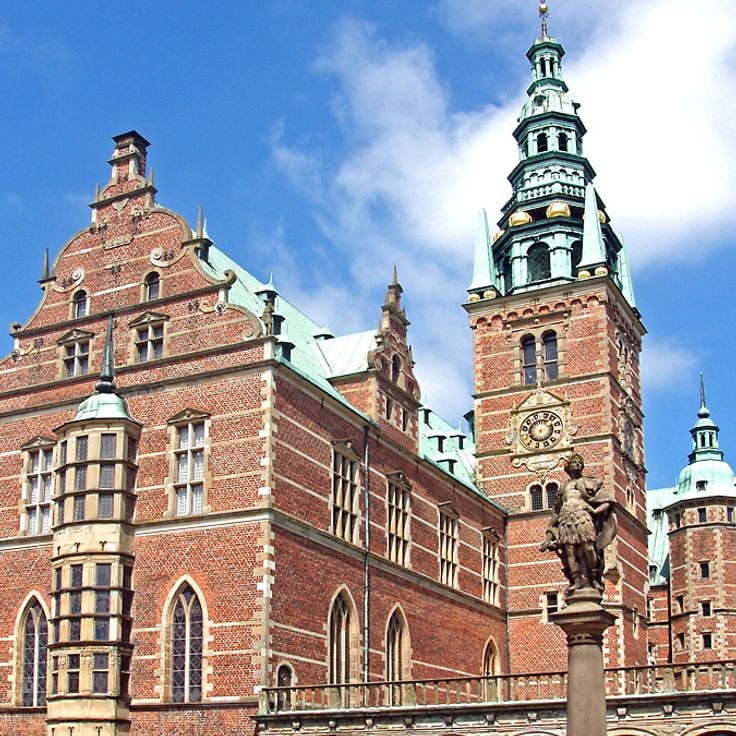
This castle houses a museum displaying paintings, furniture and decorative arts from Danish history spanning the 16th century to today. It offers insight into Denmark's artistic and cultural development away from typical tourist routes. The collection shows how Danish people have lived, built and created across centuries.
Knuthenborg Safaripark in Lolland offers visitors a chance to see hundreds of animals in open enclosures rather than traditional cages. The park houses zebras, rhinoceros, and various monkey species across its extensive grounds. Rather than the typical zoo experience, this location lets you observe animals in settings closer to their natural habitats, providing a different way to experience wildlife in Denmark.
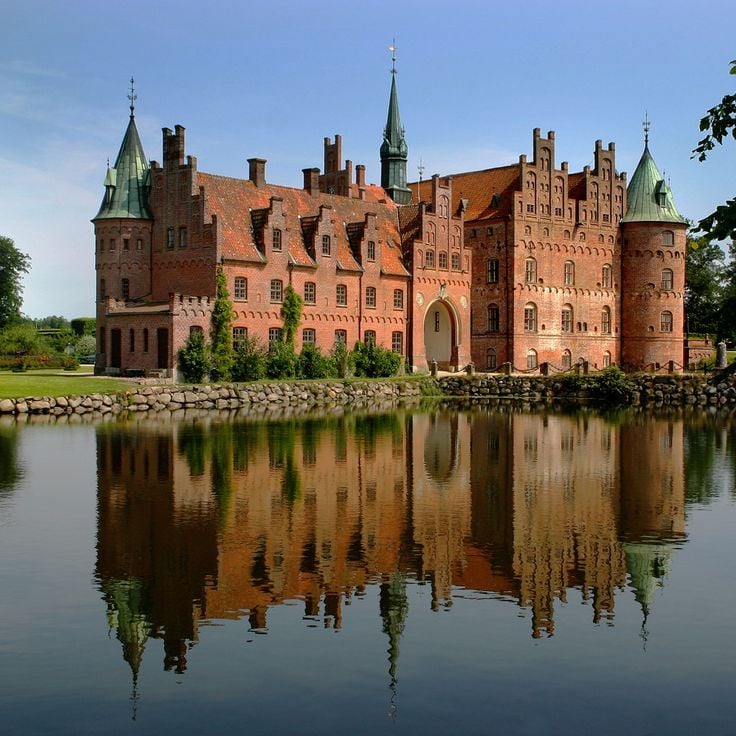
Egeskov Castle is a Renaissance building from 1554 that sits surrounded by a moat in Kværndrup, Denmark. This location offers visitors an experience away from the main tourist routes, presenting Danish history through its original rooms and collections. The castle houses several museums displaying historical vehicles that tell stories of transportation and craftsmanship from past centuries. A baroque garden surrounds the main structure, creating spaces for walking and exploring. The combination of architecture, gardens, and museums gives a genuine sense of how the Danish gentry lived and what they valued.
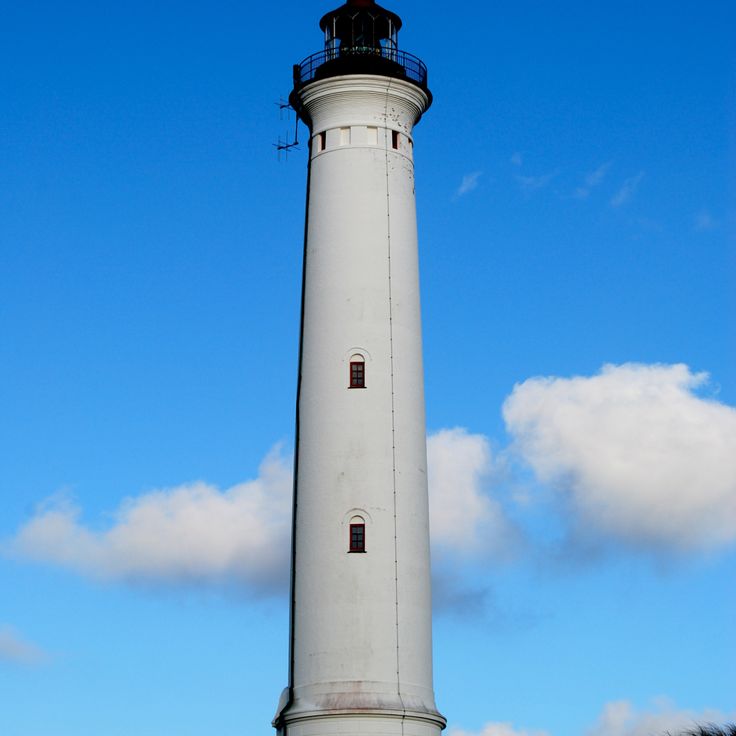
The Lyngvig Lighthouse is a 38-meter tall tower standing on a dune, offering wide views of the North Sea and the coastal landscape. This place reveals the natural character of Denmark's west coast and the story of seafaring in the region. The lighthouse lets visitors experience the power of the sea and the openness of the land, far from crowded tourist spots.
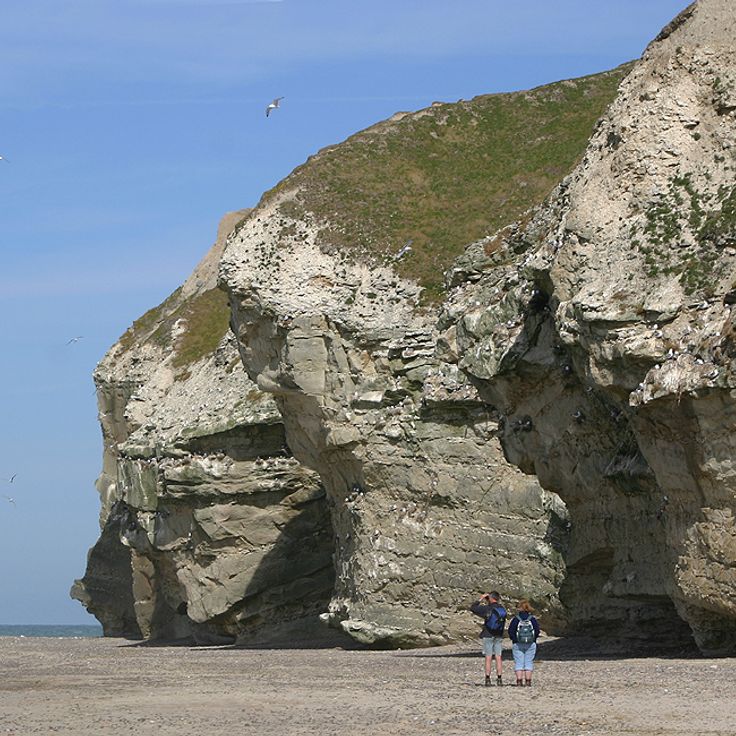
Bulbjerg is a 47-meter limestone cliff on the Danish coast that serves as a nesting site for seabirds and provides views over the sea. At this out-of-the-way location, you can experience the raw beauty of Denmark's northern coastline and watch birds from a natural vantage point. The cliff reveals the geological history of the region and offers a quiet experience away from busy tourist spots.
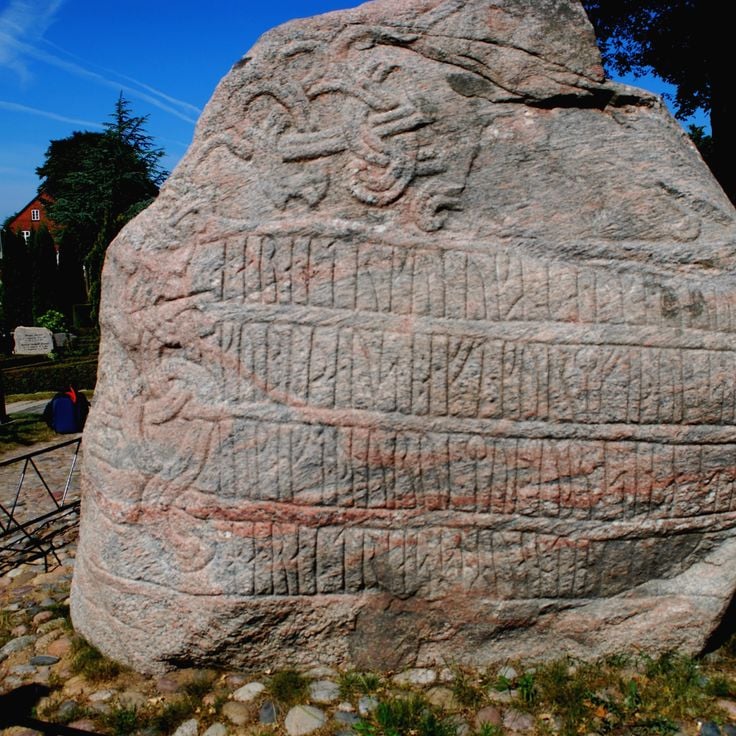
The Jelling Monuments in Vejle document a turning point in Danish history during the 10th century. Two burial mounds and runic stones mark the period when the people of Denmark shifted from Nordic pagan beliefs to Christianity. This site sits away from crowded tourist routes and offers insight into how ordinary people experienced this religious change through their burial practices and stone inscriptions.
This 13th century castle in Odsherred presents Danish history in a way few tourists experience. The building now functions as a restaurant with a Michelin star and a hotel. Original prison cells remain visible in the vaults below, telling stories of the castle's past. It is a place where history lives alongside contemporary hospitality.
The Rubjerg Knude Lighthouse is an out-of-the-way spot in Denmark that shows how nature shapes the country. This 23-meter tower dates from 1900 and once stood on sand dunes right at the shoreline. In 2019, it was moved 70 meters inland to protect it from coastal erosion. The lighthouse tells the story of a region where people and nature exist in constant dialogue.
The Forgotten Giants are six large wooden figures created by artist Thomas Dambo, scattered throughout forests around Copenhagen. These sculptures are made from recycled materials and offer an unusual art experience away from tourist centers. They invite visitors to explore nature in a different way while discovering contemporary art in its setting.
Møns Klint is a chalk cliff that rises sharply above the Baltic Sea. The white rock faces drop nearly 130 meters and shape the landscape of this region. A staircase with almost 500 steps leads down to the beach, where you can find fossils. The place shows Denmark's geological history in a natural way and stays away from heavy tourist crowds.
Grenen is the northernmost point of Denmark where the Skagerrak and Kattegat seas meet. The beach here has light sand and offers a rare view of two ocean currents converging. On clear days, you can watch where the waters meet and separate, creating patterns in the water. This place shows the raw power of nature and gives visitors a direct look at a natural occurrence that few places offer.
Stevns Klint is a chalk cliff that tells stories from deep in Earth's history. The formation displays rock layers spanning millions of years, including traces of an asteroid impact from 66 million years ago. Visitors walk along this white cliff face and look out over the sea below. The place sits away from typical tourist paths and offers insight into Denmark's natural geology and its past.
This 13th-century castle sits on the Danish island of Langeland with distinctive red walls that set it apart. The grounds include a park and an English garden where you can walk and observe how the space has evolved over centuries. It offers a view of Danish history away from the main tourist routes.
The Tirpitz Museum offers visitors seeking experiences away from crowds a deep look at World War II history and the local past of the region. Built into the dunes, the museum shows how people in Denmark lived during this time. The exhibitions connect historical facts with personal stories from the area, giving an authentic picture of this period.
Troldkirken is a Stone Age rock formation made of large granite blocks that create a cave with an opening at its peak. This uncommon place in Denmark offers an authentic experience away from tourist crowds. The rock formation reveals the natural history of the country and allows visitors to discover the landscape from a different perspective.
Built in 1863, the Hirtshals Lighthouse stands 35 meters high and offers views over the North Sea and Hirtshals harbor. This location shows a different side of Denmark, away from typical tourist routes. The lighthouse tells the story of maritime history and the local traditions of this coastal region.
Valdemars Castle is a 17th-century fortress located in Svendborg that houses a naval museum and art collections spread across 20 rooms. Historical furniture and objects tell stories from Denmark's past. This castle offers a genuine look at Danish history and culture away from crowded tourist spots. Visitors can explore local traditions and see how people lived in earlier times through the displays and collections on view.
Rold Forest is a large wooded area in Rebild that offers a chance to experience Danish nature away from typical tourist routes. Visitors can walk through ancient beech groves, follow trails through the landscape, and explore limestone caves tucked within the forest. Stone Age remains scattered throughout the area remind you that people have inhabited and shaped this land for thousands of years. The forest presents a slower, quieter way to connect with Denmark's natural heritage.
Dyrehaven is a large nature park north of Copenhagen, offering an authentic experience away from typical tourist routes. The park spans 1000 hectares and is home to free-roaming red deer, fallow deer, and sika deer that graze among ancient oak trees. This location shows visitors a different side of Denmark's natural landscape and invites walking through a place where wildlife lives as it has for centuries.
Lindholm Høje is an archaeological site in Aalborg that preserves graves and stone formations from the Iron Age and Viking Period. This place offers a direct look at how people lived and died in ancient Nordic societies. Visitors can walk among the burial mounds and understand the rituals and beliefs of past communities. The site sits in an open landscape that helps you feel connected to the history beneath your feet. Lindholm Høje lets you explore northern European history away from crowded tourist attractions.
The Sand-Covered Church is a 14th-century structure in Skagen that was engulfed by sand drifts over the centuries. Only its tower protrudes above the surrounding sand today, creating an otherworldly landmark. This unusual site tells the story of how nature reshaped the landscape and offers visitors a place away from crowds to connect with Danish history and the dramatic forces that shaped the local environment.
Bangsbo Fort is a German coastal fortress from 1940 with bunkers, cannons and underground passages on a hill overlooking the Kattegat. This location shows a piece of war history in an authentic way and offers a different view of Denmark away from common tourist routes. The fortress allows visitors to step back in time and explore the architecture and historical details of this fortification.
Jesperhus Flora Park displays Nordic plants in a botanical garden setting. This location offers visitors an experience away from tourist crowds, allowing them to discover Danish nature in an authentic way. A children's area with playground equipment gives families a place to spend time together while exploring the park.
This 19th-century mill in Gudhjem sits on a hill overlooking the fishing village and offers an experience away from typical tourist areas. The structure was used for grinding grain and connects visitors to the daily work of past generations. Walking here gives you a sense of how local traditions shaped the community and its landscape.
Kalø Castle Ruins show what a medieval fortress from 1313 looked like. It stands on a small peninsula with stone walls and a defense tower. This place offers a glimpse into Danish history away from typical tourist routes. Visitors can explore the old structure and enjoy the landscape around the ruins. It is an example of how Danes have kept their past alive.
The Fanefjord Church in Vordingborg is a 13th-century building that draws visitors with its medieval wall paintings. The images on the walls show biblical scenes and provide insight into the art and beliefs of the period. This church sits away from the main tourist routes and offers an authentic encounter with Danish church history.
This windmill from the 19th century stands on a hill in the village of Sønderho on the island of Fanø and shows how the Danes traditionally built mills. The building is part of the authentic experiences away from tourist crowds that these Danish locations offer. The windmill tells the story of local history and the crafts and traditions that shaped the country.
The Hammershus Ruins offer an authentic experience away from typical tourist paths in Denmark. This fortress complex from the 13th century sits on a granite cliff at the northern tip of Bornholm, where visitors can wander through the stone structures and explore layers of history. The elevated location provides views across the sea and the surrounding landscape.
This 16th century manor shows how Danish nobles lived across four centuries of history. The rooms contain furniture and artworks from different periods that tell the story of the family. Visitors can see how daily life changed over time. The estate sits away from usual tourist routes and offers a view of authentic Danish country life away from crowds.
Vor Frelsers Kirke is a church in Copenhagen that stands out for its 90-meter tower. An external spiral staircase with 400 steps leads up to the golden globe at the peak. This church shows Danish architectural history and offers visitors a place away from usual tourist paths to explore local building culture.
The Cold War Museum Stevnsfort shows what life felt like during Europe's division. This military complex extends underground with original equipment and rooms from the period between 1945 and 1991. Visitors walk through underground tunnels and see sleeping quarters, command centers, and weapon storage areas. The museum helps people understand this period of Danish history, away from typical tourist routes.
This castle houses a museum displaying paintings, furniture and decorative arts from Danish history spanning the 16th century to today. It offers insight into Denmark's artistic and cultural development away from typical tourist routes. The collection shows how Danish people have lived, built and created across centuries.
Knuthenborg Safaripark in Lolland offers visitors a chance to see hundreds of animals in open enclosures rather than traditional cages. The park houses zebras, rhinoceros, and various monkey species across its extensive grounds. Rather than the typical zoo experience, this location lets you observe animals in settings closer to their natural habitats, providing a different way to experience wildlife in Denmark.
Egeskov Castle is a Renaissance building from 1554 that sits surrounded by a moat in Kværndrup, Denmark. This location offers visitors an experience away from the main tourist routes, presenting Danish history through its original rooms and collections. The castle houses several museums displaying historical vehicles that tell stories of transportation and craftsmanship from past centuries. A baroque garden surrounds the main structure, creating spaces for walking and exploring. The combination of architecture, gardens, and museums gives a genuine sense of how the Danish gentry lived and what they valued.
The Lyngvig Lighthouse is a 38-meter tall tower standing on a dune, offering wide views of the North Sea and the coastal landscape. This place reveals the natural character of Denmark's west coast and the story of seafaring in the region. The lighthouse lets visitors experience the power of the sea and the openness of the land, far from crowded tourist spots.
Bulbjerg is a 47-meter limestone cliff on the Danish coast that serves as a nesting site for seabirds and provides views over the sea. At this out-of-the-way location, you can experience the raw beauty of Denmark's northern coastline and watch birds from a natural vantage point. The cliff reveals the geological history of the region and offers a quiet experience away from busy tourist spots.
The Jelling Monuments in Vejle document a turning point in Danish history during the 10th century. Two burial mounds and runic stones mark the period when the people of Denmark shifted from Nordic pagan beliefs to Christianity. This site sits away from crowded tourist routes and offers insight into how ordinary people experienced this religious change through their burial practices and stone inscriptions.
This 13th century castle in Odsherred presents Danish history in a way few tourists experience. The building now functions as a restaurant with a Michelin star and a hotel. Original prison cells remain visible in the vaults below, telling stories of the castle's past. It is a place where history lives alongside contemporary hospitality.
The Rubjerg Knude Lighthouse is an out-of-the-way spot in Denmark that shows how nature shapes the country. This 23-meter tower dates from 1900 and once stood on sand dunes right at the shoreline. In 2019, it was moved 70 meters inland to protect it from coastal erosion. The lighthouse tells the story of a region where people and nature exist in constant dialogue.
The Forgotten Giants are six large wooden figures created by artist Thomas Dambo, scattered throughout forests around Copenhagen. These sculptures are made from recycled materials and offer an unusual art experience away from tourist centers. They invite visitors to explore nature in a different way while discovering contemporary art in its setting.
Møns Klint is a chalk cliff that rises sharply above the Baltic Sea. The white rock faces drop nearly 130 meters and shape the landscape of this region. A staircase with almost 500 steps leads down to the beach, where you can find fossils. The place shows Denmark's geological history in a natural way and stays away from heavy tourist crowds.
Grenen is the northernmost point of Denmark where the Skagerrak and Kattegat seas meet. The beach here has light sand and offers a rare view of two ocean currents converging. On clear days, you can watch where the waters meet and separate, creating patterns in the water. This place shows the raw power of nature and gives visitors a direct look at a natural occurrence that few places offer.
Stevns Klint is a chalk cliff that tells stories from deep in Earth's history. The formation displays rock layers spanning millions of years, including traces of an asteroid impact from 66 million years ago. Visitors walk along this white cliff face and look out over the sea below. The place sits away from typical tourist paths and offers insight into Denmark's natural geology and its past.
This 13th-century castle sits on the Danish island of Langeland with distinctive red walls that set it apart. The grounds include a park and an English garden where you can walk and observe how the space has evolved over centuries. It offers a view of Danish history away from the main tourist routes.
The Tirpitz Museum offers visitors seeking experiences away from crowds a deep look at World War II history and the local past of the region. Built into the dunes, the museum shows how people in Denmark lived during this time. The exhibitions connect historical facts with personal stories from the area, giving an authentic picture of this period.
Troldkirken is a Stone Age rock formation made of large granite blocks that create a cave with an opening at its peak. This uncommon place in Denmark offers an authentic experience away from tourist crowds. The rock formation reveals the natural history of the country and allows visitors to discover the landscape from a different perspective.
Built in 1863, the Hirtshals Lighthouse stands 35 meters high and offers views over the North Sea and Hirtshals harbor. This location shows a different side of Denmark, away from typical tourist routes. The lighthouse tells the story of maritime history and the local traditions of this coastal region.
Valdemars Castle is a 17th-century fortress located in Svendborg that houses a naval museum and art collections spread across 20 rooms. Historical furniture and objects tell stories from Denmark's past. This castle offers a genuine look at Danish history and culture away from crowded tourist spots. Visitors can explore local traditions and see how people lived in earlier times through the displays and collections on view.
Rold Forest is a large wooded area in Rebild that offers a chance to experience Danish nature away from typical tourist routes. Visitors can walk through ancient beech groves, follow trails through the landscape, and explore limestone caves tucked within the forest. Stone Age remains scattered throughout the area remind you that people have inhabited and shaped this land for thousands of years. The forest presents a slower, quieter way to connect with Denmark's natural heritage.
Dyrehaven is a large nature park north of Copenhagen, offering an authentic experience away from typical tourist routes. The park spans 1000 hectares and is home to free-roaming red deer, fallow deer, and sika deer that graze among ancient oak trees. This location shows visitors a different side of Denmark's natural landscape and invites walking through a place where wildlife lives as it has for centuries.
Lindholm Høje is an archaeological site in Aalborg that preserves graves and stone formations from the Iron Age and Viking Period. This place offers a direct look at how people lived and died in ancient Nordic societies. Visitors can walk among the burial mounds and understand the rituals and beliefs of past communities. The site sits in an open landscape that helps you feel connected to the history beneath your feet. Lindholm Høje lets you explore northern European history away from crowded tourist attractions.
The Sand-Covered Church is a 14th-century structure in Skagen that was engulfed by sand drifts over the centuries. Only its tower protrudes above the surrounding sand today, creating an otherworldly landmark. This unusual site tells the story of how nature reshaped the landscape and offers visitors a place away from crowds to connect with Danish history and the dramatic forces that shaped the local environment.
Bangsbo Fort is a German coastal fortress from 1940 with bunkers, cannons and underground passages on a hill overlooking the Kattegat. This location shows a piece of war history in an authentic way and offers a different view of Denmark away from common tourist routes. The fortress allows visitors to step back in time and explore the architecture and historical details of this fortification.
Jesperhus Flora Park displays Nordic plants in a botanical garden setting. This location offers visitors an experience away from tourist crowds, allowing them to discover Danish nature in an authentic way. A children's area with playground equipment gives families a place to spend time together while exploring the park.
This 19th-century mill in Gudhjem sits on a hill overlooking the fishing village and offers an experience away from typical tourist areas. The structure was used for grinding grain and connects visitors to the daily work of past generations. Walking here gives you a sense of how local traditions shaped the community and its landscape.
Kalø Castle Ruins show what a medieval fortress from 1313 looked like. It stands on a small peninsula with stone walls and a defense tower. This place offers a glimpse into Danish history away from typical tourist routes. Visitors can explore the old structure and enjoy the landscape around the ruins. It is an example of how Danes have kept their past alive.
The Fanefjord Church in Vordingborg is a 13th-century building that draws visitors with its medieval wall paintings. The images on the walls show biblical scenes and provide insight into the art and beliefs of the period. This church sits away from the main tourist routes and offers an authentic encounter with Danish church history.
This windmill from the 19th century stands on a hill in the village of Sønderho on the island of Fanø and shows how the Danes traditionally built mills. The building is part of the authentic experiences away from tourist crowds that these Danish locations offer. The windmill tells the story of local history and the crafts and traditions that shaped the country.
The Hammershus Ruins offer an authentic experience away from typical tourist paths in Denmark. This fortress complex from the 13th century sits on a granite cliff at the northern tip of Bornholm, where visitors can wander through the stone structures and explore layers of history. The elevated location provides views across the sea and the surrounding landscape.
This 16th century manor shows how Danish nobles lived across four centuries of history. The rooms contain furniture and artworks from different periods that tell the story of the family. Visitors can see how daily life changed over time. The estate sits away from usual tourist routes and offers a view of authentic Danish country life away from crowds.
Vor Frelsers Kirke is a church in Copenhagen that stands out for its 90-meter tower. An external spiral staircase with 400 steps leads up to the golden globe at the peak. This church shows Danish architectural history and offers visitors a place away from usual tourist paths to explore local building culture.
The Cold War Museum Stevnsfort shows what life felt like during Europe's division. This military complex extends underground with original equipment and rooms from the period between 1945 and 1991. Visitors walk through underground tunnels and see sleeping quarters, command centers, and weapon storage areas. The museum helps people understand this period of Danish history, away from typical tourist routes.
This castle houses a museum displaying paintings, furniture and decorative arts from Danish history spanning the 16th century to today. It offers insight into Denmark's artistic and cultural development away from typical tourist routes. The collection shows how Danish people have lived, built and created across centuries.
Knuthenborg Safaripark in Lolland offers visitors a chance to see hundreds of animals in open enclosures rather than traditional cages. The park houses zebras, rhinoceros, and various monkey species across its extensive grounds. Rather than the typical zoo experience, this location lets you observe animals in settings closer to their natural habitats, providing a different way to experience wildlife in Denmark.
Egeskov Castle is a Renaissance building from 1554 that sits surrounded by a moat in Kværndrup, Denmark. This location offers visitors an experience away from the main tourist routes, presenting Danish history through its original rooms and collections. The castle houses several museums displaying historical vehicles that tell stories of transportation and craftsmanship from past centuries. A baroque garden surrounds the main structure, creating spaces for walking and exploring. The combination of architecture, gardens, and museums gives a genuine sense of how the Danish gentry lived and what they valued.
The Lyngvig Lighthouse is a 38-meter tall tower standing on a dune, offering wide views of the North Sea and the coastal landscape. This place reveals the natural character of Denmark's west coast and the story of seafaring in the region. The lighthouse lets visitors experience the power of the sea and the openness of the land, far from crowded tourist spots.
Bulbjerg is a 47-meter limestone cliff on the Danish coast that serves as a nesting site for seabirds and provides views over the sea. At this out-of-the-way location, you can experience the raw beauty of Denmark's northern coastline and watch birds from a natural vantage point. The cliff reveals the geological history of the region and offers a quiet experience away from busy tourist spots.
The Jelling Monuments in Vejle document a turning point in Danish history during the 10th century. Two burial mounds and runic stones mark the period when the people of Denmark shifted from Nordic pagan beliefs to Christianity. This site sits away from crowded tourist routes and offers insight into how ordinary people experienced this religious change through their burial practices and stone inscriptions.