See the monuments around you in AROpen chests in the app
Around Us is built for your phone — point your camera at the streets and discover the monuments and places around you in augmented reality.Around Us is built for your phone — chests unlock when you walk, explore and capture nearby places.
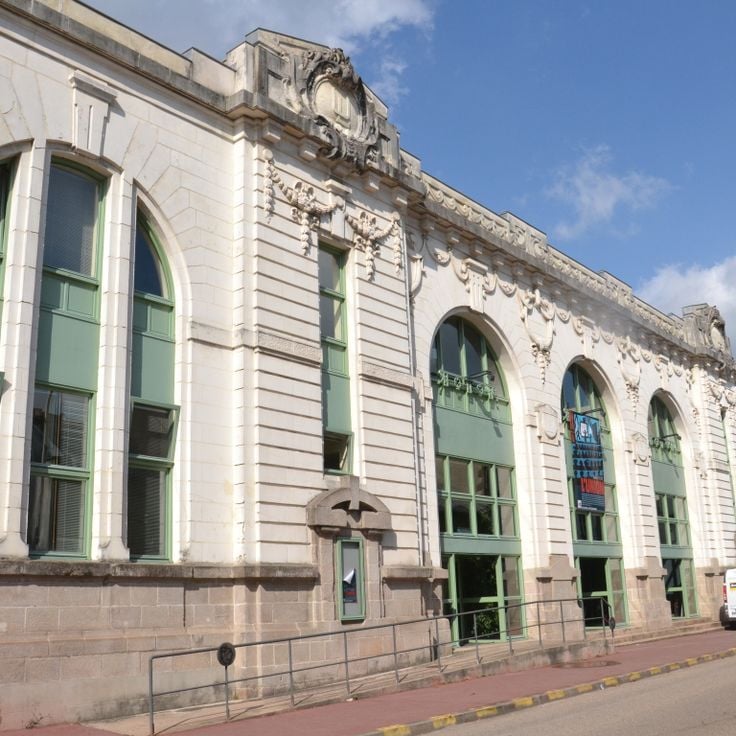
Limoges, a city in central France, shows traces of its long history through streets, bridges and buildings. The Saint-Étienne Cathedral rises above the old town with its colored glass windows, while the Bénédictins railway station welcomes travelers with its decorated facade and large hall. The Vienne River flows through the city, crossed by old stone bridges like Pont Saint-Étienne, which offers views of the riverbanks.
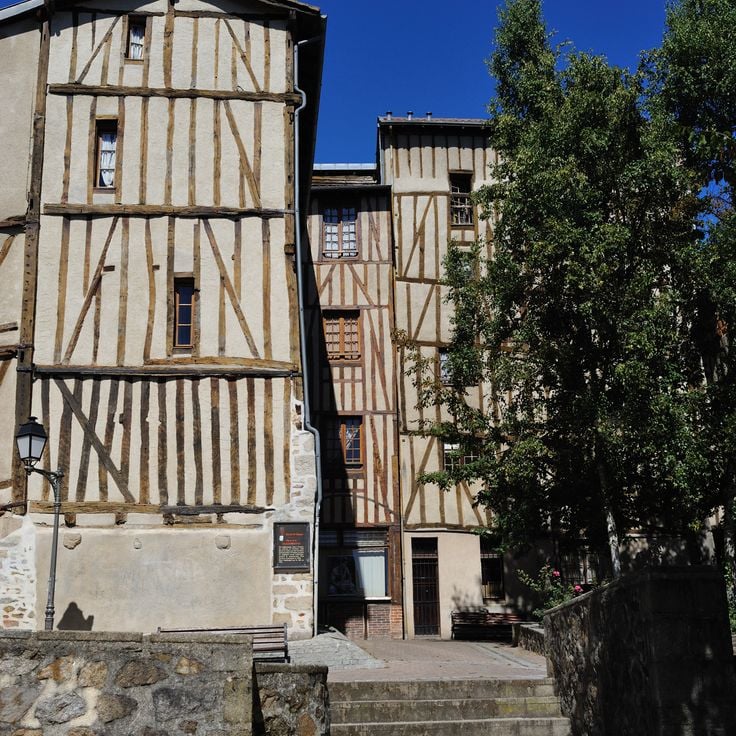
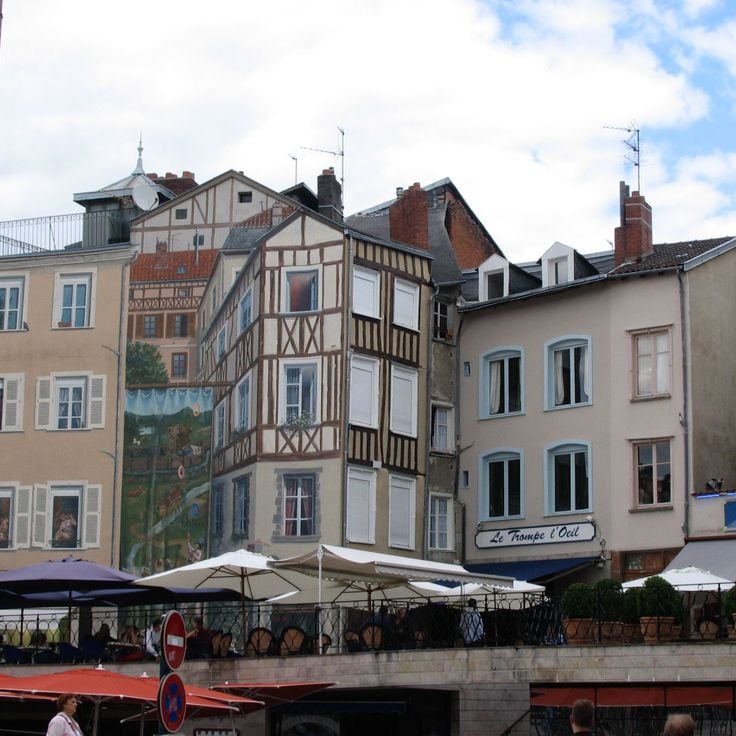
Rue de la Boucherie preserves the legacy of the medieval butchers' guild with its half-timbered houses and narrow lanes. Museums display porcelain and medieval enamels, including the Musée National Adrien Dubouché and the Musée de l'Évêché. Parks like Jardin de l'Évêché or Parc Victor Thuillat provide places to walk. The Halles Centrales bring life to the city center with its market, while squares and fountains like Fontaine des Barres serve as meeting points in daily life.
Limoges, a city in central France, shows traces of its long history through streets, bridges and buildings. The Saint-Étienne Cathedral rises above the old town with its colored glass windows, while the Bénédictins railway station welcomes travelers with its decorated facade and large hall. The Vienne River flows through the city, crossed by old stone bridges like Pont Saint-Étienne, which offers views of the riverbanks.
Rue de la Boucherie preserves the legacy of the medieval butchers' guild with its half-timbered houses and narrow lanes. Museums display porcelain and medieval enamels, including the Musée National Adrien Dubouché and the Musée de l'Évêché. Parks like Jardin de l'Évêché or Parc Victor Thuillat provide places to walk. The Halles Centrales bring life to the city center with its market, while squares and fountains like Fontaine des Barres serve as meeting points in daily life.
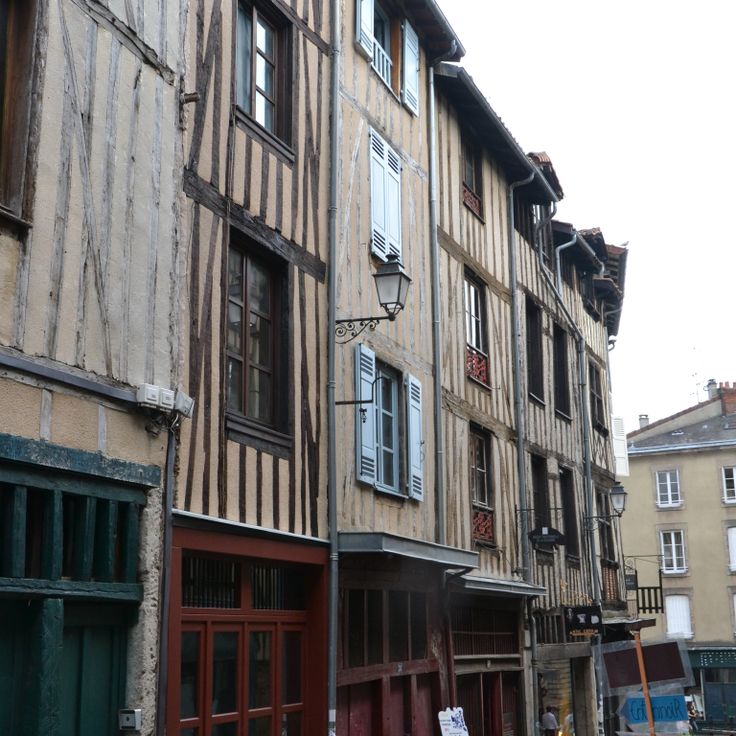
This medieval street in the heart of Limoges contains half-timbered houses from the 14th century, small workshops selling regional crafts, and traditional butcher shops. It sits in the old quarter of the city and shows narrow lanes with cobblestones. The houses date from different centuries and stand close together. During the day, locals shop or stroll between the storefronts. Some buildings carry wooden beams on their facades, others have small windows with old frames.
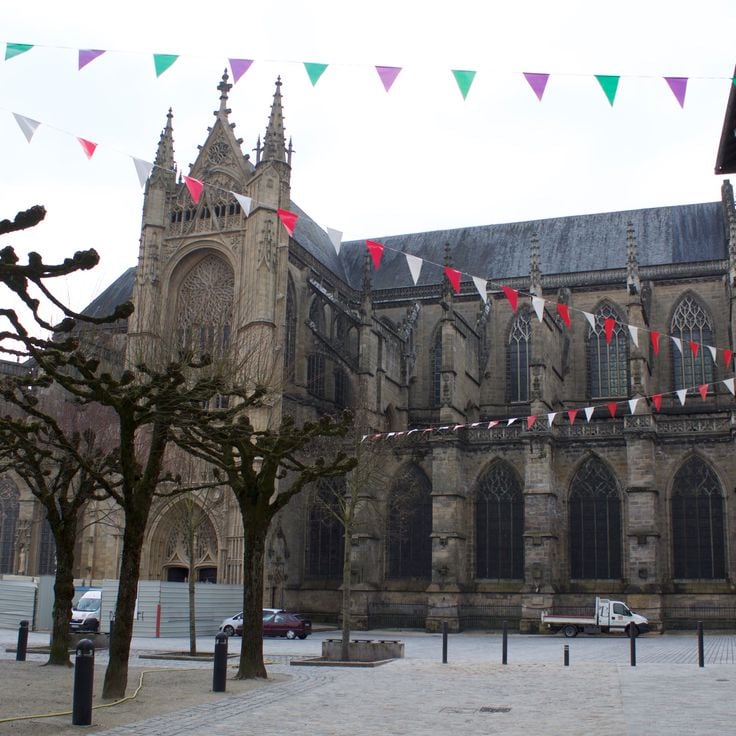
The Cathedral Saint-Étienne de Limoges is a photo location in this medieval city. This Gothic building rises above the old streets and has shaped the city since the 13th century. The bell tower stands 62 meters (203 feet) high and provides views across Limoges. Rose windows allow colored light to enter the interior. An oak astronomical clock from 1529 still keeps time here today. The light-colored stone facade changes appearance depending on the time of day. Visitors can walk through the nave and observe the stained glass windows that line the interior.
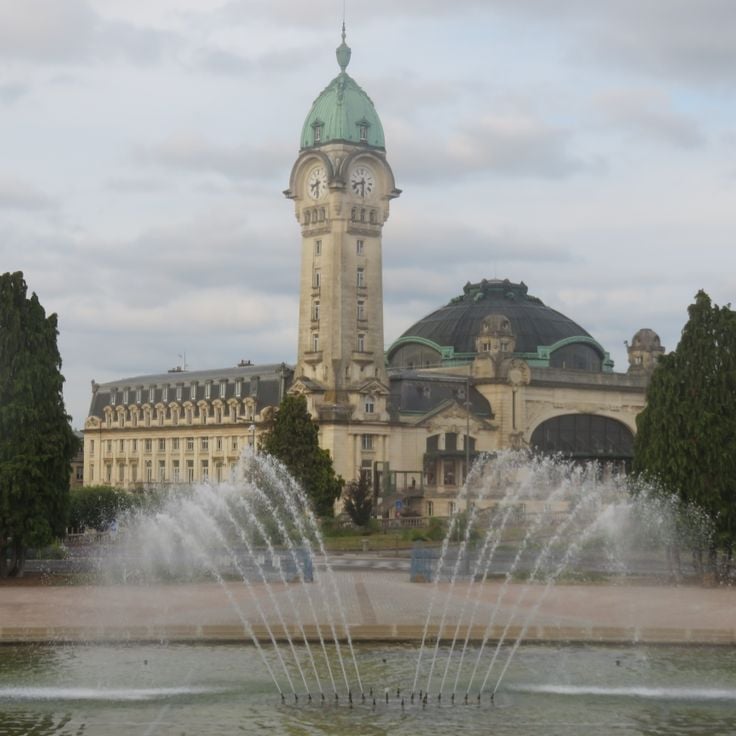
The Gare de Limoges-Bénédictins, which opened in 1929, serves as a central point for travelers arriving in the city. Its copper dome rises 86 meters (282 feet) above street level and is visible from several approaches. Inside, marble floors lead through the main hall, where natural light enters through tall windows. The clock tower sits at the center, decorated with art deco motifs that reflect the period of construction. Visitors can observe the building from the entrance steps or walk through the interior spaces to appreciate the materials and proportions. The station functions as both a transit hub and an architectural landmark.
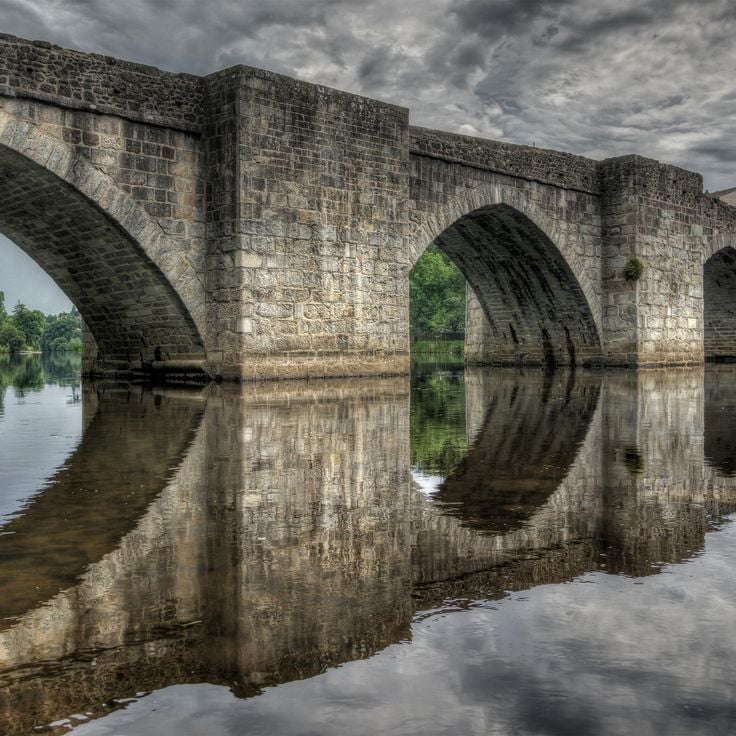
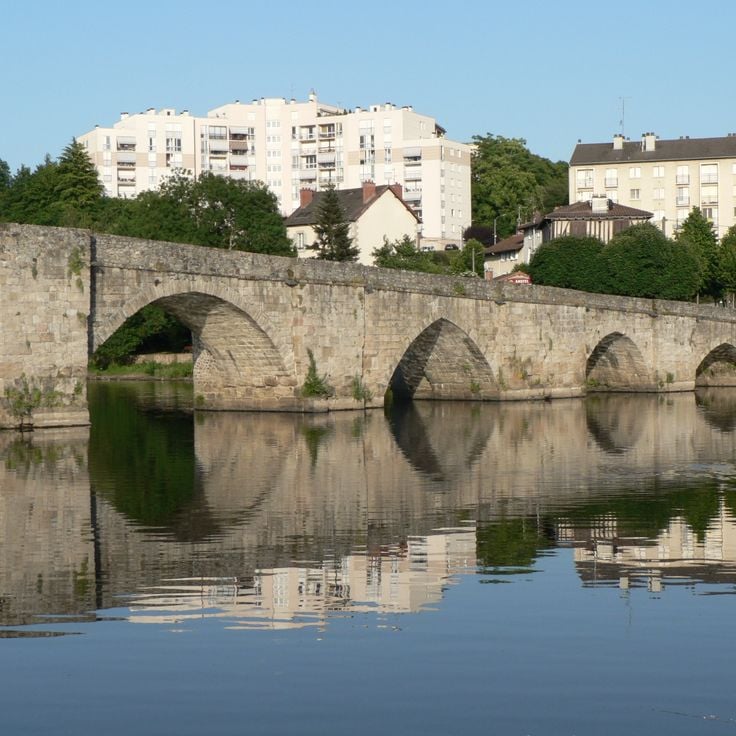
This stone bridge from the 13th century crosses the Vienne River and connects two parts of Limoges. Seven arches support the structure, and a watchtower rises at its center. From the riverbanks you can see the cathedral in the distance, while the water flows beneath the old stone piers. People walk across at all hours, and at sunset the arches cast long shadows on the river surface. As a photo location, the Pont Saint-Étienne reveals the historical character of Limoges and offers views of the riverbank that accompany your walk through the old town.
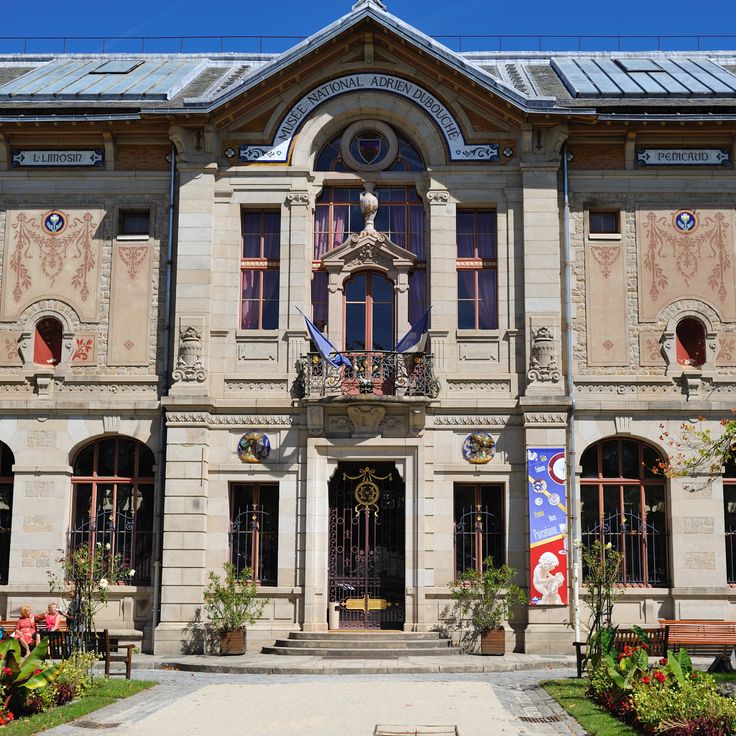
This museum holds one of the largest ceramic collections in France. The displays present porcelain from several centuries and show how production developed since the 18th century. Visitors see finished pieces alongside raw materials, tools, and kilns. The collection documents the history of porcelain in Limoges and places local workshops beside works from other countries. The rooms are organized chronologically and connect technical details with decorative objects.
The Fontaine des Barres is a stone fountain from the 19th century that shapes the urban landscape in central Limoges. Water cascades down through several levels, while carved details decorate its surface. This fountain sits near the medieval lanes and Gothic buildings that define the city, offering a stopping point in the daily rhythm of the streets.
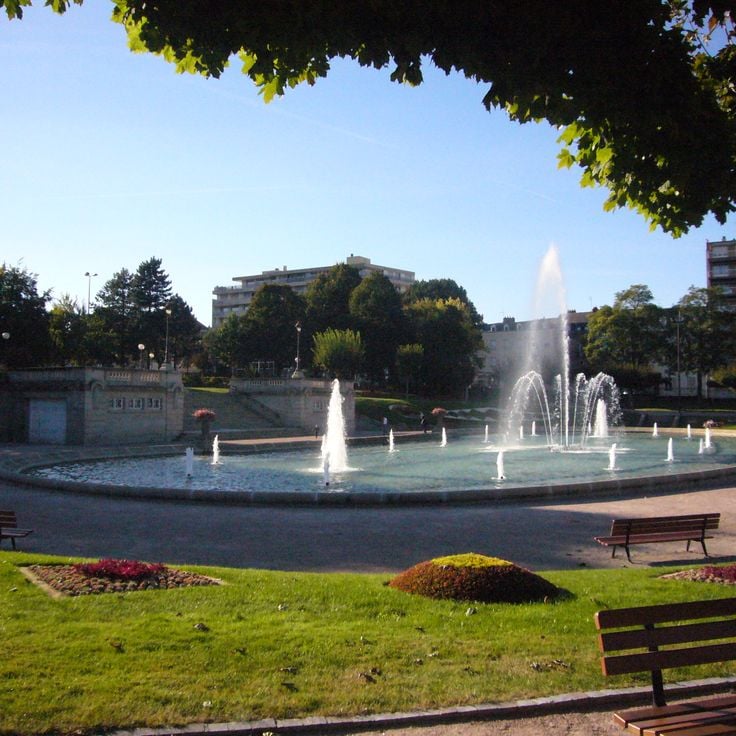
This municipal park in central Limoges offers a gathering place with a central pond where ducks swim and water fountains splash. Flowerbeds and old trees line the paths where families walk and children play on the playgrounds. Benches sit along the walkways, and the space feels open and restful, particularly on weekdays.
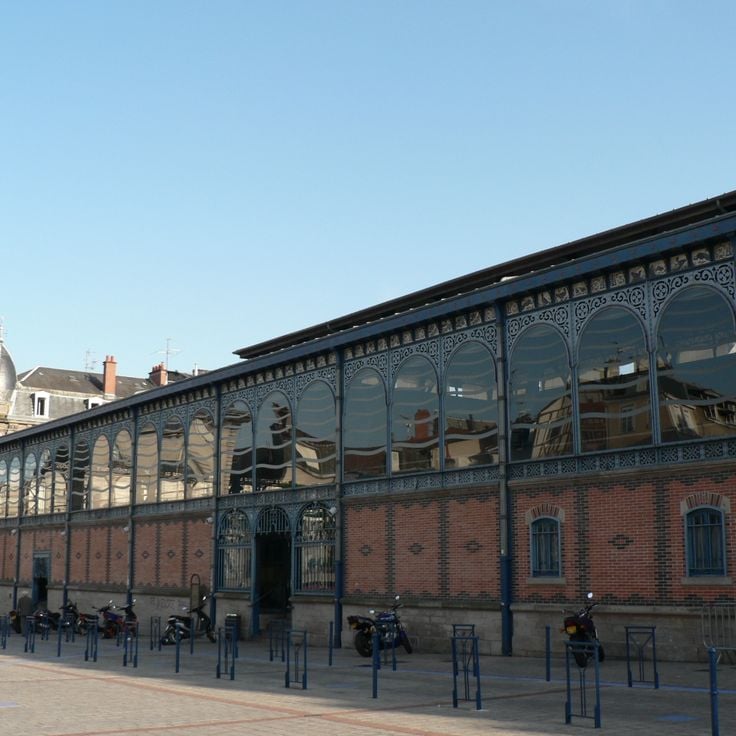
The Halles Centrales de Limoges is a covered market built in 1885 that houses many food vendors today. This market hall with its metal frame, glass panels, and stone walls brings life to the city center of Limoges. Visitors can walk through the aisles to discover regional products and local specialties. The architecture combines functional elements with the design forms of the late 19th century.
This Butchers' House Museum in Limoges documents the history of the butchering trade in the city from the 14th century onward. Across multiple floors, the rooms display tools, old documents, and objects from the daily life of the guild. Wooden beams and stone staircases run through the building, preserving the character of the period.
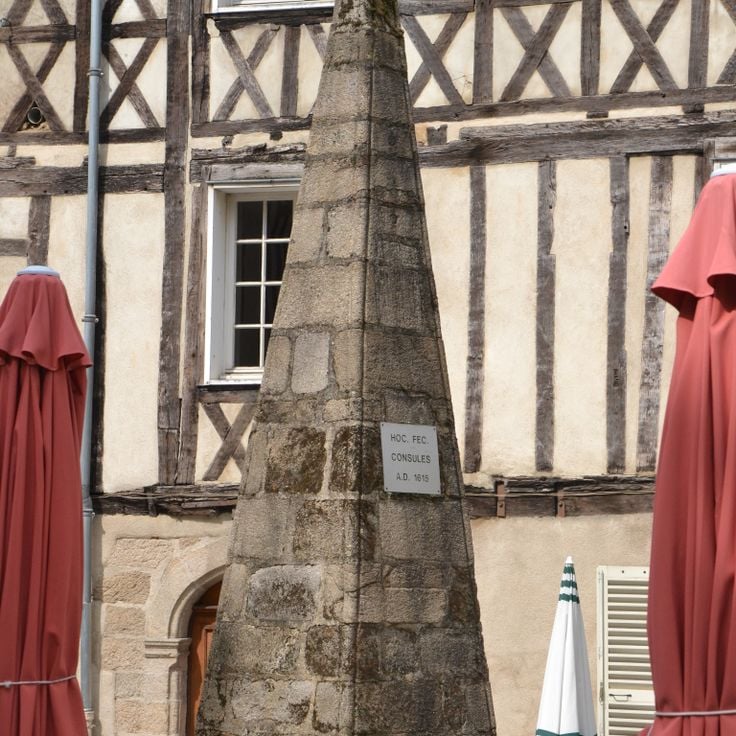
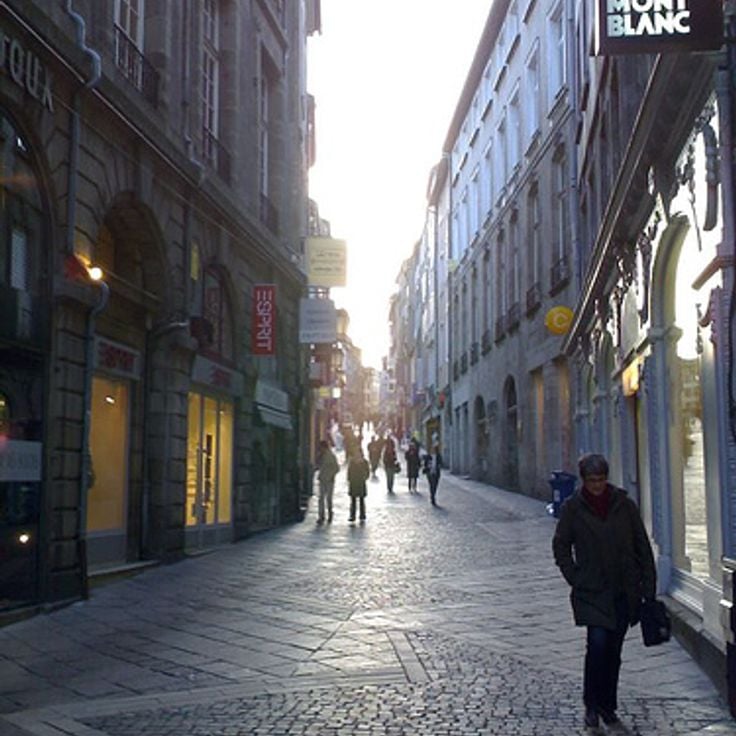
Consulate Street in Limoges runs through the commercial center of the city and shows medieval buildings from the 15th century. The old half-timbered houses contain small shops, restaurants and cafés. Visitors find local products, crafts and traditional French cuisine here. The street belongs to the historic quarter and preserves the cityscape of past centuries. In the morning the shops open their doors, in the afternoon the terraces fill up. The architecture combines Gothic elements with Renaissance details. Restored facades display wooden beams, stone arches and narrow windows. This street is a good starting point for discovering old Limoges and finding typical photo spots of the city.
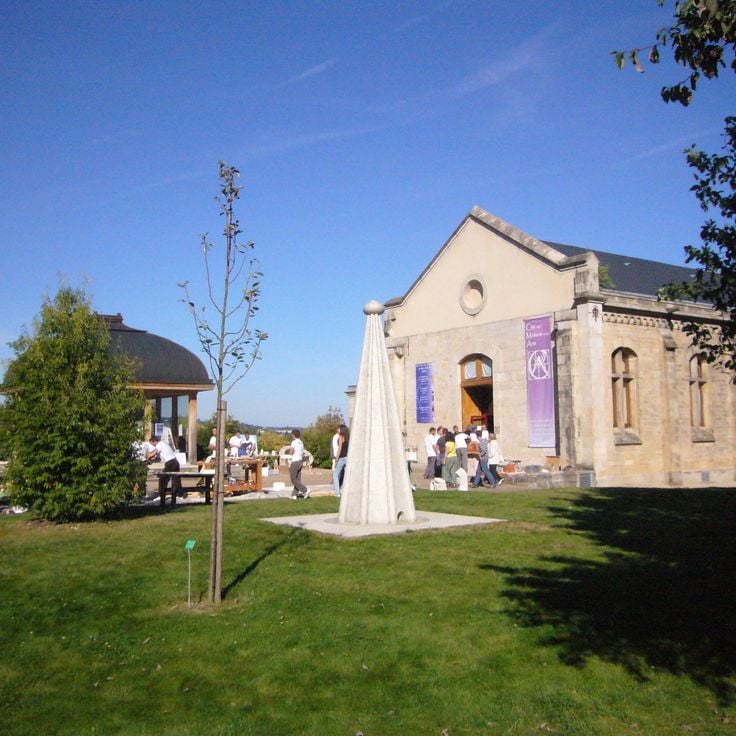
This center displays traditional craft techniques and contemporary art in a converted industrial building located in Limoges. Local artisans demonstrate their skills regularly throughout the year. The spaces blend old brick walls with modern exhibition areas. Visitors can watch porcelain painters, enamel artists and textile craftspeople at work and see how these traditions continue in the city known for its ceramics and enamels.
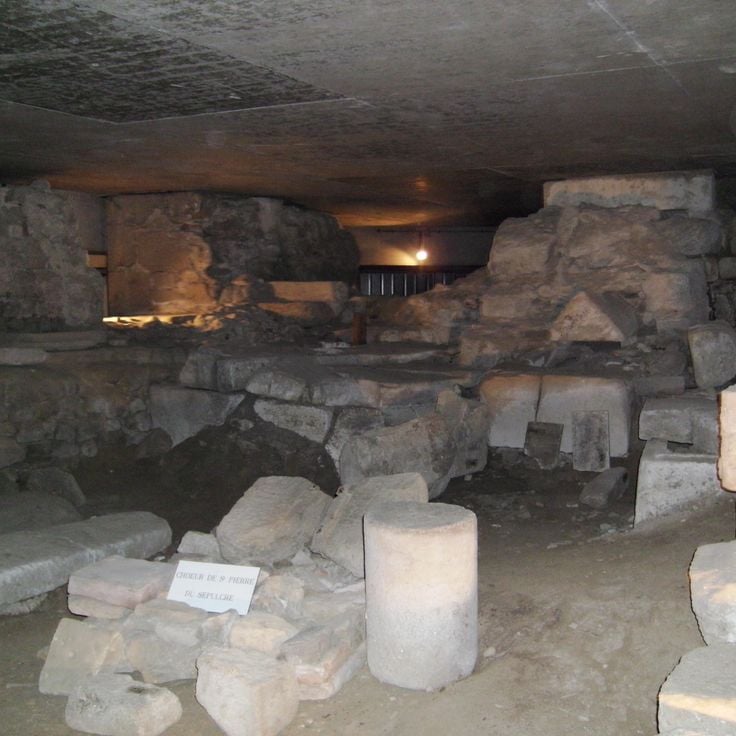
This crypt preserves tombs and building elements from the 10th century abbey that were uncovered during excavations. Visitors see Roman and medieval stone foundations that lie beneath the modern city. The site shows how earlier structures stood here and which layers accumulated over the centuries. The crypt connects Limoges with its history as a religious center and reveals how building styles and materials changed over time.
This garden in the heart of Limoges serves as a viewing spot in a city that shows traces of its long history through streets, bridges and buildings. The Jardin du Champ de Juillet offers stone paths that wind through flowerbeds with seasonal plants. Old trees shade benches where residents and visitors take breaks. Large fountains stand among the maintained lawns. The garden acts as a resting point between the historic streets and Gothic architecture of the city. People come here to read, walk, or simply sit.
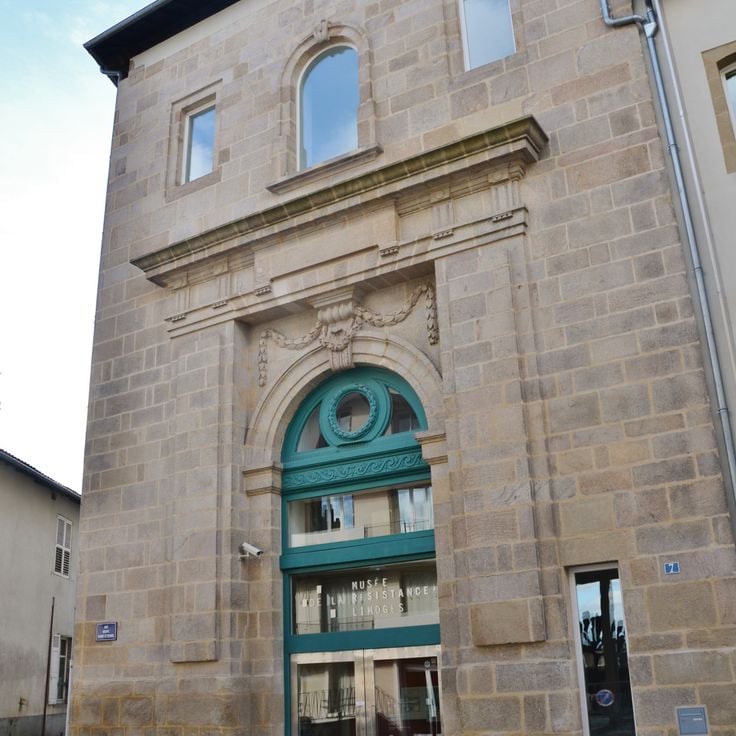
This museum displays war artifacts, documents and photographs from 1940 to 1944 in a renovated stone building with period architecture. The exhibitions document the French resistance movement during the occupation years. Visitors find personal belongings of former fighters, underground publications and military equipment. The building itself dates from the 18th century and has been adapted as exhibition space. As part of photo spots and views in Limoges, this museum offers insight into the city's history during World War II.
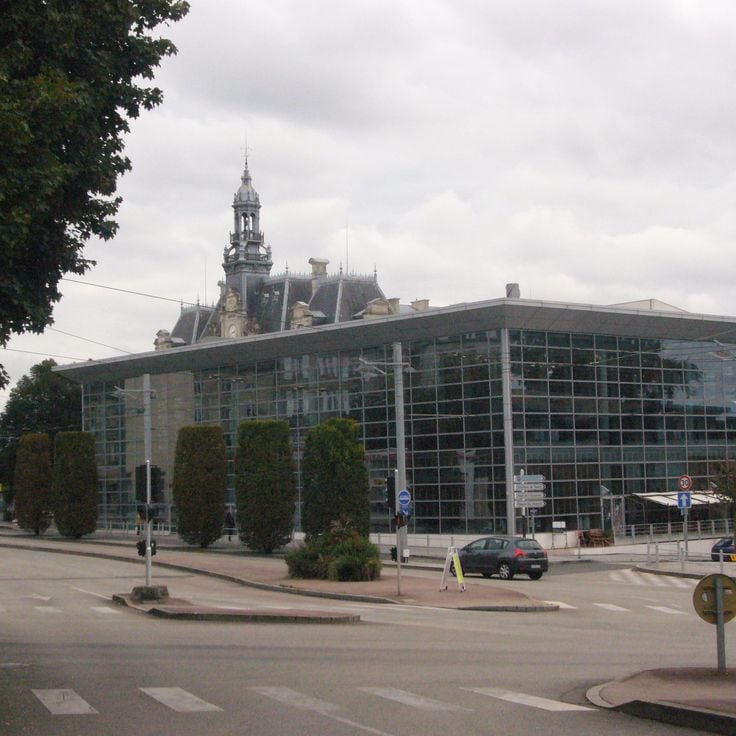
This municipal library in Limoges combines modern architecture with everyday function. The Bibliothèque Francophone Multimédia spreads across six floors and houses collections of books and digital media in a building of glass and steel. Large windows frame views across the city's rooftops and the surrounding hills. Reading areas are bright and open, with workspaces for students and visitors. The building itself stands as an example of contemporary design in the heart of Limoges.
The Théâtre de l'Union in Limoges is one of the city's key locations for viewing its architectural and cultural heritage. This theater stands in central Limoges with stone walls, classical columns and decorative balconies from the nineteenth century. The facade carries sculptural details and architectural elements typical of French theater buildings from this period. The structure sits on a busy street and serves as a venue for various performances. The architecture reflects the public role of the theater and fits with the historic buildings throughout the city, making it a spot to observe how Limoges developed its cultural spaces.
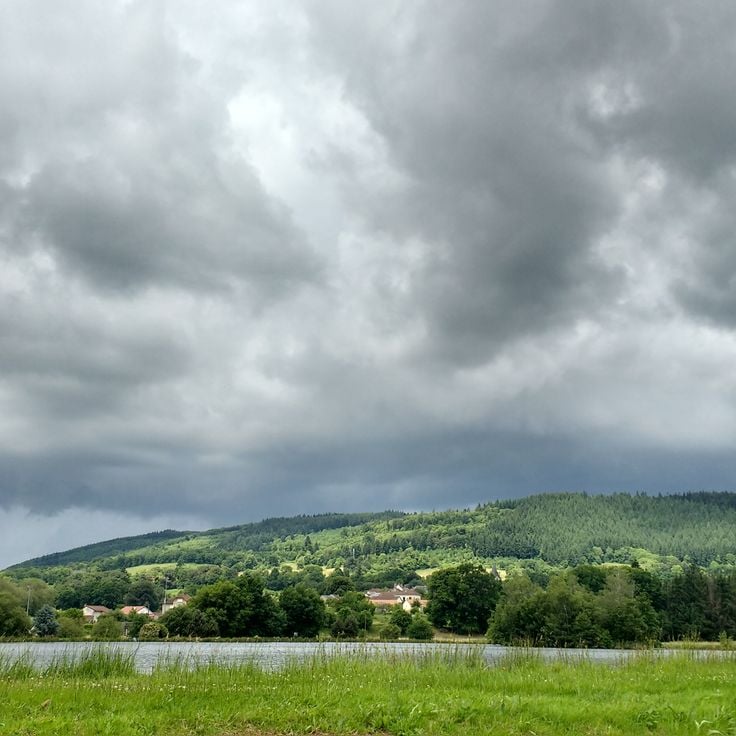
The Monts d'Ambazac are a mountain range north of Limoges with granite peaks covered by oak and chestnut forests. These mountains reach 700 meters in height and are crossed by hiking paths and streams. The landscape shifts between wooded hills and open clearings where you can view the surrounding valleys. In autumn the leaves of the deciduous trees turn color, while in spring wildflowers bloom along the paths. This mountain range offers several vantage points for photographers exploring the natural surroundings of Limoges.
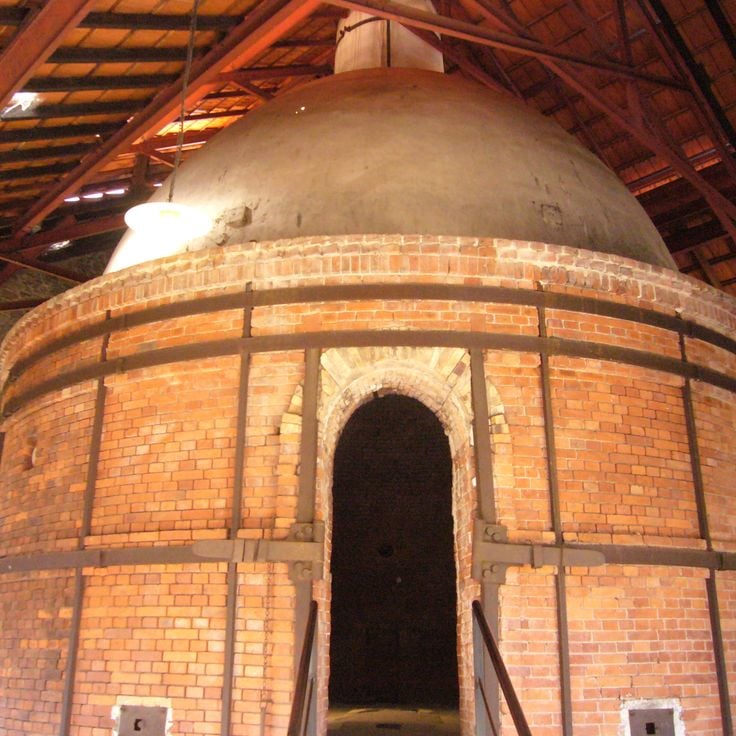
The Four des Casseaux in Limoges is a red brick porcelain kiln built in 1904 that rises 17 meters high. It stands as a physical record of how porcelain was made in this city during the 20th century. The kiln shows the methods and scale of ceramic production that once defined Limoges. Its solid brick structure and towering form make it a striking spot for photographs and for anyone curious about the industrial crafts that shaped the city.
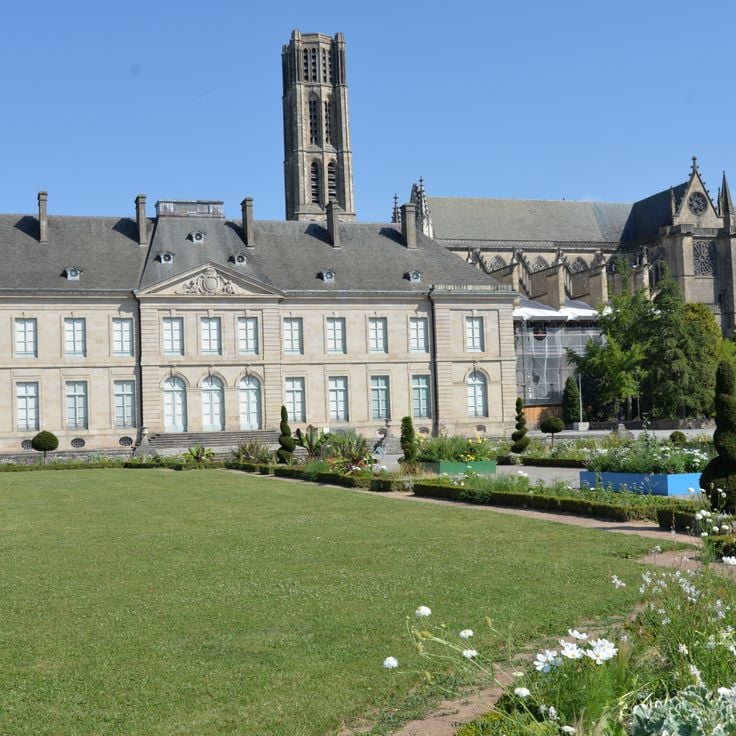
This museum in Limoges occupies an 18th-century episcopal palace and displays enamel works from the 12th century along with paintings and decorative arts. Across four floors, the collections guide you through the medieval art tradition of Limoges and present religious objects once made for cathedrals and monasteries. The rooms preserve the original palace architecture with high ceilings and large windows overlooking the garden. Visitors can see how craftsmen developed and refined enamel techniques over the centuries.
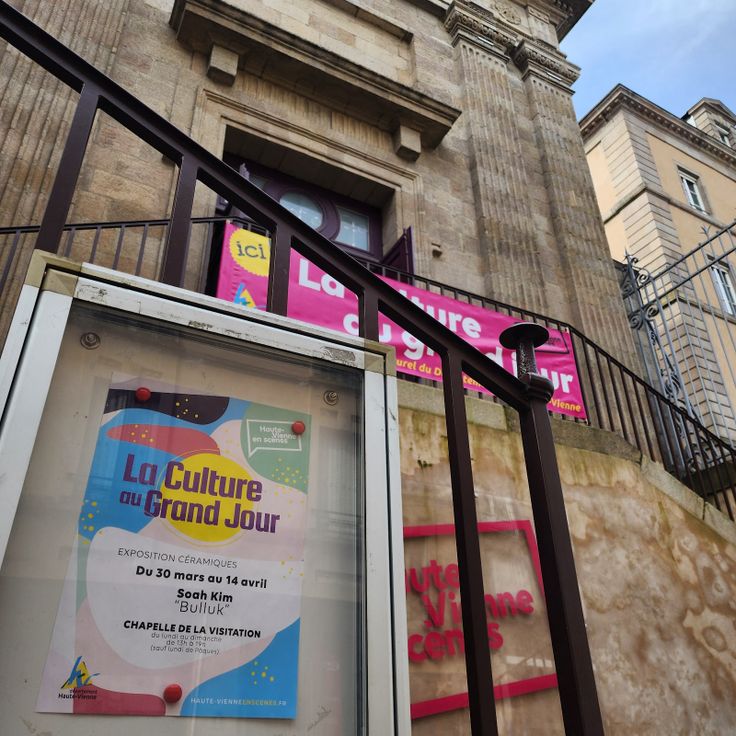
The Chapelle de la Visitation is a 17th-century chapel featuring stone walls, painted murals, and stained glass windows depicting biblical scenes and saints. As a religious building in Limoges, a city known for its Gothic architecture and medieval structure, this chapel forms part of the city's spiritual heritage. Light filtering through the colored windows illuminates the interior and highlights the artwork. Visitors can observe the murals and experience the quiet character of the building.
The Jardin d'Orsay is a public garden near the center of Limoges and serves as one of the collection's photo spots and views in the city. Stone sculptures, geometric flower beds and grass areas create the garden's structure. Paths wind through old trees, maintained borders and quiet seating spots where local residents come for walks or breaks during their time in the city.
Place Denis-Dussoubs is a square in the heart of Limoges where a stone fountain sits surrounded by traditional buildings with French architectural details. This square serves as a meeting point for locals and visitors, with historic facades lining the edges, cafes, and shops nearby. The fountain marks a place where people gather in daily life while contributing to the character of Limoges's old streets.
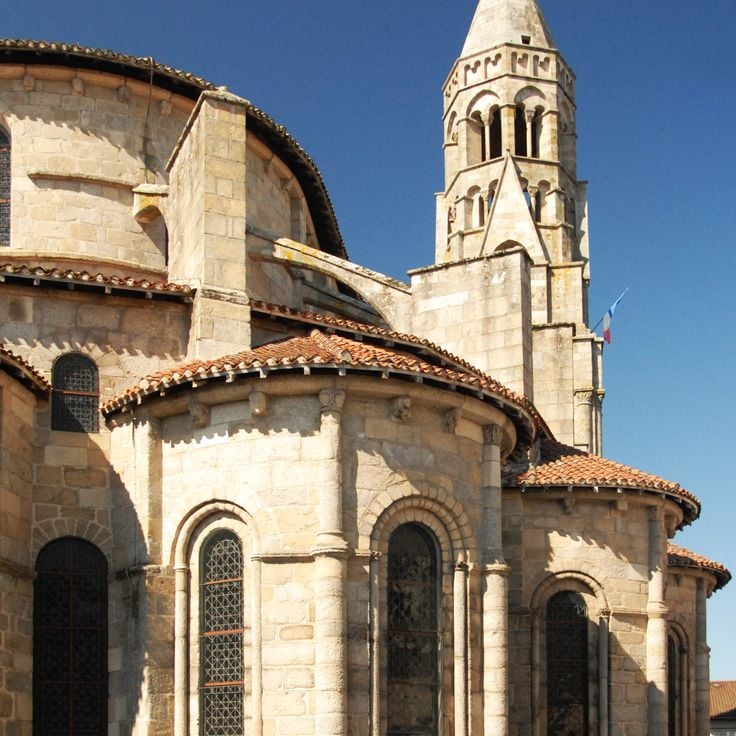
This Romanesque church from the 11th century belongs to the UNESCO World Heritage sites and sits on the pilgrim route to Santiago de Compostela. The building shows typical features of architecture from its time with solid stone walls and a tall bell tower. Visitors find here a place of calm that has welcomed pilgrims on their journey for centuries. For photographers documenting historical locations in the Limoges region, this site offers a connection between religious history and medieval architecture.
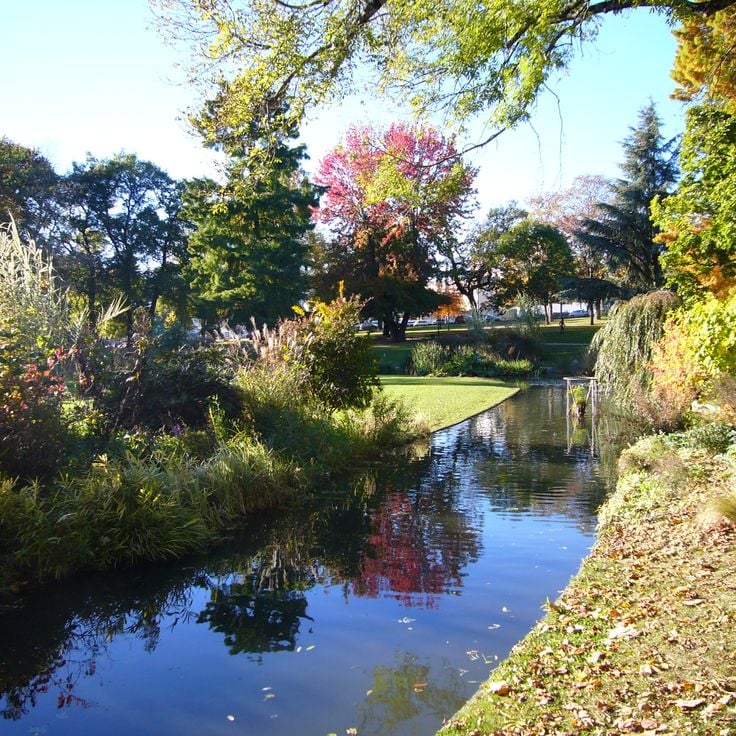
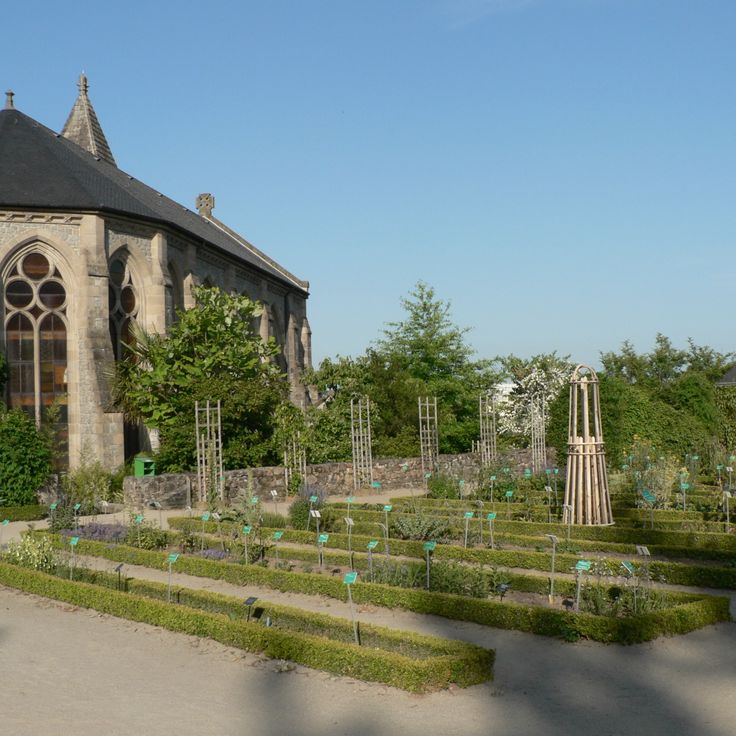
The Jardin botanique de l'Evêché in Limoges displays plant collections with labeled species, water features and maintained paths near the cathedral. It serves as a green retreat in the heart of the city and invites visitors to stroll between the flower beds and under the trees.
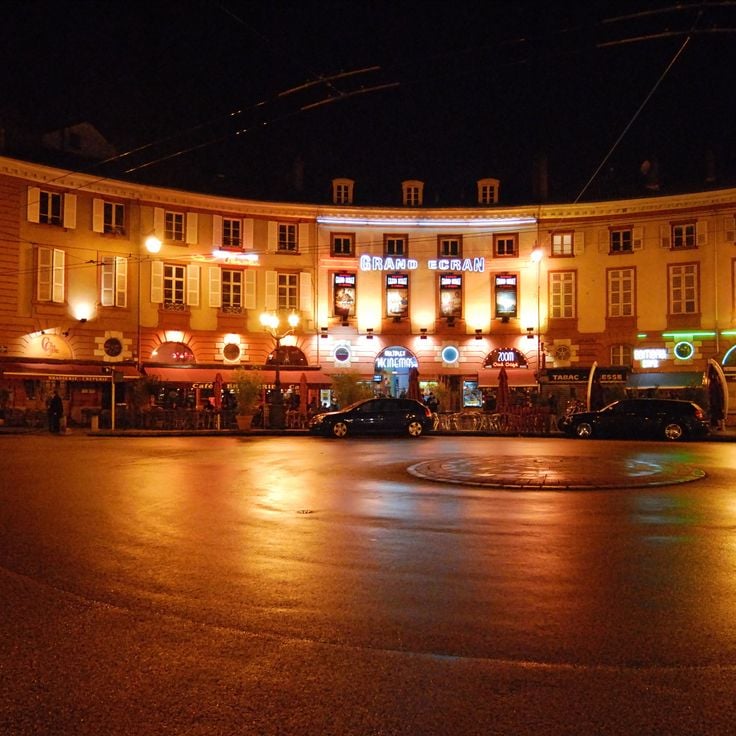
This central square in Limoges brings together modern elements and traditional buildings from different centuries. A contemporary photovoltaic sculpture stands among granite paving and building facades that speak of the city's long history. Cafes with outdoor seating line the square and create places to linger, while pedestrians move between the terraces and the solar sculpture.
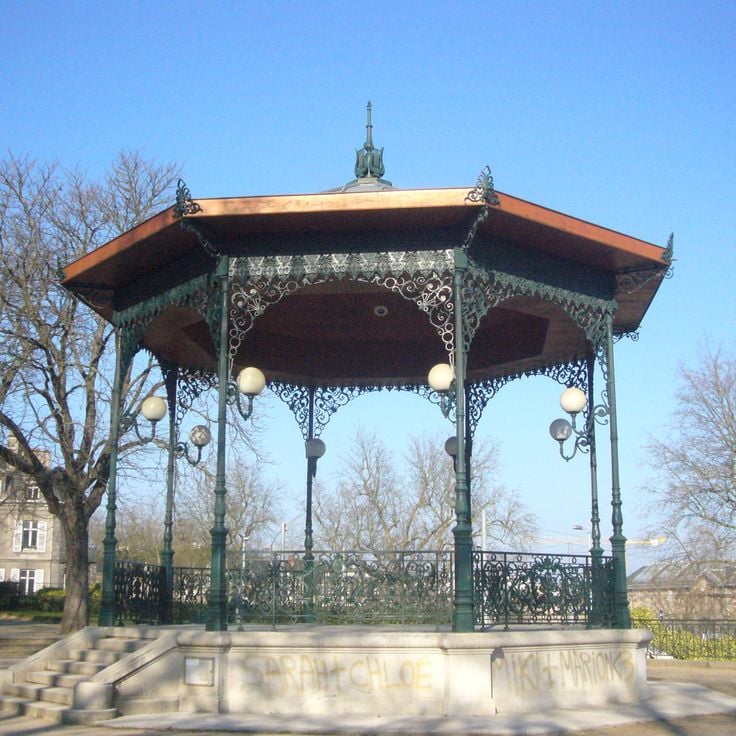
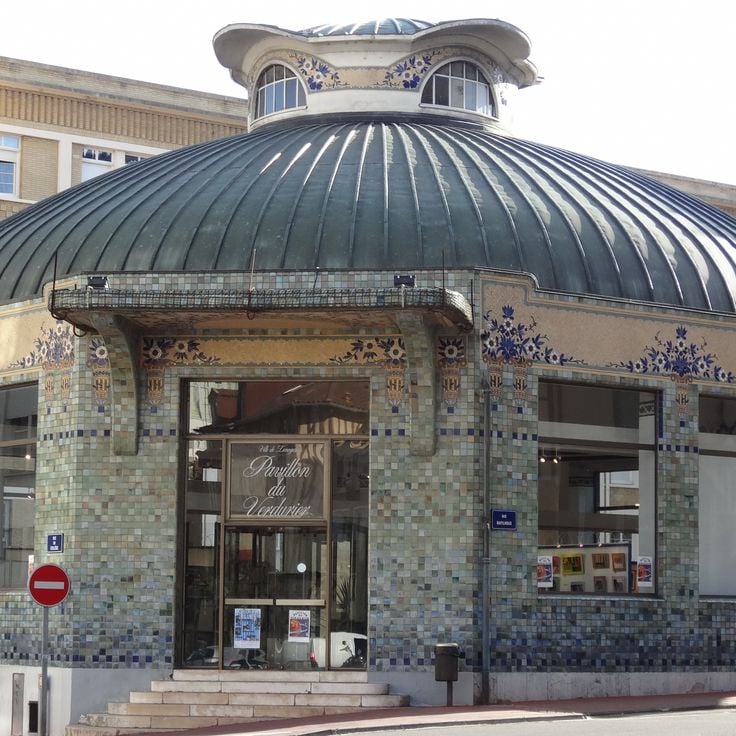
Le Pavillon du Verdurier in Limoges is an octagonal building from 1919 featuring Art Deco elements and mosaic decorations. Originally built as a cold storage facility, it now serves as an exhibition space and reflects the architectural changes that shaped the city over time.
This railway viaduct of stone and metal crosses the Vienne River and links the two banks of Limoges. The arches carry the tracks about 100 feet (30 meters) above the water. From the riverbanks, the structure stands against the sky while pedestrians and cyclists walk along the river. The bridge belongs to the city's infrastructure and fits into the landscape, where trains pass regularly and the echo carries over the water.
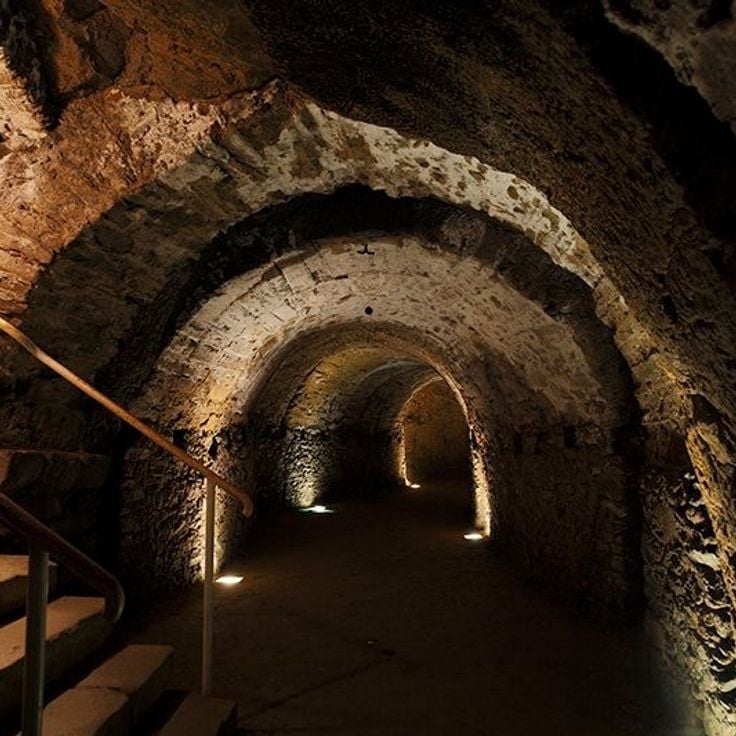
This underground network of medieval tunnels extends beneath the center of Limoges, revealing stone walls and vaulted ceilings from the 13th century. The passages were once part of city life, serving different purposes over the centuries. Today, visitors can walk through these preserved spaces and trace the construction methods of earlier times. This location illustrates the long history of the city, visible through its streets, bridges and buildings.
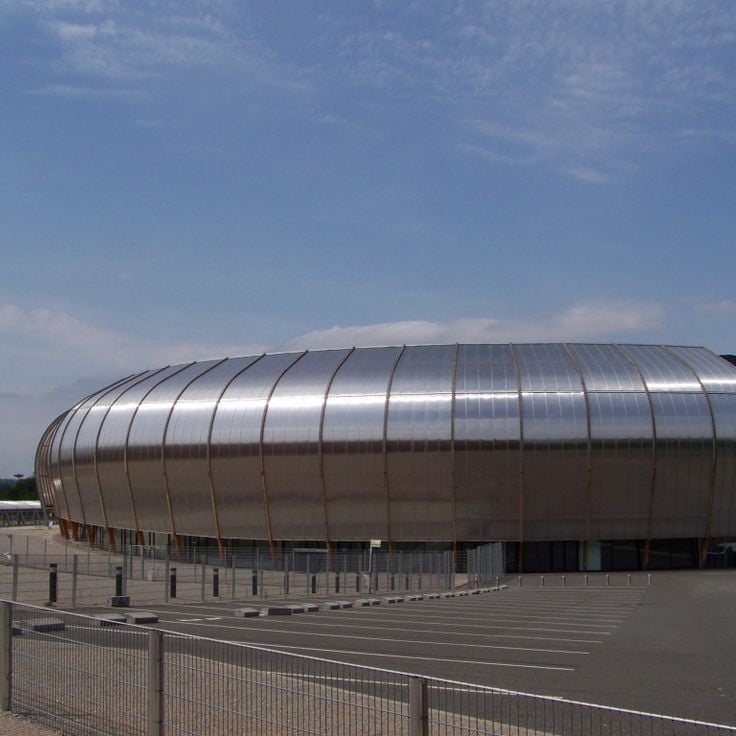
This performance hall in Limoges displays a glass and metal structure from the early 21st century, connecting the city with its long tradition of cultural events. The arena serves as a venue for concerts, theater productions, and other performances, accommodating several thousand visitors. Its transparent exterior reflects daylight and contrasts with the stone buildings of the old town, while functioning as a contemporary gathering place for music and art lovers. The building shows how this city blends its medieval past with modern cultural life.
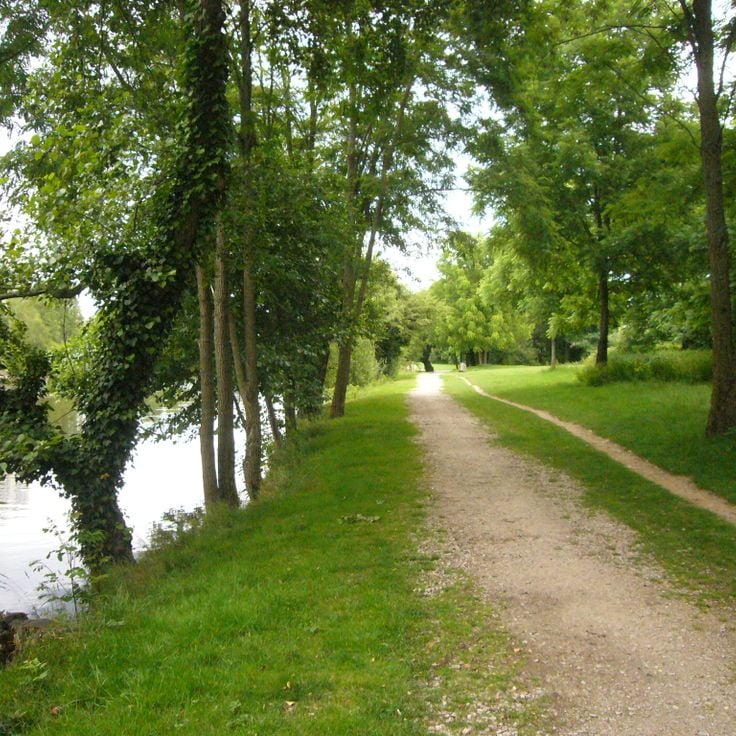
The walkways along the Vienne River in Limoges connect several neighborhoods across the city. Stone bridges cross the river, while small gardens and benches line the route. From these paths you can observe the water, riverside plantings and the buildings along the shore. Walking here helps you understand the role the river played in shaping Limoges over time.
This medieval street in the heart of Limoges contains half-timbered houses from the 14th century, small workshops selling regional crafts, and traditional butcher shops. It sits in the old quarter of the city and shows narrow lanes with cobblestones. The houses date from different centuries and stand close together. During the day, locals shop or stroll between the storefronts. Some buildings carry wooden beams on their facades, others have small windows with old frames.
The Cathedral Saint-Étienne de Limoges is a photo location in this medieval city. This Gothic building rises above the old streets and has shaped the city since the 13th century. The bell tower stands 62 meters (203 feet) high and provides views across Limoges. Rose windows allow colored light to enter the interior. An oak astronomical clock from 1529 still keeps time here today. The light-colored stone facade changes appearance depending on the time of day. Visitors can walk through the nave and observe the stained glass windows that line the interior.
The Gare de Limoges-Bénédictins, which opened in 1929, serves as a central point for travelers arriving in the city. Its copper dome rises 86 meters (282 feet) above street level and is visible from several approaches. Inside, marble floors lead through the main hall, where natural light enters through tall windows. The clock tower sits at the center, decorated with art deco motifs that reflect the period of construction. Visitors can observe the building from the entrance steps or walk through the interior spaces to appreciate the materials and proportions. The station functions as both a transit hub and an architectural landmark.
This stone bridge from the 13th century crosses the Vienne River and connects two parts of Limoges. Seven arches support the structure, and a watchtower rises at its center. From the riverbanks you can see the cathedral in the distance, while the water flows beneath the old stone piers. People walk across at all hours, and at sunset the arches cast long shadows on the river surface. As a photo location, the Pont Saint-Étienne reveals the historical character of Limoges and offers views of the riverbank that accompany your walk through the old town.
This museum holds one of the largest ceramic collections in France. The displays present porcelain from several centuries and show how production developed since the 18th century. Visitors see finished pieces alongside raw materials, tools, and kilns. The collection documents the history of porcelain in Limoges and places local workshops beside works from other countries. The rooms are organized chronologically and connect technical details with decorative objects.
The Fontaine des Barres is a stone fountain from the 19th century that shapes the urban landscape in central Limoges. Water cascades down through several levels, while carved details decorate its surface. This fountain sits near the medieval lanes and Gothic buildings that define the city, offering a stopping point in the daily rhythm of the streets.
This municipal park in central Limoges offers a gathering place with a central pond where ducks swim and water fountains splash. Flowerbeds and old trees line the paths where families walk and children play on the playgrounds. Benches sit along the walkways, and the space feels open and restful, particularly on weekdays.
The Halles Centrales de Limoges is a covered market built in 1885 that houses many food vendors today. This market hall with its metal frame, glass panels, and stone walls brings life to the city center of Limoges. Visitors can walk through the aisles to discover regional products and local specialties. The architecture combines functional elements with the design forms of the late 19th century.
This Butchers' House Museum in Limoges documents the history of the butchering trade in the city from the 14th century onward. Across multiple floors, the rooms display tools, old documents, and objects from the daily life of the guild. Wooden beams and stone staircases run through the building, preserving the character of the period.
Consulate Street in Limoges runs through the commercial center of the city and shows medieval buildings from the 15th century. The old half-timbered houses contain small shops, restaurants and cafés. Visitors find local products, crafts and traditional French cuisine here. The street belongs to the historic quarter and preserves the cityscape of past centuries. In the morning the shops open their doors, in the afternoon the terraces fill up. The architecture combines Gothic elements with Renaissance details. Restored facades display wooden beams, stone arches and narrow windows. This street is a good starting point for discovering old Limoges and finding typical photo spots of the city.
This center displays traditional craft techniques and contemporary art in a converted industrial building located in Limoges. Local artisans demonstrate their skills regularly throughout the year. The spaces blend old brick walls with modern exhibition areas. Visitors can watch porcelain painters, enamel artists and textile craftspeople at work and see how these traditions continue in the city known for its ceramics and enamels.
This crypt preserves tombs and building elements from the 10th century abbey that were uncovered during excavations. Visitors see Roman and medieval stone foundations that lie beneath the modern city. The site shows how earlier structures stood here and which layers accumulated over the centuries. The crypt connects Limoges with its history as a religious center and reveals how building styles and materials changed over time.
This garden in the heart of Limoges serves as a viewing spot in a city that shows traces of its long history through streets, bridges and buildings. The Jardin du Champ de Juillet offers stone paths that wind through flowerbeds with seasonal plants. Old trees shade benches where residents and visitors take breaks. Large fountains stand among the maintained lawns. The garden acts as a resting point between the historic streets and Gothic architecture of the city. People come here to read, walk, or simply sit.
This museum displays war artifacts, documents and photographs from 1940 to 1944 in a renovated stone building with period architecture. The exhibitions document the French resistance movement during the occupation years. Visitors find personal belongings of former fighters, underground publications and military equipment. The building itself dates from the 18th century and has been adapted as exhibition space. As part of photo spots and views in Limoges, this museum offers insight into the city's history during World War II.
This municipal library in Limoges combines modern architecture with everyday function. The Bibliothèque Francophone Multimédia spreads across six floors and houses collections of books and digital media in a building of glass and steel. Large windows frame views across the city's rooftops and the surrounding hills. Reading areas are bright and open, with workspaces for students and visitors. The building itself stands as an example of contemporary design in the heart of Limoges.
The Théâtre de l'Union in Limoges is one of the city's key locations for viewing its architectural and cultural heritage. This theater stands in central Limoges with stone walls, classical columns and decorative balconies from the nineteenth century. The facade carries sculptural details and architectural elements typical of French theater buildings from this period. The structure sits on a busy street and serves as a venue for various performances. The architecture reflects the public role of the theater and fits with the historic buildings throughout the city, making it a spot to observe how Limoges developed its cultural spaces.
The Monts d'Ambazac are a mountain range north of Limoges with granite peaks covered by oak and chestnut forests. These mountains reach 700 meters in height and are crossed by hiking paths and streams. The landscape shifts between wooded hills and open clearings where you can view the surrounding valleys. In autumn the leaves of the deciduous trees turn color, while in spring wildflowers bloom along the paths. This mountain range offers several vantage points for photographers exploring the natural surroundings of Limoges.
The Four des Casseaux in Limoges is a red brick porcelain kiln built in 1904 that rises 17 meters high. It stands as a physical record of how porcelain was made in this city during the 20th century. The kiln shows the methods and scale of ceramic production that once defined Limoges. Its solid brick structure and towering form make it a striking spot for photographs and for anyone curious about the industrial crafts that shaped the city.
This museum in Limoges occupies an 18th-century episcopal palace and displays enamel works from the 12th century along with paintings and decorative arts. Across four floors, the collections guide you through the medieval art tradition of Limoges and present religious objects once made for cathedrals and monasteries. The rooms preserve the original palace architecture with high ceilings and large windows overlooking the garden. Visitors can see how craftsmen developed and refined enamel techniques over the centuries.
The Chapelle de la Visitation is a 17th-century chapel featuring stone walls, painted murals, and stained glass windows depicting biblical scenes and saints. As a religious building in Limoges, a city known for its Gothic architecture and medieval structure, this chapel forms part of the city's spiritual heritage. Light filtering through the colored windows illuminates the interior and highlights the artwork. Visitors can observe the murals and experience the quiet character of the building.
The Jardin d'Orsay is a public garden near the center of Limoges and serves as one of the collection's photo spots and views in the city. Stone sculptures, geometric flower beds and grass areas create the garden's structure. Paths wind through old trees, maintained borders and quiet seating spots where local residents come for walks or breaks during their time in the city.
Place Denis-Dussoubs is a square in the heart of Limoges where a stone fountain sits surrounded by traditional buildings with French architectural details. This square serves as a meeting point for locals and visitors, with historic facades lining the edges, cafes, and shops nearby. The fountain marks a place where people gather in daily life while contributing to the character of Limoges's old streets.
This Romanesque church from the 11th century belongs to the UNESCO World Heritage sites and sits on the pilgrim route to Santiago de Compostela. The building shows typical features of architecture from its time with solid stone walls and a tall bell tower. Visitors find here a place of calm that has welcomed pilgrims on their journey for centuries. For photographers documenting historical locations in the Limoges region, this site offers a connection between religious history and medieval architecture.
The Jardin botanique de l'Evêché in Limoges displays plant collections with labeled species, water features and maintained paths near the cathedral. It serves as a green retreat in the heart of the city and invites visitors to stroll between the flower beds and under the trees.
This central square in Limoges brings together modern elements and traditional buildings from different centuries. A contemporary photovoltaic sculpture stands among granite paving and building facades that speak of the city's long history. Cafes with outdoor seating line the square and create places to linger, while pedestrians move between the terraces and the solar sculpture.
Le Pavillon du Verdurier in Limoges is an octagonal building from 1919 featuring Art Deco elements and mosaic decorations. Originally built as a cold storage facility, it now serves as an exhibition space and reflects the architectural changes that shaped the city over time.
This railway viaduct of stone and metal crosses the Vienne River and links the two banks of Limoges. The arches carry the tracks about 100 feet (30 meters) above the water. From the riverbanks, the structure stands against the sky while pedestrians and cyclists walk along the river. The bridge belongs to the city's infrastructure and fits into the landscape, where trains pass regularly and the echo carries over the water.
This underground network of medieval tunnels extends beneath the center of Limoges, revealing stone walls and vaulted ceilings from the 13th century. The passages were once part of city life, serving different purposes over the centuries. Today, visitors can walk through these preserved spaces and trace the construction methods of earlier times. This location illustrates the long history of the city, visible through its streets, bridges and buildings.
This performance hall in Limoges displays a glass and metal structure from the early 21st century, connecting the city with its long tradition of cultural events. The arena serves as a venue for concerts, theater productions, and other performances, accommodating several thousand visitors. Its transparent exterior reflects daylight and contrasts with the stone buildings of the old town, while functioning as a contemporary gathering place for music and art lovers. The building shows how this city blends its medieval past with modern cultural life.
The walkways along the Vienne River in Limoges connect several neighborhoods across the city. Stone bridges cross the river, while small gardens and benches line the route. From these paths you can observe the water, riverside plantings and the buildings along the shore. Walking here helps you understand the role the river played in shaping Limoges over time.
This medieval street in the heart of Limoges contains half-timbered houses from the 14th century, small workshops selling regional crafts, and traditional butcher shops. It sits in the old quarter of the city and shows narrow lanes with cobblestones. The houses date from different centuries and stand close together. During the day, locals shop or stroll between the storefronts. Some buildings carry wooden beams on their facades, others have small windows with old frames.
The Cathedral Saint-Étienne de Limoges is a photo location in this medieval city. This Gothic building rises above the old streets and has shaped the city since the 13th century. The bell tower stands 62 meters (203 feet) high and provides views across Limoges. Rose windows allow colored light to enter the interior. An oak astronomical clock from 1529 still keeps time here today. The light-colored stone facade changes appearance depending on the time of day. Visitors can walk through the nave and observe the stained glass windows that line the interior.
The Gare de Limoges-Bénédictins, which opened in 1929, serves as a central point for travelers arriving in the city. Its copper dome rises 86 meters (282 feet) above street level and is visible from several approaches. Inside, marble floors lead through the main hall, where natural light enters through tall windows. The clock tower sits at the center, decorated with art deco motifs that reflect the period of construction. Visitors can observe the building from the entrance steps or walk through the interior spaces to appreciate the materials and proportions. The station functions as both a transit hub and an architectural landmark.
This stone bridge from the 13th century crosses the Vienne River and connects two parts of Limoges. Seven arches support the structure, and a watchtower rises at its center. From the riverbanks you can see the cathedral in the distance, while the water flows beneath the old stone piers. People walk across at all hours, and at sunset the arches cast long shadows on the river surface. As a photo location, the Pont Saint-Étienne reveals the historical character of Limoges and offers views of the riverbank that accompany your walk through the old town.
This museum holds one of the largest ceramic collections in France. The displays present porcelain from several centuries and show how production developed since the 18th century. Visitors see finished pieces alongside raw materials, tools, and kilns. The collection documents the history of porcelain in Limoges and places local workshops beside works from other countries. The rooms are organized chronologically and connect technical details with decorative objects.
The Fontaine des Barres is a stone fountain from the 19th century that shapes the urban landscape in central Limoges. Water cascades down through several levels, while carved details decorate its surface. This fountain sits near the medieval lanes and Gothic buildings that define the city, offering a stopping point in the daily rhythm of the streets.
This municipal park in central Limoges offers a gathering place with a central pond where ducks swim and water fountains splash. Flowerbeds and old trees line the paths where families walk and children play on the playgrounds. Benches sit along the walkways, and the space feels open and restful, particularly on weekdays.
The Halles Centrales de Limoges is a covered market built in 1885 that houses many food vendors today. This market hall with its metal frame, glass panels, and stone walls brings life to the city center of Limoges. Visitors can walk through the aisles to discover regional products and local specialties. The architecture combines functional elements with the design forms of the late 19th century.
This Butchers' House Museum in Limoges documents the history of the butchering trade in the city from the 14th century onward. Across multiple floors, the rooms display tools, old documents, and objects from the daily life of the guild. Wooden beams and stone staircases run through the building, preserving the character of the period.
Consulate Street in Limoges runs through the commercial center of the city and shows medieval buildings from the 15th century. The old half-timbered houses contain small shops, restaurants and cafés. Visitors find local products, crafts and traditional French cuisine here. The street belongs to the historic quarter and preserves the cityscape of past centuries. In the morning the shops open their doors, in the afternoon the terraces fill up. The architecture combines Gothic elements with Renaissance details. Restored facades display wooden beams, stone arches and narrow windows. This street is a good starting point for discovering old Limoges and finding typical photo spots of the city.
This center displays traditional craft techniques and contemporary art in a converted industrial building located in Limoges. Local artisans demonstrate their skills regularly throughout the year. The spaces blend old brick walls with modern exhibition areas. Visitors can watch porcelain painters, enamel artists and textile craftspeople at work and see how these traditions continue in the city known for its ceramics and enamels.
This crypt preserves tombs and building elements from the 10th century abbey that were uncovered during excavations. Visitors see Roman and medieval stone foundations that lie beneath the modern city. The site shows how earlier structures stood here and which layers accumulated over the centuries. The crypt connects Limoges with its history as a religious center and reveals how building styles and materials changed over time.
This garden in the heart of Limoges serves as a viewing spot in a city that shows traces of its long history through streets, bridges and buildings. The Jardin du Champ de Juillet offers stone paths that wind through flowerbeds with seasonal plants. Old trees shade benches where residents and visitors take breaks. Large fountains stand among the maintained lawns. The garden acts as a resting point between the historic streets and Gothic architecture of the city. People come here to read, walk, or simply sit.
This museum displays war artifacts, documents and photographs from 1940 to 1944 in a renovated stone building with period architecture. The exhibitions document the French resistance movement during the occupation years. Visitors find personal belongings of former fighters, underground publications and military equipment. The building itself dates from the 18th century and has been adapted as exhibition space. As part of photo spots and views in Limoges, this museum offers insight into the city's history during World War II.
This municipal library in Limoges combines modern architecture with everyday function. The Bibliothèque Francophone Multimédia spreads across six floors and houses collections of books and digital media in a building of glass and steel. Large windows frame views across the city's rooftops and the surrounding hills. Reading areas are bright and open, with workspaces for students and visitors. The building itself stands as an example of contemporary design in the heart of Limoges.
The Théâtre de l'Union in Limoges is one of the city's key locations for viewing its architectural and cultural heritage. This theater stands in central Limoges with stone walls, classical columns and decorative balconies from the nineteenth century. The facade carries sculptural details and architectural elements typical of French theater buildings from this period. The structure sits on a busy street and serves as a venue for various performances. The architecture reflects the public role of the theater and fits with the historic buildings throughout the city, making it a spot to observe how Limoges developed its cultural spaces.
The Monts d'Ambazac are a mountain range north of Limoges with granite peaks covered by oak and chestnut forests. These mountains reach 700 meters in height and are crossed by hiking paths and streams. The landscape shifts between wooded hills and open clearings where you can view the surrounding valleys. In autumn the leaves of the deciduous trees turn color, while in spring wildflowers bloom along the paths. This mountain range offers several vantage points for photographers exploring the natural surroundings of Limoges.
The Four des Casseaux in Limoges is a red brick porcelain kiln built in 1904 that rises 17 meters high. It stands as a physical record of how porcelain was made in this city during the 20th century. The kiln shows the methods and scale of ceramic production that once defined Limoges. Its solid brick structure and towering form make it a striking spot for photographs and for anyone curious about the industrial crafts that shaped the city.
This museum in Limoges occupies an 18th-century episcopal palace and displays enamel works from the 12th century along with paintings and decorative arts. Across four floors, the collections guide you through the medieval art tradition of Limoges and present religious objects once made for cathedrals and monasteries. The rooms preserve the original palace architecture with high ceilings and large windows overlooking the garden. Visitors can see how craftsmen developed and refined enamel techniques over the centuries.
The Chapelle de la Visitation is a 17th-century chapel featuring stone walls, painted murals, and stained glass windows depicting biblical scenes and saints. As a religious building in Limoges, a city known for its Gothic architecture and medieval structure, this chapel forms part of the city's spiritual heritage. Light filtering through the colored windows illuminates the interior and highlights the artwork. Visitors can observe the murals and experience the quiet character of the building.
The Jardin d'Orsay is a public garden near the center of Limoges and serves as one of the collection's photo spots and views in the city. Stone sculptures, geometric flower beds and grass areas create the garden's structure. Paths wind through old trees, maintained borders and quiet seating spots where local residents come for walks or breaks during their time in the city.
Place Denis-Dussoubs is a square in the heart of Limoges where a stone fountain sits surrounded by traditional buildings with French architectural details. This square serves as a meeting point for locals and visitors, with historic facades lining the edges, cafes, and shops nearby. The fountain marks a place where people gather in daily life while contributing to the character of Limoges's old streets.
This Romanesque church from the 11th century belongs to the UNESCO World Heritage sites and sits on the pilgrim route to Santiago de Compostela. The building shows typical features of architecture from its time with solid stone walls and a tall bell tower. Visitors find here a place of calm that has welcomed pilgrims on their journey for centuries. For photographers documenting historical locations in the Limoges region, this site offers a connection between religious history and medieval architecture.
The Jardin botanique de l'Evêché in Limoges displays plant collections with labeled species, water features and maintained paths near the cathedral. It serves as a green retreat in the heart of the city and invites visitors to stroll between the flower beds and under the trees.
This central square in Limoges brings together modern elements and traditional buildings from different centuries. A contemporary photovoltaic sculpture stands among granite paving and building facades that speak of the city's long history. Cafes with outdoor seating line the square and create places to linger, while pedestrians move between the terraces and the solar sculpture.
Le Pavillon du Verdurier in Limoges is an octagonal building from 1919 featuring Art Deco elements and mosaic decorations. Originally built as a cold storage facility, it now serves as an exhibition space and reflects the architectural changes that shaped the city over time.
This railway viaduct of stone and metal crosses the Vienne River and links the two banks of Limoges. The arches carry the tracks about 100 feet (30 meters) above the water. From the riverbanks, the structure stands against the sky while pedestrians and cyclists walk along the river. The bridge belongs to the city's infrastructure and fits into the landscape, where trains pass regularly and the echo carries over the water.
This underground network of medieval tunnels extends beneath the center of Limoges, revealing stone walls and vaulted ceilings from the 13th century. The passages were once part of city life, serving different purposes over the centuries. Today, visitors can walk through these preserved spaces and trace the construction methods of earlier times. This location illustrates the long history of the city, visible through its streets, bridges and buildings.
This performance hall in Limoges displays a glass and metal structure from the early 21st century, connecting the city with its long tradition of cultural events. The arena serves as a venue for concerts, theater productions, and other performances, accommodating several thousand visitors. Its transparent exterior reflects daylight and contrasts with the stone buildings of the old town, while functioning as a contemporary gathering place for music and art lovers. The building shows how this city blends its medieval past with modern cultural life.
The walkways along the Vienne River in Limoges connect several neighborhoods across the city. Stone bridges cross the river, while small gardens and benches line the route. From these paths you can observe the water, riverside plantings and the buildings along the shore. Walking here helps you understand the role the river played in shaping Limoges over time.