Saint-Malo: sandy beaches, stone walls, coast paths
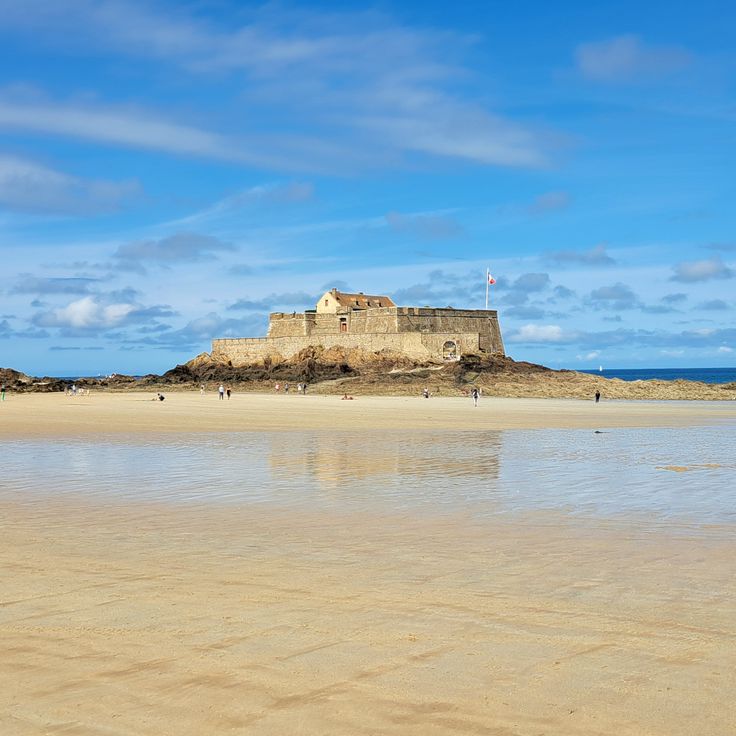
Saint-Malo is a seaside town where stone is everywhere. Strong city walls surround the old part. Gray granite streets lead down to the harbor. Sand beaches stretch along the walls. Walking on the walls, you see the bay and islands on the horizon. Fort National sits on its island, reachable at low tide, and Sillon beach offers a direct view of the sea from the town center. The Solidor tower and old gates like Porte Saint-Vincent remind us of the port’s long history.
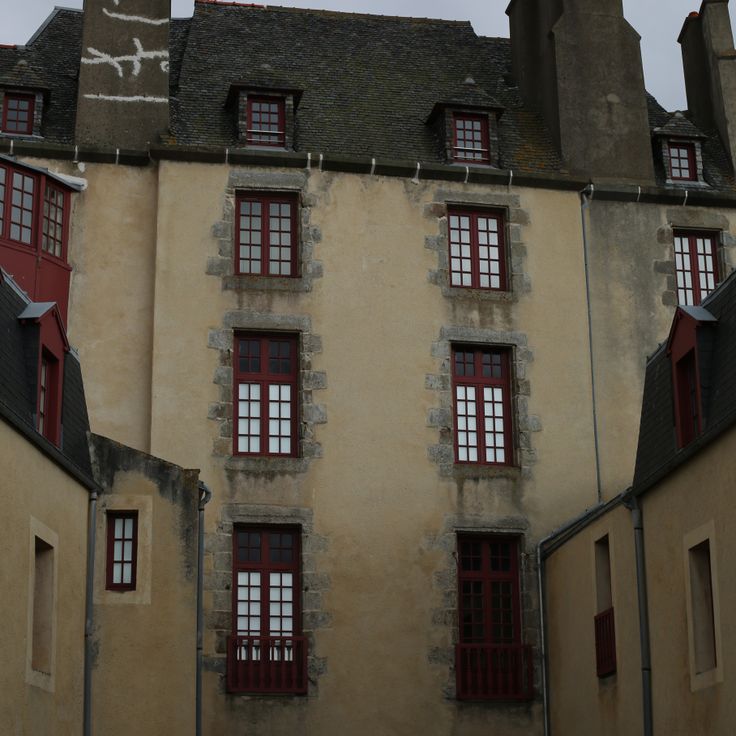
The photos show places that link the town to the sea. You can see beaches like Éventail, Bon-Secours, and La Hoguette, each with its own feel. The 12th-century walls are good for walking because they always give a view of the water. Parks like Jardin des Douves and the village of Aleth show how nature and history live side by side here. Even Rue du Jerzual in Dinan, outside Saint-Malo, shows old crafts and houses built into the hills.
Saint-Malo: sandy beaches, stone walls, coast paths
Saint-Malo is a seaside town where stone is everywhere. Strong city walls surround the old part. Gray granite streets lead down to the harbor. Sand beaches stretch along the walls. Walking on the walls, you see the bay and islands on the horizon. Fort National sits on its island, reachable at low tide, and Sillon beach offers a direct view of the sea from the town center. The Solidor tower and old gates like Porte Saint-Vincent remind us of the port’s long history.
The photos show places that link the town to the sea. You can see beaches like Éventail, Bon-Secours, and La Hoguette, each with its own feel. The 12th-century walls are good for walking because they always give a view of the water. Parks like Jardin des Douves and the village of Aleth show how nature and history live side by side here. Even Rue du Jerzual in Dinan, outside Saint-Malo, shows old crafts and houses built into the hills.
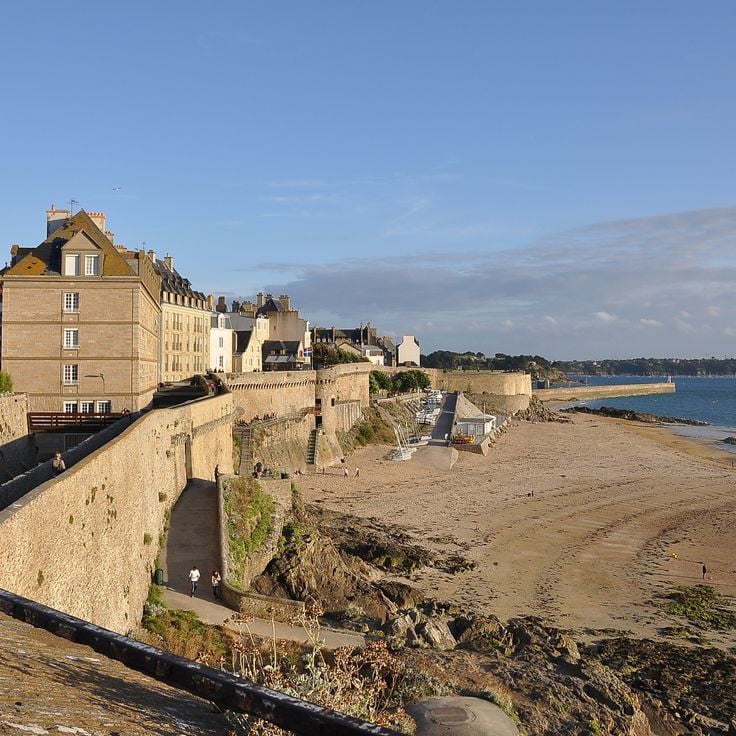
The Plage de l'Éventail stretches along Saint-Malo's stone fortifications, offering open views across the sea and boats in the distance. It sits in this coastal city where massive walls enclose the old town and gray granite streets slope toward the harbor. The beach is part of a group of shores that shape the relationship between town and sea, each defined by different granite facades and anchored boats.
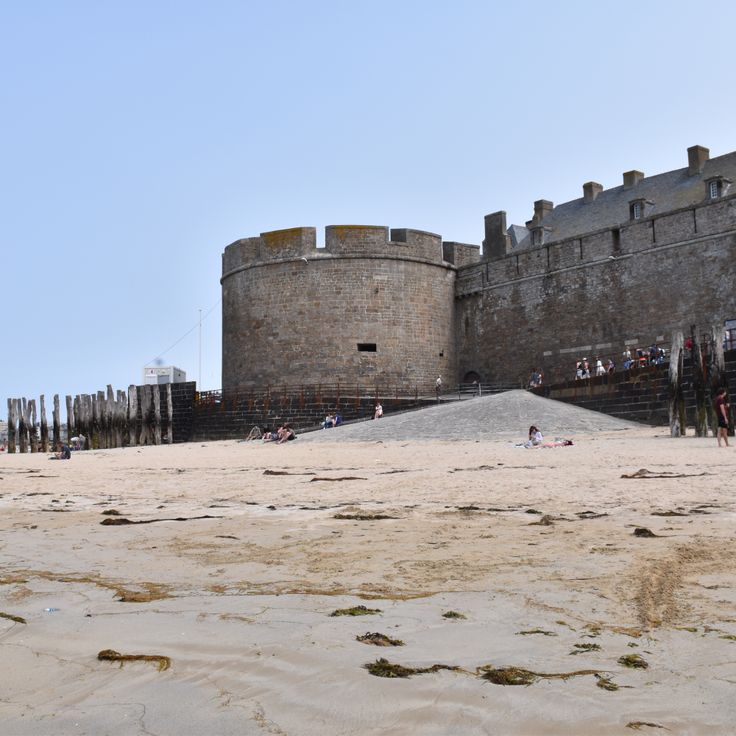
The stone walls of Saint-Malo date from the 12th century and wrap around the old town. As you walk along them, your view constantly opens onto the bay and nearby islands. These fortifications are the heart of the city, connecting past and present. Their gray granite blocks tell the story of the harbor's strategic and commercial importance over the centuries.
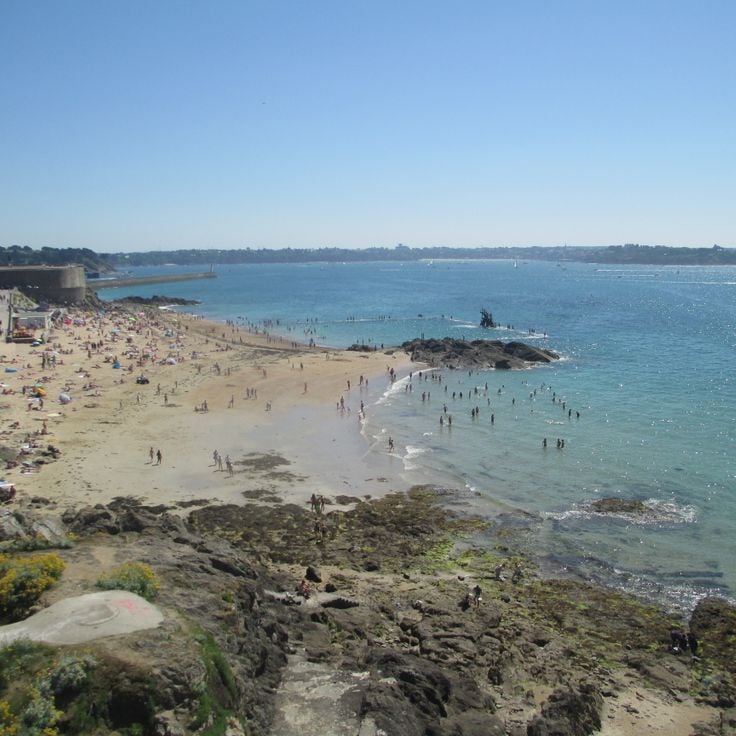
Bon-Secours Beach in Saint-Malo is bordered by tall granite walls that frame the shoreline. At high tide, a natural seawater pool fills the beach, creating a sheltered bathing area. The beach sits between the fortified walls of the old city and the open sea, reflecting the way this coastal town has always been shaped by stone and water.
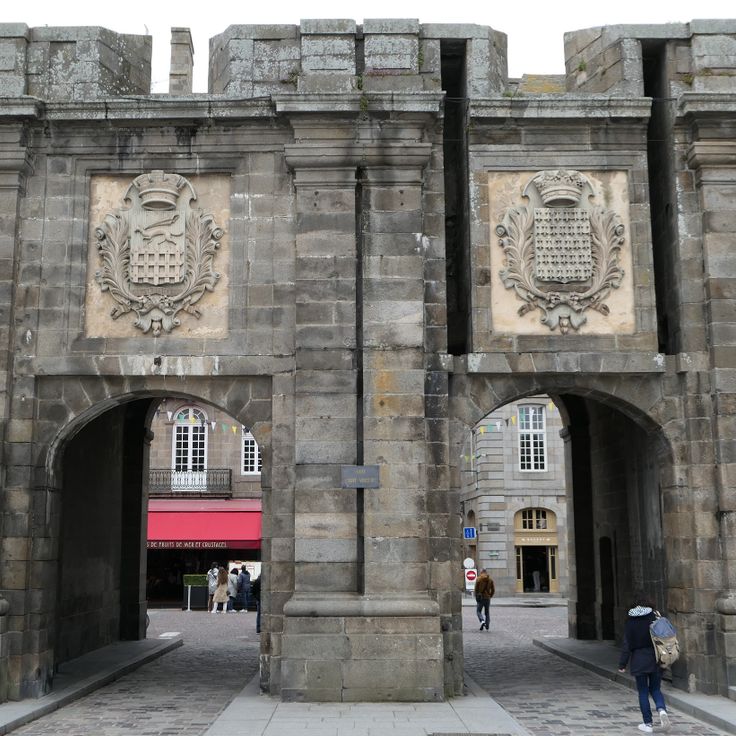
The Saint-Vincent Gate is a stone gateway built in 1708 that marks the main entrance to the old town through the fortifications. It shows the strategic importance Saint-Malo held as a port city and how the town controlled access to the sea. This gate witnessed the town's history and the central role its harbor played over the centuries.
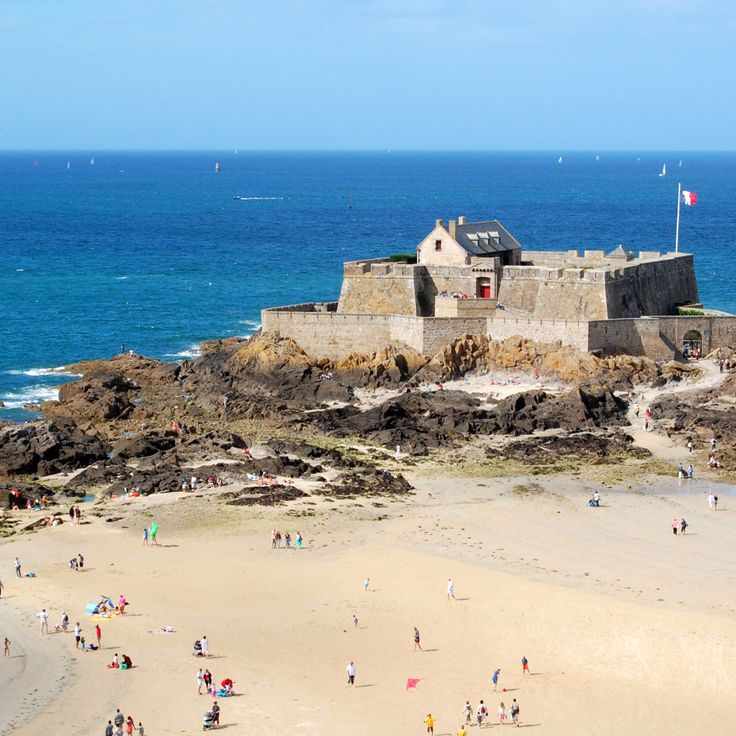
Fort National is a military fortress built in 1689 that stands on an island off the coast of Saint-Malo. Visitors can reach it only at low tide, walking across the sand to explore its thick walls and rooms. From the top, views stretch across the bay toward the city and the horizon. The fortress tells the story of how Saint-Malo protected itself and controlled this important stretch of coast.
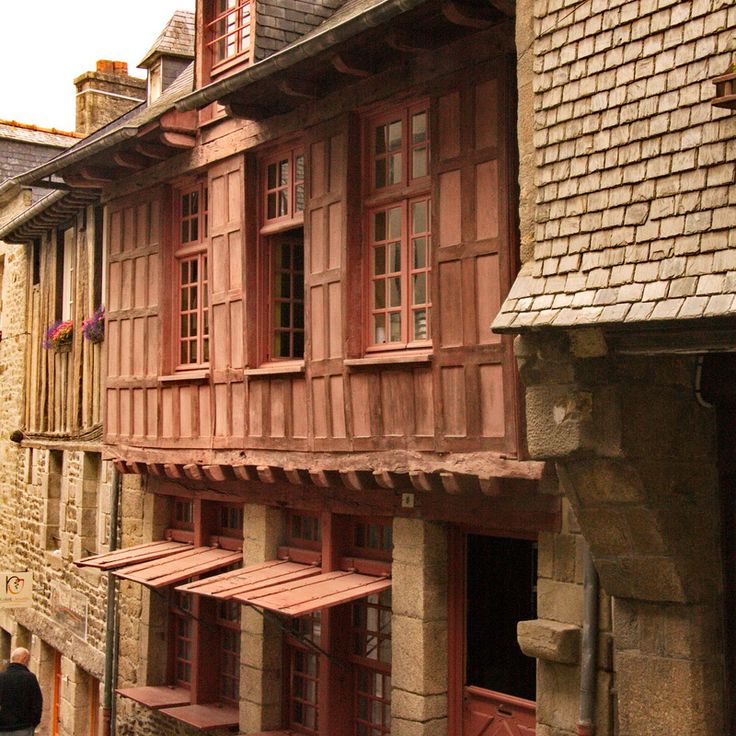
Rue du Jerzual in Dinan is a paved street that slopes steeply through medieval architecture, connecting the harbor to the upper town. Artisan workshops line the way, reflecting the regional building tradition that also characterizes Saint-Malo. This street shows how commerce and craft shaped coastal towns in the past, much like the ramparts and harbors of Saint-Malo.
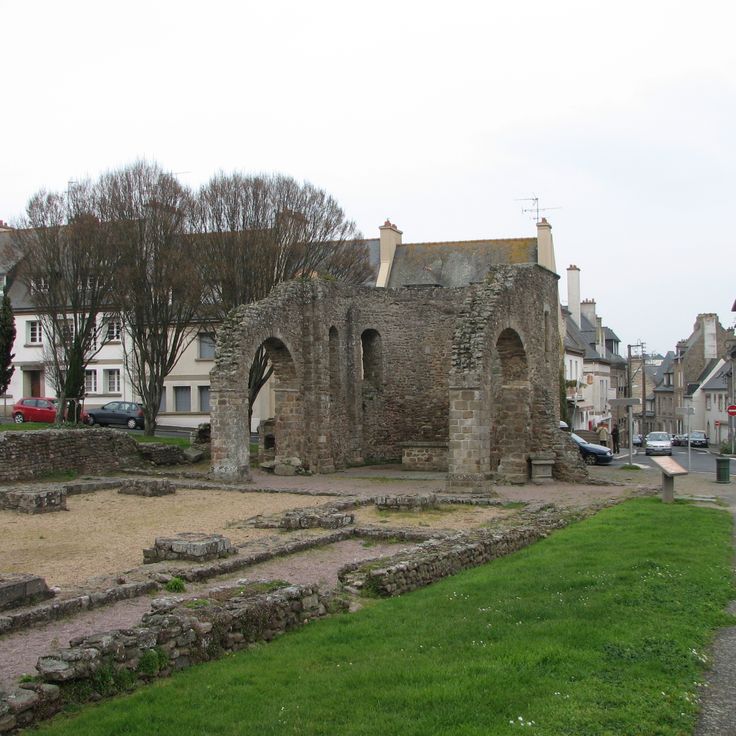
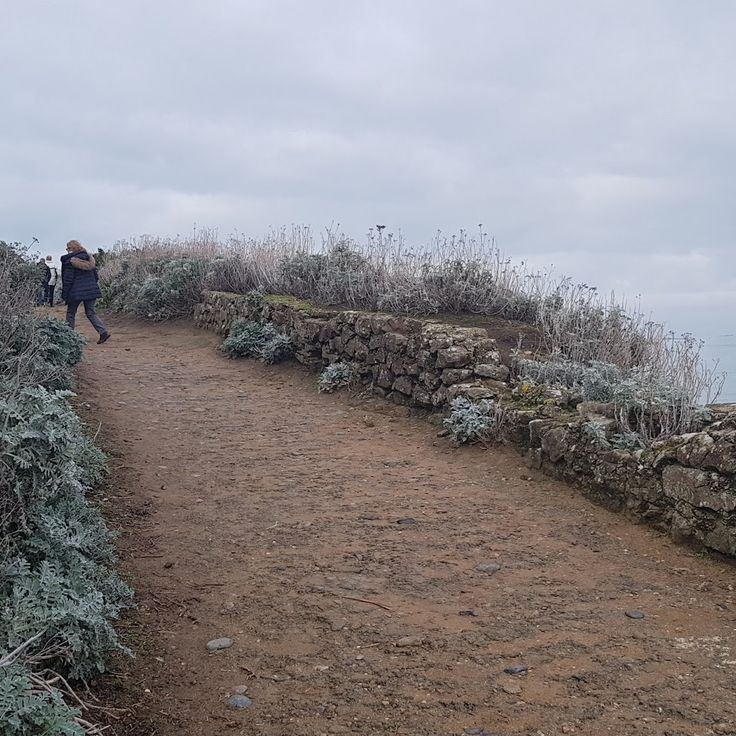
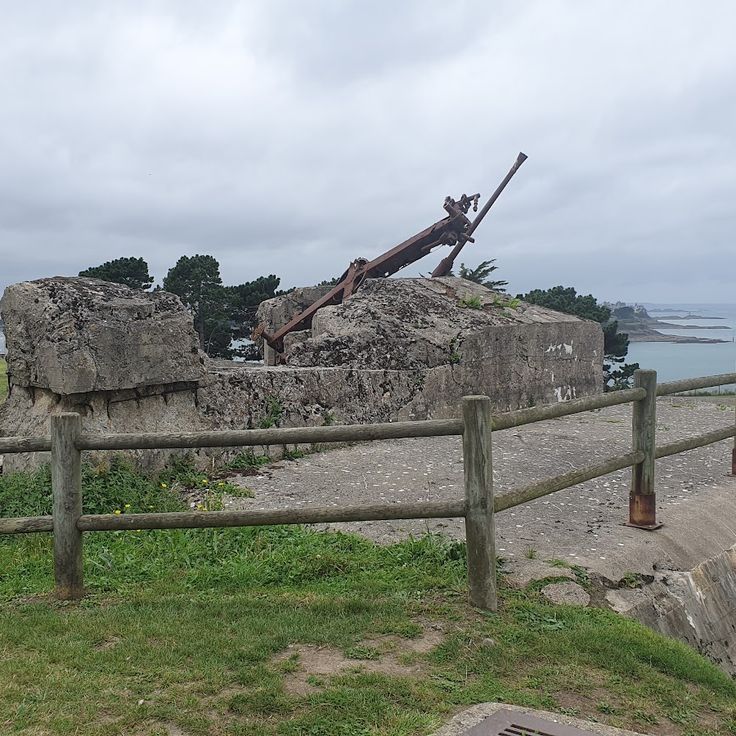
The Citadel of Aleth is a promontory in Saint-Malo that holds layers of history. Roman and medieval structures stand alongside German bunkers from World War II. As you walk across the site, you see the bay and the ships passing by. Nature has reclaimed the land, with grass growing between the stones. This place shows how the city was built, destroyed, and rebuilt over the centuries.
The beach of la Hoguette in Saint-Malo sits framed by granite walls that speak to the town's maritime past. Facing west, the water and anchored boats create a working landscape where the sand meets solid stone. This beach is one of several that show how the town's buildings and natural shoreline have shaped each other over time.
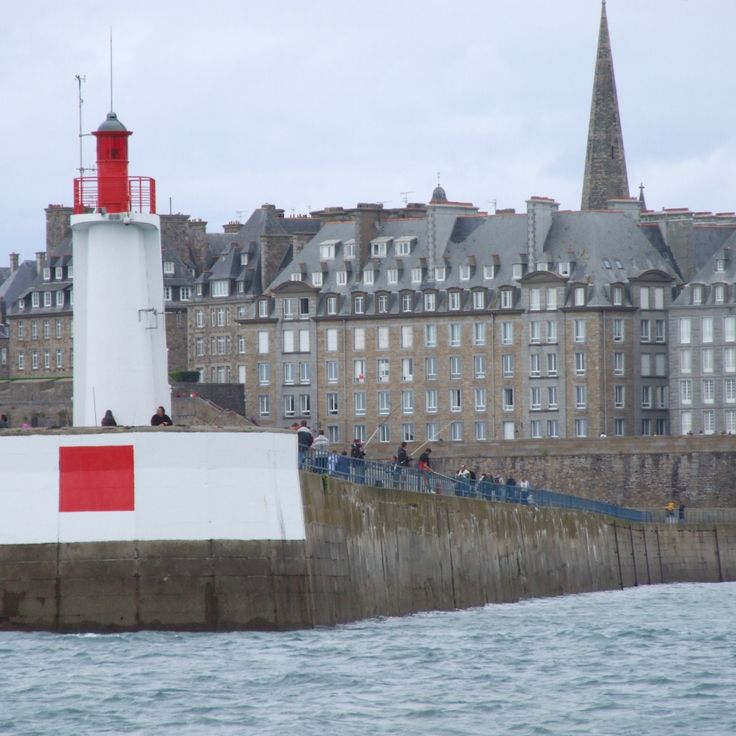
The Môle des Noires is a stone pier that extends into the sea, offering clear views of the city walls, the beach, and the boats in the harbor. This structure shows how Saint-Malo and the water are deeply connected, shaping the character of the entire town.
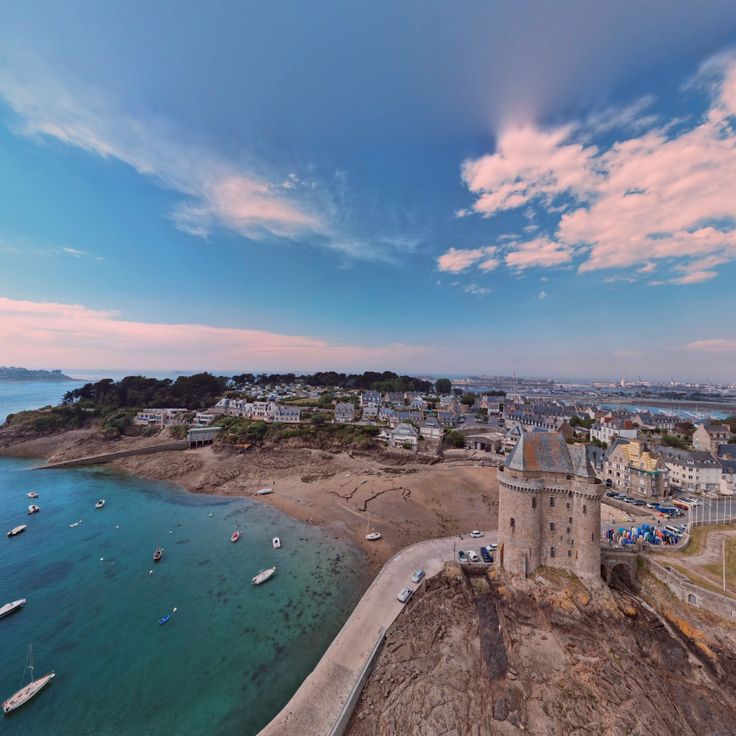
Tour Solidor is a 14th-century fortress with three towers that rises above the harbor of Saint-Malo. Inside, an exhibition tells the story of maritime history and the port. From the towers, you can see across the bay of Saint-Malo, over the mouth of the Rance River, and toward the surrounding harbors. The walls are built from stone and granite, like much of this city. Visitors climb up stone staircases and can observe the waters and ships passing below.
The Jardin des Douves is a garden in Saint-Malo located right beside the castle. Stone paths wind through plantings and flowers that line the old fortification walls and waterways. This garden shows how nature and history sit together in this coastal town. The plants follow the ancient walls, creating a place where you can experience the medieval structure of the city from within.
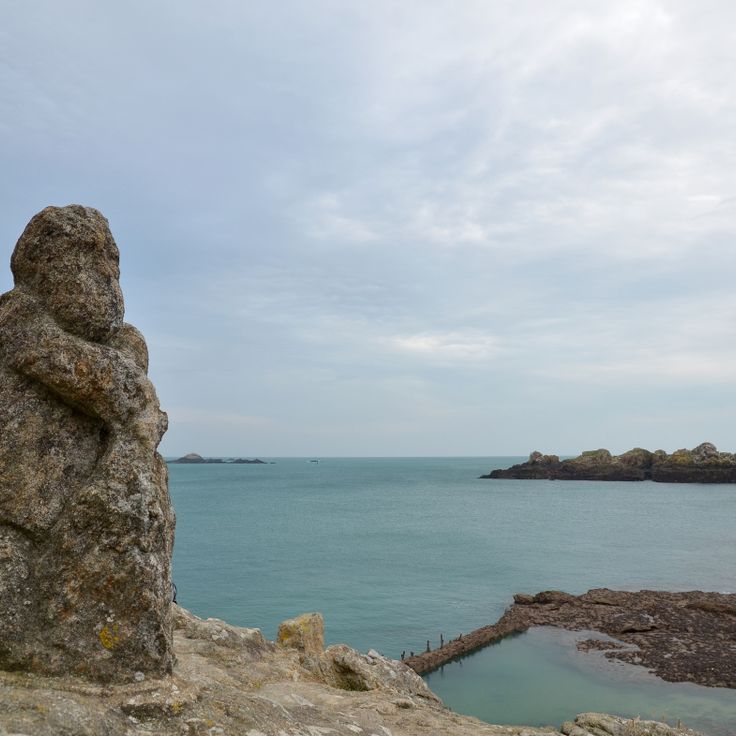
The granite rocks of Rothéneuf sit near Saint-Malo and display over 300 figures carved into the stone between 1894 and 1907 by Abbé Fouré. These sculpted scenes tell stories of local people and events. The rocks stand on the beach and blend artistic skill with the raw character of the Breton coast. Walking here reveals how one man with a chisel and patience transformed an entire rock face into a book of stories.
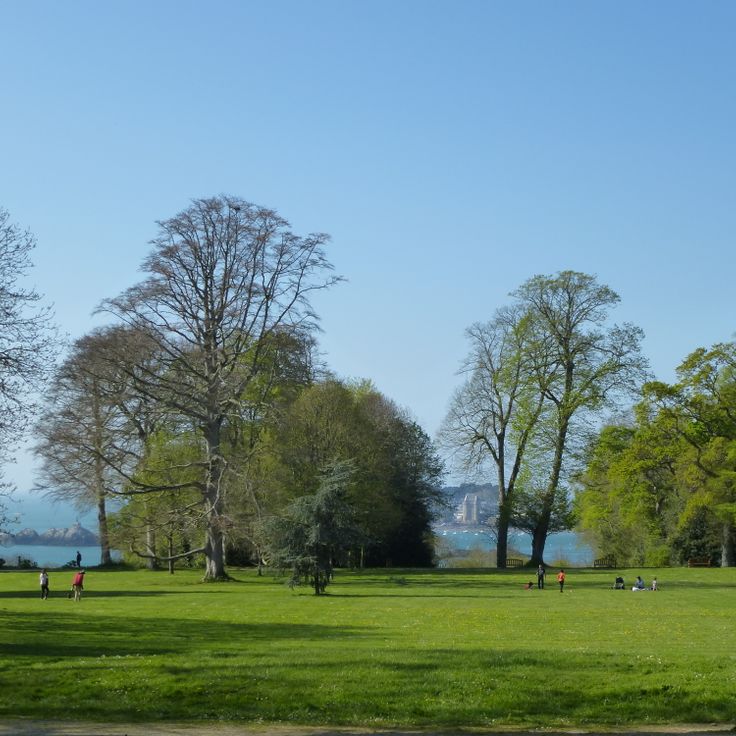
The Parc de la Briantais in Saint-Malo combines French-style gardens with forest paths and offers open views of the sea from elevated points of the grounds. This place fits into the history of the city, where nature and architecture have lived side by side for centuries. The gardens and paths show how this coastal region balances order and wildness, much like other areas of Saint-Malo where granite walls meet green spaces.
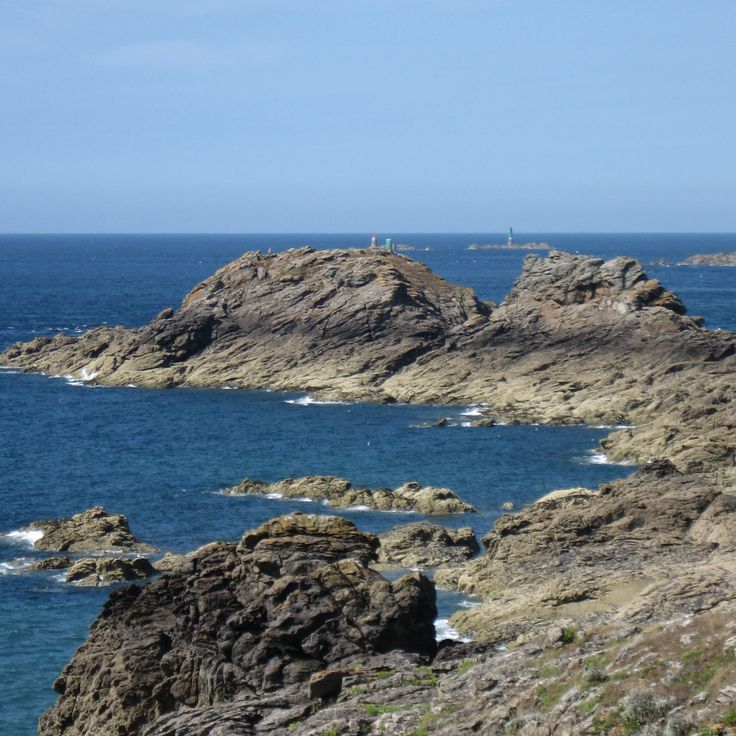
The Pointe de la Varde is a coastal headland at Saint-Malo that juts into the sea. High cliffs and granite formations rise here, giving the place its distinctive rocky character. From this vantage point, clear views stretch across to the Channel Islands on the horizon. This cape fits naturally into Saint-Malo's story of stone meeting water. The rocks and their shape speak to centuries of interaction between land and sea.
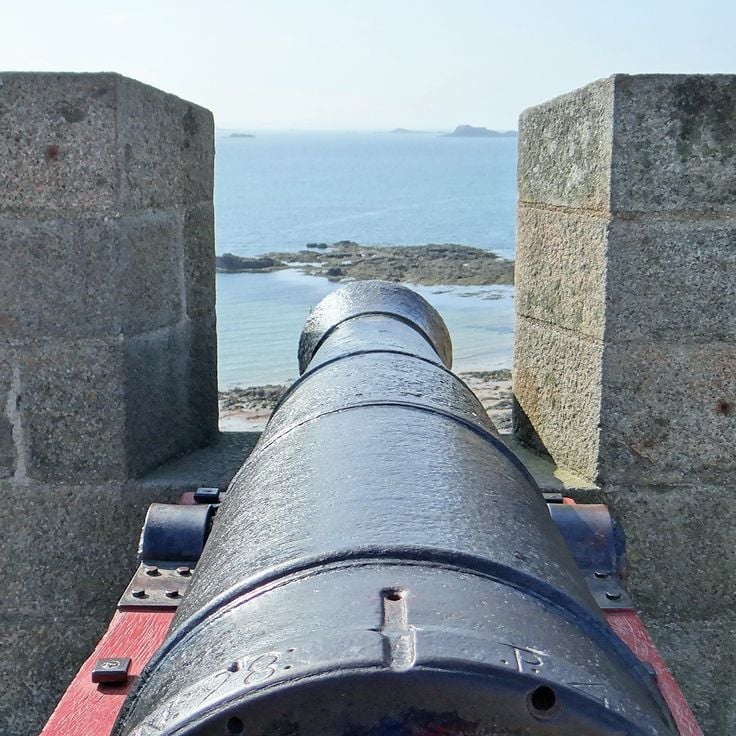
The Bastion de la Hollande is a fortification within Saint-Malo's walls that offers views over the bay and harbor. Stone ramparts and cannons from the naval defense period are still visible here. From this vantage point, you can see how the city used its maritime fortifications to protect itself from attack. This position reveals the strategic importance the harbor held for Saint-Malo.
Grand Bé is a small island off the coast of Saint-Malo, accessible on foot at low tide. Stone paths wind across its grassy slopes, leading to the burial site of writer François-René de Chateaubriand. The island connects the town's literary heritage to its rocky coastline.
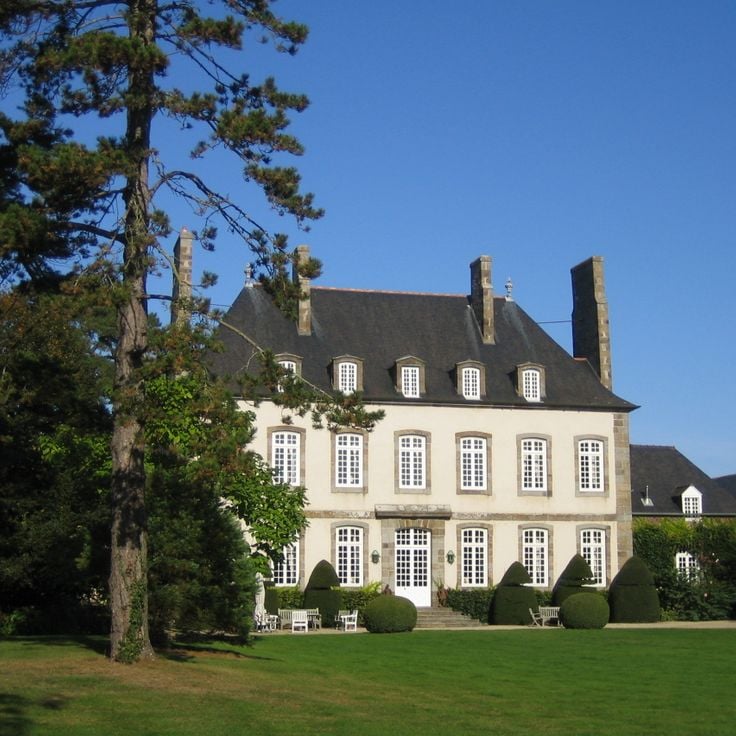
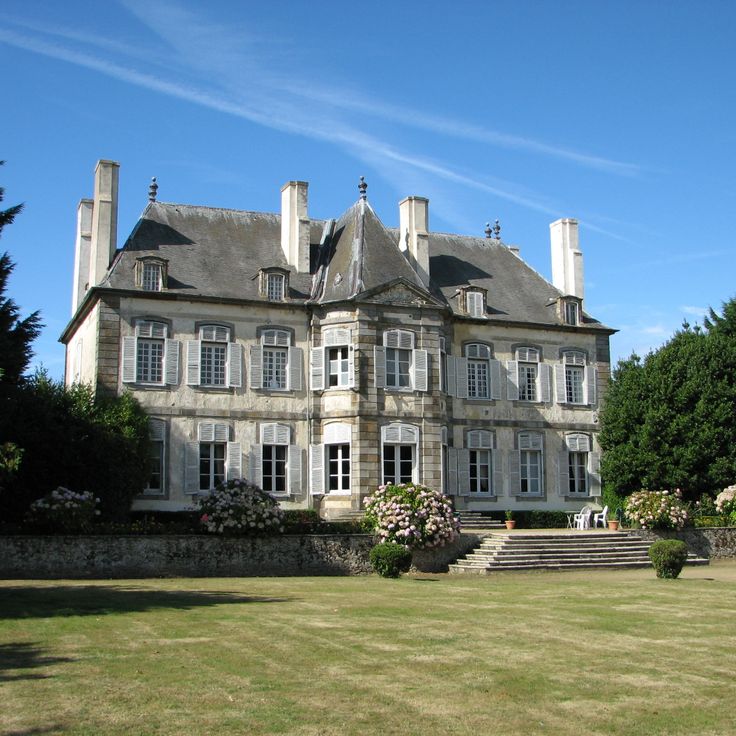
The Malouinière de la Ville Bague is an 18th-century stone mansion in Saint-Coulomb that speaks to the wealth of this coastal region's merchant families. With its symmetrical facades and formal French gardens, the house shows how maritime trade riches took shape in stone and greenery. The rooms hold period furnishings and objects that reveal daily life in a prosperous household, one whose fortune came from the sea. This manor represents the bond between Saint-Malo's port traders and the countryside estates where they spent their leisure.
The birthplace of Surcouf is a stone building in Saint-Malo where French naval officer Robert Surcouf was born in 1773. A commemorative plaque marks the granite facade, recalling this important moment in the city's history. This house stands in the heart of the old town and speaks to the connections between Saint-Malo and the maritime world that has shaped the city for centuries.
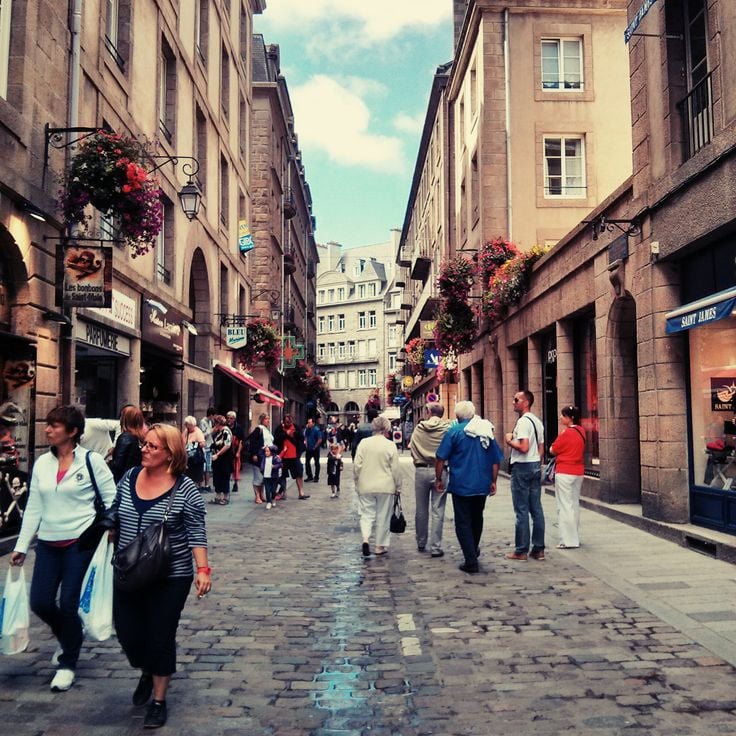
Rue Saint-Vincent is a paved street in the heart of Saint-Malo lined with granite buildings that house local shops and restaurants. It connects the city gates to the cathedral and reveals the medieval layout of the town. This street embodies the relationship between the harbor and the city center, where merchants and craftspeople have worked for centuries.
This museum occupies a former German military bunker and displays exhibits documenting the local resistance, occupation, and liberation of Saint-Malo during World War II. The collection tells the story of how the city and its people lived through this turbulent period.
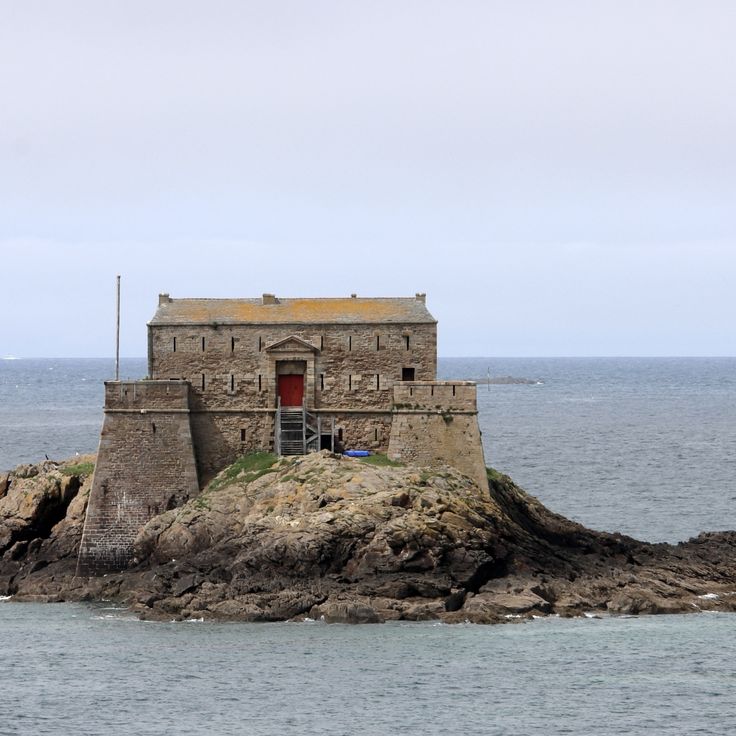
Petit Bé is a stone fort built in 1667 on a tidal island in Saint-Malo's bay. This defensive structure once protected the port from sea attacks. At low tide, you can walk across sand and rocks to reach the fort. Once on the island, you discover stone ramparts, narrow passages, and views across the bay. The fort shows how important Saint-Malo was to Brittany and France as a strategic port.
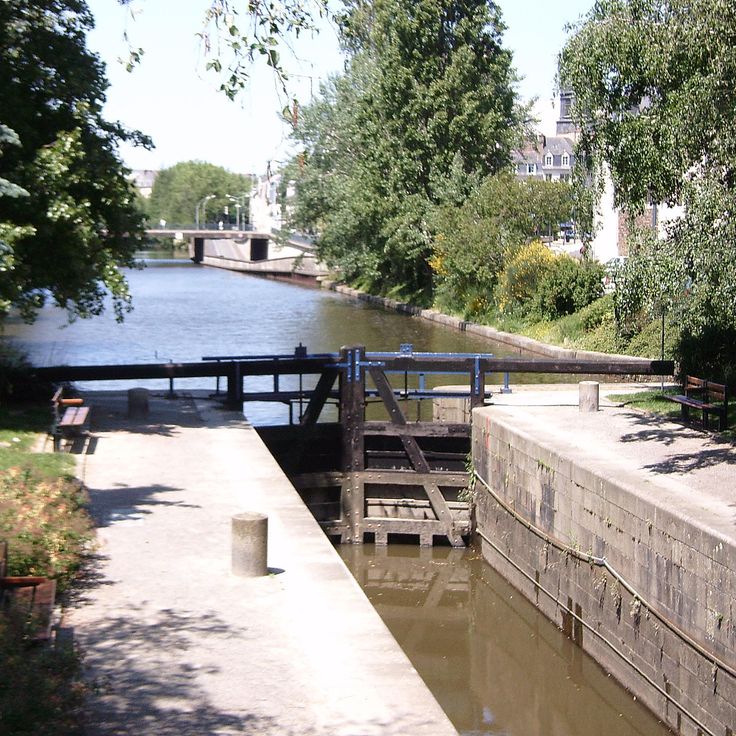
This waterway crosses Brittany by connecting two rivers. The Ille-Rance Canal spans 84 kilometers and includes locks, towpaths, and stone bridges along its course. The canal shows how people shaped the landscape over centuries to enable navigation. Along its banks, forests, meadows, and small villages alternate, while the old water structures tell the story of the canal's important role in regional commerce. Travelers can walk or cycle the length of the canal, experiencing the quiet rhythm of this engineered landscape.
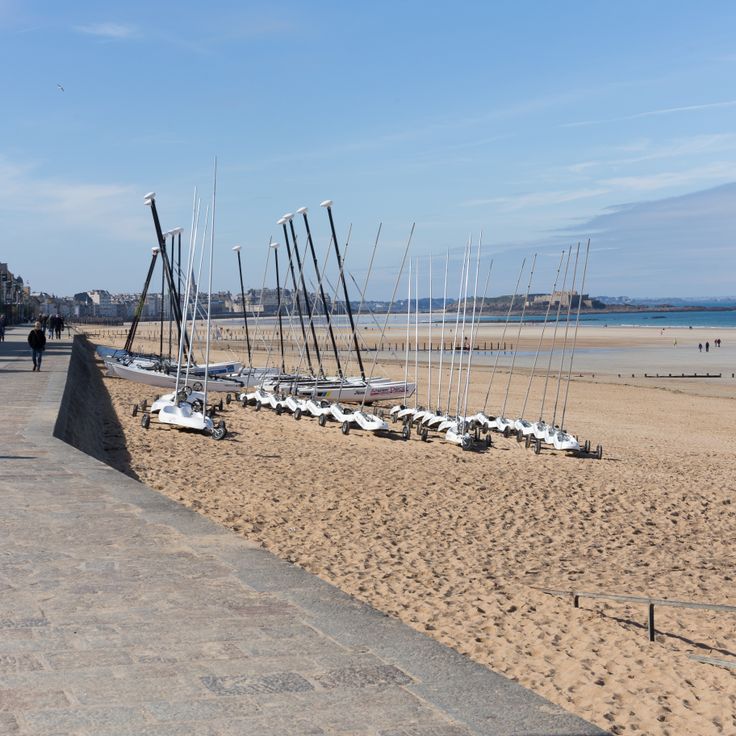
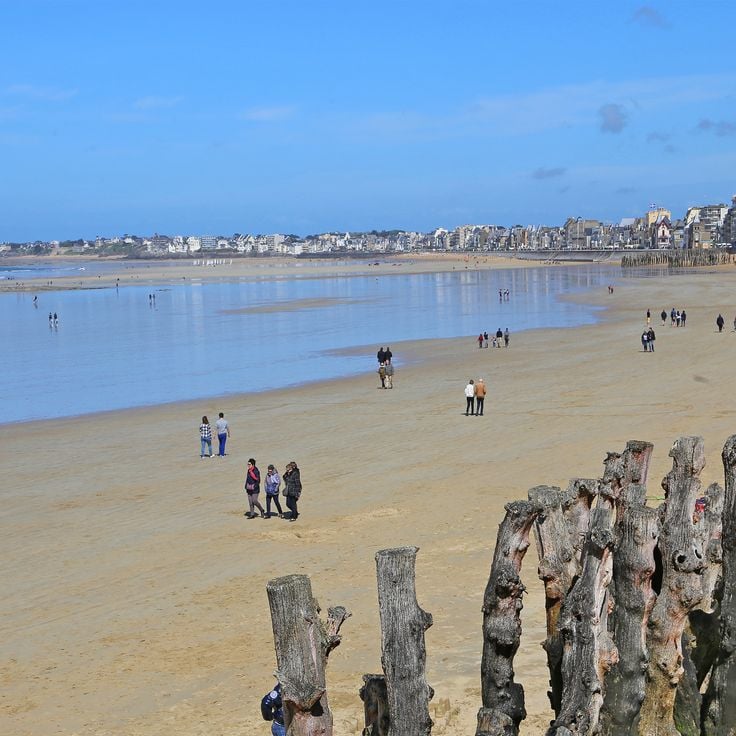
The Sillon Beach is a wide sandy shore about 3 kilometers long that runs along Saint-Malo's city walls. The fine sand invites walking and swimming, while colorful wooden beach cabins dot the beach. A spacious promenade runs behind the sand and provides room for strolling. This beach experiences pronounced tidal shifts with water level changes up to 14 meters, which shapes the maritime rhythm of the place.
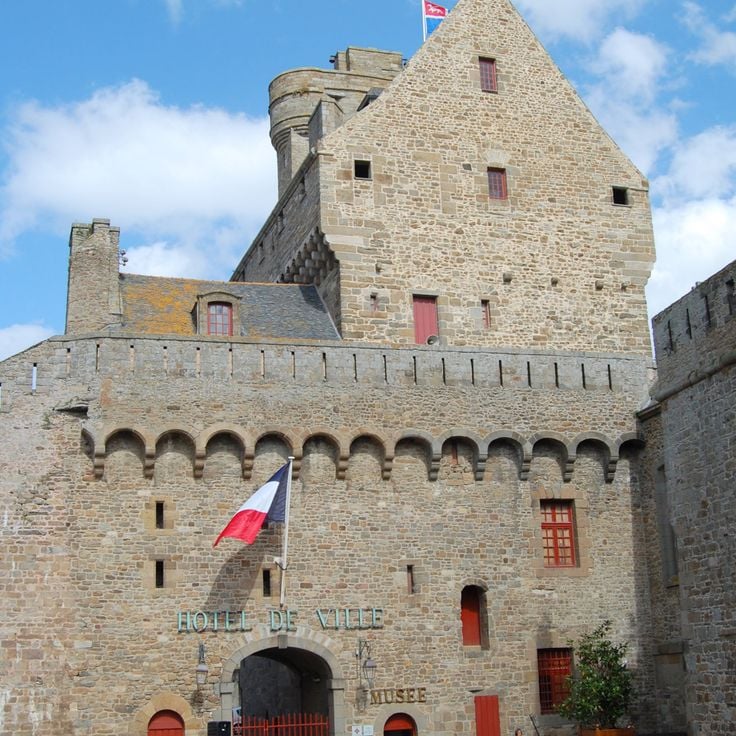
The Museum of the History of the City is housed in Saint-Malo's castle and shows objects from the city's maritime past. Its rooms hold ship models, old sea charts, and documents from the 17th century. The museum tells how Saint-Malo became an important port through trade and seafaring. Visitors walk through spaces filled with cannons and personal belongings of sailors, understanding how the sea shaped life in the city over centuries.
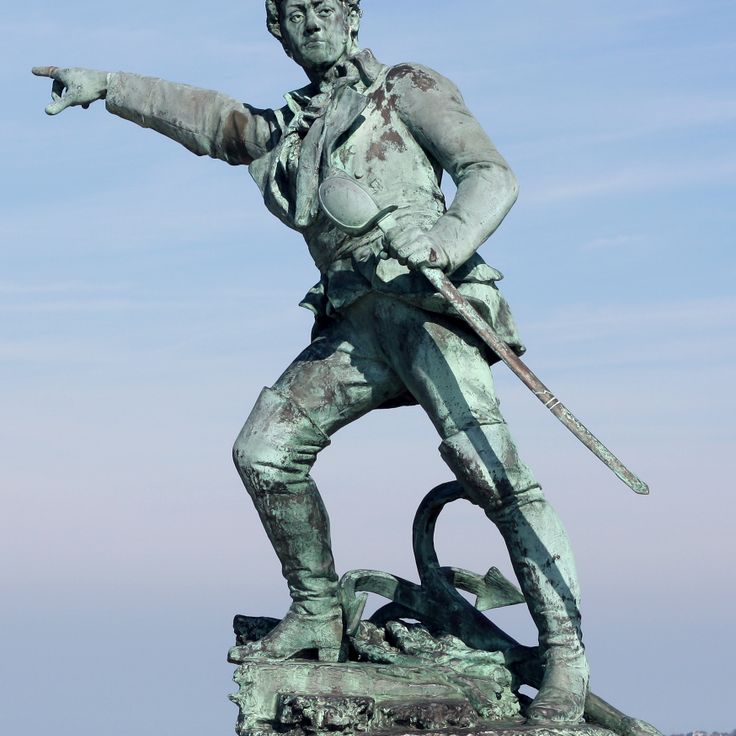
This bronze sculpture in Saint-Malo depicts Robert Surcouf, a French naval commander who captured numerous British ships during the Revolutionary and Napoleonic wars. The monument stands in the city and recalls the maritime history and the strategic role that Saint-Malo played as a port over the centuries. The sculpture is part of the urban landscape, where granite and water shape the story of seafaring.
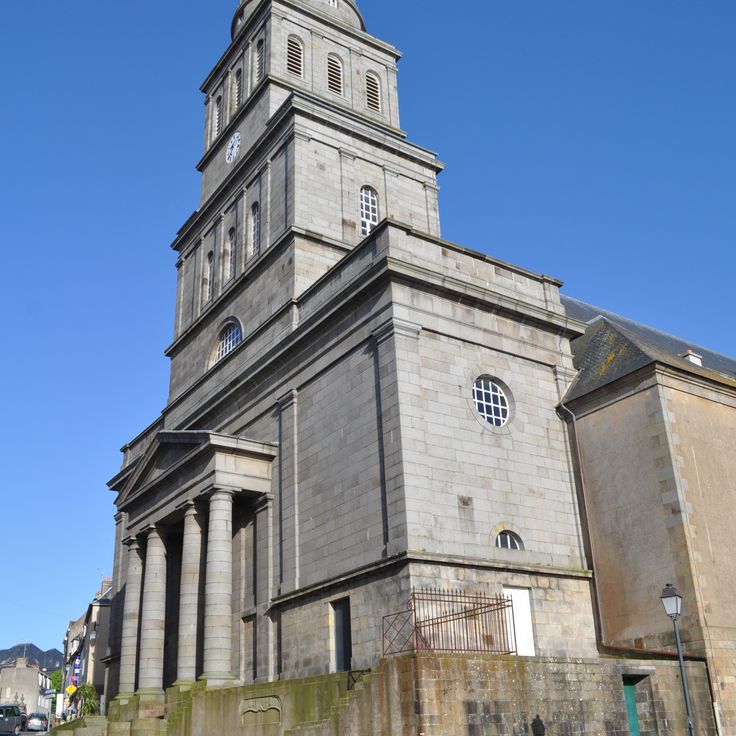
Saint-Servan Church is a religious building from the 12th century with Gothic architecture. Located in Saint-Malo, it shows typical features of this period: large windows, stone arches, and medieval religious objects. The church tells of the long history of this port city, where stone and water shape life. It is part of a place whose walls, beaches, and coastal paths reveal the relationship between the city and the sea.
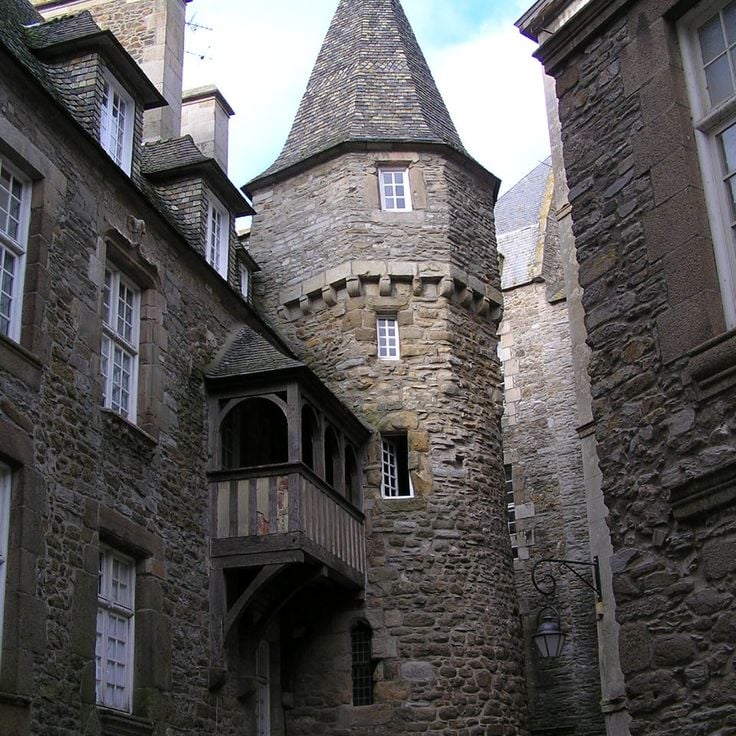
The house of Duchess Anne stands in the old town of Saint-Malo and displays 15th century architecture. Built from stone with timber framing, it preserves furniture and architectural elements from that era. It tells the story of this coastal city's past, where stone buildings and medieval craft traditions shaped the landscape. Visiting this house gives you a sense of life during the time when Saint-Malo was an important trading center.
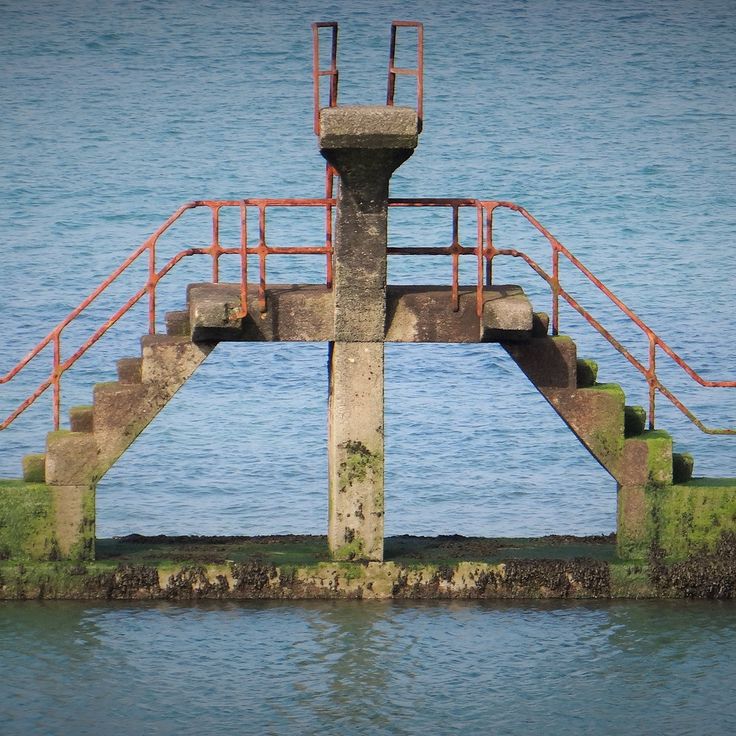
The diving platform at Bon-Secours is a structure built in 1937 that extends eight meters above the sea. From this spot, you have a direct view of the ramparts and the bay. The platform sits at the edge of one of Saint-Malo's well-known beaches and shows how the city and the water are deeply connected, which is typical of this coastal area.
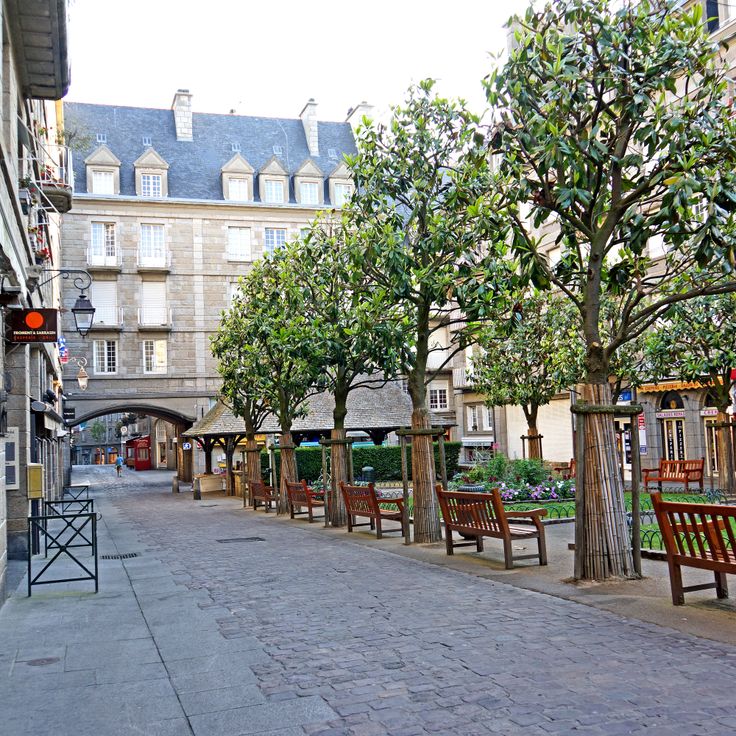
Place du Marché aux Légumes is a central square in Saint-Malo where vendors offer fresh and local products. Stone buildings from the 18th century border this space and shape its character. Regular markets bring life to this area and connect it to the city's long trading history. The square shows how Saint-Malo blends everyday commerce with its medieval and maritime heritage.
The Malouinière de la Chipaudière is an 18th-century manor house that reflects Saint-Malo's deep connection to maritime trade. Its stone walls and formal gardens reveal the wealth and influence of the shipowners who lived here and conducted their business across the seas. This residence stands as a reminder of the city's prosperous trading past.
The Bidouane Tower is a round stone structure built in 1415 that stands on the city walls of Saint-Malo. This tower served as a defensive fortification and artillery platform overlooking the sea. With its solid granite masonry, it is part of the long military history that shaped Saint-Malo. From this vantage point, you can see the bay and the islands scattered across the horizon. The tower speaks to the strategic importance this harbor held for centuries.
The Plage de l'Éventail stretches along Saint-Malo's stone fortifications, offering open views across the sea and boats in the distance. It sits in this coastal city where massive walls enclose the old town and gray granite streets slope toward the harbor. The beach is part of a group of shores that shape the relationship between town and sea, each defined by different granite facades and anchored boats.
The stone walls of Saint-Malo date from the 12th century and wrap around the old town. As you walk along them, your view constantly opens onto the bay and nearby islands. These fortifications are the heart of the city, connecting past and present. Their gray granite blocks tell the story of the harbor's strategic and commercial importance over the centuries.
Bon-Secours Beach in Saint-Malo is bordered by tall granite walls that frame the shoreline. At high tide, a natural seawater pool fills the beach, creating a sheltered bathing area. The beach sits between the fortified walls of the old city and the open sea, reflecting the way this coastal town has always been shaped by stone and water.
The Saint-Vincent Gate is a stone gateway built in 1708 that marks the main entrance to the old town through the fortifications. It shows the strategic importance Saint-Malo held as a port city and how the town controlled access to the sea. This gate witnessed the town's history and the central role its harbor played over the centuries.
Fort National is a military fortress built in 1689 that stands on an island off the coast of Saint-Malo. Visitors can reach it only at low tide, walking across the sand to explore its thick walls and rooms. From the top, views stretch across the bay toward the city and the horizon. The fortress tells the story of how Saint-Malo protected itself and controlled this important stretch of coast.
Rue du Jerzual in Dinan is a paved street that slopes steeply through medieval architecture, connecting the harbor to the upper town. Artisan workshops line the way, reflecting the regional building tradition that also characterizes Saint-Malo. This street shows how commerce and craft shaped coastal towns in the past, much like the ramparts and harbors of Saint-Malo.
The Citadel of Aleth is a promontory in Saint-Malo that holds layers of history. Roman and medieval structures stand alongside German bunkers from World War II. As you walk across the site, you see the bay and the ships passing by. Nature has reclaimed the land, with grass growing between the stones. This place shows how the city was built, destroyed, and rebuilt over the centuries.
The beach of la Hoguette in Saint-Malo sits framed by granite walls that speak to the town's maritime past. Facing west, the water and anchored boats create a working landscape where the sand meets solid stone. This beach is one of several that show how the town's buildings and natural shoreline have shaped each other over time.
The Môle des Noires is a stone pier that extends into the sea, offering clear views of the city walls, the beach, and the boats in the harbor. This structure shows how Saint-Malo and the water are deeply connected, shaping the character of the entire town.
Tour Solidor is a 14th-century fortress with three towers that rises above the harbor of Saint-Malo. Inside, an exhibition tells the story of maritime history and the port. From the towers, you can see across the bay of Saint-Malo, over the mouth of the Rance River, and toward the surrounding harbors. The walls are built from stone and granite, like much of this city. Visitors climb up stone staircases and can observe the waters and ships passing below.
The Jardin des Douves is a garden in Saint-Malo located right beside the castle. Stone paths wind through plantings and flowers that line the old fortification walls and waterways. This garden shows how nature and history sit together in this coastal town. The plants follow the ancient walls, creating a place where you can experience the medieval structure of the city from within.
The granite rocks of Rothéneuf sit near Saint-Malo and display over 300 figures carved into the stone between 1894 and 1907 by Abbé Fouré. These sculpted scenes tell stories of local people and events. The rocks stand on the beach and blend artistic skill with the raw character of the Breton coast. Walking here reveals how one man with a chisel and patience transformed an entire rock face into a book of stories.
The Parc de la Briantais in Saint-Malo combines French-style gardens with forest paths and offers open views of the sea from elevated points of the grounds. This place fits into the history of the city, where nature and architecture have lived side by side for centuries. The gardens and paths show how this coastal region balances order and wildness, much like other areas of Saint-Malo where granite walls meet green spaces.
The Pointe de la Varde is a coastal headland at Saint-Malo that juts into the sea. High cliffs and granite formations rise here, giving the place its distinctive rocky character. From this vantage point, clear views stretch across to the Channel Islands on the horizon. This cape fits naturally into Saint-Malo's story of stone meeting water. The rocks and their shape speak to centuries of interaction between land and sea.
The Bastion de la Hollande is a fortification within Saint-Malo's walls that offers views over the bay and harbor. Stone ramparts and cannons from the naval defense period are still visible here. From this vantage point, you can see how the city used its maritime fortifications to protect itself from attack. This position reveals the strategic importance the harbor held for Saint-Malo.
Grand Bé is a small island off the coast of Saint-Malo, accessible on foot at low tide. Stone paths wind across its grassy slopes, leading to the burial site of writer François-René de Chateaubriand. The island connects the town's literary heritage to its rocky coastline.
The Malouinière de la Ville Bague is an 18th-century stone mansion in Saint-Coulomb that speaks to the wealth of this coastal region's merchant families. With its symmetrical facades and formal French gardens, the house shows how maritime trade riches took shape in stone and greenery. The rooms hold period furnishings and objects that reveal daily life in a prosperous household, one whose fortune came from the sea. This manor represents the bond between Saint-Malo's port traders and the countryside estates where they spent their leisure.
The birthplace of Surcouf is a stone building in Saint-Malo where French naval officer Robert Surcouf was born in 1773. A commemorative plaque marks the granite facade, recalling this important moment in the city's history. This house stands in the heart of the old town and speaks to the connections between Saint-Malo and the maritime world that has shaped the city for centuries.
Rue Saint-Vincent is a paved street in the heart of Saint-Malo lined with granite buildings that house local shops and restaurants. It connects the city gates to the cathedral and reveals the medieval layout of the town. This street embodies the relationship between the harbor and the city center, where merchants and craftspeople have worked for centuries.
This museum occupies a former German military bunker and displays exhibits documenting the local resistance, occupation, and liberation of Saint-Malo during World War II. The collection tells the story of how the city and its people lived through this turbulent period.
Petit Bé is a stone fort built in 1667 on a tidal island in Saint-Malo's bay. This defensive structure once protected the port from sea attacks. At low tide, you can walk across sand and rocks to reach the fort. Once on the island, you discover stone ramparts, narrow passages, and views across the bay. The fort shows how important Saint-Malo was to Brittany and France as a strategic port.
This waterway crosses Brittany by connecting two rivers. The Ille-Rance Canal spans 84 kilometers and includes locks, towpaths, and stone bridges along its course. The canal shows how people shaped the landscape over centuries to enable navigation. Along its banks, forests, meadows, and small villages alternate, while the old water structures tell the story of the canal's important role in regional commerce. Travelers can walk or cycle the length of the canal, experiencing the quiet rhythm of this engineered landscape.
The Sillon Beach is a wide sandy shore about 3 kilometers long that runs along Saint-Malo's city walls. The fine sand invites walking and swimming, while colorful wooden beach cabins dot the beach. A spacious promenade runs behind the sand and provides room for strolling. This beach experiences pronounced tidal shifts with water level changes up to 14 meters, which shapes the maritime rhythm of the place.
The Museum of the History of the City is housed in Saint-Malo's castle and shows objects from the city's maritime past. Its rooms hold ship models, old sea charts, and documents from the 17th century. The museum tells how Saint-Malo became an important port through trade and seafaring. Visitors walk through spaces filled with cannons and personal belongings of sailors, understanding how the sea shaped life in the city over centuries.
This bronze sculpture in Saint-Malo depicts Robert Surcouf, a French naval commander who captured numerous British ships during the Revolutionary and Napoleonic wars. The monument stands in the city and recalls the maritime history and the strategic role that Saint-Malo played as a port over the centuries. The sculpture is part of the urban landscape, where granite and water shape the story of seafaring.
Saint-Servan Church is a religious building from the 12th century with Gothic architecture. Located in Saint-Malo, it shows typical features of this period: large windows, stone arches, and medieval religious objects. The church tells of the long history of this port city, where stone and water shape life. It is part of a place whose walls, beaches, and coastal paths reveal the relationship between the city and the sea.
The house of Duchess Anne stands in the old town of Saint-Malo and displays 15th century architecture. Built from stone with timber framing, it preserves furniture and architectural elements from that era. It tells the story of this coastal city's past, where stone buildings and medieval craft traditions shaped the landscape. Visiting this house gives you a sense of life during the time when Saint-Malo was an important trading center.
The diving platform at Bon-Secours is a structure built in 1937 that extends eight meters above the sea. From this spot, you have a direct view of the ramparts and the bay. The platform sits at the edge of one of Saint-Malo's well-known beaches and shows how the city and the water are deeply connected, which is typical of this coastal area.
Place du Marché aux Légumes is a central square in Saint-Malo where vendors offer fresh and local products. Stone buildings from the 18th century border this space and shape its character. Regular markets bring life to this area and connect it to the city's long trading history. The square shows how Saint-Malo blends everyday commerce with its medieval and maritime heritage.
The Malouinière de la Chipaudière is an 18th-century manor house that reflects Saint-Malo's deep connection to maritime trade. Its stone walls and formal gardens reveal the wealth and influence of the shipowners who lived here and conducted their business across the seas. This residence stands as a reminder of the city's prosperous trading past.
The Bidouane Tower is a round stone structure built in 1415 that stands on the city walls of Saint-Malo. This tower served as a defensive fortification and artillery platform overlooking the sea. With its solid granite masonry, it is part of the long military history that shaped Saint-Malo. From this vantage point, you can see the bay and the islands scattered across the horizon. The tower speaks to the strategic importance this harbor held for centuries.
The Plage de l'Éventail stretches along Saint-Malo's stone fortifications, offering open views across the sea and boats in the distance. It sits in this coastal city where massive walls enclose the old town and gray granite streets slope toward the harbor. The beach is part of a group of shores that shape the relationship between town and sea, each defined by different granite facades and anchored boats.
The stone walls of Saint-Malo date from the 12th century and wrap around the old town. As you walk along them, your view constantly opens onto the bay and nearby islands. These fortifications are the heart of the city, connecting past and present. Their gray granite blocks tell the story of the harbor's strategic and commercial importance over the centuries.
Bon-Secours Beach in Saint-Malo is bordered by tall granite walls that frame the shoreline. At high tide, a natural seawater pool fills the beach, creating a sheltered bathing area. The beach sits between the fortified walls of the old city and the open sea, reflecting the way this coastal town has always been shaped by stone and water.
The Saint-Vincent Gate is a stone gateway built in 1708 that marks the main entrance to the old town through the fortifications. It shows the strategic importance Saint-Malo held as a port city and how the town controlled access to the sea. This gate witnessed the town's history and the central role its harbor played over the centuries.
Fort National is a military fortress built in 1689 that stands on an island off the coast of Saint-Malo. Visitors can reach it only at low tide, walking across the sand to explore its thick walls and rooms. From the top, views stretch across the bay toward the city and the horizon. The fortress tells the story of how Saint-Malo protected itself and controlled this important stretch of coast.
Rue du Jerzual in Dinan is a paved street that slopes steeply through medieval architecture, connecting the harbor to the upper town. Artisan workshops line the way, reflecting the regional building tradition that also characterizes Saint-Malo. This street shows how commerce and craft shaped coastal towns in the past, much like the ramparts and harbors of Saint-Malo.
The Citadel of Aleth is a promontory in Saint-Malo that holds layers of history. Roman and medieval structures stand alongside German bunkers from World War II. As you walk across the site, you see the bay and the ships passing by. Nature has reclaimed the land, with grass growing between the stones. This place shows how the city was built, destroyed, and rebuilt over the centuries.
The beach of la Hoguette in Saint-Malo sits framed by granite walls that speak to the town's maritime past. Facing west, the water and anchored boats create a working landscape where the sand meets solid stone. This beach is one of several that show how the town's buildings and natural shoreline have shaped each other over time.
The Môle des Noires is a stone pier that extends into the sea, offering clear views of the city walls, the beach, and the boats in the harbor. This structure shows how Saint-Malo and the water are deeply connected, shaping the character of the entire town.
Tour Solidor is a 14th-century fortress with three towers that rises above the harbor of Saint-Malo. Inside, an exhibition tells the story of maritime history and the port. From the towers, you can see across the bay of Saint-Malo, over the mouth of the Rance River, and toward the surrounding harbors. The walls are built from stone and granite, like much of this city. Visitors climb up stone staircases and can observe the waters and ships passing below.
The Jardin des Douves is a garden in Saint-Malo located right beside the castle. Stone paths wind through plantings and flowers that line the old fortification walls and waterways. This garden shows how nature and history sit together in this coastal town. The plants follow the ancient walls, creating a place where you can experience the medieval structure of the city from within.
The granite rocks of Rothéneuf sit near Saint-Malo and display over 300 figures carved into the stone between 1894 and 1907 by Abbé Fouré. These sculpted scenes tell stories of local people and events. The rocks stand on the beach and blend artistic skill with the raw character of the Breton coast. Walking here reveals how one man with a chisel and patience transformed an entire rock face into a book of stories.
The Parc de la Briantais in Saint-Malo combines French-style gardens with forest paths and offers open views of the sea from elevated points of the grounds. This place fits into the history of the city, where nature and architecture have lived side by side for centuries. The gardens and paths show how this coastal region balances order and wildness, much like other areas of Saint-Malo where granite walls meet green spaces.
The Pointe de la Varde is a coastal headland at Saint-Malo that juts into the sea. High cliffs and granite formations rise here, giving the place its distinctive rocky character. From this vantage point, clear views stretch across to the Channel Islands on the horizon. This cape fits naturally into Saint-Malo's story of stone meeting water. The rocks and their shape speak to centuries of interaction between land and sea.
The Bastion de la Hollande is a fortification within Saint-Malo's walls that offers views over the bay and harbor. Stone ramparts and cannons from the naval defense period are still visible here. From this vantage point, you can see how the city used its maritime fortifications to protect itself from attack. This position reveals the strategic importance the harbor held for Saint-Malo.
Grand Bé is a small island off the coast of Saint-Malo, accessible on foot at low tide. Stone paths wind across its grassy slopes, leading to the burial site of writer François-René de Chateaubriand. The island connects the town's literary heritage to its rocky coastline.
The Malouinière de la Ville Bague is an 18th-century stone mansion in Saint-Coulomb that speaks to the wealth of this coastal region's merchant families. With its symmetrical facades and formal French gardens, the house shows how maritime trade riches took shape in stone and greenery. The rooms hold period furnishings and objects that reveal daily life in a prosperous household, one whose fortune came from the sea. This manor represents the bond between Saint-Malo's port traders and the countryside estates where they spent their leisure.
The birthplace of Surcouf is a stone building in Saint-Malo where French naval officer Robert Surcouf was born in 1773. A commemorative plaque marks the granite facade, recalling this important moment in the city's history. This house stands in the heart of the old town and speaks to the connections between Saint-Malo and the maritime world that has shaped the city for centuries.
Rue Saint-Vincent is a paved street in the heart of Saint-Malo lined with granite buildings that house local shops and restaurants. It connects the city gates to the cathedral and reveals the medieval layout of the town. This street embodies the relationship between the harbor and the city center, where merchants and craftspeople have worked for centuries.
This museum occupies a former German military bunker and displays exhibits documenting the local resistance, occupation, and liberation of Saint-Malo during World War II. The collection tells the story of how the city and its people lived through this turbulent period.
Petit Bé is a stone fort built in 1667 on a tidal island in Saint-Malo's bay. This defensive structure once protected the port from sea attacks. At low tide, you can walk across sand and rocks to reach the fort. Once on the island, you discover stone ramparts, narrow passages, and views across the bay. The fort shows how important Saint-Malo was to Brittany and France as a strategic port.
This waterway crosses Brittany by connecting two rivers. The Ille-Rance Canal spans 84 kilometers and includes locks, towpaths, and stone bridges along its course. The canal shows how people shaped the landscape over centuries to enable navigation. Along its banks, forests, meadows, and small villages alternate, while the old water structures tell the story of the canal's important role in regional commerce. Travelers can walk or cycle the length of the canal, experiencing the quiet rhythm of this engineered landscape.
The Sillon Beach is a wide sandy shore about 3 kilometers long that runs along Saint-Malo's city walls. The fine sand invites walking and swimming, while colorful wooden beach cabins dot the beach. A spacious promenade runs behind the sand and provides room for strolling. This beach experiences pronounced tidal shifts with water level changes up to 14 meters, which shapes the maritime rhythm of the place.
The Museum of the History of the City is housed in Saint-Malo's castle and shows objects from the city's maritime past. Its rooms hold ship models, old sea charts, and documents from the 17th century. The museum tells how Saint-Malo became an important port through trade and seafaring. Visitors walk through spaces filled with cannons and personal belongings of sailors, understanding how the sea shaped life in the city over centuries.
This bronze sculpture in Saint-Malo depicts Robert Surcouf, a French naval commander who captured numerous British ships during the Revolutionary and Napoleonic wars. The monument stands in the city and recalls the maritime history and the strategic role that Saint-Malo played as a port over the centuries. The sculpture is part of the urban landscape, where granite and water shape the story of seafaring.
Saint-Servan Church is a religious building from the 12th century with Gothic architecture. Located in Saint-Malo, it shows typical features of this period: large windows, stone arches, and medieval religious objects. The church tells of the long history of this port city, where stone and water shape life. It is part of a place whose walls, beaches, and coastal paths reveal the relationship between the city and the sea.
The house of Duchess Anne stands in the old town of Saint-Malo and displays 15th century architecture. Built from stone with timber framing, it preserves furniture and architectural elements from that era. It tells the story of this coastal city's past, where stone buildings and medieval craft traditions shaped the landscape. Visiting this house gives you a sense of life during the time when Saint-Malo was an important trading center.
The diving platform at Bon-Secours is a structure built in 1937 that extends eight meters above the sea. From this spot, you have a direct view of the ramparts and the bay. The platform sits at the edge of one of Saint-Malo's well-known beaches and shows how the city and the water are deeply connected, which is typical of this coastal area.
Place du Marché aux Légumes is a central square in Saint-Malo where vendors offer fresh and local products. Stone buildings from the 18th century border this space and shape its character. Regular markets bring life to this area and connect it to the city's long trading history. The square shows how Saint-Malo blends everyday commerce with its medieval and maritime heritage.
The Malouinière de la Chipaudière is an 18th-century manor house that reflects Saint-Malo's deep connection to maritime trade. Its stone walls and formal gardens reveal the wealth and influence of the shipowners who lived here and conducted their business across the seas. This residence stands as a reminder of the city's prosperous trading past.
The Bidouane Tower is a round stone structure built in 1415 that stands on the city walls of Saint-Malo. This tower served as a defensive fortification and artillery platform overlooking the sea. With its solid granite masonry, it is part of the long military history that shaped Saint-Malo. From this vantage point, you can see the bay and the islands scattered across the horizon. The tower speaks to the strategic importance this harbor held for centuries.