See the monuments around you in AROpen chests in the app
Around Us is built for your phone — point your camera at the streets and discover the monuments and places around you in augmented reality.Around Us is built for your phone — chests unlock when you walk, explore and capture nearby places.
Istanbul offers photographers an uncommon range of subjects, combining architecture from multiple centuries with urban landscapes and waterways. This route includes Byzantine and Ottoman monuments such as Hagia Sophia and Topkapi Palace, along with the Galata Tower that has stood over the old city since the 14th century. The Bosphorus separates Europe and Asia and provides the setting for historic sites including Rumeli Fortress, Maiden's Tower, and waterfront palaces like Dolmabahce Palace and Kucuksu Palace.
The route passes through districts with different character. Balat displays Ottoman wooden houses and narrow lanes, while Karakoy is known for its renovated industrial buildings. The Princes' Islands off the coast offer car-free streets and neoclassical mansions. Viewpoints like Camlica Hill and Pierre Loti Hill provide panoramic views of the city and the Sea of Marmara. Additional destinations include Suleymaniye Mosque, Emirgan Park with its tulip beds, and modern structures like Zorlu Center.
Istanbul offers photographers an uncommon range of subjects, combining architecture from multiple centuries with urban landscapes and waterways. This route includes Byzantine and Ottoman monuments such as Hagia Sophia and Topkapi Palace, along with the Galata Tower that has stood over the old city since the 14th century. The Bosphorus separates Europe and Asia and provides the setting for historic sites including Rumeli Fortress, Maiden's Tower, and waterfront palaces like Dolmabahce Palace and Kucuksu Palace.
The route passes through districts with different character. Balat displays Ottoman wooden houses and narrow lanes, while Karakoy is known for its renovated industrial buildings. The Princes' Islands off the coast offer car-free streets and neoclassical mansions. Viewpoints like Camlica Hill and Pierre Loti Hill provide panoramic views of the city and the Sea of Marmara. Additional destinations include Suleymaniye Mosque, Emirgan Park with its tulip beds, and modern structures like Zorlu Center.
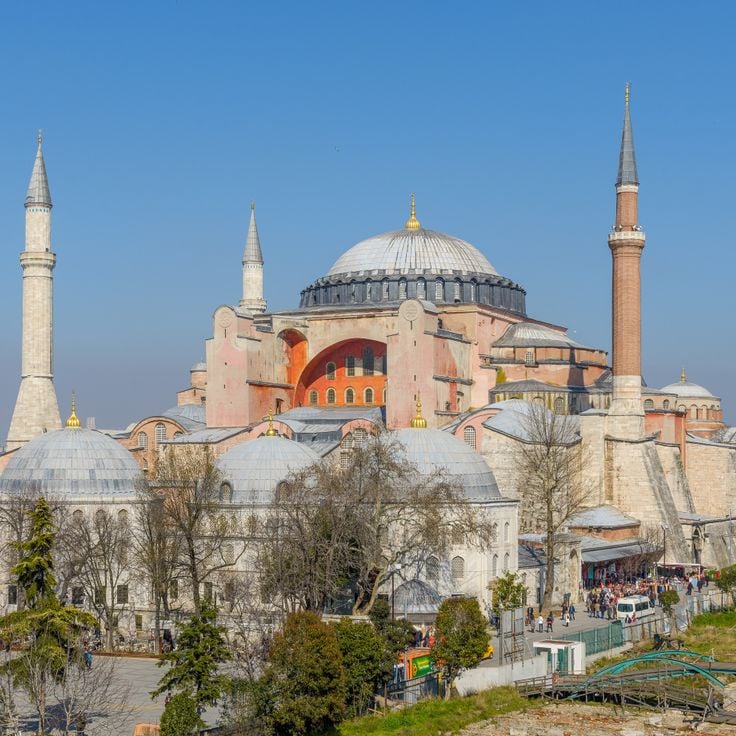
This 6th-century Byzantine church displays golden mosaics, a central dome and architectural elements from its time as cathedral, mosque and museum. Hagia Sophia offers photographers details from different religious periods, including Christian mosaics and Islamic calligraphy that span its 1,500-year history.
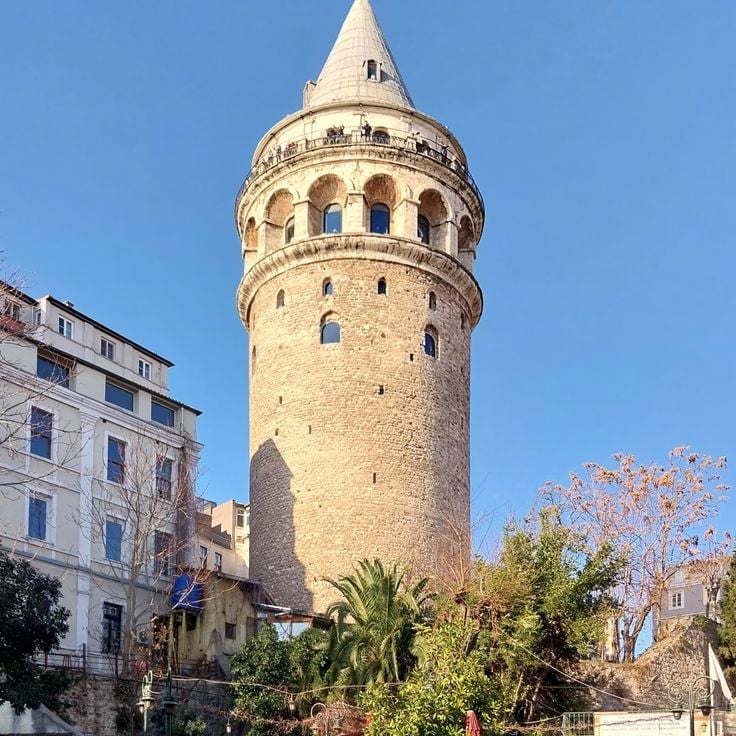
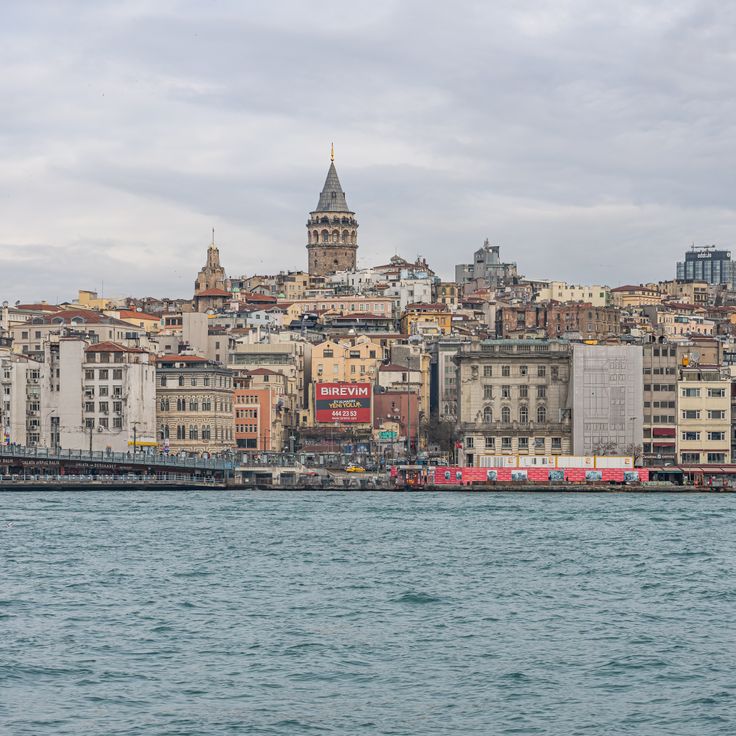
This medieval stone tower rises 63 meters above Beyoğlu and offers views across the Bosphorus, the Golden Horn and the rooftops of Istanbul. Galata Tower was built by the Genoese in 1348 and now serves as an observation point from which photographers capture the old city, modern districts and the waterways. The upper levels are reached by an elevator and a spiral staircase. The conical roof and the historic facade appear in many images of the city.
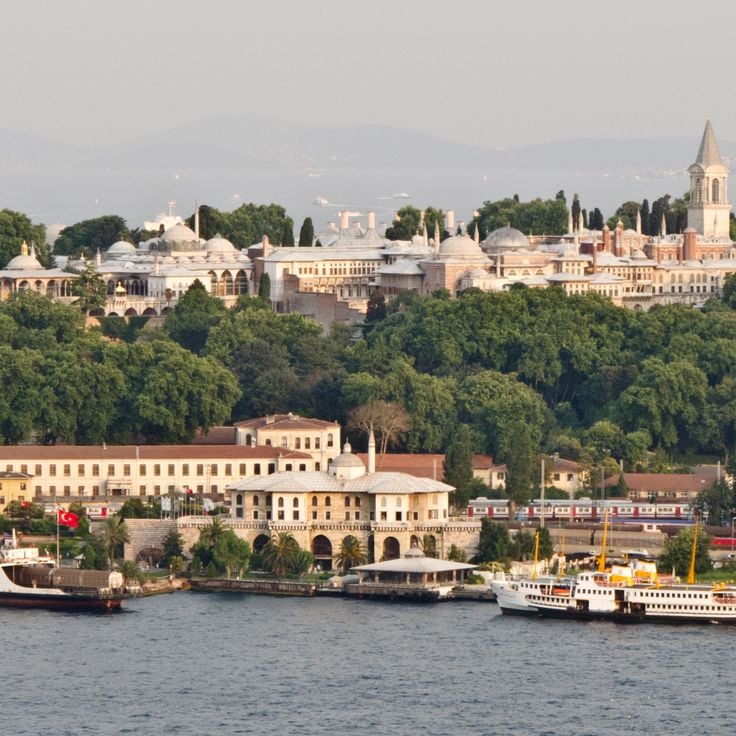
This 15th-century Ottoman palace complex contains four courtyards, a treasury and harem quarters. Topkapi Palace served as the seat of government for sultans over several centuries and offers multiple subjects for photography with its decorated pavilions, historical collections and views across the Bosphorus on this route through Istanbul's historic sites.
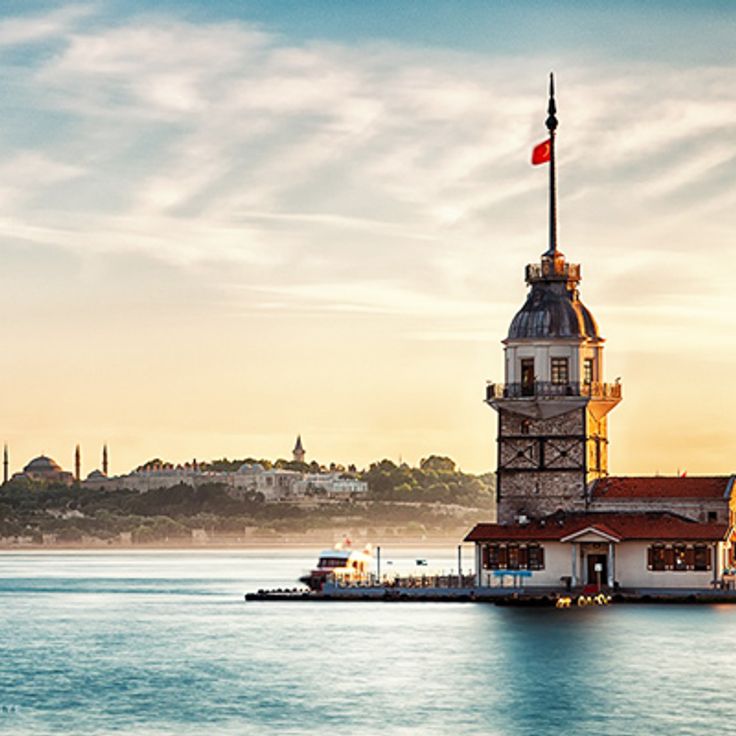
This tower stands on a small island in the Bosphorus and has served as a beacon and customs station since 1110. Maiden's Tower offers photographers a prominent foreground subject for shots of the strait, with Istanbul's skyline on both shores in the background. The isolated location and historic architecture make this tower a popular subject for wide-angle shots at sunrise and sunset, when the light illuminates the city and water dramatically.
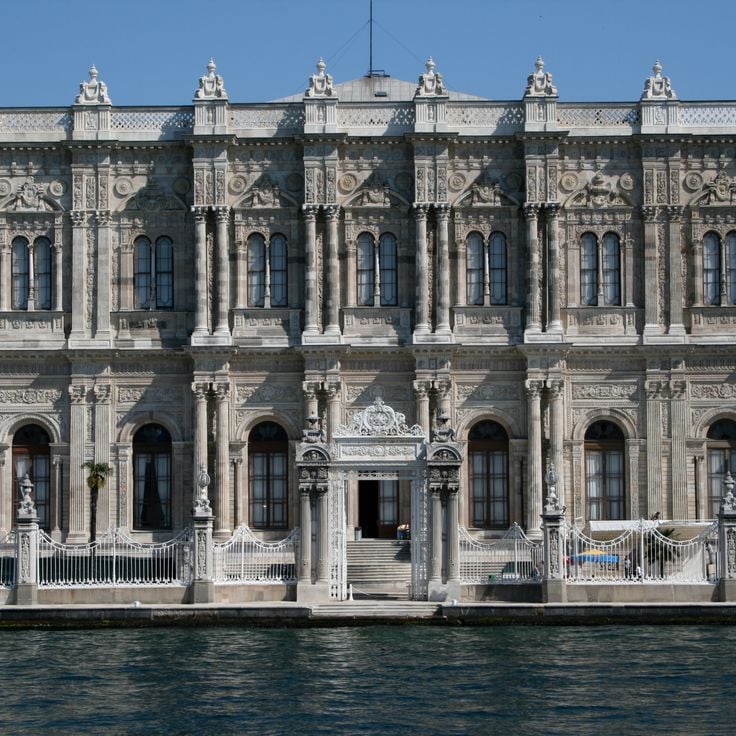
This 19th-century sultan palace ranks among Istanbul's most photographed locations, with its waterfront architecture along the Bosphorus shore. The 285 rooms of Dolmabahce Palace display French furnishings, Bohemian crystal chandeliers and ornate interiors that document late Ottoman imperial style. The crystal hall and garden facades provide photographic opportunities throughout the grounds.
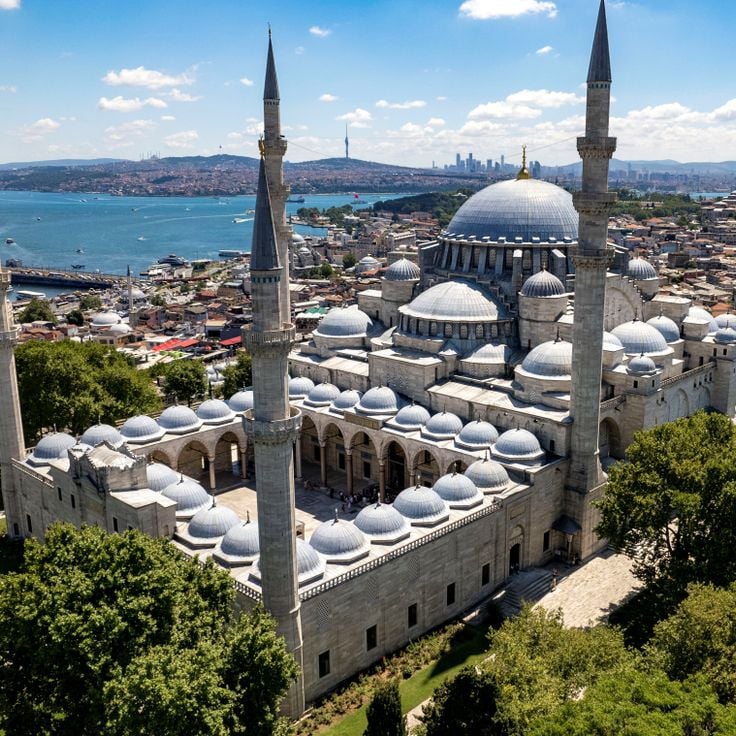
This 16th-century Ottoman mosque features a large central dome and four minarets that define the skyline. Süleymaniye Camii sits on elevated ground with wide views across the Golden Horn and the historic peninsula. The courtyard with its colonnades and the main prayer hall with domes and half domes create settings for photographing Ottoman architecture. Terraces and gardens around the structure offer compositions with the minarets against the sky and perspectives of the old city and waterfront below.
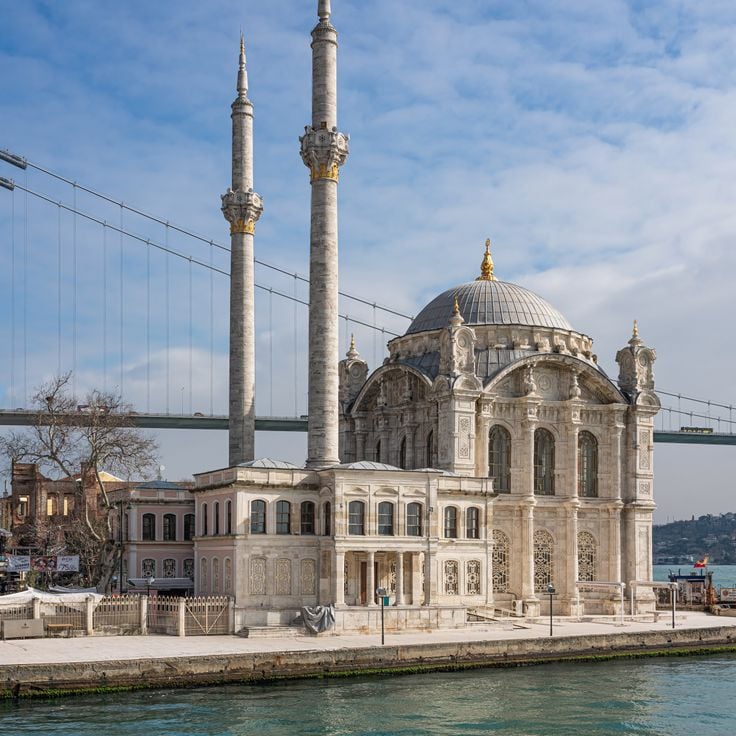
The Ortaköy Mosque sits at the Bosphorus shore, directly beneath the first bridge connecting Europe and Asia. Built in the 1850s in the neo-baroque style, this mosque offers a distinctive composition with its waterside location and the bridge silhouette behind it. The white facade and two slender minarets stand out against the Bosphorus and the steel structure of the bridge.
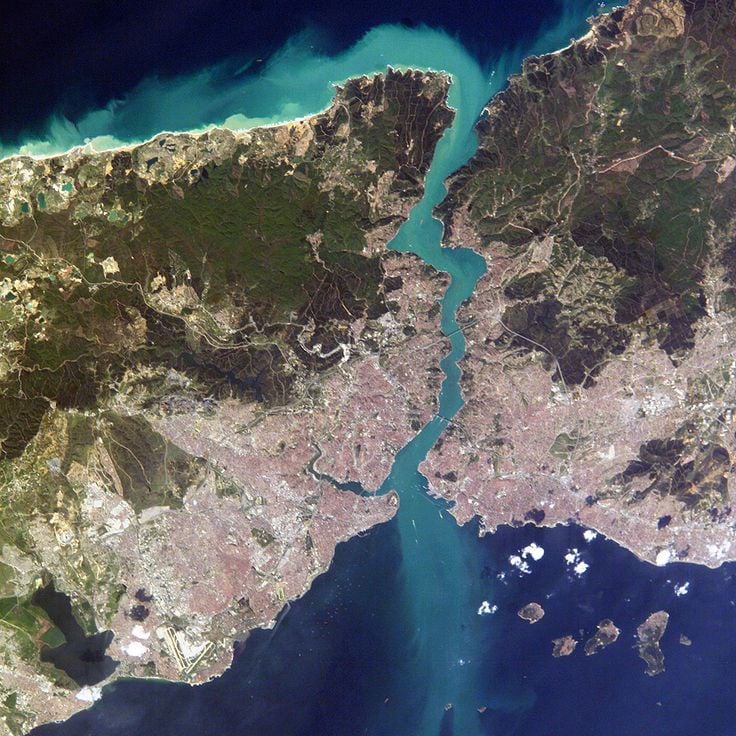
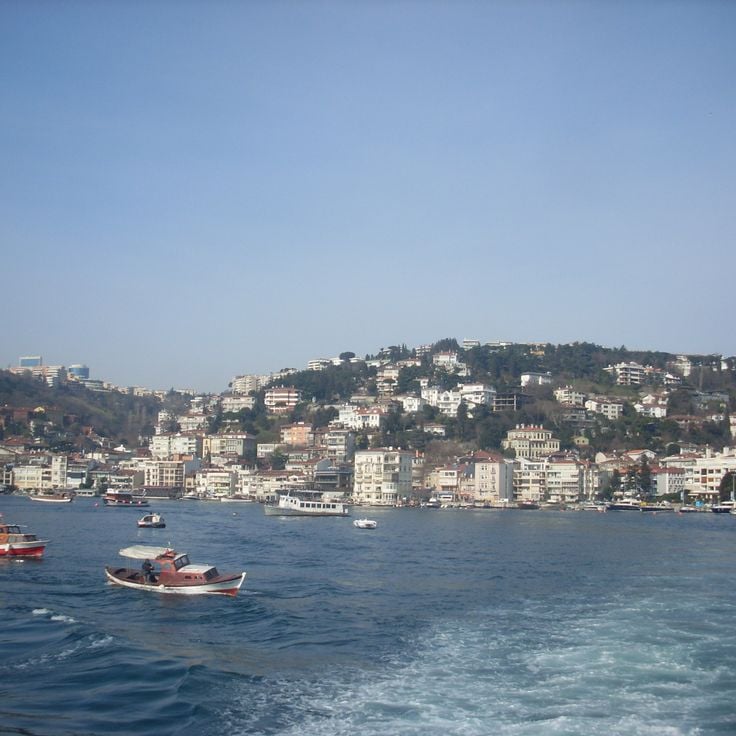
The Bosphorus Strait on this route connects the Black Sea with the Sea of Marmara across 20 miles (32 kilometers), separating Europe from Asia. From the water, both shores reveal palaces, fortresses and hills that frame the city, while ferries and traditional boats add movement to compositions.
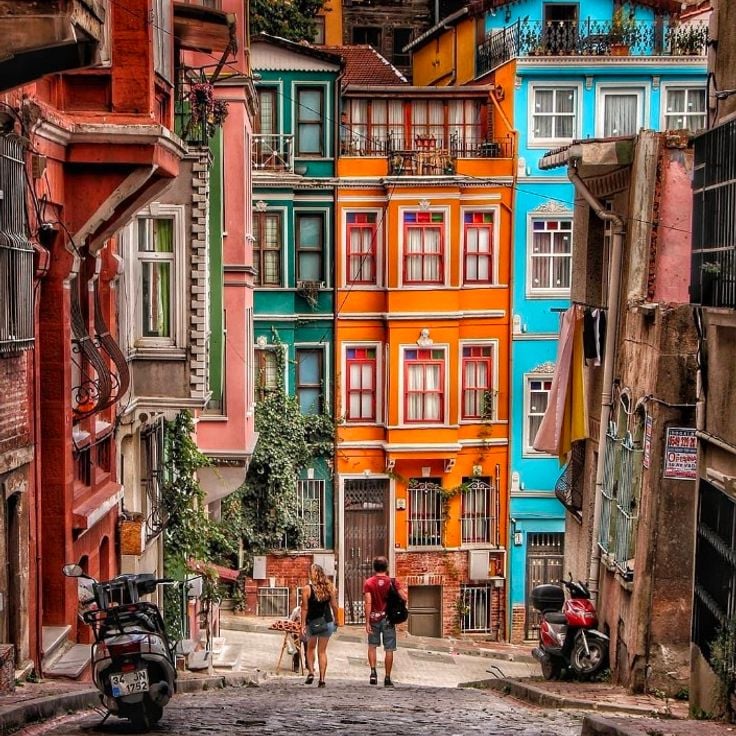
This neighborhood sits on a hillside above the Golden Horn and presents Ottoman wooden houses with red, green and blue facades standing beside Orthodox churches and synagogues, connected by narrow lanes with staircases that offer varied angles for capturing Istanbul's historic architecture.
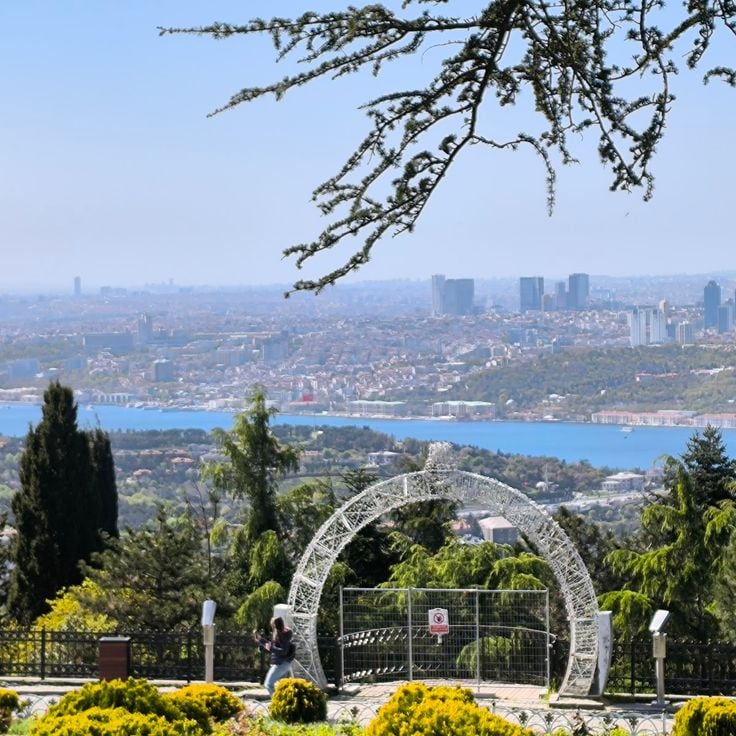
This 879-foot (268-meter) hill on the Asian side offers a panoramic view over the Bosphorus and Istanbul and ranks among the city's best vantage points for capturing the breadth of the metropolis and the strait, making it an important stop for photographs during this route through mosques, palaces and districts.
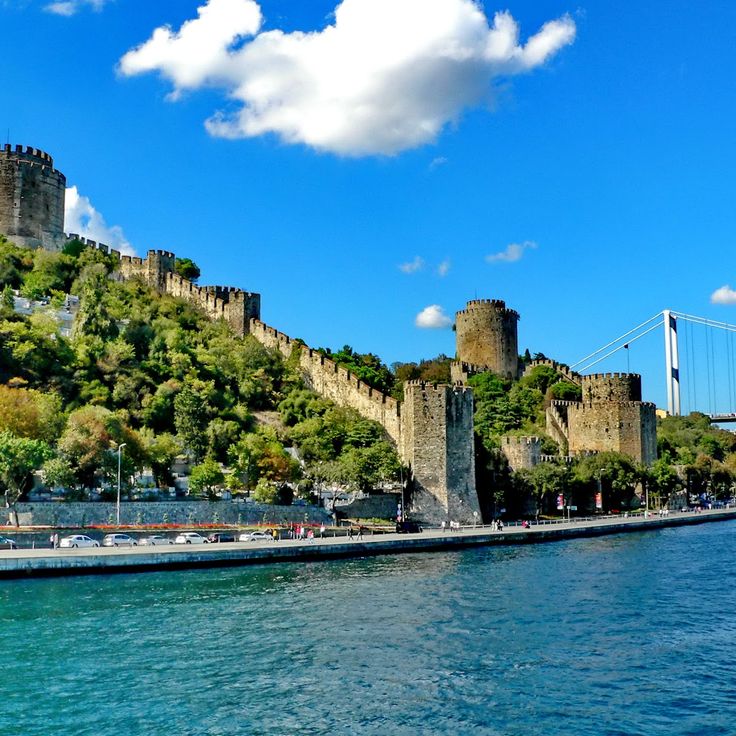
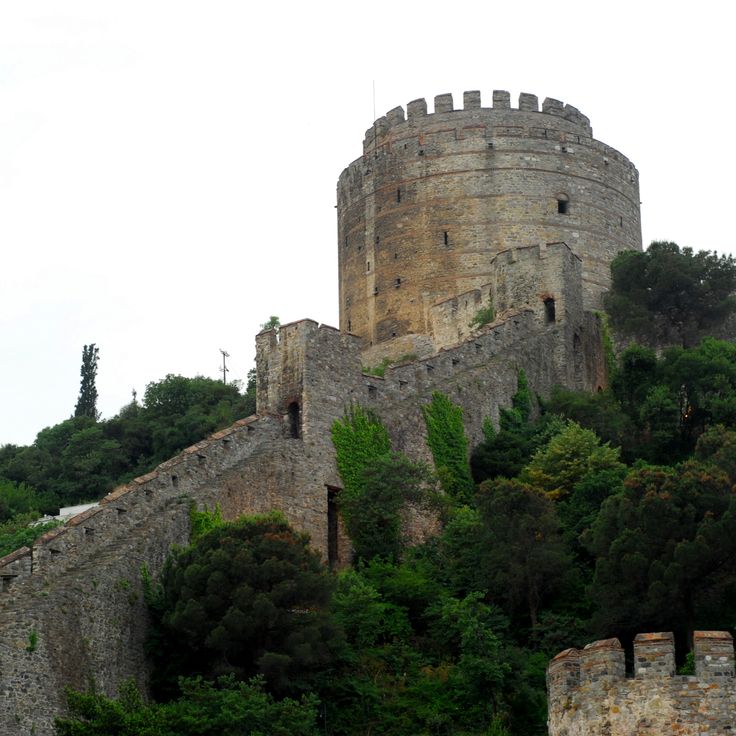
This medieval fortress from 1452 occupies the narrowest point of the Bosphorus, where the strait measures just 2,300 feet (700 meters) across. The structure consists of three main towers connected by walls that follow the steep hillside terrain, covering roughly 820 feet (250 meters) of shoreline. Rumeli Fortress now functions as an open-air museum and provides elevated vantage points for photographing the waterway traffic, the opposing Asian shore, and the layered geometry of its defensive architecture within the context of this collection of notable locations in Istanbul.
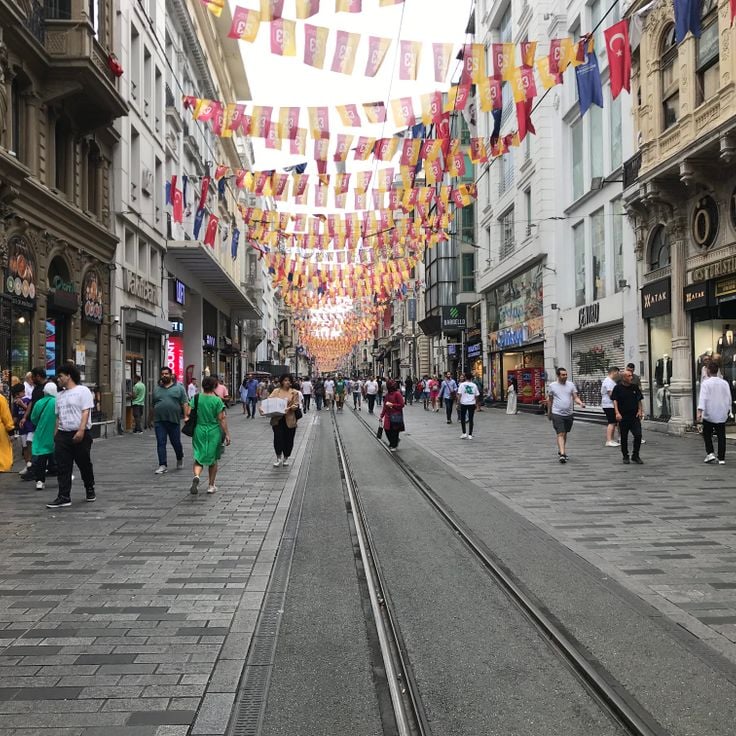
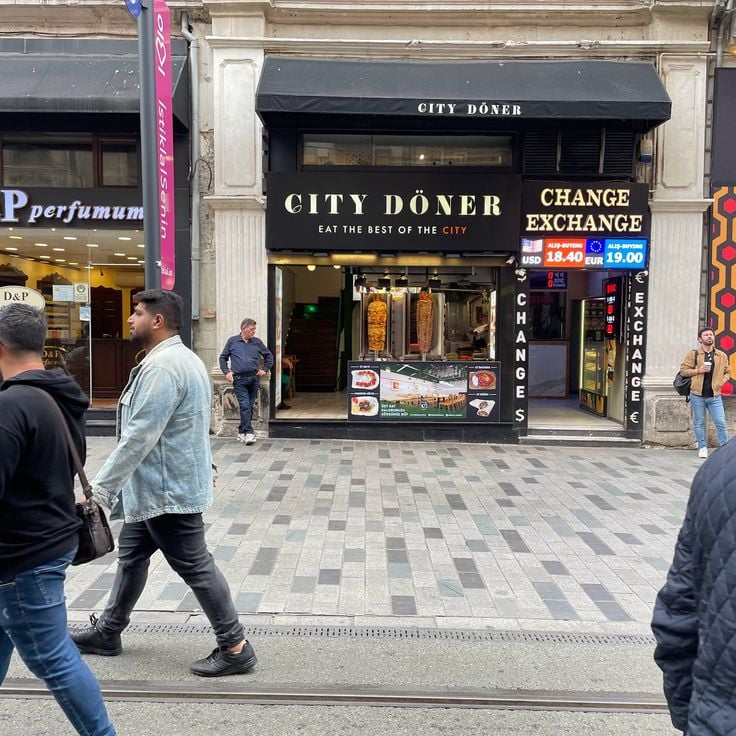
This 0.9-mile (1.4-kilometer) pedestrian boulevard in the heart of Beyoğlu connects 19th-century European architecture with active city life. Neoclassical facades frame Istiklal Caddesi while galleries, theaters, shops and restaurants line the avenue. The historic red tram runs regularly between Taksim Square and Tünel station, offering an additional photographic subject along this busy route through one of Istanbul's most distinctive neighborhoods.
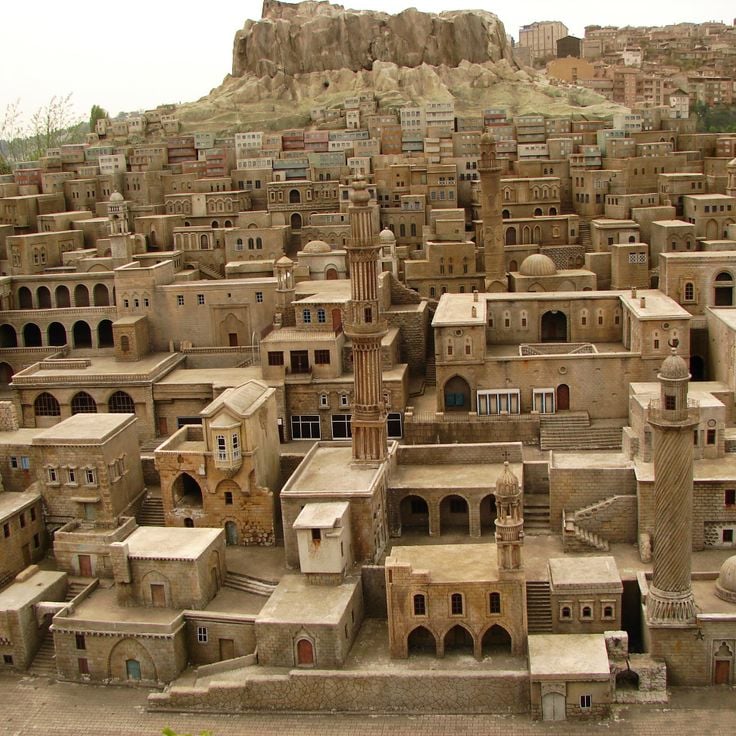
This open air museum displays 134 models at 1:25 scale representing architectural monuments from Ottoman territories and modern Turkey. Miniaturk offers a compact overview of major structures from Hagia Sophia to Anıtkabir and serves photographers documenting miniature architecture that spans historic and contemporary Turkish landmarks. The site presents replicas of mosques, palaces, bridges and other monuments gathered on grounds along the Golden Horn, providing opportunities to capture detailed scaled versions of buildings from across the country in a single location.
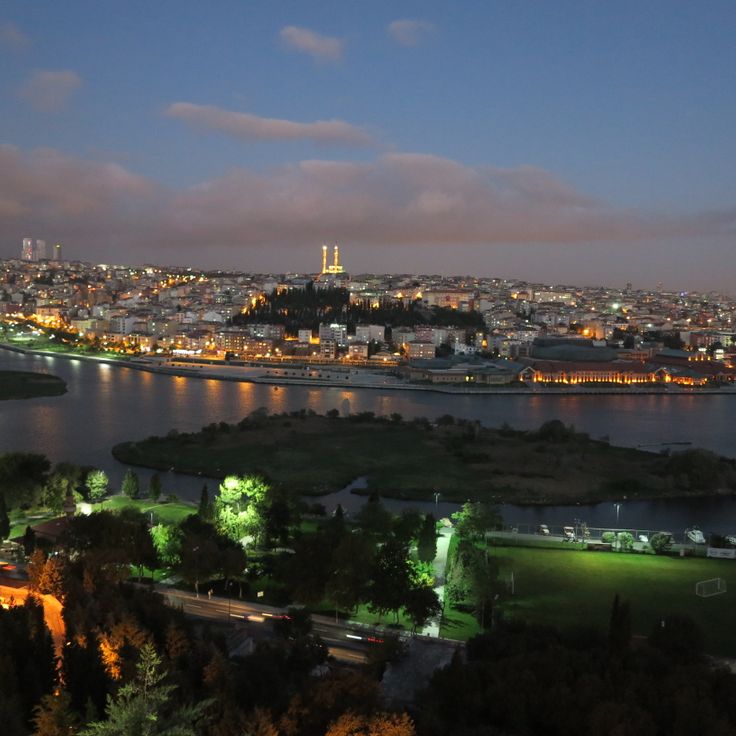
This hilltop viewpoint rises 180 feet above the Golden Horn and offers views across the inlet, the historic peninsula and surrounding neighborhoods. The cafe at the summit, named after French writer Pierre Loti, dates to the Ottoman era and has served as a gathering spot for centuries. A cable car carries visitors from the Eyüp district to the top, where shaded terraces and traditional tea service complete the experience. The location works well for sunset photography, when light illuminates the waters and minarets across the city.
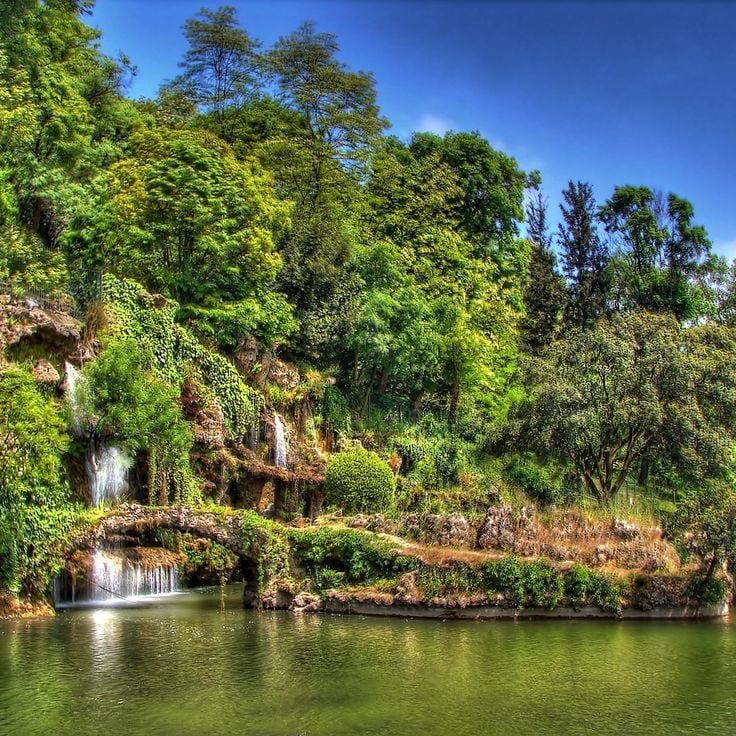
This 116-acre park in Sarıyer contains three historic 19th-century pavilions and an extensive collection of plant species, including thousands of tulips that bloom during the annual Istanbul Tulip Festival each spring. The landscaped gardens, ponds and wooded paths of Emirgan Park offer numerous opportunities for photographers seeking verdant retreats within the city.
This waterfront district combines Ottoman architecture with galleries, design shops and restaurants housed in renovated 19th-century buildings. Karaköy extends from the Golden Horn shoreline to the Galata Bridge, offering views across the Old City and toward the Bosphorus. Streets wind through traditional hammams, workshops and cafés that repurpose industrial structures for contemporary use.
These islands in the Sea of Marmara include nine car-free destinations that work well for photos of horse-drawn carriages, wooden mansions and coastal scenery. The Princes' Islands offer opportunities to document Ottoman architecture, pine forests and views across to Istanbul. The historic character comes through in preserved summer houses and vehicle-free streets that define daily life here.
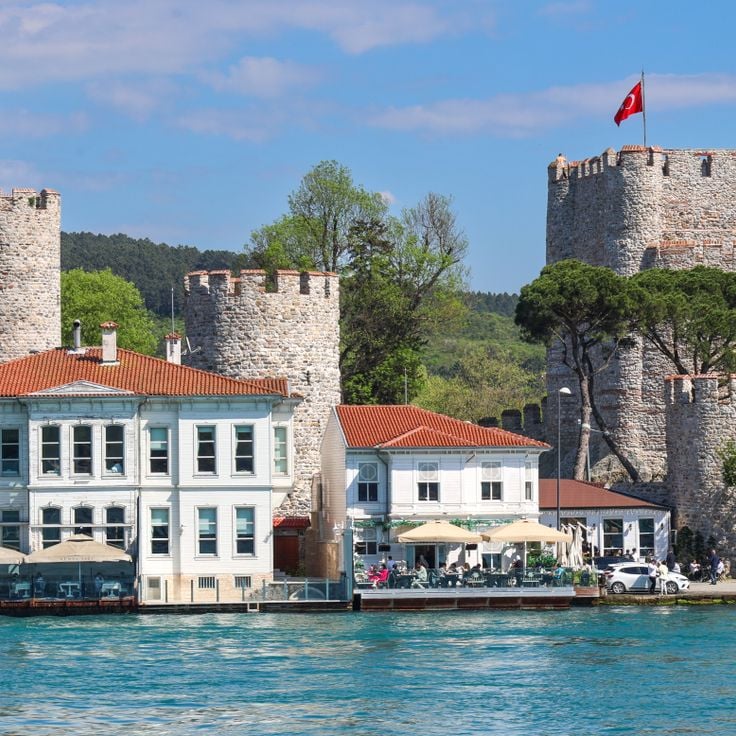
This Ottoman fortress from 1394 stands at the narrowest point of the Bosphorus and provides a distinct landmark with its high walls and four towers. Anadolu Hisari sits on the Asian shore and adds to the photographic opportunities along the historic waterway between Europe and Asia.
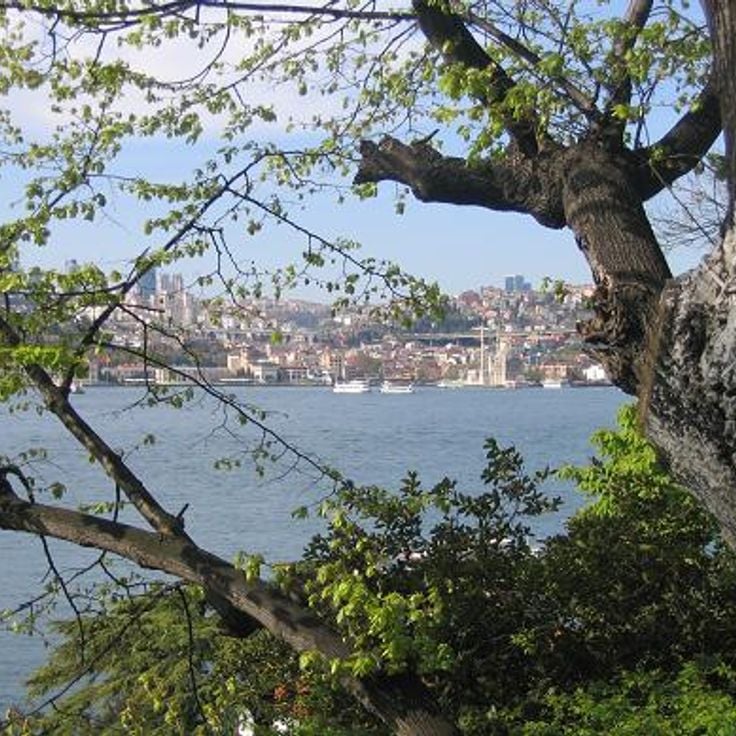
This public garden spreads across a hillside in Üsküdar, offering a quiet contrast to the urban surroundings with its centuries-old trees. From Fethi Pasha Grove, visitors overlook the Bosphorus Bridge and the European shore, providing clear sight lines for capturing the waterway and city skyline in photographs.
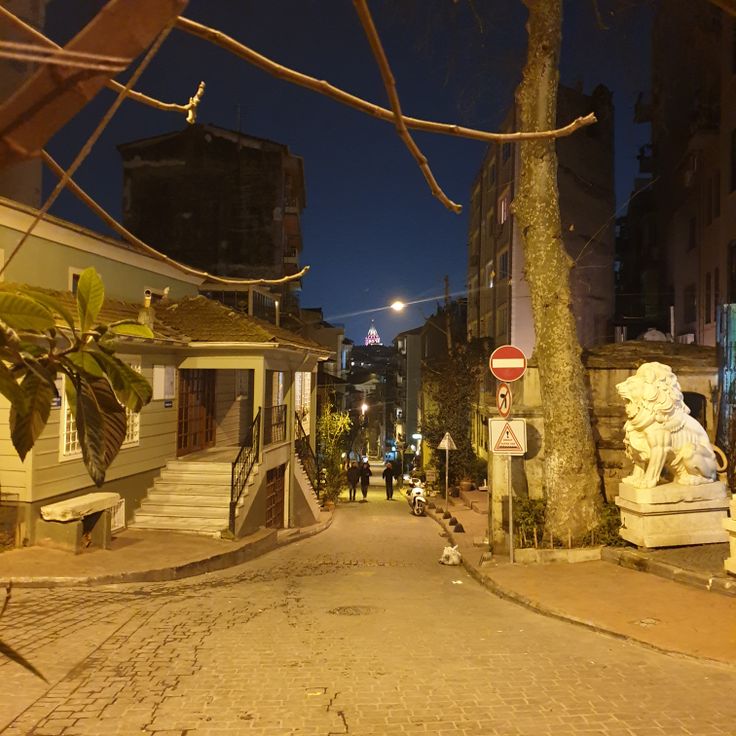
The Cukurcuma District sits in Beyoğlu on Istanbul's European side, preserving 19th-century architecture. Narrow streets run through the quarter, lined with Ottoman timber houses, antique shops and art galleries. The building facades, doorways and street scenes with traditional character provide subjects for photographs beyond Istanbul's main monuments.
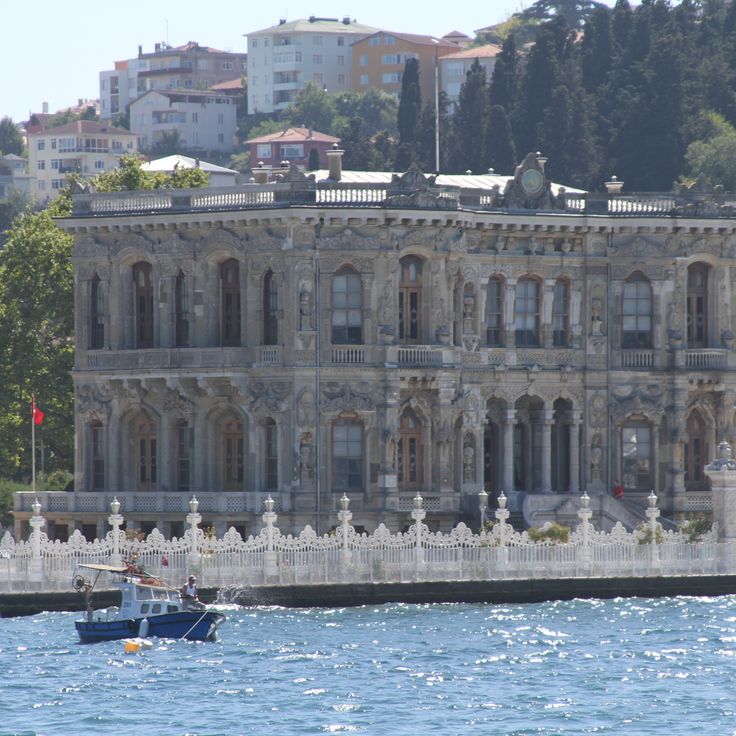
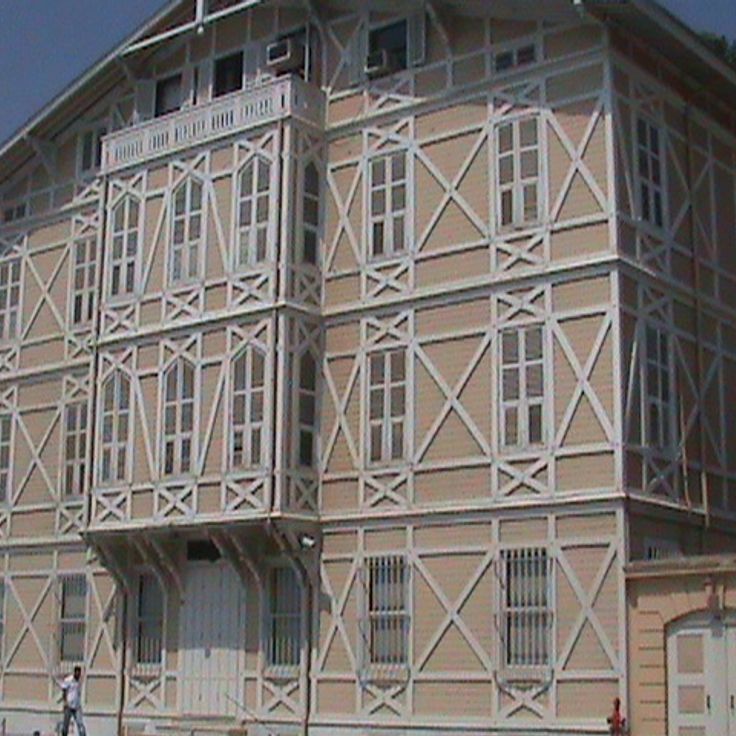
The Kucuksu Palace serves as a Bosphorus-set example of 19th-century Ottoman architecture, offering frames of marble detailing, crystal chandeliers and traditional furnishings against the water backdrop. The symmetrical facade and surrounding gardens complement the photographic possibilities of this imperial residence built in 1857. The two-floor structure displays typical features of Ottoman palace design and fits into the route through Istanbul's historic sites.
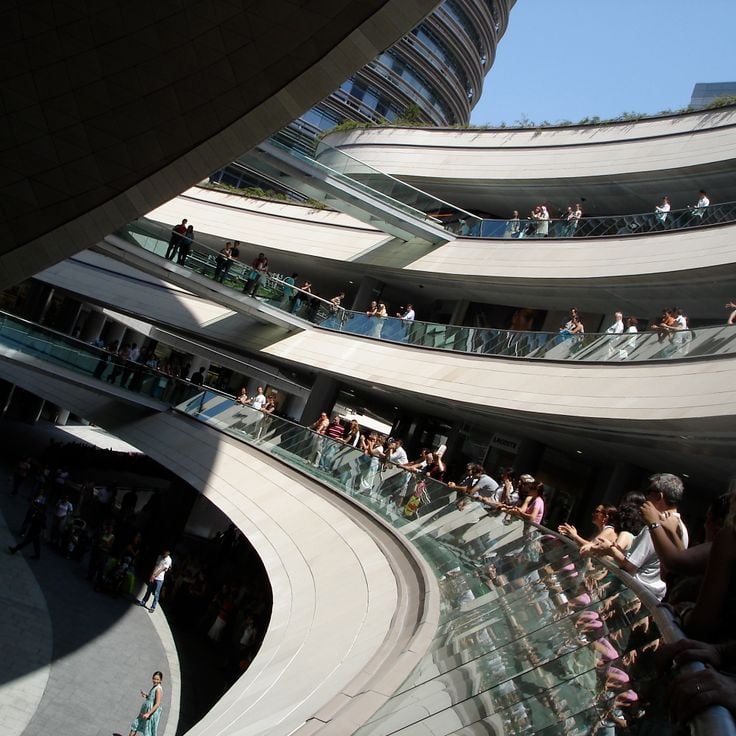
This shopping complex in Beşiktaş combines contemporary architecture with an open atrium design spanning four levels. The curved structure and glass roof create a naturally lit interior space that offers photographic compositions from multiple vantage points. With 160 retail outlets, Kanyon Shopping Mall represents modern commercial design in Istanbul and provides a contrast to the Ottoman buildings and historic neighborhoods featured along this route through the city.
This 19th century passage features marble floors, decorative columns and small shops selling antiques and vintage items. The Atlas Passage connects two busy streets in Beyoğlu and serves as a photogenic setting with its historic character. Architectural details and natural light filtering through the glass ceiling create interesting compositions along the covered walkway.
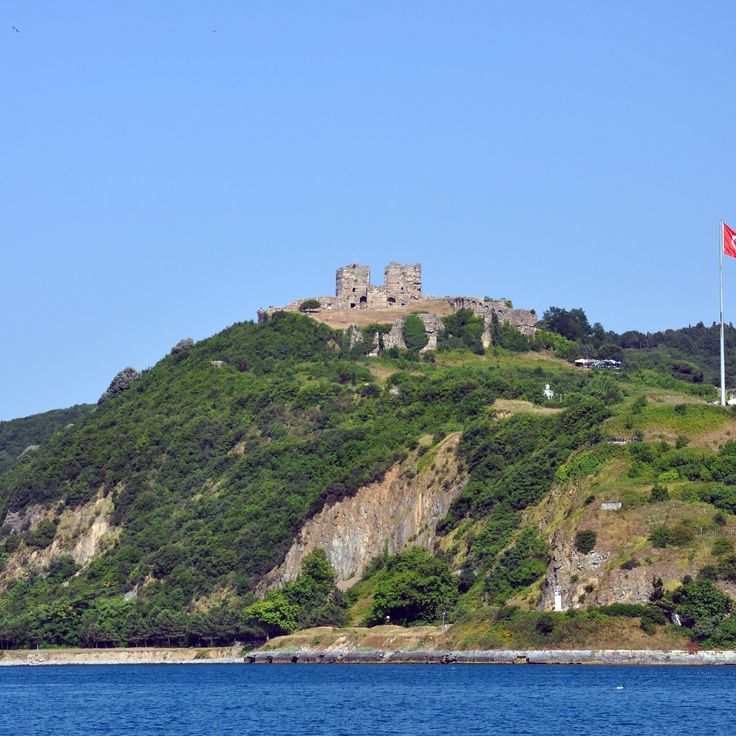
This Byzantine fortress from the 13th century stands on a hill overlooking the junction of the Bosphorus and Black Sea. Yoros Castle provides a historic backdrop for photos along this Istanbul route, with waters stretching before the weathered stone walls of the structure and perspectives across two seas and the shipping lanes between Europe and Asia.
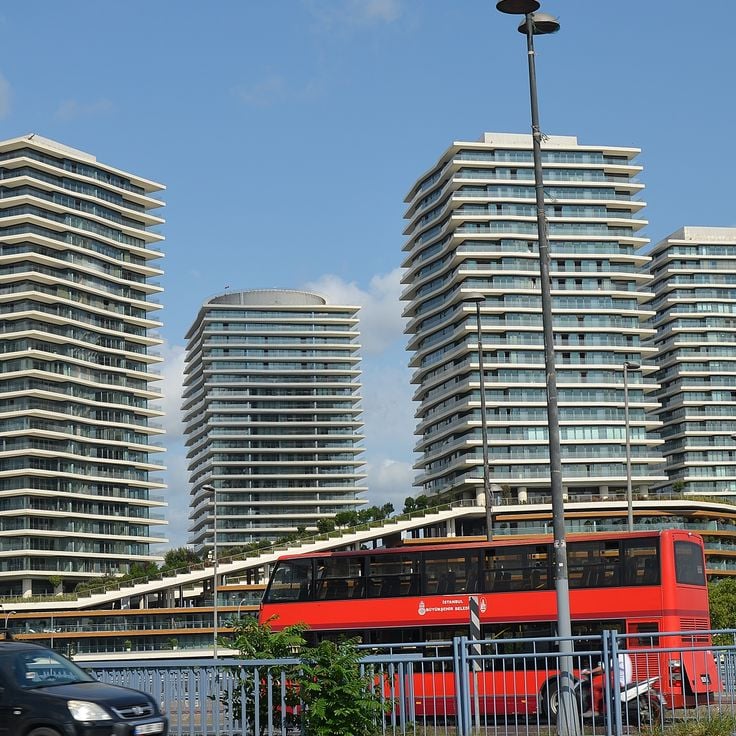
This cultural complex in Beşiktaş houses multiple theaters, concert halls and exhibition spaces within a contemporary building featuring glass facades and geometric forms. The Zorlu Center Performing Arts Center serves as a major venue for opera, ballet, orchestral performances and international touring productions. Its architecture, with reflective surfaces and angular lines, offers photo opportunities during daylight and evening hours, particularly when interior lighting illuminates the glass walls. The publicly accessible outdoor areas and foyers allow shots of the modern structures against the backdrop of Istanbul's historic skyline.
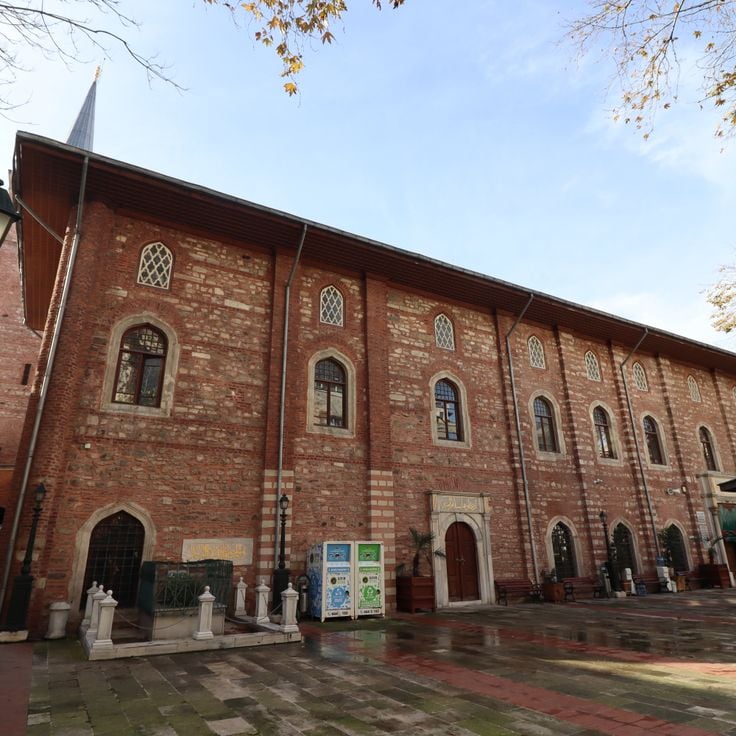
This mosque in Beyoğlu displays thirteenth century Gothic architecture with pointed arches and stone walls. The minaret was added after the conversion of the original church building and combines European and Ottoman elements in a structure that stands as a photographic subject among Istanbul's historic sites and modern neighborhoods.
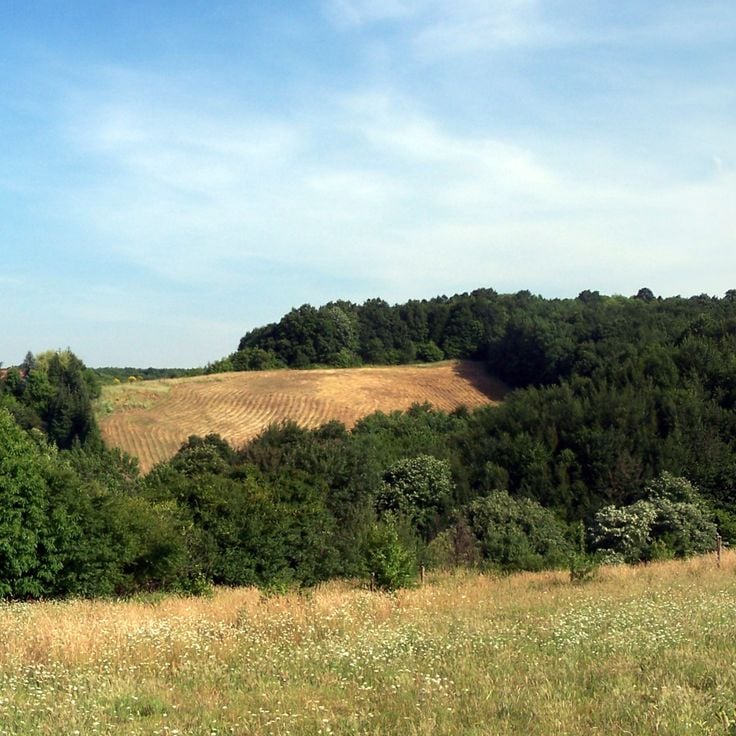
This village in northern Istanbul preserves its Polish architecture from its 19th-century founding. The streets wind through forests, and traditional restaurants serve Polish and Turkish dishes. Polonezkoy sits in the hills above the Bosphorus, offering wooden houses, churches and rural scenes that contrast with the surrounding urban environment.
This private museum in a restored house on the Bosphorus presents Ottoman textiles, ceramics and archaeological objects from various periods, adding a cultural perspective to the photographic opportunities available beyond the mosques and palaces along this route through Istanbul.
This museum occupies a 1920s mansion on the Bosphorus shore in Sarıyer, displaying Ottoman calligraphy, paintings by Turkish artists and rotating international exhibitions. The historic rooms and gardens offer views of the waterfront and opportunities for architectural and art photography. The collection spans several centuries of Turkish and Ottoman art.
This hill in Beykoz rises to 656 feet (200 meters) and provides an expansive view of the Bosphorus Bridge and the European shoreline of Istanbul. The location sits on the Asian side and allows photographs of the strait, the bridge structure and the neighborhoods across the water. The elevated position works well for capturing the connection between two continents and the residential districts that line both shores.
This bay sits on the European shore of the Bosphorus and offers views of passing ship traffic and the Asian coast opposite. Bebek Bay hosts waterfront restaurants, a marina with sailboats and traditional Ottoman houses flanked by modern cafes. The location is known for its promenade where locals and visitors walk while fishermen prepare their nets along the pier.
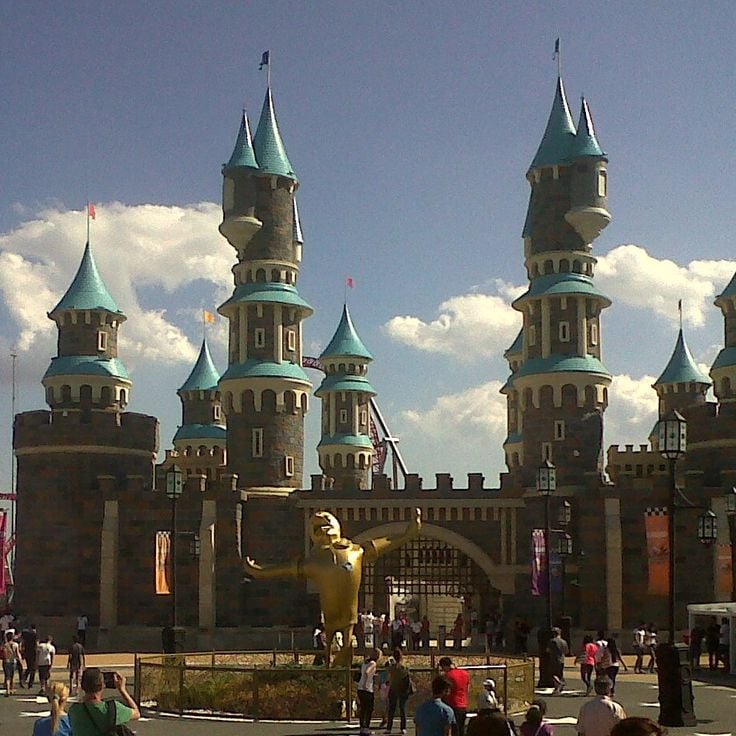
This entertainment complex covers an area of 1.5 million square feet (600,000 square meters) and features roller coasters, water rides, retail stores, restaurants and a cinema. Vialand Theme Park combines amusement attractions with entertainment facilities, providing varied photographic opportunities for visitors exploring Istanbul's modern leisure developments.
This 6th-century Byzantine church displays golden mosaics, a central dome and architectural elements from its time as cathedral, mosque and museum. Hagia Sophia offers photographers details from different religious periods, including Christian mosaics and Islamic calligraphy that span its 1,500-year history.
This medieval stone tower rises 63 meters above Beyoğlu and offers views across the Bosphorus, the Golden Horn and the rooftops of Istanbul. Galata Tower was built by the Genoese in 1348 and now serves as an observation point from which photographers capture the old city, modern districts and the waterways. The upper levels are reached by an elevator and a spiral staircase. The conical roof and the historic facade appear in many images of the city.
This 15th-century Ottoman palace complex contains four courtyards, a treasury and harem quarters. Topkapi Palace served as the seat of government for sultans over several centuries and offers multiple subjects for photography with its decorated pavilions, historical collections and views across the Bosphorus on this route through Istanbul's historic sites.
This tower stands on a small island in the Bosphorus and has served as a beacon and customs station since 1110. Maiden's Tower offers photographers a prominent foreground subject for shots of the strait, with Istanbul's skyline on both shores in the background. The isolated location and historic architecture make this tower a popular subject for wide-angle shots at sunrise and sunset, when the light illuminates the city and water dramatically.
This 19th-century sultan palace ranks among Istanbul's most photographed locations, with its waterfront architecture along the Bosphorus shore. The 285 rooms of Dolmabahce Palace display French furnishings, Bohemian crystal chandeliers and ornate interiors that document late Ottoman imperial style. The crystal hall and garden facades provide photographic opportunities throughout the grounds.
This 16th-century Ottoman mosque features a large central dome and four minarets that define the skyline. Süleymaniye Camii sits on elevated ground with wide views across the Golden Horn and the historic peninsula. The courtyard with its colonnades and the main prayer hall with domes and half domes create settings for photographing Ottoman architecture. Terraces and gardens around the structure offer compositions with the minarets against the sky and perspectives of the old city and waterfront below.
The Ortaköy Mosque sits at the Bosphorus shore, directly beneath the first bridge connecting Europe and Asia. Built in the 1850s in the neo-baroque style, this mosque offers a distinctive composition with its waterside location and the bridge silhouette behind it. The white facade and two slender minarets stand out against the Bosphorus and the steel structure of the bridge.
The Bosphorus Strait on this route connects the Black Sea with the Sea of Marmara across 20 miles (32 kilometers), separating Europe from Asia. From the water, both shores reveal palaces, fortresses and hills that frame the city, while ferries and traditional boats add movement to compositions.
This neighborhood sits on a hillside above the Golden Horn and presents Ottoman wooden houses with red, green and blue facades standing beside Orthodox churches and synagogues, connected by narrow lanes with staircases that offer varied angles for capturing Istanbul's historic architecture.
This 879-foot (268-meter) hill on the Asian side offers a panoramic view over the Bosphorus and Istanbul and ranks among the city's best vantage points for capturing the breadth of the metropolis and the strait, making it an important stop for photographs during this route through mosques, palaces and districts.
This medieval fortress from 1452 occupies the narrowest point of the Bosphorus, where the strait measures just 2,300 feet (700 meters) across. The structure consists of three main towers connected by walls that follow the steep hillside terrain, covering roughly 820 feet (250 meters) of shoreline. Rumeli Fortress now functions as an open-air museum and provides elevated vantage points for photographing the waterway traffic, the opposing Asian shore, and the layered geometry of its defensive architecture within the context of this collection of notable locations in Istanbul.
This 0.9-mile (1.4-kilometer) pedestrian boulevard in the heart of Beyoğlu connects 19th-century European architecture with active city life. Neoclassical facades frame Istiklal Caddesi while galleries, theaters, shops and restaurants line the avenue. The historic red tram runs regularly between Taksim Square and Tünel station, offering an additional photographic subject along this busy route through one of Istanbul's most distinctive neighborhoods.
This open air museum displays 134 models at 1:25 scale representing architectural monuments from Ottoman territories and modern Turkey. Miniaturk offers a compact overview of major structures from Hagia Sophia to Anıtkabir and serves photographers documenting miniature architecture that spans historic and contemporary Turkish landmarks. The site presents replicas of mosques, palaces, bridges and other monuments gathered on grounds along the Golden Horn, providing opportunities to capture detailed scaled versions of buildings from across the country in a single location.
This hilltop viewpoint rises 180 feet above the Golden Horn and offers views across the inlet, the historic peninsula and surrounding neighborhoods. The cafe at the summit, named after French writer Pierre Loti, dates to the Ottoman era and has served as a gathering spot for centuries. A cable car carries visitors from the Eyüp district to the top, where shaded terraces and traditional tea service complete the experience. The location works well for sunset photography, when light illuminates the waters and minarets across the city.
This 116-acre park in Sarıyer contains three historic 19th-century pavilions and an extensive collection of plant species, including thousands of tulips that bloom during the annual Istanbul Tulip Festival each spring. The landscaped gardens, ponds and wooded paths of Emirgan Park offer numerous opportunities for photographers seeking verdant retreats within the city.
This waterfront district combines Ottoman architecture with galleries, design shops and restaurants housed in renovated 19th-century buildings. Karaköy extends from the Golden Horn shoreline to the Galata Bridge, offering views across the Old City and toward the Bosphorus. Streets wind through traditional hammams, workshops and cafés that repurpose industrial structures for contemporary use.
These islands in the Sea of Marmara include nine car-free destinations that work well for photos of horse-drawn carriages, wooden mansions and coastal scenery. The Princes' Islands offer opportunities to document Ottoman architecture, pine forests and views across to Istanbul. The historic character comes through in preserved summer houses and vehicle-free streets that define daily life here.
This Ottoman fortress from 1394 stands at the narrowest point of the Bosphorus and provides a distinct landmark with its high walls and four towers. Anadolu Hisari sits on the Asian shore and adds to the photographic opportunities along the historic waterway between Europe and Asia.
This public garden spreads across a hillside in Üsküdar, offering a quiet contrast to the urban surroundings with its centuries-old trees. From Fethi Pasha Grove, visitors overlook the Bosphorus Bridge and the European shore, providing clear sight lines for capturing the waterway and city skyline in photographs.
The Cukurcuma District sits in Beyoğlu on Istanbul's European side, preserving 19th-century architecture. Narrow streets run through the quarter, lined with Ottoman timber houses, antique shops and art galleries. The building facades, doorways and street scenes with traditional character provide subjects for photographs beyond Istanbul's main monuments.
The Kucuksu Palace serves as a Bosphorus-set example of 19th-century Ottoman architecture, offering frames of marble detailing, crystal chandeliers and traditional furnishings against the water backdrop. The symmetrical facade and surrounding gardens complement the photographic possibilities of this imperial residence built in 1857. The two-floor structure displays typical features of Ottoman palace design and fits into the route through Istanbul's historic sites.
This shopping complex in Beşiktaş combines contemporary architecture with an open atrium design spanning four levels. The curved structure and glass roof create a naturally lit interior space that offers photographic compositions from multiple vantage points. With 160 retail outlets, Kanyon Shopping Mall represents modern commercial design in Istanbul and provides a contrast to the Ottoman buildings and historic neighborhoods featured along this route through the city.
This 19th century passage features marble floors, decorative columns and small shops selling antiques and vintage items. The Atlas Passage connects two busy streets in Beyoğlu and serves as a photogenic setting with its historic character. Architectural details and natural light filtering through the glass ceiling create interesting compositions along the covered walkway.
This Byzantine fortress from the 13th century stands on a hill overlooking the junction of the Bosphorus and Black Sea. Yoros Castle provides a historic backdrop for photos along this Istanbul route, with waters stretching before the weathered stone walls of the structure and perspectives across two seas and the shipping lanes between Europe and Asia.
This cultural complex in Beşiktaş houses multiple theaters, concert halls and exhibition spaces within a contemporary building featuring glass facades and geometric forms. The Zorlu Center Performing Arts Center serves as a major venue for opera, ballet, orchestral performances and international touring productions. Its architecture, with reflective surfaces and angular lines, offers photo opportunities during daylight and evening hours, particularly when interior lighting illuminates the glass walls. The publicly accessible outdoor areas and foyers allow shots of the modern structures against the backdrop of Istanbul's historic skyline.
This mosque in Beyoğlu displays thirteenth century Gothic architecture with pointed arches and stone walls. The minaret was added after the conversion of the original church building and combines European and Ottoman elements in a structure that stands as a photographic subject among Istanbul's historic sites and modern neighborhoods.
This village in northern Istanbul preserves its Polish architecture from its 19th-century founding. The streets wind through forests, and traditional restaurants serve Polish and Turkish dishes. Polonezkoy sits in the hills above the Bosphorus, offering wooden houses, churches and rural scenes that contrast with the surrounding urban environment.
This private museum in a restored house on the Bosphorus presents Ottoman textiles, ceramics and archaeological objects from various periods, adding a cultural perspective to the photographic opportunities available beyond the mosques and palaces along this route through Istanbul.
This museum occupies a 1920s mansion on the Bosphorus shore in Sarıyer, displaying Ottoman calligraphy, paintings by Turkish artists and rotating international exhibitions. The historic rooms and gardens offer views of the waterfront and opportunities for architectural and art photography. The collection spans several centuries of Turkish and Ottoman art.
This hill in Beykoz rises to 656 feet (200 meters) and provides an expansive view of the Bosphorus Bridge and the European shoreline of Istanbul. The location sits on the Asian side and allows photographs of the strait, the bridge structure and the neighborhoods across the water. The elevated position works well for capturing the connection between two continents and the residential districts that line both shores.
This bay sits on the European shore of the Bosphorus and offers views of passing ship traffic and the Asian coast opposite. Bebek Bay hosts waterfront restaurants, a marina with sailboats and traditional Ottoman houses flanked by modern cafes. The location is known for its promenade where locals and visitors walk while fishermen prepare their nets along the pier.
This entertainment complex covers an area of 1.5 million square feet (600,000 square meters) and features roller coasters, water rides, retail stores, restaurants and a cinema. Vialand Theme Park combines amusement attractions with entertainment facilities, providing varied photographic opportunities for visitors exploring Istanbul's modern leisure developments.
This 6th-century Byzantine church displays golden mosaics, a central dome and architectural elements from its time as cathedral, mosque and museum. Hagia Sophia offers photographers details from different religious periods, including Christian mosaics and Islamic calligraphy that span its 1,500-year history.
This medieval stone tower rises 63 meters above Beyoğlu and offers views across the Bosphorus, the Golden Horn and the rooftops of Istanbul. Galata Tower was built by the Genoese in 1348 and now serves as an observation point from which photographers capture the old city, modern districts and the waterways. The upper levels are reached by an elevator and a spiral staircase. The conical roof and the historic facade appear in many images of the city.
This 15th-century Ottoman palace complex contains four courtyards, a treasury and harem quarters. Topkapi Palace served as the seat of government for sultans over several centuries and offers multiple subjects for photography with its decorated pavilions, historical collections and views across the Bosphorus on this route through Istanbul's historic sites.
This tower stands on a small island in the Bosphorus and has served as a beacon and customs station since 1110. Maiden's Tower offers photographers a prominent foreground subject for shots of the strait, with Istanbul's skyline on both shores in the background. The isolated location and historic architecture make this tower a popular subject for wide-angle shots at sunrise and sunset, when the light illuminates the city and water dramatically.
This 19th-century sultan palace ranks among Istanbul's most photographed locations, with its waterfront architecture along the Bosphorus shore. The 285 rooms of Dolmabahce Palace display French furnishings, Bohemian crystal chandeliers and ornate interiors that document late Ottoman imperial style. The crystal hall and garden facades provide photographic opportunities throughout the grounds.
This 16th-century Ottoman mosque features a large central dome and four minarets that define the skyline. Süleymaniye Camii sits on elevated ground with wide views across the Golden Horn and the historic peninsula. The courtyard with its colonnades and the main prayer hall with domes and half domes create settings for photographing Ottoman architecture. Terraces and gardens around the structure offer compositions with the minarets against the sky and perspectives of the old city and waterfront below.
The Ortaköy Mosque sits at the Bosphorus shore, directly beneath the first bridge connecting Europe and Asia. Built in the 1850s in the neo-baroque style, this mosque offers a distinctive composition with its waterside location and the bridge silhouette behind it. The white facade and two slender minarets stand out against the Bosphorus and the steel structure of the bridge.
The Bosphorus Strait on this route connects the Black Sea with the Sea of Marmara across 20 miles (32 kilometers), separating Europe from Asia. From the water, both shores reveal palaces, fortresses and hills that frame the city, while ferries and traditional boats add movement to compositions.
This neighborhood sits on a hillside above the Golden Horn and presents Ottoman wooden houses with red, green and blue facades standing beside Orthodox churches and synagogues, connected by narrow lanes with staircases that offer varied angles for capturing Istanbul's historic architecture.
This 879-foot (268-meter) hill on the Asian side offers a panoramic view over the Bosphorus and Istanbul and ranks among the city's best vantage points for capturing the breadth of the metropolis and the strait, making it an important stop for photographs during this route through mosques, palaces and districts.
This medieval fortress from 1452 occupies the narrowest point of the Bosphorus, where the strait measures just 2,300 feet (700 meters) across. The structure consists of three main towers connected by walls that follow the steep hillside terrain, covering roughly 820 feet (250 meters) of shoreline. Rumeli Fortress now functions as an open-air museum and provides elevated vantage points for photographing the waterway traffic, the opposing Asian shore, and the layered geometry of its defensive architecture within the context of this collection of notable locations in Istanbul.
This 0.9-mile (1.4-kilometer) pedestrian boulevard in the heart of Beyoğlu connects 19th-century European architecture with active city life. Neoclassical facades frame Istiklal Caddesi while galleries, theaters, shops and restaurants line the avenue. The historic red tram runs regularly between Taksim Square and Tünel station, offering an additional photographic subject along this busy route through one of Istanbul's most distinctive neighborhoods.
This open air museum displays 134 models at 1:25 scale representing architectural monuments from Ottoman territories and modern Turkey. Miniaturk offers a compact overview of major structures from Hagia Sophia to Anıtkabir and serves photographers documenting miniature architecture that spans historic and contemporary Turkish landmarks. The site presents replicas of mosques, palaces, bridges and other monuments gathered on grounds along the Golden Horn, providing opportunities to capture detailed scaled versions of buildings from across the country in a single location.
This hilltop viewpoint rises 180 feet above the Golden Horn and offers views across the inlet, the historic peninsula and surrounding neighborhoods. The cafe at the summit, named after French writer Pierre Loti, dates to the Ottoman era and has served as a gathering spot for centuries. A cable car carries visitors from the Eyüp district to the top, where shaded terraces and traditional tea service complete the experience. The location works well for sunset photography, when light illuminates the waters and minarets across the city.
This 116-acre park in Sarıyer contains three historic 19th-century pavilions and an extensive collection of plant species, including thousands of tulips that bloom during the annual Istanbul Tulip Festival each spring. The landscaped gardens, ponds and wooded paths of Emirgan Park offer numerous opportunities for photographers seeking verdant retreats within the city.
This waterfront district combines Ottoman architecture with galleries, design shops and restaurants housed in renovated 19th-century buildings. Karaköy extends from the Golden Horn shoreline to the Galata Bridge, offering views across the Old City and toward the Bosphorus. Streets wind through traditional hammams, workshops and cafés that repurpose industrial structures for contemporary use.
These islands in the Sea of Marmara include nine car-free destinations that work well for photos of horse-drawn carriages, wooden mansions and coastal scenery. The Princes' Islands offer opportunities to document Ottoman architecture, pine forests and views across to Istanbul. The historic character comes through in preserved summer houses and vehicle-free streets that define daily life here.
This Ottoman fortress from 1394 stands at the narrowest point of the Bosphorus and provides a distinct landmark with its high walls and four towers. Anadolu Hisari sits on the Asian shore and adds to the photographic opportunities along the historic waterway between Europe and Asia.
This public garden spreads across a hillside in Üsküdar, offering a quiet contrast to the urban surroundings with its centuries-old trees. From Fethi Pasha Grove, visitors overlook the Bosphorus Bridge and the European shore, providing clear sight lines for capturing the waterway and city skyline in photographs.
The Cukurcuma District sits in Beyoğlu on Istanbul's European side, preserving 19th-century architecture. Narrow streets run through the quarter, lined with Ottoman timber houses, antique shops and art galleries. The building facades, doorways and street scenes with traditional character provide subjects for photographs beyond Istanbul's main monuments.
The Kucuksu Palace serves as a Bosphorus-set example of 19th-century Ottoman architecture, offering frames of marble detailing, crystal chandeliers and traditional furnishings against the water backdrop. The symmetrical facade and surrounding gardens complement the photographic possibilities of this imperial residence built in 1857. The two-floor structure displays typical features of Ottoman palace design and fits into the route through Istanbul's historic sites.
This shopping complex in Beşiktaş combines contemporary architecture with an open atrium design spanning four levels. The curved structure and glass roof create a naturally lit interior space that offers photographic compositions from multiple vantage points. With 160 retail outlets, Kanyon Shopping Mall represents modern commercial design in Istanbul and provides a contrast to the Ottoman buildings and historic neighborhoods featured along this route through the city.
This 19th century passage features marble floors, decorative columns and small shops selling antiques and vintage items. The Atlas Passage connects two busy streets in Beyoğlu and serves as a photogenic setting with its historic character. Architectural details and natural light filtering through the glass ceiling create interesting compositions along the covered walkway.
This Byzantine fortress from the 13th century stands on a hill overlooking the junction of the Bosphorus and Black Sea. Yoros Castle provides a historic backdrop for photos along this Istanbul route, with waters stretching before the weathered stone walls of the structure and perspectives across two seas and the shipping lanes between Europe and Asia.
This cultural complex in Beşiktaş houses multiple theaters, concert halls and exhibition spaces within a contemporary building featuring glass facades and geometric forms. The Zorlu Center Performing Arts Center serves as a major venue for opera, ballet, orchestral performances and international touring productions. Its architecture, with reflective surfaces and angular lines, offers photo opportunities during daylight and evening hours, particularly when interior lighting illuminates the glass walls. The publicly accessible outdoor areas and foyers allow shots of the modern structures against the backdrop of Istanbul's historic skyline.
This mosque in Beyoğlu displays thirteenth century Gothic architecture with pointed arches and stone walls. The minaret was added after the conversion of the original church building and combines European and Ottoman elements in a structure that stands as a photographic subject among Istanbul's historic sites and modern neighborhoods.
This village in northern Istanbul preserves its Polish architecture from its 19th-century founding. The streets wind through forests, and traditional restaurants serve Polish and Turkish dishes. Polonezkoy sits in the hills above the Bosphorus, offering wooden houses, churches and rural scenes that contrast with the surrounding urban environment.
This private museum in a restored house on the Bosphorus presents Ottoman textiles, ceramics and archaeological objects from various periods, adding a cultural perspective to the photographic opportunities available beyond the mosques and palaces along this route through Istanbul.
This museum occupies a 1920s mansion on the Bosphorus shore in Sarıyer, displaying Ottoman calligraphy, paintings by Turkish artists and rotating international exhibitions. The historic rooms and gardens offer views of the waterfront and opportunities for architectural and art photography. The collection spans several centuries of Turkish and Ottoman art.
This hill in Beykoz rises to 656 feet (200 meters) and provides an expansive view of the Bosphorus Bridge and the European shoreline of Istanbul. The location sits on the Asian side and allows photographs of the strait, the bridge structure and the neighborhoods across the water. The elevated position works well for capturing the connection between two continents and the residential districts that line both shores.
This bay sits on the European shore of the Bosphorus and offers views of passing ship traffic and the Asian coast opposite. Bebek Bay hosts waterfront restaurants, a marina with sailboats and traditional Ottoman houses flanked by modern cafes. The location is known for its promenade where locals and visitors walk while fishermen prepare their nets along the pier.
This entertainment complex covers an area of 1.5 million square feet (600,000 square meters) and features roller coasters, water rides, retail stores, restaurants and a cinema. Vialand Theme Park combines amusement attractions with entertainment facilities, providing varied photographic opportunities for visitors exploring Istanbul's modern leisure developments.