See the monuments around you in AROpen chests in the app
Around Us is built for your phone — point your camera at the streets and discover the monuments and places around you in augmented reality.Around Us is built for your phone — chests unlock when you walk, explore and capture nearby places.
European cathedrals give visitors a look into the building history and spiritual side of each region.
A selection of about thirty cathedrals that are among the most important in Europe, chosen for their architecture, history, and spiritual significance. These religious buildings are important symbols of European heritage, built over many centuries with traditions. Each cathedral tells the story of its region and shows visitors the building methods and beliefs of different times.
European cathedrals give visitors a look into the building history and spiritual side of each region.
A selection of about thirty cathedrals that are among the most important in Europe, chosen for their architecture, history, and spiritual significance. These religious buildings are important symbols of European heritage, built over many centuries with traditions. Each cathedral tells the story of its region and shows visitors the building methods and beliefs of different times.
Notre-Dame de Paris sits on the Île de la Cité and shows the height of Gothic architecture with its pointed arches and detailed stonework. Built and changed over centuries, it reflects the building techniques of different periods. Visitors can see the carved stone, the large windows, and the overall design that documents how religious buildings were constructed and what they meant to the people who worshipped there.
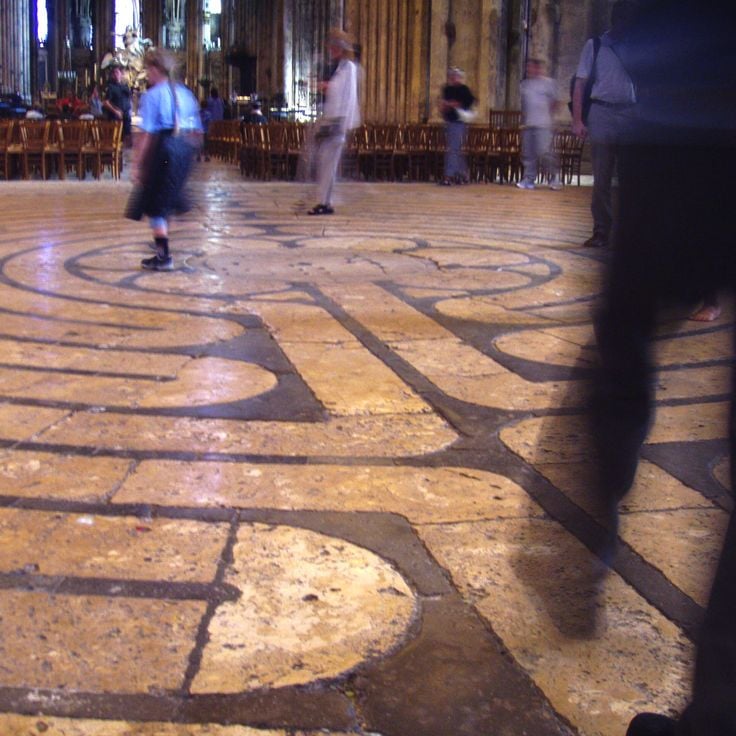
The Cathedral Notre-Dame de Chartres is a Gothic structure with soaring lines and remarkable stained glass windows. It demonstrates the craftsmanship of different periods and tells the story of its region through artistic design. This cathedral belongs to a significant collection of European cathedrals chosen for their architectural, historical, and spiritual importance.
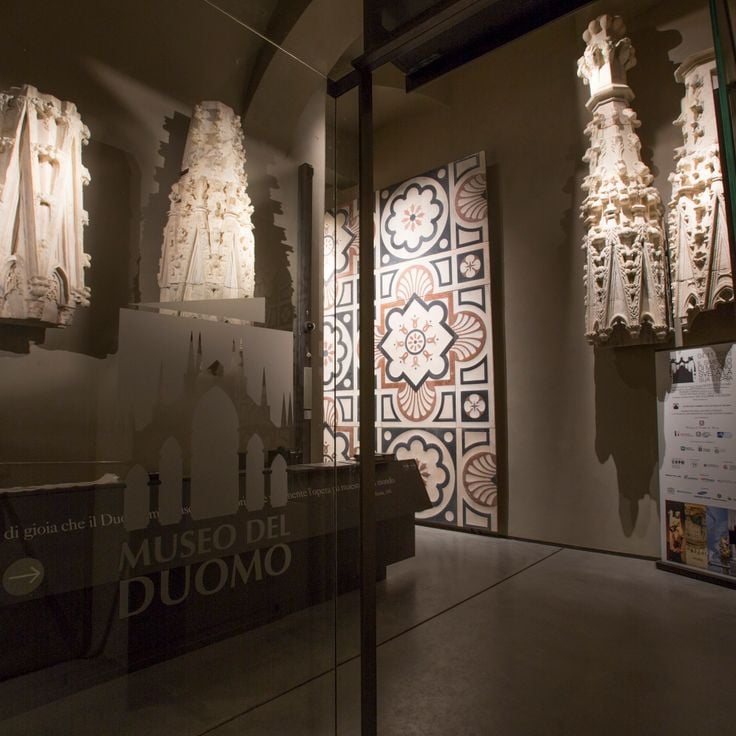
The Duomo di Milano stands in Milan as one of Europe's largest religious buildings. This cathedral impresses with its detailed Gothic design and an elaborate roofline covered in countless spires and ornaments. Construction stretched across many centuries and demonstrates building techniques from different periods. Visitors can see the richly decorated facades and learn about Milan's history and the spiritual traditions that shaped this region.
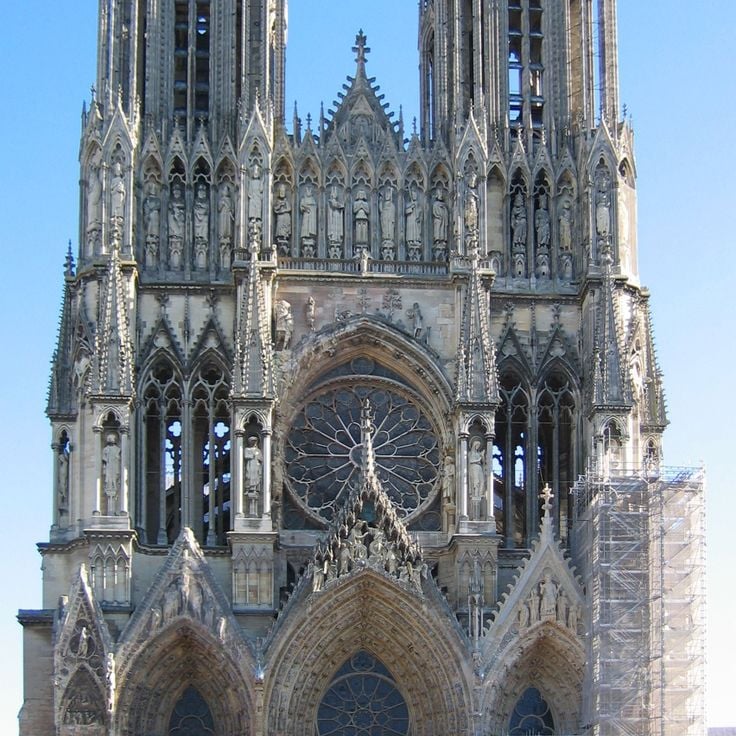
This cathedral is where French kings were crowned throughout history. Notre-Dame de Reims stands as a Gothic structure with high vaults and intricately carved facades. Walking through it gives you a sense of the power and tradition that shaped French monarchy and the skilled craftsmanship required to build such a vast stone building.
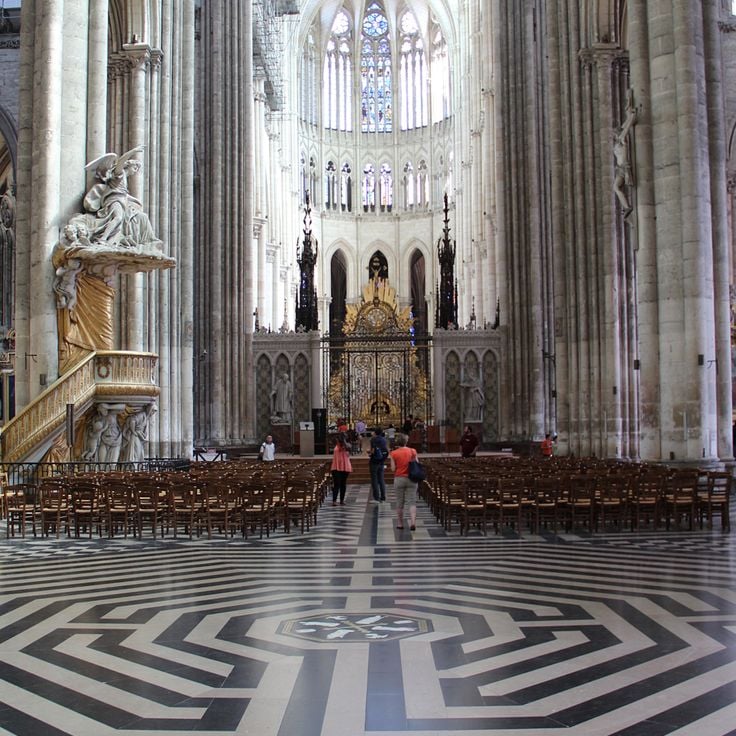
Amiens Cathedral is a gothic structure of impressive scale and one of France's largest cathedrals. It stands as an important witness to European architectural history, displaying the construction techniques and religious beliefs of its era. Visitors can trace the evolution of gothic architecture spanning several centuries through this building.
Strasbourg's Cathedral Notre-Dame stands as a remarkable example of flamboyant Gothic architecture, distinguished by its asymmetrical facade. This building showcases intricate stonework that developed over many centuries. Visitors can explore the craftsmanship and discover how this cathedral reflects the history and traditions of its region.
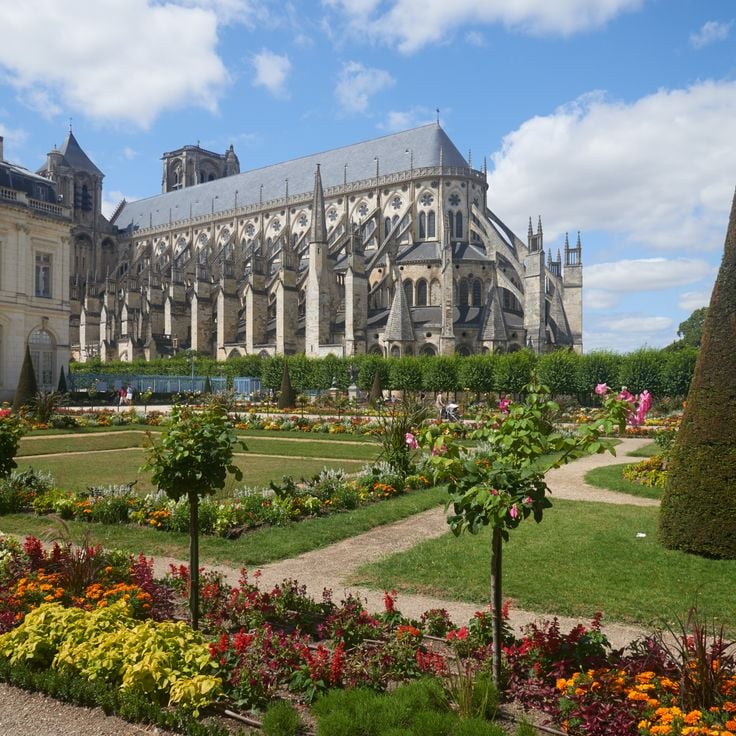
The Cathedral of Saint-Etienne in Bourges displays the skill of Gothic architecture with its balanced proportions and colored glass windows. Built over several centuries, this structure reflects the construction techniques of different periods. The cathedral tells the story of its region and invites visitors to understand how religious buildings evolved across Europe.
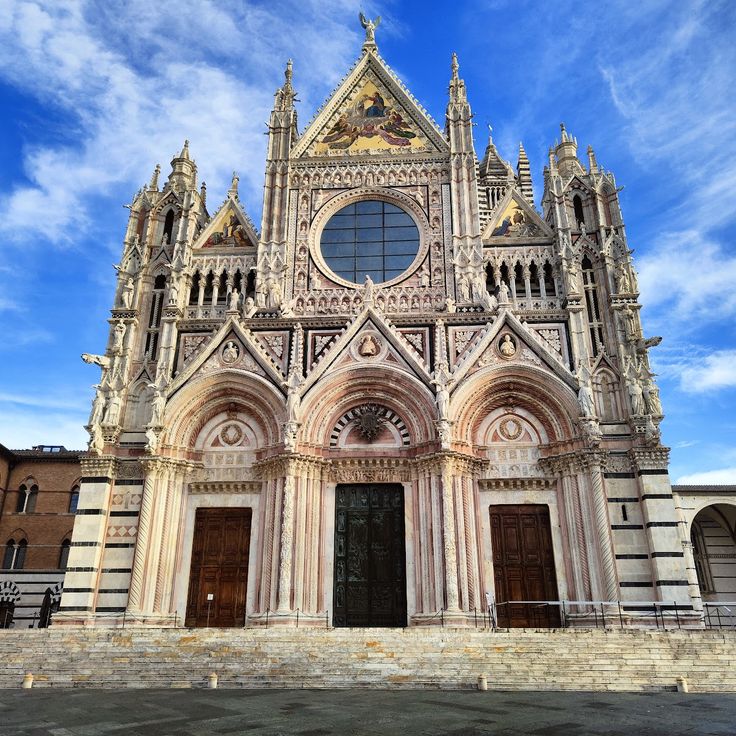
This cathedral in Siena is a masterwork of Gothic architecture, known for its facade of white and green marble with horizontal stripes. The interior impresses with rich decorations, including intricate mosaic floors and artistic stained glass windows. The cathedral demonstrates the building skills and artistic ambition of Italian city-states during the Middle Ages.
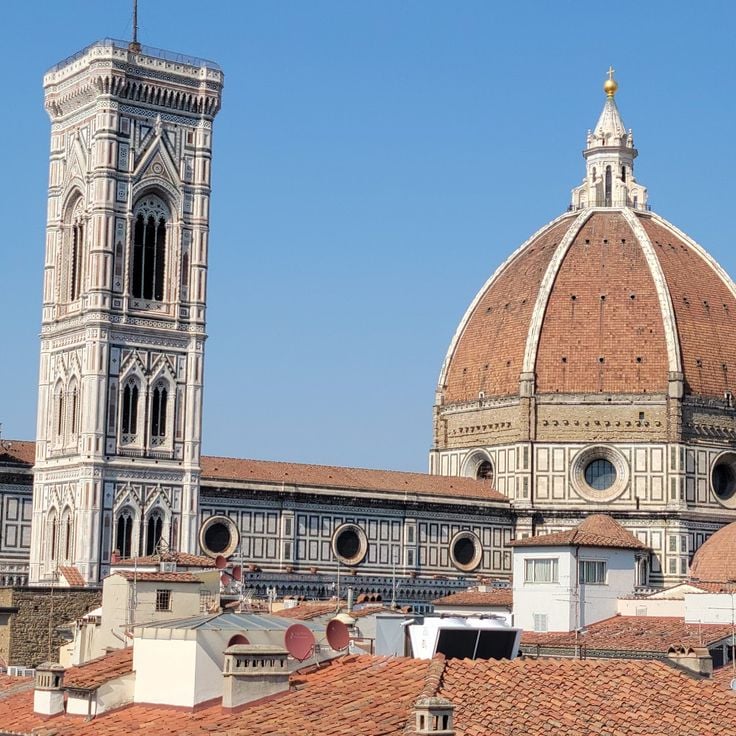
The Cathedral of Santa Maria del Fiore in Florence is a masterpiece of Gothic architecture, defined by the renowned dome designed by Brunelleschi. This structure demonstrates the technical innovations and artistic accomplishments that shaped Italian architecture during the medieval and Renaissance periods. The cathedral embodies Florence's history and reveals to visitors the construction methods and cultural beliefs that developed across several centuries.
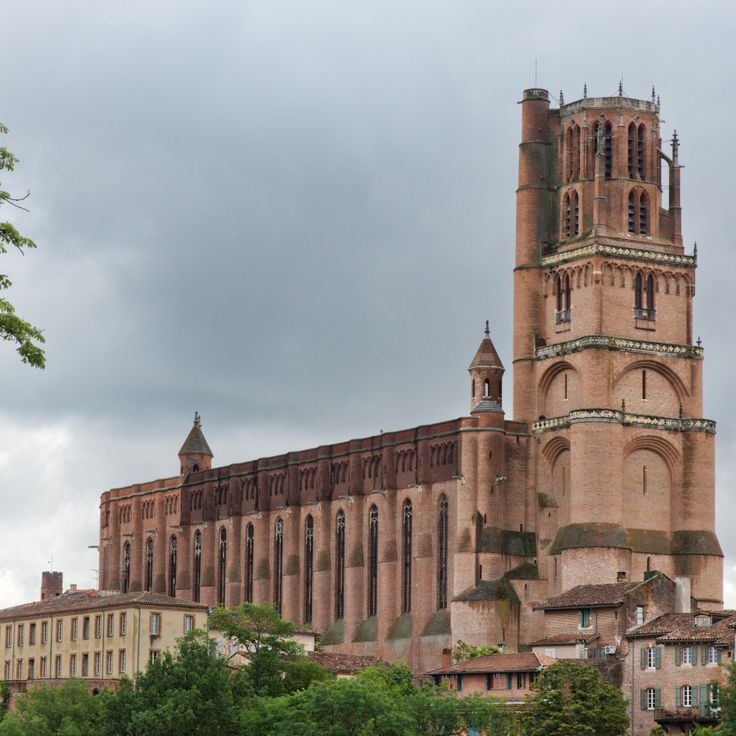
The Cathedral of Albi rises above the city in red brick, displaying the southern Gothic style. This building tells the story of the region through its solid walls and bold forms. Visitors can discover here the techniques and beliefs of several centuries, preserved in stone and brick.
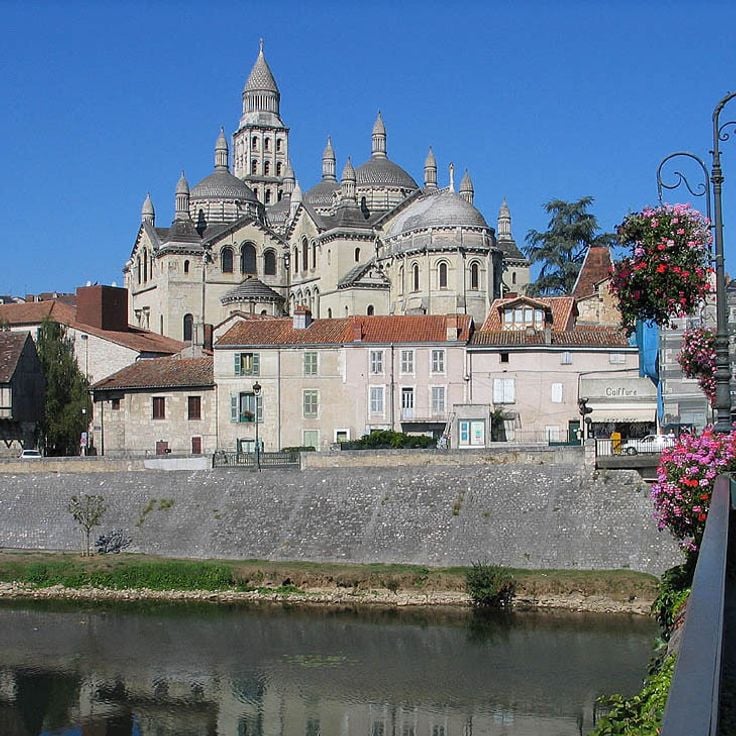
The Cathedral of Saint-Front in Périgueux is a Romanesque building with characteristic Byzantine domes. This cathedral shows how medieval architects combined different architectural styles. The structure was built over several centuries and displays the artistic techniques of different periods. Visitors can explore the craftsmanship and religious beliefs of earlier generations.
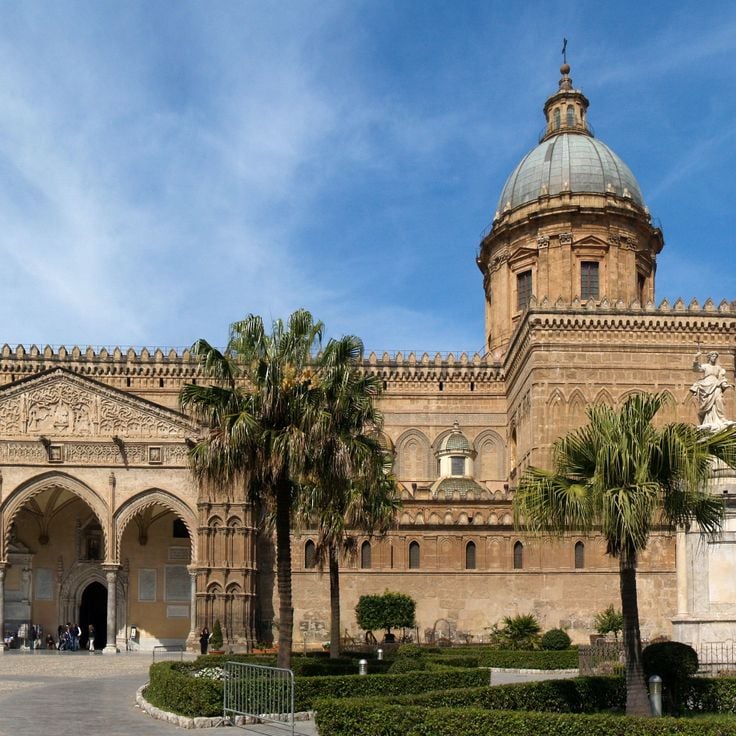
The Cathedral of Palermo combines Norman, Gothic, and Baroque elements in a building that reflects the cultural diversity of Sicily. Its architecture tells the story of different periods and shows how various cultures came together on the island. Construction of this cathedral spanned several centuries, making it an important landmark of European heritage.
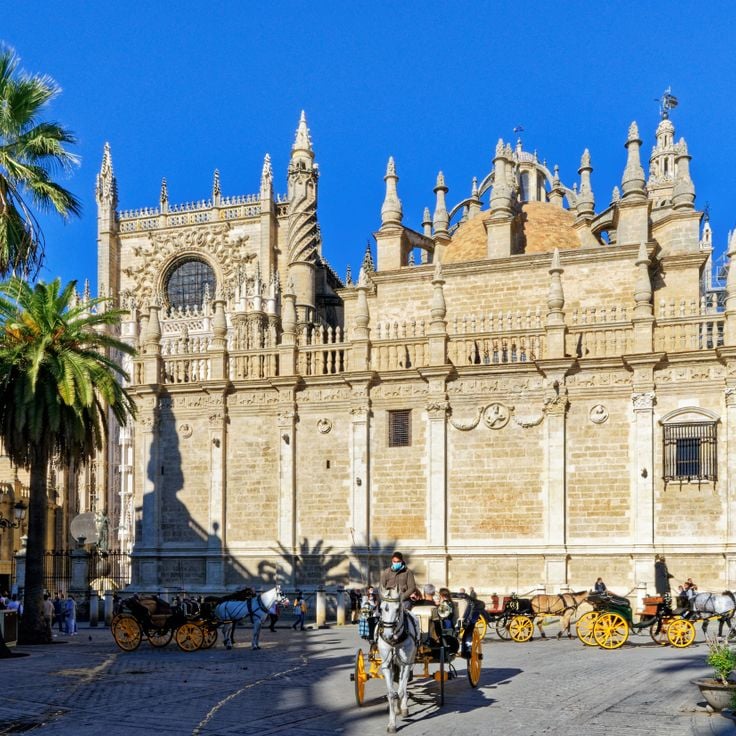
The Cathedral of Seville rises from the foundations of a former mosque, reflecting the layered history of the city. This Gothic structure took shape over centuries and houses remarkable artworks along with the tomb of Christopher Columbus. The cathedral tells the story of a region where different cultures and religions have left their mark.
Saint Mark's Cathedral is an architectural masterpiece that blends Byzantine and Oriental elements. This building shows Venice's history as a trading power and center of faith. The structure tells the story of the city through its decoration and construction across several centuries.
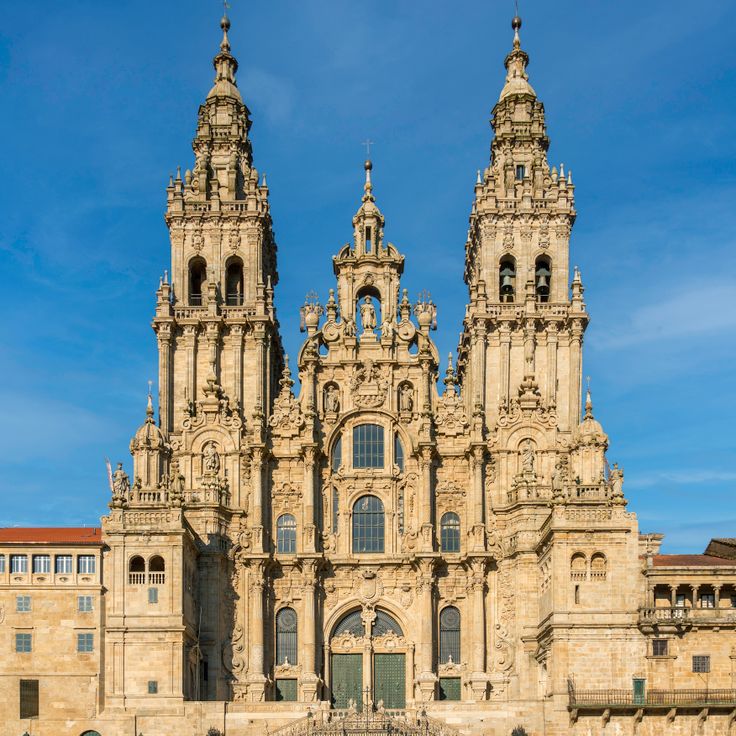
The Cathedral of Santiago de Compostela is a Romanesque building and the destination of the famous pilgrimage route known as the Way of St. James. It shows the architecture and craftsmanship of the Middle Ages and stands as a record of centuries of religious devotion and pilgrimages that have shaped its walls.
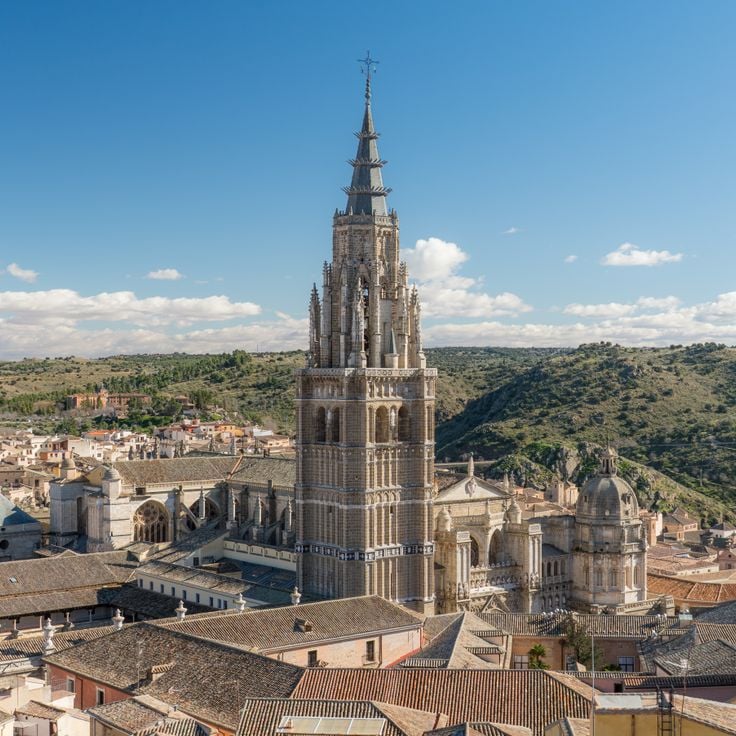
The Cathedral of Toledo is a Gothic structure that rises above the historic city of Toledo. It shows the development of Gothic architecture over multiple centuries. The building preserves artworks that document life in the Middle Ages and early modern period. The interior with its stained glass windows and columns conveys an impression of religious practices and craftsmanship from past ages. Visitors experience the spiritual history of one of Spain's most important cities.
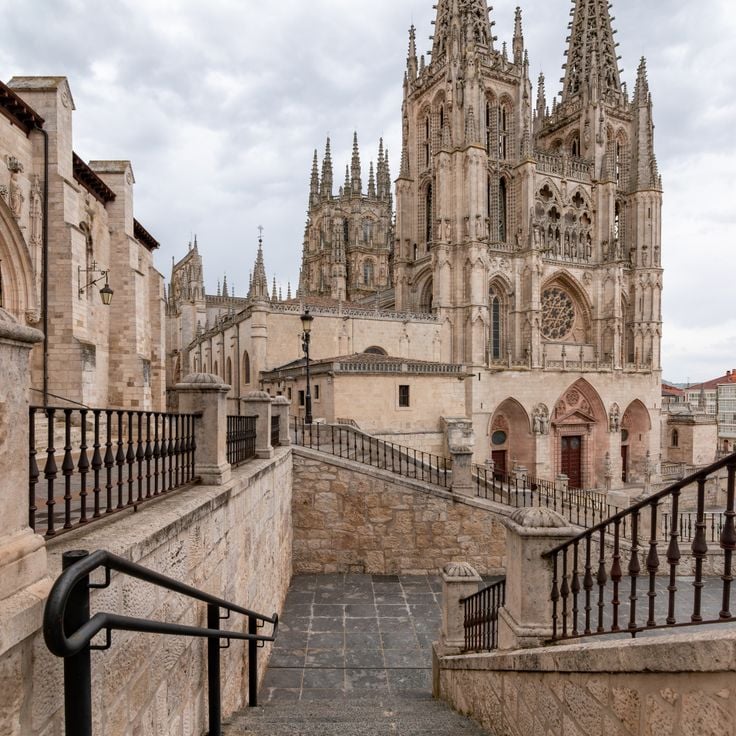
This cathedral stands in Burgos as a Gothic masterpiece. Its towers rise high with ornate stone carvings covering every surface. Inside, colored windows scatter light in soft hues throughout the space. Construction took place over centuries, and you can see the different building styles layered throughout the structure. This church tells the story of its city and shows how people in medieval times built and worshipped.
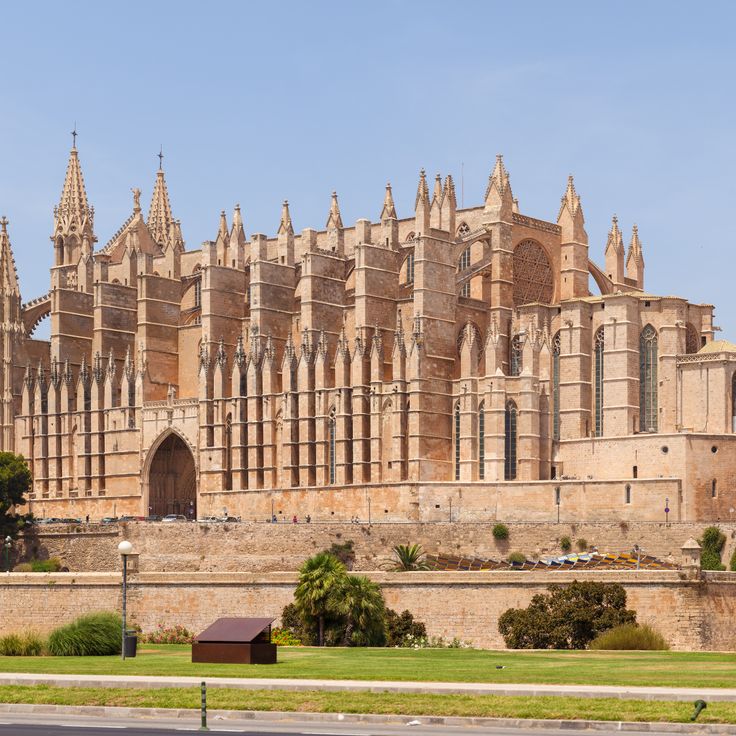
La Seu is a Gothic cathedral in Palma that overlooks the bay. This cathedral shows the distinctive architecture of the Balearic Islands and impresses with its position by the water. The building was constructed over several centuries and reflects the religious and cultural history of the region. Visitors can discover the construction techniques of different periods and learn about the traditions of Majorca.
St Paul's Cathedral is a London Baroque building with a distinctive dome. This cathedral represents the architectural and spiritual history of England. Visitors can see centuries-old building traditions and artistic achievements here. The building shows how religious spaces have developed across generations.
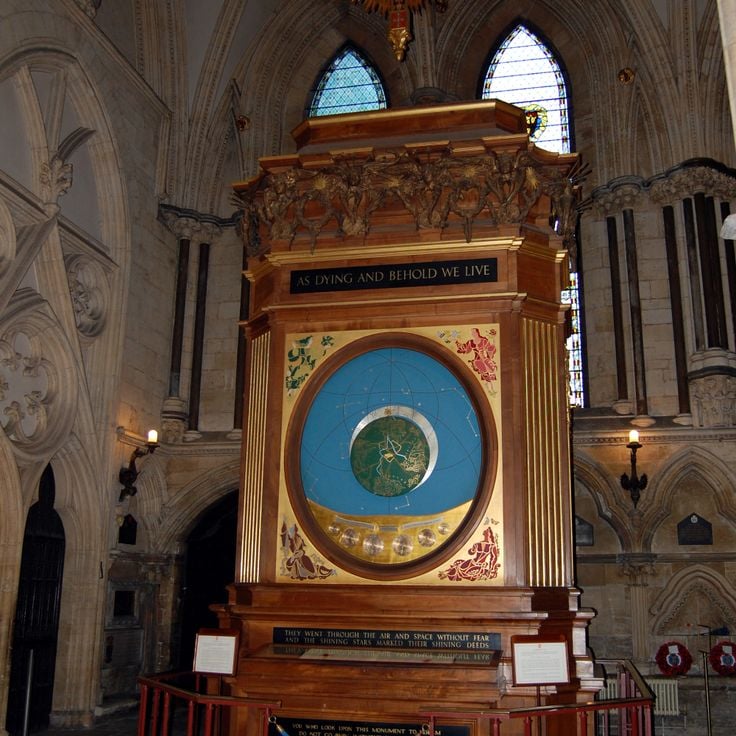
York Minster is an English cathedral built in the Gothic style. The building stands out for its large stained glass windows that fill the interior with light. This cathedral shows the craftsmanship of different periods and tells the story of the York region. Visitors can trace the development of English architecture across several centuries within its walls.
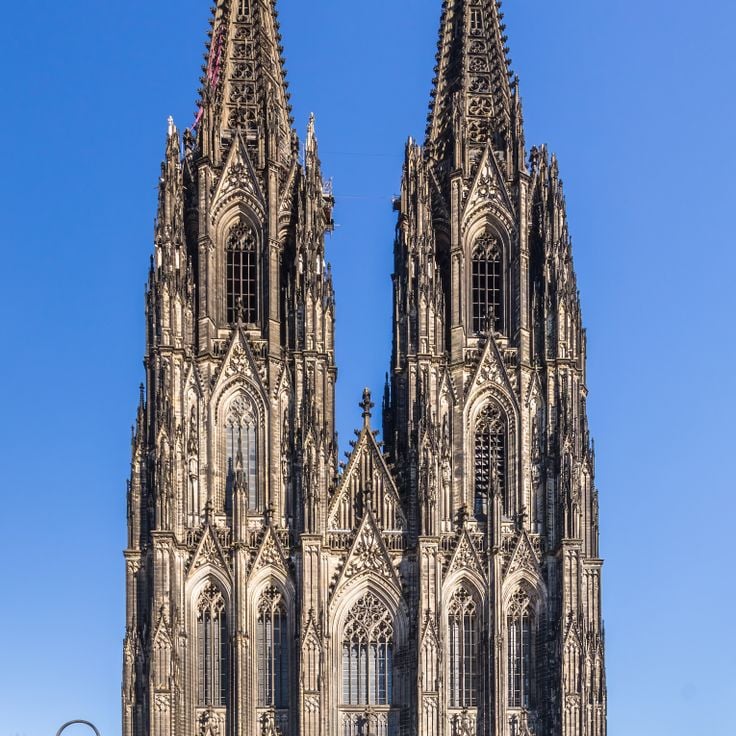
Cologne Cathedral is a Gothic cathedral featuring two distinctive towers that rise above the city. The building took shape over several centuries and shows how Gothic architecture developed over time. Visitors can see the detailed stone carvings, colored windows, and the interior spaces created by craftsmen from different periods.
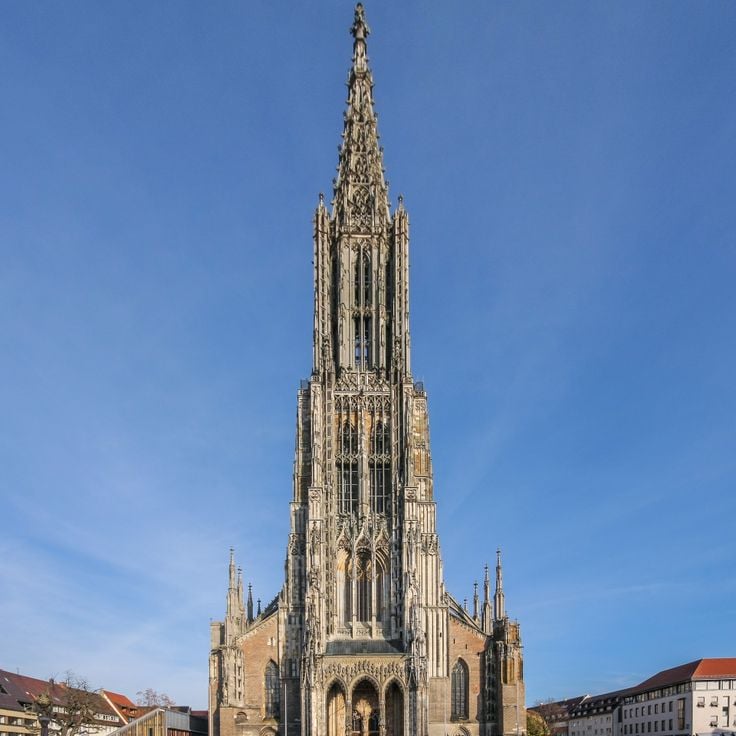
Ulm Cathedral is a Gothic building with the highest church spire in Germany. This cathedral shows the craftsmanship of stonemasons across centuries. The cathedral tells the story of the city of Ulm and its people through its architecture. Visitors can discover here the techniques of medieval builders and the faith of different periods.
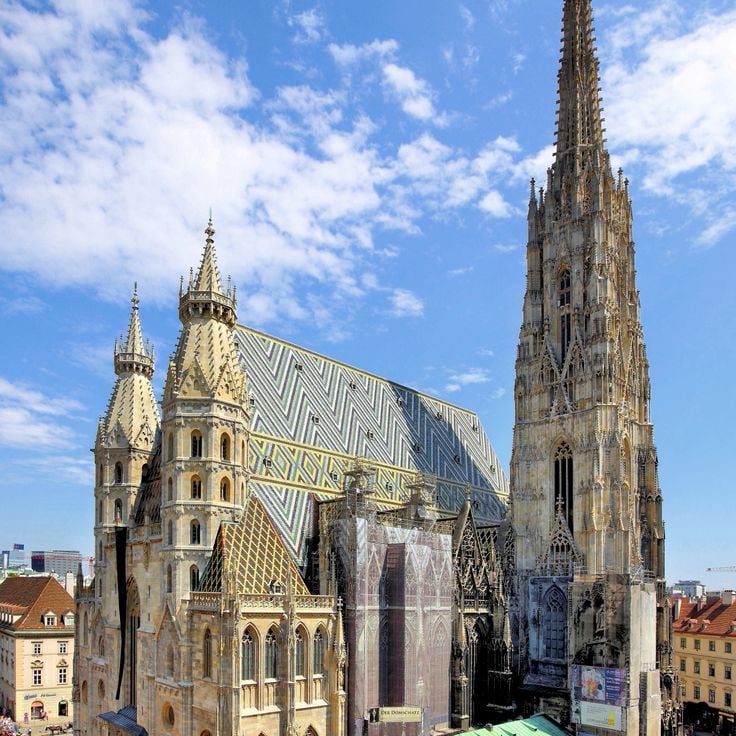
St. Stephen's Cathedral is Vienna's most recognizable landmark and holds artworks of great historical importance. This Gothic structure was built over several centuries, showing building traditions from different periods. Its colorful roof tiles are visible from far away and define the city's appearance. The cathedral tells the region's story through its architecture, artworks, and the people who have passed through it.
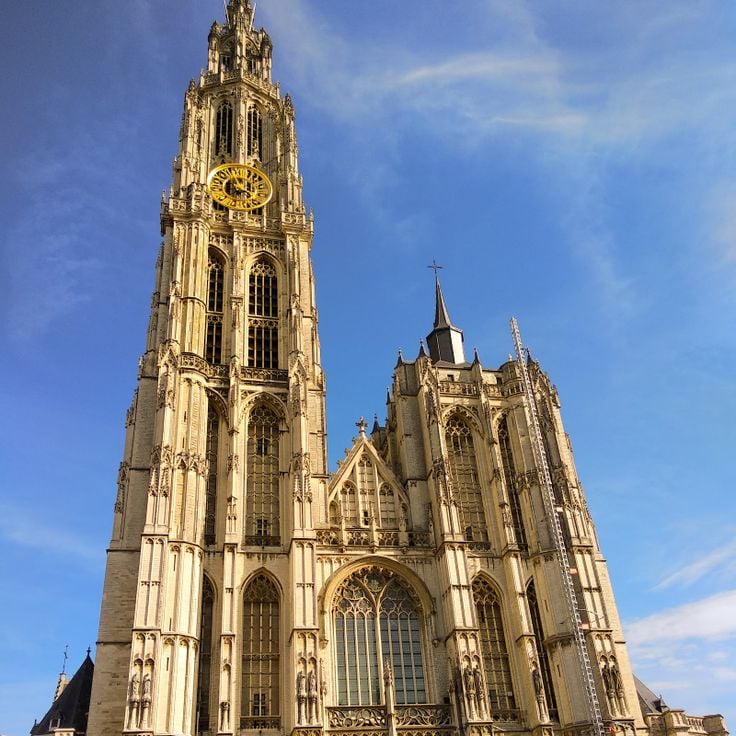
Antwerp's Cathedral of Notre-Dame is a Gothic structure in Belgium topped by a striking spire. It is part of a selection of roughly thirty major European cathedrals chosen for their architectural, historical, and spiritual value. This cathedral tells the story of its region and offers visitors insight into the building techniques and beliefs of different periods.
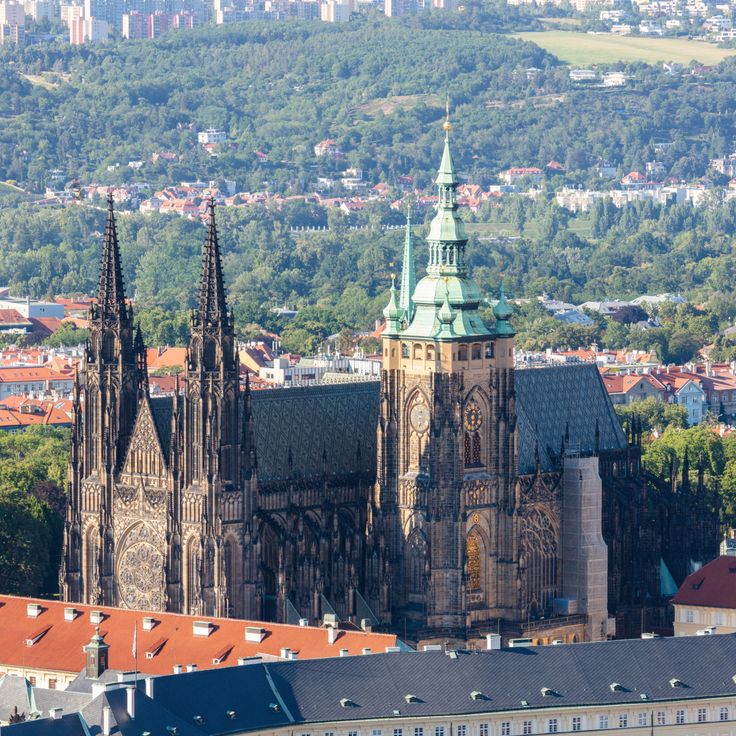
St. Vitus Cathedral in Prague is a Gothic structure that rises above Prague Castle. This cathedral tells the story of Bohemia through its architecture and artistic decoration. Visitors can discover the construction techniques of multiple centuries here and understand what role this building played in the religious and political history of the region.
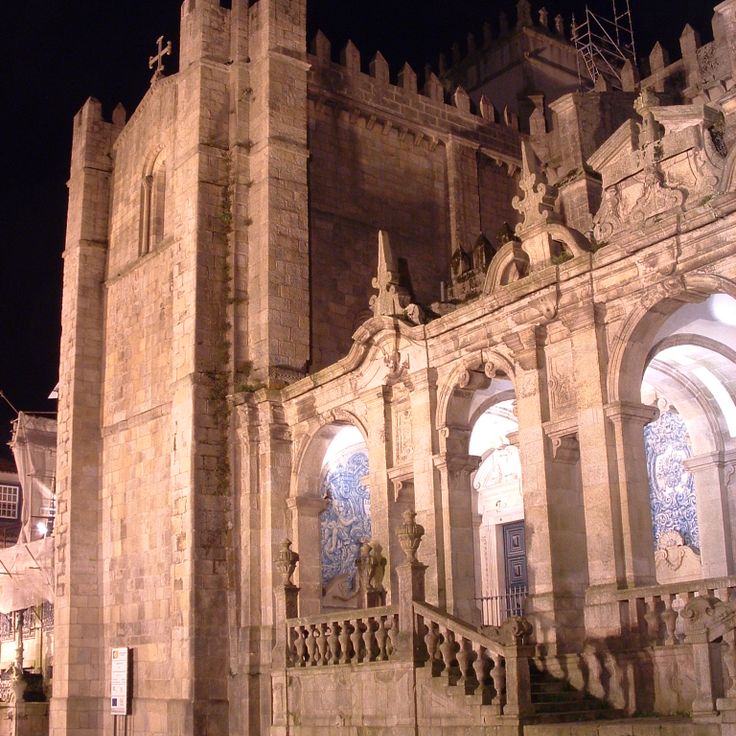
This cathedral in Porto displays Portuguese architecture from the Romanesque and Gothic periods. It stands as a witness to the religious and cultural history of the city and tells of the building styles of different eras. Visitors can see here the craftsmanship that was applied over centuries.
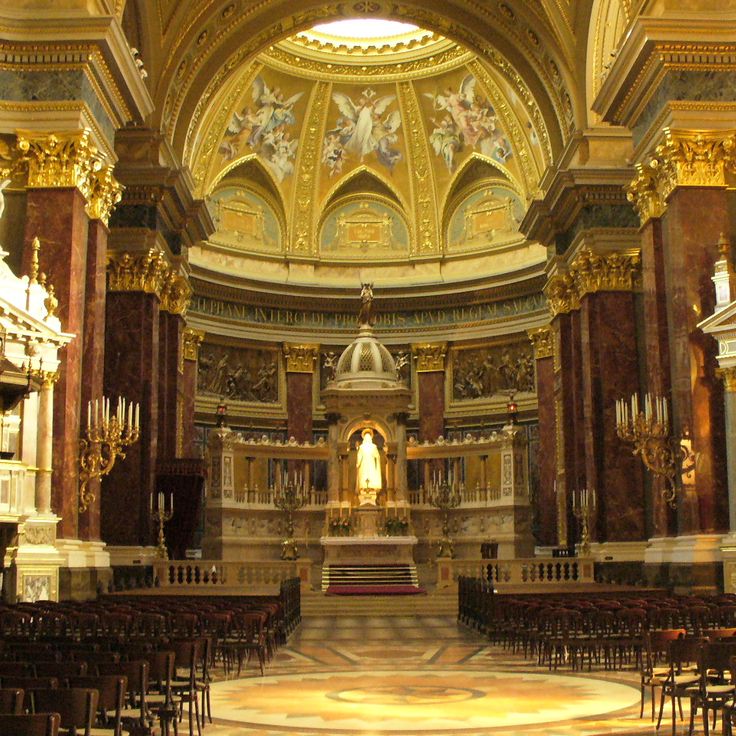
Saint Stephen's Basilica in Budapest is a masterpiece of Catholic architecture with its commanding dome and rich interior furnishings. This building tells the story of Hungary and showcases the craftsmanship of various periods that went into its construction. Visitors can discover here the techniques and beliefs of earlier times through the carefully crafted details and the spiritual presence of this religious site.
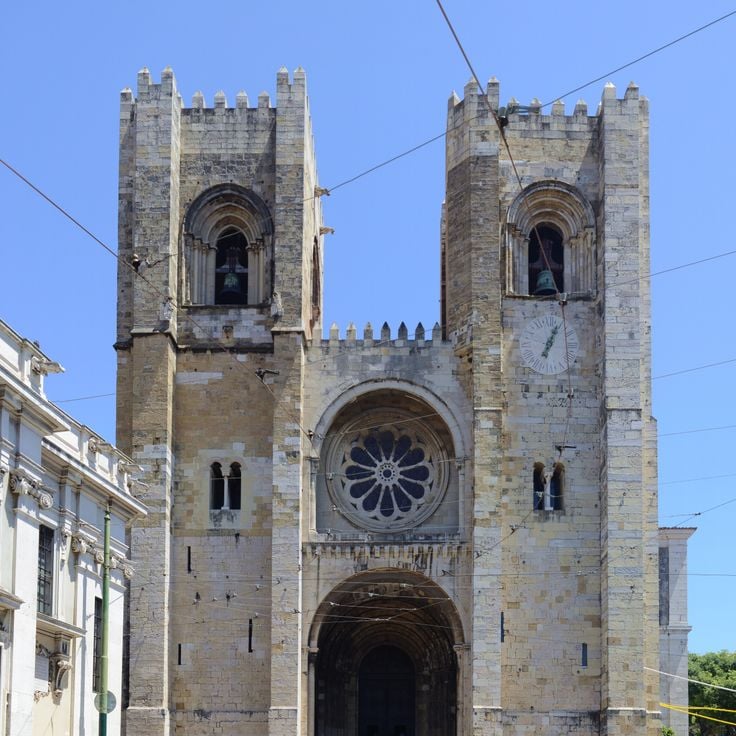
Lisbon Cathedral is a fortified church building from the 12th century. It shows the architecture and building methods of the medieval period and tells the story of Lisbon through its stone walls and interior design. Visitors can see here how people built during this era and what they believed in.
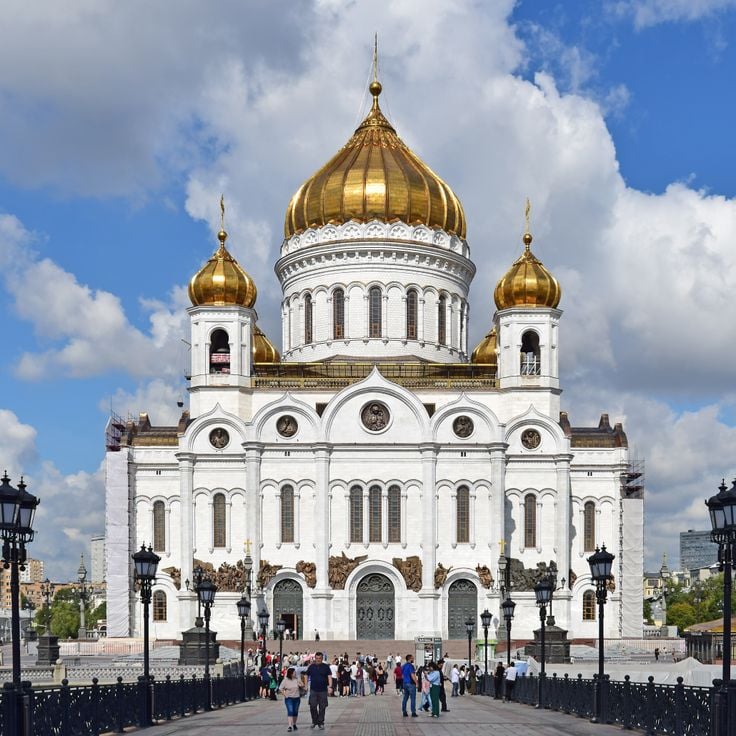
The Cathedral of Christ the Savior in Moscow is a Russian Orthodox cathedral rebuilt from a historic structure. Visitors can see how this building reflects Orthodox religious traditions and construction techniques. The cathedral shows the architectural style of Russian religious buildings. Inside, you find spaces dedicated to Orthodox faith and worship. This church tells the story of Moscow and Russian spiritual heritage.
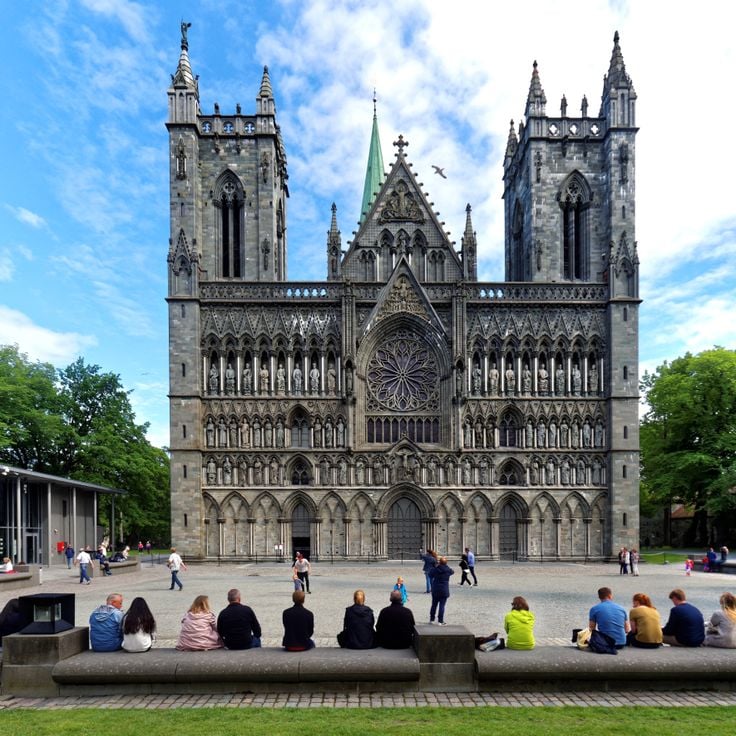
Nidaros Cathedral stands as a white stone romanesque structure in Trondheim, showing the architecture and faith of medieval Scandinavia. Built over centuries, this cathedral tells the story of its city and region through its construction techniques and role as a religious center across different periods.
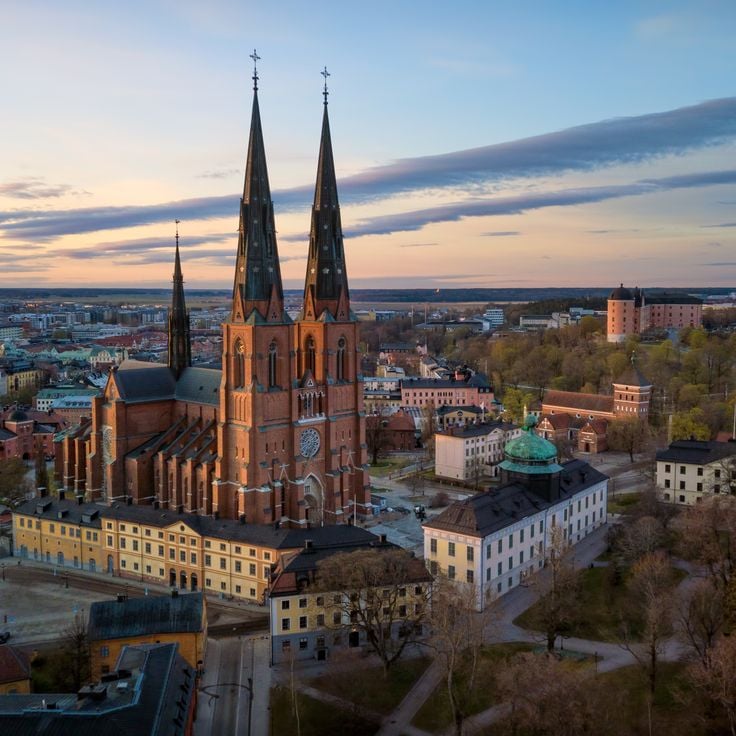
Uppsala Cathedral is the largest cathedral in Northern Europe and displays Gothic architecture from Scandinavia. The building shows the craftsmanship of several centuries and tells the story of the region through its structural elements and interior spaces. Visitors can see how religious buildings developed across Northern and Central Europe.
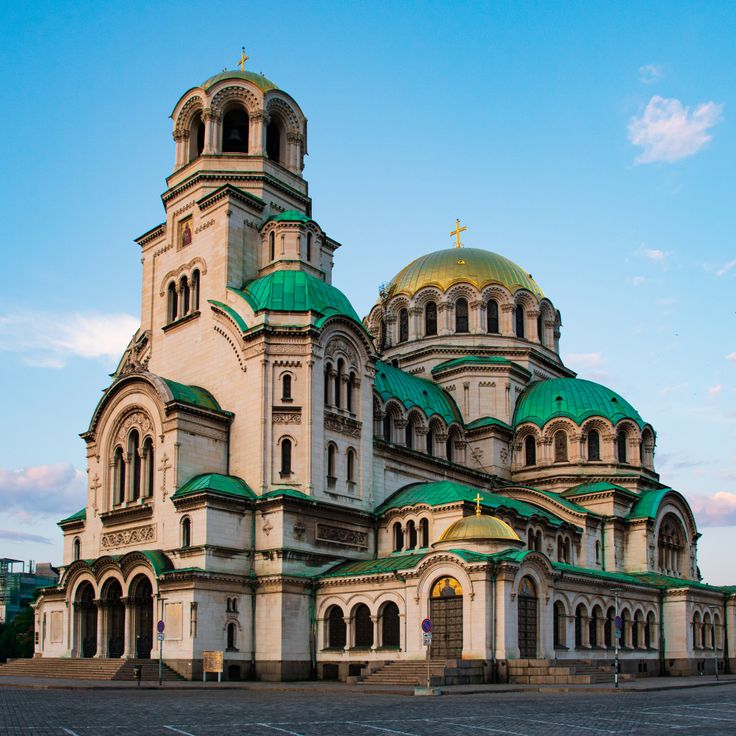
This Orthodox cathedral in Sofia is topped with a gilded dome that rises above the city. Inside, visitors find decorated icons and carefully crafted mosaics that show the style of Bulgarian religious architecture from the 19th century. The building tells the story of Bulgaria during a time of religious and national rebirth.
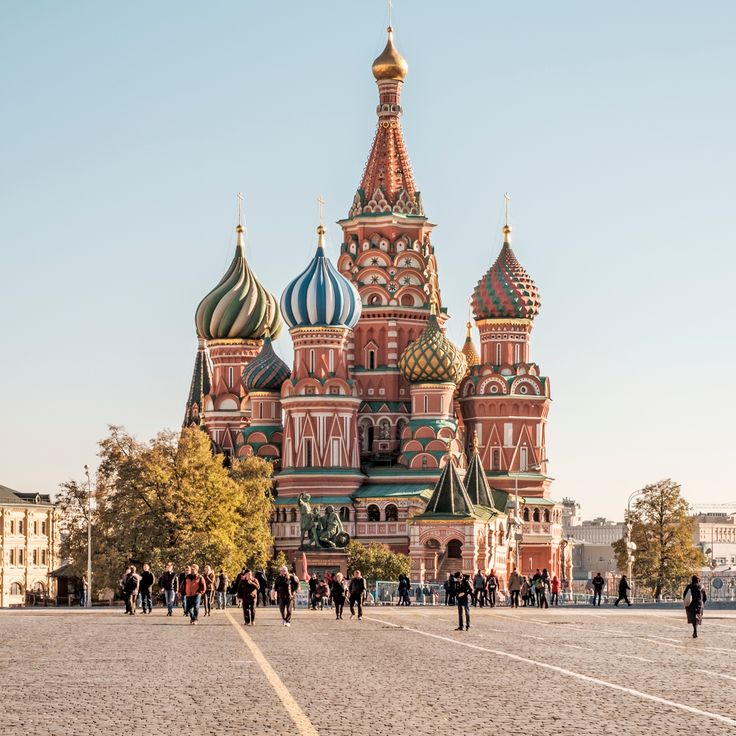
Saint Basil's Cathedral is an Orthodox sanctuary with its characteristic colorful domes rising above Red Square. This building shows Russian architectural traditions and the spiritual beliefs of Moscow. Visitors can explore the construction techniques and artistic achievements that span different periods of history.
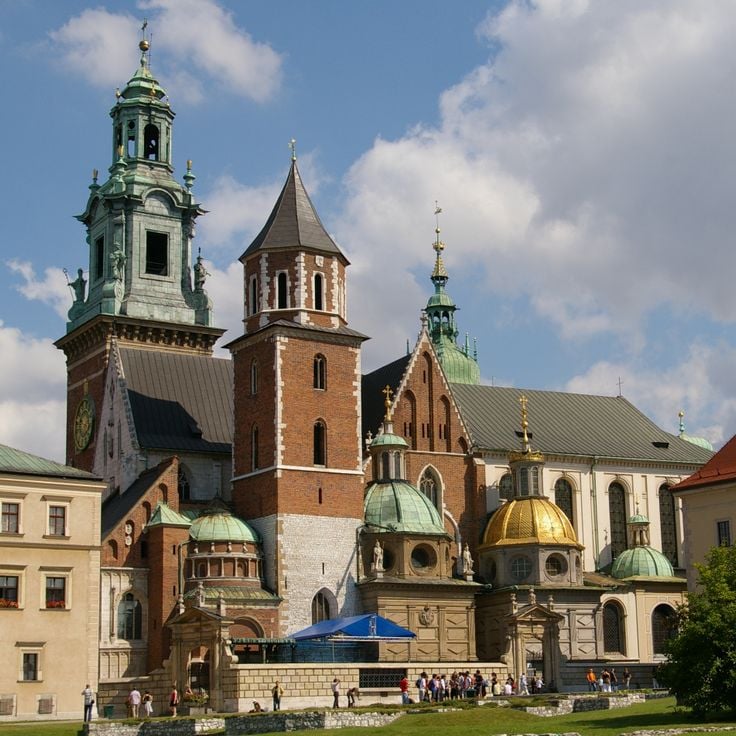
The Wawel Cathedral in Krakow was where Polish kings were crowned. It sits on a hilltop above the city and displays building styles from many different periods. Visitors see here history spanning several centuries, from Romanesque to Renaissance. The church is an important symbol for the Polish people and their faith.
Notre-Dame de Paris sits on the Île de la Cité and shows the height of Gothic architecture with its pointed arches and detailed stonework. Built and changed over centuries, it reflects the building techniques of different periods. Visitors can see the carved stone, the large windows, and the overall design that documents how religious buildings were constructed and what they meant to the people who worshipped there.
The Cathedral Notre-Dame de Chartres is a Gothic structure with soaring lines and remarkable stained glass windows. It demonstrates the craftsmanship of different periods and tells the story of its region through artistic design. This cathedral belongs to a significant collection of European cathedrals chosen for their architectural, historical, and spiritual importance.
The Duomo di Milano stands in Milan as one of Europe's largest religious buildings. This cathedral impresses with its detailed Gothic design and an elaborate roofline covered in countless spires and ornaments. Construction stretched across many centuries and demonstrates building techniques from different periods. Visitors can see the richly decorated facades and learn about Milan's history and the spiritual traditions that shaped this region.
This cathedral is where French kings were crowned throughout history. Notre-Dame de Reims stands as a Gothic structure with high vaults and intricately carved facades. Walking through it gives you a sense of the power and tradition that shaped French monarchy and the skilled craftsmanship required to build such a vast stone building.
Amiens Cathedral is a gothic structure of impressive scale and one of France's largest cathedrals. It stands as an important witness to European architectural history, displaying the construction techniques and religious beliefs of its era. Visitors can trace the evolution of gothic architecture spanning several centuries through this building.
Strasbourg's Cathedral Notre-Dame stands as a remarkable example of flamboyant Gothic architecture, distinguished by its asymmetrical facade. This building showcases intricate stonework that developed over many centuries. Visitors can explore the craftsmanship and discover how this cathedral reflects the history and traditions of its region.
The Cathedral of Saint-Etienne in Bourges displays the skill of Gothic architecture with its balanced proportions and colored glass windows. Built over several centuries, this structure reflects the construction techniques of different periods. The cathedral tells the story of its region and invites visitors to understand how religious buildings evolved across Europe.
This cathedral in Siena is a masterwork of Gothic architecture, known for its facade of white and green marble with horizontal stripes. The interior impresses with rich decorations, including intricate mosaic floors and artistic stained glass windows. The cathedral demonstrates the building skills and artistic ambition of Italian city-states during the Middle Ages.
The Cathedral of Santa Maria del Fiore in Florence is a masterpiece of Gothic architecture, defined by the renowned dome designed by Brunelleschi. This structure demonstrates the technical innovations and artistic accomplishments that shaped Italian architecture during the medieval and Renaissance periods. The cathedral embodies Florence's history and reveals to visitors the construction methods and cultural beliefs that developed across several centuries.
The Cathedral of Albi rises above the city in red brick, displaying the southern Gothic style. This building tells the story of the region through its solid walls and bold forms. Visitors can discover here the techniques and beliefs of several centuries, preserved in stone and brick.
The Cathedral of Saint-Front in Périgueux is a Romanesque building with characteristic Byzantine domes. This cathedral shows how medieval architects combined different architectural styles. The structure was built over several centuries and displays the artistic techniques of different periods. Visitors can explore the craftsmanship and religious beliefs of earlier generations.
The Cathedral of Palermo combines Norman, Gothic, and Baroque elements in a building that reflects the cultural diversity of Sicily. Its architecture tells the story of different periods and shows how various cultures came together on the island. Construction of this cathedral spanned several centuries, making it an important landmark of European heritage.
The Cathedral of Seville rises from the foundations of a former mosque, reflecting the layered history of the city. This Gothic structure took shape over centuries and houses remarkable artworks along with the tomb of Christopher Columbus. The cathedral tells the story of a region where different cultures and religions have left their mark.
Saint Mark's Cathedral is an architectural masterpiece that blends Byzantine and Oriental elements. This building shows Venice's history as a trading power and center of faith. The structure tells the story of the city through its decoration and construction across several centuries.
The Cathedral of Santiago de Compostela is a Romanesque building and the destination of the famous pilgrimage route known as the Way of St. James. It shows the architecture and craftsmanship of the Middle Ages and stands as a record of centuries of religious devotion and pilgrimages that have shaped its walls.
The Cathedral of Toledo is a Gothic structure that rises above the historic city of Toledo. It shows the development of Gothic architecture over multiple centuries. The building preserves artworks that document life in the Middle Ages and early modern period. The interior with its stained glass windows and columns conveys an impression of religious practices and craftsmanship from past ages. Visitors experience the spiritual history of one of Spain's most important cities.
This cathedral stands in Burgos as a Gothic masterpiece. Its towers rise high with ornate stone carvings covering every surface. Inside, colored windows scatter light in soft hues throughout the space. Construction took place over centuries, and you can see the different building styles layered throughout the structure. This church tells the story of its city and shows how people in medieval times built and worshipped.
La Seu is a Gothic cathedral in Palma that overlooks the bay. This cathedral shows the distinctive architecture of the Balearic Islands and impresses with its position by the water. The building was constructed over several centuries and reflects the religious and cultural history of the region. Visitors can discover the construction techniques of different periods and learn about the traditions of Majorca.
St Paul's Cathedral is a London Baroque building with a distinctive dome. This cathedral represents the architectural and spiritual history of England. Visitors can see centuries-old building traditions and artistic achievements here. The building shows how religious spaces have developed across generations.
York Minster is an English cathedral built in the Gothic style. The building stands out for its large stained glass windows that fill the interior with light. This cathedral shows the craftsmanship of different periods and tells the story of the York region. Visitors can trace the development of English architecture across several centuries within its walls.
Cologne Cathedral is a Gothic cathedral featuring two distinctive towers that rise above the city. The building took shape over several centuries and shows how Gothic architecture developed over time. Visitors can see the detailed stone carvings, colored windows, and the interior spaces created by craftsmen from different periods.
Ulm Cathedral is a Gothic building with the highest church spire in Germany. This cathedral shows the craftsmanship of stonemasons across centuries. The cathedral tells the story of the city of Ulm and its people through its architecture. Visitors can discover here the techniques of medieval builders and the faith of different periods.
St. Stephen's Cathedral is Vienna's most recognizable landmark and holds artworks of great historical importance. This Gothic structure was built over several centuries, showing building traditions from different periods. Its colorful roof tiles are visible from far away and define the city's appearance. The cathedral tells the region's story through its architecture, artworks, and the people who have passed through it.
Antwerp's Cathedral of Notre-Dame is a Gothic structure in Belgium topped by a striking spire. It is part of a selection of roughly thirty major European cathedrals chosen for their architectural, historical, and spiritual value. This cathedral tells the story of its region and offers visitors insight into the building techniques and beliefs of different periods.
St. Vitus Cathedral in Prague is a Gothic structure that rises above Prague Castle. This cathedral tells the story of Bohemia through its architecture and artistic decoration. Visitors can discover the construction techniques of multiple centuries here and understand what role this building played in the religious and political history of the region.
This cathedral in Porto displays Portuguese architecture from the Romanesque and Gothic periods. It stands as a witness to the religious and cultural history of the city and tells of the building styles of different eras. Visitors can see here the craftsmanship that was applied over centuries.
Saint Stephen's Basilica in Budapest is a masterpiece of Catholic architecture with its commanding dome and rich interior furnishings. This building tells the story of Hungary and showcases the craftsmanship of various periods that went into its construction. Visitors can discover here the techniques and beliefs of earlier times through the carefully crafted details and the spiritual presence of this religious site.
Lisbon Cathedral is a fortified church building from the 12th century. It shows the architecture and building methods of the medieval period and tells the story of Lisbon through its stone walls and interior design. Visitors can see here how people built during this era and what they believed in.
The Cathedral of Christ the Savior in Moscow is a Russian Orthodox cathedral rebuilt from a historic structure. Visitors can see how this building reflects Orthodox religious traditions and construction techniques. The cathedral shows the architectural style of Russian religious buildings. Inside, you find spaces dedicated to Orthodox faith and worship. This church tells the story of Moscow and Russian spiritual heritage.
Nidaros Cathedral stands as a white stone romanesque structure in Trondheim, showing the architecture and faith of medieval Scandinavia. Built over centuries, this cathedral tells the story of its city and region through its construction techniques and role as a religious center across different periods.
Uppsala Cathedral is the largest cathedral in Northern Europe and displays Gothic architecture from Scandinavia. The building shows the craftsmanship of several centuries and tells the story of the region through its structural elements and interior spaces. Visitors can see how religious buildings developed across Northern and Central Europe.
This Orthodox cathedral in Sofia is topped with a gilded dome that rises above the city. Inside, visitors find decorated icons and carefully crafted mosaics that show the style of Bulgarian religious architecture from the 19th century. The building tells the story of Bulgaria during a time of religious and national rebirth.
Saint Basil's Cathedral is an Orthodox sanctuary with its characteristic colorful domes rising above Red Square. This building shows Russian architectural traditions and the spiritual beliefs of Moscow. Visitors can explore the construction techniques and artistic achievements that span different periods of history.
The Wawel Cathedral in Krakow was where Polish kings were crowned. It sits on a hilltop above the city and displays building styles from many different periods. Visitors see here history spanning several centuries, from Romanesque to Renaissance. The church is an important symbol for the Polish people and their faith.
Notre-Dame de Paris sits on the Île de la Cité and shows the height of Gothic architecture with its pointed arches and detailed stonework. Built and changed over centuries, it reflects the building techniques of different periods. Visitors can see the carved stone, the large windows, and the overall design that documents how religious buildings were constructed and what they meant to the people who worshipped there.
The Cathedral Notre-Dame de Chartres is a Gothic structure with soaring lines and remarkable stained glass windows. It demonstrates the craftsmanship of different periods and tells the story of its region through artistic design. This cathedral belongs to a significant collection of European cathedrals chosen for their architectural, historical, and spiritual importance.
The Duomo di Milano stands in Milan as one of Europe's largest religious buildings. This cathedral impresses with its detailed Gothic design and an elaborate roofline covered in countless spires and ornaments. Construction stretched across many centuries and demonstrates building techniques from different periods. Visitors can see the richly decorated facades and learn about Milan's history and the spiritual traditions that shaped this region.
This cathedral is where French kings were crowned throughout history. Notre-Dame de Reims stands as a Gothic structure with high vaults and intricately carved facades. Walking through it gives you a sense of the power and tradition that shaped French monarchy and the skilled craftsmanship required to build such a vast stone building.
Amiens Cathedral is a gothic structure of impressive scale and one of France's largest cathedrals. It stands as an important witness to European architectural history, displaying the construction techniques and religious beliefs of its era. Visitors can trace the evolution of gothic architecture spanning several centuries through this building.
Strasbourg's Cathedral Notre-Dame stands as a remarkable example of flamboyant Gothic architecture, distinguished by its asymmetrical facade. This building showcases intricate stonework that developed over many centuries. Visitors can explore the craftsmanship and discover how this cathedral reflects the history and traditions of its region.
The Cathedral of Saint-Etienne in Bourges displays the skill of Gothic architecture with its balanced proportions and colored glass windows. Built over several centuries, this structure reflects the construction techniques of different periods. The cathedral tells the story of its region and invites visitors to understand how religious buildings evolved across Europe.
This cathedral in Siena is a masterwork of Gothic architecture, known for its facade of white and green marble with horizontal stripes. The interior impresses with rich decorations, including intricate mosaic floors and artistic stained glass windows. The cathedral demonstrates the building skills and artistic ambition of Italian city-states during the Middle Ages.
The Cathedral of Santa Maria del Fiore in Florence is a masterpiece of Gothic architecture, defined by the renowned dome designed by Brunelleschi. This structure demonstrates the technical innovations and artistic accomplishments that shaped Italian architecture during the medieval and Renaissance periods. The cathedral embodies Florence's history and reveals to visitors the construction methods and cultural beliefs that developed across several centuries.
The Cathedral of Albi rises above the city in red brick, displaying the southern Gothic style. This building tells the story of the region through its solid walls and bold forms. Visitors can discover here the techniques and beliefs of several centuries, preserved in stone and brick.
The Cathedral of Saint-Front in Périgueux is a Romanesque building with characteristic Byzantine domes. This cathedral shows how medieval architects combined different architectural styles. The structure was built over several centuries and displays the artistic techniques of different periods. Visitors can explore the craftsmanship and religious beliefs of earlier generations.
The Cathedral of Palermo combines Norman, Gothic, and Baroque elements in a building that reflects the cultural diversity of Sicily. Its architecture tells the story of different periods and shows how various cultures came together on the island. Construction of this cathedral spanned several centuries, making it an important landmark of European heritage.
The Cathedral of Seville rises from the foundations of a former mosque, reflecting the layered history of the city. This Gothic structure took shape over centuries and houses remarkable artworks along with the tomb of Christopher Columbus. The cathedral tells the story of a region where different cultures and religions have left their mark.
Saint Mark's Cathedral is an architectural masterpiece that blends Byzantine and Oriental elements. This building shows Venice's history as a trading power and center of faith. The structure tells the story of the city through its decoration and construction across several centuries.
The Cathedral of Santiago de Compostela is a Romanesque building and the destination of the famous pilgrimage route known as the Way of St. James. It shows the architecture and craftsmanship of the Middle Ages and stands as a record of centuries of religious devotion and pilgrimages that have shaped its walls.
The Cathedral of Toledo is a Gothic structure that rises above the historic city of Toledo. It shows the development of Gothic architecture over multiple centuries. The building preserves artworks that document life in the Middle Ages and early modern period. The interior with its stained glass windows and columns conveys an impression of religious practices and craftsmanship from past ages. Visitors experience the spiritual history of one of Spain's most important cities.
This cathedral stands in Burgos as a Gothic masterpiece. Its towers rise high with ornate stone carvings covering every surface. Inside, colored windows scatter light in soft hues throughout the space. Construction took place over centuries, and you can see the different building styles layered throughout the structure. This church tells the story of its city and shows how people in medieval times built and worshipped.
La Seu is a Gothic cathedral in Palma that overlooks the bay. This cathedral shows the distinctive architecture of the Balearic Islands and impresses with its position by the water. The building was constructed over several centuries and reflects the religious and cultural history of the region. Visitors can discover the construction techniques of different periods and learn about the traditions of Majorca.
St Paul's Cathedral is a London Baroque building with a distinctive dome. This cathedral represents the architectural and spiritual history of England. Visitors can see centuries-old building traditions and artistic achievements here. The building shows how religious spaces have developed across generations.
York Minster is an English cathedral built in the Gothic style. The building stands out for its large stained glass windows that fill the interior with light. This cathedral shows the craftsmanship of different periods and tells the story of the York region. Visitors can trace the development of English architecture across several centuries within its walls.
Cologne Cathedral is a Gothic cathedral featuring two distinctive towers that rise above the city. The building took shape over several centuries and shows how Gothic architecture developed over time. Visitors can see the detailed stone carvings, colored windows, and the interior spaces created by craftsmen from different periods.
Ulm Cathedral is a Gothic building with the highest church spire in Germany. This cathedral shows the craftsmanship of stonemasons across centuries. The cathedral tells the story of the city of Ulm and its people through its architecture. Visitors can discover here the techniques of medieval builders and the faith of different periods.
St. Stephen's Cathedral is Vienna's most recognizable landmark and holds artworks of great historical importance. This Gothic structure was built over several centuries, showing building traditions from different periods. Its colorful roof tiles are visible from far away and define the city's appearance. The cathedral tells the region's story through its architecture, artworks, and the people who have passed through it.
Antwerp's Cathedral of Notre-Dame is a Gothic structure in Belgium topped by a striking spire. It is part of a selection of roughly thirty major European cathedrals chosen for their architectural, historical, and spiritual value. This cathedral tells the story of its region and offers visitors insight into the building techniques and beliefs of different periods.
St. Vitus Cathedral in Prague is a Gothic structure that rises above Prague Castle. This cathedral tells the story of Bohemia through its architecture and artistic decoration. Visitors can discover the construction techniques of multiple centuries here and understand what role this building played in the religious and political history of the region.
This cathedral in Porto displays Portuguese architecture from the Romanesque and Gothic periods. It stands as a witness to the religious and cultural history of the city and tells of the building styles of different eras. Visitors can see here the craftsmanship that was applied over centuries.
Saint Stephen's Basilica in Budapest is a masterpiece of Catholic architecture with its commanding dome and rich interior furnishings. This building tells the story of Hungary and showcases the craftsmanship of various periods that went into its construction. Visitors can discover here the techniques and beliefs of earlier times through the carefully crafted details and the spiritual presence of this religious site.
Lisbon Cathedral is a fortified church building from the 12th century. It shows the architecture and building methods of the medieval period and tells the story of Lisbon through its stone walls and interior design. Visitors can see here how people built during this era and what they believed in.
The Cathedral of Christ the Savior in Moscow is a Russian Orthodox cathedral rebuilt from a historic structure. Visitors can see how this building reflects Orthodox religious traditions and construction techniques. The cathedral shows the architectural style of Russian religious buildings. Inside, you find spaces dedicated to Orthodox faith and worship. This church tells the story of Moscow and Russian spiritual heritage.
Nidaros Cathedral stands as a white stone romanesque structure in Trondheim, showing the architecture and faith of medieval Scandinavia. Built over centuries, this cathedral tells the story of its city and region through its construction techniques and role as a religious center across different periods.
Uppsala Cathedral is the largest cathedral in Northern Europe and displays Gothic architecture from Scandinavia. The building shows the craftsmanship of several centuries and tells the story of the region through its structural elements and interior spaces. Visitors can see how religious buildings developed across Northern and Central Europe.
This Orthodox cathedral in Sofia is topped with a gilded dome that rises above the city. Inside, visitors find decorated icons and carefully crafted mosaics that show the style of Bulgarian religious architecture from the 19th century. The building tells the story of Bulgaria during a time of religious and national rebirth.
Saint Basil's Cathedral is an Orthodox sanctuary with its characteristic colorful domes rising above Red Square. This building shows Russian architectural traditions and the spiritual beliefs of Moscow. Visitors can explore the construction techniques and artistic achievements that span different periods of history.
The Wawel Cathedral in Krakow was where Polish kings were crowned. It sits on a hilltop above the city and displays building styles from many different periods. Visitors see here history spanning several centuries, from Romanesque to Renaissance. The church is an important symbol for the Polish people and their faith.
These cathedrals have lasted through centuries with wars, fires and rebuildings. Today, many face preservation challenges. By visiting them, you help with restoration efforts. Check local hours before you go, as some parts might be closed for maintenance.