See the monuments around you in AROpen chests in the app
Around Us is built for your phone — point your camera at the streets and discover the monuments and places around you in augmented reality.Around Us is built for your phone — chests unlock when you walk, explore and capture nearby places.
Twenty-five places in the Middle East highlight recent tensions and help to understand the conflicts shaking the region.
Here is a list of important geographic sites in the Middle East related to recent tensions and military actions. This selection shows cities, straits, ports, capitals, and strategic areas often mentioned in news about regional conflicts. These places help to understand the complex geography of political, military, and economic issues shaping the region today.
Twenty-five places in the Middle East highlight recent tensions and help to understand the conflicts shaking the region.
Here is a list of important geographic sites in the Middle East related to recent tensions and military actions. This selection shows cities, straits, ports, capitals, and strategic areas often mentioned in news about regional conflicts. These places help to understand the complex geography of political, military, and economic issues shaping the region today.
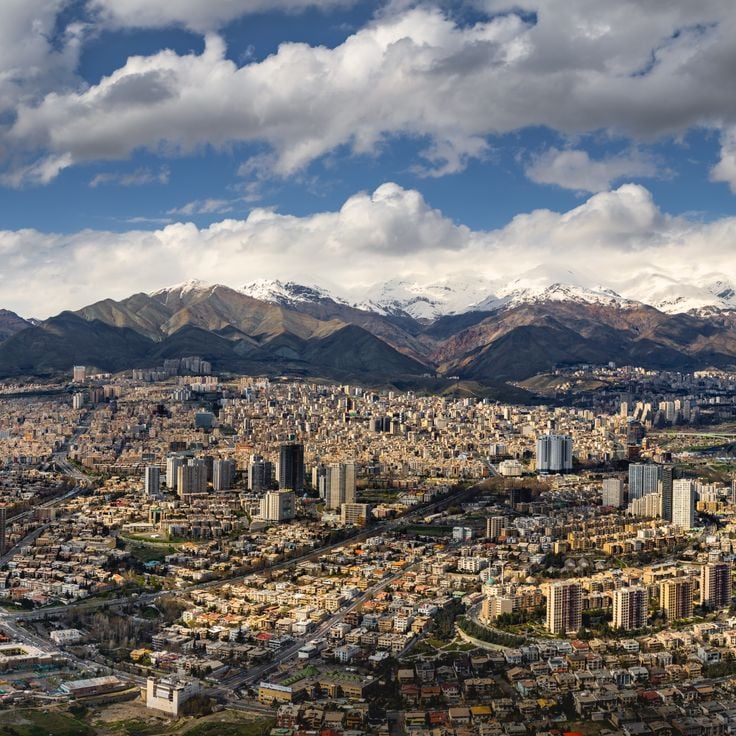
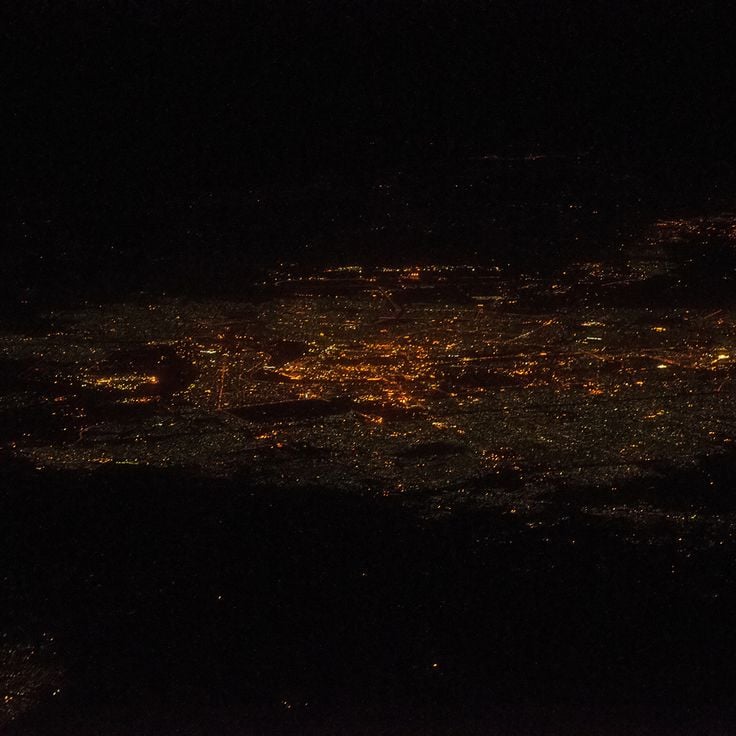
Tehran is the capital of Iran and sits at the foot of a mountain range in the north of the country. It is where the main political decisions of the Iranian government are made. Tehran appears regularly in the news about regional tensions in the Middle East, as it is the center of power from which Iran projects its influence across the region.
Natanz is a city in central Iran that is known mainly for its underground nuclear facilities. The site is considered the heart of Iran's nuclear program and has been closely watched by the international community for years. Natanz appears regularly in reports about tensions in the Middle East, as uranium enrichment takes place here and the facility has been the target of sabotage and cyberattacks.
Fordow is an underground nuclear facility built into the rock near the city of Qom, in Iran. It has been at the center of international discussions about Iran's nuclear program for years. Because it is buried deep underground, it is seen as one of the most sensitive sites in the ongoing talks between Iran and the rest of the world.
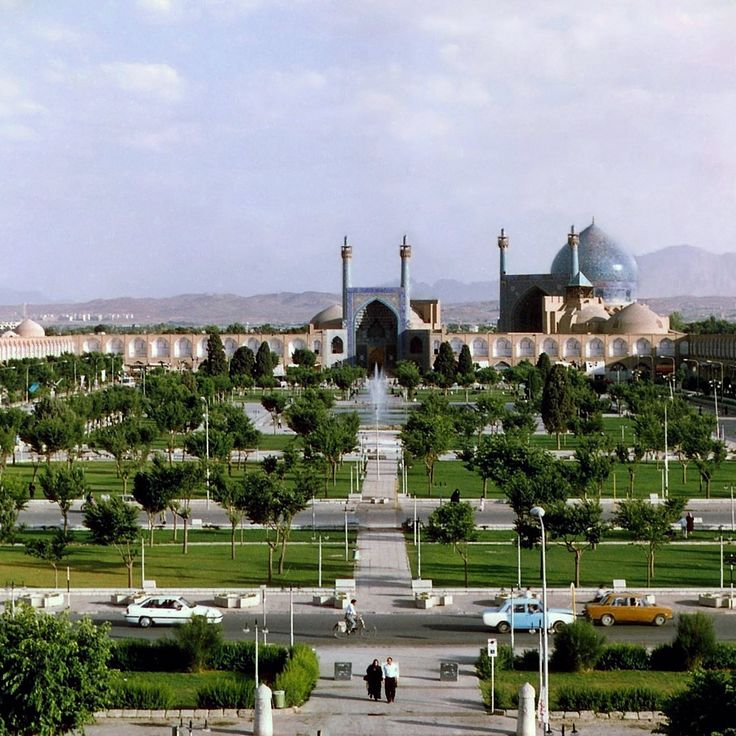
Isfahan is a city in central Iran that regularly appears in news about the country's nuclear program. It is home to facilities linked to uranium processing and military research. Because of this, Isfahan is often mentioned in discussions about potential strikes and international negotiations over Iran's nuclear activities.
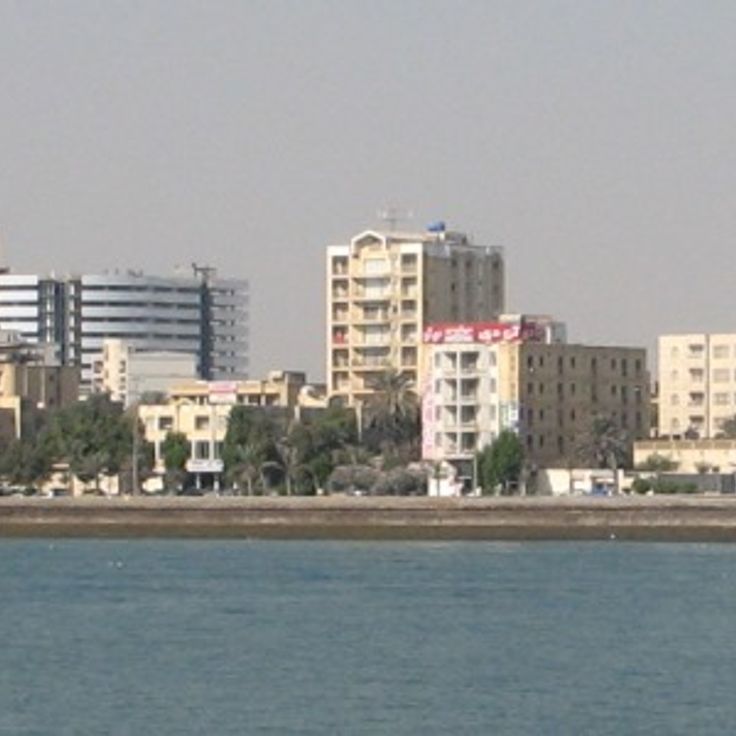
Bandar Abbas is Iran's main port on the Persian Gulf, sitting just a short distance from the Strait of Hormuz, through which a large share of the world's oil passes. The Iranian navy operates here, and the port plays a central role in tensions over shipping lanes and energy supply routes in the region.
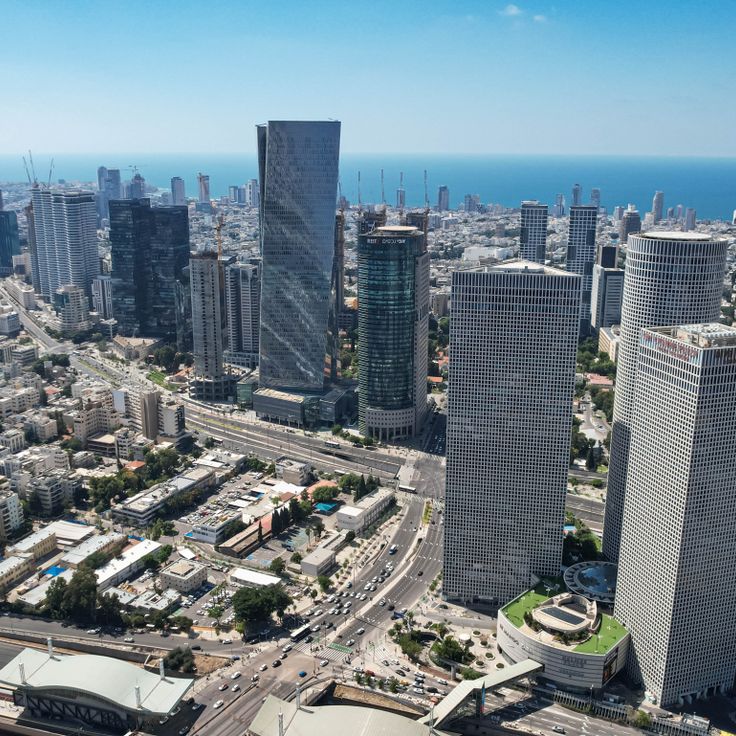
Tel Aviv is Israel's economic center. The city sits on the Mediterranean coast and is home to many businesses, embassies, and international organizations. Since fighting broke out in October 2023, Tel Aviv has been at the center of regional tensions: the city has been targeted several times by drones and rockets, showing its role as a symbolic and strategic target.
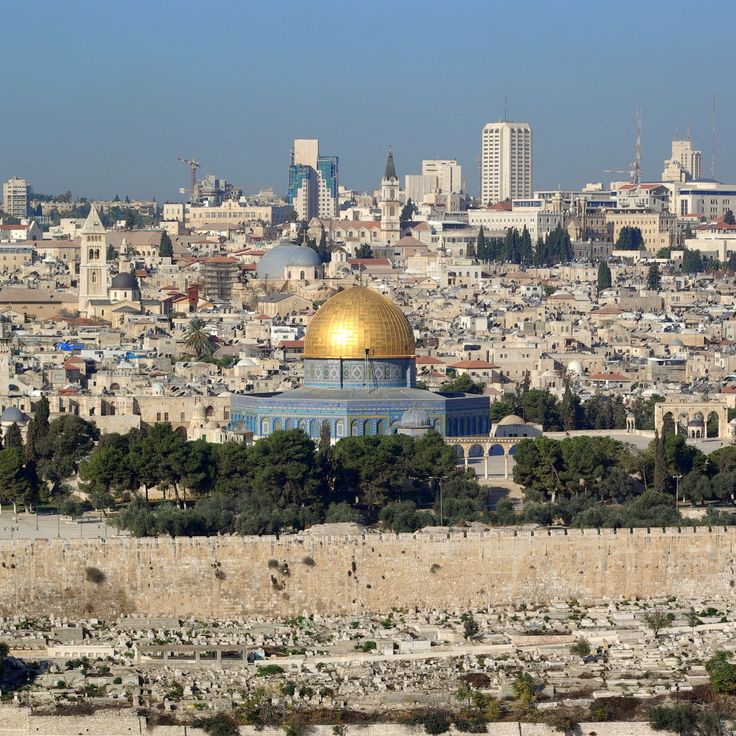
Jerusalem is a city sacred to Judaism, Christianity, and Islam. The Old City holds the Western Wall, the Church of the Holy Sepulchre, and the Dome of the Rock, all within a small area. Its status is one of the most contested questions in the Israeli-Palestinian conflict. Israel considers Jerusalem its capital, while many countries do not officially recognize this, making the city a constant point of diplomatic and military tension in the region.
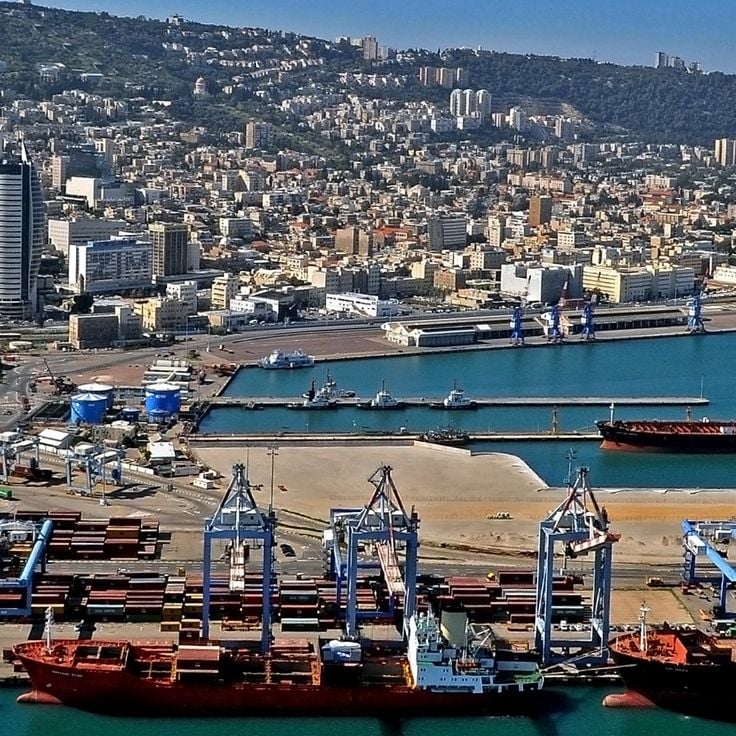
Haifa is a port city in northern Israel that regularly appears in news coverage of regional tensions. Its harbor is one of the most active in the country, handling cargo and energy supply. The city hosts energy facilities that play a central role in Israel's infrastructure. During periods of conflict, Haifa is considered particularly exposed due to its proximity to the Lebanese border.
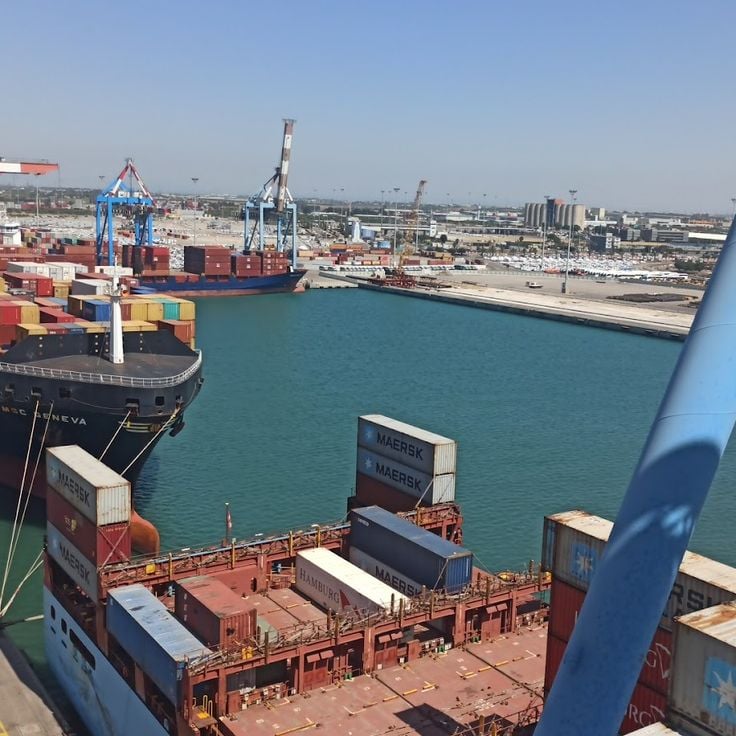
Ashdod sits on the Mediterranean coast of Israel and is home to the country's largest cargo port. The city plays a central role in Israeli trade and regularly appears in the news in the context of regional tensions, as its port handles a large share of goods entering the country.
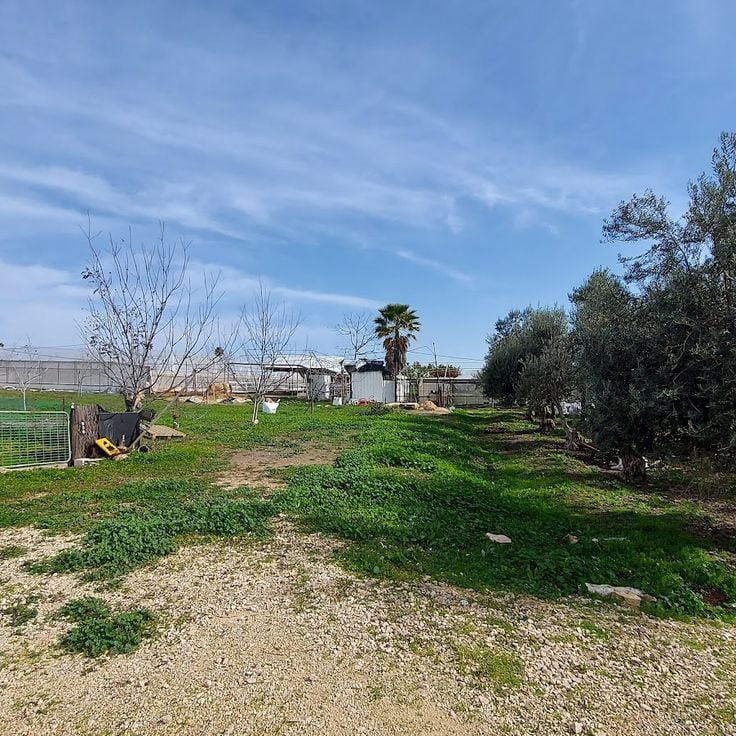
Galilee sits in northern Israel, along the border with Lebanon. This region has long been exposed to cross-border fire, rocket attacks and military operations that have shaped daily life for people living there. Its hills and villages regularly appear in the news when tensions between Israel and Lebanon rise.
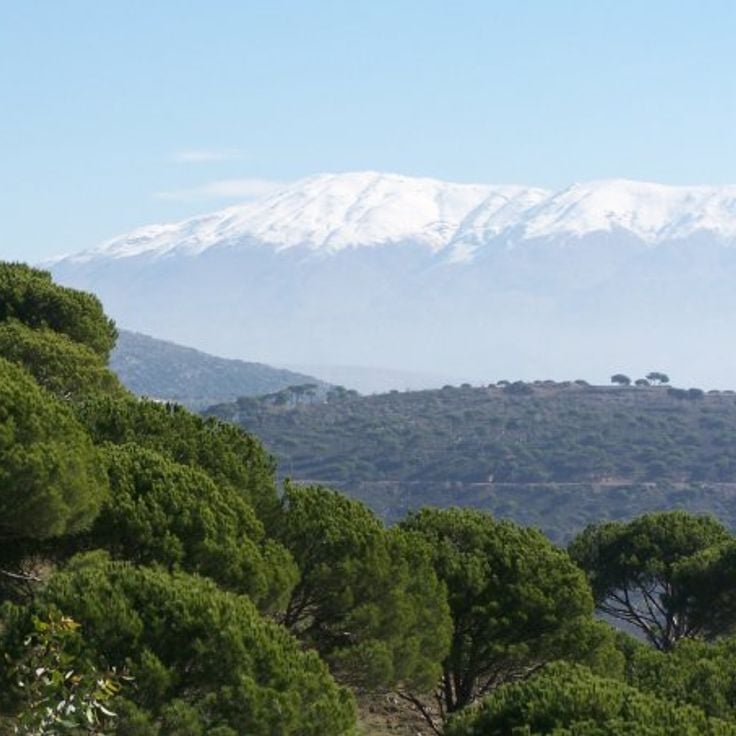
Southern Lebanon is a border region that has seen armed conflict for decades. It sits along the boundary with Israel and has been a flashpoint in several wars and military operations, most recently in 2006 and again in 2023 and 2024. The area is largely under Hezbollah influence, and signs of past fighting are still visible in many villages.
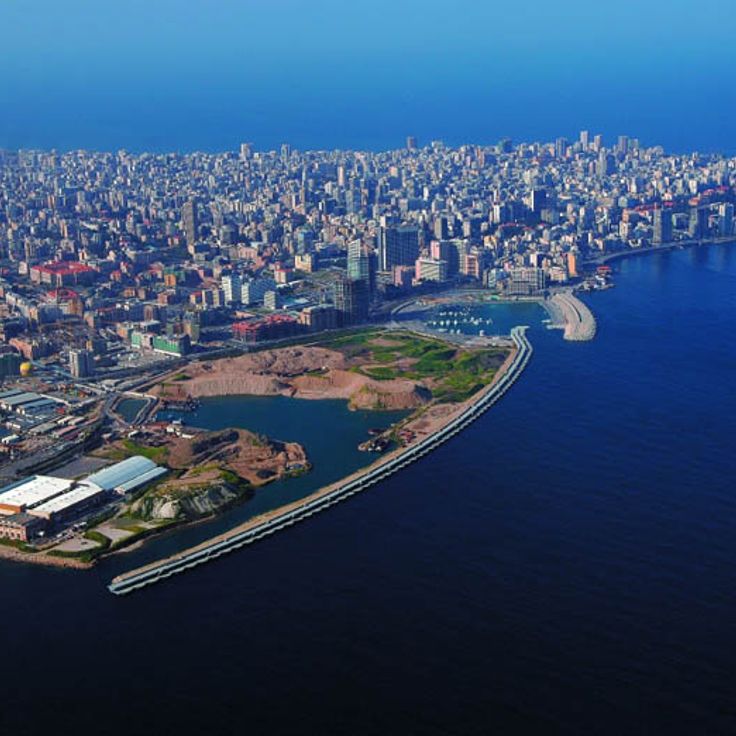
Beirut is the capital of Lebanon and sits on the Mediterranean coast. The city has been at the center of Lebanese political life for decades, marked by civil conflict, foreign interventions, and deep internal divisions. The port area, largely destroyed in the 2020 explosion, remains a symbol of the country's fragility. Beirut is frequently cited in news coverage of regional tensions.
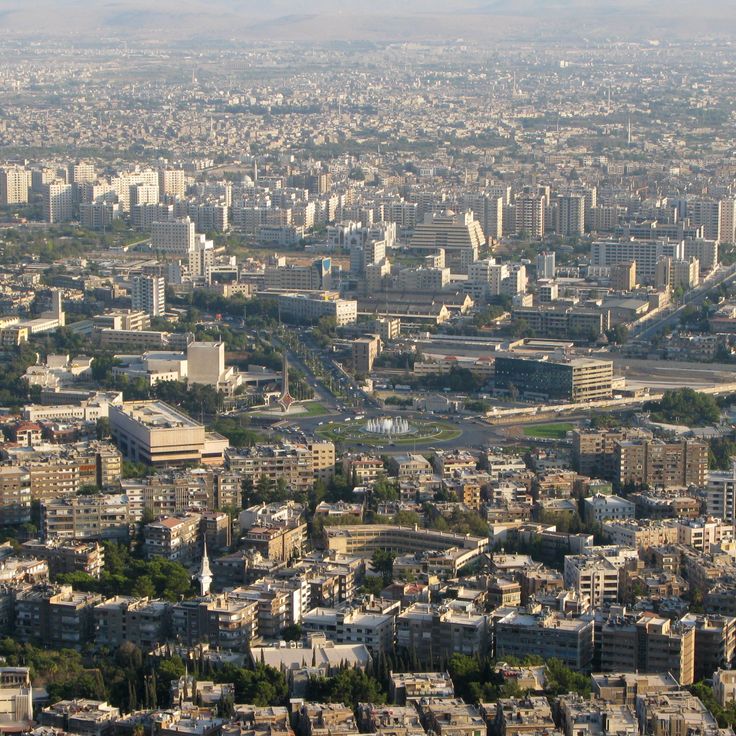
Damascus is the capital of Syria and one of the oldest continuously inhabited cities in the world. Located in the southwest of the country, it was a central stage during the Syrian civil war. Today, Damascus remains at the heart of political developments in Syria and is regularly mentioned in news about regional conflicts.
Baghdad is the capital of Iraq and one of the oldest cities in the region. Over the past few decades, it has been at the center of major conflicts, from the US-led invasion in 2003 to the fighting against the Islamic State. Foreign military forces are still present in the country, and the situation in Baghdad remains fragile.
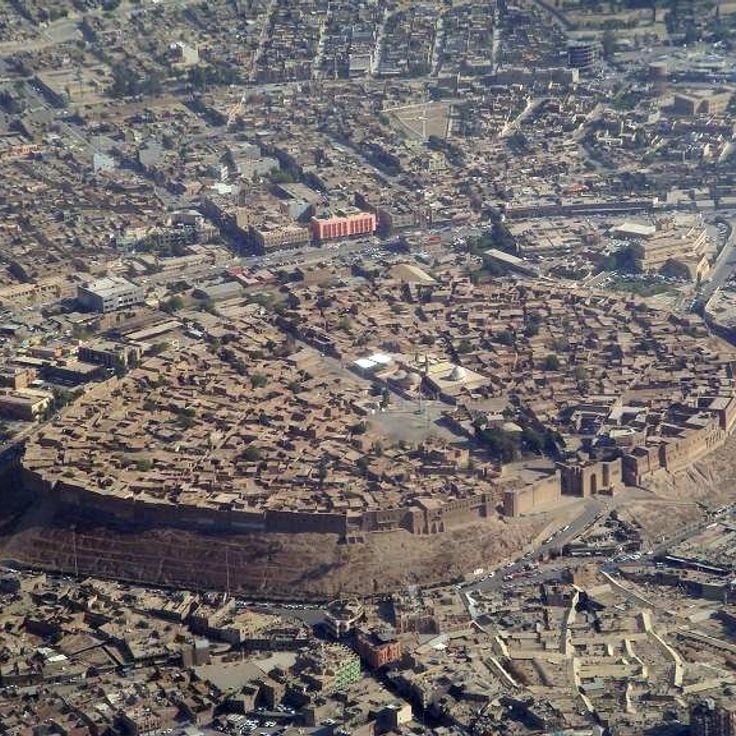
Erbil is the capital of the autonomous Kurdistan Region in northern Iraq. The city sits at the center of a territory long contested between the Iraqi state, Kurdish groups, and neighboring powers such as Turkey and Iran. Military operations and drone strikes have repeatedly targeted the area, making Erbil one of the most frequently mentioned cities in recent news about regional tensions.
The Strait of Hormuz connects the Persian Gulf to the Arabian Sea. A large share of the world's traded oil passes through this narrow waterway. Whoever controls it holds real power over global energy supply. This is why the strait has long been a focal point of tension in the region, particularly between Iran, Gulf states, and Western powers.
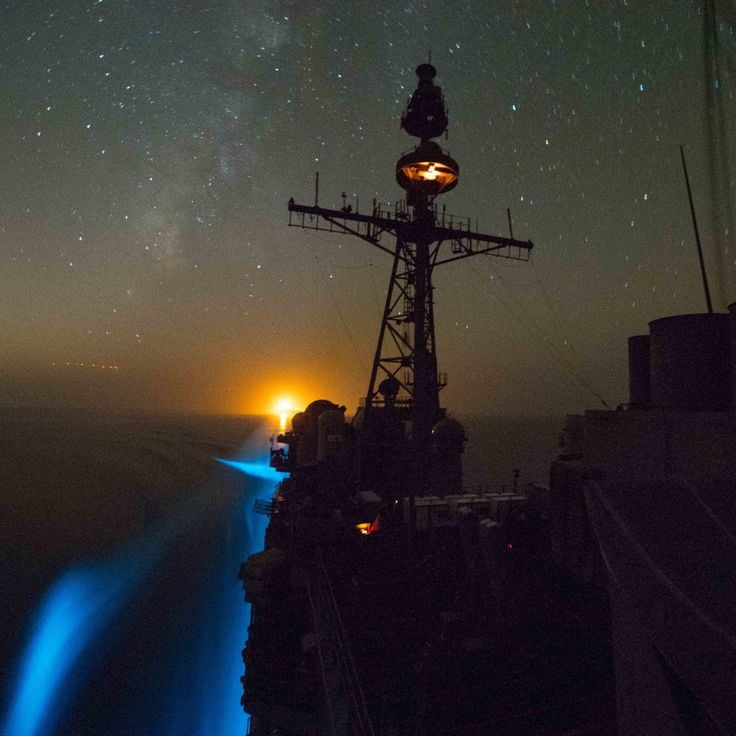
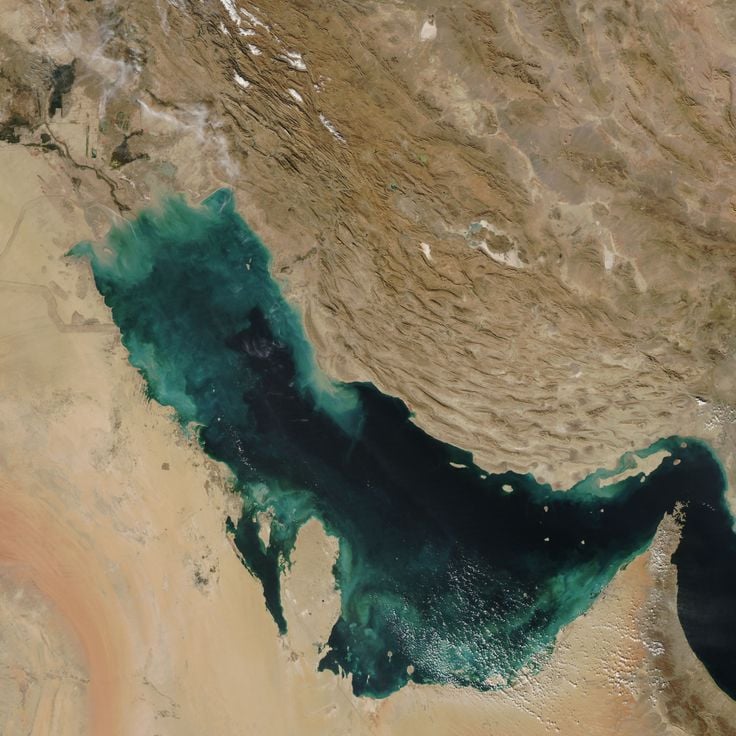
The Persian Gulf is a semi-enclosed sea between the Arabian Peninsula and Iran. It is one of the most heavily used waterways for oil transport in the world. Several countries along its shores are involved in regional tensions, and the presence of warships from various powers is a regular feature of life there.
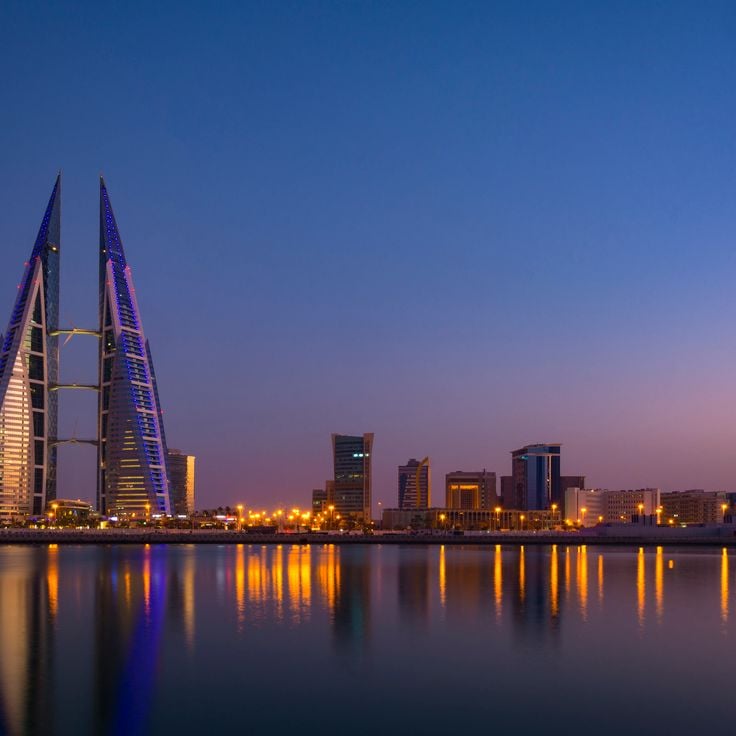
Manama is the capital of Bahrain, a small island nation in the Persian Gulf. The city hosts the US Navy's 5th Fleet, which makes it a key military hub in the region. Walking through Manama, you notice a mix of modern towers and older neighborhoods close to the waterfront. Its location and military presence keep it at the center of regional tensions and security discussions.
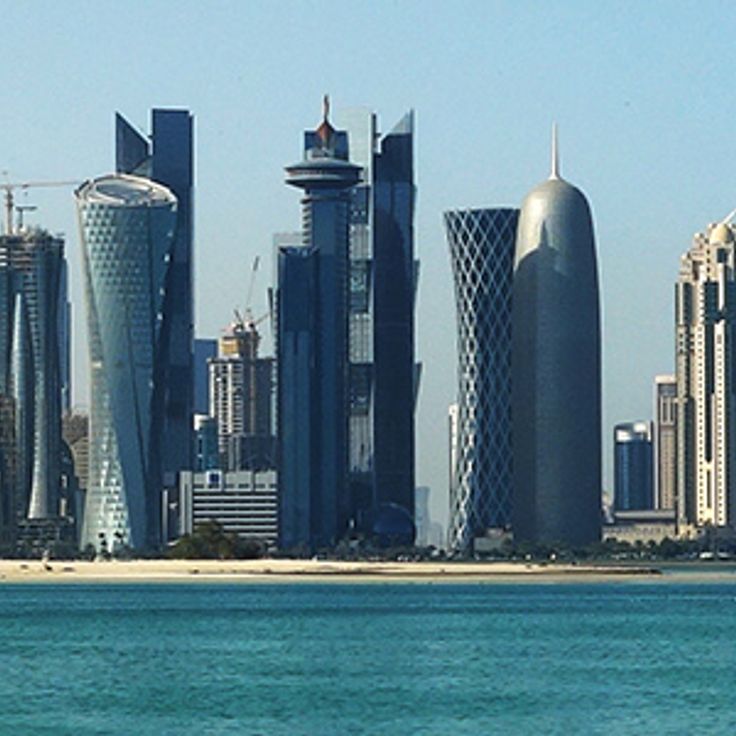
Doha is the capital of Qatar and sits on the shore of the Persian Gulf. The city has become a regular meeting place for diplomatic talks in the Middle East. Several rounds of negotiations linked to the Gaza conflict and other regional tensions have taken place here. Doha also hosts a large American military base, which gives the city a role that goes beyond its size.
Kuwait City is the capital of Kuwait, located on the Persian Gulf. In 1990, it was occupied by Iraqi forces, an event that triggered the Gulf War. Today, the city hosts Western military facilities and serves as a key point for operations across the region.
Abu Dhabi is the capital of the United Arab Emirates and one of the most powerful cities in the Gulf region. Its wealth comes largely from oil, and it plays a central role in regional politics. In recent years, Abu Dhabi has been directly affected by regional tensions, notably through drone attacks launched by the Houthi movement from Yemen, which targeted the city itself.
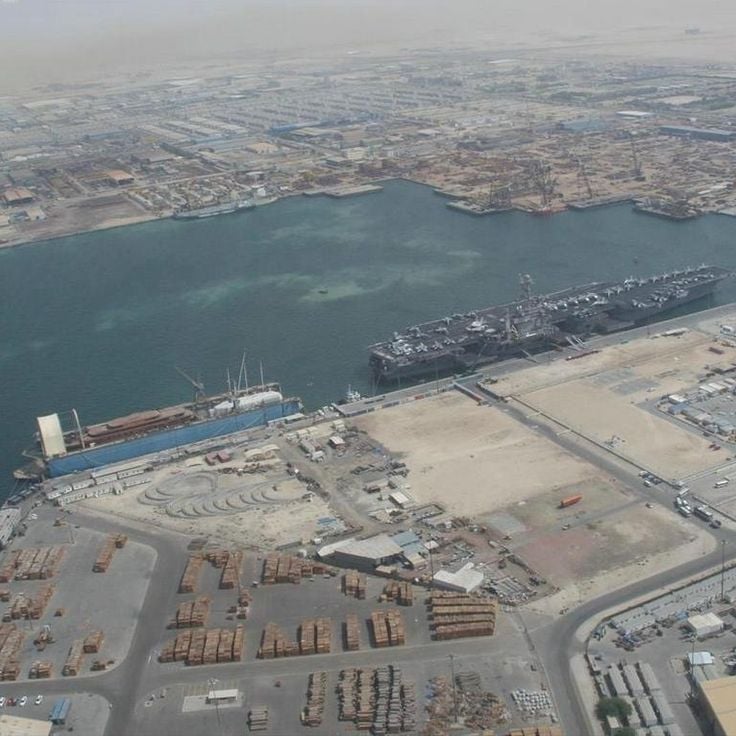
Jebel Ali Port sits on the western edge of Dubai and is one of the largest ports on the Persian Gulf. Ships from around the world stop here to unload and reload goods destined for the broader region. Its location makes it a key point for trade between Asia, Europe, and Africa. When regional tensions rise, this port draws attention because so much of the Middle East's cargo passes through it.
Bab el-Mandeb is a narrow strait connecting the Red Sea to the Gulf of Aden. A large share of global shipping between Europe and Asia passes through it, making it one of the most watched chokepoints in the world. In recent years, attacks on cargo ships near this passage have brought it to the center of regional tensions and international concern.
Riyadh is the capital of Saudi Arabia and one of the most influential political centers in the Middle East. The city sits at the heart of regional tensions, particularly through Saudi Arabia's involvement in the Yemen conflict and its rivalry with Iran. Decisions made here regularly shape events across the region.
Tehran is the capital of Iran and sits at the foot of a mountain range in the north of the country. It is where the main political decisions of the Iranian government are made. Tehran appears regularly in the news about regional tensions in the Middle East, as it is the center of power from which Iran projects its influence across the region.
Natanz is a city in central Iran that is known mainly for its underground nuclear facilities. The site is considered the heart of Iran's nuclear program and has been closely watched by the international community for years. Natanz appears regularly in reports about tensions in the Middle East, as uranium enrichment takes place here and the facility has been the target of sabotage and cyberattacks.
Fordow is an underground nuclear facility built into the rock near the city of Qom, in Iran. It has been at the center of international discussions about Iran's nuclear program for years. Because it is buried deep underground, it is seen as one of the most sensitive sites in the ongoing talks between Iran and the rest of the world.
Isfahan is a city in central Iran that regularly appears in news about the country's nuclear program. It is home to facilities linked to uranium processing and military research. Because of this, Isfahan is often mentioned in discussions about potential strikes and international negotiations over Iran's nuclear activities.
Bandar Abbas is Iran's main port on the Persian Gulf, sitting just a short distance from the Strait of Hormuz, through which a large share of the world's oil passes. The Iranian navy operates here, and the port plays a central role in tensions over shipping lanes and energy supply routes in the region.
Tel Aviv is Israel's economic center. The city sits on the Mediterranean coast and is home to many businesses, embassies, and international organizations. Since fighting broke out in October 2023, Tel Aviv has been at the center of regional tensions: the city has been targeted several times by drones and rockets, showing its role as a symbolic and strategic target.
Jerusalem is a city sacred to Judaism, Christianity, and Islam. The Old City holds the Western Wall, the Church of the Holy Sepulchre, and the Dome of the Rock, all within a small area. Its status is one of the most contested questions in the Israeli-Palestinian conflict. Israel considers Jerusalem its capital, while many countries do not officially recognize this, making the city a constant point of diplomatic and military tension in the region.
Haifa is a port city in northern Israel that regularly appears in news coverage of regional tensions. Its harbor is one of the most active in the country, handling cargo and energy supply. The city hosts energy facilities that play a central role in Israel's infrastructure. During periods of conflict, Haifa is considered particularly exposed due to its proximity to the Lebanese border.
Ashdod sits on the Mediterranean coast of Israel and is home to the country's largest cargo port. The city plays a central role in Israeli trade and regularly appears in the news in the context of regional tensions, as its port handles a large share of goods entering the country.
Galilee sits in northern Israel, along the border with Lebanon. This region has long been exposed to cross-border fire, rocket attacks and military operations that have shaped daily life for people living there. Its hills and villages regularly appear in the news when tensions between Israel and Lebanon rise.
Southern Lebanon is a border region that has seen armed conflict for decades. It sits along the boundary with Israel and has been a flashpoint in several wars and military operations, most recently in 2006 and again in 2023 and 2024. The area is largely under Hezbollah influence, and signs of past fighting are still visible in many villages.
Beirut is the capital of Lebanon and sits on the Mediterranean coast. The city has been at the center of Lebanese political life for decades, marked by civil conflict, foreign interventions, and deep internal divisions. The port area, largely destroyed in the 2020 explosion, remains a symbol of the country's fragility. Beirut is frequently cited in news coverage of regional tensions.
Damascus is the capital of Syria and one of the oldest continuously inhabited cities in the world. Located in the southwest of the country, it was a central stage during the Syrian civil war. Today, Damascus remains at the heart of political developments in Syria and is regularly mentioned in news about regional conflicts.
Baghdad is the capital of Iraq and one of the oldest cities in the region. Over the past few decades, it has been at the center of major conflicts, from the US-led invasion in 2003 to the fighting against the Islamic State. Foreign military forces are still present in the country, and the situation in Baghdad remains fragile.
Erbil is the capital of the autonomous Kurdistan Region in northern Iraq. The city sits at the center of a territory long contested between the Iraqi state, Kurdish groups, and neighboring powers such as Turkey and Iran. Military operations and drone strikes have repeatedly targeted the area, making Erbil one of the most frequently mentioned cities in recent news about regional tensions.
The Strait of Hormuz connects the Persian Gulf to the Arabian Sea. A large share of the world's traded oil passes through this narrow waterway. Whoever controls it holds real power over global energy supply. This is why the strait has long been a focal point of tension in the region, particularly between Iran, Gulf states, and Western powers.
The Persian Gulf is a semi-enclosed sea between the Arabian Peninsula and Iran. It is one of the most heavily used waterways for oil transport in the world. Several countries along its shores are involved in regional tensions, and the presence of warships from various powers is a regular feature of life there.
Manama is the capital of Bahrain, a small island nation in the Persian Gulf. The city hosts the US Navy's 5th Fleet, which makes it a key military hub in the region. Walking through Manama, you notice a mix of modern towers and older neighborhoods close to the waterfront. Its location and military presence keep it at the center of regional tensions and security discussions.
Doha is the capital of Qatar and sits on the shore of the Persian Gulf. The city has become a regular meeting place for diplomatic talks in the Middle East. Several rounds of negotiations linked to the Gaza conflict and other regional tensions have taken place here. Doha also hosts a large American military base, which gives the city a role that goes beyond its size.
Kuwait City is the capital of Kuwait, located on the Persian Gulf. In 1990, it was occupied by Iraqi forces, an event that triggered the Gulf War. Today, the city hosts Western military facilities and serves as a key point for operations across the region.
Abu Dhabi is the capital of the United Arab Emirates and one of the most powerful cities in the Gulf region. Its wealth comes largely from oil, and it plays a central role in regional politics. In recent years, Abu Dhabi has been directly affected by regional tensions, notably through drone attacks launched by the Houthi movement from Yemen, which targeted the city itself.
Jebel Ali Port sits on the western edge of Dubai and is one of the largest ports on the Persian Gulf. Ships from around the world stop here to unload and reload goods destined for the broader region. Its location makes it a key point for trade between Asia, Europe, and Africa. When regional tensions rise, this port draws attention because so much of the Middle East's cargo passes through it.
Bab el-Mandeb is a narrow strait connecting the Red Sea to the Gulf of Aden. A large share of global shipping between Europe and Asia passes through it, making it one of the most watched chokepoints in the world. In recent years, attacks on cargo ships near this passage have brought it to the center of regional tensions and international concern.
Riyadh is the capital of Saudi Arabia and one of the most influential political centers in the Middle East. The city sits at the heart of regional tensions, particularly through Saudi Arabia's involvement in the Yemen conflict and its rivalry with Iran. Decisions made here regularly shape events across the region.
Tehran is the capital of Iran and sits at the foot of a mountain range in the north of the country. It is where the main political decisions of the Iranian government are made. Tehran appears regularly in the news about regional tensions in the Middle East, as it is the center of power from which Iran projects its influence across the region.
Natanz is a city in central Iran that is known mainly for its underground nuclear facilities. The site is considered the heart of Iran's nuclear program and has been closely watched by the international community for years. Natanz appears regularly in reports about tensions in the Middle East, as uranium enrichment takes place here and the facility has been the target of sabotage and cyberattacks.
Fordow is an underground nuclear facility built into the rock near the city of Qom, in Iran. It has been at the center of international discussions about Iran's nuclear program for years. Because it is buried deep underground, it is seen as one of the most sensitive sites in the ongoing talks between Iran and the rest of the world.
Isfahan is a city in central Iran that regularly appears in news about the country's nuclear program. It is home to facilities linked to uranium processing and military research. Because of this, Isfahan is often mentioned in discussions about potential strikes and international negotiations over Iran's nuclear activities.
Bandar Abbas is Iran's main port on the Persian Gulf, sitting just a short distance from the Strait of Hormuz, through which a large share of the world's oil passes. The Iranian navy operates here, and the port plays a central role in tensions over shipping lanes and energy supply routes in the region.
Tel Aviv is Israel's economic center. The city sits on the Mediterranean coast and is home to many businesses, embassies, and international organizations. Since fighting broke out in October 2023, Tel Aviv has been at the center of regional tensions: the city has been targeted several times by drones and rockets, showing its role as a symbolic and strategic target.
Jerusalem is a city sacred to Judaism, Christianity, and Islam. The Old City holds the Western Wall, the Church of the Holy Sepulchre, and the Dome of the Rock, all within a small area. Its status is one of the most contested questions in the Israeli-Palestinian conflict. Israel considers Jerusalem its capital, while many countries do not officially recognize this, making the city a constant point of diplomatic and military tension in the region.
Haifa is a port city in northern Israel that regularly appears in news coverage of regional tensions. Its harbor is one of the most active in the country, handling cargo and energy supply. The city hosts energy facilities that play a central role in Israel's infrastructure. During periods of conflict, Haifa is considered particularly exposed due to its proximity to the Lebanese border.
Ashdod sits on the Mediterranean coast of Israel and is home to the country's largest cargo port. The city plays a central role in Israeli trade and regularly appears in the news in the context of regional tensions, as its port handles a large share of goods entering the country.
Galilee sits in northern Israel, along the border with Lebanon. This region has long been exposed to cross-border fire, rocket attacks and military operations that have shaped daily life for people living there. Its hills and villages regularly appear in the news when tensions between Israel and Lebanon rise.
Southern Lebanon is a border region that has seen armed conflict for decades. It sits along the boundary with Israel and has been a flashpoint in several wars and military operations, most recently in 2006 and again in 2023 and 2024. The area is largely under Hezbollah influence, and signs of past fighting are still visible in many villages.
Beirut is the capital of Lebanon and sits on the Mediterranean coast. The city has been at the center of Lebanese political life for decades, marked by civil conflict, foreign interventions, and deep internal divisions. The port area, largely destroyed in the 2020 explosion, remains a symbol of the country's fragility. Beirut is frequently cited in news coverage of regional tensions.
Damascus is the capital of Syria and one of the oldest continuously inhabited cities in the world. Located in the southwest of the country, it was a central stage during the Syrian civil war. Today, Damascus remains at the heart of political developments in Syria and is regularly mentioned in news about regional conflicts.
Baghdad is the capital of Iraq and one of the oldest cities in the region. Over the past few decades, it has been at the center of major conflicts, from the US-led invasion in 2003 to the fighting against the Islamic State. Foreign military forces are still present in the country, and the situation in Baghdad remains fragile.
Erbil is the capital of the autonomous Kurdistan Region in northern Iraq. The city sits at the center of a territory long contested between the Iraqi state, Kurdish groups, and neighboring powers such as Turkey and Iran. Military operations and drone strikes have repeatedly targeted the area, making Erbil one of the most frequently mentioned cities in recent news about regional tensions.
The Strait of Hormuz connects the Persian Gulf to the Arabian Sea. A large share of the world's traded oil passes through this narrow waterway. Whoever controls it holds real power over global energy supply. This is why the strait has long been a focal point of tension in the region, particularly between Iran, Gulf states, and Western powers.
The Persian Gulf is a semi-enclosed sea between the Arabian Peninsula and Iran. It is one of the most heavily used waterways for oil transport in the world. Several countries along its shores are involved in regional tensions, and the presence of warships from various powers is a regular feature of life there.
Manama is the capital of Bahrain, a small island nation in the Persian Gulf. The city hosts the US Navy's 5th Fleet, which makes it a key military hub in the region. Walking through Manama, you notice a mix of modern towers and older neighborhoods close to the waterfront. Its location and military presence keep it at the center of regional tensions and security discussions.
Doha is the capital of Qatar and sits on the shore of the Persian Gulf. The city has become a regular meeting place for diplomatic talks in the Middle East. Several rounds of negotiations linked to the Gaza conflict and other regional tensions have taken place here. Doha also hosts a large American military base, which gives the city a role that goes beyond its size.
Kuwait City is the capital of Kuwait, located on the Persian Gulf. In 1990, it was occupied by Iraqi forces, an event that triggered the Gulf War. Today, the city hosts Western military facilities and serves as a key point for operations across the region.
Abu Dhabi is the capital of the United Arab Emirates and one of the most powerful cities in the Gulf region. Its wealth comes largely from oil, and it plays a central role in regional politics. In recent years, Abu Dhabi has been directly affected by regional tensions, notably through drone attacks launched by the Houthi movement from Yemen, which targeted the city itself.
Jebel Ali Port sits on the western edge of Dubai and is one of the largest ports on the Persian Gulf. Ships from around the world stop here to unload and reload goods destined for the broader region. Its location makes it a key point for trade between Asia, Europe, and Africa. When regional tensions rise, this port draws attention because so much of the Middle East's cargo passes through it.
Bab el-Mandeb is a narrow strait connecting the Red Sea to the Gulf of Aden. A large share of global shipping between Europe and Asia passes through it, making it one of the most watched chokepoints in the world. In recent years, attacks on cargo ships near this passage have brought it to the center of regional tensions and international concern.
Riyadh is the capital of Saudi Arabia and one of the most influential political centers in the Middle East. The city sits at the heart of regional tensions, particularly through Saudi Arabia's involvement in the Yemen conflict and its rivalry with Iran. Decisions made here regularly shape events across the region.
This map changes regularly. Geopolitical interests move, new sites become important. To stay informed, follow the news closely and be cautious of simple explanations. The Middle East is too complex to be summarized as fixed positions on a map.