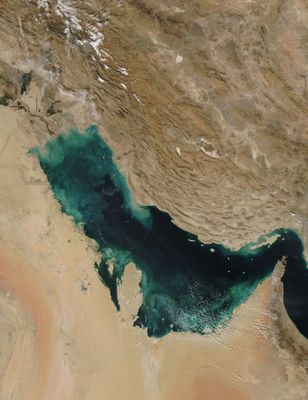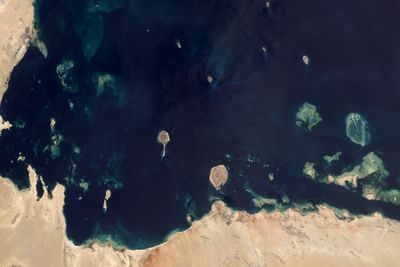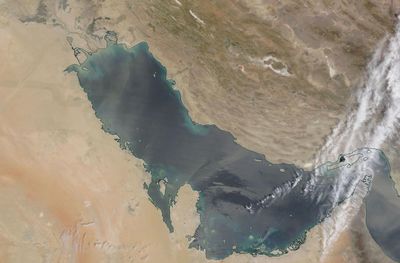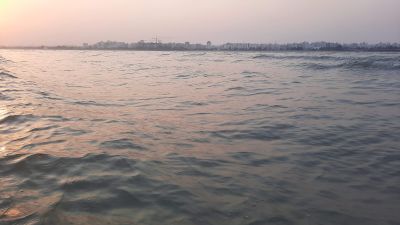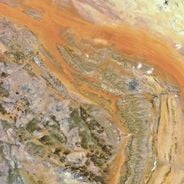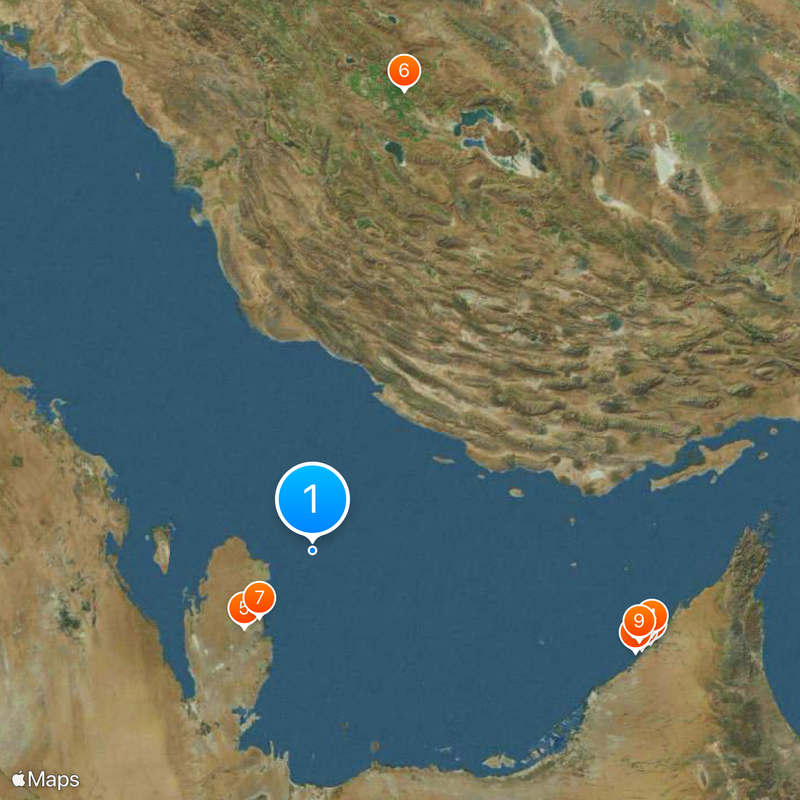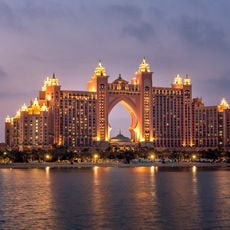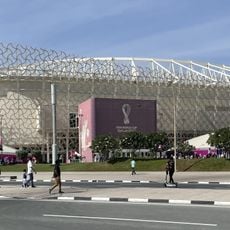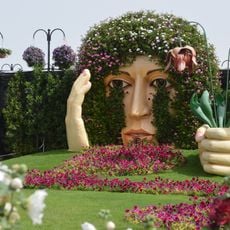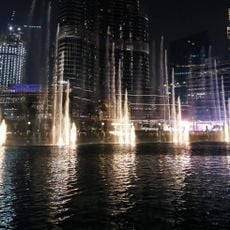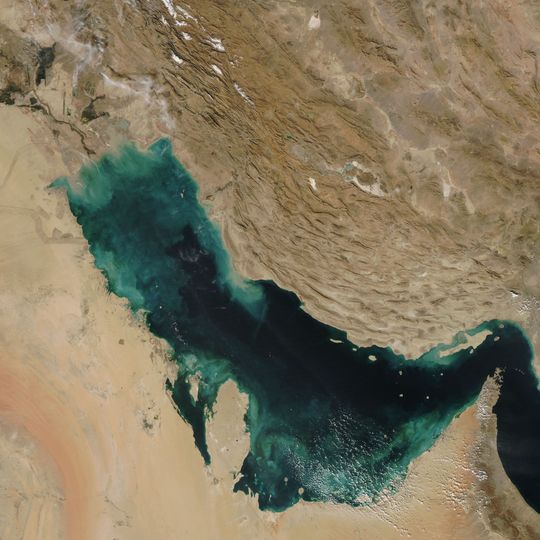
Persian Gulf, Bay between Iran and Arabian Peninsula, Middle East.
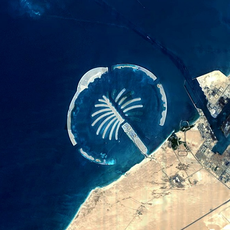
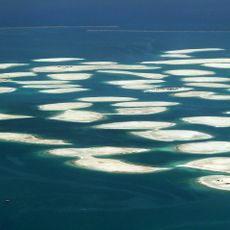
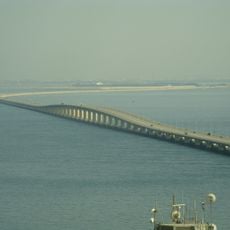
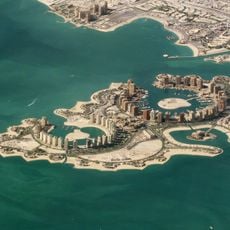
The Persian Gulf is a shallow body of water between Iran and the Arabian Peninsula, stretching thousands of kilometers and connected to the Indian Ocean through the Strait of Hormuz in the east. Its maximum width reaches about 340 kilometers, while the narrowest passage measures only a few dozen kilometers across.
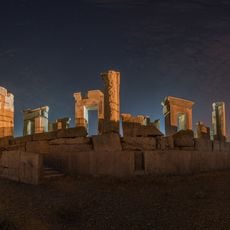
Portugal controlled this waterway during the 16th century until the Safavid Empire pushed the Europeans out of the region. Over the centuries, the passage served as a trade route between Asia and Europe, and different empires fought for control of its coasts.
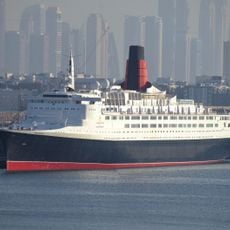
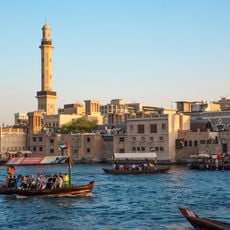
Fishermen still use traditional dhow boats along the coast, while modern ports handle tankers and cargo ships in constant motion. Communities living near the shore depend on the water for pearling, fishing, and trade, each country bringing its own language and customs to the waterfront.
Water stays warm throughout the year, usually between 25 and 30 degrees Celsius (77 to 86 degrees Fahrenheit), making swimming and water activities comfortable. The shallow depth averaging 50 meters (164 feet) means that currents and wind can change conditions quickly.
Salinity here reaches over 40 grams per liter because more water evaporates than flows in from rivers. This high concentration makes swimming easier, similar to the Dead Sea though not quite as extreme.
The community of curious travelers
AroundUs brings together thousands of curated places, local tips, and hidden gems, enriched daily by 91,749 contributors worldwide.