See the monuments around you in AROpen chests in the app
Around Us is built for your phone — point your camera at the streets and discover the monuments and places around you in augmented reality.Around Us is built for your phone — chests unlock when you walk, explore and capture nearby places.
Follow the footsteps of the characters of Mélissa Da Costa through train stations, mountain lakes, and Breton coasts where her stories unfold.
Here is a selection of about twenty real places mentioned and described in the novels of Mélissa Da Costa. These spots, often named explicitly in her works like All the Blue of the Sky, I Was Coming Back from Others, The Tomorrows, The Lining and Women at the End of the World, give readers the chance to follow the stories. The selection includes the Pyrenees, the Southwest, Occitanie, the Alps, Brittany, and Paris. It makes a route through mountain landscapes, historic towns, and Breton coastlines that reflect the themes of rebuilding, loneliness, and travel found in the author's work.
Follow the footsteps of the characters of Mélissa Da Costa through train stations, mountain lakes, and Breton coasts where her stories unfold.
Here is a selection of about twenty real places mentioned and described in the novels of Mélissa Da Costa. These spots, often named explicitly in her works like All the Blue of the Sky, I Was Coming Back from Others, The Tomorrows, The Lining and Women at the End of the World, give readers the chance to follow the stories. The selection includes the Pyrenees, the Southwest, Occitanie, the Alps, Brittany, and Paris. It makes a route through mountain landscapes, historic towns, and Breton coastlines that reflect the themes of rebuilding, loneliness, and travel found in the author's work.
Bagnères-de-Luchon is a thermal spa town in the Pyrenees that appears in Mélissa Da Costa's novel Tout le bleu du ciel. The town sits in a narrow valley, surrounded by mountains on all sides. Its main street is lined with old buildings, cafés and bath houses that have welcomed visitors for centuries. Readers of the novel will recognize this town as one of the places where the characters slow down and take in the world around them.
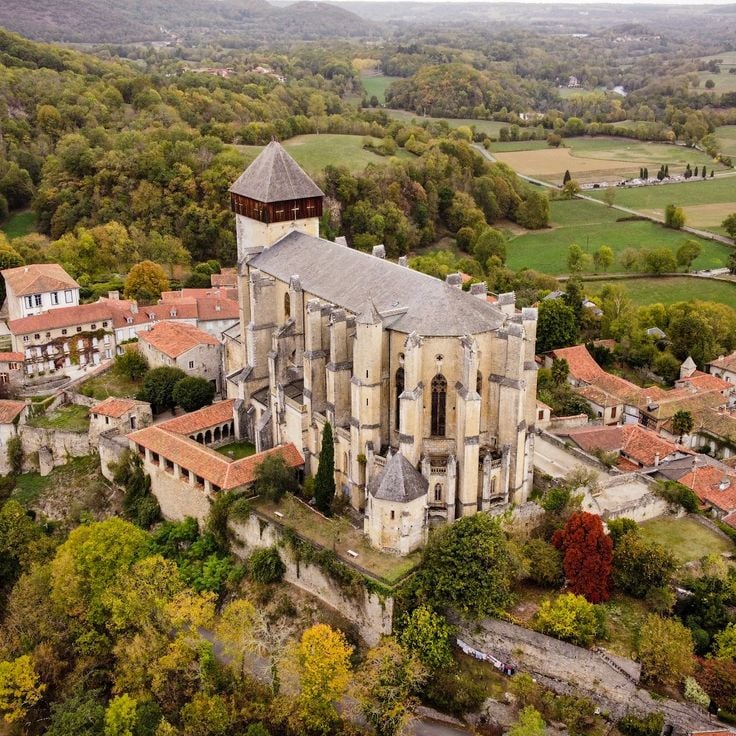
Saint-Bertrand-de-Comminges is a small village at the foot of the Pyrenees, mentioned in the novels of Mélissa Da Costa. Its medieval cathedral rises above the plain and can be seen from far away. Narrow streets, old stone houses and a slow pace give the place a feeling that time stands still. Readers familiar with the author's work will recognize here the kind of setting she uses for stories of solitude and starting over.
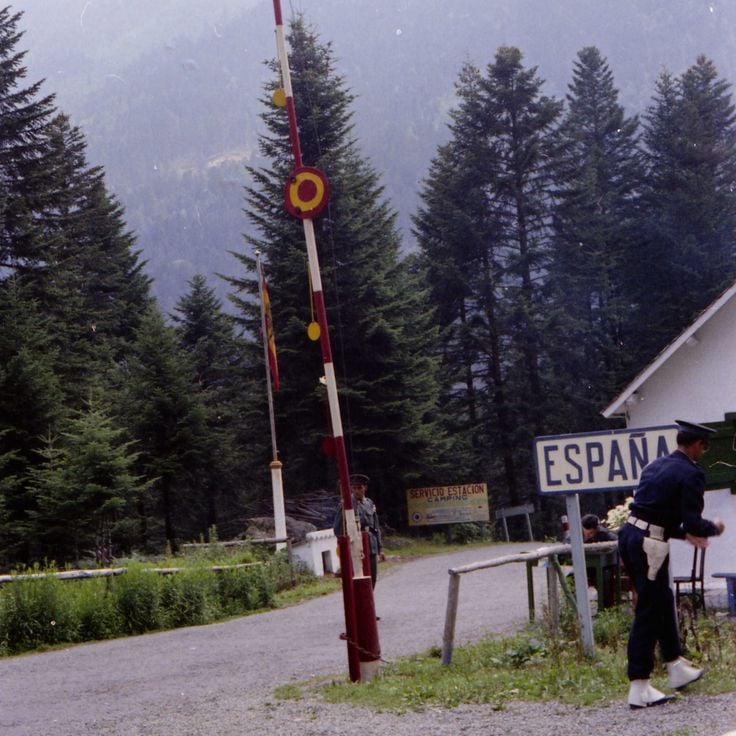
The Col du Portillon is a mountain pass on the border between France and Spain in the Pyrenees, located in the Haute-Garonne department. It appears in the novels of Mélissa Da Costa, where border crossings and mountain roads often carry the weight of departure and new beginnings. The road over the pass winds through the peaks, and crossing it feels like leaving one world and stepping into another.
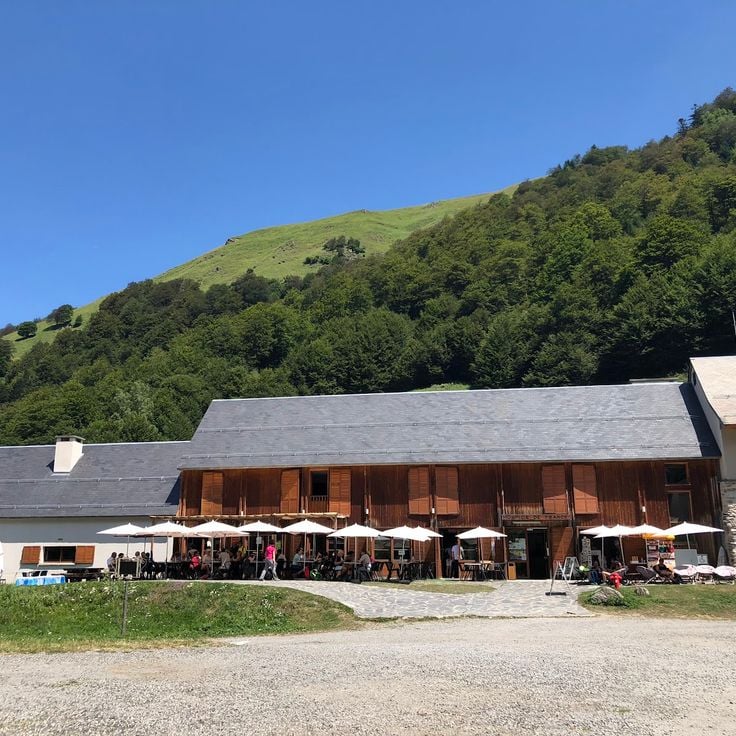
The Hospice de France sits at the end of a valley in the Pyrenees, a short drive from Luchon. A narrow road winds through the forest to reach it, following a stream most of the way. Mélissa Da Costa sets her stories in places like this, where characters go to step away from their lives. Standing here, surrounded by trees and mountain air, it is easy to understand why.
The Luchon Valley sits in the Pyrenees mountains of the Haute-Garonne department in southern France. It appears in the novels of Mélissa Da Costa, where the forested slopes and mountain roads shape the mood of her stories. Readers who know her books will recognize the kind of place her characters retreat to, searching for solitude or a fresh start far from ordinary life.
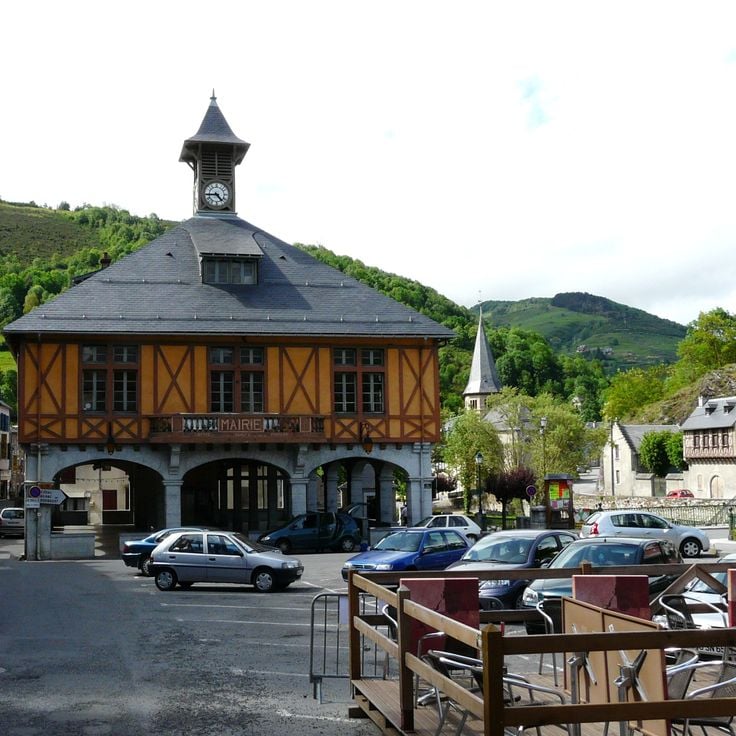
Arreau is a small village in the Hautes-Pyrénées that appears in the novels of Mélissa Da Costa. It sits in a valley where several mountain roads meet, with a river running through its center and old half-timbered houses lining the streets. The pace of life here is slow, and the surrounding peaks feel close. Readers who know her books will recognize in this place the sense of retreat and starting over that runs through her stories.
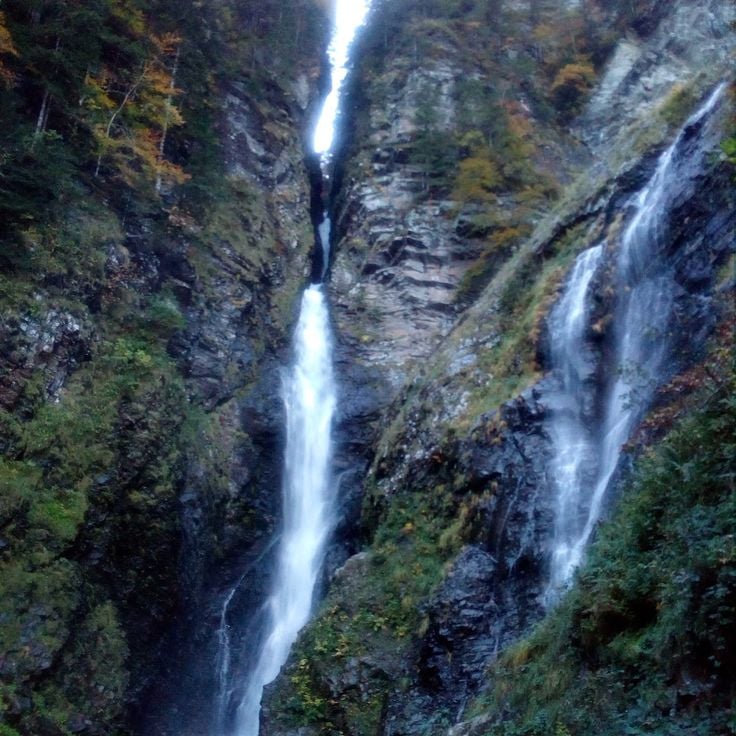
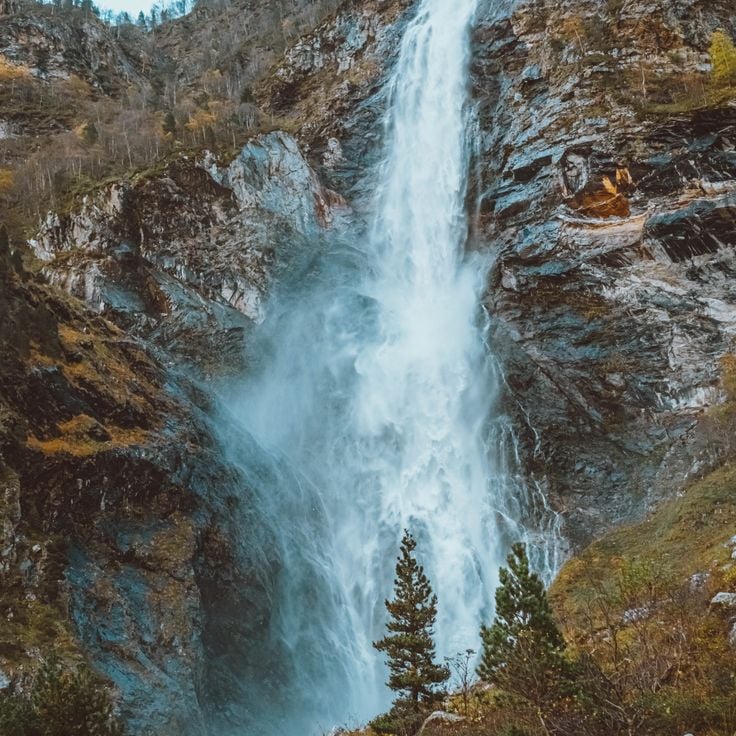
Lac d'Oô sits high in the Pyrenees in the Haute-Garonne. You reach it after a long walk through forest and open meadows, with a waterfall dropping straight down from the cliffs above into the water below. The surrounding peaks close in on all sides. In Mélissa Da Costa's novels, this kind of place carries the weight of solitude and the desire to start over, far from everything left behind.
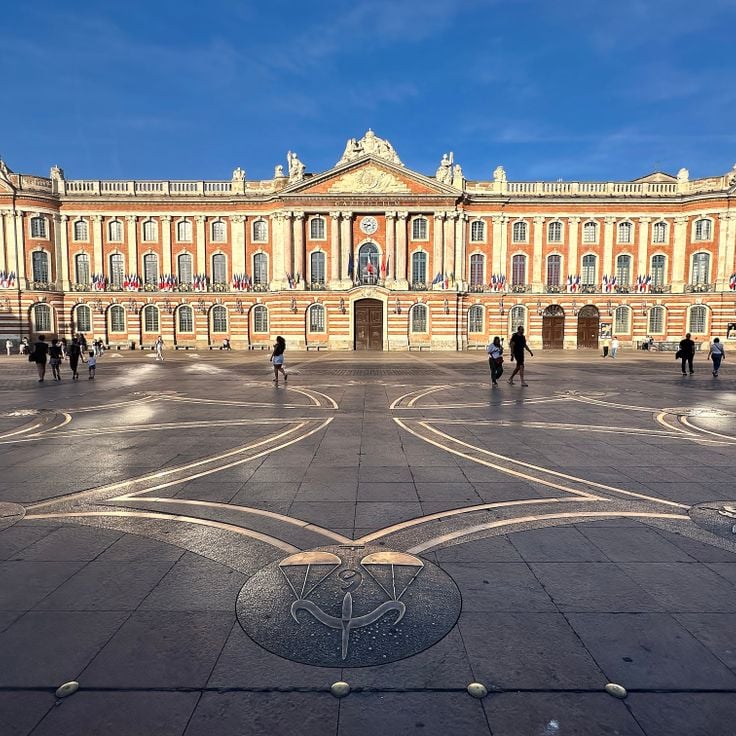
Toulouse is a city in southern France known for its pink brick buildings that give the streets a warm glow. In Mélissa Da Costa's novels, the city appears as an urban backdrop where characters move through everyday life before heading elsewhere. The historic center around the Place du Capitole is a natural gathering spot, full of cafés, markets, and the steady rhythm of city life.
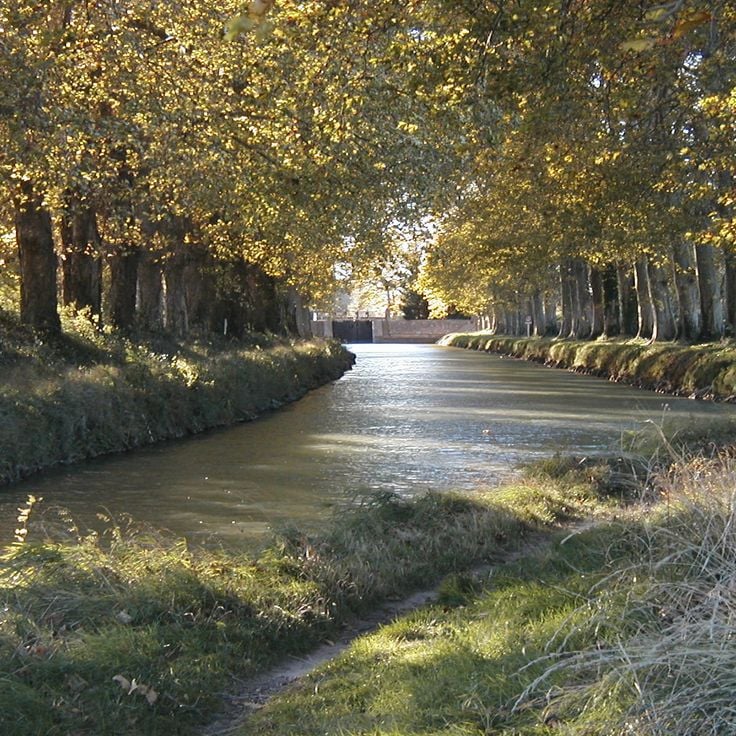
The Canal du Midi runs from Toulouse to Sète through the heart of Occitania. In Mélissa Da Costa's novels, it appears as a place where people slow down, watch the water, and lose track of time. Plane trees line the banks, boats drift past quietly, and the path along the water invites long, unhurried walks. It is easy to see why this canal keeps coming back in her stories.
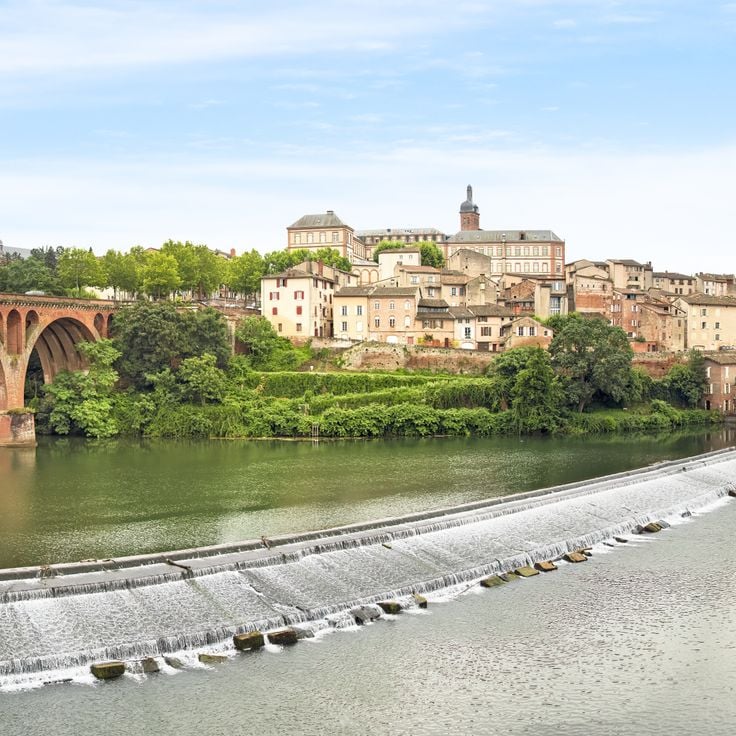
Albi is a city in southwestern France, set along the Tarn River. Its old center is built almost entirely from red brick, giving the streets a warm, earthy tone. The cathedral of Sainte-Cécile, built in the 13th century, rises above the rooftops with its fortress-like walls. Mélissa Da Costa mentions Albi in her novels as a place that carries a sense of history and withdrawal, feelings that run through many of her characters.
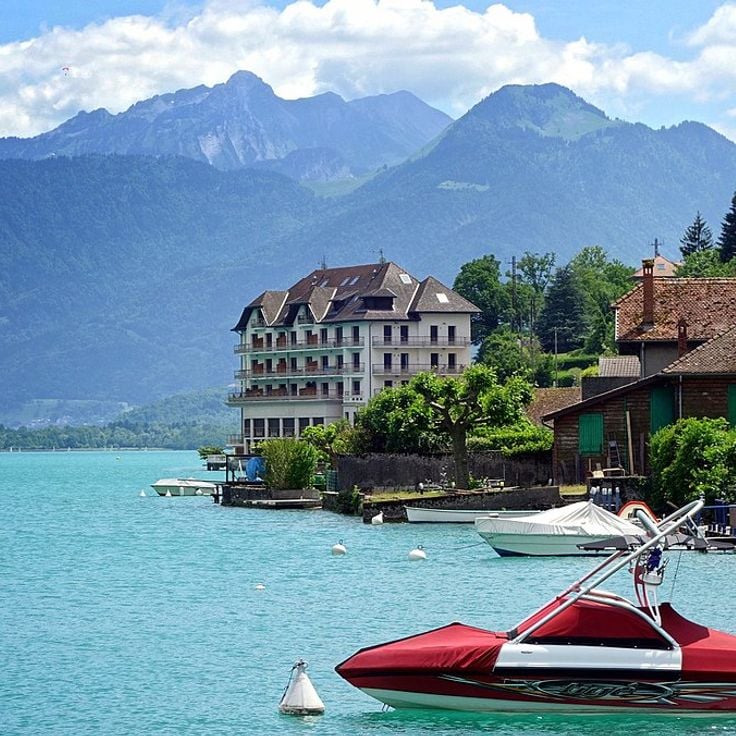
Annecy sits in the Alps, on the edge of a clear mountain lake, and serves as one of the settings in Mélissa Da Costa's novel Les lendemains. The old town runs along a network of canals, with stone arcades and old facades that give the place a strong sense of character. Walking through it, you can feel why the author chose this town to tell a story about starting over.
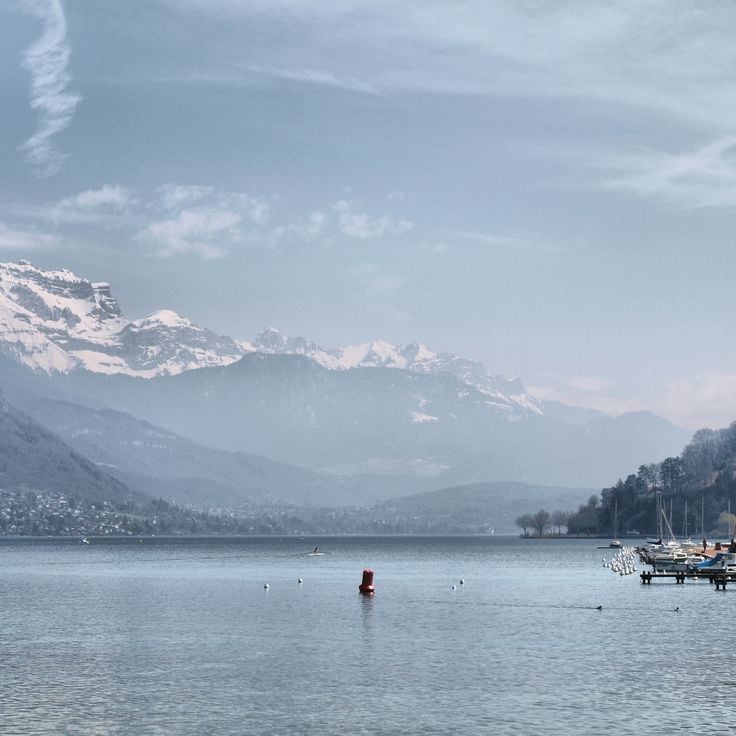
Lake Annecy sits in the Alps, surrounded by mountain peaks that drop straight to the water. Mélissa Da Costa brings this lake to life in her novels, where its shores and reflections become part of stories about solitude and starting over. Readers who know her work will find something familiar walking along the water here.
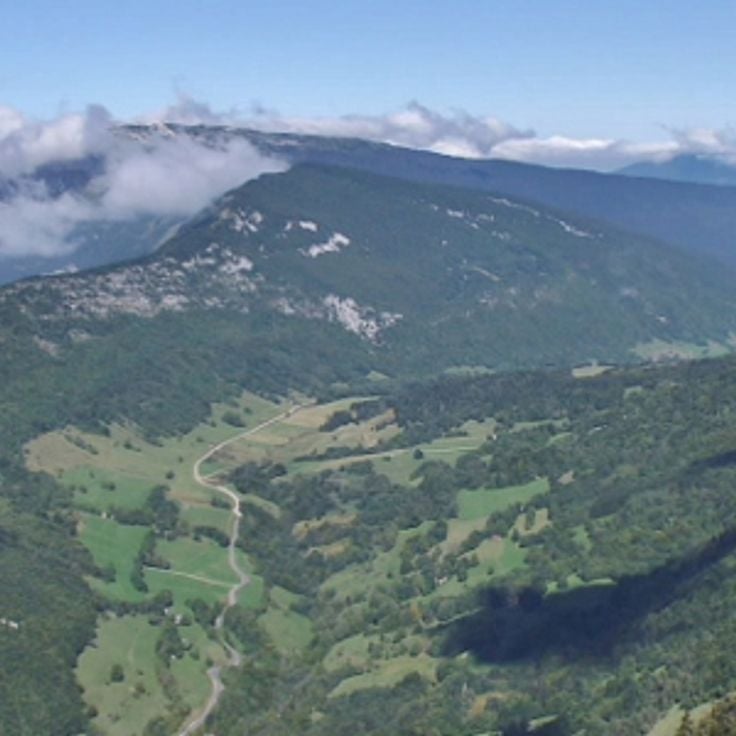
The Massif des Bauges is a mountain range in the French Alps, tucked between Savoie and the Annecy area. Mélissa Da Costa draws on these landscapes in her novels, where the mountains serve as a backdrop for stories about solitude and personal change. Walking here, you find open pastures, dense forests and villages that feel removed from the rest of the world.
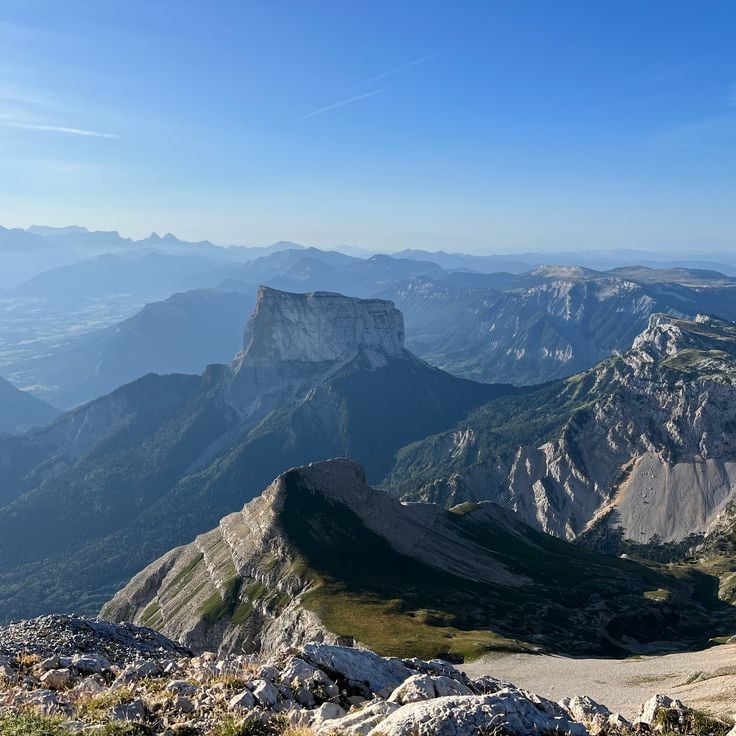
The Vercors Regional Nature Park sits in the Alps, on a limestone plateau cut through by gorges and forests. Mélissa Da Costa sets some of her stories here, where characters find solitude and slowly rebuild themselves far from everyday life. Walking through this landscape, you can feel why she chose it: the silence is deep, the paths are long, and the land feels removed from the rest of the world.
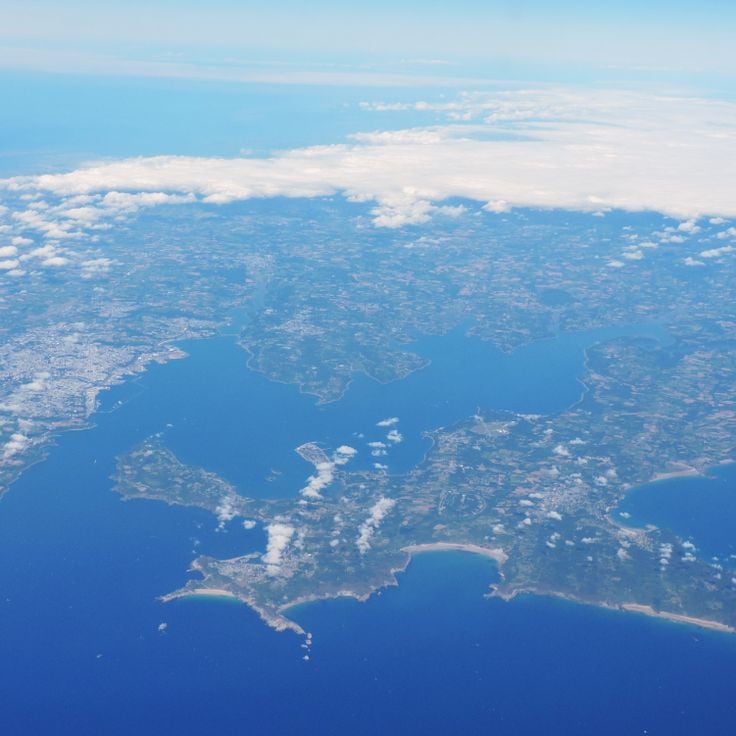
The Crozon Peninsula sits at the far western tip of Brittany, in Finistère, where the land meets the Atlantic on three sides. It is one of the real places named in Mélissa Da Costa's novel Les femmes du bout du monde. The coastline here is raw and open, with cliffs, coves, and long stretches of sea visible from almost everywhere. Readers who walk through it will find the landscapes that shaped the story.
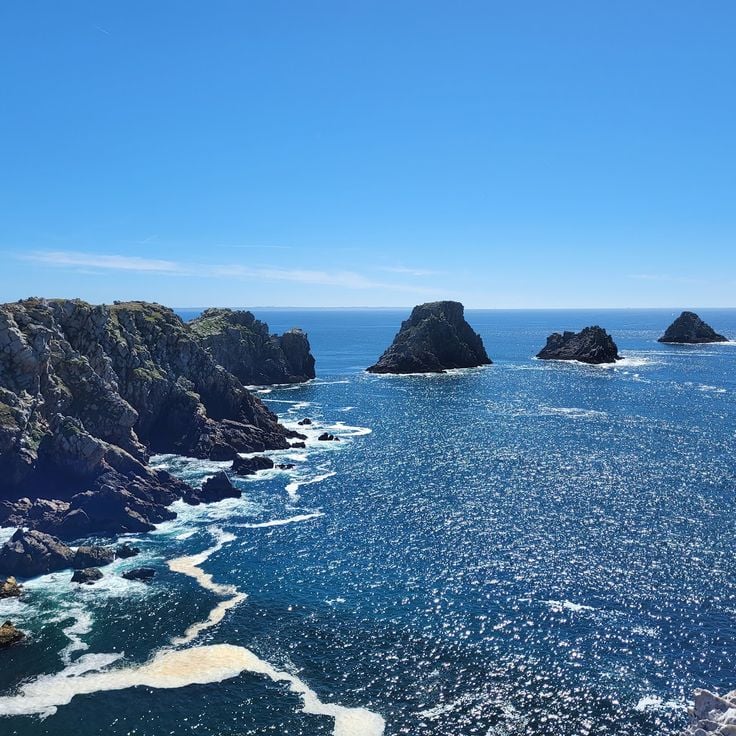
The Pointe de Pen-Hir is a rocky headland on the Crozon Peninsula in Brittany, where the land drops sharply into the Atlantic. The wind blows hard here, and the sea spreads out in every direction. Mélissa Da Costa mentions this spot in her novels as a place where characters stop, breathe, and face something larger than themselves. Standing at the edge, it is easy to understand why this kind of place fits into stories about leaving everything behind.
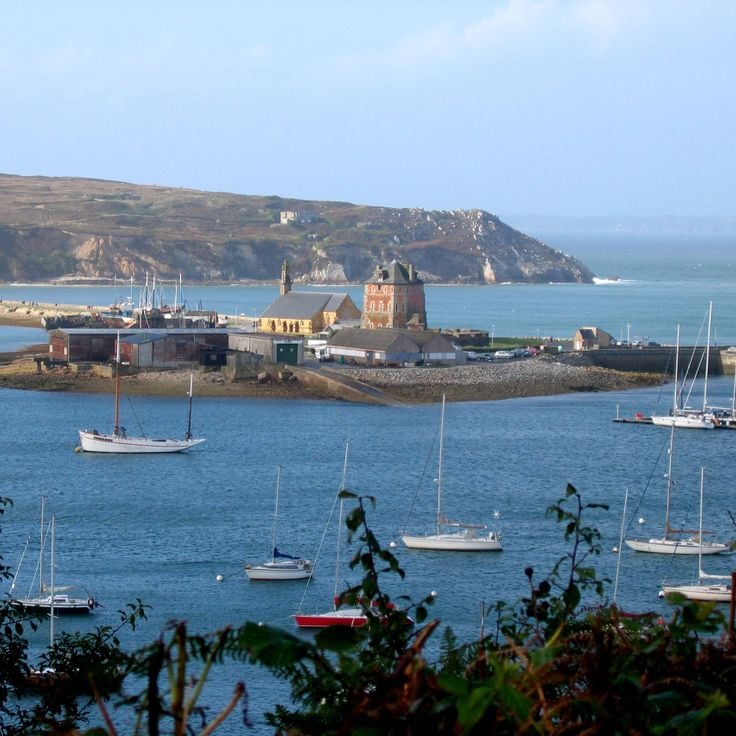
Camaret-sur-Mer is a small fishing port at the far western tip of Brittany, on the Crozon peninsula. Old wooden boats rest on the sand, the streets smell of salt, and the sea is visible from nearly everywhere. Mélissa Da Costa draws on places like this to give her characters a sense of isolation and new beginnings. Walking through Camaret-sur-Mer, readers can feel the same pull toward the ocean that her stories describe.
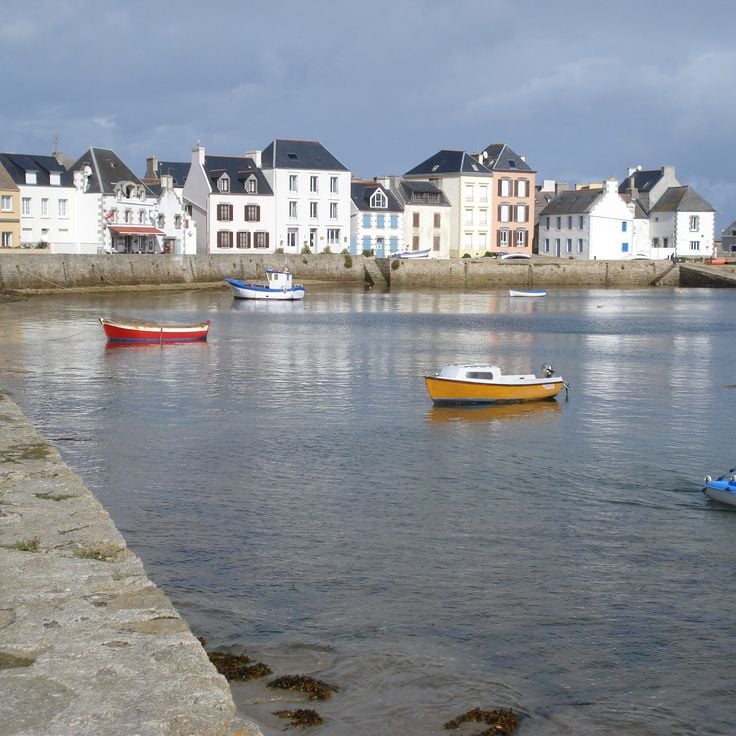
The Île de Sein is a small island off the coast of Finistère in Brittany, reachable only by boat. There are no cars here, the lanes are narrow, and the houses sit close together. The wind is almost always blowing, and the sea is never far. In Mélissa Da Costa's novels, this island represents the feeling of leaving everything behind and arriving somewhere that seems to exist apart from the rest of the world.
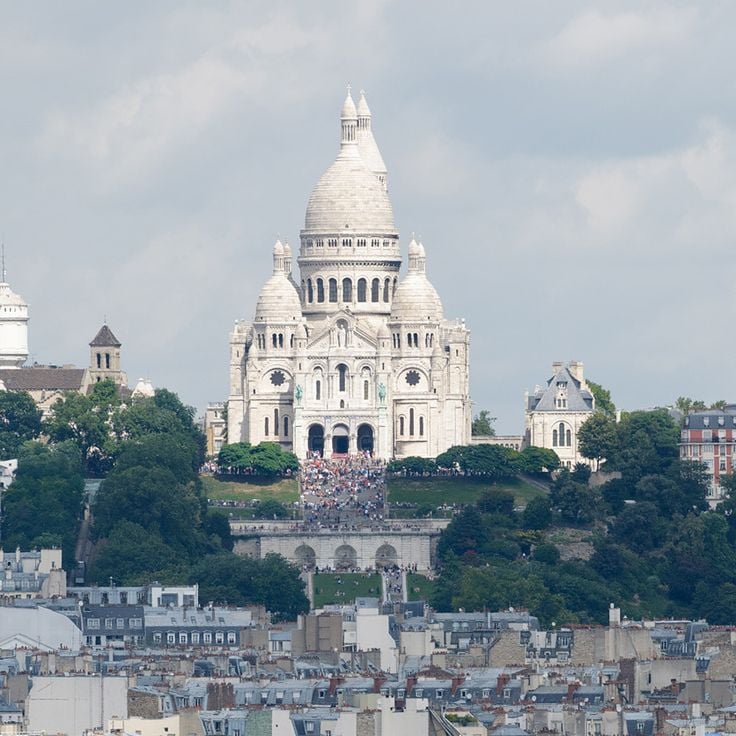
Montmartre is a hilltop neighborhood in northern Paris that appears in Mélissa Da Costa's novels as an urban setting. The narrow streets, old buildings, and views over the city give the area a particular feel. Walking through it, you understand why characters in her books are drawn to places like this when they need to step back from their lives and find their footing again.
The Canal Saint-Martin is a waterway in northeastern Paris, lined with iron footbridges, plane trees, and old stone locks. In Mélissa Da Costa's novels, it appears as a place where characters pause between one life and another. Visitors walk along the towpaths, watch boats pass slowly through the locks, and sit on the banks where locals gather in the afternoon. The canal has a particular mood that suits the themes of departure and renewal found throughout her books.
Toulouse-Matabiau Station is the main train station of Toulouse, sitting just north of the city center. In Mélissa Da Costa's novels, it appears as a place of departures and arrivals, a threshold between one life and another. Travelers pass through its large hall with bags in hand, heading toward the mountains, the coast, or somewhere new.
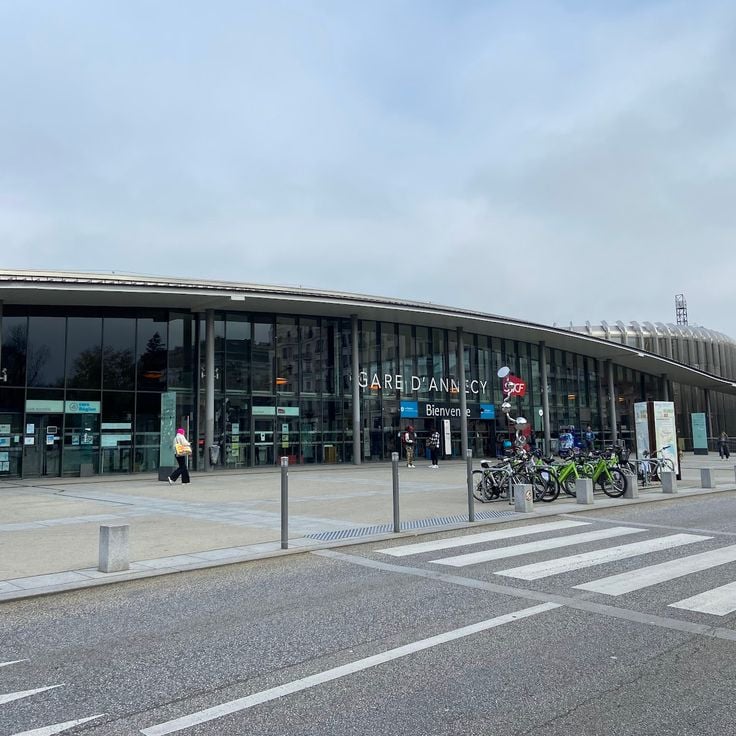
Annecy train station is a gateway to the Alps and to nearby cities. In Mélissa Da Costa's novel Les lendemains, it appears as a place of departure and return, where characters stand between their past lives and a new path. On the platform, you can feel that sense of transition which runs through the author's work.
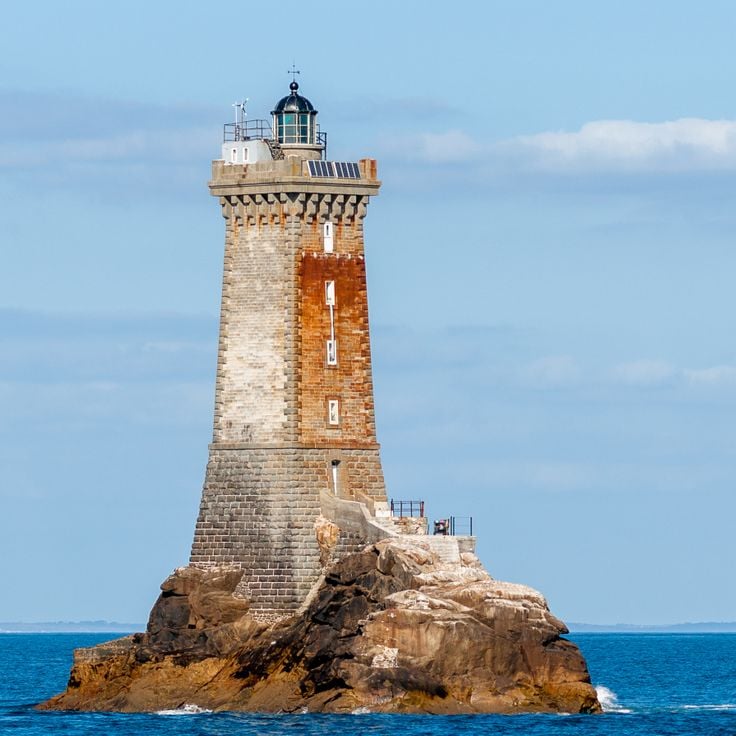
The Phare de la Vieille is a lighthouse standing on a rock in the sea off the Pointe du Raz, one of the most remote corners of Brittany. The waters around it are known for powerful currents and rough weather. In the novels of Mélissa Da Costa, this place at the edge of the world reflects the feeling of leaving everything behind.
Bagnères-de-Luchon is a thermal spa town in the Pyrenees that appears in Mélissa Da Costa's novel Tout le bleu du ciel. The town sits in a narrow valley, surrounded by mountains on all sides. Its main street is lined with old buildings, cafés and bath houses that have welcomed visitors for centuries. Readers of the novel will recognize this town as one of the places where the characters slow down and take in the world around them.
Saint-Bertrand-de-Comminges is a small village at the foot of the Pyrenees, mentioned in the novels of Mélissa Da Costa. Its medieval cathedral rises above the plain and can be seen from far away. Narrow streets, old stone houses and a slow pace give the place a feeling that time stands still. Readers familiar with the author's work will recognize here the kind of setting she uses for stories of solitude and starting over.
The Col du Portillon is a mountain pass on the border between France and Spain in the Pyrenees, located in the Haute-Garonne department. It appears in the novels of Mélissa Da Costa, where border crossings and mountain roads often carry the weight of departure and new beginnings. The road over the pass winds through the peaks, and crossing it feels like leaving one world and stepping into another.
The Hospice de France sits at the end of a valley in the Pyrenees, a short drive from Luchon. A narrow road winds through the forest to reach it, following a stream most of the way. Mélissa Da Costa sets her stories in places like this, where characters go to step away from their lives. Standing here, surrounded by trees and mountain air, it is easy to understand why.
The Luchon Valley sits in the Pyrenees mountains of the Haute-Garonne department in southern France. It appears in the novels of Mélissa Da Costa, where the forested slopes and mountain roads shape the mood of her stories. Readers who know her books will recognize the kind of place her characters retreat to, searching for solitude or a fresh start far from ordinary life.
Arreau is a small village in the Hautes-Pyrénées that appears in the novels of Mélissa Da Costa. It sits in a valley where several mountain roads meet, with a river running through its center and old half-timbered houses lining the streets. The pace of life here is slow, and the surrounding peaks feel close. Readers who know her books will recognize in this place the sense of retreat and starting over that runs through her stories.
Lac d'Oô sits high in the Pyrenees in the Haute-Garonne. You reach it after a long walk through forest and open meadows, with a waterfall dropping straight down from the cliffs above into the water below. The surrounding peaks close in on all sides. In Mélissa Da Costa's novels, this kind of place carries the weight of solitude and the desire to start over, far from everything left behind.
Toulouse is a city in southern France known for its pink brick buildings that give the streets a warm glow. In Mélissa Da Costa's novels, the city appears as an urban backdrop where characters move through everyday life before heading elsewhere. The historic center around the Place du Capitole is a natural gathering spot, full of cafés, markets, and the steady rhythm of city life.
The Canal du Midi runs from Toulouse to Sète through the heart of Occitania. In Mélissa Da Costa's novels, it appears as a place where people slow down, watch the water, and lose track of time. Plane trees line the banks, boats drift past quietly, and the path along the water invites long, unhurried walks. It is easy to see why this canal keeps coming back in her stories.
Albi is a city in southwestern France, set along the Tarn River. Its old center is built almost entirely from red brick, giving the streets a warm, earthy tone. The cathedral of Sainte-Cécile, built in the 13th century, rises above the rooftops with its fortress-like walls. Mélissa Da Costa mentions Albi in her novels as a place that carries a sense of history and withdrawal, feelings that run through many of her characters.
Annecy sits in the Alps, on the edge of a clear mountain lake, and serves as one of the settings in Mélissa Da Costa's novel Les lendemains. The old town runs along a network of canals, with stone arcades and old facades that give the place a strong sense of character. Walking through it, you can feel why the author chose this town to tell a story about starting over.
Lake Annecy sits in the Alps, surrounded by mountain peaks that drop straight to the water. Mélissa Da Costa brings this lake to life in her novels, where its shores and reflections become part of stories about solitude and starting over. Readers who know her work will find something familiar walking along the water here.
The Massif des Bauges is a mountain range in the French Alps, tucked between Savoie and the Annecy area. Mélissa Da Costa draws on these landscapes in her novels, where the mountains serve as a backdrop for stories about solitude and personal change. Walking here, you find open pastures, dense forests and villages that feel removed from the rest of the world.
The Vercors Regional Nature Park sits in the Alps, on a limestone plateau cut through by gorges and forests. Mélissa Da Costa sets some of her stories here, where characters find solitude and slowly rebuild themselves far from everyday life. Walking through this landscape, you can feel why she chose it: the silence is deep, the paths are long, and the land feels removed from the rest of the world.
The Crozon Peninsula sits at the far western tip of Brittany, in Finistère, where the land meets the Atlantic on three sides. It is one of the real places named in Mélissa Da Costa's novel Les femmes du bout du monde. The coastline here is raw and open, with cliffs, coves, and long stretches of sea visible from almost everywhere. Readers who walk through it will find the landscapes that shaped the story.
The Pointe de Pen-Hir is a rocky headland on the Crozon Peninsula in Brittany, where the land drops sharply into the Atlantic. The wind blows hard here, and the sea spreads out in every direction. Mélissa Da Costa mentions this spot in her novels as a place where characters stop, breathe, and face something larger than themselves. Standing at the edge, it is easy to understand why this kind of place fits into stories about leaving everything behind.
Camaret-sur-Mer is a small fishing port at the far western tip of Brittany, on the Crozon peninsula. Old wooden boats rest on the sand, the streets smell of salt, and the sea is visible from nearly everywhere. Mélissa Da Costa draws on places like this to give her characters a sense of isolation and new beginnings. Walking through Camaret-sur-Mer, readers can feel the same pull toward the ocean that her stories describe.
The Île de Sein is a small island off the coast of Finistère in Brittany, reachable only by boat. There are no cars here, the lanes are narrow, and the houses sit close together. The wind is almost always blowing, and the sea is never far. In Mélissa Da Costa's novels, this island represents the feeling of leaving everything behind and arriving somewhere that seems to exist apart from the rest of the world.
Montmartre is a hilltop neighborhood in northern Paris that appears in Mélissa Da Costa's novels as an urban setting. The narrow streets, old buildings, and views over the city give the area a particular feel. Walking through it, you understand why characters in her books are drawn to places like this when they need to step back from their lives and find their footing again.
The Canal Saint-Martin is a waterway in northeastern Paris, lined with iron footbridges, plane trees, and old stone locks. In Mélissa Da Costa's novels, it appears as a place where characters pause between one life and another. Visitors walk along the towpaths, watch boats pass slowly through the locks, and sit on the banks where locals gather in the afternoon. The canal has a particular mood that suits the themes of departure and renewal found throughout her books.
Toulouse-Matabiau Station is the main train station of Toulouse, sitting just north of the city center. In Mélissa Da Costa's novels, it appears as a place of departures and arrivals, a threshold between one life and another. Travelers pass through its large hall with bags in hand, heading toward the mountains, the coast, or somewhere new.
Annecy train station is a gateway to the Alps and to nearby cities. In Mélissa Da Costa's novel Les lendemains, it appears as a place of departure and return, where characters stand between their past lives and a new path. On the platform, you can feel that sense of transition which runs through the author's work.
The Phare de la Vieille is a lighthouse standing on a rock in the sea off the Pointe du Raz, one of the most remote corners of Brittany. The waters around it are known for powerful currents and rough weather. In the novels of Mélissa Da Costa, this place at the edge of the world reflects the feeling of leaving everything behind.
Bagnères-de-Luchon is a thermal spa town in the Pyrenees that appears in Mélissa Da Costa's novel Tout le bleu du ciel. The town sits in a narrow valley, surrounded by mountains on all sides. Its main street is lined with old buildings, cafés and bath houses that have welcomed visitors for centuries. Readers of the novel will recognize this town as one of the places where the characters slow down and take in the world around them.
Saint-Bertrand-de-Comminges is a small village at the foot of the Pyrenees, mentioned in the novels of Mélissa Da Costa. Its medieval cathedral rises above the plain and can be seen from far away. Narrow streets, old stone houses and a slow pace give the place a feeling that time stands still. Readers familiar with the author's work will recognize here the kind of setting she uses for stories of solitude and starting over.
The Col du Portillon is a mountain pass on the border between France and Spain in the Pyrenees, located in the Haute-Garonne department. It appears in the novels of Mélissa Da Costa, where border crossings and mountain roads often carry the weight of departure and new beginnings. The road over the pass winds through the peaks, and crossing it feels like leaving one world and stepping into another.
The Hospice de France sits at the end of a valley in the Pyrenees, a short drive from Luchon. A narrow road winds through the forest to reach it, following a stream most of the way. Mélissa Da Costa sets her stories in places like this, where characters go to step away from their lives. Standing here, surrounded by trees and mountain air, it is easy to understand why.
The Luchon Valley sits in the Pyrenees mountains of the Haute-Garonne department in southern France. It appears in the novels of Mélissa Da Costa, where the forested slopes and mountain roads shape the mood of her stories. Readers who know her books will recognize the kind of place her characters retreat to, searching for solitude or a fresh start far from ordinary life.
Arreau is a small village in the Hautes-Pyrénées that appears in the novels of Mélissa Da Costa. It sits in a valley where several mountain roads meet, with a river running through its center and old half-timbered houses lining the streets. The pace of life here is slow, and the surrounding peaks feel close. Readers who know her books will recognize in this place the sense of retreat and starting over that runs through her stories.
Lac d'Oô sits high in the Pyrenees in the Haute-Garonne. You reach it after a long walk through forest and open meadows, with a waterfall dropping straight down from the cliffs above into the water below. The surrounding peaks close in on all sides. In Mélissa Da Costa's novels, this kind of place carries the weight of solitude and the desire to start over, far from everything left behind.
Toulouse is a city in southern France known for its pink brick buildings that give the streets a warm glow. In Mélissa Da Costa's novels, the city appears as an urban backdrop where characters move through everyday life before heading elsewhere. The historic center around the Place du Capitole is a natural gathering spot, full of cafés, markets, and the steady rhythm of city life.
The Canal du Midi runs from Toulouse to Sète through the heart of Occitania. In Mélissa Da Costa's novels, it appears as a place where people slow down, watch the water, and lose track of time. Plane trees line the banks, boats drift past quietly, and the path along the water invites long, unhurried walks. It is easy to see why this canal keeps coming back in her stories.
Albi is a city in southwestern France, set along the Tarn River. Its old center is built almost entirely from red brick, giving the streets a warm, earthy tone. The cathedral of Sainte-Cécile, built in the 13th century, rises above the rooftops with its fortress-like walls. Mélissa Da Costa mentions Albi in her novels as a place that carries a sense of history and withdrawal, feelings that run through many of her characters.
Annecy sits in the Alps, on the edge of a clear mountain lake, and serves as one of the settings in Mélissa Da Costa's novel Les lendemains. The old town runs along a network of canals, with stone arcades and old facades that give the place a strong sense of character. Walking through it, you can feel why the author chose this town to tell a story about starting over.
Lake Annecy sits in the Alps, surrounded by mountain peaks that drop straight to the water. Mélissa Da Costa brings this lake to life in her novels, where its shores and reflections become part of stories about solitude and starting over. Readers who know her work will find something familiar walking along the water here.
The Massif des Bauges is a mountain range in the French Alps, tucked between Savoie and the Annecy area. Mélissa Da Costa draws on these landscapes in her novels, where the mountains serve as a backdrop for stories about solitude and personal change. Walking here, you find open pastures, dense forests and villages that feel removed from the rest of the world.
The Vercors Regional Nature Park sits in the Alps, on a limestone plateau cut through by gorges and forests. Mélissa Da Costa sets some of her stories here, where characters find solitude and slowly rebuild themselves far from everyday life. Walking through this landscape, you can feel why she chose it: the silence is deep, the paths are long, and the land feels removed from the rest of the world.
The Crozon Peninsula sits at the far western tip of Brittany, in Finistère, where the land meets the Atlantic on three sides. It is one of the real places named in Mélissa Da Costa's novel Les femmes du bout du monde. The coastline here is raw and open, with cliffs, coves, and long stretches of sea visible from almost everywhere. Readers who walk through it will find the landscapes that shaped the story.
The Pointe de Pen-Hir is a rocky headland on the Crozon Peninsula in Brittany, where the land drops sharply into the Atlantic. The wind blows hard here, and the sea spreads out in every direction. Mélissa Da Costa mentions this spot in her novels as a place where characters stop, breathe, and face something larger than themselves. Standing at the edge, it is easy to understand why this kind of place fits into stories about leaving everything behind.
Camaret-sur-Mer is a small fishing port at the far western tip of Brittany, on the Crozon peninsula. Old wooden boats rest on the sand, the streets smell of salt, and the sea is visible from nearly everywhere. Mélissa Da Costa draws on places like this to give her characters a sense of isolation and new beginnings. Walking through Camaret-sur-Mer, readers can feel the same pull toward the ocean that her stories describe.
The Île de Sein is a small island off the coast of Finistère in Brittany, reachable only by boat. There are no cars here, the lanes are narrow, and the houses sit close together. The wind is almost always blowing, and the sea is never far. In Mélissa Da Costa's novels, this island represents the feeling of leaving everything behind and arriving somewhere that seems to exist apart from the rest of the world.
Montmartre is a hilltop neighborhood in northern Paris that appears in Mélissa Da Costa's novels as an urban setting. The narrow streets, old buildings, and views over the city give the area a particular feel. Walking through it, you understand why characters in her books are drawn to places like this when they need to step back from their lives and find their footing again.
The Canal Saint-Martin is a waterway in northeastern Paris, lined with iron footbridges, plane trees, and old stone locks. In Mélissa Da Costa's novels, it appears as a place where characters pause between one life and another. Visitors walk along the towpaths, watch boats pass slowly through the locks, and sit on the banks where locals gather in the afternoon. The canal has a particular mood that suits the themes of departure and renewal found throughout her books.
Toulouse-Matabiau Station is the main train station of Toulouse, sitting just north of the city center. In Mélissa Da Costa's novels, it appears as a place of departures and arrivals, a threshold between one life and another. Travelers pass through its large hall with bags in hand, heading toward the mountains, the coast, or somewhere new.
Annecy train station is a gateway to the Alps and to nearby cities. In Mélissa Da Costa's novel Les lendemains, it appears as a place of departure and return, where characters stand between their past lives and a new path. On the platform, you can feel that sense of transition which runs through the author's work.
The Phare de la Vieille is a lighthouse standing on a rock in the sea off the Pointe du Raz, one of the most remote corners of Brittany. The waters around it are known for powerful currents and rough weather. In the novels of Mélissa Da Costa, this place at the edge of the world reflects the feeling of leaving everything behind.
Attention: these landscapes change a lot with the seasons. In winter, Brittany offers a deeper solitude, while in summer, the Pyrenees reveal hiking paths that stay closed the rest of the year. Choose your time based on what you are looking for.