See the monuments around you in AROpen chests in the app
Around Us is built for your phone — point your camera at the streets and discover the monuments and places around you in augmented reality.Around Us is built for your phone — chests unlock when you walk, explore and capture nearby places.
Candy shops and factories across France that keep alive sweet traditions rooted in history and family recipes from each region.
Here is a selection of 30 candy shops and factories across France. These places combine traditional craftsmanship, local history, and regional specialties. Each candy shop tells a special story, often related to a family recipe or a regional tradition passed down through generations. You will find pralines, nougats, calissons, caramels, and many other sweets that are part of French food traditions.
Candy shops and factories across France that keep alive sweet traditions rooted in history and family recipes from each region.
Here is a selection of 30 candy shops and factories across France. These places combine traditional craftsmanship, local history, and regional specialties. Each candy shop tells a special story, often related to a family recipe or a regional tradition passed down through generations. You will find pralines, nougats, calissons, caramels, and many other sweets that are part of French food traditions.
Confiserie Kubli in Paris has been making sweets and candies since 1900. This shop carries on a long tradition of Parisian confectionery craftsmanship, with recipes and techniques passed down over generations. Walking in, you notice the careful work that goes into each piece, from the colors to the textures, all made by hand in the old way.
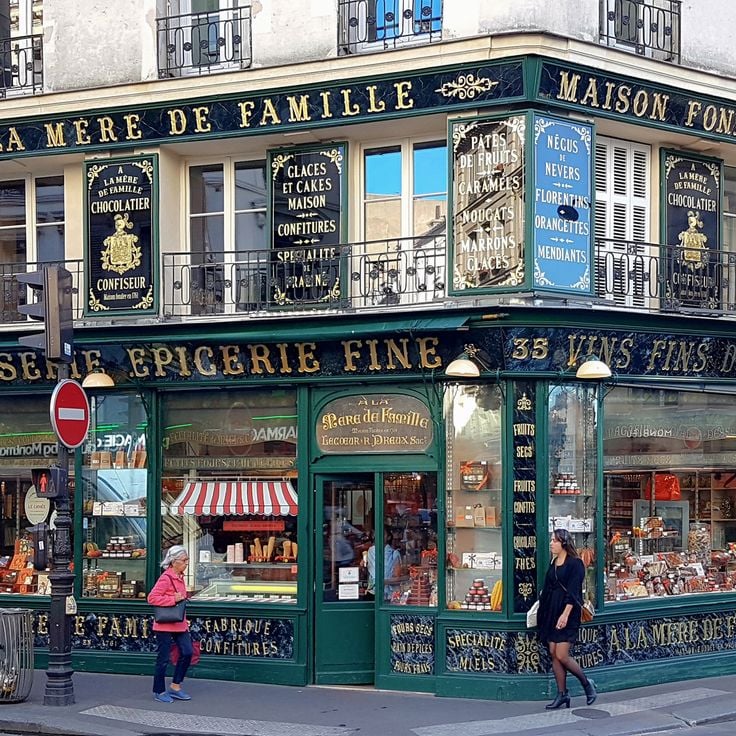
À la Mère de Famille is the oldest candy shop in Paris. Located on Rue du Faubourg-Montmartre, it has been selling handmade chocolates, sweets and regional confections from across France since the 18th century. The old wooden shelves and classic shop interior give a good sense of what a Parisian sweet shop once looked like. Inside, you find caramels, pralines, candied fruits and many other specialties made from traditional recipes.
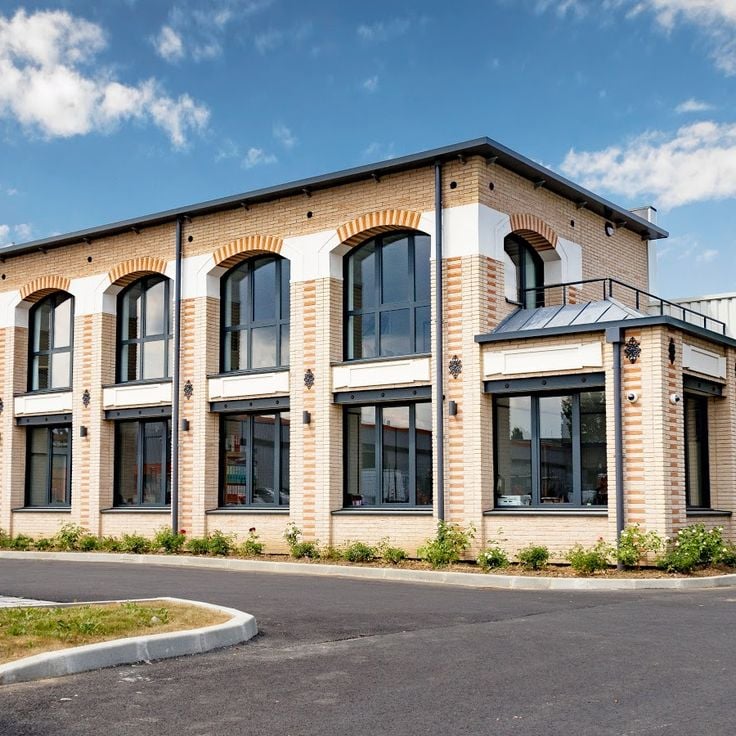
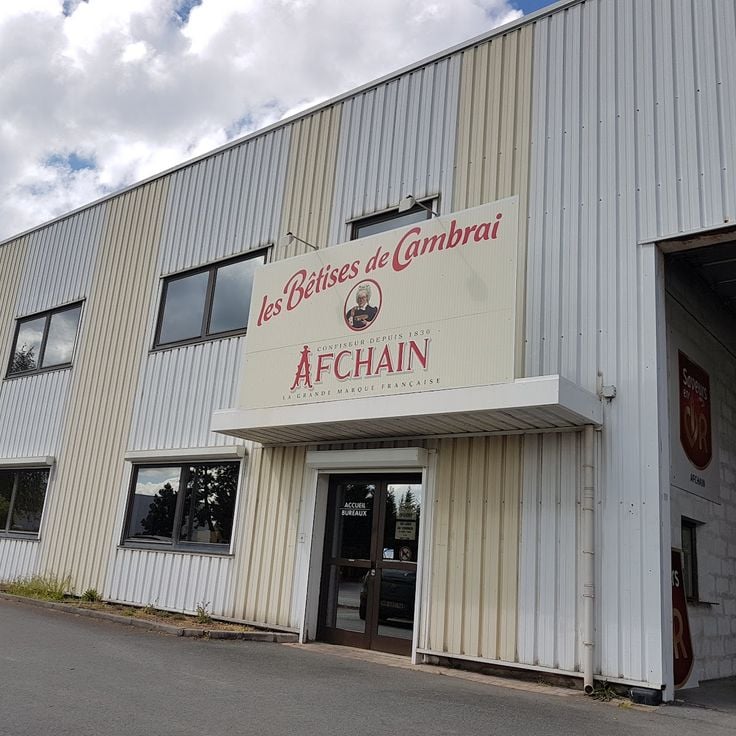
Maison Afchain in Cambrai makes the Bêtises de Cambrai, a mint candy that has been tied to this city for generations. In the shop, you can watch the makers at work and try or buy the different versions of this regional specialty.
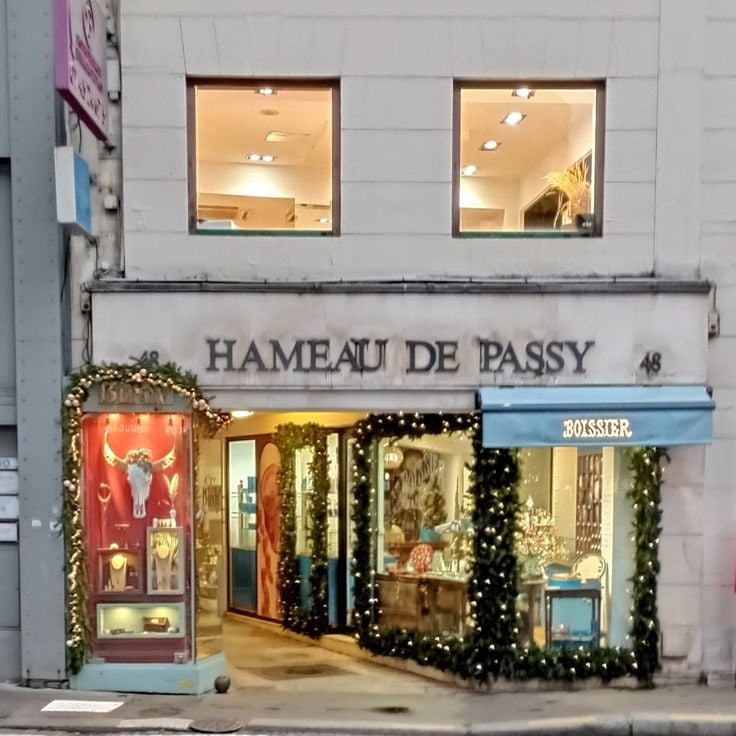
Maison Boissier is one of the oldest candy shops in Paris. Located in the 8th arrondissement, the shop welcomes visitors in a setting that recalls another era. Handmade chocolates, pralines, and sweets are crafted here using old recipes. The tradition of Parisian confectionery has been passed down here for generations.
The Maison du Bonbon sits in the heart of Lille and is a candy shop focused on regional sweets and treats from northern France. Inside, you will find classic local confections, from traditional Flemish-style candies to other handmade specialties that have been part of the region's sweet traditions for a long time.
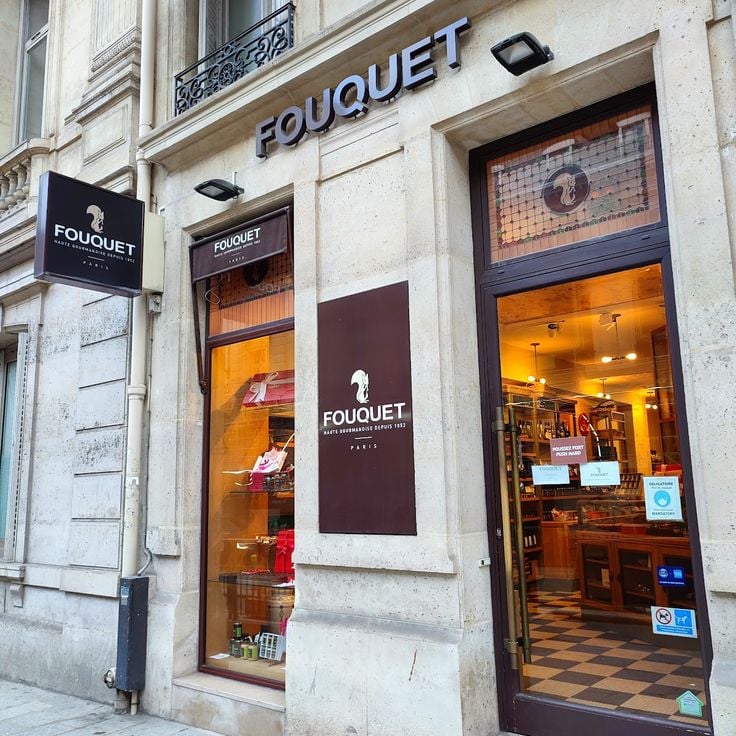
Maison Fouquet is a Parisian candy shop that sells handmade sweets and confections. It is one of the oldest of its kind in Paris, keeping recipes and methods that have been passed down over generations. Walking in, you find candies, caramels, and other treats that are deeply rooted in French confectionery tradition.
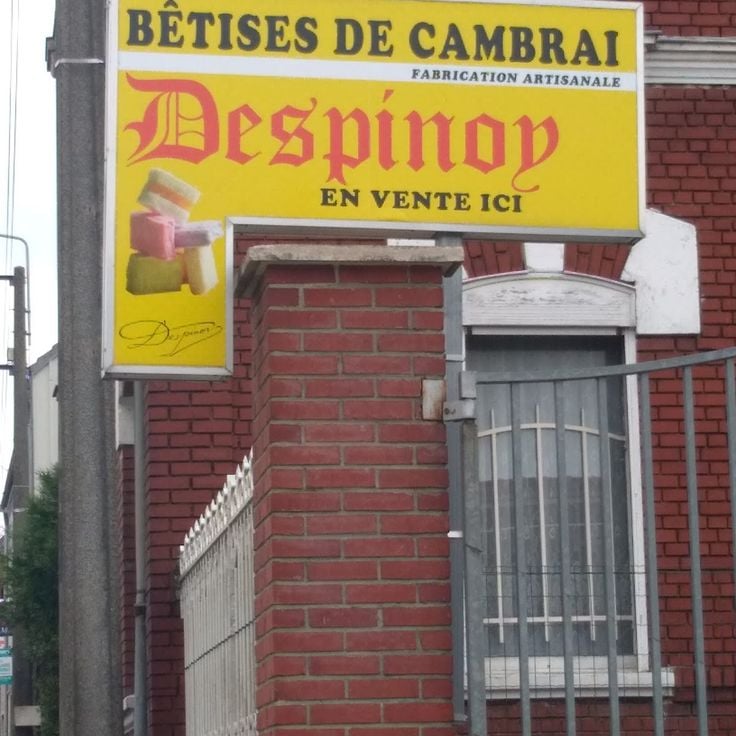
Confiserie Despinoy is a candy shop in the heart of Lille that makes traditional sweets from northern France. The recipes have been passed down for generations and reflect the local food culture of this northern city. Walking in, you find rows of handcrafted candies and confections that are deeply rooted in the everyday life of the region.
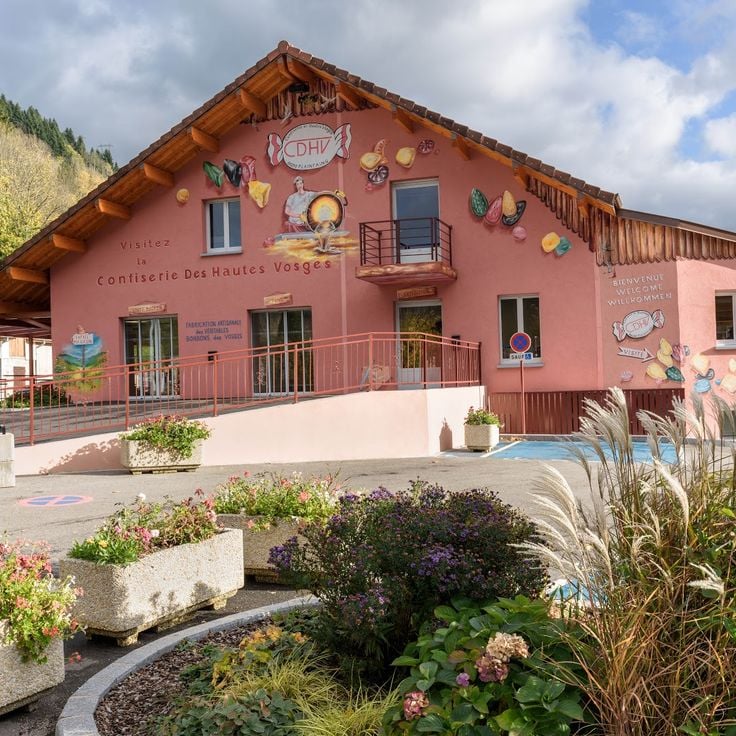
The Confiserie des Hautes-Vosges in Plainfaing makes traditional sweets from the Vosges region. The recipes have been passed down for generations. Walking into the shop, you discover regional treats that are closely tied to the history and daily life of this mountain area.
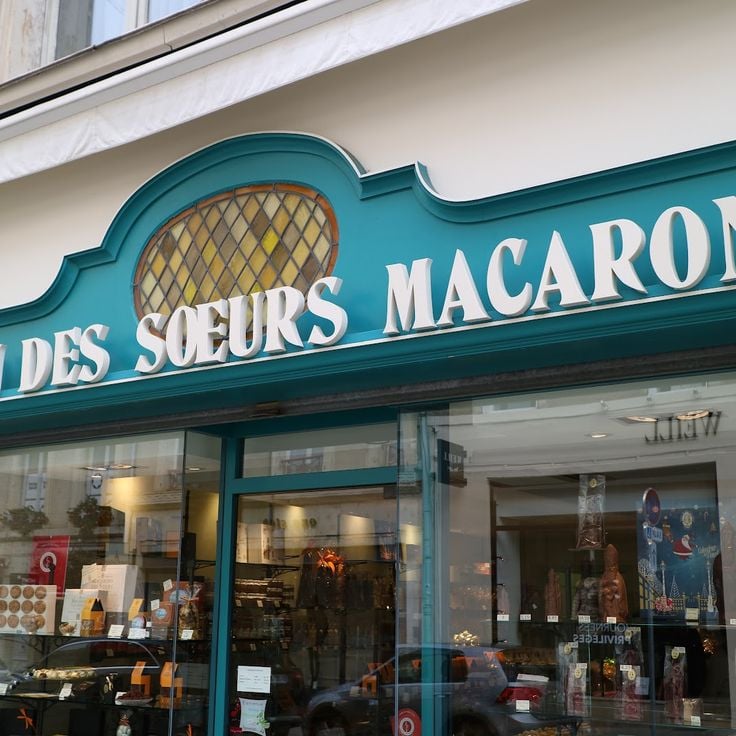
The Maison des Sœurs Macarons is one of the most recognized candy shops in Nancy. It specializes in bergamot candies, a regional treat closely tied to the city's history. The shop has a long tradition, with recipes passed down through generations. The place feels rooted in the city's daily life, and locals often stop by to pick up a bag of the famous bergamot sweets.
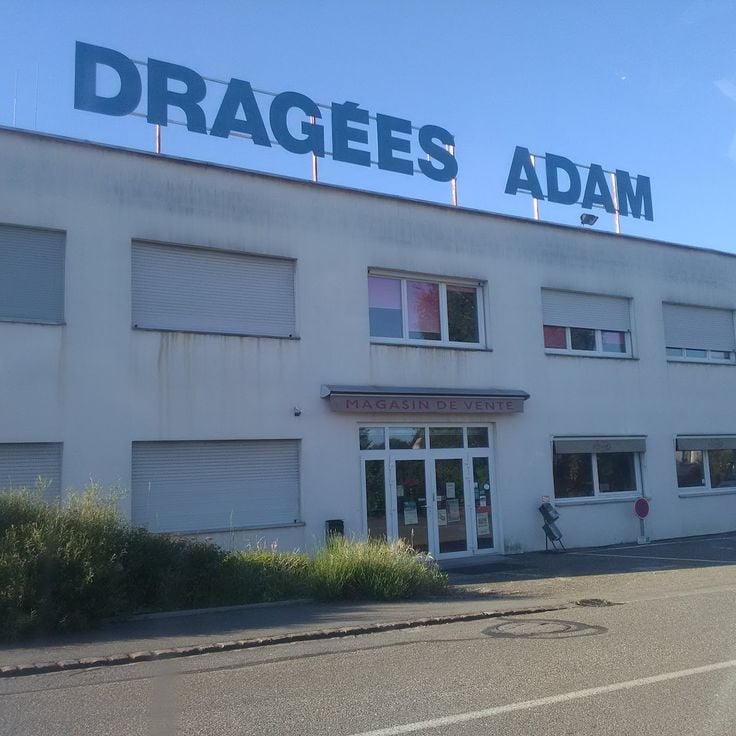
Confiserie Adam is located in Herrlisheim-près-Colmar, a small village near Colmar in Alsace. This candy shop produces handmade sweets following regional recipes passed down over time. Walking through the shop, you find traditional Alsatian specialties made with care. It is a place where local confectionery traditions are still very much alive.
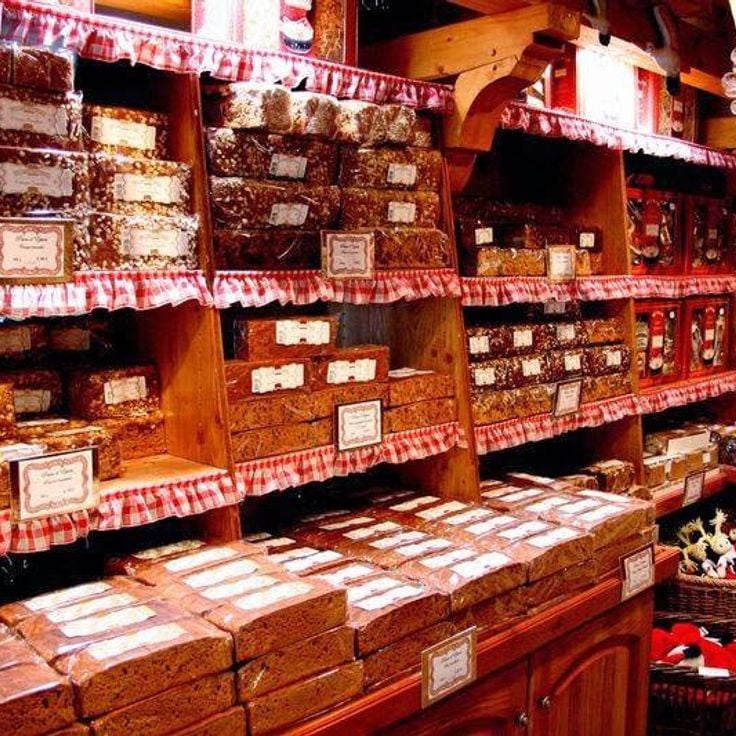
Fortwenger is a candy shop and bakery in Gertwiller, in the Alsace region, known for its gingerbread and handmade confections. The shop has a long history and follows traditional recipes passed down over generations. Walking through Gertwiller, this is one of the most recognized addresses for Alsatian gingerbread, which locals and visitors alike take home as a taste of the region.
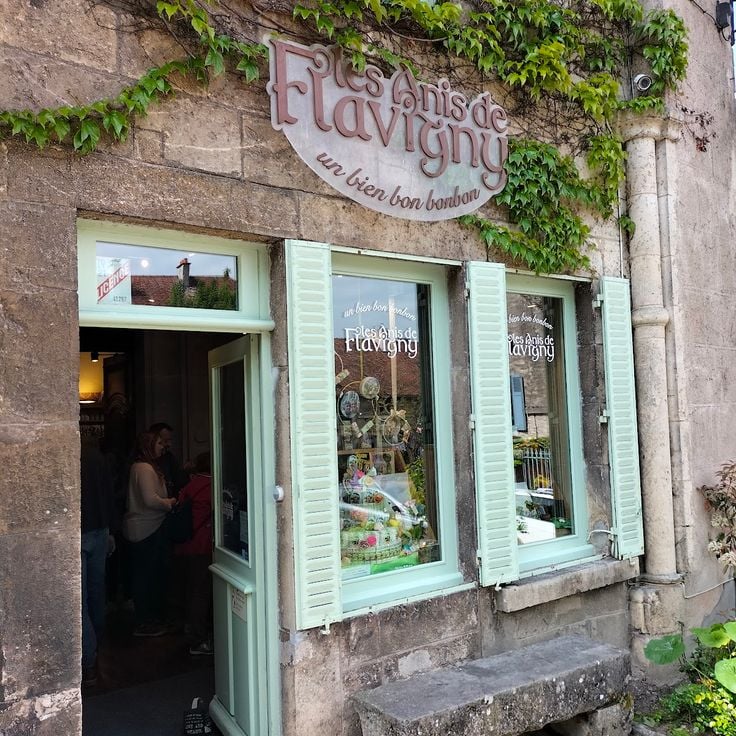
Anis de Flavigny is one of the oldest candy makers in France, housed in a medieval abbey in Flavigny-sur-Ozerain, Burgundy. For centuries, small anise candies have been made here by coating a single anise seed with layers of sugar. Walking through this place feels like stepping into a long-standing craft tradition that has stayed alive from one generation to the next.
Confiserie Mazet is a well-known name in Montargis, where the local praline has been made for generations. The recipe is straightforward: roasted almonds coated in caramelized sugar. In the shop, visitors can watch the craft in action and taste the sweets on the spot.
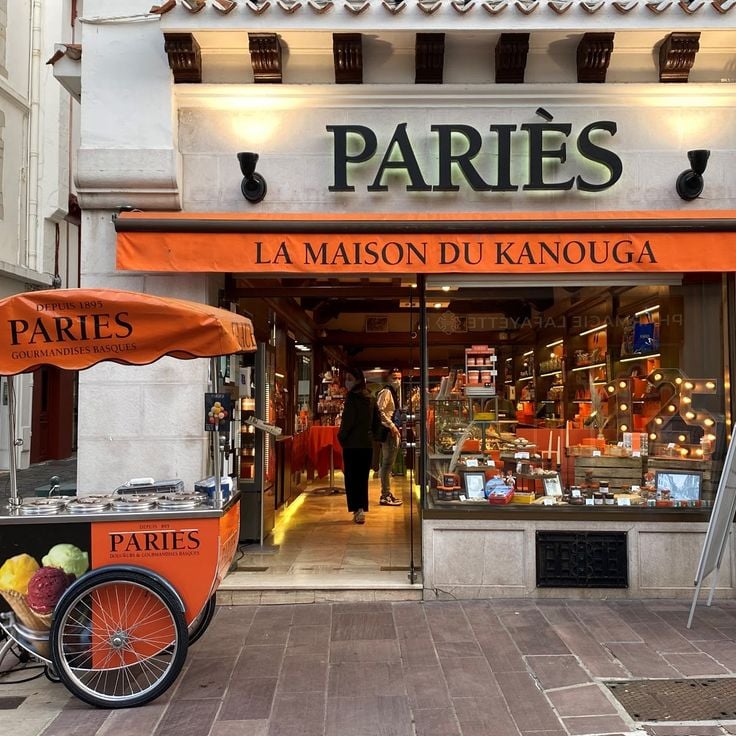
Maison Pariès is a Basque confectionery in Saint-Jean-de-Luz, where local sweets and coastal specialties are made by hand. The shop is known for its mouchou, kanouga, and other regional treats crafted from traditional recipes passed down over generations. It is one of the addresses featured in this collection of the finest candy shops in France.
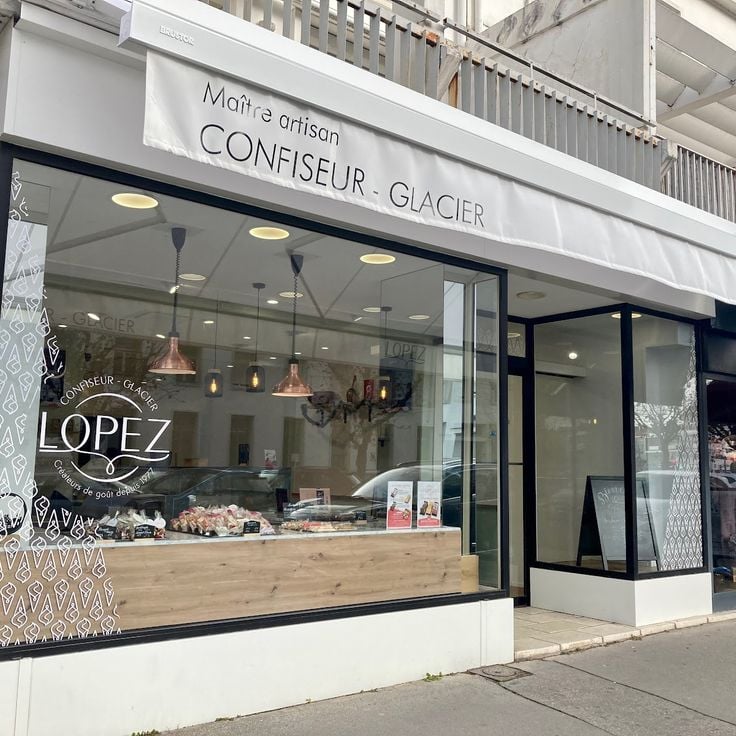
Confiserie Lopez in Bayonne is a go-to spot for anyone curious about the sweets of the Basque Country. The shop makes traditional local recipes by hand, including chocolates and other regional treats that have been tied to the city's history for generations.
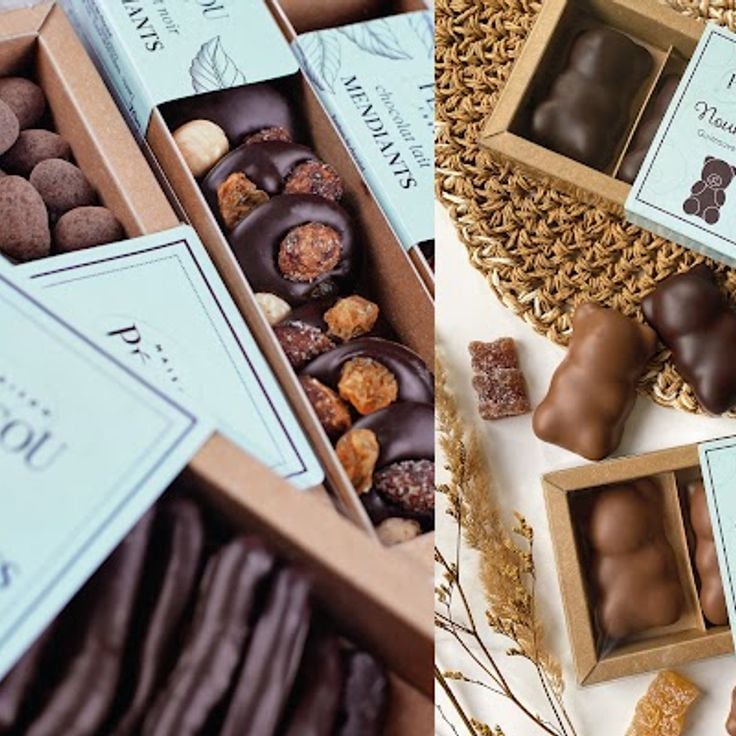
Maison Pécou is a candy shop in Montauban, in the heart of southwestern France. It offers sweets and treats rooted in local recipes passed down over generations. Walking in, you find handmade confections that reflect the flavors and traditions of the region, from soft candies to regional specialties typical of this part of France.
Confiserie Florian in Toulouse is a candy workshop where sweets are made by hand using traditional methods. The craftspeople here work with local ingredients to create treats tied to the flavors of the Toulouse region. It is the kind of place you walk into and immediately smell sugar and chocolate warming together.
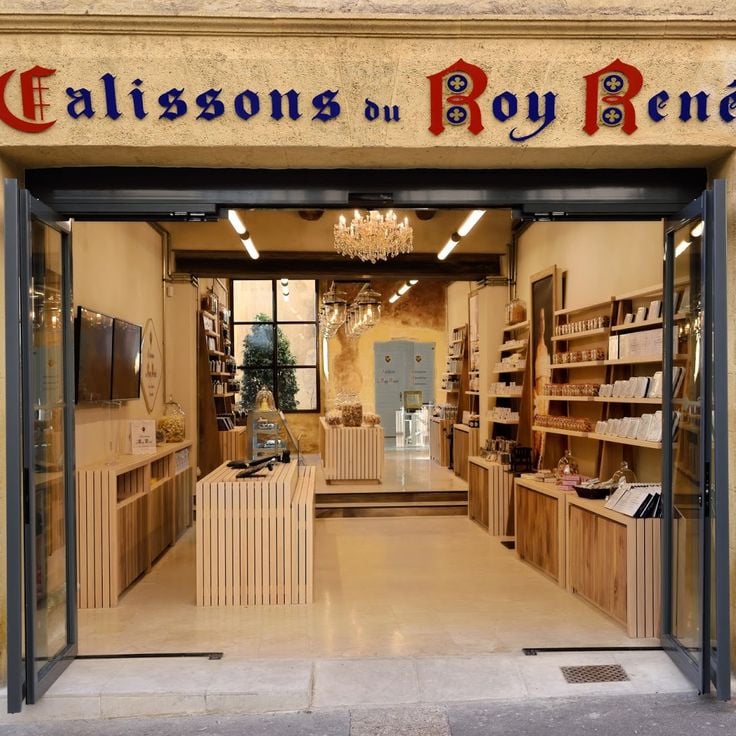
The Confiserie du Roy René in Aix-en-Provence is the most recognized name for calissons, the soft almond candies that have been tied to this city for centuries. Visitors can watch the sweets being made in the workshop, and the shop offers classic calissons alongside other treats from the region.
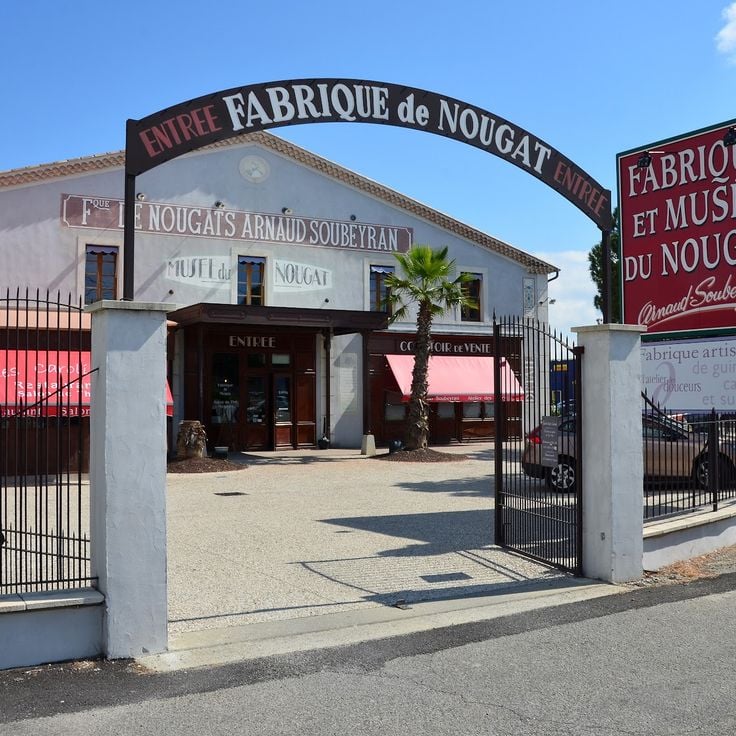
Arnaud Soubeyran is a nougat maker based in Montélimar, the town in southern France long associated with this confection. The workshop produces nougat using honey, almonds, and egg whites, following recipes that have been passed down over generations. Visitors can watch the candy being made and taste different varieties that reflect the local tradition of this part of the Drôme valley.
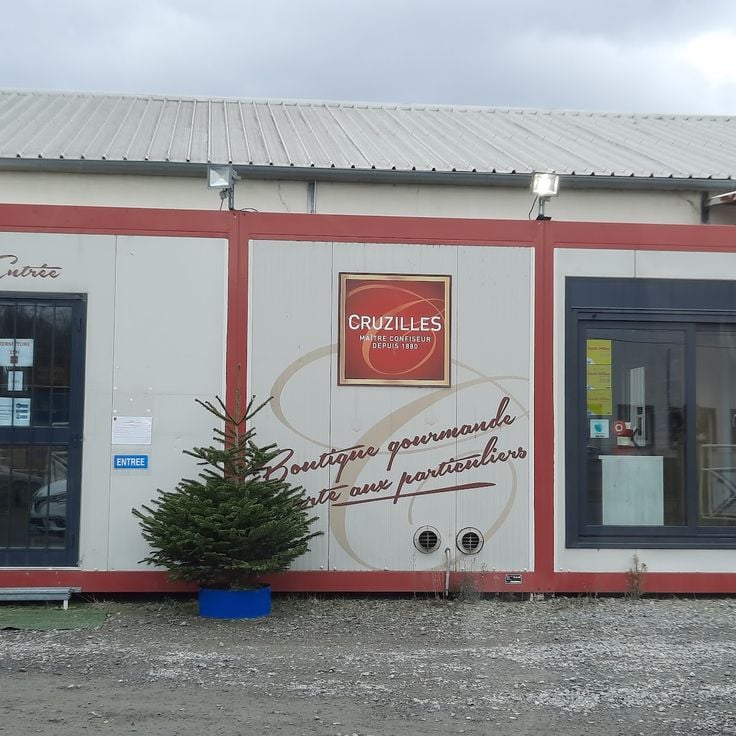
Confiserie Cruzilles is a candy shop in Clermont-Ferrand that has been making sweets and regional specialties from the Auvergne for generations. Visitors can discover local recipes prepared in a traditional way, getting a real taste of the confectionery culture of this part of France.
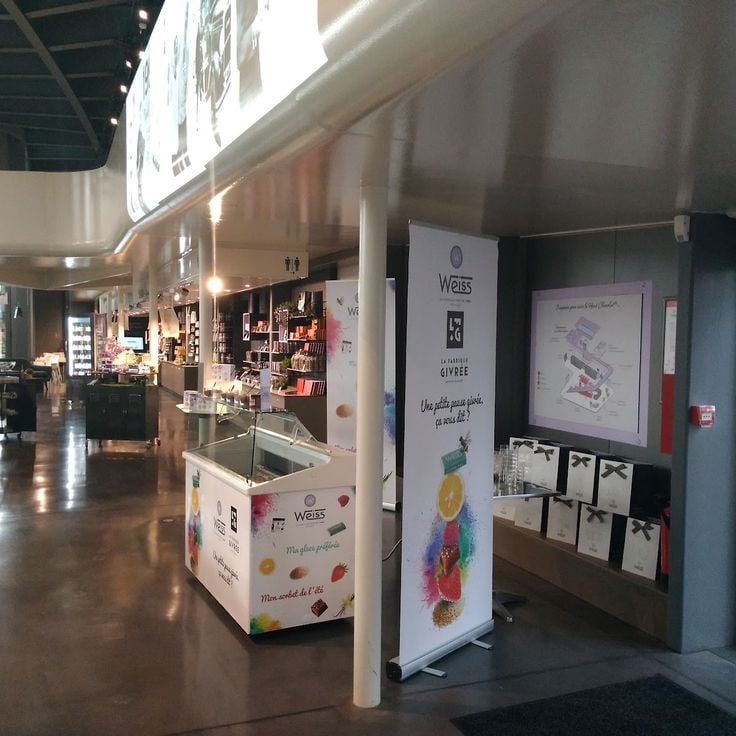
Maison Weiss is a candy shop and chocolate maker in Saint-Étienne with deep roots in the city. For generations, the house has crafted chocolates and sweets using time-honored recipes. Walking in, you will find rows of carefully made treats that reflect a long local tradition of confectionery work.
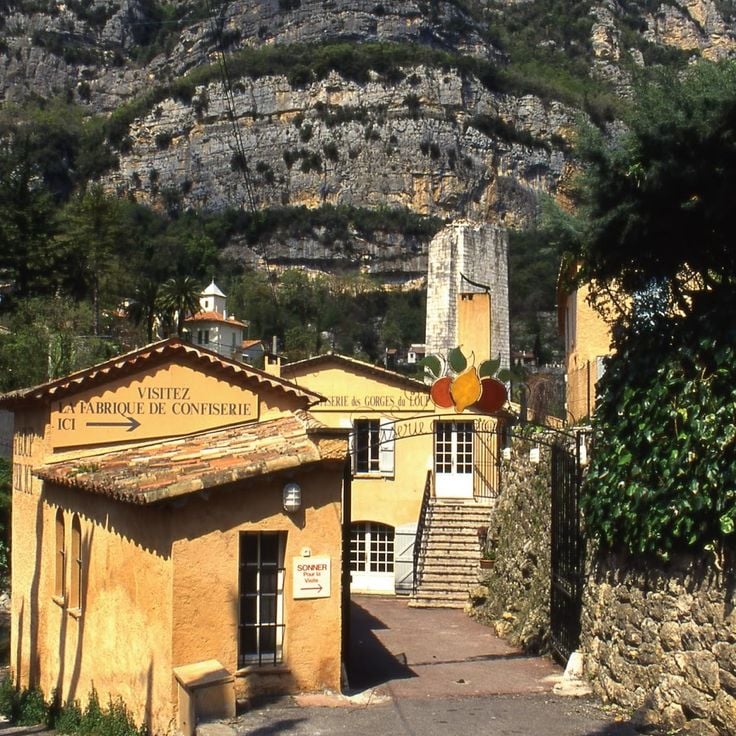
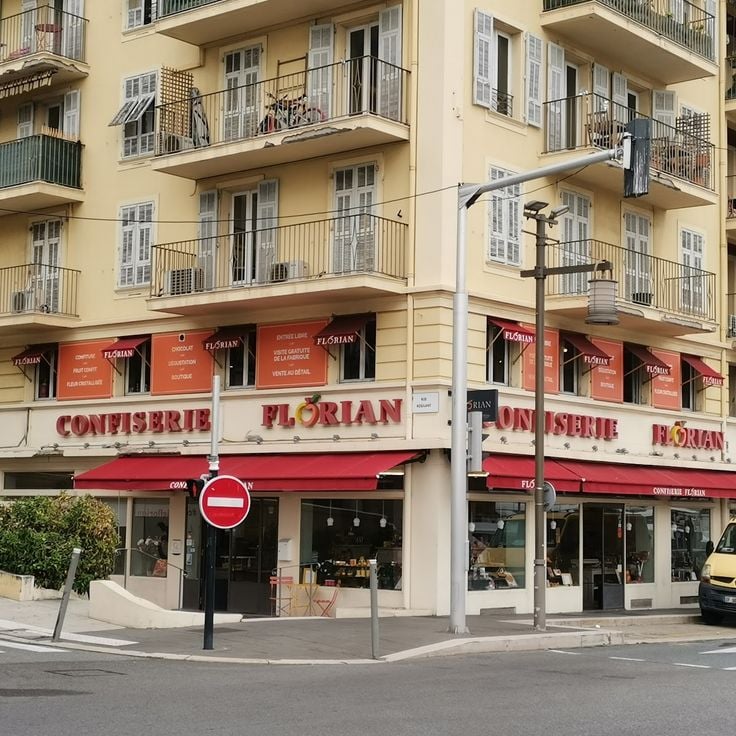
Confiserie Florian in Nice is one of the oldest candy makers in the city. The shop transforms local fruits and flower petals into candies, crystallized fruits, and chocolates using recipes passed down through generations. Walking through the workshop, you can watch the craftspeople at work and smell the sweet scents of rose, violet, and citrus. It is a good place to find a taste of the flavors that define this part of southern France.
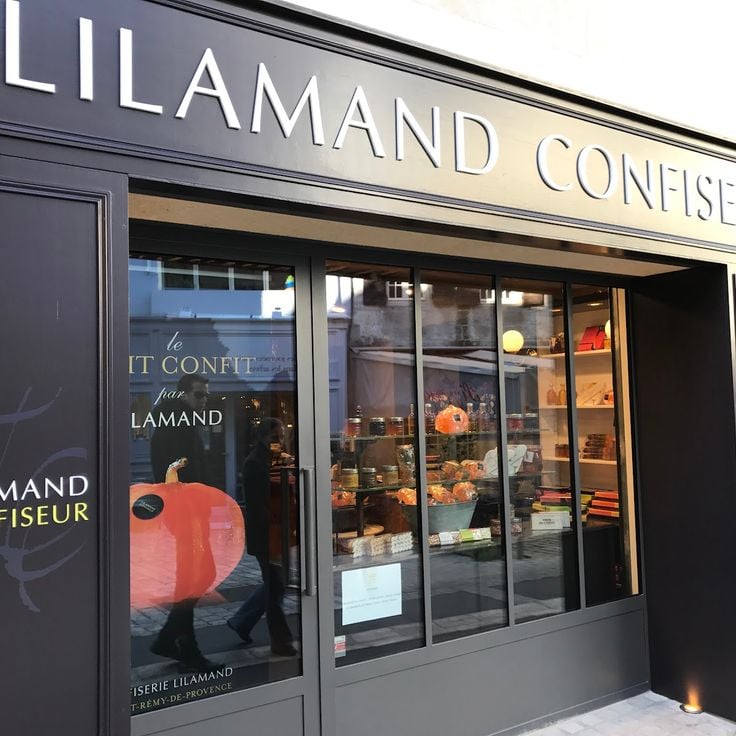
Confiserie Lilamand in Saint-Rémy-de-Provence has been making Provençal sweets for generations. The shop is known for its calissons, fruits preserved in syrup, and other regional treats. Walking in, you immediately smell sugar, almonds, and candied fruit. The craftspeople follow old family recipes passed down over time.
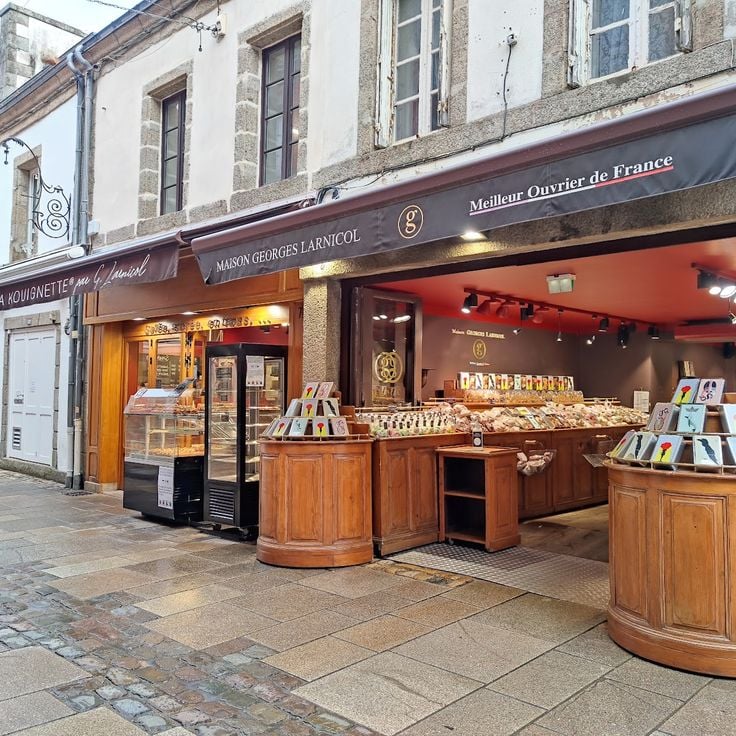
Maison Georges Larnicol is a Breton confectionery that makes handcrafted sweets and regional specialties from Brittany. Visitors will find candies, caramels and other Breton treats made from traditional recipes that reflect the baking traditions of the region.
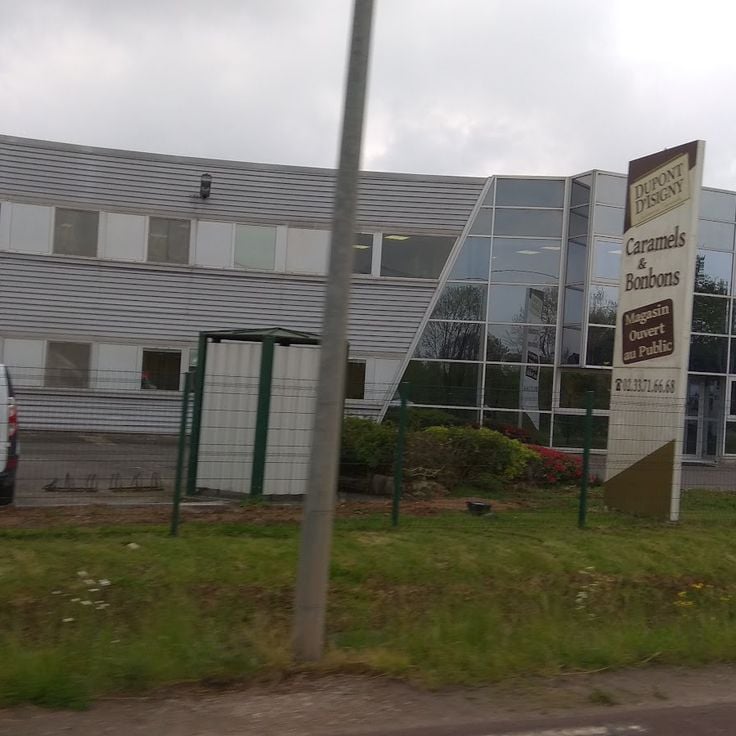
Confiserie Dupont d'Isigny is a candy maker based in Isigny-sur-Mer, on the Normandy coast. The shop is known above all for its caramels, made using local dairy products from this part of France. Walking in, you notice the sweet smell of butter and sugar, and the careful work of the confectioners. This is a place where a regional recipe has been passed down and refined over generations, making it one of the most familiar names in French caramel.
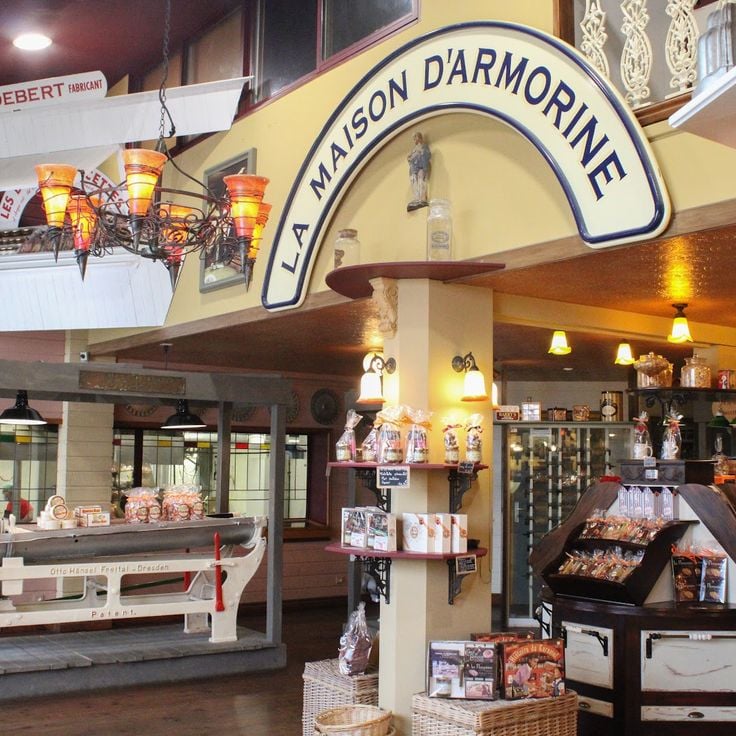
Maison d'Armorine is a candy shop in Quiberon, a small town on a Breton peninsula. It is known for its niniches, traditional hard candies from the coastal region. The recipes have been passed down through generations, and the shop has the feel of an old family trade. Walking through Quiberon, the smell of cooked sugar draws you in naturally.
Confiserie Kubli in Paris has been making sweets and candies since 1900. This shop carries on a long tradition of Parisian confectionery craftsmanship, with recipes and techniques passed down over generations. Walking in, you notice the careful work that goes into each piece, from the colors to the textures, all made by hand in the old way.
À la Mère de Famille is the oldest candy shop in Paris. Located on Rue du Faubourg-Montmartre, it has been selling handmade chocolates, sweets and regional confections from across France since the 18th century. The old wooden shelves and classic shop interior give a good sense of what a Parisian sweet shop once looked like. Inside, you find caramels, pralines, candied fruits and many other specialties made from traditional recipes.
Maison Afchain in Cambrai makes the Bêtises de Cambrai, a mint candy that has been tied to this city for generations. In the shop, you can watch the makers at work and try or buy the different versions of this regional specialty.
Maison Boissier is one of the oldest candy shops in Paris. Located in the 8th arrondissement, the shop welcomes visitors in a setting that recalls another era. Handmade chocolates, pralines, and sweets are crafted here using old recipes. The tradition of Parisian confectionery has been passed down here for generations.
The Maison du Bonbon sits in the heart of Lille and is a candy shop focused on regional sweets and treats from northern France. Inside, you will find classic local confections, from traditional Flemish-style candies to other handmade specialties that have been part of the region's sweet traditions for a long time.
Maison Fouquet is a Parisian candy shop that sells handmade sweets and confections. It is one of the oldest of its kind in Paris, keeping recipes and methods that have been passed down over generations. Walking in, you find candies, caramels, and other treats that are deeply rooted in French confectionery tradition.
Confiserie Despinoy is a candy shop in the heart of Lille that makes traditional sweets from northern France. The recipes have been passed down for generations and reflect the local food culture of this northern city. Walking in, you find rows of handcrafted candies and confections that are deeply rooted in the everyday life of the region.
The Confiserie des Hautes-Vosges in Plainfaing makes traditional sweets from the Vosges region. The recipes have been passed down for generations. Walking into the shop, you discover regional treats that are closely tied to the history and daily life of this mountain area.
The Maison des Sœurs Macarons is one of the most recognized candy shops in Nancy. It specializes in bergamot candies, a regional treat closely tied to the city's history. The shop has a long tradition, with recipes passed down through generations. The place feels rooted in the city's daily life, and locals often stop by to pick up a bag of the famous bergamot sweets.
Confiserie Adam is located in Herrlisheim-près-Colmar, a small village near Colmar in Alsace. This candy shop produces handmade sweets following regional recipes passed down over time. Walking through the shop, you find traditional Alsatian specialties made with care. It is a place where local confectionery traditions are still very much alive.
Fortwenger is a candy shop and bakery in Gertwiller, in the Alsace region, known for its gingerbread and handmade confections. The shop has a long history and follows traditional recipes passed down over generations. Walking through Gertwiller, this is one of the most recognized addresses for Alsatian gingerbread, which locals and visitors alike take home as a taste of the region.
Anis de Flavigny is one of the oldest candy makers in France, housed in a medieval abbey in Flavigny-sur-Ozerain, Burgundy. For centuries, small anise candies have been made here by coating a single anise seed with layers of sugar. Walking through this place feels like stepping into a long-standing craft tradition that has stayed alive from one generation to the next.
Confiserie Mazet is a well-known name in Montargis, where the local praline has been made for generations. The recipe is straightforward: roasted almonds coated in caramelized sugar. In the shop, visitors can watch the craft in action and taste the sweets on the spot.
Maison Pariès is a Basque confectionery in Saint-Jean-de-Luz, where local sweets and coastal specialties are made by hand. The shop is known for its mouchou, kanouga, and other regional treats crafted from traditional recipes passed down over generations. It is one of the addresses featured in this collection of the finest candy shops in France.
Confiserie Lopez in Bayonne is a go-to spot for anyone curious about the sweets of the Basque Country. The shop makes traditional local recipes by hand, including chocolates and other regional treats that have been tied to the city's history for generations.
Maison Pécou is a candy shop in Montauban, in the heart of southwestern France. It offers sweets and treats rooted in local recipes passed down over generations. Walking in, you find handmade confections that reflect the flavors and traditions of the region, from soft candies to regional specialties typical of this part of France.
Confiserie Florian in Toulouse is a candy workshop where sweets are made by hand using traditional methods. The craftspeople here work with local ingredients to create treats tied to the flavors of the Toulouse region. It is the kind of place you walk into and immediately smell sugar and chocolate warming together.
The Confiserie du Roy René in Aix-en-Provence is the most recognized name for calissons, the soft almond candies that have been tied to this city for centuries. Visitors can watch the sweets being made in the workshop, and the shop offers classic calissons alongside other treats from the region.
Arnaud Soubeyran is a nougat maker based in Montélimar, the town in southern France long associated with this confection. The workshop produces nougat using honey, almonds, and egg whites, following recipes that have been passed down over generations. Visitors can watch the candy being made and taste different varieties that reflect the local tradition of this part of the Drôme valley.
Confiserie Cruzilles is a candy shop in Clermont-Ferrand that has been making sweets and regional specialties from the Auvergne for generations. Visitors can discover local recipes prepared in a traditional way, getting a real taste of the confectionery culture of this part of France.
Maison Weiss is a candy shop and chocolate maker in Saint-Étienne with deep roots in the city. For generations, the house has crafted chocolates and sweets using time-honored recipes. Walking in, you will find rows of carefully made treats that reflect a long local tradition of confectionery work.
Confiserie Florian in Nice is one of the oldest candy makers in the city. The shop transforms local fruits and flower petals into candies, crystallized fruits, and chocolates using recipes passed down through generations. Walking through the workshop, you can watch the craftspeople at work and smell the sweet scents of rose, violet, and citrus. It is a good place to find a taste of the flavors that define this part of southern France.
Confiserie Lilamand in Saint-Rémy-de-Provence has been making Provençal sweets for generations. The shop is known for its calissons, fruits preserved in syrup, and other regional treats. Walking in, you immediately smell sugar, almonds, and candied fruit. The craftspeople follow old family recipes passed down over time.
Maison Georges Larnicol is a Breton confectionery that makes handcrafted sweets and regional specialties from Brittany. Visitors will find candies, caramels and other Breton treats made from traditional recipes that reflect the baking traditions of the region.
Confiserie Dupont d'Isigny is a candy maker based in Isigny-sur-Mer, on the Normandy coast. The shop is known above all for its caramels, made using local dairy products from this part of France. Walking in, you notice the sweet smell of butter and sugar, and the careful work of the confectioners. This is a place where a regional recipe has been passed down and refined over generations, making it one of the most familiar names in French caramel.
Maison d'Armorine is a candy shop in Quiberon, a small town on a Breton peninsula. It is known for its niniches, traditional hard candies from the coastal region. The recipes have been passed down through generations, and the shop has the feel of an old family trade. Walking through Quiberon, the smell of cooked sugar draws you in naturally.
Confiserie Kubli in Paris has been making sweets and candies since 1900. This shop carries on a long tradition of Parisian confectionery craftsmanship, with recipes and techniques passed down over generations. Walking in, you notice the careful work that goes into each piece, from the colors to the textures, all made by hand in the old way.
À la Mère de Famille is the oldest candy shop in Paris. Located on Rue du Faubourg-Montmartre, it has been selling handmade chocolates, sweets and regional confections from across France since the 18th century. The old wooden shelves and classic shop interior give a good sense of what a Parisian sweet shop once looked like. Inside, you find caramels, pralines, candied fruits and many other specialties made from traditional recipes.
Maison Afchain in Cambrai makes the Bêtises de Cambrai, a mint candy that has been tied to this city for generations. In the shop, you can watch the makers at work and try or buy the different versions of this regional specialty.
Maison Boissier is one of the oldest candy shops in Paris. Located in the 8th arrondissement, the shop welcomes visitors in a setting that recalls another era. Handmade chocolates, pralines, and sweets are crafted here using old recipes. The tradition of Parisian confectionery has been passed down here for generations.
The Maison du Bonbon sits in the heart of Lille and is a candy shop focused on regional sweets and treats from northern France. Inside, you will find classic local confections, from traditional Flemish-style candies to other handmade specialties that have been part of the region's sweet traditions for a long time.
Maison Fouquet is a Parisian candy shop that sells handmade sweets and confections. It is one of the oldest of its kind in Paris, keeping recipes and methods that have been passed down over generations. Walking in, you find candies, caramels, and other treats that are deeply rooted in French confectionery tradition.
Confiserie Despinoy is a candy shop in the heart of Lille that makes traditional sweets from northern France. The recipes have been passed down for generations and reflect the local food culture of this northern city. Walking in, you find rows of handcrafted candies and confections that are deeply rooted in the everyday life of the region.
The Confiserie des Hautes-Vosges in Plainfaing makes traditional sweets from the Vosges region. The recipes have been passed down for generations. Walking into the shop, you discover regional treats that are closely tied to the history and daily life of this mountain area.
The Maison des Sœurs Macarons is one of the most recognized candy shops in Nancy. It specializes in bergamot candies, a regional treat closely tied to the city's history. The shop has a long tradition, with recipes passed down through generations. The place feels rooted in the city's daily life, and locals often stop by to pick up a bag of the famous bergamot sweets.
Confiserie Adam is located in Herrlisheim-près-Colmar, a small village near Colmar in Alsace. This candy shop produces handmade sweets following regional recipes passed down over time. Walking through the shop, you find traditional Alsatian specialties made with care. It is a place where local confectionery traditions are still very much alive.
Fortwenger is a candy shop and bakery in Gertwiller, in the Alsace region, known for its gingerbread and handmade confections. The shop has a long history and follows traditional recipes passed down over generations. Walking through Gertwiller, this is one of the most recognized addresses for Alsatian gingerbread, which locals and visitors alike take home as a taste of the region.
Anis de Flavigny is one of the oldest candy makers in France, housed in a medieval abbey in Flavigny-sur-Ozerain, Burgundy. For centuries, small anise candies have been made here by coating a single anise seed with layers of sugar. Walking through this place feels like stepping into a long-standing craft tradition that has stayed alive from one generation to the next.
Confiserie Mazet is a well-known name in Montargis, where the local praline has been made for generations. The recipe is straightforward: roasted almonds coated in caramelized sugar. In the shop, visitors can watch the craft in action and taste the sweets on the spot.
Maison Pariès is a Basque confectionery in Saint-Jean-de-Luz, where local sweets and coastal specialties are made by hand. The shop is known for its mouchou, kanouga, and other regional treats crafted from traditional recipes passed down over generations. It is one of the addresses featured in this collection of the finest candy shops in France.
Confiserie Lopez in Bayonne is a go-to spot for anyone curious about the sweets of the Basque Country. The shop makes traditional local recipes by hand, including chocolates and other regional treats that have been tied to the city's history for generations.
Maison Pécou is a candy shop in Montauban, in the heart of southwestern France. It offers sweets and treats rooted in local recipes passed down over generations. Walking in, you find handmade confections that reflect the flavors and traditions of the region, from soft candies to regional specialties typical of this part of France.
Confiserie Florian in Toulouse is a candy workshop where sweets are made by hand using traditional methods. The craftspeople here work with local ingredients to create treats tied to the flavors of the Toulouse region. It is the kind of place you walk into and immediately smell sugar and chocolate warming together.
The Confiserie du Roy René in Aix-en-Provence is the most recognized name for calissons, the soft almond candies that have been tied to this city for centuries. Visitors can watch the sweets being made in the workshop, and the shop offers classic calissons alongside other treats from the region.
Arnaud Soubeyran is a nougat maker based in Montélimar, the town in southern France long associated with this confection. The workshop produces nougat using honey, almonds, and egg whites, following recipes that have been passed down over generations. Visitors can watch the candy being made and taste different varieties that reflect the local tradition of this part of the Drôme valley.
Confiserie Cruzilles is a candy shop in Clermont-Ferrand that has been making sweets and regional specialties from the Auvergne for generations. Visitors can discover local recipes prepared in a traditional way, getting a real taste of the confectionery culture of this part of France.
Maison Weiss is a candy shop and chocolate maker in Saint-Étienne with deep roots in the city. For generations, the house has crafted chocolates and sweets using time-honored recipes. Walking in, you will find rows of carefully made treats that reflect a long local tradition of confectionery work.
Confiserie Florian in Nice is one of the oldest candy makers in the city. The shop transforms local fruits and flower petals into candies, crystallized fruits, and chocolates using recipes passed down through generations. Walking through the workshop, you can watch the craftspeople at work and smell the sweet scents of rose, violet, and citrus. It is a good place to find a taste of the flavors that define this part of southern France.
Confiserie Lilamand in Saint-Rémy-de-Provence has been making Provençal sweets for generations. The shop is known for its calissons, fruits preserved in syrup, and other regional treats. Walking in, you immediately smell sugar, almonds, and candied fruit. The craftspeople follow old family recipes passed down over time.
Maison Georges Larnicol is a Breton confectionery that makes handcrafted sweets and regional specialties from Brittany. Visitors will find candies, caramels and other Breton treats made from traditional recipes that reflect the baking traditions of the region.
Confiserie Dupont d'Isigny is a candy maker based in Isigny-sur-Mer, on the Normandy coast. The shop is known above all for its caramels, made using local dairy products from this part of France. Walking in, you notice the sweet smell of butter and sugar, and the careful work of the confectioners. This is a place where a regional recipe has been passed down and refined over generations, making it one of the most familiar names in French caramel.
Maison d'Armorine is a candy shop in Quiberon, a small town on a Breton peninsula. It is known for its niniches, traditional hard candies from the coastal region. The recipes have been passed down through generations, and the shop has the feel of an old family trade. Walking through Quiberon, the smell of cooked sugar draws you in naturally.
Visit these candy shops in small groups or with family to enjoy the explanations of the artisans about their work. Many offer guided tours or demonstrations, which help show how these sweets are made. Take home boxes of candies directly from these places, because you will get fresher products than in stores. A note: some old candy shops close on Sundays or early in the week. It is better to call ahead before your visit.