See the monuments around you in AROpen chests in the app
Around Us is built for your phone — point your camera at the streets and discover the monuments and places around you in augmented reality.Around Us is built for your phone — chests unlock when you walk, explore and capture nearby places.
The real places where the most famous movies were filmed offer travelers a chance to follow the path of film history.
Discover the real places that served as backgrounds for famous movies and series. From Ireland to New Zealand, through the United States and in Europe, this collection invites you to explore the actual locations where memorable scenes were filmed. Each site tells a story, whether it is a castle inspiring a princess story, an alien mountain, or an urban park that became a star of the big screen.
The real places where the most famous movies were filmed offer travelers a chance to follow the path of film history.
Discover the real places that served as backgrounds for famous movies and series. From Ireland to New Zealand, through the United States and in Europe, this collection invites you to explore the actual locations where memorable scenes were filmed. Each site tells a story, whether it is a castle inspiring a princess story, an alien mountain, or an urban park that became a star of the big screen.
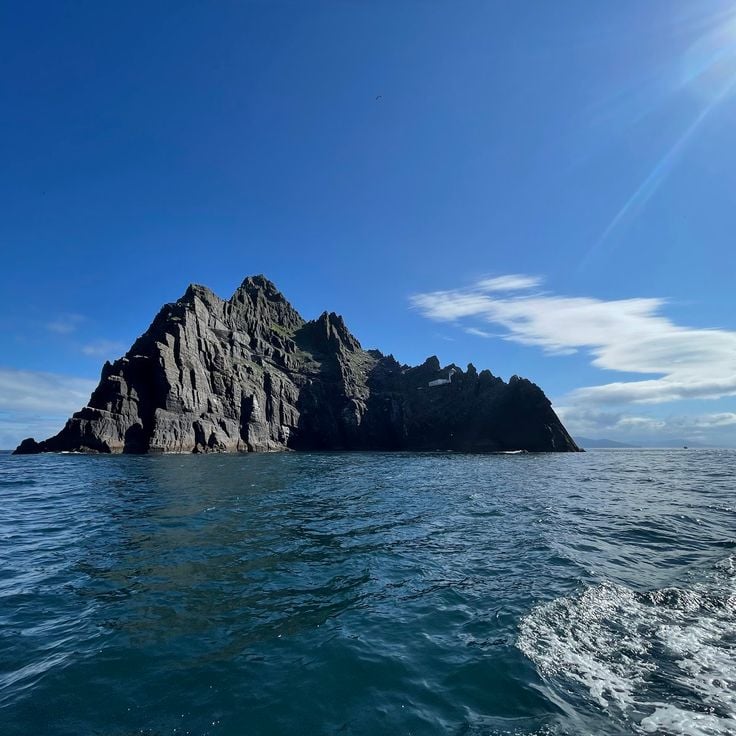
Skellig Michael is a rocky island off the coast of Ireland that served as a filming location for several Star Wars scenes. At its summit stand the ruins of an ancient monastery built by monks over a thousand years ago. The island is only accessible by boat and welcomes a limited number of visitors each year. Those who climb the steep path discover stone steps carved directly into the rock and wide views over the Atlantic Ocean.
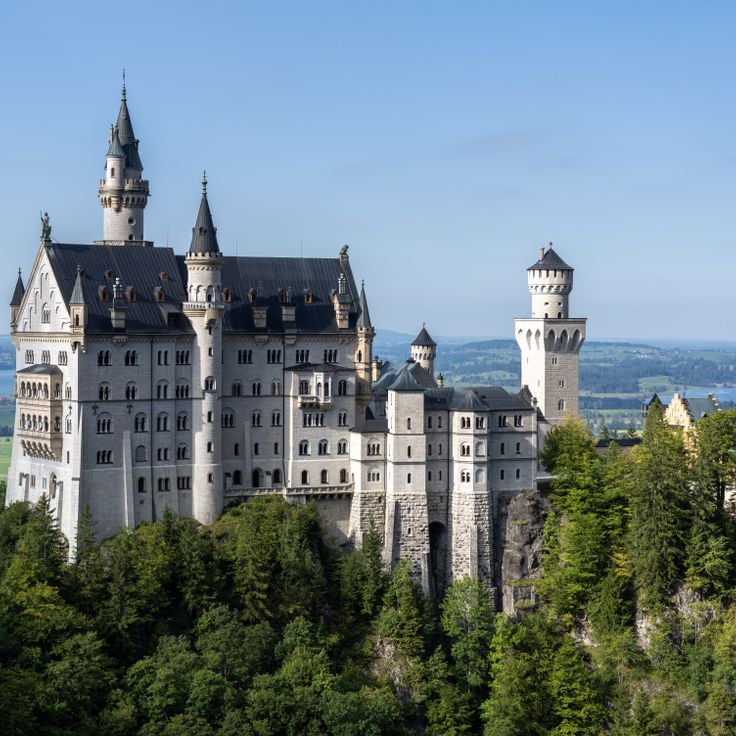
Neuschwanstein Castle stands on a rocky hilltop in the Bavarian Alps and was built in the 19th century. Its towers and stone walls inspired Walt Disney when he created his famous fairy-tale castle. When you arrive here, you see right away why: the building looks like it came out of a storybook, surrounded by forests and mountains in every direction.
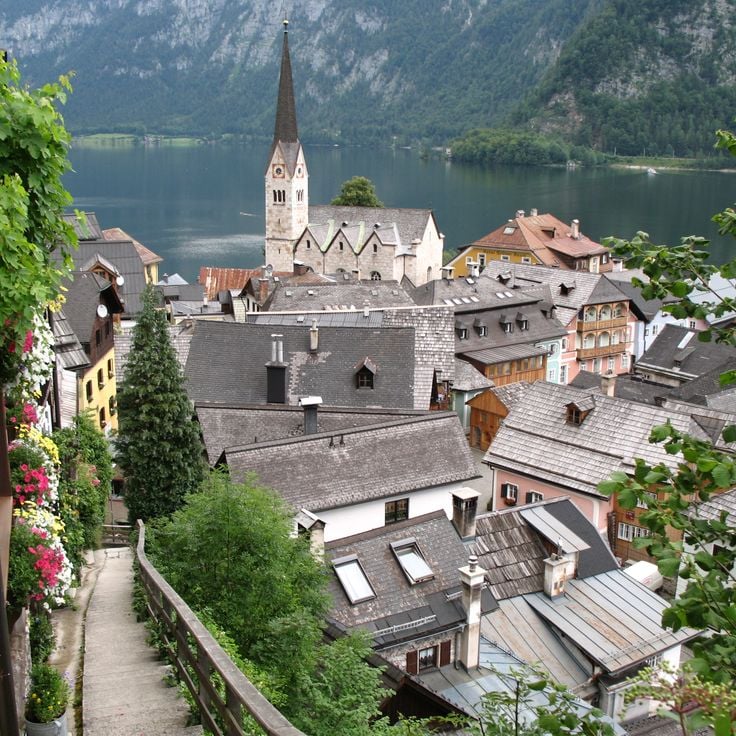
Hallstatt is a small village in the Austrian Alps that inspired the fictional kingdom of Arendelle in the animated film Frozen. Its colorful houses sit right on the edge of a lake, surrounded by steep rock faces. Walking through its narrow lanes, it is easy to see why this place caught the attention of filmmakers.
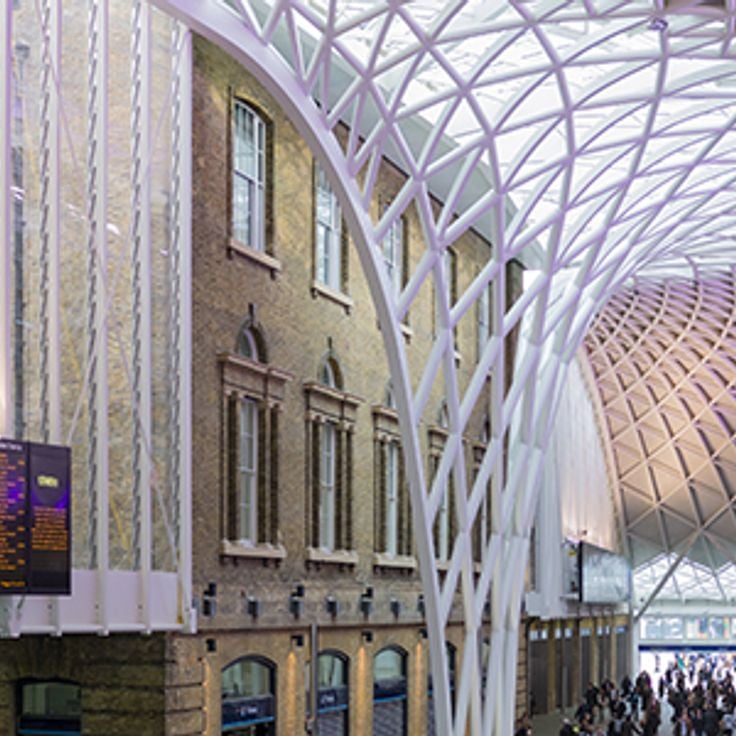
King's Cross station in London is where Harry Potter boards the Hogwarts Express from platform 9 3/4. The spot is marked inside the Victorian building, and fans travel from all over the world to pose with a trolley disappearing into the wall. The station dates back to the 19th century and remains one of the busiest train hubs in the city.
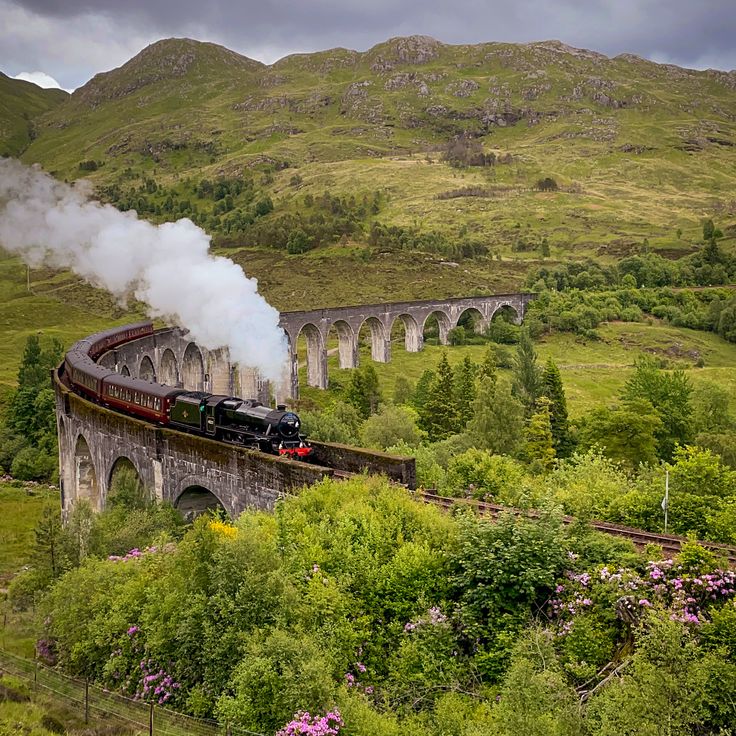
The Glenfinnan Viaduct is a stone railway bridge in the Scottish Highlands. It became famous when it appeared in several Harry Potter films, carrying the Hogwarts Express across a green valley. Trains still run over the arches today, and visitors often gather nearby to watch them pass through the open highland landscape.
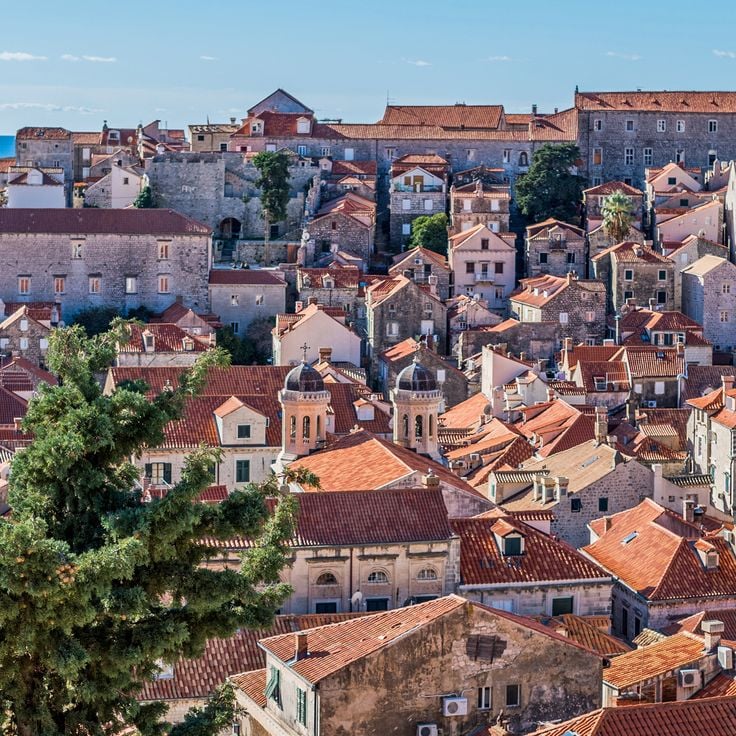
Dubrovnik is a walled medieval city on the Croatian coast, widely known as the filming location for Game of Thrones. Its stone streets, fortified walls, and views over the Adriatic Sea made it the setting for King's Landing. Walking through the old town, visitors often recognize the streets and stairways directly from the show.
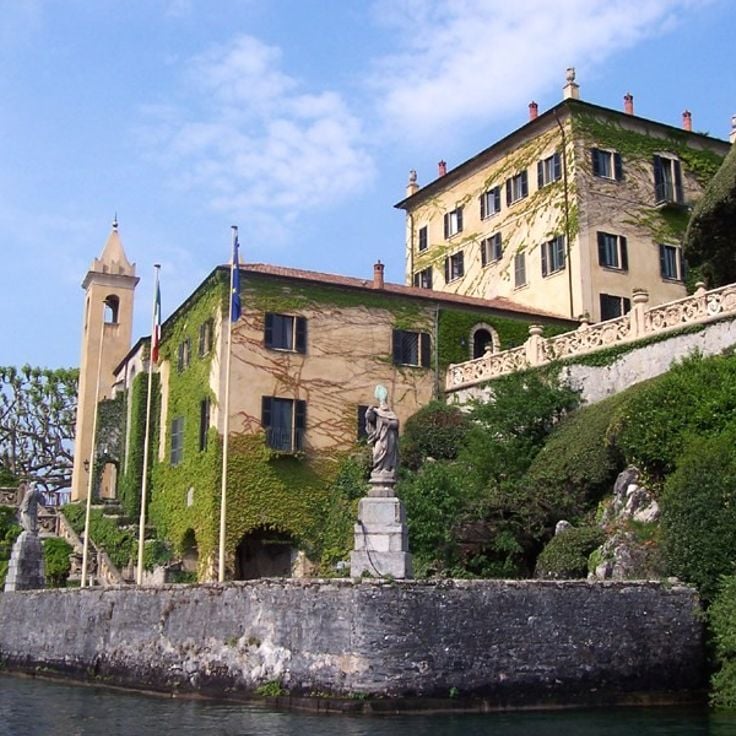
Villa del Balbianello sits on a small peninsula on Lake Como, surrounded by terraced gardens that look out directly over the water. The 18th-century estate was chosen as a filming location for major productions, including a James Bond film and a Star Wars episode. Walking through the gardens, it is easy to see why filmmakers were drawn here: the combination of water, greenery, and old stone creates a setting that feels almost unreal.
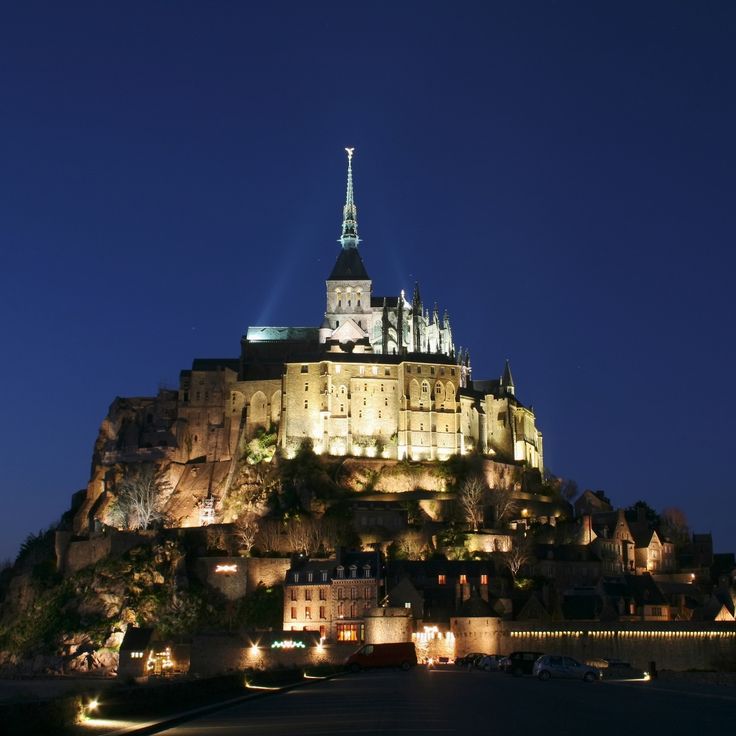
Mont Saint-Michel is a rocky island in the bay of Normandy, topped by a medieval abbey. The silhouette of this place is said to have inspired the design of the castle in the animated film Tangled. At high tide, the sea surrounds the rock on all sides, giving it a look that feels unlike anywhere else in France.
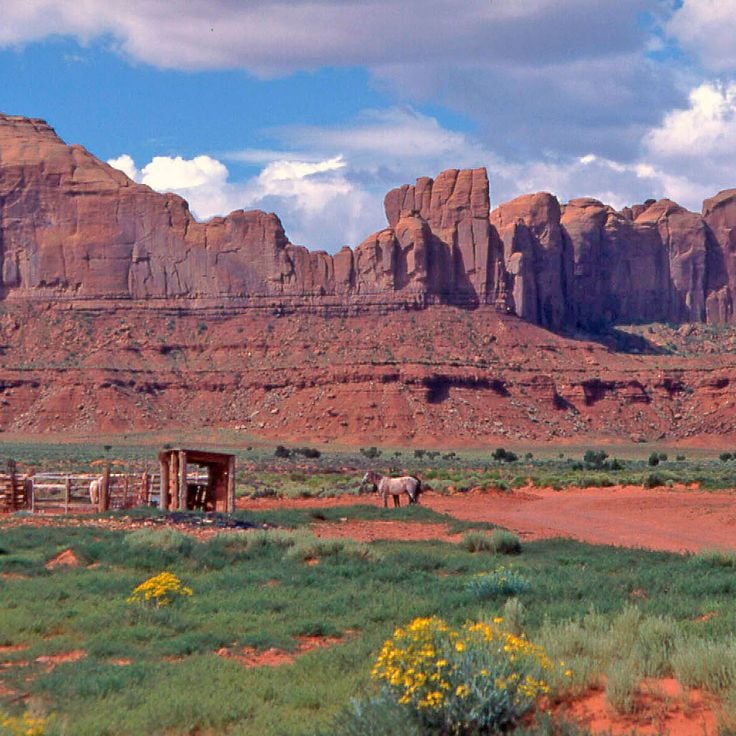
Monument Valley sits on the border between Arizona and Utah, where tall red rock formations rise from the desert floor. This landscape appeared in many classic Western films and was the backdrop for one of the most famous scenes in Forrest Gump, when the main character runs across America. Standing here, you immediately recognize a place that the cinema has made familiar to people all over the world.
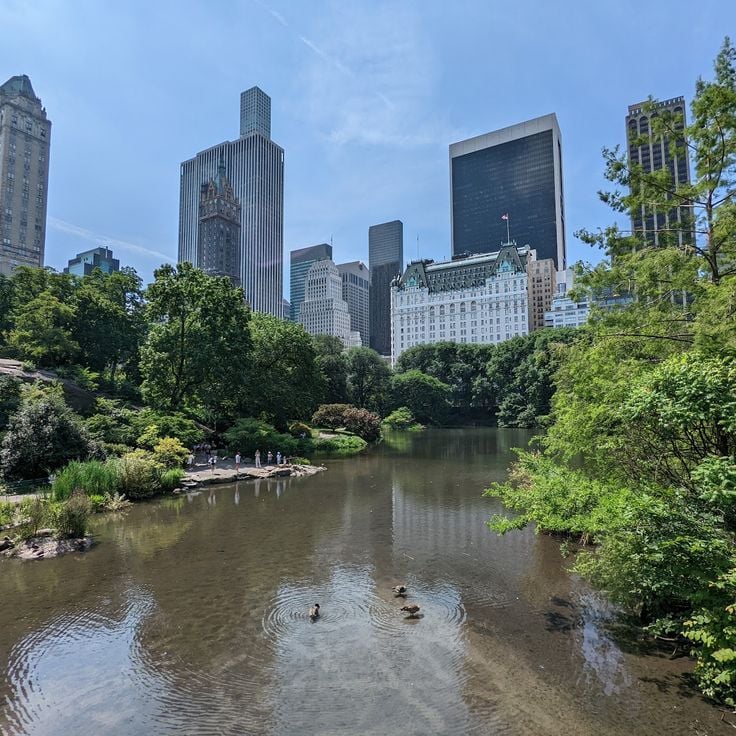
Central Park sits in the heart of Manhattan and has been used as a filming location for decades. Its paths, lakes, and open lawns have appeared in so many movies and TV shows that the park itself feels familiar before you even arrive. Walking through it, you keep spotting corners you have already seen on screen.
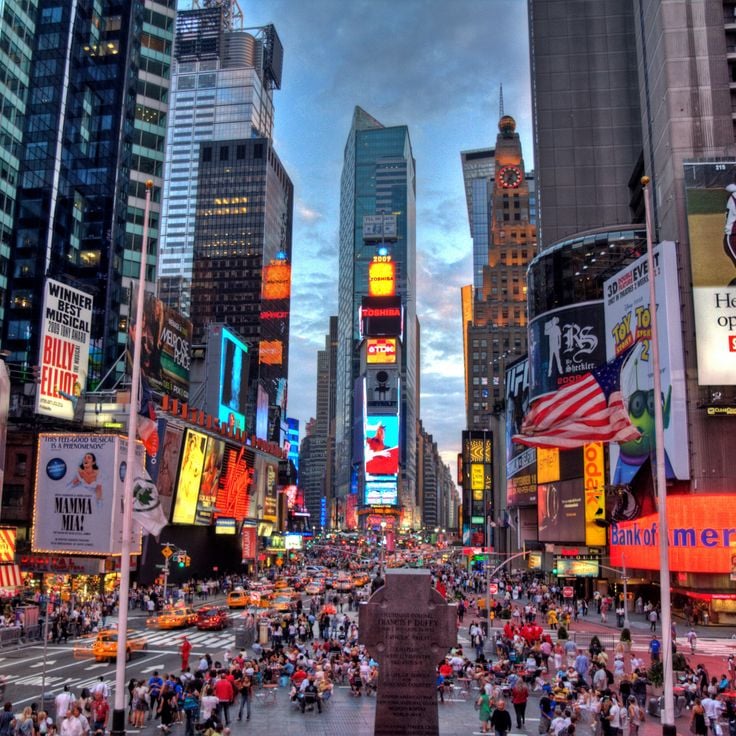
Times Square sits at the heart of Manhattan, lit up by giant advertising screens that never go dark. Crowds fill the sidewalks at any hour, and the energy of the place comes through clearly on screen. Spider-Man and Vanilla Sky both used this intersection to powerful effect, the latter showing it eerily empty.
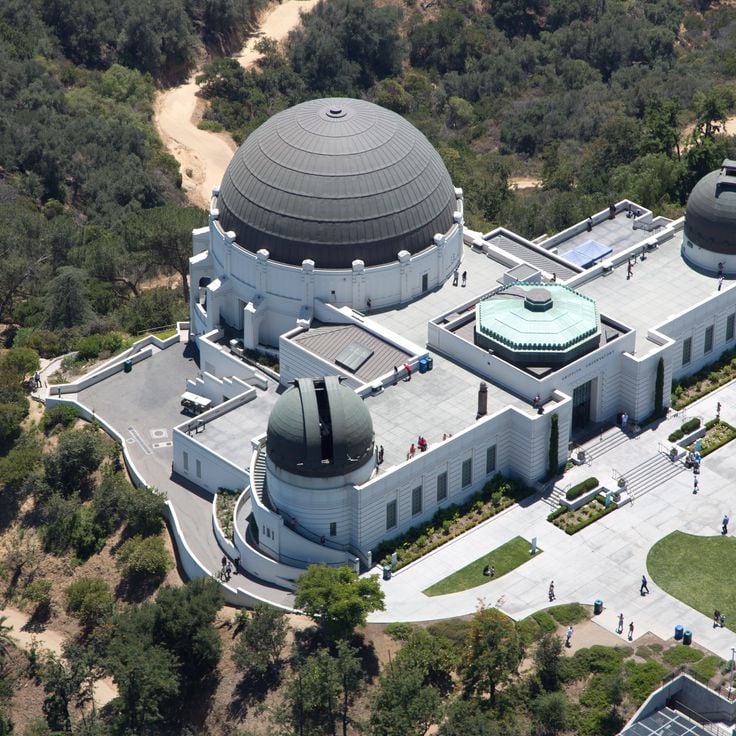
The Griffith Observatory sits on a hill about 1,000 feet (300 meters) above Los Angeles, looking out over the city. It served as a filming location for La La Land, where one of the most memorable dance scenes takes place on the terrace at night. The building dates from the 1930s and draws many visitors who come for the views and the public telescope.
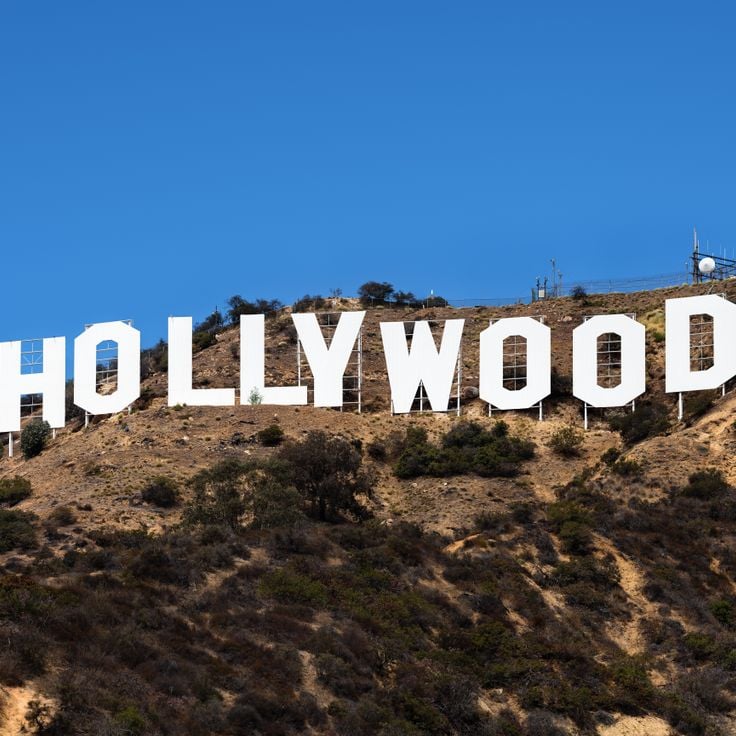
The Hollywood Sign is a row of large white letters on a hill above Los Angeles. It appears in many films set in the city, including La La Land, often as a backdrop to stories about fame and dreams. Hikers can walk up through the Hollywood Hills to see the letters up close, with the city spread out below.
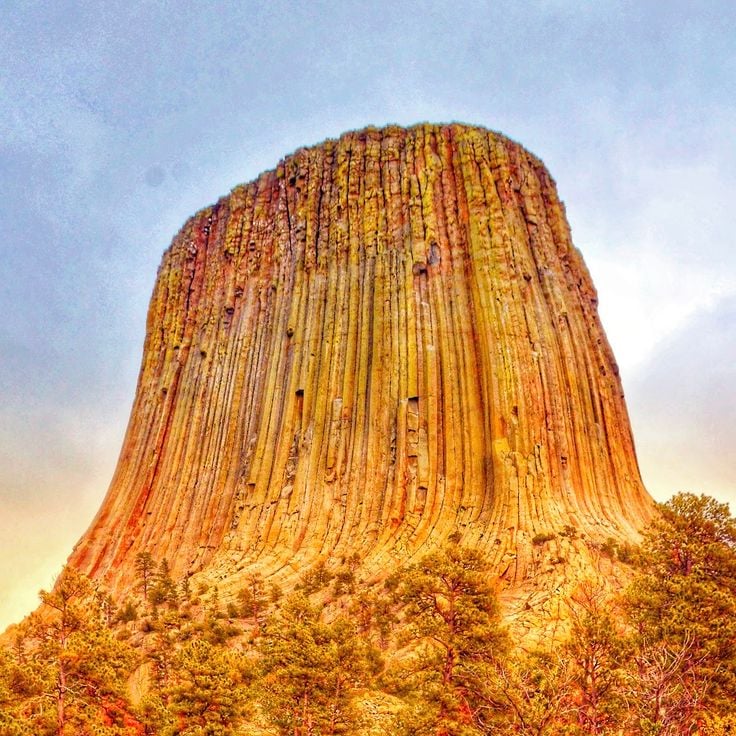
Devils Tower is a solitary rock formation that rises sharply out of the flat plains of Wyoming. Made of volcanic rock shaped by centuries of erosion, it looks like nothing else in the surrounding landscape. Steven Spielberg chose it as the central location for Close Encounters of the Third Kind, where it becomes the meeting point between humans and extraterrestrials. Standing at its base, it is easy to see why it left such a mark on the history of cinema.
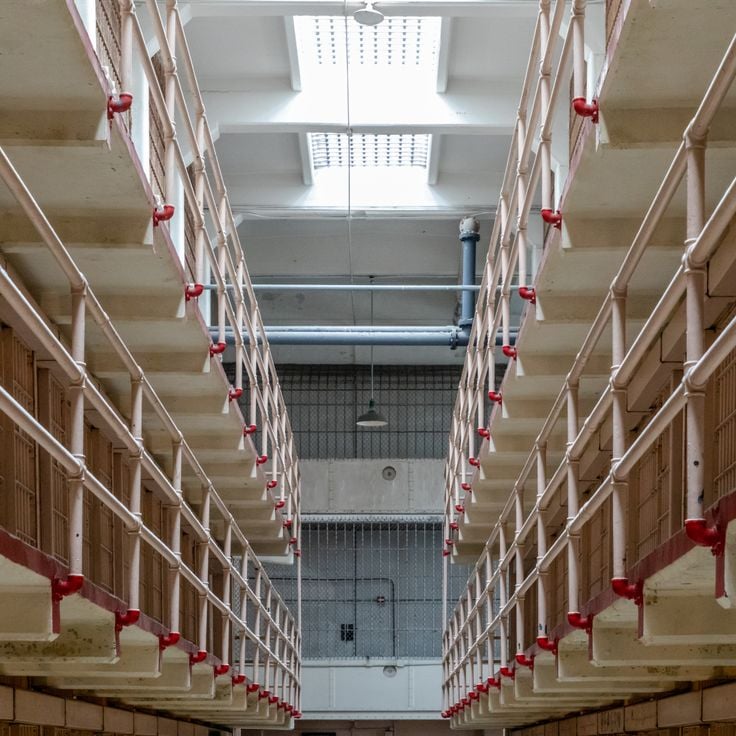
Alcatraz is a former federal prison sitting on an island in San Francisco Bay. Its old cells, long corridors, and walls surrounded by cold water have been used as a filming location for several action movies. Walking through its abandoned halls, it is easy to see why filmmakers have returned to this place again and again.
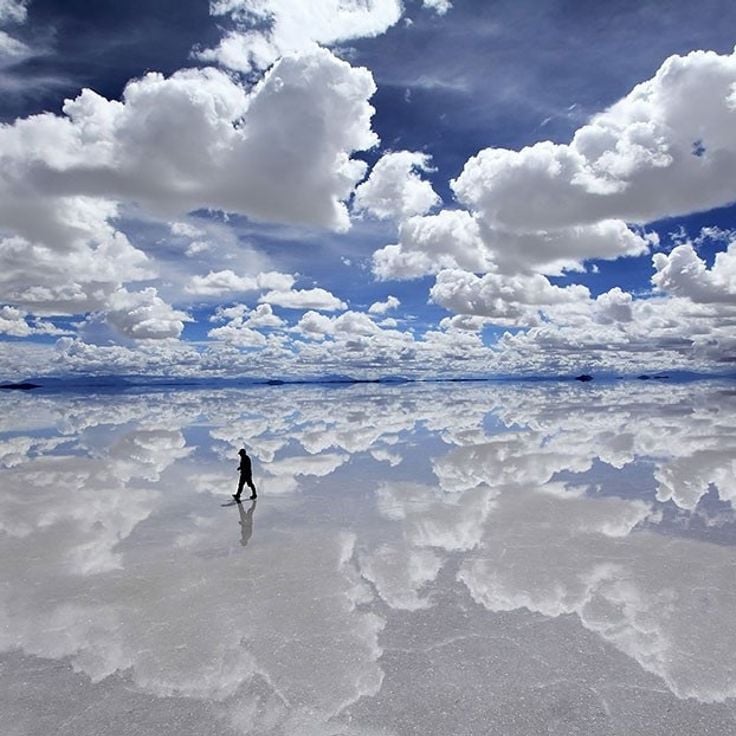
The Salar de Uyuni is a vast salt flat in Bolivia, covered in blinding white as far as the eye can see. This place inspired the desert landscape of Tatooine in Star Wars. After rain, a thin layer of water covers the ground and mirrors the sky so perfectly that the horizon disappears entirely. Walking across it feels like stepping into another world.
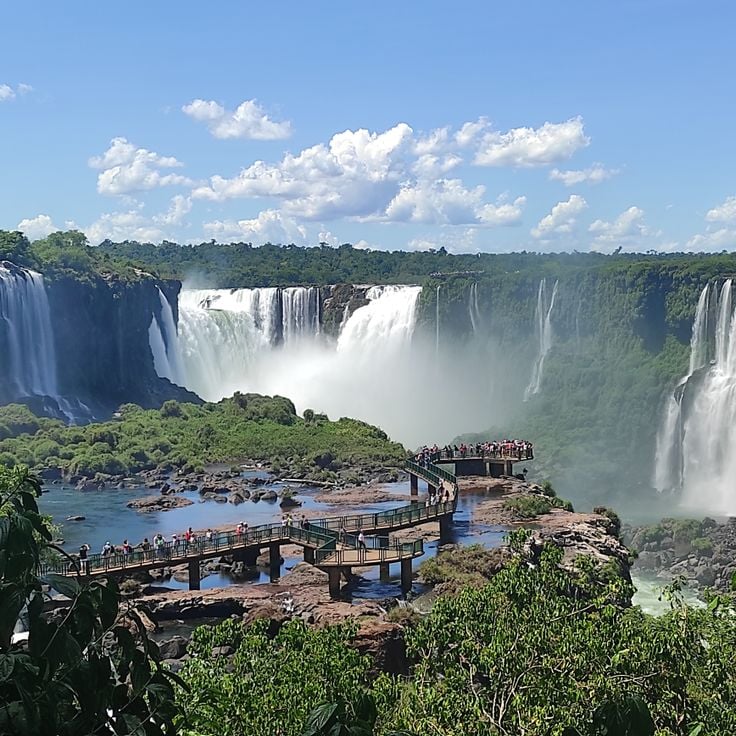
The Iguazú Falls sit on the border between Argentina and Brazil, where the river splits into hundreds of cascades before dropping over a wide arc of cliffs. This is the place where the 1986 film "The Mission" was shot, and the falls appear in some of its most powerful scenes. Walking along the paths that run beside the water, you feel the spray on your face and hear the constant roar of the river long before you see it.
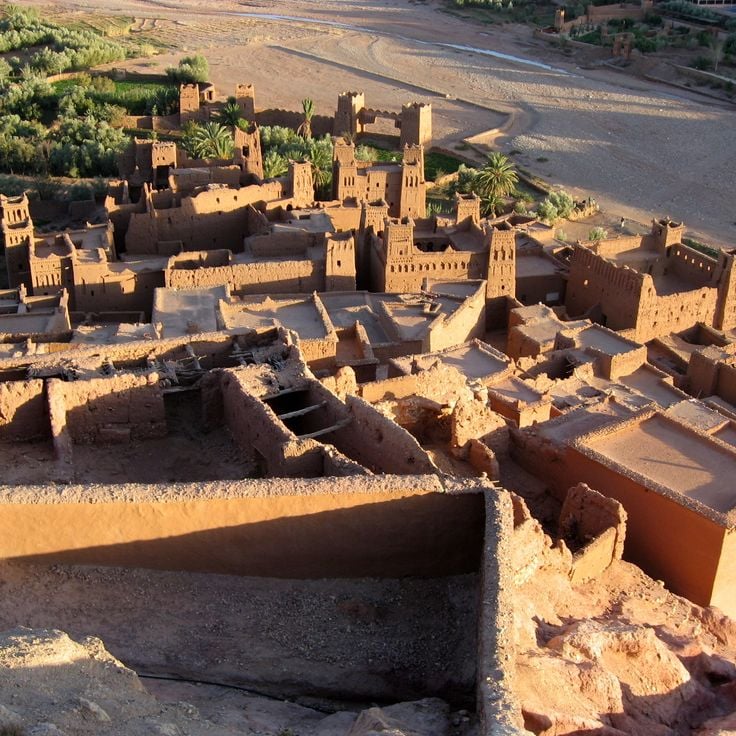
Aït Ben Haddou is an ancient fortified city built entirely from earth and clay in southern Morocco. The ksar served as a filming location for Gladiator and Game of Thrones. Walking through its narrow lanes and towering mud walls, you get a strong sense of another era.
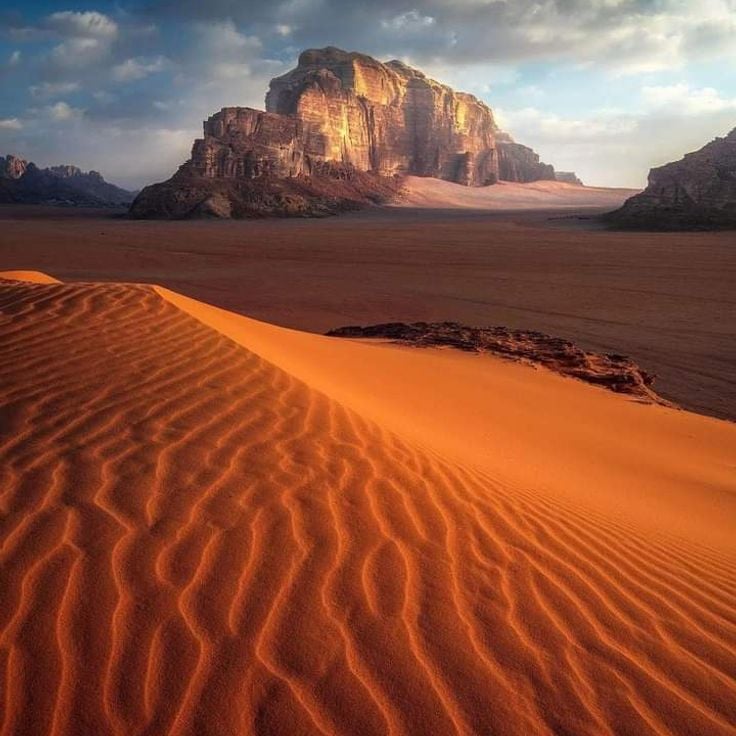
Wadi Rum is a desert in southern Jordan made of red sandstone, with tall rock formations and narrow canyons carved by wind and time. Its otherworldly look made it the filming location for movies like The Martian and Dune. Walking through it, you notice how the color of the rocks shifts from pale orange in the morning to deep red at sunset, and how few sounds reach you out there.
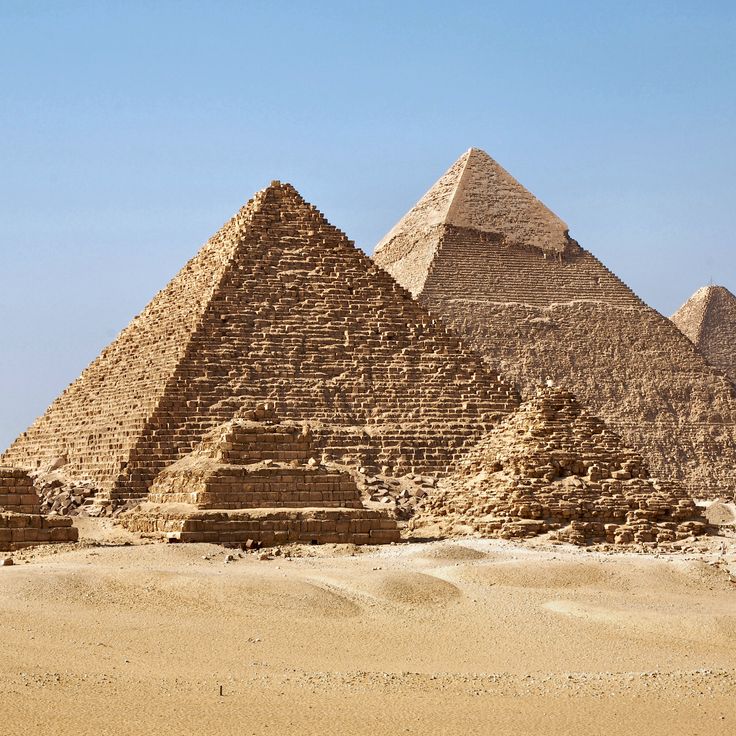
The Pyramids of Giza rise from the desert just outside Cairo, built as tombs for the pharaohs of ancient Egypt thousands of years ago. These three giant stone structures have appeared in many films over the decades, including Transformers, which used their desert setting for some of its most spectacular sequences. Standing at the foot of the pyramids, you get a clear sense of why filmmakers are drawn here: the scale of the stones, the open sand, and the light all make this place feel unlike anywhere else.
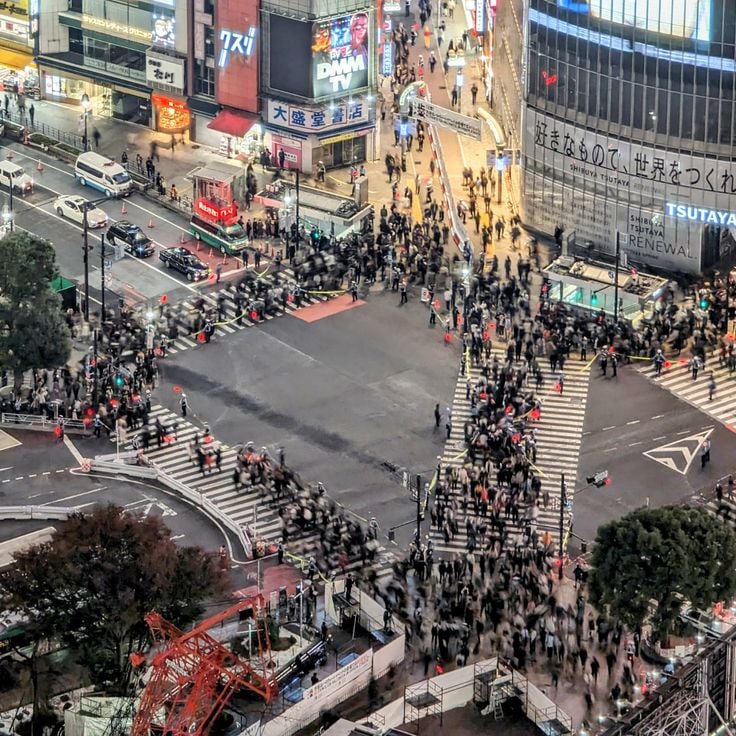
Shibuya Crossing in Tokyo is one of the most crossed intersections in the world. When the lights turn red, pedestrians pour in from every direction at once, creating a wave of people moving across the asphalt. The spot has appeared in films like Lost in Translation and Fast & Furious, and its energy has made it one of the most filmed street corners on the planet.
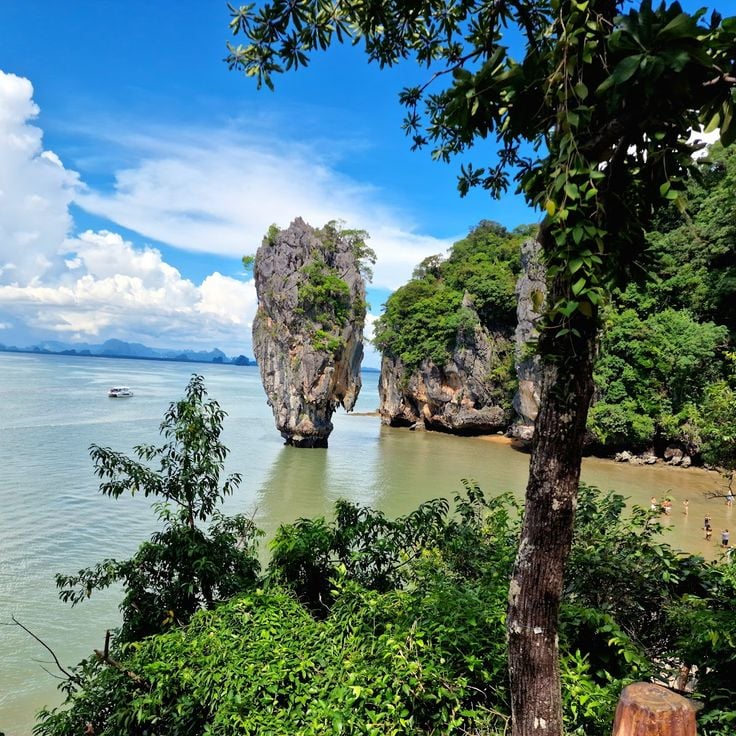
Khao Phing Kan is a rocky limestone island rising from Phang Nga Bay in Thailand. Known as James Bond Island, it served as a filming location for The Man with the Golden Gun. The jagged rock formations jutting out of the water are what made this spot so recognizable on screen.
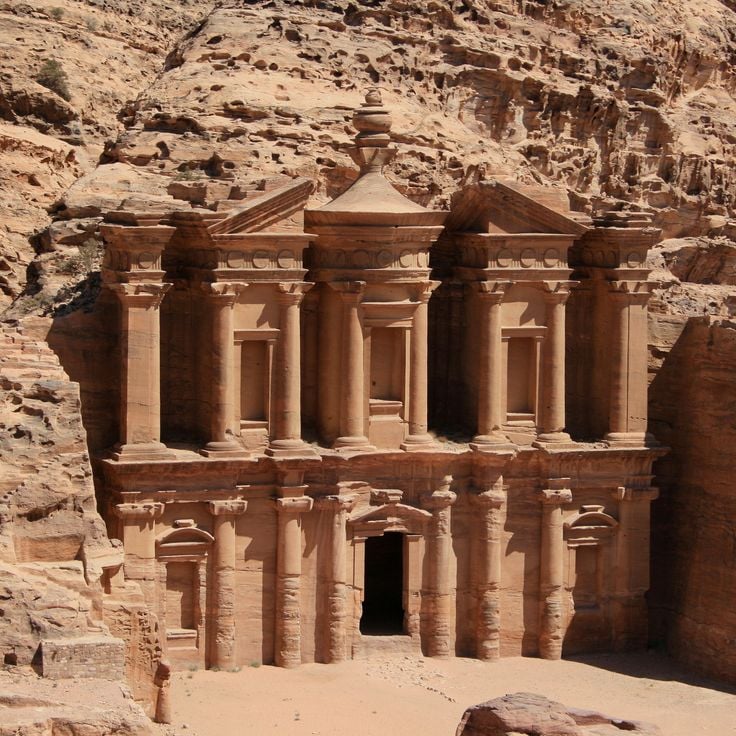
Petra is an ancient city carved into the red sandstone cliffs of southern Jordan. Long rocky corridors open up to temples, tombs and facades cut directly into the stone thousands of years ago. This site served as a filming location for Indiana Jones and the Last Crusade, where the Treasury building stood in for the resting place of the Holy Grail. Walking through the narrow entrance passage, it is easy to understand why filmmakers chose this place.
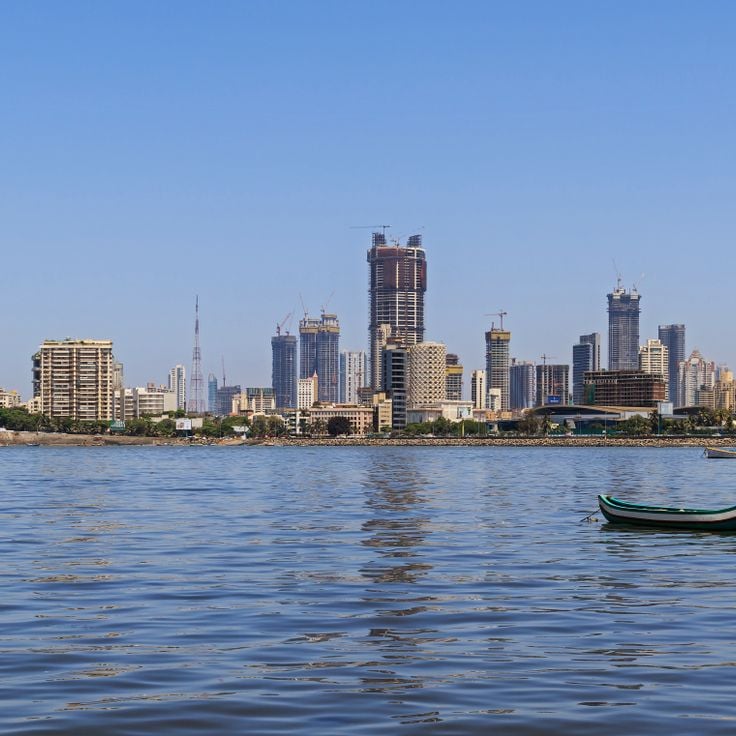
Mumbai is India's largest city and sits on the western coast. It is a place where wealth and poverty live side by side, often just a few streets apart. This contrast was central to Slumdog Millionaire, which was filmed here. The city's streets, crowded train stations and sprawling neighborhoods all appeared on screen.
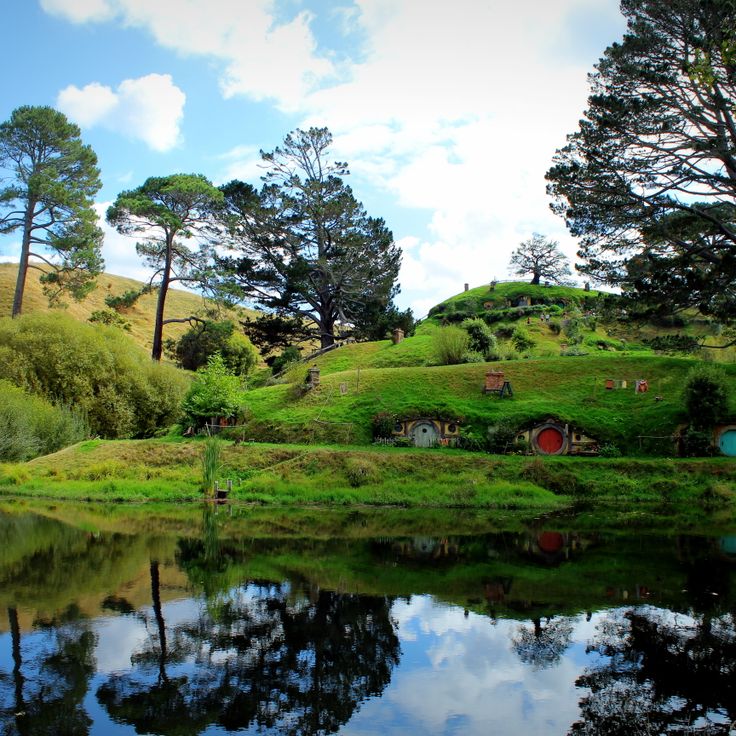
Hobbiton is a film village built on a working sheep farm in New Zealand for the filming of 'The Lord of the Rings' and 'The Hobbit.' The little round doors, the colorful gardens planted into the hillside, and the Green Dragon Inn are all still standing. Walking through the site gives a clear sense of how these sets were designed to feel like a real place where people actually lived.
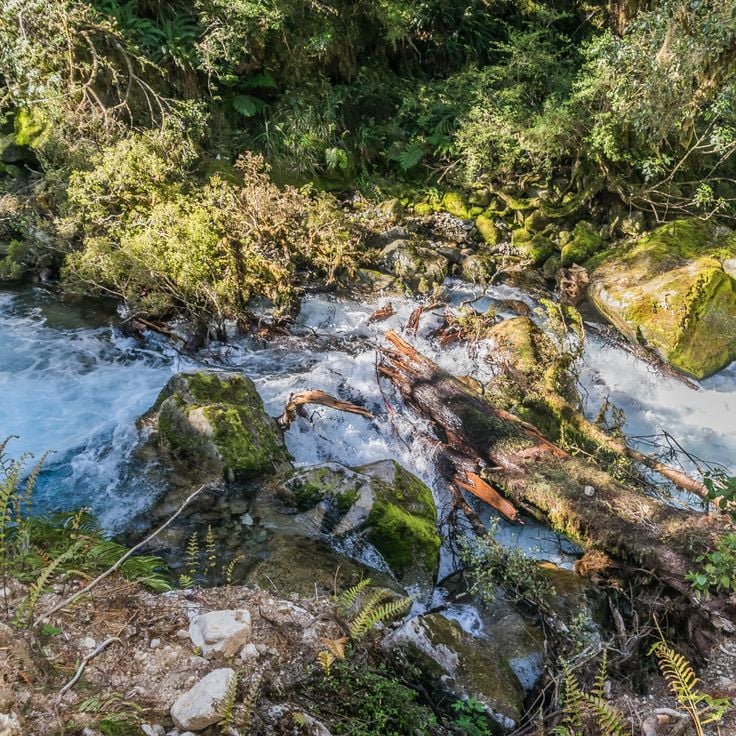
Fiordland National Park sits in the south of New Zealand, where fjords cut deep into forested mountain slopes. Its raw and remote terrain made it a natural stand-in for Middle-earth in the Lord of the Rings films. Walking through the park today, you can recognize many of the landscapes that appeared on screen.
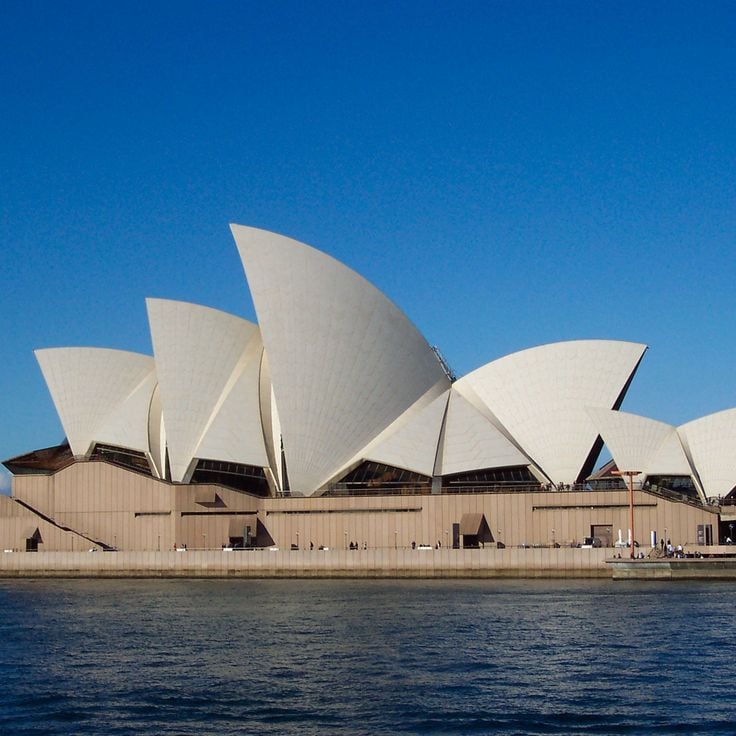
The Sydney Opera House with its curved white roofs sits right on the harbor and is one of the most photographed buildings in the world. It appeared in Mission: Impossible, where its shape made it instantly recognizable on screen. Walking past it, you get a real sense of why filmmakers are drawn to this spot.
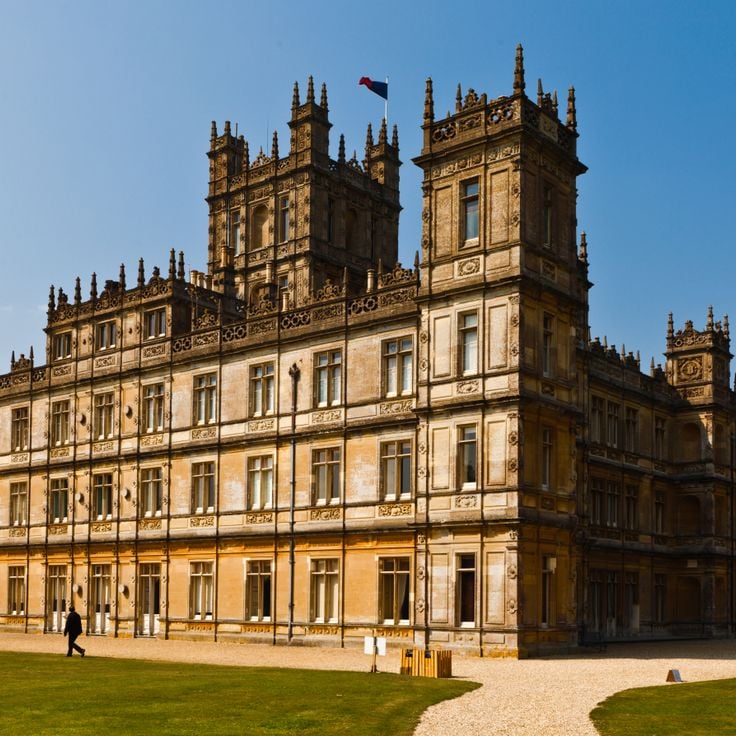
Highclere Castle is a Victorian country house in Hampshire, England. It served as the main filming location for the TV series Downton Abbey, with both the grand interior rooms and the surrounding gardens featured on screen. Walking through the halls, visitors instantly recognize the spaces seen by millions of viewers around the world.
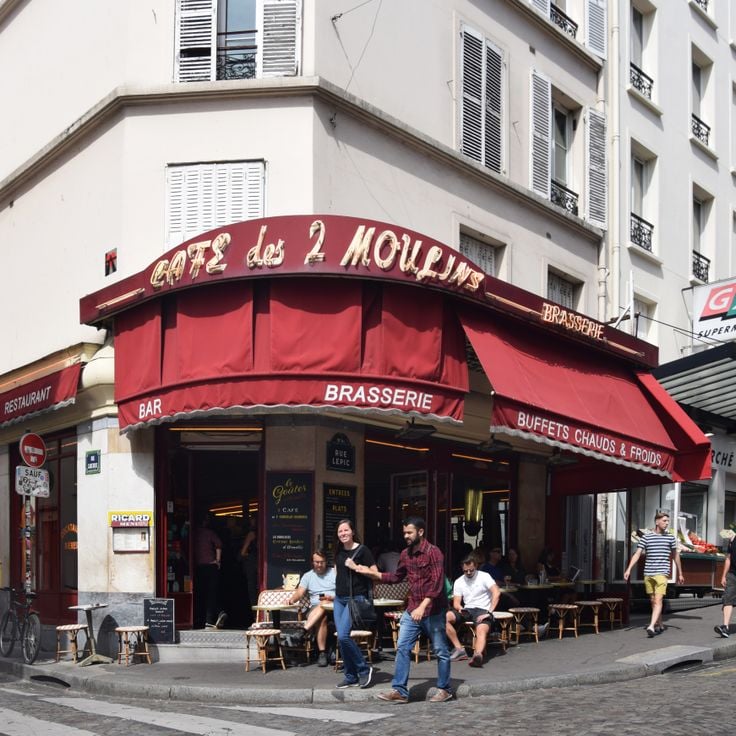
The Café des Deux Moulins sits in the Montmartre neighborhood, in the north of Paris. This small bistro was chosen as the main filming location for the 2001 French film 'Amélie'. When you walk in, you recognize the bar counter, the décor, and the general feel of the place from the film. The café is still open today and welcomes many visitors who come because of the movie.
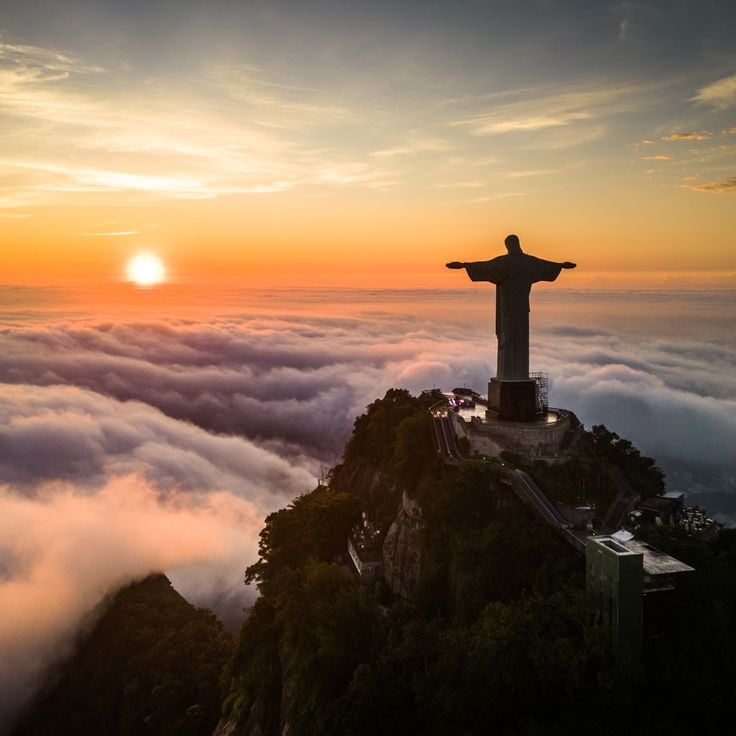
The Christ the Redeemer statue stands at the top of Corcovado mountain, arms open wide over Rio de Janeiro. It appeared in Fast & Furious 5, where it served as the backdrop for one of the film's most memorable scenes. Reaching the summit, visitors find themselves face to face with this massive concrete and soapstone figure, roughly 100 feet (30 meters) tall, rising above the city and the bay.
Skellig Michael is a rocky island off the coast of Ireland that served as a filming location for several Star Wars scenes. At its summit stand the ruins of an ancient monastery built by monks over a thousand years ago. The island is only accessible by boat and welcomes a limited number of visitors each year. Those who climb the steep path discover stone steps carved directly into the rock and wide views over the Atlantic Ocean.
Neuschwanstein Castle stands on a rocky hilltop in the Bavarian Alps and was built in the 19th century. Its towers and stone walls inspired Walt Disney when he created his famous fairy-tale castle. When you arrive here, you see right away why: the building looks like it came out of a storybook, surrounded by forests and mountains in every direction.
Hallstatt is a small village in the Austrian Alps that inspired the fictional kingdom of Arendelle in the animated film Frozen. Its colorful houses sit right on the edge of a lake, surrounded by steep rock faces. Walking through its narrow lanes, it is easy to see why this place caught the attention of filmmakers.
King's Cross station in London is where Harry Potter boards the Hogwarts Express from platform 9 3/4. The spot is marked inside the Victorian building, and fans travel from all over the world to pose with a trolley disappearing into the wall. The station dates back to the 19th century and remains one of the busiest train hubs in the city.
The Glenfinnan Viaduct is a stone railway bridge in the Scottish Highlands. It became famous when it appeared in several Harry Potter films, carrying the Hogwarts Express across a green valley. Trains still run over the arches today, and visitors often gather nearby to watch them pass through the open highland landscape.
Dubrovnik is a walled medieval city on the Croatian coast, widely known as the filming location for Game of Thrones. Its stone streets, fortified walls, and views over the Adriatic Sea made it the setting for King's Landing. Walking through the old town, visitors often recognize the streets and stairways directly from the show.
Villa del Balbianello sits on a small peninsula on Lake Como, surrounded by terraced gardens that look out directly over the water. The 18th-century estate was chosen as a filming location for major productions, including a James Bond film and a Star Wars episode. Walking through the gardens, it is easy to see why filmmakers were drawn here: the combination of water, greenery, and old stone creates a setting that feels almost unreal.
Mont Saint-Michel is a rocky island in the bay of Normandy, topped by a medieval abbey. The silhouette of this place is said to have inspired the design of the castle in the animated film Tangled. At high tide, the sea surrounds the rock on all sides, giving it a look that feels unlike anywhere else in France.
Monument Valley sits on the border between Arizona and Utah, where tall red rock formations rise from the desert floor. This landscape appeared in many classic Western films and was the backdrop for one of the most famous scenes in Forrest Gump, when the main character runs across America. Standing here, you immediately recognize a place that the cinema has made familiar to people all over the world.
Central Park sits in the heart of Manhattan and has been used as a filming location for decades. Its paths, lakes, and open lawns have appeared in so many movies and TV shows that the park itself feels familiar before you even arrive. Walking through it, you keep spotting corners you have already seen on screen.
Times Square sits at the heart of Manhattan, lit up by giant advertising screens that never go dark. Crowds fill the sidewalks at any hour, and the energy of the place comes through clearly on screen. Spider-Man and Vanilla Sky both used this intersection to powerful effect, the latter showing it eerily empty.
The Griffith Observatory sits on a hill about 1,000 feet (300 meters) above Los Angeles, looking out over the city. It served as a filming location for La La Land, where one of the most memorable dance scenes takes place on the terrace at night. The building dates from the 1930s and draws many visitors who come for the views and the public telescope.
The Hollywood Sign is a row of large white letters on a hill above Los Angeles. It appears in many films set in the city, including La La Land, often as a backdrop to stories about fame and dreams. Hikers can walk up through the Hollywood Hills to see the letters up close, with the city spread out below.
Devils Tower is a solitary rock formation that rises sharply out of the flat plains of Wyoming. Made of volcanic rock shaped by centuries of erosion, it looks like nothing else in the surrounding landscape. Steven Spielberg chose it as the central location for Close Encounters of the Third Kind, where it becomes the meeting point between humans and extraterrestrials. Standing at its base, it is easy to see why it left such a mark on the history of cinema.
Alcatraz is a former federal prison sitting on an island in San Francisco Bay. Its old cells, long corridors, and walls surrounded by cold water have been used as a filming location for several action movies. Walking through its abandoned halls, it is easy to see why filmmakers have returned to this place again and again.
The Salar de Uyuni is a vast salt flat in Bolivia, covered in blinding white as far as the eye can see. This place inspired the desert landscape of Tatooine in Star Wars. After rain, a thin layer of water covers the ground and mirrors the sky so perfectly that the horizon disappears entirely. Walking across it feels like stepping into another world.
The Iguazú Falls sit on the border between Argentina and Brazil, where the river splits into hundreds of cascades before dropping over a wide arc of cliffs. This is the place where the 1986 film "The Mission" was shot, and the falls appear in some of its most powerful scenes. Walking along the paths that run beside the water, you feel the spray on your face and hear the constant roar of the river long before you see it.
Aït Ben Haddou is an ancient fortified city built entirely from earth and clay in southern Morocco. The ksar served as a filming location for Gladiator and Game of Thrones. Walking through its narrow lanes and towering mud walls, you get a strong sense of another era.
Wadi Rum is a desert in southern Jordan made of red sandstone, with tall rock formations and narrow canyons carved by wind and time. Its otherworldly look made it the filming location for movies like The Martian and Dune. Walking through it, you notice how the color of the rocks shifts from pale orange in the morning to deep red at sunset, and how few sounds reach you out there.
The Pyramids of Giza rise from the desert just outside Cairo, built as tombs for the pharaohs of ancient Egypt thousands of years ago. These three giant stone structures have appeared in many films over the decades, including Transformers, which used their desert setting for some of its most spectacular sequences. Standing at the foot of the pyramids, you get a clear sense of why filmmakers are drawn here: the scale of the stones, the open sand, and the light all make this place feel unlike anywhere else.
Shibuya Crossing in Tokyo is one of the most crossed intersections in the world. When the lights turn red, pedestrians pour in from every direction at once, creating a wave of people moving across the asphalt. The spot has appeared in films like Lost in Translation and Fast & Furious, and its energy has made it one of the most filmed street corners on the planet.
Khao Phing Kan is a rocky limestone island rising from Phang Nga Bay in Thailand. Known as James Bond Island, it served as a filming location for The Man with the Golden Gun. The jagged rock formations jutting out of the water are what made this spot so recognizable on screen.
Petra is an ancient city carved into the red sandstone cliffs of southern Jordan. Long rocky corridors open up to temples, tombs and facades cut directly into the stone thousands of years ago. This site served as a filming location for Indiana Jones and the Last Crusade, where the Treasury building stood in for the resting place of the Holy Grail. Walking through the narrow entrance passage, it is easy to understand why filmmakers chose this place.
Mumbai is India's largest city and sits on the western coast. It is a place where wealth and poverty live side by side, often just a few streets apart. This contrast was central to Slumdog Millionaire, which was filmed here. The city's streets, crowded train stations and sprawling neighborhoods all appeared on screen.
Hobbiton is a film village built on a working sheep farm in New Zealand for the filming of 'The Lord of the Rings' and 'The Hobbit.' The little round doors, the colorful gardens planted into the hillside, and the Green Dragon Inn are all still standing. Walking through the site gives a clear sense of how these sets were designed to feel like a real place where people actually lived.
Fiordland National Park sits in the south of New Zealand, where fjords cut deep into forested mountain slopes. Its raw and remote terrain made it a natural stand-in for Middle-earth in the Lord of the Rings films. Walking through the park today, you can recognize many of the landscapes that appeared on screen.
The Sydney Opera House with its curved white roofs sits right on the harbor and is one of the most photographed buildings in the world. It appeared in Mission: Impossible, where its shape made it instantly recognizable on screen. Walking past it, you get a real sense of why filmmakers are drawn to this spot.
Highclere Castle is a Victorian country house in Hampshire, England. It served as the main filming location for the TV series Downton Abbey, with both the grand interior rooms and the surrounding gardens featured on screen. Walking through the halls, visitors instantly recognize the spaces seen by millions of viewers around the world.
The Café des Deux Moulins sits in the Montmartre neighborhood, in the north of Paris. This small bistro was chosen as the main filming location for the 2001 French film 'Amélie'. When you walk in, you recognize the bar counter, the décor, and the general feel of the place from the film. The café is still open today and welcomes many visitors who come because of the movie.
The Christ the Redeemer statue stands at the top of Corcovado mountain, arms open wide over Rio de Janeiro. It appeared in Fast & Furious 5, where it served as the backdrop for one of the film's most memorable scenes. Reaching the summit, visitors find themselves face to face with this massive concrete and soapstone figure, roughly 100 feet (30 meters) tall, rising above the city and the bay.
Skellig Michael is a rocky island off the coast of Ireland that served as a filming location for several Star Wars scenes. At its summit stand the ruins of an ancient monastery built by monks over a thousand years ago. The island is only accessible by boat and welcomes a limited number of visitors each year. Those who climb the steep path discover stone steps carved directly into the rock and wide views over the Atlantic Ocean.
Neuschwanstein Castle stands on a rocky hilltop in the Bavarian Alps and was built in the 19th century. Its towers and stone walls inspired Walt Disney when he created his famous fairy-tale castle. When you arrive here, you see right away why: the building looks like it came out of a storybook, surrounded by forests and mountains in every direction.
Hallstatt is a small village in the Austrian Alps that inspired the fictional kingdom of Arendelle in the animated film Frozen. Its colorful houses sit right on the edge of a lake, surrounded by steep rock faces. Walking through its narrow lanes, it is easy to see why this place caught the attention of filmmakers.
King's Cross station in London is where Harry Potter boards the Hogwarts Express from platform 9 3/4. The spot is marked inside the Victorian building, and fans travel from all over the world to pose with a trolley disappearing into the wall. The station dates back to the 19th century and remains one of the busiest train hubs in the city.
The Glenfinnan Viaduct is a stone railway bridge in the Scottish Highlands. It became famous when it appeared in several Harry Potter films, carrying the Hogwarts Express across a green valley. Trains still run over the arches today, and visitors often gather nearby to watch them pass through the open highland landscape.
Dubrovnik is a walled medieval city on the Croatian coast, widely known as the filming location for Game of Thrones. Its stone streets, fortified walls, and views over the Adriatic Sea made it the setting for King's Landing. Walking through the old town, visitors often recognize the streets and stairways directly from the show.
Villa del Balbianello sits on a small peninsula on Lake Como, surrounded by terraced gardens that look out directly over the water. The 18th-century estate was chosen as a filming location for major productions, including a James Bond film and a Star Wars episode. Walking through the gardens, it is easy to see why filmmakers were drawn here: the combination of water, greenery, and old stone creates a setting that feels almost unreal.
Mont Saint-Michel is a rocky island in the bay of Normandy, topped by a medieval abbey. The silhouette of this place is said to have inspired the design of the castle in the animated film Tangled. At high tide, the sea surrounds the rock on all sides, giving it a look that feels unlike anywhere else in France.
Monument Valley sits on the border between Arizona and Utah, where tall red rock formations rise from the desert floor. This landscape appeared in many classic Western films and was the backdrop for one of the most famous scenes in Forrest Gump, when the main character runs across America. Standing here, you immediately recognize a place that the cinema has made familiar to people all over the world.
Central Park sits in the heart of Manhattan and has been used as a filming location for decades. Its paths, lakes, and open lawns have appeared in so many movies and TV shows that the park itself feels familiar before you even arrive. Walking through it, you keep spotting corners you have already seen on screen.
Times Square sits at the heart of Manhattan, lit up by giant advertising screens that never go dark. Crowds fill the sidewalks at any hour, and the energy of the place comes through clearly on screen. Spider-Man and Vanilla Sky both used this intersection to powerful effect, the latter showing it eerily empty.
The Griffith Observatory sits on a hill about 1,000 feet (300 meters) above Los Angeles, looking out over the city. It served as a filming location for La La Land, where one of the most memorable dance scenes takes place on the terrace at night. The building dates from the 1930s and draws many visitors who come for the views and the public telescope.
The Hollywood Sign is a row of large white letters on a hill above Los Angeles. It appears in many films set in the city, including La La Land, often as a backdrop to stories about fame and dreams. Hikers can walk up through the Hollywood Hills to see the letters up close, with the city spread out below.
Devils Tower is a solitary rock formation that rises sharply out of the flat plains of Wyoming. Made of volcanic rock shaped by centuries of erosion, it looks like nothing else in the surrounding landscape. Steven Spielberg chose it as the central location for Close Encounters of the Third Kind, where it becomes the meeting point between humans and extraterrestrials. Standing at its base, it is easy to see why it left such a mark on the history of cinema.
Alcatraz is a former federal prison sitting on an island in San Francisco Bay. Its old cells, long corridors, and walls surrounded by cold water have been used as a filming location for several action movies. Walking through its abandoned halls, it is easy to see why filmmakers have returned to this place again and again.
The Salar de Uyuni is a vast salt flat in Bolivia, covered in blinding white as far as the eye can see. This place inspired the desert landscape of Tatooine in Star Wars. After rain, a thin layer of water covers the ground and mirrors the sky so perfectly that the horizon disappears entirely. Walking across it feels like stepping into another world.
The Iguazú Falls sit on the border between Argentina and Brazil, where the river splits into hundreds of cascades before dropping over a wide arc of cliffs. This is the place where the 1986 film "The Mission" was shot, and the falls appear in some of its most powerful scenes. Walking along the paths that run beside the water, you feel the spray on your face and hear the constant roar of the river long before you see it.
Aït Ben Haddou is an ancient fortified city built entirely from earth and clay in southern Morocco. The ksar served as a filming location for Gladiator and Game of Thrones. Walking through its narrow lanes and towering mud walls, you get a strong sense of another era.
Wadi Rum is a desert in southern Jordan made of red sandstone, with tall rock formations and narrow canyons carved by wind and time. Its otherworldly look made it the filming location for movies like The Martian and Dune. Walking through it, you notice how the color of the rocks shifts from pale orange in the morning to deep red at sunset, and how few sounds reach you out there.
The Pyramids of Giza rise from the desert just outside Cairo, built as tombs for the pharaohs of ancient Egypt thousands of years ago. These three giant stone structures have appeared in many films over the decades, including Transformers, which used their desert setting for some of its most spectacular sequences. Standing at the foot of the pyramids, you get a clear sense of why filmmakers are drawn here: the scale of the stones, the open sand, and the light all make this place feel unlike anywhere else.
Shibuya Crossing in Tokyo is one of the most crossed intersections in the world. When the lights turn red, pedestrians pour in from every direction at once, creating a wave of people moving across the asphalt. The spot has appeared in films like Lost in Translation and Fast & Furious, and its energy has made it one of the most filmed street corners on the planet.
Khao Phing Kan is a rocky limestone island rising from Phang Nga Bay in Thailand. Known as James Bond Island, it served as a filming location for The Man with the Golden Gun. The jagged rock formations jutting out of the water are what made this spot so recognizable on screen.
Petra is an ancient city carved into the red sandstone cliffs of southern Jordan. Long rocky corridors open up to temples, tombs and facades cut directly into the stone thousands of years ago. This site served as a filming location for Indiana Jones and the Last Crusade, where the Treasury building stood in for the resting place of the Holy Grail. Walking through the narrow entrance passage, it is easy to understand why filmmakers chose this place.
Mumbai is India's largest city and sits on the western coast. It is a place where wealth and poverty live side by side, often just a few streets apart. This contrast was central to Slumdog Millionaire, which was filmed here. The city's streets, crowded train stations and sprawling neighborhoods all appeared on screen.
Hobbiton is a film village built on a working sheep farm in New Zealand for the filming of 'The Lord of the Rings' and 'The Hobbit.' The little round doors, the colorful gardens planted into the hillside, and the Green Dragon Inn are all still standing. Walking through the site gives a clear sense of how these sets were designed to feel like a real place where people actually lived.
Fiordland National Park sits in the south of New Zealand, where fjords cut deep into forested mountain slopes. Its raw and remote terrain made it a natural stand-in for Middle-earth in the Lord of the Rings films. Walking through the park today, you can recognize many of the landscapes that appeared on screen.
The Sydney Opera House with its curved white roofs sits right on the harbor and is one of the most photographed buildings in the world. It appeared in Mission: Impossible, where its shape made it instantly recognizable on screen. Walking past it, you get a real sense of why filmmakers are drawn to this spot.
Highclere Castle is a Victorian country house in Hampshire, England. It served as the main filming location for the TV series Downton Abbey, with both the grand interior rooms and the surrounding gardens featured on screen. Walking through the halls, visitors instantly recognize the spaces seen by millions of viewers around the world.
The Café des Deux Moulins sits in the Montmartre neighborhood, in the north of Paris. This small bistro was chosen as the main filming location for the 2001 French film 'Amélie'. When you walk in, you recognize the bar counter, the décor, and the general feel of the place from the film. The café is still open today and welcomes many visitors who come because of the movie.
The Christ the Redeemer statue stands at the top of Corcovado mountain, arms open wide over Rio de Janeiro. It appeared in Fast & Furious 5, where it served as the backdrop for one of the film's most memorable scenes. Reaching the summit, visitors find themselves face to face with this massive concrete and soapstone figure, roughly 100 feet (30 meters) tall, rising above the city and the bay.
Visiting these filming locations is a different way to experience movies. There, you will see how directors changed ordinary landscapes into special worlds. A tip: check the times before you go, as some sites like Skellig Michael can only be reached by boat and depend on the weather. Be ready to walk a lot and share the experience with other fans who want to find the magic of movies again.