See the monuments around you in AROpen chests in the app
Around Us is built for your phone — point your camera at the streets and discover the monuments and places around you in augmented reality.Around Us is built for your phone — chests unlock when you walk, explore and capture nearby places.
Between stone castles, green marshes and sandy beaches, the Pays de la Loire region offers sights for everyone who enjoys history and nature.
Discover the main sights in the Pays de la Loire region. This collection includes historic castles, museums, gardens, protected natural areas and cultural attractions spread across five departments: Loire-Atlantique, Maine-et-Loire, Vendée, Sarthe and Mayenne. You will find remnants of the duchy of Brittany, stories from medieval times, and wild nature to explore.
Between stone castles, green marshes and sandy beaches, the Pays de la Loire region offers sights for everyone who enjoys history and nature.
Discover the main sights in the Pays de la Loire region. This collection includes historic castles, museums, gardens, protected natural areas and cultural attractions spread across five departments: Loire-Atlantique, Maine-et-Loire, Vendée, Sarthe and Mayenne. You will find remnants of the duchy of Brittany, stories from medieval times, and wild nature to explore.
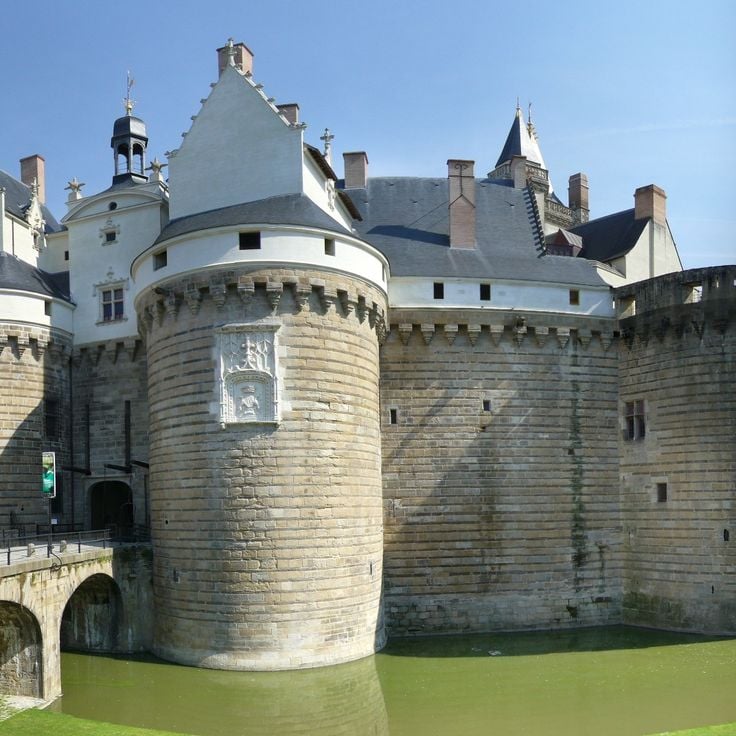
The Château des Ducs de Bretagne stands at the heart of Nantes and was once the seat of the Dukes of Brittany. Its thick walls and moat still give a strong sense of what the fortress once was. Today the castle houses a city history museum that traces Nantes from the ducal era to the present day. Visitors can also walk along the ramparts and look out over the city.
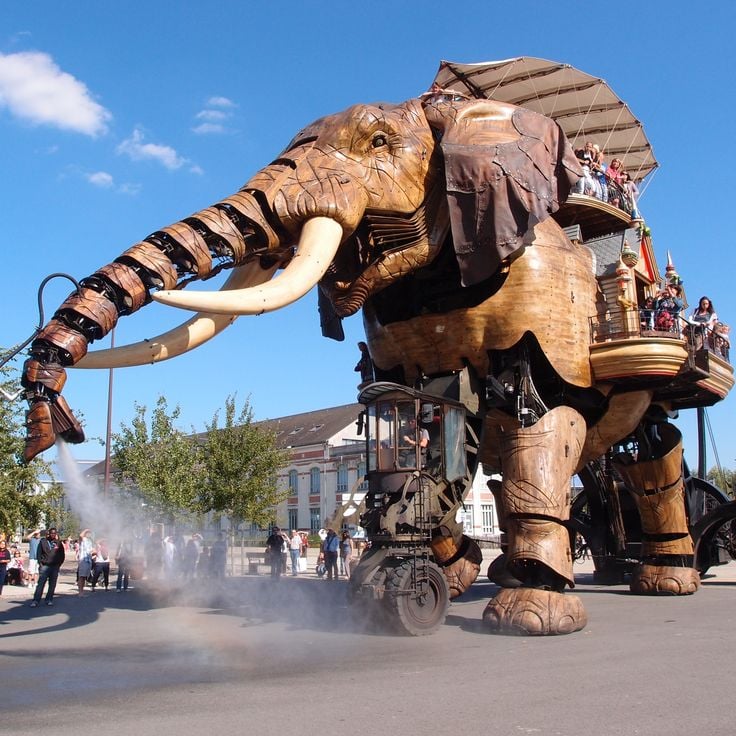
Les Machines de l'Île sit in an old tannery on the Île de Nantes. The place is home to giant mechanical creatures inspired by the worlds of Jules Verne and Leonardo da Vinci. A wooden elephant walks through the grounds carrying visitors on its back. The workshops are open, so you can watch craftspeople building the next creations by hand.
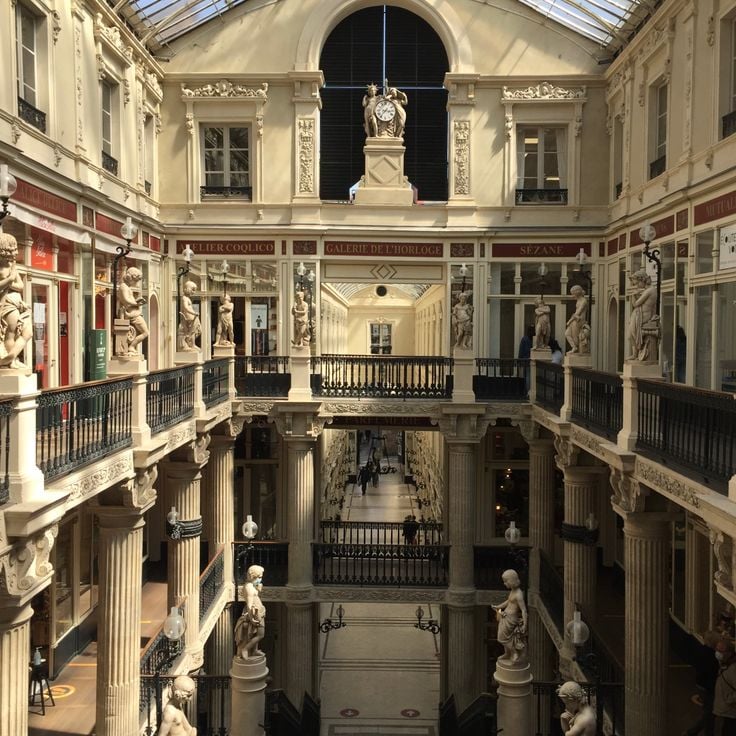
The Passage Pommeraye is a covered shopping gallery from the 19th century, right in the heart of Nantes. It connects three levels through wide staircases with wrought iron railings and a glass roof overhead. Shops line the walkways while light filters down from above. Locals pass through it every day on their way across town, often without stopping, though the architecture rewards anyone who takes a moment to look up.
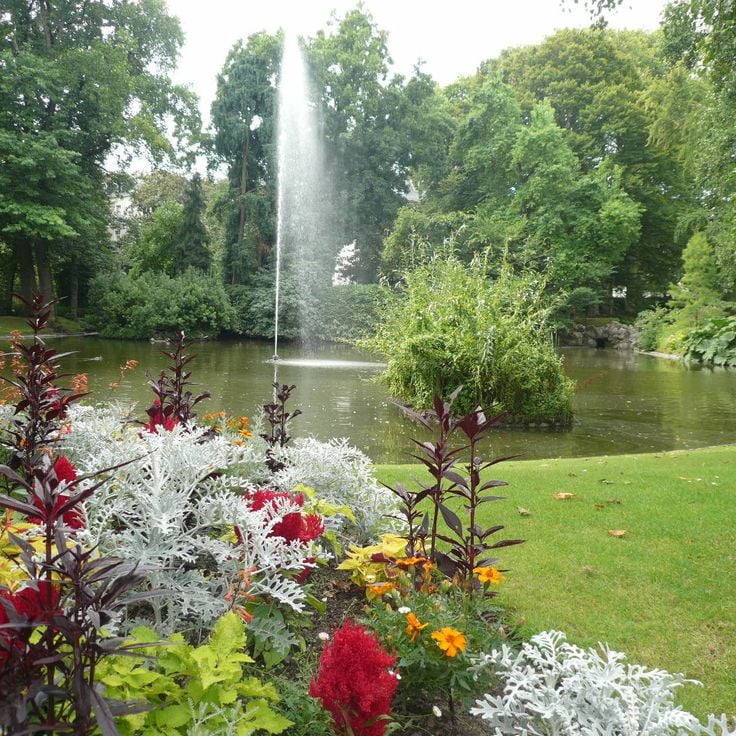
The Jardin des Plantes de Nantes sits near the city's main train station and has been a green refuge for locals for centuries. It holds a large collection of plants from around the world, including tropical greenhouses where you can walk among exotic species. Winding paths lead through old trees, ponds and flower beds. Families and students come here on weekday afternoons, and it feels like a true breathing space in the middle of the city.
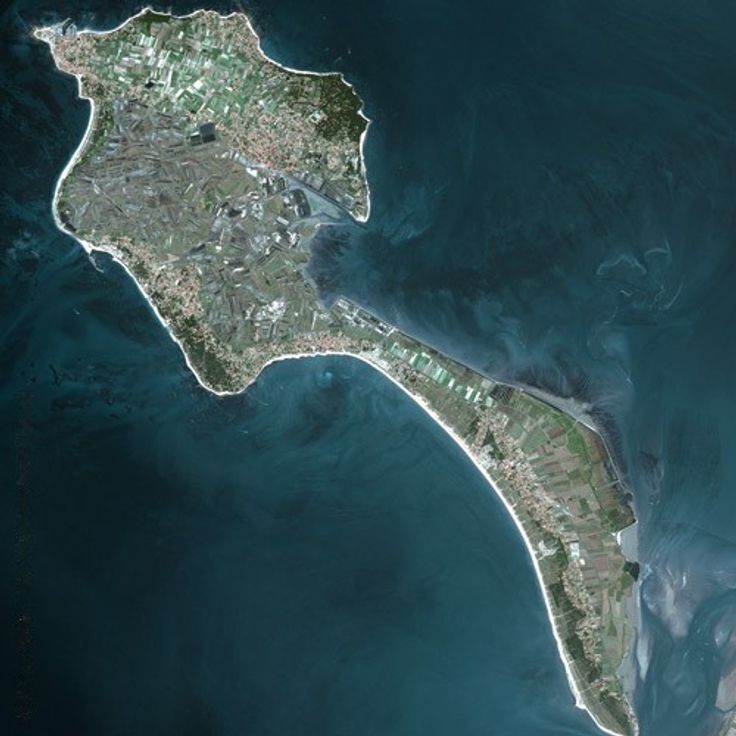
The Île de Noirmoutier sits off the Vendée coast and connects to the mainland by a road that floods with the tides. At low tide, drivers and walkers can cross on the Passage du Gois, a strip of asphalt that emerges from the water for a few hours each day. The island has salt marshes, sandy beaches, and small fishing villages. White houses line narrow streets, and the pace of daily life feels slow and rooted in the sea. Salt farming, fishing, and mimosa flowers have long shaped life here.
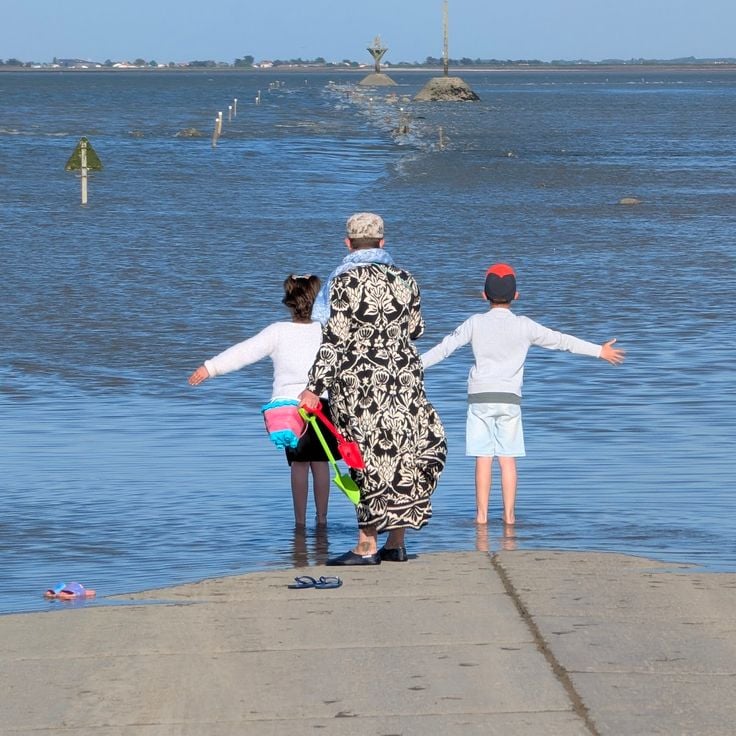
The Passage du Gois is a narrow road that connects the island of Noirmoutier to the mainland. At high tide, the road disappears completely under the Atlantic water. Only at low tide, for a few hours a day, can you cross it by car or on foot. Those who set off too late risk being caught by the rising water. Along the route, tall posts are placed so that travelers in difficulty can hold on until the tide retreats.
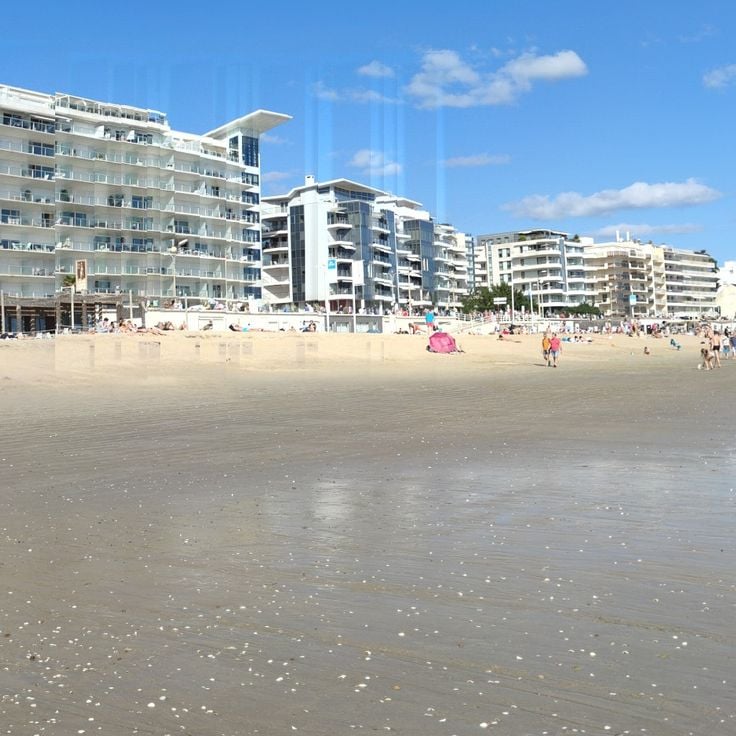
La Baule-Escoublac is a seaside town on the Atlantic coast in the Loire-Atlantique department. Its wide sandy beach stretches for several miles (a few kilometers) and is lined by a seafront promenade where locals and visitors walk at any time of day. Behind the beach, early 20th-century villas stand alongside cafés and shops. In summer, families come here to enjoy the sea air and the shallow water.
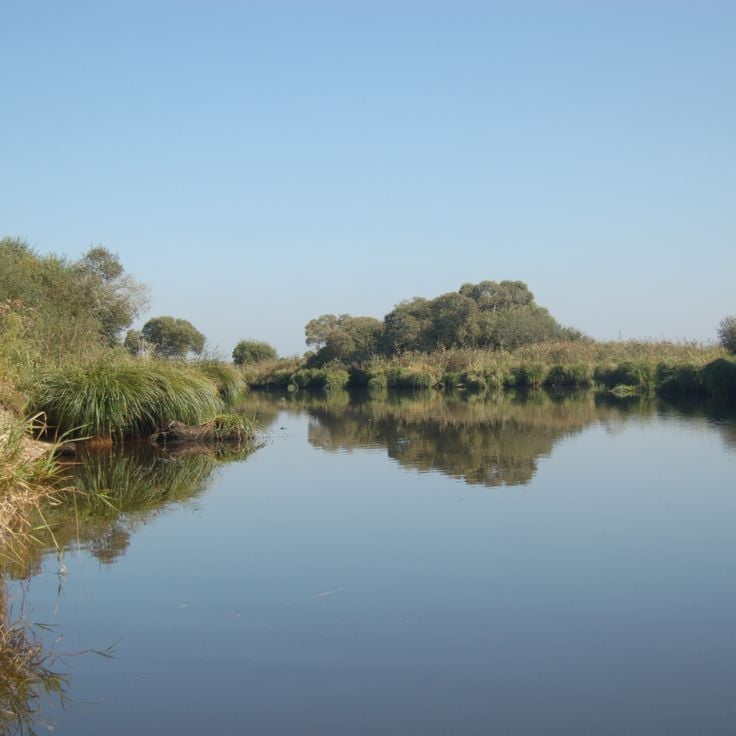
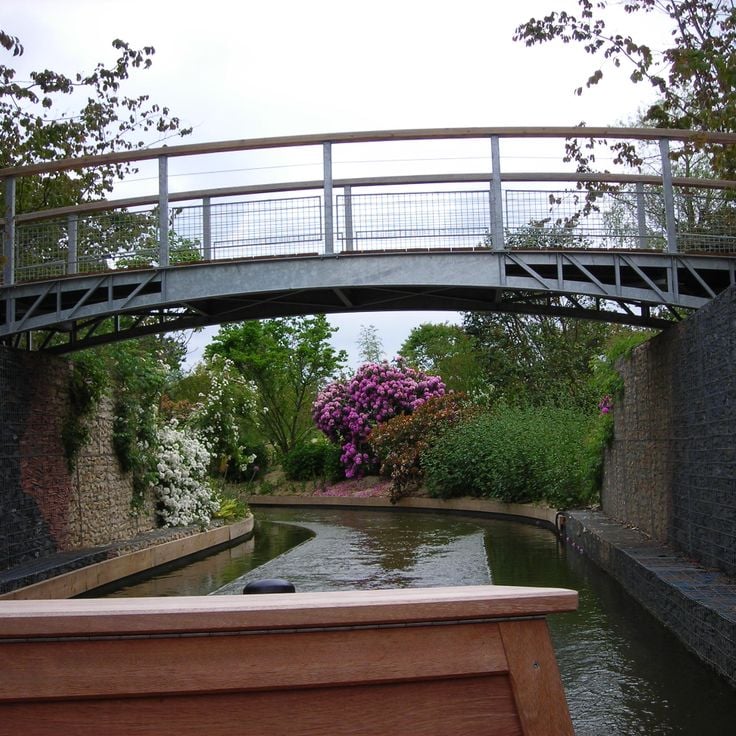
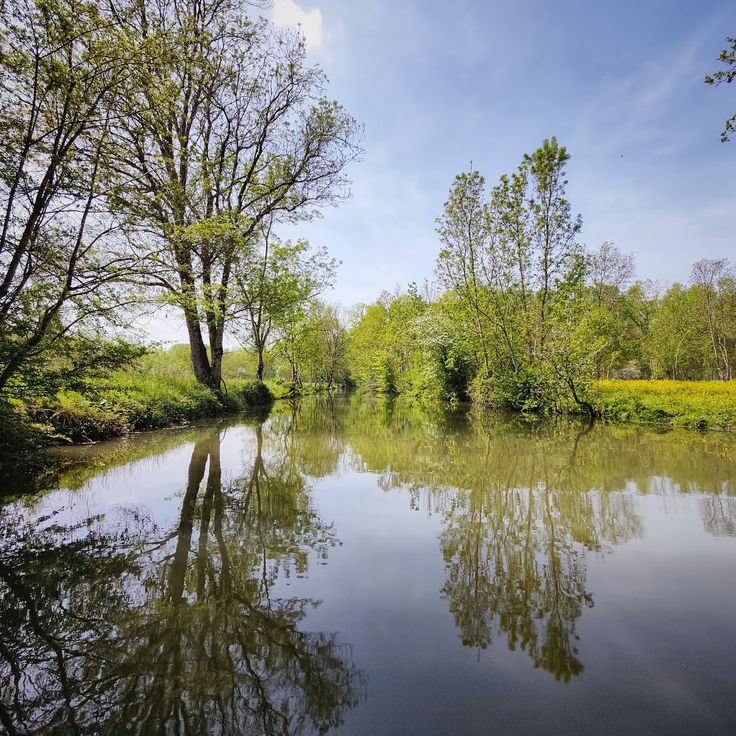
The Parc naturel régional de Brière stretches across Loire-Atlantique and is made up of one of the largest marshlands in France. Flat-bottomed boats drift along canals lined with reeds, and stone thatched cottages dot the edges of the water. Birds nest in large numbers here, and the landscape changes with the seasons. It is a place where the water sets the pace of daily life.
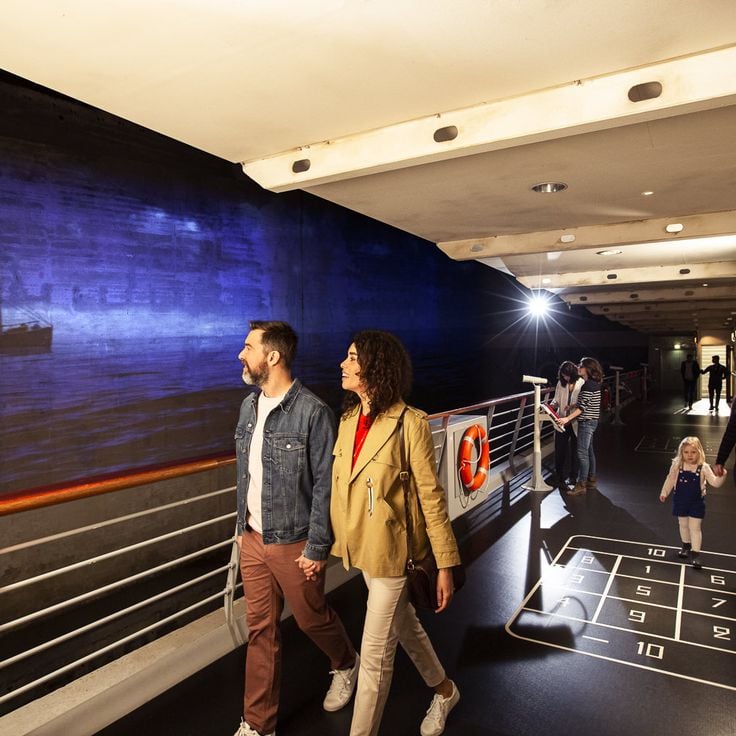
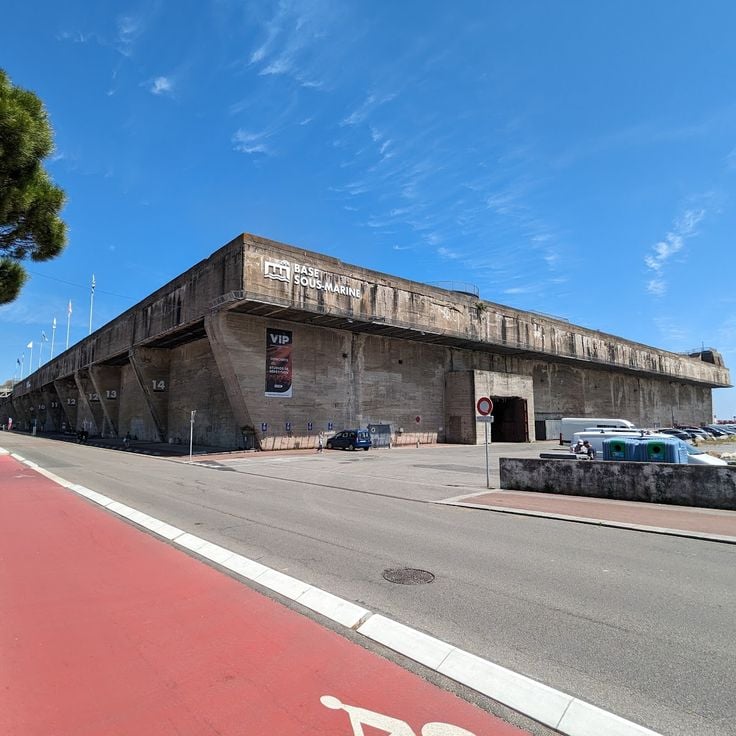
Escal'Atlantic is a museum set inside the old German submarine base in Saint-Nazaire. It tells the story of the great ocean liners that once crossed the Atlantic. Visitors can walk through reconstructed cabins, lounges and decks to get a sense of what life on board these ships felt like. The building itself, a massive concrete structure dating from World War II, adds a striking layer to the visit.
The Saint-Nazaire submarine base is a former German military structure from World War II, now open to visitors as a museum. The massive concrete bunker sits right on the harbor and gives a clear sense of how the German forces occupied and used the city. Inside, exhibitions cover warships, the history of the conflict, and daily life in the region during the occupation.
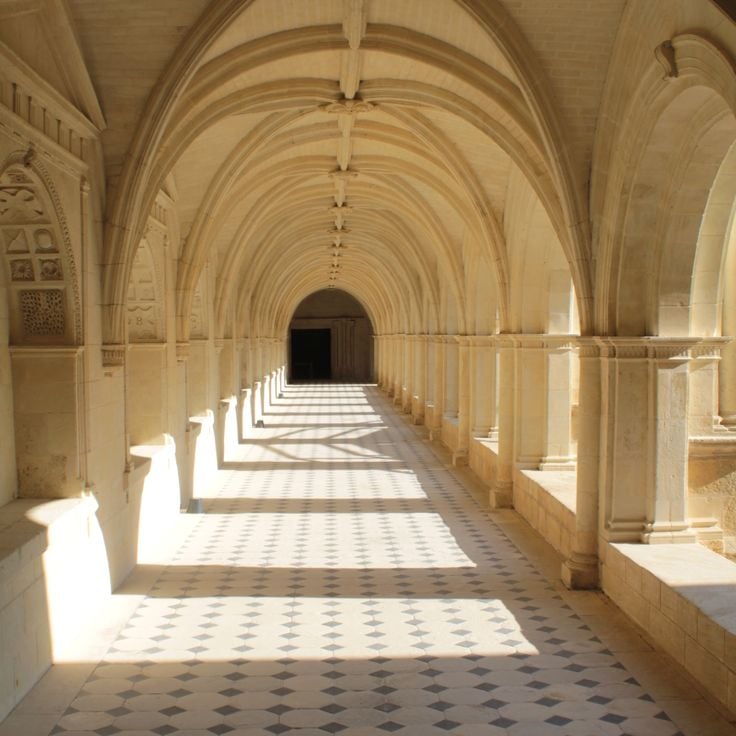
The Abbaye Royale de Fontevraud was founded in the 11th century and ranks among the largest medieval monastic complexes in France. Its abbey church holds the tombs of several Plantagenet rulers, including Henry II and Eleanor of Aquitaine. Walking through the convent buildings, you get a real sense of how monastic life was organized across the centuries.
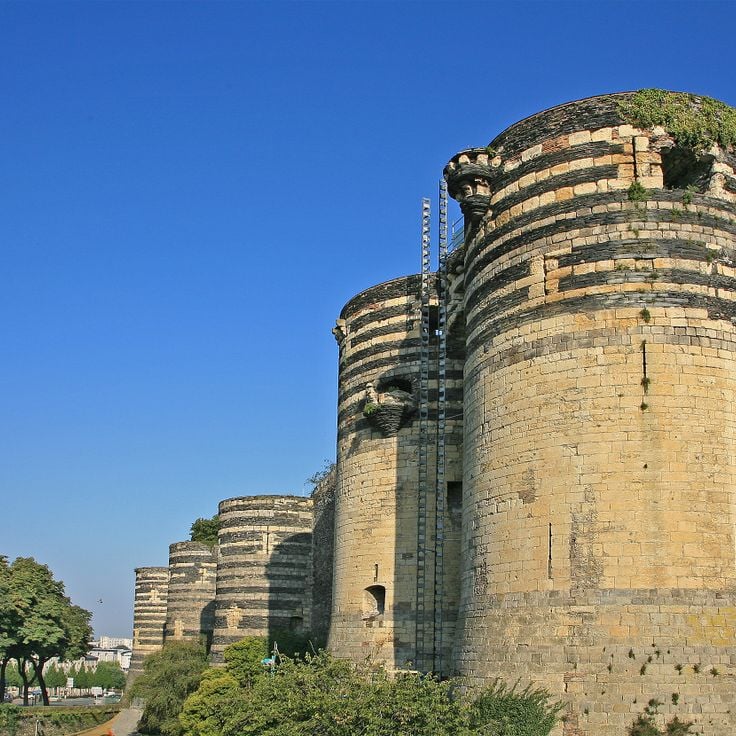
The Château d'Angers is a 13th-century fortress that rises above the Maine River on a rocky outcrop. Its thick walls and cut-corner towers give it a solid, unmistakable silhouette. Inside, the castle houses the Apocalypse Tapestry, a medieval work of extraordinary length that depicts scenes from the Book of Revelation. Walking along it feels like reading a story woven in thread.
The Cadre Noir de Saumur is a military riding school that has been training horses and riders for centuries in the town of Saumur. Inside its covered arena, riders dressed in black perform classical dressage figures and high school jumps. The shows follow a long French equestrian tradition and offer a rare chance to see this art practiced at its highest level.
The Bioparc de Doué-la-Fontaine sits inside old stone quarries carved out of the rock over many centuries. This natural setting gives the zoo an unusual character: animals live in large enclosures that recall their original habitats. Visitors encounter animals from Africa, Asia, and the Americas, and the park places a strong focus on protecting endangered species. Walking through it feels more like moving through a landscape than visiting a traditional zoo.
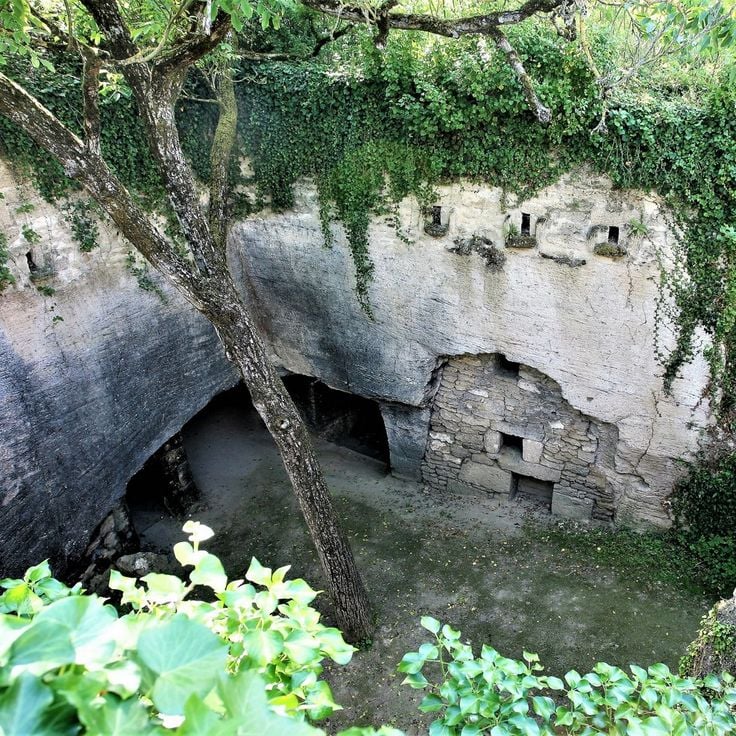
The troglodyte dwellings of Doué-en-Anjou were carved directly into the soft tuffeau stone during the Middle Ages. This underground village shows how people once lived inside the rock itself, without walls or rooftops above ground. Inside, the rooms stay cool and the tool marks are still visible on the walls. Walking through these spaces gives a clear sense of how daily life unfolded beneath the surface, in a way of living that was once widespread in this part of the Loire Valley.
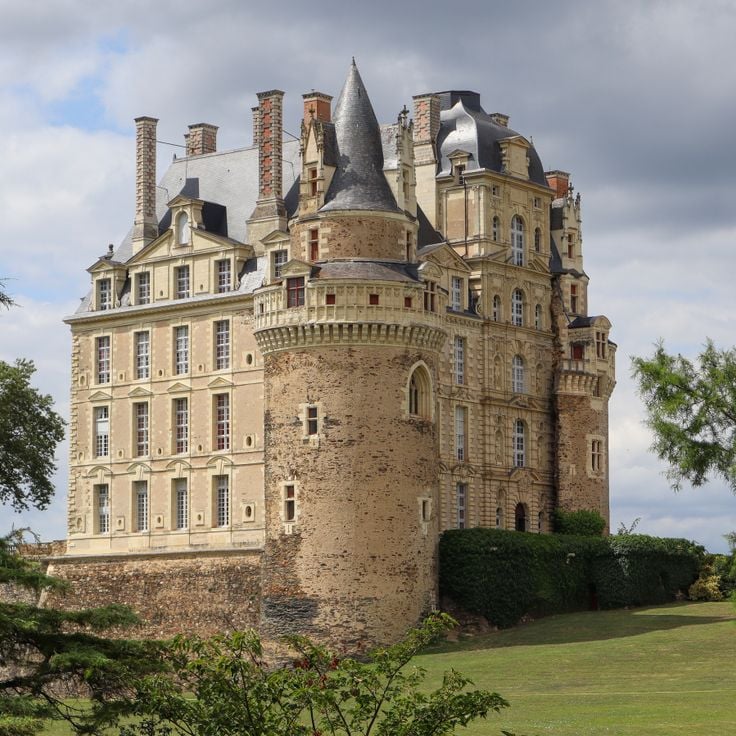
The Château de Brissac rises seven stories above the village of Brissac-Quincé in the Maine-et-Loire. Built in the 17th century, it is one of the tallest castles in France. Inside, the rooms are filled with old furniture, paintings, and tapestries that reflect the tastes of the French nobility over the centuries. A large park surrounds the castle and is open to visitors.
Terra Botanica in Angers is a theme park devoted to the plant world. Visitors walk through gardens and plant collections while discovering how humans have explored and used plants over the centuries. The park mixes outdoor spaces with hands-on attractions, making it a place where learning happens naturally, for children and adults alike.
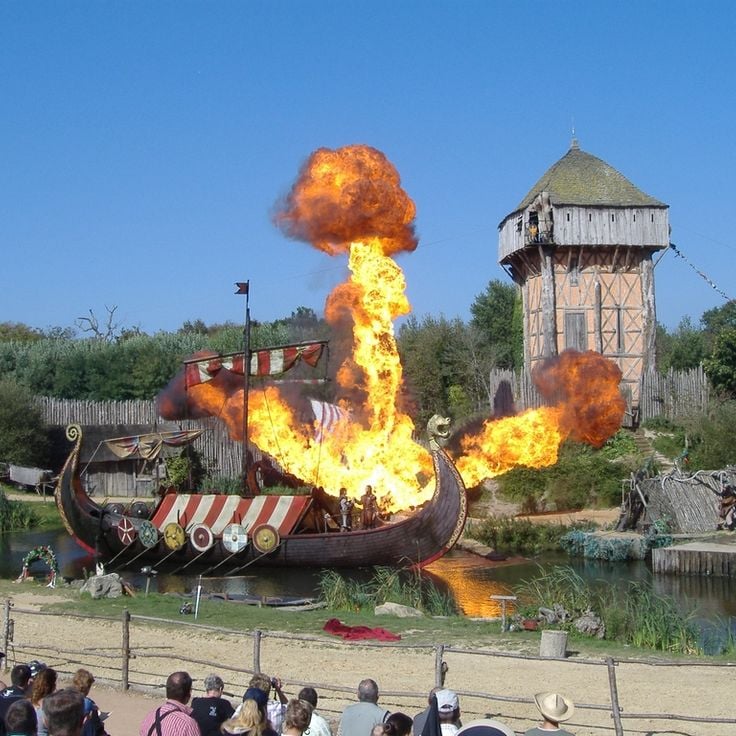
Puy du Fou in Les Epesses, in the Vendée, is a theme park where history is told through large outdoor shows. Actors, animals, and special effects bring scenes from the Middle Ages, the Roman era, and the Revolution period to life on open-air stages. You walk through the park as if stepping into a story, with each show set in a different time.
The Île d'Yeu sits off the Vendée coast and can only be reached by ferry. The western shore is lined with rocky cliffs, while the eastern side opens onto sandy beaches. Small fishing villages dot the island, and most visitors get around by bicycle.
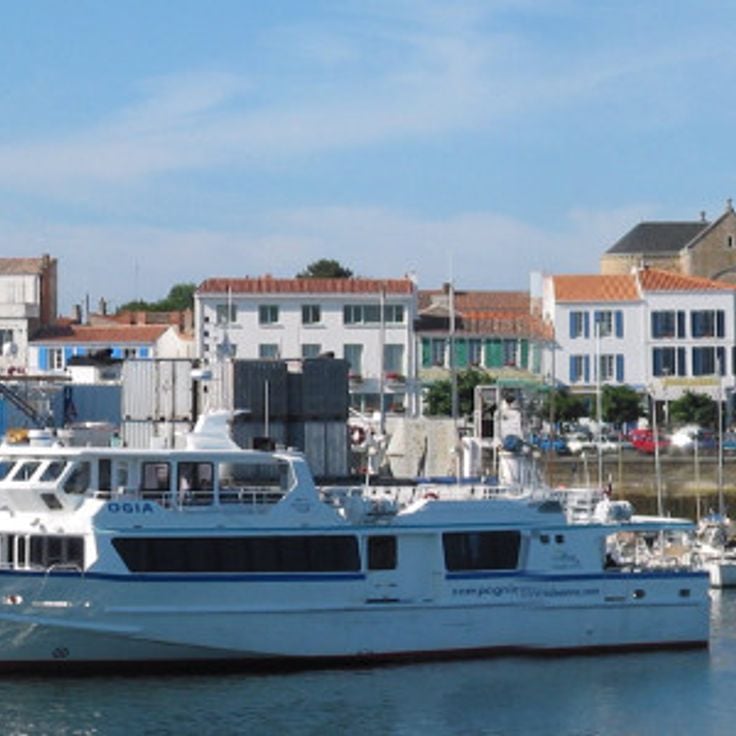
Les Sables-d'Olonne is a seaside town on the Vendée coast, known for its long sandy beach, its working fishing harbor, and a waterfront promenade where locals and visitors walk along the shore and watch the fishing boats come and go. The town has a lively port area and a beach that draws crowds in summer.
The Marais Poitevin is a vast wetland in the south of the Vendée, sitting between farmland and the Atlantic coast. A dense web of canals cuts through the flat countryside, lined with poplars and willows. Most visitors explore it by flat-bottomed boat, drifting slowly through green water that gets almost entirely covered by aquatic plants in summer. It is an unusual corner of the Pays de la Loire, far from the busier spots in the region.
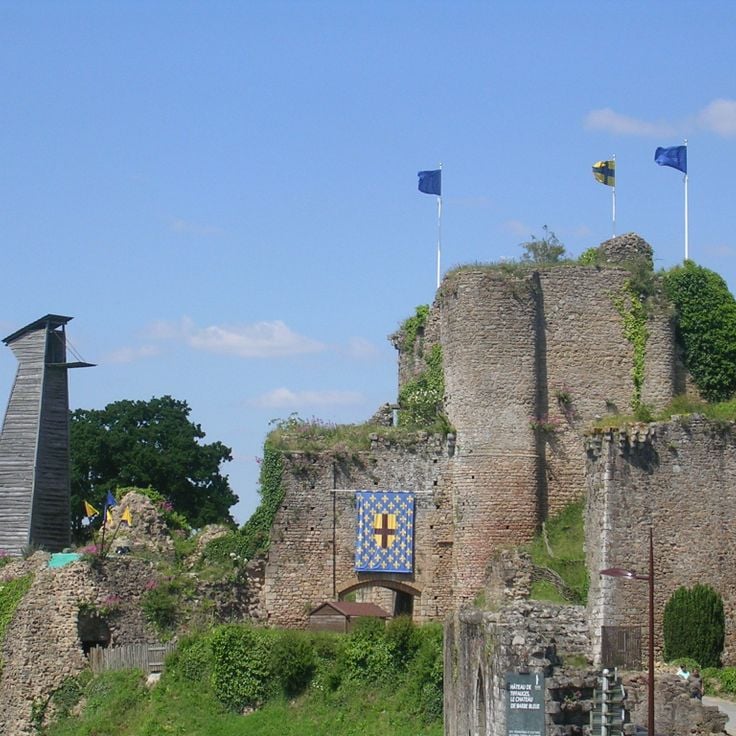
The Château de Tiffauges is a medieval fortress from the 13th century, now largely in ruins. Its square keep and surrounding walls still stand, giving a good sense of what the place once looked like. The castle is closely tied to the story of Gilles de Rais, a knight from the Hundred Years War. Walking through the site, you can feel the weight of its long and troubled past.
The Historial de la Vendée in Les Lucs-sur-Boulogne is a history museum that traces life in the Vendée from ancient times to the present day. It gives special attention to the French Revolution and the wars that tore through this region, leaving a mark that locals have never forgotten. The displays show how people lived, worked and understood the world around them across the centuries.
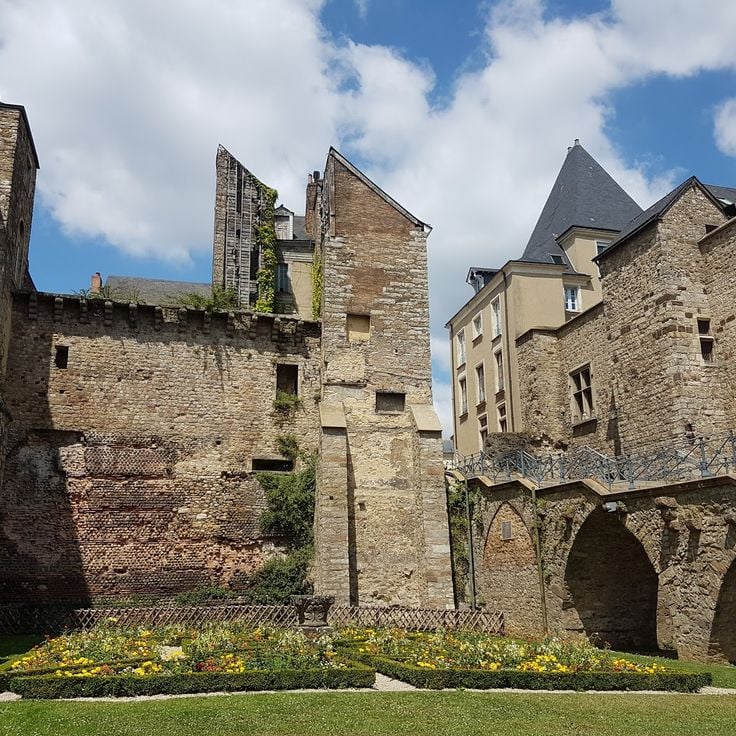
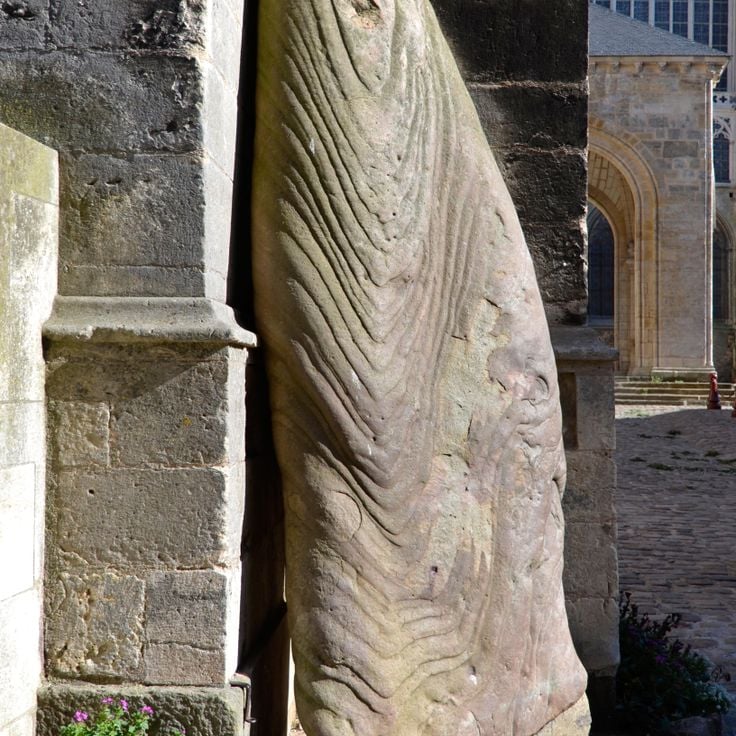
The Cité Plantagenêt is the medieval heart of Le Mans. Walking through this neighborhood, you will find cobblestone streets, half-timbered houses, and city walls dating back to the 12th century. The area sits on a hill above the Sarthe river and gives a clear sense of what the city looked like during the Plantagenet era. It is one of the best-preserved medieval districts in France.
The Cathedral of Saint-Julien du Mans stands in the old part of Le Mans, in the Sarthe. Built over several centuries, from the 12th to the 16th, it brings together different periods of Gothic construction in one place. Inside, the stained glass windows are the first thing you notice. Some date back to the 12th century and are among the oldest surviving examples in France. The nave rises very high, giving the whole interior a sense of space. Outside, large flying buttresses hold up the walls of the choir.
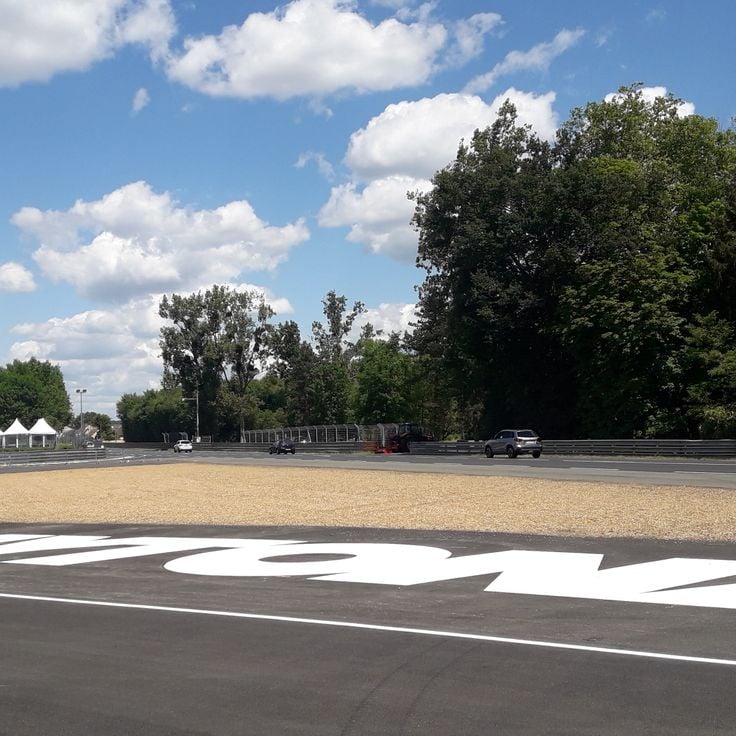
The Circuit des 24 Heures du Mans, located near the city of Le Mans in the Sarthe, has hosted one of the world's most famous endurance races since 1923. Every year, drivers and cars push through a full day and night on a track that mixes permanent sections with regular public roads. The sound of engines, the smell of fuel and the energy of the crowd during race weekend make it an experience unlike most others. Outside race season, the site is open to visitors, and a museum traces the long history of the event.
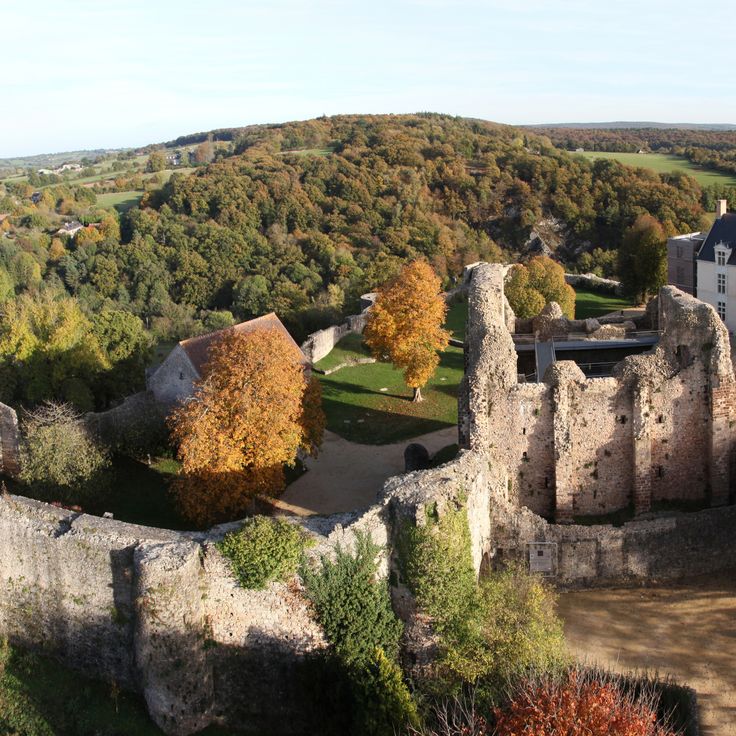
The Château de Sainte-Suzanne is an 11th-century fortress perched on a rocky spur in the Mayenne region. It is one of the few strongholds that resisted William the Conqueror. The medieval walls, keep and moat are still standing, and the village that surrounds it has kept much of its old character.
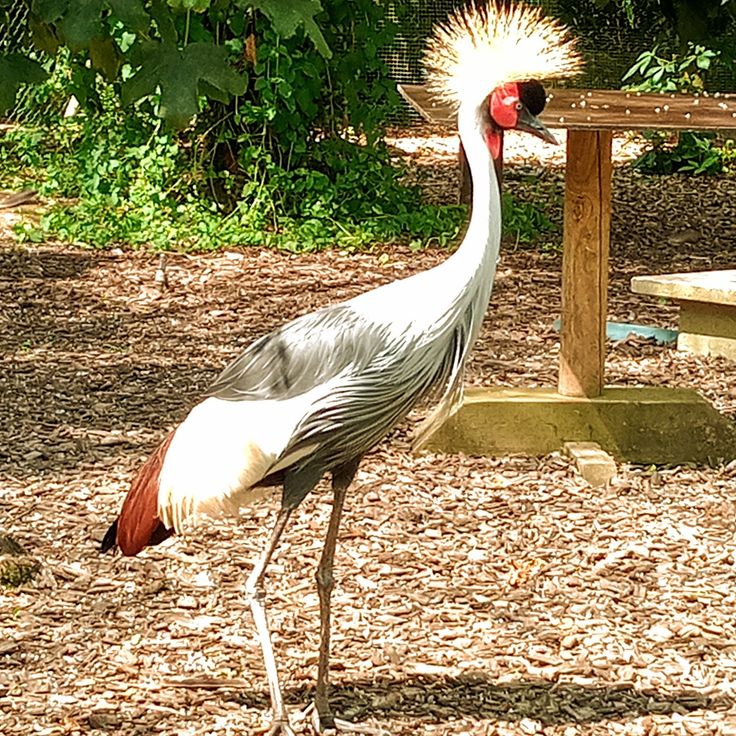
The Refuge de l'Arche is an animal park near Château-Gontier in the Mayenne department. Animals here live in large enclosures designed to match their natural environments. The park places a strong focus on animal welfare and works to protect endangered species. Visitors can observe animals rarely seen elsewhere and learn about the work that goes into breeding and conservation programs.
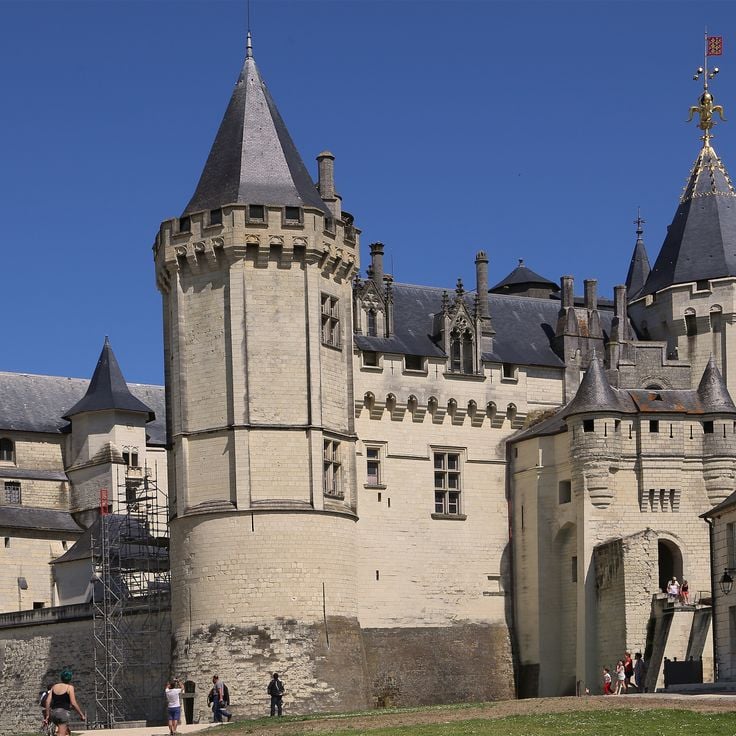
The Château de Saumur stands on a rocky hill above the Loire River, visible from much of the town below. Built in the 10th century and rebuilt several times since, the castle now houses a ceramics museum and collections of medieval objects. Walking through its rooms gives a clear sense of how the place evolved from a fortress into a residence. The views from the terraces over the Loire valley are worth the climb.
The Château des Ducs de Bretagne stands at the heart of Nantes and was once the seat of the Dukes of Brittany. Its thick walls and moat still give a strong sense of what the fortress once was. Today the castle houses a city history museum that traces Nantes from the ducal era to the present day. Visitors can also walk along the ramparts and look out over the city.
Les Machines de l'Île sit in an old tannery on the Île de Nantes. The place is home to giant mechanical creatures inspired by the worlds of Jules Verne and Leonardo da Vinci. A wooden elephant walks through the grounds carrying visitors on its back. The workshops are open, so you can watch craftspeople building the next creations by hand.
The Passage Pommeraye is a covered shopping gallery from the 19th century, right in the heart of Nantes. It connects three levels through wide staircases with wrought iron railings and a glass roof overhead. Shops line the walkways while light filters down from above. Locals pass through it every day on their way across town, often without stopping, though the architecture rewards anyone who takes a moment to look up.
The Jardin des Plantes de Nantes sits near the city's main train station and has been a green refuge for locals for centuries. It holds a large collection of plants from around the world, including tropical greenhouses where you can walk among exotic species. Winding paths lead through old trees, ponds and flower beds. Families and students come here on weekday afternoons, and it feels like a true breathing space in the middle of the city.
The Île de Noirmoutier sits off the Vendée coast and connects to the mainland by a road that floods with the tides. At low tide, drivers and walkers can cross on the Passage du Gois, a strip of asphalt that emerges from the water for a few hours each day. The island has salt marshes, sandy beaches, and small fishing villages. White houses line narrow streets, and the pace of daily life feels slow and rooted in the sea. Salt farming, fishing, and mimosa flowers have long shaped life here.
The Passage du Gois is a narrow road that connects the island of Noirmoutier to the mainland. At high tide, the road disappears completely under the Atlantic water. Only at low tide, for a few hours a day, can you cross it by car or on foot. Those who set off too late risk being caught by the rising water. Along the route, tall posts are placed so that travelers in difficulty can hold on until the tide retreats.
La Baule-Escoublac is a seaside town on the Atlantic coast in the Loire-Atlantique department. Its wide sandy beach stretches for several miles (a few kilometers) and is lined by a seafront promenade where locals and visitors walk at any time of day. Behind the beach, early 20th-century villas stand alongside cafés and shops. In summer, families come here to enjoy the sea air and the shallow water.
The Parc naturel régional de Brière stretches across Loire-Atlantique and is made up of one of the largest marshlands in France. Flat-bottomed boats drift along canals lined with reeds, and stone thatched cottages dot the edges of the water. Birds nest in large numbers here, and the landscape changes with the seasons. It is a place where the water sets the pace of daily life.
Escal'Atlantic is a museum set inside the old German submarine base in Saint-Nazaire. It tells the story of the great ocean liners that once crossed the Atlantic. Visitors can walk through reconstructed cabins, lounges and decks to get a sense of what life on board these ships felt like. The building itself, a massive concrete structure dating from World War II, adds a striking layer to the visit.
The Saint-Nazaire submarine base is a former German military structure from World War II, now open to visitors as a museum. The massive concrete bunker sits right on the harbor and gives a clear sense of how the German forces occupied and used the city. Inside, exhibitions cover warships, the history of the conflict, and daily life in the region during the occupation.
The Abbaye Royale de Fontevraud was founded in the 11th century and ranks among the largest medieval monastic complexes in France. Its abbey church holds the tombs of several Plantagenet rulers, including Henry II and Eleanor of Aquitaine. Walking through the convent buildings, you get a real sense of how monastic life was organized across the centuries.
The Château d'Angers is a 13th-century fortress that rises above the Maine River on a rocky outcrop. Its thick walls and cut-corner towers give it a solid, unmistakable silhouette. Inside, the castle houses the Apocalypse Tapestry, a medieval work of extraordinary length that depicts scenes from the Book of Revelation. Walking along it feels like reading a story woven in thread.
The Cadre Noir de Saumur is a military riding school that has been training horses and riders for centuries in the town of Saumur. Inside its covered arena, riders dressed in black perform classical dressage figures and high school jumps. The shows follow a long French equestrian tradition and offer a rare chance to see this art practiced at its highest level.
The Bioparc de Doué-la-Fontaine sits inside old stone quarries carved out of the rock over many centuries. This natural setting gives the zoo an unusual character: animals live in large enclosures that recall their original habitats. Visitors encounter animals from Africa, Asia, and the Americas, and the park places a strong focus on protecting endangered species. Walking through it feels more like moving through a landscape than visiting a traditional zoo.
The troglodyte dwellings of Doué-en-Anjou were carved directly into the soft tuffeau stone during the Middle Ages. This underground village shows how people once lived inside the rock itself, without walls or rooftops above ground. Inside, the rooms stay cool and the tool marks are still visible on the walls. Walking through these spaces gives a clear sense of how daily life unfolded beneath the surface, in a way of living that was once widespread in this part of the Loire Valley.
The Château de Brissac rises seven stories above the village of Brissac-Quincé in the Maine-et-Loire. Built in the 17th century, it is one of the tallest castles in France. Inside, the rooms are filled with old furniture, paintings, and tapestries that reflect the tastes of the French nobility over the centuries. A large park surrounds the castle and is open to visitors.
Terra Botanica in Angers is a theme park devoted to the plant world. Visitors walk through gardens and plant collections while discovering how humans have explored and used plants over the centuries. The park mixes outdoor spaces with hands-on attractions, making it a place where learning happens naturally, for children and adults alike.
Puy du Fou in Les Epesses, in the Vendée, is a theme park where history is told through large outdoor shows. Actors, animals, and special effects bring scenes from the Middle Ages, the Roman era, and the Revolution period to life on open-air stages. You walk through the park as if stepping into a story, with each show set in a different time.
The Île d'Yeu sits off the Vendée coast and can only be reached by ferry. The western shore is lined with rocky cliffs, while the eastern side opens onto sandy beaches. Small fishing villages dot the island, and most visitors get around by bicycle.
Les Sables-d'Olonne is a seaside town on the Vendée coast, known for its long sandy beach, its working fishing harbor, and a waterfront promenade where locals and visitors walk along the shore and watch the fishing boats come and go. The town has a lively port area and a beach that draws crowds in summer.
The Marais Poitevin is a vast wetland in the south of the Vendée, sitting between farmland and the Atlantic coast. A dense web of canals cuts through the flat countryside, lined with poplars and willows. Most visitors explore it by flat-bottomed boat, drifting slowly through green water that gets almost entirely covered by aquatic plants in summer. It is an unusual corner of the Pays de la Loire, far from the busier spots in the region.
The Château de Tiffauges is a medieval fortress from the 13th century, now largely in ruins. Its square keep and surrounding walls still stand, giving a good sense of what the place once looked like. The castle is closely tied to the story of Gilles de Rais, a knight from the Hundred Years War. Walking through the site, you can feel the weight of its long and troubled past.
The Historial de la Vendée in Les Lucs-sur-Boulogne is a history museum that traces life in the Vendée from ancient times to the present day. It gives special attention to the French Revolution and the wars that tore through this region, leaving a mark that locals have never forgotten. The displays show how people lived, worked and understood the world around them across the centuries.
The Cité Plantagenêt is the medieval heart of Le Mans. Walking through this neighborhood, you will find cobblestone streets, half-timbered houses, and city walls dating back to the 12th century. The area sits on a hill above the Sarthe river and gives a clear sense of what the city looked like during the Plantagenet era. It is one of the best-preserved medieval districts in France.
The Cathedral of Saint-Julien du Mans stands in the old part of Le Mans, in the Sarthe. Built over several centuries, from the 12th to the 16th, it brings together different periods of Gothic construction in one place. Inside, the stained glass windows are the first thing you notice. Some date back to the 12th century and are among the oldest surviving examples in France. The nave rises very high, giving the whole interior a sense of space. Outside, large flying buttresses hold up the walls of the choir.
The Circuit des 24 Heures du Mans, located near the city of Le Mans in the Sarthe, has hosted one of the world's most famous endurance races since 1923. Every year, drivers and cars push through a full day and night on a track that mixes permanent sections with regular public roads. The sound of engines, the smell of fuel and the energy of the crowd during race weekend make it an experience unlike most others. Outside race season, the site is open to visitors, and a museum traces the long history of the event.
The Château de Sainte-Suzanne is an 11th-century fortress perched on a rocky spur in the Mayenne region. It is one of the few strongholds that resisted William the Conqueror. The medieval walls, keep and moat are still standing, and the village that surrounds it has kept much of its old character.
The Refuge de l'Arche is an animal park near Château-Gontier in the Mayenne department. Animals here live in large enclosures designed to match their natural environments. The park places a strong focus on animal welfare and works to protect endangered species. Visitors can observe animals rarely seen elsewhere and learn about the work that goes into breeding and conservation programs.
The Château de Saumur stands on a rocky hill above the Loire River, visible from much of the town below. Built in the 10th century and rebuilt several times since, the castle now houses a ceramics museum and collections of medieval objects. Walking through its rooms gives a clear sense of how the place evolved from a fortress into a residence. The views from the terraces over the Loire valley are worth the climb.
The Château des Ducs de Bretagne stands at the heart of Nantes and was once the seat of the Dukes of Brittany. Its thick walls and moat still give a strong sense of what the fortress once was. Today the castle houses a city history museum that traces Nantes from the ducal era to the present day. Visitors can also walk along the ramparts and look out over the city.
Les Machines de l'Île sit in an old tannery on the Île de Nantes. The place is home to giant mechanical creatures inspired by the worlds of Jules Verne and Leonardo da Vinci. A wooden elephant walks through the grounds carrying visitors on its back. The workshops are open, so you can watch craftspeople building the next creations by hand.
The Passage Pommeraye is a covered shopping gallery from the 19th century, right in the heart of Nantes. It connects three levels through wide staircases with wrought iron railings and a glass roof overhead. Shops line the walkways while light filters down from above. Locals pass through it every day on their way across town, often without stopping, though the architecture rewards anyone who takes a moment to look up.
The Jardin des Plantes de Nantes sits near the city's main train station and has been a green refuge for locals for centuries. It holds a large collection of plants from around the world, including tropical greenhouses where you can walk among exotic species. Winding paths lead through old trees, ponds and flower beds. Families and students come here on weekday afternoons, and it feels like a true breathing space in the middle of the city.
The Île de Noirmoutier sits off the Vendée coast and connects to the mainland by a road that floods with the tides. At low tide, drivers and walkers can cross on the Passage du Gois, a strip of asphalt that emerges from the water for a few hours each day. The island has salt marshes, sandy beaches, and small fishing villages. White houses line narrow streets, and the pace of daily life feels slow and rooted in the sea. Salt farming, fishing, and mimosa flowers have long shaped life here.
The Passage du Gois is a narrow road that connects the island of Noirmoutier to the mainland. At high tide, the road disappears completely under the Atlantic water. Only at low tide, for a few hours a day, can you cross it by car or on foot. Those who set off too late risk being caught by the rising water. Along the route, tall posts are placed so that travelers in difficulty can hold on until the tide retreats.
La Baule-Escoublac is a seaside town on the Atlantic coast in the Loire-Atlantique department. Its wide sandy beach stretches for several miles (a few kilometers) and is lined by a seafront promenade where locals and visitors walk at any time of day. Behind the beach, early 20th-century villas stand alongside cafés and shops. In summer, families come here to enjoy the sea air and the shallow water.
The Parc naturel régional de Brière stretches across Loire-Atlantique and is made up of one of the largest marshlands in France. Flat-bottomed boats drift along canals lined with reeds, and stone thatched cottages dot the edges of the water. Birds nest in large numbers here, and the landscape changes with the seasons. It is a place where the water sets the pace of daily life.
Escal'Atlantic is a museum set inside the old German submarine base in Saint-Nazaire. It tells the story of the great ocean liners that once crossed the Atlantic. Visitors can walk through reconstructed cabins, lounges and decks to get a sense of what life on board these ships felt like. The building itself, a massive concrete structure dating from World War II, adds a striking layer to the visit.
The Saint-Nazaire submarine base is a former German military structure from World War II, now open to visitors as a museum. The massive concrete bunker sits right on the harbor and gives a clear sense of how the German forces occupied and used the city. Inside, exhibitions cover warships, the history of the conflict, and daily life in the region during the occupation.
The Abbaye Royale de Fontevraud was founded in the 11th century and ranks among the largest medieval monastic complexes in France. Its abbey church holds the tombs of several Plantagenet rulers, including Henry II and Eleanor of Aquitaine. Walking through the convent buildings, you get a real sense of how monastic life was organized across the centuries.
The Château d'Angers is a 13th-century fortress that rises above the Maine River on a rocky outcrop. Its thick walls and cut-corner towers give it a solid, unmistakable silhouette. Inside, the castle houses the Apocalypse Tapestry, a medieval work of extraordinary length that depicts scenes from the Book of Revelation. Walking along it feels like reading a story woven in thread.
The Cadre Noir de Saumur is a military riding school that has been training horses and riders for centuries in the town of Saumur. Inside its covered arena, riders dressed in black perform classical dressage figures and high school jumps. The shows follow a long French equestrian tradition and offer a rare chance to see this art practiced at its highest level.
The Bioparc de Doué-la-Fontaine sits inside old stone quarries carved out of the rock over many centuries. This natural setting gives the zoo an unusual character: animals live in large enclosures that recall their original habitats. Visitors encounter animals from Africa, Asia, and the Americas, and the park places a strong focus on protecting endangered species. Walking through it feels more like moving through a landscape than visiting a traditional zoo.
The troglodyte dwellings of Doué-en-Anjou were carved directly into the soft tuffeau stone during the Middle Ages. This underground village shows how people once lived inside the rock itself, without walls or rooftops above ground. Inside, the rooms stay cool and the tool marks are still visible on the walls. Walking through these spaces gives a clear sense of how daily life unfolded beneath the surface, in a way of living that was once widespread in this part of the Loire Valley.
The Château de Brissac rises seven stories above the village of Brissac-Quincé in the Maine-et-Loire. Built in the 17th century, it is one of the tallest castles in France. Inside, the rooms are filled with old furniture, paintings, and tapestries that reflect the tastes of the French nobility over the centuries. A large park surrounds the castle and is open to visitors.
Terra Botanica in Angers is a theme park devoted to the plant world. Visitors walk through gardens and plant collections while discovering how humans have explored and used plants over the centuries. The park mixes outdoor spaces with hands-on attractions, making it a place where learning happens naturally, for children and adults alike.
Puy du Fou in Les Epesses, in the Vendée, is a theme park where history is told through large outdoor shows. Actors, animals, and special effects bring scenes from the Middle Ages, the Roman era, and the Revolution period to life on open-air stages. You walk through the park as if stepping into a story, with each show set in a different time.
The Île d'Yeu sits off the Vendée coast and can only be reached by ferry. The western shore is lined with rocky cliffs, while the eastern side opens onto sandy beaches. Small fishing villages dot the island, and most visitors get around by bicycle.
Les Sables-d'Olonne is a seaside town on the Vendée coast, known for its long sandy beach, its working fishing harbor, and a waterfront promenade where locals and visitors walk along the shore and watch the fishing boats come and go. The town has a lively port area and a beach that draws crowds in summer.
The Marais Poitevin is a vast wetland in the south of the Vendée, sitting between farmland and the Atlantic coast. A dense web of canals cuts through the flat countryside, lined with poplars and willows. Most visitors explore it by flat-bottomed boat, drifting slowly through green water that gets almost entirely covered by aquatic plants in summer. It is an unusual corner of the Pays de la Loire, far from the busier spots in the region.
The Château de Tiffauges is a medieval fortress from the 13th century, now largely in ruins. Its square keep and surrounding walls still stand, giving a good sense of what the place once looked like. The castle is closely tied to the story of Gilles de Rais, a knight from the Hundred Years War. Walking through the site, you can feel the weight of its long and troubled past.
The Historial de la Vendée in Les Lucs-sur-Boulogne is a history museum that traces life in the Vendée from ancient times to the present day. It gives special attention to the French Revolution and the wars that tore through this region, leaving a mark that locals have never forgotten. The displays show how people lived, worked and understood the world around them across the centuries.
The Cité Plantagenêt is the medieval heart of Le Mans. Walking through this neighborhood, you will find cobblestone streets, half-timbered houses, and city walls dating back to the 12th century. The area sits on a hill above the Sarthe river and gives a clear sense of what the city looked like during the Plantagenet era. It is one of the best-preserved medieval districts in France.
The Cathedral of Saint-Julien du Mans stands in the old part of Le Mans, in the Sarthe. Built over several centuries, from the 12th to the 16th, it brings together different periods of Gothic construction in one place. Inside, the stained glass windows are the first thing you notice. Some date back to the 12th century and are among the oldest surviving examples in France. The nave rises very high, giving the whole interior a sense of space. Outside, large flying buttresses hold up the walls of the choir.
The Circuit des 24 Heures du Mans, located near the city of Le Mans in the Sarthe, has hosted one of the world's most famous endurance races since 1923. Every year, drivers and cars push through a full day and night on a track that mixes permanent sections with regular public roads. The sound of engines, the smell of fuel and the energy of the crowd during race weekend make it an experience unlike most others. Outside race season, the site is open to visitors, and a museum traces the long history of the event.
The Château de Sainte-Suzanne is an 11th-century fortress perched on a rocky spur in the Mayenne region. It is one of the few strongholds that resisted William the Conqueror. The medieval walls, keep and moat are still standing, and the village that surrounds it has kept much of its old character.
The Refuge de l'Arche is an animal park near Château-Gontier in the Mayenne department. Animals here live in large enclosures designed to match their natural environments. The park places a strong focus on animal welfare and works to protect endangered species. Visitors can observe animals rarely seen elsewhere and learn about the work that goes into breeding and conservation programs.
The Château de Saumur stands on a rocky hill above the Loire River, visible from much of the town below. Built in the 10th century and rebuilt several times since, the castle now houses a ceramics museum and collections of medieval objects. Walking through its rooms gives a clear sense of how the place evolved from a fortress into a residence. The views from the terraces over the Loire valley are worth the climb.
The Pays de la Loire change with the seasons. In spring, gardens burst with colors. Summer has long days to explore. Autumn colors the castles in gold and red. Winter makes the sites less busy and calmer. Plan your visit based on what you really like: greenery, fewer people or the special lights of low seasons.