See the monuments around you in AROpen chests in the app
Around Us is built for your phone — point your camera at the streets and discover the monuments and places around you in augmented reality.Around Us is built for your phone — chests unlock when you walk, explore and capture nearby places.
French villages where old buildings mix with flowers that decorate walls and gardens in colors.
In France, thirty villages stand out for how they combine their building history with flowers that decorate every corner of the streets. These places often have the label Cities and Villages with Flowers, a recognition of their efforts to make public spaces nicer and show their identity.
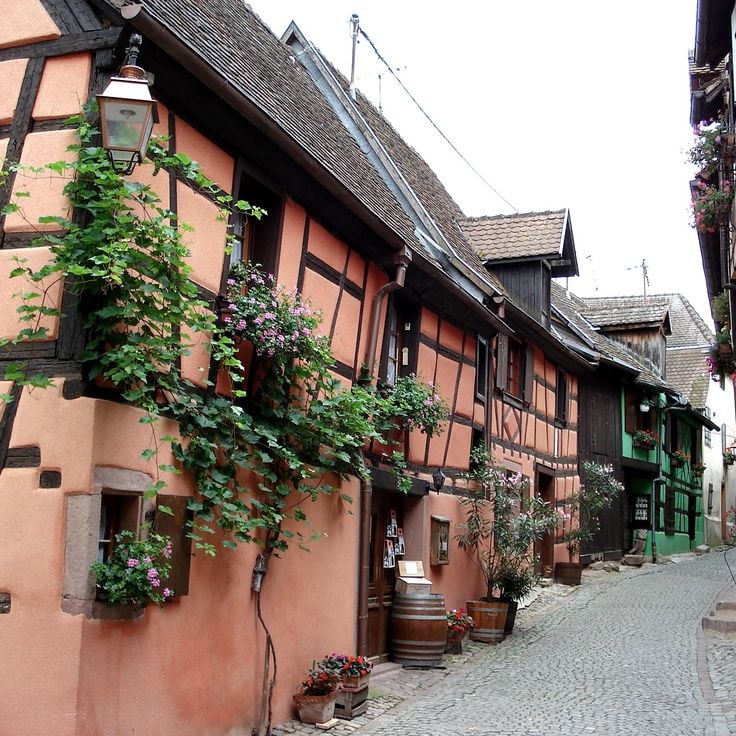
In the northeast, Alsace villages like Eguisheim and Riquewihr welcome you with their timber-framed houses covered in geraniums and petunias. Their medieval alleys wind between vineyards and cellars. In Provence, Gordes and Moustiers-Sainte-Marie cling to hills, offering views that look out over flowered valleys. On the coast of Var, Bormes-les-Mimosas shows the Mediterranean feel, with yellow mimosas lining paved paths.
From west to east, you will see red stone houses in Corrèze, perched villages in Dordogne like La Roque-Gageac that overlook the rivers, and paved plazas in Brittany surrounded by flowered facades. Each village tells the story of its region through its architecture, traditions, and the flowers that grow on its walls and in its gardens.
French villages where old buildings mix with flowers that decorate walls and gardens in colors.
In France, thirty villages stand out for how they combine their building history with flowers that decorate every corner of the streets. These places often have the label Cities and Villages with Flowers, a recognition of their efforts to make public spaces nicer and show their identity.
In the northeast, Alsace villages like Eguisheim and Riquewihr welcome you with their timber-framed houses covered in geraniums and petunias. Their medieval alleys wind between vineyards and cellars. In Provence, Gordes and Moustiers-Sainte-Marie cling to hills, offering views that look out over flowered valleys. On the coast of Var, Bormes-les-Mimosas shows the Mediterranean feel, with yellow mimosas lining paved paths.
From west to east, you will see red stone houses in Corrèze, perched villages in Dordogne like La Roque-Gageac that overlook the rivers, and paved plazas in Brittany surrounded by flowered facades. Each village tells the story of its region through its architecture, traditions, and the flowers that grow on its walls and in its gardens.
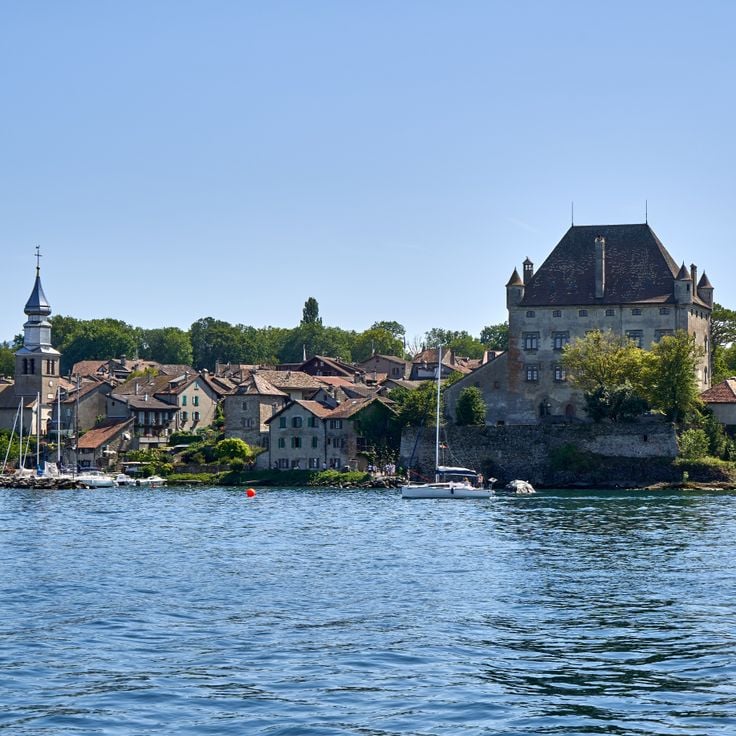
Yvoire is a medieval village on the shore of Lake Geneva in Haute-Savoie. Its narrow lanes run between old stone houses whose facades and balconies overflow with flowers throughout the warmer months. The village holds the Villes et Villages Fleuris label and draws many visitors who walk along the lakefront and take in the towers of the old castle that shape the skyline of this small fortified village.
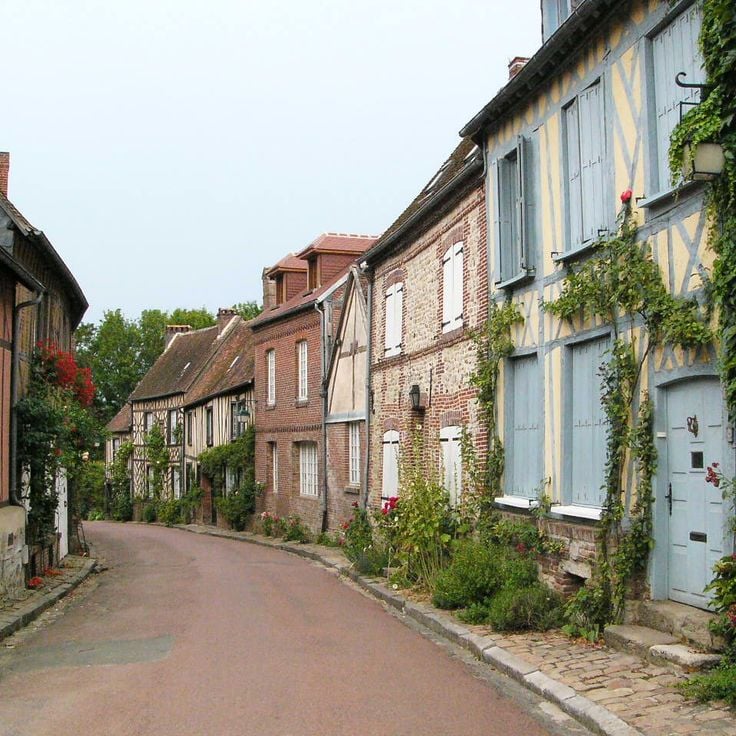
Gerberoy is a small village in Picardy, in the Oise department, known above all for its roses. In spring and early summer, red, pink and white roses cover the old half-timbered houses and stone walls along the narrow lanes. The colorful facades and cobblestone streets give the village a look that stays with you long after you leave.
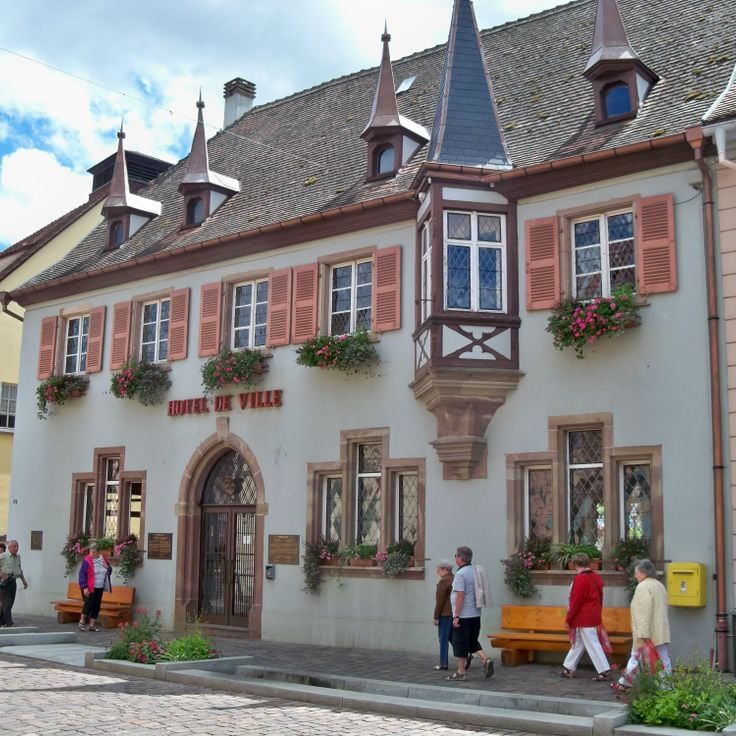
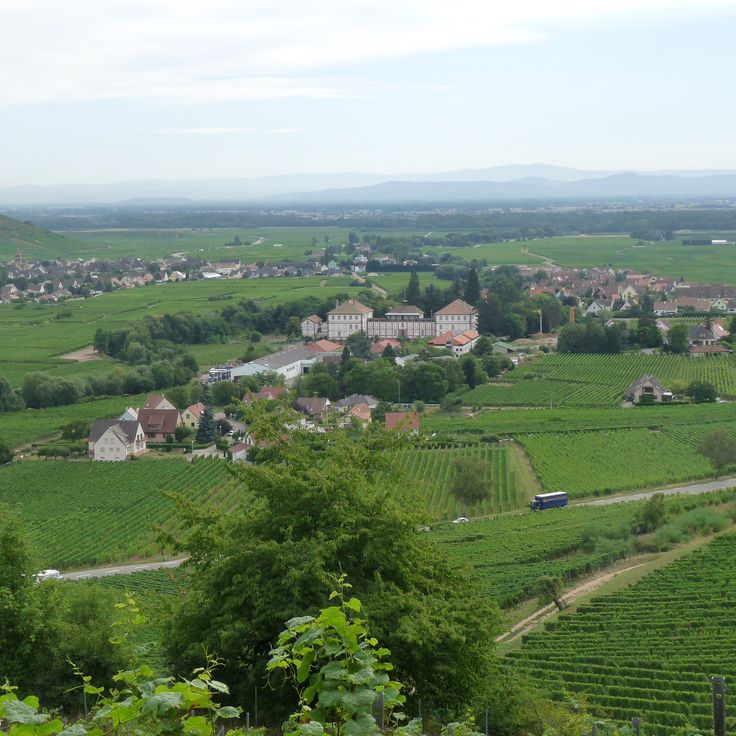
Eguisheim is a village in Alsace where half-timbered houses line narrow lanes that wind in circles around an old castle. In summer, geraniums and petunias hang from nearly every window and doorway. The village sits in the middle of a wine-growing area, and vines grow right up to the edges of the streets. It holds the Villes et Villages Fleuris label, awarded to places that take special care of their public spaces with flowers.
Riquewihr is a wine-growing village in Alsace with narrow medieval lanes where geraniums and petunias decorate the facades of half-timbered houses. The vineyards start just outside the village. Riquewihr holds the Villes et Villages Fleuris label, which recognizes how flowers shape the look and feel of a place throughout the year.
Kaysersberg is a village in Alsace that sits at the foot of a medieval castle. Its half-timbered houses are decorated with flower boxes, and the cobbled lanes run alongside vineyards. The village stands along the Wine Route that crosses the Alsatian countryside. In spring and summer, geraniums and petunias bloom on nearly every facade.
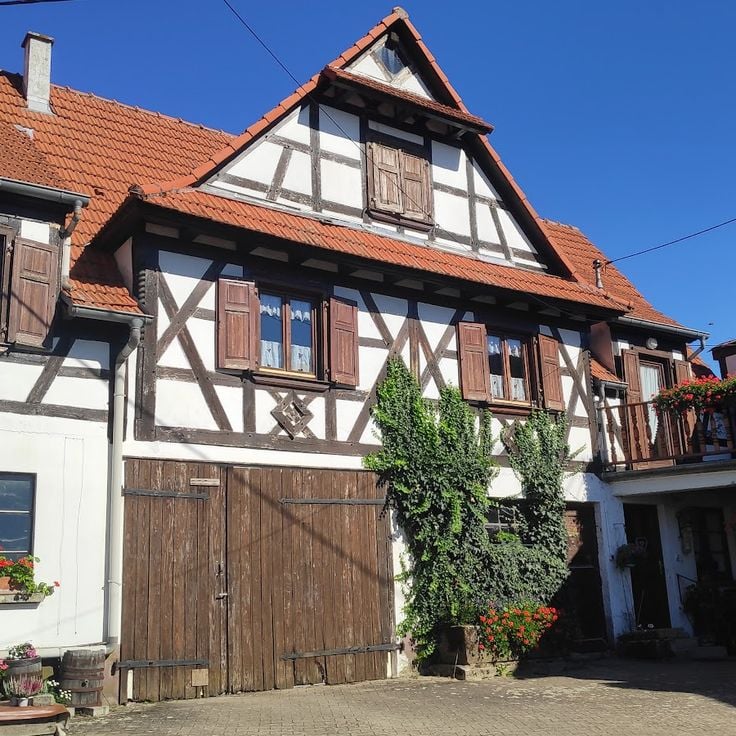
Hunspach is a village in the Bas-Rhin where whitewashed half-timbered houses line narrow lanes. The shutters come in warm colors, and flower gardens spill out toward the street. Walking through Hunspach feels like stepping into a slower, quieter version of Alsace.
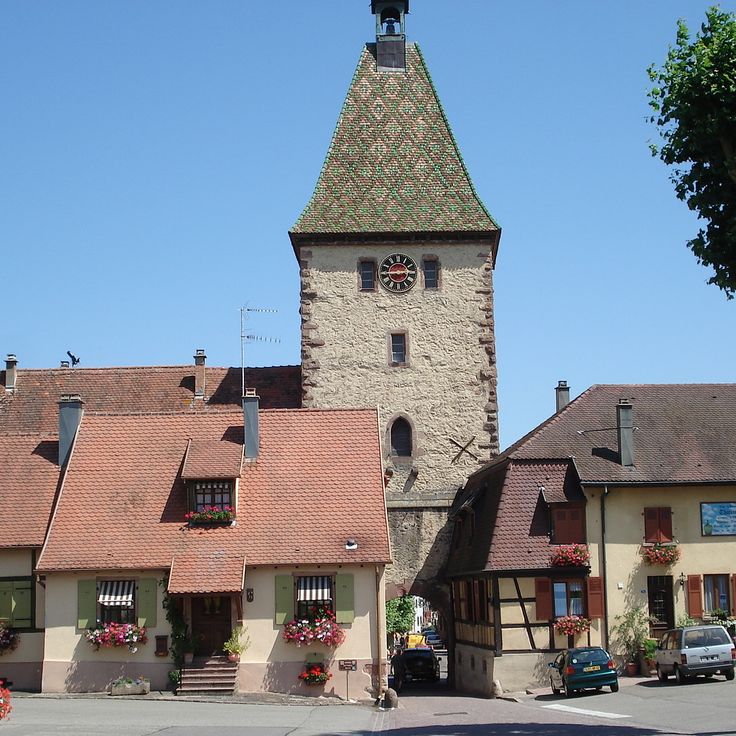
Bergheim is a fortified village in Alsace, surrounded by medieval walls that are largely still standing. Its narrow streets fill with flowers in summer, and the half-timbered houses give the village a traditional look. Bergheim sits in the middle of the Haut-Rhin vineyards, with castle ruins visible on the nearby hills.
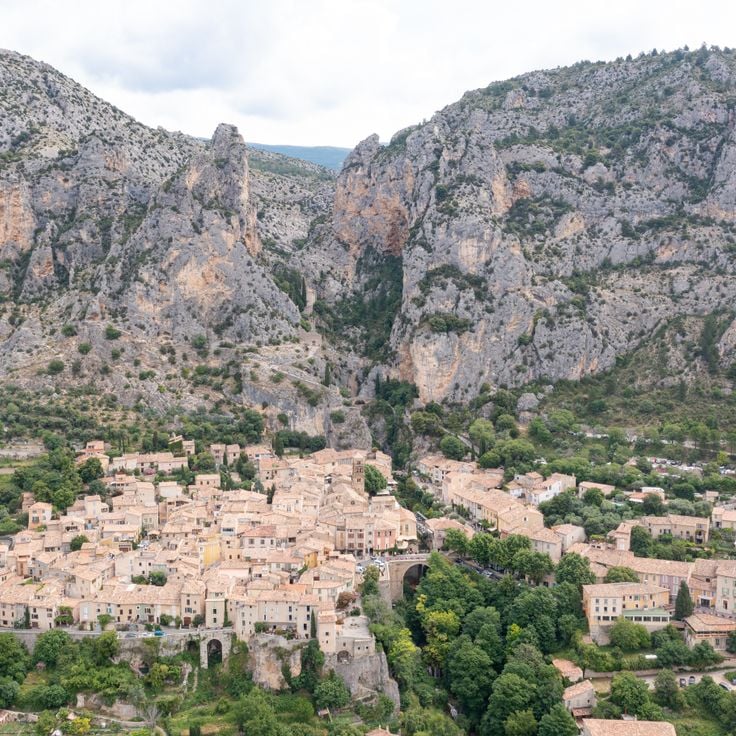
Moustiers-Sainte-Marie is a Provençal village built into the foot of two rocky cliffs. Its houses rise along the slope, with flowers growing from the walls and window ledges all around. The village has long been known for its handmade ceramics, sold in small workshops tucked along the lanes. A chain with a metal star is stretched between the two cliffs high above the rooftops, a sight that has defined this place for centuries.
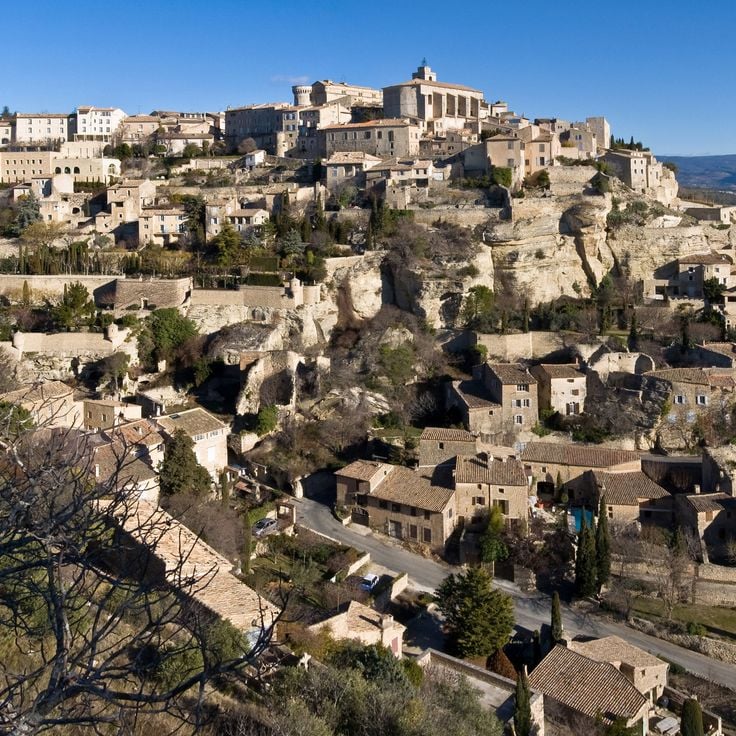
Gordes sits on a rocky hillside in Vaucluse, in the heart of Provence. The stone houses seem to grow right out of the rock, and narrow lanes wind past walls covered in flowers during the warmer months. The village regularly receives the Villes et Villages Fleuris label, a recognition that flowers here are part of daily life, found on windowsills, in courtyards, and along paved paths.
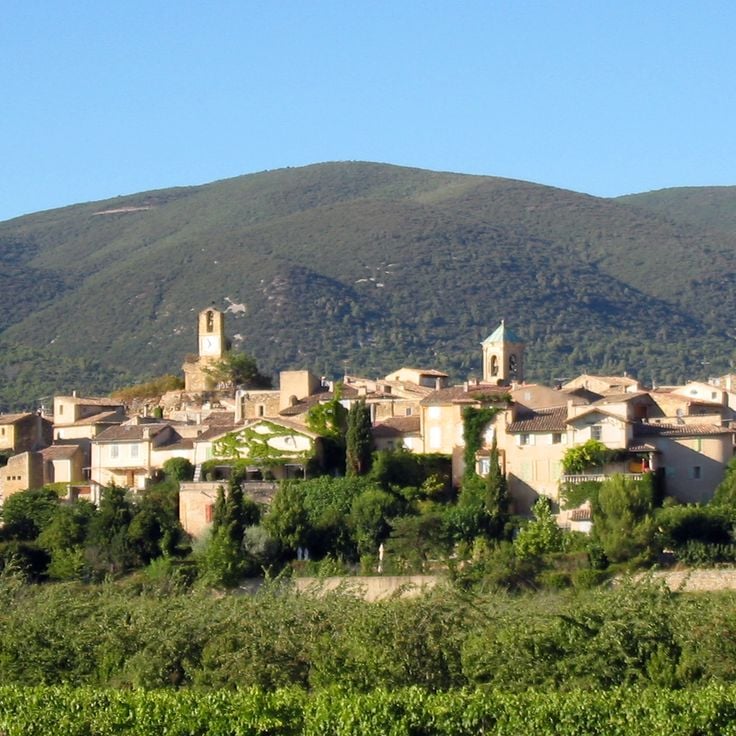
Lourmarin is a village in the Luberon area of Provence. Its narrow streets are lined with old stone houses, and flowers grow along the walls and in small gardens throughout the year. A castle from the 15th century stands above the village and can be seen from most of the lanes below. The village has attracted painters and artists over the years, and several art galleries have opened here. Café terraces fill up on warm days, giving the place a slow and easy pace.
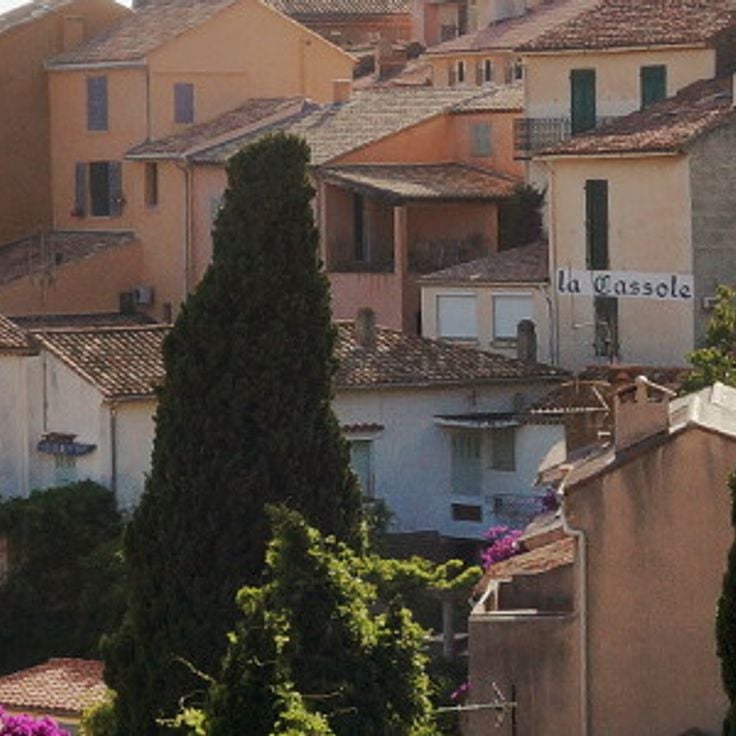
Bormes-les-Mimosas sits above the Mediterranean coast in the Var. The village is known above all for its yellow mimosas, which bloom along the old lanes in winter and spring. The cobbled paths wind between stone houses, their walls covered with flowers. The village holds the Villes et Villages Fleuris label, a sign of how locals tend their streets and fill them with color through the year.
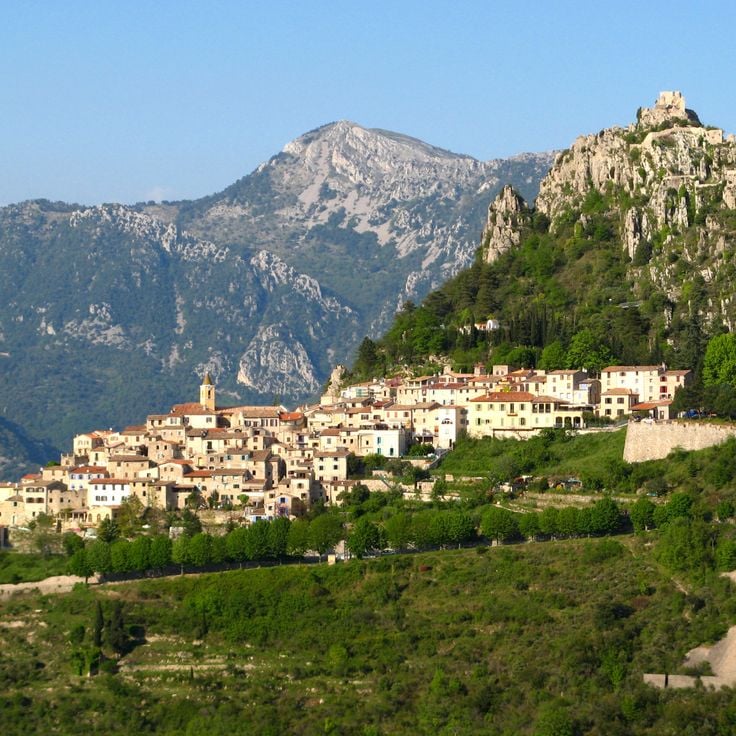
Sainte-Agnès sits at the top of a rocky peak above the French Riviera, making it one of the highest coastal villages in Europe. Walking through its narrow lanes, you notice flower-covered walls, stone houses, and sudden views of the sea far below. The village is part of France's thirty most celebrated flower-adorned villages, a title that reflects how flowers here are woven into everyday life, spilling from windowsills, walls, and small gardens at every turn.
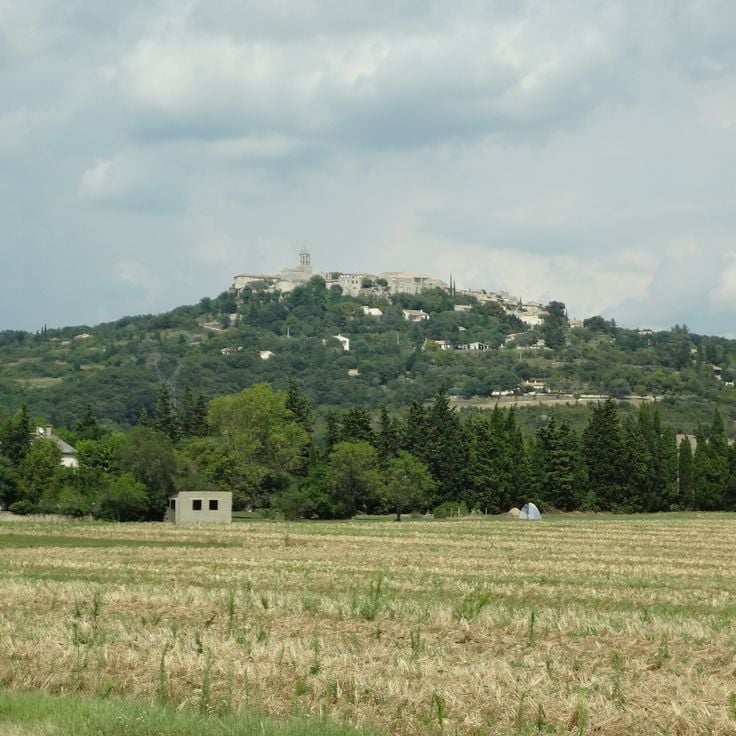
La Garde-Adhémar is a hilltop village in the Drôme department, visible from a distance thanks to its position above the surrounding countryside. Its stone houses line narrow streets where flowers grow along walls and in small gardens. From the top, the view opens wide over the rolling hills of the region. The village holds the Villes et Villages Fleuris label, which recognizes its care for flowers and green spaces in public areas.
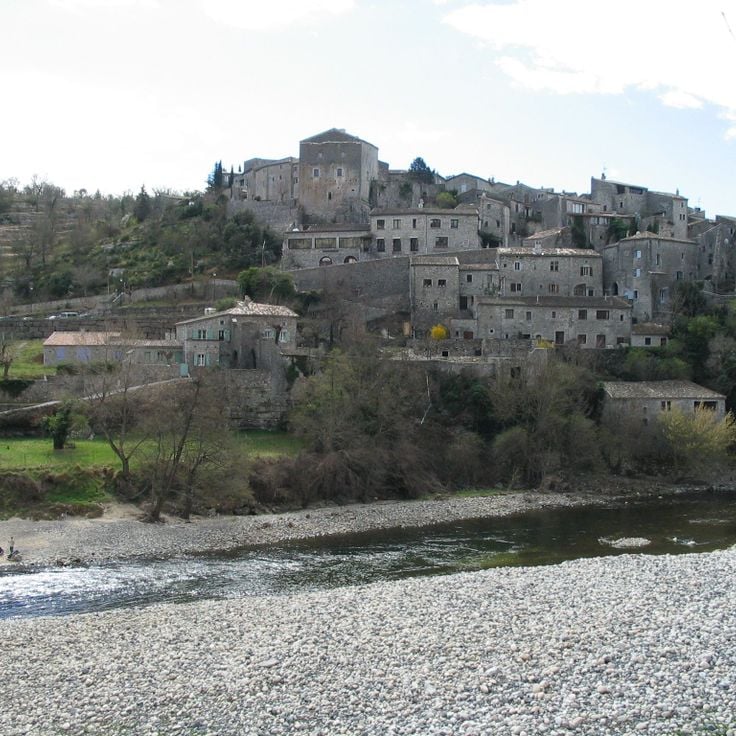
Balazuc sits on a rocky spur above the Ardèche river, its stone houses stacked tightly along narrow lanes that wind up and down between levels. Flowers grow from window ledges and old walls throughout the village, bringing color to the gray stone in summer. From many points in Balazuc, you can look straight down to the river below. The village is one of the most celebrated floral villages in the Ardèche.
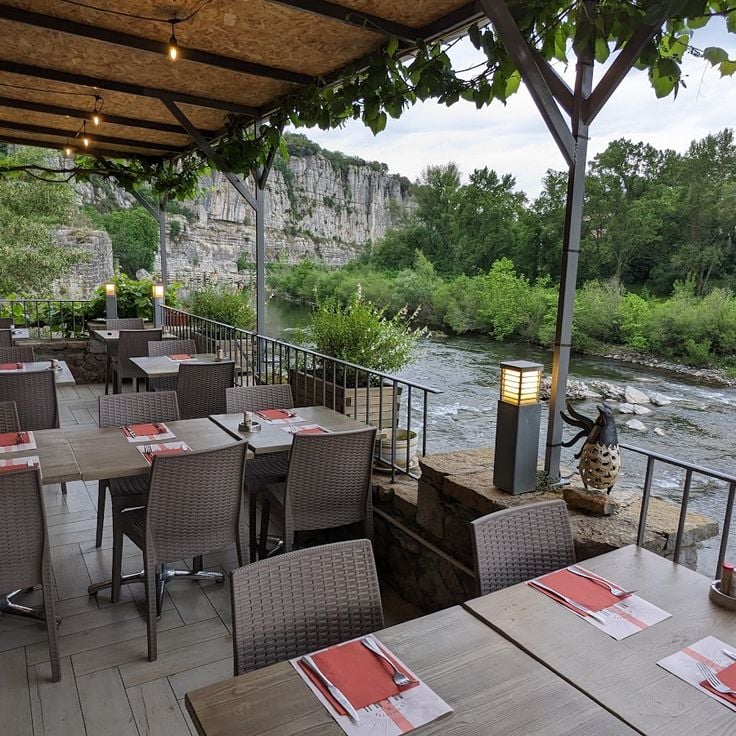
Vogüé sits on the banks of the Ardèche river and is one of France's most celebrated flower villages. A medieval castle rises above the old stone houses, whose facades are decorated with flowers in every season. Narrow lanes wind down to the water's edge, where the river reflects the village silhouette. This is the Ardèche at its most typical: stone, history, and nature side by side.
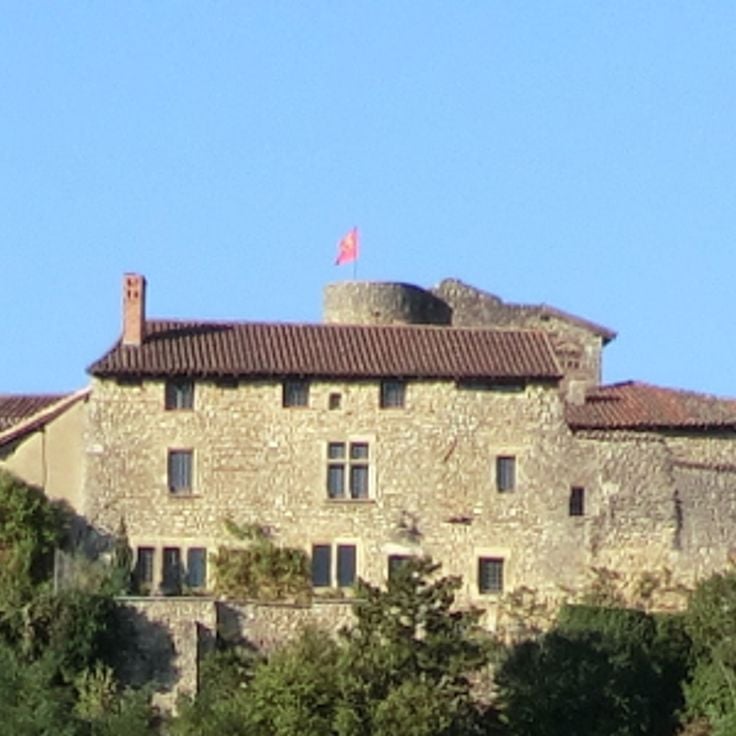
Pérouges is a medieval village in the Ain department, set on a hill above the surrounding plain. Its cobblestone lanes run between old stone houses decorated with flowers along their facades. The ramparts nearly encircle the entire village, giving it a self-contained feel. Walking through it, you get the sense that very little has changed since the Middle Ages.
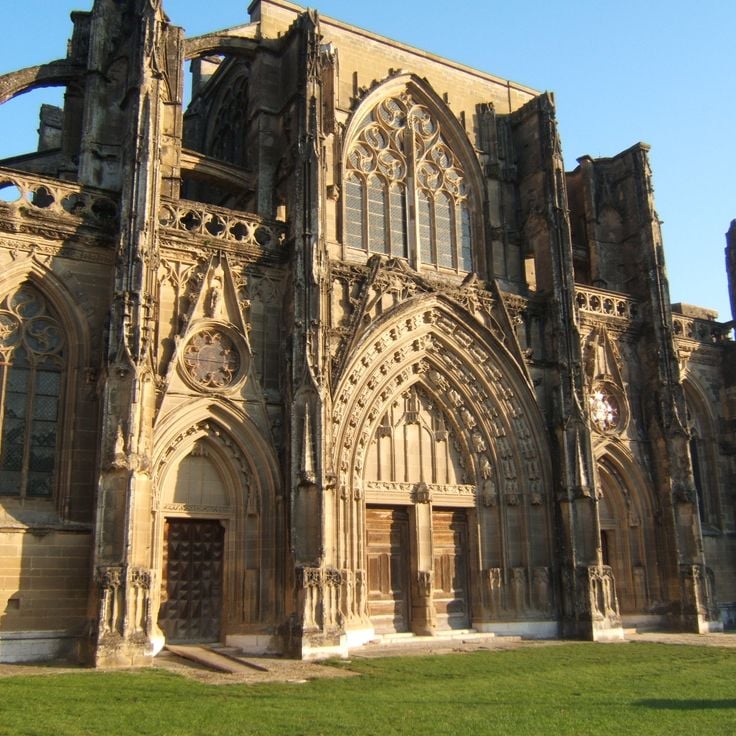
Saint-Antoine-l'Abbaye is a village in the Isère department that grew up around an old abbey. Medieval houses line narrow lanes, and flowers spill from windowsills and doorways throughout the year. Walking through the village, you get the feeling that time has moved slowly here for centuries.
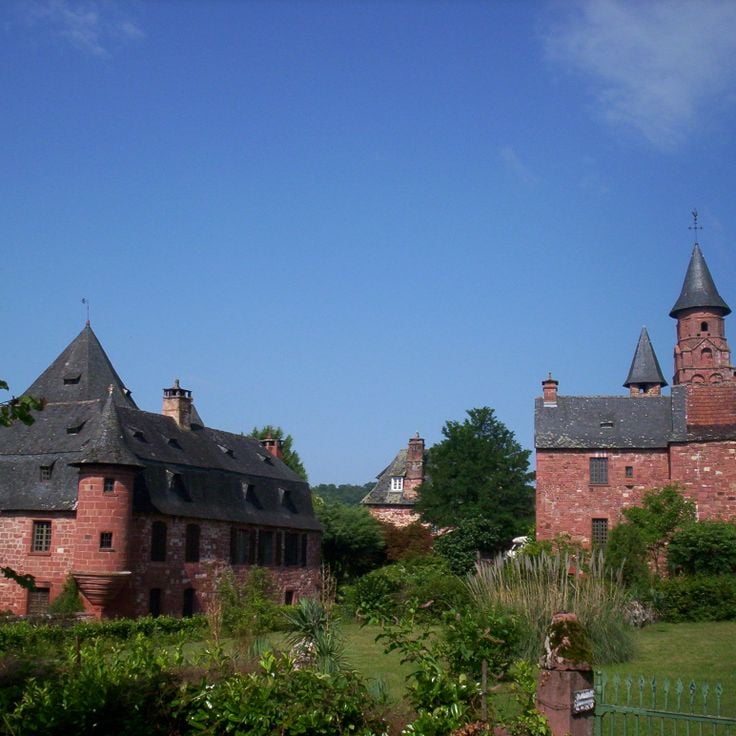
Collonges-la-Rouge is a village in the Corrèze department built almost entirely from the deep red sandstone found in the area. Its houses, towers and church all share this warm, earthy color, giving the whole place a look that is hard to find anywhere else. In summer, flowers of all kinds spill out from doorways and windowsills, standing out against the red stone. Walking through its narrow lanes feels like stepping back several centuries.
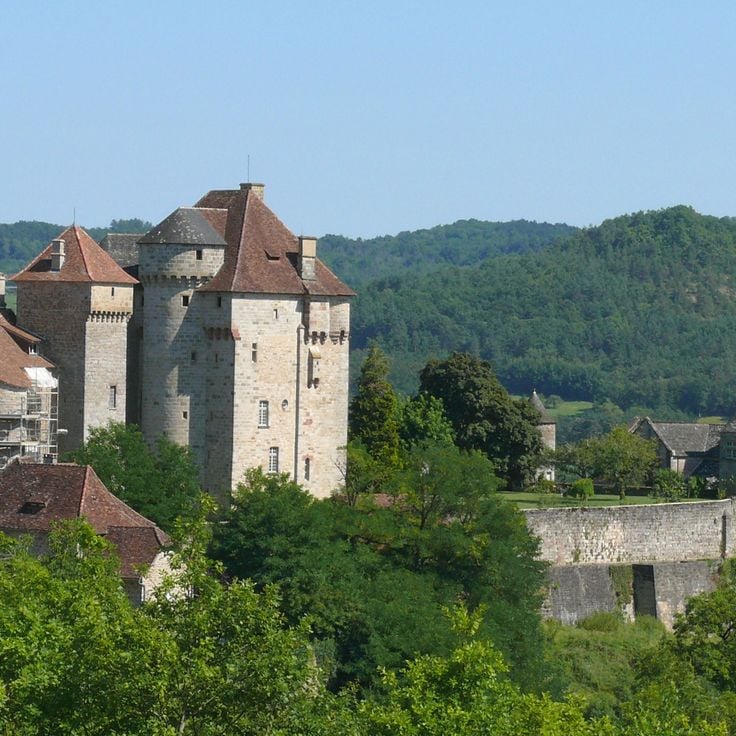
Curemonte is a village in the Corrèze, known for its red stone houses and its three medieval castles. Walking through its narrow lanes, you notice flower-filled windowsills, climbing plants on old walls, and small gardens tucked between the stones. The village is part of a selection of thirty villages in France recognized for the way their residents use flowers to bring life to every corner of the public space.
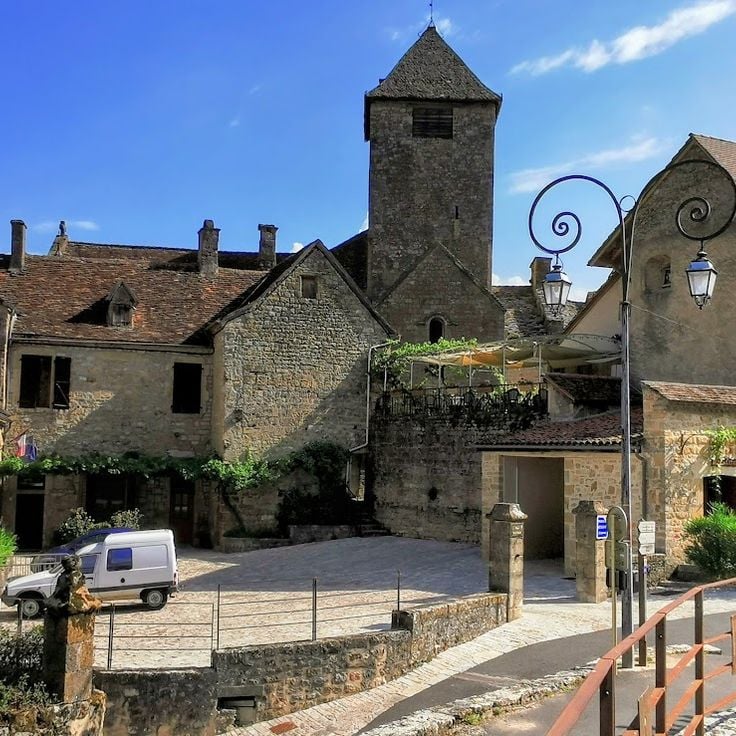
Autoire is a village in the Lot region, tucked at the foot of a waterfall. Stone houses line narrow lanes that fill with flowers in spring and summer. The village is one of thirty flowering villages in France where plants and old stone buildings seem to belong together naturally, giving the place a quiet, unhurried feel when you walk through it.
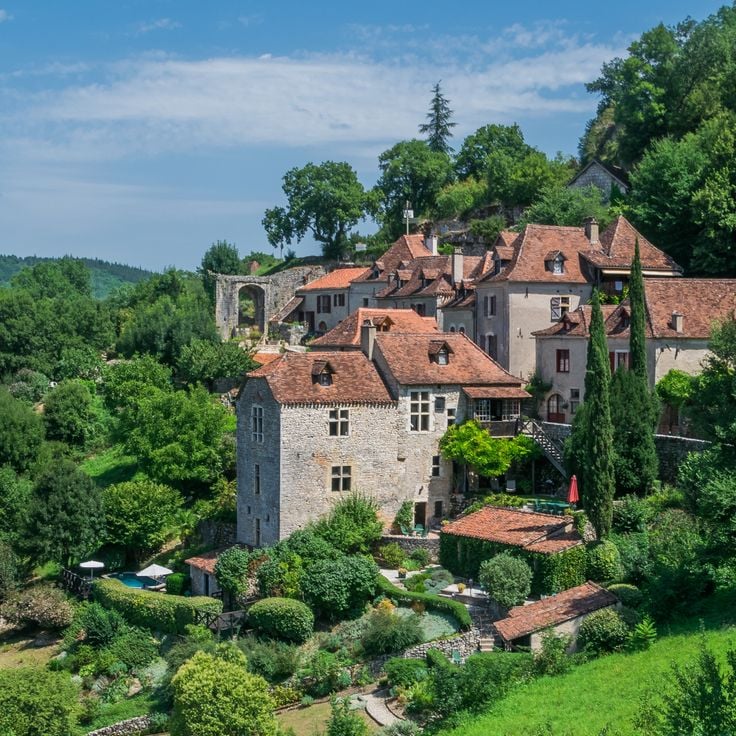
Saint-Cirq-Lapopie sits on a rocky cliff above the Lot River. Its old stone houses are decorated with flowers, and the narrow streets are home to potters, painters, and craftspeople who have worked here for generations. The view over the river and the surrounding cliffs is simply part of everyday life in this village.
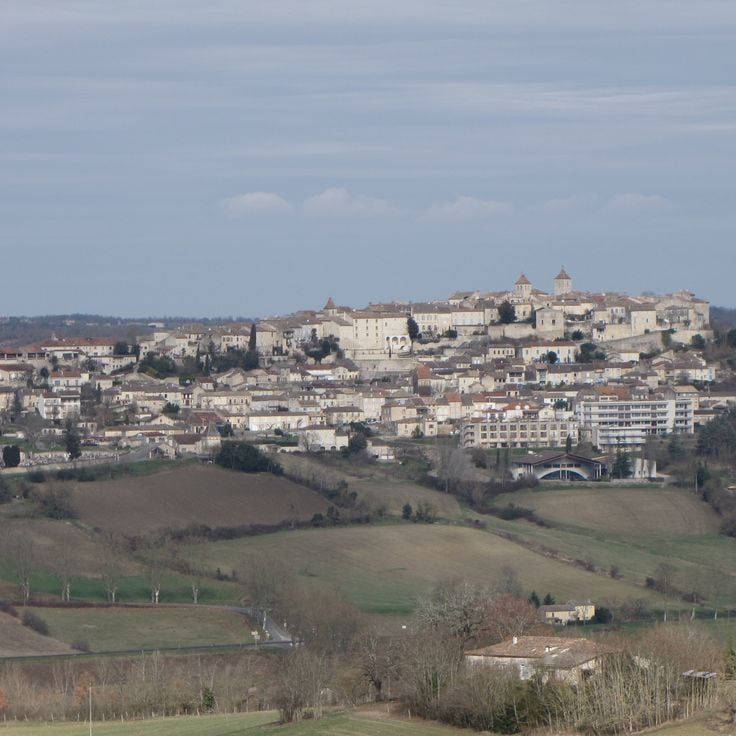
Lauzerte sits on a hilltop in the Tarn-et-Garonne and is one of France's most celebrated flower villages. Its half-timbered houses are dressed in flowers during the warmer months, and its narrow lanes lead to a central square with wide views over the rolling countryside. Walking through it feels like stepping into a place where medieval streets have barely changed over the centuries.
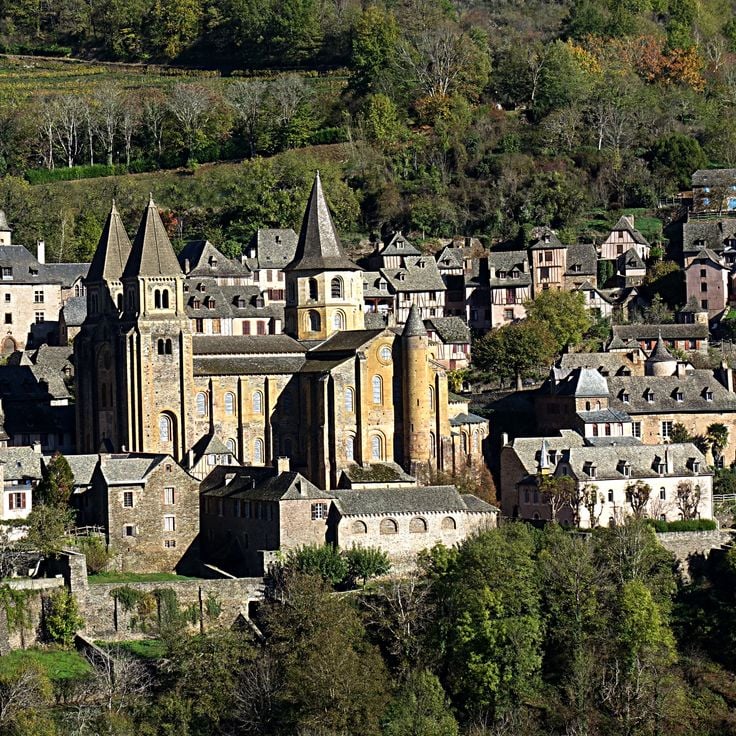
Conques-en-Rouergue is a medieval village tucked into a narrow valley in the Aveyron. Its Romanesque basilica, built in the 11th century, has long been a stop for pilgrims on the road to Santiago de Compostela. Stone lanes run between old facades decorated with flowers, giving the village a calm and timeless feel.
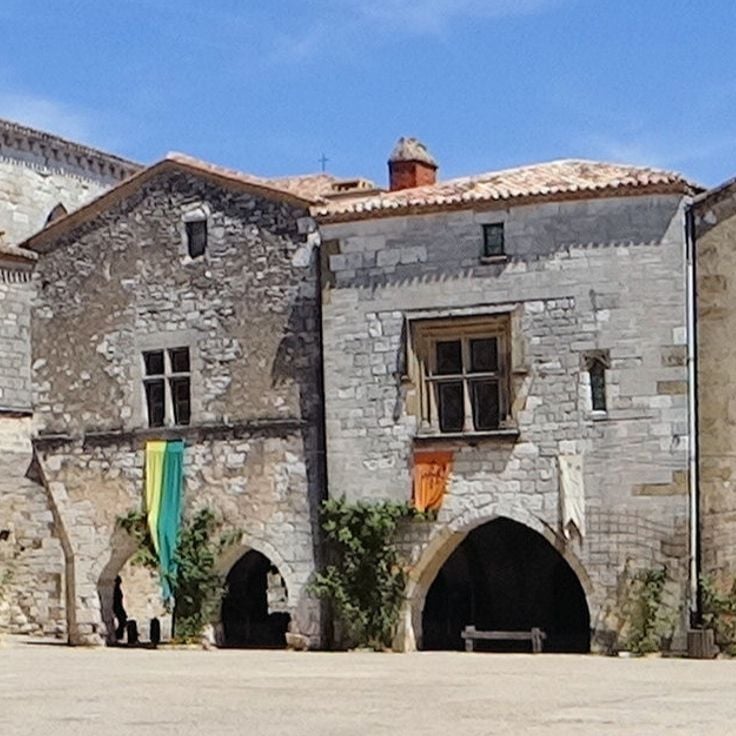
Monpazier is a medieval village in the Dordogne, founded in the 13th century. It was built on a regular grid, with straight streets meeting at a central square lined with covered arcades. Today, flowers grow along the facades and alleyways, softening the old stone and giving the village a warm, welcoming feel.
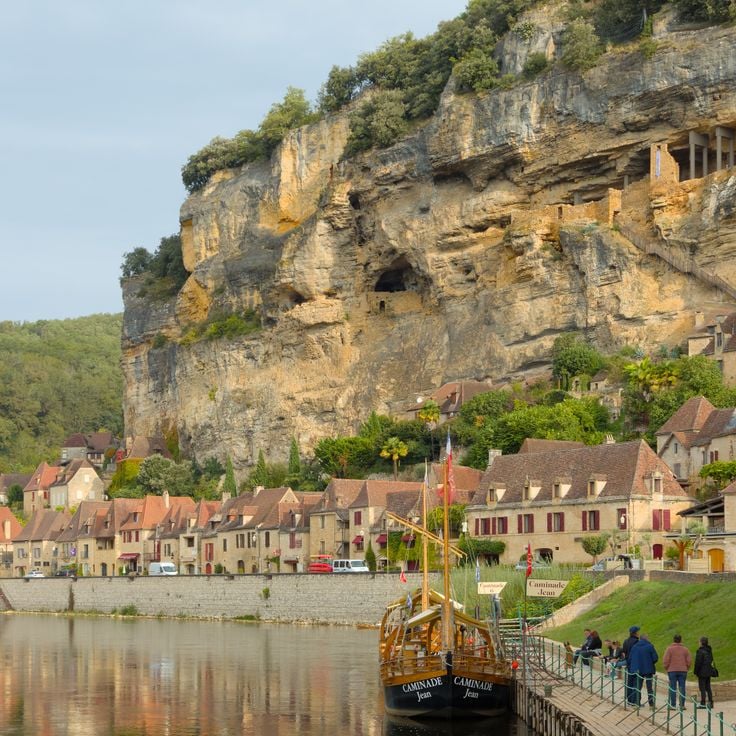
La Roque-Gageac clings to a cliff face just above the Dordogne River. The houses seem to grow out of the rock, and some are actually carved into it. Flowers line the facades and the narrow paths that wind through the village. From the river, the whole place looks like a living wall of stone and color.
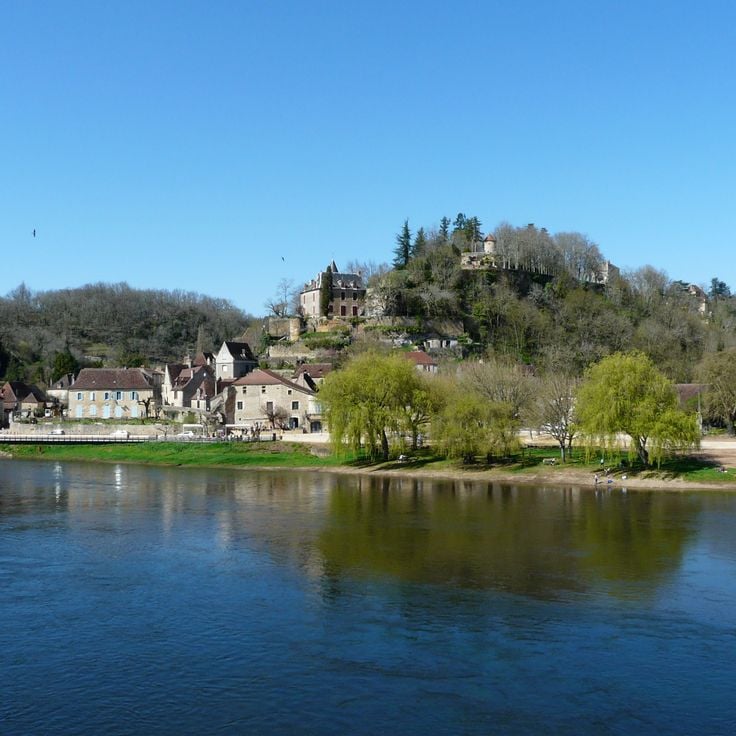
Limeuil sits at the spot where the Dordogne and Vézère rivers meet, in the heart of Périgord. The village rises above the water, and its gardens and terraces open onto wide views of the surrounding valleys. In spring and summer, flowers line the stone paths and walls, making it one of the most rewarding stops along this stretch of the Dordogne.
Rochefort-en-Terre is a small village in Morbihan known for its flower-covered facades. Along the cobbled lanes, stone houses stand side by side, their shutters and window boxes filled with colorful blooms. The village holds the Villes et Villages Fleuris label, showing how flowers can give a place its own personality.
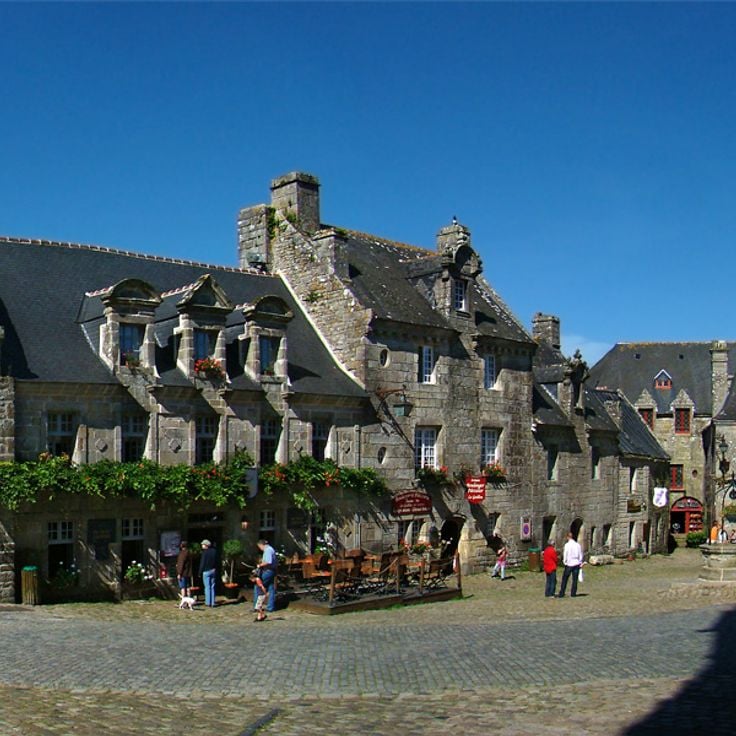
Locronan is a Breton village in Finistère built around a cobblestone square lined with 17th-century houses. In summer, flower boxes and pots brighten up the stone facades, giving the place a warm and welcoming feel. The gray granite that covers most buildings is typical of what you find across Brittany.
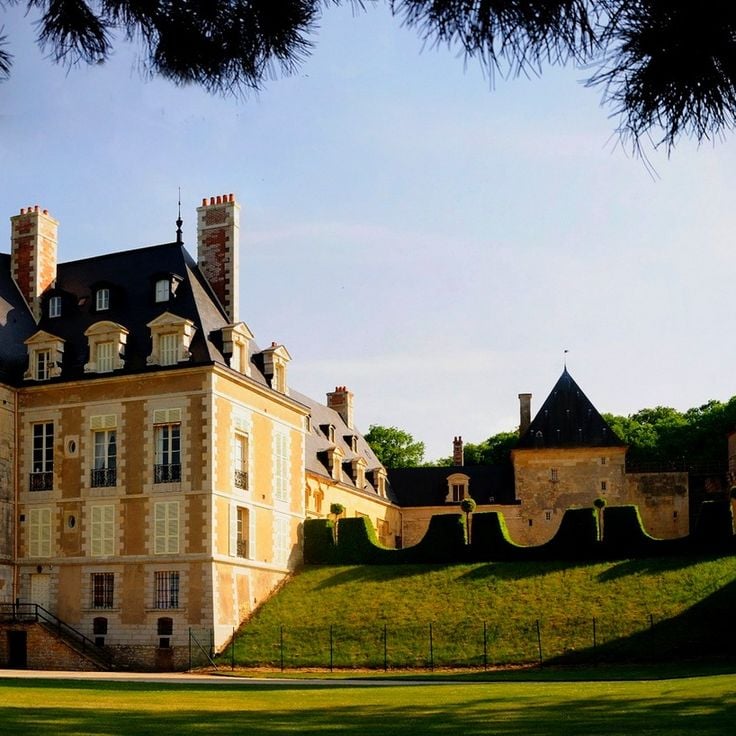
Apremont-sur-Allier sits on the banks of the Allier River in the Cher department and is one of the most celebrated flower villages in France. A château rises above the rooftops, surrounded by a floral park that draws visitors throughout the season. Along the stone streets, window boxes and garden walls are covered in blooms that give the whole village a warm and colorful look.
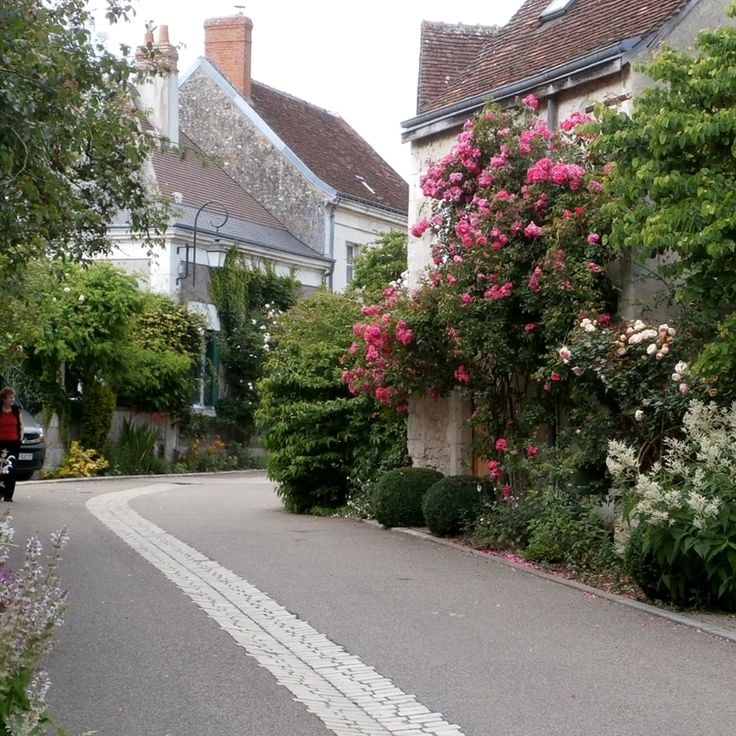
Chédigny is a small village in the Touraine region, in the Loire Valley, where roses grow on nearly every house and along the streets. In late spring and early summer, the whole village looks like an open garden. It holds the Villes et Villages Fleuris label and is one of the few villages in France officially recognized as a Jardin Remarquable. Every June, people come to walk among the old stone houses and the flower beds that line the roads.
Yvoire is a medieval village on the shore of Lake Geneva in Haute-Savoie. Its narrow lanes run between old stone houses whose facades and balconies overflow with flowers throughout the warmer months. The village holds the Villes et Villages Fleuris label and draws many visitors who walk along the lakefront and take in the towers of the old castle that shape the skyline of this small fortified village.
Gerberoy is a small village in Picardy, in the Oise department, known above all for its roses. In spring and early summer, red, pink and white roses cover the old half-timbered houses and stone walls along the narrow lanes. The colorful facades and cobblestone streets give the village a look that stays with you long after you leave.
Eguisheim is a village in Alsace where half-timbered houses line narrow lanes that wind in circles around an old castle. In summer, geraniums and petunias hang from nearly every window and doorway. The village sits in the middle of a wine-growing area, and vines grow right up to the edges of the streets. It holds the Villes et Villages Fleuris label, awarded to places that take special care of their public spaces with flowers.
Riquewihr is a wine-growing village in Alsace with narrow medieval lanes where geraniums and petunias decorate the facades of half-timbered houses. The vineyards start just outside the village. Riquewihr holds the Villes et Villages Fleuris label, which recognizes how flowers shape the look and feel of a place throughout the year.
Kaysersberg is a village in Alsace that sits at the foot of a medieval castle. Its half-timbered houses are decorated with flower boxes, and the cobbled lanes run alongside vineyards. The village stands along the Wine Route that crosses the Alsatian countryside. In spring and summer, geraniums and petunias bloom on nearly every facade.
Hunspach is a village in the Bas-Rhin where whitewashed half-timbered houses line narrow lanes. The shutters come in warm colors, and flower gardens spill out toward the street. Walking through Hunspach feels like stepping into a slower, quieter version of Alsace.
Bergheim is a fortified village in Alsace, surrounded by medieval walls that are largely still standing. Its narrow streets fill with flowers in summer, and the half-timbered houses give the village a traditional look. Bergheim sits in the middle of the Haut-Rhin vineyards, with castle ruins visible on the nearby hills.
Moustiers-Sainte-Marie is a Provençal village built into the foot of two rocky cliffs. Its houses rise along the slope, with flowers growing from the walls and window ledges all around. The village has long been known for its handmade ceramics, sold in small workshops tucked along the lanes. A chain with a metal star is stretched between the two cliffs high above the rooftops, a sight that has defined this place for centuries.
Gordes sits on a rocky hillside in Vaucluse, in the heart of Provence. The stone houses seem to grow right out of the rock, and narrow lanes wind past walls covered in flowers during the warmer months. The village regularly receives the Villes et Villages Fleuris label, a recognition that flowers here are part of daily life, found on windowsills, in courtyards, and along paved paths.
Lourmarin is a village in the Luberon area of Provence. Its narrow streets are lined with old stone houses, and flowers grow along the walls and in small gardens throughout the year. A castle from the 15th century stands above the village and can be seen from most of the lanes below. The village has attracted painters and artists over the years, and several art galleries have opened here. Café terraces fill up on warm days, giving the place a slow and easy pace.
Bormes-les-Mimosas sits above the Mediterranean coast in the Var. The village is known above all for its yellow mimosas, which bloom along the old lanes in winter and spring. The cobbled paths wind between stone houses, their walls covered with flowers. The village holds the Villes et Villages Fleuris label, a sign of how locals tend their streets and fill them with color through the year.
Sainte-Agnès sits at the top of a rocky peak above the French Riviera, making it one of the highest coastal villages in Europe. Walking through its narrow lanes, you notice flower-covered walls, stone houses, and sudden views of the sea far below. The village is part of France's thirty most celebrated flower-adorned villages, a title that reflects how flowers here are woven into everyday life, spilling from windowsills, walls, and small gardens at every turn.
La Garde-Adhémar is a hilltop village in the Drôme department, visible from a distance thanks to its position above the surrounding countryside. Its stone houses line narrow streets where flowers grow along walls and in small gardens. From the top, the view opens wide over the rolling hills of the region. The village holds the Villes et Villages Fleuris label, which recognizes its care for flowers and green spaces in public areas.
Balazuc sits on a rocky spur above the Ardèche river, its stone houses stacked tightly along narrow lanes that wind up and down between levels. Flowers grow from window ledges and old walls throughout the village, bringing color to the gray stone in summer. From many points in Balazuc, you can look straight down to the river below. The village is one of the most celebrated floral villages in the Ardèche.
Vogüé sits on the banks of the Ardèche river and is one of France's most celebrated flower villages. A medieval castle rises above the old stone houses, whose facades are decorated with flowers in every season. Narrow lanes wind down to the water's edge, where the river reflects the village silhouette. This is the Ardèche at its most typical: stone, history, and nature side by side.
Pérouges is a medieval village in the Ain department, set on a hill above the surrounding plain. Its cobblestone lanes run between old stone houses decorated with flowers along their facades. The ramparts nearly encircle the entire village, giving it a self-contained feel. Walking through it, you get the sense that very little has changed since the Middle Ages.
Saint-Antoine-l'Abbaye is a village in the Isère department that grew up around an old abbey. Medieval houses line narrow lanes, and flowers spill from windowsills and doorways throughout the year. Walking through the village, you get the feeling that time has moved slowly here for centuries.
Collonges-la-Rouge is a village in the Corrèze department built almost entirely from the deep red sandstone found in the area. Its houses, towers and church all share this warm, earthy color, giving the whole place a look that is hard to find anywhere else. In summer, flowers of all kinds spill out from doorways and windowsills, standing out against the red stone. Walking through its narrow lanes feels like stepping back several centuries.
Curemonte is a village in the Corrèze, known for its red stone houses and its three medieval castles. Walking through its narrow lanes, you notice flower-filled windowsills, climbing plants on old walls, and small gardens tucked between the stones. The village is part of a selection of thirty villages in France recognized for the way their residents use flowers to bring life to every corner of the public space.
Autoire is a village in the Lot region, tucked at the foot of a waterfall. Stone houses line narrow lanes that fill with flowers in spring and summer. The village is one of thirty flowering villages in France where plants and old stone buildings seem to belong together naturally, giving the place a quiet, unhurried feel when you walk through it.
Saint-Cirq-Lapopie sits on a rocky cliff above the Lot River. Its old stone houses are decorated with flowers, and the narrow streets are home to potters, painters, and craftspeople who have worked here for generations. The view over the river and the surrounding cliffs is simply part of everyday life in this village.
Lauzerte sits on a hilltop in the Tarn-et-Garonne and is one of France's most celebrated flower villages. Its half-timbered houses are dressed in flowers during the warmer months, and its narrow lanes lead to a central square with wide views over the rolling countryside. Walking through it feels like stepping into a place where medieval streets have barely changed over the centuries.
Conques-en-Rouergue is a medieval village tucked into a narrow valley in the Aveyron. Its Romanesque basilica, built in the 11th century, has long been a stop for pilgrims on the road to Santiago de Compostela. Stone lanes run between old facades decorated with flowers, giving the village a calm and timeless feel.
Monpazier is a medieval village in the Dordogne, founded in the 13th century. It was built on a regular grid, with straight streets meeting at a central square lined with covered arcades. Today, flowers grow along the facades and alleyways, softening the old stone and giving the village a warm, welcoming feel.
La Roque-Gageac clings to a cliff face just above the Dordogne River. The houses seem to grow out of the rock, and some are actually carved into it. Flowers line the facades and the narrow paths that wind through the village. From the river, the whole place looks like a living wall of stone and color.
Limeuil sits at the spot where the Dordogne and Vézère rivers meet, in the heart of Périgord. The village rises above the water, and its gardens and terraces open onto wide views of the surrounding valleys. In spring and summer, flowers line the stone paths and walls, making it one of the most rewarding stops along this stretch of the Dordogne.
Rochefort-en-Terre is a small village in Morbihan known for its flower-covered facades. Along the cobbled lanes, stone houses stand side by side, their shutters and window boxes filled with colorful blooms. The village holds the Villes et Villages Fleuris label, showing how flowers can give a place its own personality.
Locronan is a Breton village in Finistère built around a cobblestone square lined with 17th-century houses. In summer, flower boxes and pots brighten up the stone facades, giving the place a warm and welcoming feel. The gray granite that covers most buildings is typical of what you find across Brittany.
Apremont-sur-Allier sits on the banks of the Allier River in the Cher department and is one of the most celebrated flower villages in France. A château rises above the rooftops, surrounded by a floral park that draws visitors throughout the season. Along the stone streets, window boxes and garden walls are covered in blooms that give the whole village a warm and colorful look.
Chédigny is a small village in the Touraine region, in the Loire Valley, where roses grow on nearly every house and along the streets. In late spring and early summer, the whole village looks like an open garden. It holds the Villes et Villages Fleuris label and is one of the few villages in France officially recognized as a Jardin Remarquable. Every June, people come to walk among the old stone houses and the flower beds that line the roads.
Yvoire is a medieval village on the shore of Lake Geneva in Haute-Savoie. Its narrow lanes run between old stone houses whose facades and balconies overflow with flowers throughout the warmer months. The village holds the Villes et Villages Fleuris label and draws many visitors who walk along the lakefront and take in the towers of the old castle that shape the skyline of this small fortified village.
Gerberoy is a small village in Picardy, in the Oise department, known above all for its roses. In spring and early summer, red, pink and white roses cover the old half-timbered houses and stone walls along the narrow lanes. The colorful facades and cobblestone streets give the village a look that stays with you long after you leave.
Eguisheim is a village in Alsace where half-timbered houses line narrow lanes that wind in circles around an old castle. In summer, geraniums and petunias hang from nearly every window and doorway. The village sits in the middle of a wine-growing area, and vines grow right up to the edges of the streets. It holds the Villes et Villages Fleuris label, awarded to places that take special care of their public spaces with flowers.
Riquewihr is a wine-growing village in Alsace with narrow medieval lanes where geraniums and petunias decorate the facades of half-timbered houses. The vineyards start just outside the village. Riquewihr holds the Villes et Villages Fleuris label, which recognizes how flowers shape the look and feel of a place throughout the year.
Kaysersberg is a village in Alsace that sits at the foot of a medieval castle. Its half-timbered houses are decorated with flower boxes, and the cobbled lanes run alongside vineyards. The village stands along the Wine Route that crosses the Alsatian countryside. In spring and summer, geraniums and petunias bloom on nearly every facade.
Hunspach is a village in the Bas-Rhin where whitewashed half-timbered houses line narrow lanes. The shutters come in warm colors, and flower gardens spill out toward the street. Walking through Hunspach feels like stepping into a slower, quieter version of Alsace.
Bergheim is a fortified village in Alsace, surrounded by medieval walls that are largely still standing. Its narrow streets fill with flowers in summer, and the half-timbered houses give the village a traditional look. Bergheim sits in the middle of the Haut-Rhin vineyards, with castle ruins visible on the nearby hills.
Moustiers-Sainte-Marie is a Provençal village built into the foot of two rocky cliffs. Its houses rise along the slope, with flowers growing from the walls and window ledges all around. The village has long been known for its handmade ceramics, sold in small workshops tucked along the lanes. A chain with a metal star is stretched between the two cliffs high above the rooftops, a sight that has defined this place for centuries.
Gordes sits on a rocky hillside in Vaucluse, in the heart of Provence. The stone houses seem to grow right out of the rock, and narrow lanes wind past walls covered in flowers during the warmer months. The village regularly receives the Villes et Villages Fleuris label, a recognition that flowers here are part of daily life, found on windowsills, in courtyards, and along paved paths.
Lourmarin is a village in the Luberon area of Provence. Its narrow streets are lined with old stone houses, and flowers grow along the walls and in small gardens throughout the year. A castle from the 15th century stands above the village and can be seen from most of the lanes below. The village has attracted painters and artists over the years, and several art galleries have opened here. Café terraces fill up on warm days, giving the place a slow and easy pace.
Bormes-les-Mimosas sits above the Mediterranean coast in the Var. The village is known above all for its yellow mimosas, which bloom along the old lanes in winter and spring. The cobbled paths wind between stone houses, their walls covered with flowers. The village holds the Villes et Villages Fleuris label, a sign of how locals tend their streets and fill them with color through the year.
Sainte-Agnès sits at the top of a rocky peak above the French Riviera, making it one of the highest coastal villages in Europe. Walking through its narrow lanes, you notice flower-covered walls, stone houses, and sudden views of the sea far below. The village is part of France's thirty most celebrated flower-adorned villages, a title that reflects how flowers here are woven into everyday life, spilling from windowsills, walls, and small gardens at every turn.
La Garde-Adhémar is a hilltop village in the Drôme department, visible from a distance thanks to its position above the surrounding countryside. Its stone houses line narrow streets where flowers grow along walls and in small gardens. From the top, the view opens wide over the rolling hills of the region. The village holds the Villes et Villages Fleuris label, which recognizes its care for flowers and green spaces in public areas.
Balazuc sits on a rocky spur above the Ardèche river, its stone houses stacked tightly along narrow lanes that wind up and down between levels. Flowers grow from window ledges and old walls throughout the village, bringing color to the gray stone in summer. From many points in Balazuc, you can look straight down to the river below. The village is one of the most celebrated floral villages in the Ardèche.
Vogüé sits on the banks of the Ardèche river and is one of France's most celebrated flower villages. A medieval castle rises above the old stone houses, whose facades are decorated with flowers in every season. Narrow lanes wind down to the water's edge, where the river reflects the village silhouette. This is the Ardèche at its most typical: stone, history, and nature side by side.
Pérouges is a medieval village in the Ain department, set on a hill above the surrounding plain. Its cobblestone lanes run between old stone houses decorated with flowers along their facades. The ramparts nearly encircle the entire village, giving it a self-contained feel. Walking through it, you get the sense that very little has changed since the Middle Ages.
Saint-Antoine-l'Abbaye is a village in the Isère department that grew up around an old abbey. Medieval houses line narrow lanes, and flowers spill from windowsills and doorways throughout the year. Walking through the village, you get the feeling that time has moved slowly here for centuries.
Collonges-la-Rouge is a village in the Corrèze department built almost entirely from the deep red sandstone found in the area. Its houses, towers and church all share this warm, earthy color, giving the whole place a look that is hard to find anywhere else. In summer, flowers of all kinds spill out from doorways and windowsills, standing out against the red stone. Walking through its narrow lanes feels like stepping back several centuries.
Curemonte is a village in the Corrèze, known for its red stone houses and its three medieval castles. Walking through its narrow lanes, you notice flower-filled windowsills, climbing plants on old walls, and small gardens tucked between the stones. The village is part of a selection of thirty villages in France recognized for the way their residents use flowers to bring life to every corner of the public space.
Autoire is a village in the Lot region, tucked at the foot of a waterfall. Stone houses line narrow lanes that fill with flowers in spring and summer. The village is one of thirty flowering villages in France where plants and old stone buildings seem to belong together naturally, giving the place a quiet, unhurried feel when you walk through it.
Saint-Cirq-Lapopie sits on a rocky cliff above the Lot River. Its old stone houses are decorated with flowers, and the narrow streets are home to potters, painters, and craftspeople who have worked here for generations. The view over the river and the surrounding cliffs is simply part of everyday life in this village.
Lauzerte sits on a hilltop in the Tarn-et-Garonne and is one of France's most celebrated flower villages. Its half-timbered houses are dressed in flowers during the warmer months, and its narrow lanes lead to a central square with wide views over the rolling countryside. Walking through it feels like stepping into a place where medieval streets have barely changed over the centuries.
Conques-en-Rouergue is a medieval village tucked into a narrow valley in the Aveyron. Its Romanesque basilica, built in the 11th century, has long been a stop for pilgrims on the road to Santiago de Compostela. Stone lanes run between old facades decorated with flowers, giving the village a calm and timeless feel.
Monpazier is a medieval village in the Dordogne, founded in the 13th century. It was built on a regular grid, with straight streets meeting at a central square lined with covered arcades. Today, flowers grow along the facades and alleyways, softening the old stone and giving the village a warm, welcoming feel.
La Roque-Gageac clings to a cliff face just above the Dordogne River. The houses seem to grow out of the rock, and some are actually carved into it. Flowers line the facades and the narrow paths that wind through the village. From the river, the whole place looks like a living wall of stone and color.
Limeuil sits at the spot where the Dordogne and Vézère rivers meet, in the heart of Périgord. The village rises above the water, and its gardens and terraces open onto wide views of the surrounding valleys. In spring and summer, flowers line the stone paths and walls, making it one of the most rewarding stops along this stretch of the Dordogne.
Rochefort-en-Terre is a small village in Morbihan known for its flower-covered facades. Along the cobbled lanes, stone houses stand side by side, their shutters and window boxes filled with colorful blooms. The village holds the Villes et Villages Fleuris label, showing how flowers can give a place its own personality.
Locronan is a Breton village in Finistère built around a cobblestone square lined with 17th-century houses. In summer, flower boxes and pots brighten up the stone facades, giving the place a warm and welcoming feel. The gray granite that covers most buildings is typical of what you find across Brittany.
Apremont-sur-Allier sits on the banks of the Allier River in the Cher department and is one of the most celebrated flower villages in France. A château rises above the rooftops, surrounded by a floral park that draws visitors throughout the season. Along the stone streets, window boxes and garden walls are covered in blooms that give the whole village a warm and colorful look.
Chédigny is a small village in the Touraine region, in the Loire Valley, where roses grow on nearly every house and along the streets. In late spring and early summer, the whole village looks like an open garden. It holds the Villes et Villages Fleuris label and is one of the few villages in France officially recognized as a Jardin Remarquable. Every June, people come to walk among the old stone houses and the flower beds that line the roads.
Visiting these villages in spring or early summer lets you see the flowers at their peak, but autumn offers softer light and fewer crowds to explore at your own pace.