Al-Faqir Fort, fortification in Al-Ula, Saudi Arabia
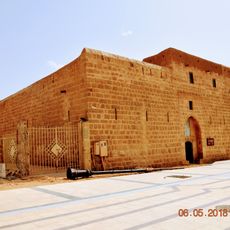
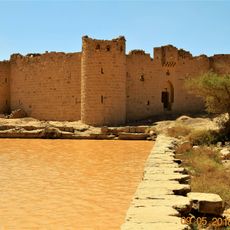
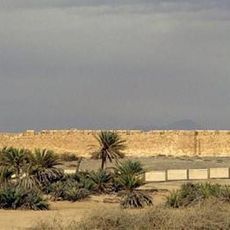
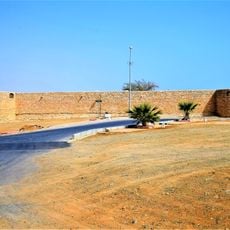
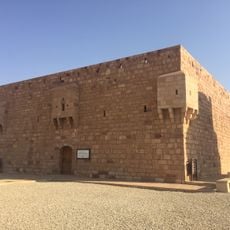
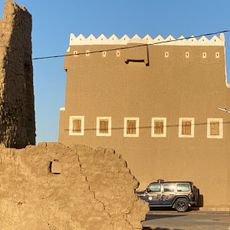
Al-Faqir Fort is a ruined square fortification of local limestone and sandstone on a small hilltop in southern Al-'Ula. Three round towers remain standing; the southern tower is completely destroyed. The walls, slightly over 6 m high, enclose 340 m², and the interior walls, ceilings and stairs have collapsed, leaving only the outer walls, towers and small interior remains.
The fort was built by the Ottoman Empire in the 18th century to support the pilgrimage and protect pilgrims on their way to the holy sites. Historical documents call it the fort of al-Hafa'ir. It stands on a small hilltop in the southern part of present-day Al-'Ula, on the Levantine pilgrimage route.
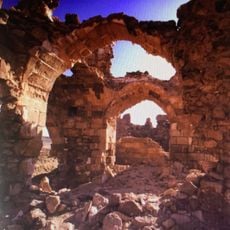
The fort's historical name, al-Hafa'ir, survives in Ottoman documents, while today it is called Al-Faqir. Its walls mix local limestone and sandstone with schist and gneiss, and brick appears on the upper levels and in different parts of the structure. Visitors can pick out these different stones in the broken wall faces.
The fort stands on a small hilltop in southern Al-'Ula, reached on foot; the ground around the walls is bare, stony dirt with a mound of rubble at the base. The southern tower is gone and the interior walls, ceilings and stairs have collapsed, so the visit is outdoors among standing walls and three towers. No information displays are present on site.
The fort appears in historical documents as the fort of al-Hafa'ir, a name that differs from the one used today. Its walls stand slightly over 6 m high, and the structure seems to have been a two-storey building supported by wooden beams, of which only the walls and towers remain.
The community of curious travelers
AroundUs brings together thousands of curated places, local tips, and hidden gems, enriched daily by 94,136 contributors worldwide.