Al-Hijr Fort, Historical castle in Al-Ula, Saudi Arabia
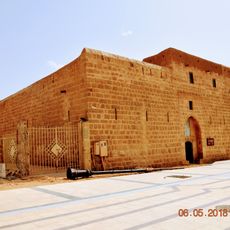
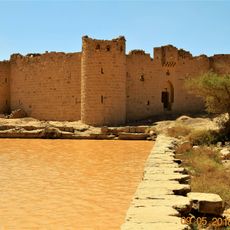
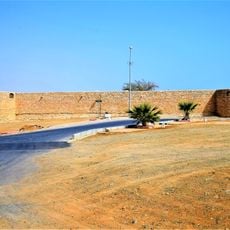
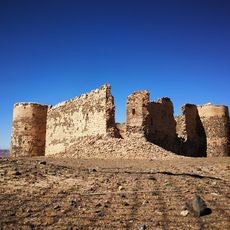
Stone fortress stands elevated with defensive towers and thick walls built from local stone and clay materials. The solid structure took advantage of materials available in the surrounding area.
Sources disagree on the fort's origin. The Riyadh newspaper reported in 2007, citing unnamed historical sources, that it was built in the Abbasid era as a rest stop for pilgrims from Syria. Archaeologist Ali Ibrahim al-Ghabban attributes it to As'ad Pasha al-Azm, governor of Damascus from 1156 to 1170 AH (1744–1757), who built it over an older well to protect it.
The fort now houses the Museum of the Levantine Hajj Route, opened after restoration by the General Commission for Tourism and Antiquities. Its rooms are fitted as exhibition halls with panels of photographs and information on the route and its stations, including a hall on the route under the Rashidun and Umayyad caliphs and one on the Ottoman period.
Visitors can reach the fortress most easily from the old town, with guided tours departing from there and entry included in the heritage site ticket. The location sits on dry terrain, so comfortable shoes and sun protection are important.
Inside the fort is a well older than the building itself, which was raised over it for protection, according to archaeologist Ali Ibrahim Al-Ghabban. Beside the fort lies a large water basin, possibly older still, once filled from the well so pilgrims and travellers could drink.
The community of curious travelers
AroundUs brings together thousands of curated places, local tips, and hidden gems, enriched daily by 94,705 contributors worldwide.