Saudi Arabia, Sovereign state in the Middle East.
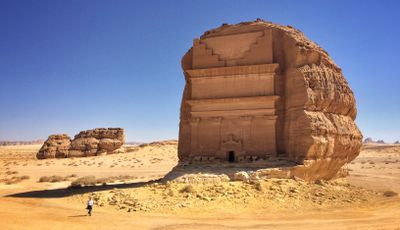
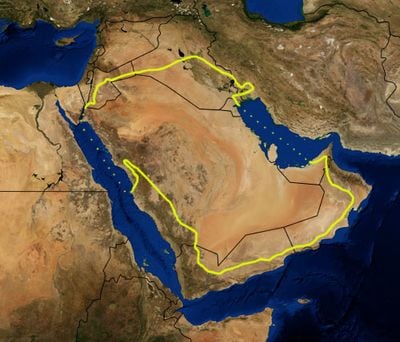
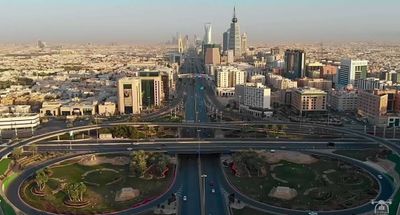
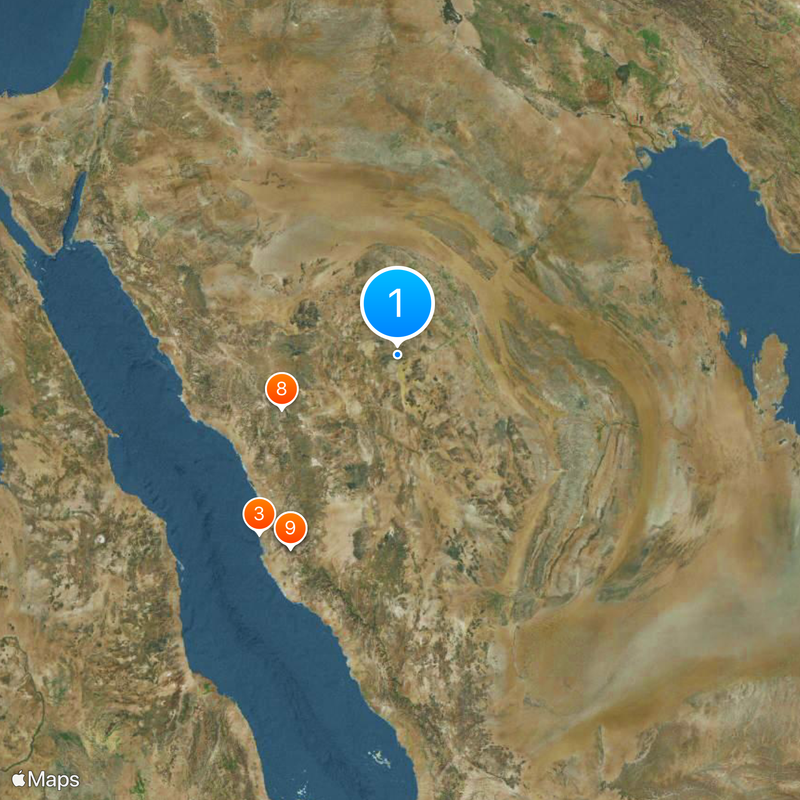
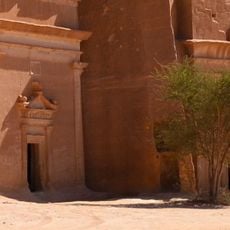
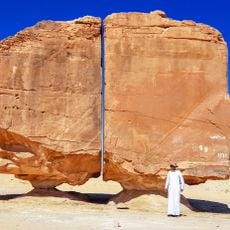
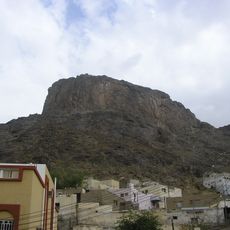
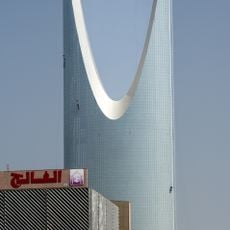
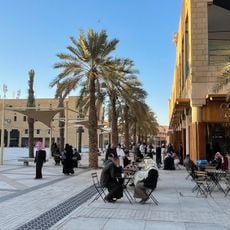
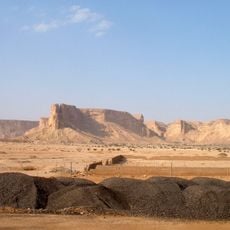
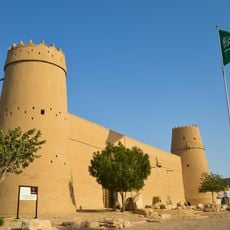
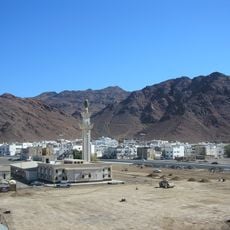
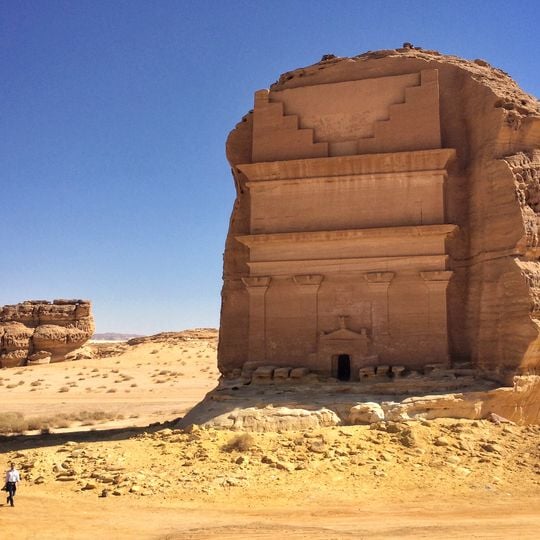
Saudi Arabia is a kingdom in Western Asia spanning two million square kilometers and covering desert landscapes, mountain ranges and coastal plains along the Red Sea and Persian Gulf. The territory occupies most of the Arabian Peninsula and stretches from sandy dunes inland to rocky shorelines along the coasts.
The modern state emerged in 1932 under Abdulaziz ibn Saud, who united the regions of Najd and Hejaz and expanded his domain over three decades through alliances and military campaigns. The founding marked the end of regional kingdoms and the beginning of centralized administration across the peninsula.
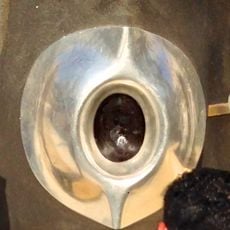
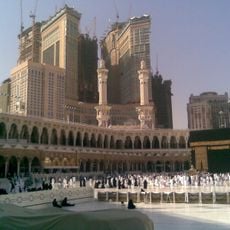
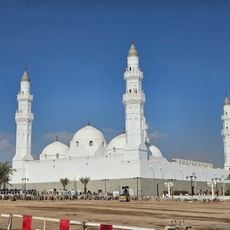
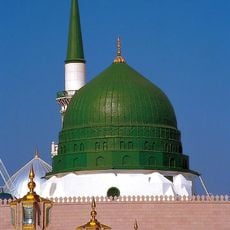
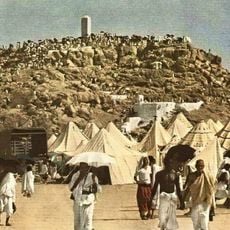
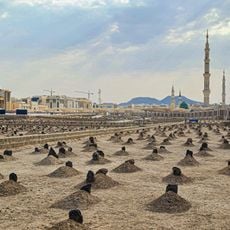
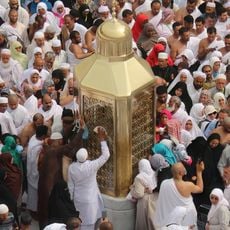
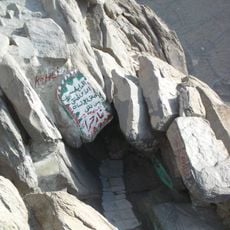
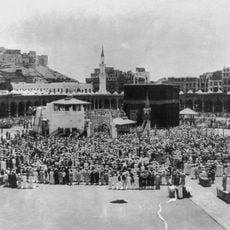
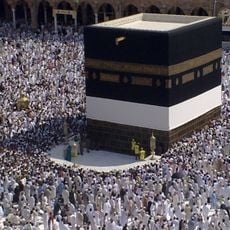
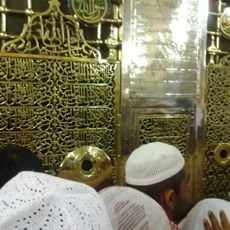
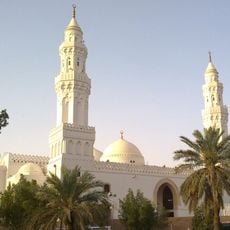
Mecca and Medina welcome millions of Muslim pilgrims each year who perform the hajj at sacred mosques and turn toward the Kaaba for their daily prayers. The religious importance of these cities shapes daily life for many people who move through narrow alleys and open courtyards during the pilgrimage season.
The Saudi riyal serves as national currency, while Arabic remains the official administrative language. Visitors require a visa, which since 2019 can be obtained online for tourism purposes.
The oil reserves represent 17 percent of worldwide proven resources, with daily production exceeding ten million barrels and shaping the economy for decades. This resource base has fundamentally influenced the development of the country and solidified its place in the global energy market.
The community of curious travelers
AroundUs brings together thousands of curated places, local tips, and hidden gems, enriched daily by 90,793 contributors worldwide.