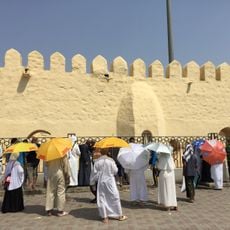
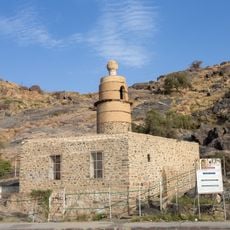
Ajyad Fortress, Ottoman fortress in Mecca, Saudi Arabia
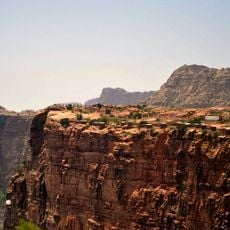
Ajyad Fortress was an Ottoman citadel on Bulbul Mountain south of the Masjid al-Haram in Mecca, covering about 23,000 m². Its complex included palaces on the slope, courtyards and high walls. Rebuilt under governor Osman Nuri Pasha in 1884–85, it could house a regiment of about 800 infantry plus 300 more, with artillery barracks and an arms depot.
Sharif Surur ibn Musa'id ordered the fortress built in 1773 (1186 AH) to protect Mecca and the Masjid al-Haram; work took two years, and he had the first structure demolished and rebuilt more solidly. The Hejaz governor Osman Nuri Pasha rebuilt it in 1885 (1302 AH), with artillery barracks and an arms depot. It was demolished in January 2002 for the Abraj Al-Bait project.
The Arabic name Ajyad comes from the district and the hill where the citadel stood, south of the Masjid al-Haram. Its cannons were fired during Ramadan, a custom noted in Arabic accounts of the site. A 1/25 scale model of the fortress is displayed at the Miniatürk miniature park in Istanbul.
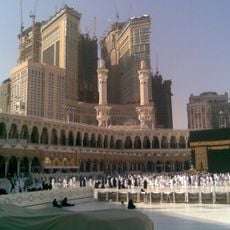
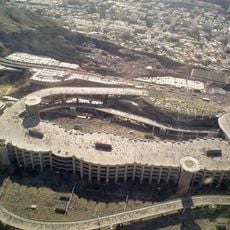
The fortress no longer exists, having been completely demolished in 2002. The site is now occupied by the Abraj Al-Bait tower complex next to the Grand Mosque, covering the former location on Bulbul Hill.
Turkish authorities protested most loudly against the demolition, viewing the fortress as part of their Ottoman heritage. The destruction sparked an international debate about protecting historical structures in holy cities that continues today.
The community of curious travelers
AroundUs brings together thousands of curated places, local tips, and hidden gems, enriched daily by 93,342 contributors worldwide.