Al-Mua'azam Fort, Historical castle in Tabuk, Saudi Arabia
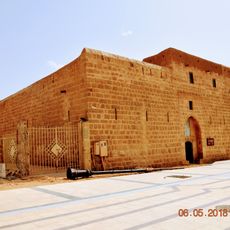
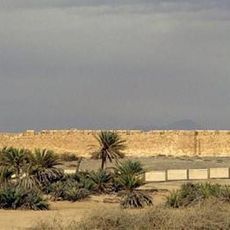
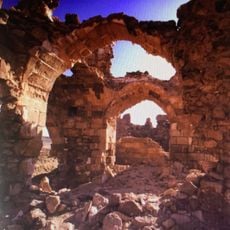
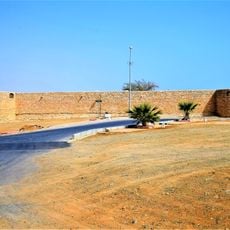
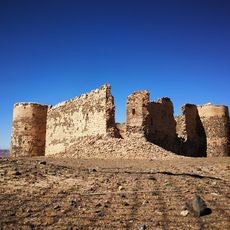
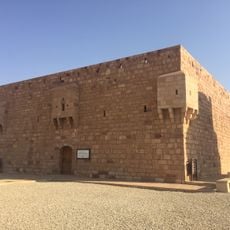
Al-Mua'azam Fort is a rectangular Ottoman fortress of sandy-brown stone blocks with two round towers projecting from its high wall and a square gatehouse with a recessed arch on the right. Inside are a courtyard, rooms, stairs and upper passages, with a stone-lined well.
Built in 1031 AH (1622 CE) under Ottoman Sultan Osman II, the fort guarded the Syrian pilgrimage route and its water cistern, which predates it to the Ayyubid era. It was one of the largest Ottoman forts for watching over and protecting pilgrims. By 1631 it was reported neglected, and Bedouin raids in 1035 AH left it abandoned.
The fort reflects traditional Arab military construction using materials from the region and defensive methods suited to local needs. Walking through its courtyards and towers shows how people adapted their building techniques to the landscape and security challenges of the time.
The best time to visit is during daylight hours when natural light makes the interior details and wall structures easy to see. Exploring the different levels and towers requires comfortable walking shoes and good physical mobility.
The architect's name is recorded on a stone inscription beside the entrance: Ali ibn Muhammad, chief builder of Damascus. Two lion reliefs flank the doorway, and a small rectangular window with a triangular top sits above it. The four foundation inscriptions on the facade are easy to miss.
The community of curious travelers
AroundUs brings together thousands of curated places, local tips, and hidden gems, enriched daily by 94,140 contributors worldwide.