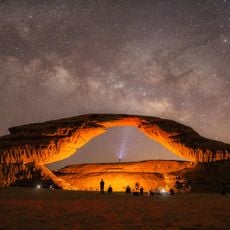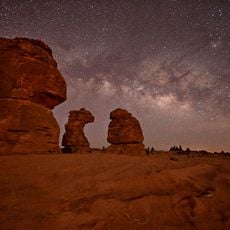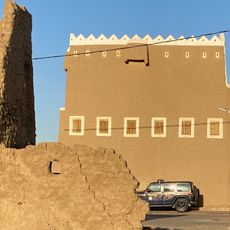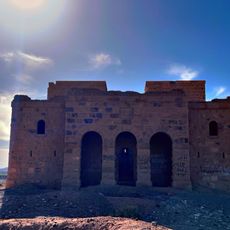
Tayma, Archaeological site in Tabuk Province, Saudi Arabia.
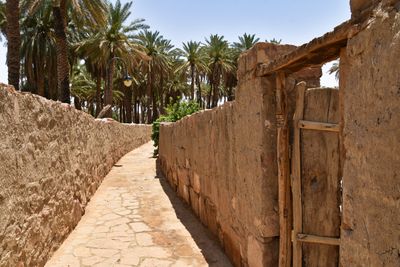
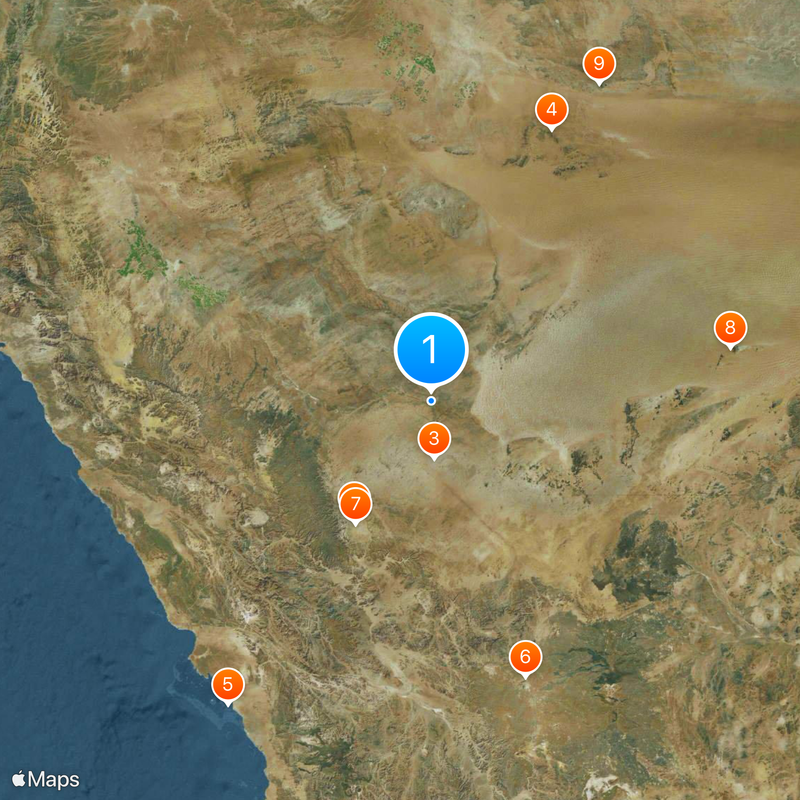
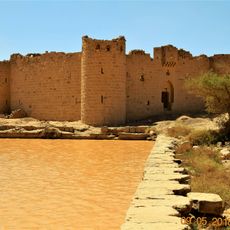
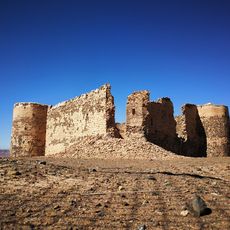
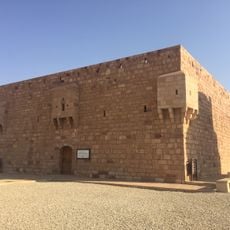
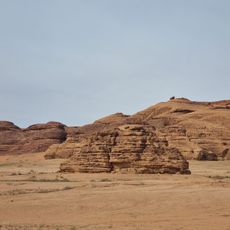
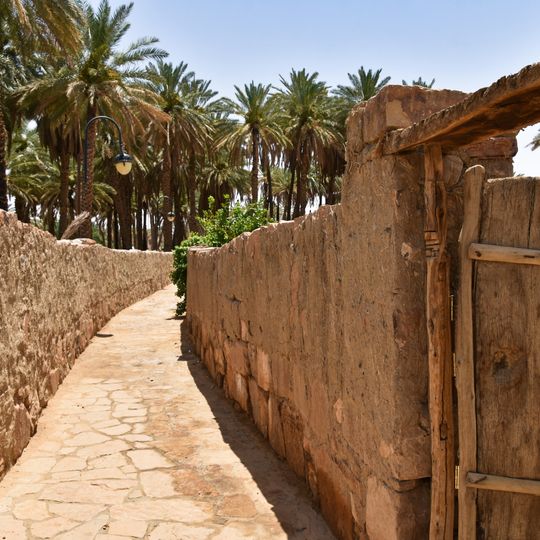
Tayma is an archaeological site and oasis in Tabuk Province, northwestern Saudi Arabia, where ruins of ancient settlements lie among palm gardens at the edge of the Nafud desert. The modern town covers roughly one third of the area, while exposed wall sections and residential foundations provide insight into earlier occupation layers.
The settlement became an important trading hub between Mesopotamia and the Arabian peninsula during the first millennium BCE. King Nabonidus of Babylon resided there between 556 and 539 BCE and expanded the fortifications before Persian forces took control of the region.
The name derives from an ancient Semitic root meaning desert or dry land, marking one of the oldest continuously inhabited places on the Arabian peninsula. Visitors notice how daily life has always revolved around the central well, with palm groves and residential areas arranged in concentric circles around the water source.
Access to the site is through the modern settlement, with portions of the ancient walls open for walking. Early morning hours offer cooler temperatures for exploration, as the desert surroundings become very hot in the afternoon.
Aramaic inscriptions from the 5th century BCE name local deities and show the religious diversity of the Dedanite kingdom. The Bir Haddaj well received four electric pumps in 1953 from King Saud to modernize agricultural use.
The community of curious travelers
AroundUs brings together thousands of curated places, local tips, and hidden gems, enriched daily by 91,267 contributors worldwide.