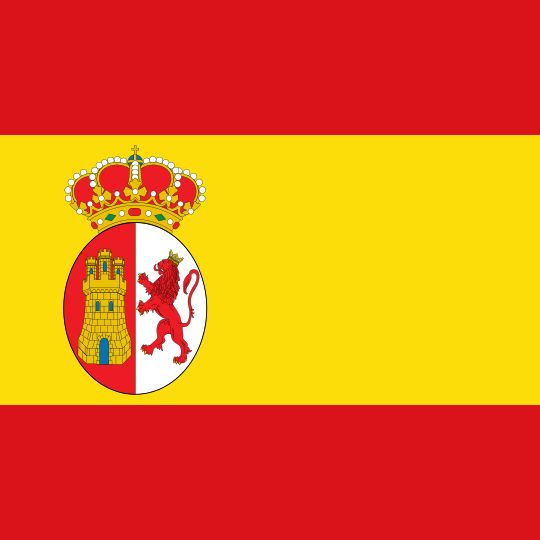
Spanish Guinea, Former colonial territory on the west coast of Africa.
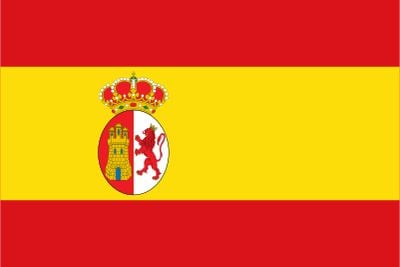
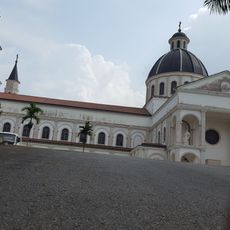
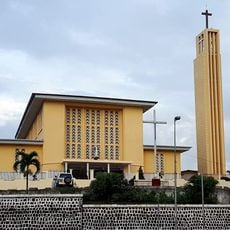
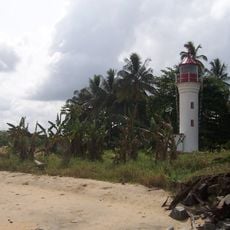
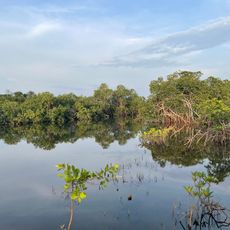
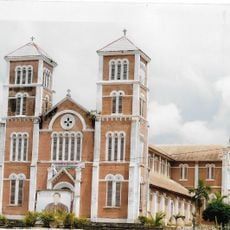
Spanish Guinea was a colonial territory on the west coast of Africa, consisting of the mainland region of Rio Muni and several islands scattered across the Gulf of Guinea. Administration centered on the island city of Malabo, which served as the hub for governance and trade.
Spain established this colonial territory in 1926 and maintained control for several decades. In 1968, Spanish rule ended and the territory became the independent nation of Equatorial Guinea.
The territory operated under Spanish administration, introducing the Spanish language and European governmental systems to the local populations.
The territory was economically centered on agriculture, particularly cocoa cultivation, timber exports, and coffee production. The natural harbor at Malabo played a key role in facilitating international trade and the shipment of these goods.
The capital city Malabo, originally named Santa Isabel, sits on the northern edge of a sunken volcanic crater on Bioko Island. This distinctive geographic location made it a natural hub for administration with special importance for maritime trade.
The community of curious travelers
AroundUs brings together thousands of curated places, local tips, and hidden gems, enriched daily by 92,238 contributors worldwide.