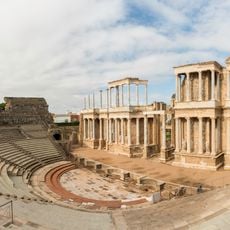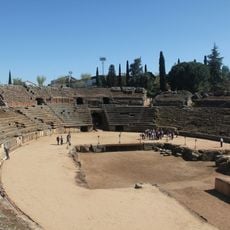
Roman Circus Maximus of Mérida, Roman circus ruins in Mérida, Spain
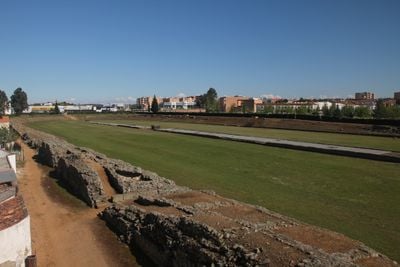
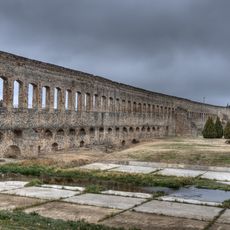
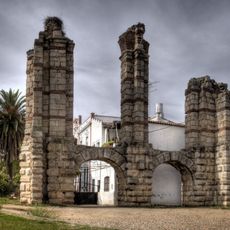
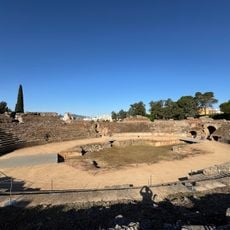
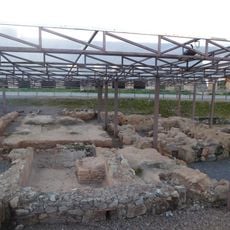
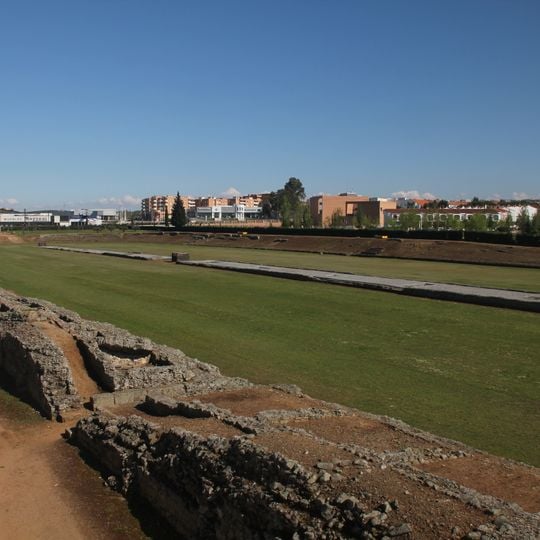
The Roman Circus of Mérida is an ancient chariot racing track in the Spanish city of Mérida, measuring about 495 meters long and 95 meters wide. The surviving remains show the main entrance, victory gate, and central dividing wall that once accommodated thousands of spectators watching racing events.
This racing ground was built around 20 BC during Emperor Augustus's reign in the Roman colony of Emerita Augusta. It remained in use for centuries, reflecting the enduring importance of this site as a center for public entertainment throughout the ancient city's history.
This space served as a gathering place for public entertainment, functioning longer than most Roman structures because early Christian society viewed chariot racing more favorably than theater performances. The races drew spectators from across the region who came to watch the competitions in what was one of the colony's most important social venues.
The site is easy to explore on foot, and the ruins are visible from several vantage points that give a good overview of the entire structure. Visiting in the early morning or late afternoon offers better light for viewing and photographing the ancient remains.
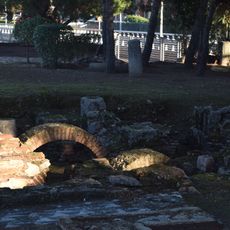
The construction cleverly used the natural slope of San Albín Hill, creating an artificial valley that served as the foundation for the racing ground. An ingenious drainage system with channels carved into stone managed rainwater and kept the entire structure stable throughout the ages.
The community of curious travelers
AroundUs brings together thousands of curated places, local tips, and hidden gems, enriched daily by 60,000 contributors worldwide.